Welcome to MCZDIRECT
Find your orders, invoices and saved addresses all in one place.
- Track your orders
- Invoices at your fingertips
- Saved addresses
Panasonic Lumix Lenses for L-Mount and Micro Four Thirds Cameras
Panasonic camera lenses to explore
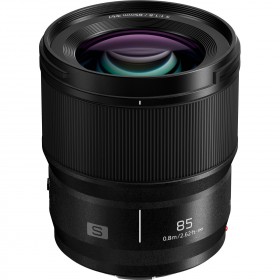
Panasonic Lumix S 85mm f/1.8
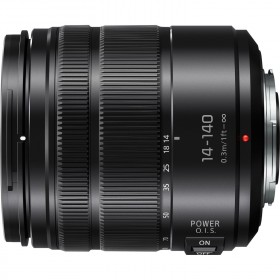
Panasonic Lumix G Vario 14-140mm f/3.5-5.6 II ASPH. POWER O.I.S.
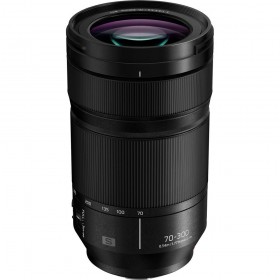
Panasonic Lumix S 70-300mm f/4.5-5.6 MACRO O.I.S.
Panasonic Lumix S 24-105mm f/4 Macro O.I.S.
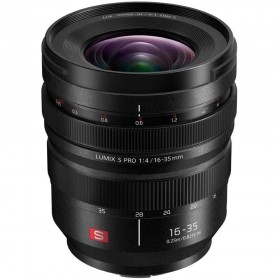
Panasonic Lumix S PRO 16-35mm f/4
Panasonic Lumix S PRO 70-200mm f/4 O.I.S.
Panasonic Leica DG Vario-Elmarit 50-200mm f/2.8-4 ASPH. POWER O.I.S.
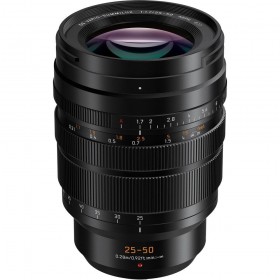
Panasonic Leica DG Vario-Summilux 25-50mm f/1.7 ASPH.
Panasonic Lumix S Pro 50mm F1.4
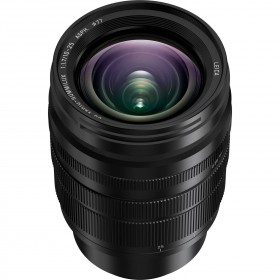
Panasonic Leica DG Summilux 10-25mm F1.7 Asph.
Panasonic Lumix S PRO 70-200mm f/2.8 O.I.S.
Panasonic Lumix S Pro 24-70mm F2.8
Frequently asked questions about Panasonic lenses
What is the difference between Panasonic Lumix S and Lumix G lenses?
The Lumix S lenses in this selection use L-Mount and cover full frame. The Lumix G lenses discussed here use Micro Four Thirds. Check your camera’s mount before choosing.
Can I use a Micro Four Thirds lens directly on a Lumix S camera?
No. Micro Four Thirds and L-Mount are different mounts. Choose a lens compatible with the mount on your camera.
Are Panasonic Micro Four Thirds lenses compatible with Olympus and OM System cameras?
They share the Micro Four Thirds mount standard with compatible cameras. Check the exact pairing for autofocus, stabilization, and other supported functions.
What Panasonic lens is good for travel?
An all-purpose zoom can cover changing subjects without frequent lens swaps. The Lumix G 14-140mm II is one option for Micro Four Thirds; the Lumix S 24-105mm f/4 is an L-Mount option. Choose by mount first.
What lens should I use for portraits on a Lumix S camera?
A 50mm can include more of the setting, while an 85mm frames more tightly from the same distance. Choose based on the space available and the portrait you want to make.
What is a good Panasonic lens for video?
The answer depends on your camera, room, and framing. Compare focal length, autofocus behavior, stabilization, and lens controls for the way you film.
Does optical stabilization freeze a moving subject?
No. Optical stabilization helps counter camera shake. A moving subject still requires an appropriate shutter speed.
What does O.I.S. mean on a Panasonic lens?
O.I.S. stands for optical image stabilization in the lens. Combined stabilization features depend on the camera and lens pairing.
Should I choose the Lumix S 24-105mm f/4 or the 24-70mm f/2.8?
The 24-105mm reaches farther and has optical stabilization. The 24-70mm offers a constant f/2.8 maximum aperture. Consider your need for reach, light, and carrying size.
What does the 2× crop factor mean on Micro Four Thirds?
It compares field of view with full frame. A 25mm lens on Micro Four Thirds frames approximately like a 50mm on full frame; its actual focal length remains 25mm.
What Panasonic lens should I use for wildlife?
A telephoto or telephoto zoom helps frame distant animals. Choose a mount-compatible model with enough reach for your usual subjects and a size you can carry comfortably.
Does Macro always mean 1:1 magnification?
No. Lens names alone do not establish the reproduction ratio. Check the product’s maximum magnification and minimum focus distance.
Is a wide-angle lens useful indoors?
It can include more of a room when you cannot move farther back. The angle you need depends on the room and your intended composition.
Are L-Mount lenses from other brands compatible with Lumix S?
Several manufacturers make L-Mount lenses. Check the mount, sensor coverage, and the functions supported by your specific camera and lens.
Can I use a Panasonic lens for both photos and video?
Many lenses can serve both. Consider the focal range for your stills along with the autofocus, stabilization, and controls you need when filming.