MIRRORLESS CAMERAS
Available mirrorless cameras
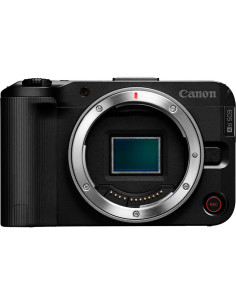
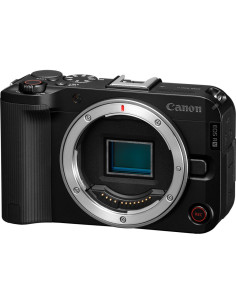
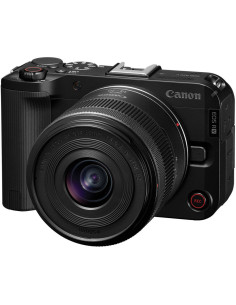
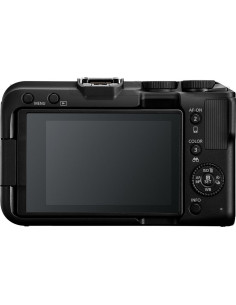
Canon EOS R50 V – 4K Mirrorless for Creators
Canon EOS R50 V + RF-S 14-30mm IS STM PZ - Mirrorless Camera
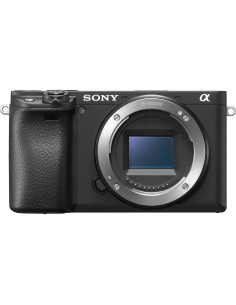
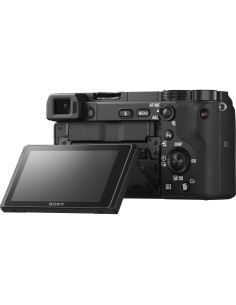
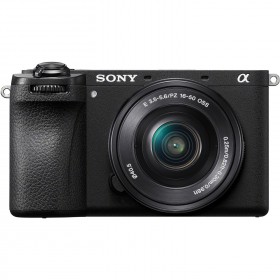
Sony Alpha 6400 Body Black + SEL E PZ 16-50 mm f/3,5-5,6 OSS
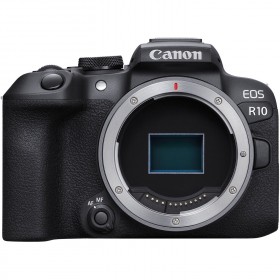
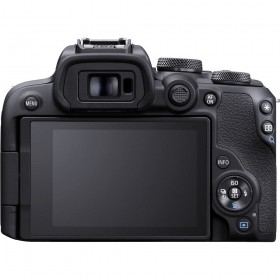
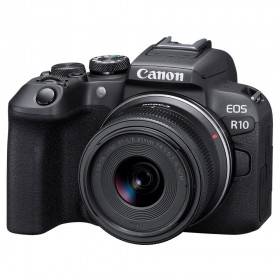
Canon EOS R10 Body - APS-C Mirrorless Camera
Canon EOS R10 + RF-S 18-45mm f/4.5-6.3 IS STM APS-C
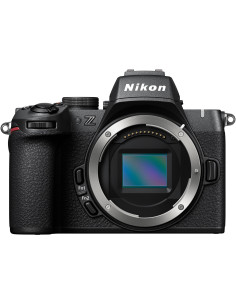
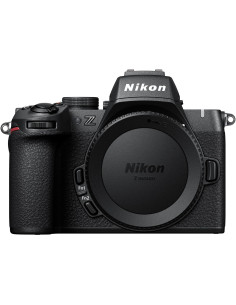
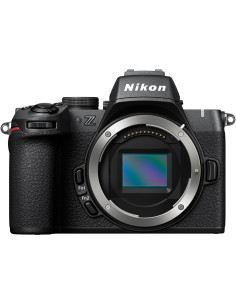
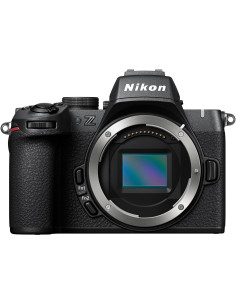
Nikon Z50 II – APS-C 4K Mirrorless Camera
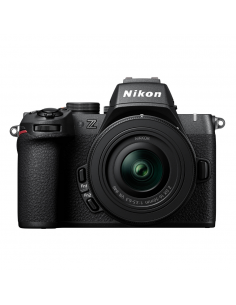
Nikon Z50 II + 16-50mm f/3.5-6.3 VR
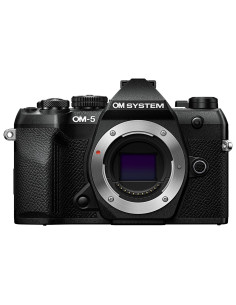
OM SYSTEM OM-5 Mark II Mirrorless Camera (Black)
Canon EOS R10 + RF-S 18-150mm f/4.5-6.3 IS STM APS-C
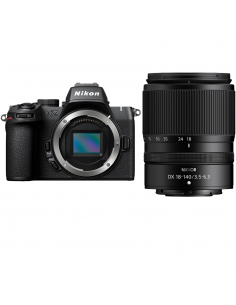
Nikon Z50 II + 18-140mm f/3.5-6.3 VR
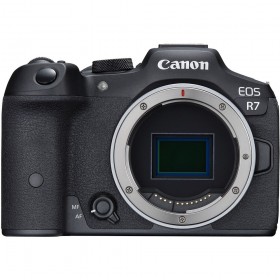
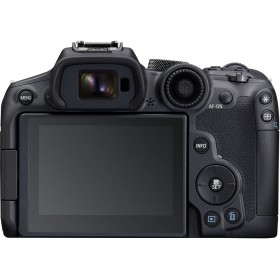
Canon EOS R7 Body Only - Mirrorless Camera
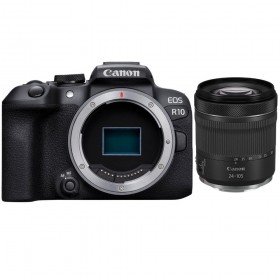
Canon EOS R10 + RF 24-105mm F4-7.1 IS STM APS-C
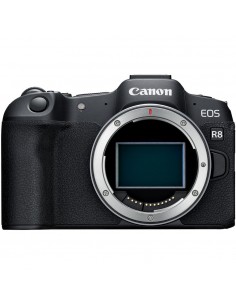
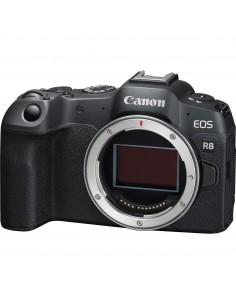
Canon EOS R8 Body - Full Frame Mirrorless Camera
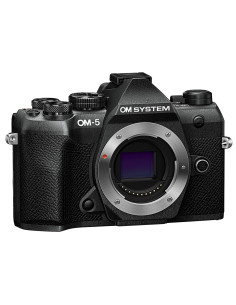
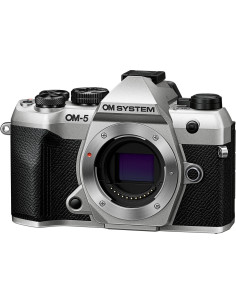
OM SYSTEM OM-5 Mark II Mirrorless Camera (Silver)
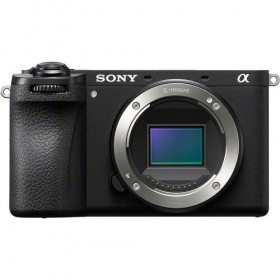
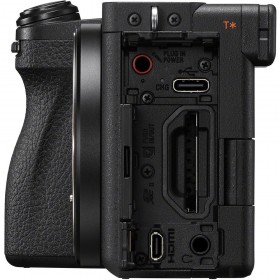
Sony Alpha 6700 Body
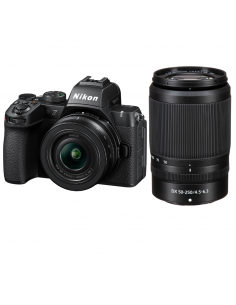
Nikon Z50 II + 16-50mm + 50-250mm
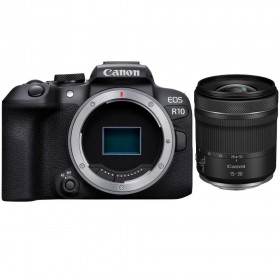
Canon EOS R10 + RF 15-30mm F4.5-6.3 IS STM APS-C
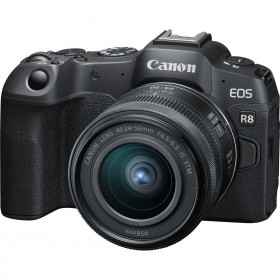
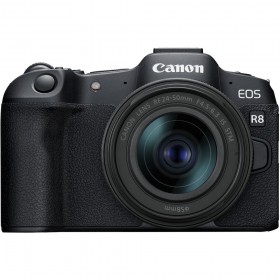
Canon EOS R8 + RF 24-50mm f/4.5-6.3 IS STM - Full Frame Mirrorless Camera
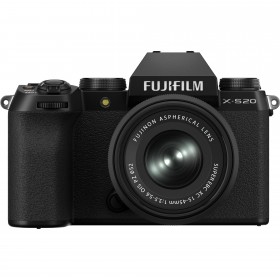
Fujifilm XS20 Body
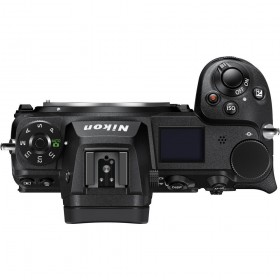
Nikon Z6 II Body
Fujifilm XS20 + 15-45mm f/3.5-5.6 OIS PZ
Sony A6700 + 16-50mm f/3.5-5.6 OSS - Mirrorless Camera
Mirrorless Cameras FAQ
What is a mirrorless camera?
A mirrorless camera is a digital camera built without a reflex mirror. Light travels straight through the lens and hits the sensor directly - no mirror box, no optical prism assembly standing in the way.
That single design choice reshapes the entire body. The viewfinder becomes electronic (EVF), showing exposure, colour and white balance in real time, before you even press the shutter.
Mirrorless architecture is built for speed and compactness. With no mirror to flip, burst rates climb, autofocus reacts faster, and the body drops weight. That's exactly why mirrorless has taken over from professionals to weekend shooters over the last decade.
Sony, Nikon, Canon, Fujifilm and OM System each run their own mirrorless lineup, with different mounts and design philosophies built on the same core technology.
DSLR vs mirrorless: which should you choose?
The DSLR vs mirrorless decision comes down to five concrete factors.
- Weight and size: a mirrorless body typically weighs 200 to 400g less than an equivalent DSLR, thanks to the missing mirror and prism.
- Autofocus: mirrorless autofocus covers almost the entire frame and tracks eyes, faces and animals continuously. DSLR autofocus stays more limited, especially in live-view shooting.
- Viewfinder: the mirrorless EVF shows the final result live, simulating exposure and filters. The DSLR's optical viewfinder shows the raw scene, with no simulation.
- Battery life: this is where DSLR still wins. An optical viewfinder draws no power, unlike a screen or a permanently active EVF.
- Video: mirrorless dominates outright, with strong continuous autofocus and native 4K/6K frame rates across most recent models.
For versatile use, travel or video work, mirrorless is now the more rational choice in the DSLR vs mirrorless comparison. DSLR still holds appeal if raw battery life matters most, or if you already own a full DSLR lens collection.
What is the best full-frame mirrorless camera?
The best full-frame mirrorless camera depends on your priority, not just the badge on the body.
- All-round versatility: the Sony A7 IV remains a benchmark, with 33MP and smooth 4K 60p video.
- Professional photo and video: the Canon EOS R6 Mark III combines 32.5MP, a 40fps burst and internal 7K RAW video.
- Full-frame entry point: the Nikon Z5 II opens the door to 24x36 sensors with a 60fps burst, at a friendlier price than the rest of the Z range.
- High resolution: the Sony A7R V climbs to 61MP for landscape, studio and large-format printing.
- Compactness: the Sony A7C II keeps a full-frame sensor in a body close to APS-C dimensions.
Every full-frame mirrorless camera in our range targets a specific use case. Your final choice comes down to burst speed, resolution, video, or weight.
What lens should you choose for a mirrorless camera?
Choosing a lens starts with the mount, not the focal length. Each brand locks its own ecosystem: Sony E, Nikon Z, Canon RF, Fujifilm X, and Micro Four Thirds for OM System.
A Sony E lens won't fit a Canon RF body, and vice versa. This mount decision shapes every future purchase - lenses, adapters, accessories, all of it.
For a first, versatile lens, three options dominate the market:
- A standard f/2.8 zoom (24-70mm or equivalent) to cover portrait, landscape and reportage with a single lens.
- A 50mm f/1.8 - light, fast, and ideal for low light and background blur.
- A telephoto zoom (70-200mm or 100-400mm) for sport, wildlife or tight portraits.
Every mirrorless ecosystem expands with new glass every year. Investing in a mount means investing in an entire system, not just a body.
What is the best 4K mirrorless camera?
The best 4K mirrorless camera shoots smooth, oversampled UHD footage with no crop penalty and no overheating limit cutting your session short. The Sony A7 IV, Nikon Z6 III and Fujifilm X-T5 all deliver clean 4K well beyond 30 minutes of continuous recording.
For creators pushing further, several mirrorless bodies now go beyond 4K. The Nikon Z6 III shoots 6K60 uncropped with IBIS stabilisation rated up to 8 stops, while the Panasonic Lumix S5 II and GH7 record internal 6K with an "open gate" mode that uses the full sensor area for flexible reframing in post.
Canon pushes the ceiling even higher: the EOS R6 Mark III reaches 7K RAW internally, and the R5 Mark II hits 8K 60p for the most demanding productions.
A 4K or 6K mirrorless camera changes what's possible in the edit - more room to reframe, more detail retained, and a sharp image even after a digital zoom in post-production.
What is the best brand of mirrorless camera?
There's no single best brand in absolute terms - every mirrorless ecosystem excels in a specific area, and the right pick depends entirely on how you shoot.
- Sony Alpha: the widest E-mount lens catalogue on the market, plus the most advanced autofocus for wildlife, sport and high-frame-rate video.
- Nikon Z: skin-tone colour rendering that's a favourite for portrait work, refined ergonomics, and a Z range spanning entry-level (Z5 II) through to professional (Z8, Z9).
- Fujifilm X: compact APS-C bodies, distinctive film simulations (Classic Chrome, Provia), and a look widely loved for street and film-style photography.
- OM System: the lightest Micro Four Thirds bodies on the market, some of the most effective IBIS stabilisation around, and rugged build quality suited to outdoor and lightweight wildlife work.
- Canon EOS R: Dual Pixel autofocus that's exceptionally reliable for eye and face detection, a fast-expanding RF mount, and professional-grade video on the R5 Mark II and R6 Mark III.
Unlike a single-brand retailer that can only point you toward its own range, MCZ Direct compares all five ecosystems side by side. You pick the mount that actually fits your practice, not the one the shop happens to stock.
Compact vs full-frame mirrorless: what's the difference?
For getting started, a compact mirrorless camera with an APS-C sensor is the more rational pick. Smaller bodies, smaller lenses, friendlier prices (Sony A6700, Fujifilm X-T5, Nikon Z50 II) - you learn the craft without committing to a premium mount straight away.
Full-frame earns its place when low light and dynamic range become the priority. A 24x36 sensor captures more light per pixel, which means less digital noise at night and more headroom when processing RAW files.
Three quick markers to help you decide:
- Tight budget, first body: go compact mirrorless, light and easy to grow with.
- Frequent video or low-light work: aim straight for full-frame, like the Sony A7 IV or Nikon Z5 II.
- Lenses already in a native mount: check APS-C/full-frame compatibility before switching sensor size - some APS-C lenses crop the image on a full-frame body.
Nothing stops you starting on a compact mirrorless camera and moving to full-frame later. Most mounts (E, Z, RF) stay compatible across sensor formats.
Where to buy a mirrorless camera at the best price?
At MCZ Direct, every mirrorless camera carries a competitive price, checked continuously against the market. Our stock spans Sony Alpha, Nikon Z, Canon EOS R, Fujifilm X and OM System, with availability confirmed before every order goes through.
Our customers back this up: MCZ Direct holds a 4.7/5 rating on Trustpilot, built on more than 435 verified reviews. That level of satisfaction speaks to how reliably we handle purchases at this budget level.
Our team advises every buyer on body, lens and accessory choice, so the mirrorless camera you land on actually matches how you shoot.
Looking for a Canon model? Discover our dedicated Canon mirrorless range: Canon mirrorless camera.