Welcome to MCZDIRECT
Find your orders, invoices and saved addresses all in one place.
- Track your orders
- Invoices at your fingertips
- Saved addresses
Sony E-Mount Lenses for Full-Frame and APS-C Cameras
Sony camera lenses to explore
Sony E 11mm F1.8
Sony FE 24mm F2.8 G
Sony FE 2.0x Teleconverter (SEL20TC)
Sony FE 50mm F2.5 G
Sony FE 1.4x Teleconverter (SEL14TC)
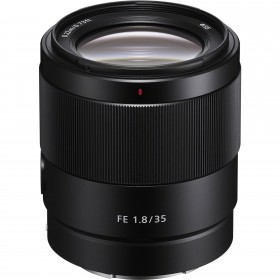
Sony FE 35mm f/1.8
Sony E 15mm F1.4 G
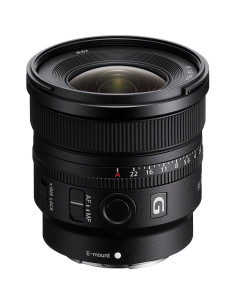
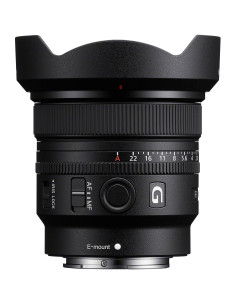
Sony E 10-20mm F4 PZ G
Sony FE 40mm F2.5 G
Sony FE 90mm f/2.8 Macro G OSS
Sony FE 20mm f/1.8 G
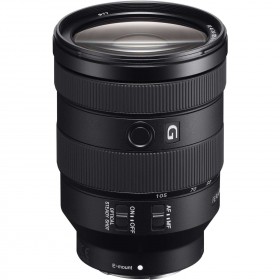
Sony FE 24-105mm f/4 G OSS
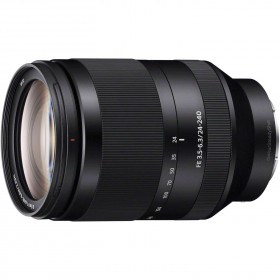
Sony FE 24-240 mm f/3.5-6.3 OSS
Sony FE 16mm f/1.8 G
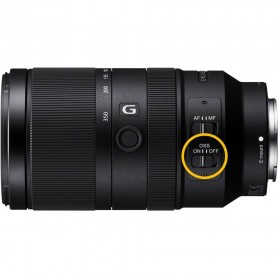
Sony E 70-350mm f/4.5-6.3 G OSS
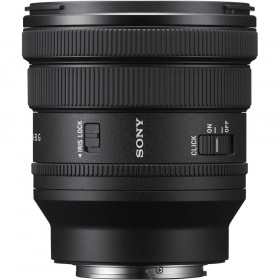
Sony FE 16-35mm PZ F4 G
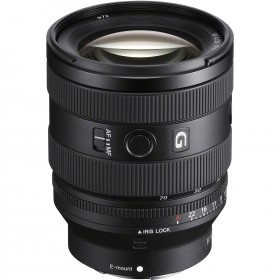
Sony FE 20-70mm f/4 G
Sony FE 24mm F1.4 GM
Sony FE 24-50mm f/2.8 G
Sony E 16-55mm f/2.8 G
Sony FE 16-25mm f/2.8 G
Sony FE 35mm f/1.4 GM
Sony FE 85mm F1.4 GM
Frequently asked questions about Sony E-mount lenses
Which Sony lens should I buy first?
A standard zoom is a useful starting point if you want to photograph family, travel and everyday scenes. If you already own one, identify what it does not do for you: a brighter prime, a wider lens or a longer telephoto may be the more useful next purchase.
What is the difference between Sony E and FE lenses?
Both use Sony's E mount. Sony FE lenses cover full-frame sensors; lenses labeled E are generally designed for APS-C coverage. Check the model's stated format before choosing.
Can I use a Sony FE lens on an APS-C camera?
Yes, a compatible Sony E-mount APS-C camera can use an FE lens. Its smaller sensor gives a narrower field of view, roughly equivalent to using a focal length 1.5 times longer on full frame.
Can I use an APS-C lens on a full-frame Sony camera?
A compatible E-mount APS-C lens can be attached. A full-frame camera can use an APS-C crop mode, which records a smaller image area; the resulting resolution depends on the camera and settings.
Which Sony lens is useful for travel?
A 24–105mm zoom gives a flexible full-frame range for many trips. If longer reach matters, consider a 24–240mm; if wider interior and landscape views matter more, consider a 20–70mm. Compare size, aperture and range against your own plans.
What is a good Sony lens for portraits?
A 50mm or 85mm lens is a useful place to start on full frame. A 35mm includes more surroundings. Think about the working distance available and whether you want environmental portraits or tighter framing.
Which Sony E-mount lens should I consider for birds?
A long telephoto zoom such as a 200–600mm can be useful when birds remain distant. Consider carrying weight and available light as well as reach; birds in flight also require a sufficiently fast shutter speed.
Is a prime lens better than a zoom?
It depends on the situation. A prime has one focal length and may offer a wider aperture or smaller size; a zoom gives you several focal lengths in one lens. Compare the specific models you would actually carry and use.
What does OSS mean on a Sony lens?
OSS stands for Optical SteadyShot, Sony's optical image stabilization. It helps reduce blur caused by camera movement, but it does not stop subject motion.
Can I use a Sony macro lens for portraits?
Yes. A macro lens can also focus on subjects farther away. A 90mm macro can work for tighter full-frame portraits, provided you have enough room to position yourself.
Which Sony lens is suitable for a wide view on APS-C?
A lens designed for APS-C, such as the Sony E 11mm F1.8, offers a broad field of view. Compare the equivalent angle of view and your intended use—landscape, interior or video—before deciding.
Do all Sony E-mount lenses work with Sony teleconverters?
No. Sony teleconverters are designed for specific compatible lenses. Check the lens, converter and camera combination, along with any operating limitations, before purchase.
What happens to aperture with a teleconverter?
A 1.4x converter reduces the maximum aperture by one stop; a 2x converter reduces it by two. This affects how much light reaches the sensor and may influence the settings you need.
Are Sony E-mount lenses compatible with older A-mount cameras?
E-mount and A-mount are different systems. E-mount lenses are not native A-mount lenses. In the other direction, some A-mount lenses can be used on E-mount bodies with a compatible adapter; supported functions vary.
What is the difference between Sony G and G Master lenses?
G and G Master identify Sony lens lines. Compare individual lenses by focal length, aperture, dimensions, controls and the requirements of your photography rather than selecting on the label alone.
Which Sony lens is best for video?
The best fit depends on the scene and how you work. A wide lens helps in a small room; a zoom adds framing flexibility; a bright prime helps in lower light. Consider focus behavior, camera compatibility, weight and whether power zoom matters to you.
Can I use the same lens for landscapes and portraits?
Yes. A standard zoom can cover wider landscapes and tighter portraits, while a 35mm or 50mm prime can suit both with different compositions. The right choice depends on your preferred framing and how much room you have to move.
Should I choose a 100–400mm or a 200–600mm Sony lens?
The 100–400mm starts wider and can be useful when subject distance varies. The 200–600mm reaches farther for distant wildlife, but starts at a longer focal length. Compare reach, size, weight and where you plan to photograph.
How do I check whether a lens fits my Sony camera?
Confirm the camera mount, the lens mount and whether the lens covers your sensor format. Then check the manufacturer's compatibility information for any functions that matter to you, especially when using an adapter or teleconverter.