My basket0 items



Find your orders, invoices and saved addresses all in one place.
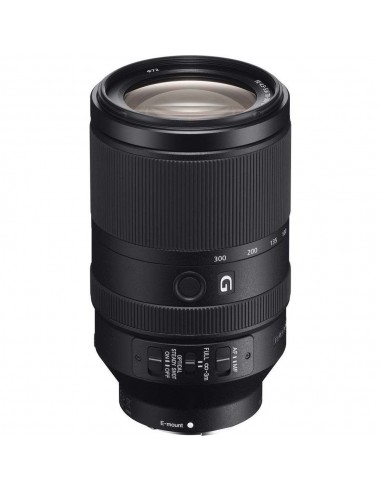
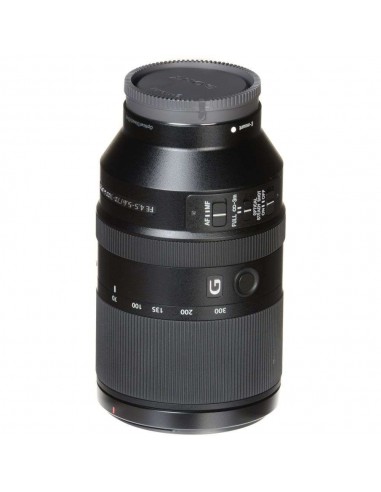
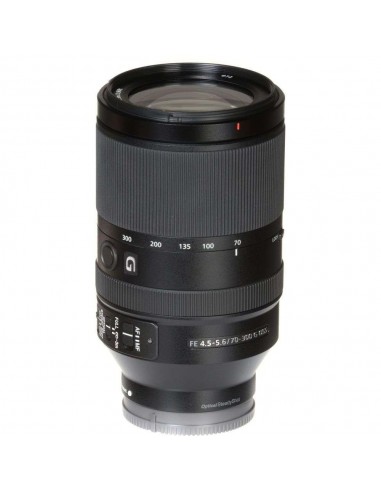
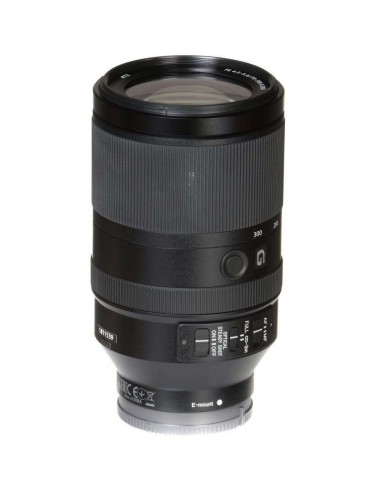
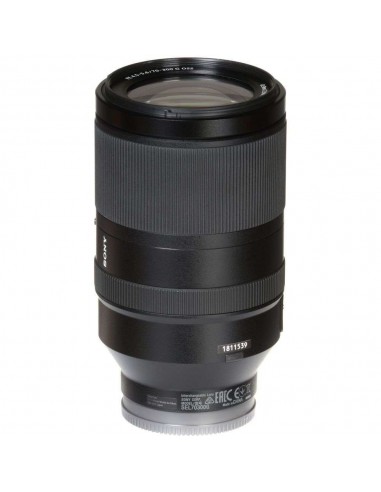
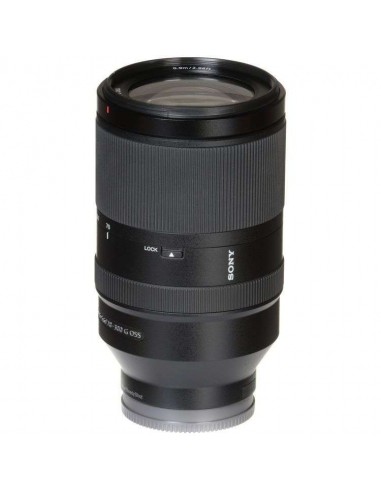
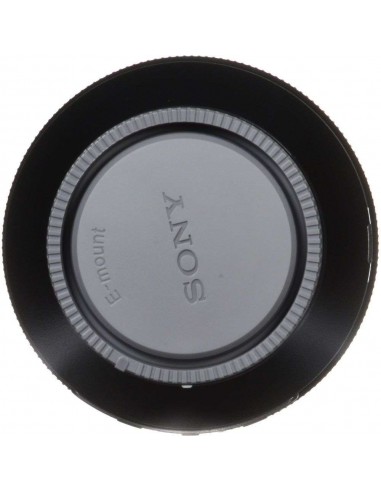
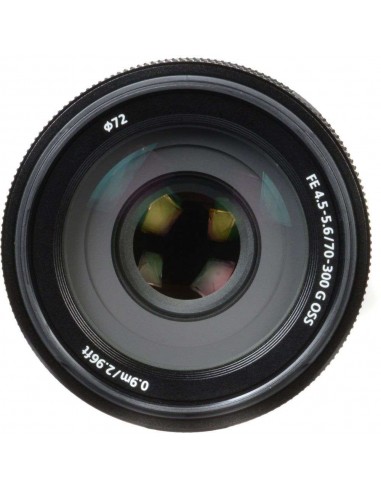
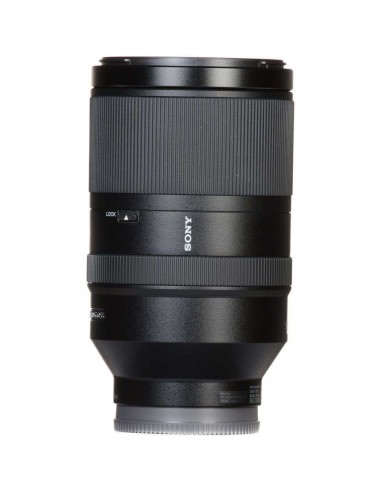
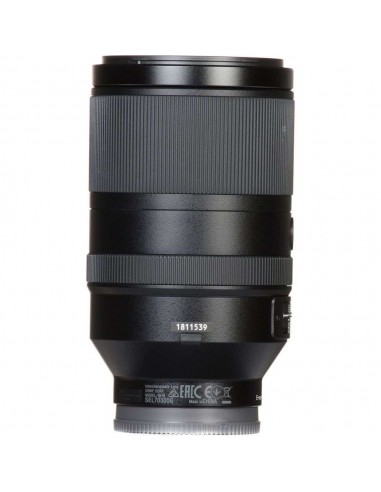
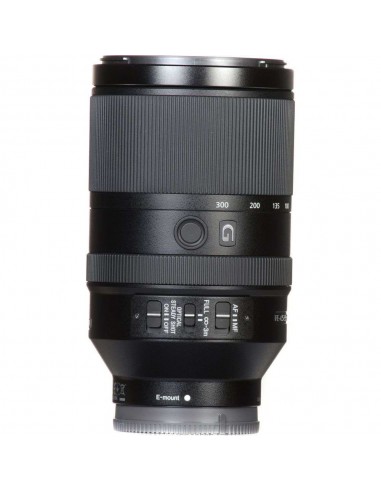
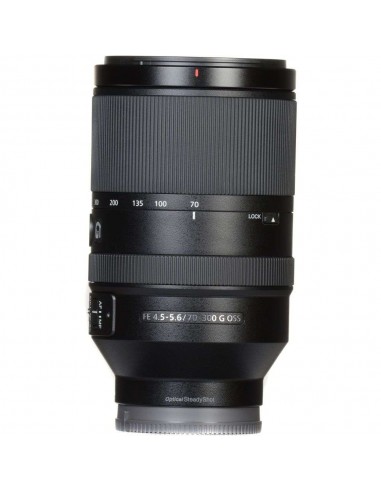
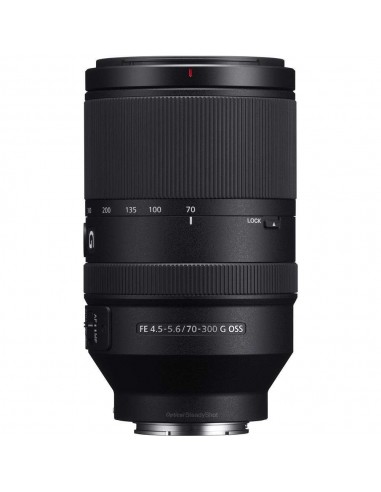
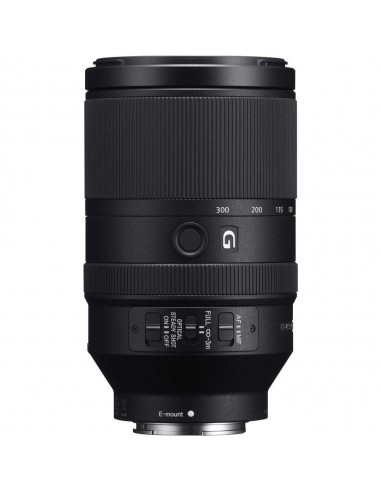
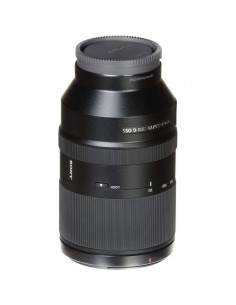
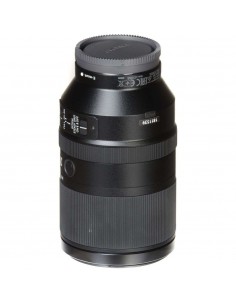
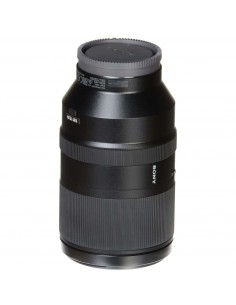
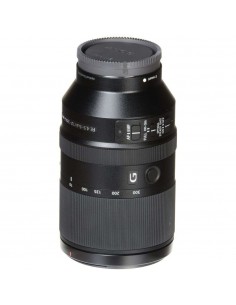
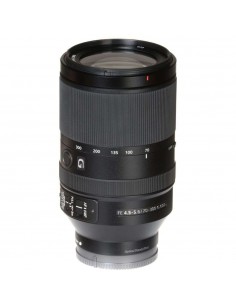
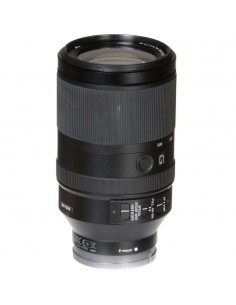
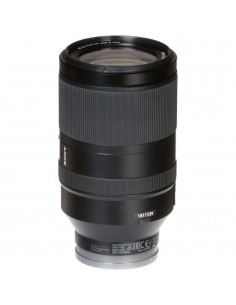
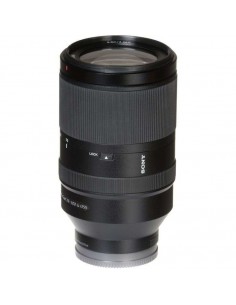
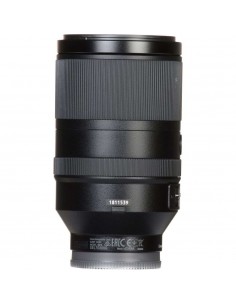
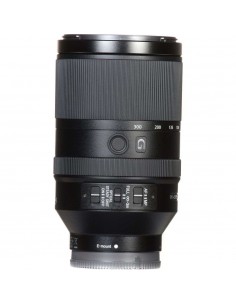
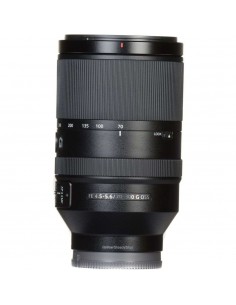
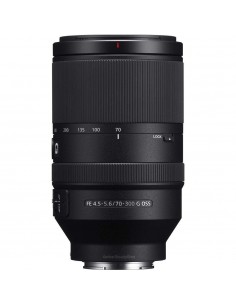
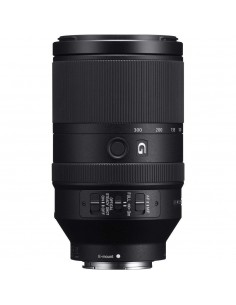
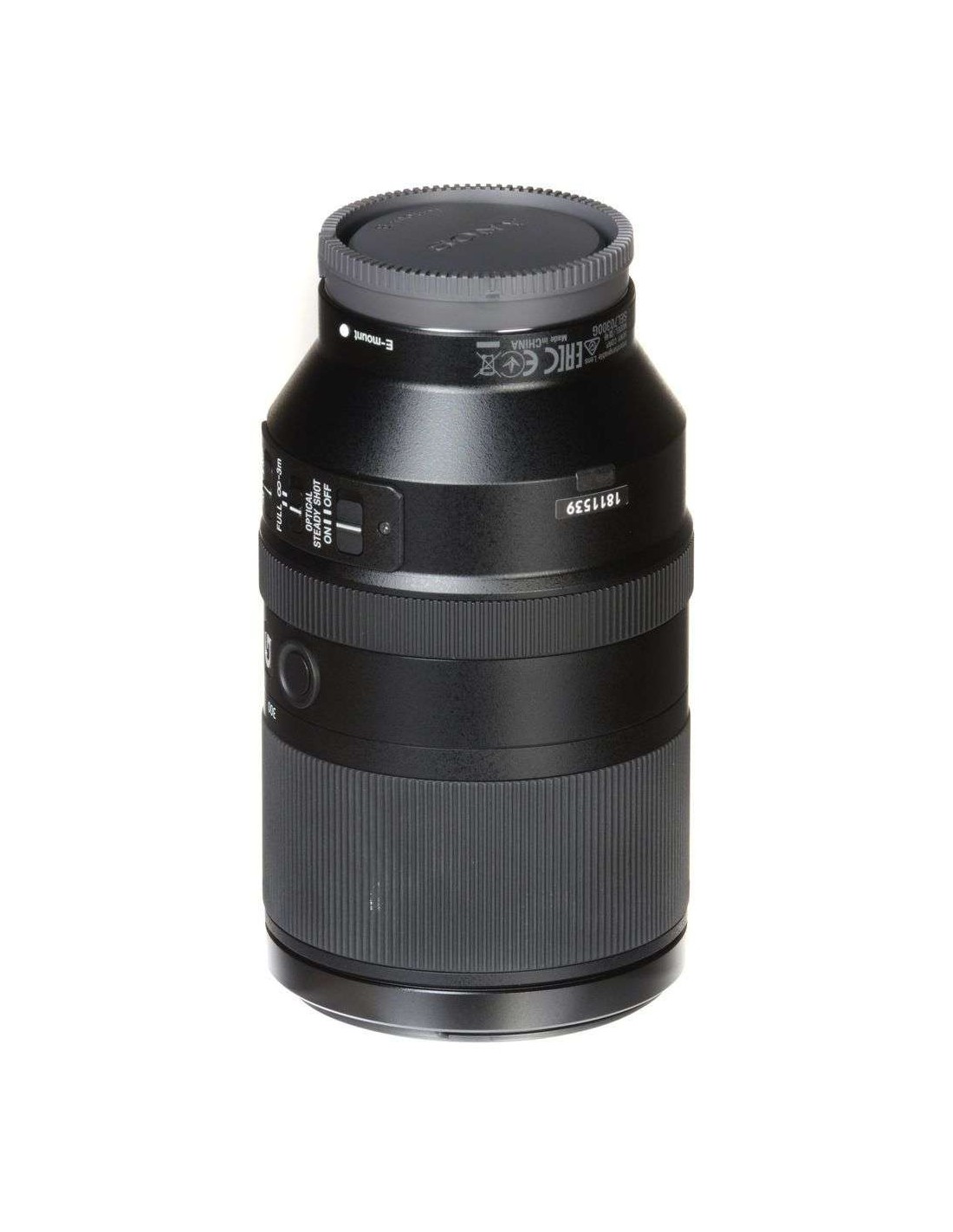
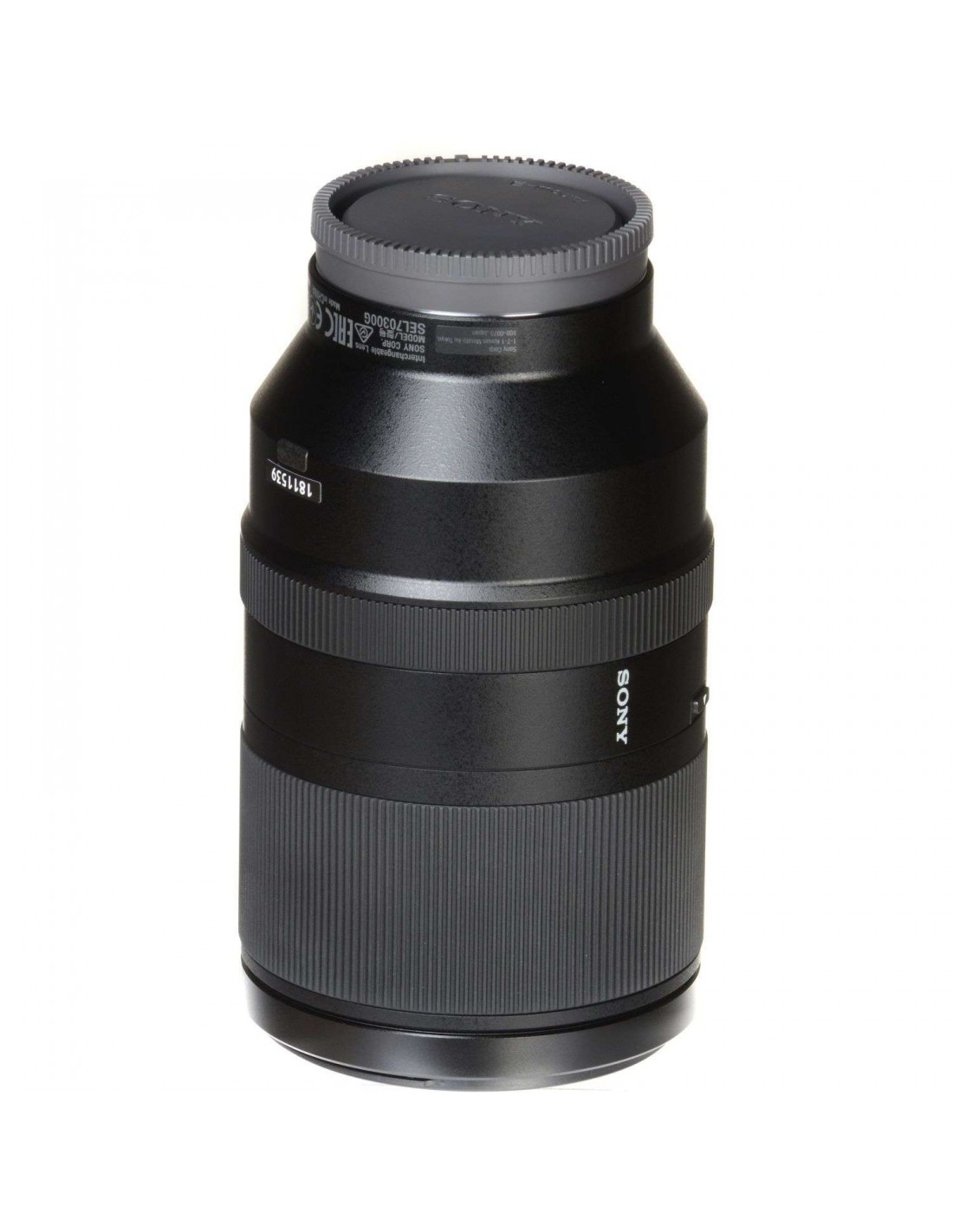
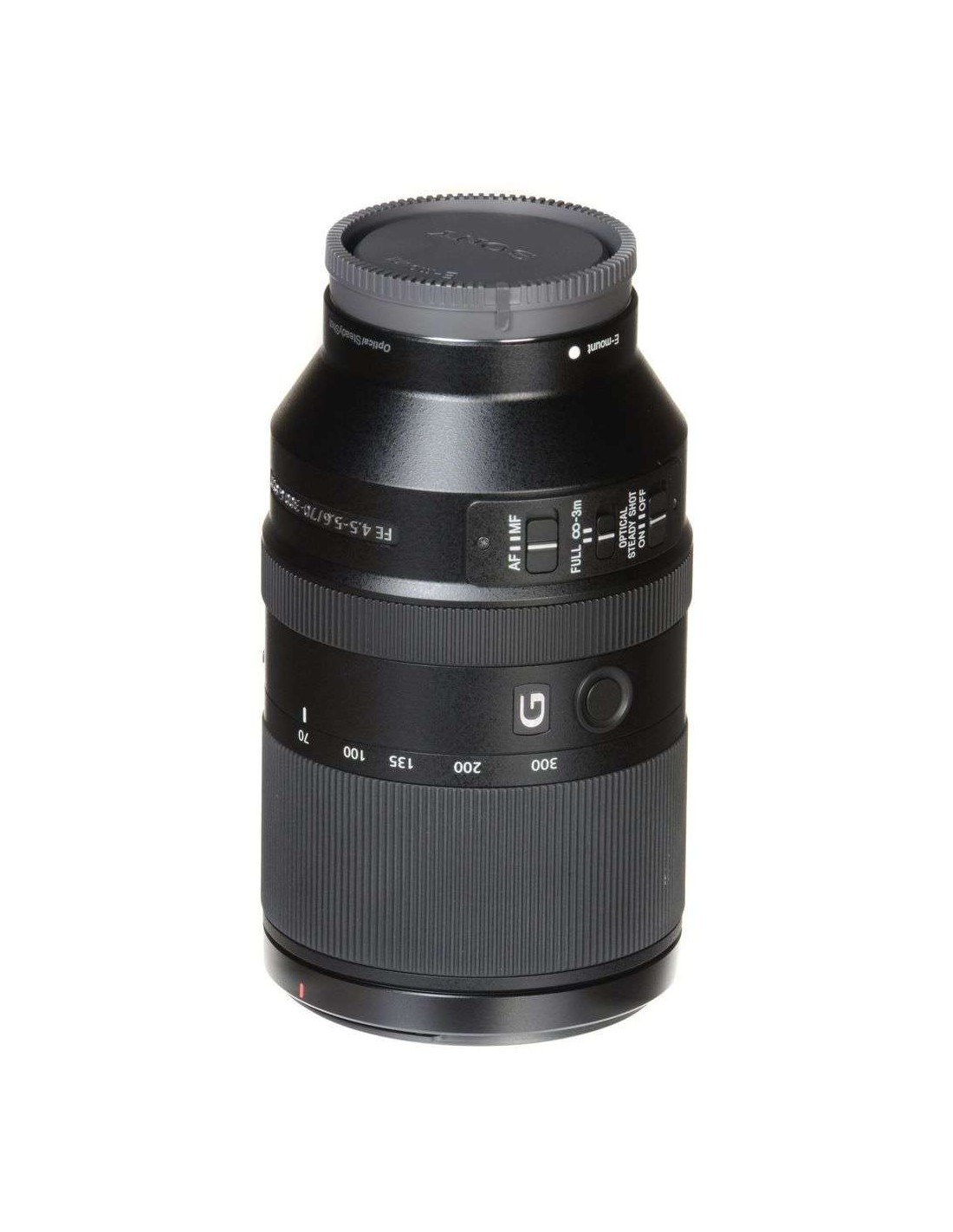
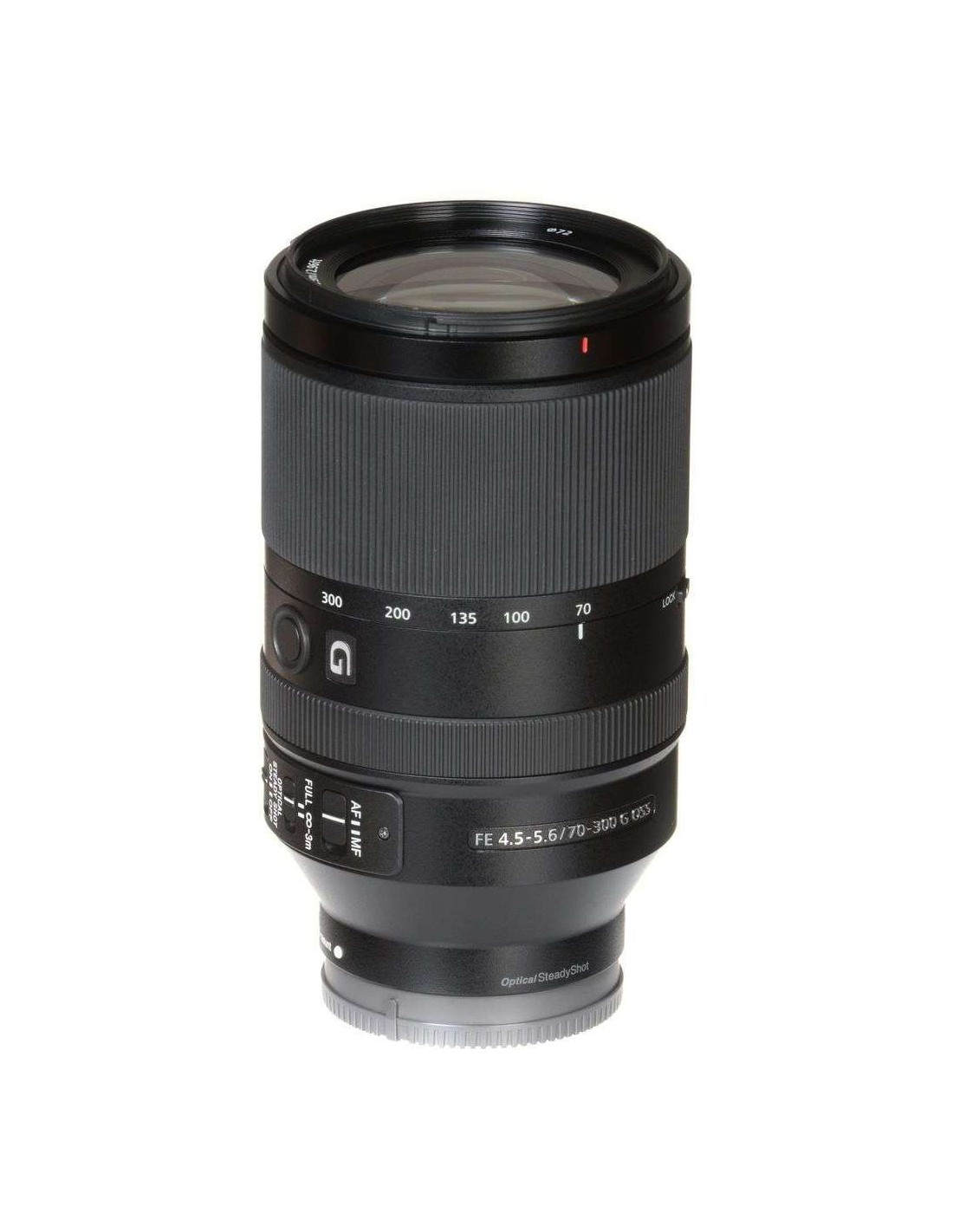
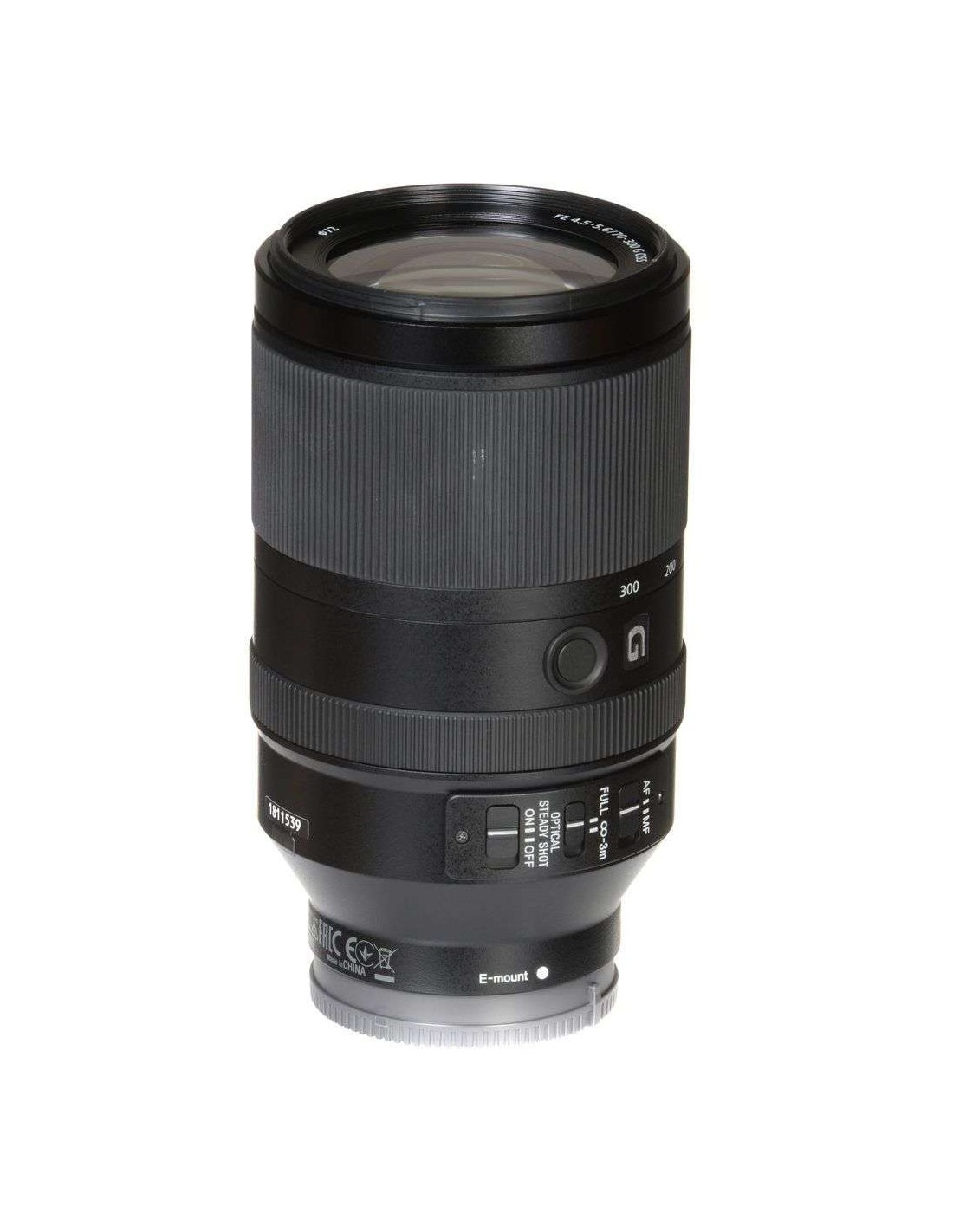
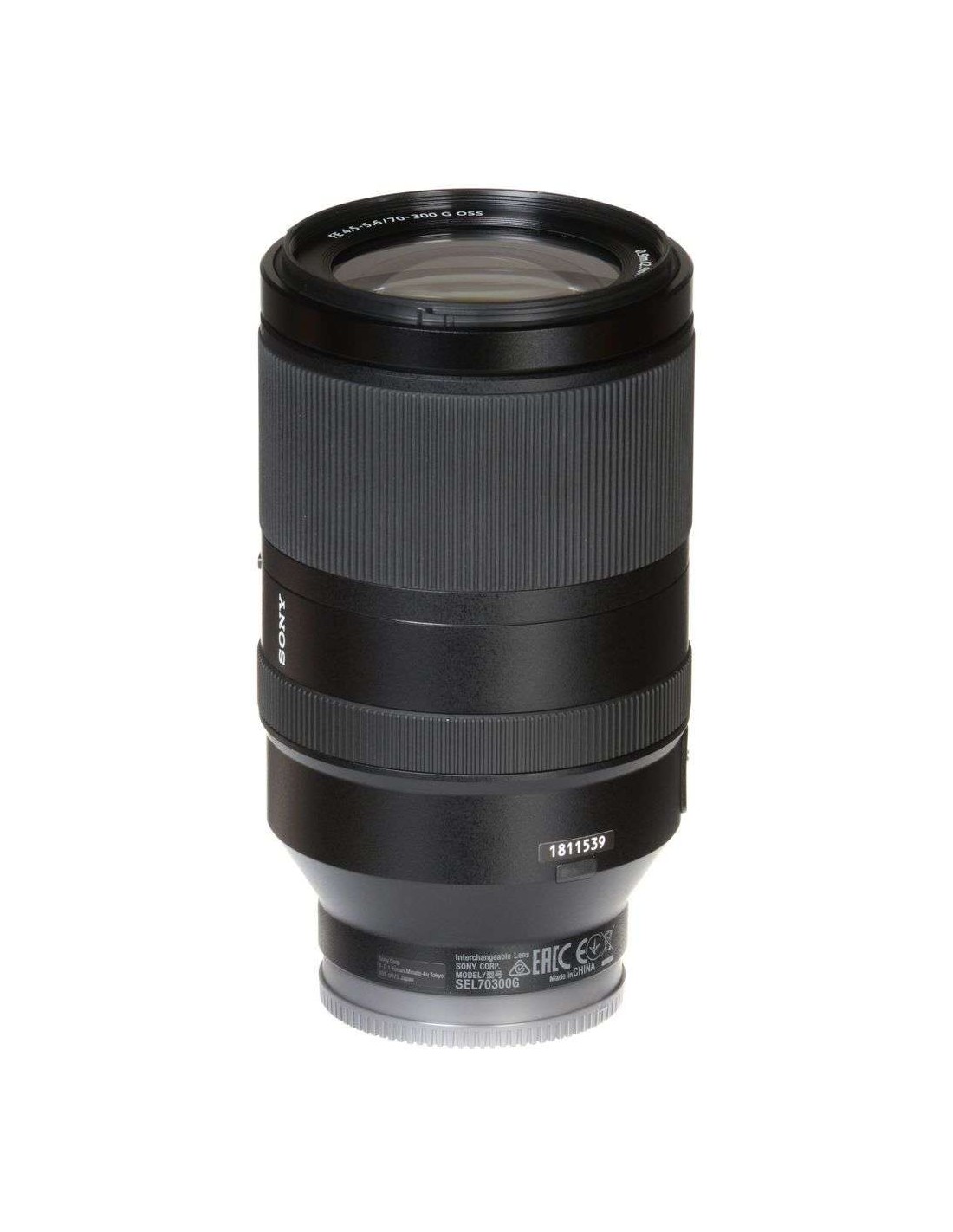
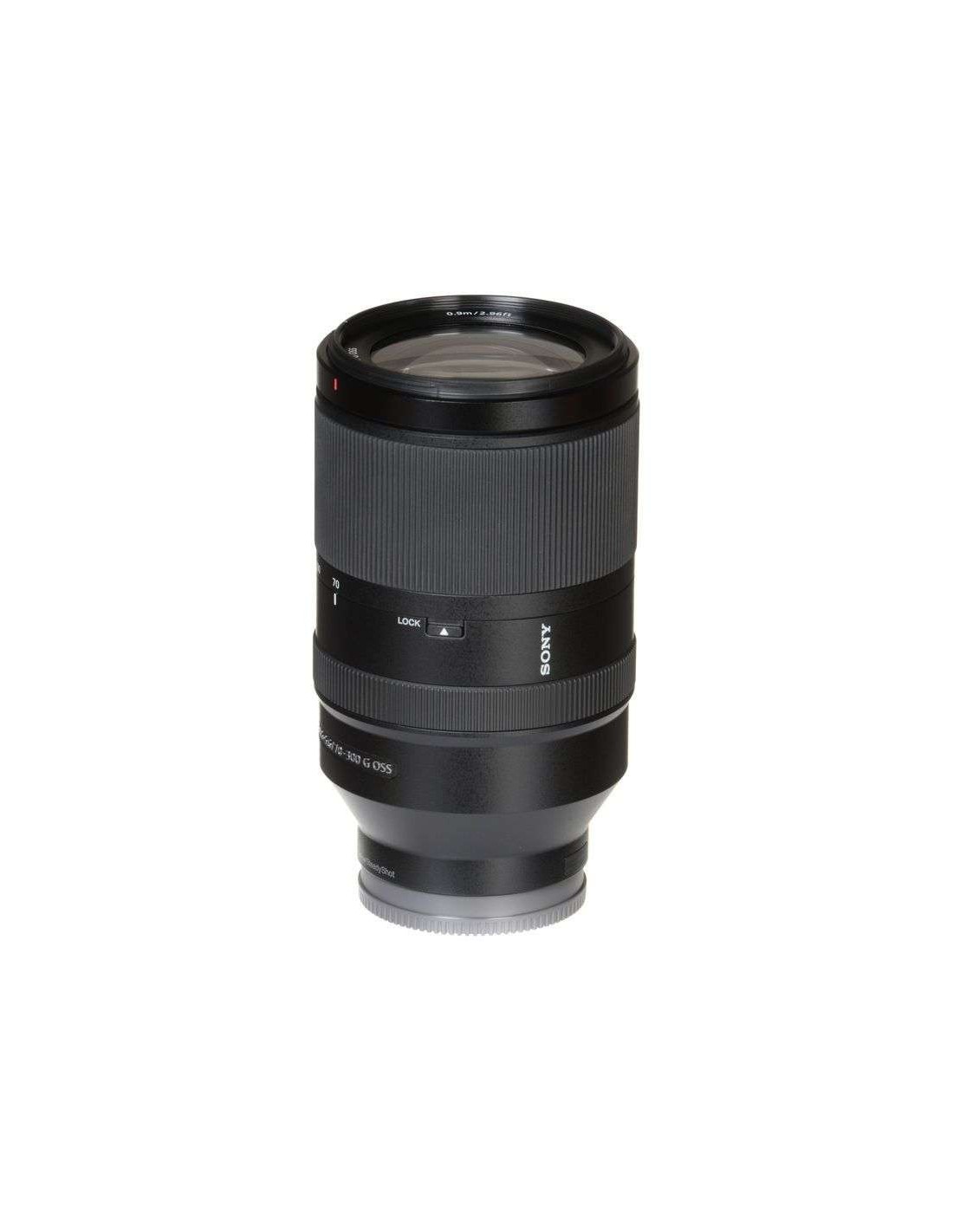
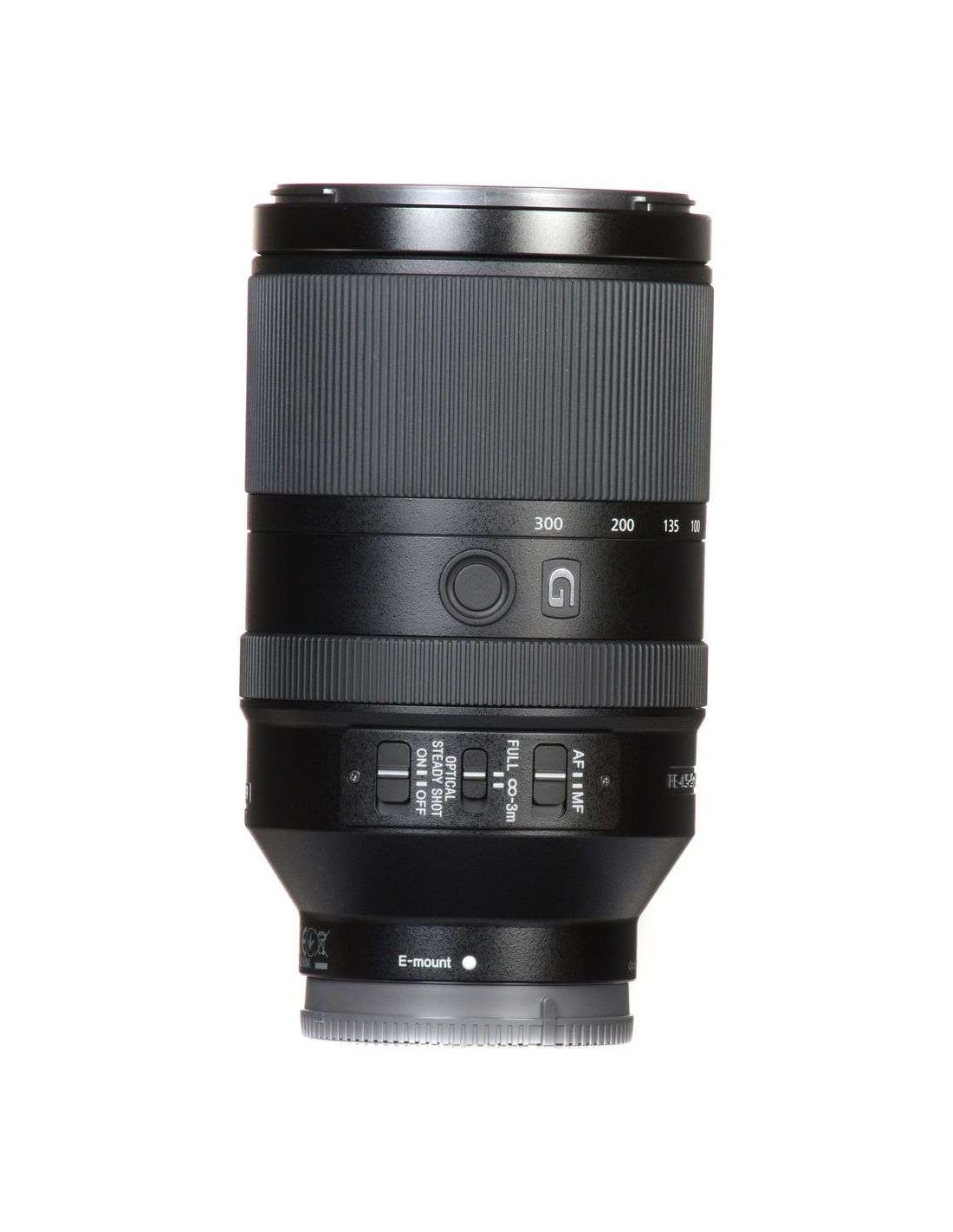
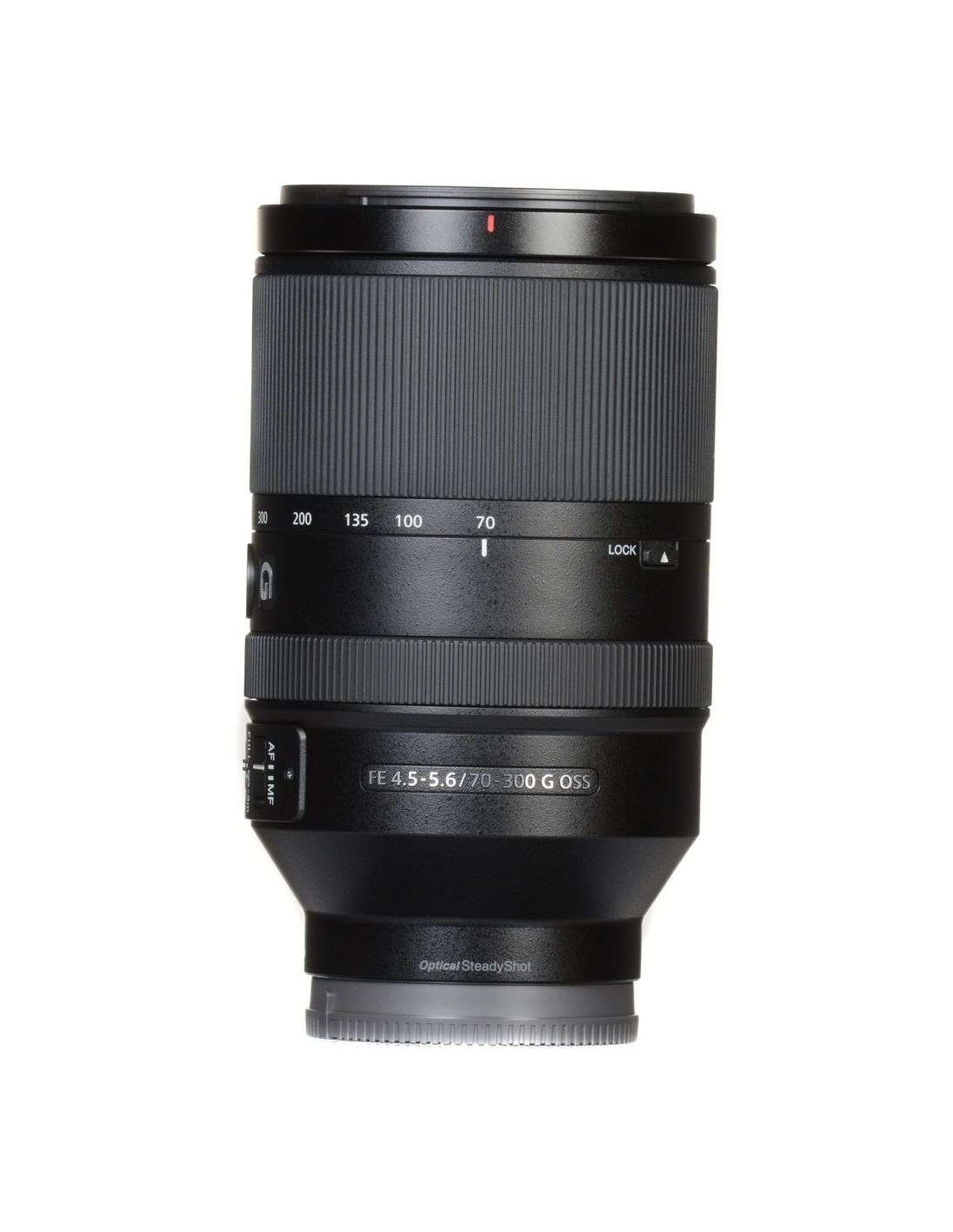
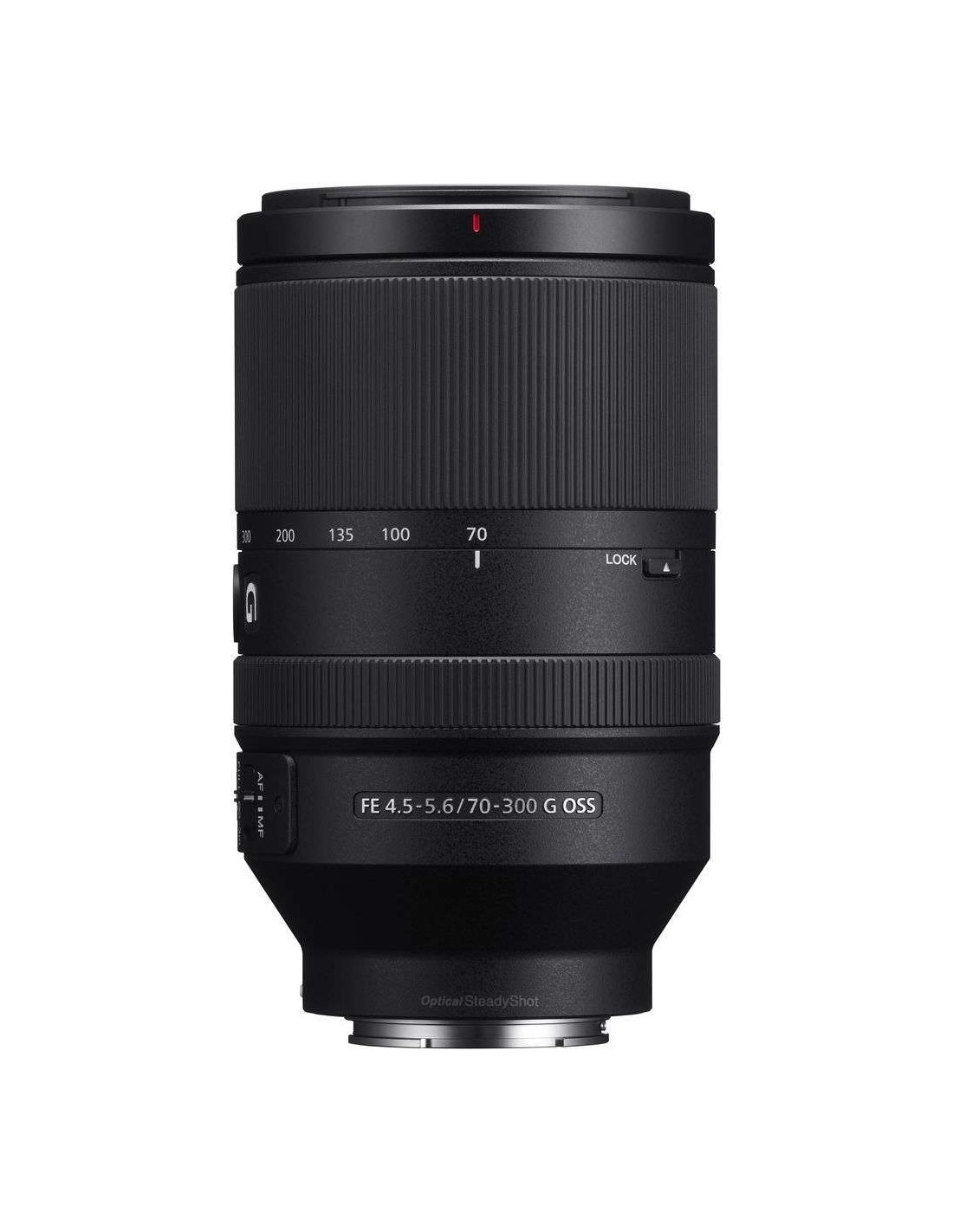
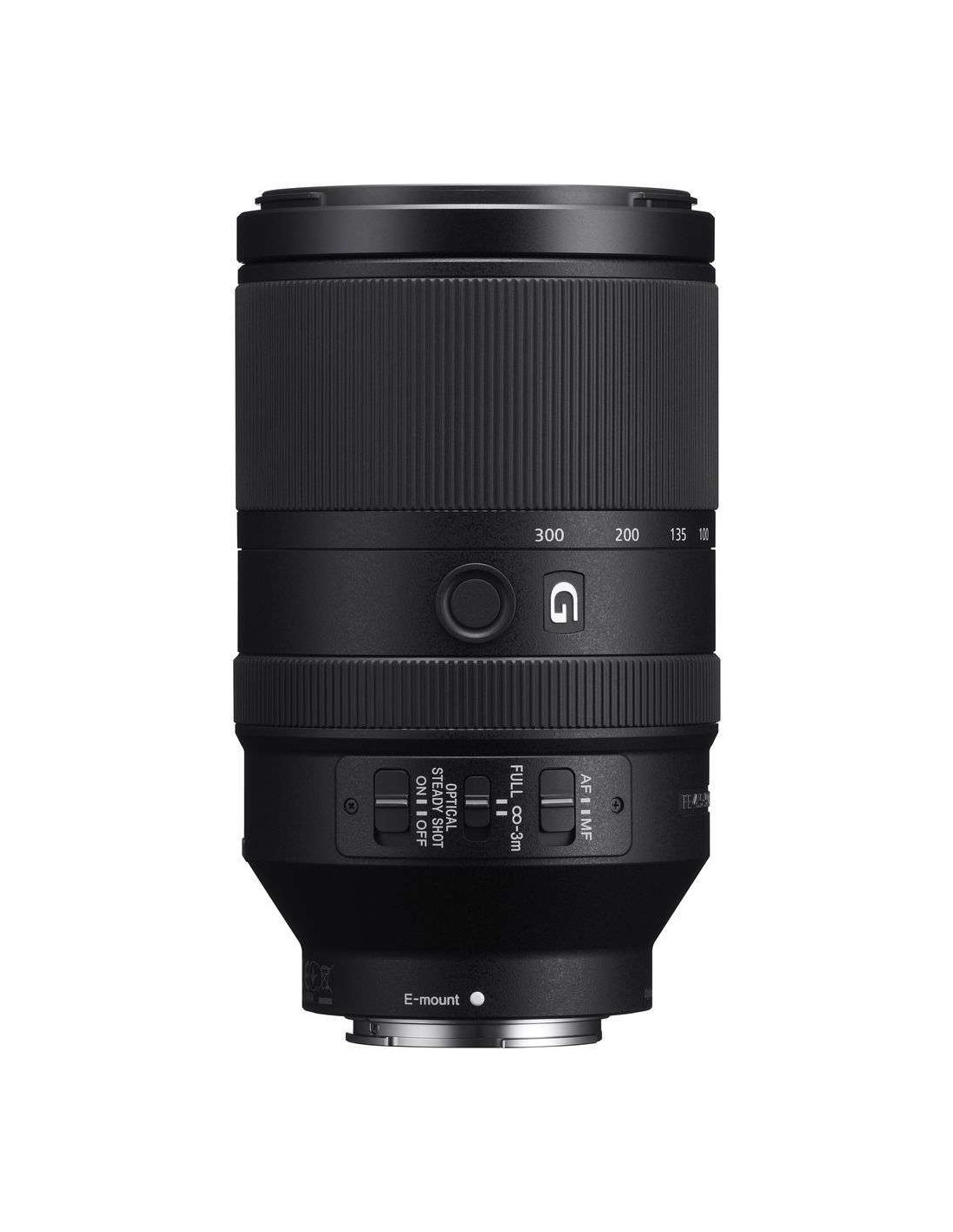
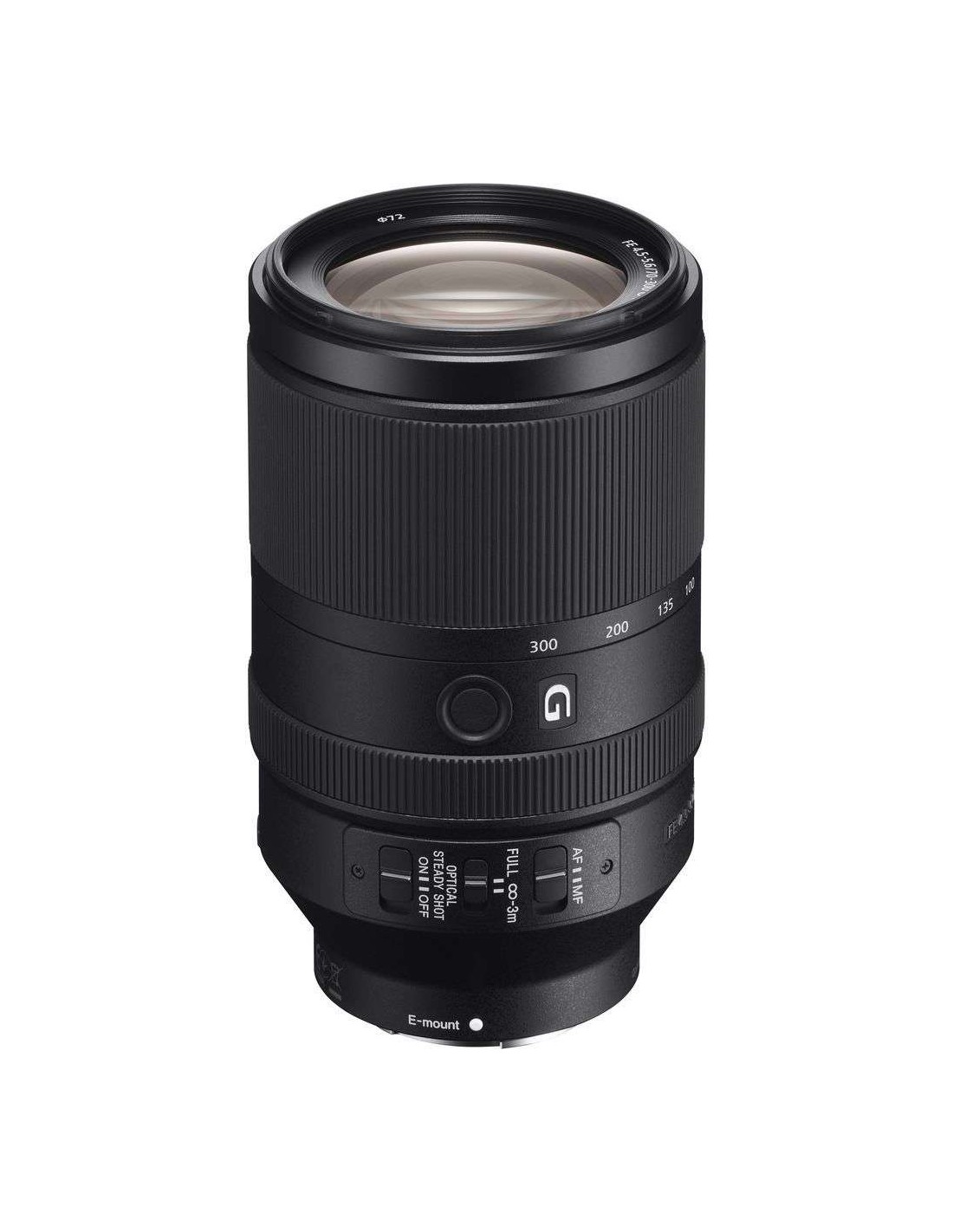
The Sony FE 70-300mm F4.5-5.6 G OSS makes sense for a Sony full-frame photographer who wants one telephoto zoom for travel, outdoor portraits, distant landscape details, daytime sport and wildlife that can already be approached. Its 70-300mm range lets you refine the framing from where you are instead of constantly changing lenses or moving closer, while Optical SteadyShot helps keep handheld framing steadier with static subjects. A 0.90m minimum focus distance and 0.31x maximum magnification also make room for flowers, objects and travel details. The honest trade-off is its F4.5-5.6 aperture: it is most comfortable outdoors, and a moving subject in fading light still needs a fast shutter speed or higher ISO. This Sony 70-300 G OSS is therefore about flexible full-frame reach, not a substitute for a bright sports lens or a 1:1 macro lens.
Combine compatible accessories and save. The more items you add, the bigger the discount.
memory card

warranty extension
The Sony FE 70-300mm F4.5-5.6 G OSS, also known by the SEL70300G reference, suits a Sony full-frame photographer who needs meaningful telephoto reach without going straight to a 100-400mm or 200-600mm lens. It covers outdoor portraits, travel, compressed landscape details, daytime sport and wildlife that is not extremely distant. At 70mm you can retain enough of the setting; at 300mm you can isolate a face, player or far-away detail while keeping a respectful distance from the subject.
It is not designed to erase the challenges of low light. The F4.5-5.6 maximum aperture is better suited to daylight, and OSS steadies the camera rather than freezing an animal or athlete. In return, its approximately 854g weight is easier to carry than a super-telephoto zoom. Its 0.90m minimum focus distance and 0.31x magnification add flexibility for close details, but do not make it a macro lens.

This is a lens for photographers who work mainly outdoors and want several framing options without carrying a specialist lens for every subject. At 70mm it handles a travel portrait or architectural detail; at 200mm and 300mm it reaches a façade, ridge, boat or person across a square. It is also a sensible option for natural-light portraits, daytime sport and wildlife when a close approach is possible. The value is not simply the longest number on the barrel, but being able to choose a cleaner frame without interrupting the moment.
At 70mm, the subject remains clearly connected to its surroundings. Around 135mm, you gain working distance for a portrait and can simplify the background more easily. At 200mm, a tighter frame becomes possible from the side of a pitch or path. At 300mm, you can pick out a distant detail or give an animal more space. That progression saves unnecessary movement, but it does not replace choosing a good position or anticipating where the action will happen.
| Focal length | Useful framing | Real situation | Plan for |
|---|---|---|---|
| 70mm | Subject with setting | Travel portrait or architectural detail | The background remains more visible |
| 135mm | Tighter portrait | Person in a park or street | Step back rather than working too close |
| 200mm | Action or distant detail | Daytime sport, façade or compressed landscape | Shutter speed matters more |
| 300mm | Distant subject | Accessible wildlife, player or far ridge | OSS does not freeze moving subjects |

On a full-frame camera, the lens keeps its stated 70-300mm field of view and remains broadly useful. On a Sony APS-C body, it provides an angle of view equivalent to 105-450mm, which is helpful for a distant player, a perched bird or a far-off detail. The trade-off is that the 70mm end is no longer relatively open, and 854g can feel substantial on a smaller body. If your kit is exclusively APS-C, the Sony E 70-350mm G OSS is often the more natural fit.
The F4.5-5.6 maximum aperture works well for a daytime outing, but it asks you to watch shutter speed as light falls. OSS can reduce blur caused by your hands when photographing a monument, landscape or still subject; it cannot stop an athlete's movement or an animal's wings. For fast action at 300mm, select a shutter speed that suits the subject first, then raise ISO when necessary. That is the honest compromise of a flexible telephoto zoom rather than a fast one.
| Camera | Field of view | Natural use | Benefit | Limitation |
|---|---|---|---|---|
| Full frame | 70-300mm | Travel, outdoor portrait, sport and landscape details | A balanced range from short telephoto to 300mm | Less apparent reach for very small subjects |
| APS-C | 105-450mm equivalent | Distant action, perched birds and far-away details | A tighter frame without moving closer | The 70mm end is less versatile and the lens still weighs 854g |
A 0.90m minimum focus distance and 0.31x maximum magnification let you fill more of the frame with a plant, piece of craftsmanship, food or camera detail. At the long end, that close working distance can give a tight view and a calmer background without getting in the subject's way. This is close-up photography, not 1:1 macro. A dedicated macro lens remains the right tool for tiny insects or subjects you need to reproduce at life size.
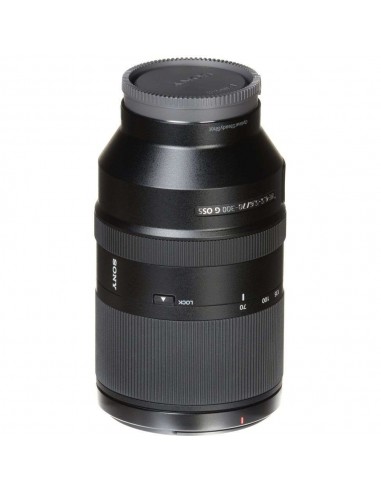
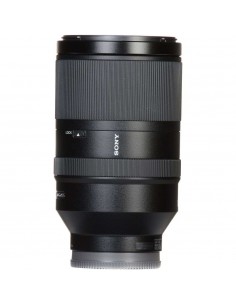
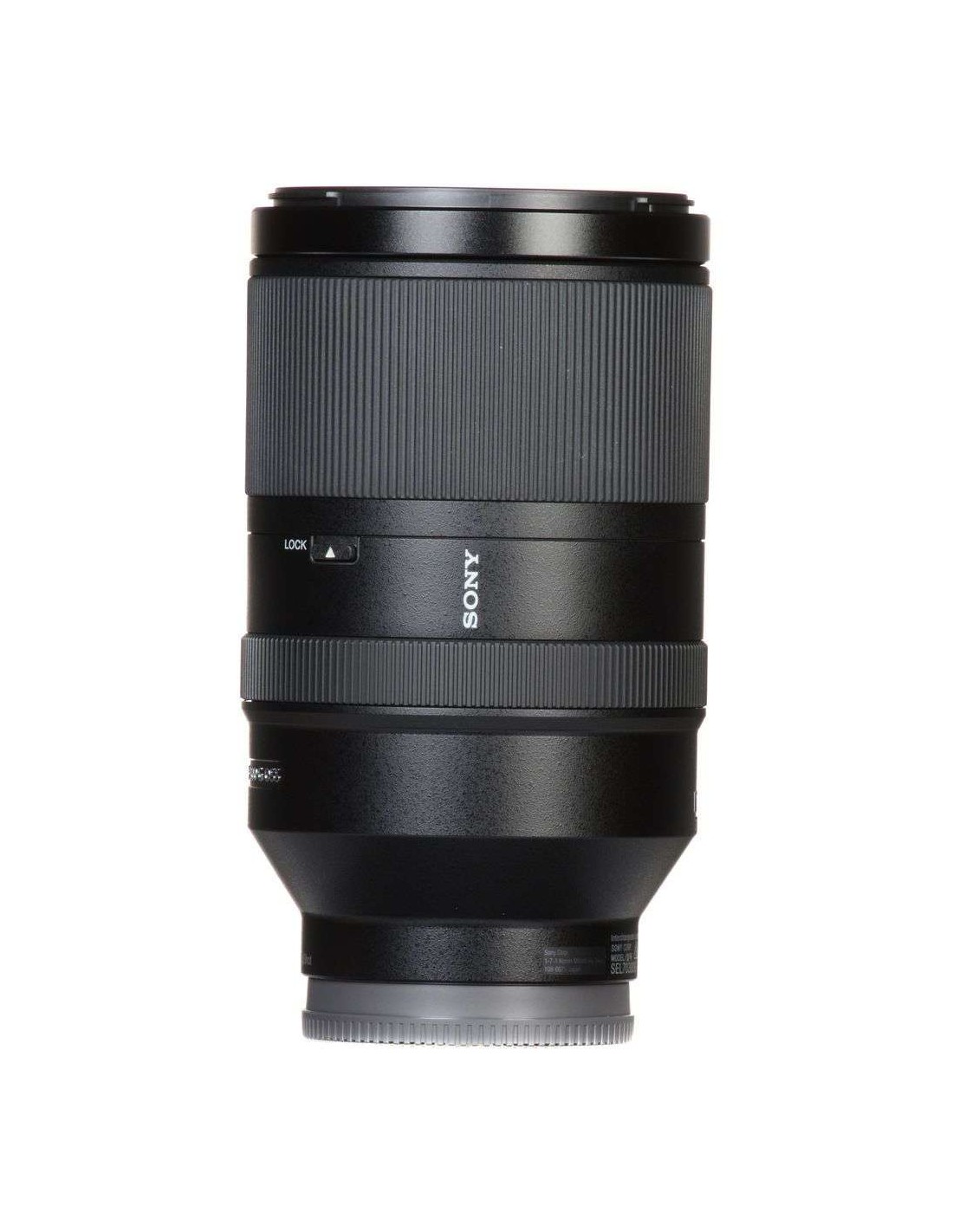
The advanced linear actuator is intended to focus quickly, smoothly and quietly, which helps when a child, player or animal moves toward you. A focus hold button, AF/MF control and focus range limiter put useful decisions within reach and can avoid a full-distance focus search when you are already working far away. The barrel extends as you zoom. That is normal for this model, but it is worth allowing for when packing the lens, using a cover or shooting near an obstruction.
If your subjects call for a different focal range or more light, compare the full-frame Sony lenses with your camera, working distance and the weight you are genuinely willing to carry in mind.
The FE 70-200mm F4 Macro G OSS II is a better match when 200mm is enough and its 0.5x maximum magnification matters. The FE 100-400mm GM OSS reaches further for distant sport and wildlife, with a larger commitment in size and budget. The FE 200-600mm G OSS goes further still for far-away subjects, but demands dedicated space and carrying effort. The 70-300 G OSS is the balanced choice when telephoto reach should travel alongside landscape and portrait work rather than define the whole bag.
| Lens | Choose it if | Practical strength | Trade-off |
|---|---|---|---|
| FE 70-300mm F4.5-5.6 G OSS | You want a full-frame telezoom you will carry | 70-300mm, OSS and close-detail capability | F4.5-5.6 needs light for action |
| E 70-350mm G OSS | Your camera is APS-C | Reach designed around the smaller sensor | It does not cover full frame |
| FE 70-200mm F4 Macro G OSS II | 200mm is enough and close work matters | A shorter zoom with 0.5x maximum magnification | Less reach for a distant subject |
| FE 100-400mm GM OSS | You regularly work farther away | 100-400mm range for sport and wildlife | Greater size and budget commitment |
| FE 200-600mm G OSS | Distant wildlife is the priority | Super-telephoto reach | Considerable size and weight |

At MCZ DIRECT, we see the Sony FE 70-300mm F4.5-5.6 G OSS as a full-frame telephoto zoom for real outings: long enough to create distance-based compositions without the carrying burden of a super-telephoto.
Against the Sony E 70-350mm G OSS, it is the full-frame option; against the FE 70-200mm F4 Macro G OSS II, it favours 300mm reach over 0.5x maximum magnification. The 100-400mm and 200-600mm options make more sense when reach outweighs travel versatility.
Its F4.5-5.6 aperture leaves less room in low light, and OSS cannot compensate for a fast-moving subject. The lens also extends while zooming, which is part of normal handling.
Choose it if you shoot mainly outdoors and want to move naturally from portraits to distant details with a telephoto lens you will be happy to bring along.

It is for Sony full-frame users who want a versatile telephoto zoom for travel, outdoor portraits, detailed landscapes, daytime sport and accessible wildlife.
Yes. The SEL70300G is designed for Sony E full-frame cameras and can also be mounted on Sony APS-C bodies.
On a Sony APS-C body, it gives an angle of view equivalent to approximately 105-450mm on full frame, so framing becomes much tighter.
Yes, it includes Optical SteadyShot. It is most helpful for handheld shooting of static subjects; it does not freeze fast action.
Yes for wildlife that is already accessible, such as a perched bird or an animal in a park. A 100-400mm or 200-600mm provides more reach for very distant subjects.
Yes in daylight. Choose a shutter speed high enough to stop the action, because OSS stabilises the lens but does not replace that shutter speed.
Yes. Between 70mm and 200mm, it lets you work from farther back, simplify the background and keep a natural facial perspective.
No. Its 0.31x maximum magnification is useful for close details and close-up photography, but it is not the 1:1 ratio of a true macro lens.
It is 0.90m. That lets you frame a nearby subject more tightly without changing lenses, especially toward the long end.
No. Its barrel extends when you zoom, which is worth allowing for when packing it or working close to an obstacle.
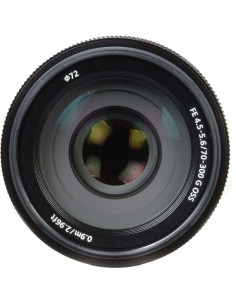
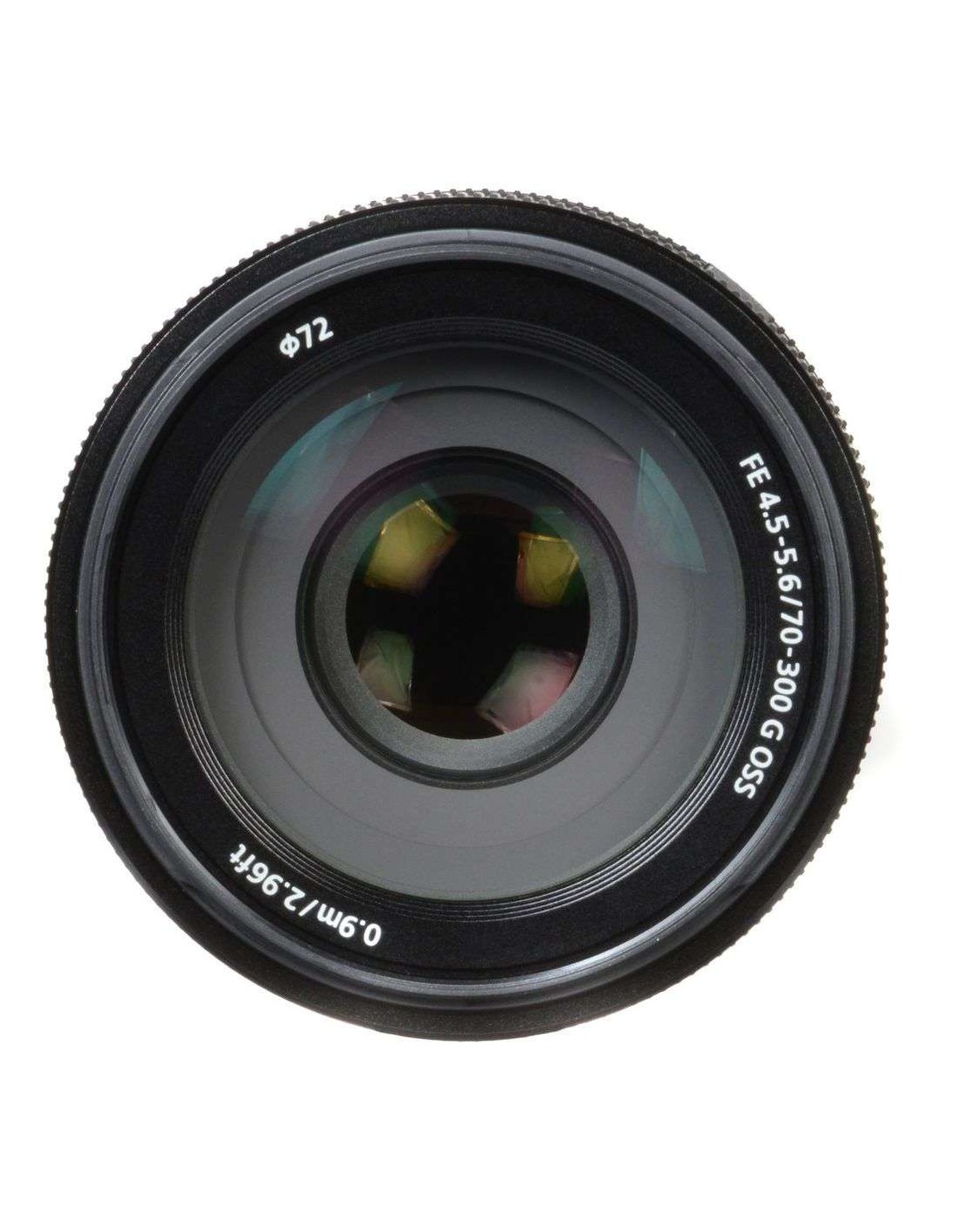
It uses 72mm filters. A polariser can, for example, help manage reflections in a landscape when the scene calls for it.
Choose the FE 70-300mm for a full-frame camera. The E 70-350mm G OSS is for APS-C equipment and does not cover full frame.
The 70-300mm prioritises reach to 300mm. The 70-200mm F4 Macro G OSS II is better when 200mm is enough and its 0.5x maximum magnification is more useful to you.