

- -5%
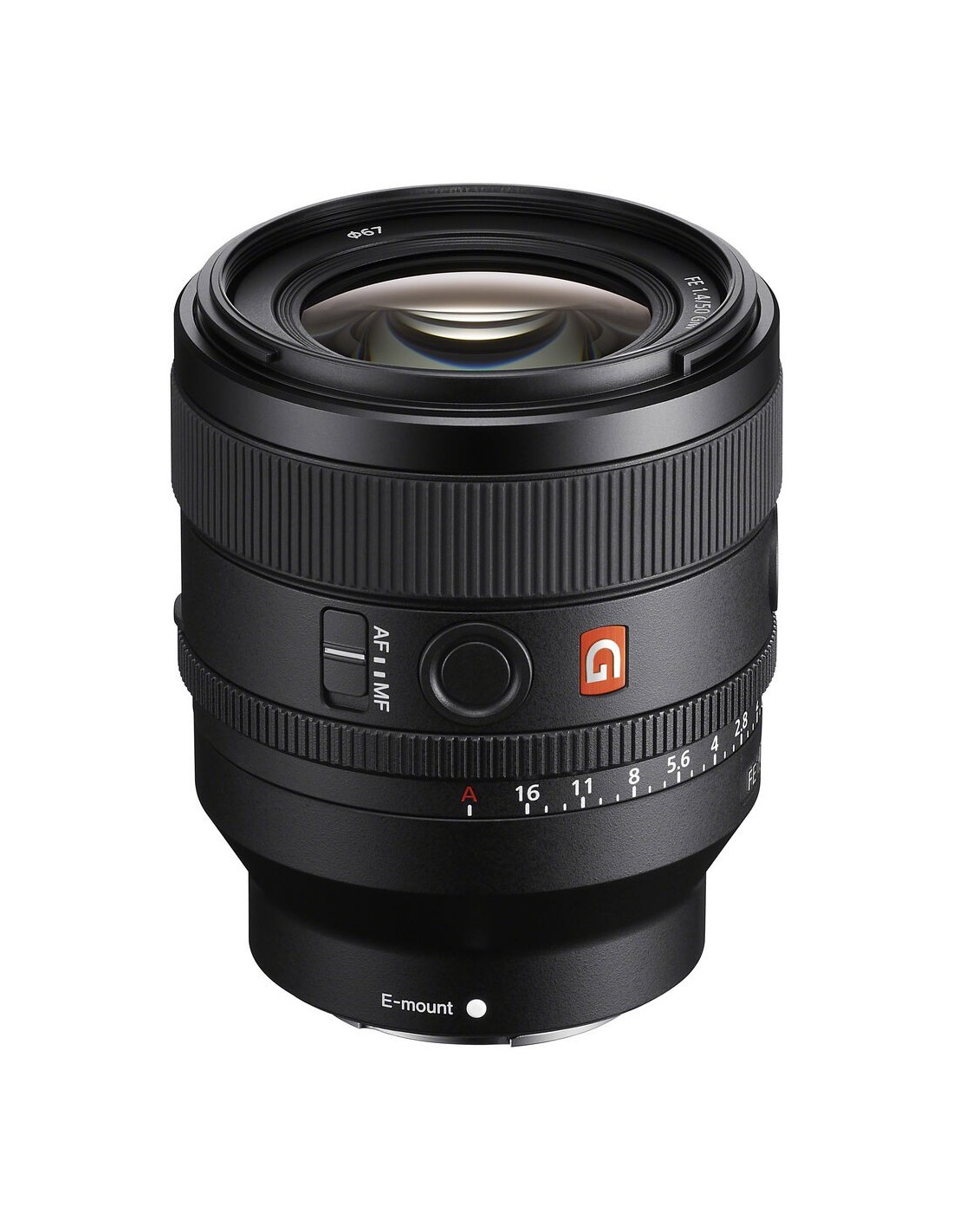
Sony FE 50mm F1.4 GM
- 100% newBrand-new and authentic product
- Final priceNo unpleasant surprises! The displayed price is the final amount paid for your purchase.
- Order before 2 pm: estimated delivery Mon 17 - Tue 18 AugEstimate based on available stock, order time, business days and carrier delivery times.
- 3-year MCZ DIRECT warranty
- Free delivery with insurance includedYour order is protected from dispatch to delivery: in case of loss, theft or damage during transport, your parcel is insured up to its value.
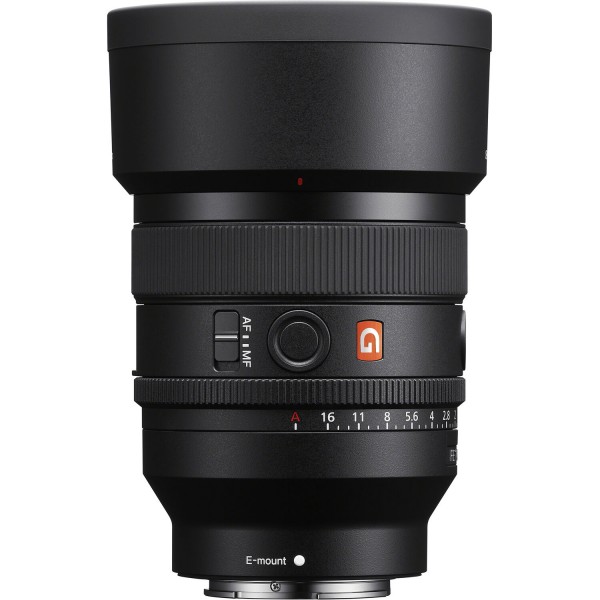
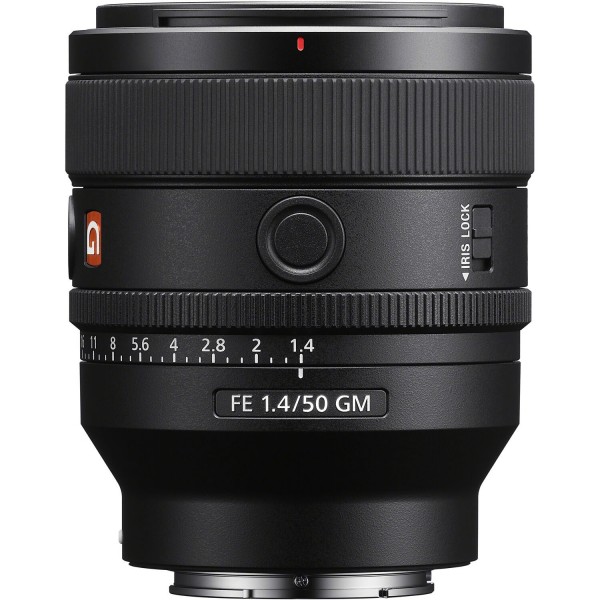
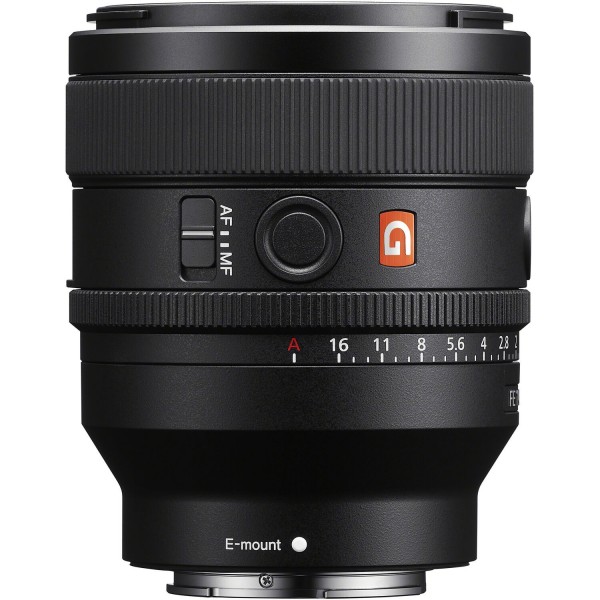
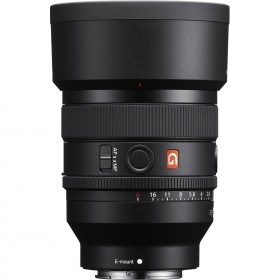
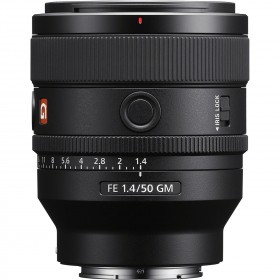
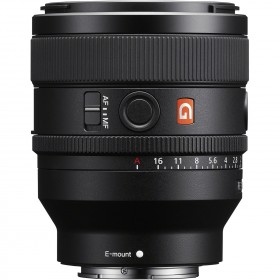
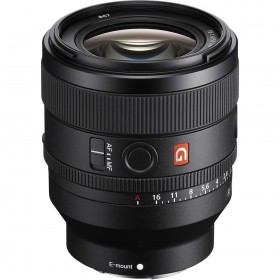
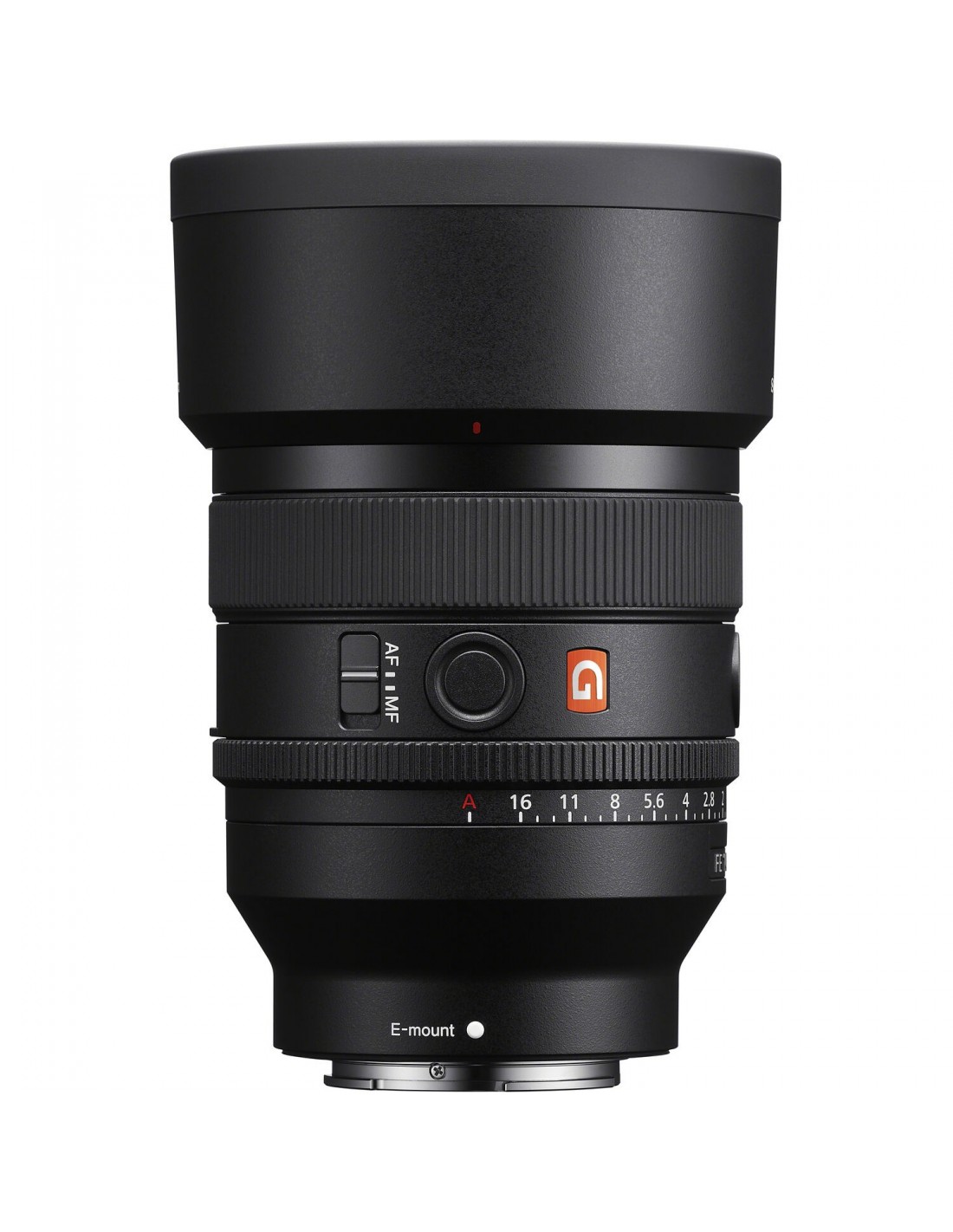
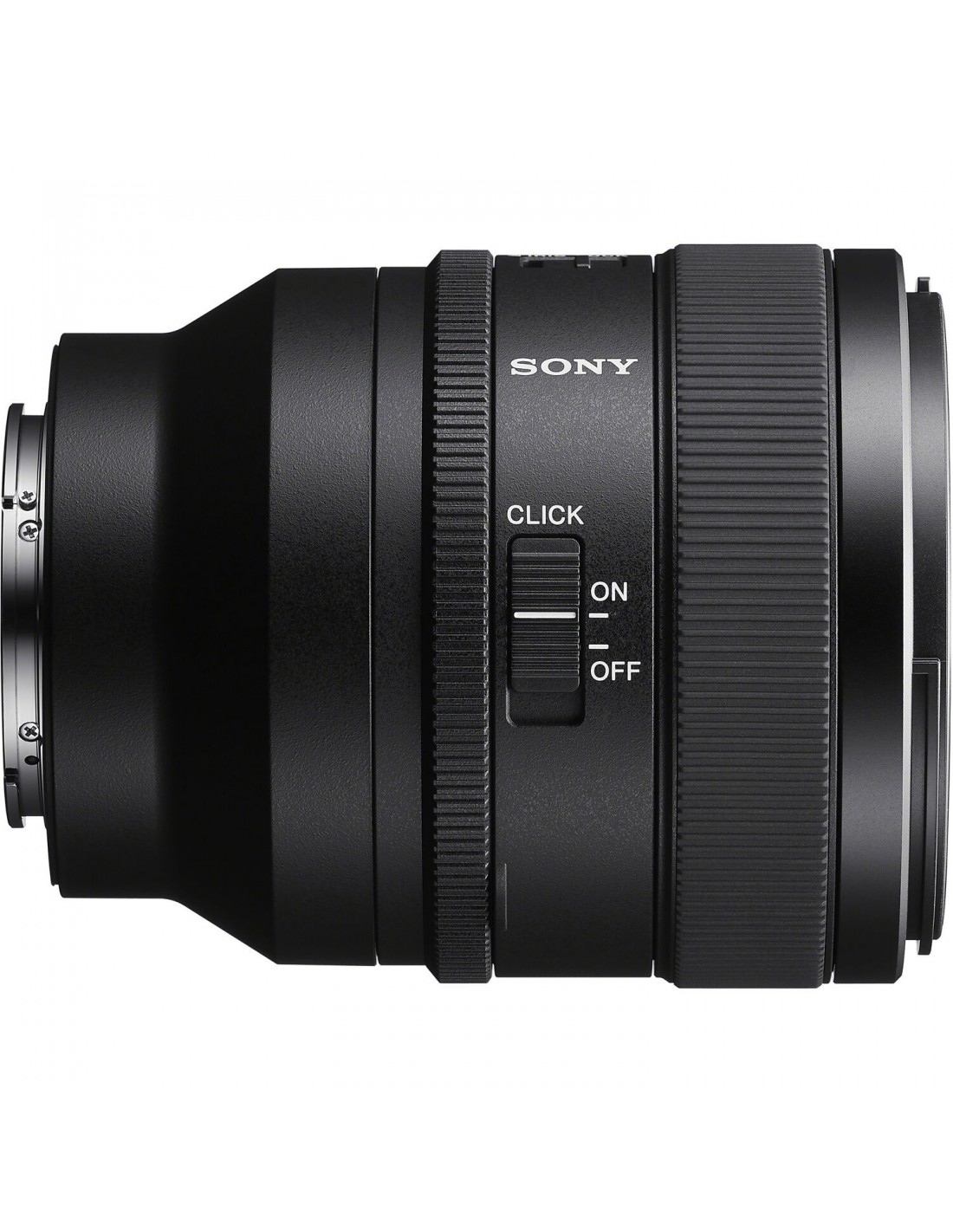
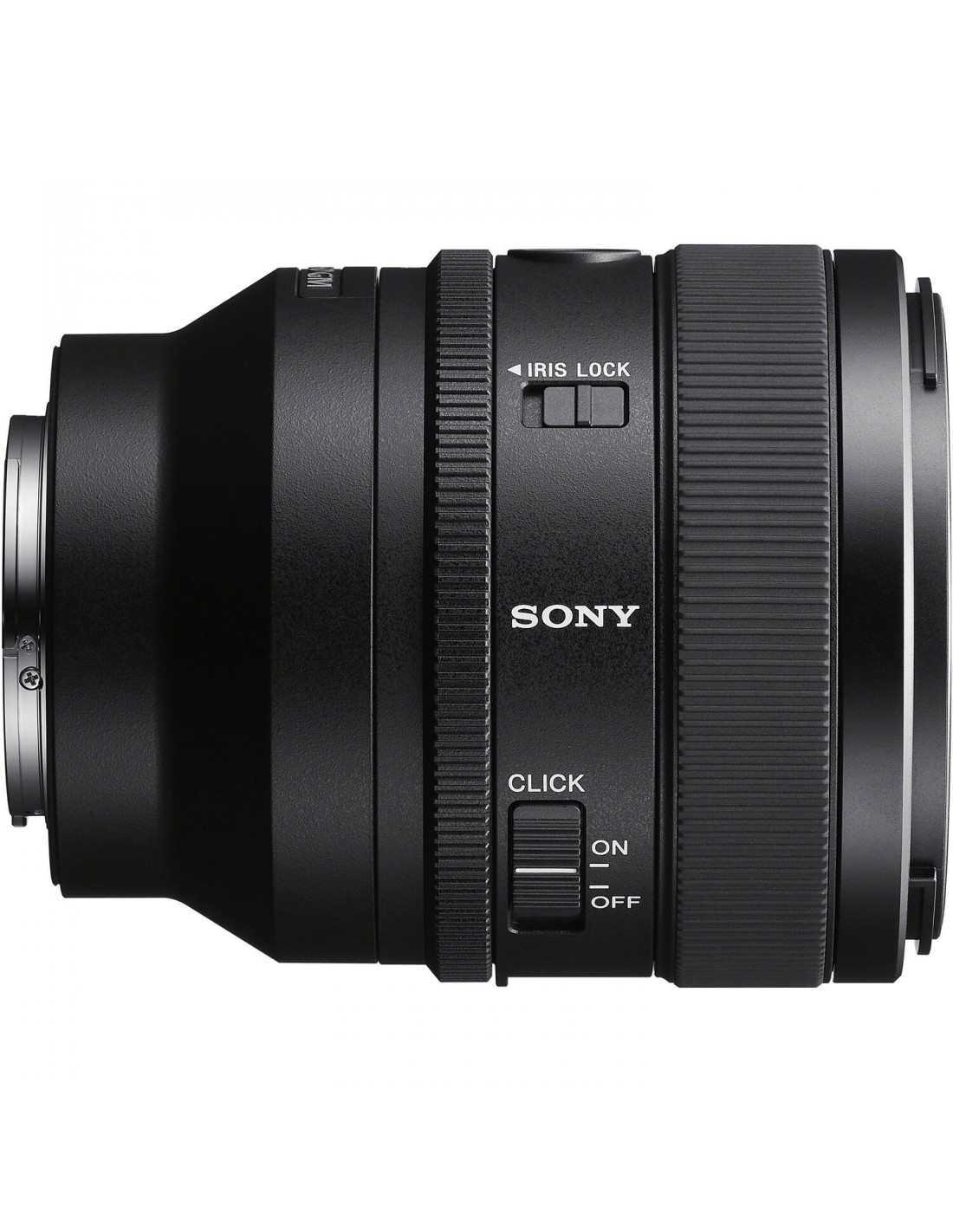
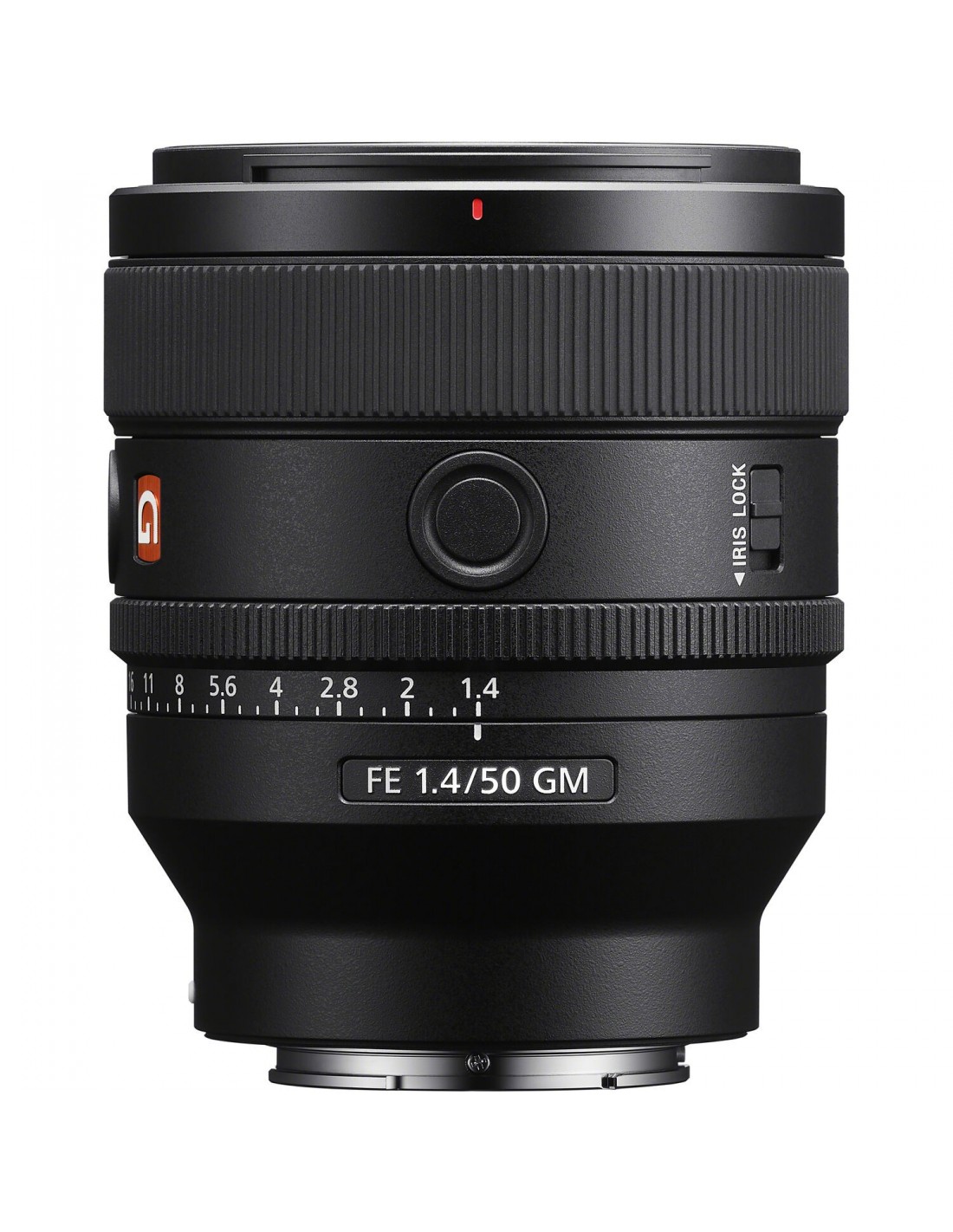
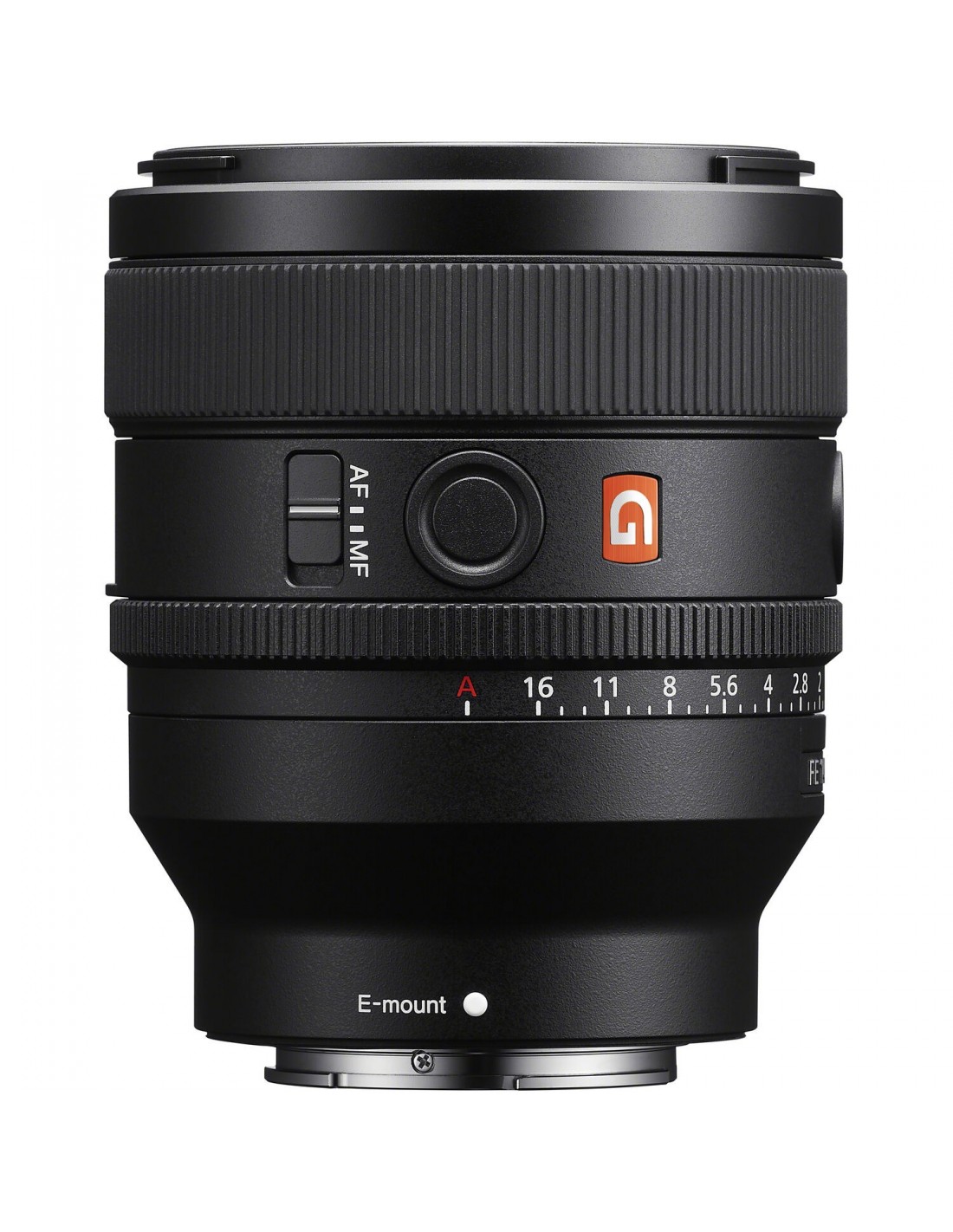
The Sony FE 50mm F1.4 GM is a fast full-frame standard lens for photographers who want a serious everyday 50mm without stepping up to the size of an F1.2 model. On a Sony Alpha mirrorless body, F1.4 is valuable in available light and creates purposeful subject separation, while the dual XD linear motors are there for people who do not stay still. It suits portraits, weddings, documentary work and character-led video especially well. At 516g, it remains a lens you can sensibly keep on the camera through a long assignment. We recommend it to committed enthusiasts and working photographers who value responsive focusing, close-range flexibility and hands-on aperture control. This is the SEL50F14GM lens on its own, not a camera kit and not a GM II version.
Complete your set
Combine compatible accessories and save. The more items you add, the bigger the discount.


memory card
SanDisk 128GB Extreme PRO UHS-II SDXC 300 MB/s memory card

warranty extension
2-year warranty extension
Choose this 50mm when F1.4 matters but a 50mm F1.2 feels too large
The Sony FE 50mm F1.4 GM is built for photographers who use a normal lens as a working tool rather than an occasional special effect. It makes sense for portraits with a sense of place, wedding coverage, documentary assignments, personal projects and video where a person should feel close to the viewer. Its appeal is not simply the F1.4 badge. It combines a fast aperture with dual XD linear motors, close focusing and a 516g body, so the lens can stay on a full-frame Sony E camera for a whole day. Pick it if you need a premium, adaptable 50mm with serious low-light scope, but do not want to carry the FE 50mm F1.2 GM.
Sony FE 50mm F1.4 GM key strengths
- Full-frame 50mm: a versatile angle of view for portraits, documentary work and everyday scenes.
- F1.4 aperture: more usable shutter-speed latitude in dim light and controlled subject separation.
- 11-blade circular aperture: softer-looking background areas when shallow depth of field is part of the composition.
- Dual XD linear motors: focus drive designed to keep up with people who are moving.
- 0.41m AF close focus: tighter details and portraits without changing lenses.
- Two XA and one ED element: a strong optical basis for demanding high-resolution Sony bodies.
- 516g weight: a fast F1.4 prime that remains practical for a full assignment.
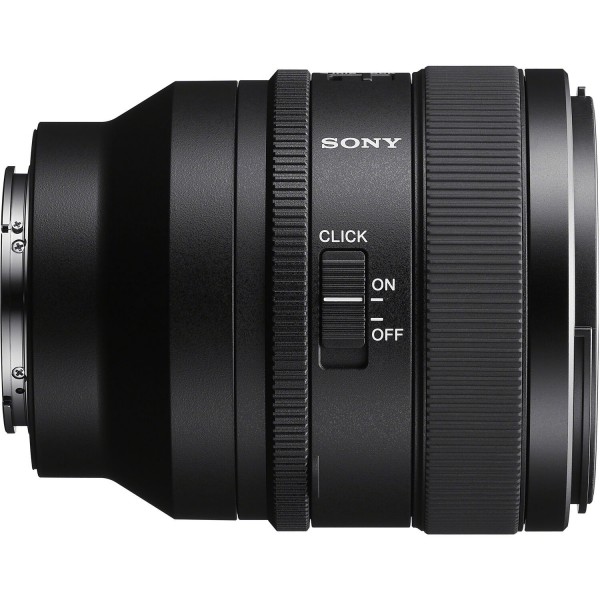
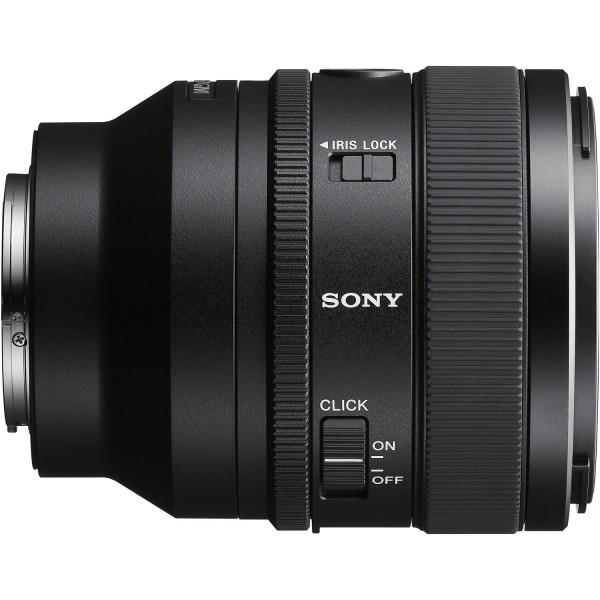
- De-clickable aperture ring: clear stills control or smoother iris changes for video.
- Two focus-hold buttons: direct focus control in horizontal or vertical framing.
- 67mm filter thread: easier to keep within a compact filter system.

Why 50mm remains a useful point of view
A 50mm lens asks you to make a choice about where you stand. That is part of its value. It is wide enough to include a kitchen, studio or street around a person, yet it does not make nearby features appear exaggerated as a very wide lens can. At a wedding, it can move from a quiet exchange to a wider moment without making faces look stretched. In documentary work, it encourages physical proximity and a more deliberate relationship with the scene.
On an APS-C Sony camera, its angle of view is equivalent to roughly 75mm. That makes it a strong portrait lens, well suited to a face, a detail in a performance or a tighter moment across a room. It will not feel like a general-purpose 50mm in that setup, so an APS-C user who often photographs interiors may want a wider companion lens. The lens has not changed; the sensor changes how much of the scene is included.
F1.4 is a practical tool, not just a blurred-background look
F1.4 gives you useful room in dim venues, home interiors and late-afternoon light. It can help you hold a shutter speed that protects a gesture or expression when a slower lens would force a compromise. It also lets you decide how much of the background belongs in the image. The 11-blade circular aperture is intended to keep out-of-focus areas more rounded and less distracting when a portrait is made against lights, foliage or a busy room.
There is a responsibility that comes with that control. At close range, depth of field at F1.4 can be very thin. Eye AF on a compatible Sony body is helpful, but it is not a substitute for checking where focus has landed. For two people at different distances, F2 or F2.8 may be the more useful creative choice. At the other end, F16 is available when a group, landscape or layered scene calls for greater depth of field.
Focus for people in motion and closer details
Two XD linear motors help this lens stay relevant when the subject is moving: a child walking towards the camera, a couple entering a room, a musician turning towards the light or a presenter shifting position during a take. They support fast, precise focus drive, while actual tracking still depends on the body, its AF mode, subject contrast and the way the photographer sets up the shot. For changing action, continuous AF is usually the sensible starting point. For a composed still frame, either focus-hold button can keep attention on a selected focus distance.
Minimum focus distance is 0.41m in autofocus and 0.38m in manual focus, with 0.16x and 0.18x maximum magnification respectively. That does not turn the lens into a macro optic. It does make a practical difference when you want a hand on a table, a piece of jewellery, a plate, a book cover or a texture to fill more of the frame without changing lenses. Manual focus gives a little extra reach at close distance when exact placement matters.
Optical design for detailed full-frame files
The 14-element, 11-group design includes two XA elements and one ED element. In practical terms, the design is there to support a clean, controlled image when a sharp subject sits against a bright or complex background. That matters on high-resolution Sony bodies, where hair, fabric, fine lines and frame edges show the limits of an optical system quickly. It is not a promise that every scene will look the same: light direction, focus distance and subject placement still shape the result. It is a capable optical foundation for photographers expecting more from a fast 50mm.
Video-friendly controls, with compatibility kept honest
For video, a 50mm works well for an interview with context, a cooking sequence, music performance, documentary detail or a more intimate shot than a wide lens would provide. Focus-breathing compensation can reduce visible angle-of-view changes while focusing, but only with compatible camera bodies. Treat it as a body-and-lens function, not a universal lens feature. There is no optical OSS in the lens. It can benefit from in-body stabilisation where the camera provides it, though that does not replace stable technique, support or a dedicated stabilisation solution for walking shots.
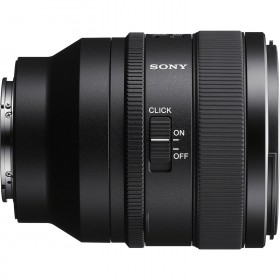
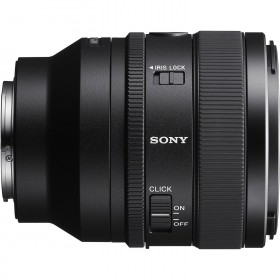
The aperture ring gives direct iris control. Its click stops can be switched on for stills or switched off for smoother video adjustments, and the iris lock helps prevent accidental movement. Two focus-hold buttons remain approachable in either camera orientation. The 67mm filter thread is useful for keeping a compact filter set, but check your current filters before assuming they can be shared.
Specifications translated into shooting decisions
| Specification | Practical benefit | Keep in mind |
|---|---|---|
| 50mm full frame | Natural framing for a subject and its surroundings. | It becomes a 75mm-equivalent view on APS-C. |
| F1.4 to F16, 11 blades | Low-light flexibility and controlled background separation. | Precise focusing matters at F1.4. |
| Dual XD motors | More confidence with moving people and continuous focus. | Camera body and AF settings also matter. |
| 0.41m AF, 0.38m MF | Tighter details without swapping lenses. | Not a dedicated macro lens. |
| 516g, 67mm filters | A premium fast lens that remains manageable all day. | Larger than a compact 50mm. |

Where the SEL50F14GM earns its place
| Use | Why it fits | Useful approach |
|---|---|---|
| Portraiture | 50mm keeps a natural relationship with the person. | Use F1.4 for isolation, then stop down for multiple faces. |
| Weddings and events | Fast aperture and responsive AF help in changing light. | Start with continuous AF for movement. |
| Documentary work | It includes context without a dramatic wide-angle feel. | Move your feet before reaching for a crop. |
| Video | An intimate, expressive perspective for people-led scenes. | Turn aperture clicks off before changing iris during a take. |
| APS-C | The 75mm-equivalent view is useful for portraits. | Add a wider lens for indoor storytelling. |
F1.4 GM, F1.2 GM, F2.5 G or F1.8?
Photographers who need the widest aperture may prefer the FE 50mm F1.2 GM and accept its 778g weight and 72mm filter thread. By comparison, the FE 50mm F1.4 GM takes a different route: a very bright aperture with lower weight and a less imposing profile. For a smaller kit, the FE 50mm F2.5 G keeps the camera lighter and more discreet. At the accessible end, the FE 50mm F1.8 is the simpler route into the focal length. Do not confuse this lens with the older Zeiss Planar T* FE 50mm F1.4 ZA. And if a camera-and-lens package is the goal, the Sony Alpha 7 V + FE 50mm F1.4 GM kit is a separate buying decision from this lens-only SEL50F14GM page.
| Lens | Choose it when | Main trade-off |
|---|---|---|
| FE 50mm F1.4 GM | You want F1.4, modern AF and a professional working balance. | It is still more substantial than a compact prime. |
| FE 50mm F1.2 GM | Maximum aperture is the central requirement. | 778g weight and 72mm filters. |
| FE 50mm F2.5 G | A light, discreet kit comes first. | Two stops less light than F1.4. |
| FE 50mm F1.8 | You want an accessible first 50mm. | A more basic overall proposition. |

Limits worth knowing before you buy
This lens has no OSS and does not accept 1.4x or 2x teleconverters. On a camera without in-body stabilisation, shutter speed deserves even more attention in poor light. Sony describes dust and moisture resistance, while the fluorine coating helps with front-element care; neither point removes the need for sensible protection in difficult weather. It is also not the lens to choose if the smallest possible kit is the priority. Its value lies in light gathering, focus response and creative control, rather than absolute compactness.
Building a coherent Sony E kit around 50mm
The Sony FE 50mm F1.2 GM prioritises maximum aperture, the Sony FE 50mm F2.5 G favours compactness, and the Sony FE 50mm F1.8 is a simpler introduction to the focal length. If you also need a camera, the Sony Alpha 7 V + FE 50mm F1.4 GM kit answers that complete buying intent. To add a wide-angle or short telephoto later, browse the full-frame Sony lenses with total kit weight and your usual subjects in mind.
Our MCZ DIRECT verdict
Range position. The Sony FE 50mm F1.4 GM is the premium 50mm for photographers who need a very bright aperture, current AF performance and manageable weight for portraits, reportage and video.
Closest alternative. Choose the FE 50mm F1.2 GM when the widest possible aperture is worth the extra weight. Choose the FE 50mm F2.5 G when compactness is the deciding factor. The F1.4 GM is the considered middle ground.
Honest limitation. It is not a macro lens, a tiny 50mm or an optically stabilised lens. Confirm camera compatibility if focus-breathing compensation matters to your video work. For a demanding lens-only 50mm setup, it is a very coherent choice.
Technical specifications
General
Properties
Focal length
Aperture
Physical properties
Questions fréquentes sur ce produit
Is the Sony FE 50mm F1.4 GM full-frame?
Yes. The SEL50F14GM is designed for Sony E full-frame cameras and can also be used on APS-C bodies.
What is its APS-C angle of view?
On Sony APS-C, it gives an angle of view equivalent to about 75mm, making it especially useful for portraits.
Does the SEL50F14GM have OSS?
No. It has no optical OSS and can use in-body stabilisation when the compatible camera provides it.
How much does it weigh?
The lens weighs approximately 516g, excluding accessories.
What filter size does it use?
It uses 67mm filters.
What is its minimum focusing distance?
0.41m in autofocus and 0.38m in manual focus.
Is it a macro lens?
No. Its 0.16x AF and 0.18x MF maximum magnification suit close details, not dedicated macro photography.
Is it good for portraits?
Yes. 50mm gives a natural perspective, and F1.4 can separate a person from the background while retaining context.
Is it suitable for weddings and reportage?
Yes, for photographers who need a bright 50mm and responsive focus for changing scenes.
Can the Sony 50mm F1.4 GM be used for video?
Yes. Its de-clickable aperture ring is helpful for video. Focus-breathing compensation requires a compatible camera body.
Should I choose the F1.2 GM or F1.4 GM?
Choose F1.2 GM when maximum aperture is the priority. The F1.4 GM is lighter: 516g versus 778g.
Is it the same lens as the Zeiss Planar T* FE 50mm F1.4 ZA?
No. The Zeiss ZA is an older-generation lens and should not be confused with the FE 50mm F1.4 GM.
What does SEL50F14GM mean?
It is Sony’s model reference for the FE 50mm F1.4 GM Sony E lens, sold here as a lens only.


