Shopping Cart
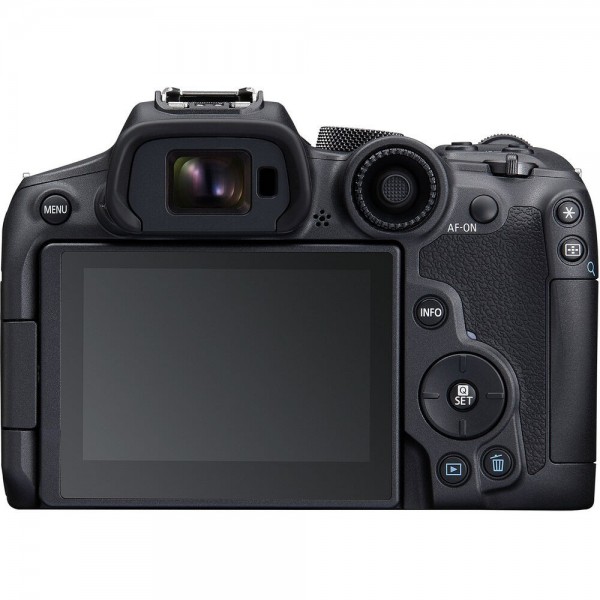
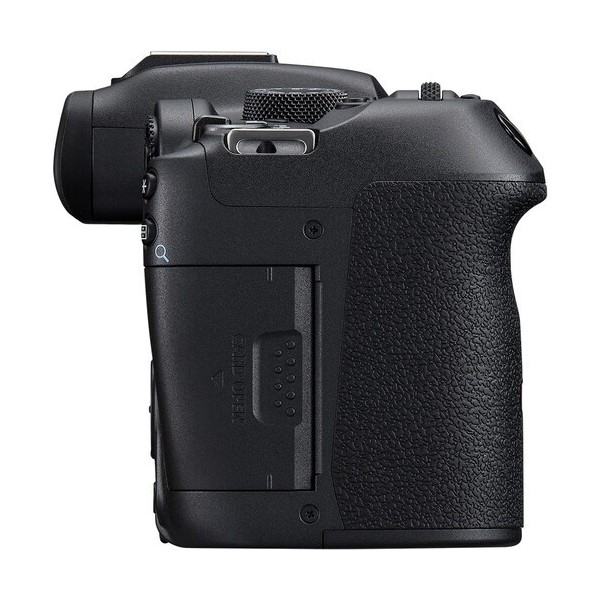
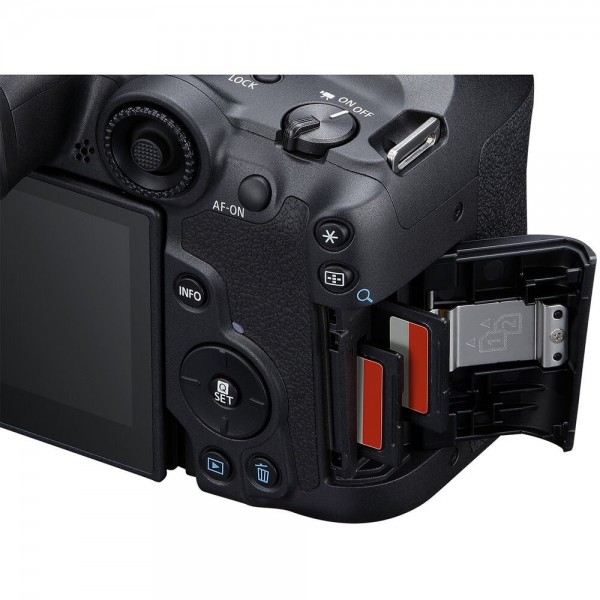
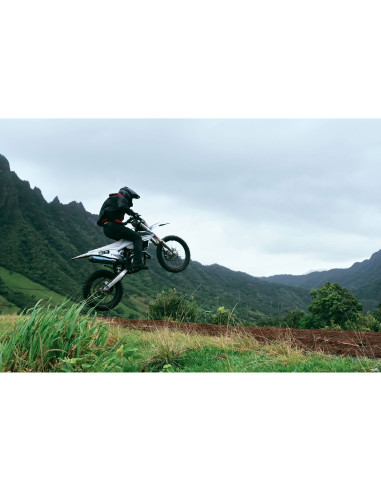
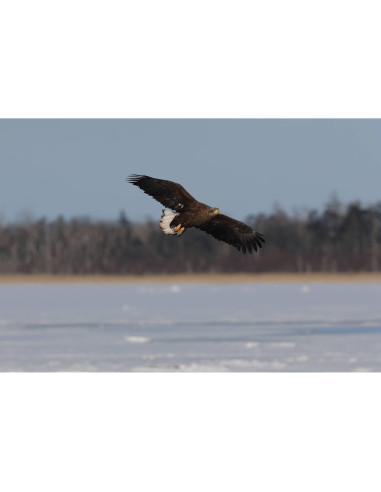
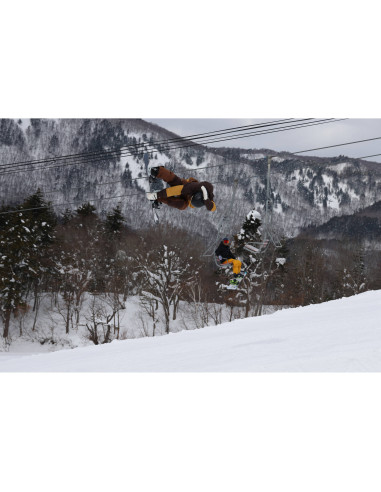
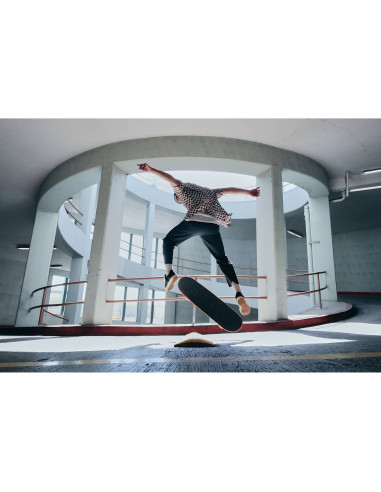
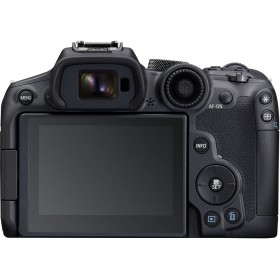
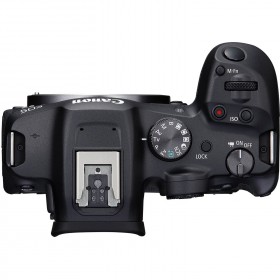
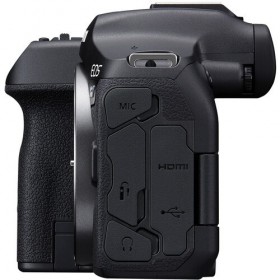

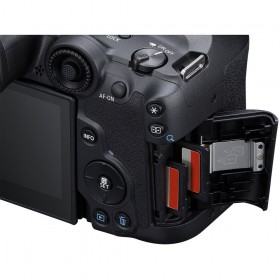
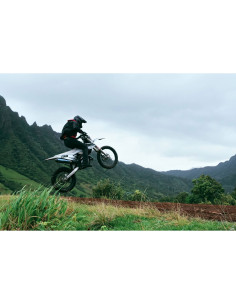
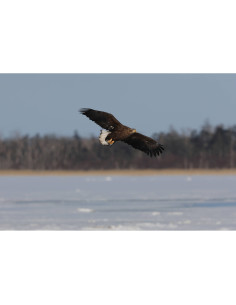
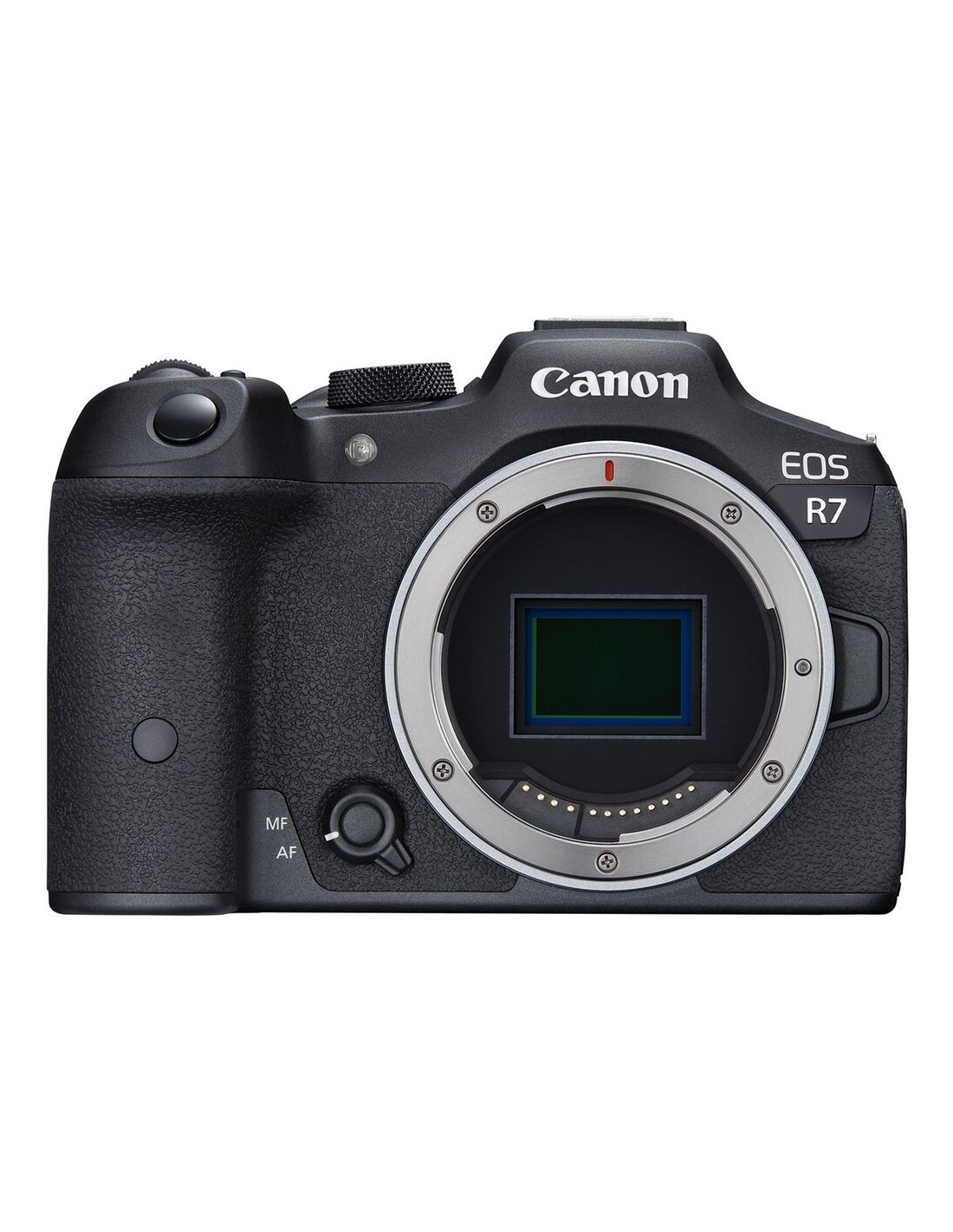
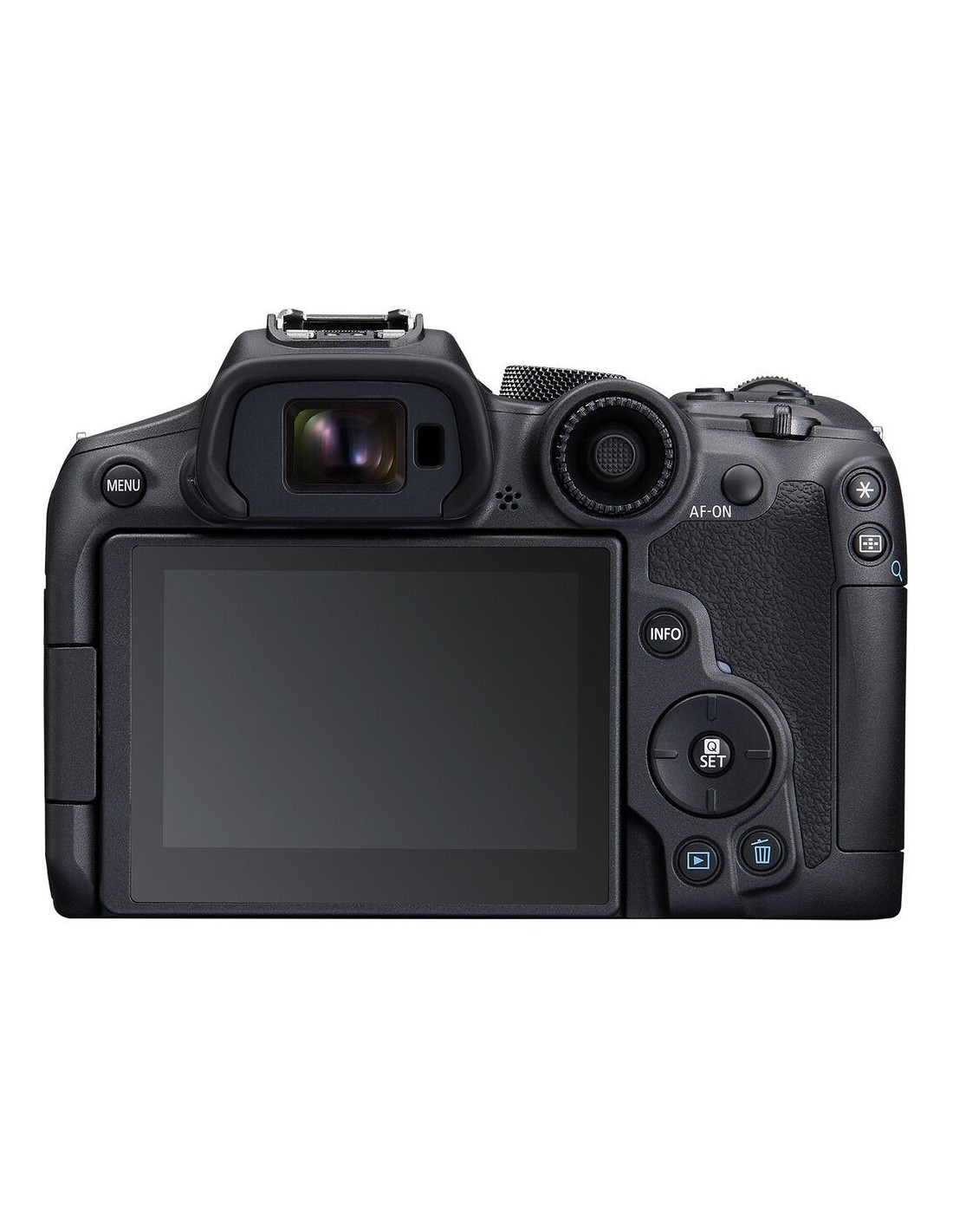


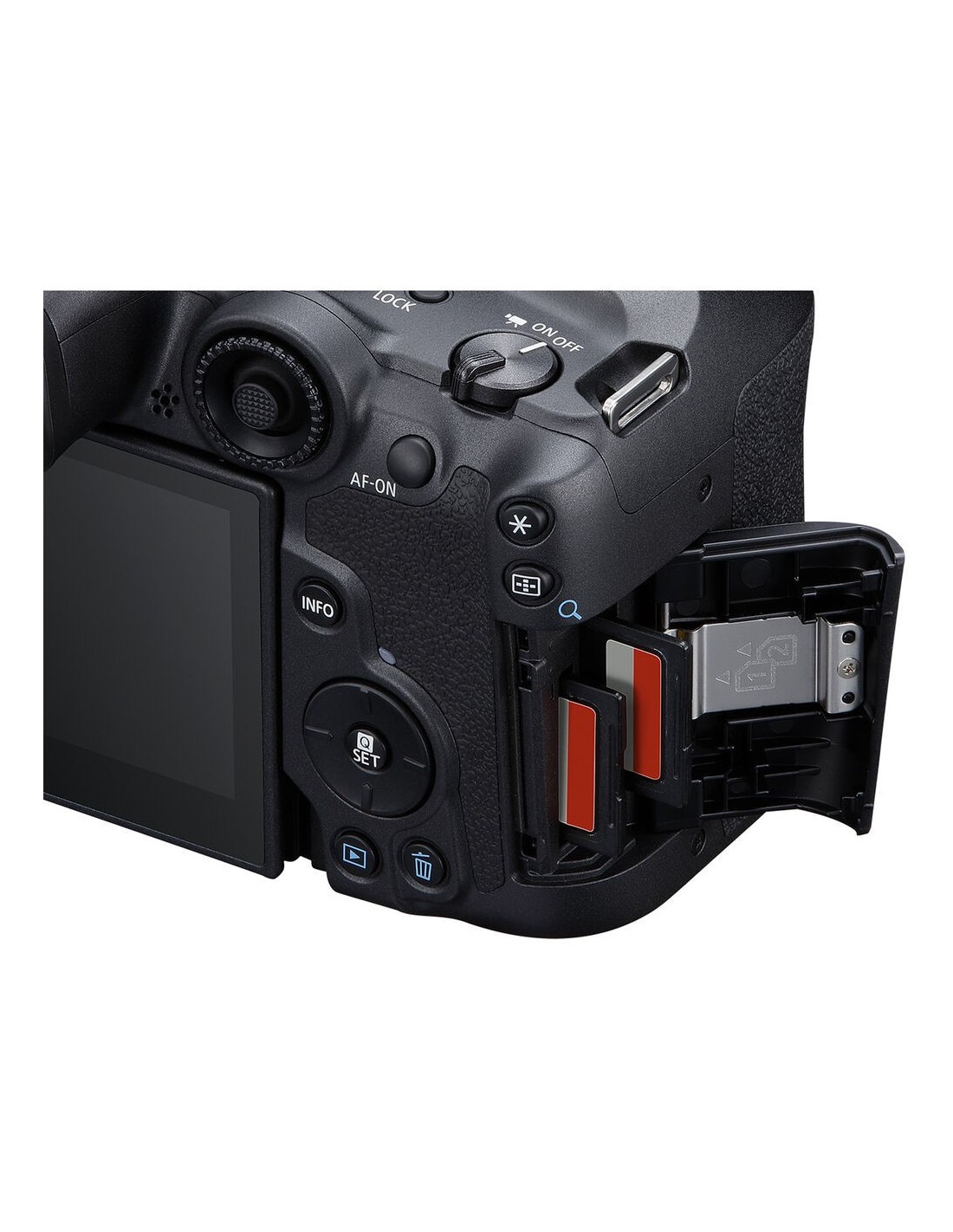


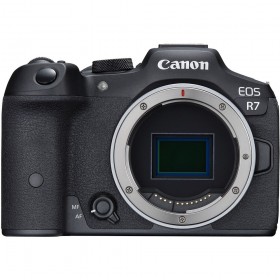

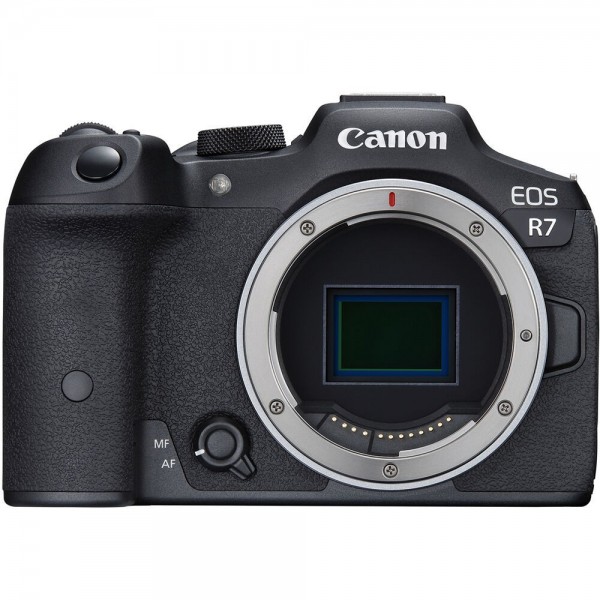
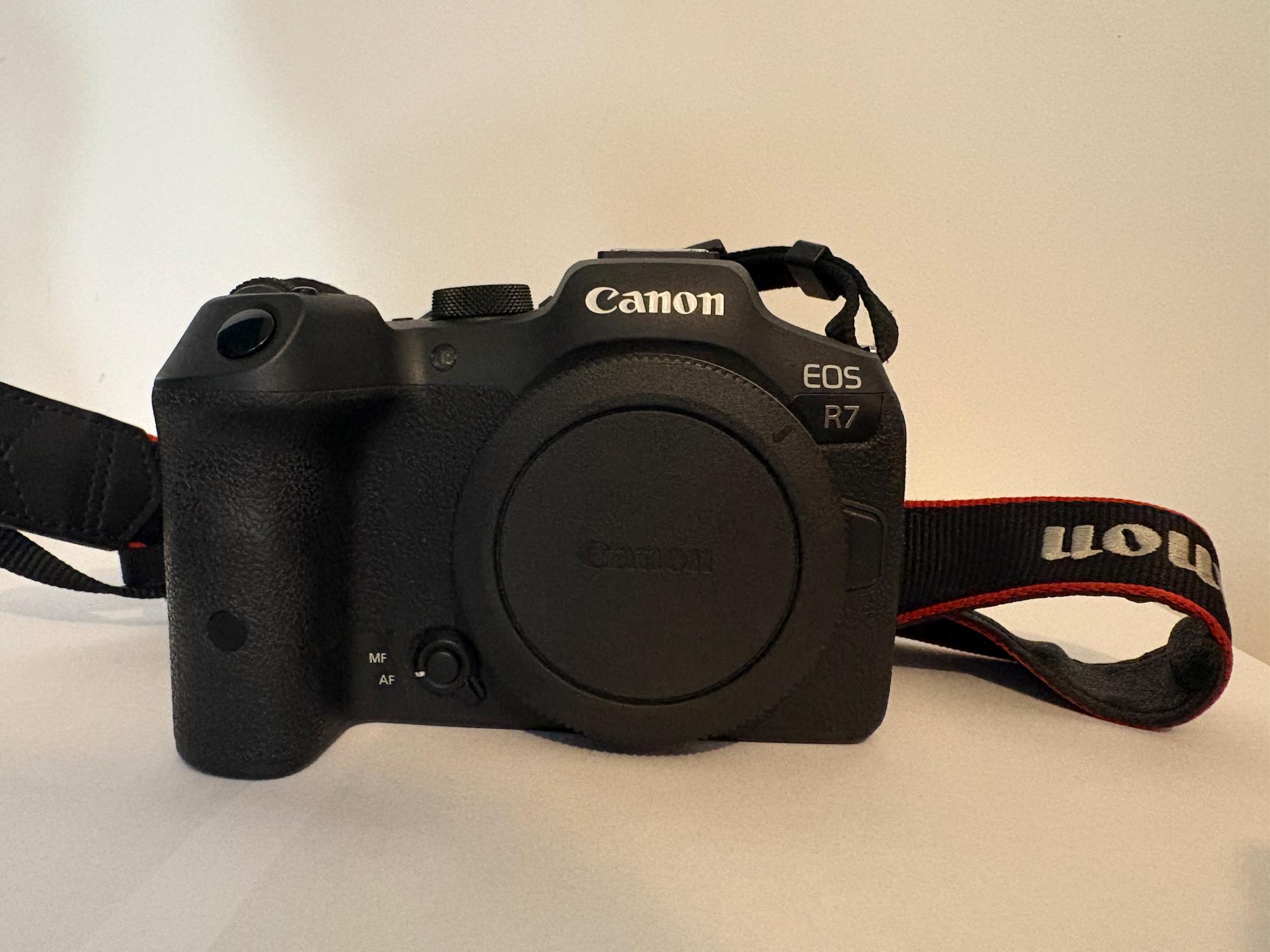
The Canon EOS R7 is an APS-C mirrorless camera body recommended for sport, wildlife and action photographers who need reach, speed and precise subject tracking in a mobile system. Its 32.5MP sensor leaves useful room for cropping, while the 1.6x field-of-view factor creates tighter framing with a telephoto lens. Autofocus recognises people, animals and selected vehicles, and electronic bursts reach 30fps for fast movement. In-body stabilisation supports handheld work, while 4K recording at up to 60p gives hybrid creators practical video flexibility. Two UHS-II SD card slots can provide an immediate in-camera backup during important sessions. This body-only version is a particularly sensible choice if you already own compatible lenses or want to build the system around a specific photographic assignment.
Combine compatible accessories and save. The more items you add, the bigger the discount.
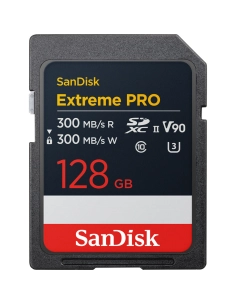
memory card
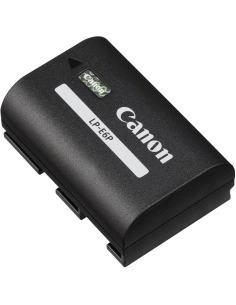
battery
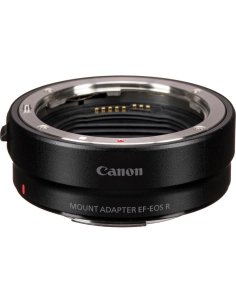
Adaptateur

warranty extension
The Canon EOS R7 is a 32.5 MP APS-C mirrorless camera that makes particular sense for wildlife, birds, sport and any situation in which the subject remains distant or moves unpredictably. Its value does not rest on one headline figure: the 1.6x crop factor, bursts at up to 30 fps, subject recognition and in-body stabilisation combine to create a responsive system that remains more mobile than a comparable full-frame setup.
This page covers the body-only version, best suited to photographers who already own RF or RF-S lenses, intend to adapt EF or EF-S glass, or want to select a focal length without accepting a predetermined kit. The currently active Canon EOS R7 offers make it easier to compare the body with lens combinations while keeping each buying intention clear.
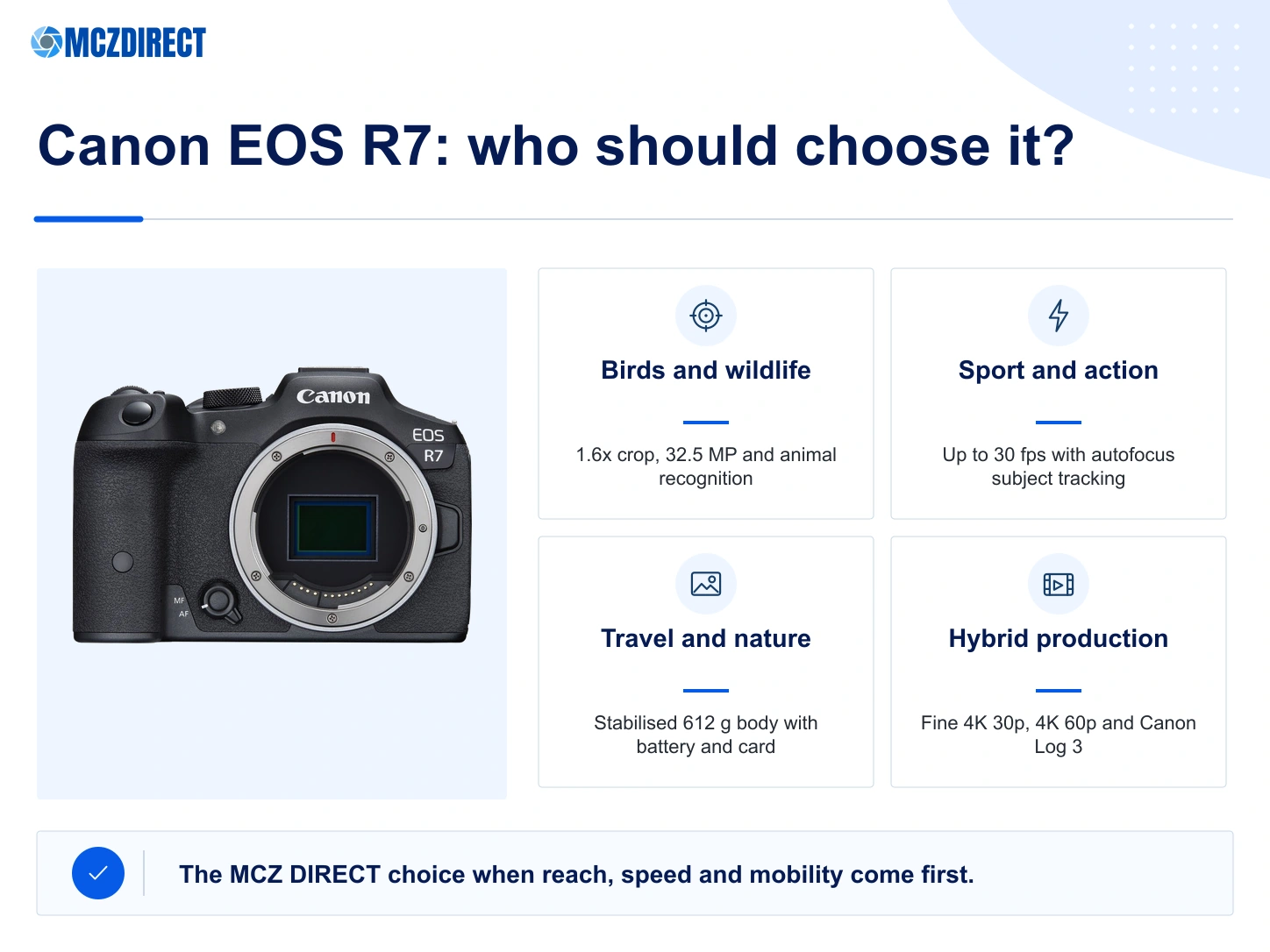
The R7 combines high resolution, subject-detection autofocus, fast bursts, in-body stabilisation and two UHS-II SD slots in one APS-C body. It is designed for the photographer who wants a mobile system with the controls and storage security needed for frequent or demanding use.
| Use | What the R7 contributes | What to consider |
|---|---|---|
| Birds and wildlife | 32.5 MP, 1.6x crop, animal recognition and 30 fps | Allow for a suitable telephoto lens, fast shutter speed and fast cards |
| Sport and action | AF tracking with 15 fps mechanical or 30 fps electronic shooting | Watch for rolling shutter and banding under some artificial lighting |
| Travel and reportage | Stabilised 612 g body with battery and card | Choose a lens whose weight remains consistent with the required mobility |
| Stills and video | Fine 4K 30p, 4K 60p, Full HD 120p and Canon Log 3 | Confirm the mode, crop, card and battery plan before a long recording |
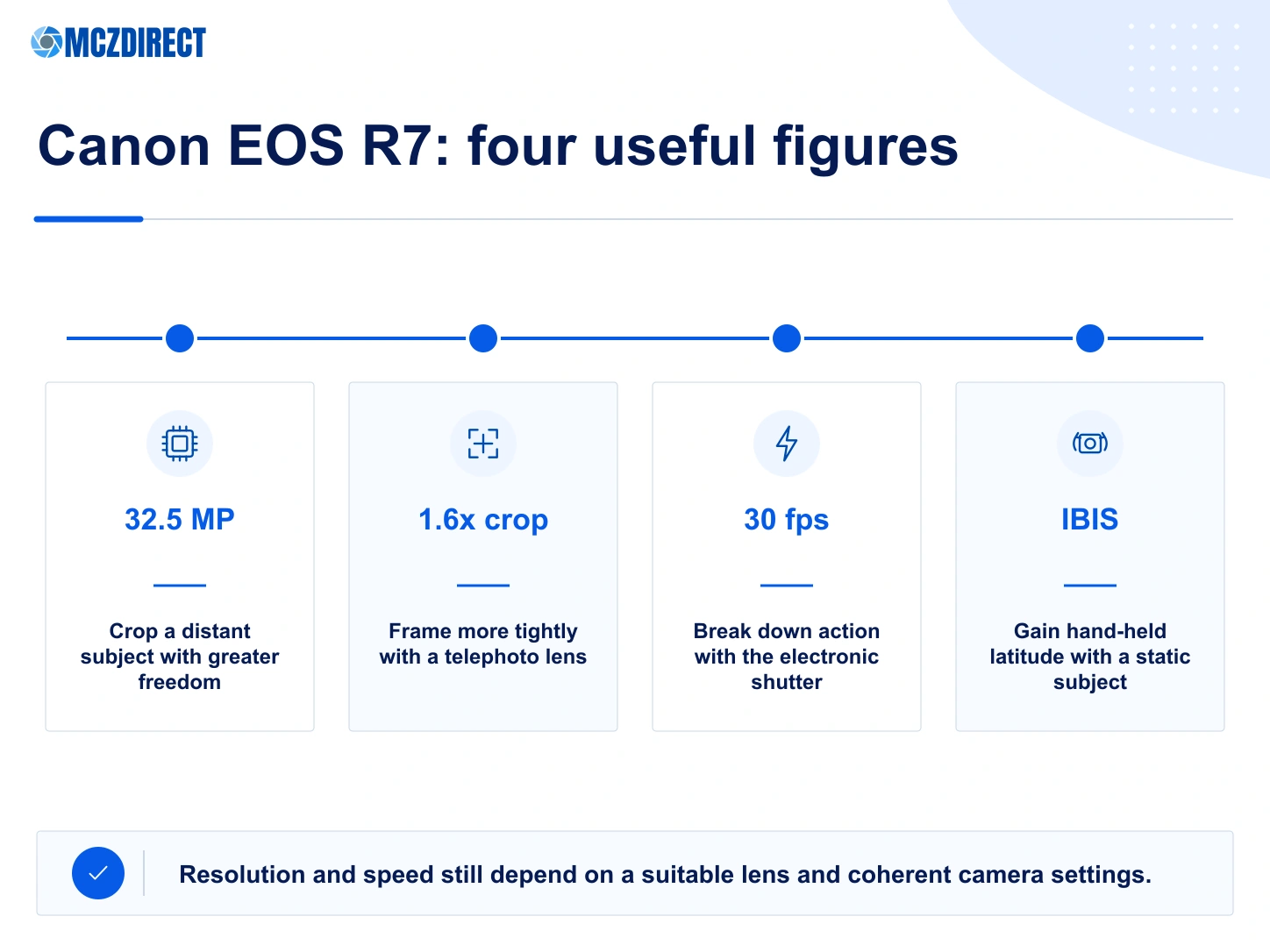
The 22.3 × 14.8mm CMOS sensor produces 6960 × 4640-pixel images. That resolution leaves useful room to crop a bird, refine a sports composition or prepare a large print, provided the lens, focus and shutter speed deliver enough detail. It also creates larger files than a lower-resolution APS-C camera, so card capacity, storage and computer performance belong in the buying decision.
The 1.6x factor does not physically magnify a subject or gather more light. It narrows the field of view compared with full frame. This helps with telephoto framing, but it also makes every wide-angle lens frame more tightly. Architecture, interiors and vlogging therefore require a sufficiently short focal length. The R7 remains APS-C, so very-low-light rendering and depth of field are not identical to full frame at equivalent framing.
| Feature | Practical benefit | Limitation to understand |
|---|---|---|
| 32.5 MP | Crop more freely and prepare detailed prints | Larger files and greater demands on the lens and focus accuracy |
| 1.6x crop factor | Narrower framing with a telephoto lens | A wide-angle lens also frames less widely than it does on full frame |
| 15 / 30 fps | More frames to choose from during a brief movement | Electronic shooting can distort very fast motion |
| IBIS up to 8 stops | More hand-held latitude with a relatively static subject | Stabilisation does not freeze a moving athlete or animal |
Dual Pixel CMOS AF II recognises people, animals including dogs, cats and birds, and selected vehicles. Continuous shooting reaches 15 frames per second with the mechanical shutter or electronic first curtain and 30fps with the electronic shutter. That speed helps capture a brief expression, take-off or sudden change of direction, but it still needs an appropriate AF area, shutter speed and ISO setting.
The electronic shutter can distort rapidly moving subjects or show banding under certain artificial lights. Mechanical shutter is often the safer option in those situations. For a relatively light long-reach setup, the EOS R7 with RF 100-400mm kit is a coherent pairing; the final choice still depends on distance, available light and the movement you expect.
Canon rates the sensor-shift stabilisation at up to eight stops under its stated conditions with selected compatible lenses. Actual benefit changes with lens, focal length, stance and subject. It assists with a landscape at dusk, handheld video or a long focal length, but cannot freeze an athlete or animal; shutter speed remains the key control for subject movement.
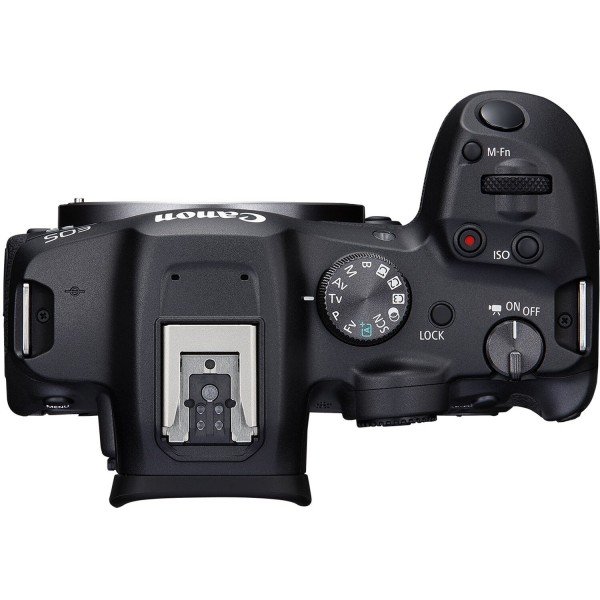
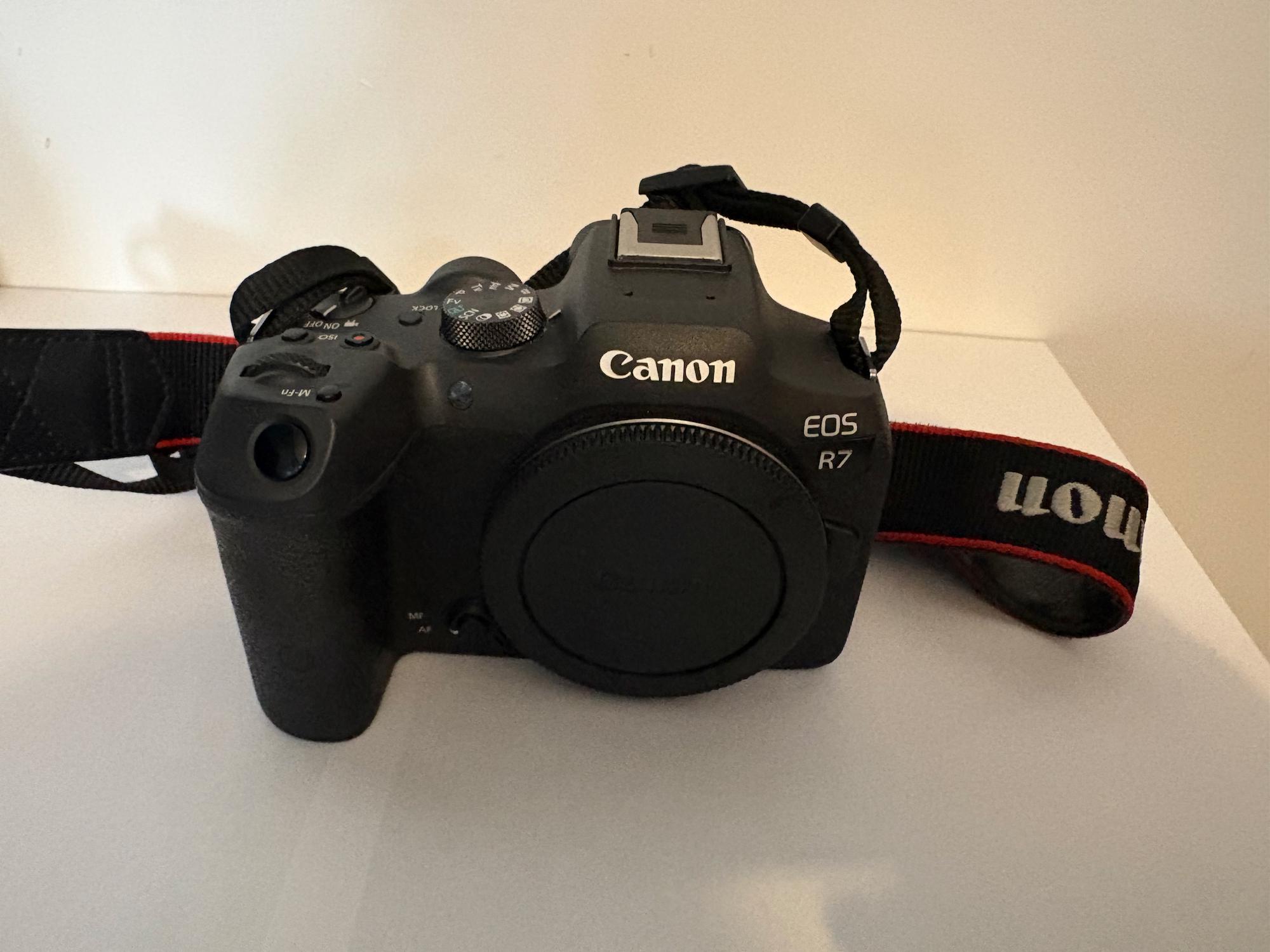
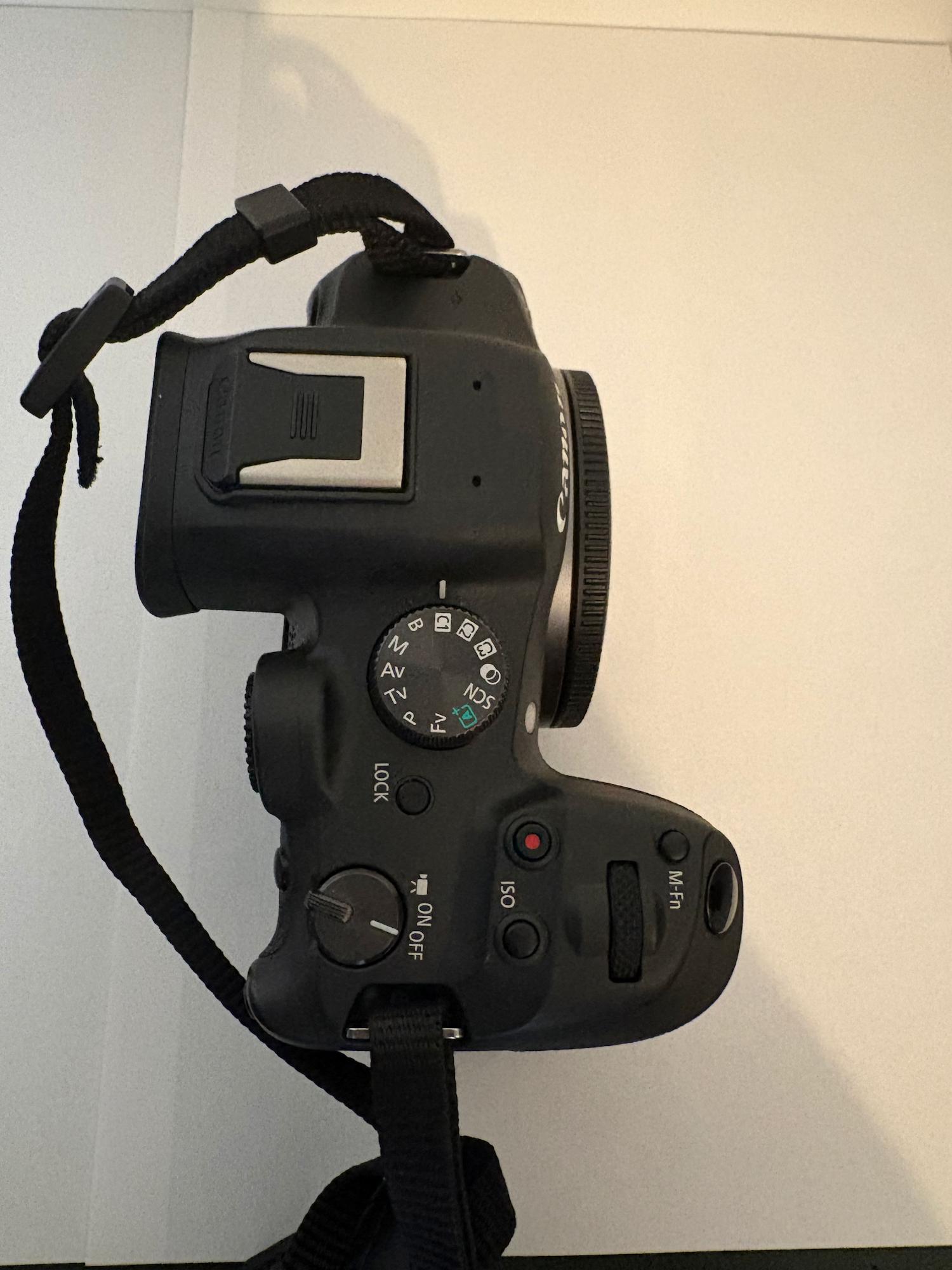
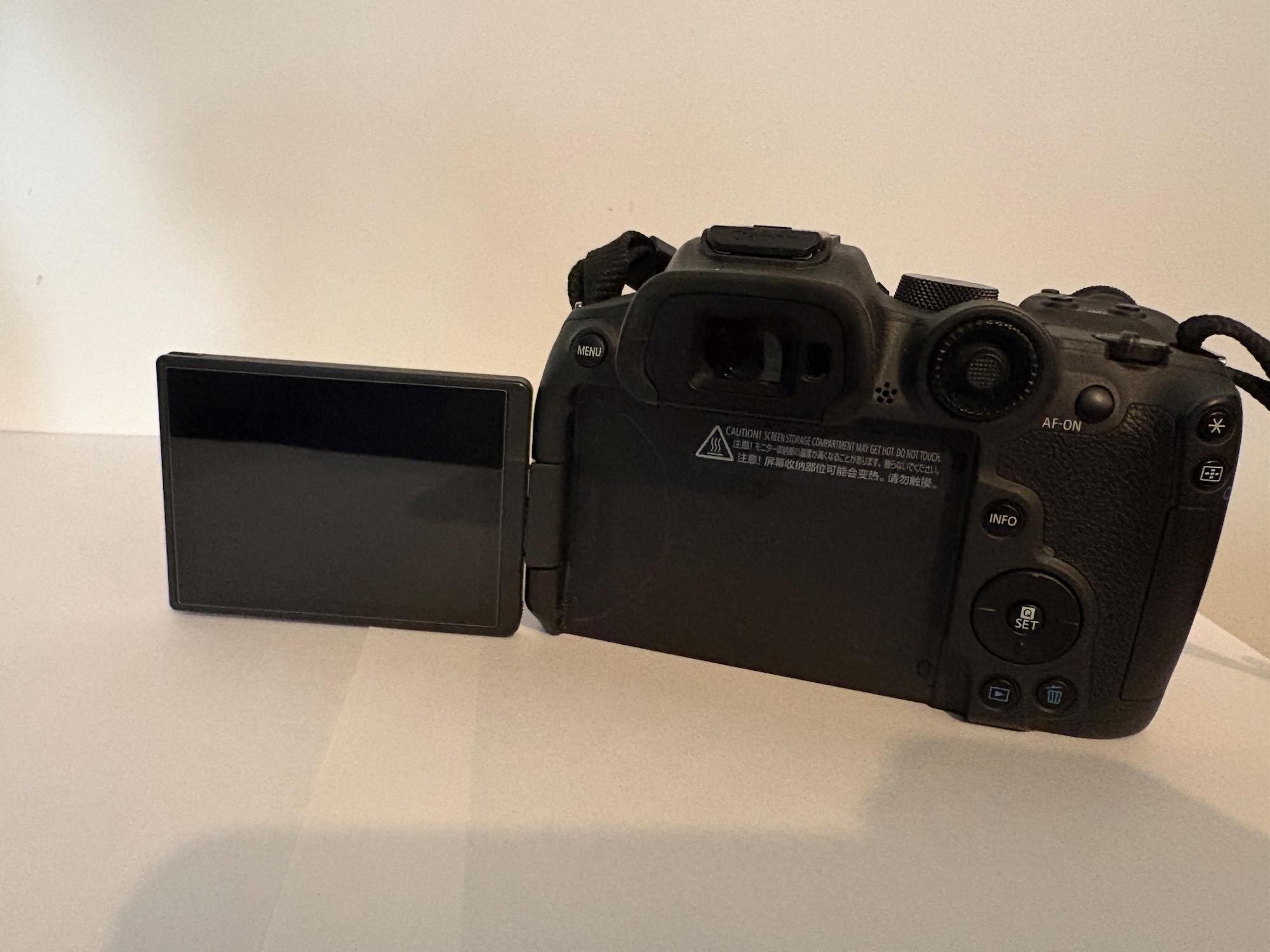
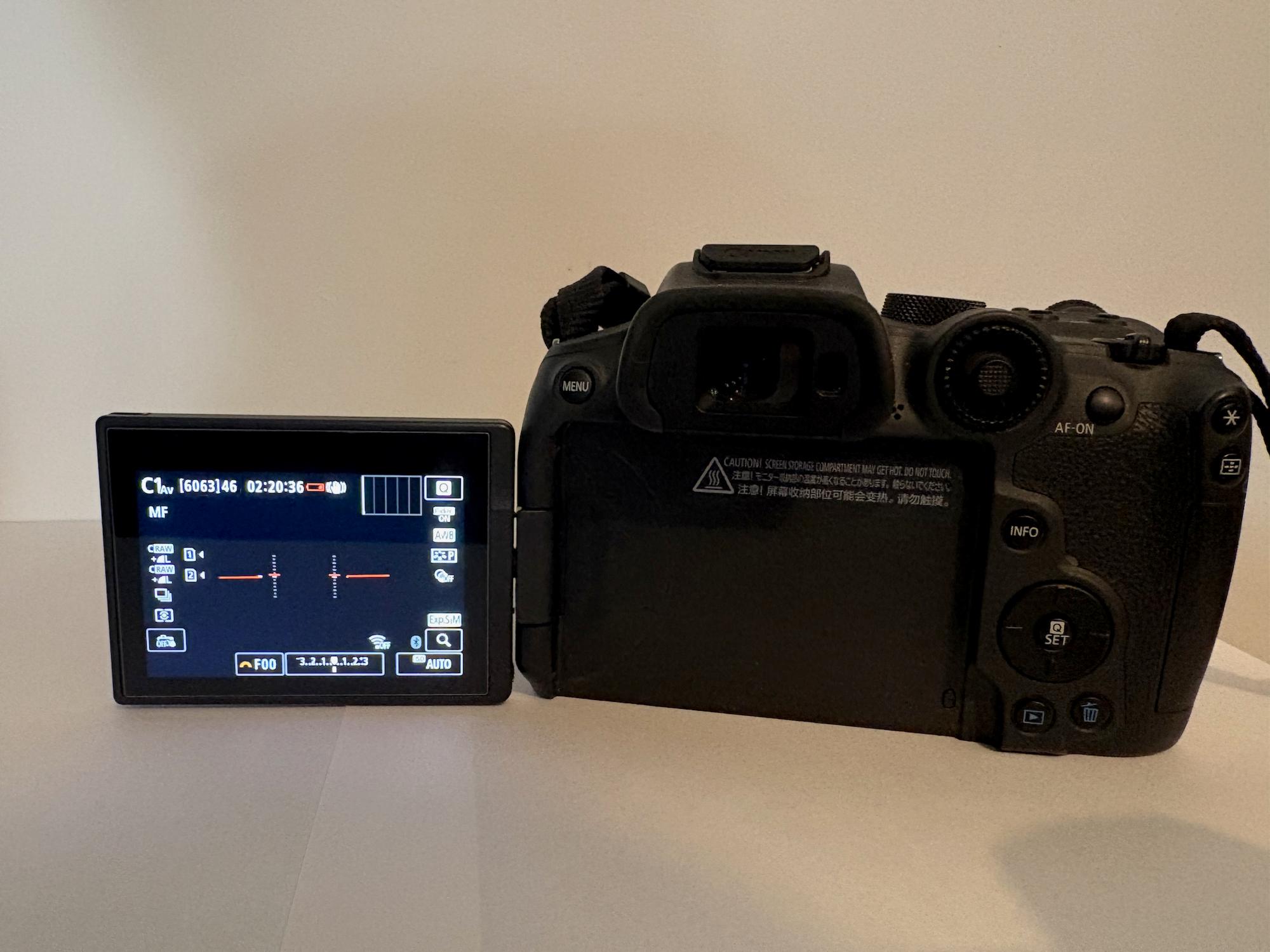
The camera weighs approximately 530g body only or 612g with battery and card. Its vari-angle touchscreen supports low, high and front-facing composition, while the 2.36-million-dot viewfinder can refresh at up to 120fps. Within the Canon EOS R range, we see the R7’s unusually dense direct controls as a defining advantage for a compact APS-C body. It takes a little familiarisation, then becomes efficient once the buttons and custom modes match the assignment.
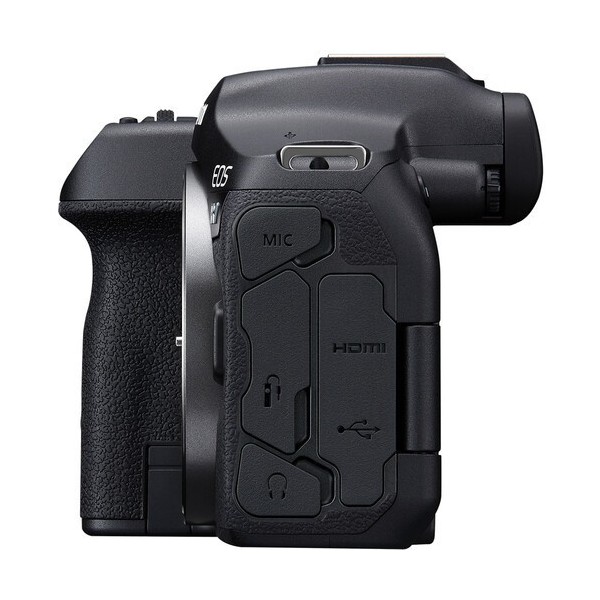
4K 30p Fine is oversampled from a 7K readout to prioritise detail. The R7 can also record 4K at up to 60p and Full HD at up to 120p for slow-motion work. Canon Log 3 gives compatible 10-bit modes more grading flexibility. Connections include a 3.5mm microphone input, headphone output, Micro HDMI Type D and USB-C.
Video modes do not all share the same crop, quality or available recording duration. Temperature, frame rate, digital stabilisation and the card can change the practical result. A 4K 60p label therefore does not tell the whole story. Before a long shoot, confirm the exact mode, test it with the intended card and carry a spare battery.
Despite some oversimplified listings, the Canon EOS R7 has two SD, SDHC or SDXC slots, both compatible with UHS-II. Depending on the selected settings, they support simultaneous backup, relay recording when one card is full or separation by file type. That redundancy matters for events, reportage and any session that is difficult to repeat.
The required speed class depends on still format, burst length and video mode. A faster card will not always extend the burst when the buffer is the limiting factor, but it can clear the buffer more quickly. For video, follow Canon’s media table for the selected mode. Two cards with comparable capacity and performance make a consistent backup workflow easier to manage.
RF and RF-S lenses mount directly. EF and EF-S lenses need a compatible Canon EF-EOS R adapter; EF-M lenses are not compatible. The RF-S 18-150mm creates a practical travel, family and discovery setup, and the EOS R7 with RF-S 18-150mm kit removes the need to choose a first lens separately. For more distant wildlife, the EOS R7 with RF 100-500mm L kit prioritises reach and L-series construction.
Body only is the more logical choice when you already own a compatible lens or want exact control over aperture, weight and focal range. Compare the complete body-and-lens system, not just the two references in isolation. Balance, packed size, brightness and working distance often have more influence on daily use than focal length alone.
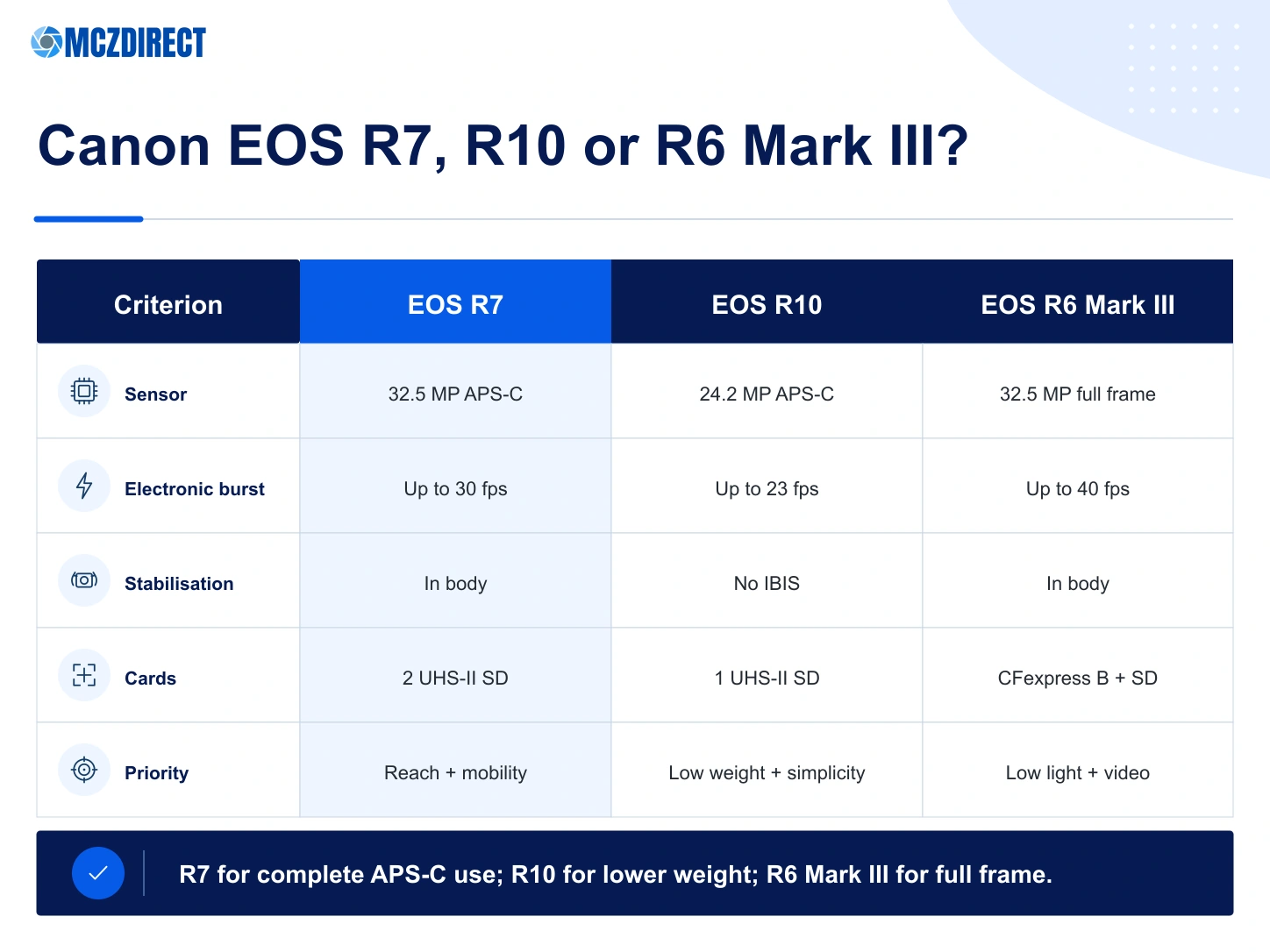
The Canon EOS R10 is lighter and simpler for travel, a first RF system or a more contained budget. The R7 earns its place when in-body stabilisation, 32.5 MP and two-card backup genuinely matter. The Canon EOS R6 Mark III changes the equation with a full-frame sensor, stronger low-light potential and more advanced video features.
Place all three bodies within the wider Canon EOS R range, or compare them with our full selection of mirrorless cameras.
| Criterion | EOS R7 | EOS R10 | EOS R6 Mark III |
|---|---|---|---|
| Sensor | 32.5 MP APS-C | 24.2 MP APS-C | 32.5 MP full frame |
| Electronic burst | Up to 30 fps | Up to 23 fps | Up to 40 fps |
| In-body stabilisation | Yes | No | Yes, up to 8.5 stops under Canon conditions |
| Storage | 2 UHS-II SD | 1 UHS-II SD | CFexpress Type B + UHS-II SD |
| Best fit | Wildlife, sport, advanced APS-C use | Travel, first system, lower budget | Low light, events, advanced video |
Position in the range. At MCZ DIRECT, we see it as the most coherent Canon RF choice for bird, wildlife and sport photographers who want APS-C framing without giving up stabilisation, direct controls and two memory cards. The body-only version is most relevant when the lens has already been selected around the subject and working distance.
Direct comparison. Against the R10, we recommend the R7 when the photography becomes regular, cropping matters and in-camera backup provides meaningful reassurance. Against the R6 Mark III, we retain the R7 for apparent reach, mobility and a more contained overall APS-C system. Full frame becomes the stronger option when low light, shallow-depth rendering or advanced video takes priority.
Honest limitation. The 32.5 MP sensor needs a resolving lens, accurate focus and suitable storage. Electronic shooting at 30 fps can also show rolling shutter with very fast motion, while the 1.6x crop makes truly wide framing more difficult. If those trade-offs match the intended work, the R7 remains one of the most complete APS-C bodies in the Canon RF mount.

The Canon EOS R7 is primarily for sport, wildlife, bird and action photographers who want resolution, APS-C reach and speed. Its 32.5MP sensor, subject-detection autofocus, bursts at up to 30fps and in-body stabilisation also make it suitable for travel and hybrid photo-video creation.
No. The Canon EOS R7 uses a 22.3 × 14.8mm APS-C sensor with a 1.6x field-of-view factor. A telephoto lens therefore frames more tightly than on full frame, which can help with distant subjects. Depth of field and very-low-light rendering remain characteristic of an APS-C system.
No. This listing is for the Canon EOS R7, the official name of the model announced in May 2022. Canon does not identify this product as EOS R7 Mark II, R7 Mark 2 or R7 II. Those search variations should not be used to identify the camera sold here.
Canon announced the EOS R7 on 24 May 2022, with market availability beginning during June 2022 depending on country. Dates can differ between the announcement, initial availability and arrival at individual retailers. This listing is for the EOS R7 from that generation.
No. This listing is for the Canon EOS R7 body only. The package contains the camera, covers, an LP-E6NH battery, charger and strap, but no lens or memory card. A lens kit is often easier for a first system, while body only provides more freedom.
Yes. Its 1.6x field-of-view factor, 32.5MP resolution, animal detection and electronic bursts at up to 30fps are well suited to birds and wildlife. Results still depend on lens, available light, shutter speed, cards and the photographer’s control of subject-tracking settings.
The R7 reaches up to 15fps with the mechanical shutter or electronic first curtain and 30fps with the electronic shutter. Burst duration varies with format, card and settings. With fast subjects or artificial light, watch for distortion and banding when using the electronic shutter.
The R7 records 4K at up to 60p, but framing and quality depend on the selected mode. 4K 30p Fine is oversampled from a 7K readout. Digital stabilisation can add a crop. Confirm the exact mode, card requirement and available duration before an important shoot.
The camera has two UHS-II-compatible SD, SDHC or SDXC slots. Required capacity and video speed class depend on format and frame rate. For an event, two comparable cards support simultaneous backup. Check Canon’s media table before using long bursts or a demanding video mode.
Canon RF and RF-S lenses mount directly. EF and EF-S lenses require a compatible Canon EF-EOS R adapter. EF-M lenses cannot be used. The 1.6x APS-C factor narrows every lens’s field of view, which helps telephoto framing but requires a shorter wide-angle lens.
The package includes a Canon LP-E6NH battery and an LC-E6 or LC-E6E charger depending on region. Canon rates approximately 770 shots with the screen or 500 with the viewfinder at 23°C in power-saving mode. Video, Wi-Fi, cold, bursts and high refresh rates reduce real endurance.
The R7 provides 32.5MP, in-body stabilisation, two card slots and a build better suited to demanding use. The R10 is lighter and simpler for learning or travel. Choose the R7 for sport, wildlife and redundancy; choose the R10 when compactness and simplicity are the priorities.
Generated by AI from customer reviews.