

My basket0 items


Find your orders, invoices and saved addresses all in one place.
The Canon EOS R7 with RF 100-500mm F4.5-7.1 L IS USM is a kit for birds, wildlife and outdoor action when you cannot move closer to the subject. On the R7's APS-C sensor, the zoom gives a field of view comparable to approximately 160–800mm on full frame. You can adjust the framing from a hide or a sideline, while the R7 helps you follow supported subjects. At 500mm, the maximum aperture is f/7.1, so light and shutter speed need attention. The lens is substantial and starts with a tight view; for general travel scenes, plan a wider lens separately.
Combine compatible accessories and save. The more items you add, the bigger the discount.
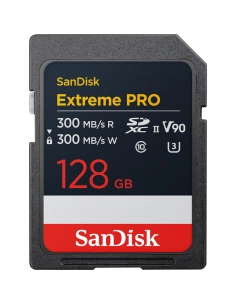
memory card
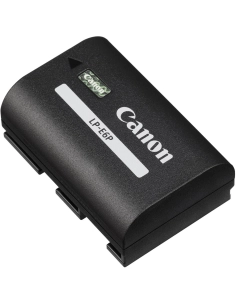
battery
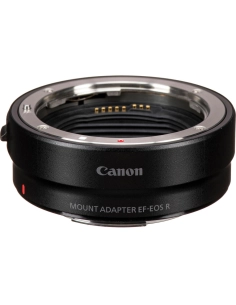
Adaptateur

warranty extension
You have found a place beside the water and a bird is resting on the opposite bank. The Canon EOS R7 with RF 100-500mm F4.5-7.1 L IS USM lets you adjust the frame from that position, then pull back if the bird takes flight and you need more room to follow it. The R7's APS-C sensor gives the lens a view comparable to approximately 160–800mm on full frame, while subject-detection autofocus can help you keep track of supported animals and other moving subjects.
This is a substantial telephoto kit, and the shorter end already gives a tight view. It is suited to wildlife, aviation and outdoor sport rather than small rooms or broad travel scenes. At 500mm the maximum aperture is f/7.1, so a fast shutter speed in poor light may require a higher ISO. Before choosing, consider how far away your subjects usually are and how much equipment you want to carry.
The RF 100-500mm is a full-frame lens that mounts directly on the R7. The camera's APS-C sensor records a narrower part of the image than a full-frame sensor with the same lens. With Canon's approximate 1.6 crop factor, the field of view is comparable to about 160–800mm on full frame. The lens remains physically 100–500mm; the comparison describes framing, not a change to focal length or aperture.
At 100mm, a large animal or a player at a moderate distance can be shown with some of the surroundings. At 500mm, a smaller or more distant subject occupies more of the frame. How large it appears still depends on its actual distance. A bird at the far side of a large lake may remain small even at the longest setting.
The tighter field of view also makes it harder to locate a fast-moving subject when the lens is already at 500mm. Start at a shorter focal length, find the bird or aircraft, then zoom in if the movement is predictable. Leaving room around the subject can be more useful than filling the frame and repeatedly losing it at the edge.
This kit begins with a telephoto view. It will not show the whole room at a family gathering or a broad landscape from a confined position. If those images matter on the same trip, carry a wider lens or consider a more general-purpose kit. The 100-500mm is chosen for what happens at a distance.
Before a bird appears, look for a clear line through reeds or branches and notice where the light falls. A long lens cannot remove an obstruction between you and the subject. A small change of position may reveal the eye or separate the bird from a busy background without making the subject any closer.
At 100mm you can include the bird and some of its habitat. If it settles on the opposite bank, zoom towards 500mm for a tighter frame. Give the subject a little space at first: a bird can turn, stretch a wing or take off with very little warning. A frame with room around it is easier to follow than one that is already filled edge to edge.
The R7 offers animal subject detection in suitable autofocus modes. It can help identify and follow a supported subject, but a small bird behind branches or against a busy background may require another focus area or a second attempt. Check that the eye or head is where you intended the focus to be before the moment passes.
At 500mm the maximum aperture is f/7.1. If the bird is still, a slower shutter speed may be possible with a steady position. If it moves or takes flight, you may need a faster speed and a higher ISO in the same light. Review the subject rather than judging only the background: stabilisation helps with your movement, not the bird's.
A bird crossing a clear sky is easier to find than one emerging from a tree. Begin following it at a shorter focal length and keep your movement smooth. Once you can keep it in the viewfinder, zoom in if there is time. Starting at 500mm can be tempting, but the narrow view makes small changes in direction harder to follow.
Continuous autofocus and short bursts can help capture different wing positions. The R7 can shoot at up to 15 frames per second with the mechanical shutter and up to 30 fps with the electronic shutter, depending on settings and conditions. These are maximum figures, not a guarantee of focus in every frame or an unlimited burst. Time the sequence and allow the camera to clear its buffer when needed.
Choose a shutter speed for the movement you want to record. A bird gliding slowly and one beating its wings rapidly may need different settings. If the wings are blurred but the head is sharp, decide whether that movement works for the picture. If you want the whole bird frozen, increase the speed and adjust ISO or aperture as the light permits.
Electronic shutter can introduce distortion with fast movement, and some artificial lights can cause banding. For birds outdoors, compare a test sequence with the mechanical shutter if the shape of wings or other moving elements looks unusual. The best setting is the one that produces usable images under the conditions in front of you.
For a deer near the edge of a field, 100mm may show enough of the surroundings to explain where it is. At a longer setting you can concentrate on an expression or a detail. If the animal approaches, pull back rather than cutting off its ears or legs; the zoom range gives you some flexibility without requiring a change of position.
Respect the subject's space and follow local rules around nesting and feeding wildlife. A long lens can help you photograph from a distance, but it does not justify approaching animals that are stressed or blocking their path. Observe first, choose a safe position and let the animal's behaviour determine how long you stay.
A bright sky behind a dark animal can make exposure difficult. Check whether the detail you need is visible in the subject and adjust when possible. Moving to place a darker background behind it may help more than trying to repair an image afterwards. Early or late light can be attractive, but low light also makes shutter-speed decisions more demanding at f/7.1.
On a long walk, consider when you will use the lens. It is a substantial piece of equipment, especially with the R7, support and water in your bag. A strap or bag that supports the attached lens can make it easier to carry. If the day is mainly a general walk with only occasional distant wildlife, a lighter or more versatile kit may be more comfortable.
From a sideline, the 100-500mm can frame a player across a large pitch or a boat moving along the far side of a course. Start with a little space around the action and zoom in when you can anticipate the movement. A tight frame of one athlete can be effective, but a wider view may show the relationship between players more clearly.
At an air show, use the shorter end to locate an aircraft and follow its path before tightening the composition. Long focal lengths make camera movement more visible in the viewfinder, so use a comfortable stance and support the lens from underneath. A monopod may help during a long wait, though it will not freeze the aircraft's movement.
The f/4.5–7.1 maximum aperture changes across the zoom range. As you zoom towards 500mm, the maximum opening becomes smaller. Watch the shutter speed and ISO, especially when a subject moves into shade. For indoor action in limited light and at a closer distance, the RF 70-200mm f/2.8 kit offers a brighter constant aperture, but it cannot frame distant subjects as tightly at 200mm.
If a team photograph or the whole venue is part of the assignment, plan a shorter lens as well. At 100mm on the R7, the starting view is already comparable to roughly 160mm on full frame. It is a useful view for isolating action, not for fitting an entire group into a small room.
At 500mm, f/7.1 is the lens's maximum aperture. In bright daylight you may have enough light to select a shutter speed suited to a moving animal while keeping ISO where you want it. In a shaded woodland or near dusk, the same speed can require a higher ISO. Check a test image and decide whether noise, motion blur or waiting for a quieter moment is the better compromise.
For a resting subject, a slower shutter speed may be workable if your position is steady. For a bird taking off, a faster speed is generally needed. Stabilisation helps reduce blur from camera shake, but it does not stop wings or leaves moving. If the background is sharp and the subject is blurred, the shutter speed may need attention.
The maximum aperture changes as you zoom. If you set exposure manually, review the shutter speed, aperture and ISO when moving between the ends of the range. Automatic modes can adjust for the change, but it is still worth checking whether the resulting speed is appropriate for the action.
Do not treat a high ISO as a failure if it allows you to keep an important moment sharp. Likewise, do not assume that the longest focal length is always necessary. A wider composition with the subject in its surroundings can make better use of the available light and give you more room to follow movement.
The RF 100-500mm has optical image stabilisation and the R7 has in-body stabilisation. They help reduce blur caused by your own movement. The effect depends on the conditions, focal length, shutter speed and technique; a quoted stabilisation figure is not a guarantee for every frame.
At the long end, hold the lens from underneath and use a steady stance. If you are waiting for a bird or photographing a long match, a monopod can reduce the effort of supporting the kit. A tripod may be useful from a fixed hide or for video, provided it allows you to follow the subject when necessary.
Support helps with the camera's movement, but it does not hold a branch or animal still. A bird on a moving reed can remain blurred even when the background is sharp. Choose a shutter speed for that motion and inspect the subject at a useful magnification.
When setting up support, use the lens's tripod mount where appropriate and check that it is secure. Avoid carrying the assembly by a single point without considering the weight. For a hike, decide whether you need the support for the planned location or whether it will remain unused in the bag.
The lens uses Canon's Dual Nano USM focusing motors. The R7's Dual Pixel CMOS AF II can detect supported animals, people and certain vehicles in appropriate modes. Select the mode that fits your subject, begin following early and check the focus indication in the viewfinder as the scene changes.
A bird partly hidden in foliage can be difficult to separate from the branches. If the camera follows the wrong area, use a more specific focus area, wait for a clearer view or adjust your position. The same applies to a player surrounded by teammates: an automatic system cannot know which expression you intend to photograph in every frame.
For a stationary animal, a single carefully placed focus point may be more useful than tracking. For a moving subject, continuous autofocus and a short burst give you options. Review a frame when the opportunity allows and do not assume that every image in a high-speed sequence is focused correctly.
At long focal lengths, the subject may move out of the frame quickly. Keep a little margin, especially when it approaches or changes direction. Zoom in further only when you can keep the subject in view and the light supports the shutter speed you need.
Canon specifies a minimum focusing distance of approximately 0.9m at 100mm and 1.2m at 500mm, measured from the camera's sensor plane. The distance from the front of the lens is shorter. This can be useful for a larger insect, a flower or a detail when you have enough space to position the camera.
At a long focal length, a close subject can be isolated against a more distant background. Watch for camera shadows or branches crossing the frame and check which part of the subject is sharp. If more of the object needs to be in focus, a smaller aperture may help, with the usual effect on shutter speed and ISO.
The lens can make close photographs, but it is not a replacement for a dedicated high-magnification macro lens. For an engraving or a small insect that needs to fill the frame at very close range, compare the RF 100mm F2.8 L Macro. The 100-500mm's main role remains framing subjects that are farther away.
The R7 records 4K video, with available frame rates and image coverage depending on the selected mode. From a hide, the 100-500mm can frame a bird across the water or follow an animal moving along a bank. Begin with a wider composition, then tighten it only when the subject's movement is predictable.
At 500mm, even a small camera movement can be visible in the footage. A tripod or other suitable support can make a long observation easier to watch. If you need to follow an animal, choose a head and position that let you move smoothly without forcing the lens.
The lens's Dual Nano USM motors are designed for smooth and quiet focusing. Record a short test to check whether autofocus or a controlled manual focus position works better for the scene. A branch crossing the foreground can cause the focus to change; review the clip before the subject leaves if possible.
Check the actual field of view in your selected video mode. Cropped recording options or digital stabilisation can narrow it further. Sound needs its own plan: a microphone placed near the camera in a windy hide may record more wind than the distant subject. Listen to a test rather than assuming the image and sound are equally usable.
Canon describes the RF 100-500mm L lens as designed to resist dust and moisture. It is not waterproof. Protect the camera and lens in heavy rain, avoid placing them directly on wet ground and dry them carefully after a damp outing. A cover is useful when you must remain in position during a shower.
Canon US lists the lens at approximately 1,365g without the tripod mount, with the mount adding approximately 160g. Add the R7, bag and any support when considering the complete load. A comfortable carrying arrangement matters on a long walk, particularly if the lens stays attached to the camera for much of the day.
The R7 has two SD card slots compatible with UHS-II. Configure the recording roles before a trip and confirm that both cards are recognised. Choose cards suited to the burst and video modes you use, and allow capacity for sequences that may contain many similar frames.
Charge the battery before leaving and consider a compatible spare if you will be away from a charger. If the day includes broad landscapes or photographs of companions, plan a wider lens separately. This listing combines the R7 with the 100-500mm; the telephoto is not designed to cover every view of a trip on its own.
The closest alternative is the R7 with RF 100-400mm. It reaches 400mm rather than 500mm and has a maximum aperture of f/8 at its long end. The 100-500mm offers extra reach and L-series construction, while the 100-400mm may suit someone who wants a lighter telephoto and can accept the shorter range.
For action in dim venues at a closer distance, compare the R7 with RF 70-200mm F2.8 L. Its constant f/2.8 aperture is much brighter at its long end, but 200mm does not frame distant wildlife as tightly as 500mm. The choice depends on subject distance and light as well as the number on the lens.
If your trip mixes everyday scenes with occasional animals, the R7 with RF-S 18-150mm starts much wider and is more convenient as a single travel lens. It does not provide the same reach for birds. The R7 with 18-150mm and 100-400mm is another way to cover general scenes and wildlife, with two lenses to carry and change.
For dedicated close-up work, the R7 with RF 100mm F2.8 L Macro serves a different purpose. Already own compatible lenses? Consider the R7 body-only option, or explore the Canon EOS R7 range and our guide to R7 lenses.
We would recommend this kit to a photographer who regularly works with birds, wildlife or outdoor action at a distance and is willing to carry a substantial telephoto. The 100–500mm range gives you room to find a subject and then frame it more tightly, while the R7's subject detection can help with supported moving subjects.
The trade-offs are the f/7.1 maximum aperture at 500mm, the weight and the tight starting view. If you want a lighter telephoto and can accept less reach, compare the 100-400mm kit. For frequent action in dim light at a closer distance, the 70-200mm f/2.8 is the more relevant alternative.

It combines the Canon EOS R7 camera with the RF 100-500mm F4.5-7.1 L IS USM lens.
It frames like approximately 160–800mm on full frame. The physical focal length remains 100–500mm.
No. The lens remains 500mm at its long end; the APS-C sensor gives a field of view comparable to 800mm on full frame.
It is f/7.1. In low light, a fast shutter speed for moving wildlife may require a higher ISO.
Yes. Start at a shorter focal length to find the bird, use suitable autofocus and shutter settings, and zoom in when you can follow it reliably.
No. It helps reduce camera shake. A moving animal still needs a shutter speed suited to its movement.
The 100-500mm reaches farther and is an L-series lens. The 100-400mm is a shorter, lighter telephoto alternative, with f/8 at 400mm.
No. Its construction is designed to resist dust and moisture, but the equipment should be protected from heavy rain and water.
Canon specifies approximately 0.9m at 100mm and 1.2m at 500mm, measured from the camera's sensor plane.
It is specialised for distant subjects. For interiors, groups and broad views, a wider lens or a more general-purpose kit is useful.
Yes. The R7 records 4K video; support is useful for steady long-focal-length shots, and the view depends on the recording mode.
Yes. It has two SD card slots compatible with UHS-II. Choose cards suited to your photo and video modes.
