Shopping Cart
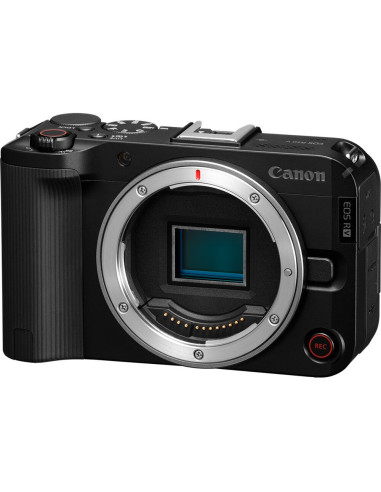
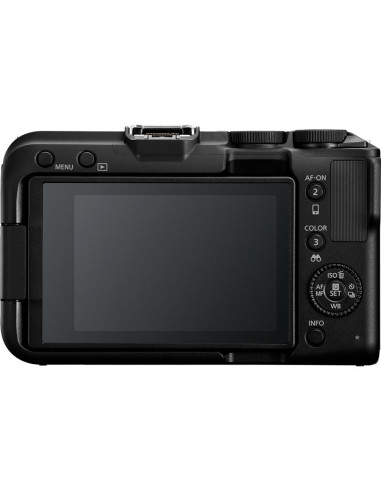
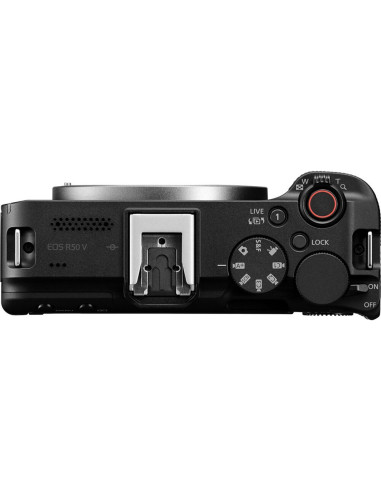
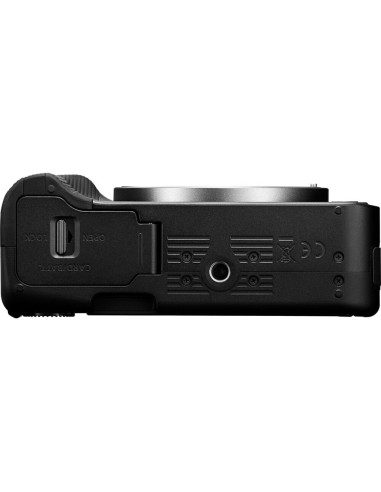
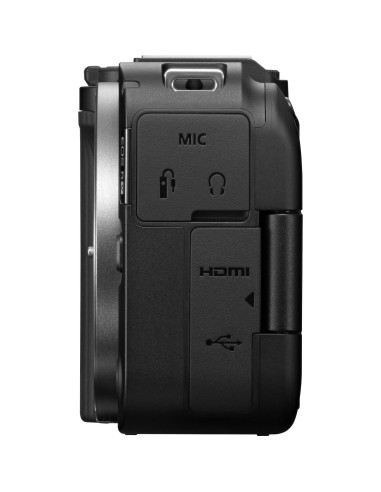
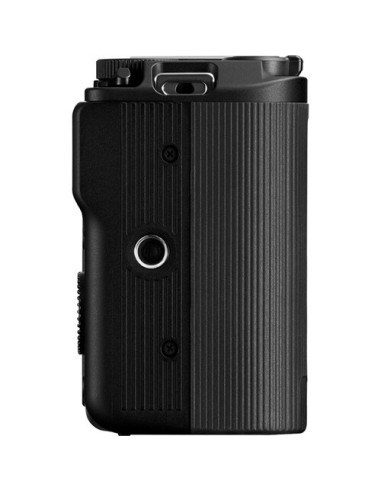
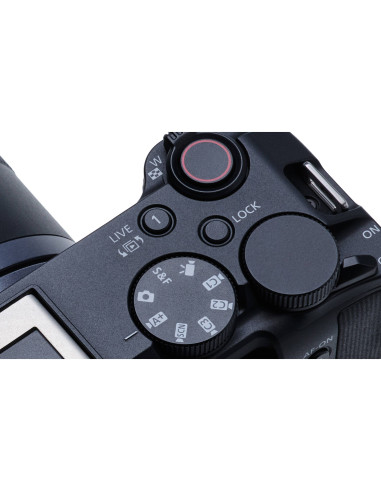
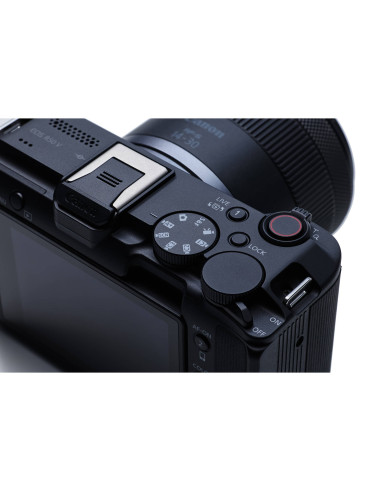

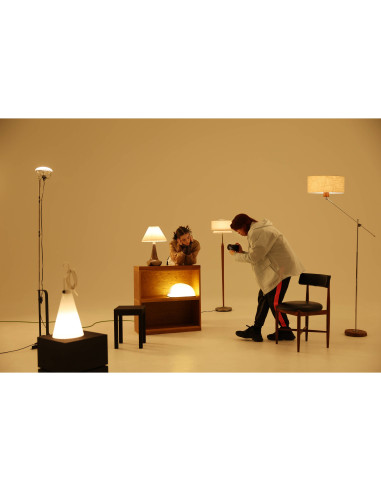
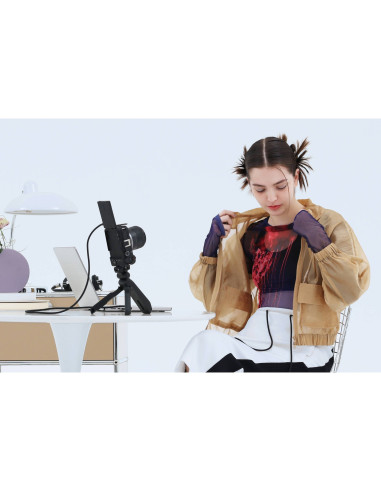
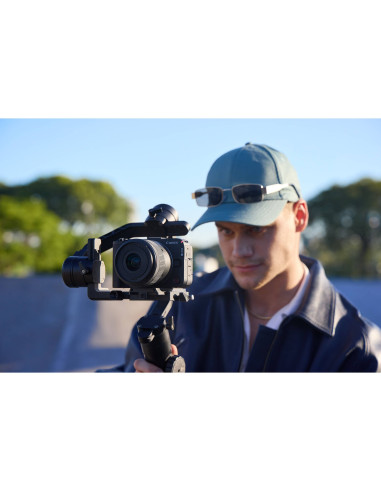
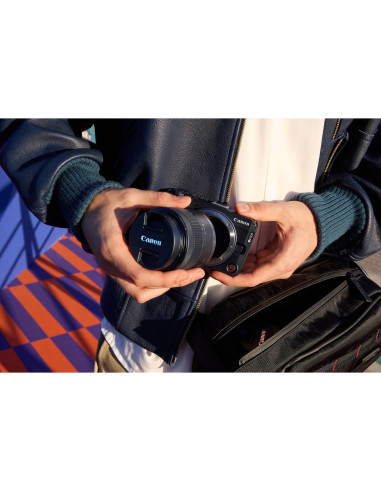
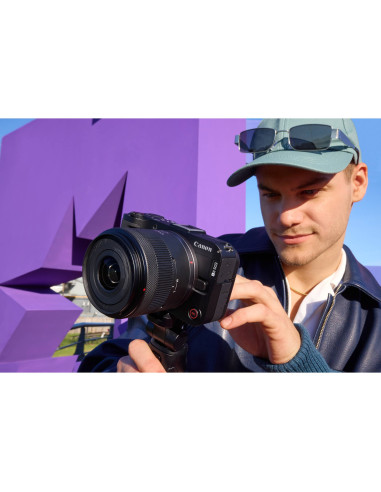
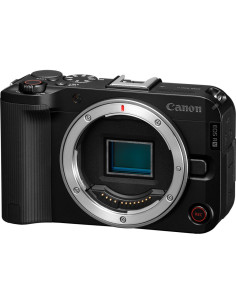
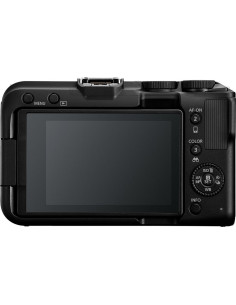
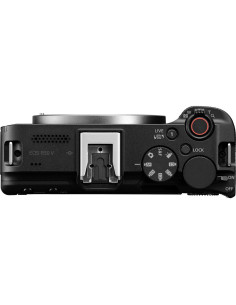
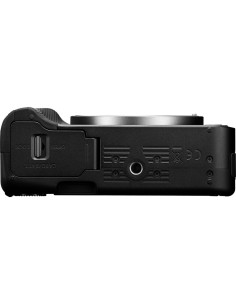
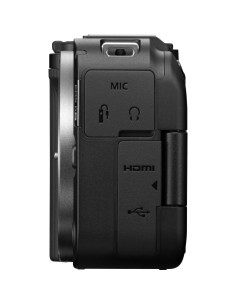
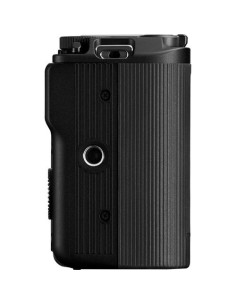
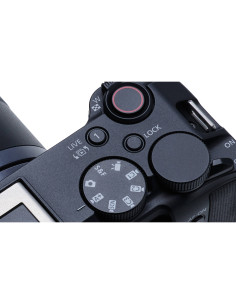
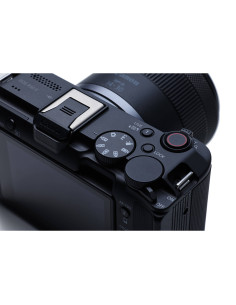


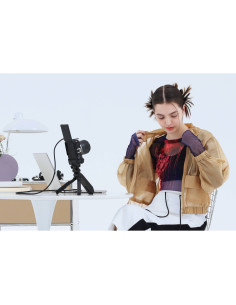
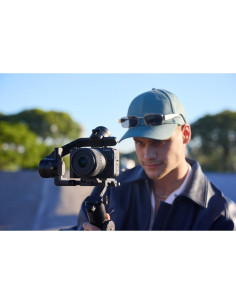
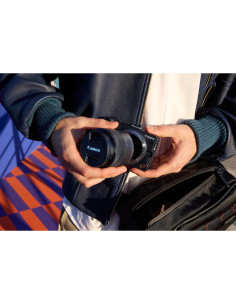
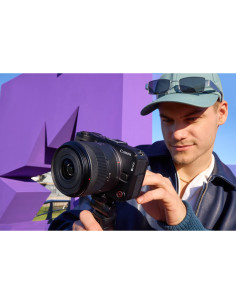
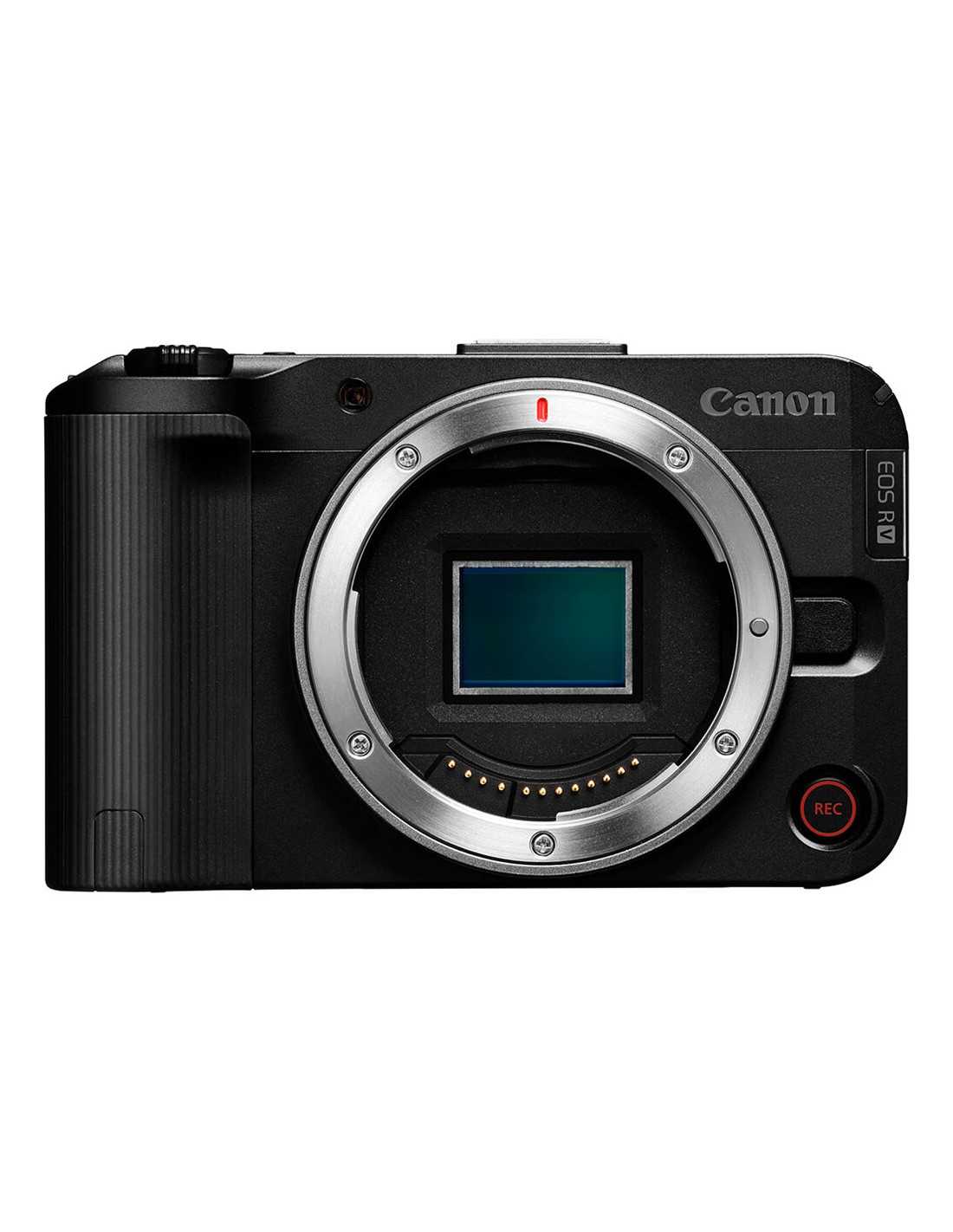
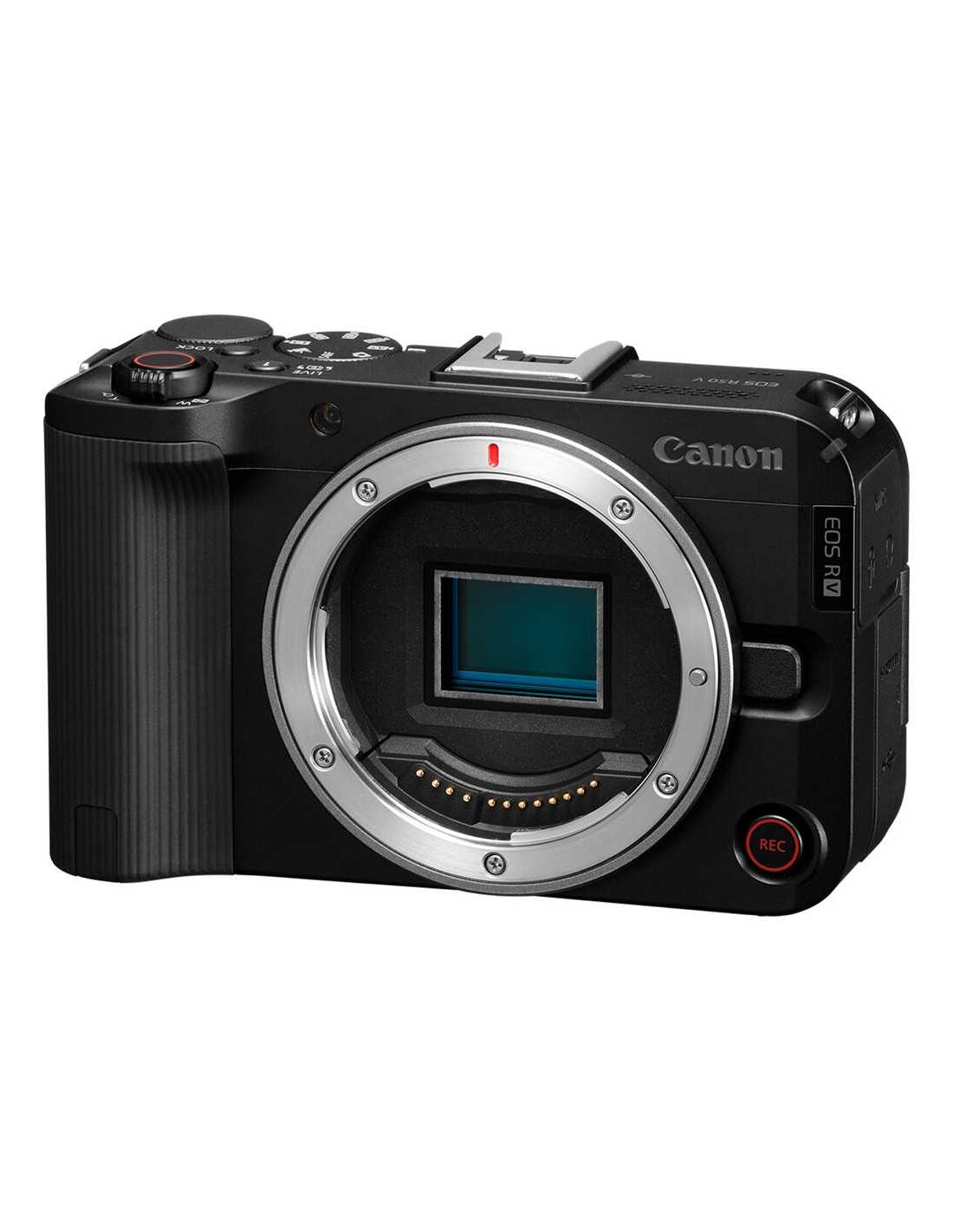
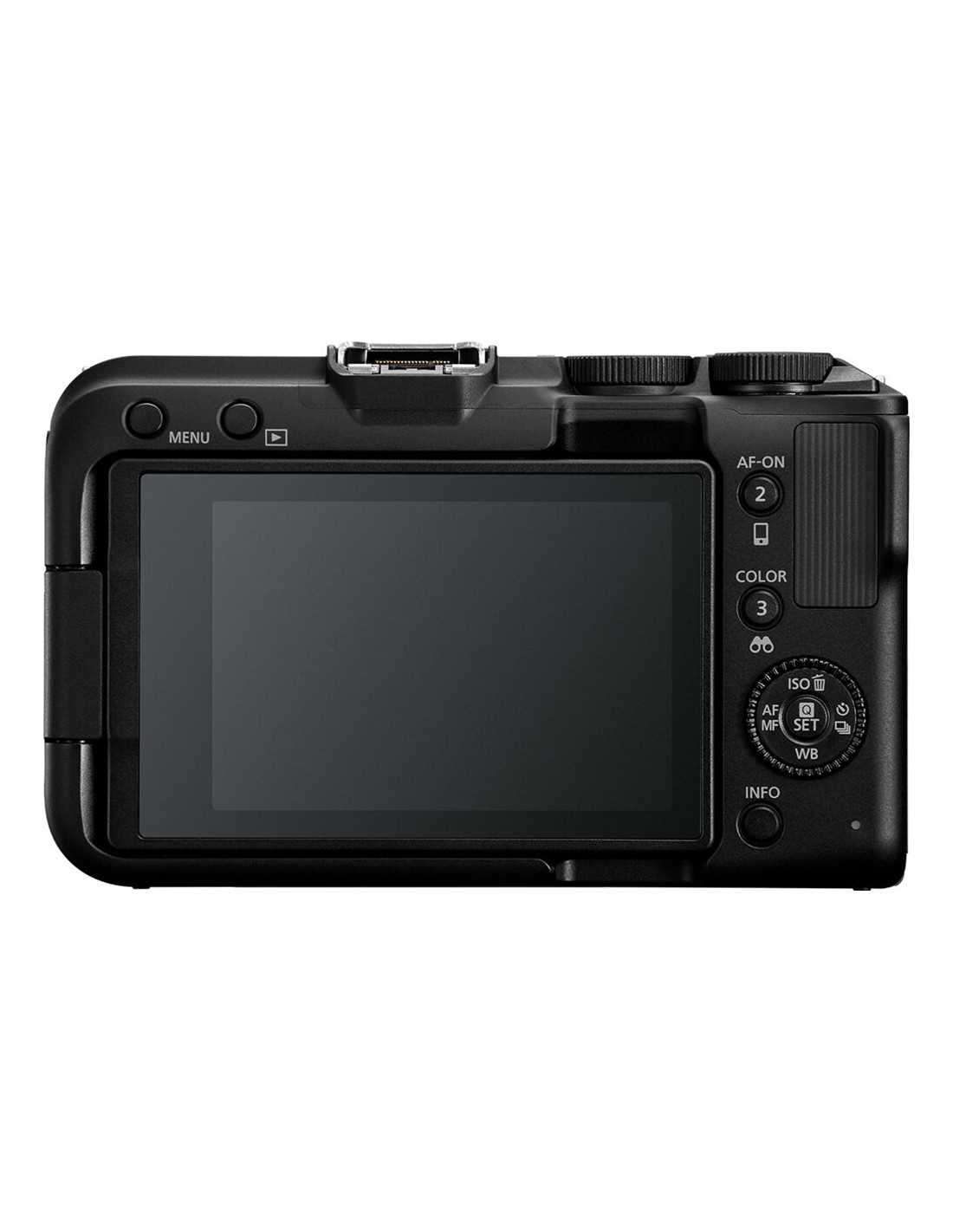

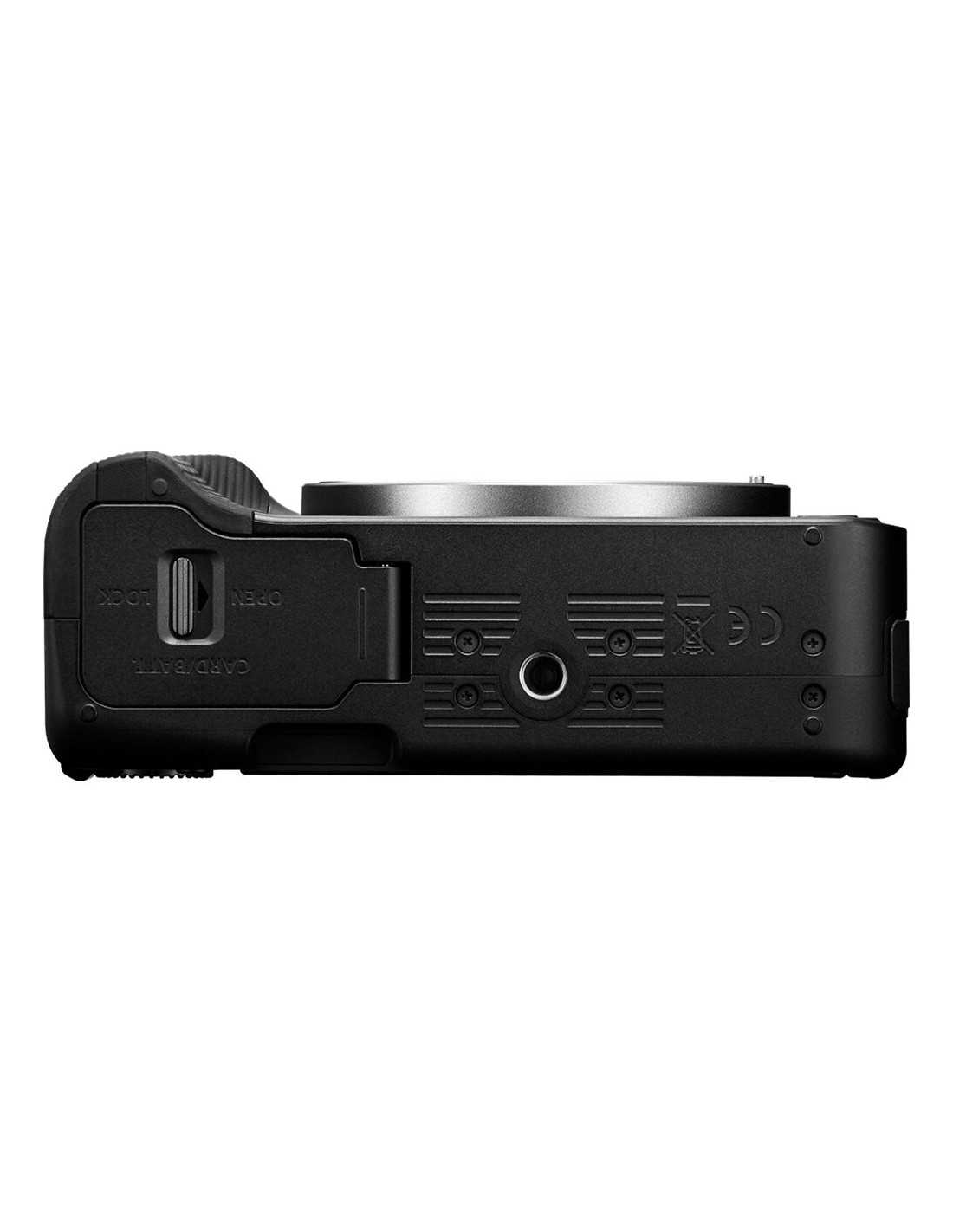
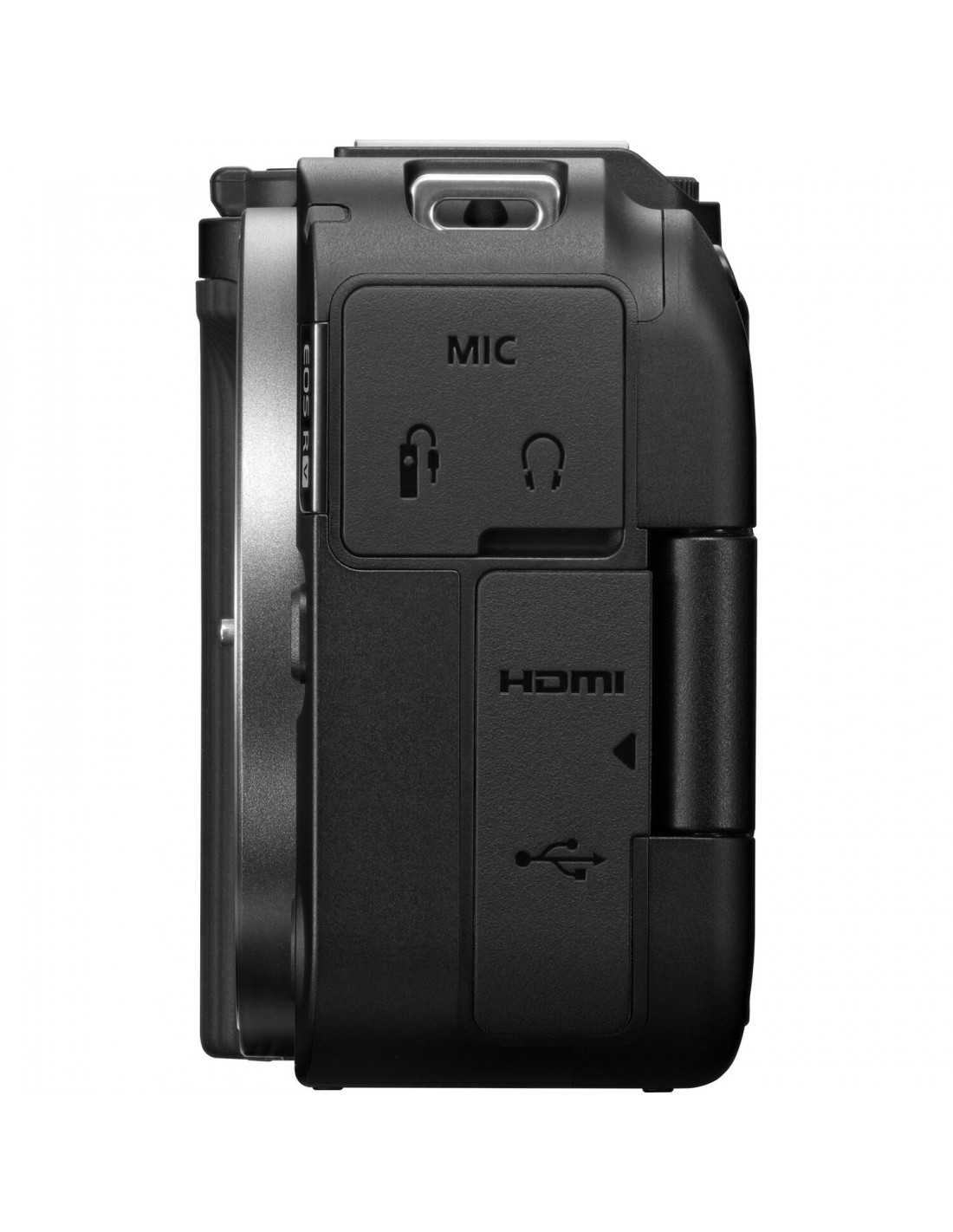

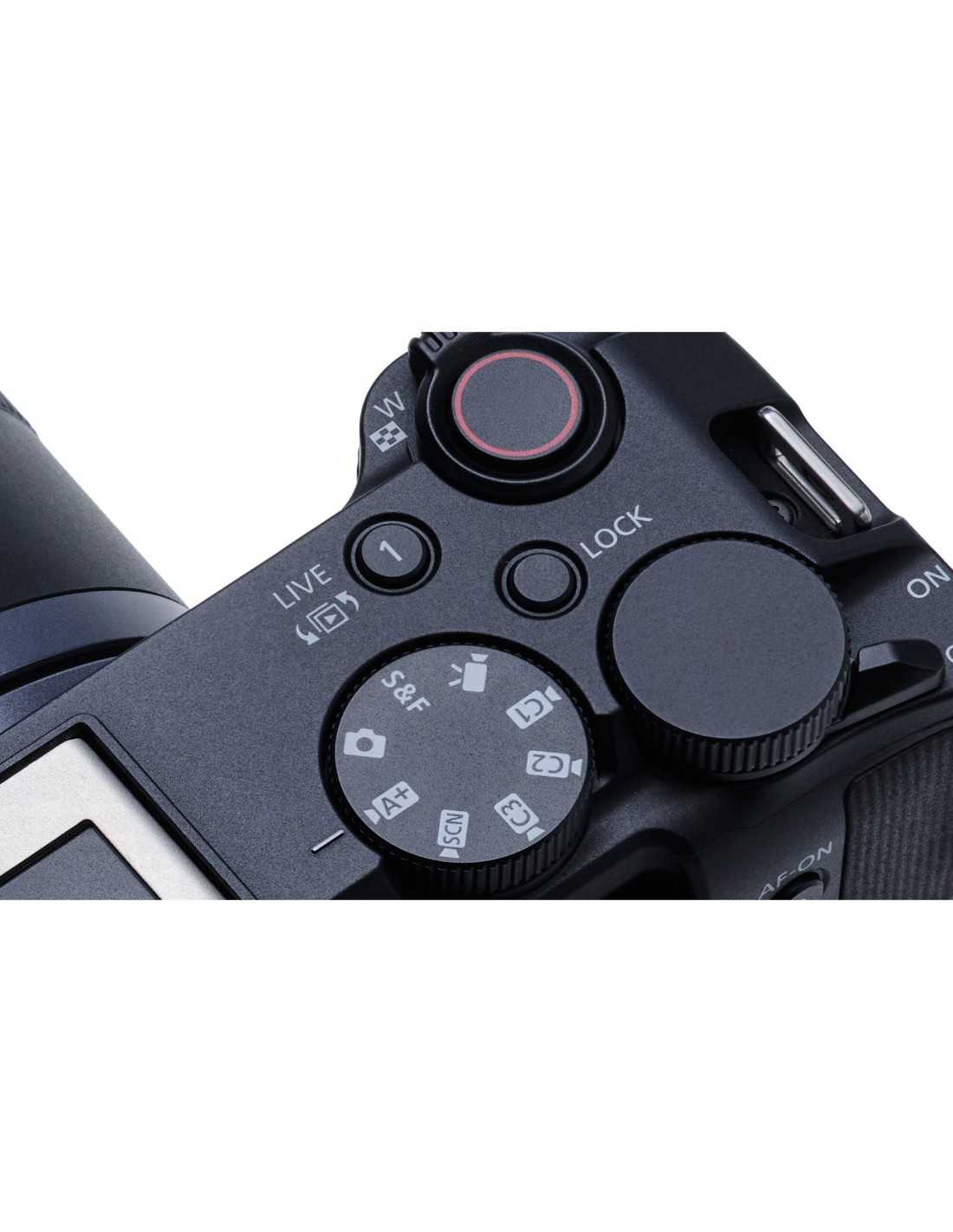
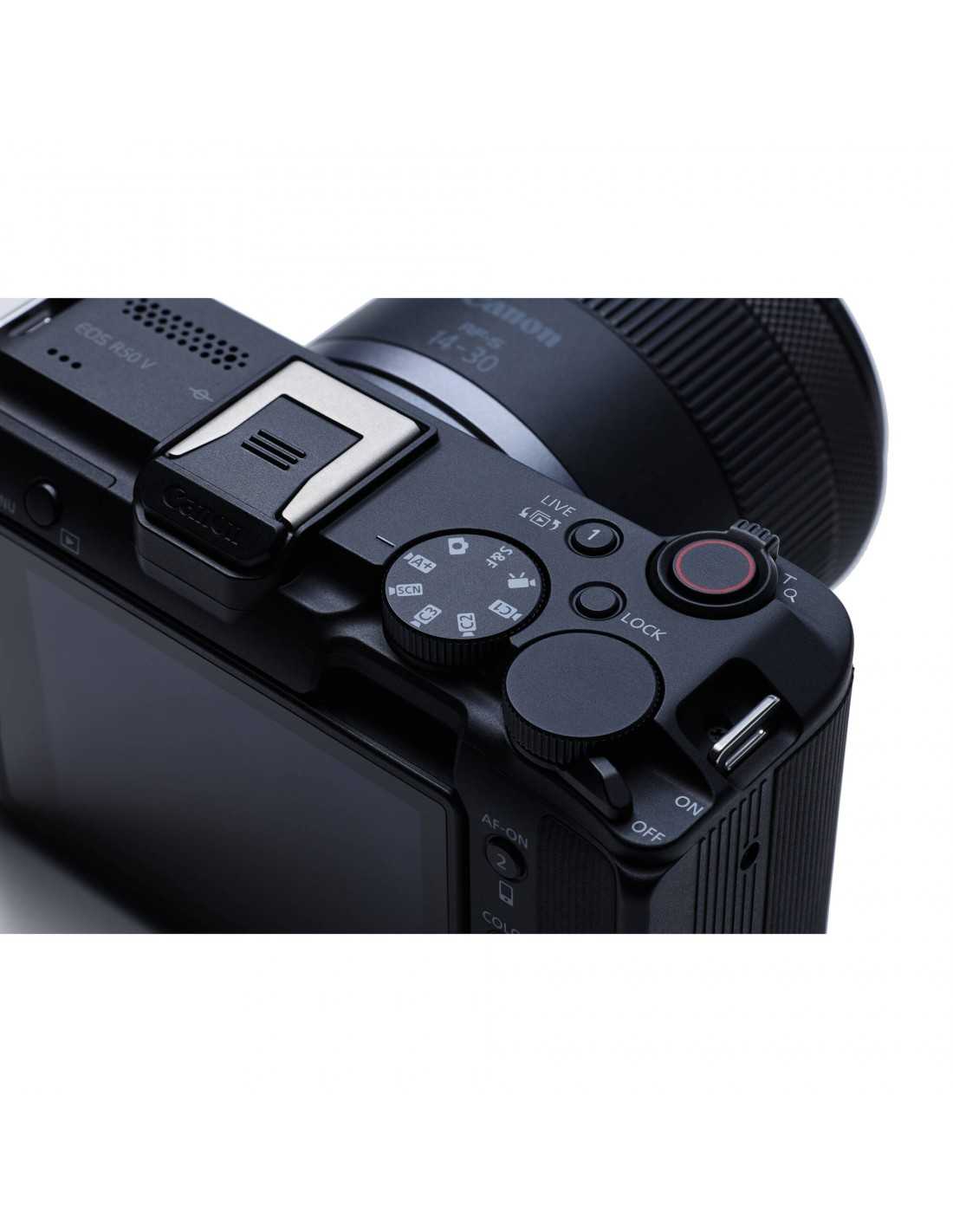


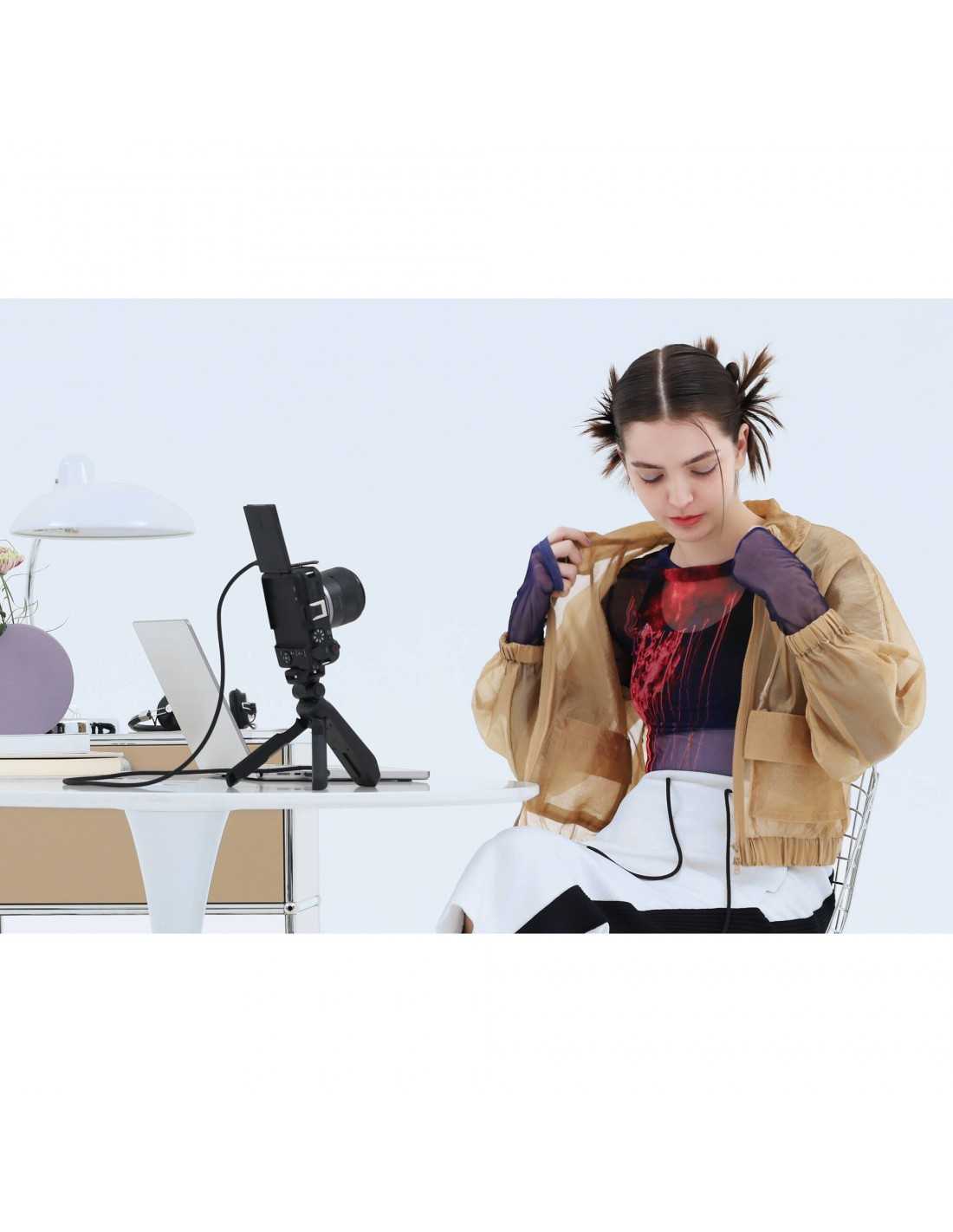

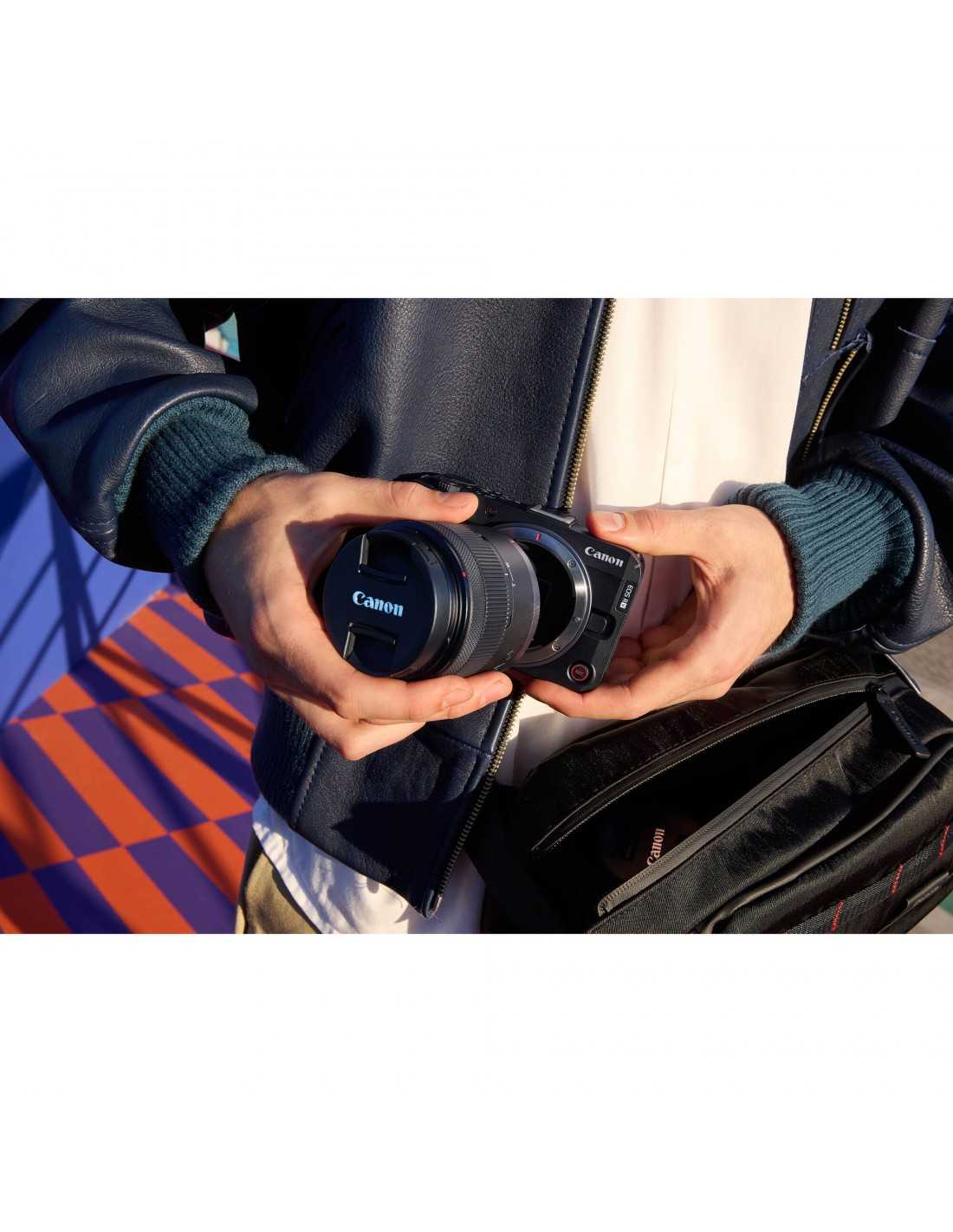

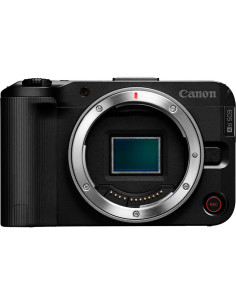

The Canon EOS R50 V body only is a 24.2MP APS-C mirrorless camera recommended for creators who film themselves regularly, switch between horizontal and vertical formats, and want to select their own lens carefully. It prioritises detailed oversampled 4K 30p from a 6K readout, adds cropped 4K 60p for smoother movement, and uses Dual Pixel CMOS AF II to support subject tracking. Its vari-angle screen, dedicated video controls, tally lamp, microphone input and headphone output make solo recording easier to manage. The compact body suits vlogging, interviews, tutorials, streaming and travel content. It has no eye-level viewfinder or sensor-shift stabilisation, which underlines its video-first design. It is a strong choice when content creation matters more than a conventional stills-camera experience.
Combine compatible accessories and save. The more items you add, the bigger the discount.
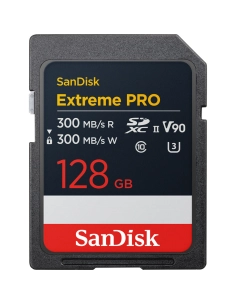
memory card
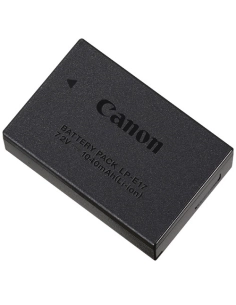
battery
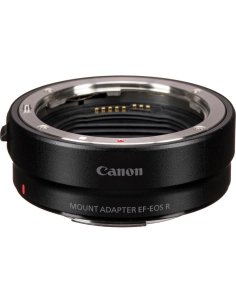
Adaptateur

warranty extension
The Canon EOS R50 V body only, also searched as Canon R50V or EOS R50 V, is first and foremost a compact video-creation tool. Its 24.2MP APS-C sensor and DIGIC X processor provide a capable 4K foundation, but the design is the real point: vari-angle screen, tally lamp, accessible record controls and a second tripod socket that makes vertical mounting easier.
This page is for creators who want to select their lens. Browse the Canon EOS R50 V range for every active offer, or choose the Canon EOS R50 V with RF-S 14-30mm PZ if a ready-to-film wide-angle kit better matches the job.
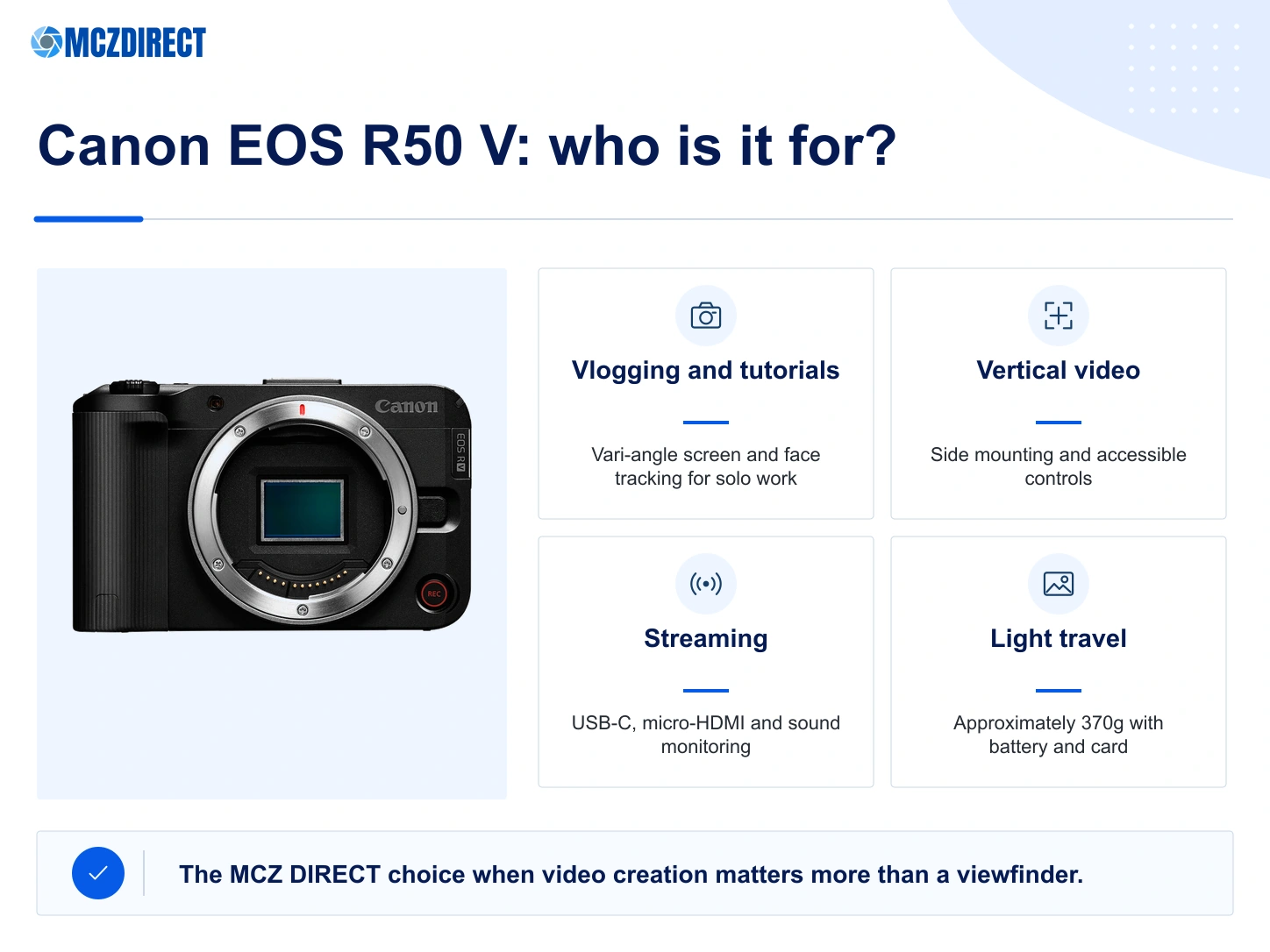
The R50 V works best when the camera should stay out of the creator’s way. During tutorials or pieces to camera, face tracking reduces focus corrections. In a product demonstration, autofocus can move from the presenter to the item being shown. Its low body weight also leaves more room in a travel kit for a microphone, small grip or carefully chosen lens.
| Use | What the R50 V contributes | What to consider |
|---|---|---|
| Vlogging and tutorials | Vari-angle screen, face tracking, video controls and a light body | Lens choice determines whether arm’s-length framing remains wide enough |
| Interviews and teaching | Detailed 4K 30p, microphone input and headphone monitoring | Allow for suitable lighting, audio and power on longer sessions |
| Vertical video and social content | Vertical mounting support and controls accessible in either orientation | Decide the final framing before filming to avoid excessive cropping |
| Travel stills and video | 24.2MP, subject recognition and low weight | No viewfinder and no sensor-shift in-body stabilisation |
Photographers who mainly compose through an eye-level finder will find a more conventional approach in the Canon EOS R range. The Canon EOS R10 body only includes an electronic viewfinder and built-in flash; the R50 V is deliberately more video focused.
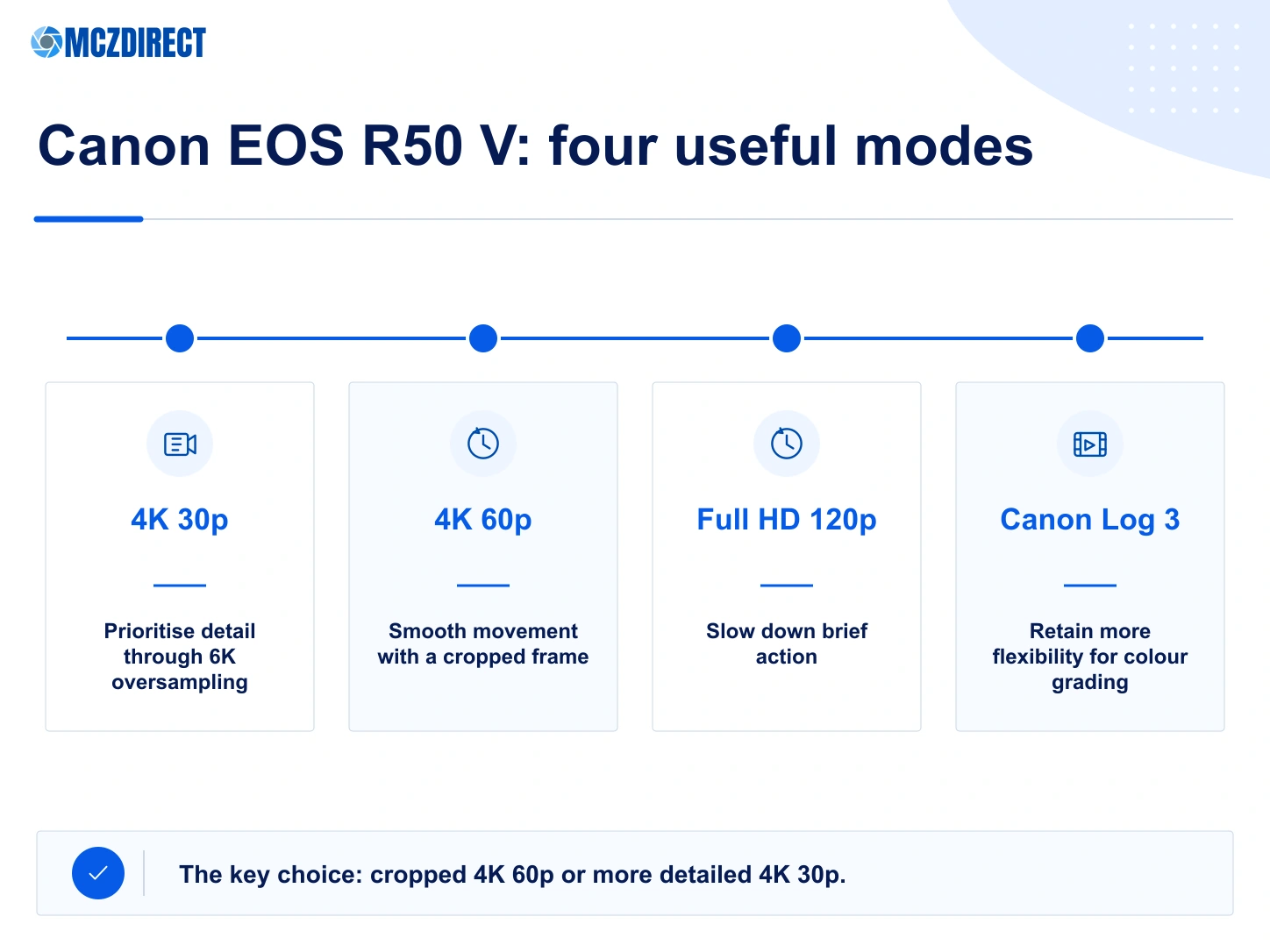
4K at up to 30p is oversampled from a 6K readout. It is the mode to choose when detail matters most: interviews, tutorials, product shots and controlled scenes. 4K at up to 60p applies a crop. Movement looks smoother, but the angle of view becomes narrower; with a lens that is not very wide, the difference is obvious for arm’s-length vlogging.
| Mode | Recommended use | Trade-off |
|---|---|---|
| Oversampled 4K 30p | Interviews, tutorials, products and shots where detail matters | Less suitable for slow motion or very fast movement |
| Cropped 4K 60p | Smoother movement and mild slow motion | Narrower angle of view, especially with a lens that is not very wide |
| Full HD 120p | Slowing a gesture or brief action | Lower resolution than 4K, with duration and data constraints depending on settings |
| 10-bit Canon Log 3 | Projects intended for more involved colour grading | Requires more time, storage and post-production knowledge |
Dual Pixel CMOS AF II recognises people, animals and selected vehicles. In practice, its main benefit is keeping a face sharp during a presentation or following a subject as it moves through the frame. The 24.2MP APS-C sensor also remains useful for travel, family and product photography.
The camera still needs to be chosen for the right reason. With no eye-level finder, stills in bright sunlight are composed entirely on the screen. For wildlife or sport where reach and a more complete stills interface matter, the Canon EOS R7 body only is more appropriate, although heavier and more ambitious.
The side tripod socket allows direct vertical mounting on a compatible support. A front-facing tally lamp reduces missed takes, while record controls available in different orientations make the camera less dependent on an operator. These are small design choices, but they matter when one person films regularly.
The microphone input and headphone output make audio a controlled part of the workflow. A separate microphone improves speech capture; headphones reveal rubbing, clipping or background noise before the session ends. The broader mirrorless camera range contains less specialised alternatives.
The Canon EOS R50 V has no sensor-shift in-body stabilisation. It can use optical stabilisation from a compatible lens and digital movie stabilisation, which may narrow the frame further. A stabilised lens, grip or external gimbal is therefore often preferable for walking shots or pronounced camera movement.
This is less important for interviews, tutorials or locked-off shots. It matters far more for walk-and-talk vlogging. Lens selection should consider focal length, optical stabilisation and the angle of view created by the 1.6x APS-C crop factor.
The camera has one UHS-II-compatible SD card slot. A fast card supports demanding video modes, but there is no simultaneous in-camera backup. For an irreplaceable take, plan a copy as soon as filming ends. The LP-E17 battery keeps the body compact; a spare battery or USB-C power makes sense for a long session.
Micro-HDMI, USB-C, dual-band Wi-Fi and Bluetooth 5.1 cover external capture, compatible streaming, file transfer and remote control. For a particularly light full-frame alternative, the Canon EOS R8 body only follows a different approach with a different lens and budget requirement.
Body only is the right starting point if you already own an RF/RF-S lens or if the work requires a specific focal length. Arm’s-length vlogging prioritises a wide angle. Interviews may benefit from a slightly longer, more natural-looking perspective. Product work also makes minimum focusing distance and perspective as important as maximum aperture.
| Choice | Choose it if | Key difference |
|---|---|---|
| EOS R50 V body only | You already own an RF/RF-S lens or want to select the exact focal length | Maximum freedom to build a video-oriented setup |
| EOS R50 V + RF-S 14-30mm PZ | You want to start with a motorised wide-angle lens designed for creators | A coherent ready-to-film kit for vlogging and smooth zooms |
| EOS R10 body only | Traditional stills, an eye-level viewfinder and a built-in flash matter more | A more conventional APS-C hybrid, less specialised for video |
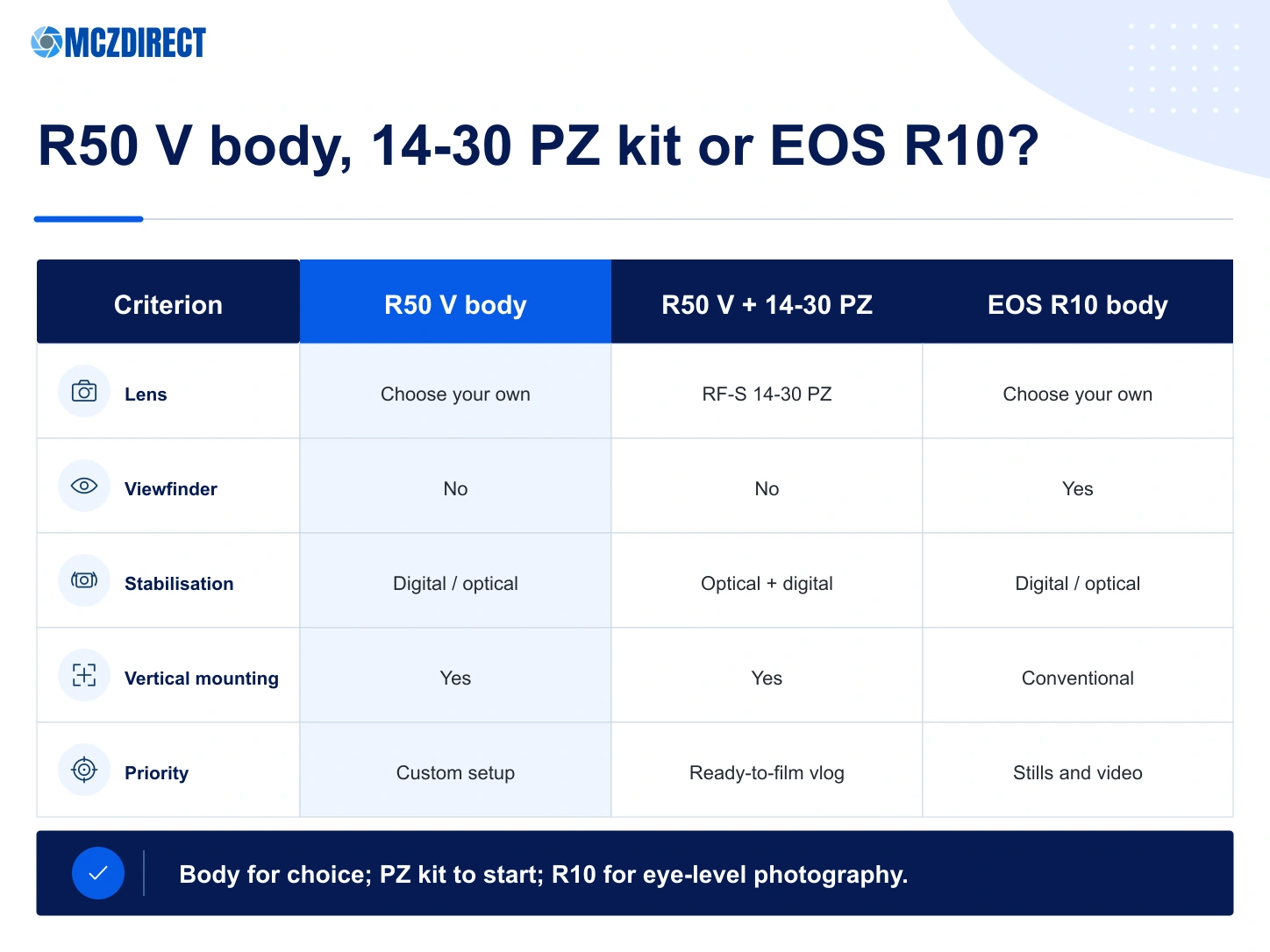
The RF-S 14-30mm IS STM PZ kit simplifies the decision with a wide angle and motorised zoom. The Canon EOS R10 is a better fit when eye-level stills and occasional video genuinely share the workload. Use the R50 V category to compare active offers without confusing their distinct purposes.
Positioning. At MCZ DIRECT, we see it as Canon’s most coherent APS-C choice for a creator who often works alone and wants to build a personal kit around the body. It is not our first recommendation for a photographer who depends on an eye-level finder.
Direct comparison. We recommend the R50 V over the R10 when video controls, vertical mounting, audio monitoring and face-to-camera work matter more than conventional stills handling. Against the 14-30mm PZ kit, body only makes most sense when the lens is already owned or deliberately chosen.
Honest limitation. The absence of IBIS, a viewfinder and stated weather sealing needs to be accepted. For regular work on a tripod, in a light studio, for streaming or controlled vlogging, however, its balance of 4K quality, autofocus, audio and compact size is particularly convincing.

This offer is for the Canon EOS R50 V body only. Choose an RF or RF-S lens for your framing, or consider the RF-S 14-30mm PZ kit for a motorised wide-angle starting point.
For arm’s-length vlogging, prioritise a wide RF-S lens. A longer focal length can look more natural for interviews or portraits. Also check optical stabilisation if you plan to film while walking.
No. The R50 V is framed with its vari-angle touchscreen. This suits video and face-to-camera work, while an EOS R10 offers a more conventional eye-level stills experience.
No. It has no sensor-shift in-body stabilisation. It can use optical stabilisation from a compatible lens and digital movie stabilisation, which may introduce an additional crop.
Yes. 4K at up to 60p uses a crop. It provides smoother motion but narrows the angle of view, so a sufficiently wide lens is important for vlogging.
Yes. Canon states that 4K at up to 30p is produced from a 6K readout, prioritising detail for interviews, tutorials and controlled shots.
Yes. The body has a 3.5mm microphone input and 3.5mm headphone output, helping improve speech recording and monitor sound during filming.
Yes, depending on the service and setup used. USB-C, micro-HDMI and network functions allow it to join a compatible streaming or external-capture workflow.
Yes. Its 24.2MP APS-C sensor and autofocus suit travel, family and product photography. With no eye-level viewfinder, however, it is less conventional than an EOS R10 for mainly stills use.
The camera accepts SD, SDHC and SDXC cards with UHS-II support. The selected video mode and data rate determine the required speed class, so check Canon’s recommendation before an important shoot.
The Canon EOS R50 V uses an LP-E17 battery. For a full day of creation or a long video session, a spare battery or compatible USB-C power is sensible.
Choose the R50 V when video, vertical mounting, audio monitoring and face-to-camera work are priorities. Choose the R10 when eye-level stills and more conventional hybrid handling matter more.