My basket0 items




Find your orders, invoices and saved addresses all in one place.
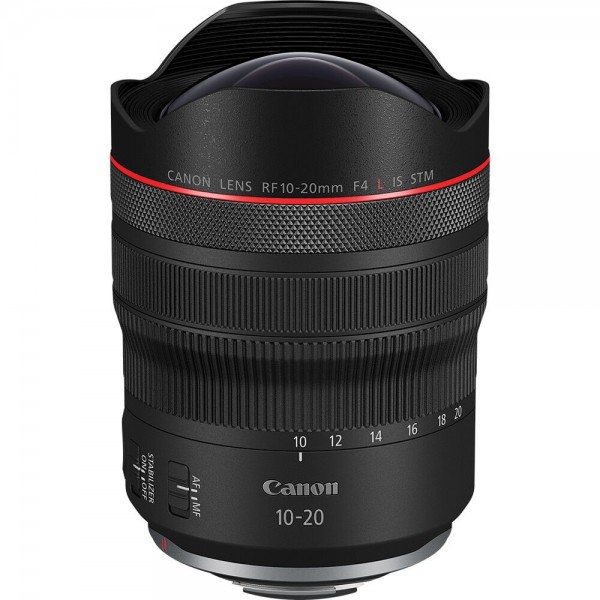
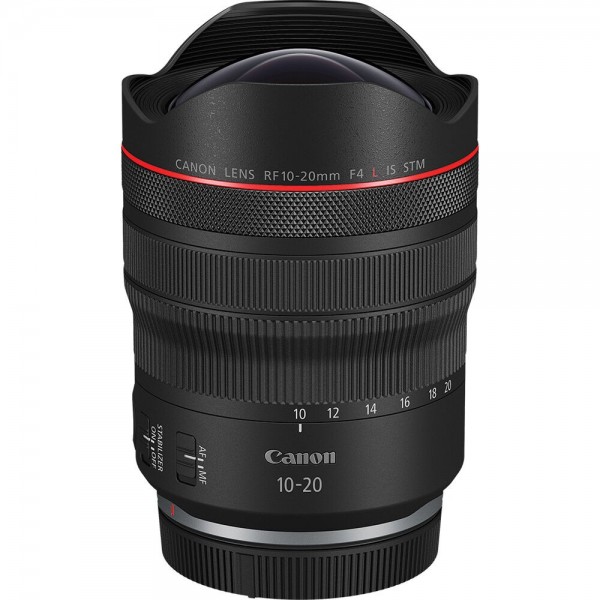
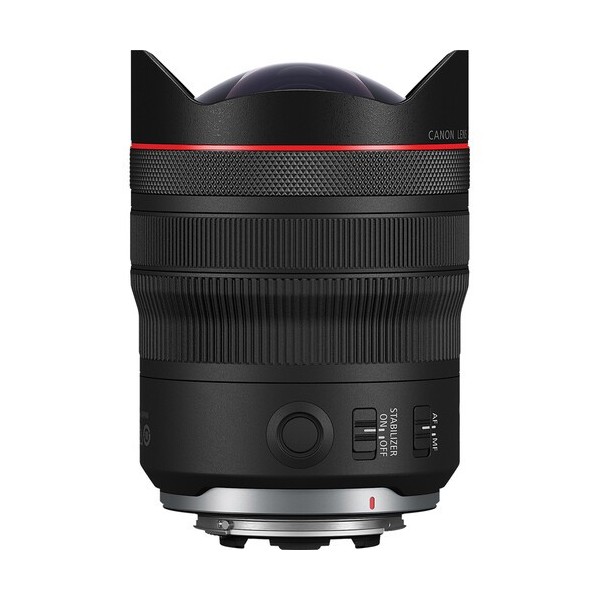
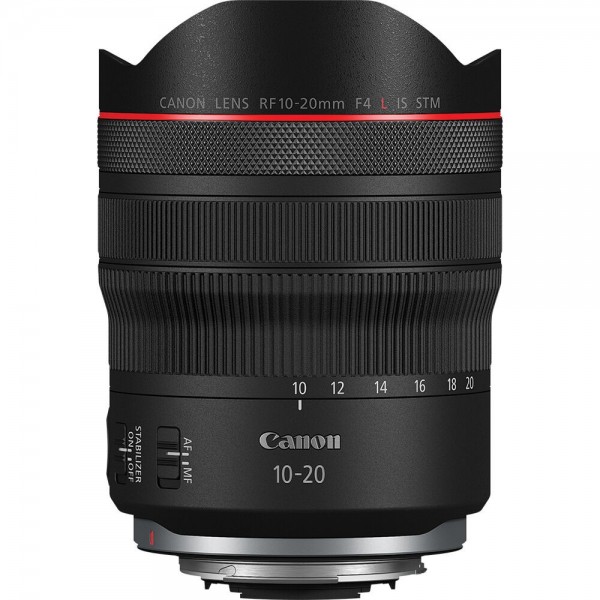
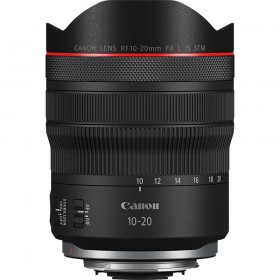
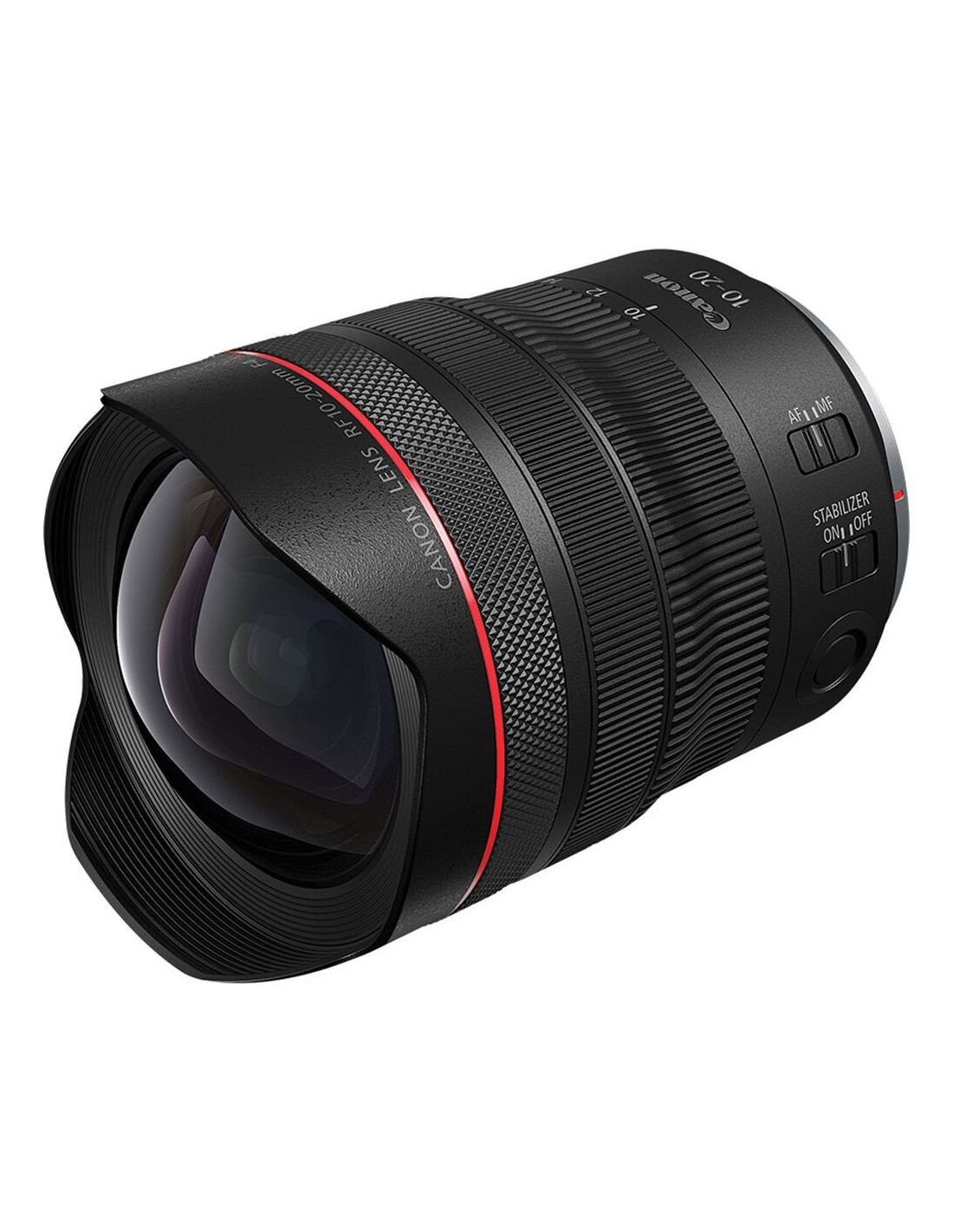
The Canon RF 10-20mm F4L IS STM is a full-frame ultra-wide zoom for EOS R photographers and filmmakers who genuinely need a wider view than 14 or 15mm, and we recommend it mainly for architecture, interiors, landscapes and immersive imagery. Its 10-20mm range helps in confined spaces, while the 570g weight is restrained for an L-series lens with this coverage. Optical stabilisation and STM autofocus support handheld stills and video. The constant F4 aperture and rear gel-filter system do require some planning, making this a specialist choice rather than a general-purpose wide zoom.
Combine compatible accessories and save. The more items you add, the bigger the discount.
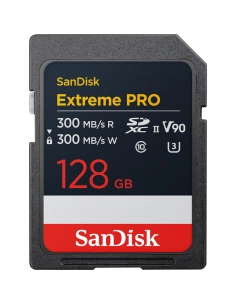
memory card

warranty extension
The Canon RF 10-20mm F4L IS STM is for full-frame photographers who repeatedly run out of room or deliberately want an immersive perspective. At 10mm it can include a confined interior, imposing façade or very close foreground; at 20mm, composition becomes easier to control. This is a rectilinear lens rather than a fisheye, but such a wide view still demands care with verticals and people near the frame edges. We recommend it for architecture, property, landscapes and selected video work when field of view matters more than an F2.8 aperture.

| Feature | Practical benefit | Keep in mind |
|---|---|---|
| 10-20mm | Work in a tight interior or exaggerate depth in a landscape | People near the edges can appear stretched |
| Constant F4 | Keep the same maximum exposure as the lens is zoomed | F2.8 remains preferable when shutter speed or stars matter most |
| 5-stop optical IS | Reduce photographer movement with a static scene or subject | Does not freeze moving people, foliage or water |
| STM | Provide smooth, unobtrusive focus transitions during video | Final tracking also depends on the camera and AF setup |
| 0.25m focus | Place a strong foreground element in front of a broad setting | At 10mm, a few centimetres noticeably change perspective |
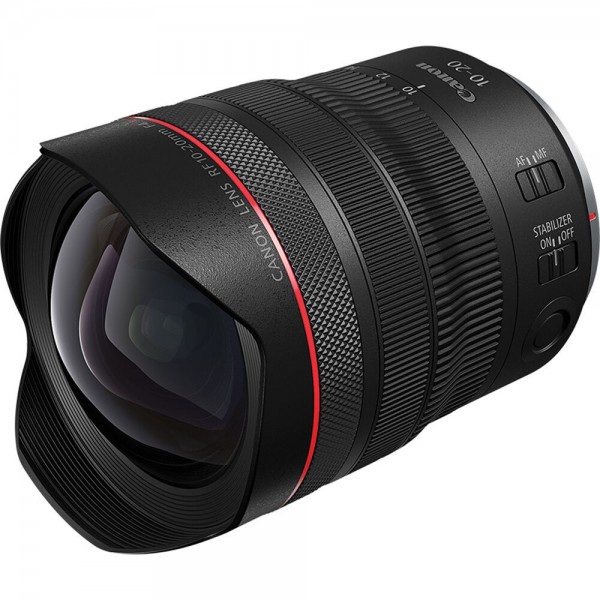
| 570g | Keep a full-frame L-series ultra-wide kit reasonably portable | The bulbous front element deserves careful protection |
At these focal lengths, zooming changes more than the amount of scene in the frame. At 10mm, the apparent distance from foreground to background is strongly expanded, so a nearby floor, piece of furniture or rock carries considerable visual weight. Around 12mm the effect remains dramatic but becomes easier to organise. At 14mm the view feels closer to a familiar ultra-wide lens. At 20mm, framing suits reportage, video and more natural-looking landscapes. A sound approach is to decide where the camera needs to stand first, then refine focal length rather than simply zooming wider.
| Focal length | Suitable situation | Composition advice |
|---|---|---|
| 10mm | Very tight interiors, monumental architecture, immersive landscapes | Keep the camera level and faces away from the edges |
| 12mm | Property, large rooms, foreground-led images | Use a nearby element to structure depth |
| 14mm | Landscapes, architecture, night skies, interiors | Check the corners and leave space around key subjects |
| 20mm | Wide reportage, video, street and natural landscapes | Move into the scene instead of relying on a heavy crop later |

The RF 10-20mm is rectilinear, so straight lines are not deliberately curved as they are with a fisheye. That does not mean every building will look geometrically perfect without care. At 10mm, perspective responds strongly to camera tilt, and verticals converge quickly when the lens points upwards. Canon also uses in-camera or software lens corrections as part of the final rendering, particularly at the widest settings. For architecture, we advise keeping the camera level, leaving a little room around the composition and applying a compatible Canon profile during processing.
The bulbous front element and built-in hood rule out a conventional front screw thread. Canon instead provides a rear holder for 35 × 20mm gel filters. This is useful for controlling light in video, extending an exposure or balancing brightness, but it involves preparing and handling small sheets rather than attaching a circular filter. A dedicated third-party external system may be available, yet exact RF 10-20mm compatibility should be checked before purchase. Clip-in filters made for the camera body are a separate system and should not be confused with the lens’s rear holder.
| Lens | Choose it when | Main compromise |
|---|---|---|
| RF 10-20mm F4L IS STM | 10mm coverage is decisive for interiors, architecture or immersive landscapes | Specialist range, F4 and rear gel filters |
| RF 14-35mm F4L IS USM | You want a more versatile F4 zoom reaching 35mm and accepting 77mm filters | Starts at 14mm, so it is substantially less wide |
| RF 15-35mm F2.8L IS USM | Low light, astrophotography and F2.8 matter more than the most extreme angle | Heavier and limited to 15mm at the wide end |

The RF 10-20mm covers full frame and makes most sense across the Canon EOS R range. The EOS R5 Mark II + RF 10-20mm kit suits detailed architecture, landscapes and hybrid production. The EOS R6 Mark III + RF 10-20mm is a more broadly balanced combination, while the EOS R1 + RF 10-20mm kit addresses specialist professional needs. On an APS-C camera such as the EOS R7, framing is approximately equivalent to 16-32mm, so compatibility remains but some of the full-frame 10mm advantage is lost. Alternative focal lengths are gathered in the Canon RF lens category.
At MCZ DIRECT, we see the RF 10-20mm F4L IS STM as the choice for an architecture, interior or landscape photographer who knows exactly why 14mm is not wide enough, rather than as a first general-purpose wide zoom. Its value lies in combining a genuine full-frame 10mm view with 570g weight, stabilisation and L-series construction.
Against the RF 14-35mm F4L, we recommend it when 10mm coverage matters more than versatility up to 35mm. Against the RF 15-35mm F2.8L, it gains width and saves weight but gives up one stop. Its limitation is clear: it expects disciplined composition, compatible corrections and dedicated rear filters. For a photographer prepared to work that way, it creates framings that conventional wide zooms simply cannot reproduce.

It is for full-frame EOS R photographers and filmmakers who need an extreme angle for architecture, interiors, landscapes, property work or immersive imagery.
No. It is rectilinear and aims to preserve straight lines, unlike a fisheye. Perspective is still very pronounced at 10mm.
Yes. It is designed for the Canon RF mount and covers the full-frame sensor on compatible EOS R cameras.
At 10mm, the view is substantially wider and depth appears more exaggerated. The difference matters in tight spaces and around imposing architecture.
It can frame a very broad sky, but F2.8 gathers twice as much light. F4 may require a higher ISO or an exposure chosen carefully around star movement.
Canon rates optical IS at 5 stops and coordinated OIS plus IBIS at up to 6 stops on a compatible body, under its stated test conditions.
Final rendering combines optical design with compatible camera or software correction. For architecture, keeping the camera level remains important.
There is no conventional front thread. Canon provides a rear holder for 35 × 20mm gel filters; any external system requires a lens-specific compatibility check.
It is 0.25m throughout the zoom range, with maximum 0.12x magnification at 20mm and 0.06x at 10mm.
Choose the 10-20mm when 10mm is essential. The 14-35mm is more versatile, reaches 35mm and accepts conventional 77mm front filters.
The 10-20mm is wider and lighter. The 15-35mm prioritises F2.8, low-light work and a more general 15-35mm range.
Framing is equivalent to approximately 16-32mm on full frame. It remains compatible but no longer provides a full-frame 10mm field of view.
At MCZ DIRECT, we recommend it to architecture, interior and landscape photographers who genuinely need to go wider than 14mm. Its 10mm full-frame coverage, 570g weight and stabilisation make it a rare but specialised tool. The RF 14-35mm F4L remains more versatile, while the RF 15-35mm F2.8L is preferable when light gathering matters more than the most extreme angle.
Generated by AI from customer reviews.