My basket0 items






Find your orders, invoices and saved addresses all in one place.
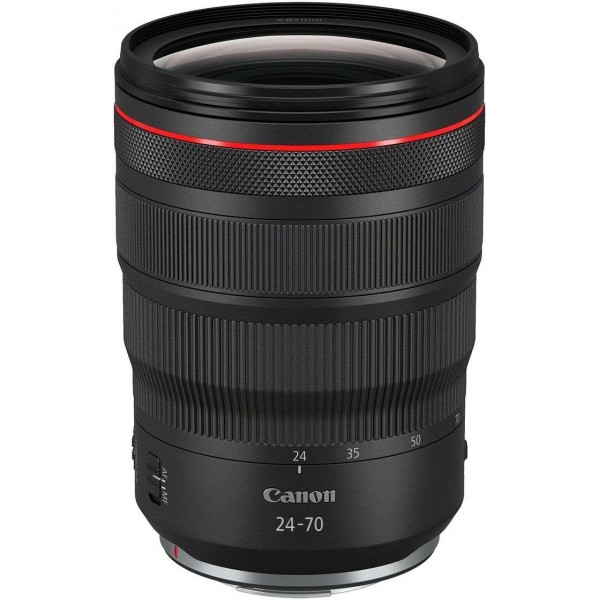
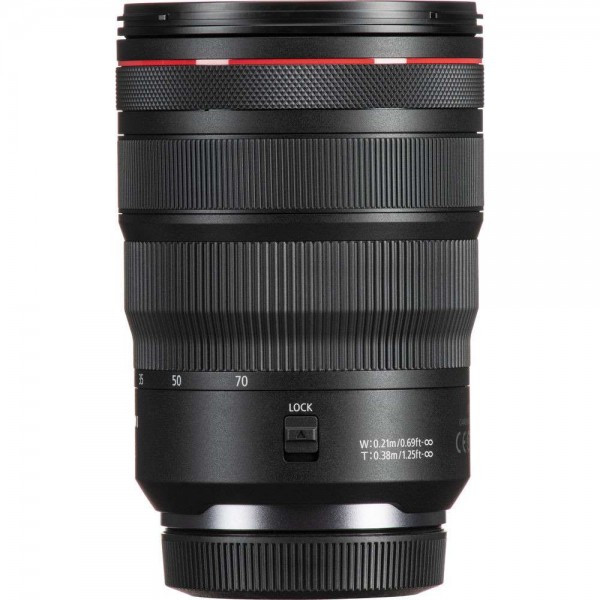
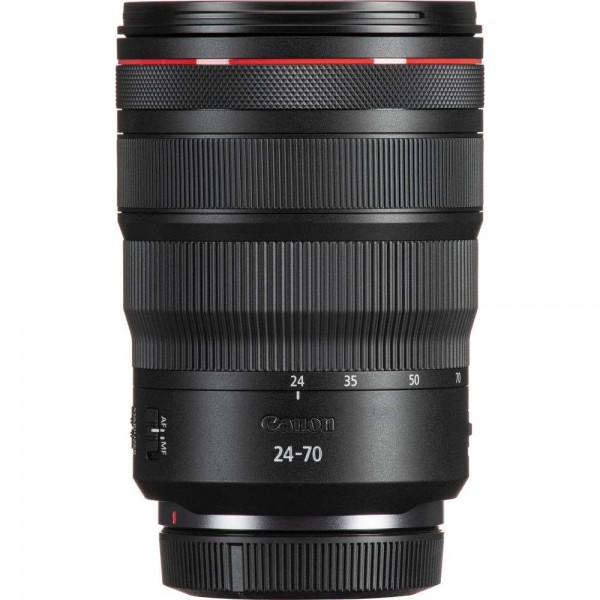
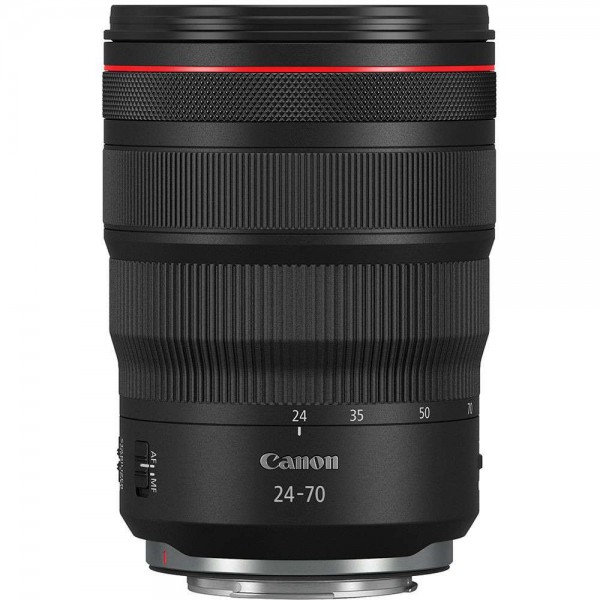
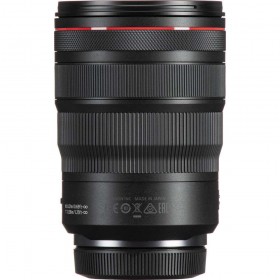
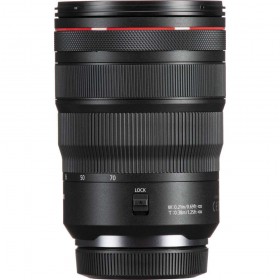
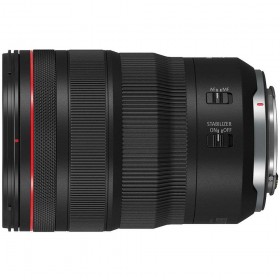
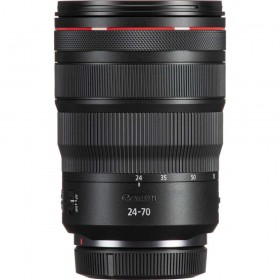
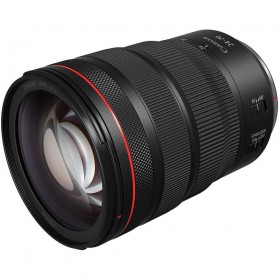
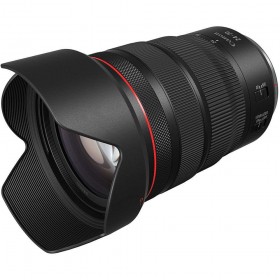
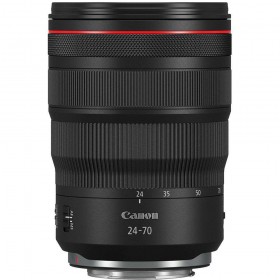
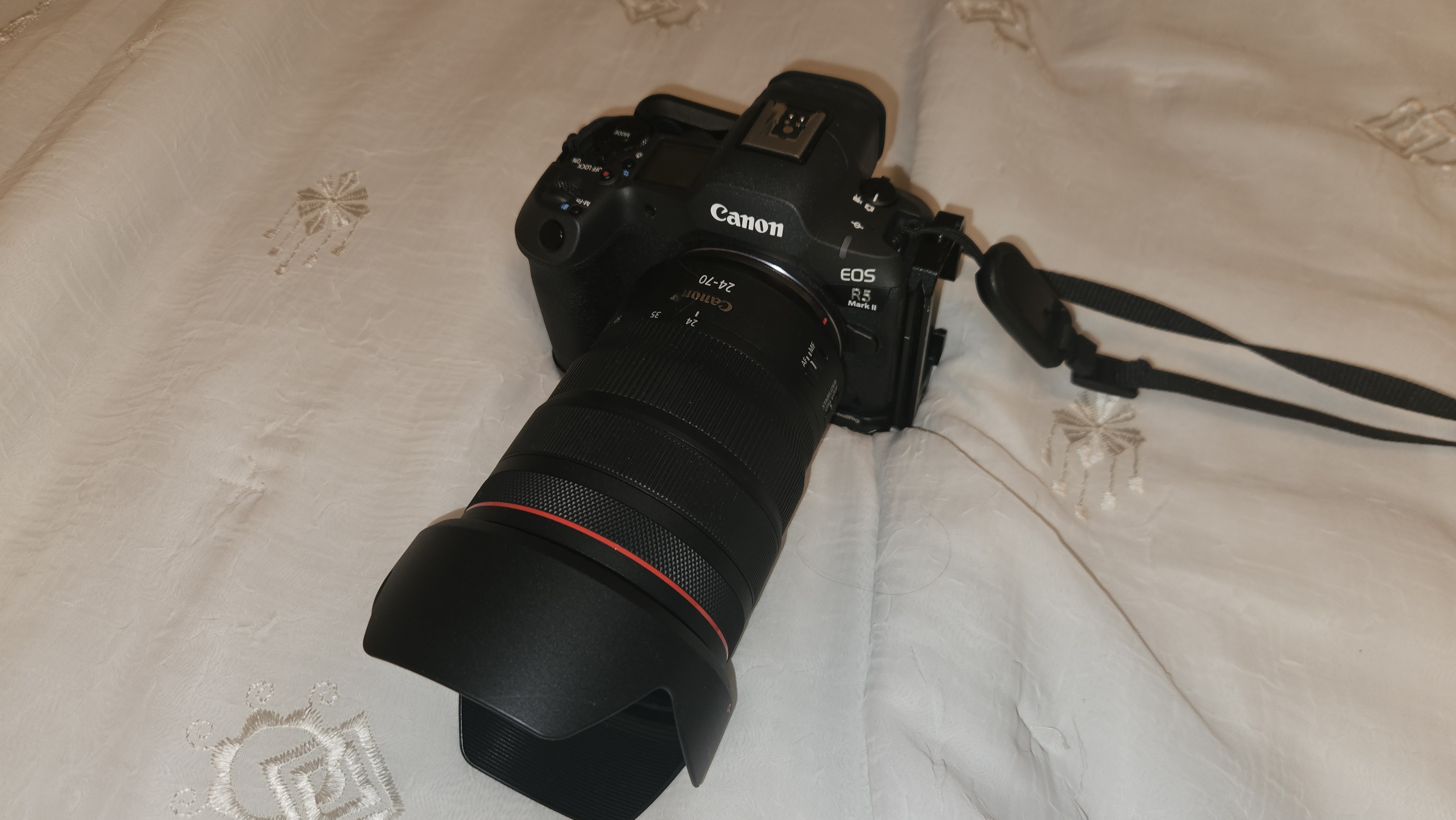
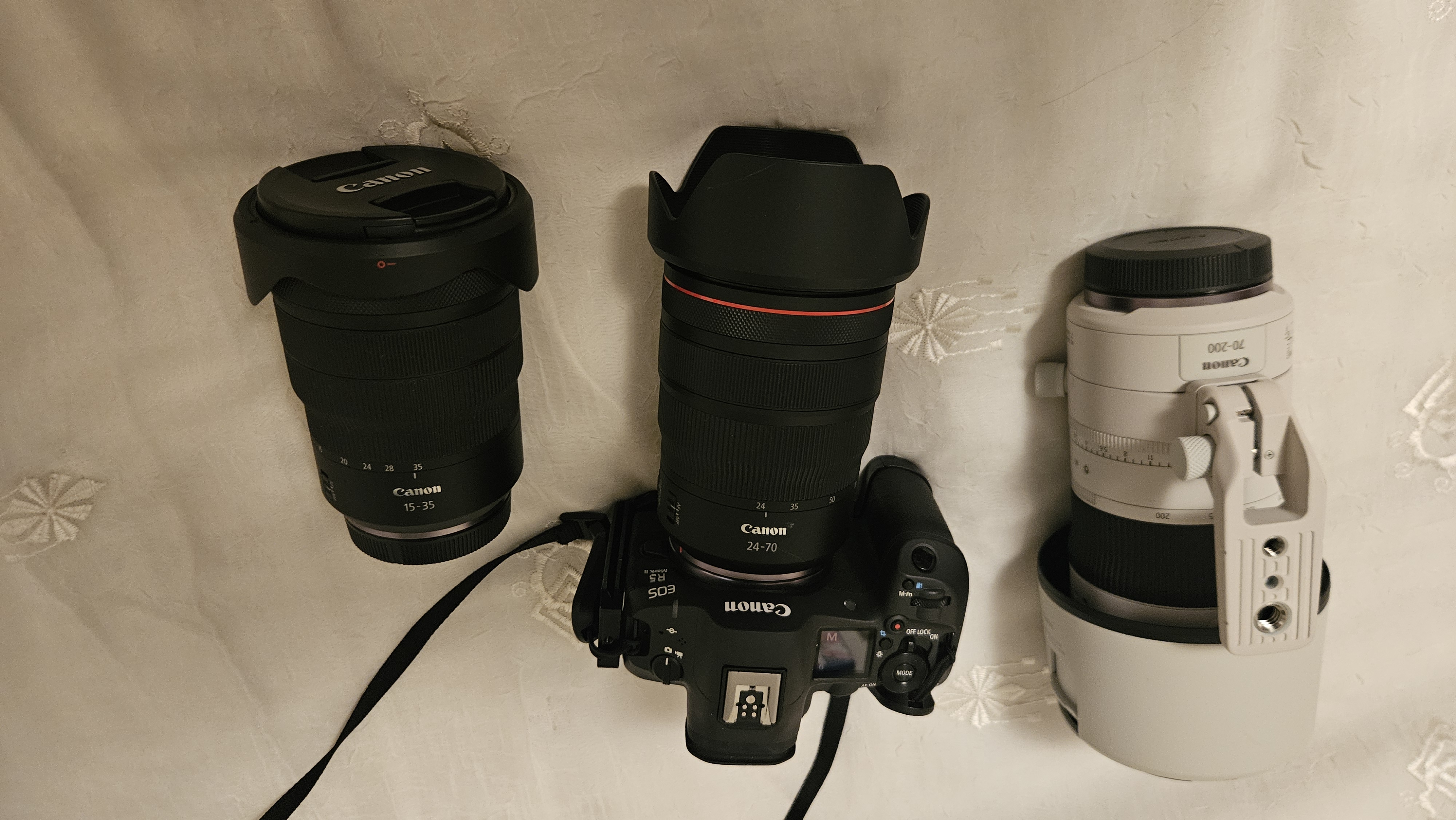
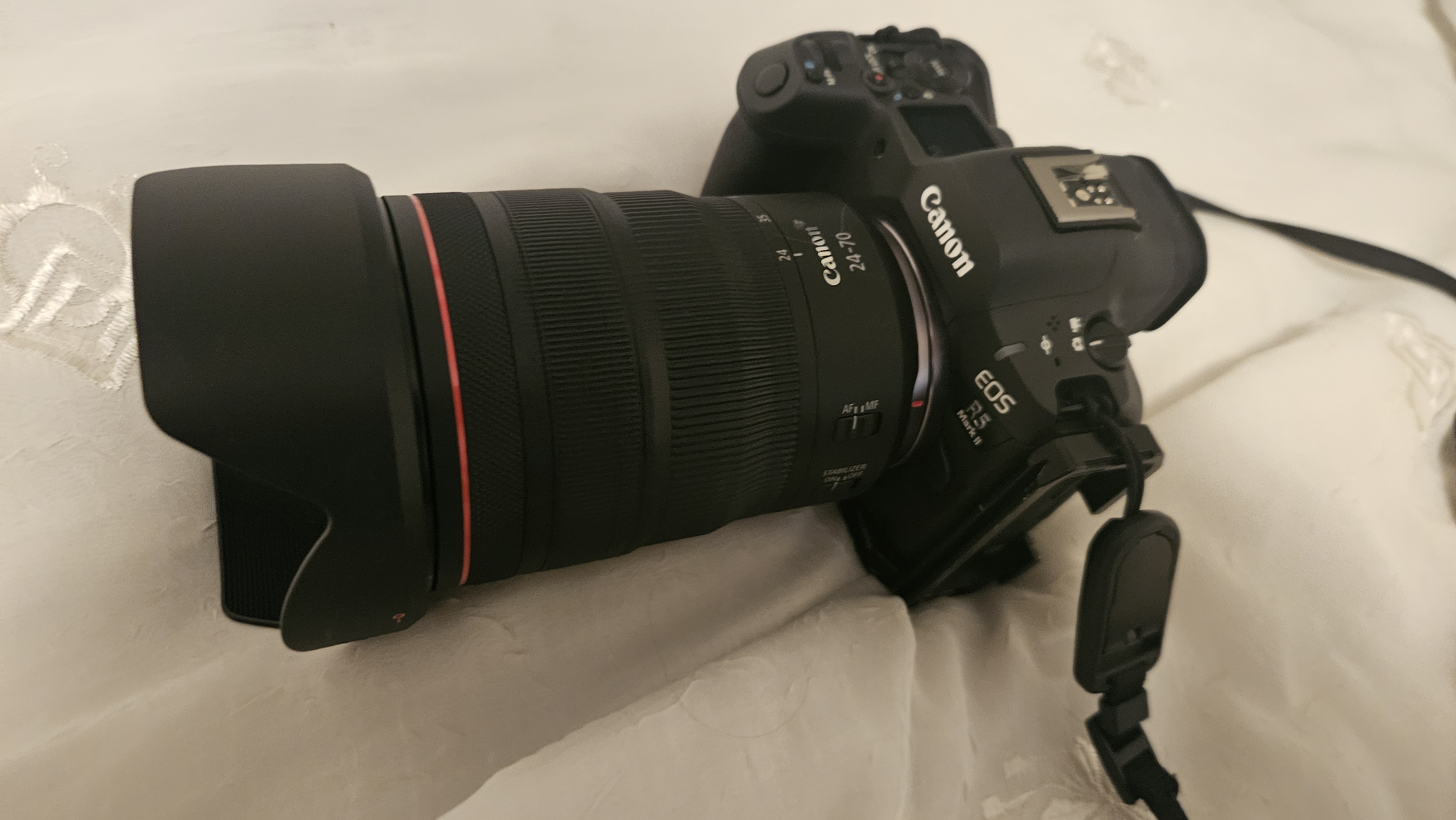
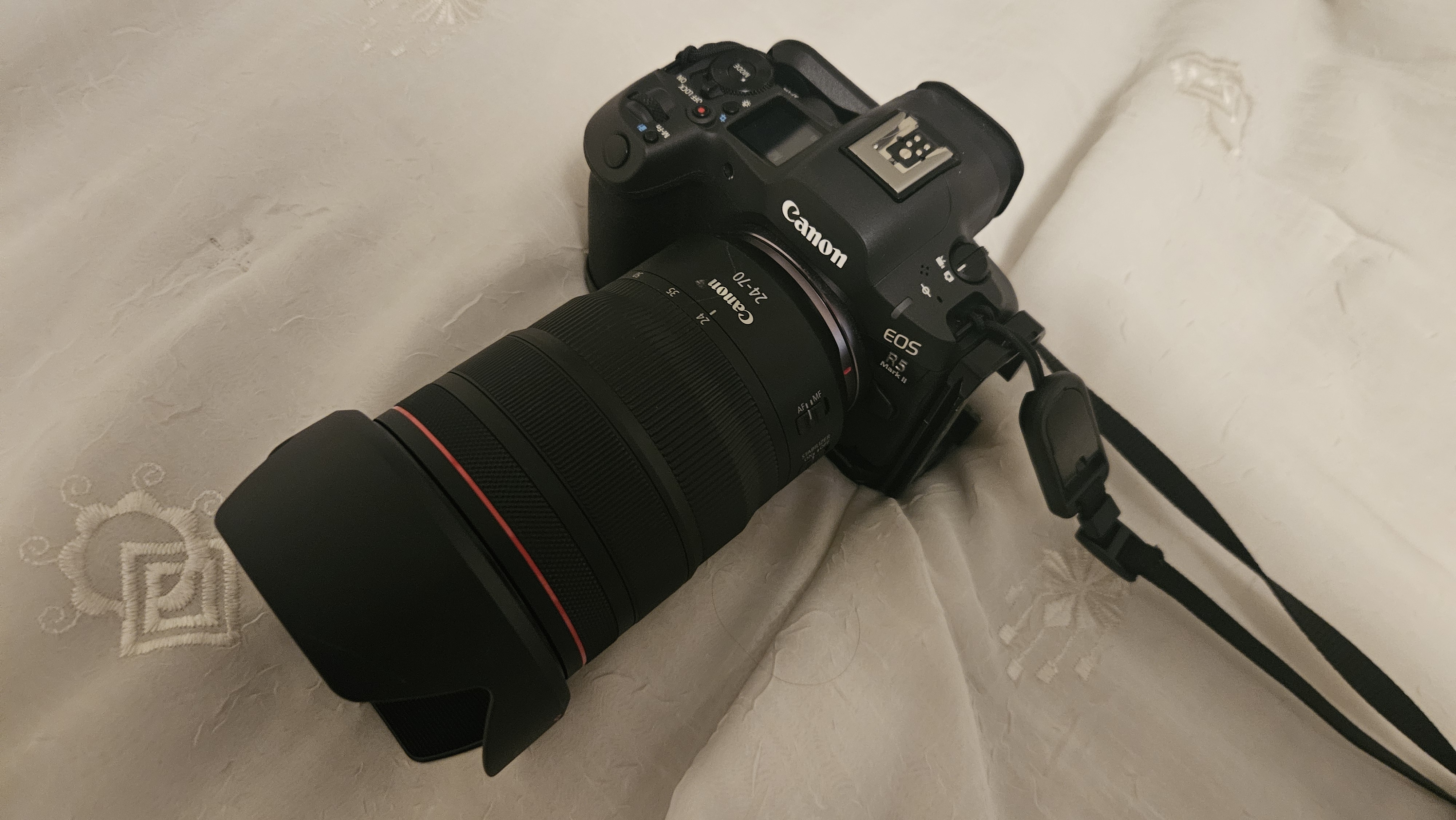
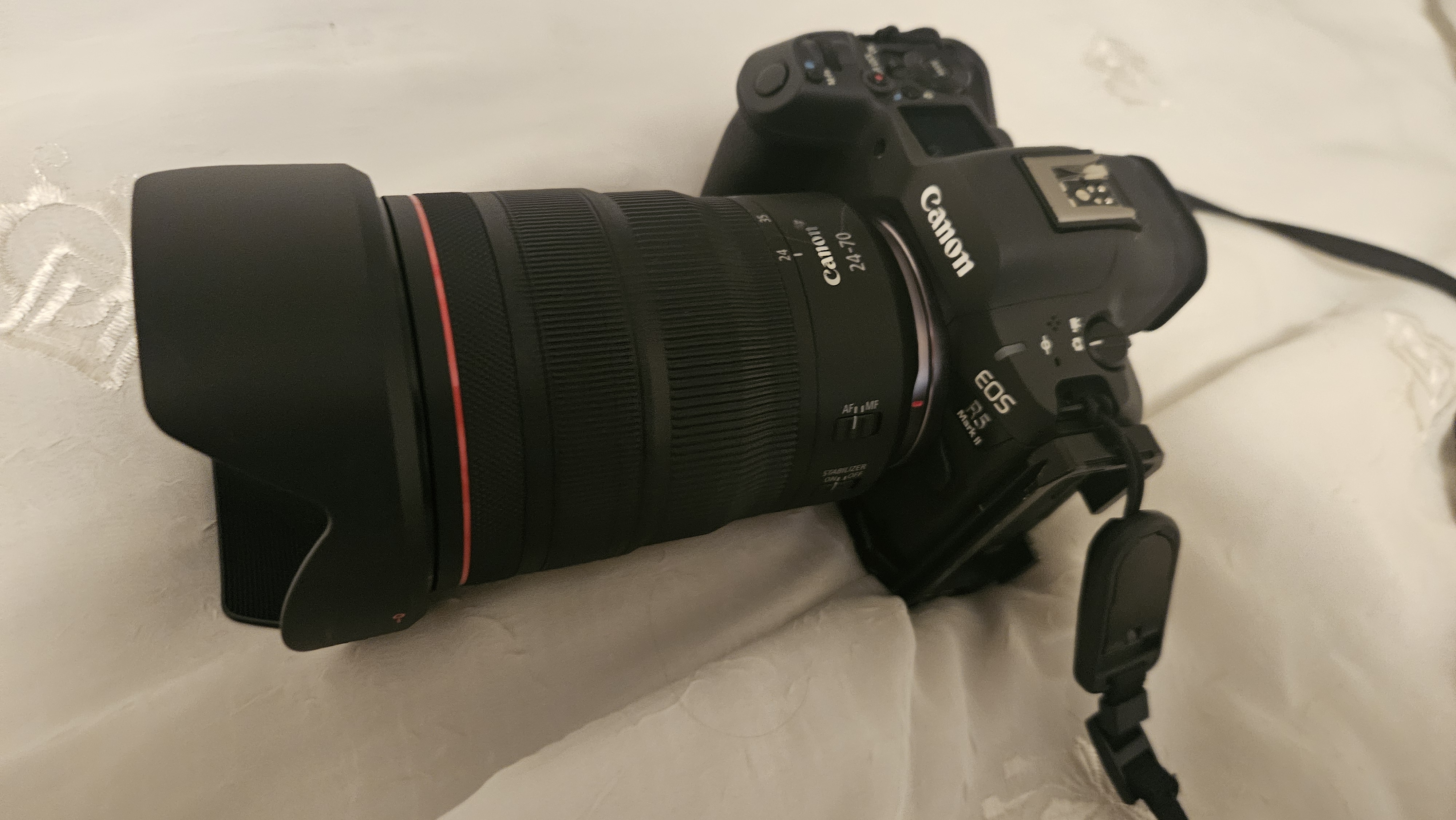
The Canon RF 24-70mm F2.8L IS USM is a professional standard zoom for EOS R photographers and filmmakers who need one dependable lens for varied assignments, and we recommend it for its balance of speed, range and handling. It moves from a wide 24mm view to a tighter 70mm portrait without changing its maximum F2.8 aperture. Canon rates the optical stabilisation at 5 stops, while Nano USM focusing supports responsive stills and quiet video work. At 900g it is not a lightweight travel lens, but it can replace several primes when weddings, events or reportage demand quick framing changes.
Combine compatible accessories and save. The more items you add, the bigger the discount.
memory card

warranty extension
The Canon RF 24-70mm F2.8L IS USM is intended for wedding, event, portrait and reportage photographers who cannot pause every time the framing changes. At 24mm it can show a room, a group or the wider story. At 70mm it moves attention towards a face, gesture or detail. The maximum aperture remains F2.8 throughout, and Canon rates the optical stabilisation at 5 stops. We therefore recommend it as a main working lens for an EOS R user who values consistent results and a broad range of uses, while accepting the 900g weight of a professional L-series zoom.

| Feature | Practical benefit | Keep in mind |
|---|---|---|
| 24-70mm | Cover a location, scene, portrait and detail with the same lens | 70mm remains short for distant sport or wildlife |
| Constant F2.8 | Keep maximum exposure while zooming and work more comfortably as light falls | Heavier than an F4 zoom or the RF 28-70mm F2.8 STM |
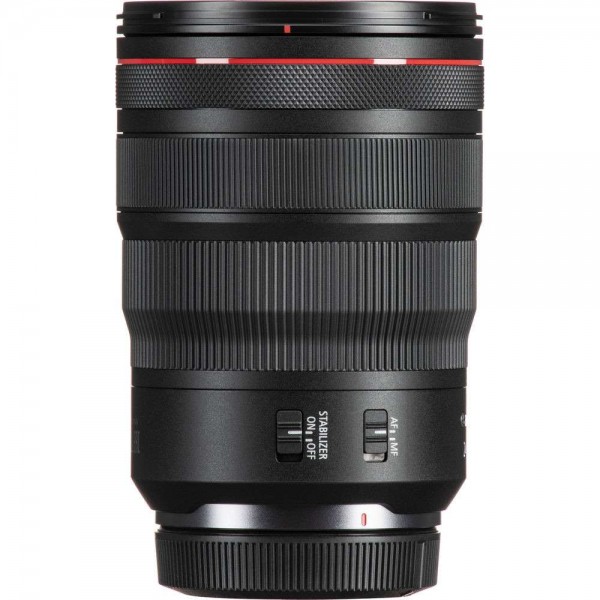
| 5-stop optical IS | Reduce photographer movement with a relatively static subject | Does not freeze a moving guest, child or athlete |
| Nano USM | Move quickly between subjects without drawing attention to the focus motor | Final tracking performance also depends on the camera and AF settings |
| 0.21m at 24mm | Work close to a detail and use foreground perspective creatively | Minimum focus changes to 0.38m at 70mm |
| 900g | Professional aperture, optics and construction in one working zoom | A supportive strap and well-gripped body improve all-day comfort |
A 24-70mm earns its place through more than convenience. At 24mm, the subject remains connected to the location, which is useful for interiors, architecture and documentary scenes. Around 35mm, perspective feels natural while leaving enough context. At 50mm the composition becomes more selective without looking distant. At 70mm, a face or detail can be isolated more clearly. These steps let a wedding or event photographer refine the frame without breaking the flow of what is happening in front of the camera.
| Focal length | Suitable situation | Framing effect |
|---|---|---|
| 24mm | Architecture, interiors, groups, landscapes, establishing views | Show the subject within its environment |
| 35mm | Reportage, street, ceremonies, documentary video | Keep natural perspective and useful context |
| 50mm | Environmental portraits, products, details, interviews | Tighten attention without strongly compressing the scene |
| 70mm | Portraits, ceremony details, stage work, closer framing | Separate the subject and soften the background more clearly |

F2.8 lets in roughly twice as much light as F4. You can use a faster shutter speed at the same ISO, or lower the ISO while keeping the same shutter speed. Optical stabilisation reduces camera shake; a moving subject still needs an appropriate shutter speed.
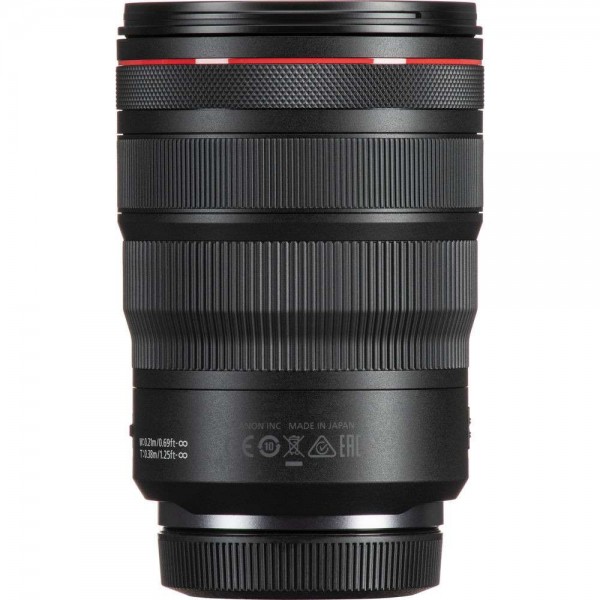
Canon lists a minimum focusing distance of 0.21m at 24mm and 0.38m at 70mm, with maximum 0.30x reproduction around 32mm. That is enough for rings, food, texture or a product detail while retaining some of the surroundings. Working very close at the wide end also exaggerates perspective, so it needs deliberate composition. For 1:1 reproduction or very small subjects, a dedicated macro lens remains the better tool.
| Lens | Choose it when | Main compromise |
|---|---|---|
| RF 24-70mm F2.8L IS USM | You want 24mm, F2.8, L-series construction and stabilisation in the most balanced package | 900g weight and 82mm filters |
| RF 28-70mm F2L USM | The F2 rendering and subject separation matter more than mobility | 1,430g, no optical IS and a 28mm wide end |
| RF 28-70mm F2.8 IS STM | Low weight and travel matter more than L-series build and the 24mm view | 490g with STM focus and a simpler construction |
| RF 24-105mm F2.8L IS USM Z | You need 105mm, internal zoom and a lens designed around higher-end video production | Considerably longer and heavier to carry |

The RF mount works across the Canon EOS R range. An EOS R6 Mark III makes a flexible event, portrait and reportage system. The EOS R5 Mark II adds resolution for cropping and commercial work, while the EOS R1 is centred on professional speed and handling. On an APS-C RF-S body, framing is equivalent to roughly 38-112mm on full frame: useful for portraits, but less wide indoors. The active Canon RF lens range covers the wider and longer alternatives.
At MCZ DIRECT, we see the RF 24-70mm F2.8L IS USM as the standard zoom for a photographer who must deliver a coherent set of varied images, rather than someone buying a lens for one dramatic visual effect. It belongs naturally at weddings, events, environmental portrait sessions and hybrid productions where the light and distance change quickly.
Against the RF 28-70mm F2L, we recommend it when 24mm, stabilisation and 530g less weight matter more than one extra stop. Against the RF 28-70mm F2.8 STM, its L-series build, Nano USM and professional handling justify the step up. The honest limit is straightforward: 900g is noticeable over a long day, and 70mm cannot replace a telephoto when the subject is distant.

It is for EOS R photographers and filmmakers who need one bright main zoom for weddings, events, portraits, reportage and hybrid work.
Yes. 24mm covers venues and groups, while 50 to 70mm works for portraits and details. F2.8 helps as the light falls.
Yes. Nano USM operates discreetly, stabilisation helps handheld work and the maximum aperture remains F2.8 while zooming.
It prevents a loss of maximum brightness while zooming, supports low-light work and gives more background separation than an F4 zoom.
No. It reduces camera shake from the photographer. A moving person or action still requires an appropriate shutter speed.
Canon lists 900g. That is reasonable for a stabilised F2.8 L-series zoom, although it remains noticeable during a long assignment.
It is 0.21m at 24mm and 0.38m at 70mm, with maximum 0.30x reproduction around 32mm.
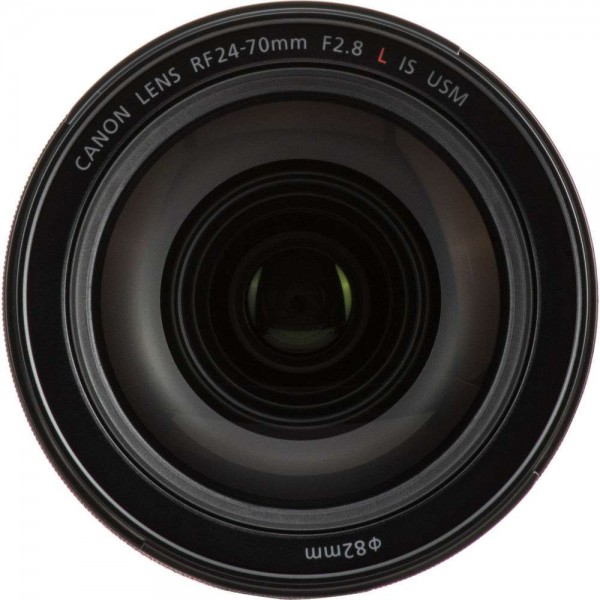
The lens takes 82mm filters. Check the size of any filters you already own before choosing step rings or replacements.
The 24-70mm offers a wider view, stabilisation and easier handling. The 28-70mm F2 favours brightness and rendering at much greater weight.
The 24-70mm provides L-series build, Nano USM and 24mm coverage. The 28-70mm STM puts low weight and simplicity first.
The 24-70mm is easier to carry. The 24-105mm Z adds reach, internal zoom and handling designed more directly around video production.
No. This page is for the RF 24-70mm F2.8L IS USM, without a II or III suffix. Searches containing II usually refer to the EF 24-70mm f/2.8L II USM for Canon DSLRs, which uses a different mount. EOS R users should confirm the RF designation.
Framing is equivalent to roughly 38-112mm on full frame. It becomes useful for portraits but loses the wide 24mm view.
Generated by AI from customer reviews.