- -5%
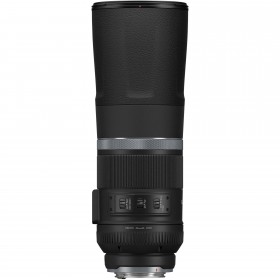
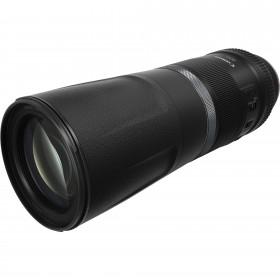
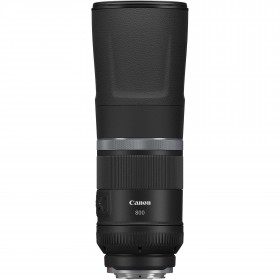
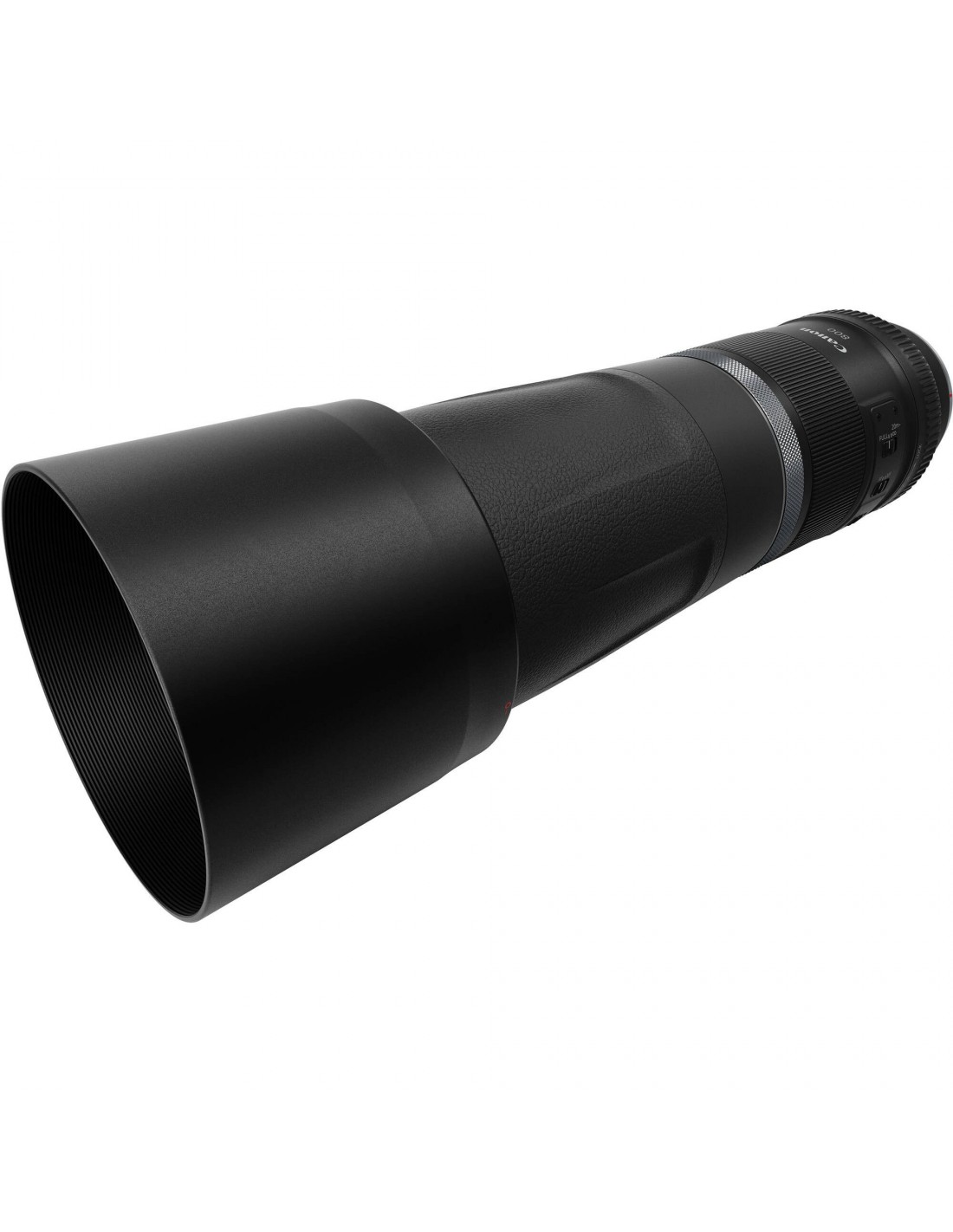
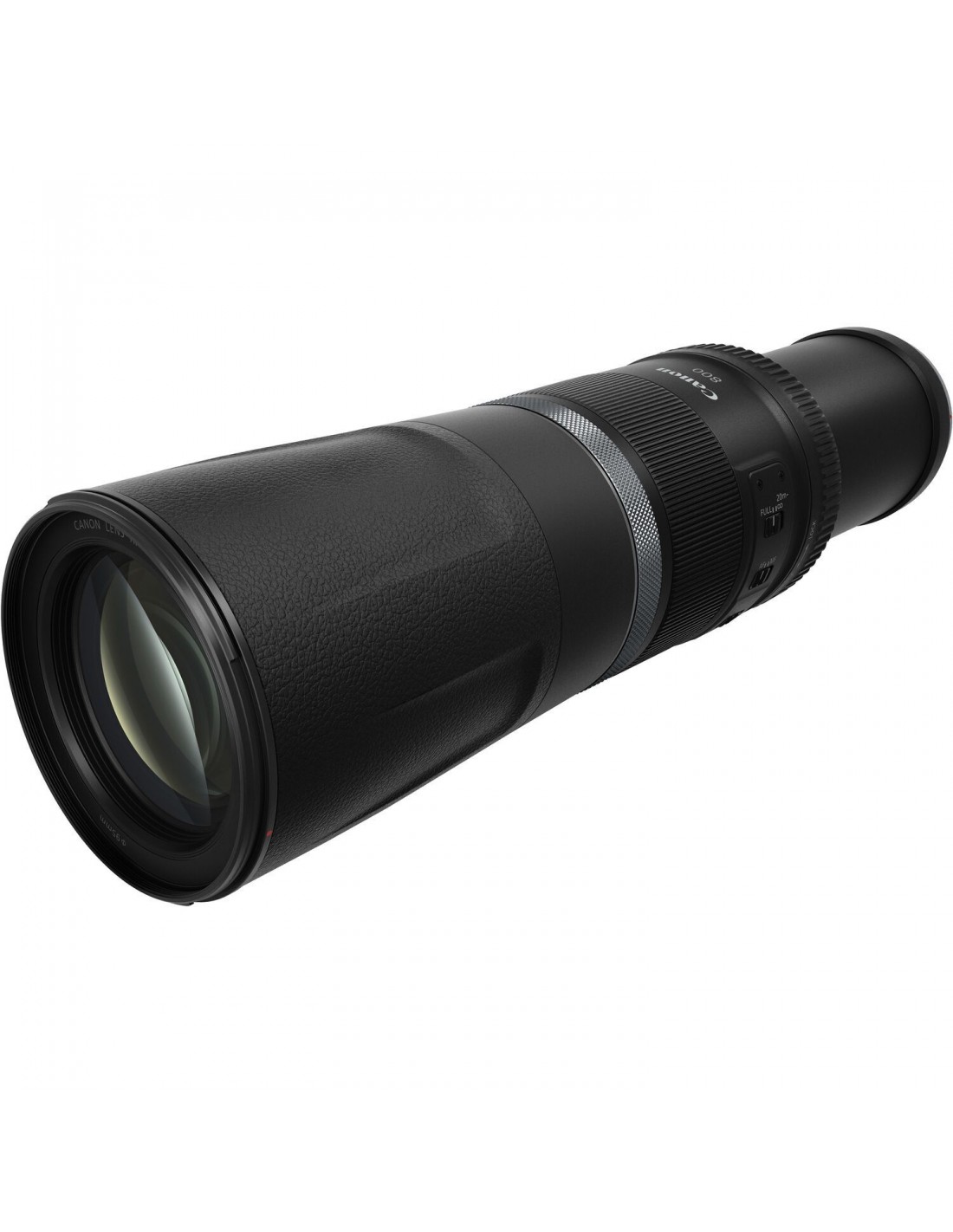
Canon RF 800mm f/11 IS STM
- 100% newBrand-new and authentic product
- Final priceNo unpleasant surprises! The displayed price is the final amount paid for your purchase.
- Order before 2 pm: estimated delivery Mon 17 - Tue 18 AugEstimate based on available stock, order time, business days and carrier delivery times.
- 3-year MCZ DIRECT warranty
- Free delivery with insurance includedYour order is protected from dispatch to delivery: in case of loss, theft or damage during transport, your parcel is insured up to its value.
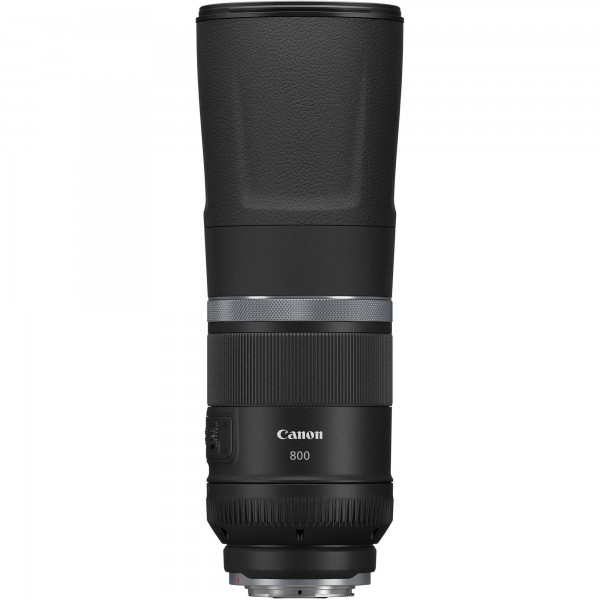
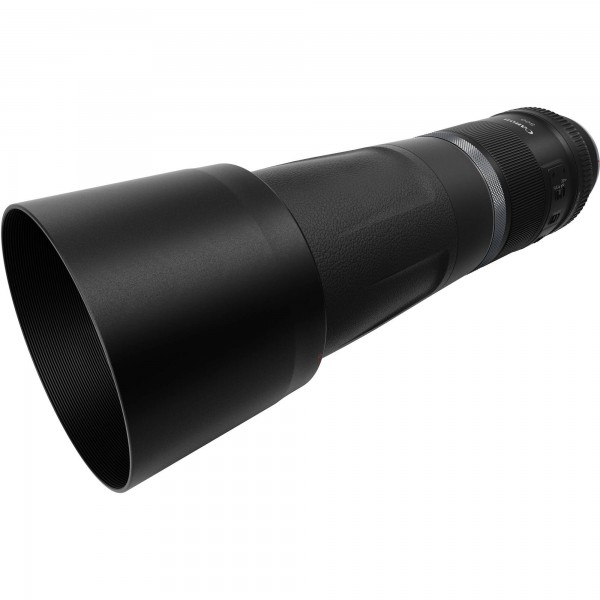
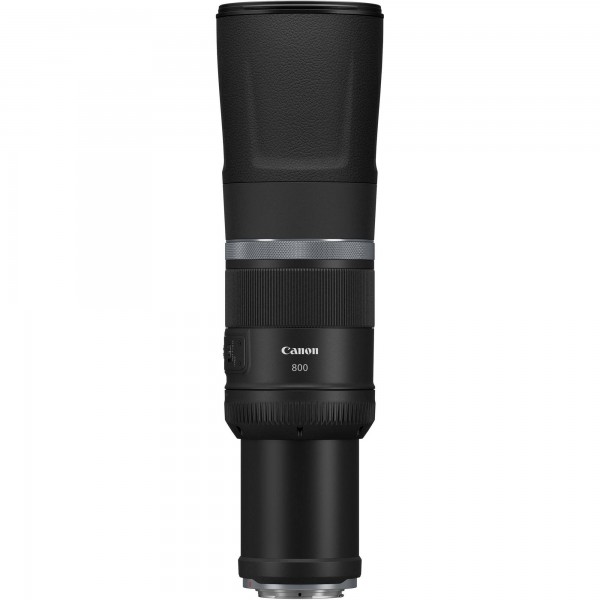
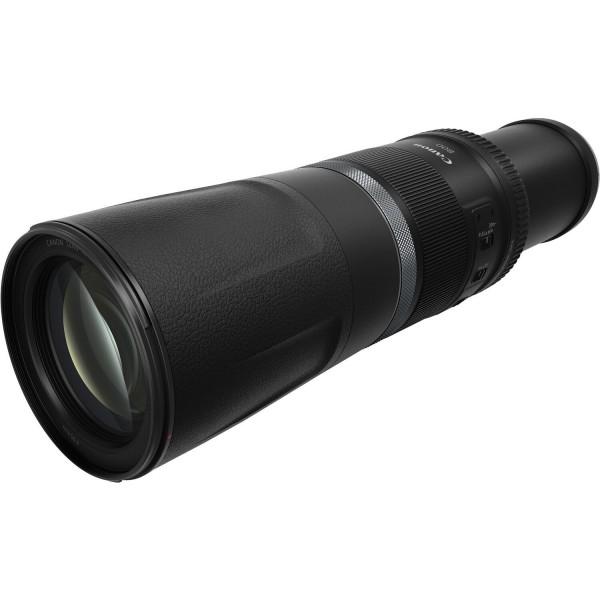
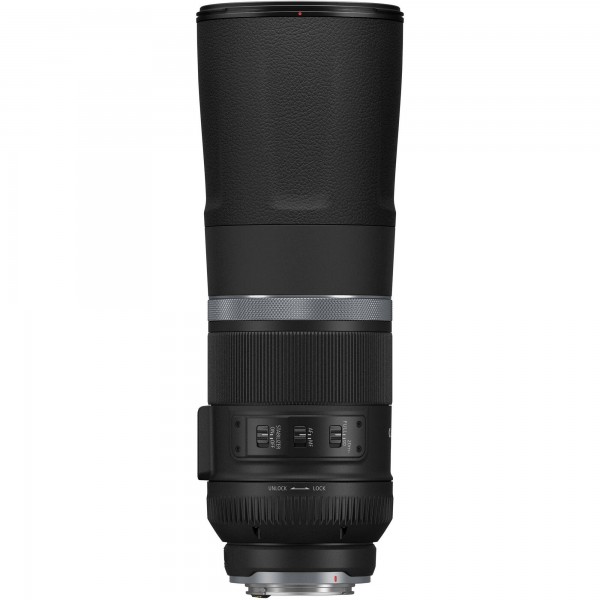
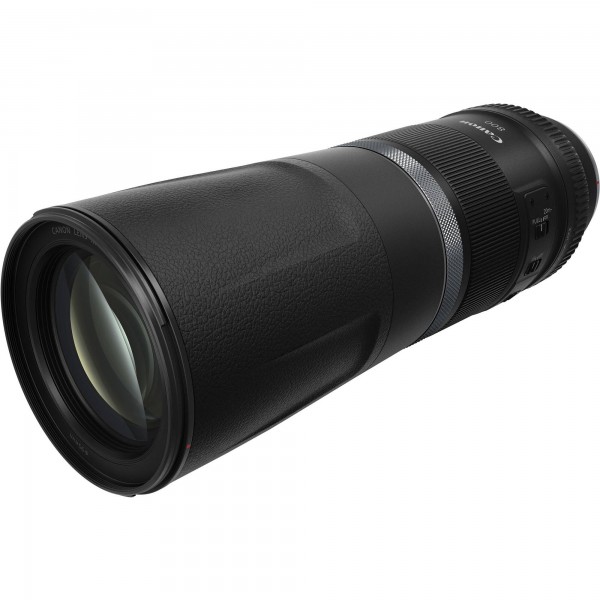
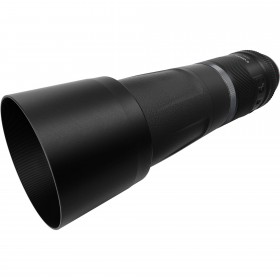
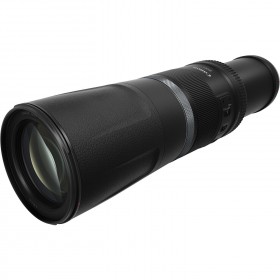
The Canon RF 800mm F11 IS STM is a fixed super-telephoto lens for EOS R photographers who need to frame distant birds, wildlife, aircraft or outdoor sport without carrying a multi-kilogram professional prime, and we recommend it mainly in good light. Its 800mm focal length fills the frame from considerable distance, while Canon’s 4-stop optical stabiliser makes handheld shooting more realistic. A retractable barrel and 1,260g weight keep this Canon 800mm lens genuinely portable for such reach. The trade-offs are specific: aperture is fixed at f/11, minimum focus is 6m, and the usable autofocus area can be more restricted depending on the camera. It is a sensible choice when reach matters more than zoom flexibility, close focusing or low-light speed.
Complete your set
Combine compatible accessories and save. The more items you add, the bigger the discount.


memory card
SanDisk 128GB Extreme PRO UHS-II SDXC 300 MB/s memory card

warranty extension
2-year warranty extension
Canon RF 800mm F11 IS STM lens: who is it for?
The Canon RF 800mm F11 IS STM is a fixed super-telephoto lens for EOS R photographers who want to fill the frame with a distant bird, animal, aircraft or outdoor athlete without carrying a multi-kilogram professional prime. We recommend it mainly in good light, when reach matters more than zoom flexibility. Its 800mm focal length, Canon-rated 4-stop optical stabiliser and 1,260g weight make handheld work realistic for such a long lens. It sits within the wider Canon RF lens range. The trade-offs are precise: the aperture is fixed at f/11, minimum focus is 6m and the usable autofocus area depends on the camera body.
Key strengths of the Canon RF 800mm F11 IS STM
- A genuine 800mm full-frame focal length for making a distant subject fill far more of the frame.
- A 1,260g weight that is unusually manageable for a prime lens with this reach.
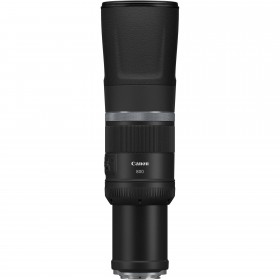
- A retractable barrel that shortens the lens from 351.8 to 281.8mm in transit.
- Canon-rated 4-stop optical stabilisation for a steadier view and less camera shake with static subjects.
- Quiet internal STM autofocus for perched birds, distant wildlife and predictable movement.
- A 20m-infinity focus limiter that avoids searching the entire range when subjects remain distant.
- Diffractive Optics elements that help Canon contain the overall size and weight.
- Compatibility with RF 1.4x and 2x Extenders for 1,120mm and 1,600mm combinations.
- An integrated tripod collar for a monopod, tripod or gimbal head.
- A 95mm front filter thread for a suitable protective, polarising or neutral-density filter.
What the specifications mean in the field
| Feature | Practical benefit | Consideration |
|---|---|---|
| Fixed 800mm focal length | Fill the frame with a very distant subject without a severe crop | The narrow view makes finding a bird in flight more demanding |
| Fixed f/11 aperture | Keep an 800mm lens relatively light and attainable | Shutter speed and ISO become critical as light falls |
| 4-stop optical IS | Hold framing more steadily and reduce camera shake | It cannot freeze wing movement or a running athlete |
| STM autofocus | Focus discreetly and accurately on a clearly identified subject | The usable AF area is more central than with a faster lens |
| 1,260g, retractable barrel | Carry an 800mm prime and work handheld | The lens must be extended and locked before shooting |

Where 800mm genuinely changes the photograph
At 800mm, the angle of view is extremely narrow. That is useful for a perched bird across water, wildlife that cannot be approached, an aircraft in flight or action on the far side of a pitch. Reach also changes perspective: visual planes appear closer together and the background becomes more prominent behind the subject. On an APS-C EOS R camera, the angle of view is roughly equivalent to 1,280mm on full frame. The effect is dramatic, but every movement is magnified and tracking becomes harder. If the subject is nearby, unpredictable or frequently hidden, a zoom is usually easier to frame and recover.
| Situation | What 800mm adds | Favourable condition |
|---|---|---|
| Perched birds and distant small wildlife | Fill more of the frame without reducing a safe distance | Good light and a reasonably distant background |
| Wildlife in open terrain | Work from a bank, track or hide | A visible subject at a fairly stable distance |
| Aviation and the moon | Create a tight frame around a very distant subject | Clear air and confident tracking technique |
| Outdoor sport | Isolate action far from the photographer | Strong light and a predictable path |

F/11, autofocus and 6m minimum focus: understand the limits
F/11 is the only aperture available. Under heavy cloud, in woodland or late in the day, keeping enough shutter speed for moving wildlife quickly raises ISO. Stabilisation counters photographer movement, not subject movement. The autofocus area can also be smaller and more central than with a faster lens; the exact behaviour varies with camera and firmware. Nothing closer than 6m can be focused. The RF 1.4x Extender and RF 2x Extender create 1,120mm f/16 and 1,600mm f/22 combinations: technically valid, but demanding of light, support and atmospheric clarity. Canon does not state full dust and moisture resistance for the lens.
The Canon RF 800mm F5.6L IS USM serves a different priority: two stops more light, professional construction and a more flexible autofocus experience, at a vastly higher cost in weight, bulk and budget. The F11 remains the mobility-led choice for sufficient light.
Canon RF 600mm F11, RF 800mm F11, RF 200-800mm or RF 100-500mm?
| Lens | Choose it when | Main compromise |
|---|---|---|
| RF 600mm F11 IS STM | You are new to super-telephotos or follow moving subjects more often | Less reach, but easier framing and lower weight |
| RF 800mm F11 IS STM | Reach, manageable weight and an attainable route to 800mm come first | Fixed focal length, f/11, reduced AF area and 6m minimum focus |
| RF 200-800mm F6.3-9 IS USM | You need to find the subject quickly and adapt as its distance changes | Heavier and larger, but two-thirds of a stop faster at 800mm |
| RF 100-500mm F4.5-7.1L IS USM | Response, close focusing and L-series construction matter most | Substantially shorter native reach |

Which Canon EOS R camera suits the lens?
The lens works across the Canon EOS R system. The EOS R5 Mark II makes sense when resolution and cropping complement the 800mm reach. The EOS R6 Mark III puts greater emphasis on response and higher-ISO work. The EOS R7 narrows the angle of view further with its APS-C sensor, although tracking becomes more demanding. The EOS R8 forms the lightest full-frame combination here, but without in-body stabilisation it relies especially heavily on the lens IS.
MCZ DIRECT review: should you choose the Canon RF 800mm F11 IS STM?
At MCZ DIRECT, we see the RF 800mm F11 as a choice for bird, wildlife or aviation photographers who already know they lack reach, rather than as a first universal telephoto. It is specialised, but that specialisation creates framing that would otherwise require much heavier equipment.
Against the RF 600mm F11, we recommend it when 600mm still demands a severe crop and the subject is predictable enough to find in a narrower view. Against the RF 200-800mm, it retains a clear weight advantage; the zoom is the better tool when subject distance changes constantly.
Its limitation is honest: f/11 needs light, 6m minimum focus excludes nearby subjects, and the AF area rewards disciplined technique. For mainly outdoor work at long distance, the RF 800mm F11 remains a coherent way to obtain true 800mm reach without carrying a multi-kilogram prime.
Technical specifications
General
Level
Properties
Focal length
Aperture
Zoom
Uses
Physical properties
Buying guidance
Canon RF 800mm f/11 IS STM FAQ
What is the Canon RF 800mm F11 IS STM and who is it for?
The Canon RF 800mm F11 IS STM is a stabilised fixed super-telephoto lens for EOS R photographers who need to frame distant birds, wildlife, aircraft or outdoor sport without carrying a multi-kilogram professional prime. It is most relevant in good light.
Is the Canon RF 800mm F11 suitable for bird photography?
Yes, especially for perched or distant birds in sufficient light. Birds in flight require more practice because the angle of view is narrow and the AF area is more central.
Can the RF 800mm F11 be used handheld?
Yes. The 1,260g weight and Canon-rated 4-stop optical stabiliser make it realistic. A suitable shutter speed is still required to freeze subject movement.
Is the fixed f/11 aperture limiting?
It works well outdoors in bright conditions, but becomes restrictive under heavy cloud, in woodland or near dusk. ISO rises quickly in those situations.
How does autofocus perform on the Canon RF 800mm F11?
The STM motor focuses quietly and accurately. Depending on the camera, the available autofocus area can be smaller and more central than with a faster lens.
Canon RF 600mm F11 or RF 800mm F11?
The 600mm is lighter and easier for finding moving subjects. The 800mm is stronger when working distance stays long and 600mm still requires a substantial crop.
Canon RF 800mm F11 or RF 200-800mm F6.3-9?
The fixed 800mm is significantly lighter. The 200-800mm makes subjects easier to locate, adapts to changing distance and has a wider aperture at 800mm.
What is the minimum focusing distance?
Canon specifies 6m with 0.14x maximum magnification. The lens is therefore not intended for small nearby subjects or macro photography.
What does the 4-stop optical stabiliser do?
It steadies the view and reduces blur caused by photographer movement. It cannot replace a fast shutter speed when the bird, animal or athlete moves.
Does the RF 800mm F11 accept Canon RF Extenders?
Yes. The RF 1.4x creates a 1,120mm f/16 combination and the RF 2x a 1,600mm f/22 combination. Both need strong light and clear air.
What view does it give on a Canon APS-C camera?
On an APS-C EOS R body, the angle of view is roughly equivalent to 1,280mm on full frame. Reach increases, but tracking and stability become more demanding.
Is the Canon RF 800mm F11 weather sealed?
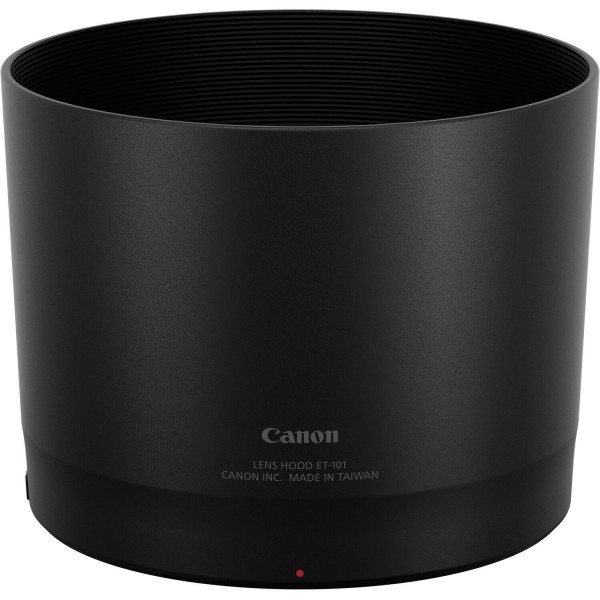
Canon does not state full dust and moisture resistance. The compatible ET-101 hood can help protect the front element from knocks and stray light.
Canon RF 800mm F11 or RF 800mm F5.6L IS USM: which should you choose?
The RF 800mm F11 prioritises mobility, with a 1,260g weight and a fixed aperture suited to good light. The RF 800mm F5.6L targets demanding professional work with a brighter aperture, L-series construction and greater autofocus flexibility, but it is substantially heavier and bulkier.