Shopping Cart
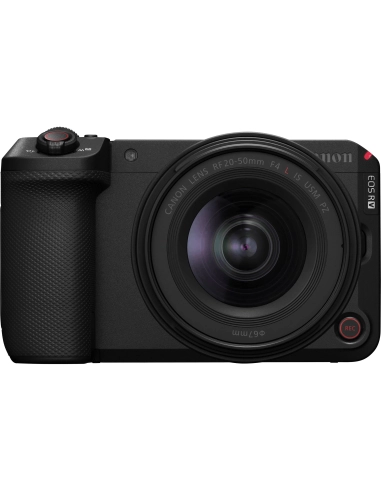
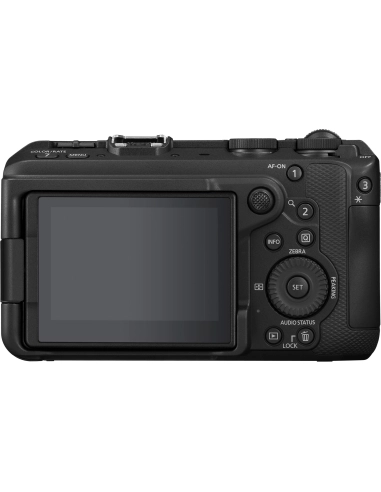
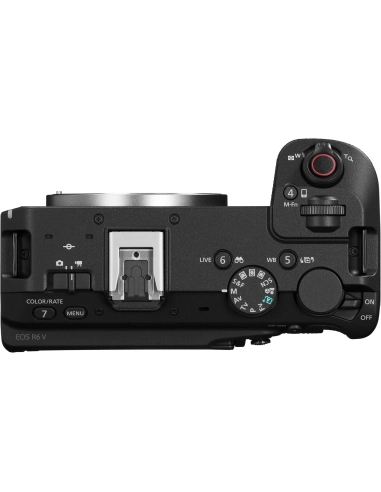
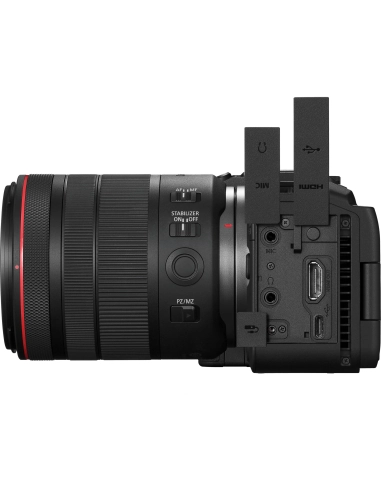
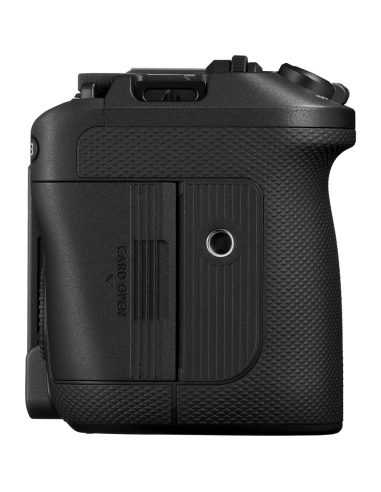
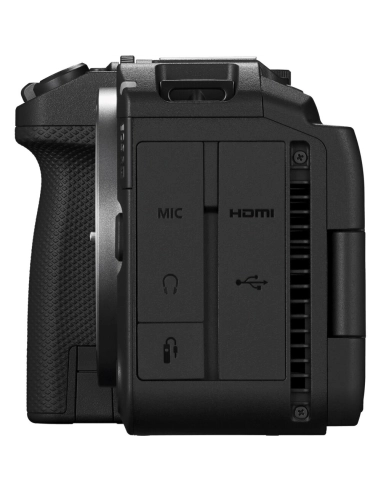
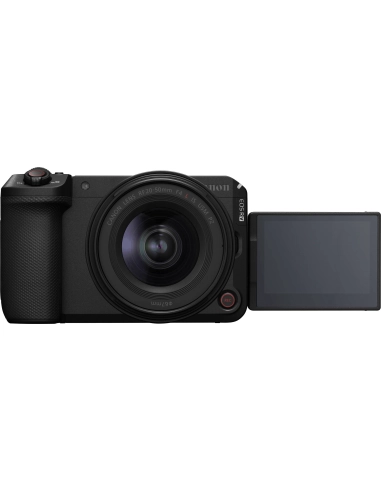
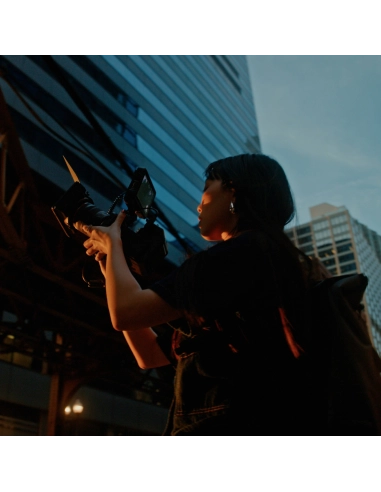
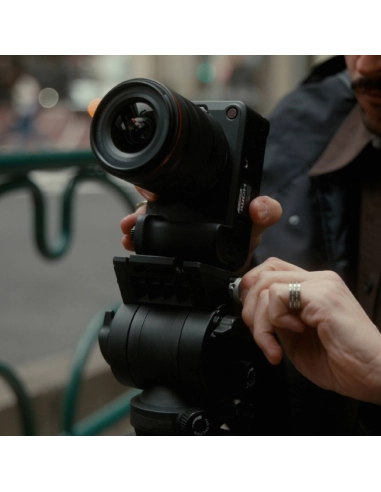
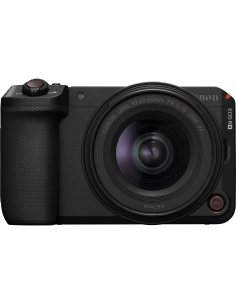
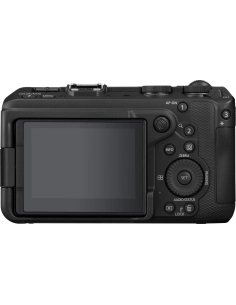
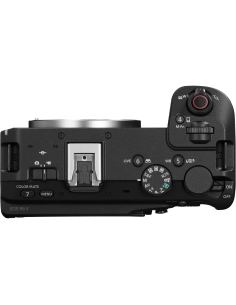
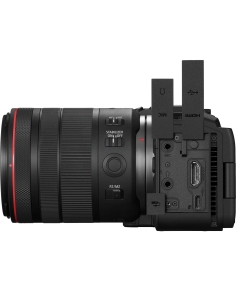
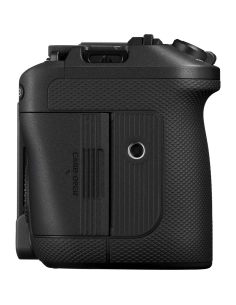
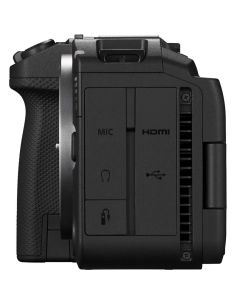
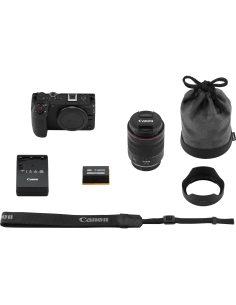
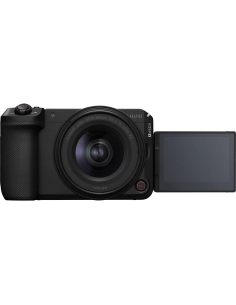
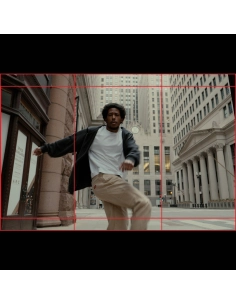
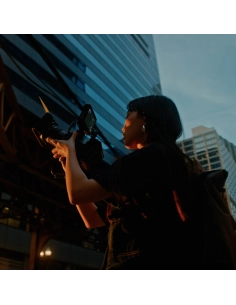
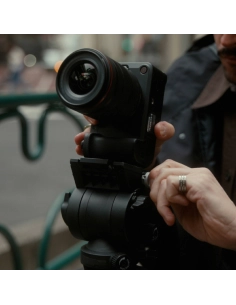
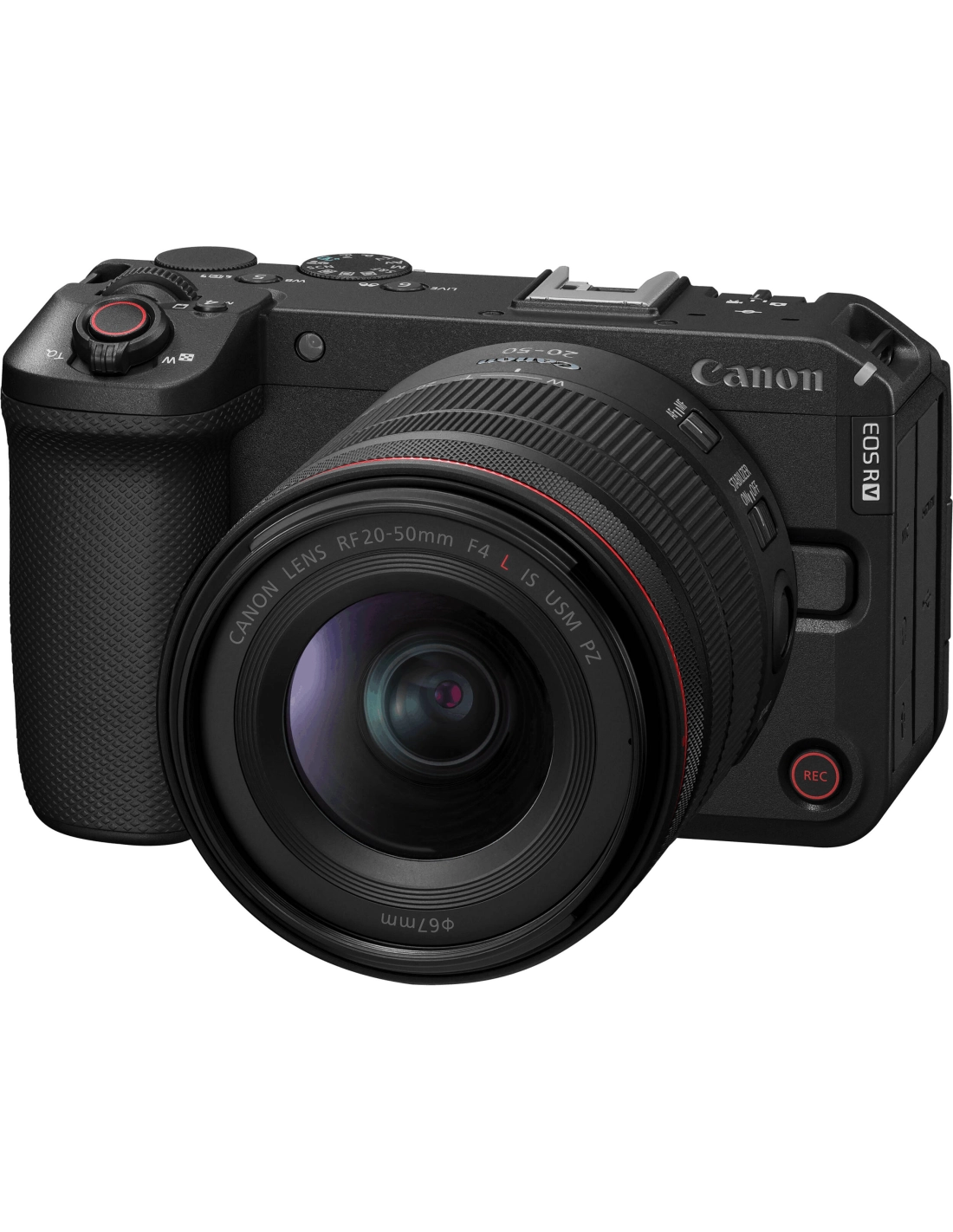
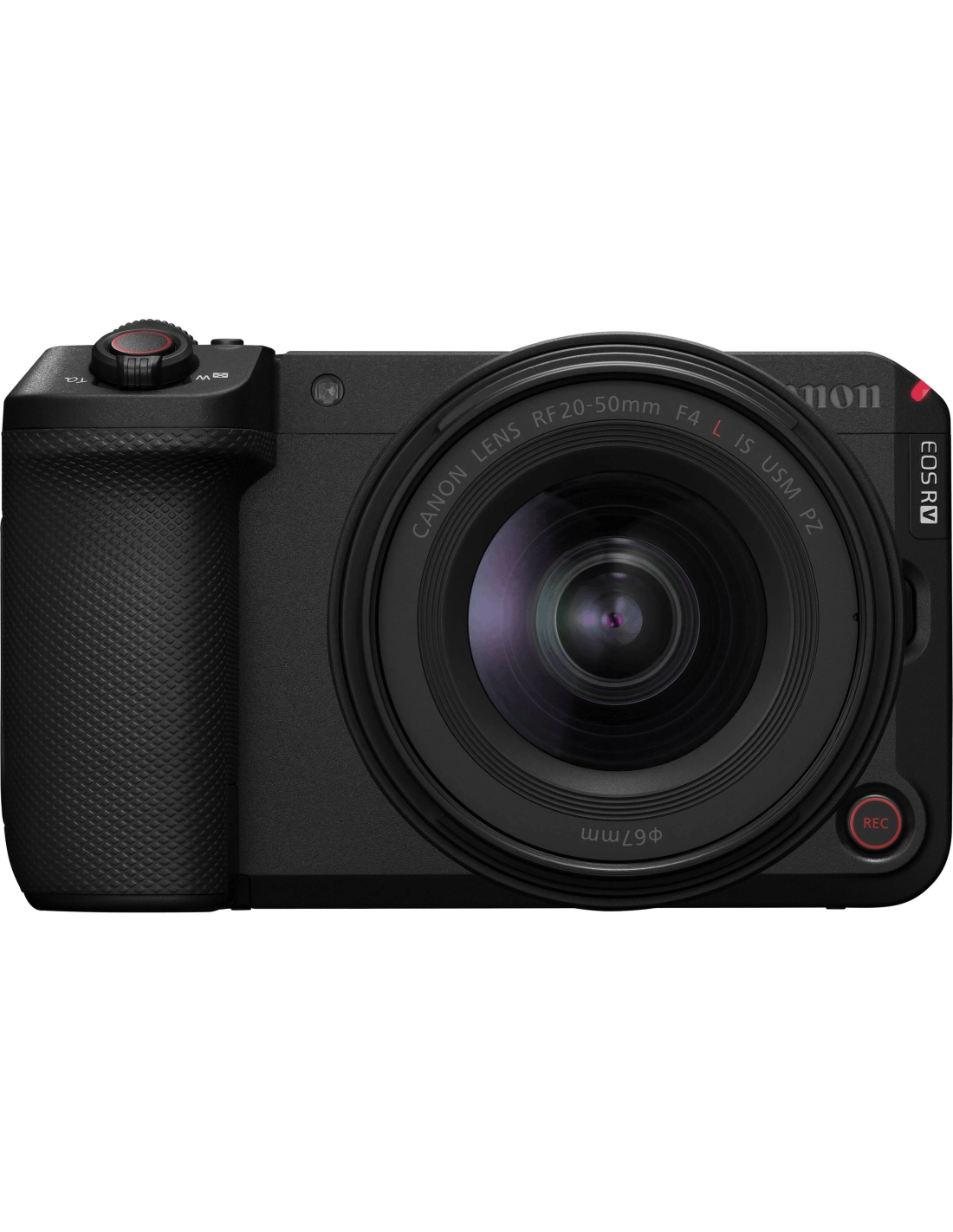
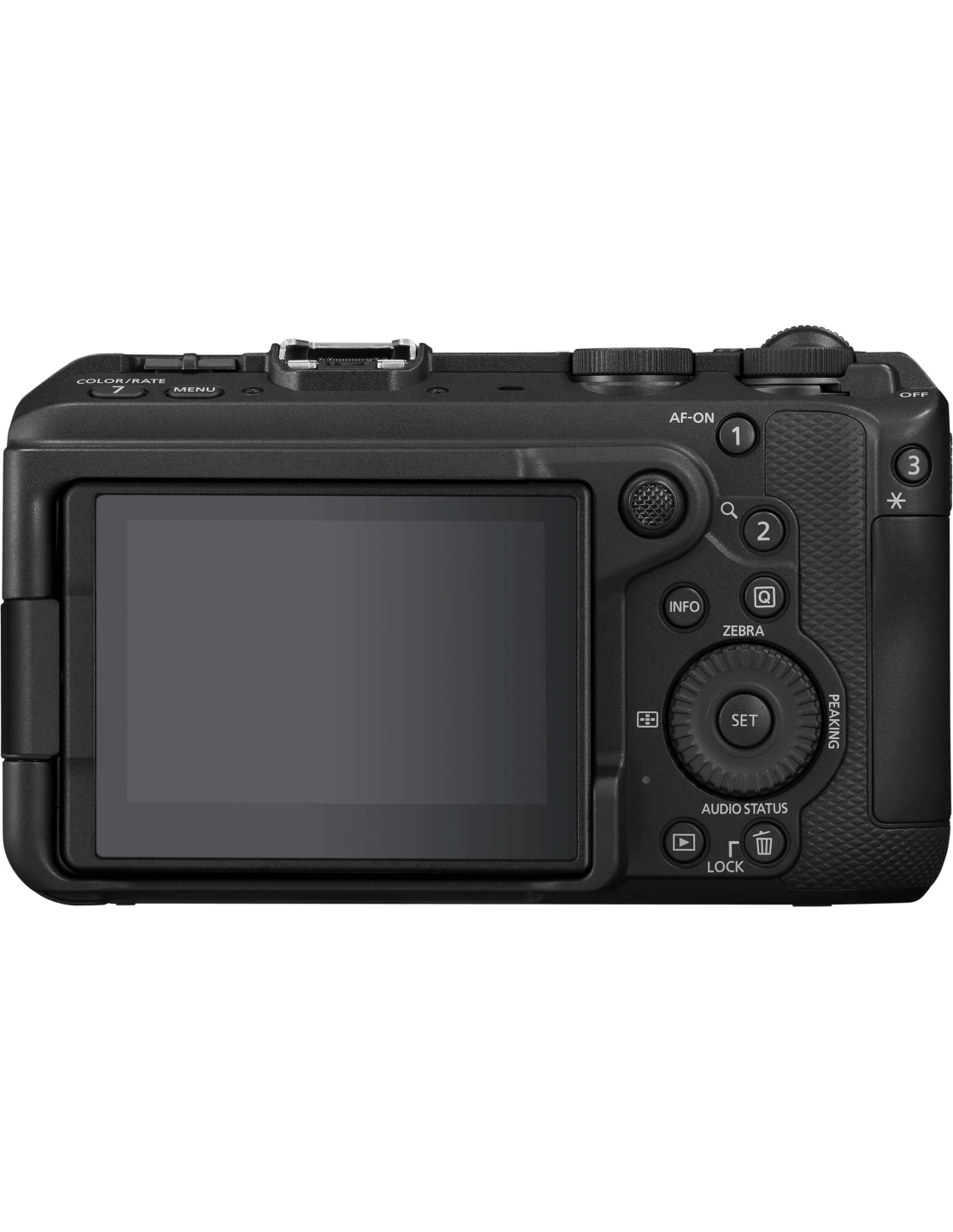
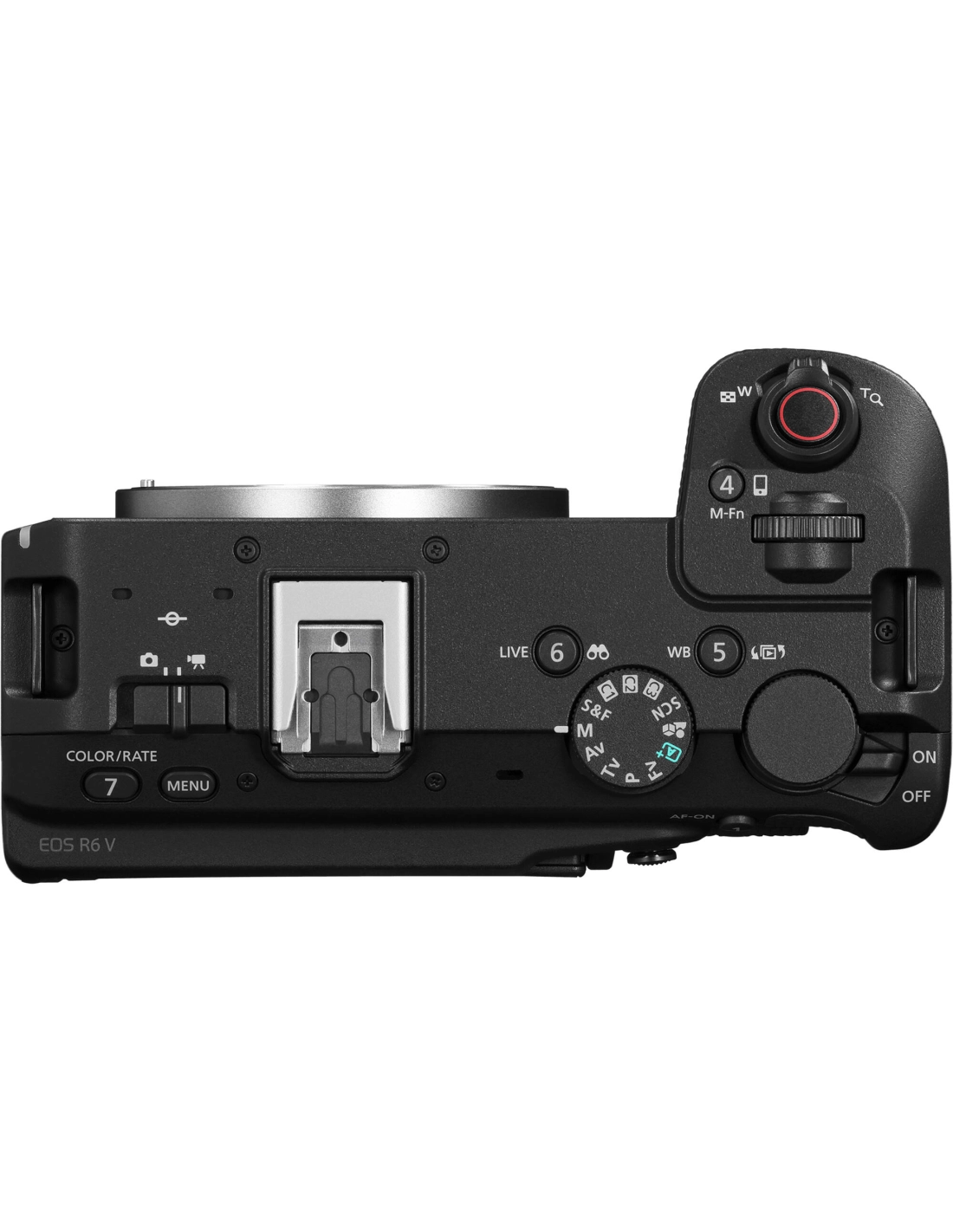
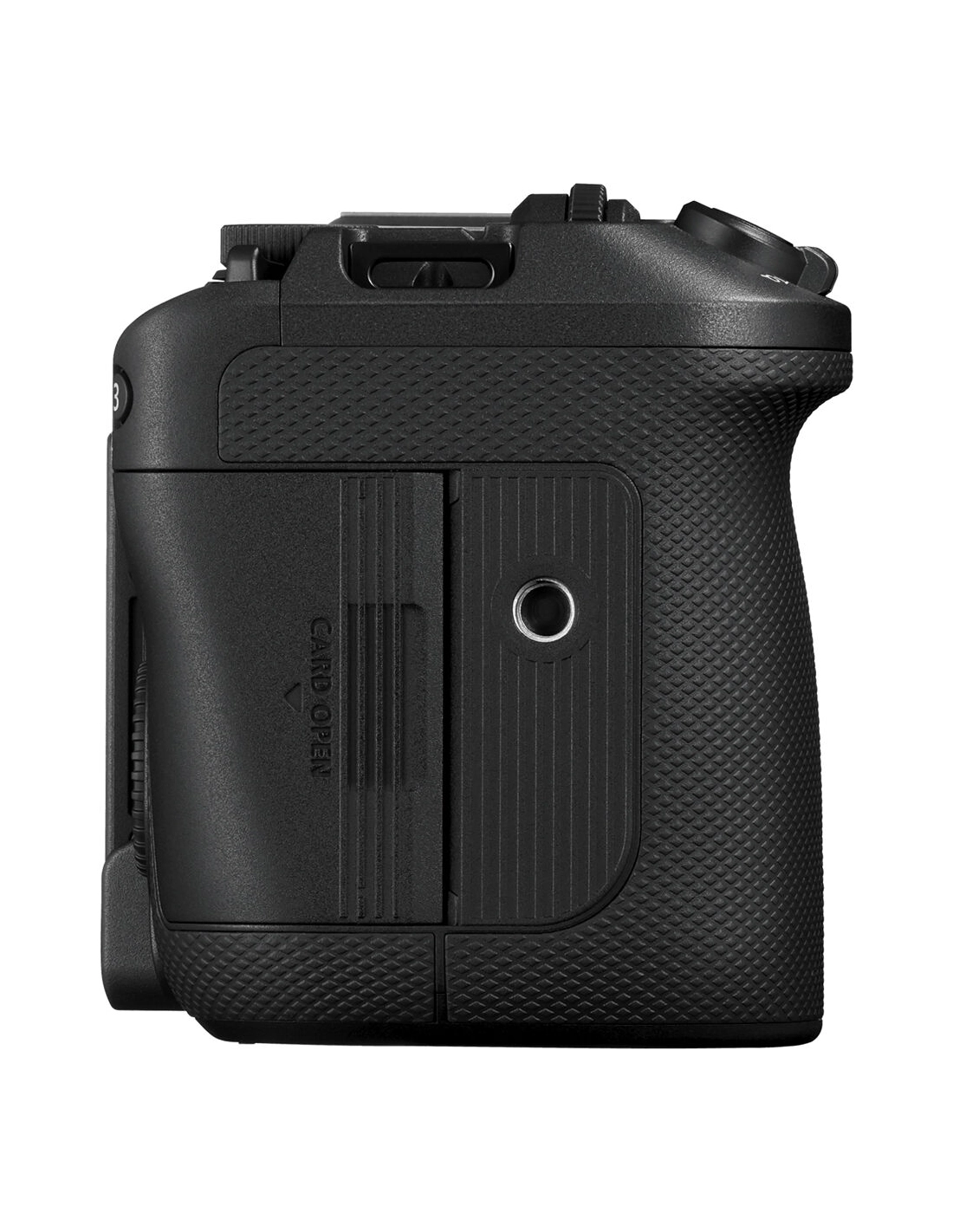
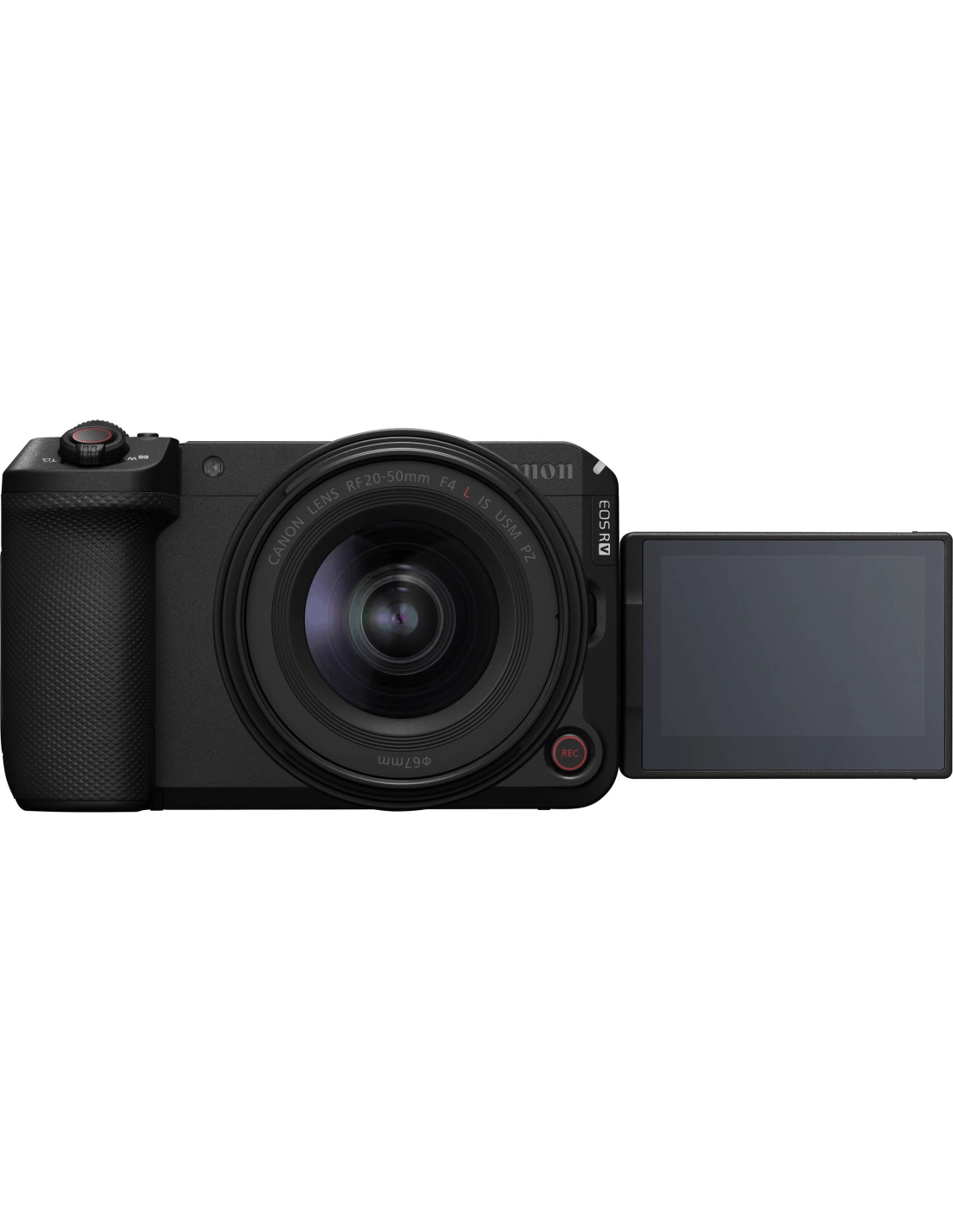
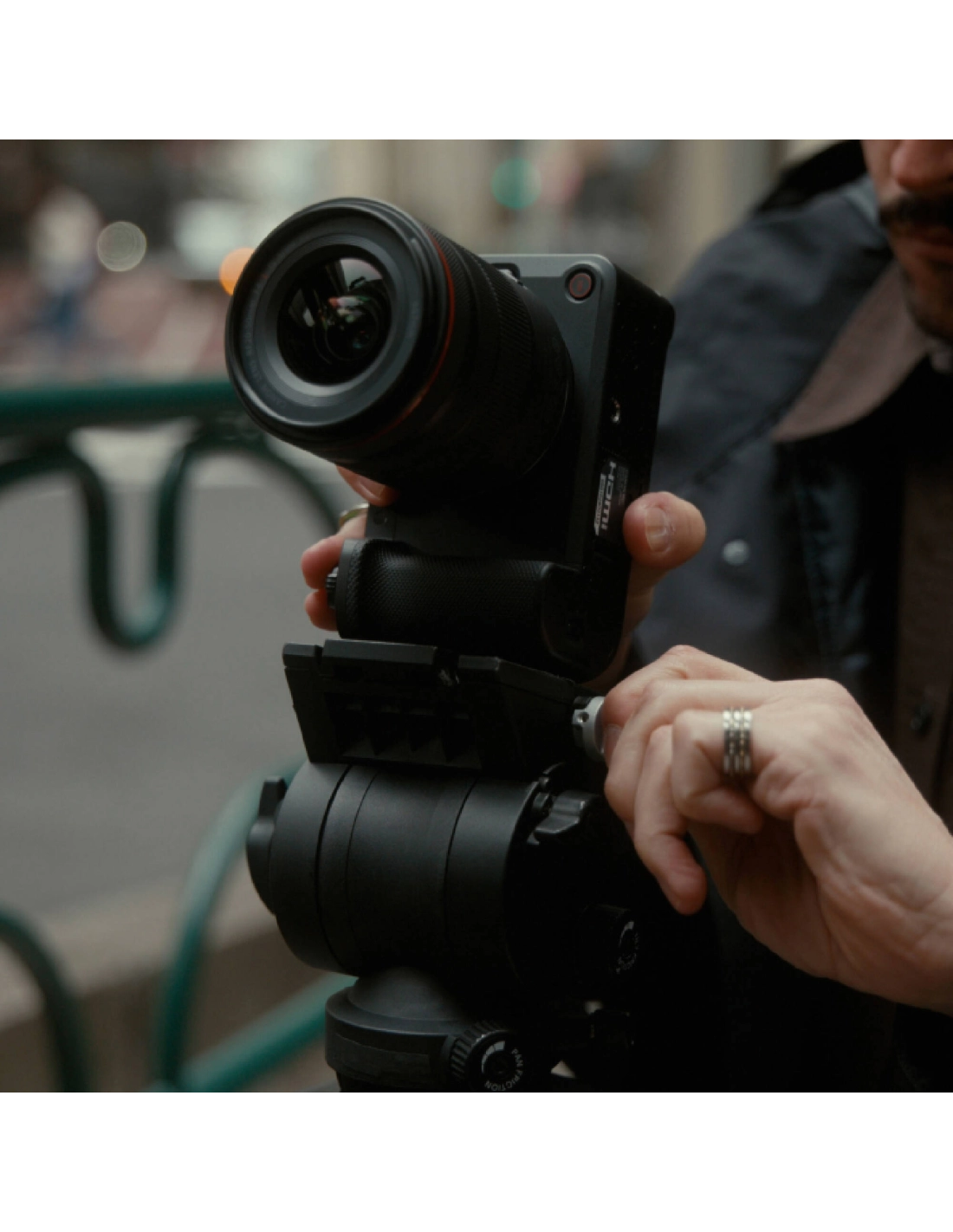
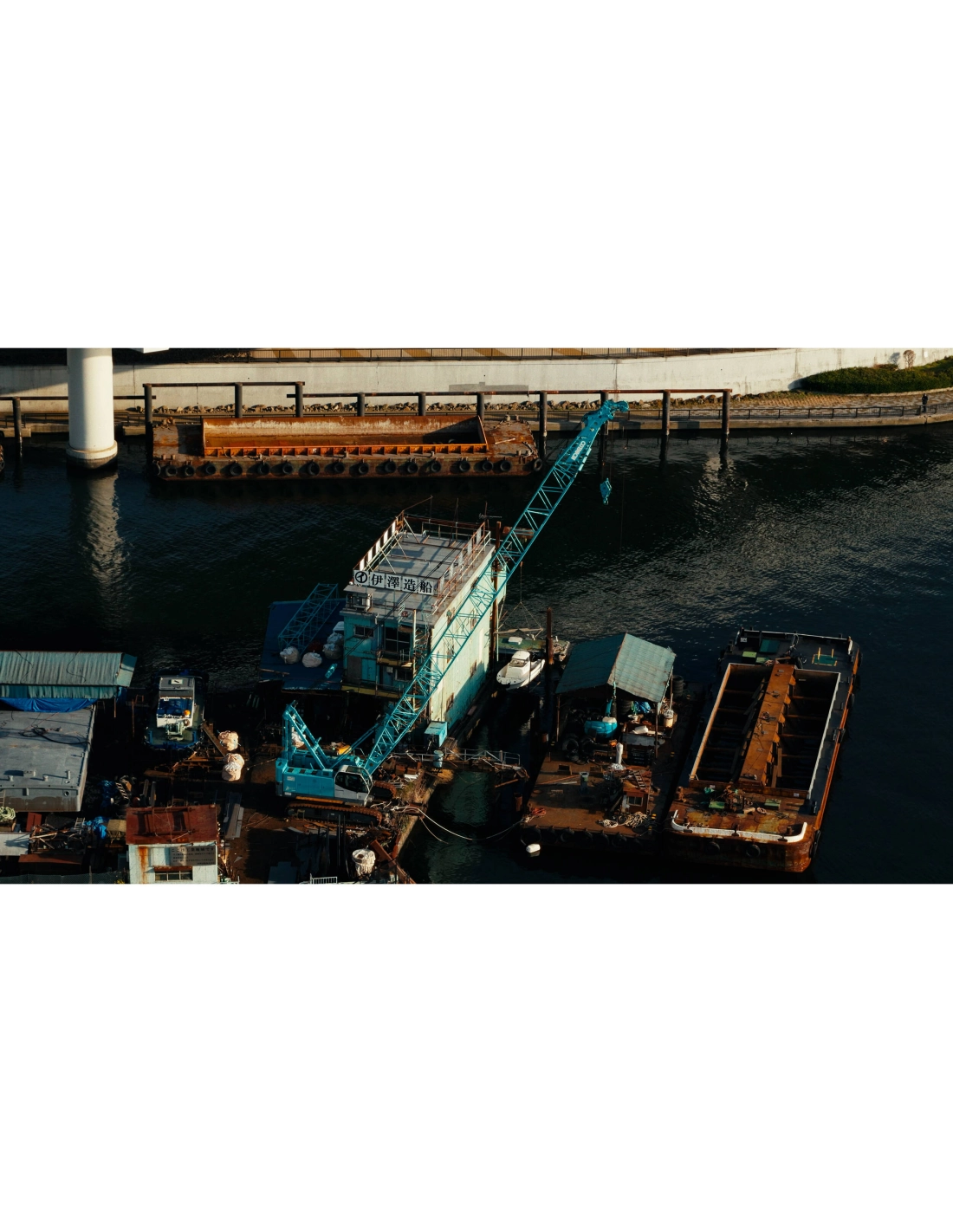
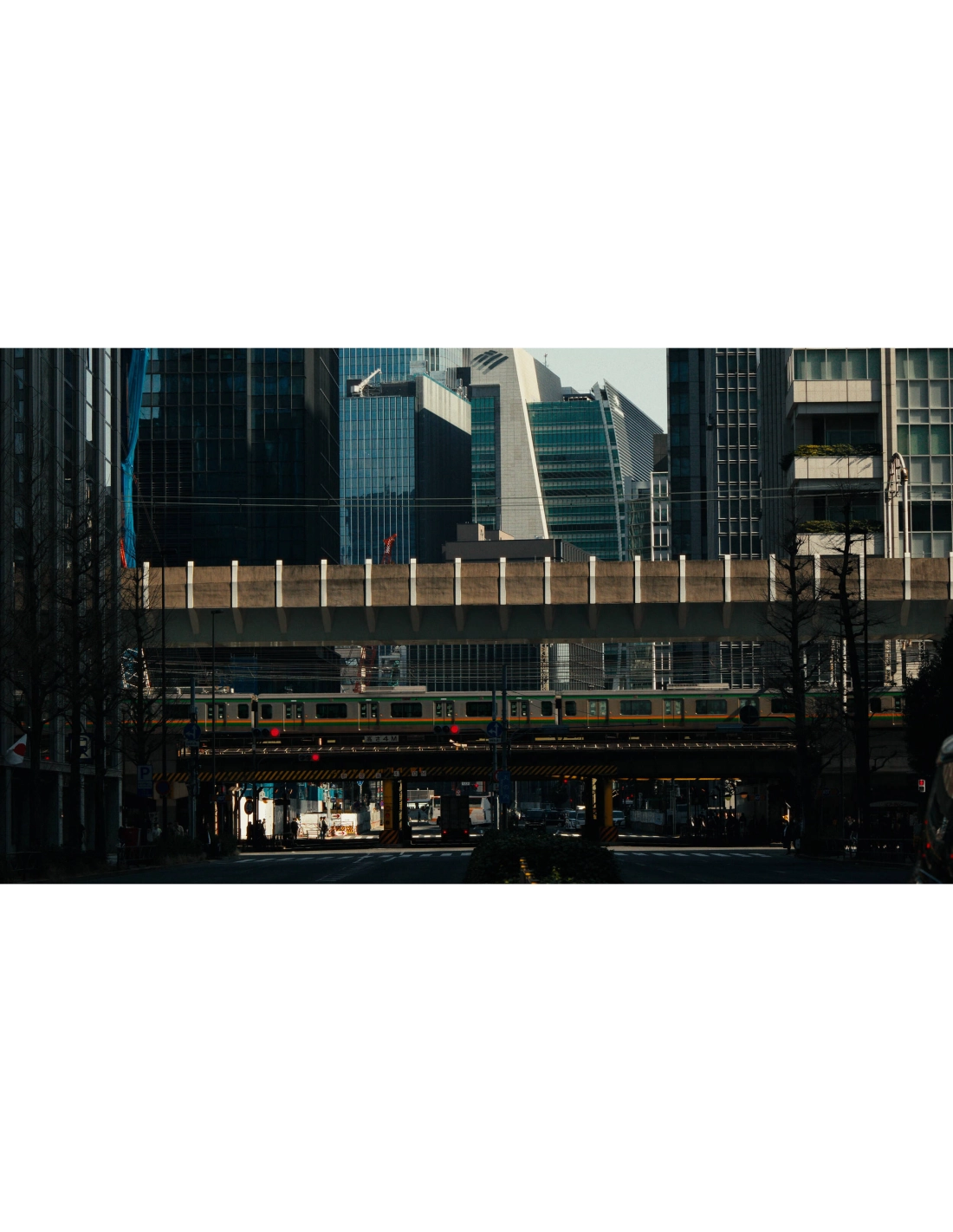
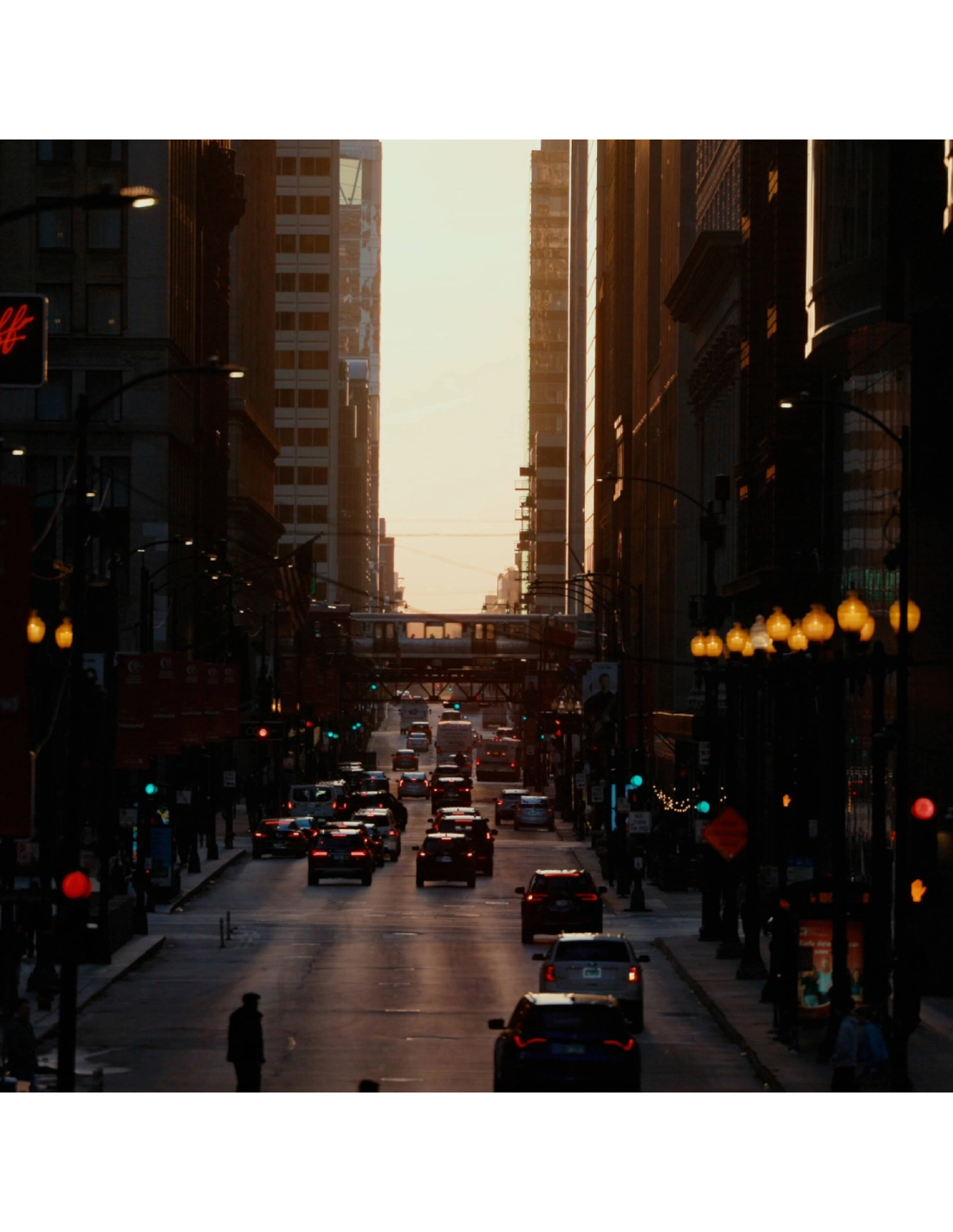
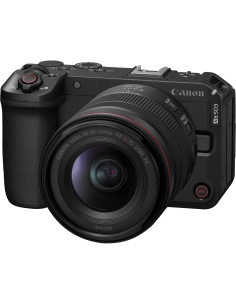

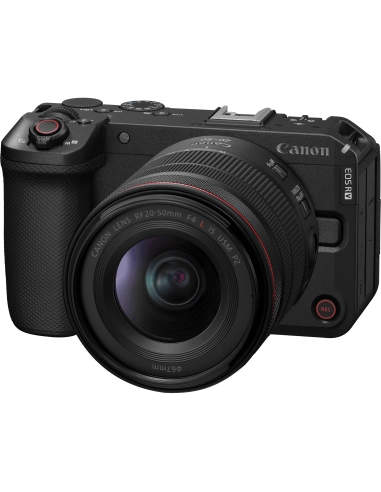
The Canon EOS R6 V with RF 20-50mm F4 L IS USM PZ is a video-first full-frame mirrorless kit for content creators, videographers and small production teams that want a matched lens from the outset. The lens provides wide-to-standard framing, smooth powered zoom and a constant F4 aperture, while the camera adds stabilisation, 7K RAW, Open Gate, 4K 120p and active cooling. This combination supports vlogging, interviews, events, livestreaming and horizontal or vertical productions. It is a strong choice for creators who want an integrated Canon RF setup without selecting the camera and production zoom separately.
Combine compatible accessories and save. The more items you add, the bigger the discount.
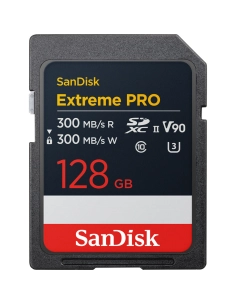
memory card
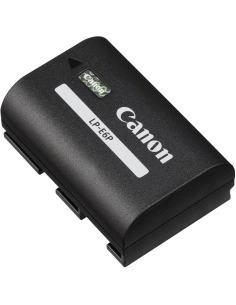
battery
Accessoire

warranty extension
The Canon EOS R6 V with RF 20-50mm F4 L IS USM PZ is a full-frame mirrorless kit built for video production, vlogging, livestreaming, interviews and horizontal or vertical content. It combines the 32.5MP EOS R6 V, with internal 7K RAW, 7K Open Gate and 4K 120p, with an internal powered L-series zoom covering a wide 20mm view through to a natural 50mm perspective.
The value of the kit lies in the integration: the camera’s zoom lever directly controls the power zoom, the maximum aperture remains constant at f/4 and the lens optical stabiliser can coordinate with the camera’s IBIS. The body remains deliberately video-led, with no eye-level viewfinder, an electronic shutter only and no launch-specification flash photography.
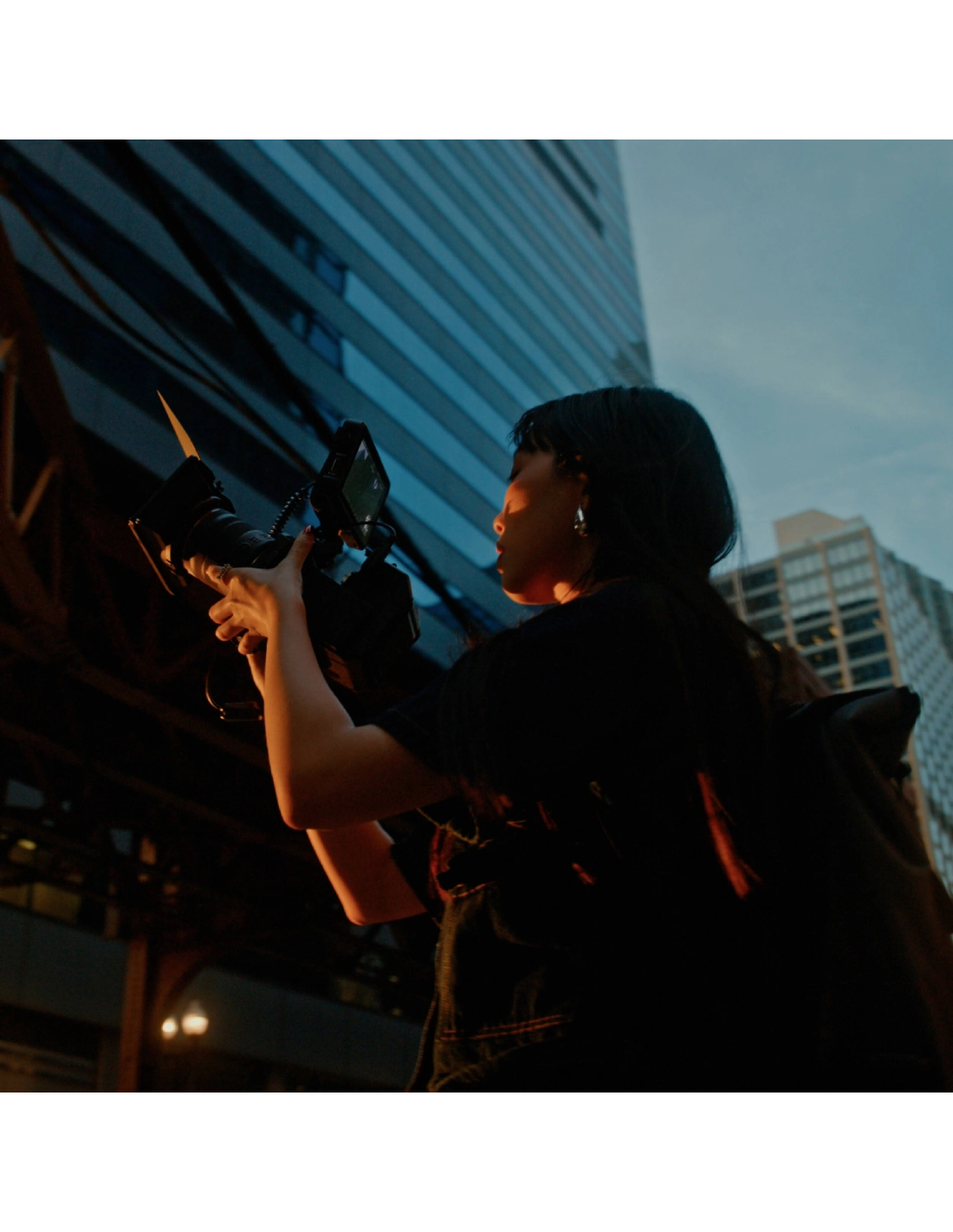
This kit is aimed at creators whose work is led by moving images and who want a lens matched to the camera’s production controls. It is suited to interviews, documentaries, event coverage, product demonstrations, YouTube production, filmed podcasts, short-form social content and livestreaming. The combination can operate handheld, on a tripod, inside a cage or on a suitably rated gimbal.
20mm gives useful room for vlogging, interiors and establishing shots, while 50mm provides a natural perspective for interviews, wider portraits and details. Distant sports, wildlife and tight portrait work require a longer lens. An f/2.8 zoom or fast prime may also be preferable when very shallow depth of field or low-light performance matters more than powered zoom.
Check before ordering: there is no eye-level viewfinder, mechanical shutter or launch-specification flash support. If still photography through a viewfinder or regular flash work matters as much as video, a conventional photo-video hybrid may be a better fit.
The RF 20-50mm is Canon’s first full-frame RF L-series lens with an integrated power zoom. Two Nano USM motors move the zoom groups and a third drives autofocus. Focal length can be adjusted at variable speed from the camera lever, lens ring or compatible remote accessories and applications.
Zooming is internal, so the barrel does not extend while reframing and balance is easier to maintain on a gimbal. The f/4 maximum aperture remains constant across the range. Its 13-element, 11-group design includes three UD and two aspherical elements. Minimum focus is 0.24m, with 0.33x maximum magnification at 50mm.
Canon rates optical stabilisation at up to 6 stops and coordinated correction with a compatible IBIS camera at up to 8 stops under specified conditions. The lens weighs approximately 420g, takes 67mm filters and includes the EW-73H hood and LP1219 case.
Internal 7K RAW at up to 60/50p is intended for productions that need significant control in grading and post-processing. It records to CFexpress Type B media. These files demand more from cards, storage, backup and editing hardware, so the complete workflow should be planned before the shoot rather than after the first card fills.
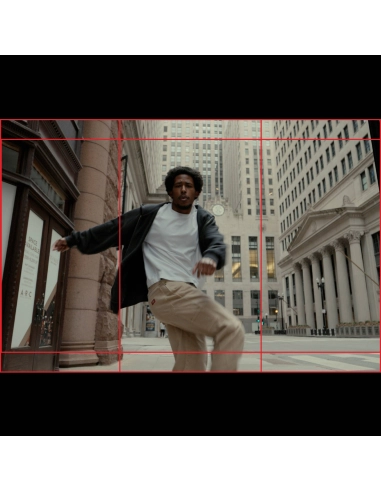
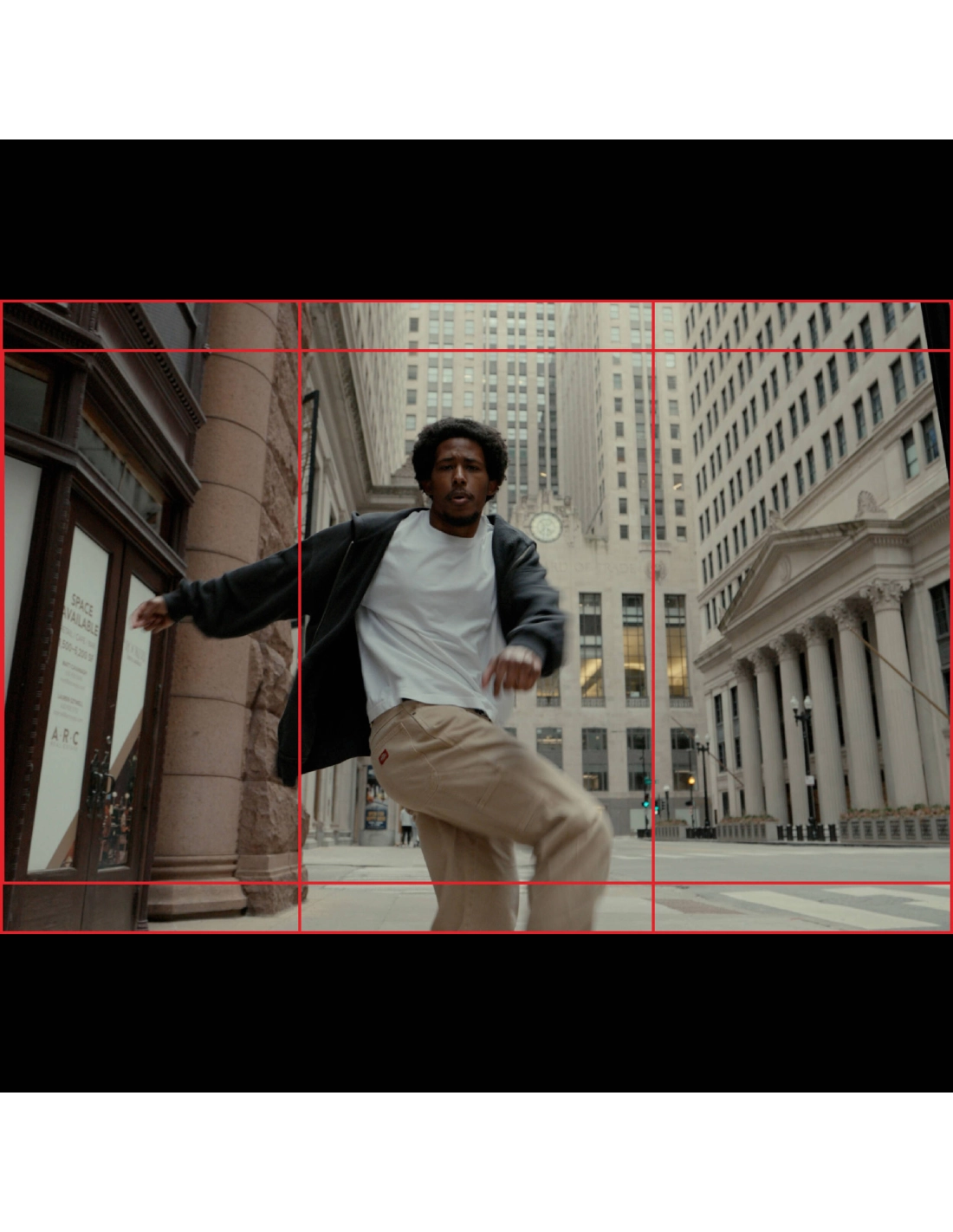
7K Open Gate records from a taller 3:2 sensor area at up to 30/25p. Its practical benefit is delivery flexibility: one carefully composed take can provide room for a 16:9 master, 9:16 social edit or square crop. Open Gate does not remove the need to frame for every intended output, but it gives an editor substantially more room than a conventional 16:9 source.
4K 120/100p is the useful choice for action and slow-motion sequences, while 25/30p or 50/60p is generally more efficient for dialogue and extended coverage. Full HD up to 180/150p provides a higher frame-rate option when 4K delivery is unnecessary. Canon Log 2, Canon Log 3 and Custom Picture settings support colour-managed productions.
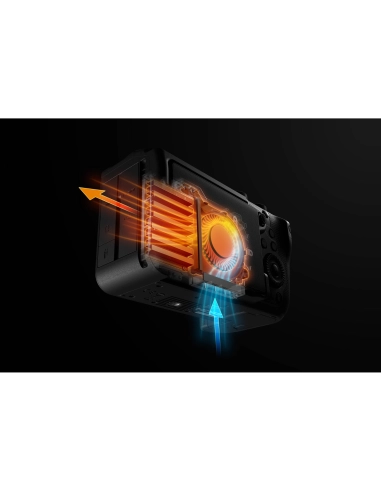
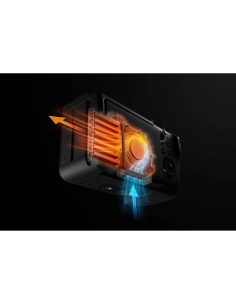
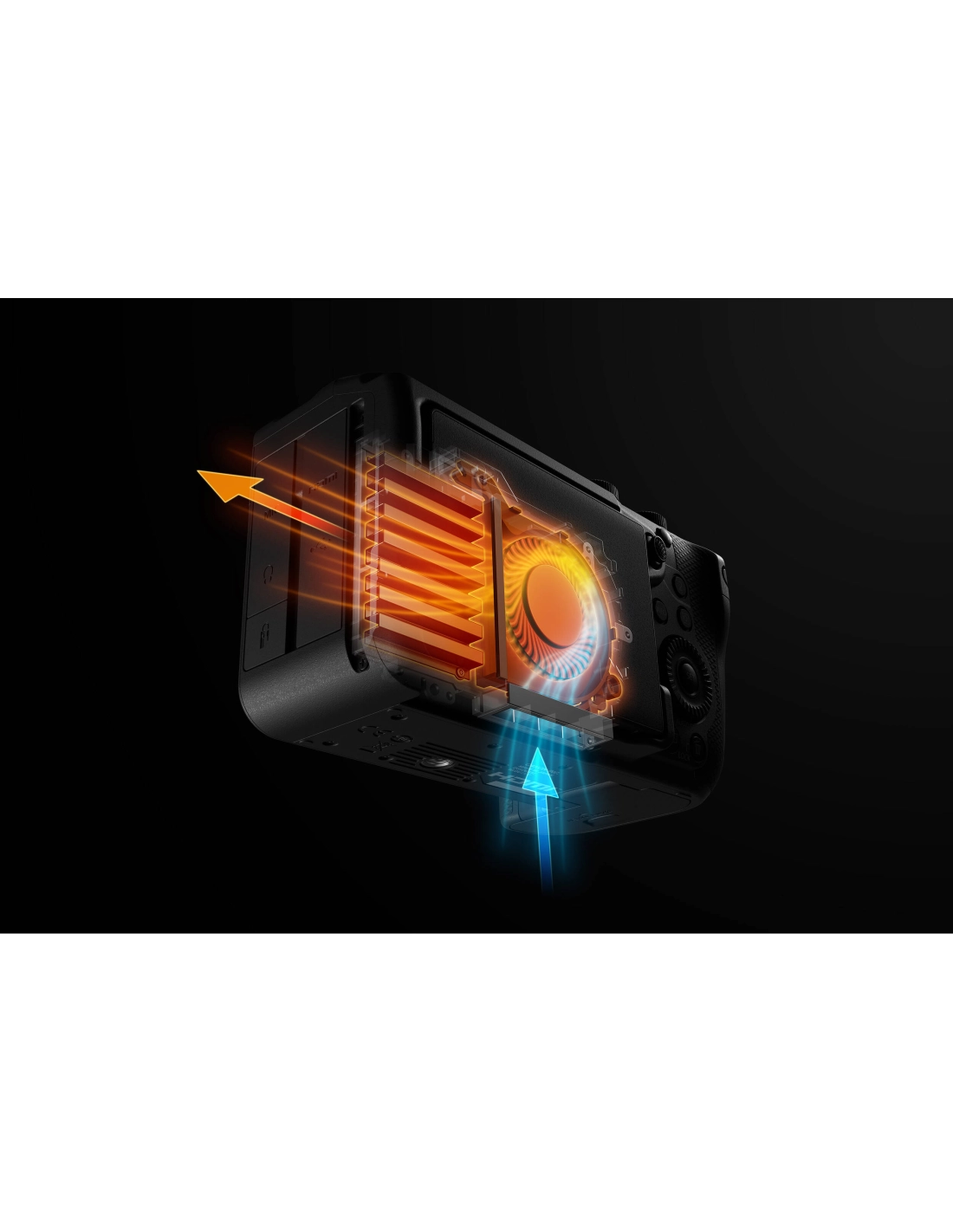
The integrated fan is a defining feature of the EOS R6 V. It offers automatic operation and multiple speed settings, helping heat leave the body during demanding recording. Under Canon’s specified test conditions, selected modes can run for extended periods when the appropriate fan setting, media, ambient temperature and power arrangement are used.
Cooling does not make recording time unlimited in every situation. High ambient temperatures, USB power, card temperature and high-data-rate settings can all change the result. The camera displays temperature guidance and offers standard or high automatic shut-down thresholds. At the high setting, both the camera and cards may become hot, so support equipment and careful card handling matter.
Audio matters too: a microphone close to the body may capture fan noise, especially at higher speeds. For quiet dialogue, move the microphone away from the camera, use a boom or wireless system and monitor through the headphone output.
Dual Pixel CMOS AF II provides broad sensor coverage and up to 1,053 automatic AF zones for stills. Subject recognition includes people, animals and vehicles, with priority available for eyes, faces, heads or bodies. Recognised examples include birds, cats, dogs, horses, cars, motorcycles, aircraft and trains.
In-body image stabilisation is rated up to 7.5 stops at the centre and 7 stops towards the periphery under Canon’s test conditions. Compatible stabilised RF lenses can coordinate optical and sensor-shift correction. Digital Movie IS is available as a further option, although it crops the frame when enabled.
These systems reduce unwanted camera movement and help a solo operator keep a subject in focus, but they cannot replace every support tool. A locked interview still benefits from a tripod; walking footage may still look better on a gimbal; fast action needs an appropriate shutter speed regardless of stabilisation.
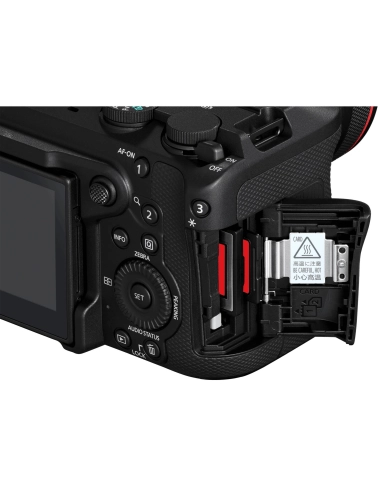
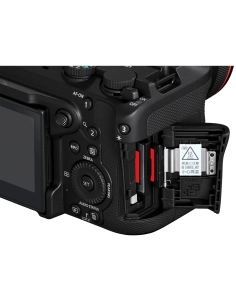
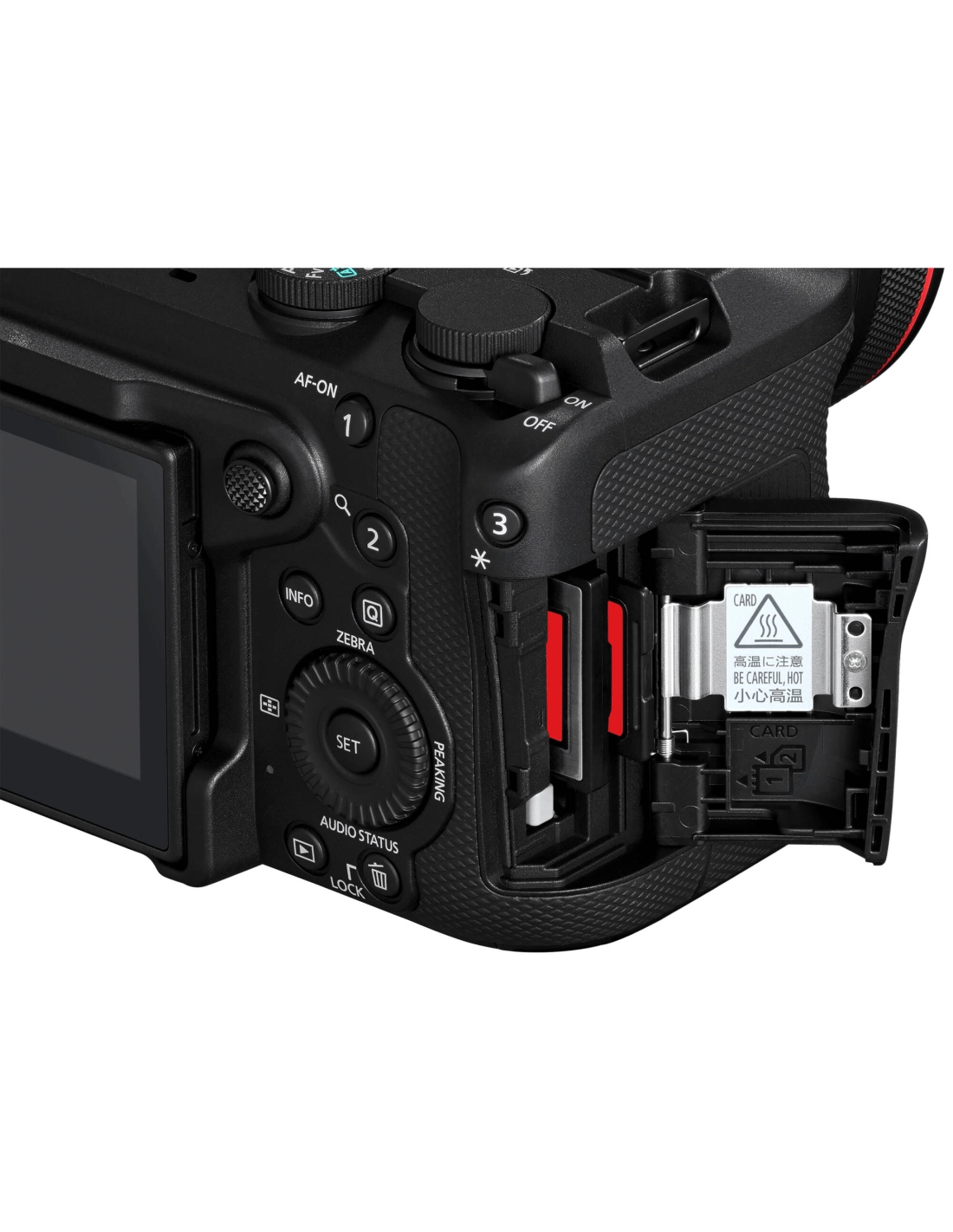
Slot 1 accepts CFexpress Type B cards and slot 2 accepts UHS-II-compatible SD, SDHC and SDXC media. CFexpress is required for the highest-data-rate 7K RAW, Open Gate and related recording options. SD can serve as the primary medium for supported settings, receive a proxy or hold a secondary file.
Proxy recording creates a smaller file alongside the main recording, giving editors a faster route to transfer, review and assemble material. Depending on the selected format, the camera can also separate stills and movies, relay from one card to another, create a sub recording or write to multiple cards. Not every card arrangement is available in every resolution or frame rate.
Choose the recording format first, then match the card to Canon’s stated performance requirement. Marketing labels such as “fast” or “professional” do not prove that a card can sustain every mode. For paid work, include card capacity, offload time, verified backups and archive storage in the production plan.
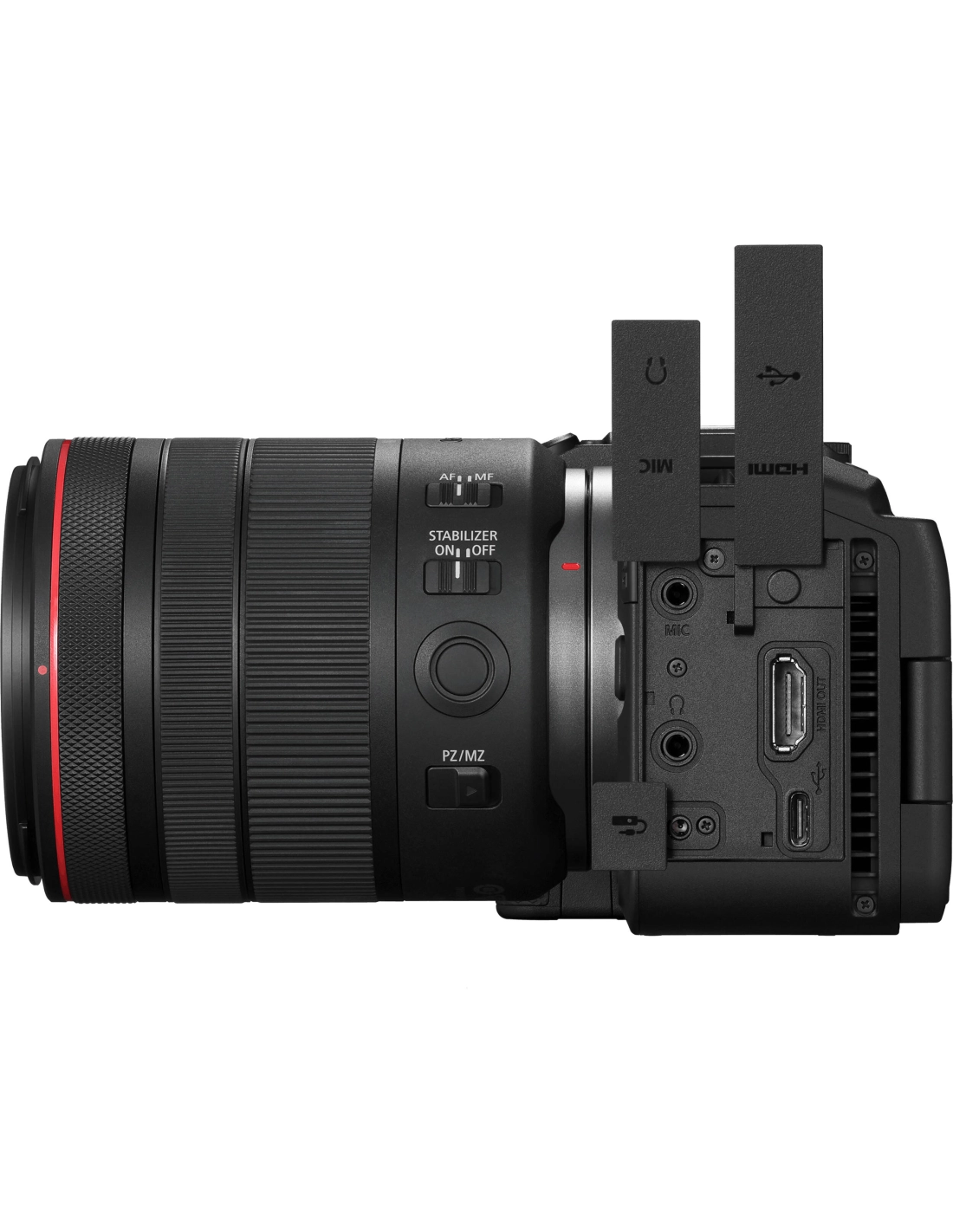
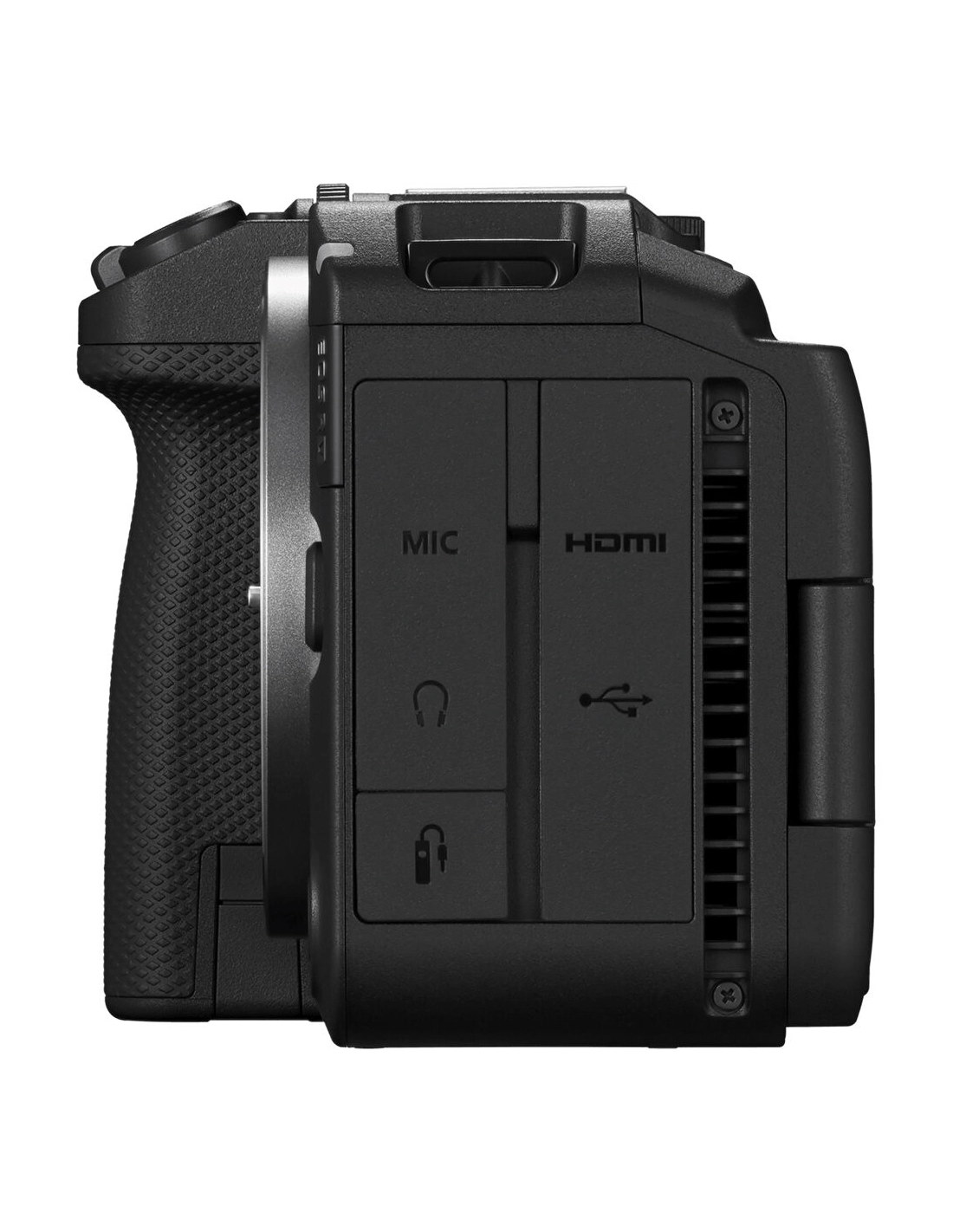
The EOS R6 V includes a full-size HDMI Type A output, 10Gbps USB-C, 3.5mm microphone input, 3.5mm headphone output, Canon E3 remote socket and Multi-function shoe. A full-size HDMI connector is useful for monitors and compatible external recorders, particularly on rigs where a smaller connector would be more exposed.
USB-C covers communication, charging and compatible power delivery. A battery must remain installed, and its charge can still fall when the connected source cannot meet demand. With compatible software, UVC/UAC streaming is available at 4K 30p, 4K 60p, Full HD 30p or Full HD 60p, carrying video and audio to the computer.
Dual-band Wi-Fi and Bluetooth 5.1 support remote operation and transfers through compatible Canon services and applications. The body has no built-in GPS; location data can be obtained through a paired smartphone.
The R6 V records approximately 32.5MP photographs in JPEG, HEIF, RAW or C-RAW, with a maximum 6,960 x 4,640-pixel image. The standard still-photo sensitivity range is ISO 100-64,000 and can be expanded to ISO 50-102,400 when the active settings permit.
Its electronic drive reaches up to 40fps in high-speed continuous+, 20fps in high-speed continuous and 5fps in low-speed continuous under Canon conditions. Pre-continuous shooting stores 20 frames from roughly half a second before the full shutter press, which can help with a launch, expression or brief wildlife movement.
The limitations are equally relevant. The body has no mechanical or electronic first-curtain shutter, offers no Bulb mode for stills and does not support flash photography at launch. All still composition is performed through the rear screen. Its photo capability is real, but the design remains deliberately video-first.
| Situation | Recommended configuration | Reason |
|---|---|---|
| First RF video setup | RF 20-50mm F4 L IS USM PZ kit | Powered, stabilised zoom controlled directly from the camera |
| Vlogging, interiors, compact studio | RF 20-50mm kit | 20mm wide end, internal zoom and constant f/4 aperture |
| Existing RF lens collection | Body only | Avoids duplicating a focal range already covered |
| f/2.8 is essential | Body only with a separately selected lens | The kit zoom has an f/4 maximum aperture |
| Distant sport or wildlife | Body only or kit plus telephoto | The included zoom ends at 50mm |
| Decision point | Canon EOS R6 V | Canon EOS R6 Mark III |
|---|---|---|
| Primary role | Video-first full-frame body for content production | Balanced full-frame stills and video hybrid |
| Eye-level viewfinder | None | Electronic viewfinder for conventional stills work |
| Cooling approach | Integrated fan with selectable operation | Conventional hybrid-camera body design |
| Vertical production | Vertical tripod socket and interface support for social delivery | Primarily traditional still-camera handling |
| R6 V shutter | Electronic only; no launch-specification flash support | More appropriate when traditional still-camera functions lead the decision |
| Best fit | Long-form video, Open Gate, streaming and vertical content | Viewfinder photography and a balanced hybrid workflow |
Both cameras combine 32.5MP stills with sophisticated video, but their handling priorities are different. Explore the Canon EOS R6 Mark III range when an eye-level viewfinder and a more traditional hybrid layout are central to the decision.
The included RF 20-50mm covers full frame and uses the Canon RF mount. It also works on APS-C EOS R cameras, where its angle of view is approximately equivalent to 32-80mm. Power zoom operates with compatible EOS R cameras, while direct lever control is available on bodies equipped with that control, including the EOS R6 V.
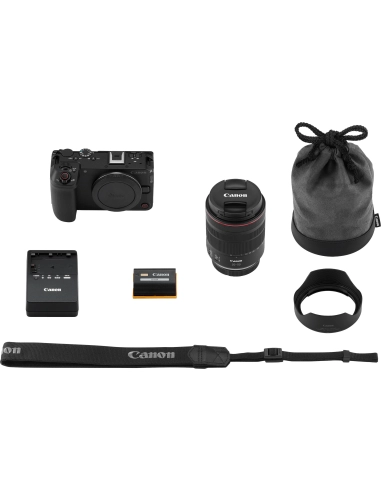
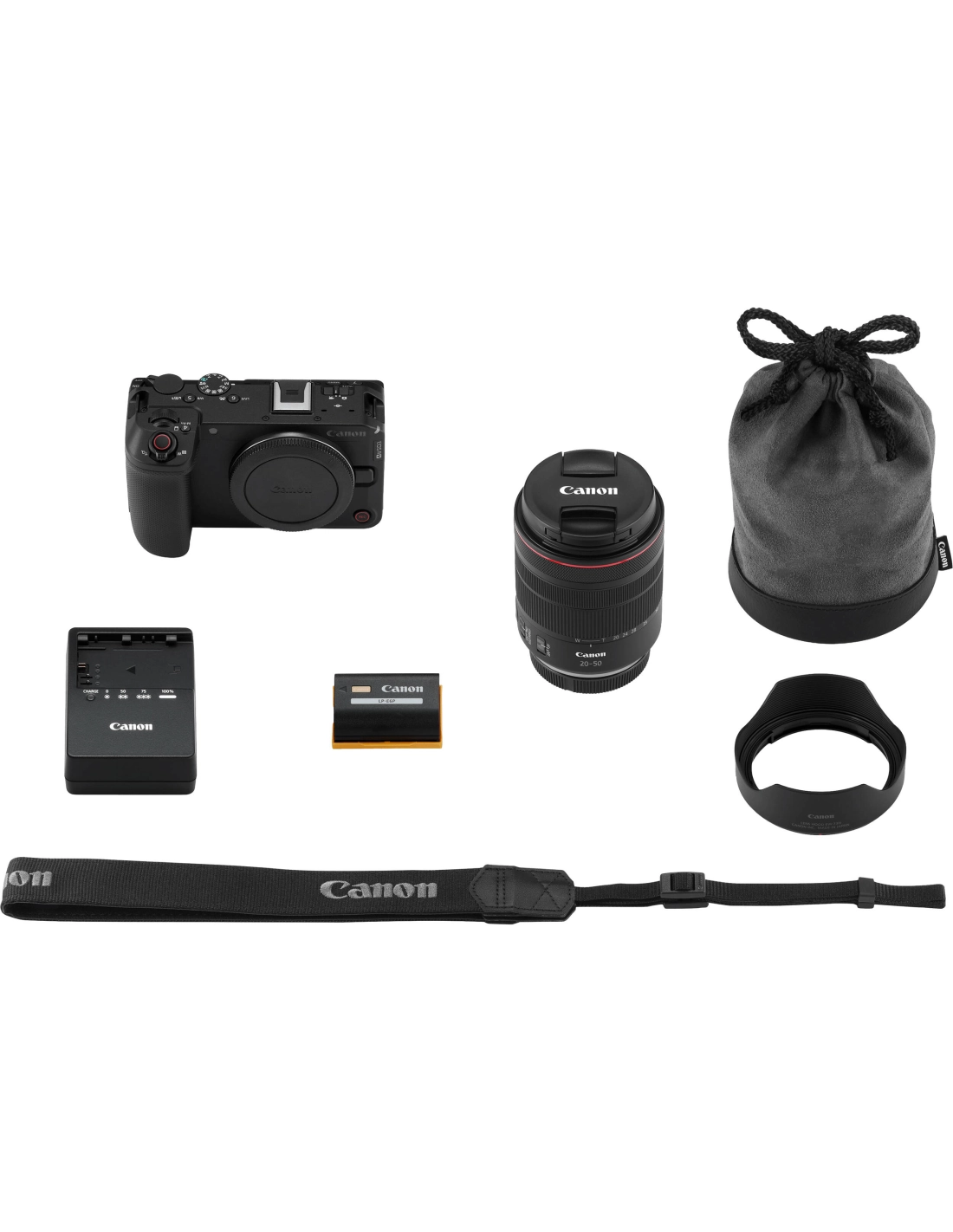
The package contains the camera, lens, LP-E6P battery, LC-E6E charger, caps, strap, EW-73H hood and LP1219 case. A memory card and USB-C charger are not included. Compare it with the Canon EOS R6 V body, browse the Canon EOS R6 V range, or explore the wider Canon EOS R system.
Our assessment places this kit between a full-frame hybrid and a compact production camera that is ready to frame a scene. Its value is not one headline resolution; it is the combination of Open Gate, internal 7K RAW, 4K 120p, active cooling and an internal power zoom directly controlled by the camera.
The combination is compelling for small teams and independent creators producing several deliverables from one shoot. The 20-50mm range covers wide scenes, interviews and confined spaces while remaining balanced for handheld or gimbal use.
Our recommendation: choose this kit when video is the clear priority, the 20-50mm range matches your framing and smooth zooming with a constant f/4 aperture is valuable. Still account for suitable CFexpress and SD cards, storage, audio, USB power and support equipment required by your recording modes.

It pairs a video-first full-frame mirrorless camera with a professional 20-50mm F4 L-series power zoom. The kit is intended for creators, videographers, filmmakers, streamers and small teams seeking a coherent Canon RF setup for vlogs, interviews, events and multi-format productions.
Choose the kit when you want to use the camera’s zoom lever immediately with a stabilised L-series lens designed for video. The body-only version is more suitable if you already own RF lenses or need a different focal range or an f/2.8 aperture.
Power zoom changes focal length through adjustable motorised movement, producing more consistent framing transitions than an abrupt manual zoom. The lens can also switch to precise manual control. Its barrel does not extend while zooming, which helps maintain balance on a gimbal.
Yes. The camera’s built-in zoom lever controls the RF 20-50mm F4 L IS USM PZ. Zoom can also be operated from the lens ring and, with compatible equipment, remotely through Canon Camera Connect or a supported Canon Bluetooth remote.
20mm suits vlogging, interiors, landscapes and establishing shots, while 50mm gives a more natural perspective for interviews, wider portraits and details. The range remains short for distant sports, wildlife or subjects that require a telephoto lens.
Yes. The maximum aperture remains f/4 from 20 to 50mm. Exposure therefore does not change simply because focal length is adjusted. An f/2.8 zoom or fast prime may still be preferable when shallower depth of field or very low-light work is required.
The camera combines its IBIS with the RF 20-50mm’s optical stabilisation. Canon rates the lens at up to 6 stops on its own and coordinated stabilisation at up to 8 stops under specified test conditions. Actual results depend on focal length, movement and technique.
The camera records 7K RAW up to 60p, 7K Open Gate up to 30p and 4K up to 120p depending on the video system and media. It also provides Canon Log 2/3, proxy recording, pre-recording and UVC/UAC USB streaming up to 4K 60p.
No. The EOS R6 V does not have an eye-level viewfinder. Framing is handled through the 3-inch vari-angle touchscreen. This suits its video-led design, but photographers who normally work through a viewfinder should consider the difference.
The camera has one CFexpress Type B slot and one UHS-II SD slot. 7K RAW, Open Gate and selected high-data-rate modes require suitable CFexpress media. The card should therefore be chosen after deciding on resolution, frame rate and compression.
Yes. The camera captures approximately 32.5MP stills and reaches 40fps with its electronic shutter. The 20-50mm covers landscapes, travel, reportage and wider portraits. However, the lack of a viewfinder, mechanical shutter and launch flash support keeps it primarily video-oriented.
Yes. It uses the Canon RF mount and works with compatible EOS R cameras. On an APS-C body, its angle of view is approximately equivalent to 32-80mm. Power zoom operates on EOS R cameras, while lever control depends on models equipped with that control.
The kit contains the camera, RF 20-50mm lens, their caps, LP-E6P battery, LC-E6E charger, strap, shoe cover, AC cable, EW-73H hood, LP1219 case and manual. A memory card and USB-C charger are not included.
Choose the EOS R6 V when video, active cooling, power zoom, streaming and vertical production take priority. The EOS R6 Mark III is better suited to a conventional photo-video workflow when a viewfinder and traditional still-photography functions are important.