Shopping Cart
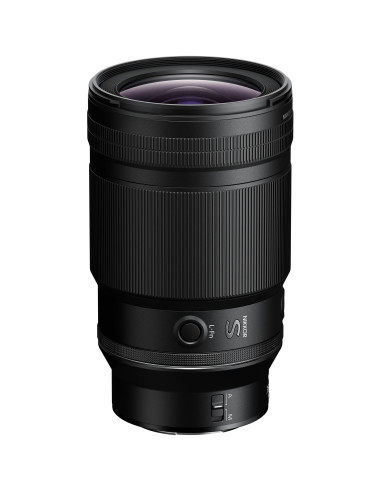
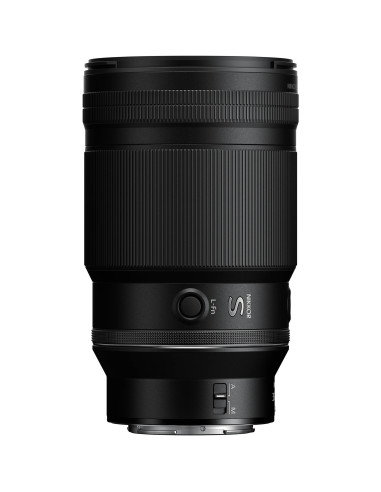
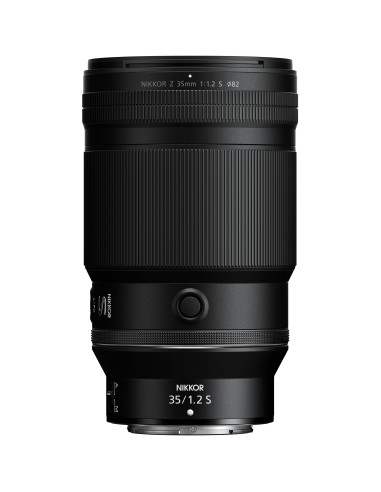

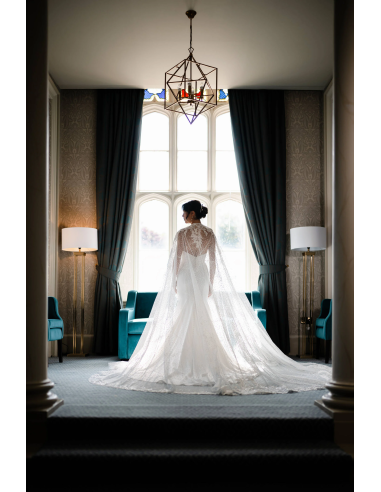
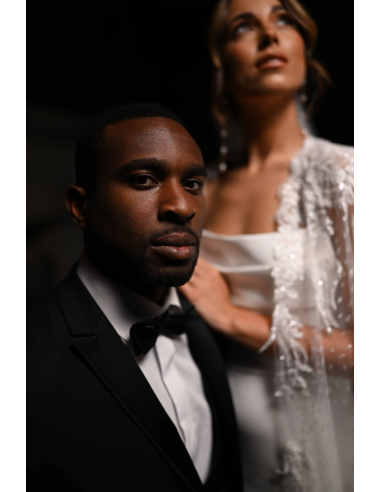
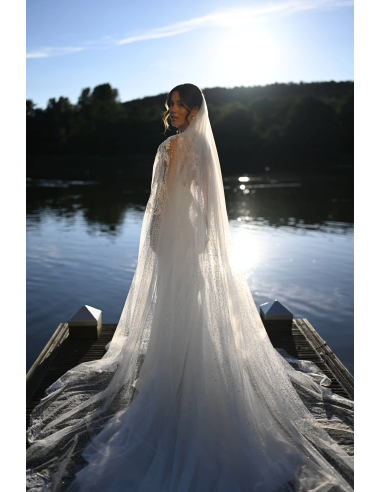
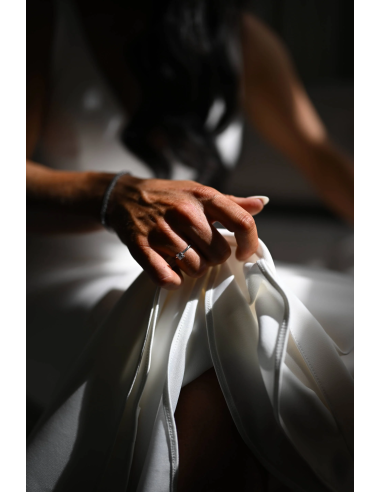
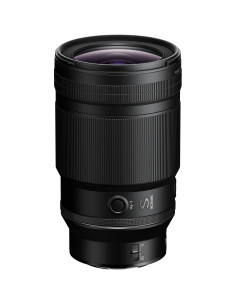
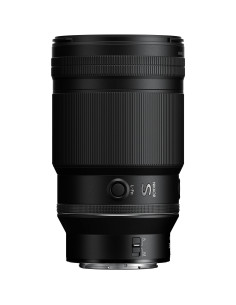
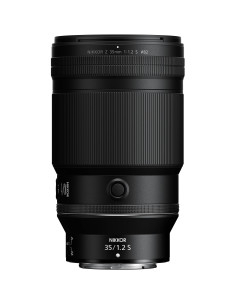

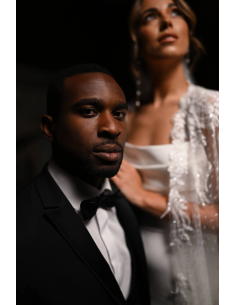


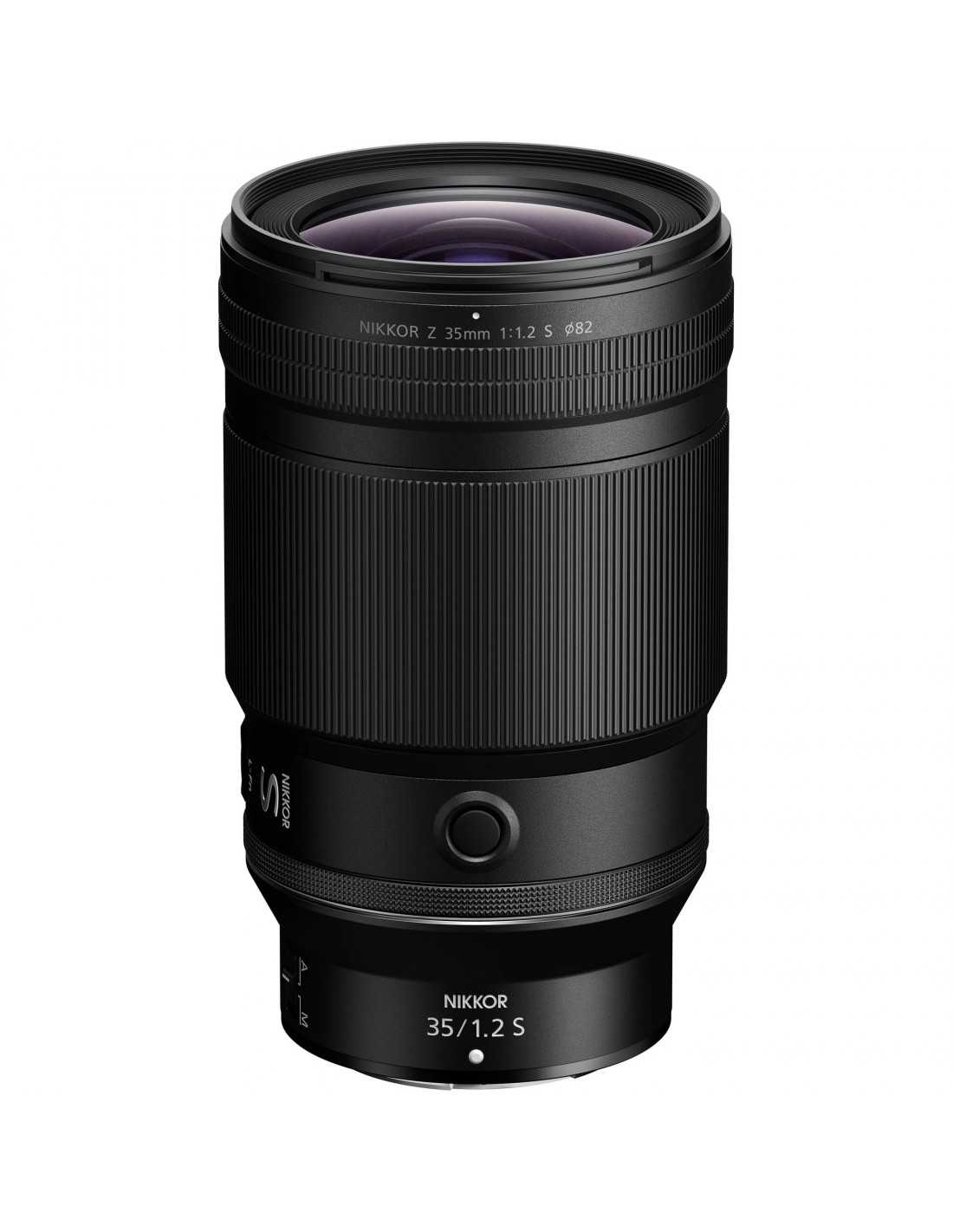
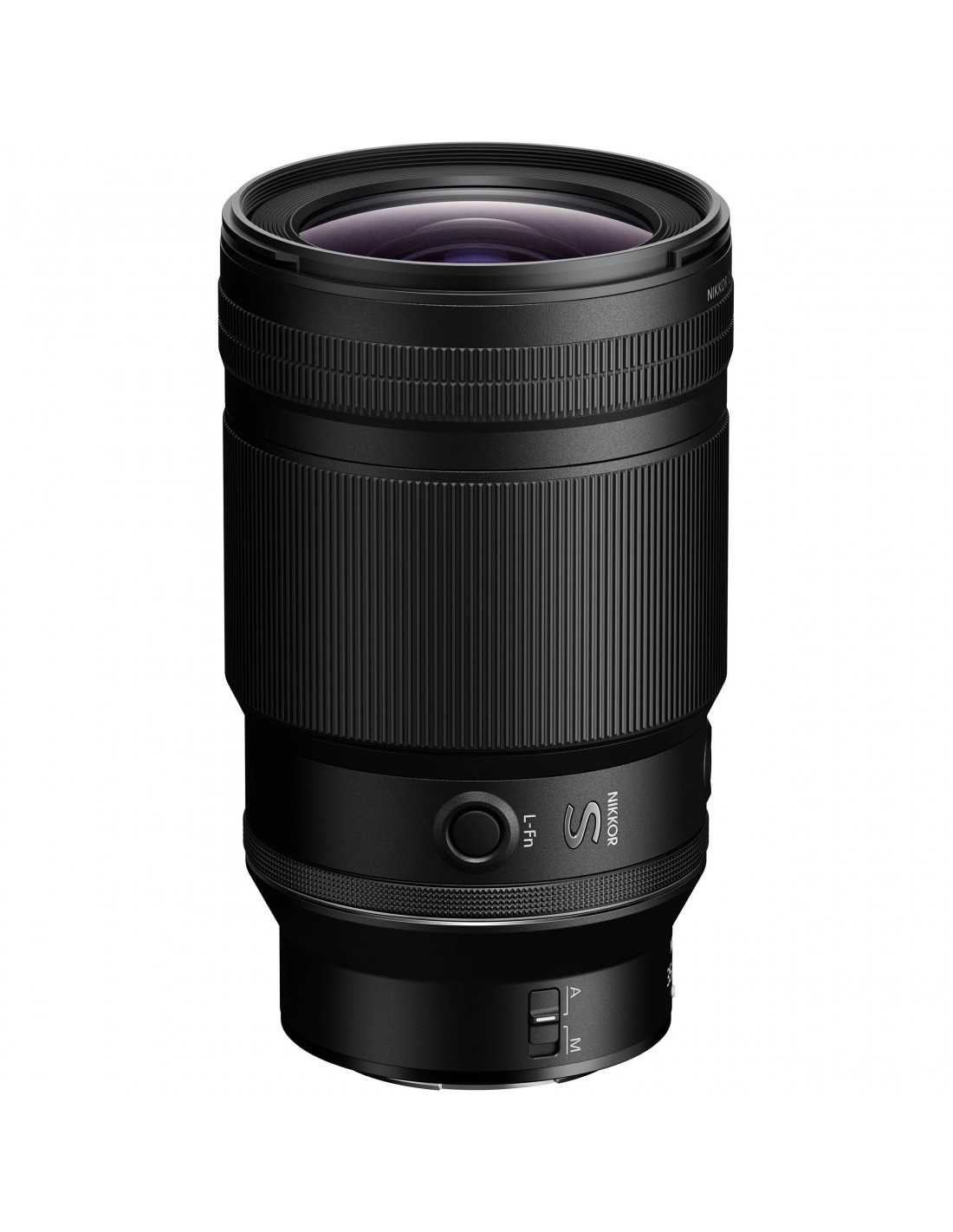
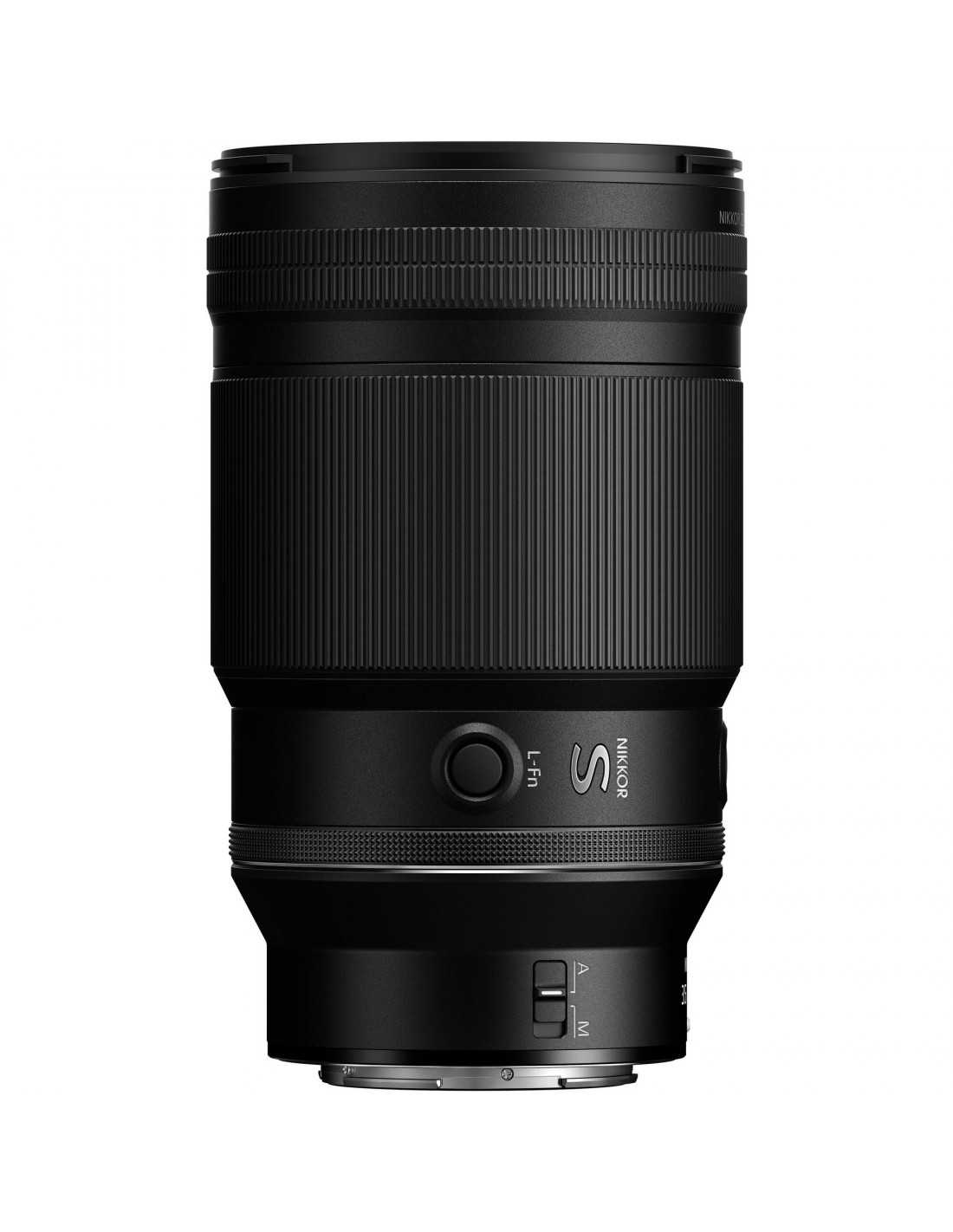
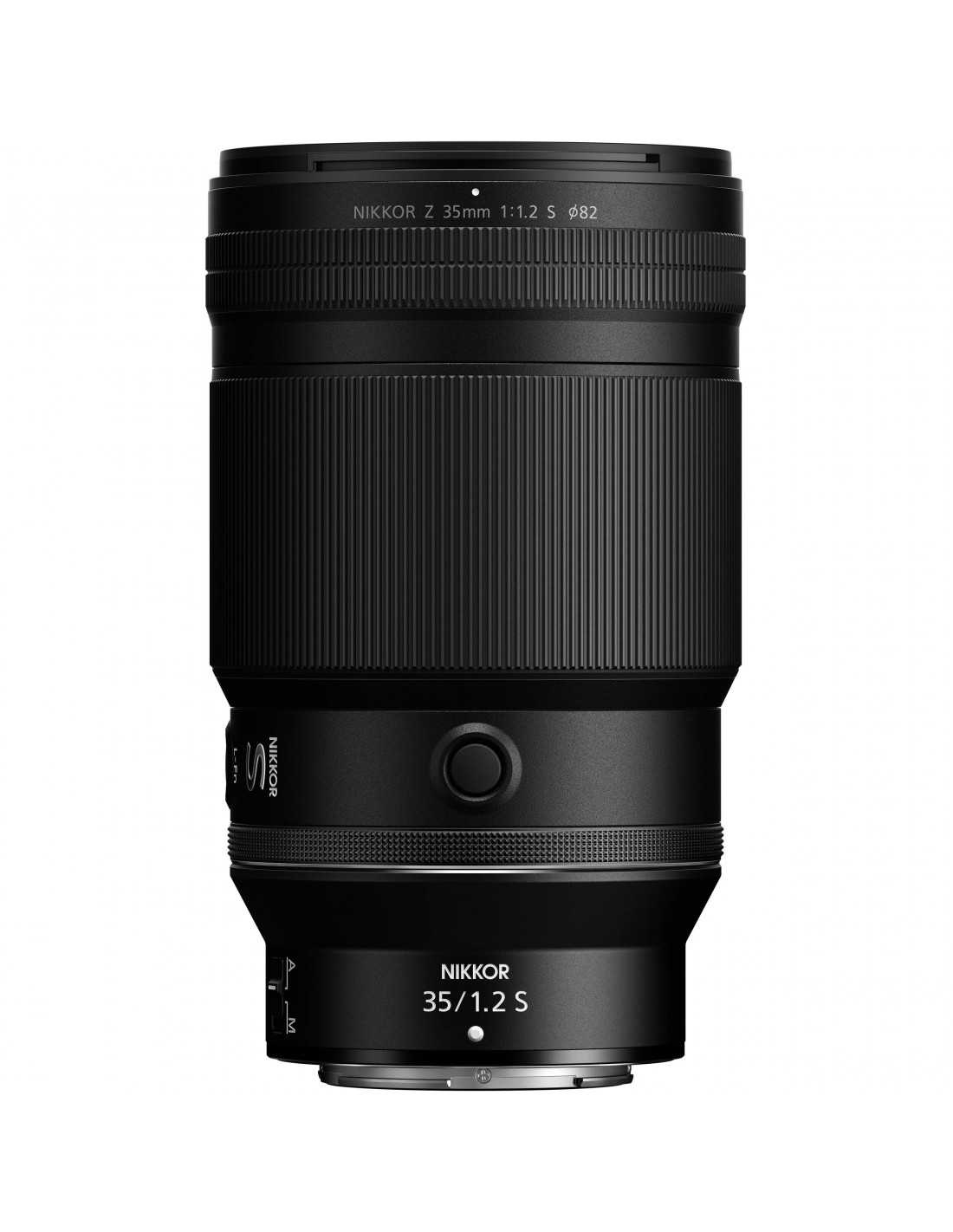

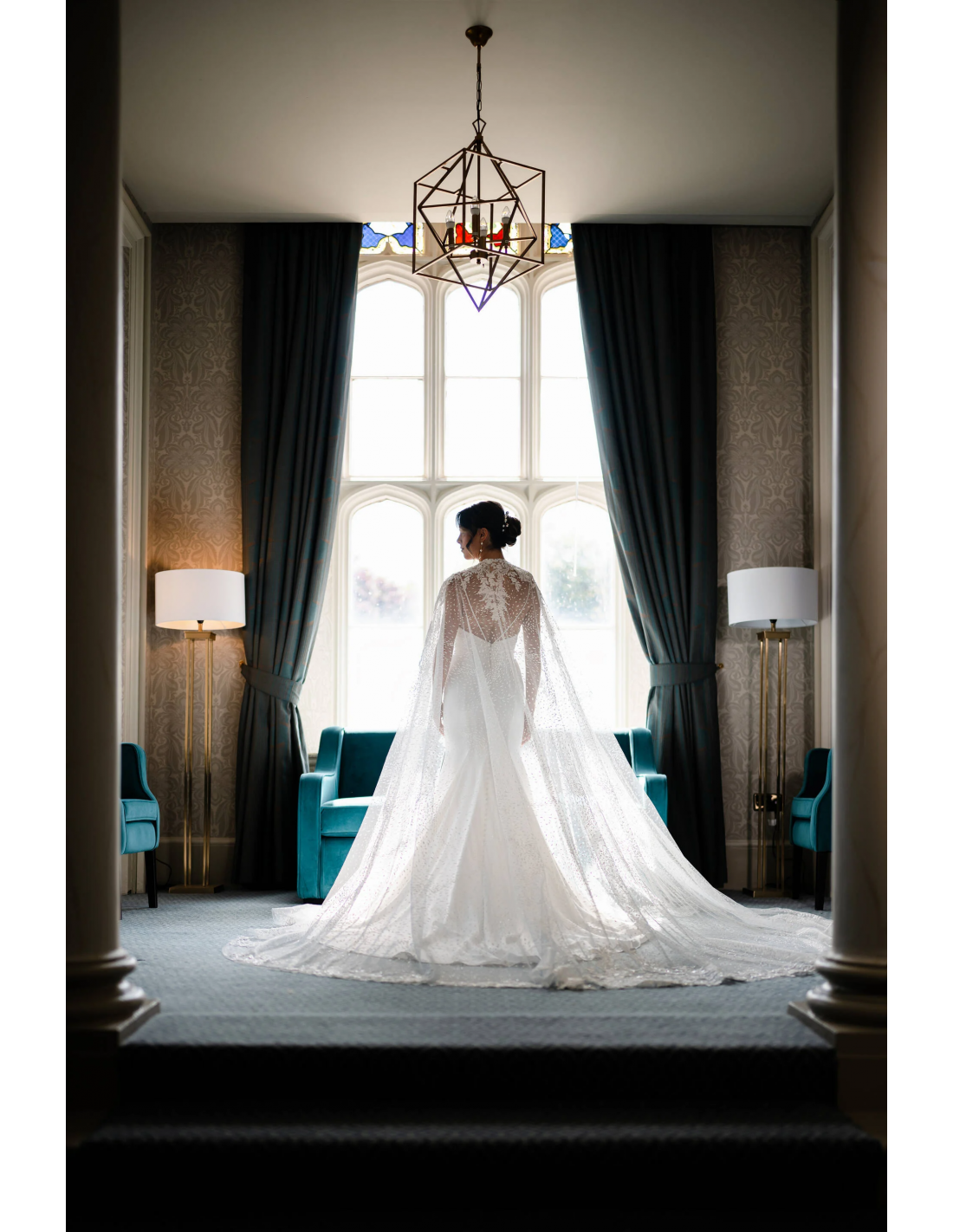
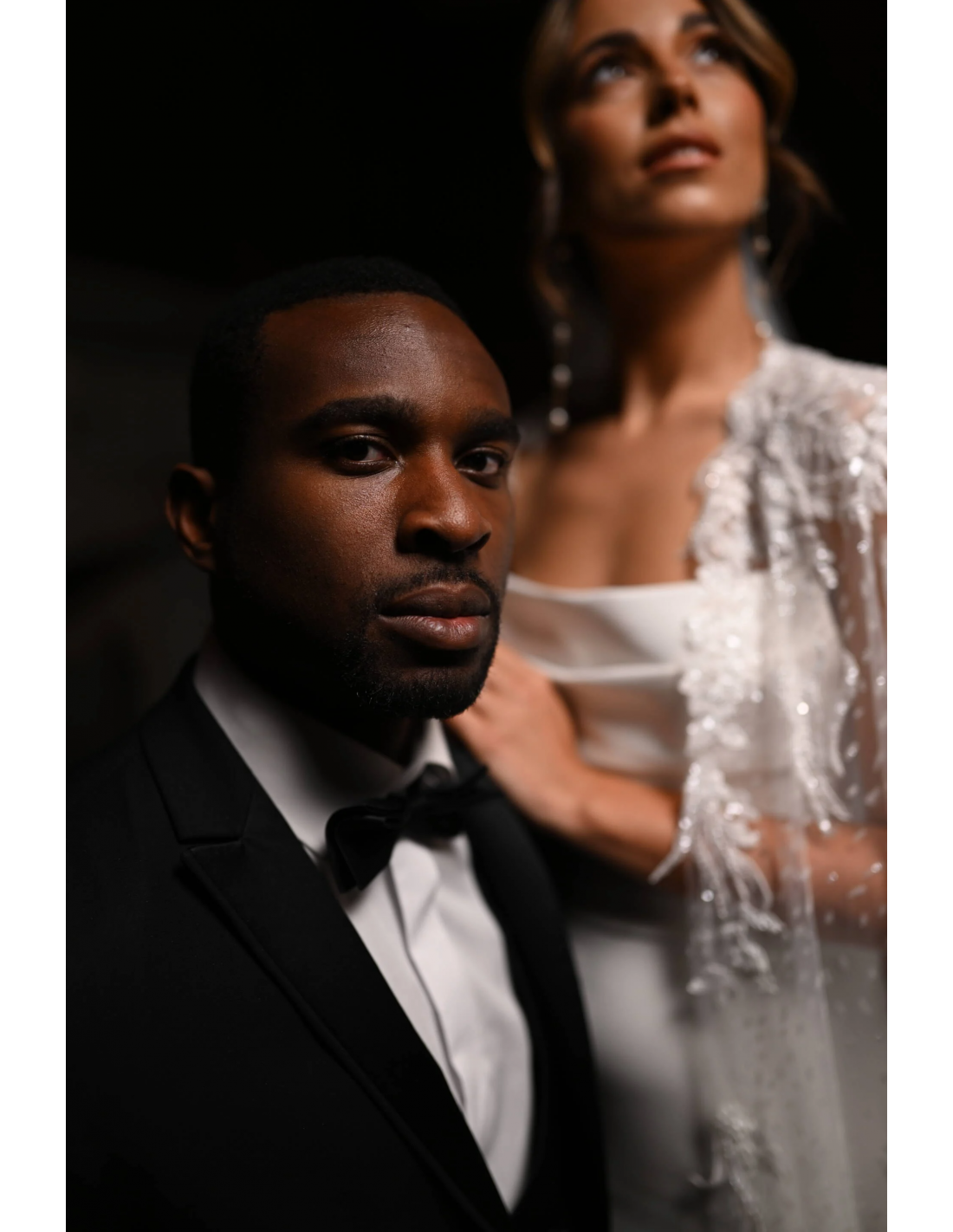
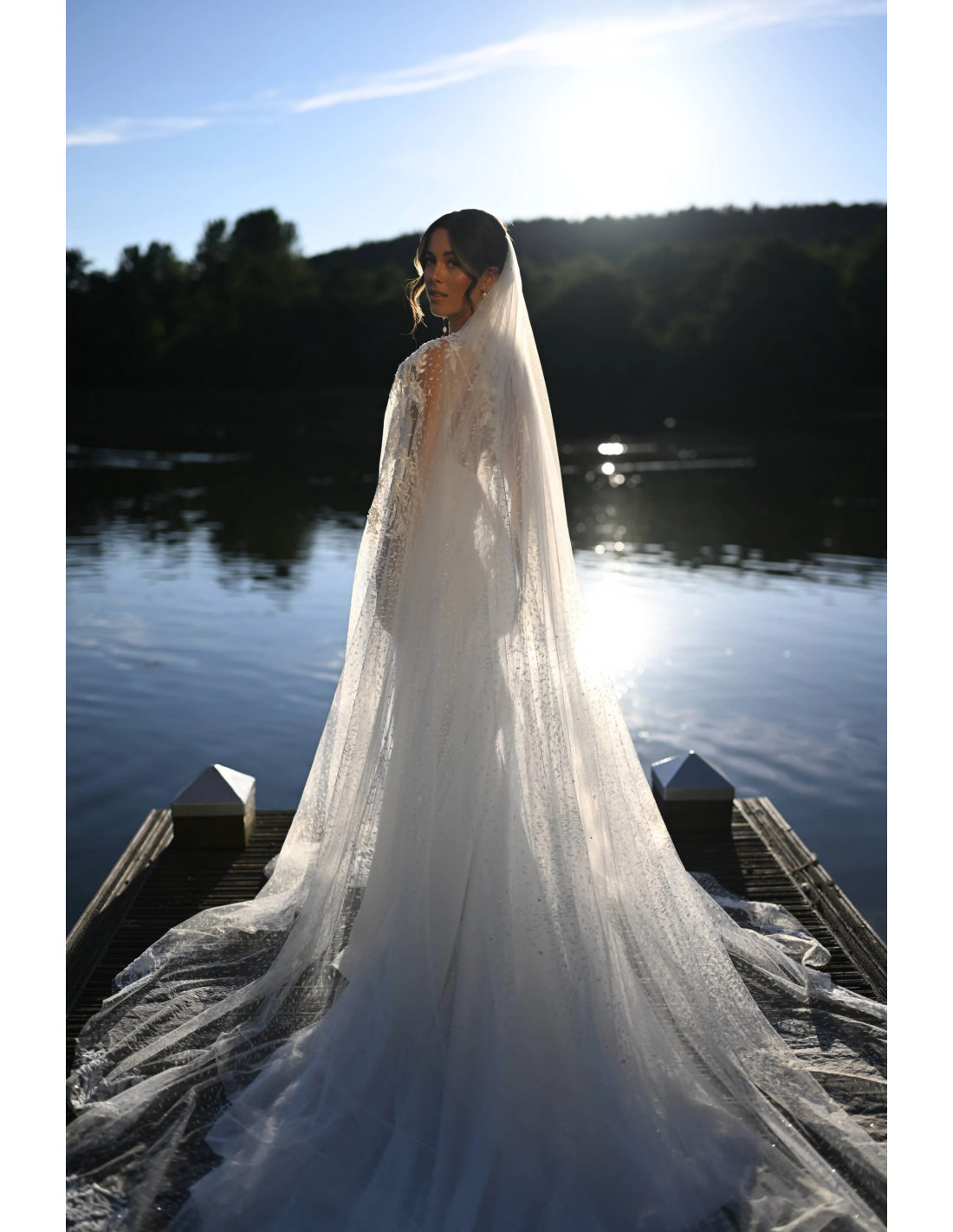
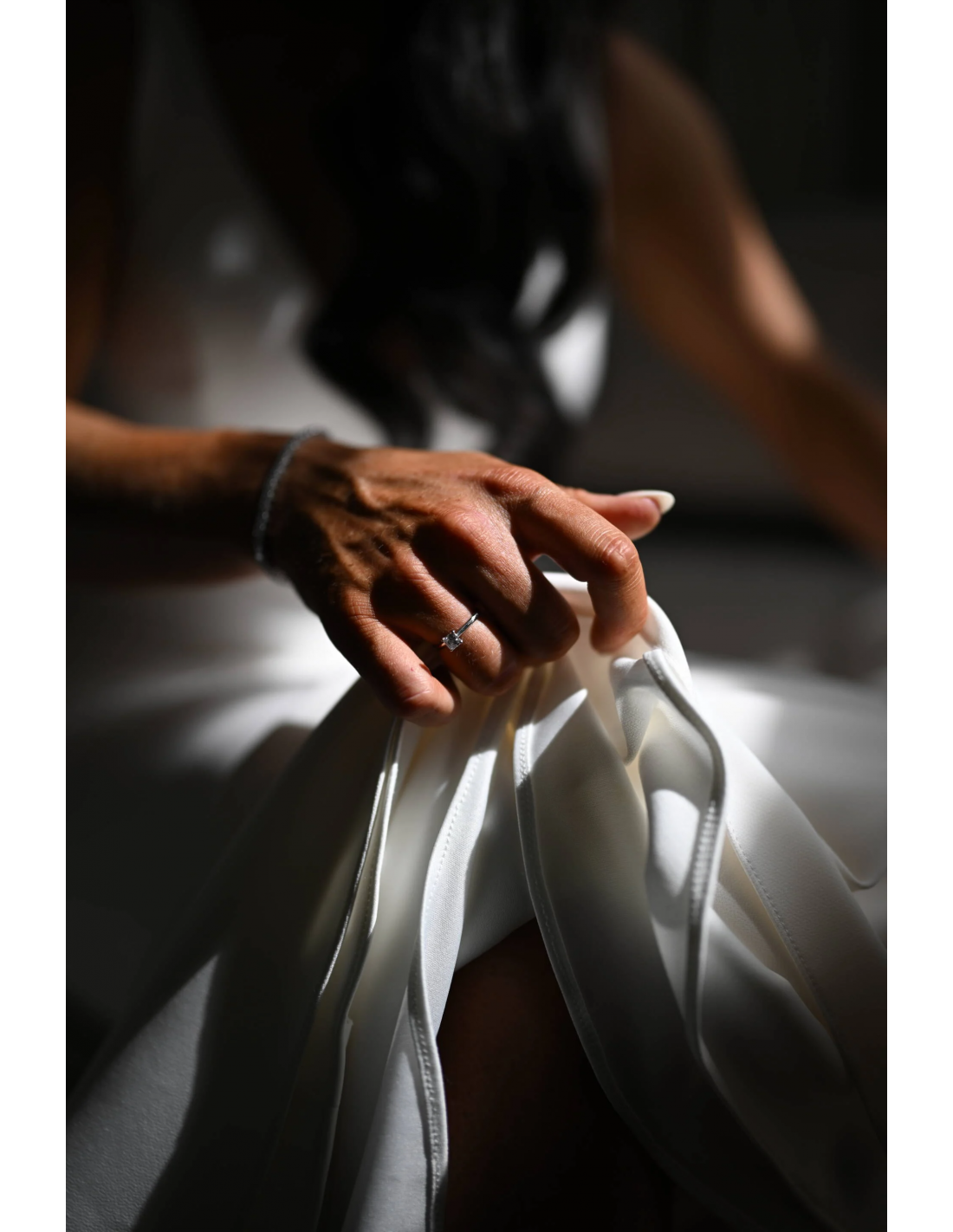
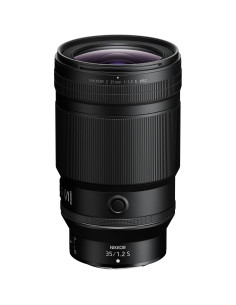

The Nikon Z 35mm f/1.2 S is the perfect lens if you are looking for premium image quality, exceptional brightness, and stunning background blur while keeping your workflow smooth and intuitive.
With its f/1.2 aperture, you can confidently shoot indoors, at night, or in low natural light. You maintain comfortable shutter speeds and cleaner images, even when conditions become challenging.
Its greatest strength is subject separation. At 35mm, you can include the environment to tell the full story while isolating your subject with smooth, immersive bokeh. Portraits, weddings, documentary, street, and video all benefit from an instantly professional look.
Autofocus is fast, accurate, and silent, allowing you to capture decisive moments or record video without distraction. The S-Line construction ensures durability and reliability in real shooting conditions.
If you are looking for a 35mm Nikon Z lens that elevates your photography instantly, the Nikon Z 35mm f/1.2 S is a high-end choice designed to deliver.
Combine compatible accessories and save. The more items you add, the bigger the discount.

memory card

warranty extension
You are in the middle of a photoshoot of marriage in a dimly lit church, or in the process of creating a Portrait at the end of the day, and your current objective is showing its limitations. The photos are too dark, the subject doesn't stand out enough from the background, and you are worried about rate the important shot. Every photographer has experienced this kind of situation – that moment when the light is lacking and the standard lens does not suit plus. . Good news : the objective Nikon Z 35mm f/1.2 S is here to solve this problem. With its incredible f/1.2 aperture, this wide-angle lens Ultra-bright capture more light that it would never have been believed possible with a 35mm focal length. Say goodbye to noisy or blurry images due to low light: you can now work in natural light in the darkest places while maintaining a sufficient shutter speed.
More than just a gain in brightness, this f/1.2 aperture also brings a bokeh of incomparable softness and depth. Imagine being able to isolate your subject in a bustling street scene: the background transforms into an artistic blur. creamy, highlighting the person or detail you capture. The ultra-shallow depth of field offers an extraordinary separation of planes – a true dream for portrait photographers seeking images with a professional finish. Each shot taken with the Nikon The Z 35mm f/1.2 S tells a story with more intensity, as your main subject stands out. Clearly on a blurred and aesthetic background. One is surprised to rediscover the creativity of a classic 35mm focal length, transcended here by cutting-edge optical design.
Furthermore, this objective Nikon 35mm is not only synonymous with artistic blur and low light. Its high-end optical formula – derived from the prestigious S series of Nikon – guarantees a exceptional image quality across the entire frame. Rich and accurate colors, high contrast, and impressive sharpness up to the edges of the image: each photo is filled with sharp and vibrant details. Even when faced with strong backlighting or challenging lighting conditions, the Nikon Z 35mm f/1.2 S maintains a level of Clarity remarkable thanks to its advanced anti-reflective coatings. Say goodbye to unwanted reflections and the dull haze that ruin your backlit compositions – this lens Listen to the light and transcribe it faithfully.
The Nikon The Z 35mm f/1.2 S has everything to please photographers. demanding and passionate individuals. It offers a solution to common problems – lack of brightness, overly present backgrounds, approximate sharpness – by providing concrete improvements and visible from the first use. In the following sections, you will discover its detailed strengths, the photography styles where it excels, as well as reviews from experts who have tested it. Get ready to push the boundaries of your creativity with this exceptional lens. Your next masterpiece awaits you – and it starts here, with the Nikon Z 35mm f/1.2 S. Don't wait any longer to enhance your images with this revolutionary lens !
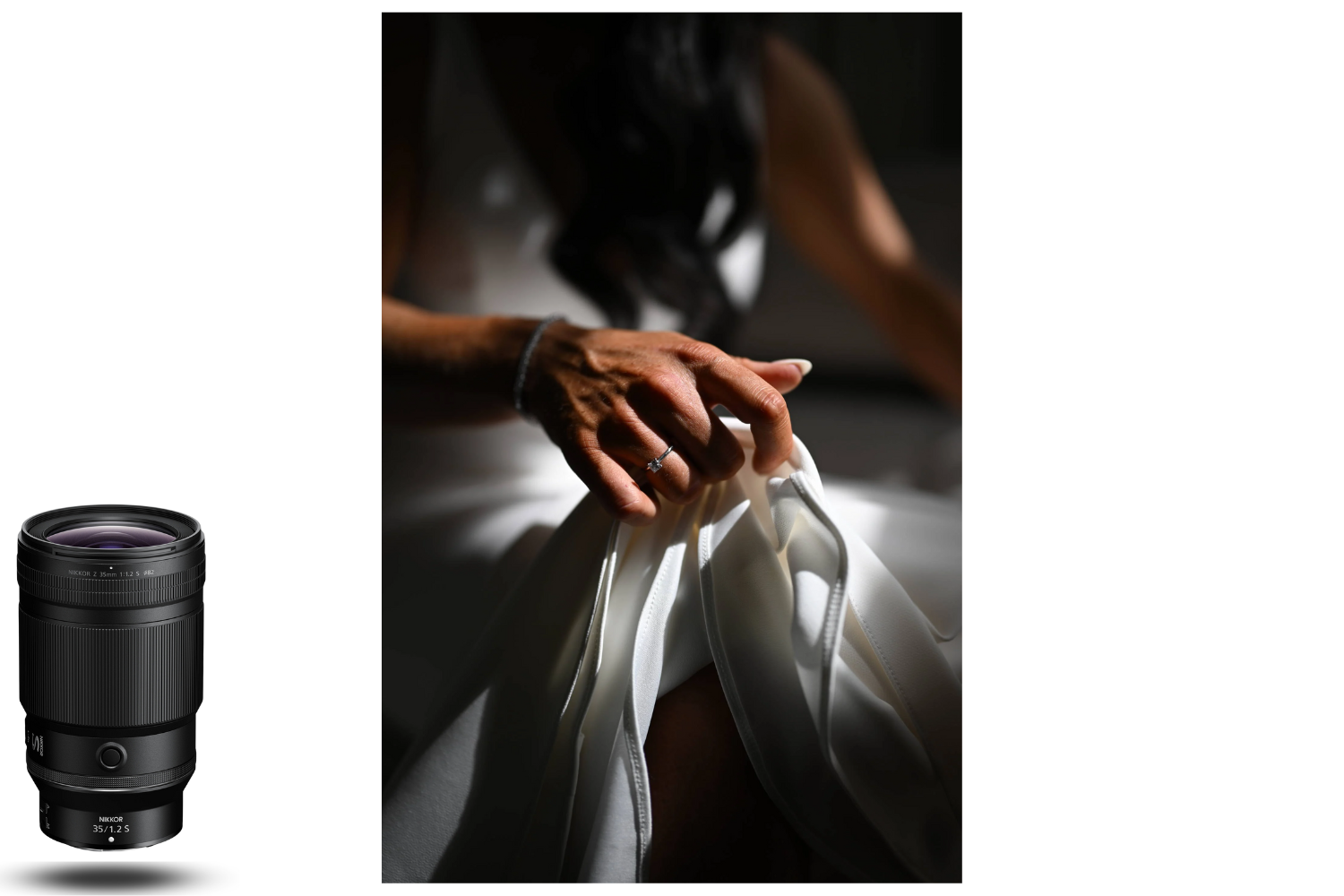
Take portraits with a blurred background and Aesthetic has never been easier than with the Nikon Z 35mm f/1.2 S. . Imagine In the late afternoon, you are photographing a friend in an urban park. The setting sun casts a golden glow over the scene, but the light is starting to fade, and the background behind the person is very busy (with passersby, cars, buildings). With a standard lens, you would struggle to make your subject stand out distinctly, and the risk of motion blur would be high due to the low light. Thanks to the f/1.2 aperture of this lens... 35mm f/1.2 lens Nikon, you can open the diaphragm wide and bathe the light sensor. Your shutter speed remains sufficient to capture a smile or a glance without excessively increasing the ISO. The result: a perfectly clean, even in low light, with a background reduced to a soft blur that highlights the person.
The bokeh produced by the Nikon The Z 35mm f/1.2 S in portrait mode is breathtaking – we often talk about Artistic blur as it adds a dreamlike dimension to the image. Each small light source in the background transforms into a pretty blurred orb, without any angular shape thanks to the 11 diaphragm blades. This perfectly rounded bokeh and progressive allows for the creation of portraits where the subject "Pop "literally, giving an impression of depth worthy of professional shots. A portrait photographer might encounter the problem of a distracting background (shapes or colors that steal the spotlight from the model) – here, the lens" Nikon Z 35mm 1.2 transform these distracting elements into a harmonious and blurred background, refocusing all attention on the gaze, facial expression, or the detail that matters.
Furthermore, the 35mm focal length offers a moderate field of view (63° in full frame) ideal for Environmental portraits. You can incorporate enough decor around the model to tell a story without straying too far physically from the subject. This creates a sense of closeness with the person being photographed while maintaining the context of the scene. For example, by taking a portrait of a musician in their dimly lit dressing room, you capture both their emotions and the intimate atmosphere of the room, all with remarkable clarity and brightness. Theobjective Nikon 35mm f/1.2 S gives you the Confidence necessary to shoot in natural light and capture fleeting expressions, knowing that the technique will not let you down. Each portrait becomes a meticulous work, where the main topic subtly stands out and the personality shines through the image.
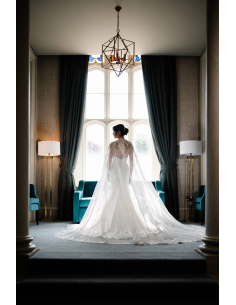
Weddings and other special events often present a challenge for photographers: the lighting is unpredictable (dimly lit churches, reception halls by candlelight), and the key moments are fleeting and you need to know how to be discreet. The Nikon Z 35mm f/1.2 S establishes itself here as a invaluable ally to immortalize these precious moments. Imagine yourself during the wedding ceremony, capturing the exchange of rings in a church where the only lights come from a few colored stained glass windows and candles. With a standard lens, you would be forced to increase the ISO at the risk of creating noise, or use a flash that could disturb the gathering. Thanks to the aperture ultra-bright f/1.2 of this Nikon With a 35mm, you can photograph with ease. tranquility in this low light, without flash, while maintaining excellent exposure and clean images. The Shallow depth of field adds an aesthetic touch: the bride and groom are sharp and radiant at the center of the image, while the church background blends into an elegant blur, providing an atmosphere Romantic to the stage.
Beyond the ceremony, the35mm lens Nikon Z It turns out to be perfect for the evening that follows. On the dimly lit dance floor, you will be able to capture the spontaneous expressions of the guests without the lack of light ruining your photos. For example, during the newlyweds' first dance under small string lights, the f/1.2 lens will allow you to freeze a burst of laughter or a knowing glance with astonishing sharpness, while the lights in the background become beautiful colorful blurs. A wedding photographer knows how crucial it is to seize the moment Decisive: a tear of joy, a stolen kiss, a child playing. The lens's fast and precise autofocus ensures that you won't miss any of these moments. Even in conditions of shallow depth of field, the focus confidently captures the subject's eye or the sparkling ring on the newlyweds' fingers with remarkable assurance.
Another common problem in event management is the noise and the commotion: you must remain discreet. Here, the Nikon The Z 35mm f/1.2 S scores points thanks to its focusing. silent. You will be able to film or take photos during an emotional speech or a solemn ceremony without any motor noise interrupting the moment. Additionally, the robust and weather-sealed construction of the lens gives you peace of mind to shoot outdoors in light rain (think of couple photos under elegant umbrellas) or in the heat of a crowded room without worrying about your equipment. In short, for the wedding photography, this perspective Nikon offer the Reliability technique and artistic rendering that will make the difference. Your event photos will gain in brightness, sharpness, and emotion, enough to satisfy both the newlyweds and the perfectionist photographer that you are. With the Nikon Z 35mm f/1.2 S, each event shot tells a clear and vibrant story, from the announcement at the last fireworks of the evening.
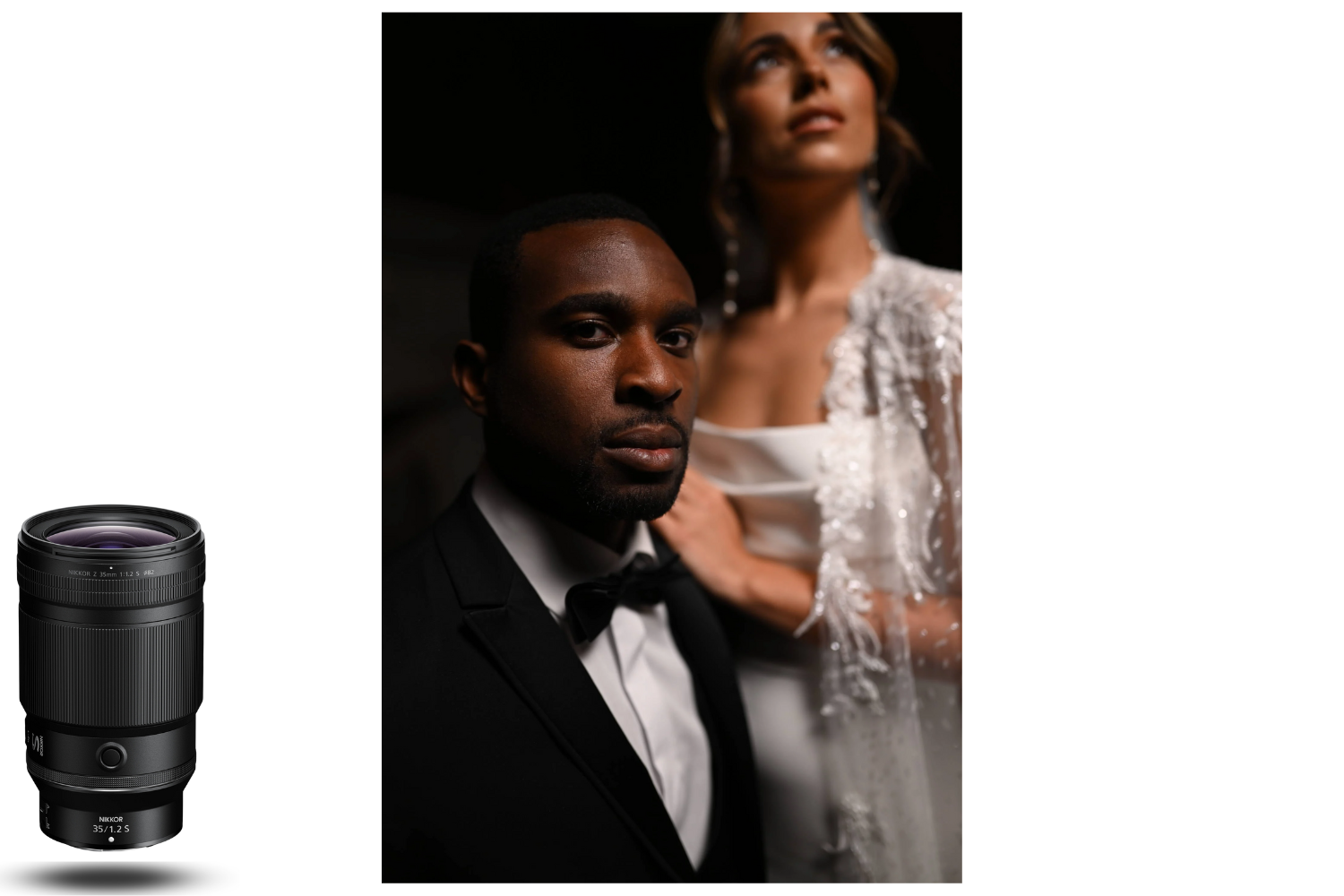
The Street photography requires responsiveness, discretion, and the ability to adapt to changing light conditions. One day, you are in a sunny pedestrian street, the next day you capture the subdued atmosphere of a neon-lit alley at night. In all these cases, the Nikon Z 35mm f/1.2 S rendre à la hauteur pour enhance your spontaneous urban scenes. Let's consider a concrete situation: it's late at night, you're walking through an Asian street market where only a few red lanterns illuminate the stalls. You spot an interesting face, marked by life, that you wish to photograph discreetly. With a less bright lens, you would have to significantly increase the ISO sensitivity and risk digital noise, or open to f/1.8 but lose speed and sharpness. Thanks to the f/1.2 aperture of this lens, objective Nikon 35mm, you can shoot handheld in this dim light while maintaining a sufficient speed to avoid motion blur. The result: the seller's face is captured sharply, illuminated by the glow of the lanterns, and the background – blurred passersby and city lights – tells the story of the scene without overwhelming it.
The Versatility The 35mm lens comes fully into play in street photography. Wide enough to include the setting and the subject's environment, it allows you to compose dynamic images while staying close to the action. During the day, you can isolate an unusual scene in the middle of the crowd: for example, a street musician in front of a colorful wall. By opening to f/1.2, you gain a rare dual skill for street photography: a Shallow depth of field which separates the musician from the moving crowd (turning passersby into pleasant blurred silhouettes), and an ability to Freeze the moment even if the light is not ideal (shadow of a building, inside a covered gallery). The 35mm 1.2 lens Nikon also excels at night in the city: the neon signs and car headlights turn into pretty circular blurs in the distance, while your subject— a friend walking under the neon lights, a pensive stranger on a bench— remains sharp and well-exposed. This way, you create nighttime shots with a style Cinematic, full of life and contrasts, where other lenses would have simply given up or forced the use of an indiscreet flash.
It is true that this lens is bulkier than a standard prime lens, which might seem less discreet for street photography. However, its ergonomics well-thought-out (smooth focus ring, customizable controls) more than makes up for its size, and the quality of the images produced quickly makes you forget its bulk. In fact, many professional street photographers now prefer the Image quality to compactness, especially for night work or for Urban reporting. If the weight doesn't deter you, the Nikon Z 35mm f/1.2 S will become your best asset for capturing the soul of a city. Every mundane scene can be transformed into a luminous painting: a bicycle leaning against a lamppost at dusk, a couple holding hands in the rain (the glistening drops forming a magical bokeh thanks to the street lights). This lens helps you find beauty in everyday urban life, highlighting subjects while preserving the atmosphere of the moment. In short, for the Street photography, "the" Nikon The Z 35mm f/1.2 S offers the freedom to shoot at any time of the day or night with the assurance of successful, creative, and impactful images.
In a Report or a documentary project, the photographer must be able to face everything : difficult weather conditions, unpredictable lighting, moving subjects... and all of this often with limited equipment to remain mobile. The Nikon Z 35mm f/1.2 S is an ideal companion for this type of demanding missions. Its 35mm focal length is a classic choice for reportage, as it offers an ideal balance between a wide field of view to situate the action and enough proximity to capture emotion. Imagine yourself doing a photo reportage at a cultural festival in the evening. Dancers are performing on stage at dusk, surrounded by spectators. You need to capture both wide shots of the scene and close-up portraits of the artists or the amazed faces in the crowd. With the f/1.2 aperture, theobjective Nikon Z 35mm f/1.2 S allows you to switch from one to the other without compromising quality: in wide angle, your crowd photos remain bright and detailed despite low ambient light; by focusing on a dancer, you can isolate their expression by blurring the audience behind them.
A common problem in reporting is managing the Backlighting or challenging lighting without missing shots – for example, a subject in front of a campfire in the evening, or a craftsman in their workshop with a bright window behind them. Thanks to advanced anti-reflective treatments of Nikon (Meso Amorphous, ARNEO, and Nanocrystal) coatings applied to this 35mm f/1.2 allow you to handle such situations without fear. Unwanted reflections and the Flare are extremely well controlled, which means that even when photographing a nomad facing the setting sun in the desert, you will get a clear rendering, with intact contrast and accurate colors. The Nikon Z 35mm f/1.2 S thus becomes a tool Reliable to capture the reality of your subjects, regardless of the lighting conditions.
In documentaries, there is often an effort to show the Significant details tells a story. The minimum focusing distance of just 30 cm for this lens allows you to get close enough for close-up shots of small objects or hands at work, while maintaining a blurred background that sets the scene. For example, during an artisanal reportage, you can photograph the hands of a sculptor at work – every detail of their fingers and the tool is sharp, while the face in the background is slightly blurred but recognizable, which preserve the identity from the scene without distracting from the important gesture. The large aperture ensures that even in the dimly lit studio, your photo will be bright and rich in detail.
Regarding endurance, this 35mm lens Nikon 1.2 is built for the field. Its solid construction and waterproofing allow you to take it into challenging environments. Whether you are documenting the monsoon in Asia (under heavy rain) or covering a trek in dusty high mountains, the 35mm f/1.2 S withstands the elements. Nikon It has been equipped with a level of protection worthy of its professional-grade equipment, allowing you to continue photographing where others might put their camera away. This makes it an ideal lens for long journeys or long-term reporting, where the reliability of the equipment is paramount.
Finally, whether on assignment or traveling, one appreciates the Discretion and spontaneity. Although relatively imposing, the Nikon The Z 35mm f/1.2 S remains more versatile than a telephoto zoom lens. You can stay at the heart of the action, among people, without drawing attention like a huge telephoto lens would. Being able to open up to f/1.2 also allows you to work in natural light indoors (meetings, interviews, scenes of life at home) without using a flash that could alter the authenticity of the moment. This ability to capture faithfully The atmosphere and the real light of a scene are precious in documentary work. In short, for any reportage or travel photographer in search of a versatile, robust, and ultra-high-performance tool in low light, the Nikon The Z 35mm f/1.2 S positions itself as a Safe bet. It allows you to tell your stories in images with breathtaking quality, whether in the heat of action or in the intimacy of a moment captured on the fly.
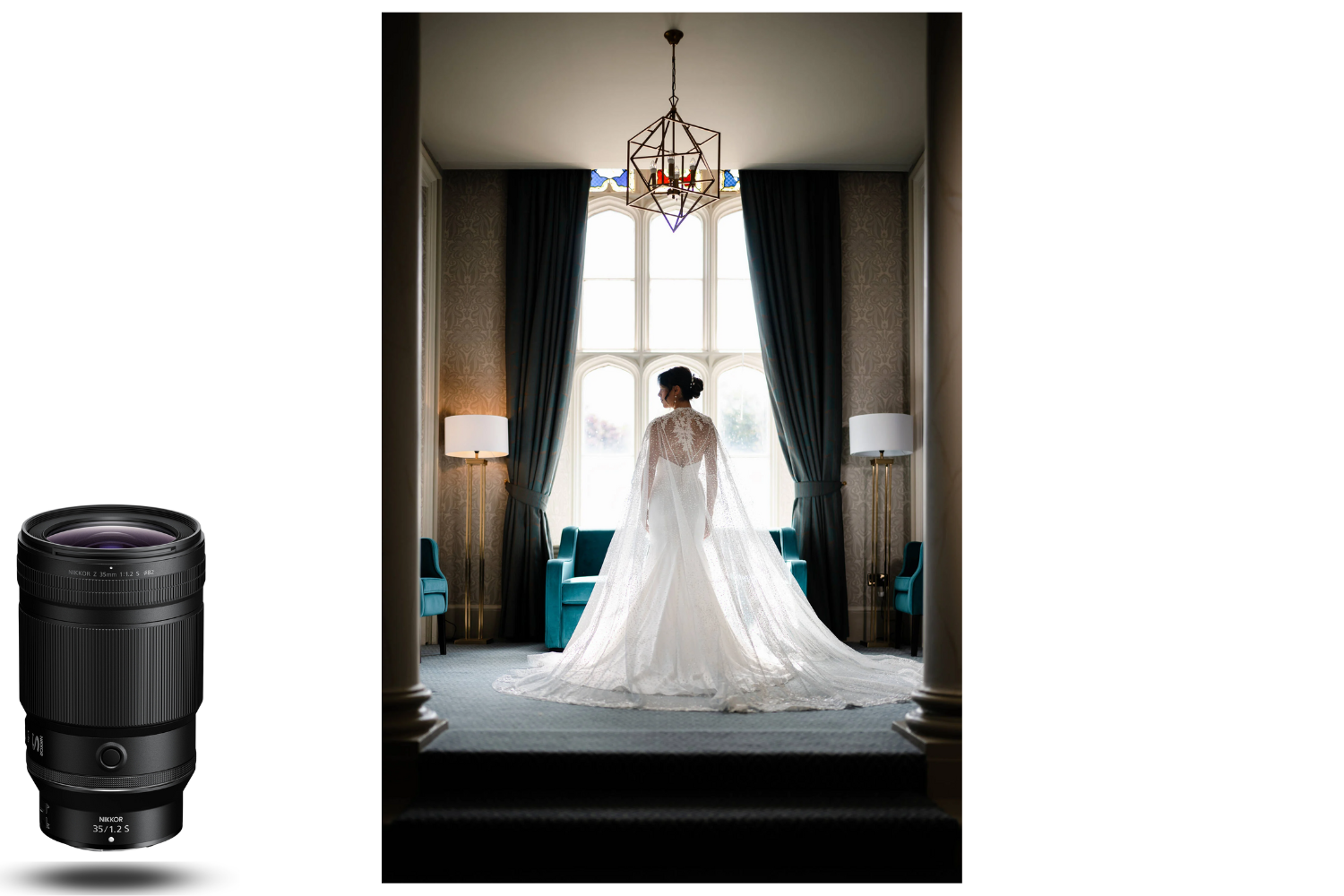
The advantages of the Nikon The Z 35mm f/1.2 S is not limited to photography – it also excels in Videography. Nowadays, more and more photographers are being led to create videos, whether for a short film, a documentary, or high-quality web content. This objective Nikon Z 35mm offers videographers a visual rendering and ergonomics worthy of high-end cinema optics, while maintaining the lightness and autofocus of a modern photo lens. One of the major problems in video with traditional photo lenses is the focus breathing : this phenomenon where the frame "breathes" (slightly zooms) when changing focus, which can distract the viewer. Nikon specifically designed the optical formula of the 35mm f/1.2 S to virtually eliminate focus breathing. In practical terms, this means that if you are filming a scene and shift the focus from a subject in the foreground to a subject in the background, the angle of view will remain stable. Your focus transitions will have a consistent appearance. Professional, fluid and seamless, as one would expect from a real film shoot.
Another video advantage: the dual stepping motor (STM) autofocus of this lens is Silent and precise, This prevents recording focusing noises in your audio capture. Whether you're filming an interview in a quiet environment or a lively street scene, the AF will focus almost inaudibly while reliably tracking your subject. Imagine shooting a sequence shot where a character walks into a dimly lit room, approaching the camera: the Nikon The Z 35mm f/1.2 S will be able to continuously focus on his face, progressing from f/1.2 as he moves forward, without hunting or searching, and without generating any clicks. The AF tracking is sufficiently performant to keep the subject sharp even at full aperture, with that cinematic depth of field that highlights the protagonist against a blurred background. The rendering is such that each frame of the video could be mistaken for a quality photo, as the optics deliver detail and a beautiful background blur.
On the manual control side, videographers will be delighted to find a large focus ring on the lens, with smooth and well-adjusted rotation. Cushioning, perfect for making precise manual focus transitions. Nikon even planned a mode of Linear focus activatable, so that the ring's movement exactly matches your needs (useful for repeating "pull focus" adjustments between two fixed points). The large additional control ring can be assigned to aperture adjustment without clicks (de-clicked), providing the ability to modify exposure. gently During recording, without any abrupt changes in brightness. Thus, if during a scene you move from a dark interior to a brighter exterior in a single take, you can gradually close the aperture to maintain perfect exposure, all without cuts or clicking noise—the effect is imperceptible on screen thanks to this smooth transition.
In video, the f/1.2 aperture of this 35mm lens Nikon opens up fabulous creative possibilities. You can shoot with an extremely shallow depth of field, achieving that Cinematic look so prized, where the subject is sharp and the background is delightfully blurred. This immediately brings an artistic dimension and a production value elevated quality to your videos. For example, for a web series or a music video, filming in 35mm f/1.2 allows you to isolate the singer or main actor and transform the background lights (street lamps, garlands, signs) into beautifully colored halos. Even for a YouTube content creator looking to stand out, using a Nikon Z 35mm f/1.2 S on a mirrorless Nikon will deliver high-end image quality, including in low light for a cozy atmosphere.
Image stabilization is not integrated into the lens (no optical VR), but most camera bodies Nikon Z full-frame cameras feature highly effective in-body image stabilization (IBIS), which, combined with the relatively versatile 35mm focal length, allows for handheld filming with good stability. And let's not forget the Manufacturing quality On set, equipment often suffers (multiple takes, assembly/disassembly, varied conditions). The robustness of the 35mm f/1.2 S ensures long-term reliability, so you can take it to all your improvised shoots. In short, for both video and photography, this lens offers a masterful rendering and a seamless user experience. It is designed for image creators who want to make the most of every pixel, whether capturing a still moment or telling a story in motion.
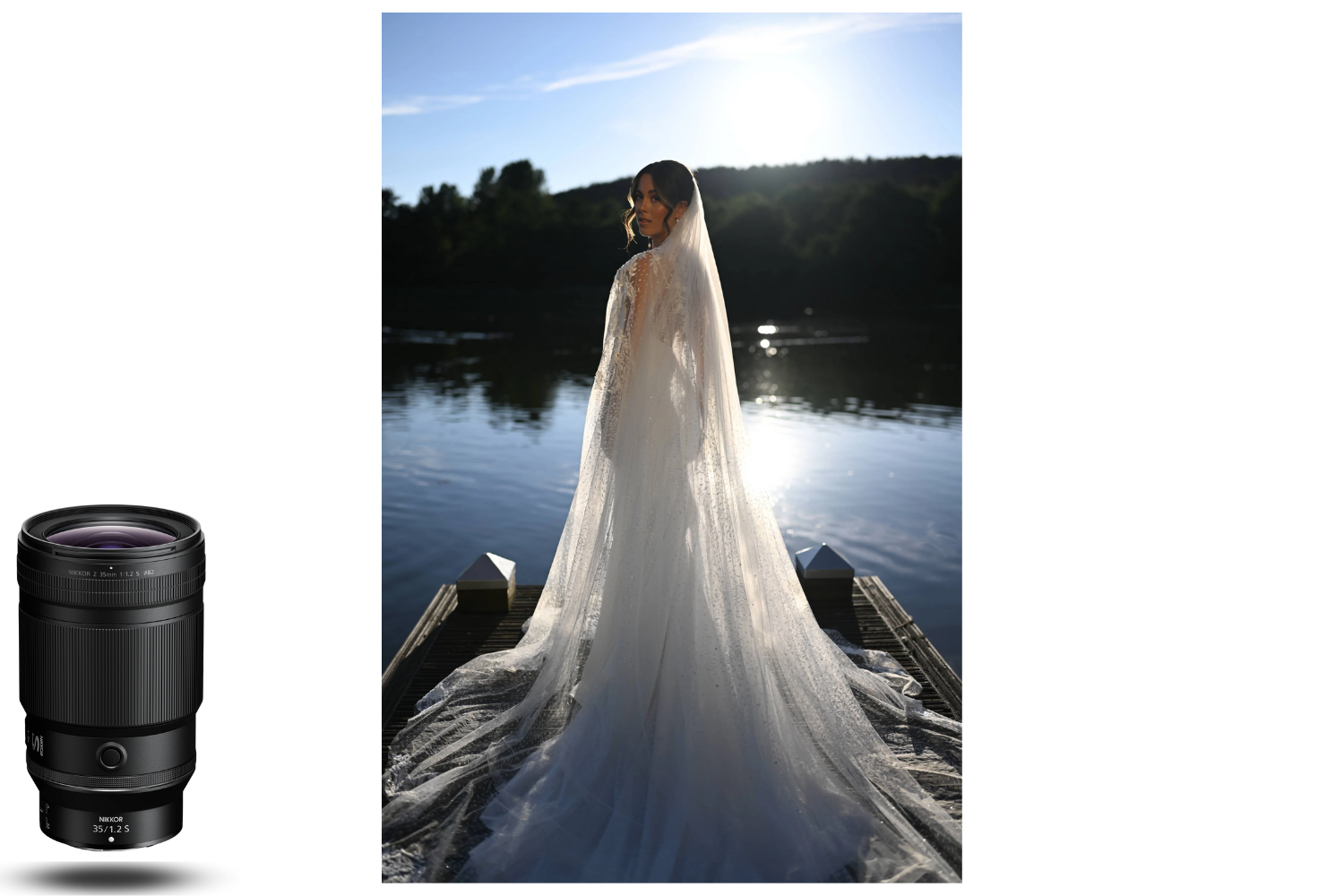
In summary, the technical sheet of the Nikon Z 35mm f/1.2 S reflects an exceptional optic, designed to deliver performance out of the ordinary. Each specification—from the f/1.2 aperture to the optical treatments and advanced autofocus—is designed to provide image creators with a flawless tool to express their vision. But beyond the numbers, what about the appreciation in the field? This is what we will explore through the opinions of specialized sites and photo experts who have had this gem in their hands.
The photo experts and the specialized sites that were able to test the Nikon The Z 35mm f/1.2 S is unanimously praised for its high-level performance. From its announcement, Les Numériques presented it as "the best 35mm ever designed by" Nikon" »", nothing less! A strong statement, justified by the technical prowess of the lens. In the laboratory, measurements confirm extremely low levels of distortion and chromatic aberrations for such a bright optic – Nikon made a "all-in" on optical quality, using 3 aspherical lenses, 3 ED lenses, and a comprehensive anti-reflective coating treatment. Phototrend speaks of an "optical excellence" and emphasizes that Nikon demonstrates all its expertise as an optician with this f/1.2 focal length, which now completes the high-end 35-50-85 mm trilogy. Their first review mentions a lens capable of delivering a Superior image quality, from the center to the edges, even at full aperture. In other words, the Nikon The Z 35mm f/1.2 S is not just a "one trick pony" good in bokeh and low light – it also excels in pure sharpness and overall image rendering.
On the side of the bokeh quality, it is the general praise. Nikon Passion reports that "The bokeh is described as 'sublime'" on this lens, a claim confirmed by demonstration images taken by professional photographers. Specialized sites emphasize that the background blur is not only pleasing but also Progressive and natural. According to Phototrend, the 11-blade diaphragm ensures a "smooth and perfectly rounded" bokeh, without any trace ofOnion rings (unsightly concentric circles) around light sources. This quality of blur gives images an almost palpable depth. As one test poetically describes, "bokeh and sharpness are perfectly balanced to offer an incredible sense of depth," with subjects gently standing out against creamy backgrounds. For the portrait or wedding photographers interviewed, this is a decisive criterion: being able to deliver images that are both ultra-sharp on the subject and artistically blurred in the background, all while directly to the shooting, without laborious retouching. On this point, the Nikon The Z 35mm f/1.2 S brings total satisfaction.
The Versatility This objective is also highlighted by several experts. The fact that it can be used both in photography and video is praised. The Digital note that the design explicitly took video needs into account, with the absence of focus breathing and the presence of two silent stepper motors. This attention makes the 35mm f/1.2 S a natural choice for professional videographers. One writer even mentions that Nikon, By launching this objective, it "expands the realm of possibilities" for animated image creators, opening the door to cinematic renderings on consumer hybrids. As for field photographers, they emphasize the enduring aspect and Reliable optics: a journalist from The Digital emphasizes that the objective is "fully protected by a horde of seals," in accordance with professional equipment standards. Nikon. This allows you to handle shooting in the rain or dust without flinching. This robustness is a crucial criterion for the professional target, just like the consistency of optical performance in all conditions.
Let's also talk about the concrete feedback from those who have adopted it. A photographer who replaced their NIKKOR Z 35mm f/1.8 S with this new f/1.2 model states that "the quality is stunning," with "superb colorimetry, incredible sharpness, [un] "magnificent bokeh" and flawless autofocus. This feedback aligns with the general opinion: the qualitative leap from more modest 35mm lenses is striking. It is true that Nikon already had an excellent 35mm f/1.8 S, but all tests indicate that the f/1.2 S version surpasses it in almost every aspect – sharpness, bokeh, construction – except, of course, for size and price. On this last point, experts are quick to remind us: excellence at a price. Sold for around €3200 at its launch, it is one of the most expensive 35mm lenses on the market (apart from certain luxury optics like Leica). Nikon Passion even speaks of a "dream at a high price" and emphasizes that it is aimed "at a limited, demanding audience ready to invest in a lens that should make no compromises." On the other hand, Les Numériques humorously notes that its price places it as much in the realm of photography as in jewelry. However, everyone agrees that the investment is justified for those who are looking for the best and want to fully exploit the capabilities of the Z mount. In summary, the specialized press sees in this Nikon Z 35mm f/1.2 S a outcome: that of optical expertise of Nikon combined with the advantages of the system mirrorless Z, producing reference optics for imaging professionals.
Finally, the comparisons with other objectives highlight the exception that this 35mm f/ represents1.2. Before him, only Sigma had dared a 35mm f/1.2 (for mounts Sony E and Leica A heavy and high-performing lens, but released in 2019 and showing some weaknesses in distortion and aberrations. Nikon has visibly learned from this example to propose its own model without these compromises. Compared to the Sigma According to the available measurements, the Nikkor Z 35mm f/1.2 S surpasses both the Art and the old 35mm f/1.4 with F mount in terms of sharpness, uniformity, and bokeh rendering. Cameralabs, In a test, it highlights the excellent optical correction: almost no distortion (around -1% barrel distortion only) and very discreet chromatic aberration – such minor flaws that they can be forgotten in post-production. This level of optical performance means a time-saving for professional photographers, who will have images that can be used directly. JPEG case without heavy retouching.
In conclusion of this overview of opinions, it can be said that the photographic community welcomes the Nikon Z 35mm f/1.2 S with well-deserved enthusiasm. Described as "technically dazzling" and a "technical feat," both for its images and its design, it redefines what can be expected from a modern 35mm focal length. If you read specialized blogs and magazines, one message consistently comes up: Nikon created a exceptional objective, a tool designed for the most meticulous creators. Of course, it won't fit all budgets or practices (some might recommend amateurs to opt for the very good entry-level 35mm f/1.8 S), but for those who can afford it, the 35mm f/1.2 S offers a unparalleled photographic experience. After going through these rave reviews, one thing is certain: this lens leaves no one indifferent, and it could well become the centerpiece of your photography equipment if you're looking for the best in 35mm.
Ultimately, the Nikon The Z 35mm f/1.2 S positions itself as the ultimate ally for ambitious photographers – an investment that transforms every shot into a work of visual art. Bring your ideas to life with extraordinary brightness and sharpness: treat yourself to this optical excellence today and unleash the full potential of your images !

Yes, if you want a very bright 35 mm prime with premium build and a professional rendering style. The Nikon Z 35mm f/1.2 S is not made for every photographer: it targets users who want a premium reportage focal length with a very wide aperture, strong background separation and S-line construction. For occasional use, a 35mm f/1.8 S will often be more rational.
It is made for Nikon Z users who want a natural wide prime for reportage, weddings, environmental portraits and high-end video. The 35 mm focal length keeps context around the subject, while f/1.2 helps create strong separation even with a fairly wide frame. It is less suitable if you want a lightweight walkaround lens or a strictly general-purpose option.
Choose the 35 mm f/1.2 if you want to tell the scene around the subject, not only isolate a face. A 50 mm gives a tighter perspective, and an 85 mm compresses portraits more strongly. The 35 mm keeps more environment in the frame, which makes it powerful for weddings, reportage, backstage work, situational portraits and narrative video.
Yes, it is excellent for environmental portraits and close portraits with context. At f/1.2 it can separate the subject while still letting the background tell part of the story. For very tight portraits or faces without close-distance distortion, an 85 mm f/1.2 or f/1.8 will often be more flattering.
Yes, f/1.2 changes the rendering, especially at close and medium distances. It brings more light, stronger background blur and a visual signature that 35 mm f/1.8 lenses or f/2.8 zooms do not reproduce in the same way. The trade-off is very shallow depth of field, so focusing precision matters.
Yes, this is one of its most coherent uses. It can cover preparations, atmosphere, dance floors, low-light scenes and portraits in context without losing the environment. Its f/1.2 aperture helps indoors and gives a distinctive look, but the size and weight have to be accepted during a long day.
Yes, it is very useful for creative video, wider interviews and narrative low-light shots. The 35 mm view remains natural, while f/1.2 separates a subject without moving to a longer focal length. For mobile shooting, however, you should consider weight, balancing and the lack of built-in optical VR stabilisation.
Choose the 35mm f/1.2 S for rendering, the very wide aperture and the premium level; choose the 35mm f/1.8 S for light weight, price and simplicity. The f/1.8 S remains excellent for many photographic uses. The f/1.2 S makes sense if you truly exploit low light, bokeh and high-end rendering.
The Nikon is the more logical choice if you want to stay in the Nikon S ecosystem with maximum integration and official construction. The Viltrox 35mm f/1.2 LAB can be an interesting alternative for comparing rendering and budget, but the Nikon keeps the advantage of system consistency, manufacturer support and long-term value for demanding Nikon Z users.
Yes, it can be used on a Nikon Z DX body, where it frames like roughly a 52.5 mm lens. That can be interesting for natural portraits or video, but the lens remains bulky for a small DX camera. On full frame, it regains its real purpose as a bright, immersive 35 mm prime.
Its main limits are price, weight, bulk and a clear specialisation around the f/1.2 look. It is not meant to replace a travel zoom or stay discreet. Buy it if you know exactly why you want a very bright 35 mm lens; otherwise, the 35mm f/1.8 S or a professional zoom will often be more versatile.