

Shopping Cart


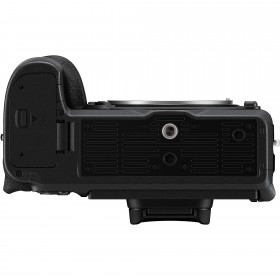
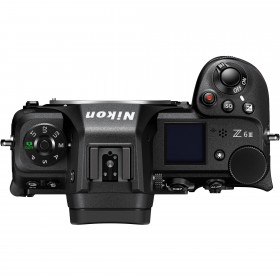
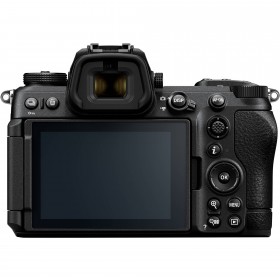










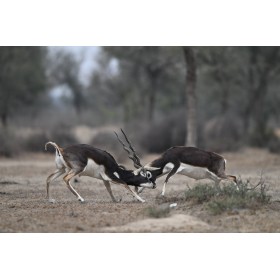


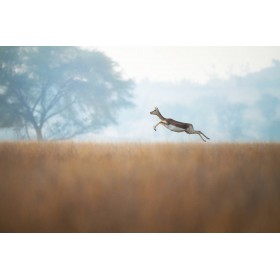
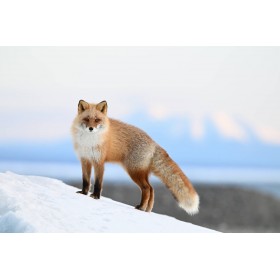
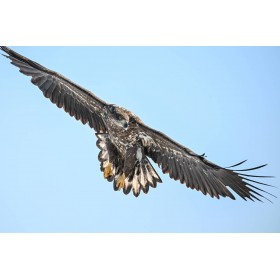





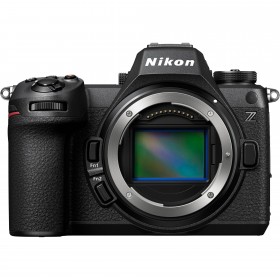

The Nikon Z6 III is a 24.5MP full-frame mirrorless camera recommended for advanced and professional photographers who need a responsive, versatile body for both stills and video. Its partially stacked sensor accelerates readout, supports confident subject tracking and enables RAW bursts at up to 20fps with the electronic shutter. Nine subject types can be recognised by the autofocus system, while in-body stabilisation assists hand-held work. Internal 6K 60p N-RAW and cropped 4K 120p suit demanding hybrid productions. Its 24.5MP resolution provides less cropping latitude than a Nikon Z8, but generates more manageable files. This body-only version is particularly relevant if you already own NIKKOR Z lenses or want to build the system around the exact focal lengths your work requires.
Combine compatible accessories and save. The more items you add, the bigger the discount.
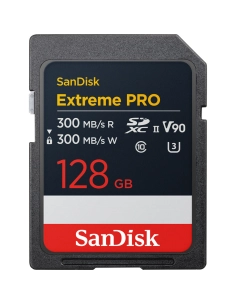
memory card
battery
Adaptateur

warranty extension
Officially introduced by Nikon on 17 June 2024, the Nikon Z6 III is a 24.5MP full-frame mirrorless camera built for photographers who move between controlled subjects, action and video. Nikon states that its partially stacked sensor reads data approximately 3.5 times faster than the Z6 II sensor. In practice, that speed principally serves autofocus tracking, burst shooting and reduced rolling shutter rather than simply adding resolution.
This listing is for the Nikon Z6 III body only. It makes sense if you already use Nikon Z lenses, plan to adapt Nikon F lenses through a compatible adapter or want to choose one precise lens. The Nikon Z6 III body and kit category brings together the configurations currently available.
| Use | What the Z6 III contributes | What to consider |
|---|---|---|
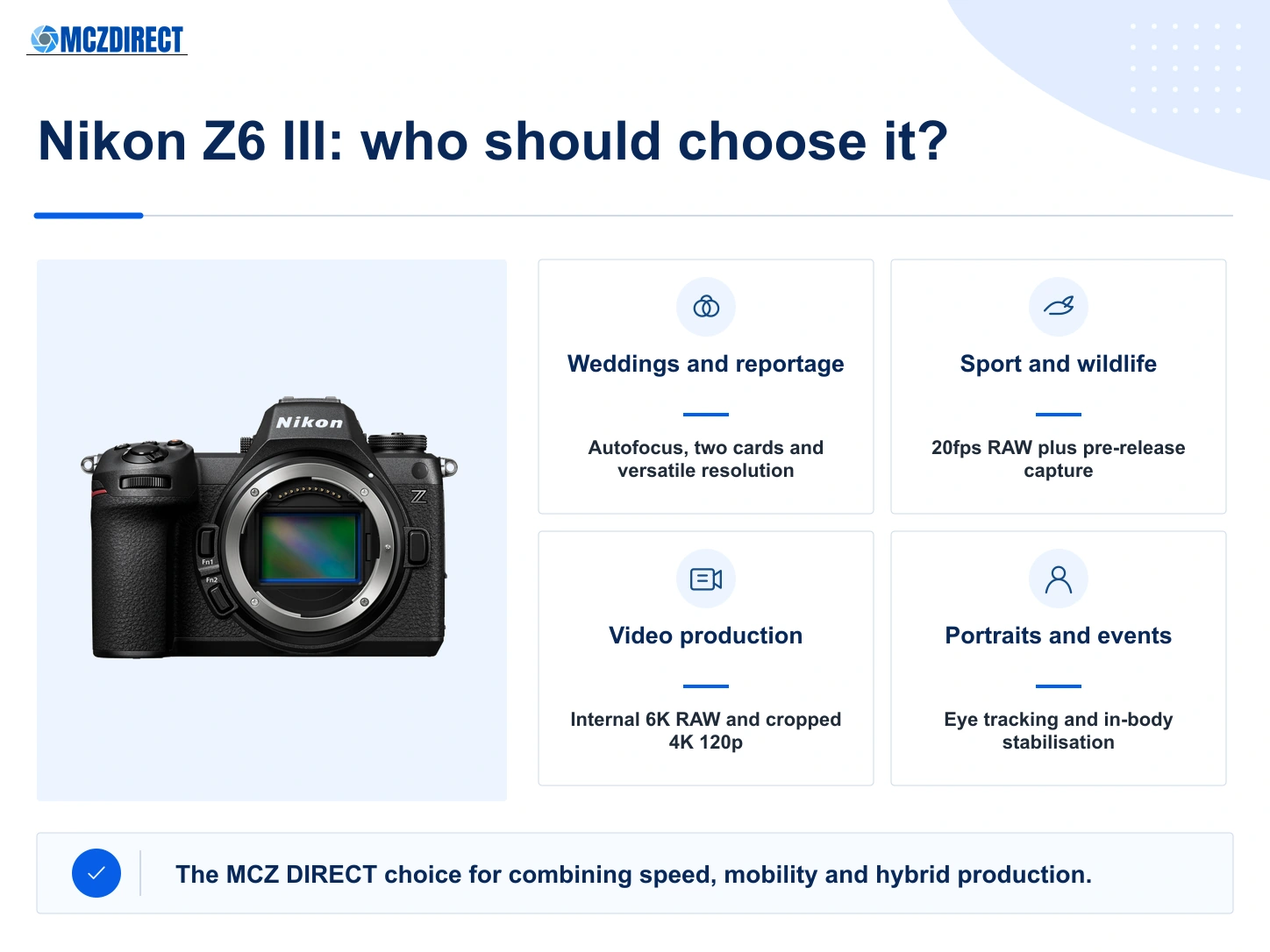
| Weddings and reportage | Responsive autofocus, two cards, 24.5MP and a bright viewfinder | Allow for CFexpress when recording long bursts or internal RAW video |
| Sport and wildlife | 20fps electronic RAW, pre-release capture and subject recognition | 60 and 120fps require JPEG; 120fps also uses a 10MP DX crop |
| Portraits and events | Eye tracking, stabilisation and access to fast NIKKOR Z primes | Cropping latitude is lower than with a Z8 |
| Hybrid video | Internal 6K 60p N-RAW, 4K 120p and a vari-angle screen | 4K 120p uses a DX crop and high data rates require suitable storage and editing hardware |
At 24.5MP, the Z6 III is not intended to replace a very high-resolution camera. It retains enough detail for reportage, weddings, portraits, landscape and most commercial assignments while keeping files lighter than a 45.7MP sensor. Pixel Shift can create a 96MP result, but it needs a tripod, a static subject and merging in NX Studio, so it is not an action solution.
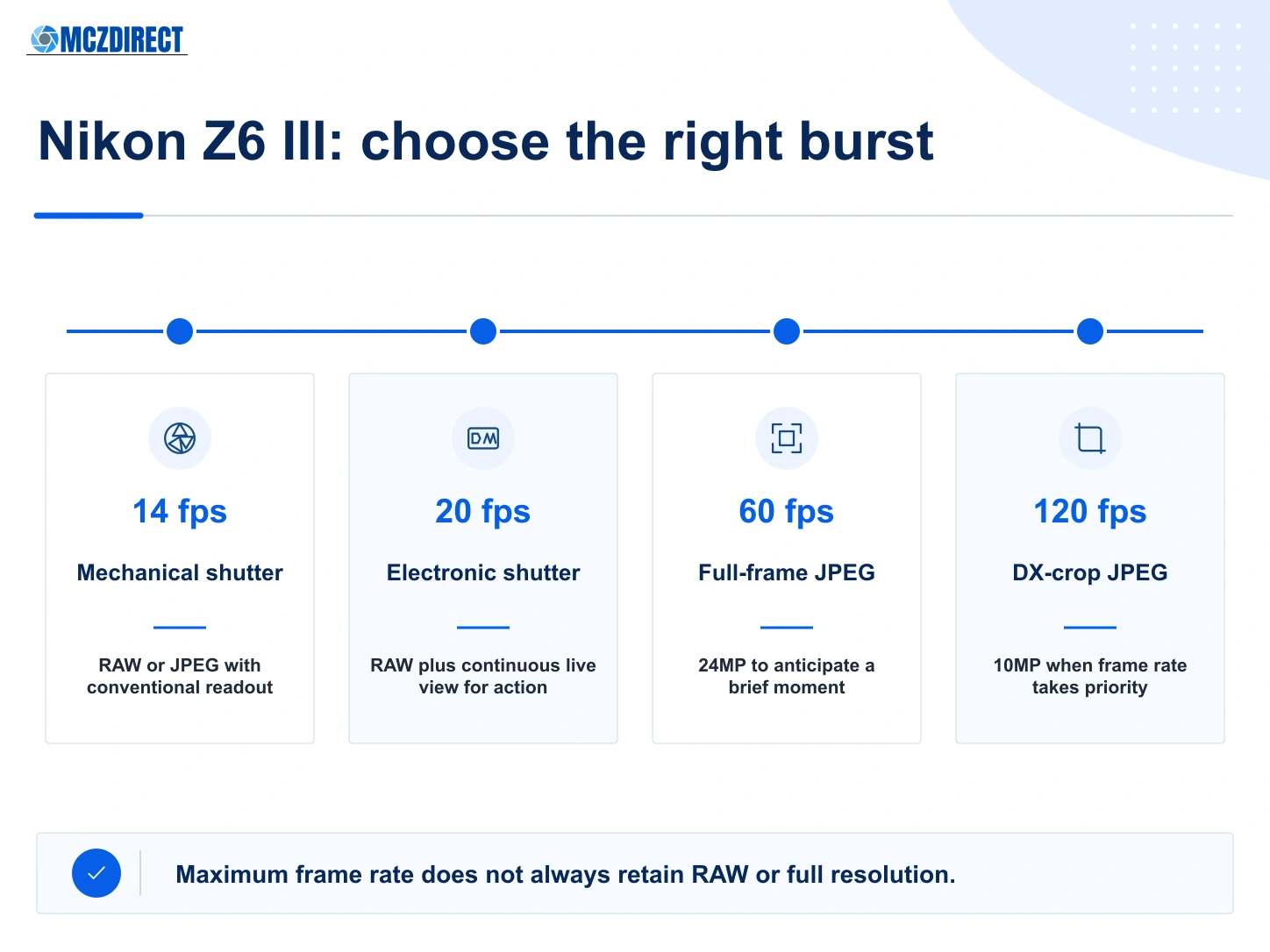
Nine subject types can be recognised and the system benefits from EXPEED 7 processing. The important question is not merely maximum speed, but the file delivered. The 20fps mode retains RAW with the electronic shutter. At 60fps the camera records 24MP full-frame JPEGs, while 120fps switches to JPEG and a 10MP DX crop. That distinction directly affects grading latitude and final delivery.
| Feature | Practical benefit | Limitation to understand |
|---|---|---|
| 24.5MP partially stacked sensor | A useful balance of detail, readout speed and file size | Less latitude for extreme cropping than 45.7MP |
| Up to 20fps RAW | More expressions and positions to choose from during brief action | Speed, duration and tracking depend on format, card and lens |
| Stabilisation rated up to 8 stops | More freedom hand-held with a relatively static subject | It cannot freeze subject movement and the maximum depends on Nikon test conditions |
| Approximately 750g ready to shoot | A robust body that remains mobile for its class | The chosen lens largely determines the final working weight |
| CFexpress B/XQD plus UHS-II SD | Combine a very fast card with widely available SD storage | Long bursts and high-data-rate video may require costly CFexpress media |
Internal 6K 60p N-RAW provides room to reframe, stabilise or derive several delivery formats from one recording. 5.4K 60p can suit vertical output, while 4K 120p makes slow motion easier but uses a DX crop that changes lens choice. These modes only make sense when cards, storage, editing hardware and backup time can support the workflow.
The 5.76-million-dot viewfinder, rated up to 4000 nits and compatible with DCI-P3, helps with focus and colour assessment in bright scenes. Five-axis stabilisation gives more freedom hand-held with relatively static subjects. At approximately 750g with battery and card, the body is distinctly lighter than a Z8, although a professional zoom can quickly double the system’s working weight.
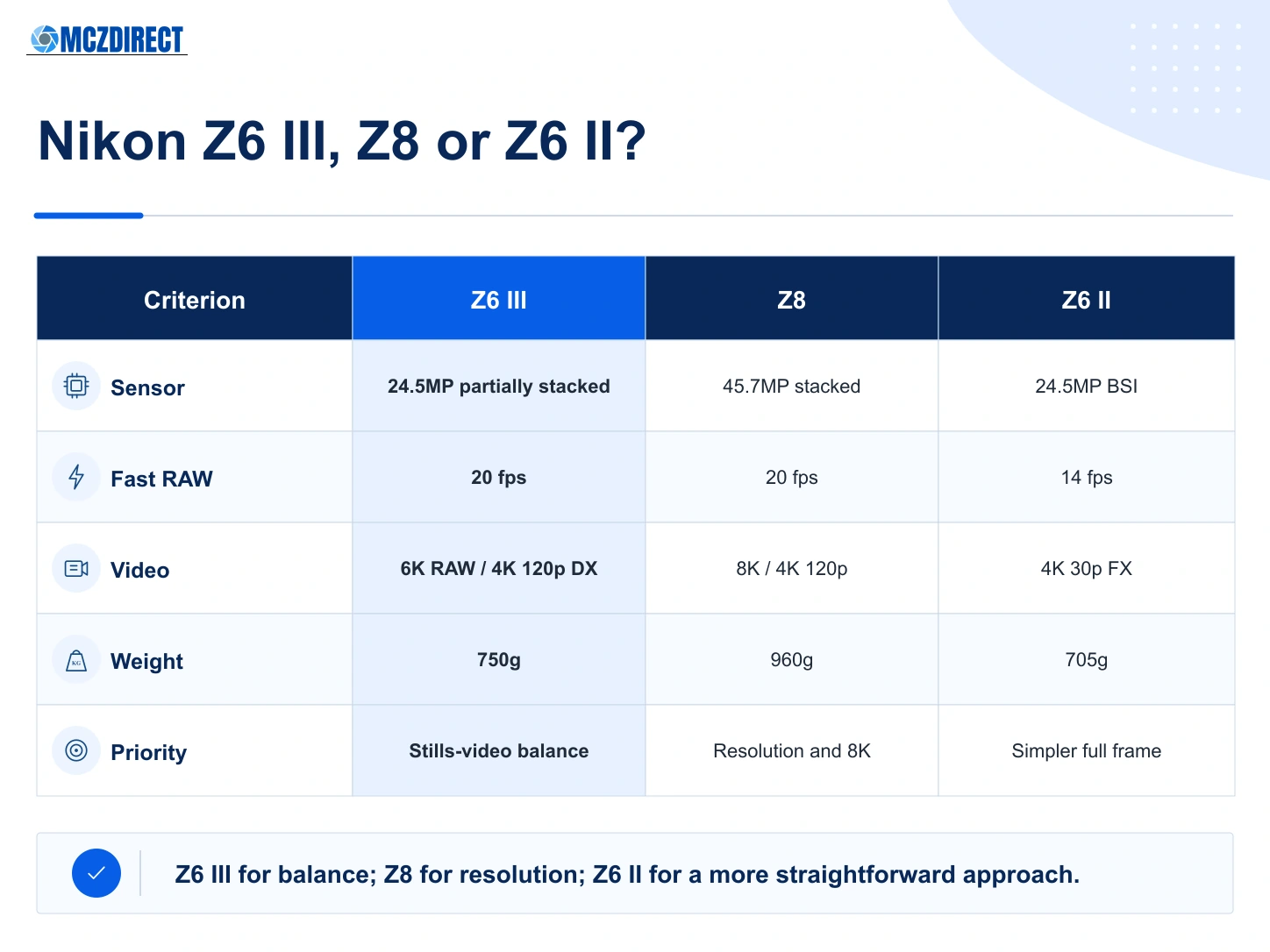
| Criterion | Nikon Z6 III | Nikon Z8 | Nikon Z6 II |
|---|---|---|---|
| Sensor | 24.5MP partially stacked | 45.7MP stacked | 24.5MP BSI |
| Maximum RAW burst | 20fps electronic, 14fps mechanical | 20fps electronic | 14fps |
| Internal video | 6K 60p N-RAW, 4K 120p DX | Up to 8K and 4K 120p | 4K 30p FX, 4K 60p DX |
| Ready-to-shoot weight | Approximately 750g | Approximately 960g | Approximately 705g |
| Best fit | Fast, balanced stills and video | High resolution, cropping and 8K | Simpler route into full frame |
The body-only option leaves the system completely open. For an all-purpose setup, the Nikon Z6 III with Z 24-120mm f/4 S covers travel, reportage and events at a constant aperture. The Z 24-70mm f/4 S kit favours a more compact working set. For wildlife or outdoor sport, the Z6 III with Z 100-400mm VR S answers a very different need.
Place this body within the wider Nikon Z range, compare it with the Nikon Z8 or browse our mirrorless cameras.
Position in the range. At MCZ DIRECT, we see the Z6 III as the most balanced Nikon Z choice for an advanced or professional photographer moving between reportage, events, action and video, rather than as a specialist high-resolution body.
Direct comparison. Against the Z8, we recommend it when 24.5MP is sufficient and weight, a vari-angle screen and mobility matter more than 45.7MP, 8K and extensive cropping. Against the Z6 II, the most meaningful gains are sensor readout, autofocus, viewfinder performance, burst options and video formats.
Honest limitation. The 60 and 120fps modes are not full-resolution RAW bursts, 4K 120p is cropped, and internal 6K RAW requires suitable cards and an capable editing workflow. The Z8 remains more coherent for high-detail studio work or aggressive wildlife cropping. As one fast stills-and-video body, the Z6 III is a notably strong compromise.

Nikon officially introduced the Z6 III on 17 June 2024. Commercial availability then varied by country and distribution channel.
No. The 120fps setting records JPEG with an approximately 10MP DX crop. For RAW files, Nikon quotes a maximum electronic burst rate of 20fps.
It has one CFexpress Type B slot compatible with XQD and one UHS-II SD slot. Fast CFexpress media is advisable for long bursts and high-data-rate video.
Yes. Subject recognition, 20fps electronic RAW bursts and pre-release capture support action, although lens choice, AF-area mode and file format remain important.
Yes. Its versatile resolution, human tracking, stabilisation, bright viewfinder and two card slots suit wedding reportage when the storage workflow is planned appropriately.
The Z6 III prioritises mobility and versatility with 24.5MP and an approximately 750g ready-to-shoot weight. The Z8 provides 45.7MP, greater cropping latitude and 8K video, but is heavier.
The Z6 III mainly improves sensor readout, autofocus, viewfinder quality, burst options and video formats. The Z6 II remains a simpler choice when those gains are not essential.
Yes. It can record internal 6K 60p N-RAW. This mode requires memory cards, storage and editing hardware capable of handling large files.
No. 4K 120p uses a DX crop, which should be considered when selecting focal length and camera position.
Nikon quotes approximately 750g ready to shoot with battery and memory card. Final system weight then depends mainly on the selected lens.
Yes. Many Nikon F lenses can be used through a compatible FTZ or FTZ II adapter. Available functions depend on the individual lens.
A 24-70mm or 24-120mm suits travel and reportage, a fast prime suits portraits and a telephoto zoom suits sport or wildlife. The Nikon Z6 III category compares active kits.
Generated by AI from customer reviews.
