Shopping Cart
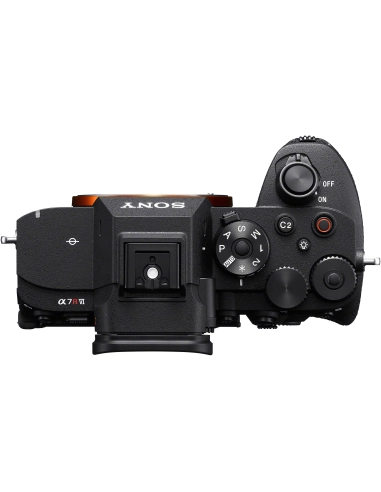
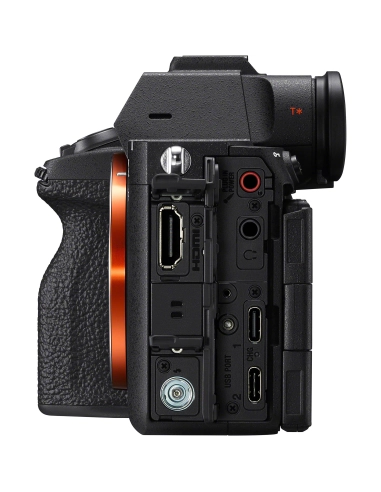
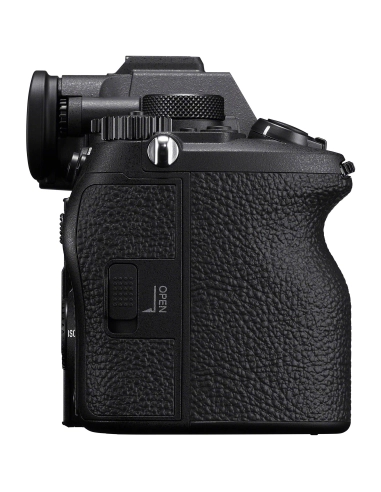
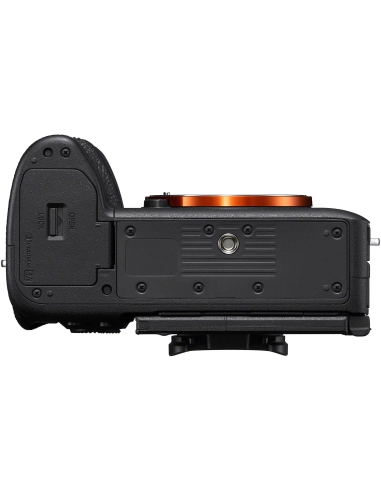
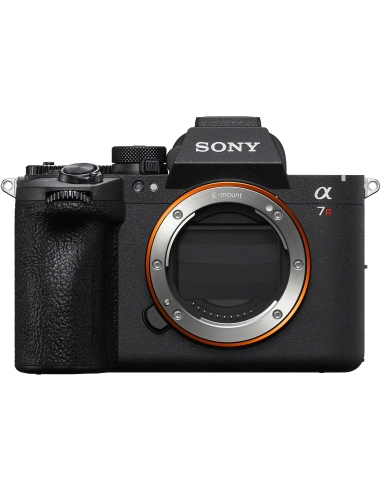
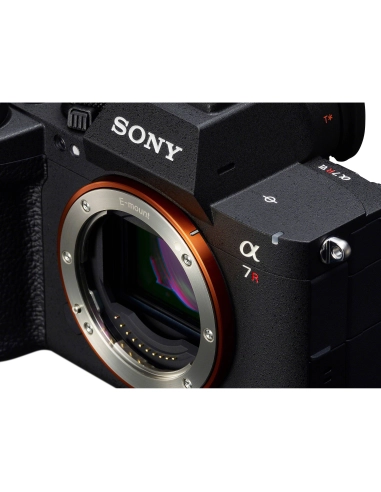
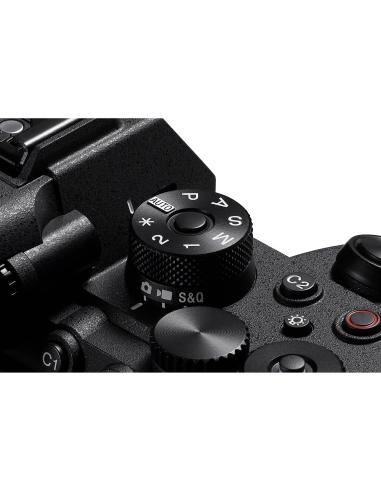
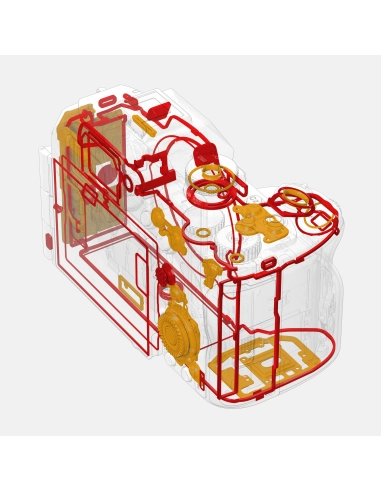
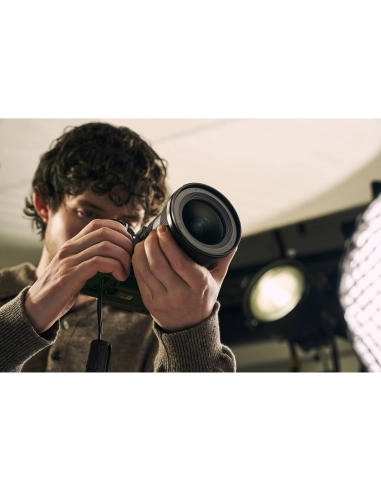
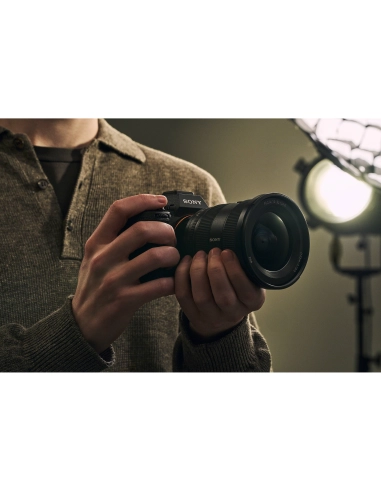
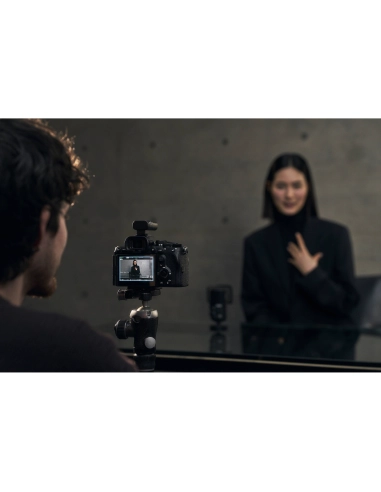
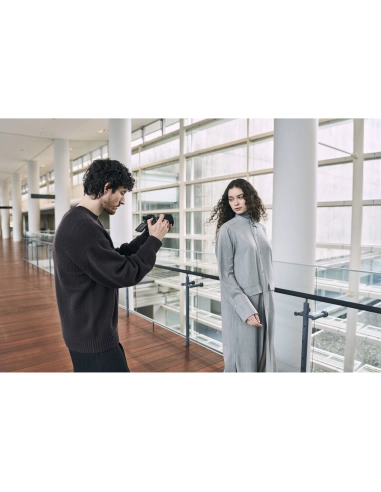
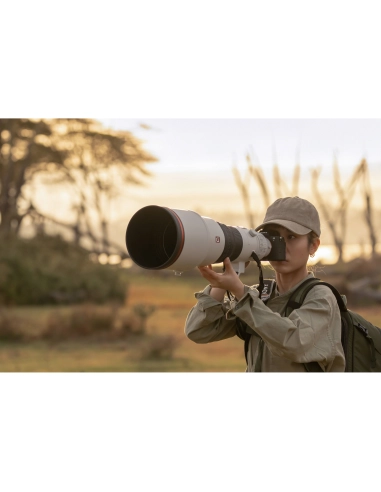
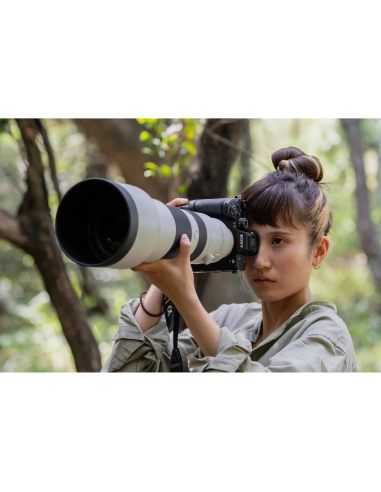
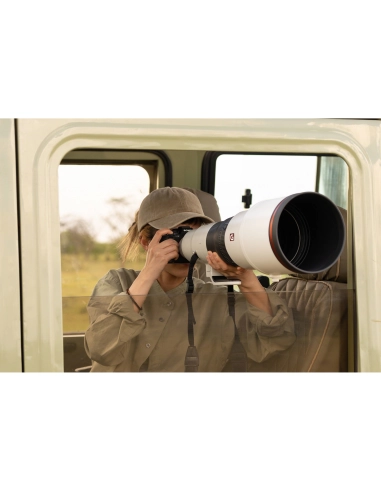
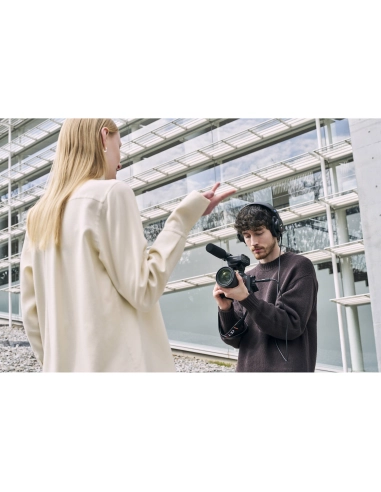

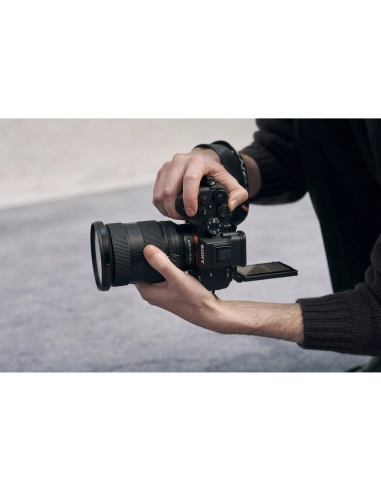
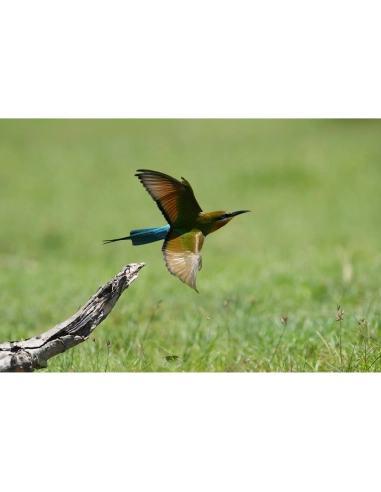
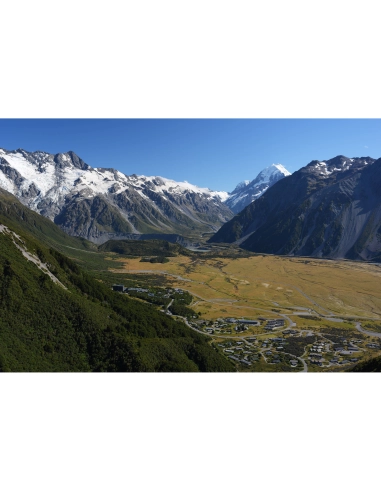

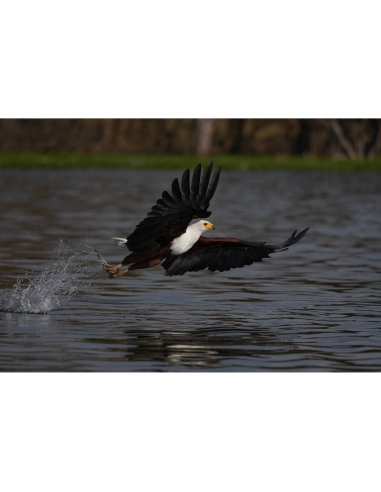
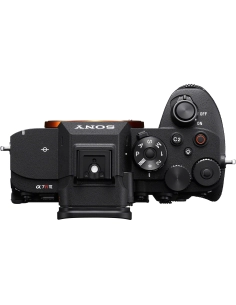
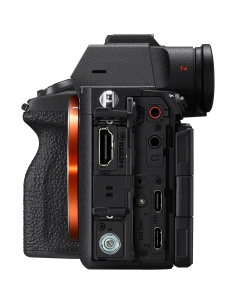
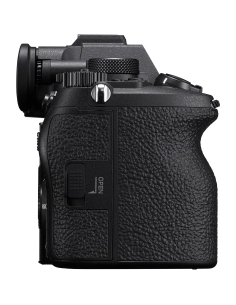
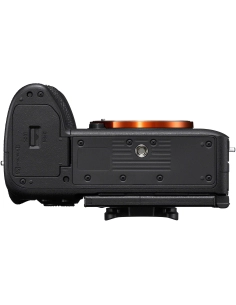
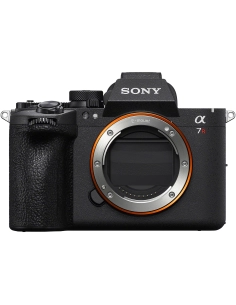
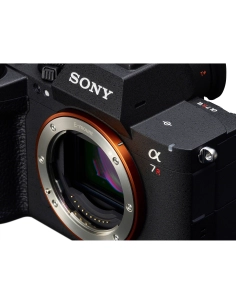
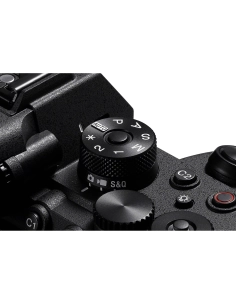
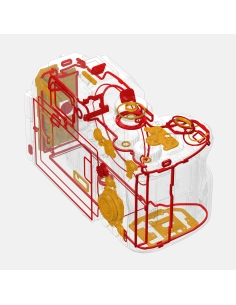
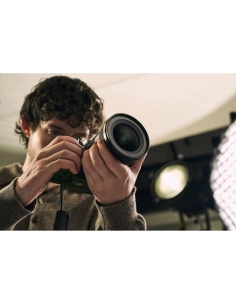
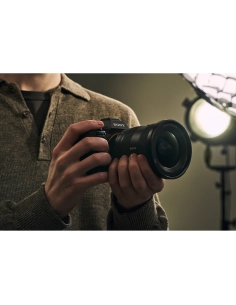
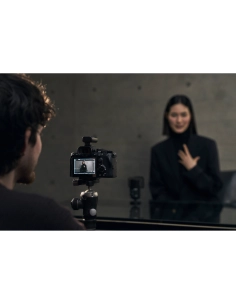
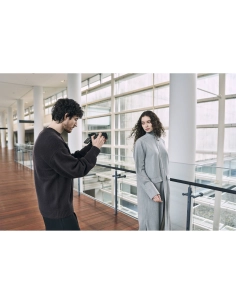
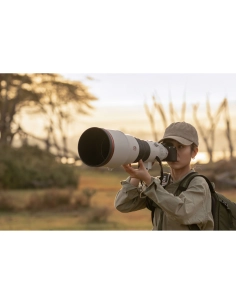
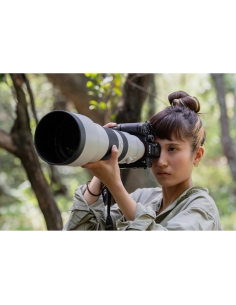
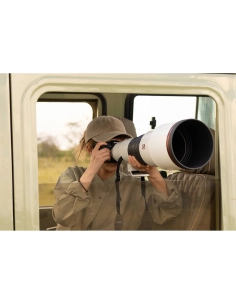
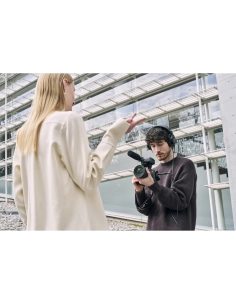

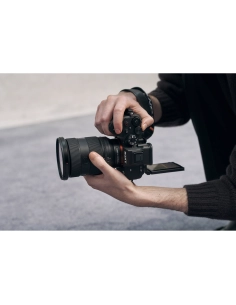
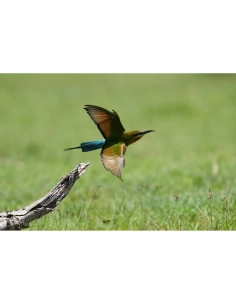
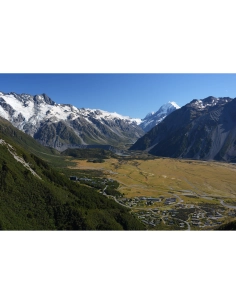


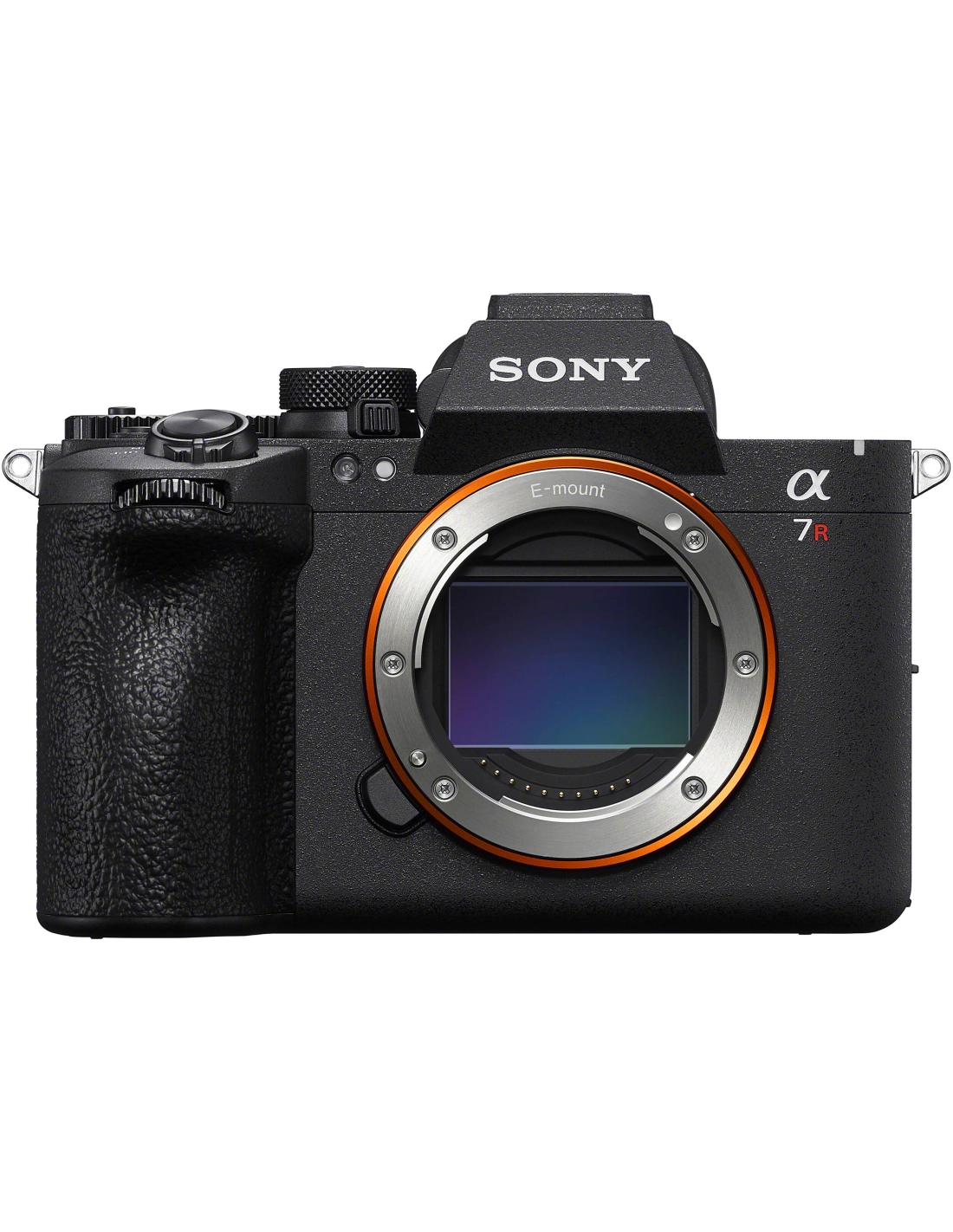
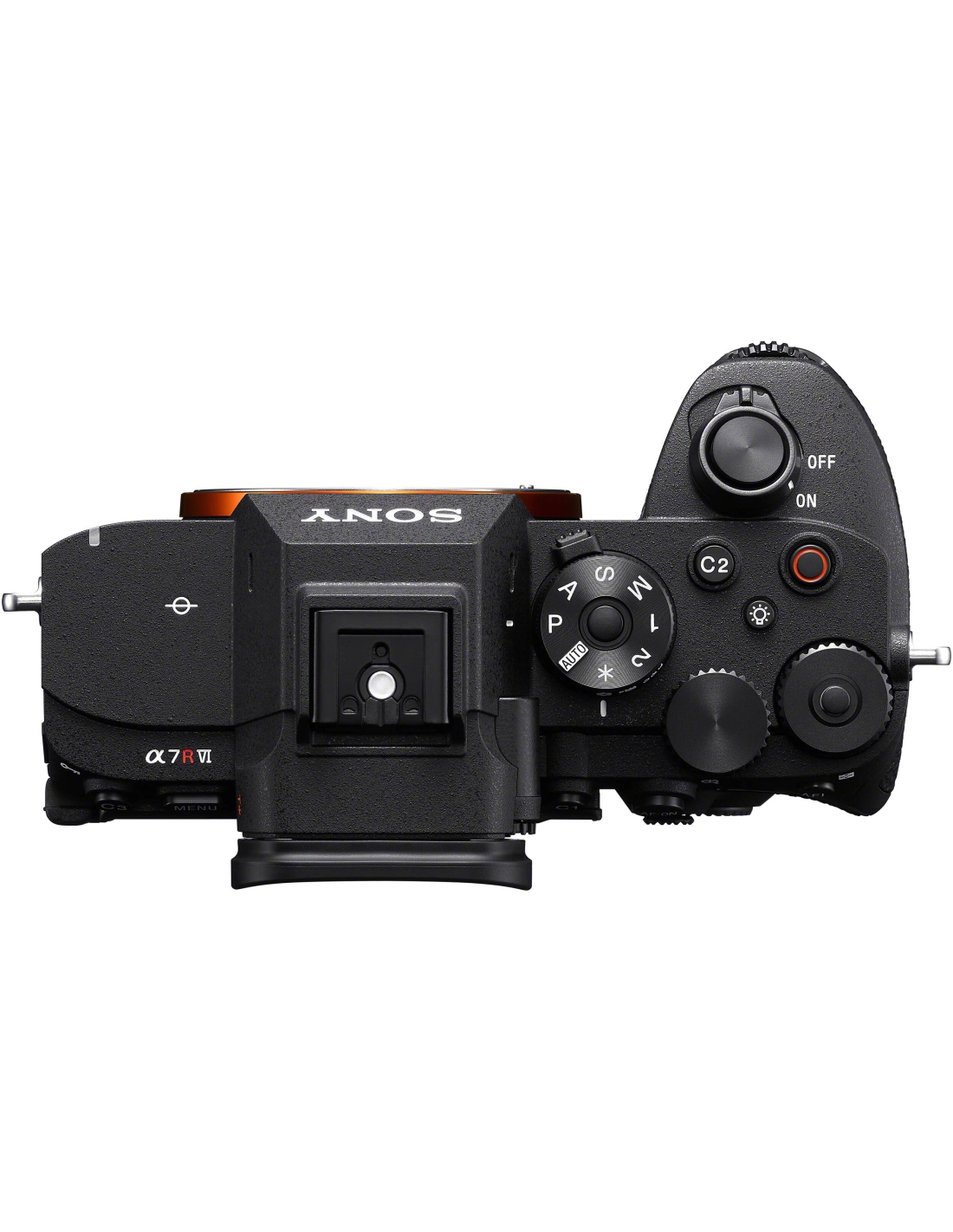
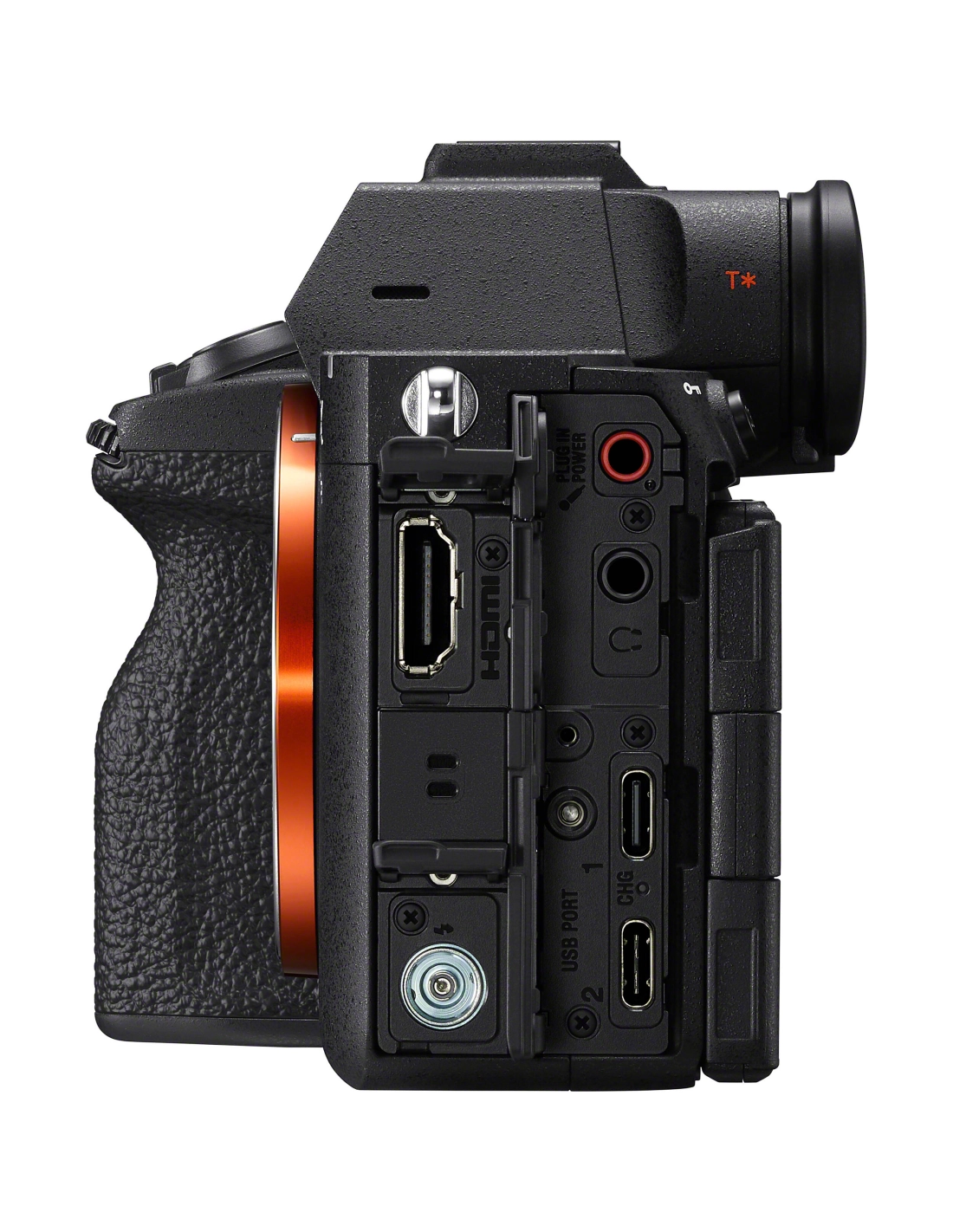
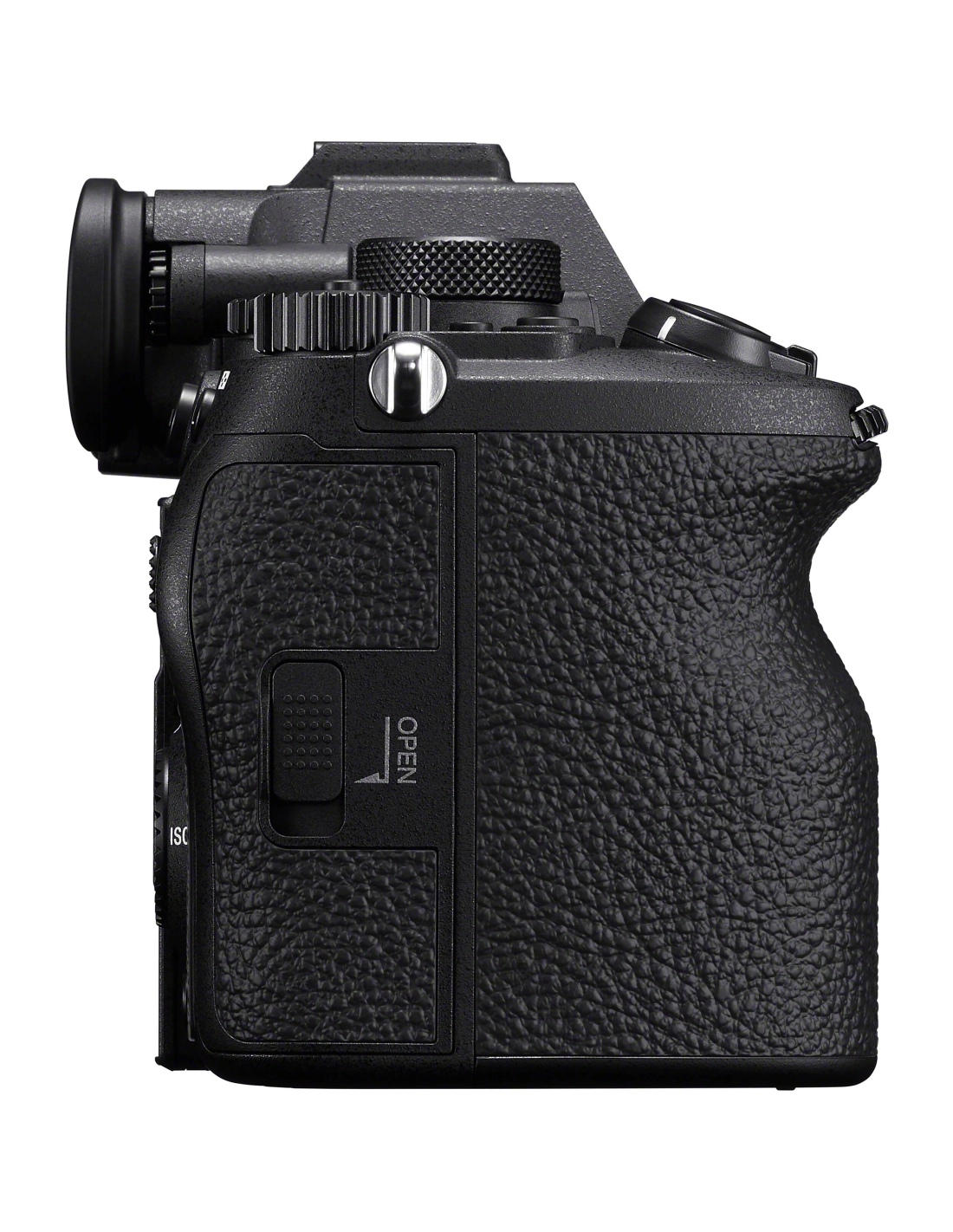
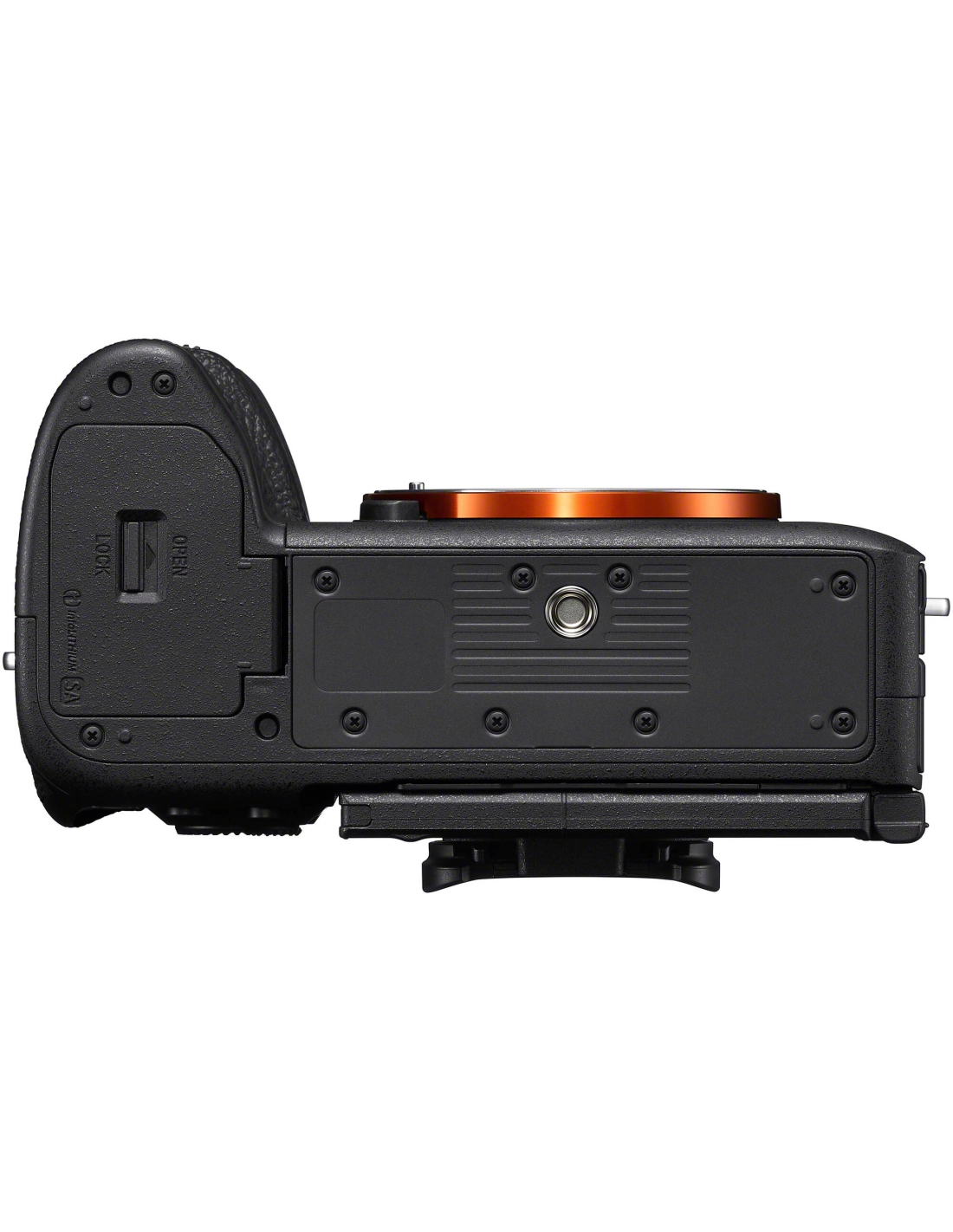
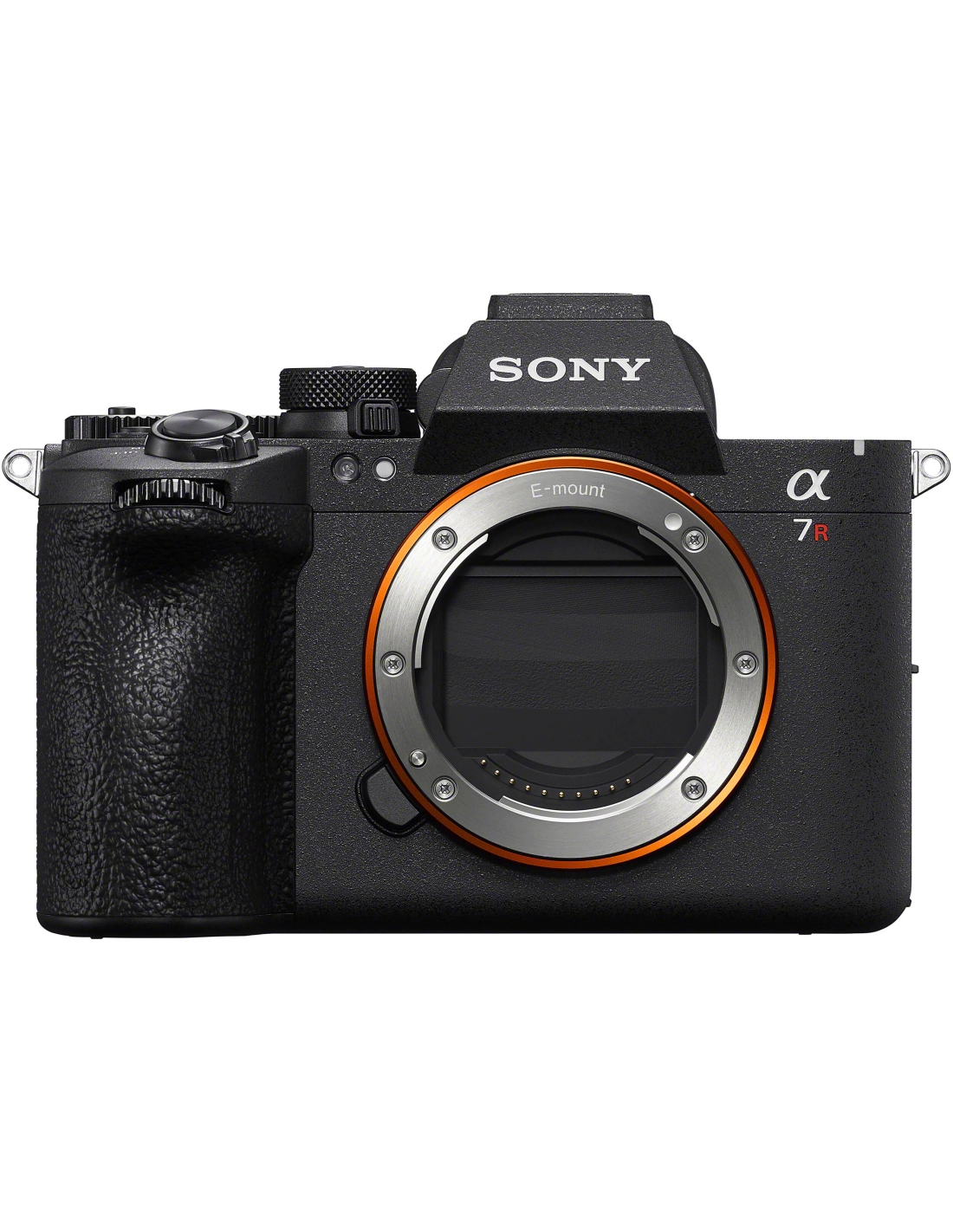
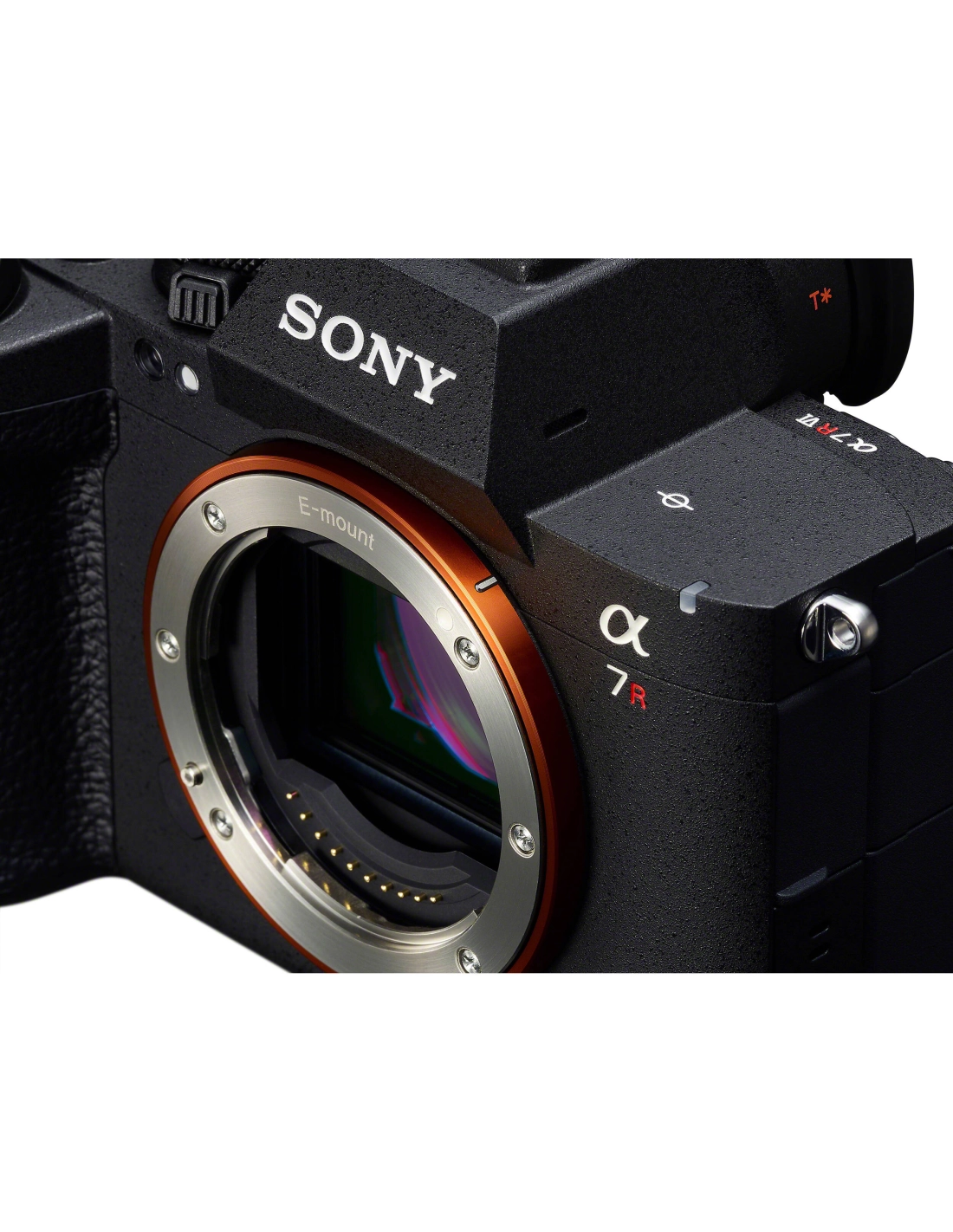
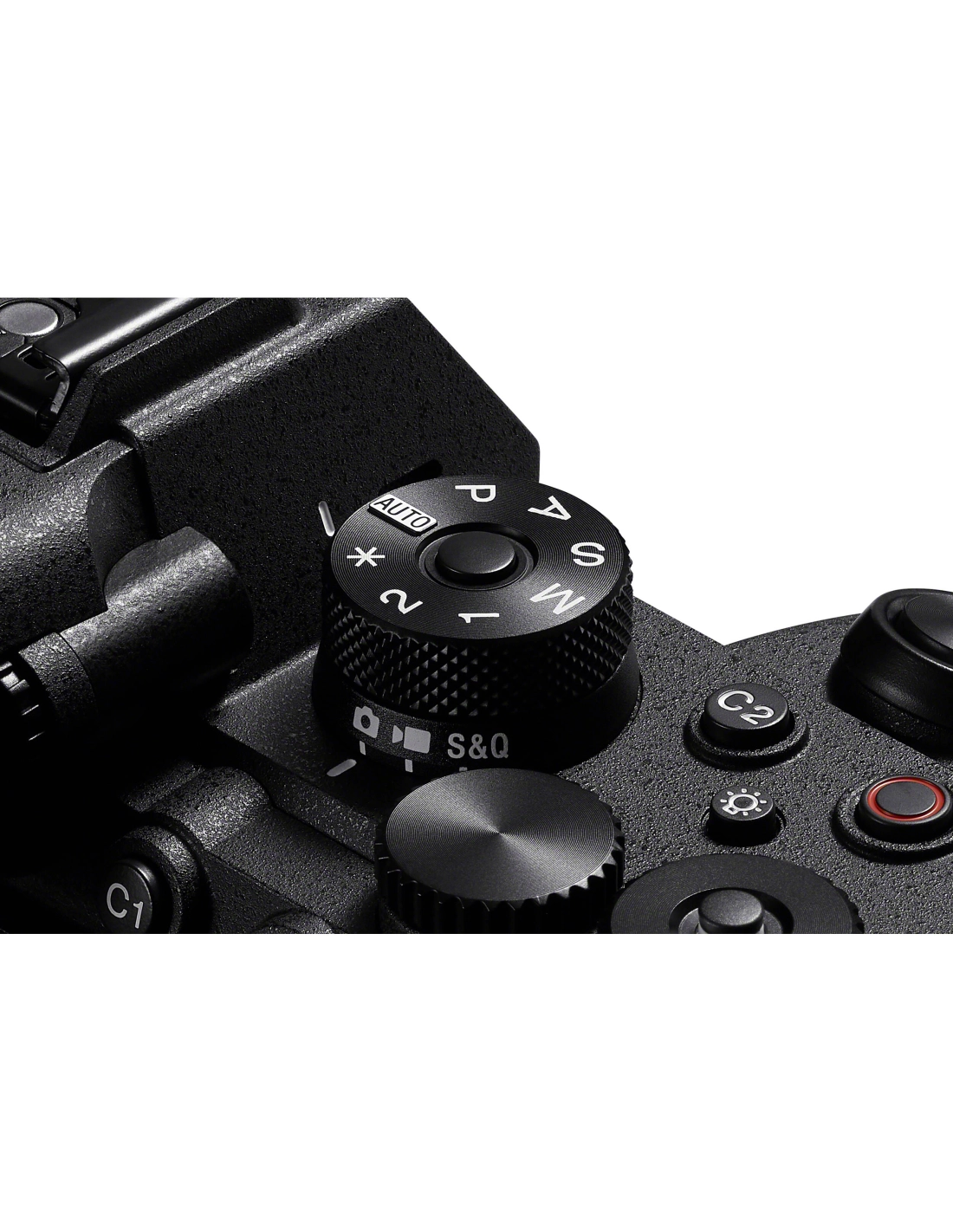
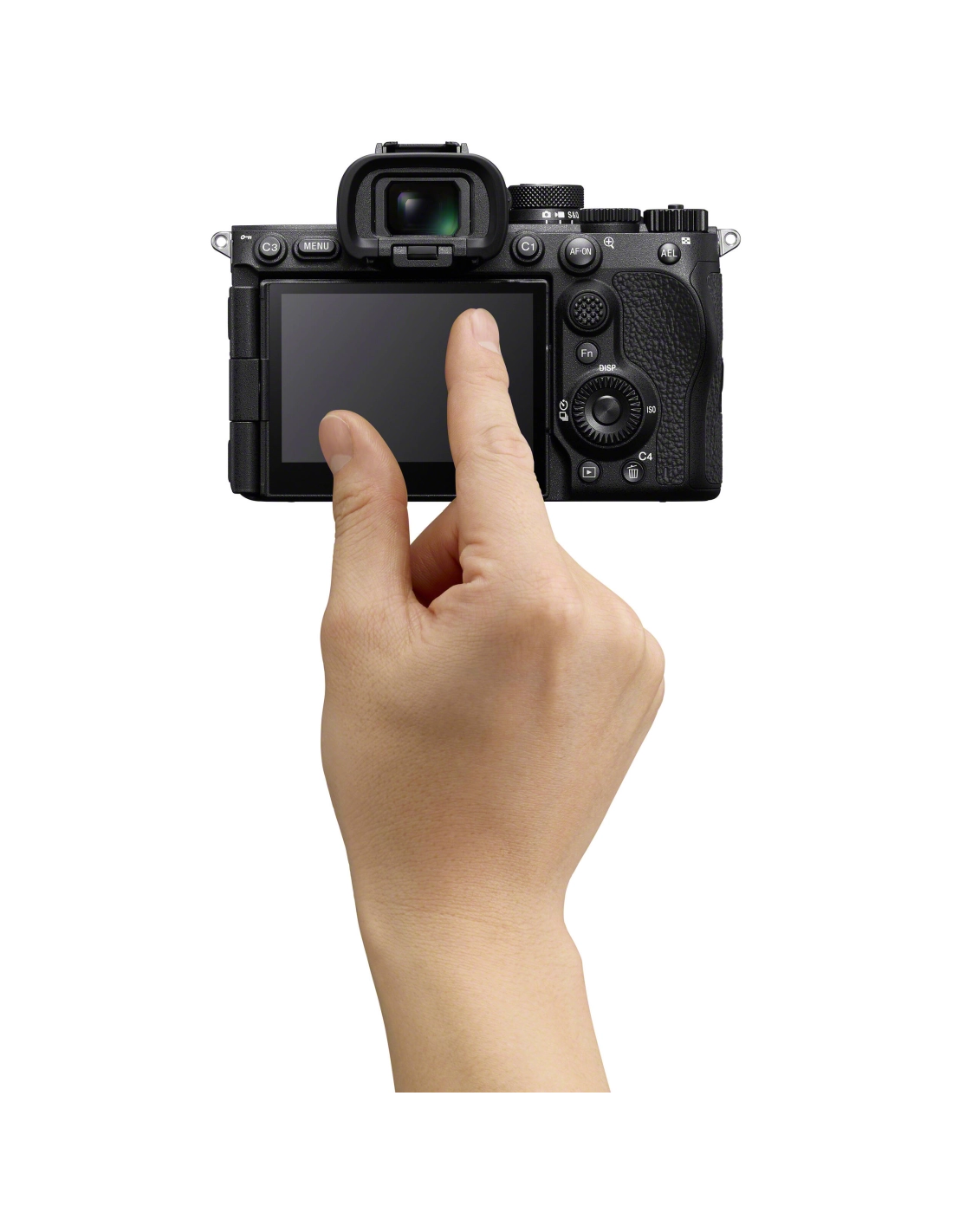

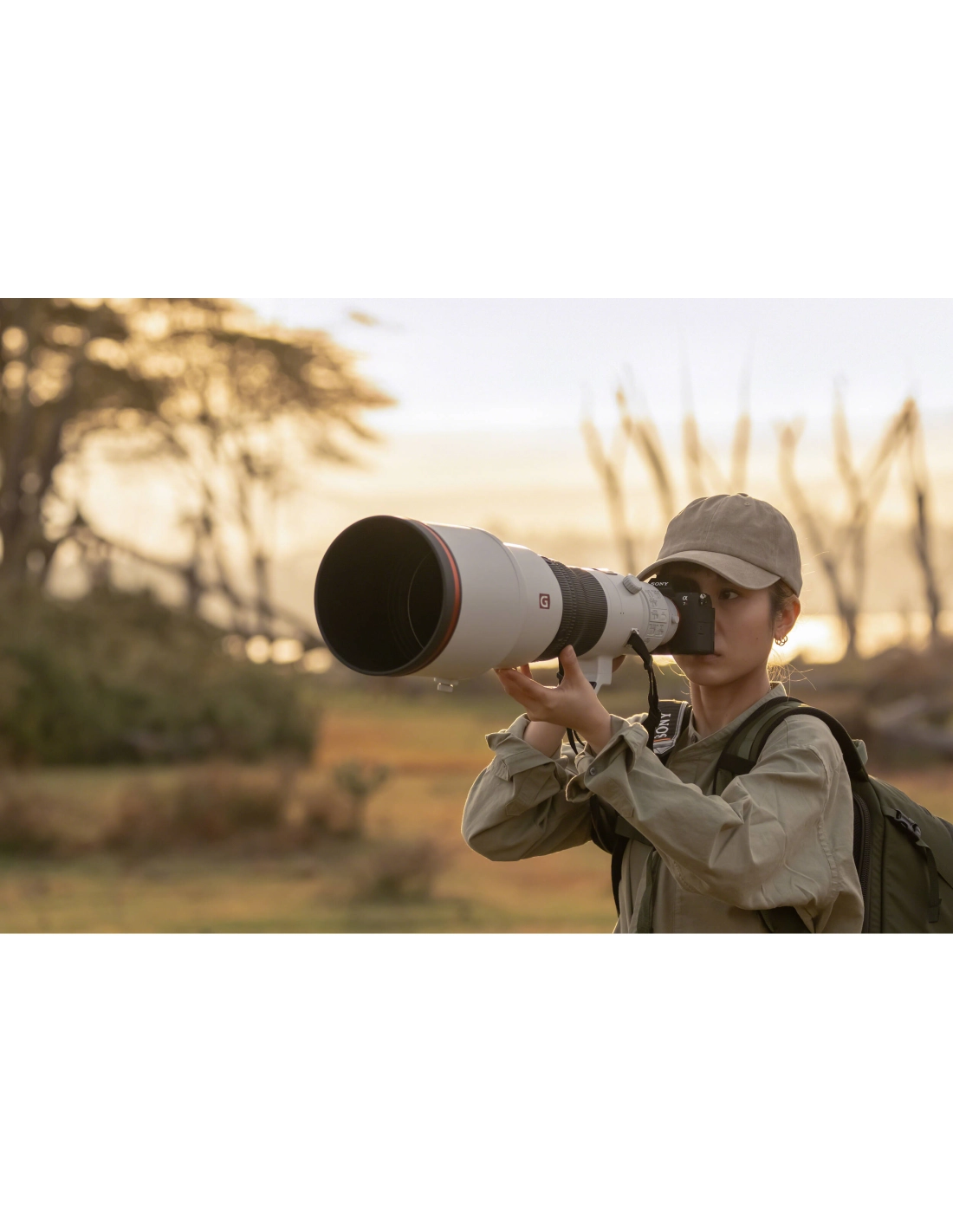

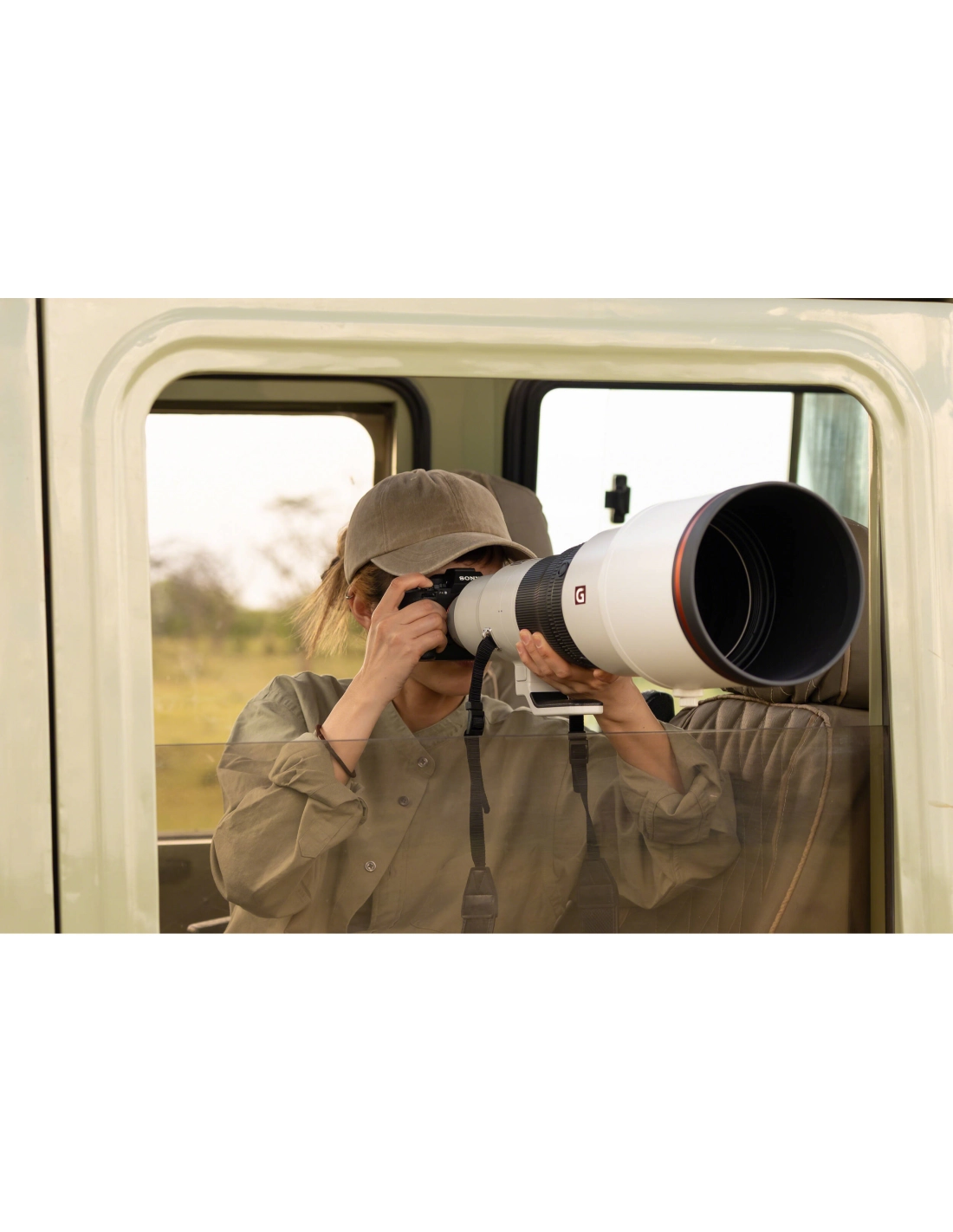
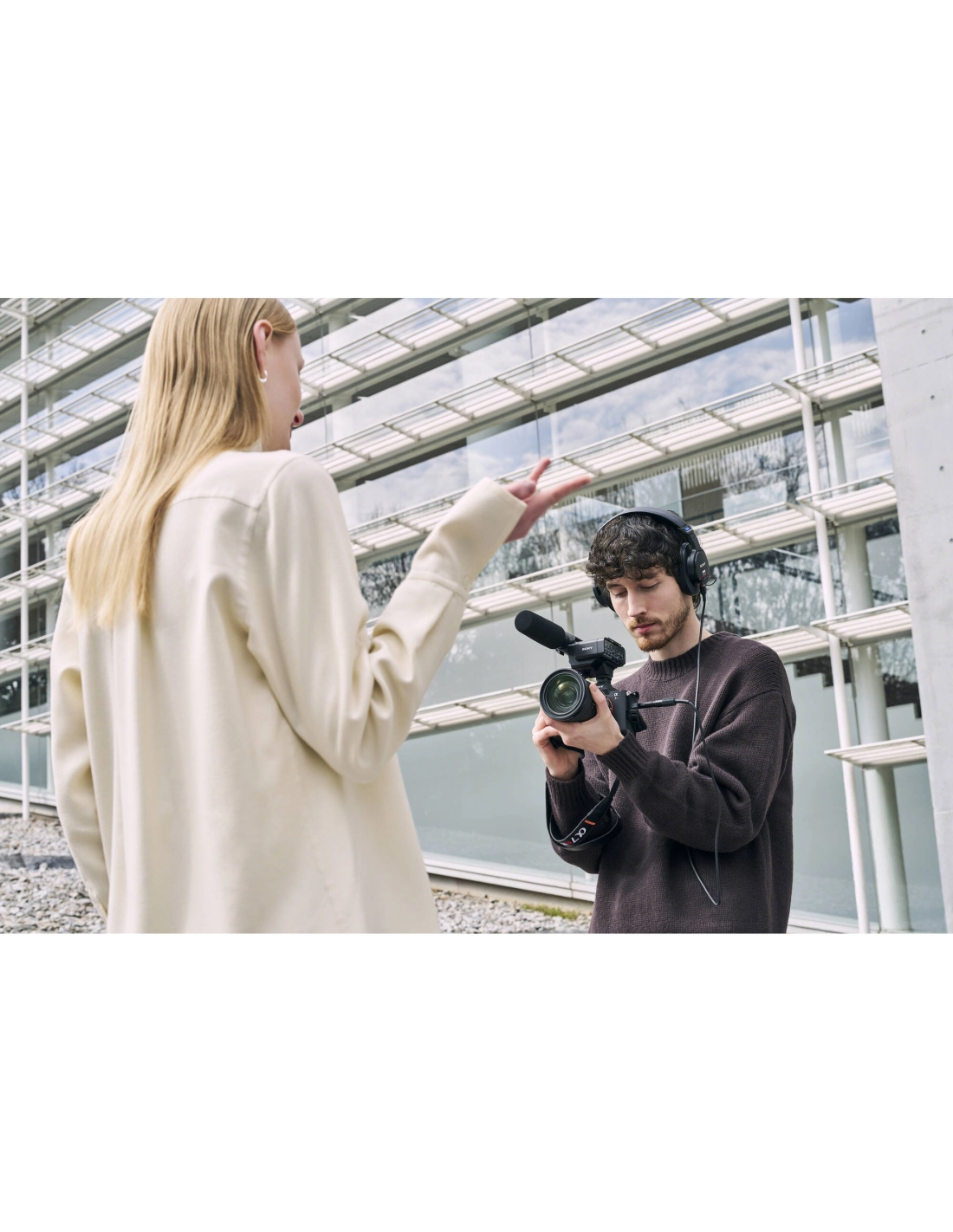

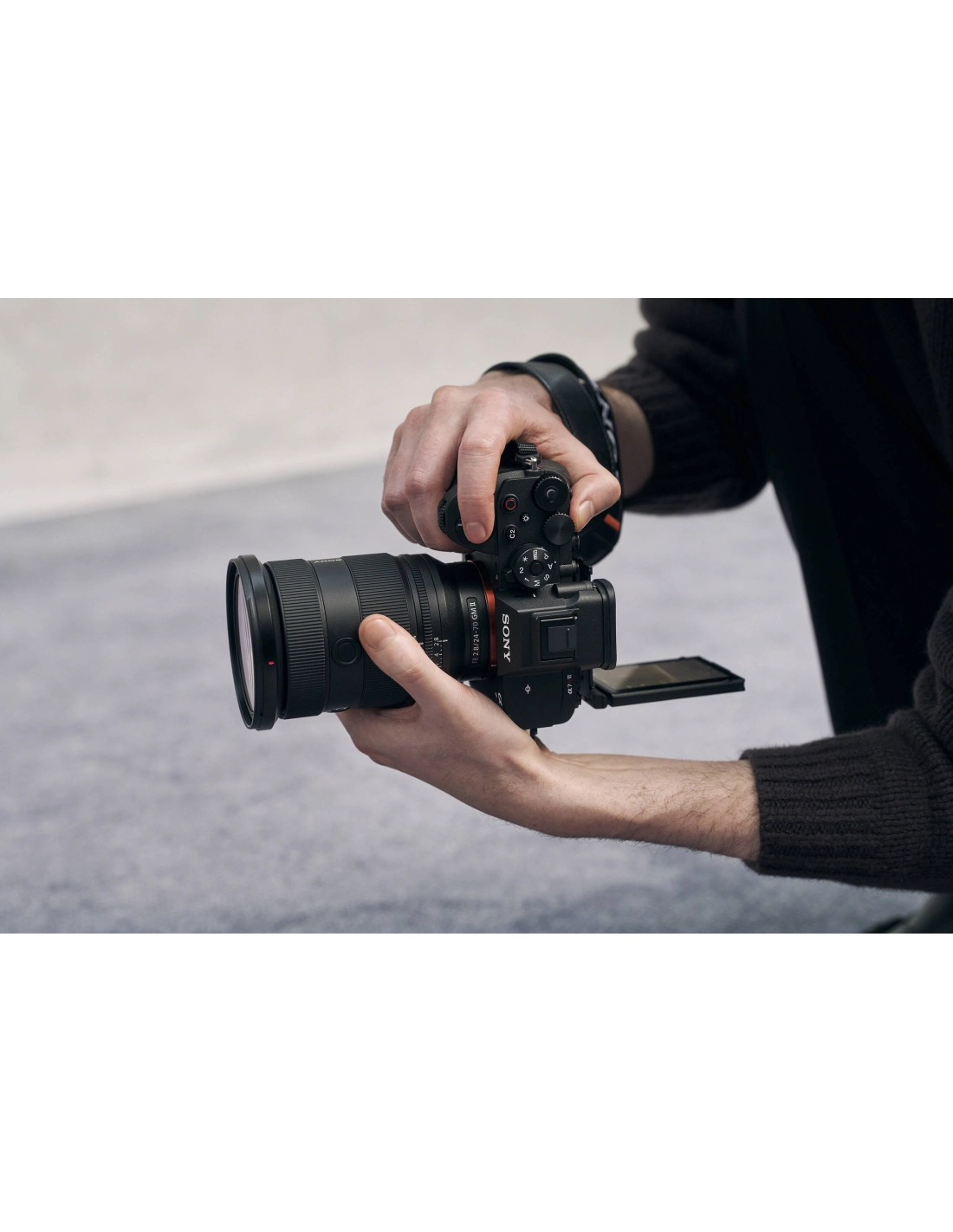
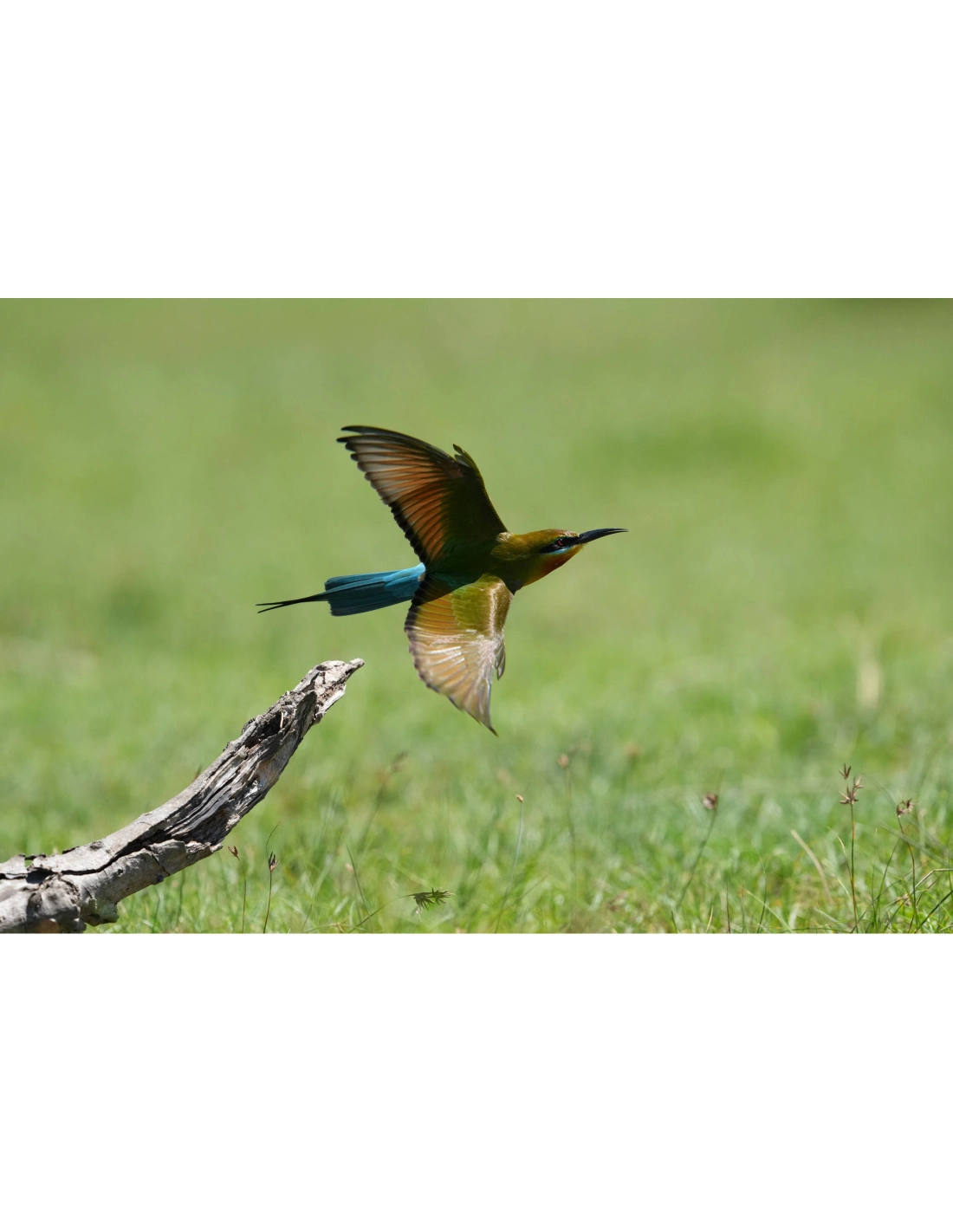
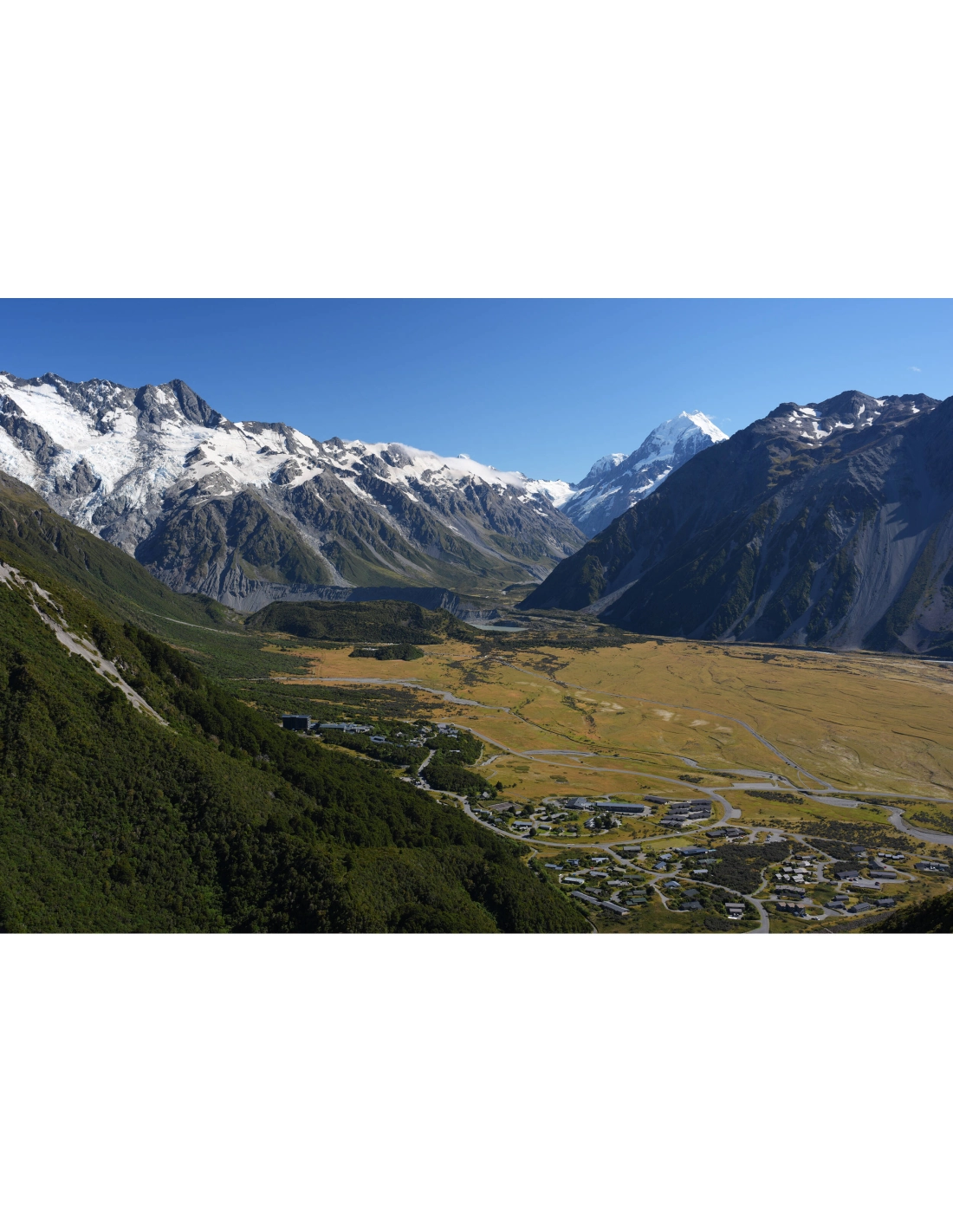


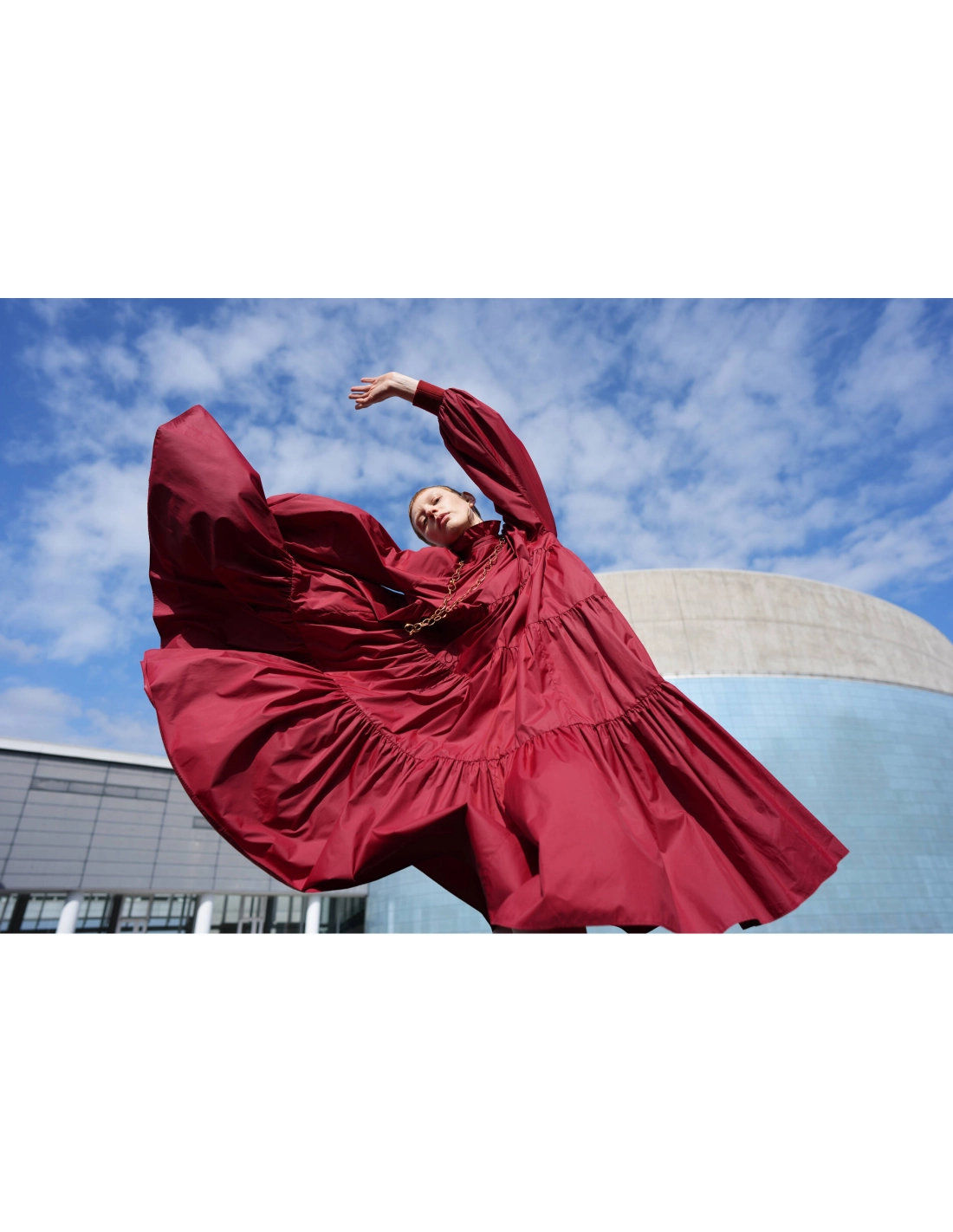
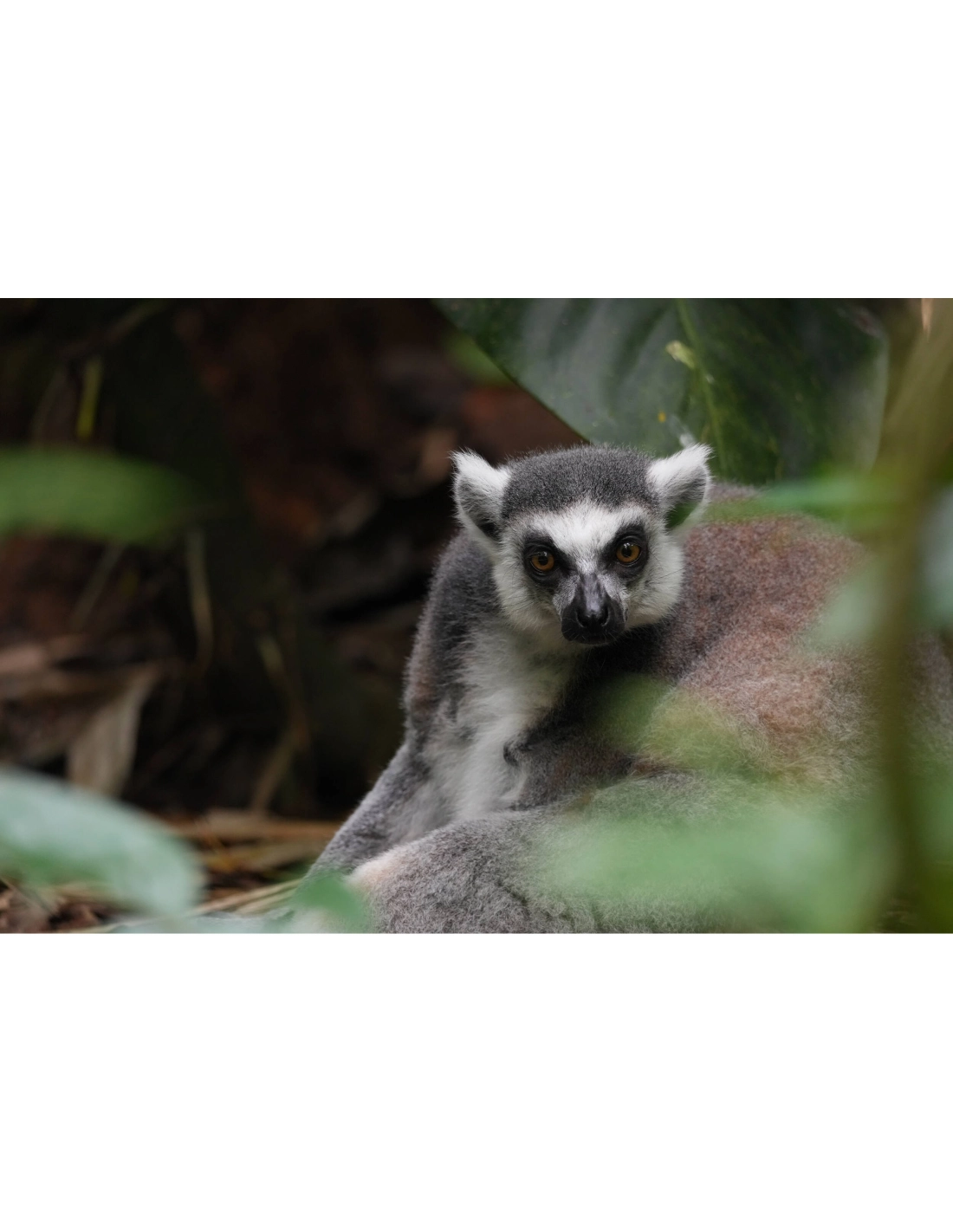
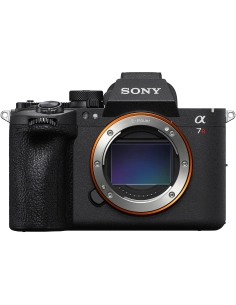

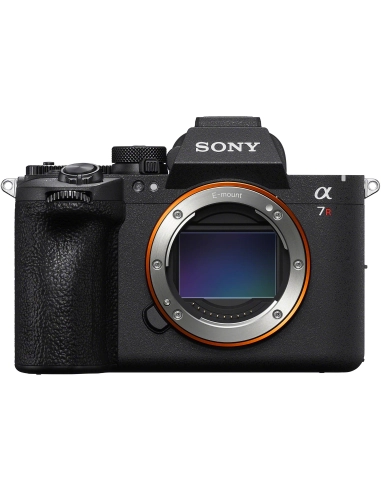
The Sony A7R VI is a 66.8MP full-frame mirrorless camera for demanding photographers who need high resolution and speed together, and we recommend it when cropping latitude, fine detail and reliable subject tracking all matter. Its stacked Exmor RS sensor supports electronic shooting at up to 30 fps, while subject-recognition autofocus helps with portraits, wildlife, sport and events. Five-axis stabilisation and recording up to 8K 30p or 4K 120p extend its role for hybrid production. This listing is for the body only, making it a strong choice when you already own suitable Sony E-mount lenses or want to select each lens separately.
Combine compatible accessories and save. The more items you add, the bigger the discount.
Accessory
Accessory

warranty extension
The Sony Alpha 7R VI is a full-frame mirrorless camera for photographers who need very high resolution without keeping their work to static subjects. Its 66.8MP files suit landscape, architecture, studio and product photography. The stacked sensor and electronic burst rate of up to 30 fps also give it a credible role in wildlife, sport and fast-moving event work.
This listing is for the Sony A7R VI body only. It is best suited to photographers who already own capable Sony E-mount lenses or want to choose a specific lens for the assignment. The appeal is the balance: fine detail and meaningful cropping latitude, with enough response for moments that will not wait.
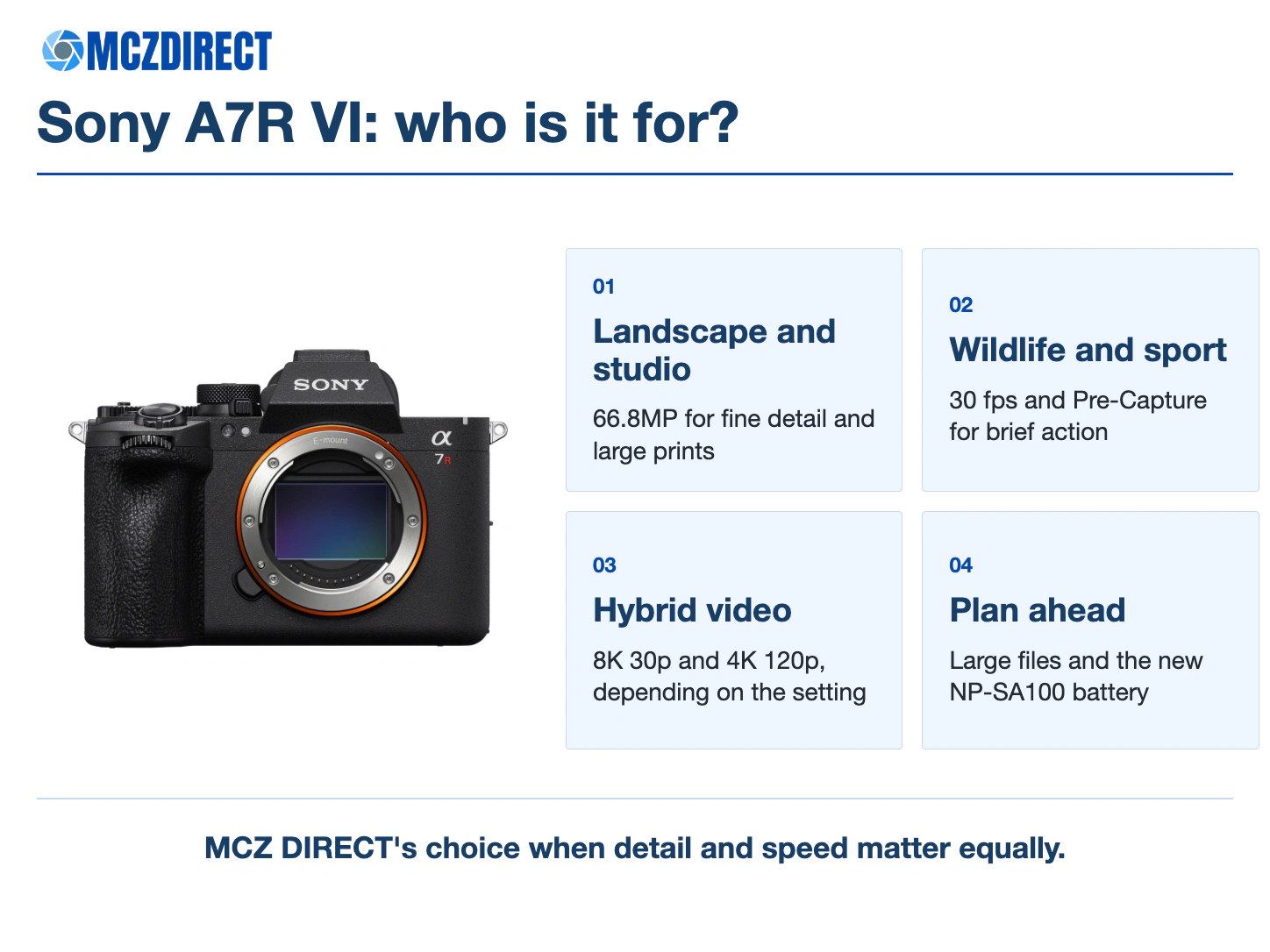
The A7R VI makes sense for landscape, architecture, portrait, studio, artwork reproduction and commercial photography, where resolution can improve the final delivery. Faster sensor readout, Pre-Capture and the burst rate also make it far more relevant to wildlife, sport and events than a traditional high-resolution body designed mainly for deliberate subjects.
It also suits hybrid creators who want one familiar camera for stills and demanding video. It is less compelling when images are mostly viewed online, cropping is rare or the editing computer already struggles with large RAW files. In those cases, lower resolution can produce a quicker, less expensive workflow without changing the visible result.
Maximum image size is 9,984 x 6,656 pixels. That gives room to tighten composition after capture, isolate a distant subject or deliver several crops from one frame. In product, fine-art and architectural work, the extra sampling also preserves small textures and edges that matter in a large print or detailed client file.
Resolution only helps when the rest of the process supports it. A soft lens, slight focus error or unsuitable shutter speed becomes easier to see. RAW files also place greater demands on cards, storage, backups and editing performance. We therefore recommend judging the camera as part of a complete working system, not treating megapixels as an isolated benefit.
| Specification | Practical benefit | Where it matters |
|---|---|---|
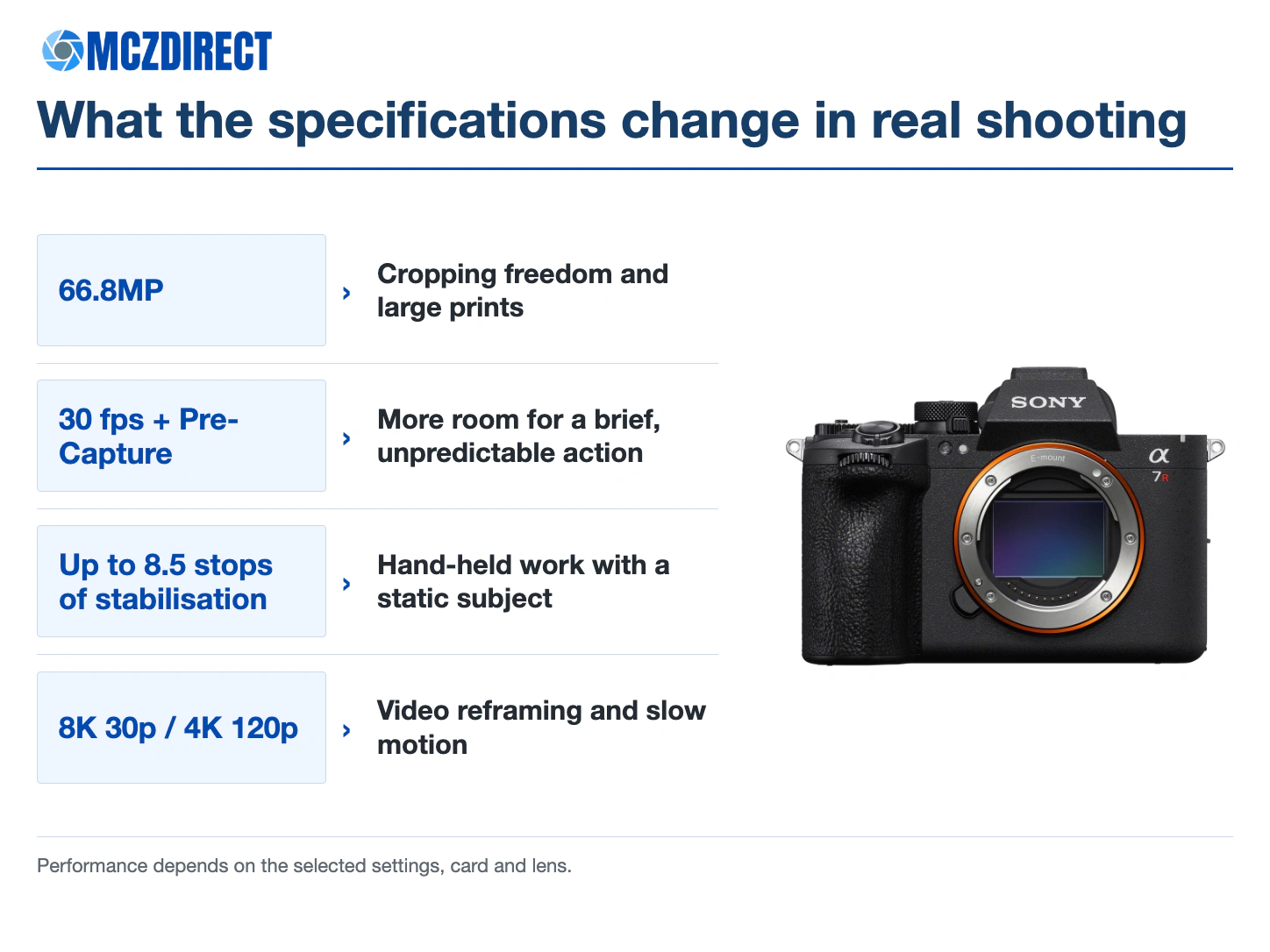
| 66.8MP | More detail for large prints and useful latitude when a composition needs cropping. | Landscape, architecture, studio, product and distant wildlife. |
| Stacked Exmor RS sensor | Faster readout reduces some electronic-shutter distortion and supports full-resolution bursts. | Sport, wildlife, reportage and brief action. |
| 30 fps and Pre-Capture | More chance of retaining the exact wing position, expression or sporting gesture. | Birds in flight, sport, stage and events. |
| Five-axis stabilisation | Helps retain detail hand-held when the subject is static and light is limited. | Interiors, twilight landscapes, travel and architecture. |
| 8K 30p and 4K 120p | Provides either reframing latitude or smoother 4K slow motion, depending on the project. | Hybrid production, documentary, events and action. |
| Approx. 600/710 stills | Provides a useful planning reference for longer assignments, depending on EVF or rear-screen use. | Events, weddings, travel and extended shooting days. |
Fast Hybrid AF uses up to 759 phase-detection points. Subject recognition can identify people, animals, birds, insects and several vehicle types. For portrait work, that helps maintain focus on a face while the photographer concentrates on expression and framing. With wildlife, it reduces the menu work needed when the subject changes direction or enters a busy background.
AF area, tracking sensitivity and shutter speed still matter; recognition assists technique rather than replacing it. Hi+ mode with the electronic shutter reaches up to 30 fps with AF/AE tracking. That speed is unnecessary for many scenes, but it can separate a useful frame from a missed expression, wing position or sporting gesture. Pre-Capture extends the safety margin by saving images from an adjustable period of up to one second before the shutter is fully released.
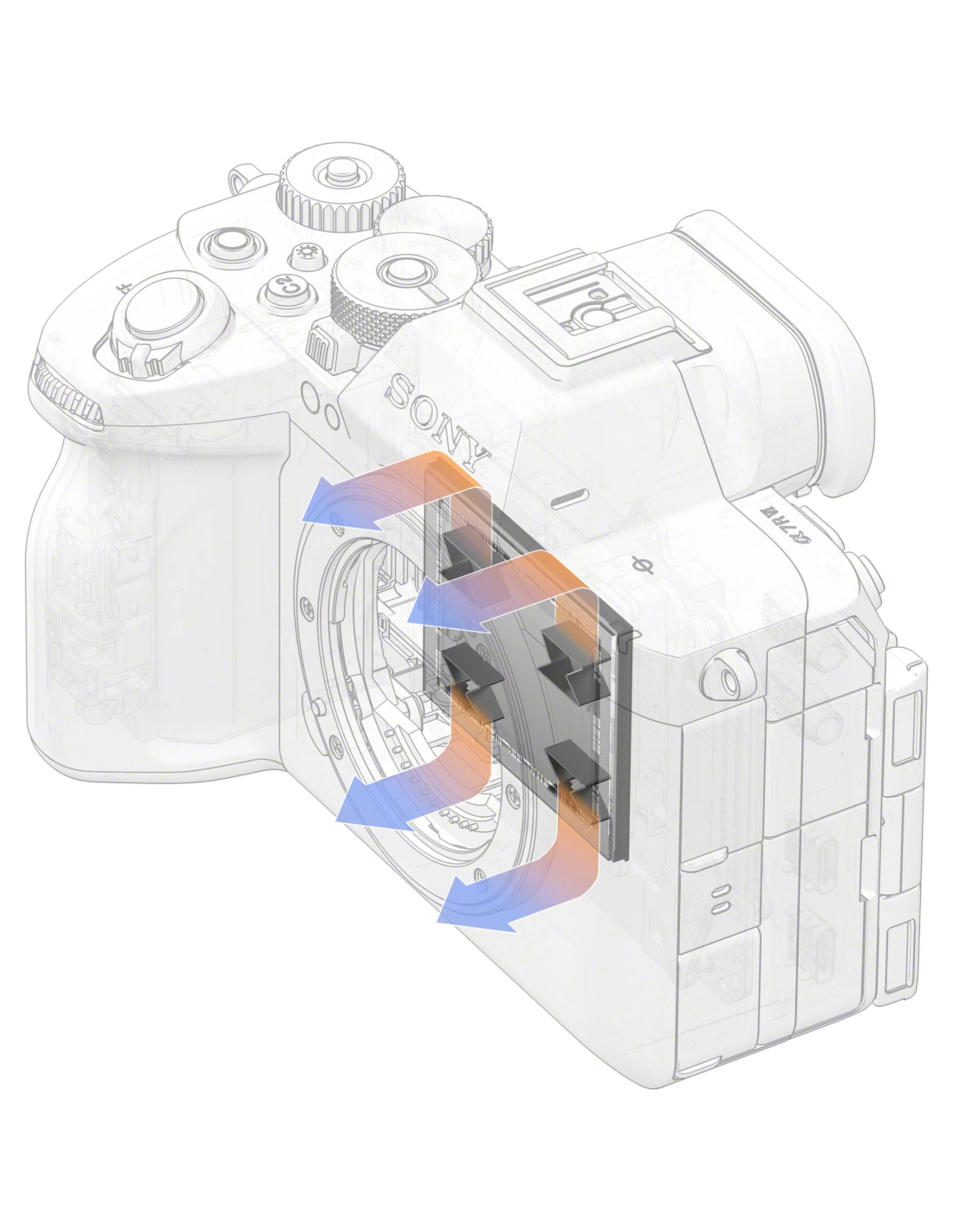
The stacked design matters here. Faster readout reduces some compromises associated with an electronic shutter on a high-resolution sensor. It does not remove every risk of rolling-shutter distortion during extreme movement, but it makes this level of detail much more usable away from static subjects.
The A7R VI records up to 8K 29.97p and 4K 119.88p, depending on format and system setting. 8K is useful when maximum captured detail or post-production reframing is required. High-frame-rate 4K is the more practical tool for action and slow motion. Compatible modes include 4:2:2 10-bit recording, S-Log3, S-Cinetone and 16-bit RAW output over HDMI.
Those formats increase bitrate, power use, heat and storage requirements. Field of view and card compatibility also vary by mode. For long-form work, we would confirm the codec, media and power strategy before the shoot instead of assuming the headline setting is appropriate for every sequence.
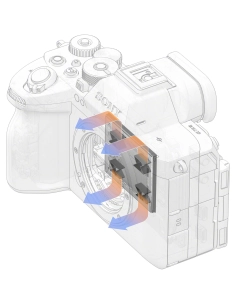
The five-axis sensor-shift system is rated at up to 8.5 stops in the centre and 7 stops towards the edge under Sony's specified CIPA test. It can preserve fine detail when hand-holding a static subject, but it cannot freeze subject movement. Wildlife, sport and people still require an appropriate shutter speed.
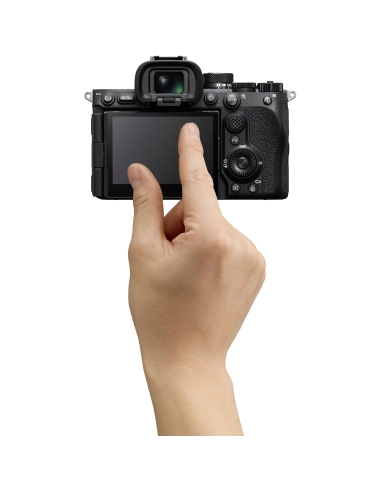
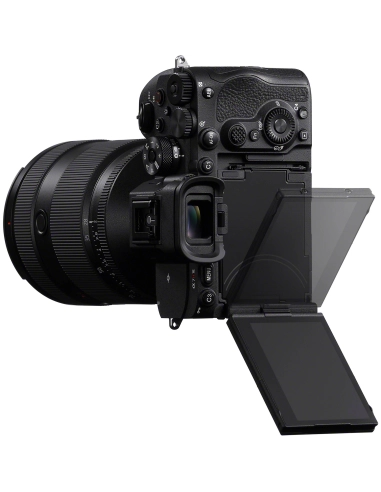
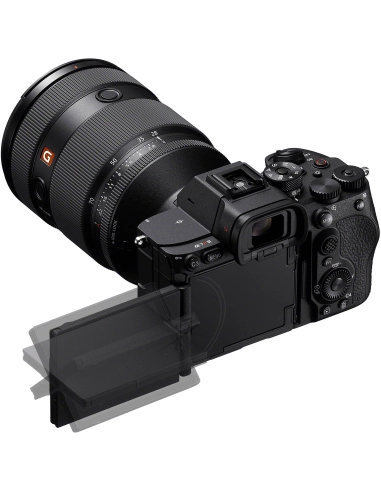
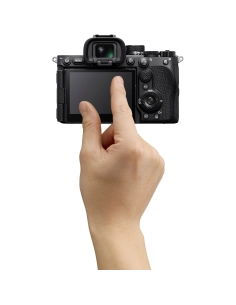
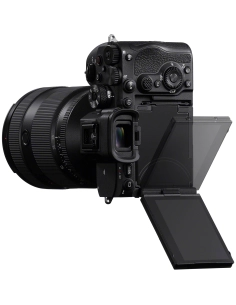
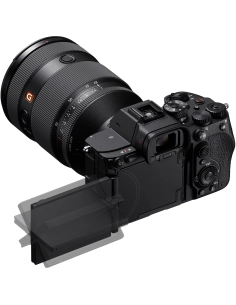
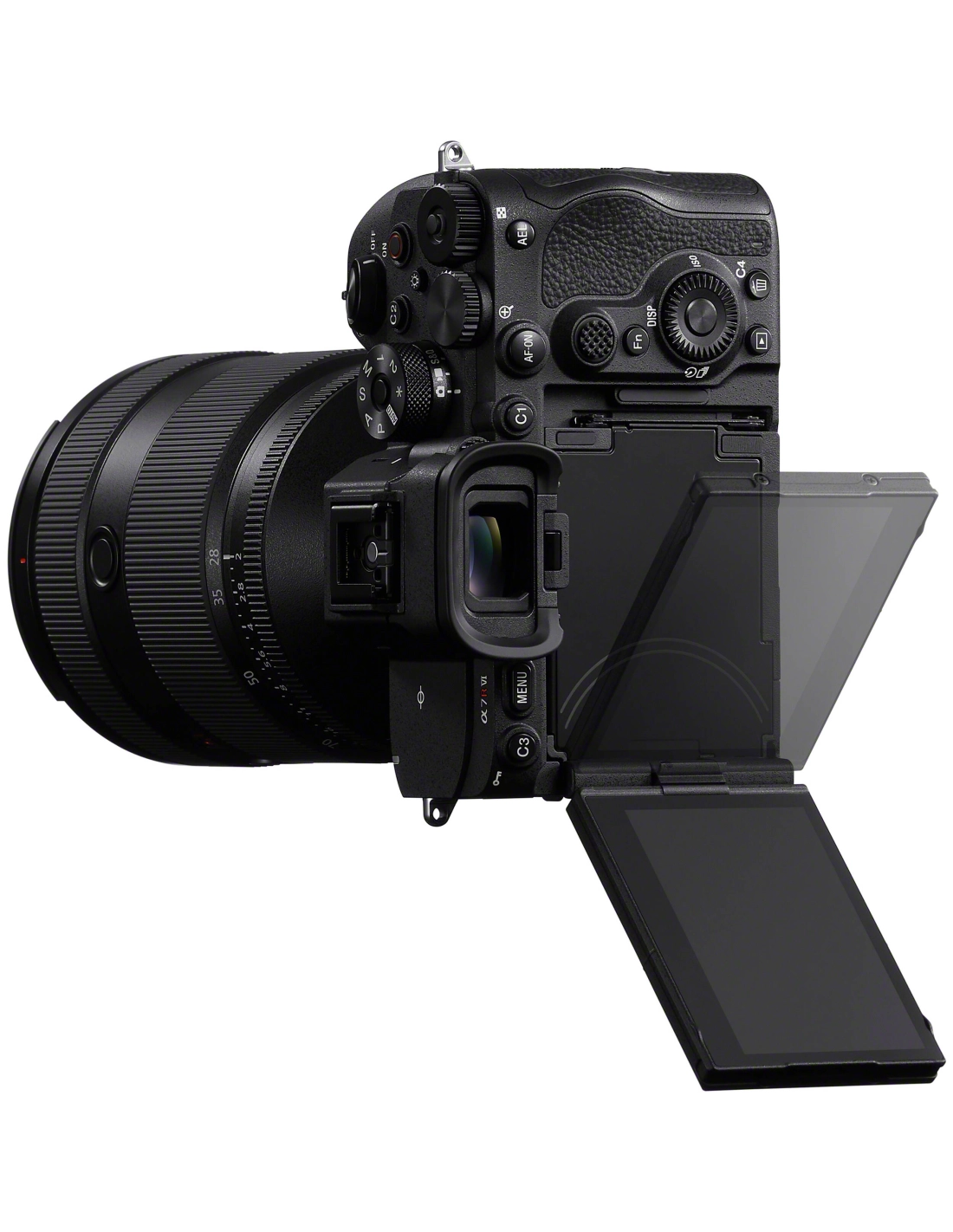
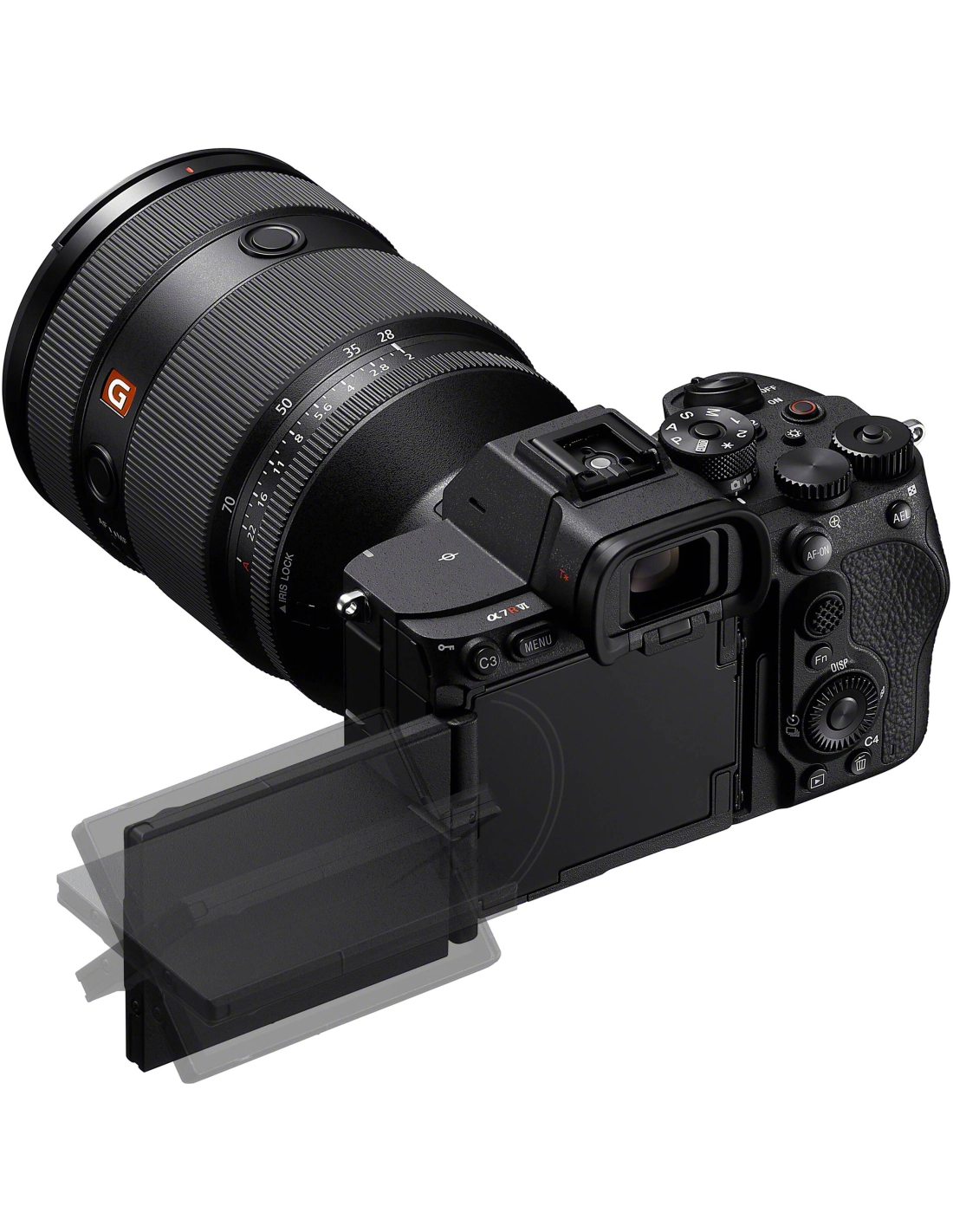
A 9.44-million-dot OLED viewfinder supports close inspection of framing and focus. The 3.2-inch touchscreen combines tilting with side articulation, which is useful for vertical compositions, low viewpoints, tripod work and video. Body weight is approximately 622g, rising to 713g with battery and memory card. With a fast standard zoom or long telephoto, total balance matters more than the body figure alone.
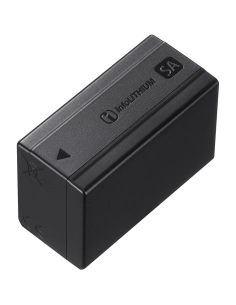
Sony rates the camera for approximately 600 stills with the viewfinder or 710 with the LCD under the CIPA standard. That is a useful planning figure rather than a promise: burst shooting, video, cold weather and wireless use change real battery life. The NP-SA100 is not interchangeable with the NP-FZ100 used by earlier Alpha bodies. Each card slot accepts SD UHS-I/II and CFexpress Type A, so media cost and sustained performance can be matched to the assignment.
| Decision point | Sony A7R VI | Sony A7R V | What it means |
|---|---|---|---|
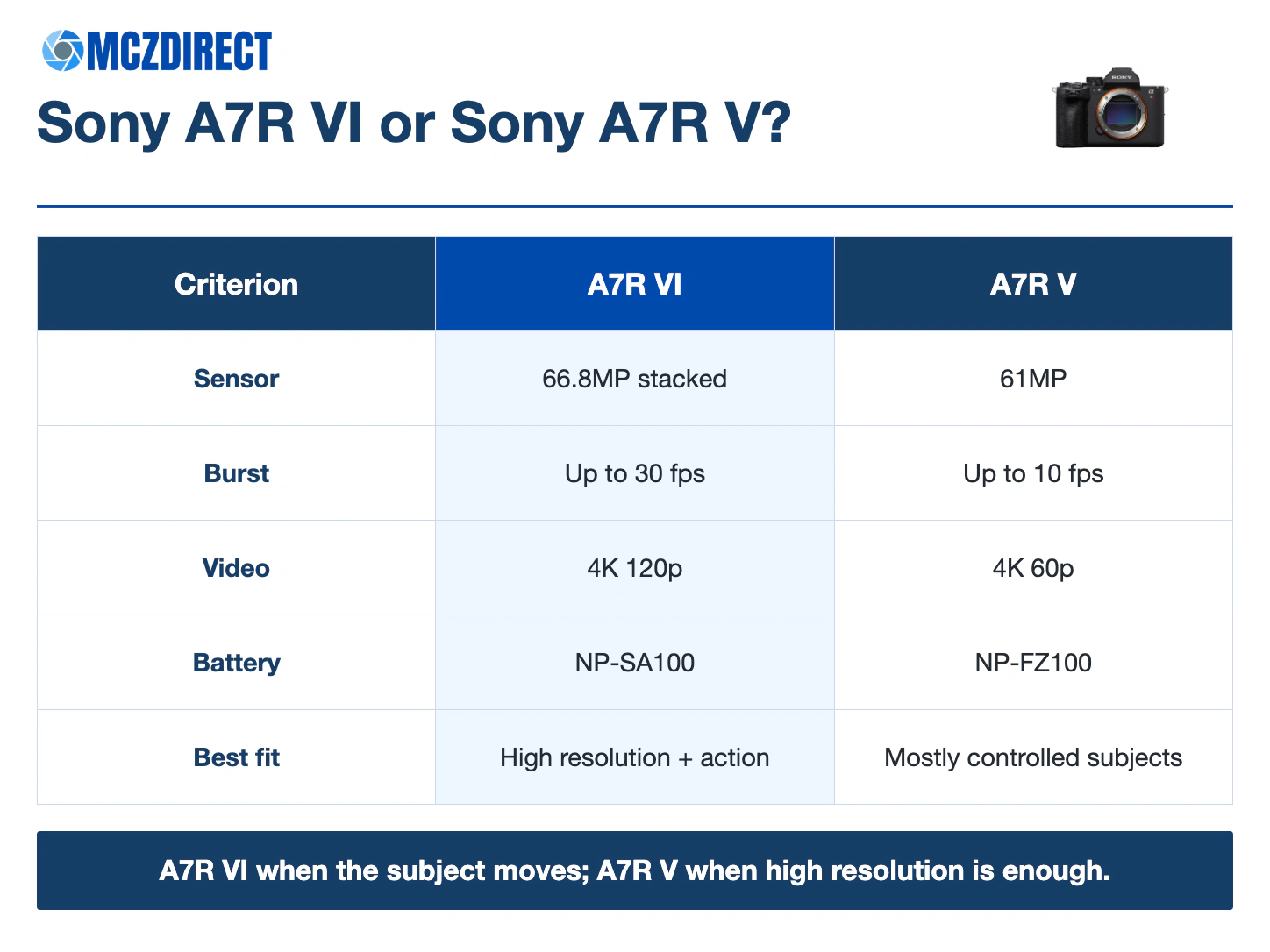
| Sensor | 66.8MP stacked Exmor RS | 61MP Exmor R | A7R VI adds some crop latitude, but faster readout is the more meaningful change. |
| Maximum burst | Up to 30 fps electronic | Up to 10 fps | A7R VI is better suited to wildlife, sport and fleeting action. |
| Video | 8K 30p and 4K 120p | 8K 24/25p and 4K 60p | A7R VI adds more scope for 4K slow motion and hybrid work. |
| Battery | NP-SA100 | NP-FZ100 | A7R V preserves compatibility with an existing NP-FZ100 set. |
| Best fit | High resolution, action and advanced video | High resolution, mainly deliberate subjects | Choose for the assignment rather than simply choosing the newer generation. |
If your work centres on landscapes, studio sessions or posed portraits, the Sony A7R V range remains worth comparing. The A7R VI earns its advantage when faster readout, Pre-Capture and burst performance enable photographs that are harder to make with the previous model.
The Sony Alpha 7 V takes a different approach. Its 33MP files are easier to manage for many events, weddings and hybrid assignments, while electronic shooting still reaches up to 30 fps. The A7R VI remains the stronger fit when demanding crops, very large prints or fine commercial detail justify 66.8MP.
Body only is the logical route when you already own strong E-mount lenses or know exactly which focal length the assignment requires. When starting a system, the current Sony A7R VI configurations make it easier to compare pairings built around distinct uses.
| Main use | Configuration to consider | Why it fits | Point to plan for |
|---|---|---|---|
| Events, weddings and reportage | A7R VI + FE 24-70mm F2.8 GM II | Versatile standard range with a constant F2.8 aperture. | Heavier than a small-prime setup over a full day. |
| Travel and everyday work | A7R VI + FE 24-105mm F4 G OSS | Broader range and optical stabilisation in one zoom. | One stop slower than an F2.8 standard zoom. |
| Environmental portraits and low light | A7R VI + FE 35mm F1.4 GM | A fast prime that retains context around the subject. | A fixed focal length requires more movement from the photographer. |
| Macro, product and reproduction | A7R VI + FE 100mm F2.8 Macro GM OSS | High native magnification for a detail-led workflow. | Depth of field becomes very shallow at high magnification. |
| Sport, stage and distant portraits | A7R VI + FE 70-200mm F2.8 GM OSS II | A fast telephoto zoom for subject isolation and tracking. | Total carrying weight matters during long hand-held sessions. |
| Birds and distant wildlife | A7R VI + FE 200-600mm G OSS | Long reach and internal zoom for distant subjects. | The slower aperture needs more light or a higher ISO setting. |
Not every photographer needs 66.8MP or 30 fps. Large RAW files fill cards and storage quickly, while ambitious video modes create a demanding production chain. The body also deserves lenses capable of resolving fine detail; compromising heavily on optics can undermine the reason for choosing this sensor.
The new battery adds a second power system for photographers already using NP-FZ100 bodies. Maximum burst performance depends on settings, file format, card and lens support. Rolling-shutter distortion can still appear with extreme movement. These are available capabilities, not identical results in every shooting condition.
At MCZ DIRECT, we see the Sony A7R VI as the Alpha-range choice for photographers who need very high resolution and fast subjects in the same assignment, rather than for those working only in a studio or on controlled scenes. The additional resolution is useful, but the stacked sensor, Pre-Capture and 30 fps burst are the changes that define this generation.
Against the Sony A7R V, we recommend the A7R VI when faster readout, Pre-Capture or 4K 120p will genuinely help produce images that would otherwise be harder to obtain. Against the Alpha 7 V, resolution becomes the deciding factor: 66.8MP for demanding crops and very large output, or 33MP for a lighter workflow. The A7R V remains a serious option for controlled subjects and keeps compatibility with existing NP-FZ100 batteries.
Choose this body-only version when you already own suitable E-mount glass or have a clear lens plan. If output is mainly for the Web, cropping is uncommon or workflow speed matters more than maximum detail, its large files and extra performance may add complexity without a visible benefit.

The Sony A7R VI is a 66.8MP full-frame mirrorless camera that combines high resolution with speed. It is designed for landscape, studio, portrait, architecture, wildlife, sports and event photographers who need generous cropping latitude without restricting the camera to static subjects.
No, this listing is for the Sony A7R VI body only. It suits photographers who already own a compatible Sony E-mount lens or want to select the lens separately. Camera-and-lens configurations have their own pages to explain the intended use of each pairing.
Yes, these are common search variations for the Sony Alpha 7R VI with model reference ILCE-7RM6. Sony Alpha 7R VI remains the official form. Always check the reference and configuration because a listing may be body only or a kit with a lens.
It provides substantial latitude for cropping, large prints and preserving fine textures. That resolution is especially useful for landscape, studio, architecture, product, reproduction and wildlife work. It also creates large files that require suitable lenses, media, storage and editing performance.
Yes, its stacked sensor, electronic bursts at up to 30 fps and Pre-Capture make it a credible action camera. Actual speed depends on file format, card, lens and settings. For highly specialised professional sport, also compare Sony A1 and A9 bodies.
Yes, the system uses up to 759 phase-detection points and recognises animals, birds and insects. Recognition makes tracking easier, but AF area, tracking sensitivity, shutter speed and lens choice remain important to the result.
Yes, it records up to 8K 30p and 4K 120p with 4:2:2 10-bit options in compatible modes. It suits demanding hybrid production when the selected format is supported by appropriate media, storage, power and heat management.
Sony rates it at up to 8.5 stops in the centre and 7 stops towards the edge under the manufacturer’s stated CIPA conditions. Stabilisation helps with a static subject when hand-holding, but it cannot freeze the movement of a person, animal or vehicle.
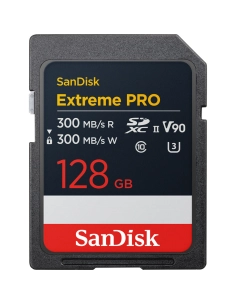
Both slots accept SD UHS-I/II and CFexpress Type A cards. A fast UHS-II SD card suits many uses, while CFexpress Type A is preferable for long bursts and the most demanding video modes. Check the selected recording setting in Sony’s documentation.
No, the Sony A7R VI uses the NP-SA100 battery. The NP-FZ100 used by earlier Alpha generations is not interchangeable with this camera. Existing Sony users therefore need a battery and charger compatible with the new system.
Choose the A7R VI when you need 30 fps, Pre-Capture, faster readout and 4K 120p; the A7R V remains relevant for mainly deliberate subjects. The battery change and heavier file workflow should also be included in the comparison.
Start with the subject: 24-70mm for versatility, 24-105mm for travel, 35mm or 85mm for portraits, 100mm macro for detail, and a telephoto zoom for sports or wildlife. A capable lens is recommended to make meaningful use of the 66.8MP sensor.
The main constraints are large files, storage and processing requirements, demanding lens performance and the battery change. Its 66.8MP resolution and 30 fps capability may be excessive when cropping is rare, large prints are uncommon and most subjects are calm.
Sony announced the Alpha 7R VI on 13 May 2026, with availability planned from late May 2026 depending on the market. The camera’s specific model reference is ILCE-7RM6. Current availability should always be checked on the listing.