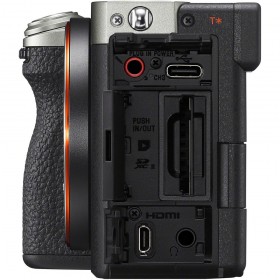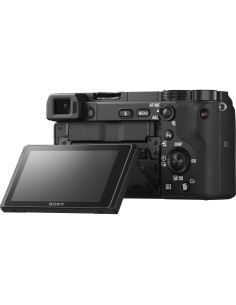
SONY ALPHA
Available Sony Alpha mirrorless cameras
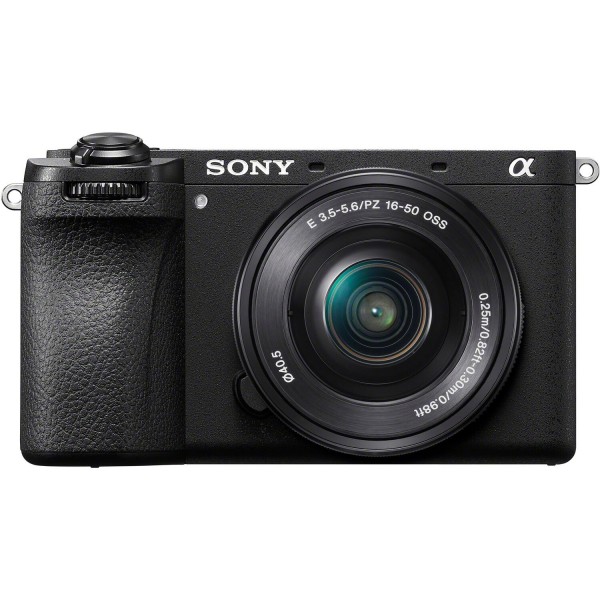
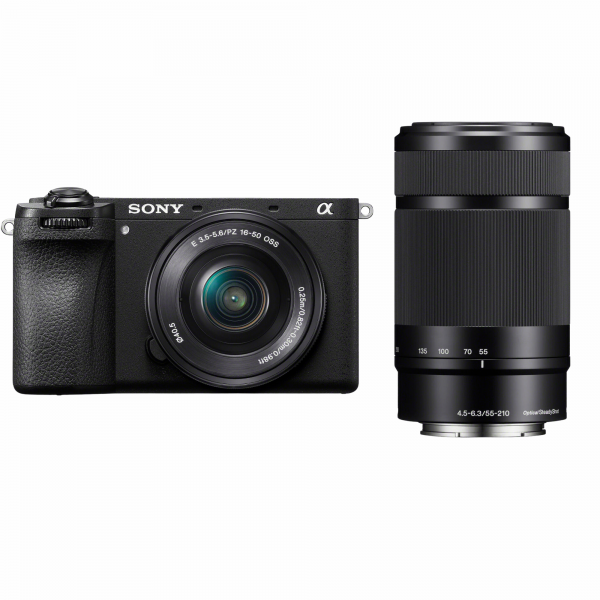
Sony Alpha 6400 Body Black + SEL E PZ 16-50 mm f/3,5-5,6 OSS
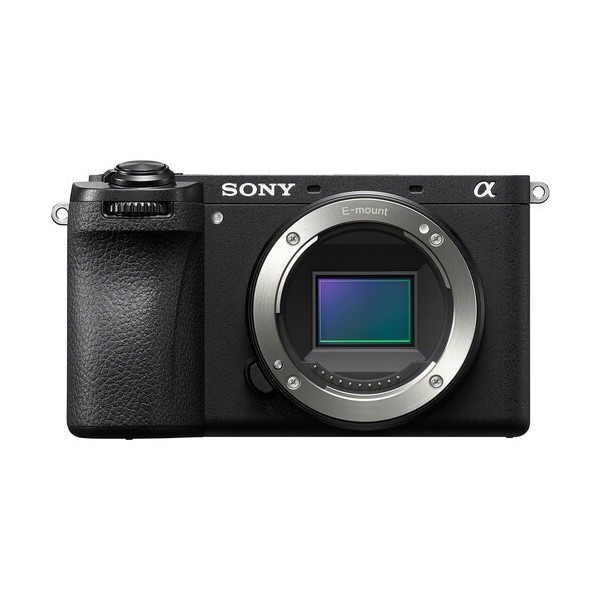
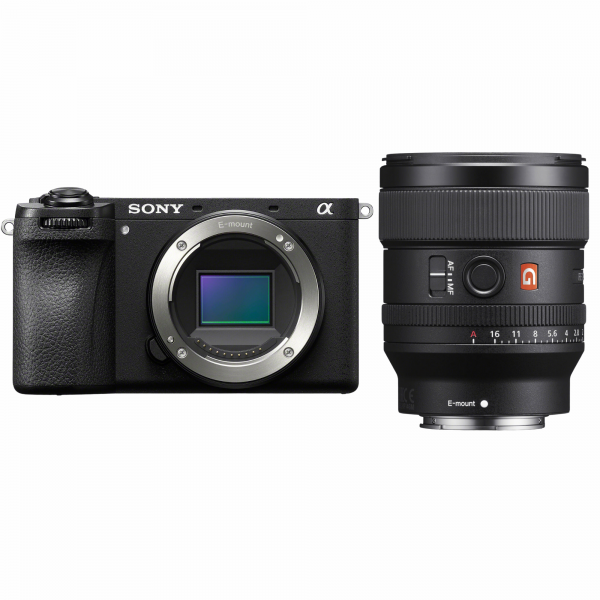
Sony Alpha 6700 Body
Sony A6700 + 16-50mm f/3.5-5.6 OSS - Mirrorless Camera
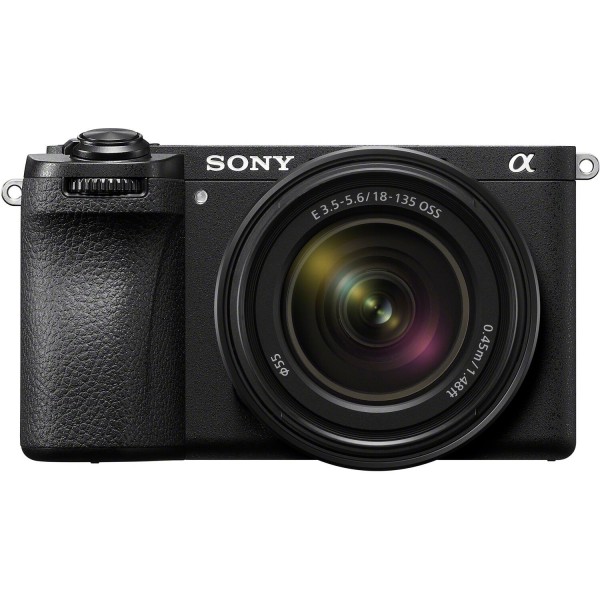
Sony A6700 + 18-135mm f/3.5-5.6 OSS - Mirrorless Camera
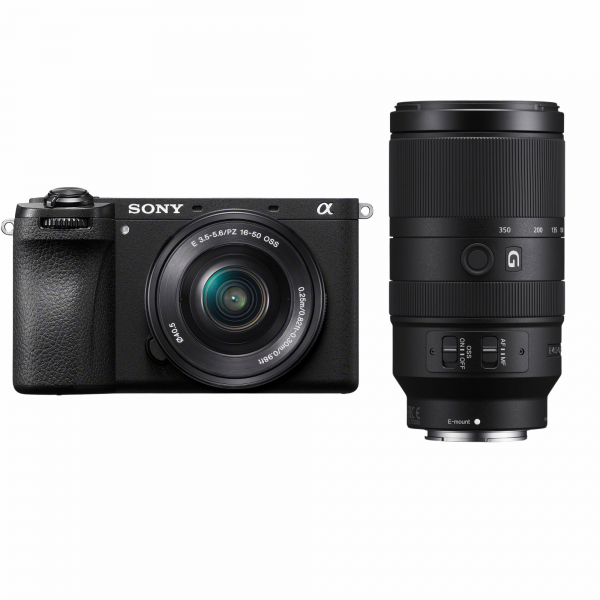
Sony A6700 + 16-50mm f/3.5-5.6 OSS + 70-350mm f/4.5-6.3 G OSS
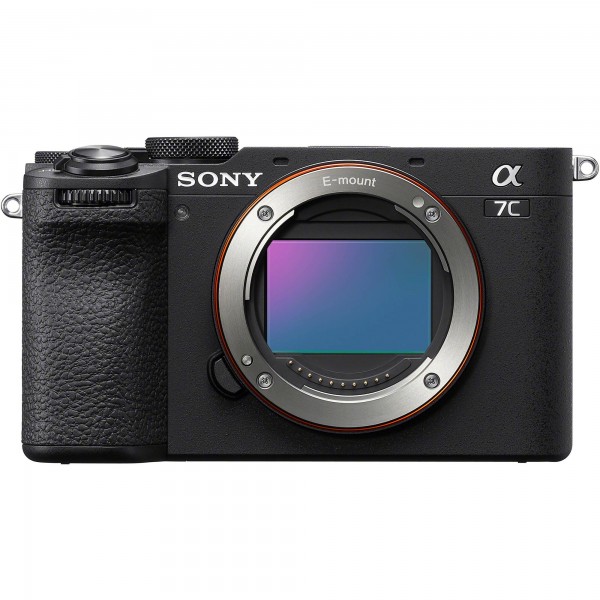
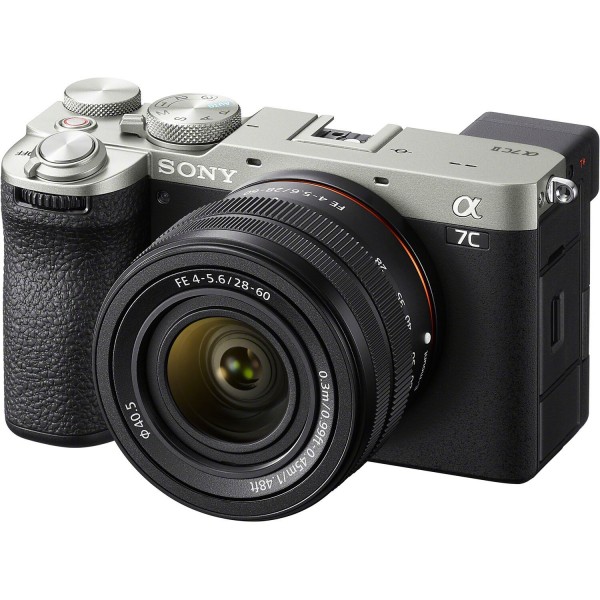
Sony A7C II Body Silver
Sony A7C II Body Black
Sony A6700 + 16-50mm f/3.5-5.6 OSS + 55-210mm f/4.5-6.3 OSS
Sony a7C II Silver + FE 28-60mm f/4-5.6 - Mirrorless camera
Sony a7C II Black + FE 28-60mm f/4-5.6 - Mirrorless camera
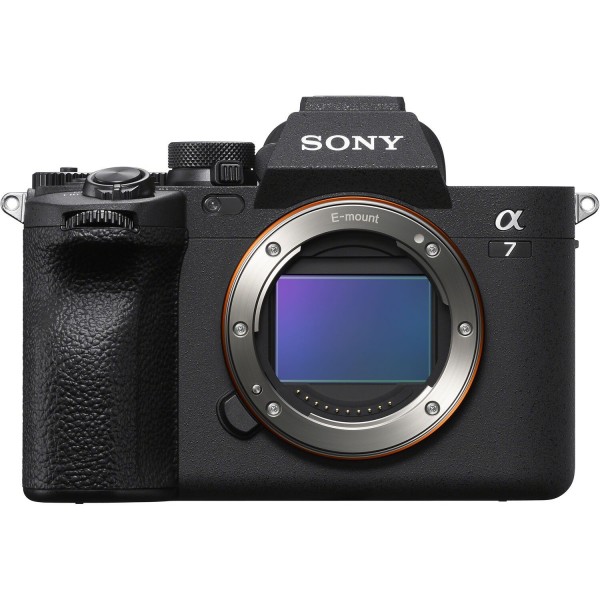
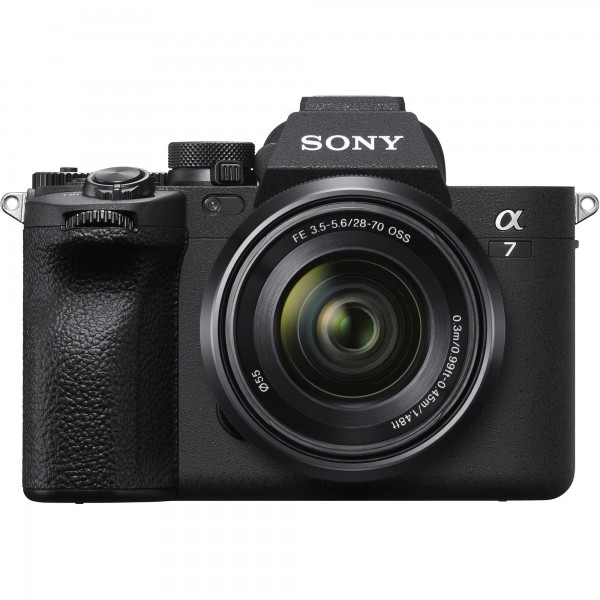
Sony Alpha 7 IV (A7 IV) - Body Only
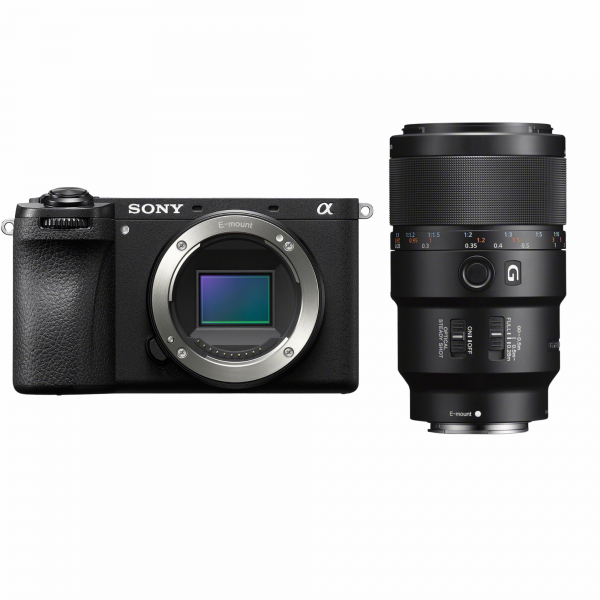
Sony A6700 + FE 90mm f/2.8 Macro G OSS
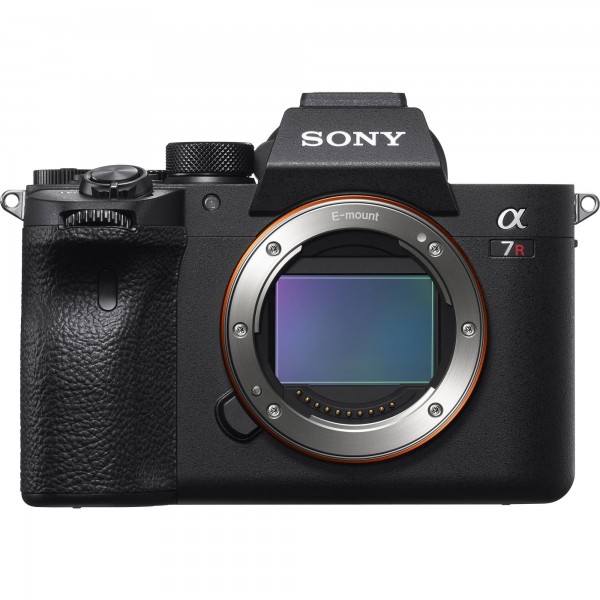
Sony Alpha 7R IVA (ILCE-7RM4A) - Body only
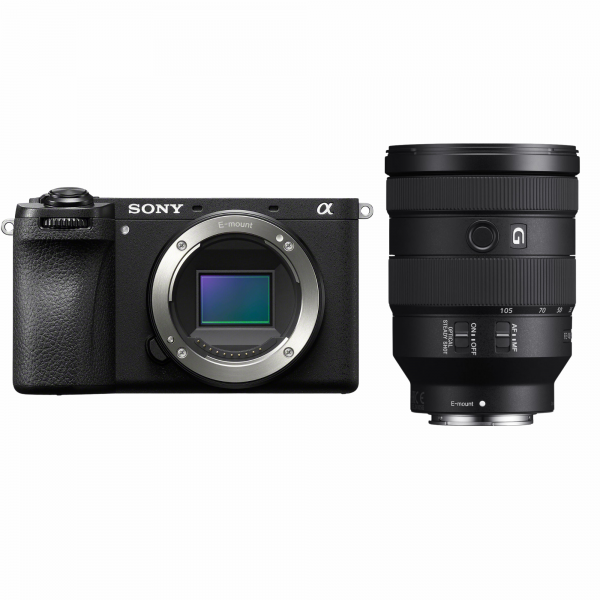
Sony A6700 + FE 24-105mm f/4 G OSS
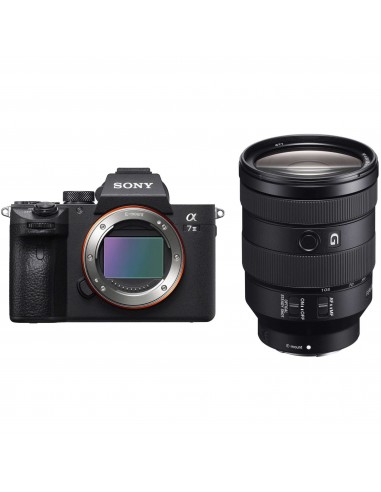
Sony Alpha 7 IV + FE 28-70mm F3.5-5.6 OSS - Mirrorless camera
Sony A6700 + FE PZ 16-35mm f/4 G
Sony A6700 + FE 24mm f/1.4 GM
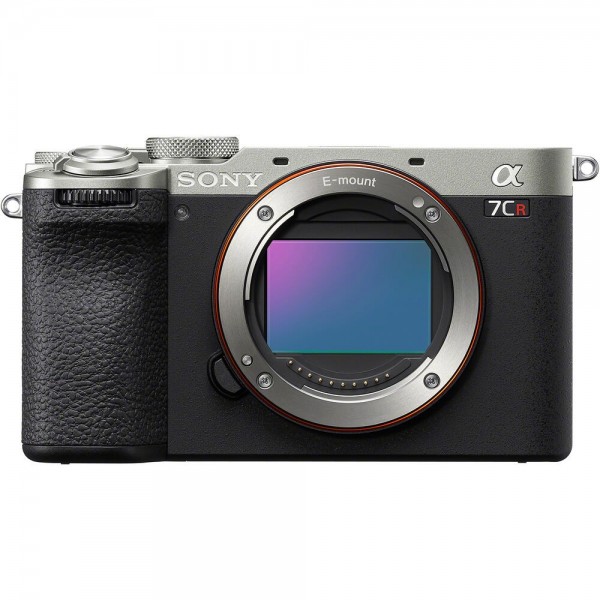
Sony A7CR Body Silver
Sony A7C II Black + FE 90mm f/2.8 Macro G OSS
Sony Alpha mirrorless camera buying FAQ
Which Sony Alpha camera should I choose in 2026?
Match the range to the work: Alpha 1 II or A9 III for professional action, A7R for high resolution, A7S III for video, A7/A7C for all-round use and A6700/A6400 for a lighter APS-C system. Include lenses in the total budget.
Should I choose a full-frame or APS-C Sony Alpha?
Full frame gives more depth-of-field control and low-light potential when technology is comparable. APS-C generally supports a smaller system and provides an angle of view roughly 1.5× tighter with the same focal length.
What is the difference between Sony A7, A7R, A7S, A9 and Alpha 1?
A7 targets all-round use, A7R resolution, A7S video and sensitivity, A9 fast action, while Alpha 1 combines speed, resolution and professional video capability.
Sony Alpha 1 II or Sony A9 III for sport?
The Alpha 1 II combines 50.1MP with up to 30 fps. The A9 III uses a 24.6MP global shutter and reaches 120 fps in compatible modes. Choose resolution and versatility, or global readout and maximum speed.
Sony A7R VI, A7R V or A7R IV: which should I choose?
The A7R VI combines 66.8MP, a stacked sensor and up to 30 fps. The A7R V and IV provide 61MP; the A7R V is newer for autofocus, stabilisation and video, while the A7R IV may offer stronger system value.
Sony A7 V vs A7 IV: what are the differences?
Both provide 33MP, but the A7 V uses a partially stacked design with faster readout and newer stills-and-video functions. The A7 IV remains a capable all-rounder when its frame rates and formats meet the requirement.
Sony A7 IV or Sony A7 III: which should I buy?
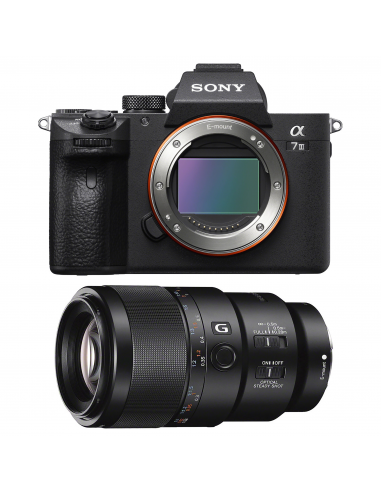
The A7 IV moves to 33MP and provides newer controls, autofocus and video. The 24.2MP A7 III can remain a lower-cost route into full frame when its older feature set is sufficient.
Sony A7CR or Sony A7C II for travel?
The A7CR provides 61MP for detail and cropping. The A7C II uses 33MP, creates lighter files and is the more general-purpose option. Check the total weight and balance with the chosen lens.
Sony A6700 or Sony A6400: which should I choose?
The A6700 provides 26MP, in-body stabilisation and newer autofocus and video features. The A6400 uses 24.2MP without sensor stabilisation and remains useful for a compact system on a tighter budget.
Is the Sony A7S III still suitable for video in 2026?
Yes when the priority is 4K production, low light and a 12.1MP sensor rather than high-resolution stills. Compare its formats, autofocus and connections with the exact production requirements.
Which Sony Alpha camera is suitable for portraits?
The A7 V, A7 IV and A7C II are versatile choices, while A7R models provide more detail for studio work and cropping. Rendering depends strongly on the lens, subject distance and light.
Which Sony Alpha camera suits landscape or studio work?
The A7R VI, A7R V, A7R IV and A7CR prioritise resolution. Also compare dynamic range, stabilisation, working speed, file size and the quality of the lenses required.
Which Sony Alpha camera is best suited to travel?
The A7C II and A7CR are compact full-frame options, while the A6700 and A6400 support a lighter APS-C system. Compare the complete body, lens, battery and charger package rather than the body alone.
Are Sony E and FE lenses compatible with every Sony Alpha camera?
The physical E mount is shared. FE lenses cover full frame and also work on APS-C. An APS-C E lens on a full-frame body normally uses a cropped sensor area; always check the exact supported functions.
Should I buy a Sony Alpha body only or as a lens kit?
Choose body only if you already own a compatible lens or want to select it separately. A kit simplifies the first purchase when the included lens genuinely covers the intended subjects and focal-length range.
How can I check a Sony Alpha kit’s contents, price and availability?
Open the offer page to confirm the camera body, included lens or lenses, listed accessories, current price and availability. Two offers using the same camera name may contain different equipment.
MCZDirect
Sources and verification method
Last verified:13 July 2026
This category is verified as the Sony Alpha range hub: full-frame and APS-C families, intended uses, E/FE mount and active MCZDirect catalogue contents.
Checks performed
- Verification of 174 active orderable offers across 13 model subcategories.
- Review of full-frame and APS-C formats and the roles of Alpha 1, A9, A7, A7R, A7S, A7C and A6000 ranges.
- Review of Alpha 1 II/A9 III, A7R VI/V/IV, A7 V/IV/III, A7CR/A7C II and A6700/A6400 comparisons.
- Verification of Sony E/FE compatibility and the distinction between body-only cameras and lens kits.
Primary sources
- Sony official - interchangeable-lens camera range
- Sony Support - E and FE lens compatibility
- Sony official - Alpha 1 II specifications
- Sony official - Alpha 9 III specifications
- Sony official - Alpha 7R VI specifications
- Sony official - Alpha 7 V specifications
- Sony official - Alpha 7C II specifications
- Sony official - Alpha 6700 specifications
- Sony official - Alpha 6400 specifications
The catalogue, prices, kit contents and availability remain dynamic and are confirmed on each offer.