Shopping Cart
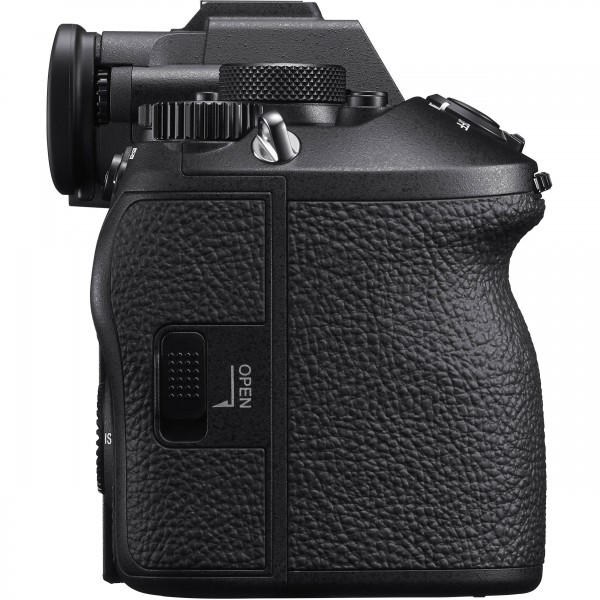
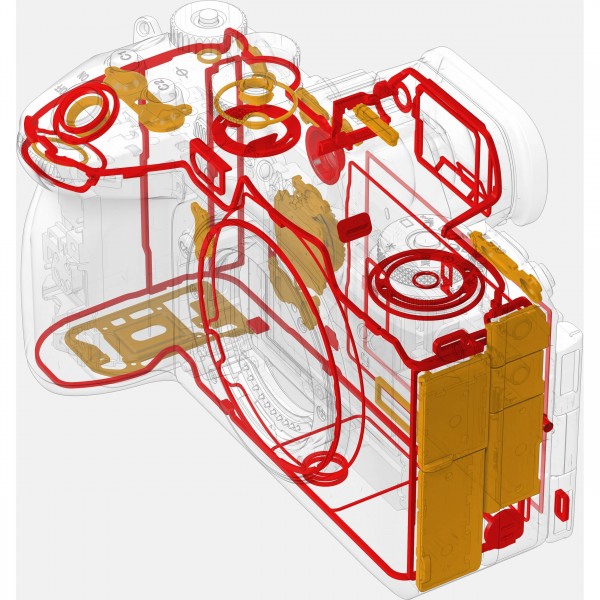
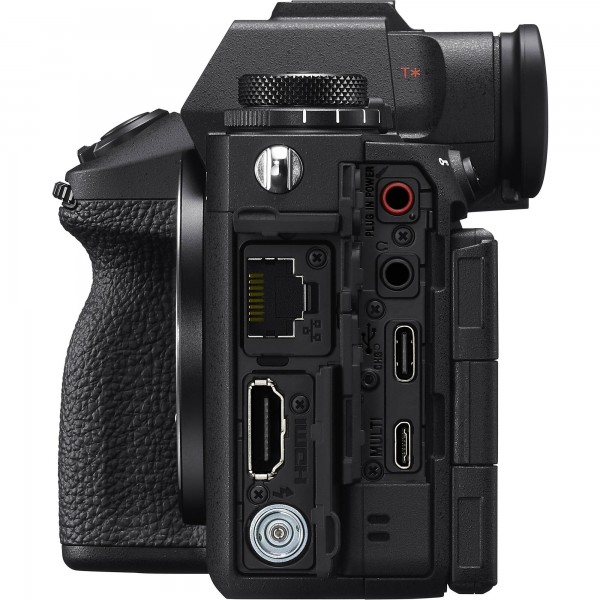
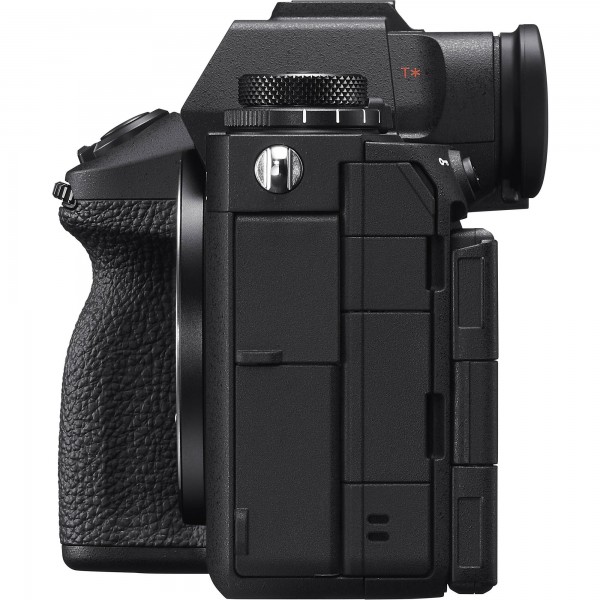
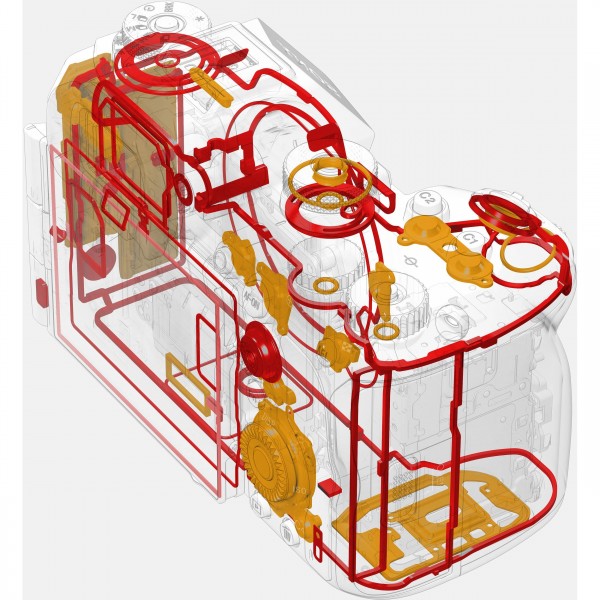
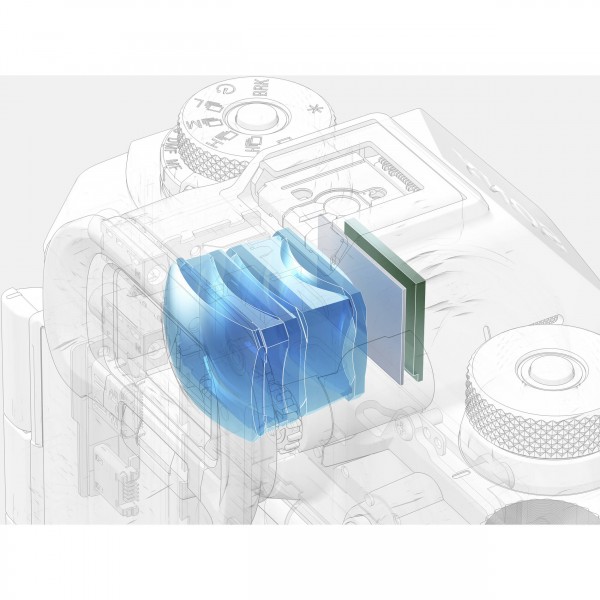
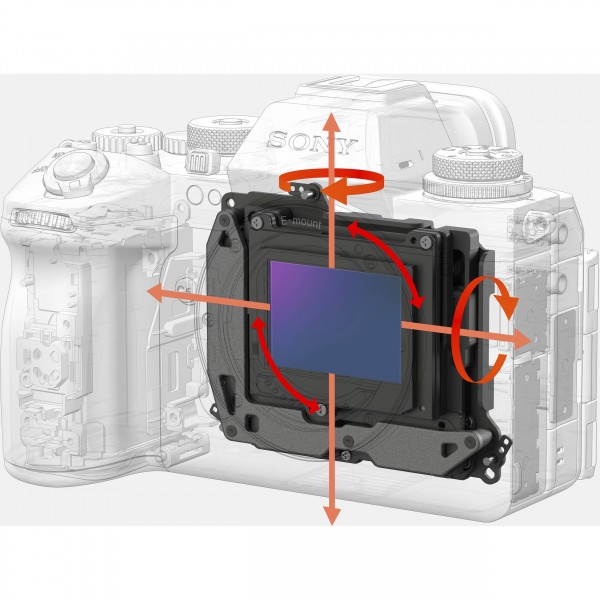
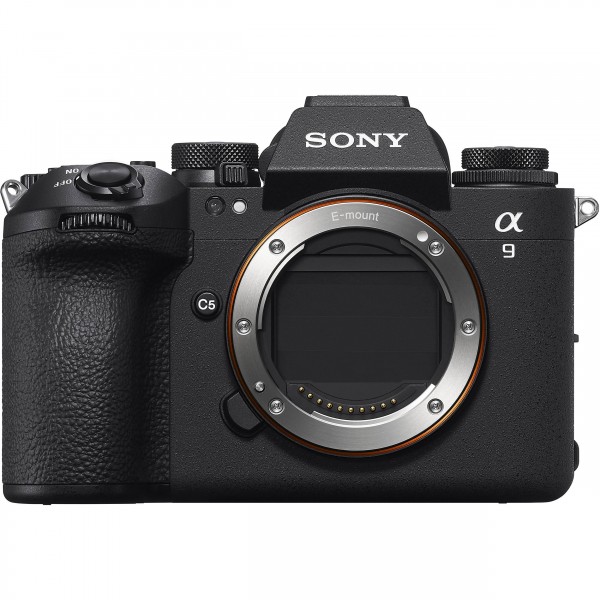
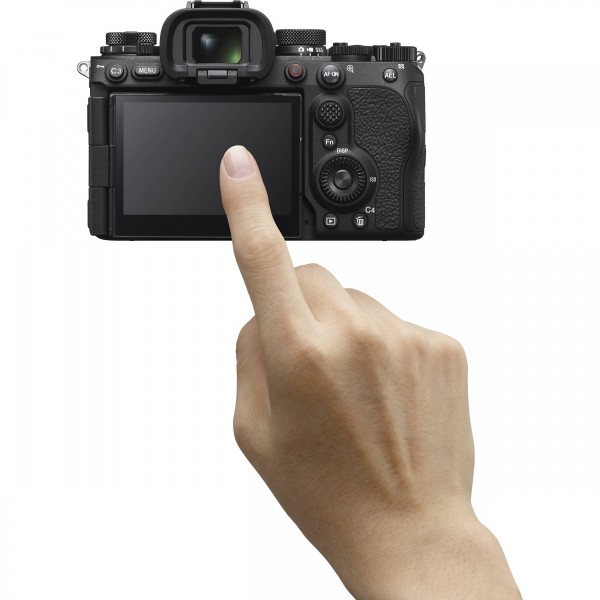
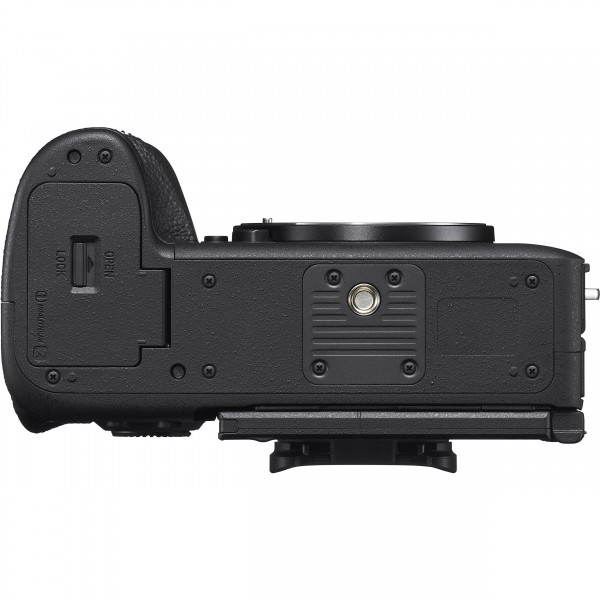
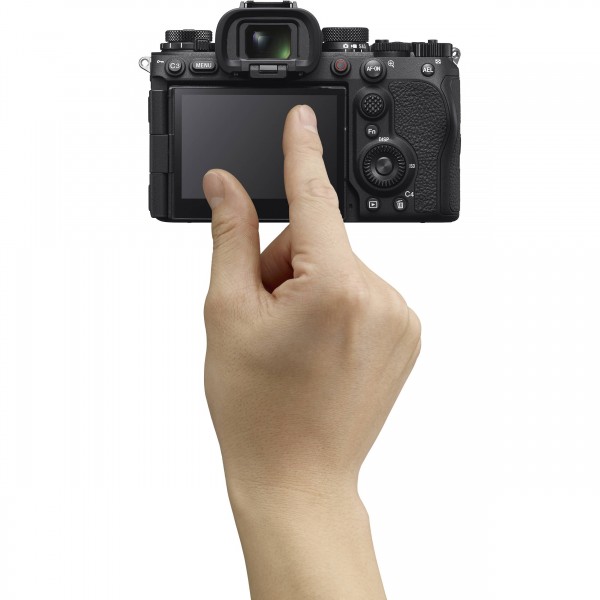
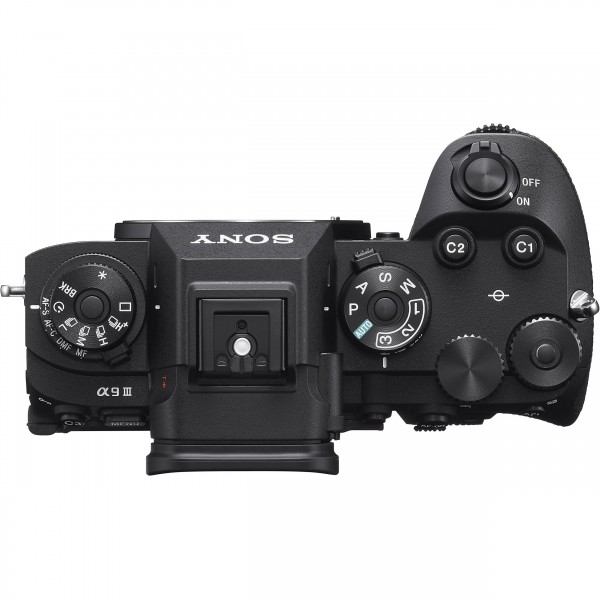
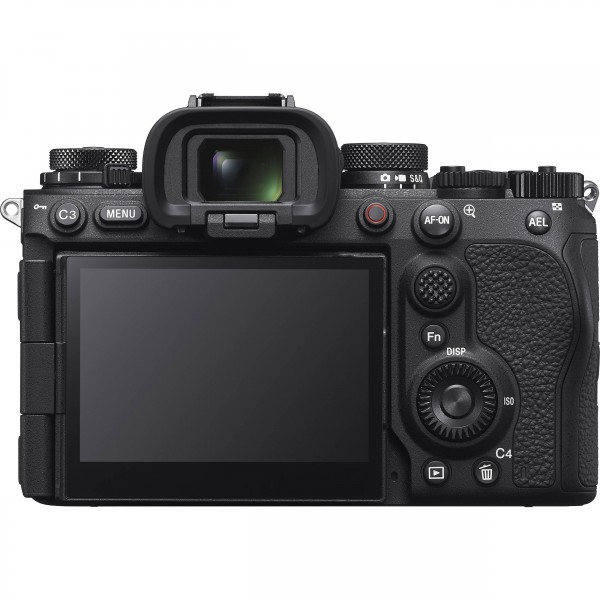
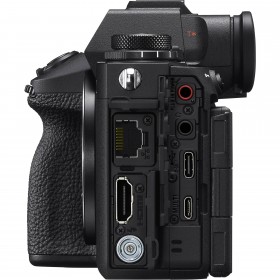
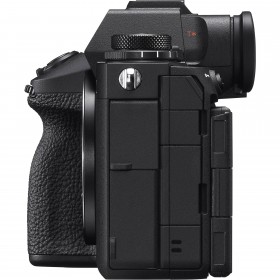
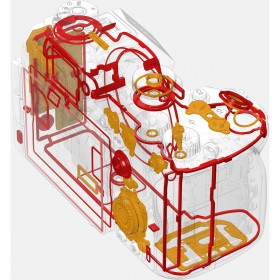
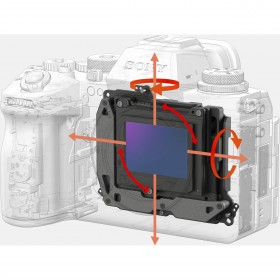
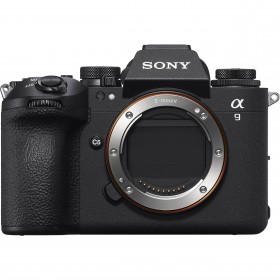
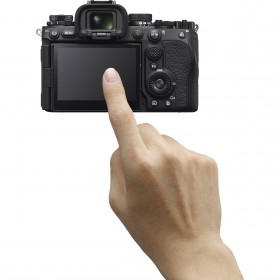
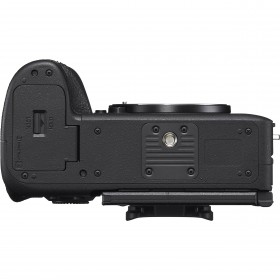
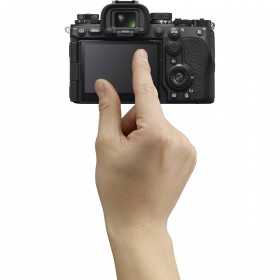
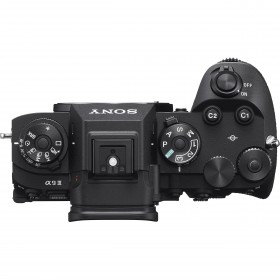
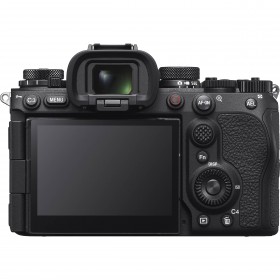
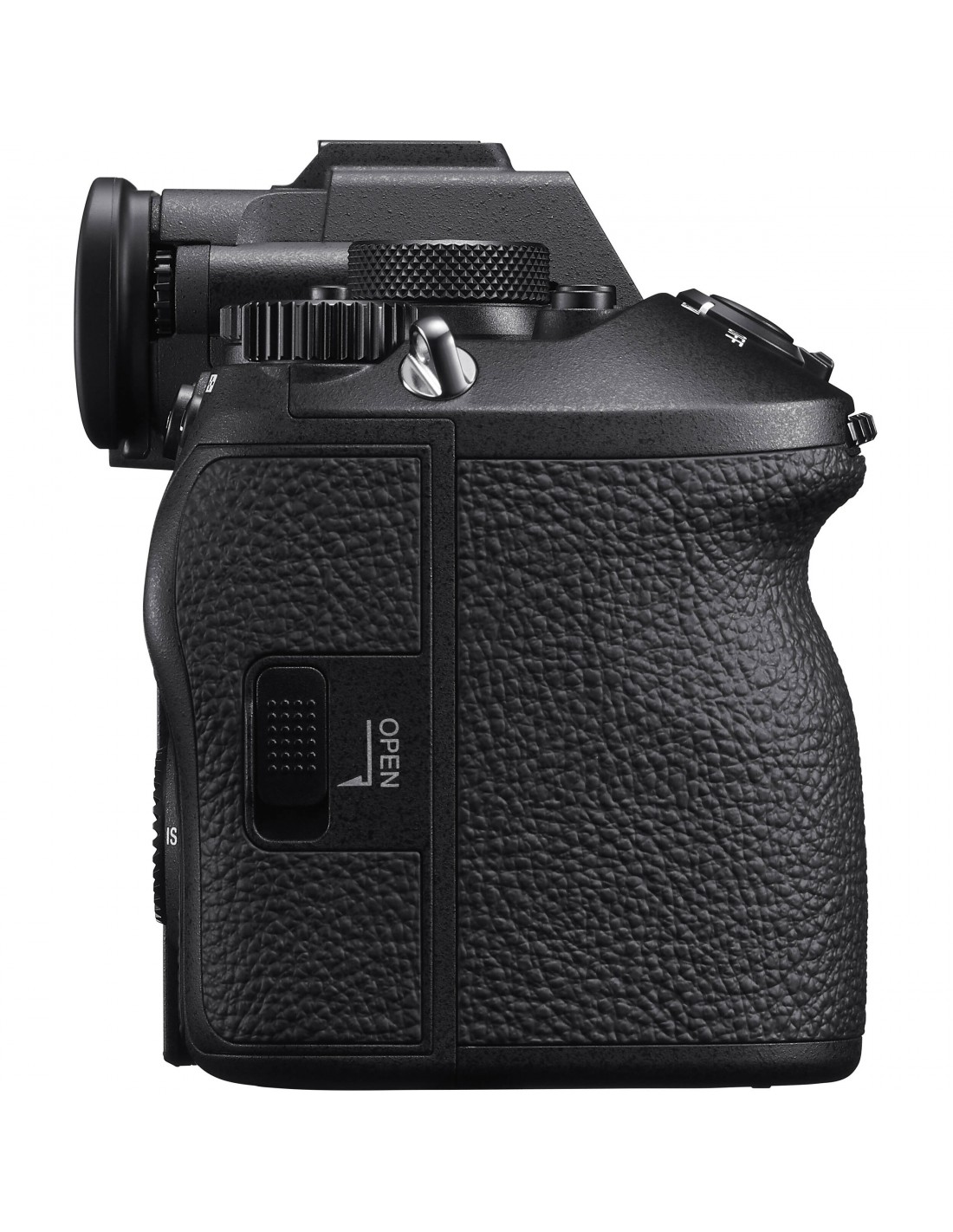

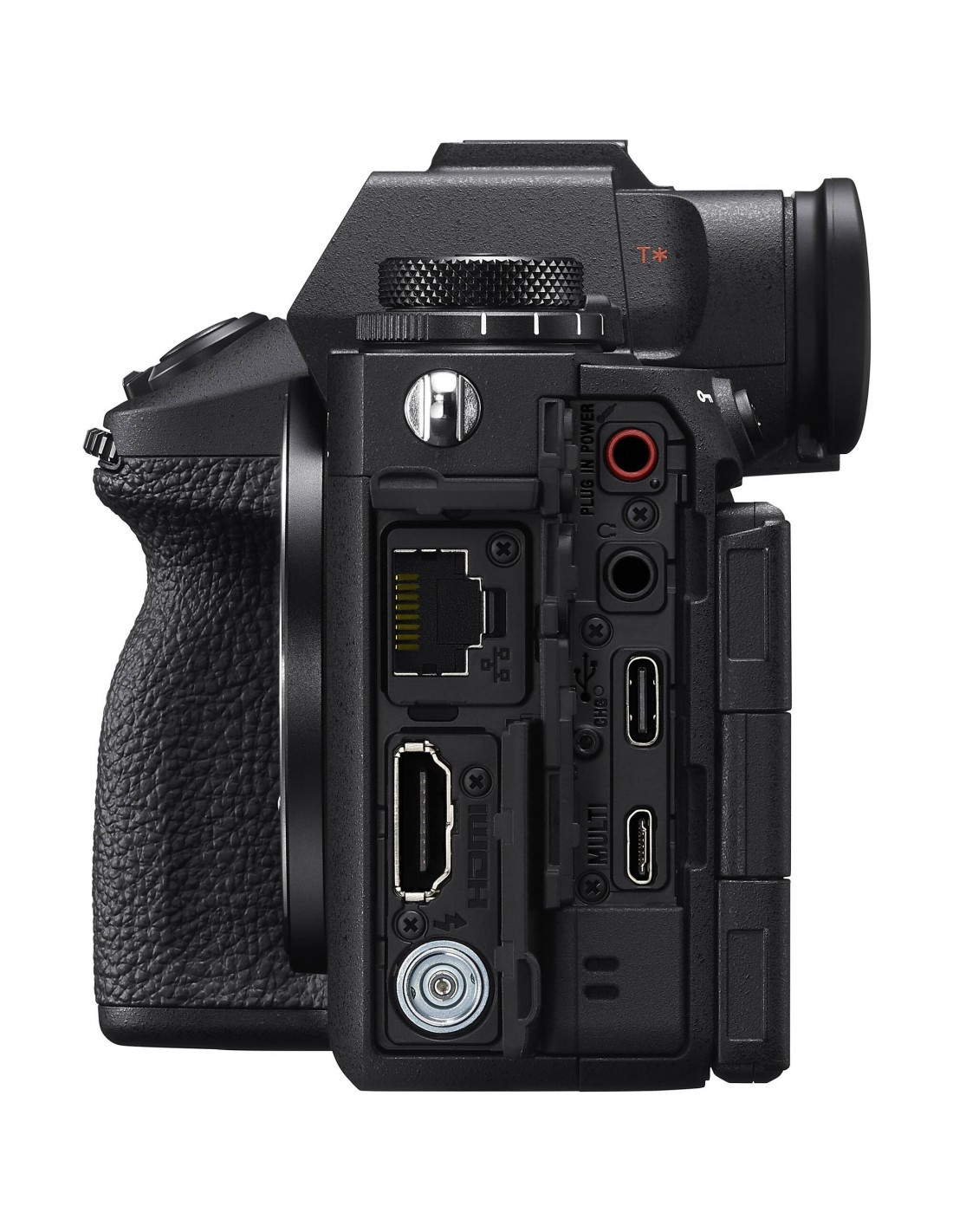
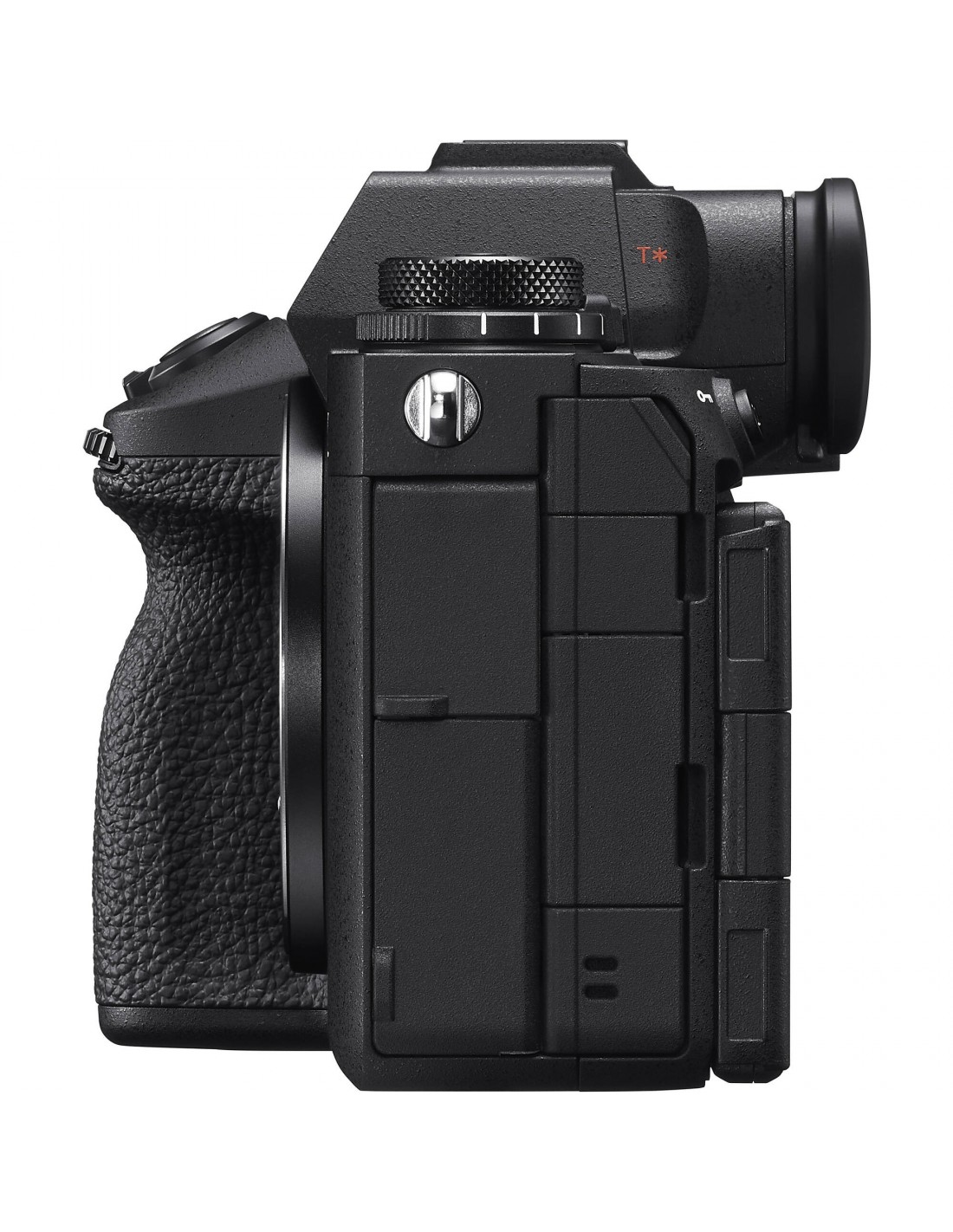
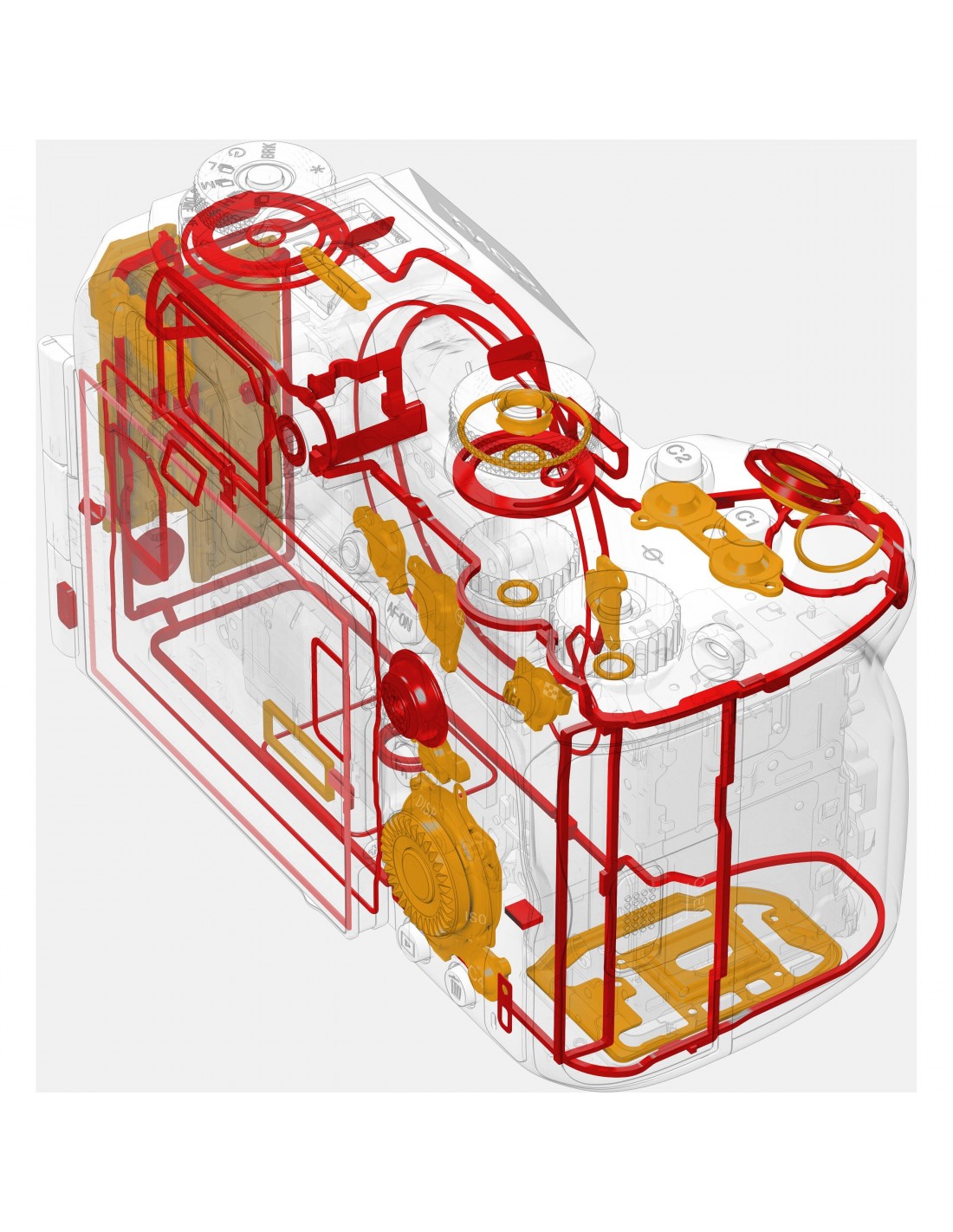
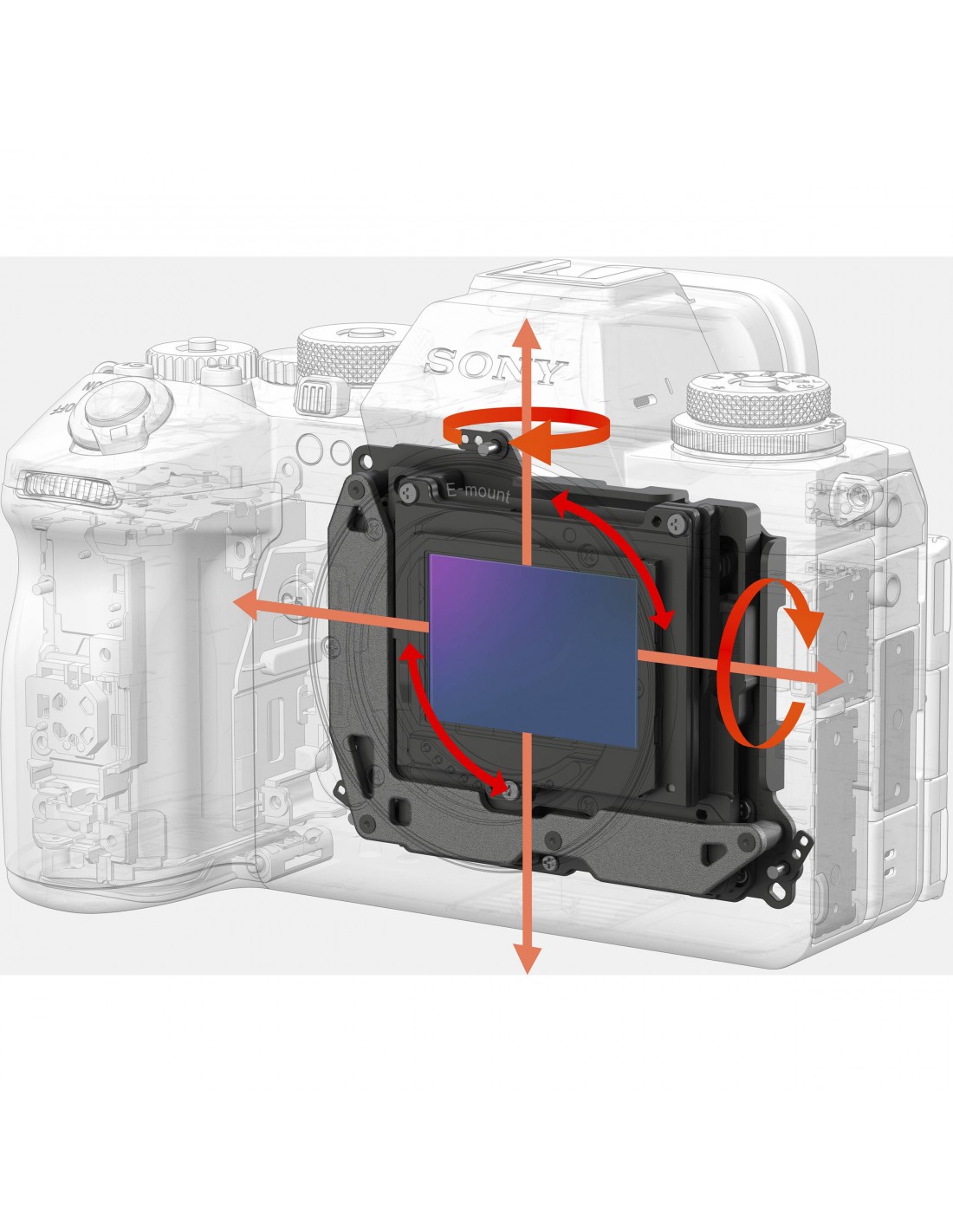
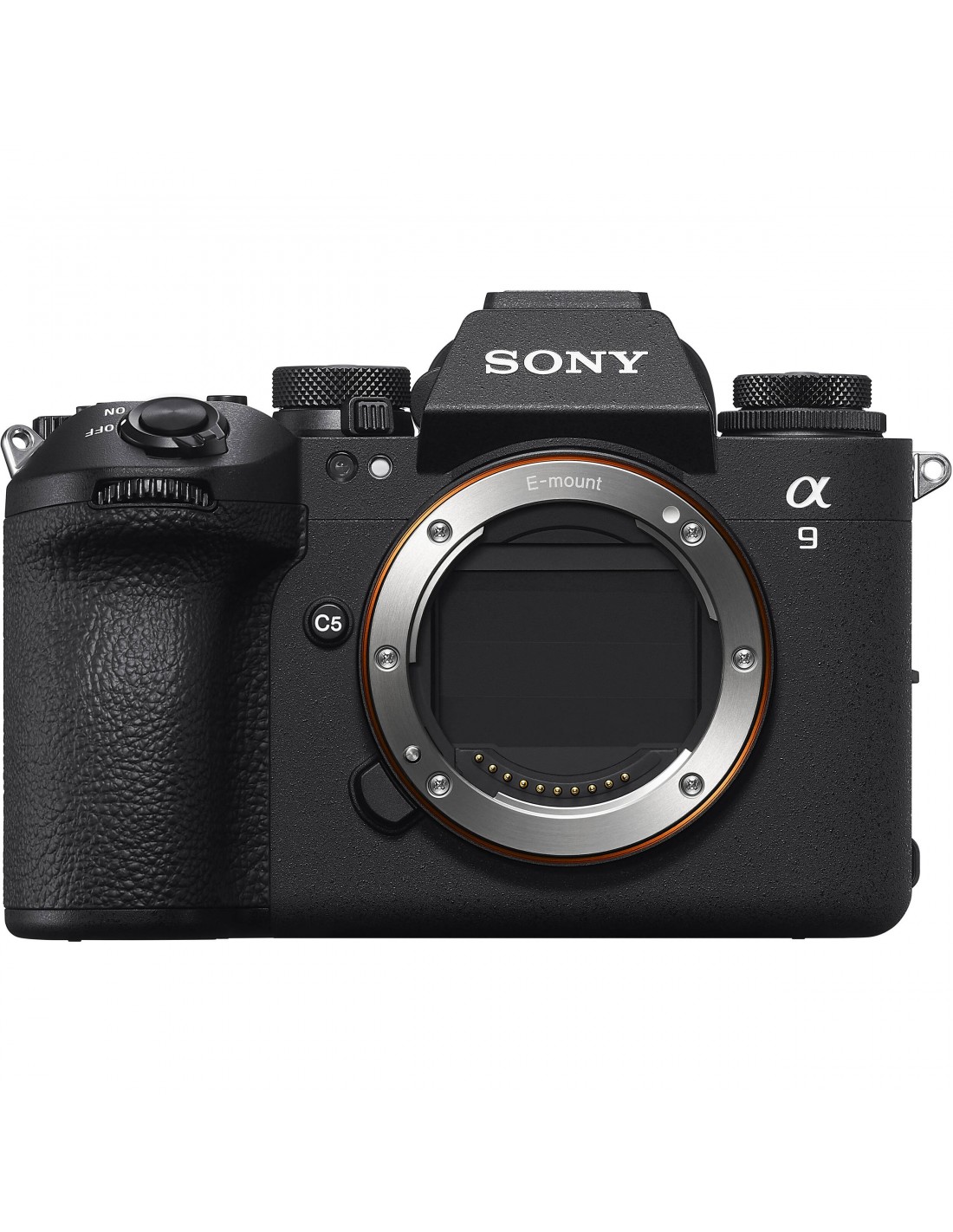
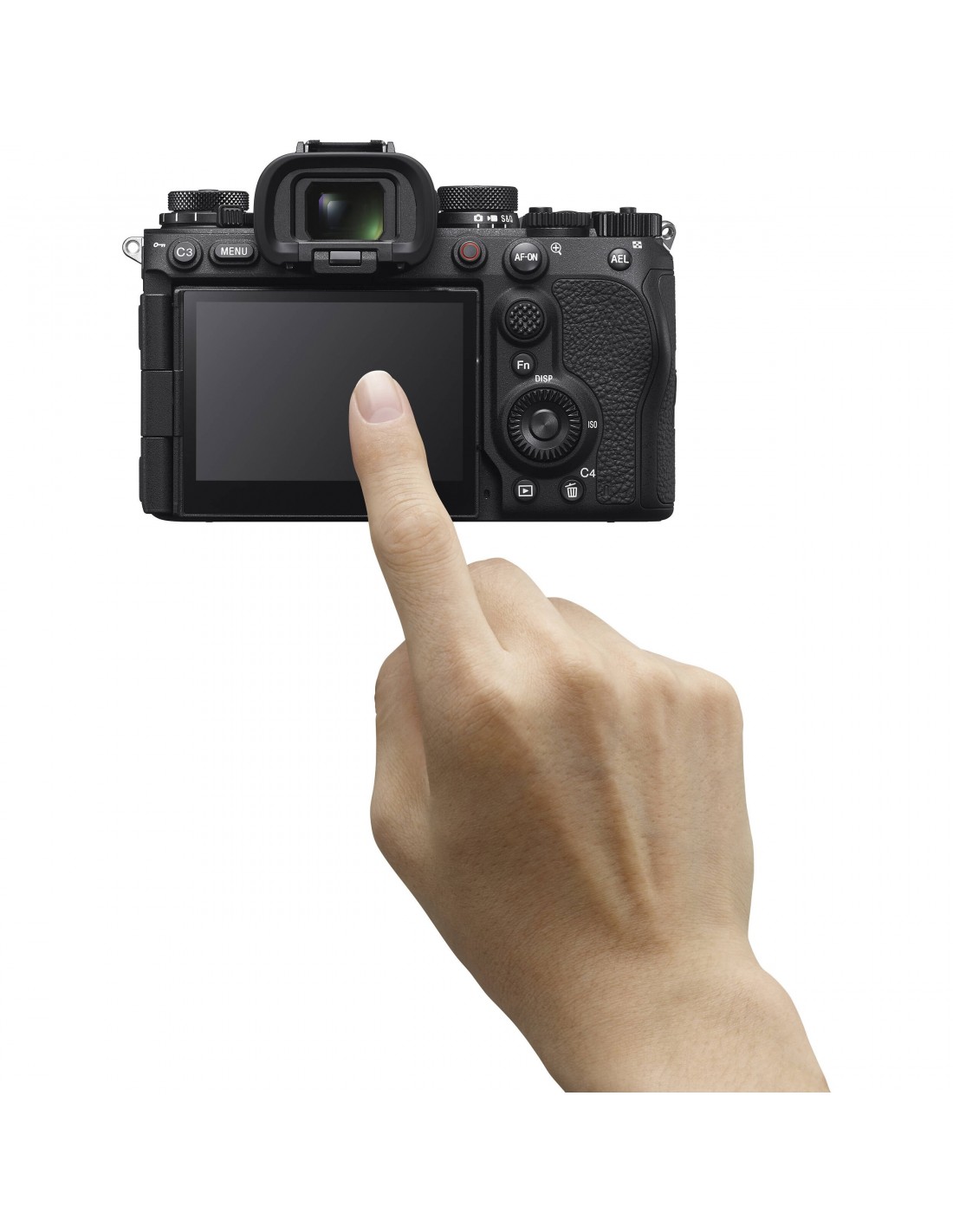
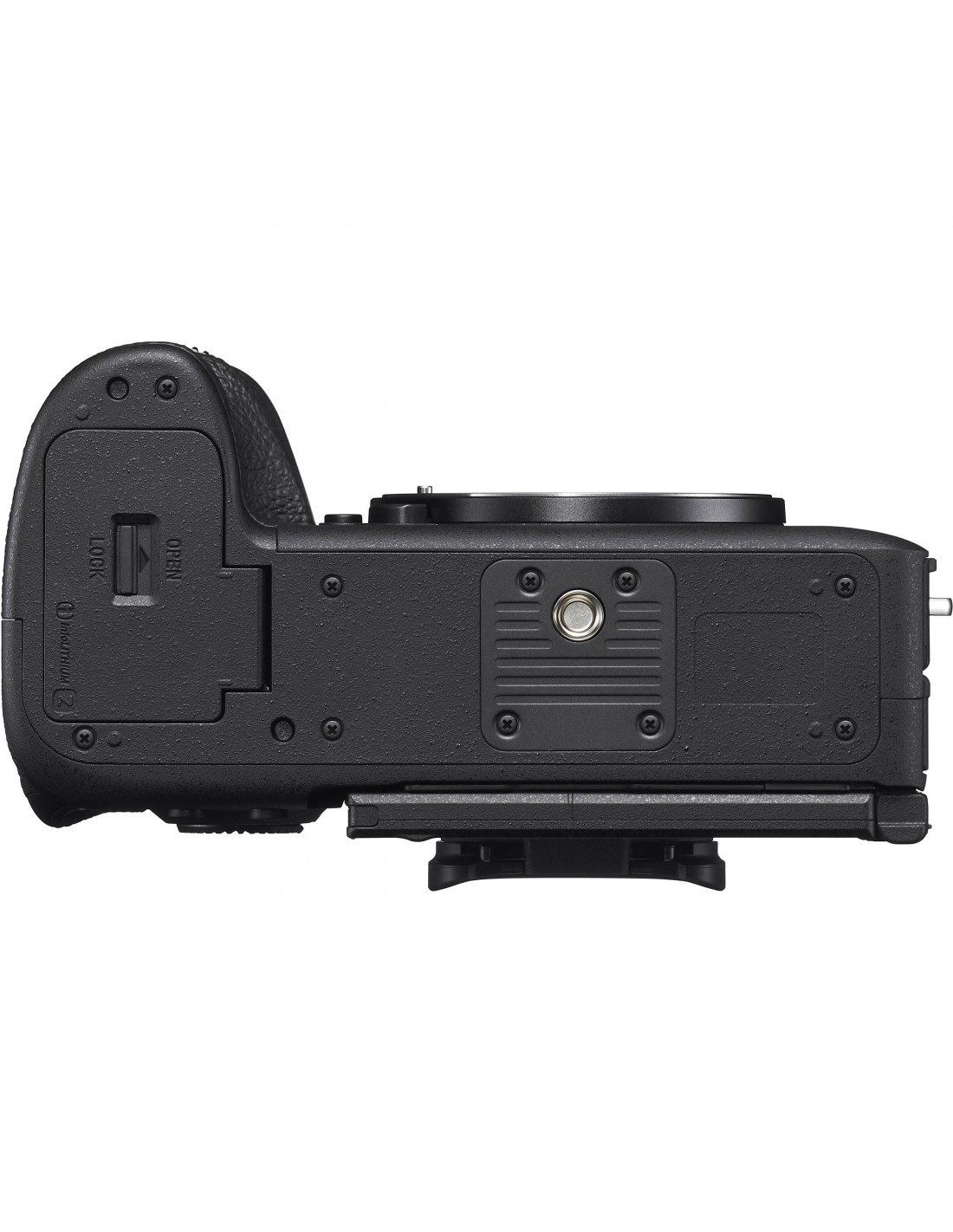
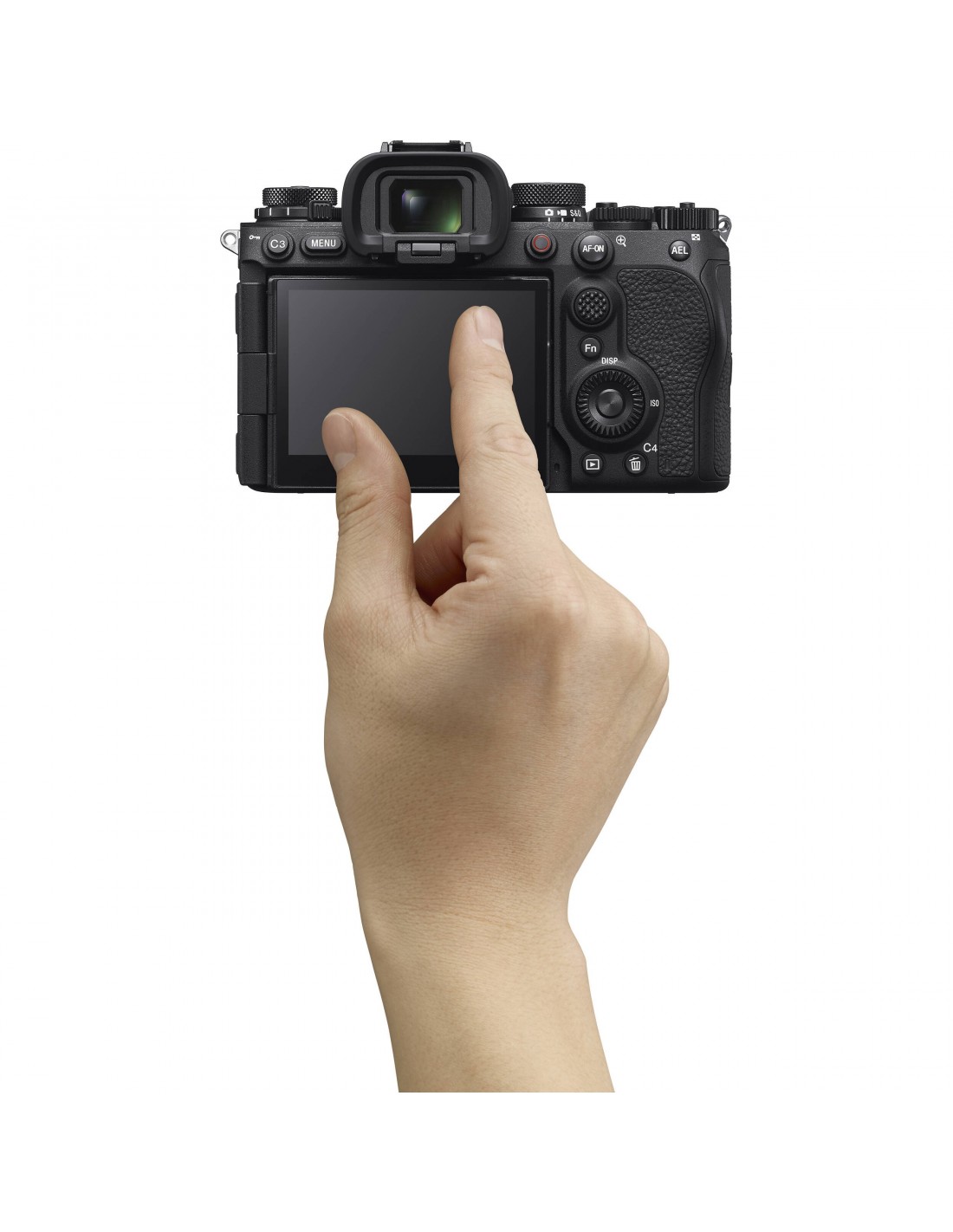
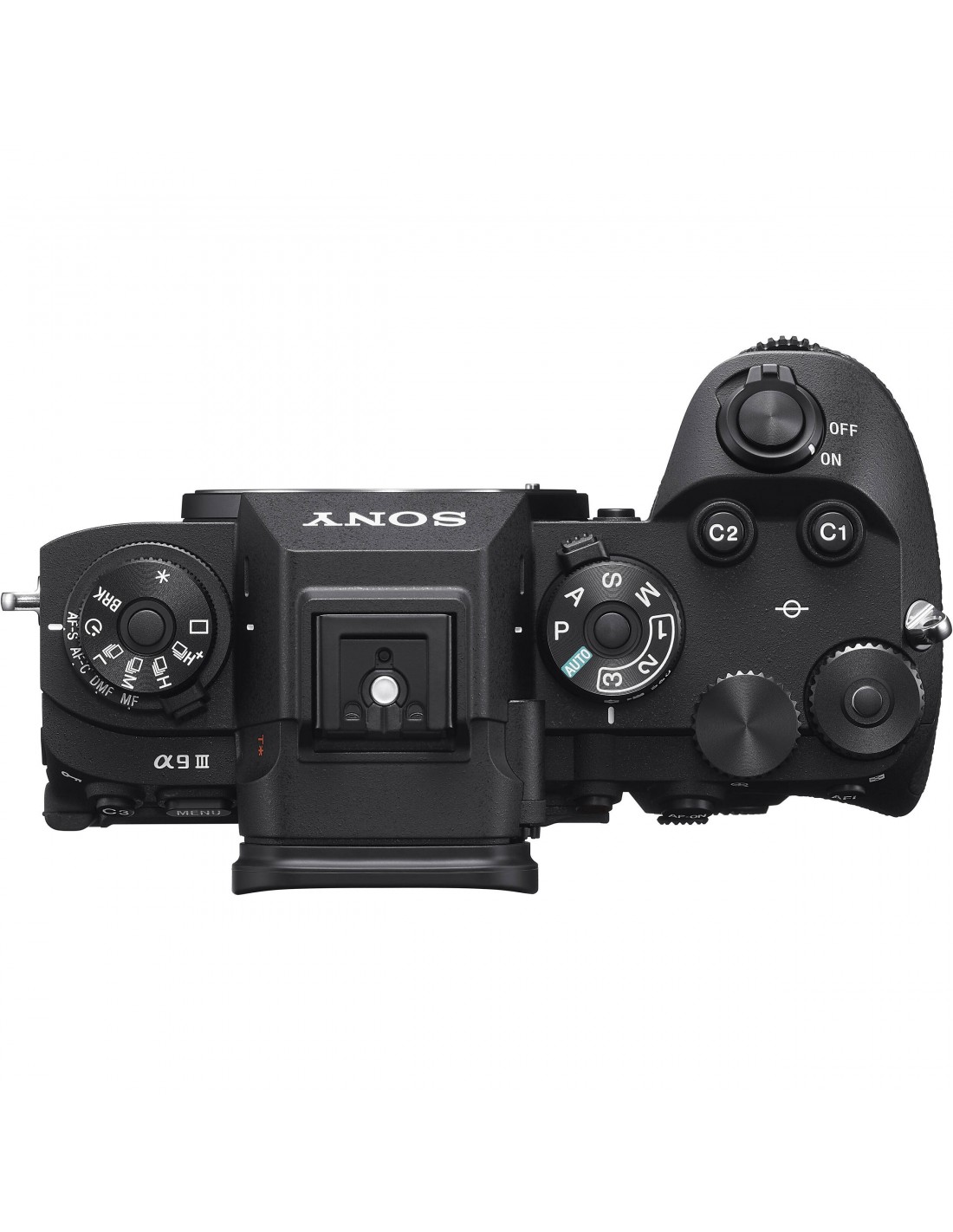
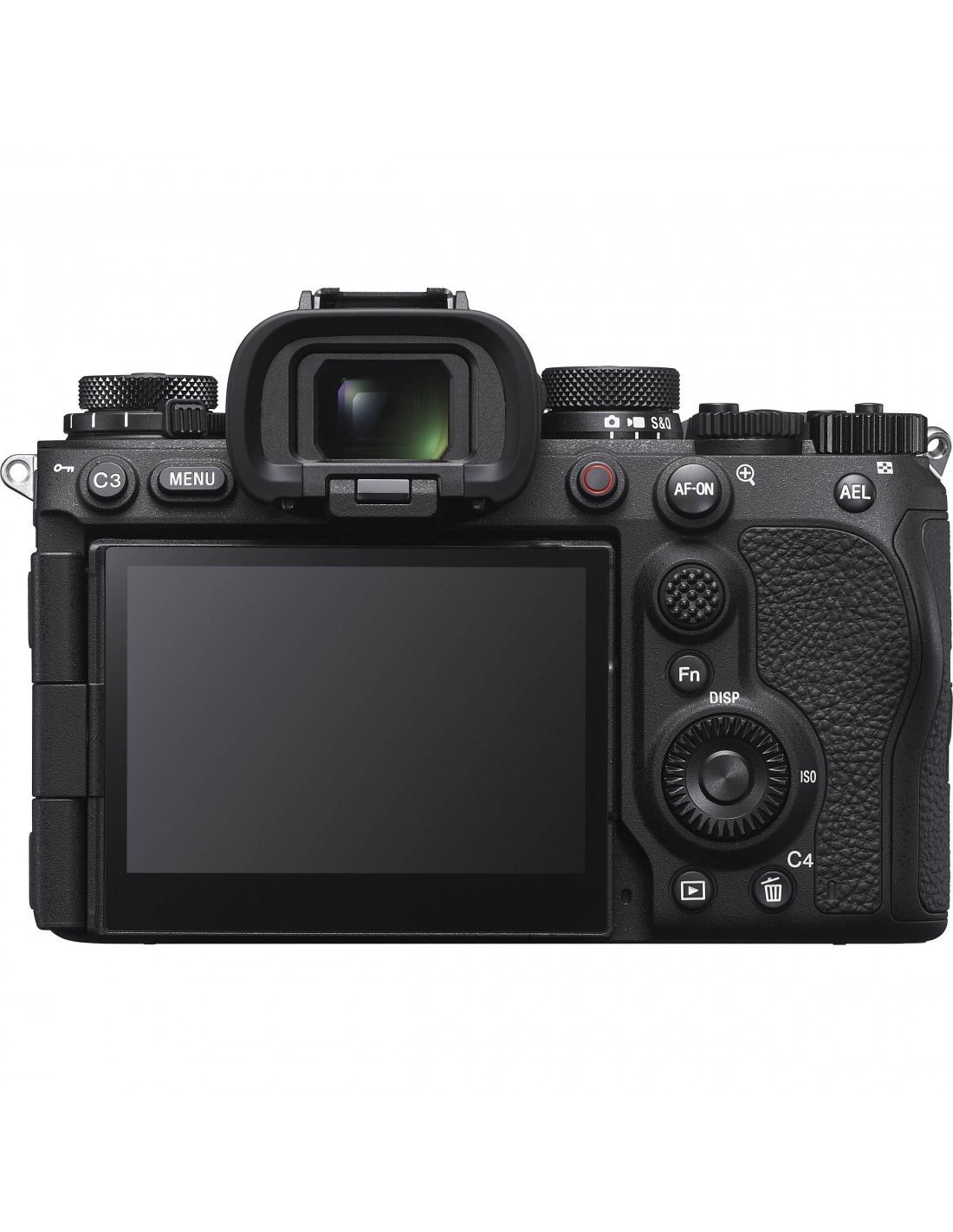
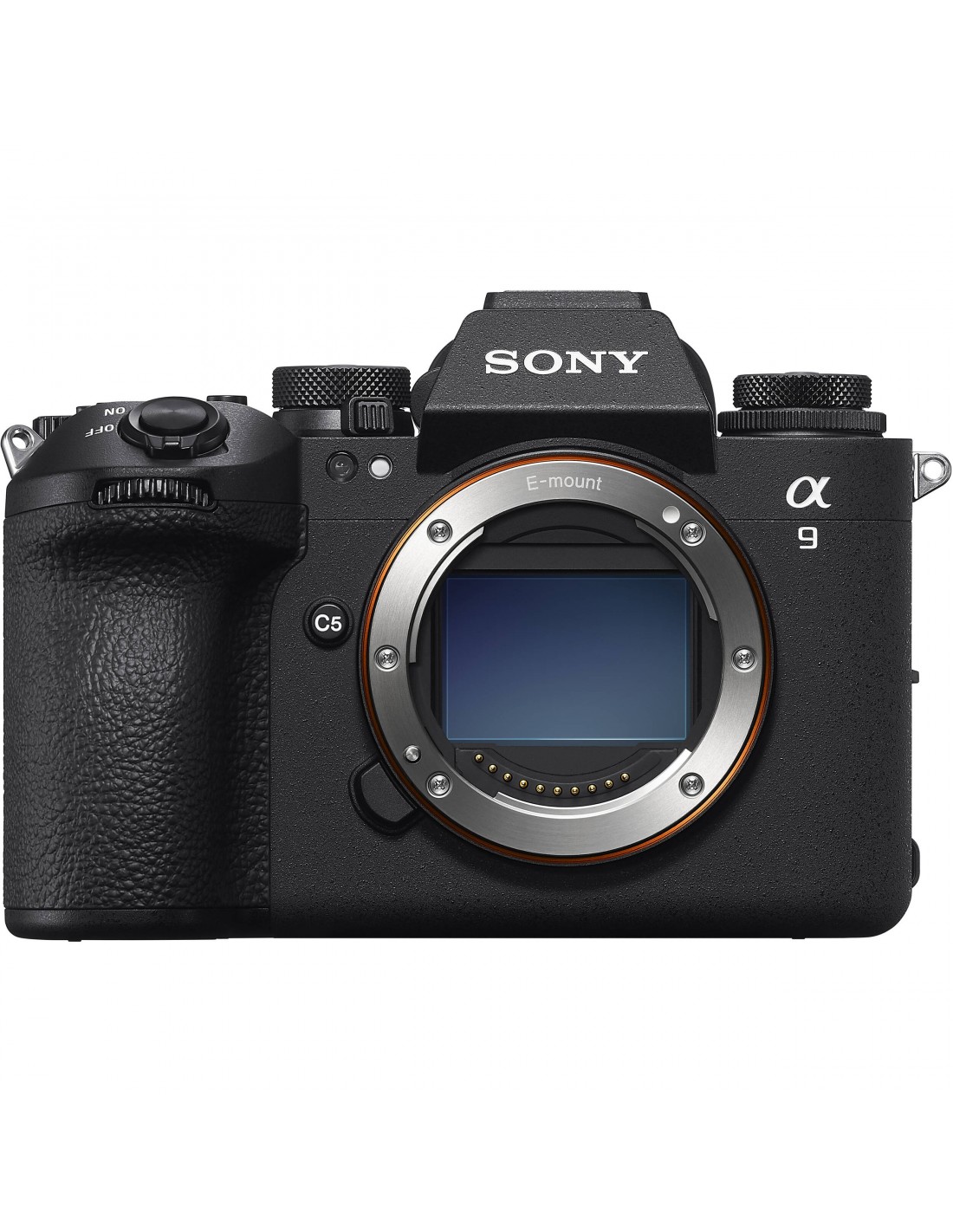
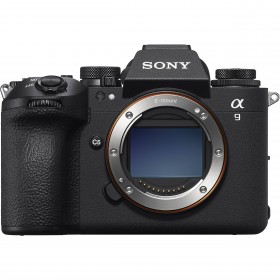

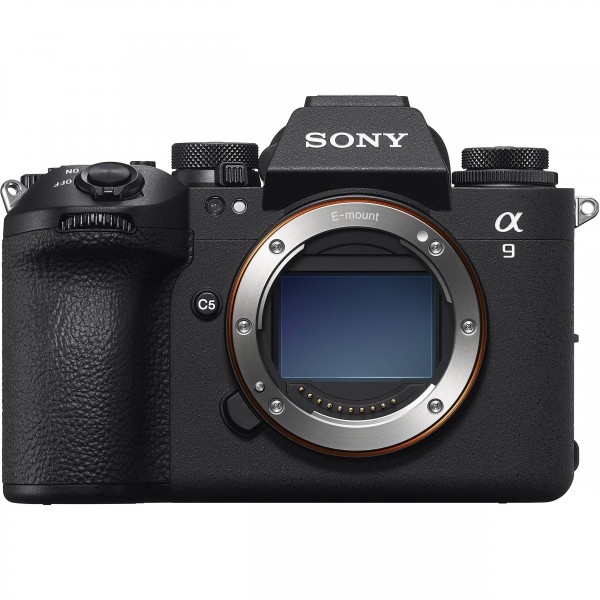
The Sony A9 III is a professional full-frame mirrorless body for sports, wildlife and press photographers, recommended when timing, speed and geometrically accurate motion matter more than very high resolution. Its 24.6MP stacked global-shutter sensor exposes the whole frame at once, helping fast subjects retain their shape and reducing problems under artificial light. Continuous shooting reaches 120fps with AF/AE tracking in compatible conditions, while pre-capture can retain the moment before the shutter is fully pressed. Five-axis stabilisation and uncropped 4K 120p recording extend its role beyond stills. This body-only version is best suited to photographers who already own Sony E-mount lenses or want to build a purpose-specific professional kit. That makes it particularly compelling when missed timing matters more than generous cropping latitude.
Combine compatible accessories and save. The more items you add, the bigger the discount.
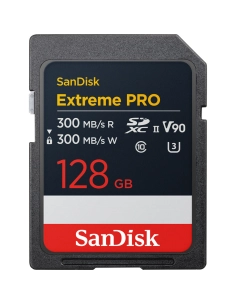
memory card
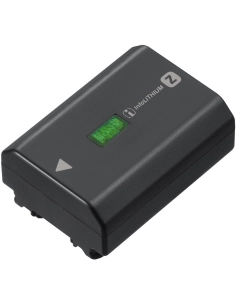
battery
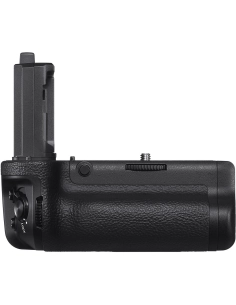
Adaptateur

warranty extension
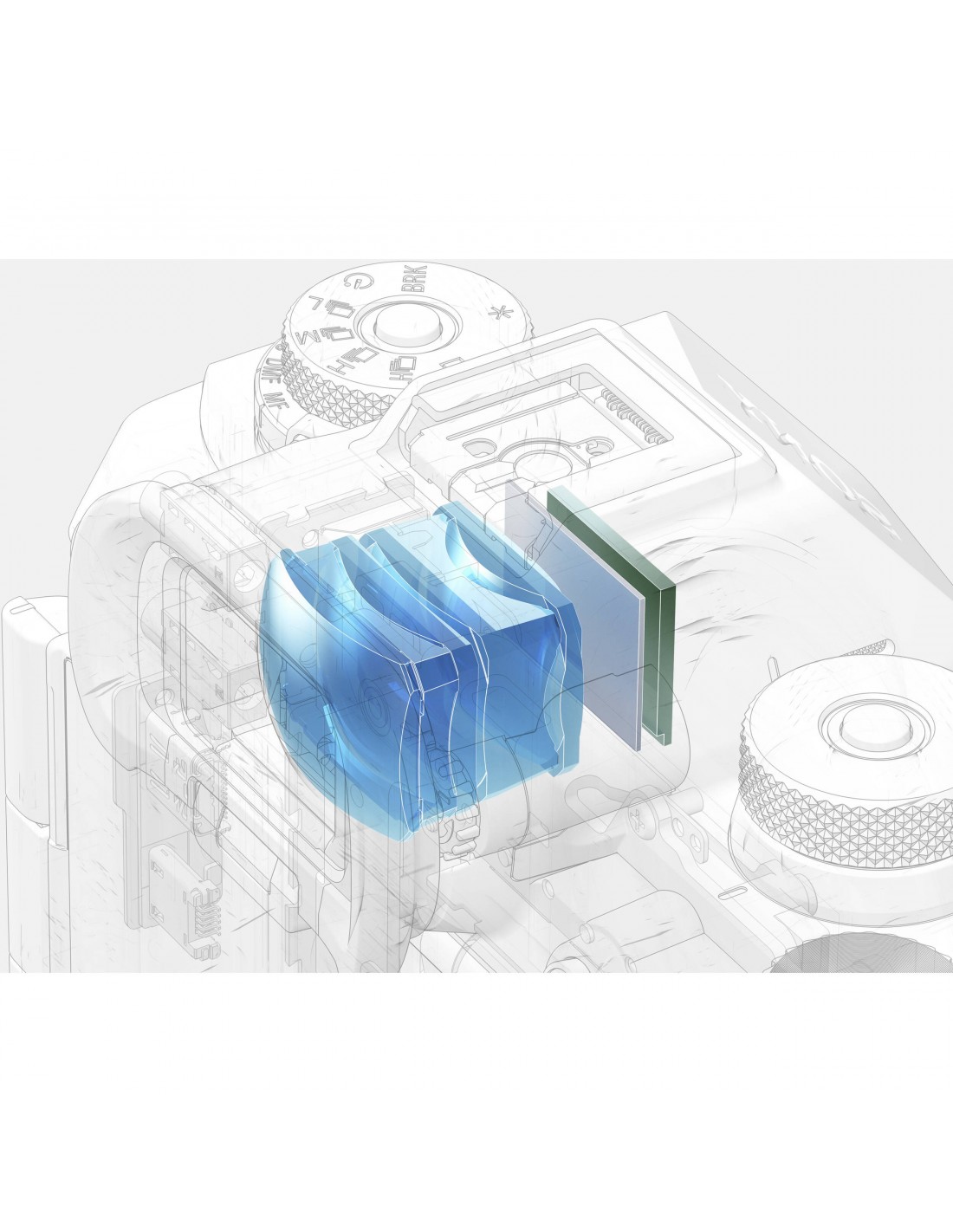
Built around speed, the Sony A9 III is a full-frame mirrorless camera with a clear specialist role. Its 24.6MP stacked global-shutter sensor exposes every pixel at the same instant, so fast movement keeps its geometry without the line-by-line skew associated with rolling shutter. The camera can shoot at up to 120fps with AF/AE tracking, pre-capture can reach back up to one second and blackout-free viewing keeps the action visible. That combination is aimed primarily at sport, wildlife, news and high-speed flash work. It also requires fast media, disciplined selection and an acceptance that its resolution is more modest than that of a Sony body designed for landscape, studio or extensive cropping.
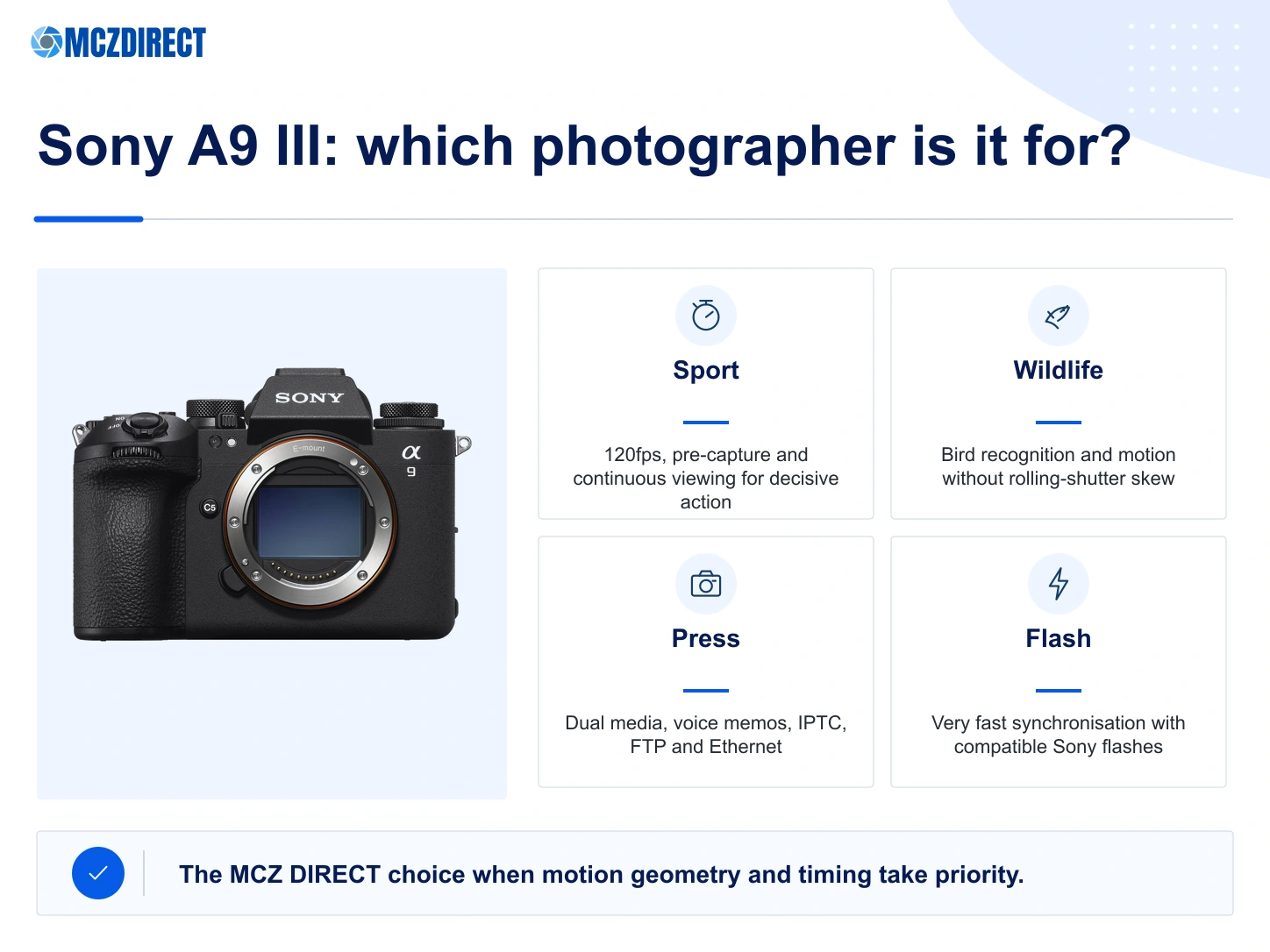
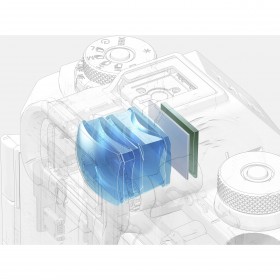
With a conventional sensor, different rows are not read at precisely the same time. A racket, ball, wheel or rapid pan may therefore appear bent or stretched. Thanks to its global shutter, the Sony Alpha 9 III records the whole sensor simultaneously. The benefit becomes most visible when a subject crosses the frame quickly, the camera moves during the exposure or LED lighting introduces bands. This is more than a specification: the global-shutter architecture makes framing and timing more predictable in scenes where a few milliseconds would otherwise change the shape of the image.
| Situation | What the A9 III adds | What to consider |
|---|---|---|
| Very fast subject | Better-preserved shapes during abrupt movement | A fast shutter still needs enough light |
| Sports panning | Reduced skew from line-by-line sensor readout | Panning technique remains important |
| LED lighting | Better banding control with high-frequency anti-flicker adjustment | The frequency must match the light source |
| Outdoor flash | Very fast synchronisation with compatible Sony flashes | Output and consistency depend on the flash and shutter speed |
| Wide aperture | Extremely short exposure in bright light | The maximum can be limited to 1/16,000 sec at F1.8 or wider |
The maximum burst rate is valuable when the decisive frame is too brief to predict: a race start, contact with a ball, take-off or sudden change of direction. For many assignments, however, it is not the sensible default. At 120fps, image count and write volume rise immediately. A more efficient approach is often to work at a moderate rate and use the speed boost only around the critical moment. Pre-capture supports the same method by retaining up to one second before the full shutter press. Subject recognition helps autofocus maintain priority, although choosing an appropriate AF area remains essential when several players overlap or the background is busy.
| Assignment | Priority function | Why it matters |
|---|---|---|
| High-speed sport | High burst rate, speed boost and AF/AE tracking | More usable frames around a very brief action |
| Birds in flight | Bird recognition, suitable AF area and pre-capture | React to take-off while keeping priority on the eye |
| News and events | Moderate burst, dual media, voice memo and FTP | Faster selection, backup and delivery |
| Flash portrait | Fast shutter and compatible Sony flash | Reduce ambient light while retaining a wide aperture |
| Action video | Uncropped 4K 120p | Keep the lens angle of view and create detailed slow motion |
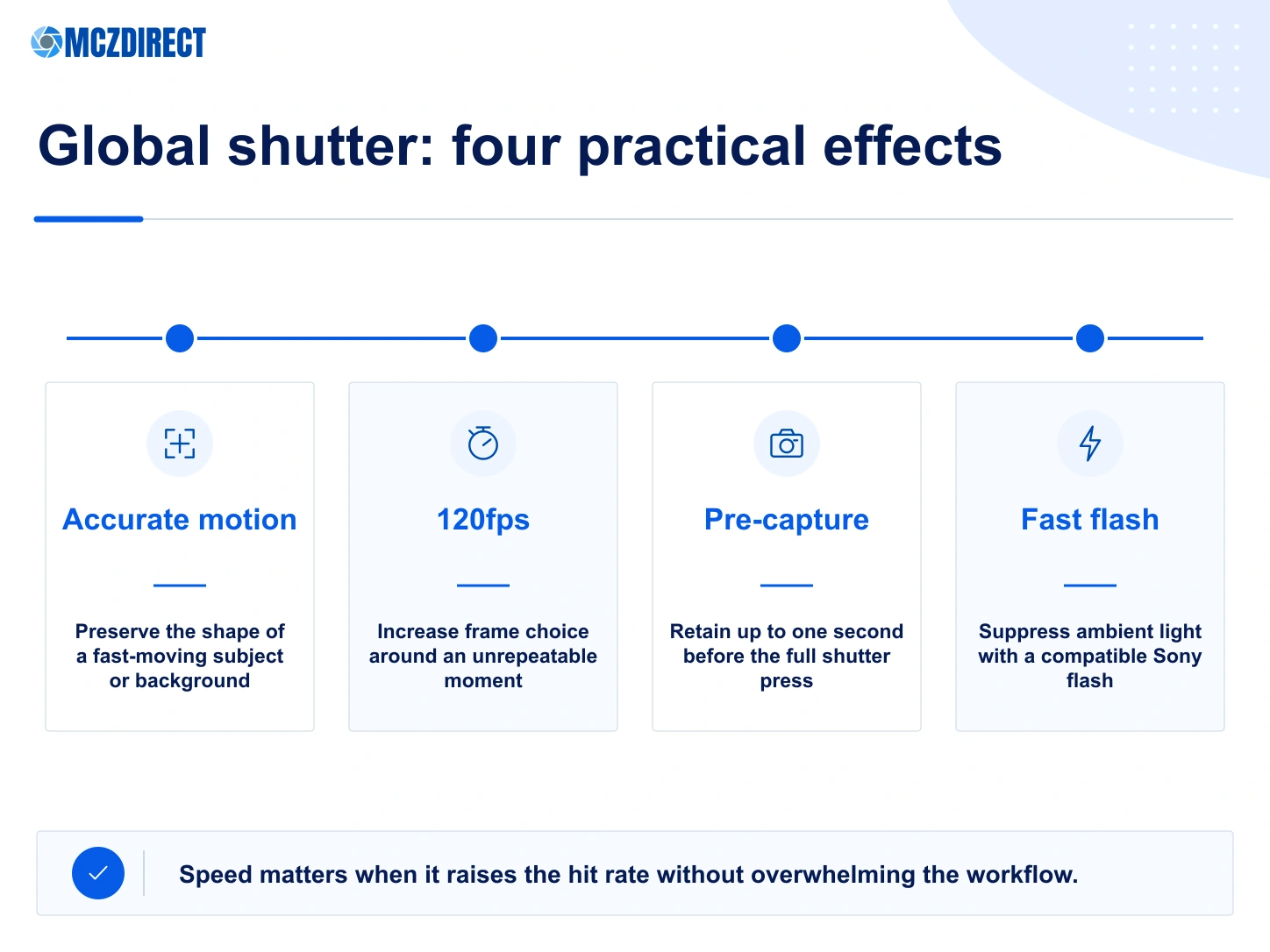
Flash photographers also gain an unusual degree of control from the A9 III. With a compatible Sony flash and the conditions specified by the manufacturer, synchronisation can follow shutter speeds far beyond a traditional sync limit. For sports portraits or outdoor events, this can help preserve a wide aperture while suppressing ambient light. There is an important practical qualification: as shutter speed rises, available flash output and exposure consistency become more sensitive to equipment and settings. Sony also notes that brightness or colour can vary at certain very high speeds. The intended body, flash and lens combination should therefore be tested before a paid assignment.
In video, the global shutter avoids leaning verticals and distorted subjects during rapid movement. 4K 120p uses the sensor width without a crop, preserving the lens angle of view for lateral tracking, vehicles or sport. 4K 60p is oversampled from 6K, while S-Cinetone, S-Log3 and RAW output over HDMI support more involved productions. There is no 8K recording here. The design prioritises motion rendering and frame rate rather than maximum resolution. A video-led purchase should also account for battery endurance, card data rates and offload time rather than treating 120p as an isolated feature.
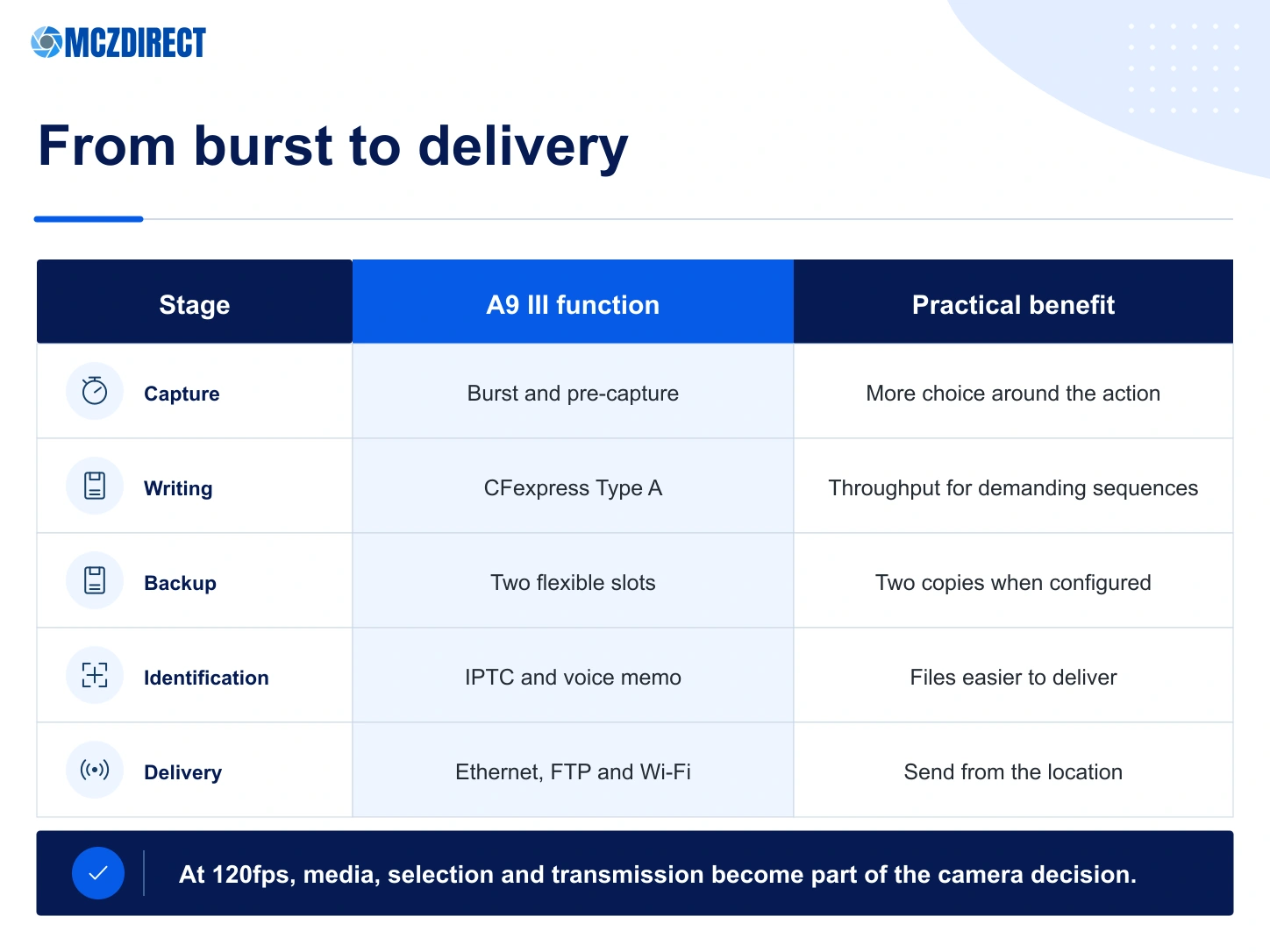
Both slots accept either CFexpress Type A or UHS-II SD media. Fast CFexpress Type A cards are the coherent option for sustained bursts and high-bitrate video, while UHS-II SD remains useful for lighter settings or a second copy. Files can then move through Gigabit Ethernet, FTP, 5GHz Wi-Fi or 10Gbps USB. Playback filters, voice memos and IPTC data are especially valuable for sport and news because they reduce the time between capture and delivery. This part of the system matters as much as burst speed: 120fps without a selection method creates volume rather than value.
This product includes the camera body without a lens. For indoor sport, stage work or portraits at a distance, the Sony A9 III with FE 70-200mm F2.8 GM OSS II combines a constant aperture with a versatile range. For wildlife and outdoor sport, the A9 III with FE 200-600mm F5.6-6.3 G OSS is the more focused pairing, while the kit with FE 24-70mm F2.8 GM II suits close-range reporting and events. All 20 active configurations are collected in the Sony A9 III category. For a different combination, explore our Sony E-mount lenses. The wider Sony Alpha camera range helps place this body against other Sony priorities.
| Priority | Sony A9 III | Sony Alpha 1 II | Sony Alpha 7R VI |
|---|---|---|---|
| Resolution | 24.6MP | 50.1MP | Very high resolution |
| Speed | Up to 120fps | Up to 30fps | Secondary to resolution |
| Shutter design | Global shutter | Fast-readout stacked sensor | Resolution-led design |
| Core use | Sport, action, news and flash | Professional versatility, action and detail | Landscape, studio, architecture and fine detail |
| Main compromise | Less cropping room | Larger files and lower maximum speed | Less specialised for extreme action |
The Sony Alpha 1 II range offers the broader balance when 50.1MP, 30fps and 8K video must coexist. Choose the Sony Alpha 7R VI range when detail, cropping and large output take priority over speed. By contrast, the A9 III leads when motion geometry, burst rate and precise timing determine the result.
The first limitation is the 24.6MP resolution. That definition is entirely useful for news, sport and many print sizes, but it offers less cropping room than an Alpha 1 II or a 7R-series body. Standard sensitivity begins at ISO 250, which matters when maximum low-ISO dynamic range is the overriding concern. Shooting at 120fps also depends on compatible formats, lenses and settings, and fills cards and storage quickly. Finally, 1/80,000 sec is not available in every condition and may be limited with apertures of F1.8 or wider. These reservations help distinguish a genuine operational need from a simple desire for the fastest specification.
At MCZ DIRECT, we position the Sony A9 III at the top of the range for photographers whose assignment depends on a moment that cannot be repeated: professional sport, fast wildlife, news, motorsport or controlled flash work. We recommend it less strongly to landscape and studio photographers who have time to work and place extensive cropping freedom above response.
Against the Alpha 1 II, the A9 III gives up resolution in exchange for a global shutter and a maximum frame rate four times higher. That trade makes sense when rolling-shutter distortion, pre-capture or flash synchronisation changes the success rate. The advantage is less compelling if 20 or 30fps is already sufficient. Our central point of attention is therefore workflow: fast media, storage and a clear selection method should be planned before 120fps becomes part of the job.

No. This product is the body only, so a compatible Sony E-mount lens must be selected separately.
It is primarily for professional sports, wildlife, news and action photographers who need very high frame rates and motion without rolling-shutter distortion.
Yes. These common forms all refer to the Sony Alpha 9 III with manufacturer reference ILCE-9M3.
Its stacked Exmor RS full-frame sensor provides approximately 24.6 effective megapixels.
It exposes the entire sensor at the same instant, reducing bent or distorted subjects during very fast movement or panning.
Sony rates it at up to 120fps with AF/AE tracking and blackout-free viewing. The rate still depends on compatible formats, lenses and settings.
It can retain images from up to one second before the shutter is fully pressed, helping with a start, take-off or sporting contact.
It can reach 1/80,000 sec in single shooting. Restrictions apply by mode and aperture, including at F1.8 or wider.
Yes, with compatible Sony flashes and the conditions specified by Sony. Output and consistency should be checked at the highest speeds.
Yes. Sony specifies uncropped 4K 120p and oversampled 4K 60p from 6K.
No. Its maximum video resolution is 4K; the camera prioritises frame rate and accurate motion rendering.
Both slots accept CFexpress Type A and UHS-II SD cards. Fast CFexpress Type A media is preferable for sustained bursts and the most demanding video modes.
Yes. Sony rates the five-axis system at up to 8 stops under its test conditions.
Sony specifies approximately 702g with battery and memory card, or about 617g for the body only.
The A9 III prioritises global shutter and shooting up to 120fps. The Alpha 1 II provides higher 50.1MP resolution with shooting up to 30fps.
Current price and availability are shown on this page. The Sony A9 III category also compares the body with active lens kits.