Shopping Cart
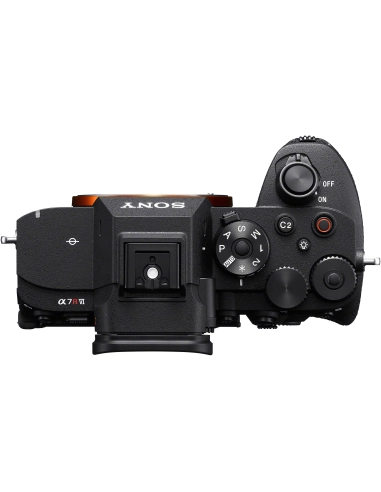
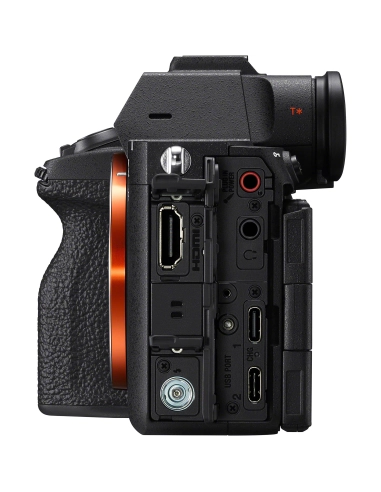
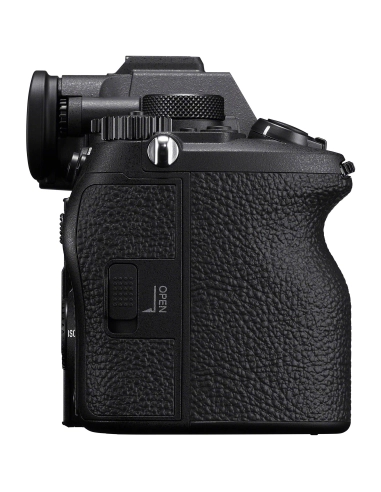
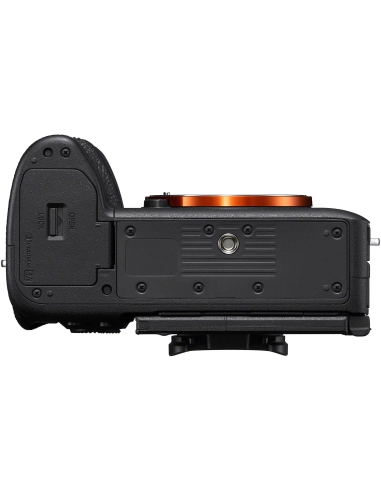
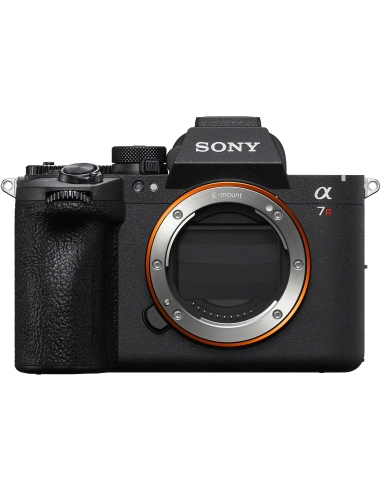
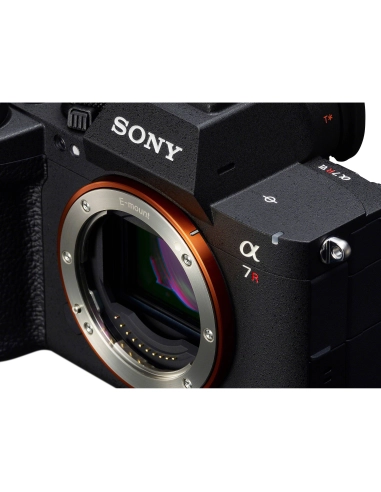
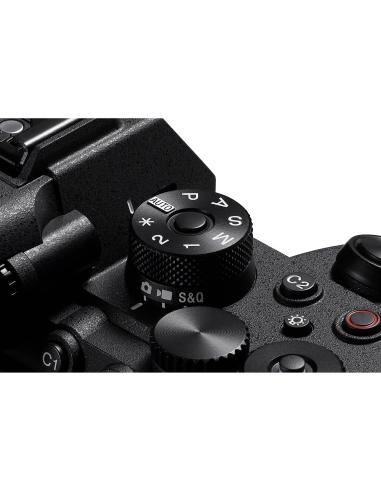
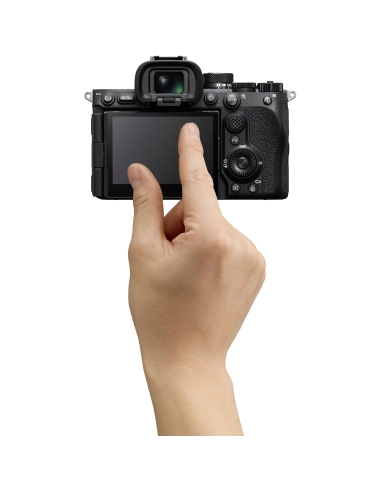
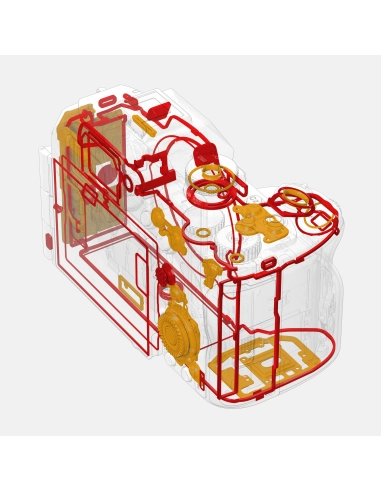


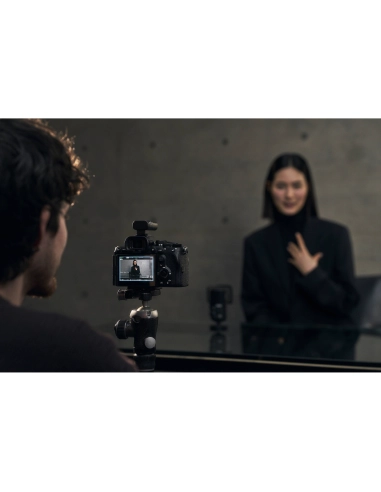
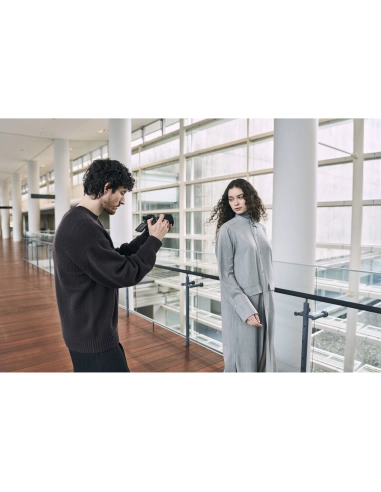
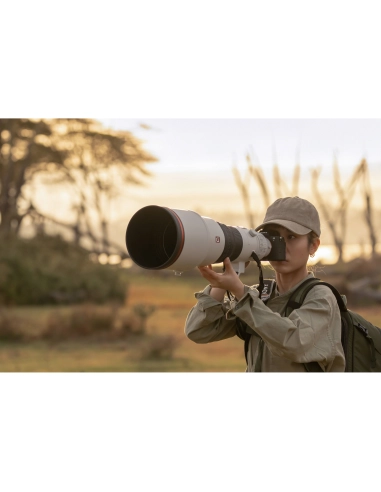



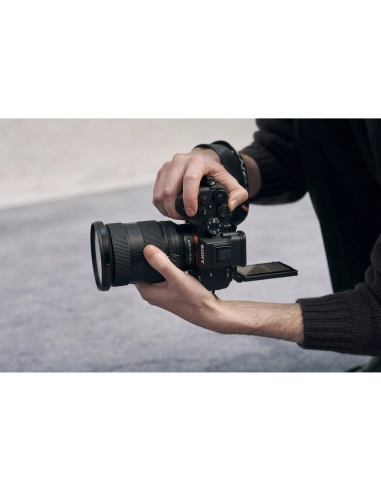



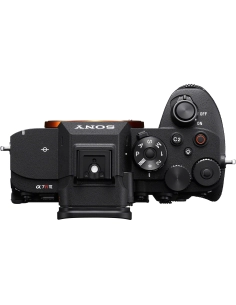
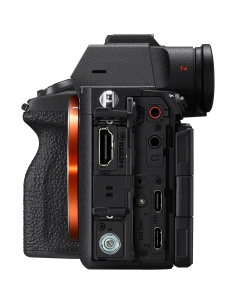
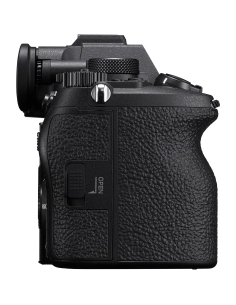
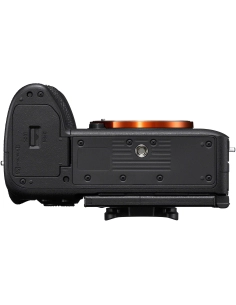
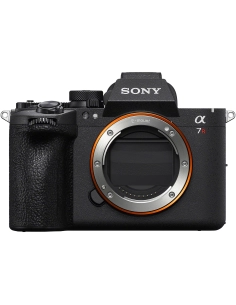
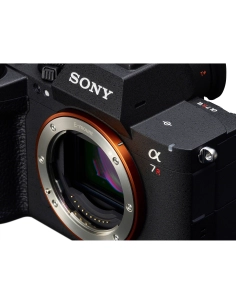
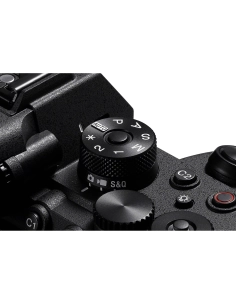
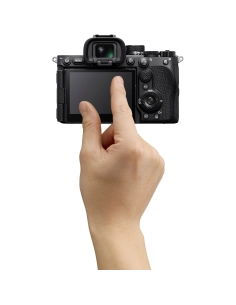
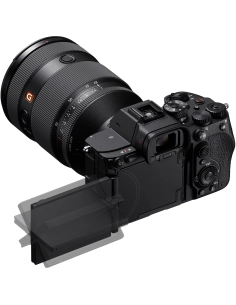


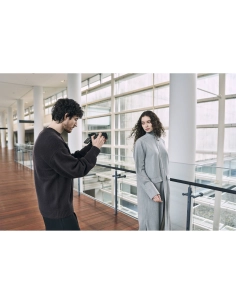
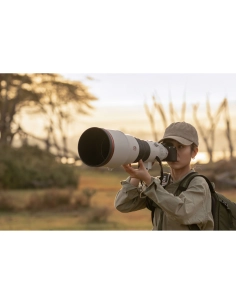

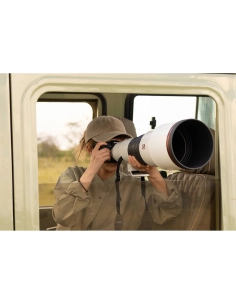
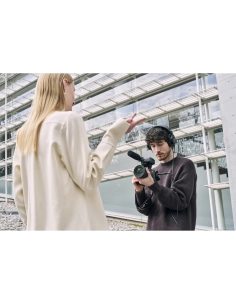

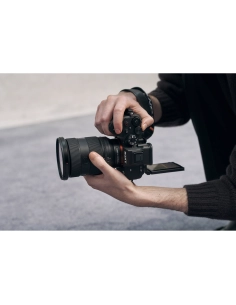
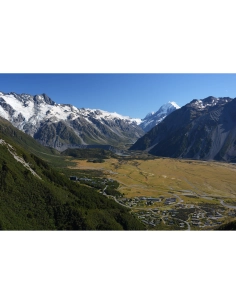



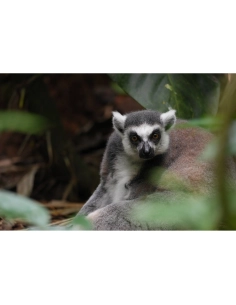
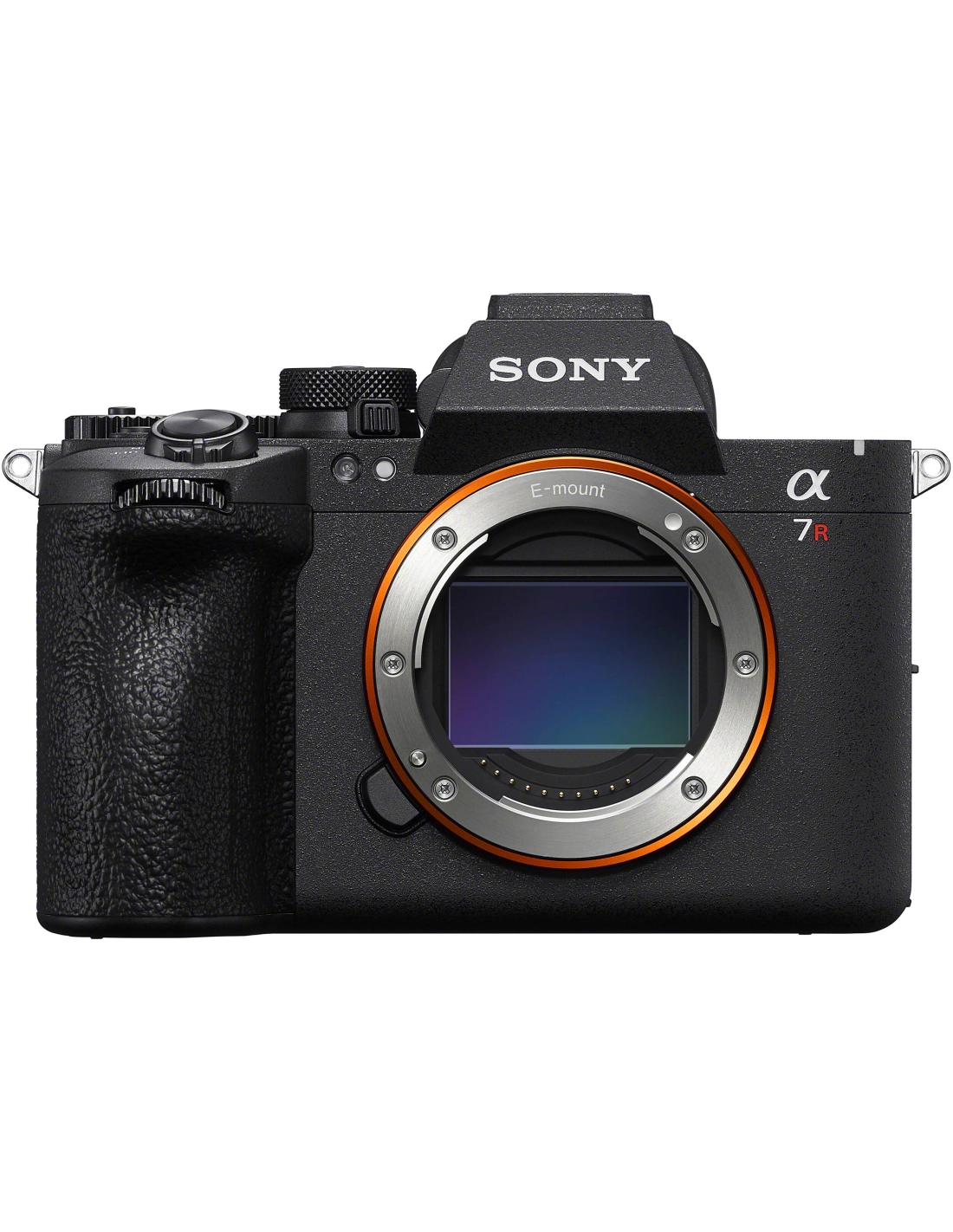
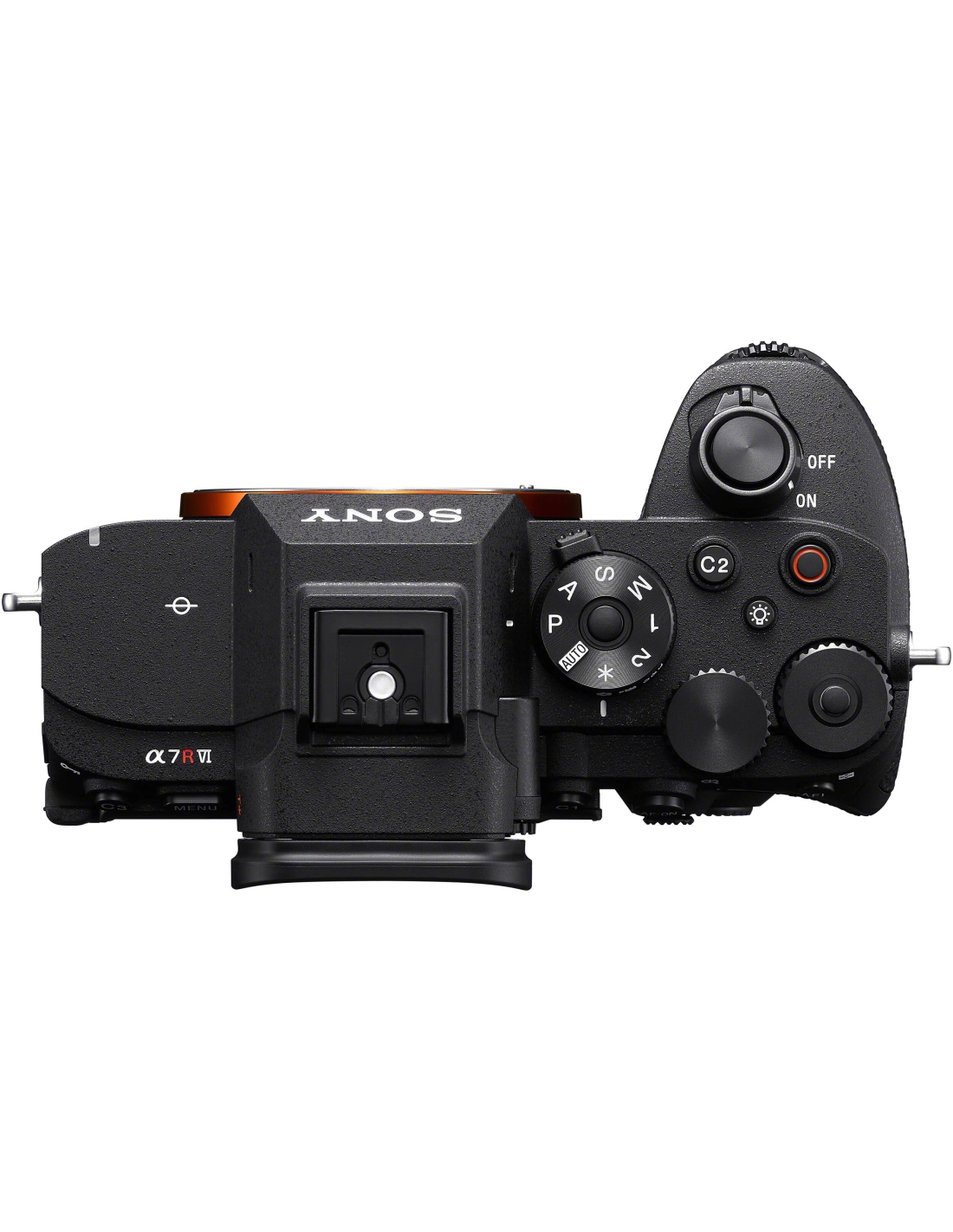
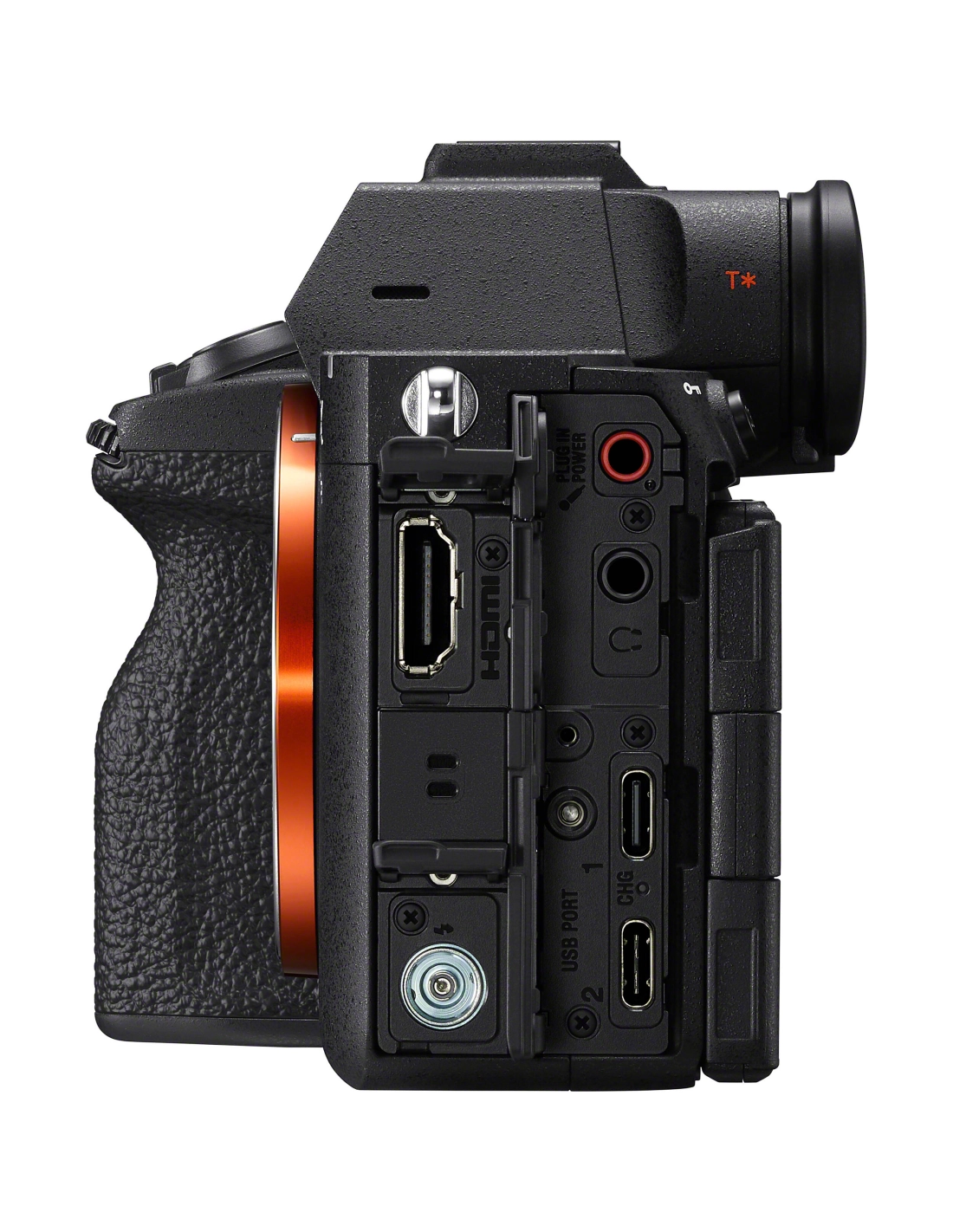
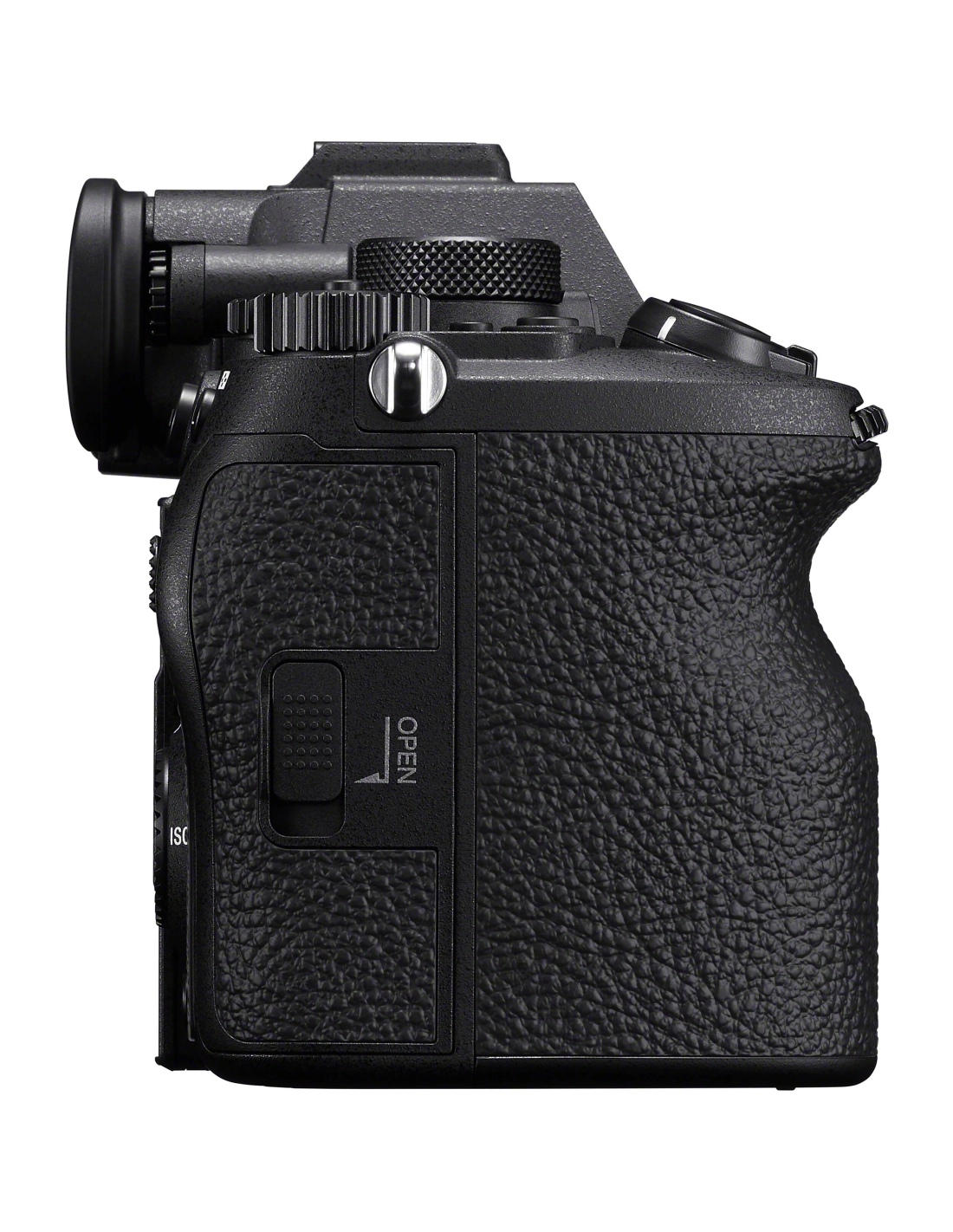
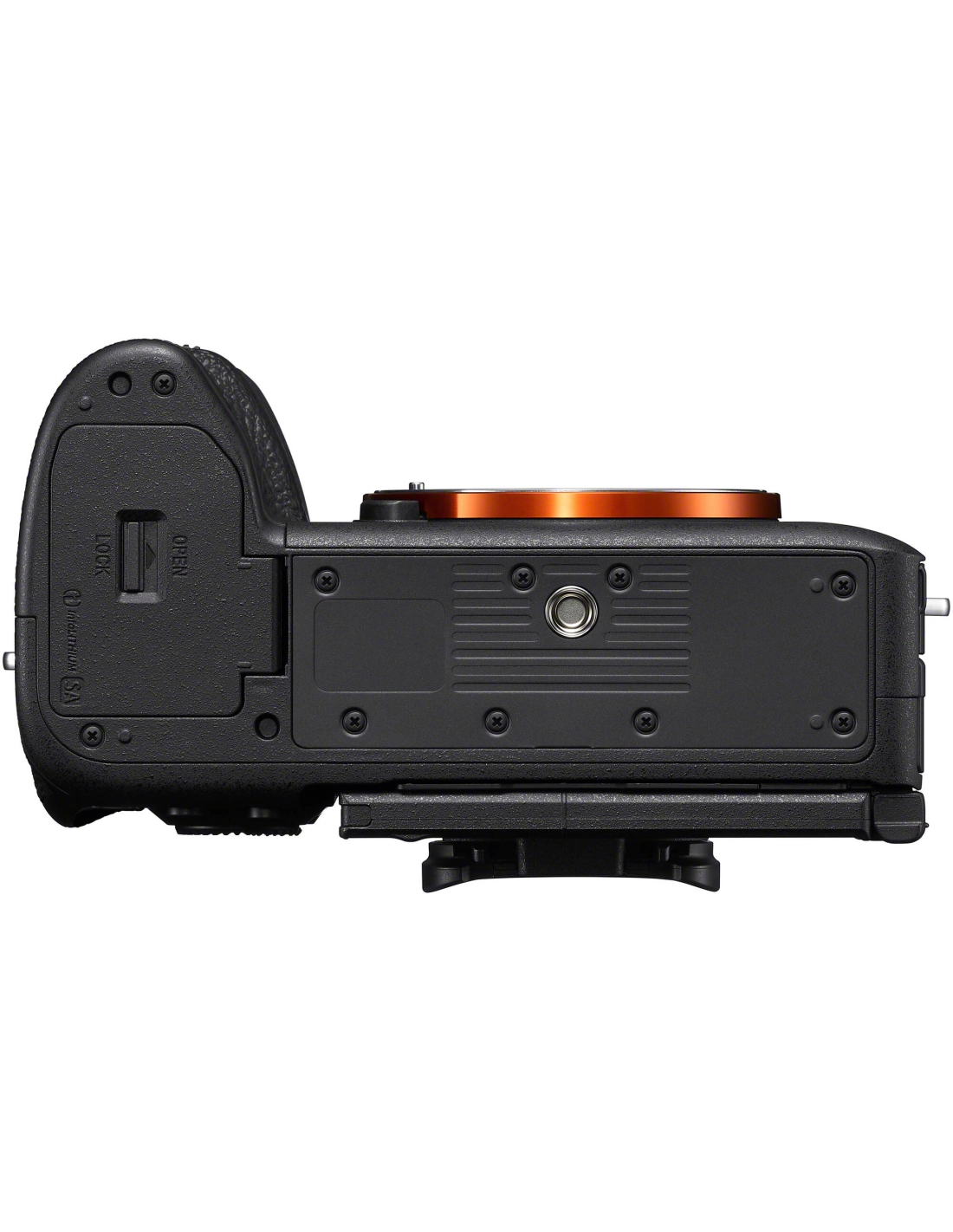
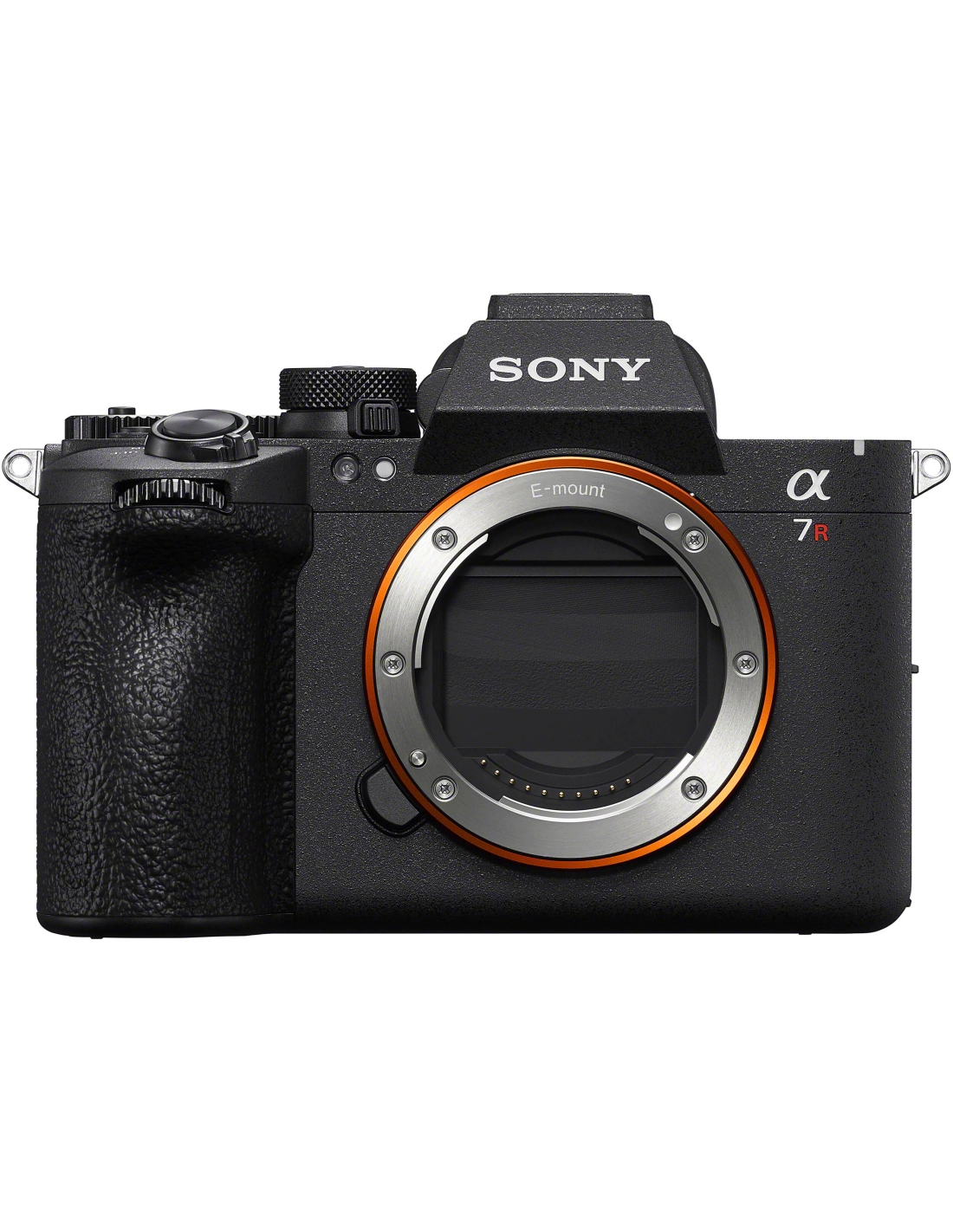
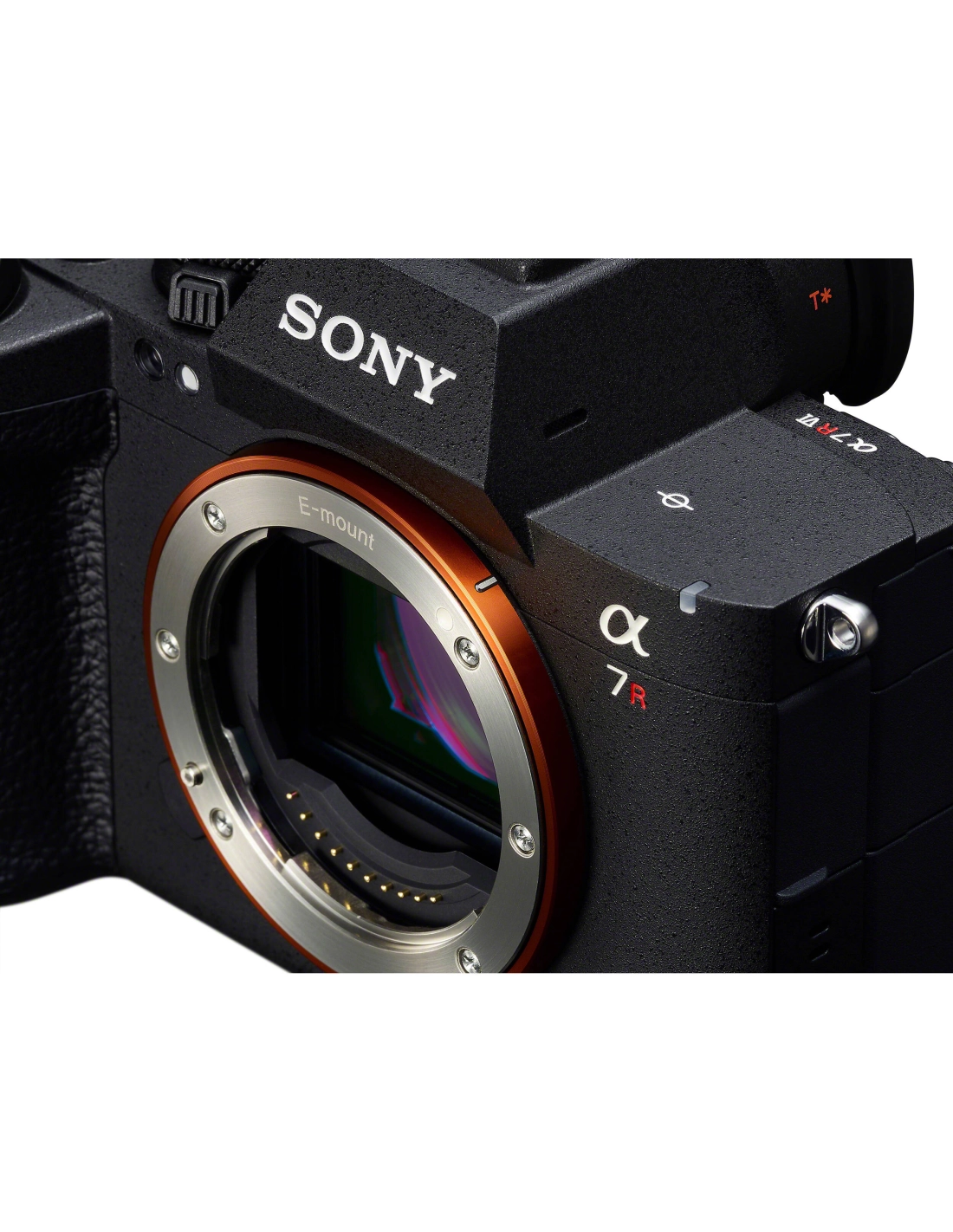
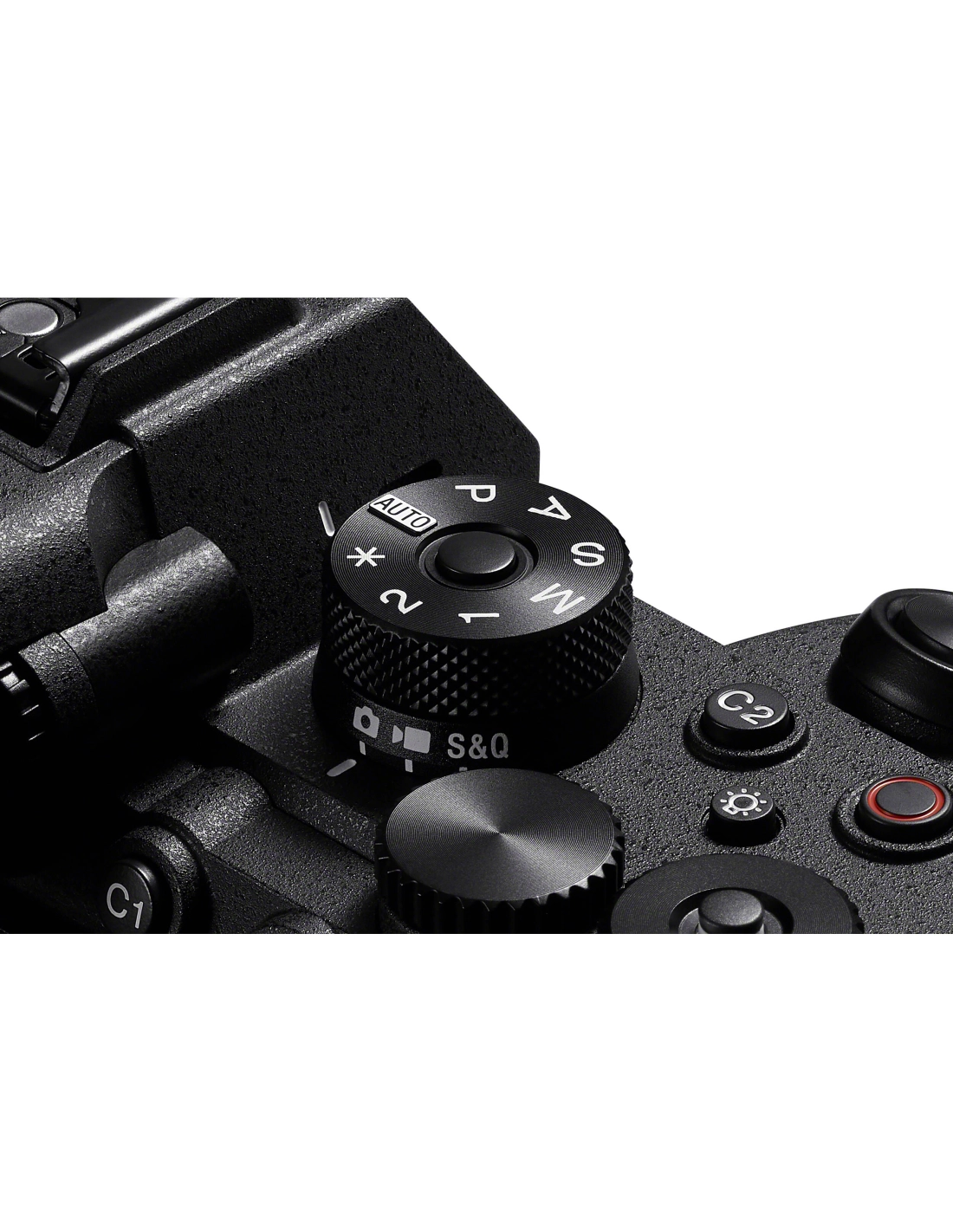
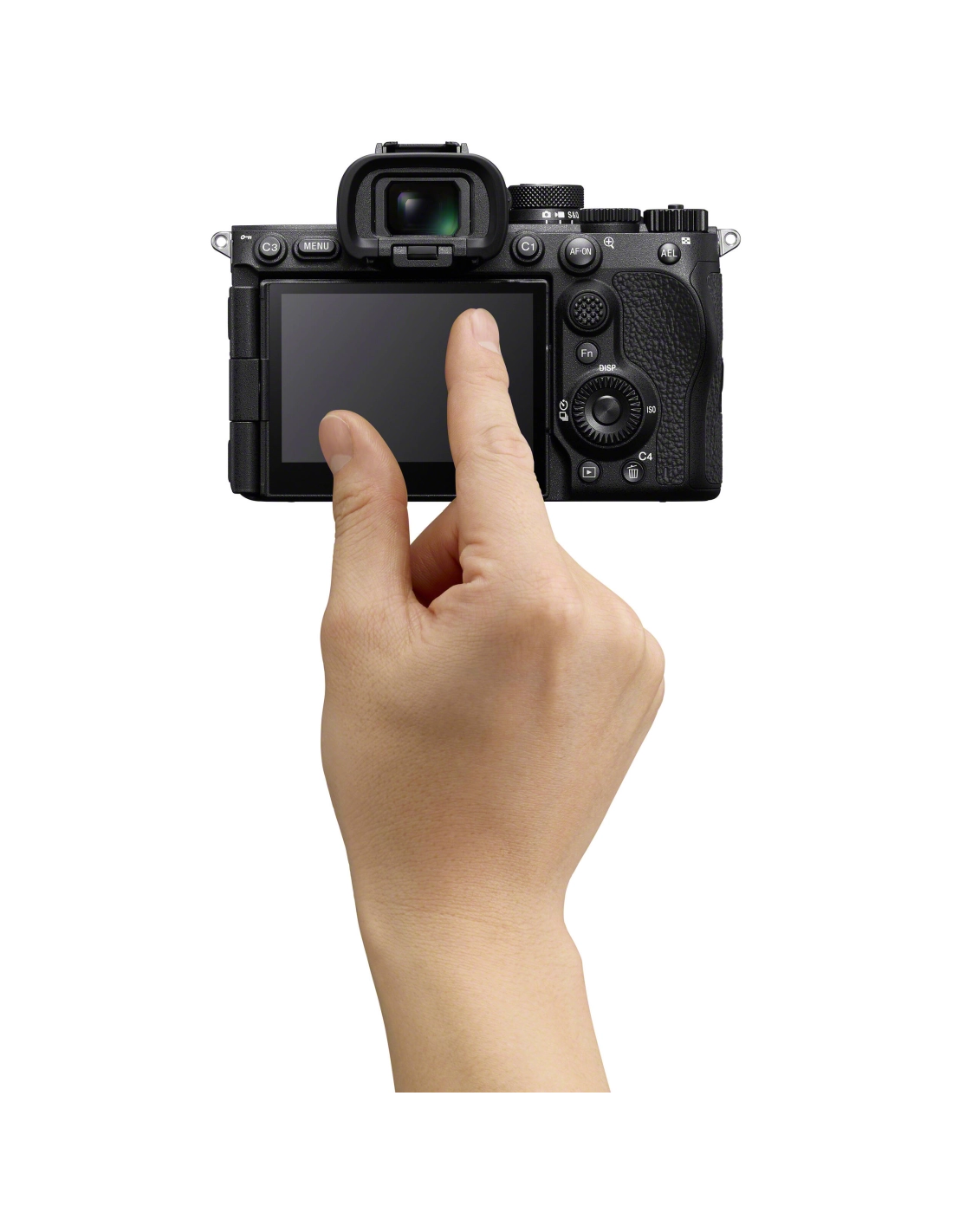
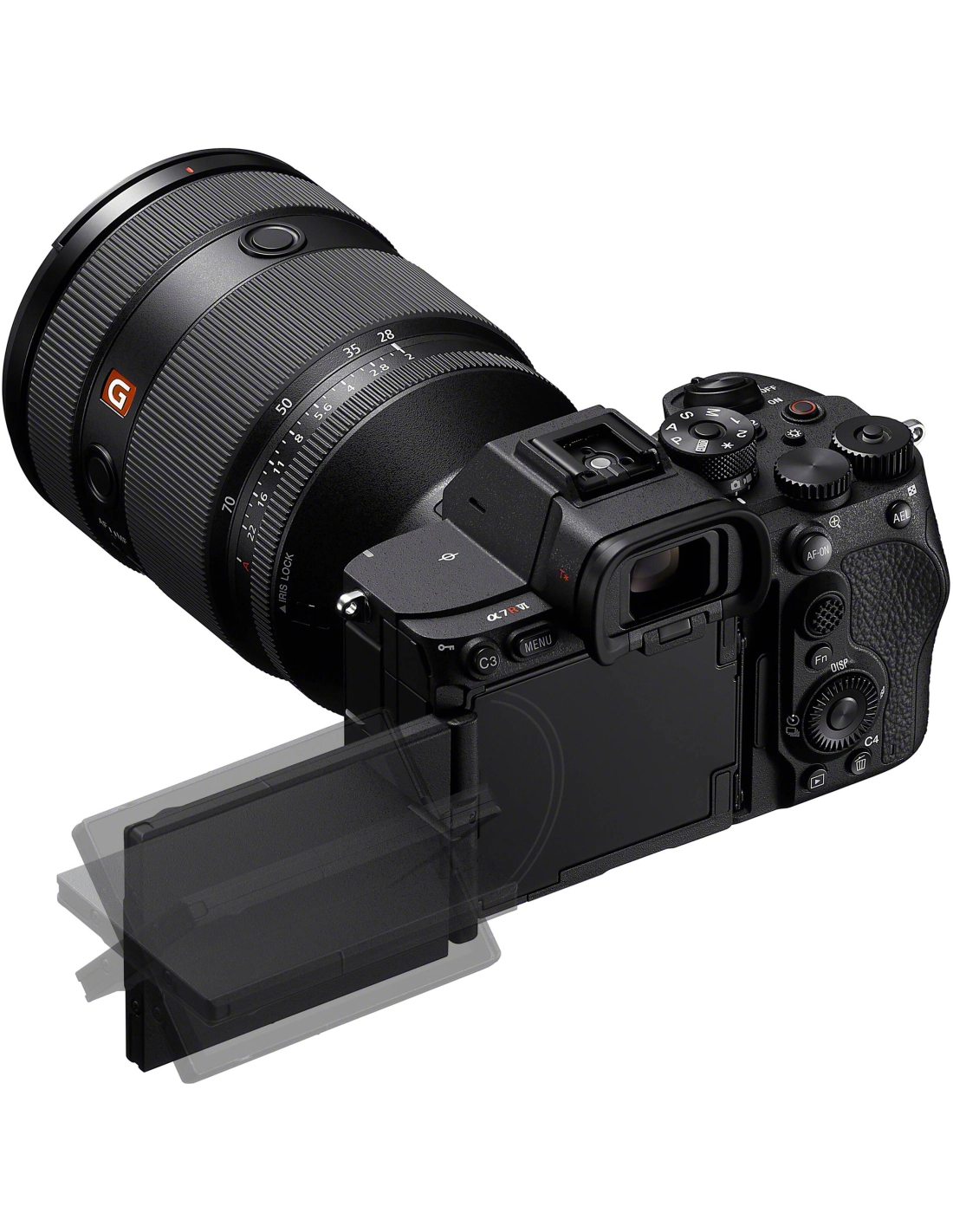
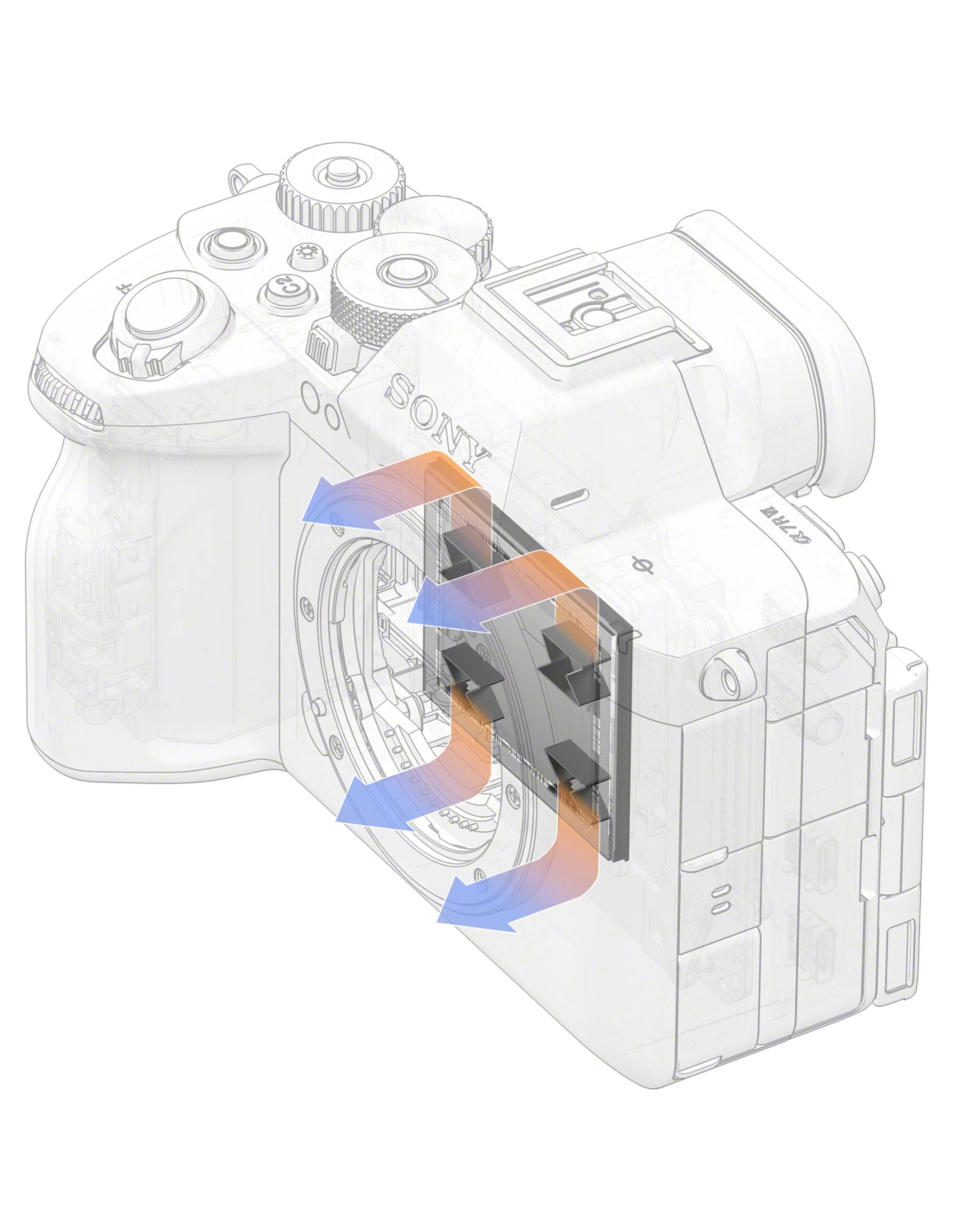
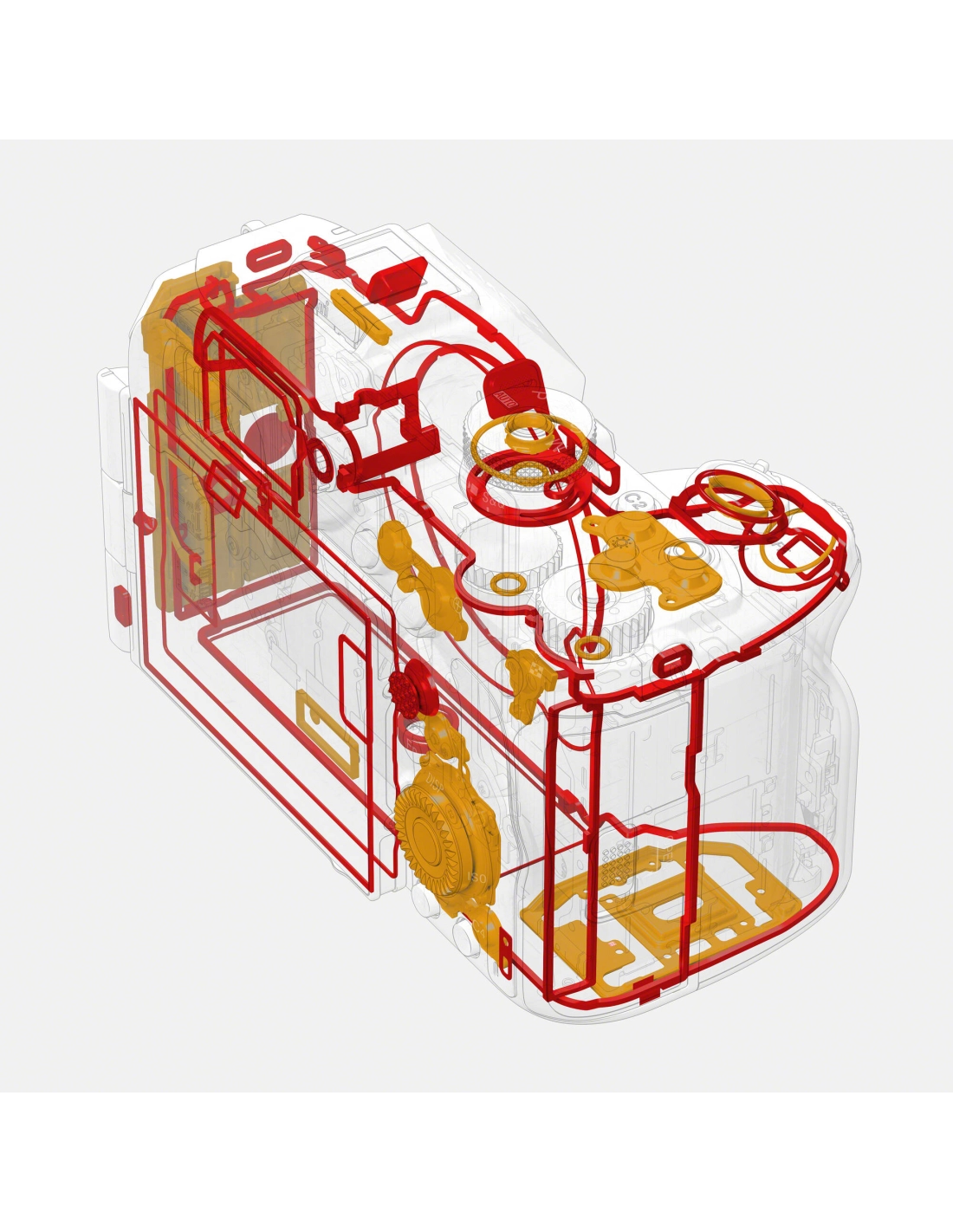


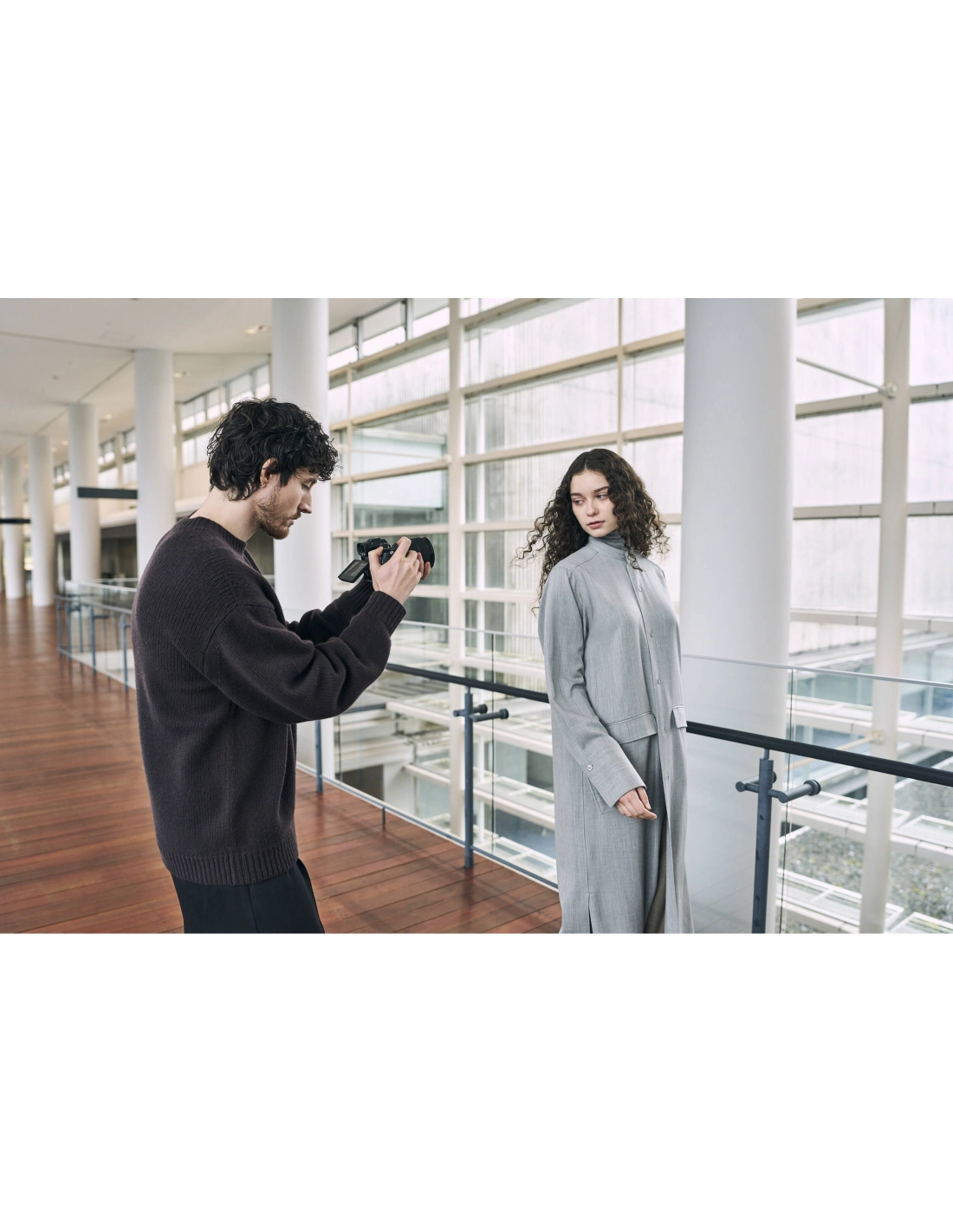
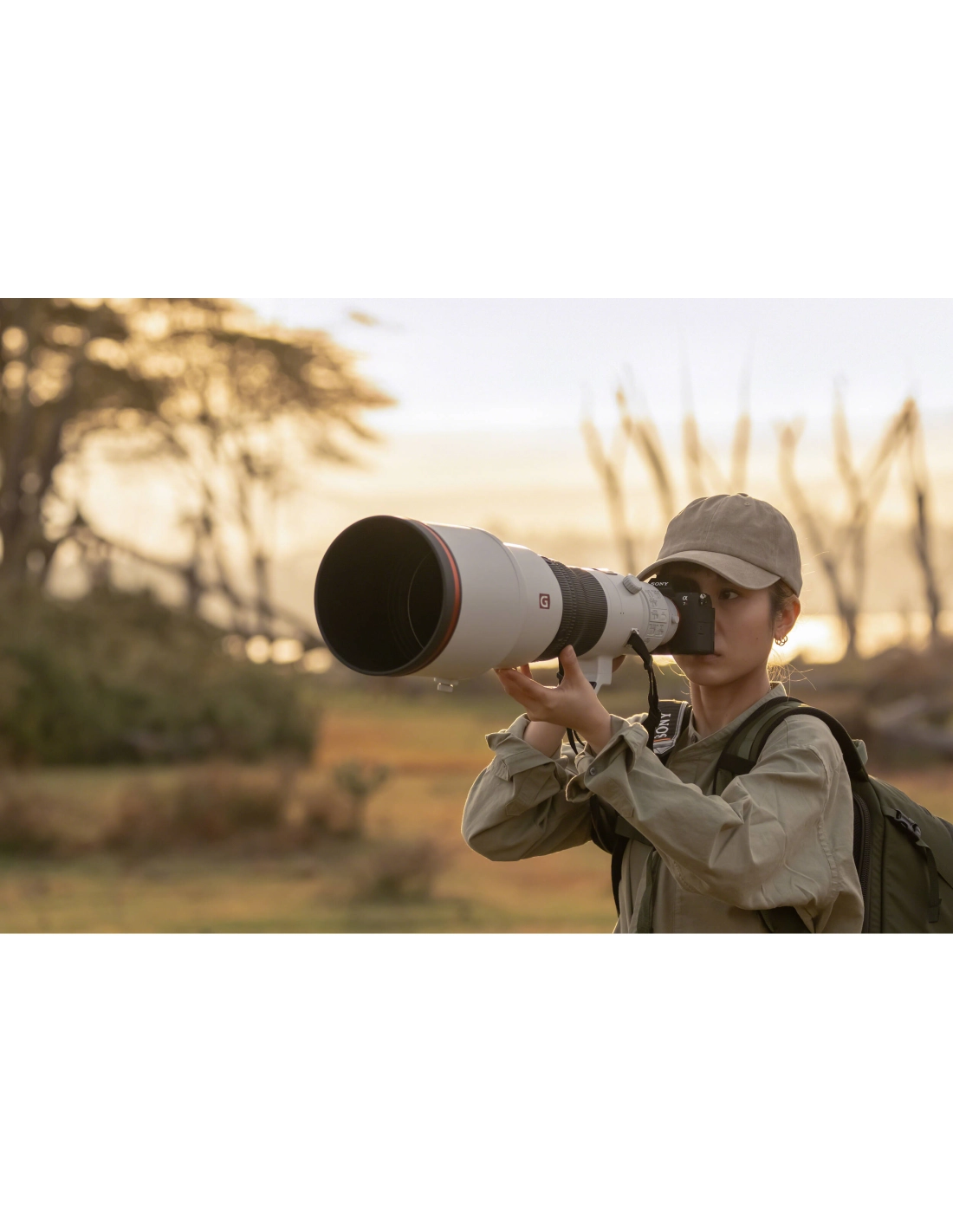

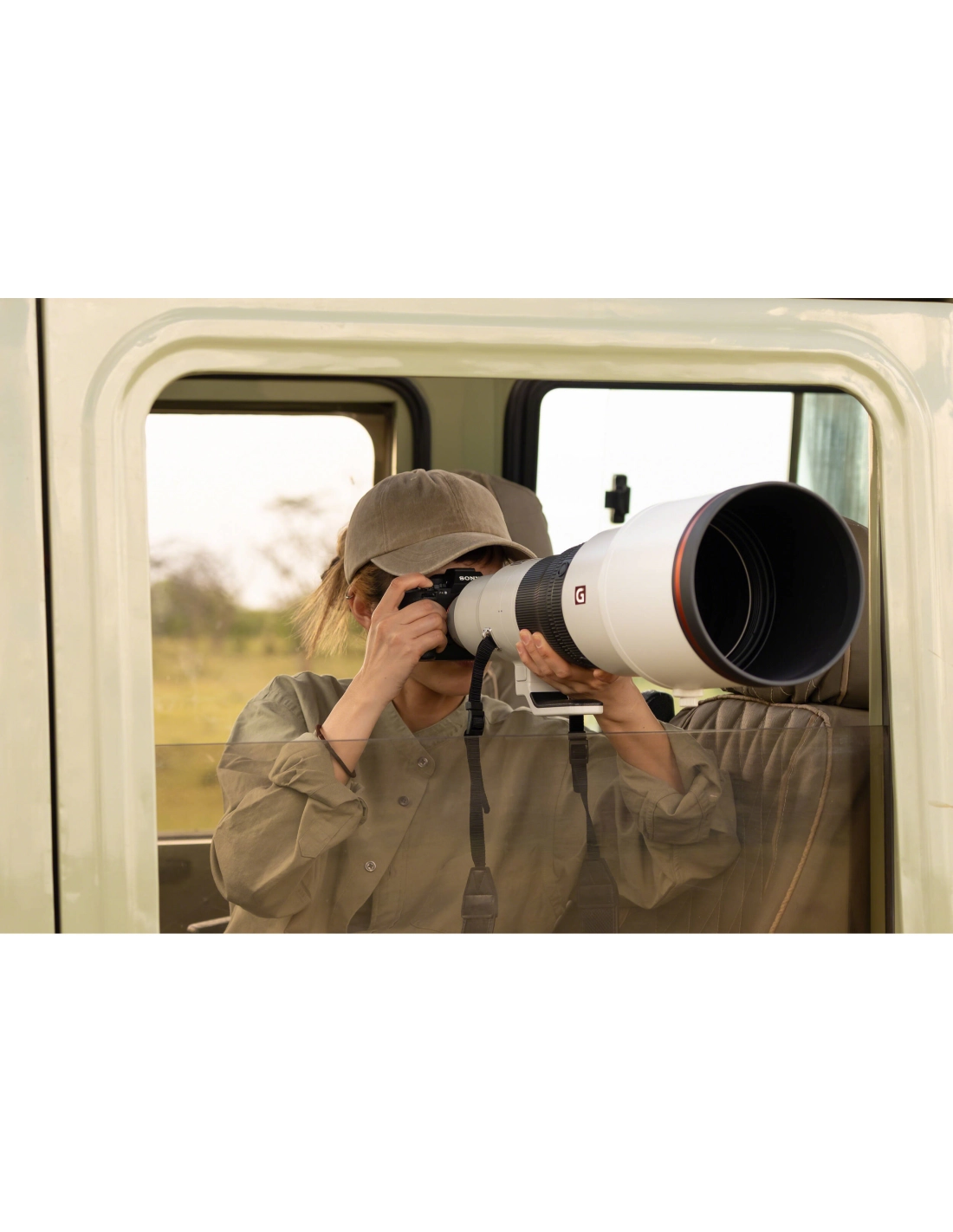


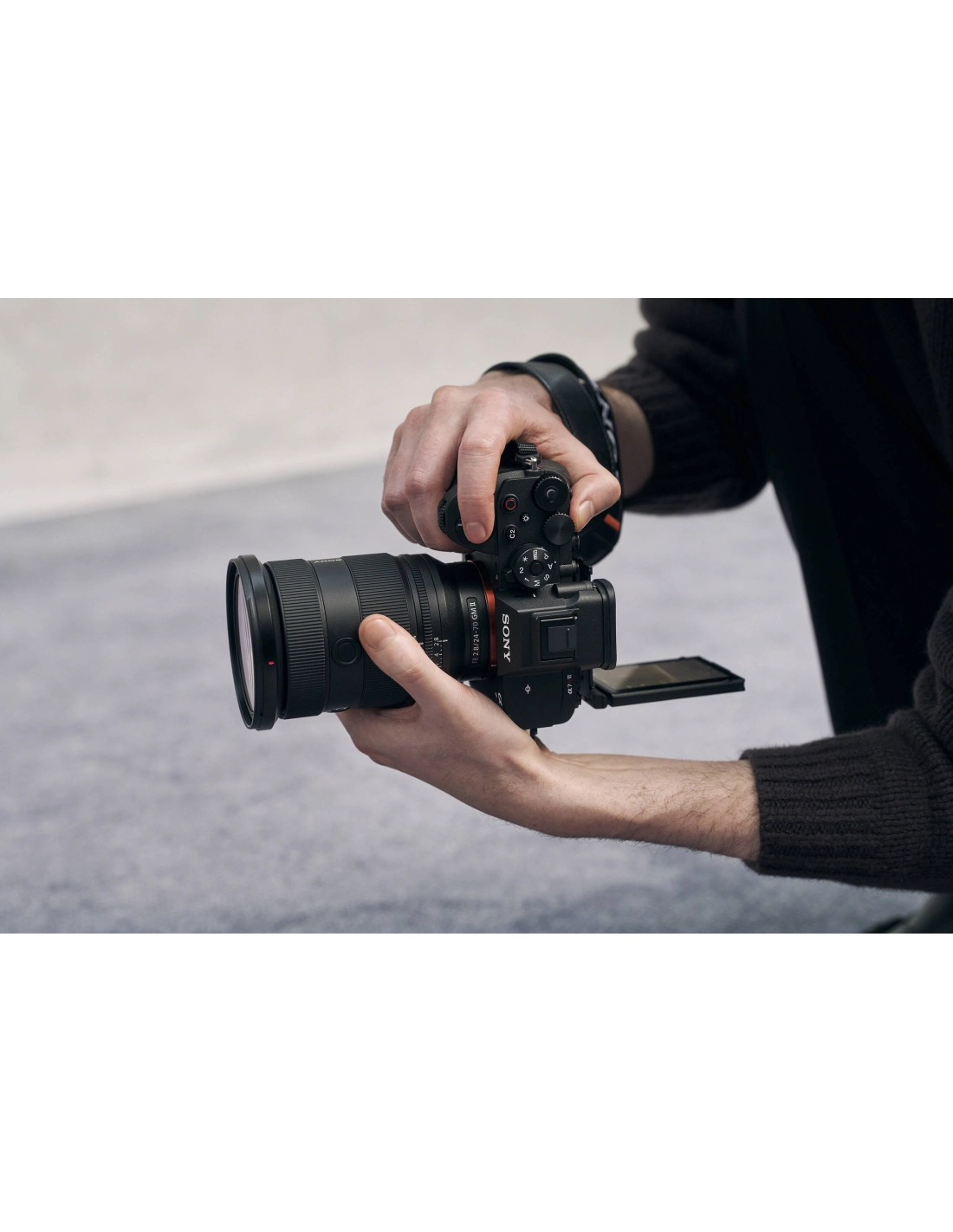
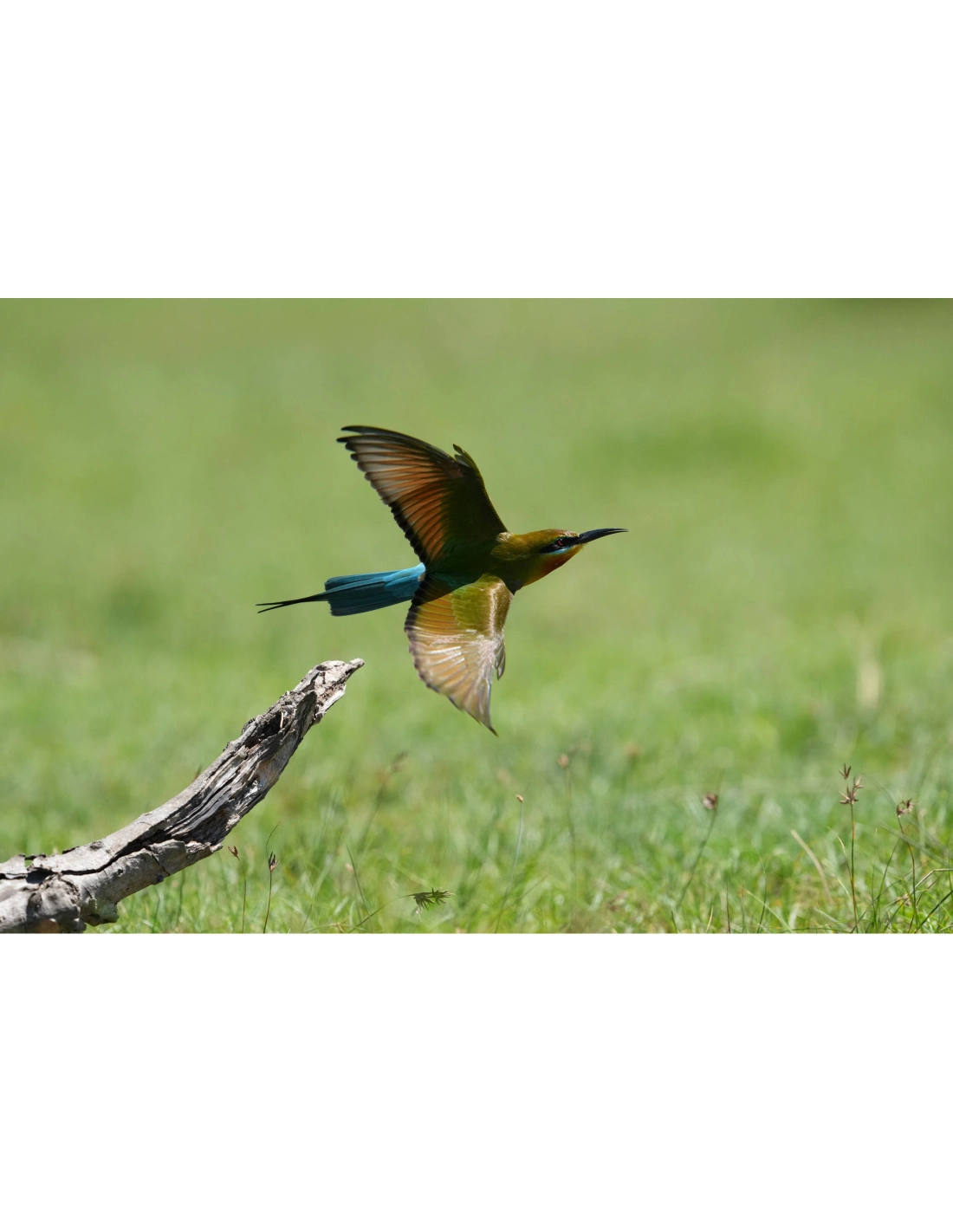
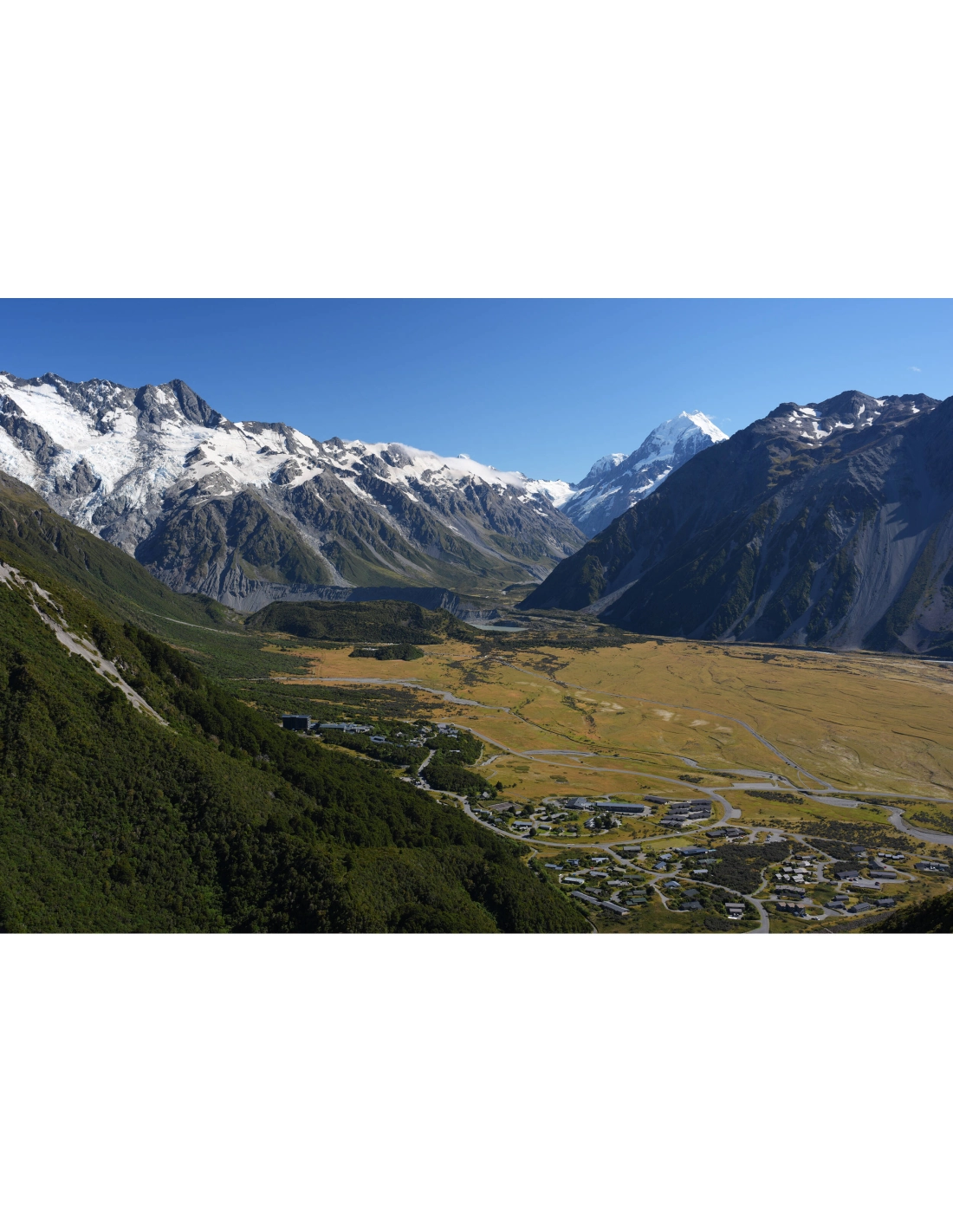



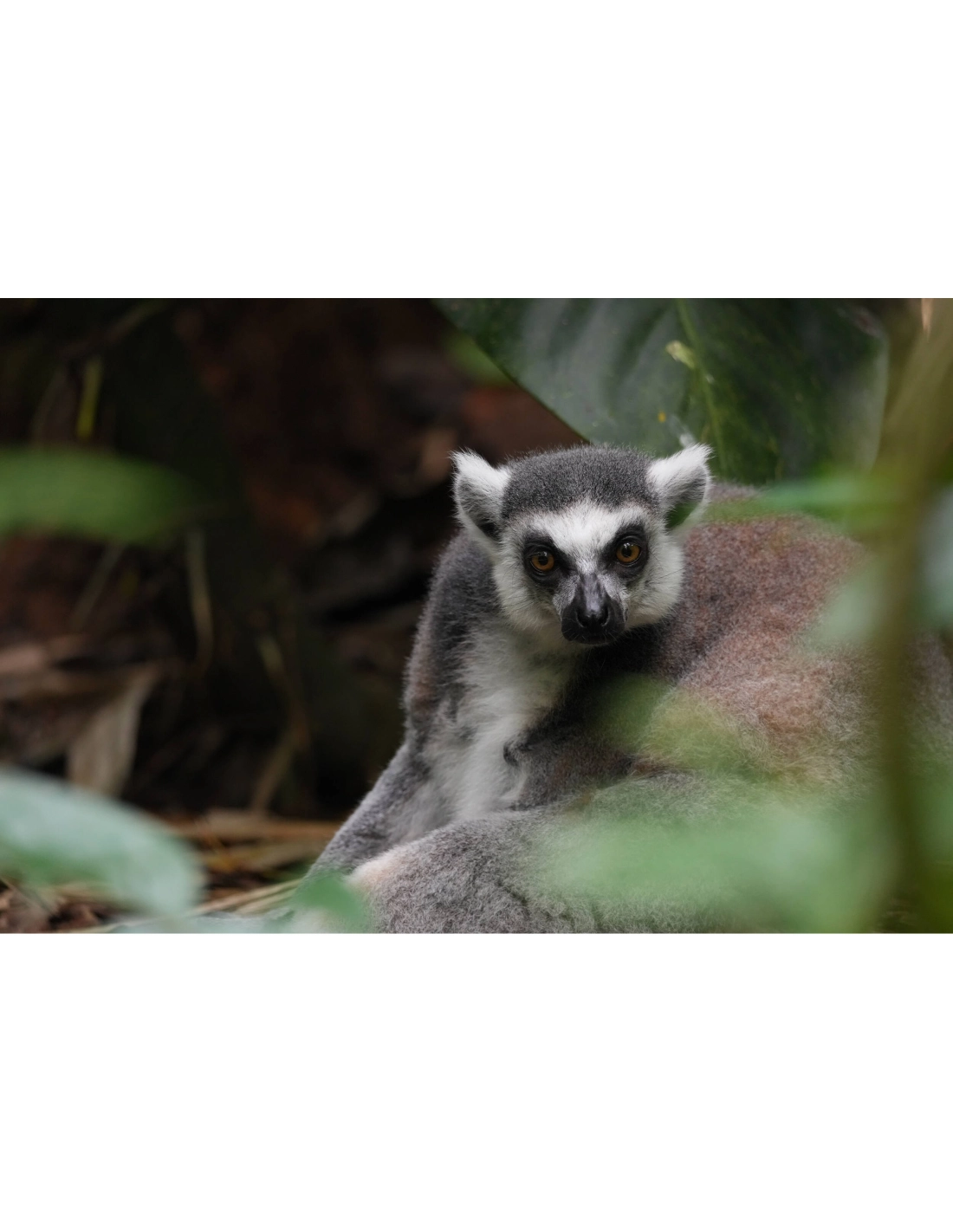
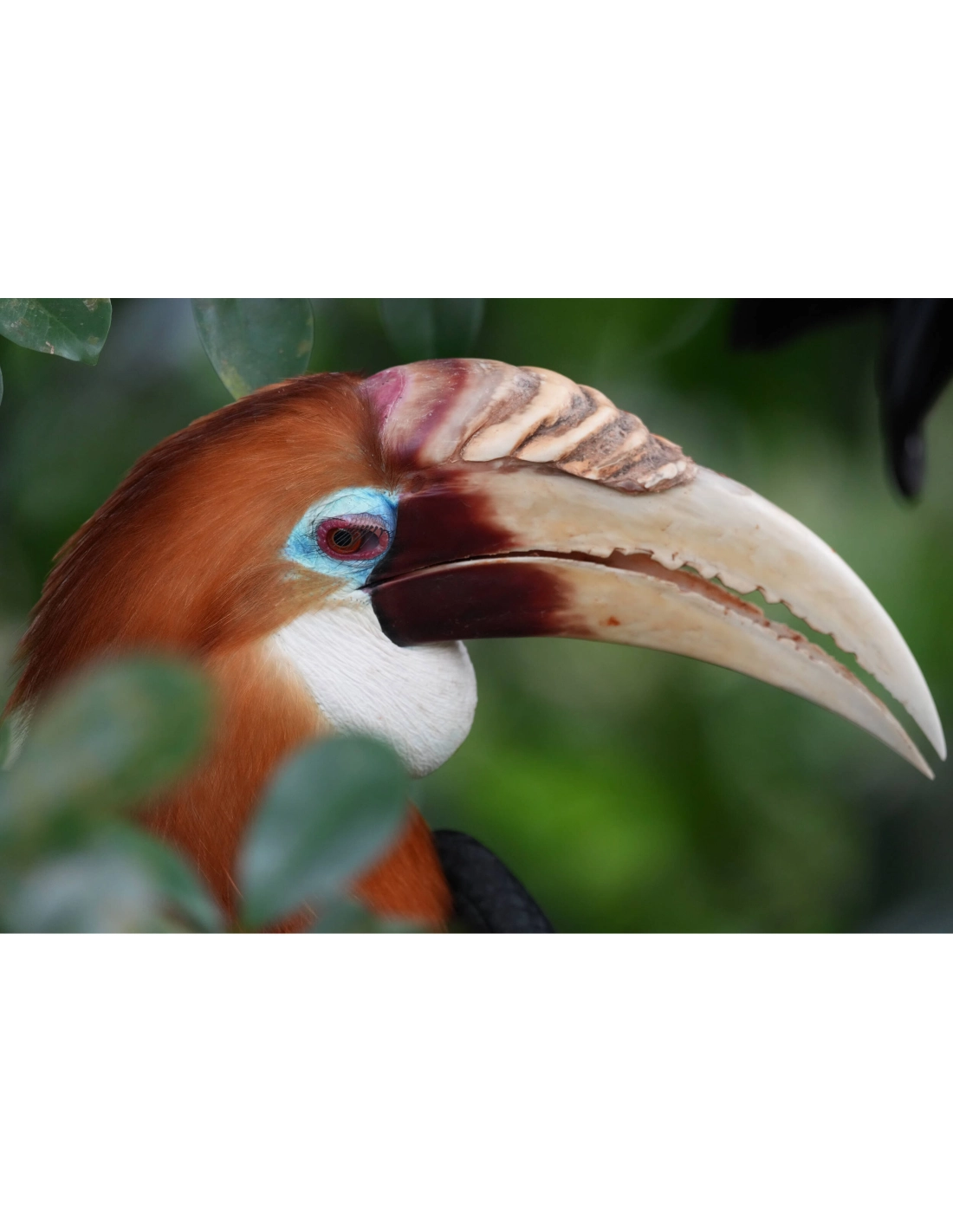
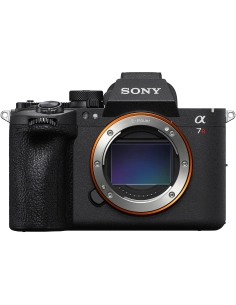

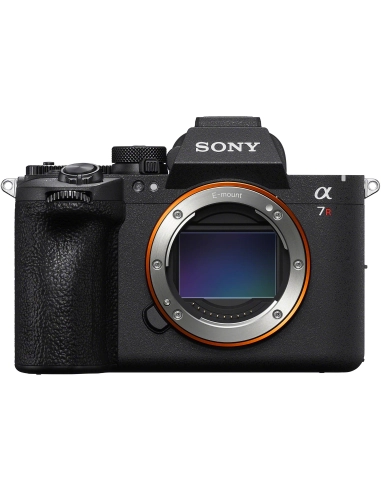
Sony Alpha 7R VI (ILCE-7RM6), a 66.8MP full-frame mirrorless camera body with a stacked Exmor RS sensor, 759-point AI autofocus, shooting at up to 30 fps, stabilization rated at up to 8.5 stops and 8K 30p / 4K 120p video. It suits landscape, portrait, studio, wedding and wildlife photographers who need generous cropping latitude without giving up speed. No lens is included. The camera uses the NP-SA100 battery and accepts SD UHS-II or CFexpress Type A cards.
Combine compatible accessories and save. The more items you add, the bigger the discount.
Accessory
Accessory

warranty extension
The Sony Alpha 7R VI is a full-frame mirrorless camera that combines 66.8MP resolution with electronic burst shooting at up to 30 fps. It is designed for photographers who need substantial cropping flexibility without restricting the camera to static subjects.
Its stacked Exmor RS sensor, BIONZ XR2 processor with an integrated AI processing unit, five-axis stabilization and 8K/4K recording make it a more versatile high-resolution camera than earlier Alpha 7R generations. That performance also requires suitable lenses, memory cards, storage and computing power.
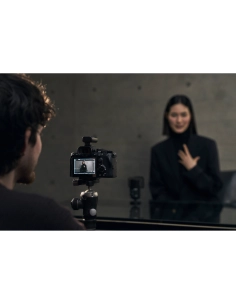
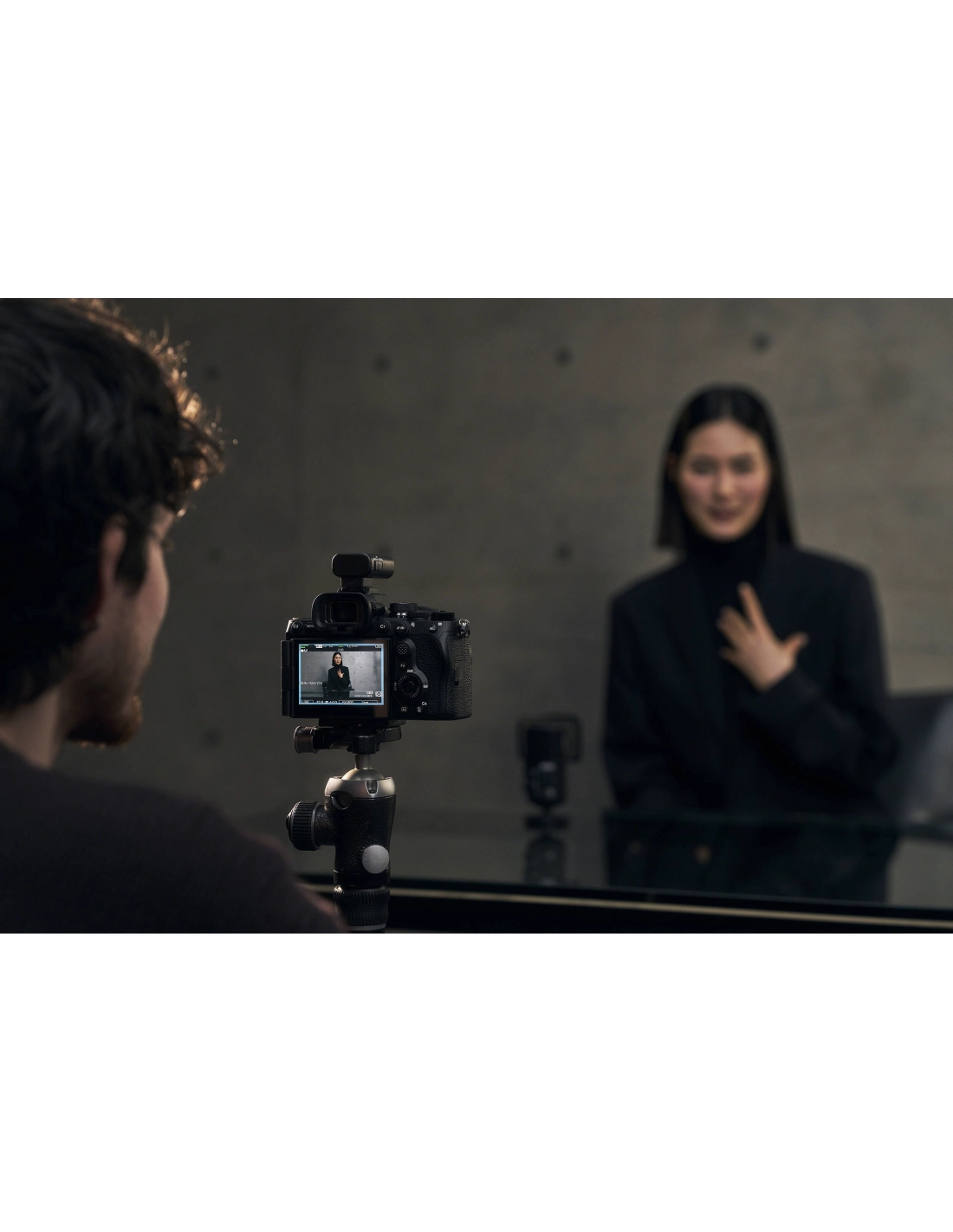
Choose the Sony A7R VI when you need high resolution and speed in the same camera. It is particularly relevant to landscape, portrait, studio, architecture, reproduction, commercial, wildlife, sports, wedding and hybrid photo-video work.
Also consider the Sony A7R V if most of your subjects are static and 61MP with up to 10 fps already meets your needs. For highly specialized professional speed requirements, the Sony A1 II or Sony A9 III may still be a better match depending on the assignment.
Body only: no lens is included. Check your battery and charger setup as well: the Sony A7R VI uses the NP-SA100 rather than the NP-FZ100 used by earlier models.
The 35.9 x 24.0 mm full-frame Exmor RS CMOS sensor delivers approximately 66.8 effective megapixels for stills. Maximum image size is 9,984 x 6,656 pixels, providing room to crop distant subjects, prepare large prints or deliver multiple compositions from one capture.
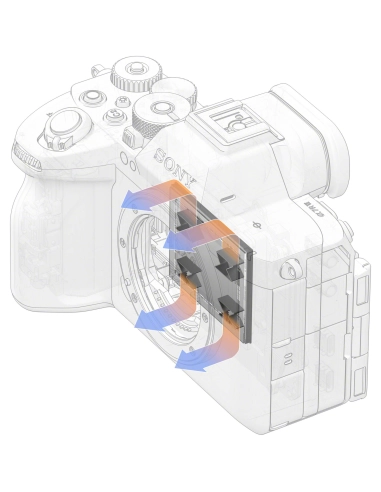
The stacked design reads data faster than the sensor in the Sony A7R V. This reduces the traditional electronic-shutter limitations of a very high-resolution body and supports continuous autofocus at high burst rates. Sony also states up to 16 stops of dynamic range at low sensitivities; actual results depend on capture and processing conditions.
The standard stills sensitivity range is ISO 100-32,000, expandable to ISO 50-102,400. As with any high-resolution sensor, final detail depends heavily on lens performance, camera stability and the sharpening applied during processing.
The Fast Hybrid AF system uses up to 759 phase-detection points. Automatic recognition covers people, animals, birds, insects, cars, trains and aircraft. Combined with the sensor's faster readout, this makes tracking more dependable for distant or unpredictable subjects.
With the electronic shutter in Hi+ mode, continuous shooting reaches up to 30 fps at full resolution with AF/AE tracking. Sony lists buffers of up to 215 Fine JPEG, 150 RAW or 65 Compressed (HQ) RAW images, depending on the file format and card. Burst rate and depth can vary with lens compatibility, settings, file type and shooting conditions.
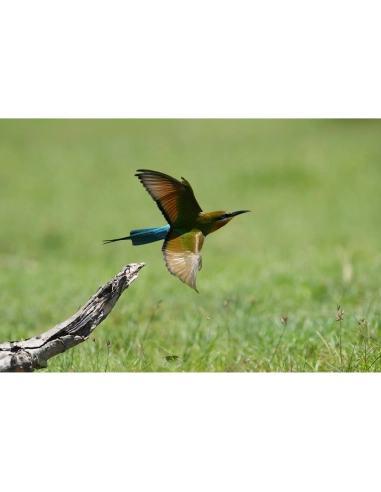
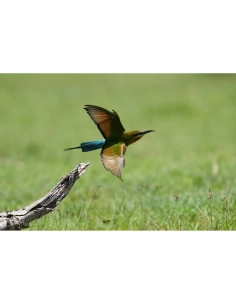
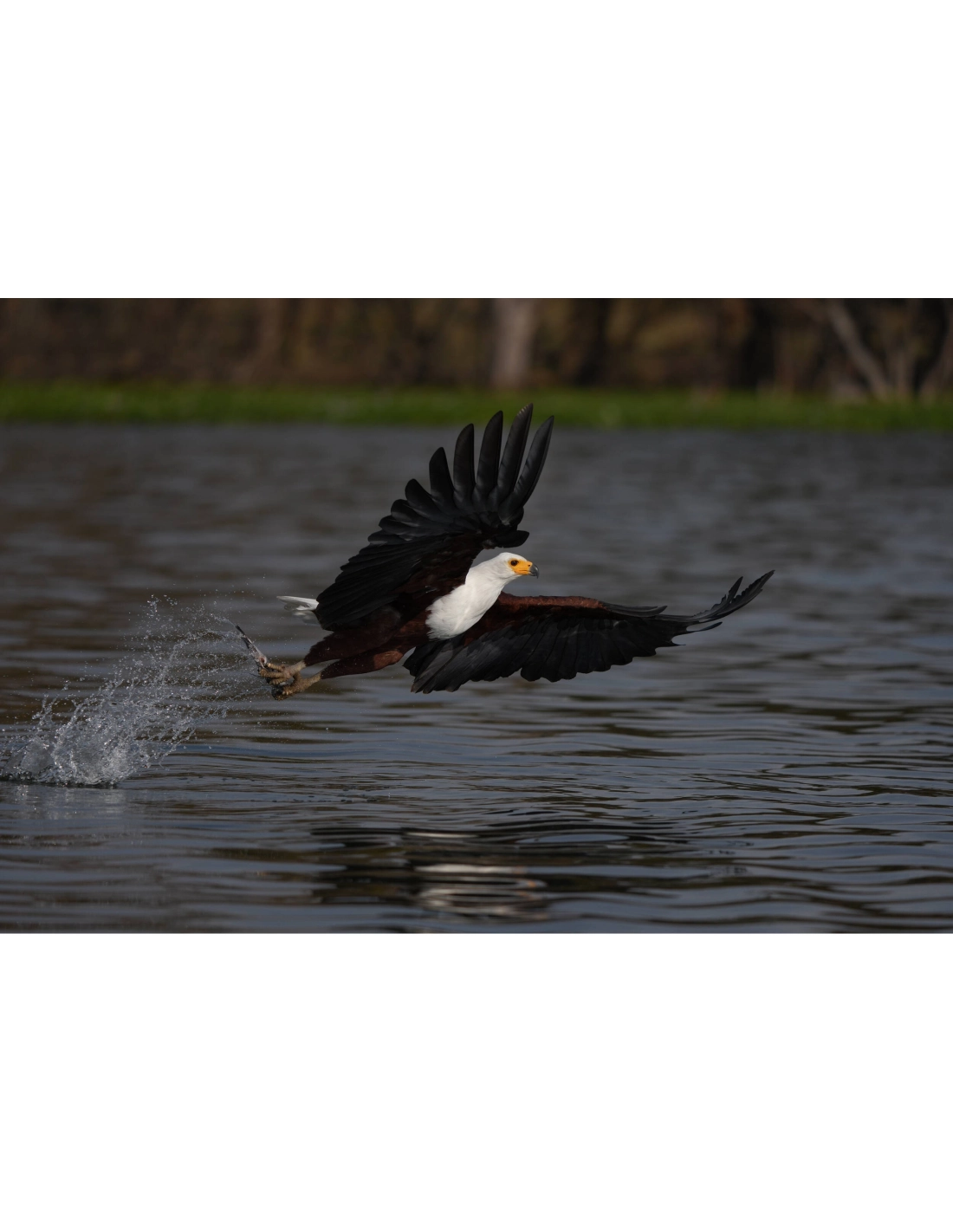
Pre-Capture can save images from before the shutter is fully released, over an adjustable interval of up to one second. This is useful for a bird taking flight, a brief expression, a sporting movement or any event whose exact timing is difficult to predict.
The Sony A7R VI records 8K at up to 29.97p in XAVC HS and 4K at up to 119.88p. Available formats include 4:2:2 10-bit options and 16-bit RAW output over HDMI. Field of view, bitrate, codec and card requirements vary with the selected recording mode.
| Mode | Maximum frame rate | Primary use | Check before recording |
|---|---|---|---|
| 8K UHD | 29.97p | Maximum detail and post-production reframing | Reduced field of view, bitrate, heat and storage |
| 4K UHD | 119.88p | Slow motion, sports and action | Recording mode, codec, card and field of view |
| 4K UHD | 59.94p | Wedding, documentary and hybrid production | Selected bitrate and colour sampling |
| Full HD | 119.88p | Slow motion with smaller files | Required detail level |
S-Log3, S-Gamut3/S-Gamut3.Cine, S-Cinetone and imported user LUTs support colour-managed and faster-turnaround workflows. In-camera 32-bit float audio requires the optional XLR-A4 adapter.
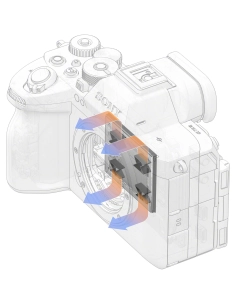
The five-axis sensor-shift system is rated at up to 8.5 stops in the centre and 7 stops at the image periphery under the CIPA 2024 conditions specified by Sony, using an FE 50mm F1.2 GM with long-exposure noise reduction disabled. It helps protect fine detail from camera movement, but it cannot freeze a moving subject.
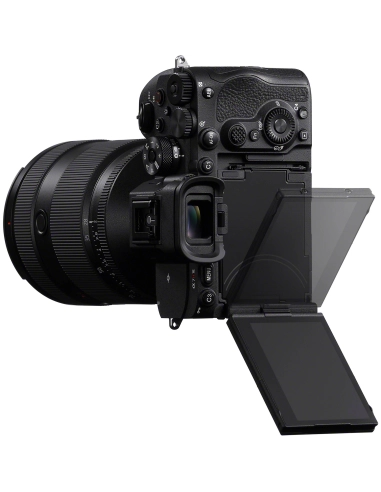
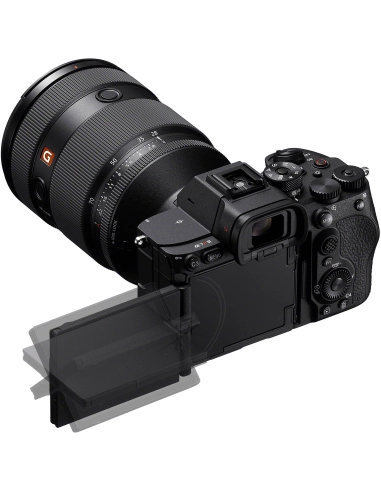
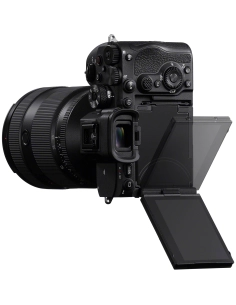
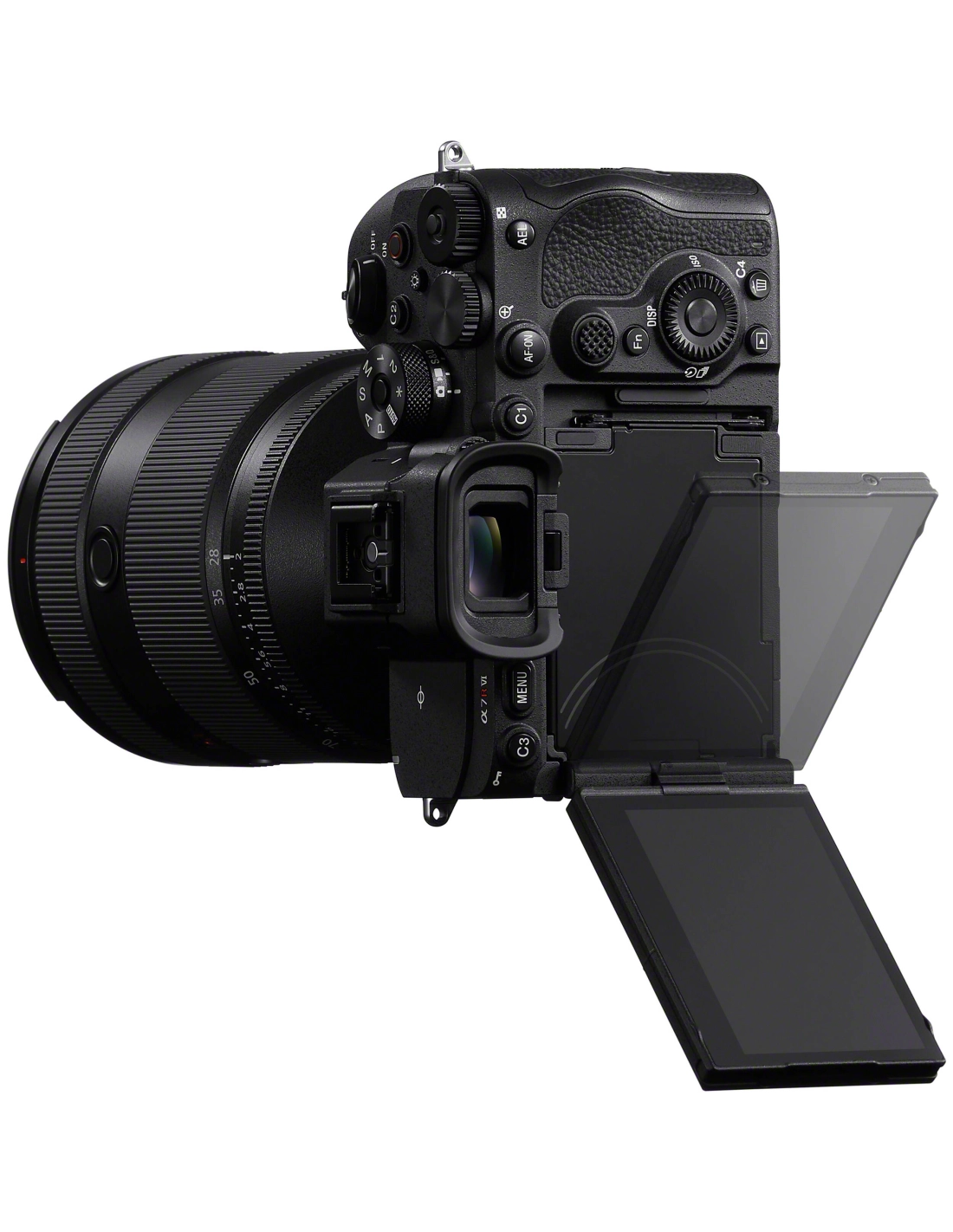
The OLED electronic viewfinder has 9.44 million dots. The 3.2-inch touchscreen combines tilting and side articulation for vertical framing, video and tripod work. The camera weighs approximately 622 g body only or 713 g with a battery and memory card.
Connections include two USB-C ports, full-size HDMI, 3.5 mm microphone and headphone sockets, a sync terminal, 2.4/5/6 GHz Wi-Fi and Bluetooth 5.3.
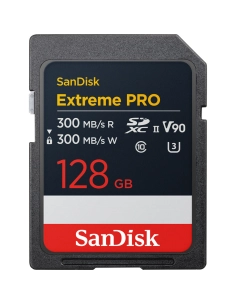
Both card slots accept either SD UHS-I/II or CFexpress Type A media. A fast UHS-II SD card is suitable for many stills and video settings. CFexpress Type A is preferable for sustained bursts and the highest-bitrate recording modes.
Large 66.8MP files increase capacity, backup and processing requirements. Before purchasing, check card write speed, available storage, computer memory and the performance of your RAW processing software.
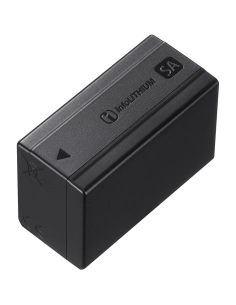
The 2,670 mAh NP-SA100 replaces the NP-FZ100 on this model. Sony rates it for approximately 600 viewfinder or 710 monitor shots under the CIPA standard. Actual battery life varies with burst shooting, video, temperature, wireless connections and display brightness.
| Criterion | Sony A7R VI | Sony A7R V | Practical effect |
|---|---|---|---|
| Sensor | 66.8MP stacked Exmor RS | 61MP Exmor R | The A7R VI adds faster readout and a modest resolution increase. |
| Maximum burst | 30 fps electronic, 10 fps mechanical | 10 fps | The A7R VI is substantially better suited to fast subjects. |
| Video | 8K 30p, 4K 120p | 8K 24/25p, 4K 60p | The A7R VI provides more flexibility for motion and slow motion. |
| Rated stabilization | 8.5 stops at the centre | 8 stops | Each figure applies under the CIPA test conditions stated for that model. |
| Battery | NP-SA100 | NP-FZ100 | Moving to the A7R VI requires compatible batteries and charging equipment. |
The generational change is not simply the move from 61MP to 66.8MP. The stacked sensor, 30 fps burst rate, Pre-Capture and improved subject tracking expand the Alpha 7R series beyond controlled scenes and make it credible for wildlife, sports and events.
That capability has a workflow cost. To use the camera effectively, you need lenses that can resolve its detail, suitable cards, substantial storage and a sufficiently powerful computer. Existing Sony users should also plan for the change in battery system.
Our recommendation: choose the A7R VI when the resolution-speed combination solves a real need. For static landscape or studio work, the A7R V remains a rational alternative; for specialized professional speed, compare the A1 II and A9 III as well.

Yes, if you want a very high-resolution camera that goes much further than the a7R V in speed, autofocus and all-round capability. The Sony a7R VI is for demanding photographers who want high detail, generous cropping latitude, modern subject tracking and fast bursts. It makes most sense if you really use its large files, speed and hybrid features.
It is for landscape, studio, portrait, reproduction, wildlife and hybrid shooters who want lots of detail without giving up speed. Its resolution is useful for large prints, cropping and demanding work. For family use, social media or lightweight reportage, a less expensive and lower-resolution camera will often be more rational.
The main upgrade is the move to a very high-resolution stacked full-frame sensor, paired with a major increase in speed. Specialist reviews highlight that the a7R VI fixes one of the historical limits of the R series: relative sluggishness. It keeps the high-resolution identity, but becomes far more credible for action, wildlife and hybrid work.
Yes, 66.8MP gives a lot of room for cropping, large prints and highly detailed subjects. That is especially useful for landscapes, studio, commercial portraits, reproduction and wildlife where cropping can matter. The trade-off is large files that demand suitable cards, storage and computer performance.
Yes, speed is one of its major selling points: it can shoot very fast bursts at full resolution with the electronic shutter. This makes it much more versatile than older a7R models for moving subjects. You still need to watch buffer depth, RAW format and how much speed you actually need for each scene.
Yes, its autofocus and subject tracking are clearly designed for more demanding work than studio shooting alone. Reviews point to stronger recognition, better tracking and real usefulness with moving subjects. For extreme professional sport, the a1 II or a9 III may remain more specialised, but the a7R VI is much more credible than before.
Yes, it is very capable for video, especially for hybrid creators who want one camera for both stills and motion. Reviews highlight strong video features, including 8K and high-frame-rate 4K. It is not necessarily the simplest pure video body, because cinema-focused or lower-resolution cameras can be easier to manage.
Yes, in-body stabilisation is a real advantage, especially with such a high-resolution sensor. The more resolution a sensor has, the more visible small camera shake can become. Reviews indicate improved stabilisation, which helps hand-held work, slower shutter speeds and full use of the camera's resolution.
Yes, these are among its natural uses. Its very high resolution, expected dynamic range and cropping latitude suit landscapes, reproduction, studio work and detailed portraits. You should pair it with excellent lenses, because a sensor this detailed quickly reveals the limits of average optics.
Choose the Sony a7R VI if you need the new speed, stacked sensor, more advanced autofocus and stronger hybrid performance; choose the a7R V if high resolution is enough and budget matters more. For many slower-paced photographers, the a7R V remains very relevant. For high-resolution action, the a7R VI has the advantage.
Choose the a7R VI for maximum versatile resolution, the a1 II for professional sport/photo/video balance, and the a9 III for extreme speed and global shutter work. The a7R VI is the logical choice if resolution remains the priority. If professional sport or zero rolling shutter is the top priority, the a1 and a9 lines remain more specialised.
Its main limits are price, file size, card and storage demands, buffer behaviour depending on settings, and whether you truly need very high resolution. It is an impressive camera, but it can be excessive if you do not crop heavily, make large prints or need both high resolution and speed.
No. This offer is for the camera body only. No lens is included. Sony's supplied-accessory list includes an NP-SA100 battery, BC-SAD1 charger, shoulder strap, body cap, shoe cap, eyepiece cup and cable clamper. Always check the offer's “In the box” section before ordering.
No. The Sony A7R VI uses the new NP-SA100 battery. An NP-FZ100 from an earlier Alpha camera is not interchangeable with this model. Choose NP-SA100-compatible batteries and charging equipment if you need a spare set.
Each slot accepts both SD UHS-I/II and CFexpress Type A cards. A fast UHS-II SD card suits many stills and video settings. CFexpress Type A is preferable for sustained bursts and the highest-bitrate recording modes. Check Sony's media requirements for the exact recording setting before buying a card.
The Sony A7R VI records up to 8K 29.97p and 4K 119.88p, depending on the selected format and settings. Sony notes that the field of view is reduced in 8K. Practical recording time also depends on the mode, media, ambient temperature and the camera's auto power-off temperature setting, so there is no single guaranteed duration.
Sony announced the Alpha 7R VI on 13 May 2026, with availability beginning in June 2026 according to Sony's official announcement. This is now historical information: check the MCZDirect offer for current availability rather than relying on the launch date.