

Shopping Cart

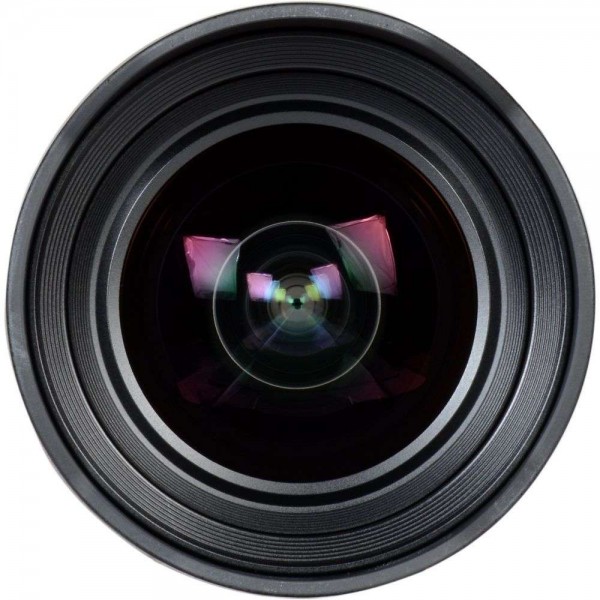
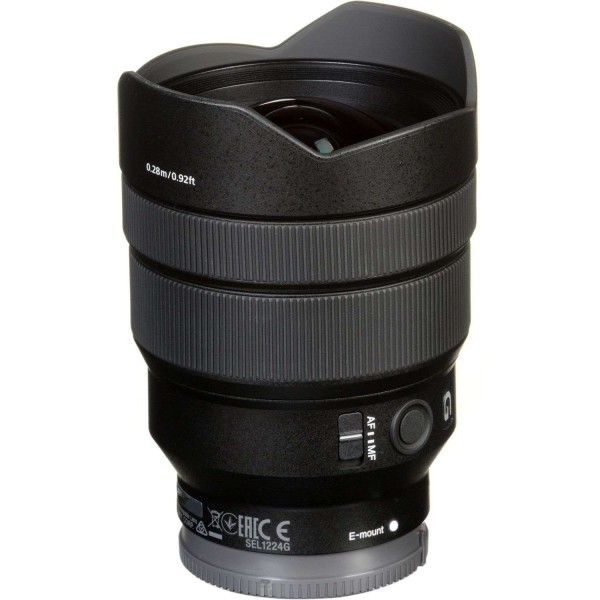
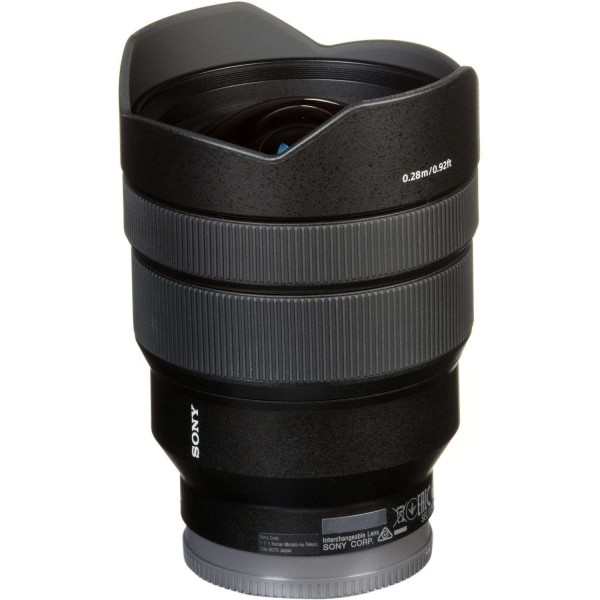
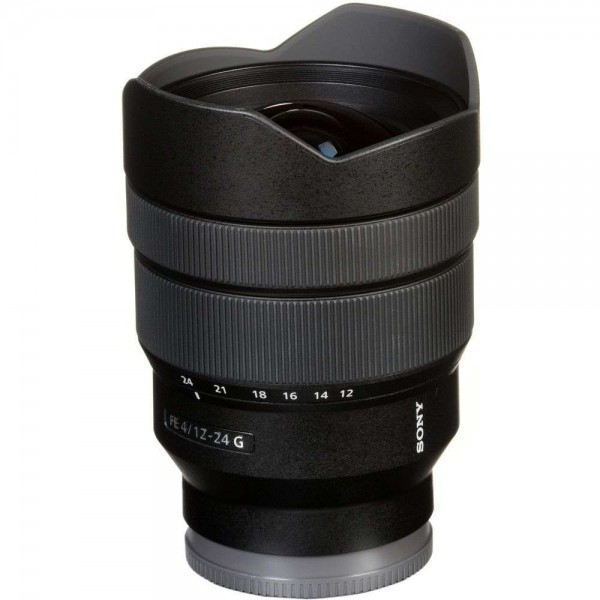
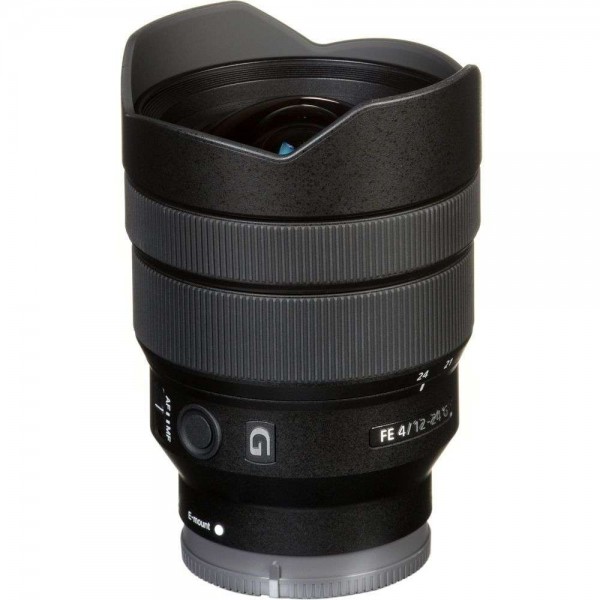
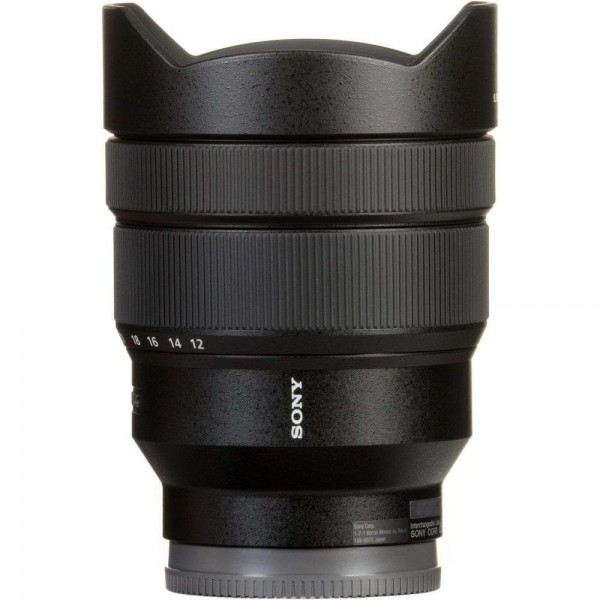
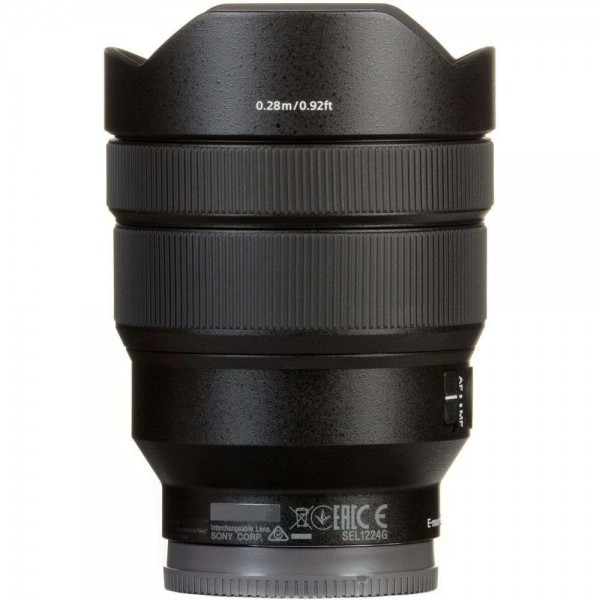
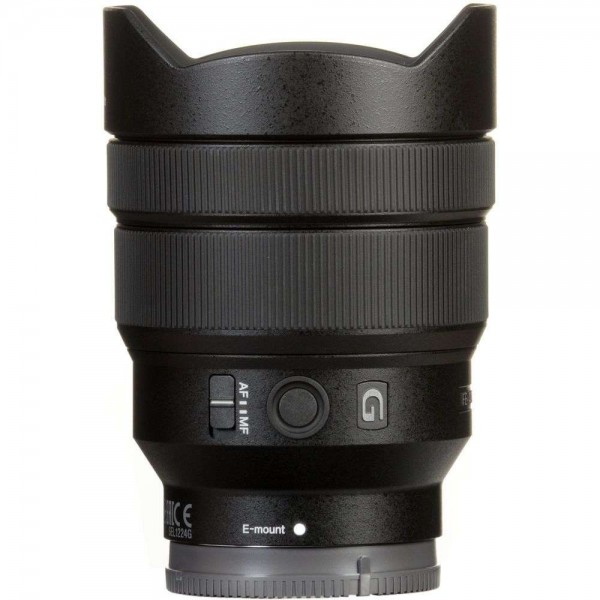
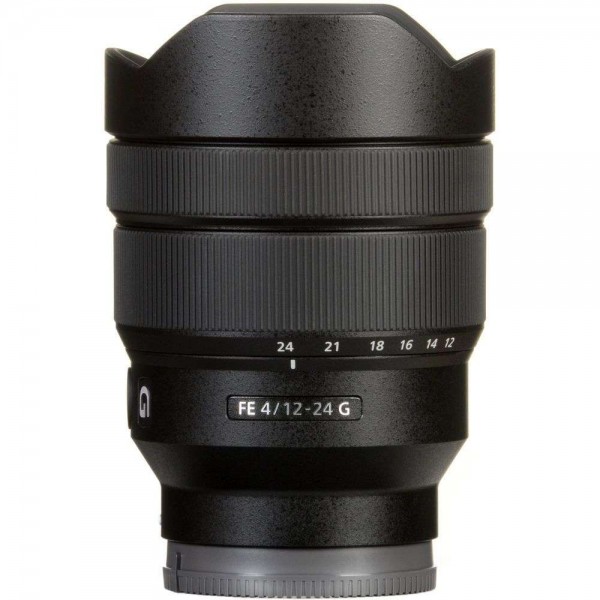
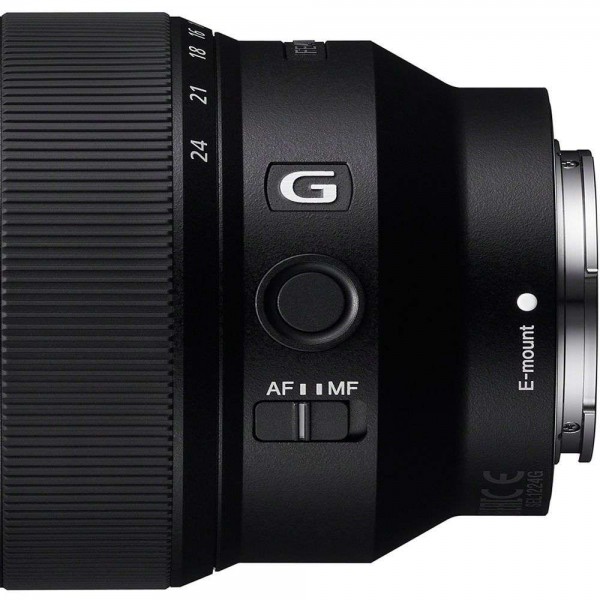
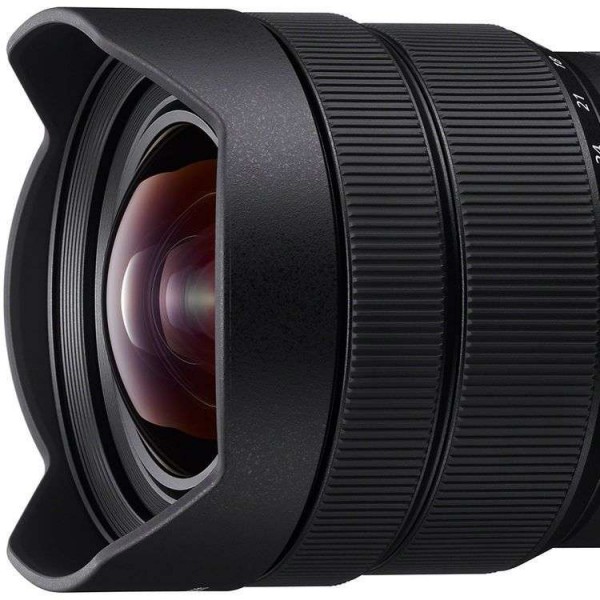
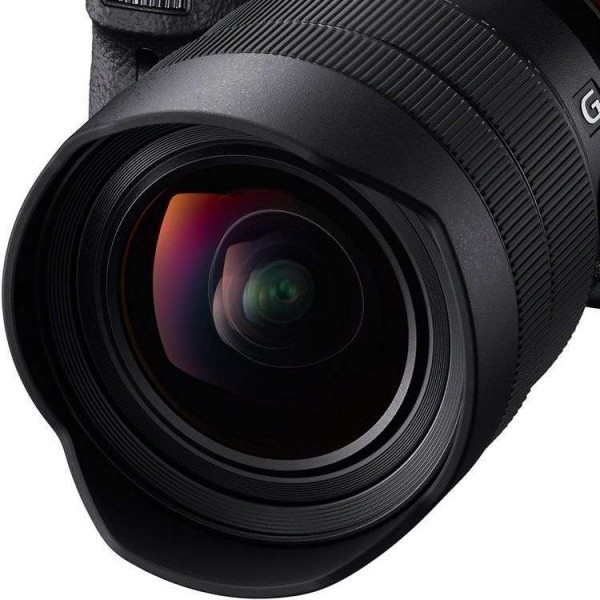
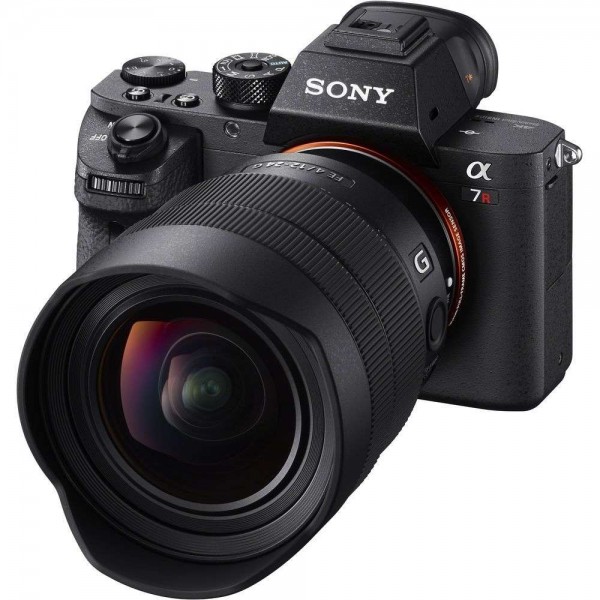
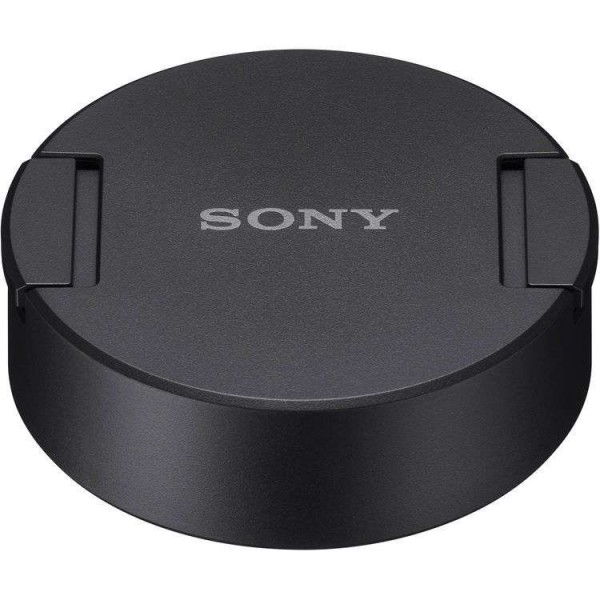
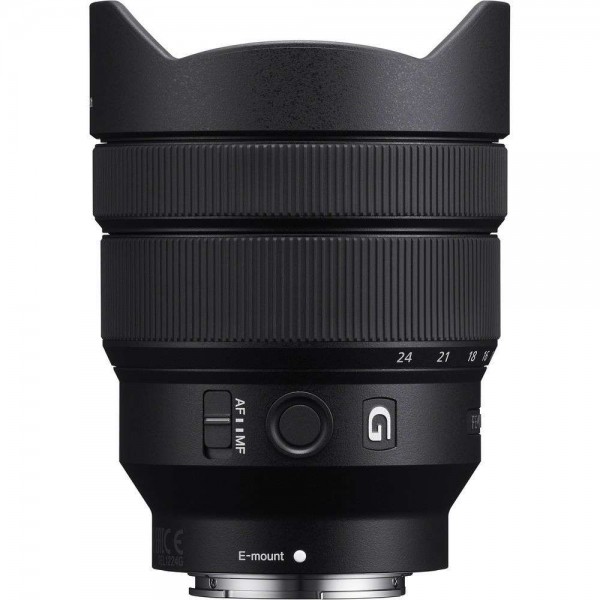

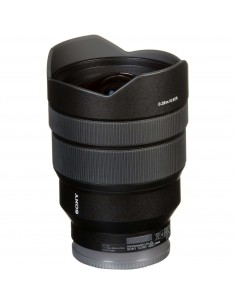
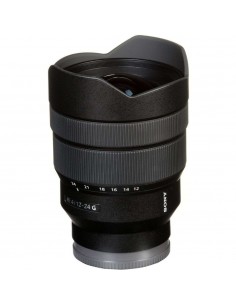
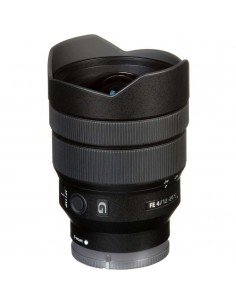
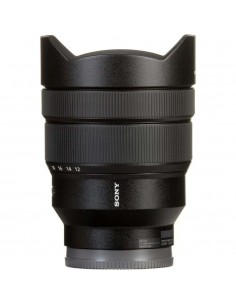
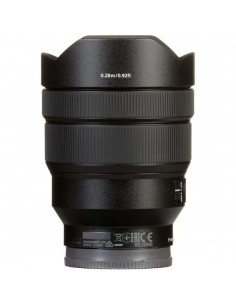
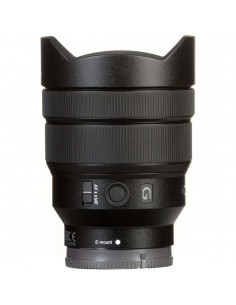
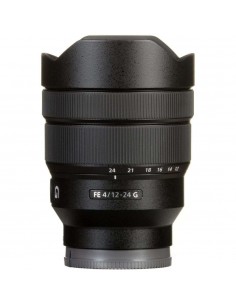
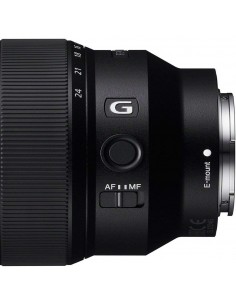
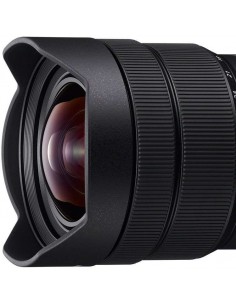
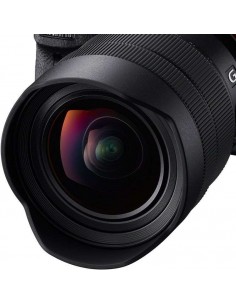
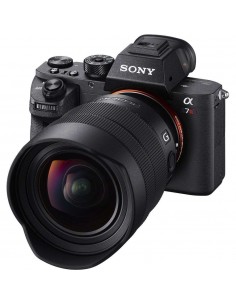
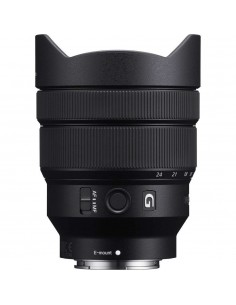


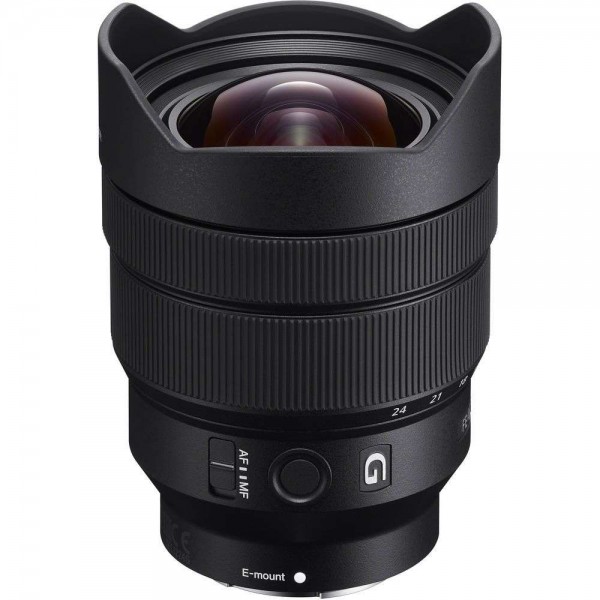
Sony FE 12-24 mm F4 G
IN STOCK
€1,378.45
€1,451.00-5%
- 100% newBrand-new and authentic product
- Final priceNo unpleasant surprises! The displayed price is the final amount paid for your purchase.
- Estimated delivery Tue 28 - Wed 29 JulEstimate based on available stock, order time, business days and carrier delivery times.
- 3-year MCZ DIRECT warranty
- Free delivery with insurance includedYour order is protected from dispatch to delivery: in case of loss, theft or damage during transport, your parcel is insured up to its value.
Introducing the Sony FE 12-24mm F4 G, an ultra-wide-angle zoom lens delivering exceptional image quality. Its 12 to 24 mm focal range is perfect for capturing breathtaking landscapes and majestic architecture. The constant f/4 aperture ensures optimal performance in any situation. Compact and lightweight, it's ideal for photographers on the go. Its fast and silent autofocus guarantees precise shots, whether in photography or videography. With its robust construction resistant to dust and moisture, it will accompany you on all your photographic adventures.
Introducing the Sony FE 12-24mm F4 G lens, a masterpiece of optical engineering tailored for photographers who demand superior performance. With its ultra-wide 12-24mm focal range and constant f/4 aperture, this lens is perfect for capturing breathtaking landscapes, majestic architecture, and expansive interiors with unparalleled clarity and precision. Elevate your photography by adding this versatile and high-performing lens to your collection.
Key Features of the Sony FE 12-24mm F4 G Lens:
Ultra-Wide 12-24mm Focal Range: Ideal for panoramic shots, architectural photography, and interior spaces, offering a broad and immersive perspective.
Constant f/4 Aperture: Ensures consistent exposure and optimal performance in various lighting conditions throughout the zoom range.
Exceptional Image Quality: Advanced optical design with aspherical and Extra-low Dispersion (ED) glass elements delivers sharp images with minimal chromatic aberration.
Fast and Quiet Autofocus: Equipped with Sony’s Direct Drive Super Sonic Wave Motor (DDSSM) for precise and silent autofocus, suitable for both photography and videography.
Compact and Lightweight Design: Weighing approximately 565 grams, this lens is easy to carry and built to withstand dust and moisture, making it suitable for challenging shooting environments.
Nano AR Coating: Reduces reflections, flare, and ghosting, ensuring high contrast and accurate color reproduction, even in backlit situations.
Minimum Focusing Distance of 0.28m: Allows for close-up shots with dynamic perspectives, enhancing creative composition possibilities.
Recommended Uses:
Landscape Photography: Capture vast natural scenes with impressive sharpness and depth.
Architectural Photography: Perfect for photographing large structures and spacious interiors without significant distortion.
Interior Photography: Ideal for confined spaces, enabling you to encompass entire scenes with remarkable clarity.
Street Photography: Provides a wide perspective to capture the energy and ambiance of urban environments.
Technical Specifications:
Mount: Sony E-mount (Full-frame)
Optical Construction: 17 elements in 13 groups, including aspherical and ED glass elements for superior image quality
Angle of View: 122° to 84°
Maximum Aperture: f/4
Minimum Aperture: f/22
Aperture Blades: 7, circular, for pleasing bokeh
Minimum Focusing Distance: 0.28 meters
Maximum Magnification Ratio: 0.14x
Filter Diameter: Not compatible with screw-on filters due to the bulbous front element
Dimensions: 87 mm (diameter) x 117.4 mm (length)
Weight: Approximately 565 grams
In conclusion, the Sony FE 12-24mm F4 G lens is an essential addition for photographers aiming to expand their creative horizons. Its ultra-wide focal range, combined with exceptional image quality and robust construction, makes it a versatile tool suitable for various photographic disciplines. Whether you're passionate about landscapes, architecture, or interior photography, this lens empowers you to capture stunning images with a unique perspective.
Don't miss the opportunity to enhance your gear and bring your artistic visions to life with the Sony FE 12-24mm F4 G lens.
- Lens mount
- Sony E
- Recommended use
- Landscape / architecture
- Stabilization
- Yes
- Lens type
- Wide angle
- Focal length
- Ultra-wide angle
Wide angle - Maximum aperture
- f/3.5 - f/4
- Aperture options
- f/4 and above
- Photo use
- Architecture
Interior
Landscape - Lens format
- Full frame

SONYFE1224MMF4G
4548736058378
Technical specifications
General
Brand
Sony
Product type
Photo lens
Lens type
Wide angle
Lens series
G
Aperture options
f/4 and above
Lens mount
Sony E-mount
Photo use
Landscape; Architecture; Interior
Lens format
Full frame
Properties
Full frame
Yes
Image stabilization
Yes
Lens construction
13-17
Magnification factor
0.14
Minimum focusing distance
28 cm
Lens hood included
Yes
Focal length
Focal length
12-24
Minimum focal length
12 mm
Maximum focal length
24 mm
Aperture
Minimum aperture
f/22
Maximum aperture
f/4
Diaphragm blades
7 (circular aperture)
Zoom
Zoom option
Yes
Optical zoom
2x
Physical properties
Weight
565 g
Length
11.74 cm
Diameter
87 mm
Reviews Sony FE 12-24 mm F4 G
0 Rating
Customer photos
No customer photos yet
Tap to zoom
ALEX (In testing phase)