My basket0 items














Find your orders, invoices and saved addresses all in one place.
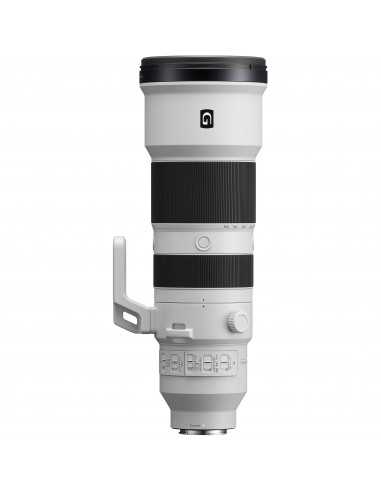
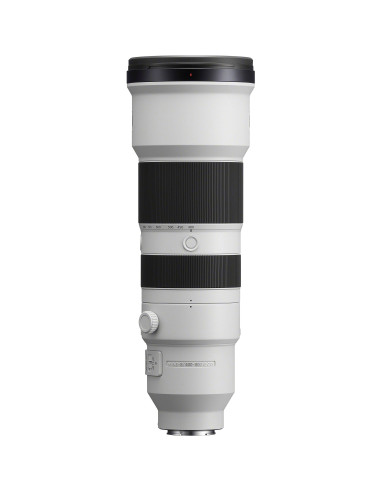
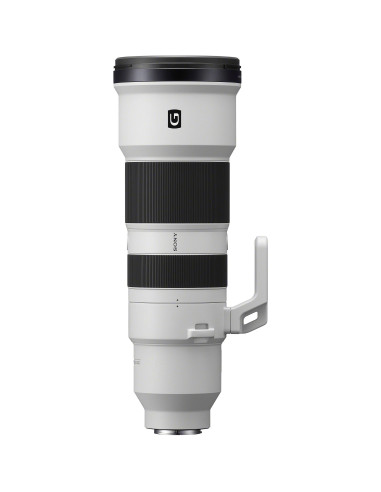
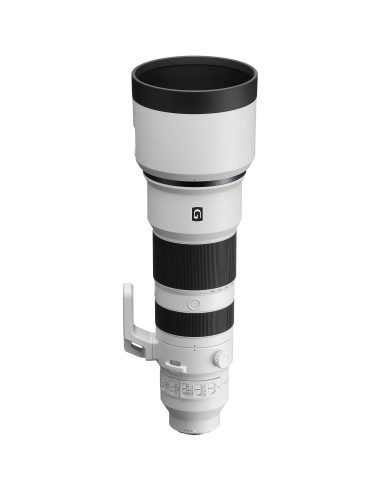
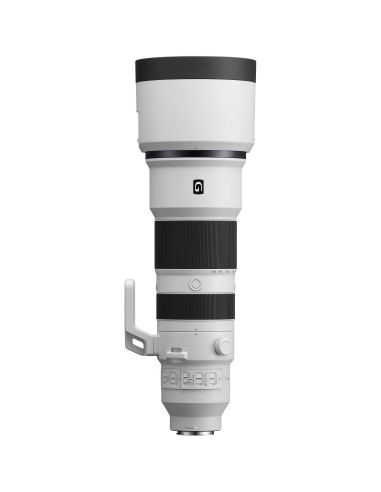
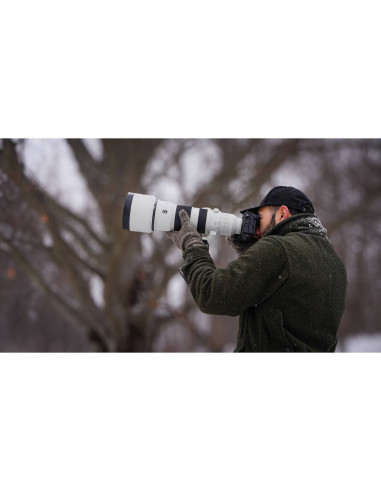
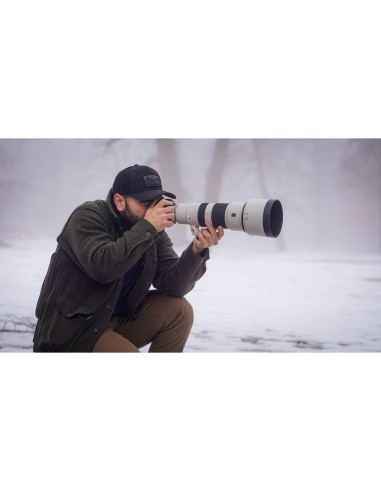
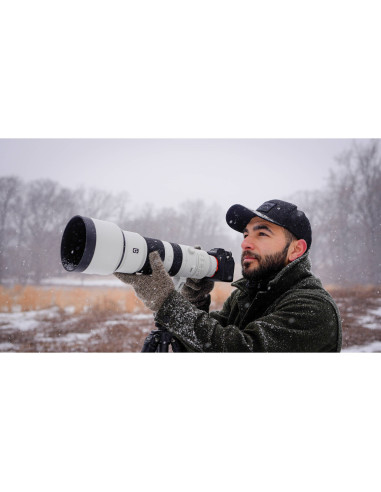
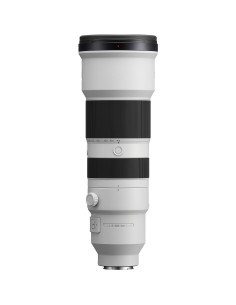
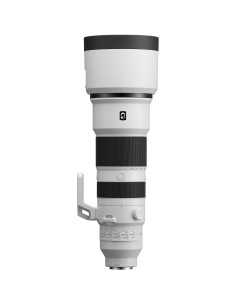
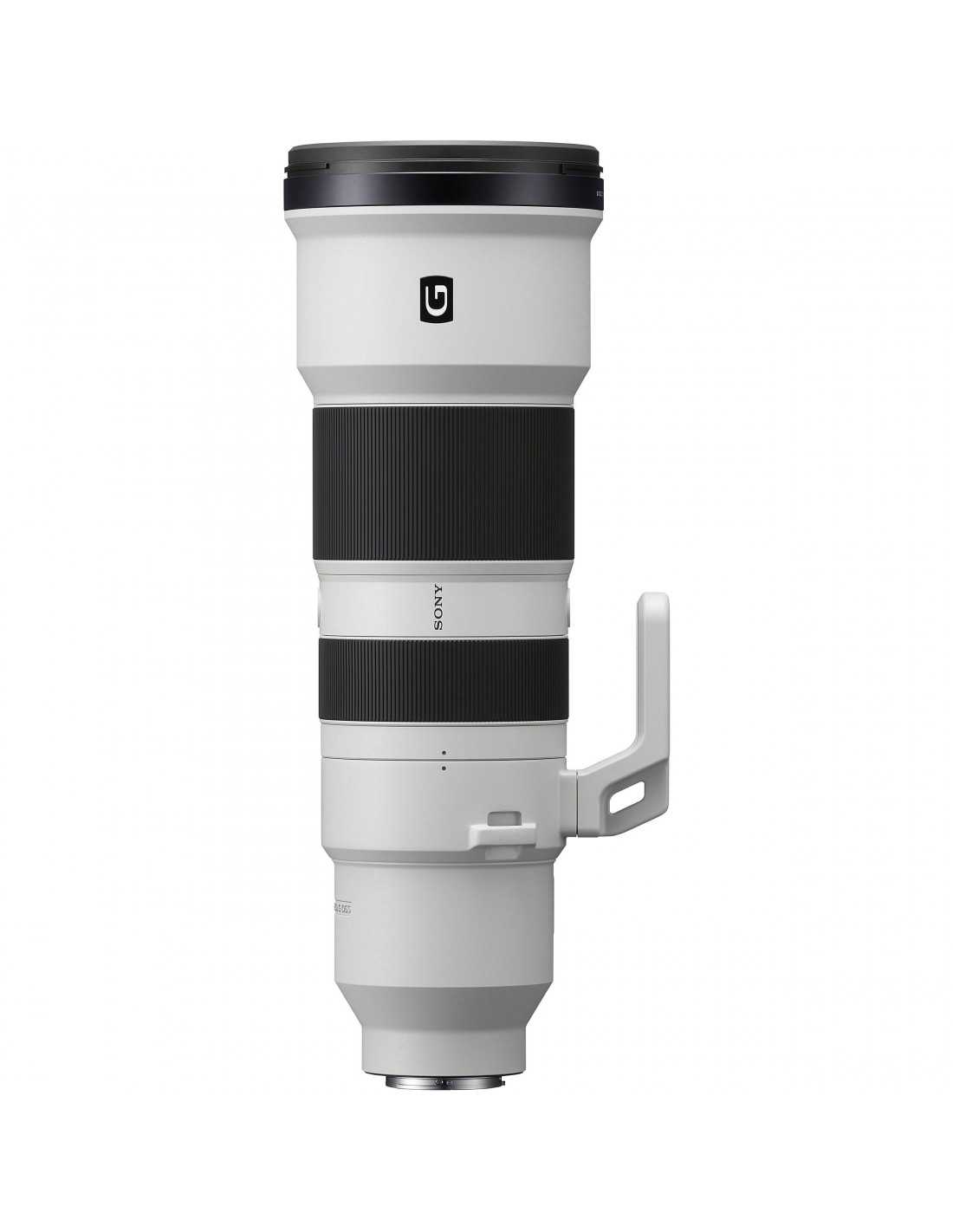
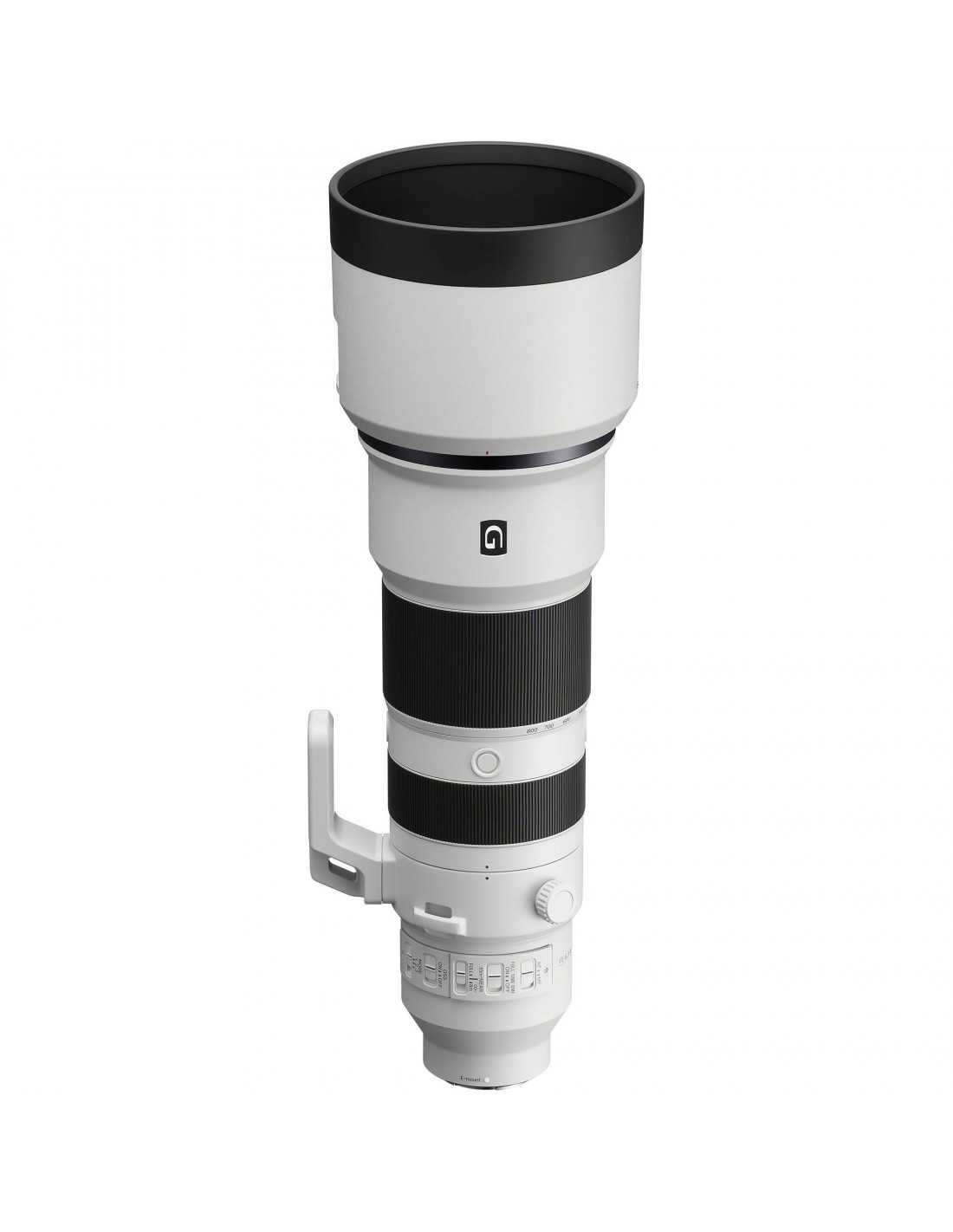
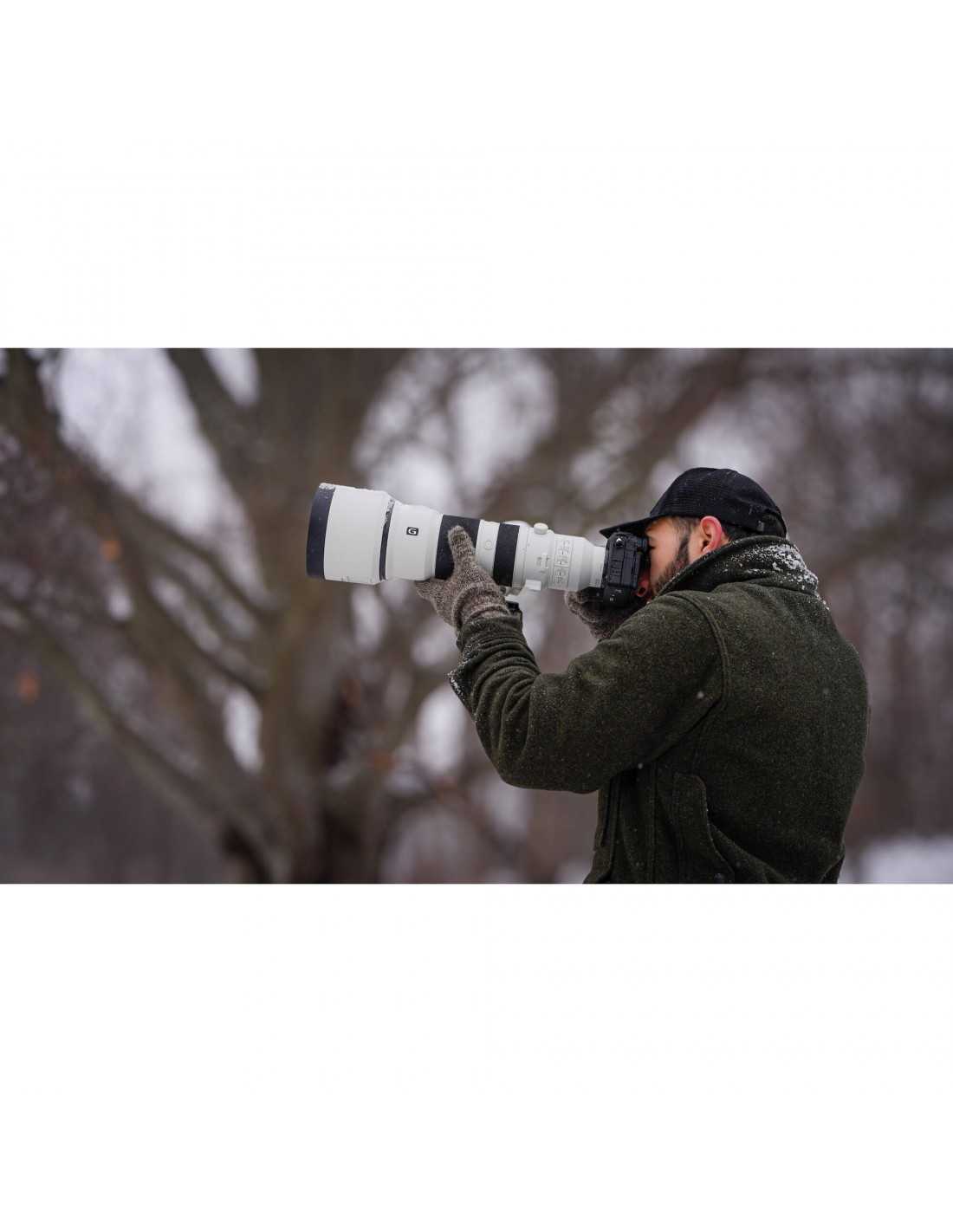
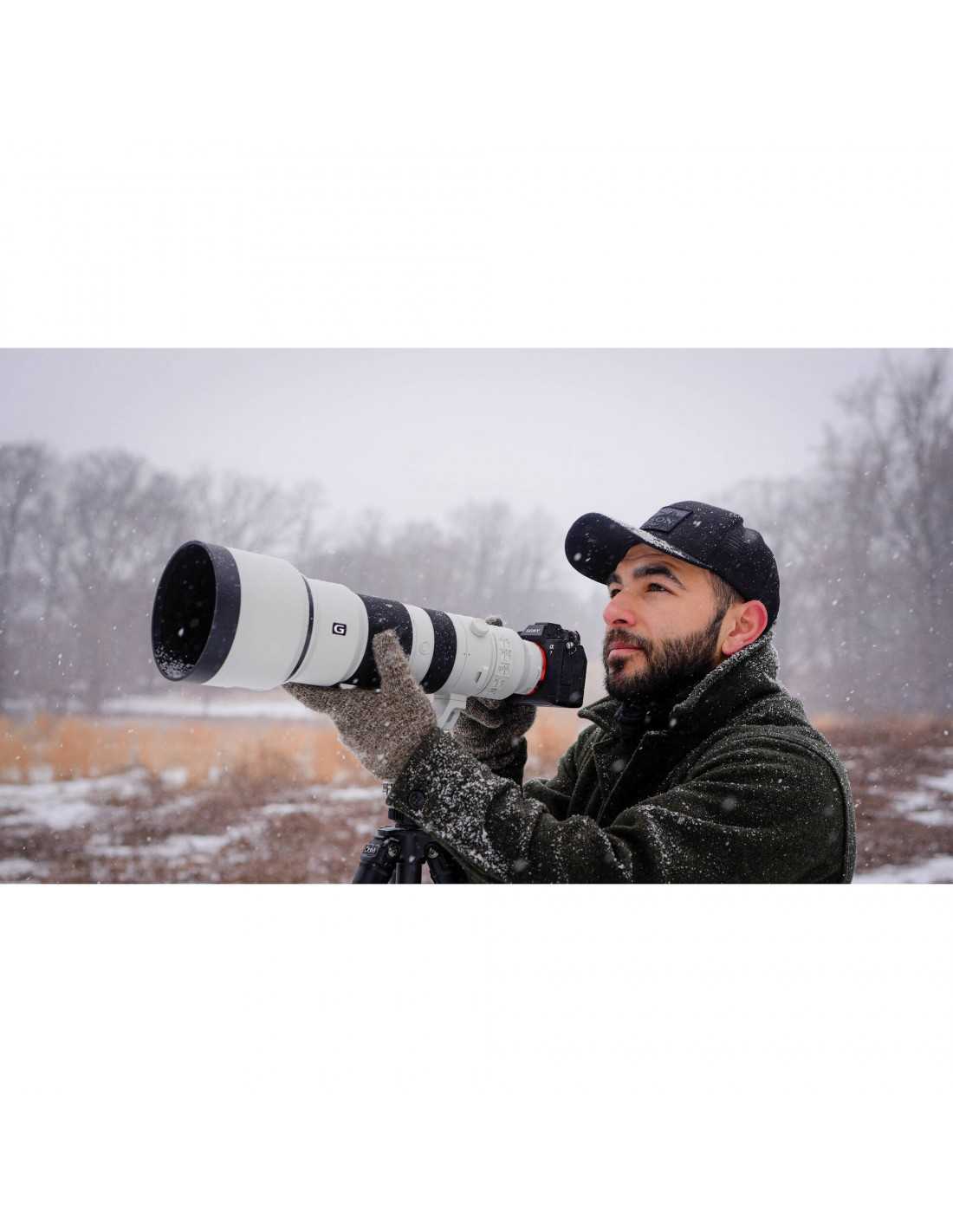
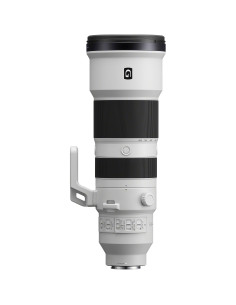
The Sony FE 400-800mm F6.3-8 G OSS is a full-frame super-telephoto zoom for bird, wildlife, aviation and sports photographers who genuinely need 800mm, and we recommend it when native reach matters more than a fast aperture. Internal zoom keeps length and balance consistent, while Optical SteadyShot and two linear motors support distant-subject tracking in demanding conditions. The 400-800mm range lets a photographer find action at 400mm and tighten composition without changing lens in the field. At 2,475g and F8 at the long end, it still calls for good light, a suitable shutter speed and often a monopod during extended outdoor sessions. It is a coherent choice for filling more of the frame without relying on a teleconverter for every assignment.
Combine compatible accessories and save. The more items you add, the bigger the discount.
memory card

warranty extension
The Sony FE 400-800mm F6.3-8 G OSS is built for the photographer who regularly finds 600mm too short. At 400mm, the field of view remains manageable for finding a bird in flight, aircraft or vehicle; at 800mm, a small, wary or inaccessible subject fills far more of the frame. That flexibility removes the need to fit a teleconverter on every outing. It also comes with a deliberate compromise: the lens starts at 400mm, reaches a maximum aperture of F8 at the long end and weighs 2,475g without the tripod mount. This is a specialised field tool, not a light telephoto zoom to carry around the neck all day.

| Feature | Practical benefit | Point to consider |
|---|---|---|
| 400-800mm | Move from tracking action to a very tight view without changing lens | A 400mm starting point can be too narrow for a close or unpredictable subject |
| F6.3-8 | Retain native 800mm reach in a G-series zoom | At dawn, dusk or under cover, expect higher ISO or a slower shutter |
| Internal zoom | More stable length and balance handheld, on a monopod or gimbal | The 346mm barrel still requires a suitably sized case |
| OSS and two linear motors | A steadier view and responsive tracking on a compatible Sony Alpha camera | Stabilisation cannot freeze subject movement |
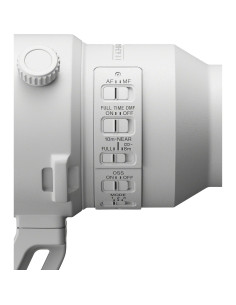
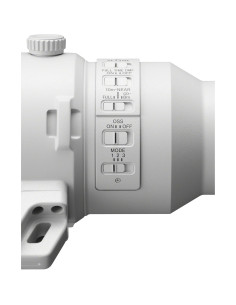
| 2,475g | Robust construction with a collar and controls close to hand | A monopod or gimbal becomes useful during a long wait |
| Focal length | Natural use | Framing advice |
|---|---|---|
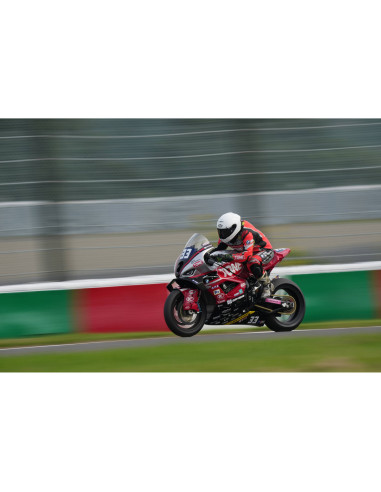
| 400mm | Birds in flight, motorsport, aviation and large mammals | Begin wider to acquire the subject and leave space in front of its movement |
| 500mm | Distant action following a readable path | Tighten gradually without pressing the subject against the frame edge |
| 600mm | Wildlife, outdoor sport and an isolated subject in context | Watch atmospheric shimmer and shutter speed |
| 800mm | Small birds, distant detail and subjects that cannot be approached | Use solid support and retain space if movement becomes unpredictable |

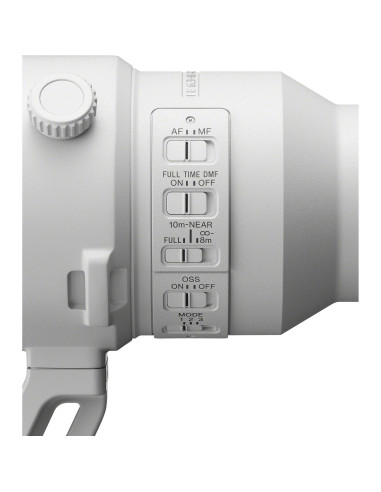
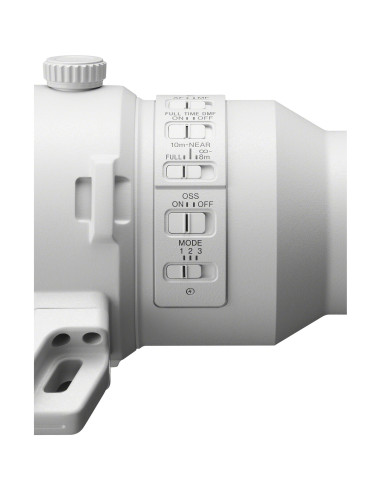
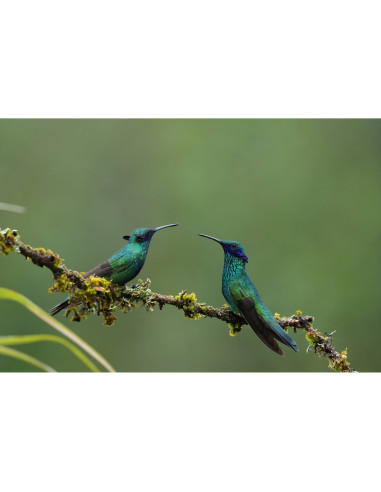
For a perched or very distant bird, 800mm naturally helps fill the frame. Flight requires a different approach. Starting at 400mm makes the subject easier to find in the viewfinder, before zooming once tracking is secure. The focus limiter can also prevent a full-range focus search when action remains distant. On a Sony A9 III or Sony Alpha 1 II, the focus drive supports fast burst work, but results still depend on AF-area choice, shutter speed and keeping the subject within the frame.
Maximum aperture is F8 at 800mm. In daylight, that compromise works with the fast shutter speeds used for birds and sport. As light falls it becomes more demanding: stabilisation reduces camera movement, not wingbeats or a fast vehicle. Freezing action therefore means retaining sufficient shutter speed and accepting a higher ISO. A Sony FE 600mm F4 GM OSS follows a very different, faster and more specialised path. The 400-800 wins on reach and framing flexibility, not on low-light capability.
| Criterion | 400-800 G OSS | 200-600 G OSS | 100-400 GM OSS |
|---|---|---|---|
| Priority | Native reach and small or very distant subjects | Range across habitat, wildlife and action | Mobility, travel and closer subjects |
| Focal range | 400-800mm | 200-600mm | 100-400mm |
| Maximum aperture | F6.3-8 | F5.6-6.3 | F4.5-5.6 |
| Sony weight | 2,475g | 2,115g | 1,395g |
| Front filter | 105mm | 95mm | 77mm |
We favour the Sony FE 200-600mm F5.6-6.3 G OSS when subjects may approach, 200mm makes acquisition easier or F6.3 at 600mm matters more than the extra 200mm. The Sony FE 100-400mm F4.5-5.6 GM OSS is the more natural choice for travel, closer sport and extended handheld work. The 400-800 becomes compelling when 600mm still leads to substantial cropping.

On a Sony APS-C camera, the field of view is approximately equivalent to 600-1200mm on full frame. Physical focal length and aperture do not change, but following a moving subject becomes harder. Sony 1.4x and 2x teleconverters extend the range to 560-1120mm and 800-1600mm respectively, with a one- or two-stop loss of light. These combinations suit a tiny, very distant subject in good conditions. They also make viewing, autofocus, atmospheric disturbance and stability more demanding. For many situations, the native 800mm setting is already the best balance.
The Sony A9 III prioritises speed and action tracking. The Sony Alpha 1 II combines resolution and burst rate for professional wildlife and sport. A Sony A7R V suits photographers who value fine detail and cropping with a more measured burst rate. All use Sony E mount; the practical decision should include autofocus, burst rate, resolution, grip and balance with a 2.475kg lens. The wider Sony lens range is the correct place to compare other focal lengths without making several pages compete for the exact SEL400800G intent.
At MCZ DIRECT, we see the Sony FE 400-800mm F6.3-8 G OSS as the choice for a bird, wildlife, aviation or outdoor sports photographer who regularly works beyond 600mm, not as an all-purpose telephoto zoom. Its real value is native 800mm reach while retaining the option to pull back to 400mm to find action.
Against the 200-600 G OSS, we recommend it when extra reach materially reduces cropping and a 400mm starting point is acceptable. Its limitation is equally clear: 2,475g, F8 at the long end and a 105mm filter call for good light, a substantial case and often support. When those requirements match the assignment, the SEL400800G offers a particularly convincing blend of reach, framing flexibility and tracking.

It is primarily for bird, wildlife, outdoor sports and aviation photographers who regularly need more than 600mm.
Choose the 400-800 for native reach and small distant subjects. Choose the 200-600 if subjects may approach, 200mm helps tracking or F6.3 at 600mm matters more.
Yes. Beginning at 400mm helps acquire the subject in the viewfinder, before zooming once tracking is established. A suitable AF area and shutter speed remain essential.
Maximum aperture is F8 at 800mm. In low light, a higher ISO is often required to retain enough shutter speed for a moving subject.
Yes. Overall length and centre of gravity remain more consistent while focal length changes.
Yes. Sony lists compatibility with 1.4x and 2x models. The range becomes 560-1120mm or 800-1600mm, with a one- or two-stop loss of light.
Its field of view is approximately equivalent to 600-1200mm on full frame. Physical focal length and aperture do not change.
Sony specifies approximately 2,475g without the tripod mount. A monopod or gimbal can improve comfort during a long session.
It accepts 105mm front filters.
It varies from approximately 1.7m at 400mm to 3.5m at 800mm. Maximum magnification is 0.23x.
The A9 III and Alpha 1 II suit fast action. An A7R V prioritises detail and cropping. Handling and balance with the lens also matter.
The manufacturer reference is SEL400800G and the EAN is 4548736169692.