

Shopping Cart
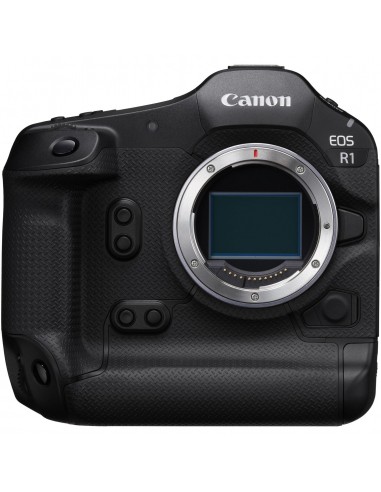
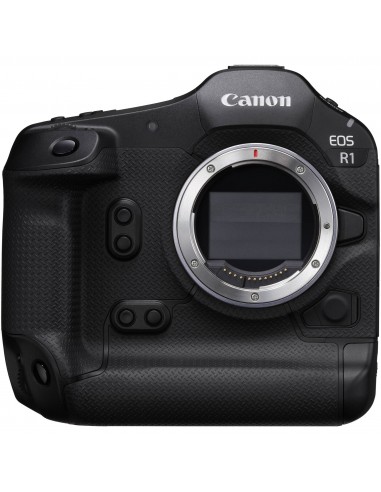
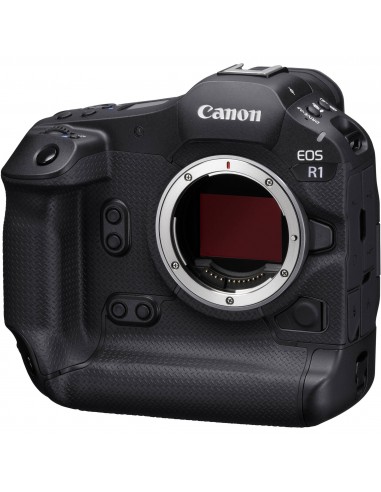
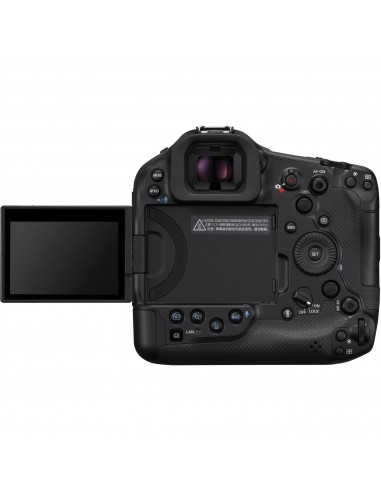
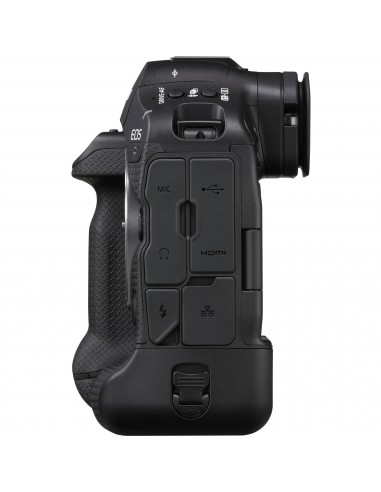
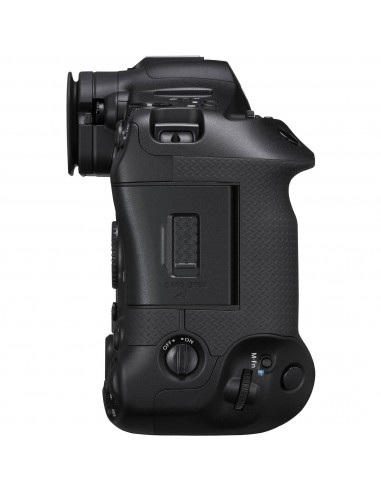
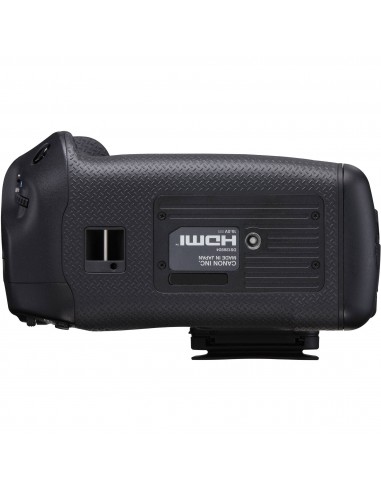
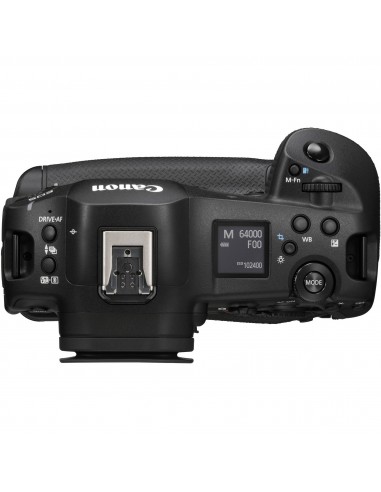
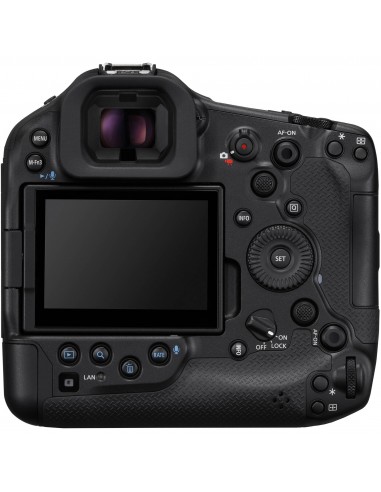
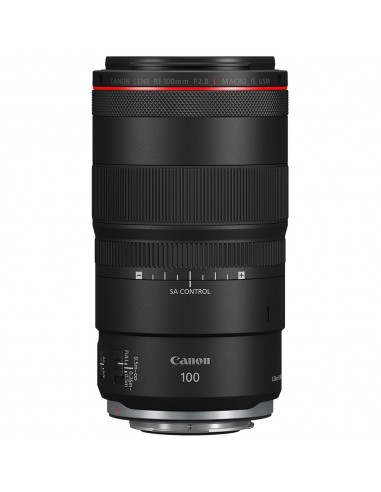
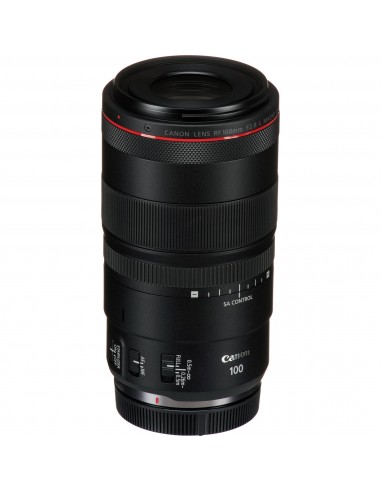
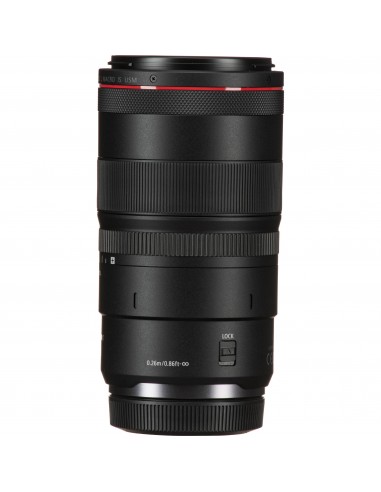
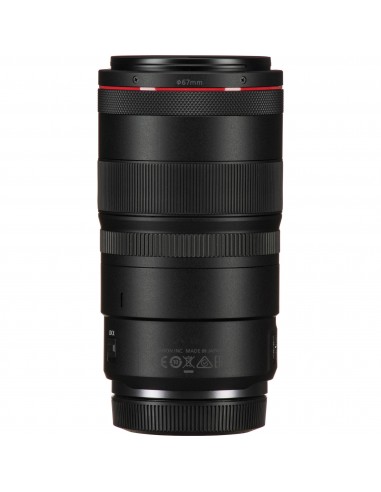
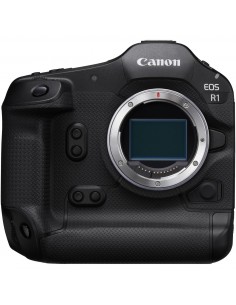
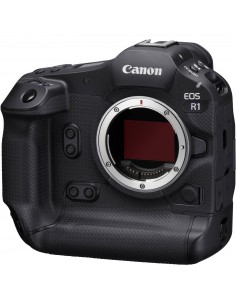
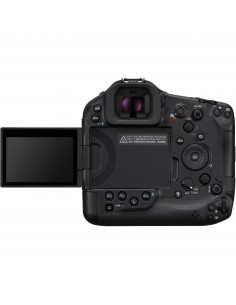
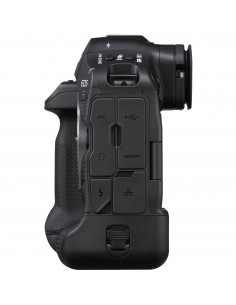
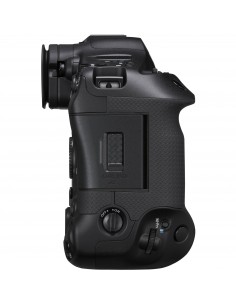
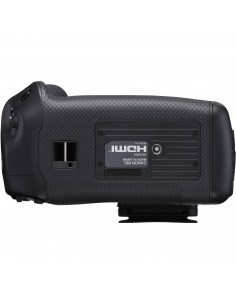
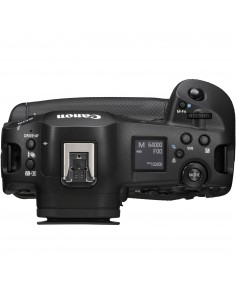
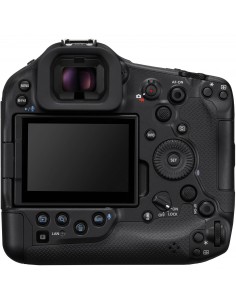
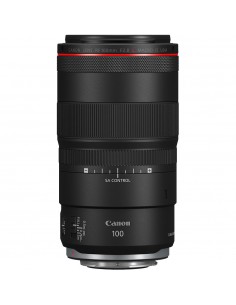
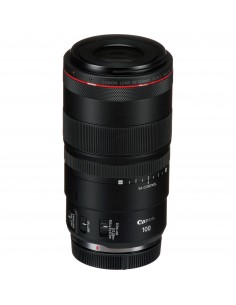
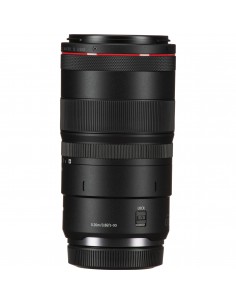
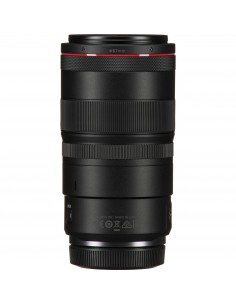
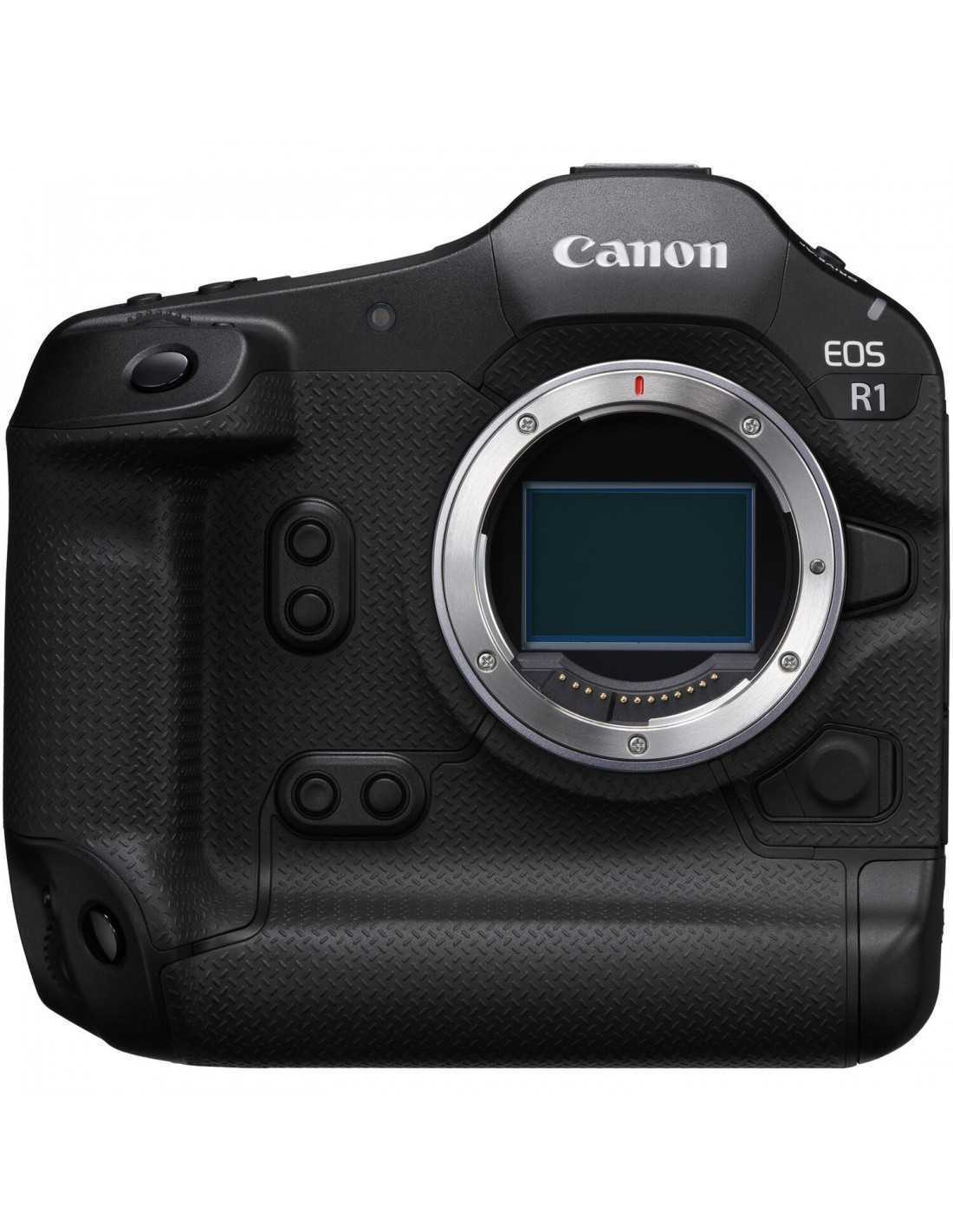
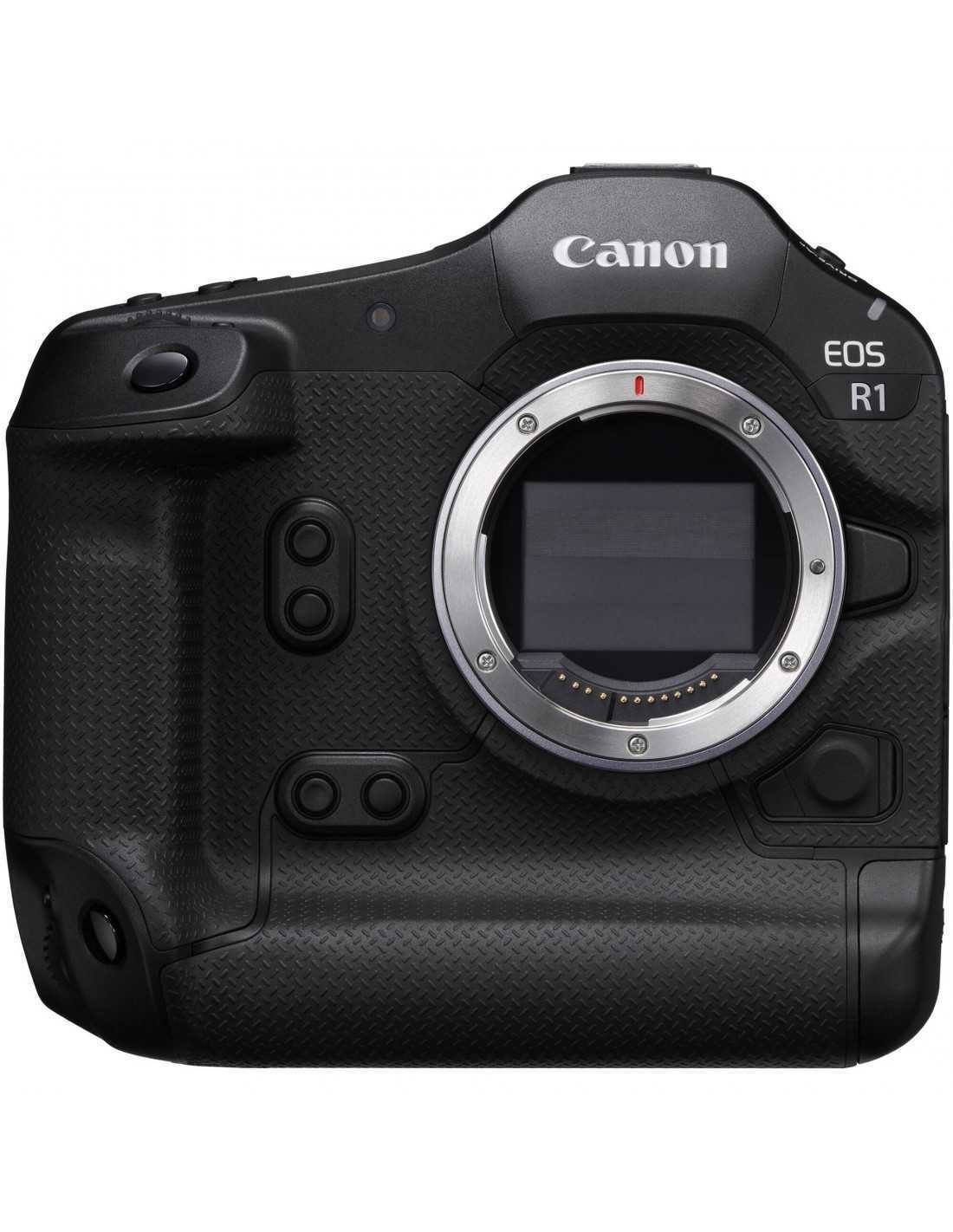


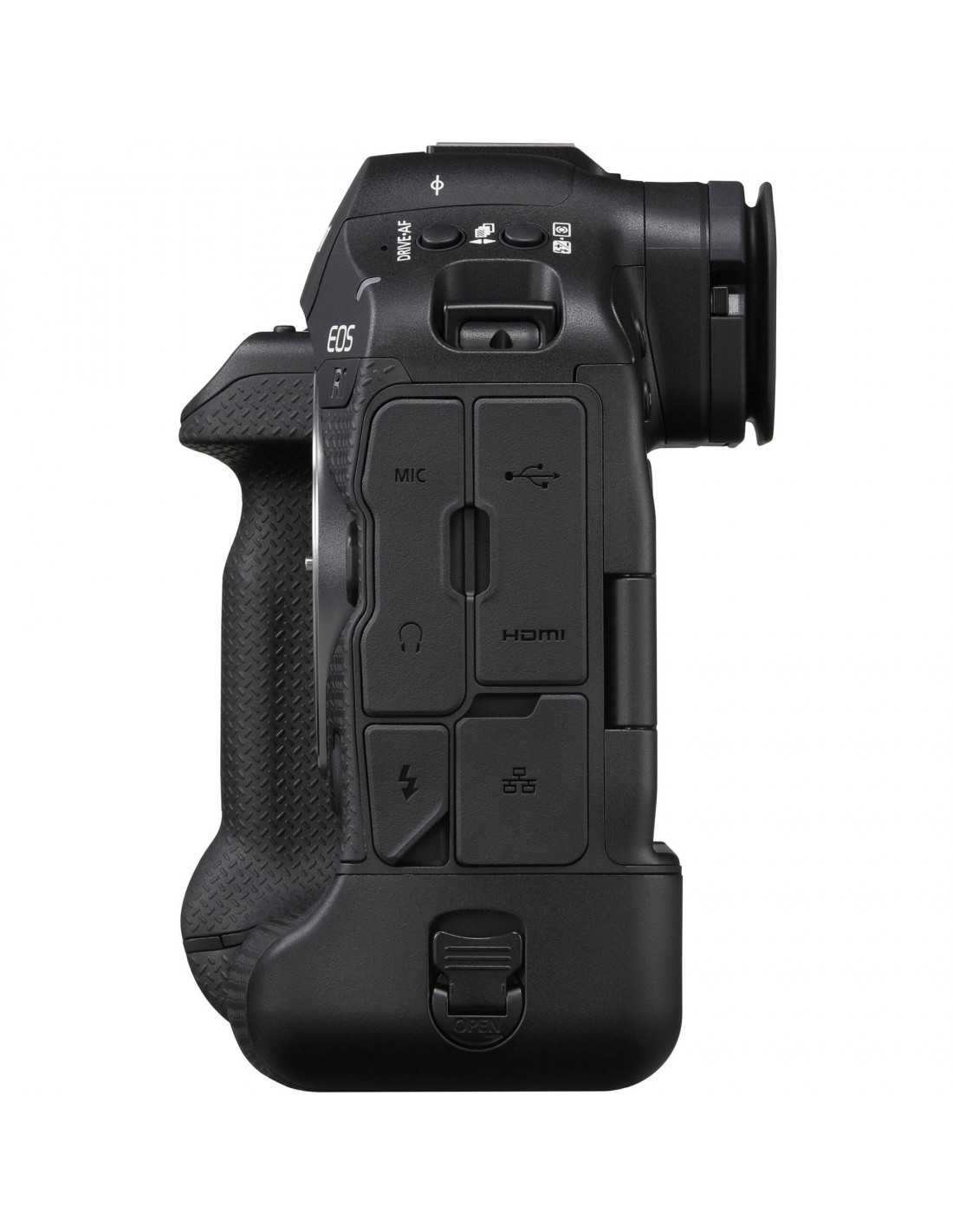

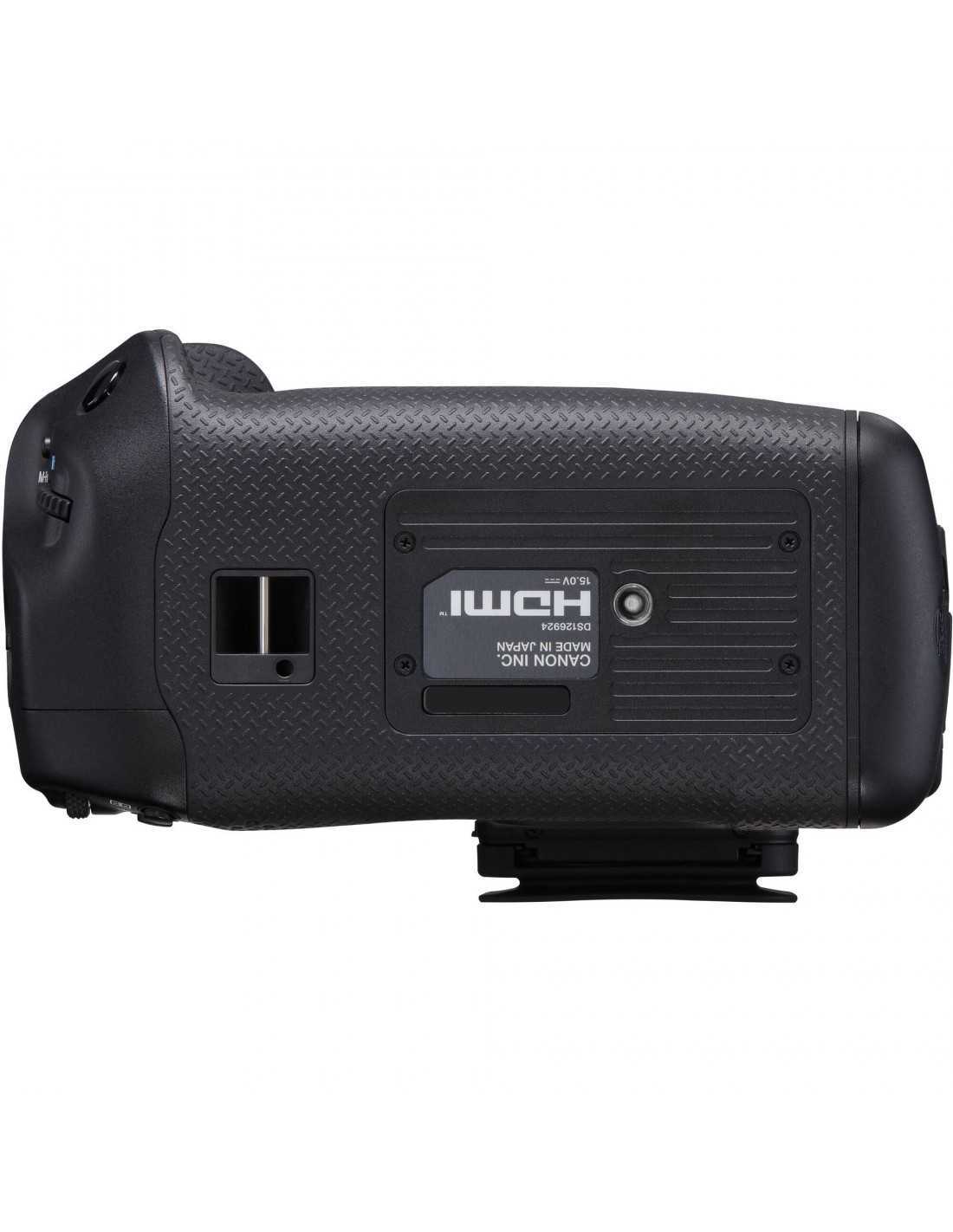
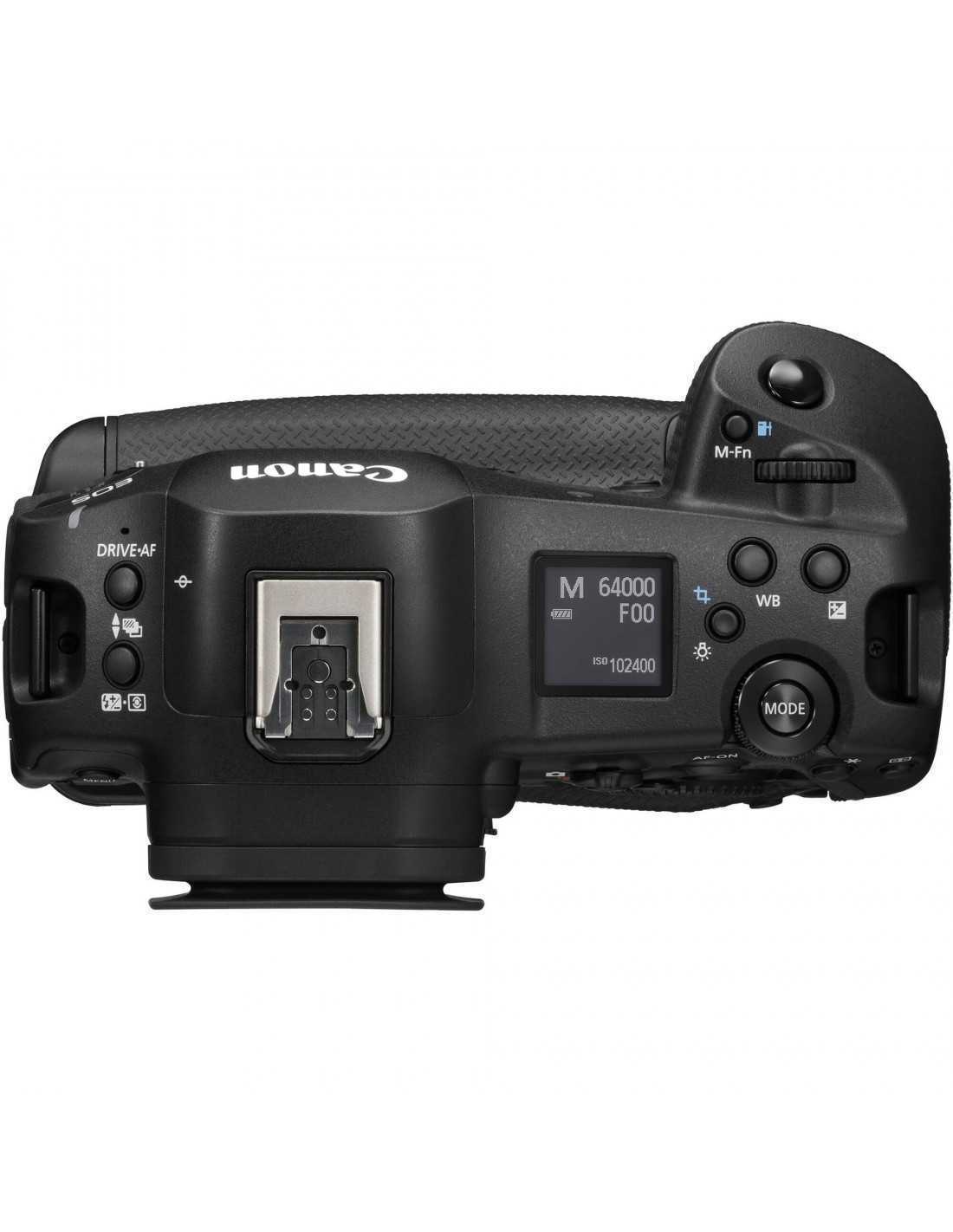

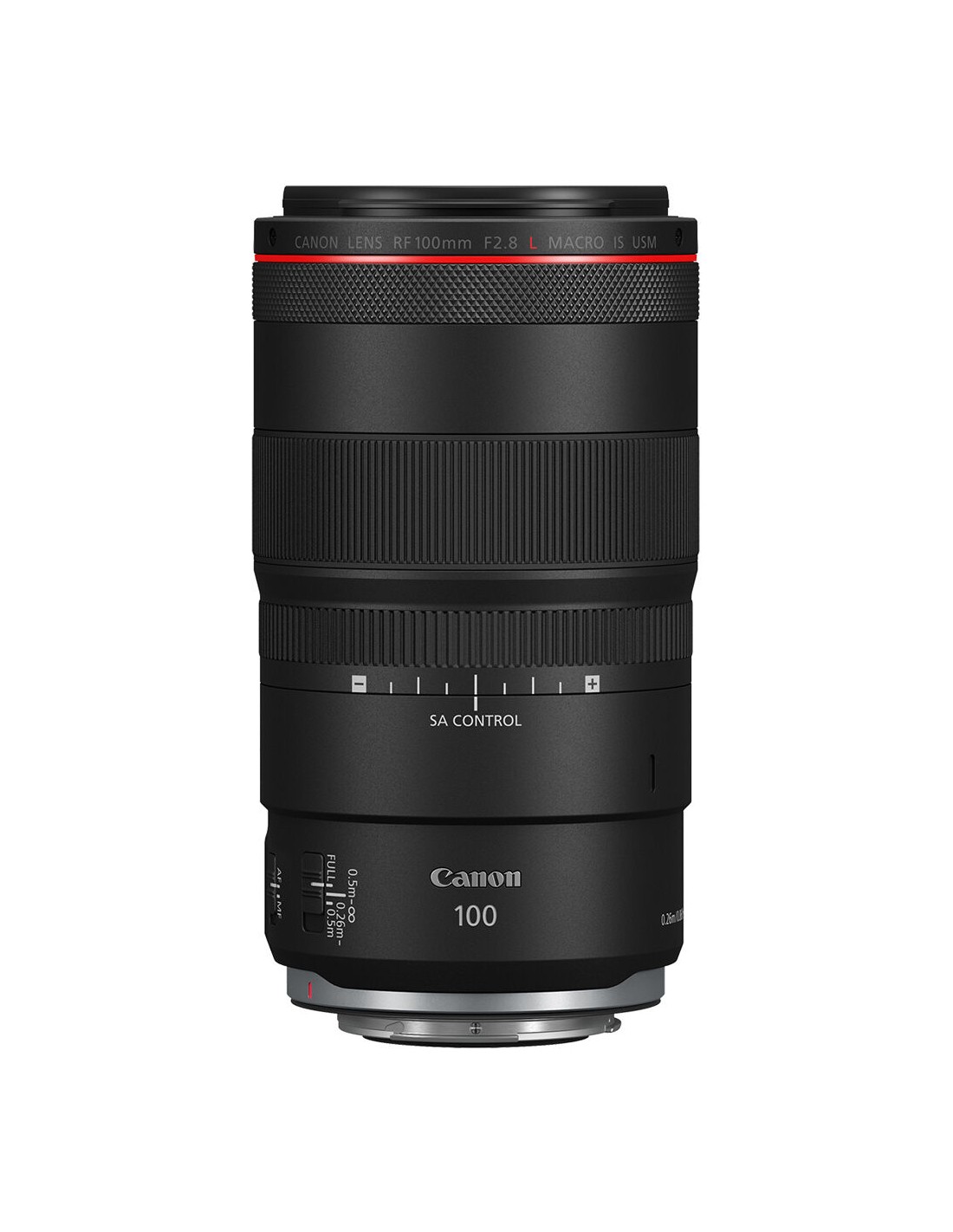
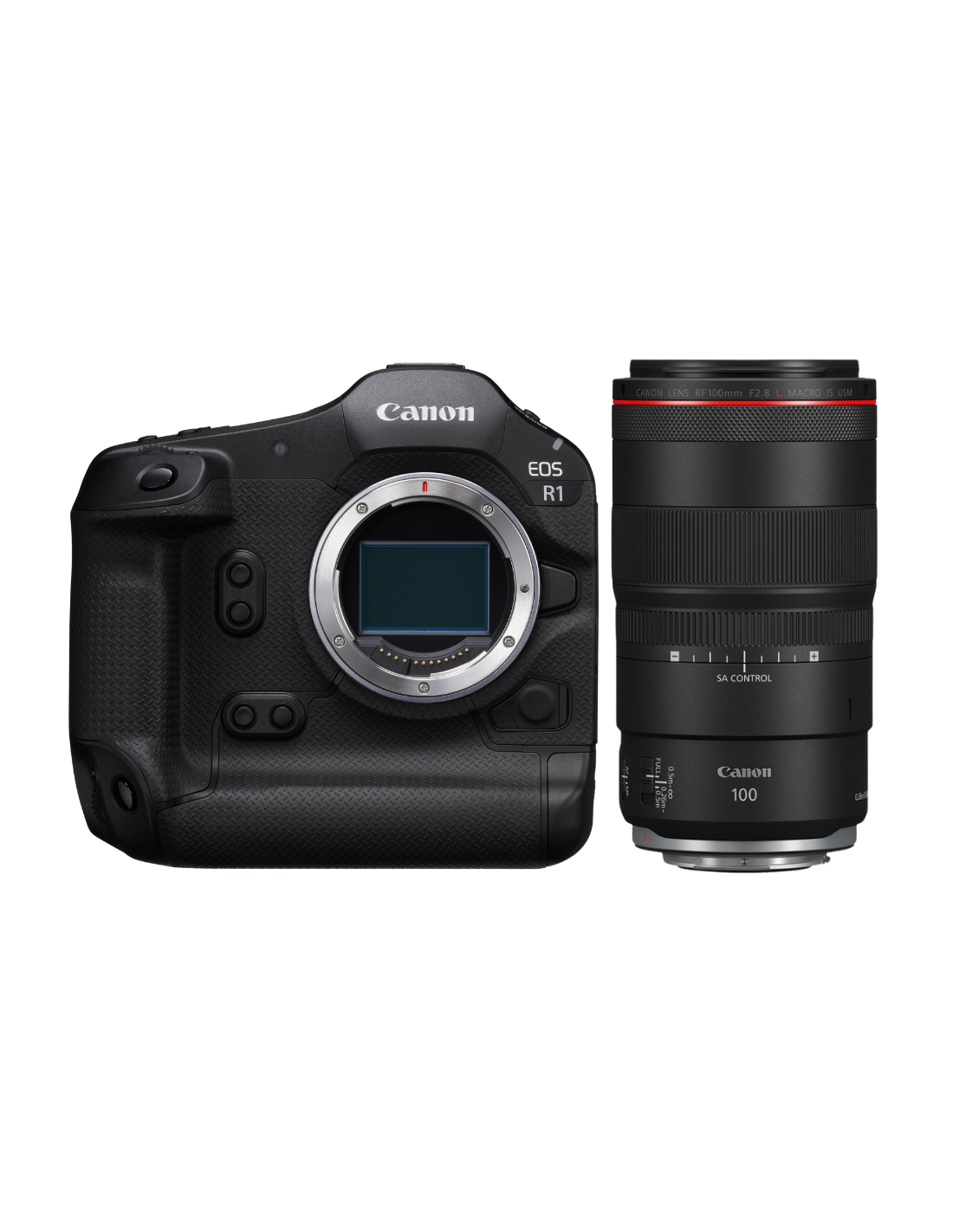


The Canon EOS R1 with RF 100mm F2.8 L Macro IS USM is a specialist full-frame kit for photographers who need to move confidently from close detail to polished portrait work. It combines the EOS R1's 24.2MP stacked sensor, rapid electronic shooting and advanced autofocus tools with a 100mm L-series macro lens capable of 1.4x magnification. That pairing suits jewellery, products, flowers, food details, nature subjects and portraits where working distance matters. The lens gives space for lighting and careful framing, while the camera offers useful headroom when a subject shifts or a fleeting detail appears. It is not the most rational one-lens travel setup, and close-focus work still demands disciplined focus and light control. For a photographer who values precision over general-purpose coverage, it is a coherent professional choice.
Combine compatible accessories and save. The more items you add, the bigger the discount.

Accessory
Accessory
Accessory

warranty extension
The Canon EOS R1 with RF 100mm F2.8 L Macro IS USM is for photographers who already know that their best images often happen close to the subject. It is a professional full-frame camera kit for macro photography, product photography and portrait work, rather than a general-purpose camera-and-zoom combination. The EOS R1 supplies the speed, viewfinder and autofocus tools needed when the scene changes, while the 100mm macro lens brings the working distance and magnification that careful detail work demands.
This is a particularly sensible Canon R1 macro photography kit for jewellery, watches, food, flowers, crafted objects, nature details and portraits. It gives you room to light the subject, refine the frame and work without placing the front element uncomfortably close. The value of the pairing is not that it removes the need for technique. It gives a skilled photographer a more capable platform on which to use it.
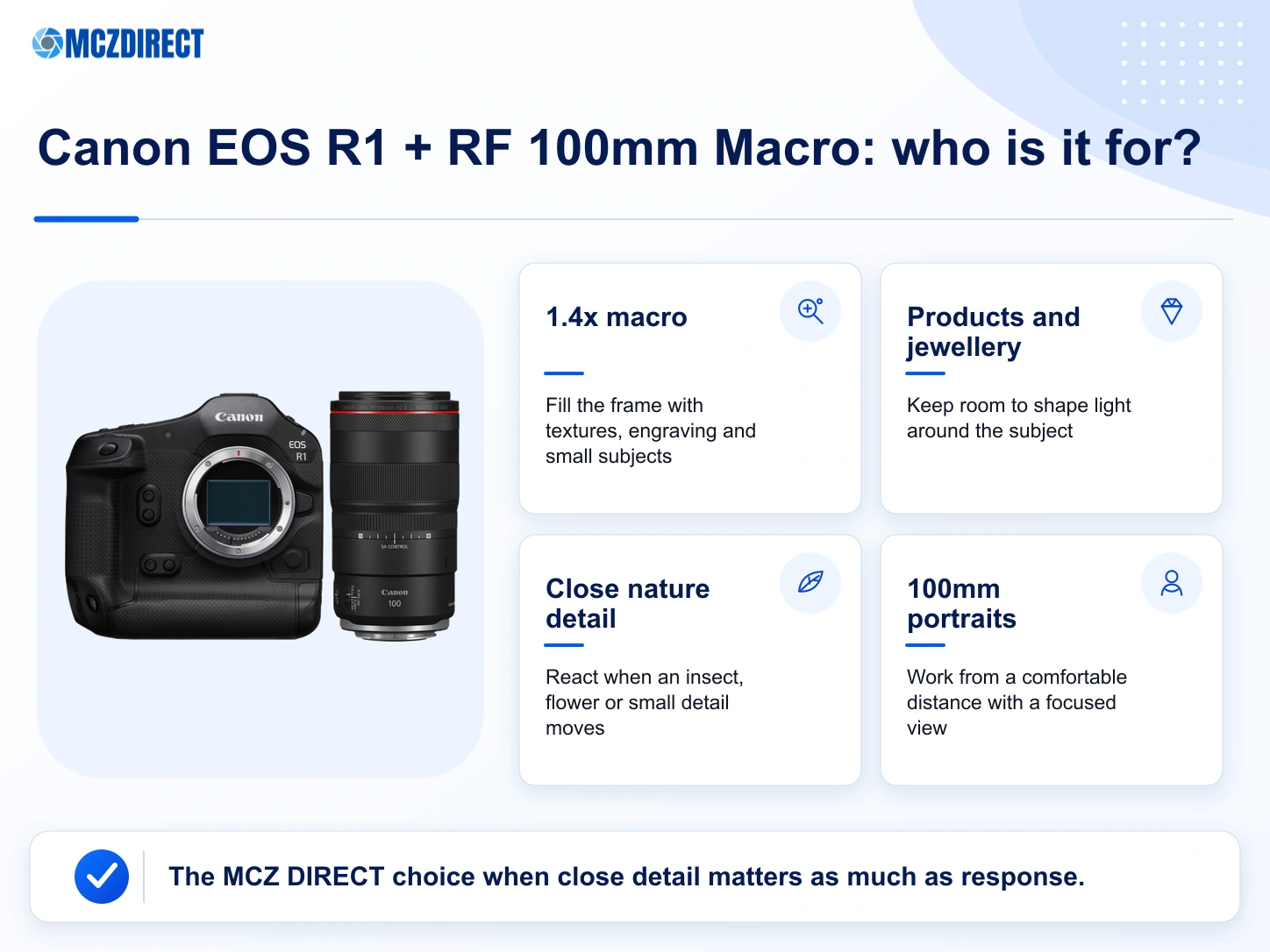
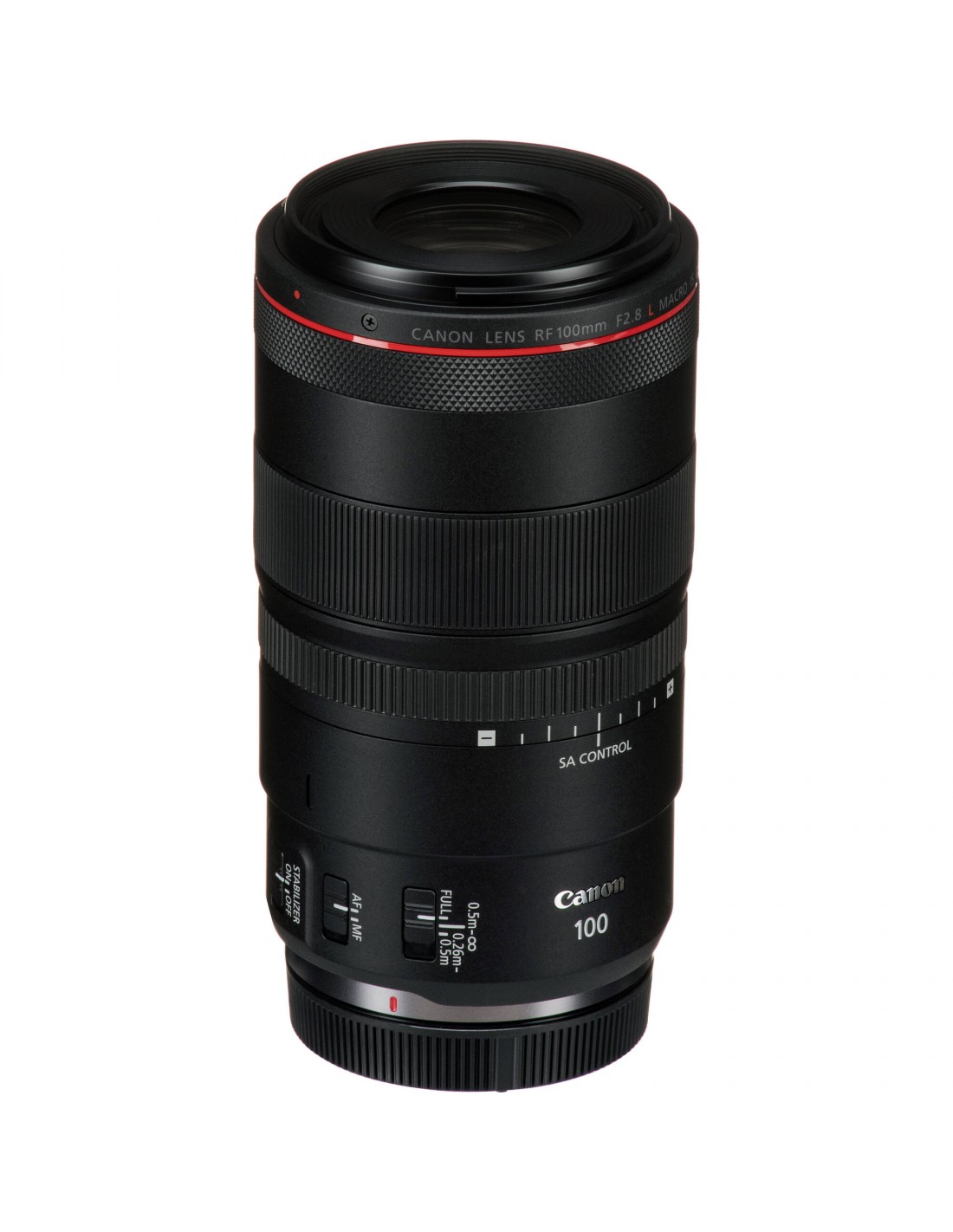
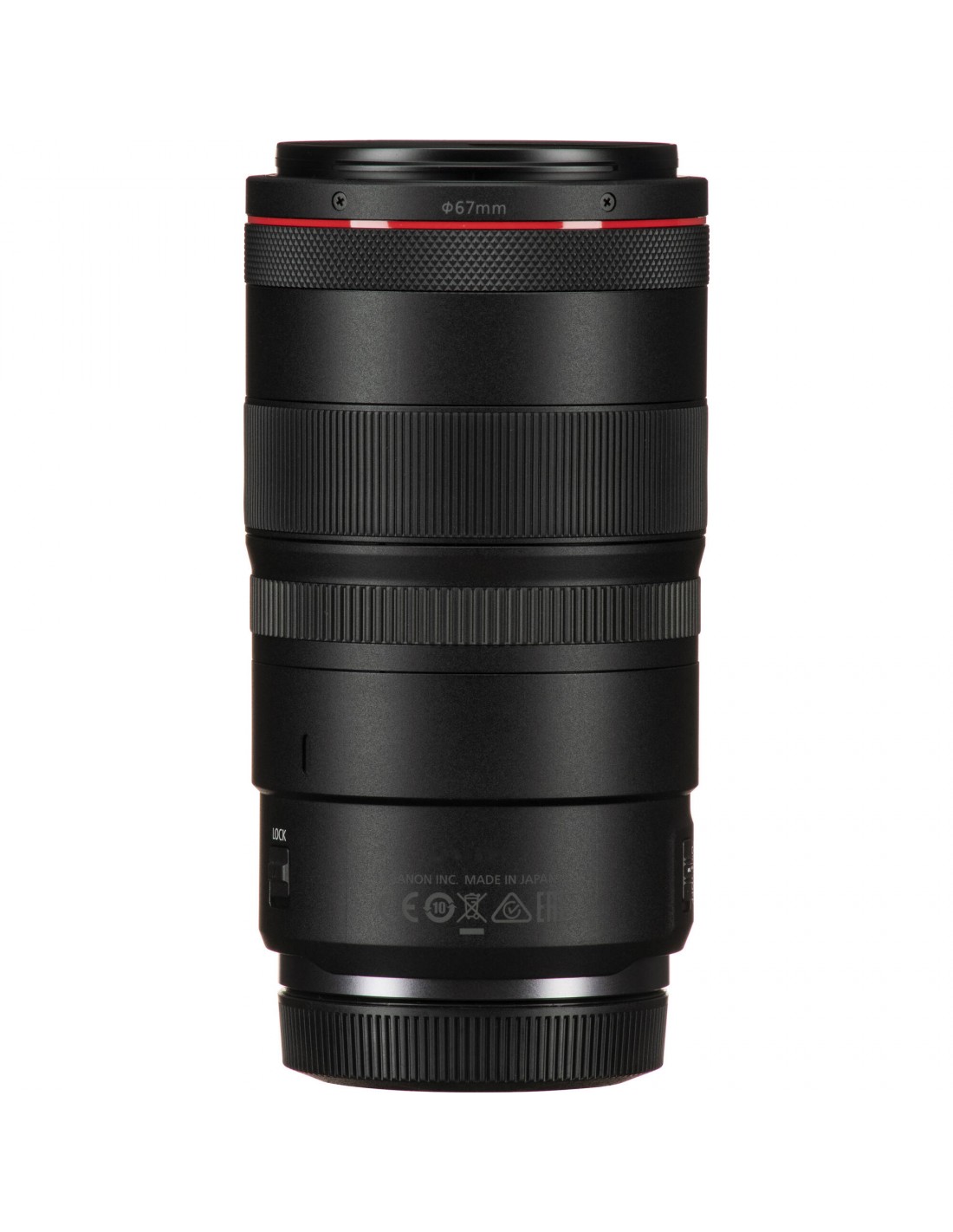
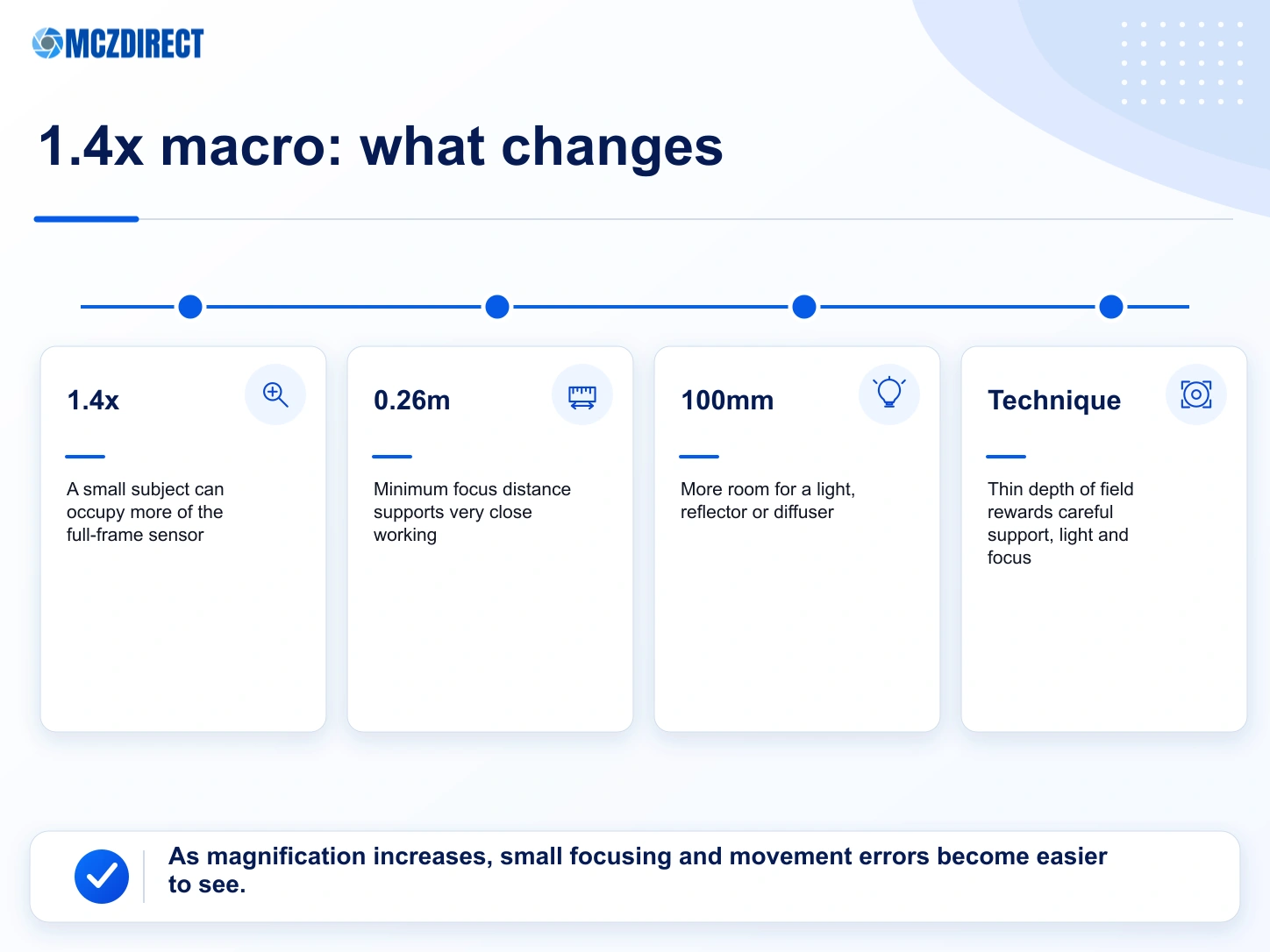
The RF 100mm F2.8L Macro IS USM reaches 1.4x maximum magnification and focuses as close as 0.26m. In practical terms, it can turn the fine edge of a piece of jewellery, the texture of a flower or the small features of an object into the subject of the picture, rather than leaving them as a minor detail inside a wider frame. That opens up a different kind of visual language for commercial, creative and nature work.
High magnification also makes every small movement more visible. Depth of field becomes very shallow at 1.4x, so stopping down, controlling the light, adding support or using focus stacking may be the sensible route depending on the subject. The camera's autofocus and stabilisation help, but neither replaces careful focus placement when the plane of sharpness is only a small part of the scene.
A 100mm macro lens gives a useful working distance. You can place a light, reflector or diffuser around a small subject without immediately blocking the camera's view, and you do not need to lean as close to a living subject as you would with a shorter macro focal length. That is valuable with insects, flowers moving slightly in a breeze and any product setup where the light needs adjustment between frames.
The fixed focal length is part of the kit's honesty. It asks the photographer to choose a perspective and move with purpose. For close detail, product photography and portraiture, that discipline can be productive. For travel, broad environmental scenes or fast-moving reportage where one lens must cover every distance, an EOS R1 kit with a standard zoom will make more sense.
| Component | What it adds | Why it matters |
|---|---|---|
| EOS R1, 24.2MP stacked full-frame sensor | A detailed full-frame image with a professional working resolution. | Useful for product work, portraits and close details where careful framing matters. |
| EOS R1, up to 40fps electronic shooting | A sequence option for brief changes in movement or expression. | Helps with insects, hands at work and short-lived detail moments. |
| RF 100mm F2.8L Macro IS USM | A 100mm macro focal length with F2.8 maximum aperture. | Gives working distance for close subjects and a considered portrait perspective. |
| 1.4x maximum magnification | Close detail beyond life size. | Lets small subjects, textures and craftsmanship become the subject of the frame. |
| SA Control ring | Adjustable foreground and background blur character. | Useful creatively for selected portrait and flower images; neutral is safer for technical reproduction. |
The EOS R1 can shoot electronically at up to 40fps. In macro work, that is most useful as a reserve for moments that cannot be held: an insect shifting position, a splash in a food shoot, a hand completing a craft gesture or a small movement that changes the composition. It gives the photographer a sequence from which to select, rather than promising that every frame will be perfectly focused.
Action Priority AF, cross-type AF and Eye Control AF expand the way the EOS R1 can be operated as a scene develops. Their value is greatest when you are still making deliberate choices about where focus belongs. At close range, especially near maximum magnification, the sensible habit remains to watch the subject plane closely and accept that support, light and timing are often more important than relying on automation alone.
For a Canon EOS R1 product photography setup, the RF 100mm Macro has a very clear role. Its 1.4x capability makes it possible to photograph a watch dial, a piece of jewellery, packaging texture or a crafted surface with enough scale to make the material itself part of the story. The 100mm perspective also gives room to arrange lighting without forcing the camera into the product set.
The most convincing result will still come from a controlled process. A solid support can help with repeatable framing, and a deliberate lighting setup is often more useful than chasing a wider aperture. The SA Control ring is best left in its neutral position when faithful product reproduction is the goal; it becomes interesting when a more expressive foreground or background rendering is genuinely part of the brief.
Nature macro is where this Canon RF 100mm 1.4x macro kit can become especially rewarding. The 100mm focal length helps you work without excessive proximity, while the EOS R1's quick electronic shooting offers useful timing latitude when a small subject turns, lands or briefly settles. Flowers, leaves and natural textures also benefit from the lens's close-focus ability when the aim is to turn an ordinary detail into a complete image.
There is a practical limit. Stabilisation can help with photographer movement, but it cannot stop an insect walking or a flower moving in the wind. A support, more controlled light or a shorter exposure may be needed. This is not a weakness of the kit; it is simply the reality of high-magnification photography, and it is worth planning for before a promising moment arrives.
| Subject | What the kit helps with | What to watch |
|---|---|---|
| Jewellery and product detail | 1.4x magnification and 100mm working distance leave room to shape light and show fine material detail. | Use deliberate support and lighting when repeatable framing is important. |
| Flowers and natural textures | The lens can isolate a small area of the subject and create a considered close-up composition. | Wind and very shallow depth of field can matter more than camera stabilisation. |
| Small moving subjects | Up to 40fps electronic shooting can provide more frame choices when movement is brief. | Autofocus does not remove the need to place focus carefully at high magnification. |
| Portraits | 100mm and F2.8 give a comfortable working distance and useful subject separation. | An 85mm F1.2 or 135mm F1.8 kit is stronger when maximum aperture is the main priority. |
| Close-detail video | 6K RAW, 4K 120p and reduced focus breathing support controlled detail sequences. | At close range, focus transitions still need to be planned carefully. |
The RF 100mm F2.8L Macro IS USM is not confined to close-up work. On the EOS R1, its 100mm focal length gives portraits a comfortable working distance and a composed, less intrusive point of view. F2.8 can separate a subject from the background, while the nine-blade diaphragm contributes to the character of defocused areas. This makes the kit a useful Canon R1 portrait and macro lens combination for photographers who move between people and the details that define their work.
It is worth keeping the distinction clear. A 100mm F2.8 macro is more versatile than a dedicated portrait lens because it can work close, but it will not offer the same aperture as an RF 85mm F1.2 or RF 135mm F1.8. Choose it when close-detail capability matters as much as portrait separation, rather than expecting it to replace every portrait focal length in the system.
The SA Control ring changes spherical aberration to alter the rendering of foreground and background blur. It can be a thoughtful creative tool for portraiture, flowers or close subjects where the transition into blur is part of the picture. Used with intention, it gives the photographer another way to decide how an image should feel before it reaches editing.
It is not a universal improvement. For technical macro, reproduction, jewellery and product photography, the neutral setting is the safer starting point because the priority is usually a faithful, controlled rendering. Think of SA Control as an optional creative direction, not as a switch that automatically makes every image better.
The EOS R1 weighs approximately 1,115g with battery and card, while the RF 100mm F2.8L Macro IS USM weighs approximately 685g. Together, that is about 1.8kg before adding a hood, card-dependent accessories or support. It is a substantial working combination, yet the weight has a practical upside: the kit is built around a serious body and a weather-resistant L-series lens rather than around minimum carry weight.
For a short handheld detail sequence, the combined stabilisation systems can be useful. Canon rates the EOS R1's in-body image stabilisation up to 8.5 stops and the lens's Hybrid IS up to 5 stops under its own test conditions, while also noting that lens stabilisation becomes less effective at closer focusing distances. For repeatable high-magnification images, plan for support and lighting rather than treating stabilisation as a replacement for them.
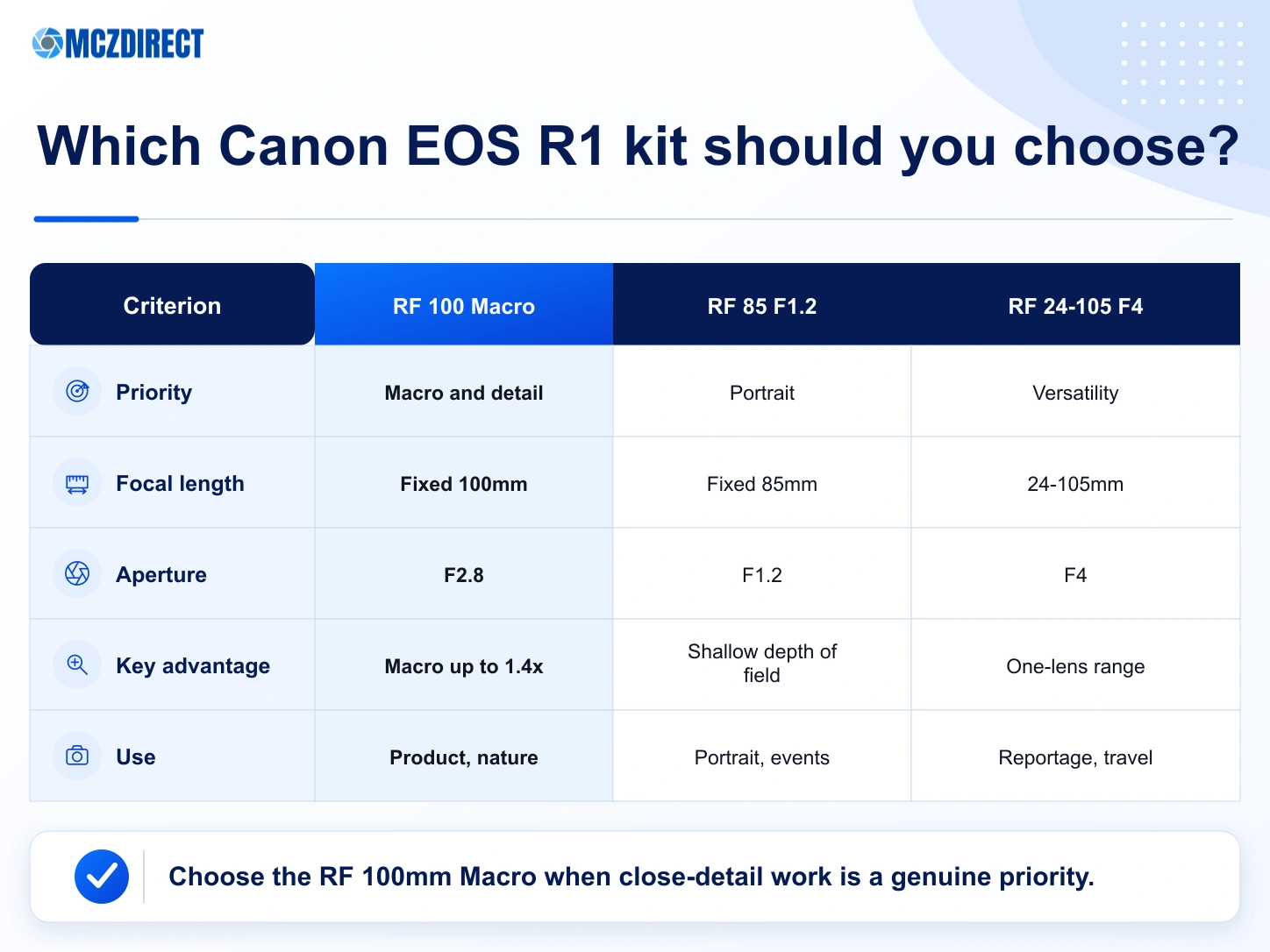
| Configuration | Best fit | Main compromise |
|---|---|---|
| EOS R1 + RF 100mm F2.8L Macro IS USM | Macro, products, jewellery, nature details and portraits. | A fixed 100mm lens is less flexible for travel and broad reportage. |
| EOS R1 + RF 85mm F1.2 | Portraits and work where a wider aperture is central to the image. | It does not offer the RF 100mm Macro's 1.4x close-detail capability. |
| EOS R1 + RF 135mm F1.8 | Portraits with more distance and stronger subject isolation. | It is less suited to close technical detail and confined working spaces. |
| EOS R1 + RF 24-105mm F4 | One-lens reportage, travel and broad everyday assignment coverage. | It cannot match the 100mm Macro's 1.4x magnification or close-detail speciality. |
The EOS R1 records internal RAW video up to 6K 60p, 4K up to 120p and Full HD up to 240p. Those options make room for detailed product motion, deliberate slow motion and close sequences where an object's material or movement needs to be shown rather than simply described. The 9.44-million-dot electronic viewfinder also supports careful framing when a small adjustment changes the balance of the image.
Canon describes the RF 100mm Macro as having reduced focus breathing for more consistent focus transitions in video. That is useful when changing focus between nearby subjects, although the shallow depth of field at close range still demands a measured approach. Two CFexpress Type B card slots suit the data-heavy workflow this camera can invite, provided card choice and recording settings have been planned before the shoot.
Choose this configuration when macro, product detail and portrait work are central to the assignment. It is more specialised than a standard zoom kit, but that is precisely its appeal: it does not make you choose between a dedicated close-focus lens and a professional body. The Canon EOS R1 range is the right place to compare other configurations when the project needs broader coverage.
For one-lens reportage, travel or documentary coverage, an EOS R1 with a 24-105mm F4 standard zoom will be more flexible. For a portrait-led brief where low-light work and stronger background separation matter more than macro magnification, the EOS R1 with RF 85mm F1.2 or EOS R1 with RF 135mm F1.8 may be the better fit. If you already own an EOS R body, the RF 100mm F2.8L Macro IS USM remains the lens-only route.
At MCZ DIRECT, we see this as the EOS R1 configuration for photographers whose work is led by precision: close product imagery, jewellery, food and nature details, alongside portraits that benefit from a 100mm viewpoint. It is not the catalogue choice for someone seeking one lens to cover a whole travel day. It is the choice for a photographer who needs a professional body and a serious macro lens to work as one system.
Compared with an EOS R1 paired with an RF 85mm F1.2 or RF 135mm F1.8, this kit gives up some maximum aperture in exchange for 1.4x magnification and a much more useful close-focus role. Compared with a standard-zoom R1 kit, it gives up broad coverage for specificity. Its honest limitation is that high-magnification work remains slow and deliberate: depth of field is shallow, small subject movement still matters, and support or controlled light may be needed. For the photographer who genuinely needs that capability, those are sensible working conditions rather than reasons to compromise the brief.
Choose this kit when macro, product detail and considered portrait work are central to your photography, and you want the EOS R1 paired with a 100mm lens that can work far closer than a conventional portrait prime.

It is designed for photographers whose work includes macro, products, jewellery, food details, flowers, nature details and portraits.
Yes. The RF 100mm F2.8L Macro IS USM reaches 1.4x maximum magnification, while the EOS R1 adds a 24.2MP stacked full-frame sensor and rapid electronic shooting.
It allows a small subject or detail to be reproduced beyond life size on the sensor, making fine textures and small features more prominent in the frame.
Its minimum focusing distance is 0.26m.
Yes. Its close-focus capability and 100mm working distance are useful for photographing small products, jewellery, surface texture and fine workmanship with room to arrange lighting.
Yes. The 100mm focal length gives a comfortable portrait perspective, and the F2.8 maximum aperture can separate a subject from the background.
SA Control adjusts spherical aberration to change the character of foreground and background blur. It is a creative option, not a setting that needs to be used for every image.
For technical product and jewellery reproduction, the neutral position is usually the safer starting point because it supports a more controlled, faithful rendering.
Its electronic shooting can reach up to 40fps and it provides Action Priority AF, cross-type AF and Eye Control AF. At high magnification, careful focus placement remains essential.
No. Stabilisation can help with photographer movement, but it cannot stop subject movement and becomes less effective on the lens at closer focusing distances.
Based on Canon's component weights, the body and lens together weigh approximately 1.8kg before adding a hood, card-dependent accessories or support.
It can travel well for a photographer focused on details and portraits, but a standard-zoom EOS R1 kit is more rational when broad scenes, changing distances and general reportage are the main priority.
