Shopping Cart
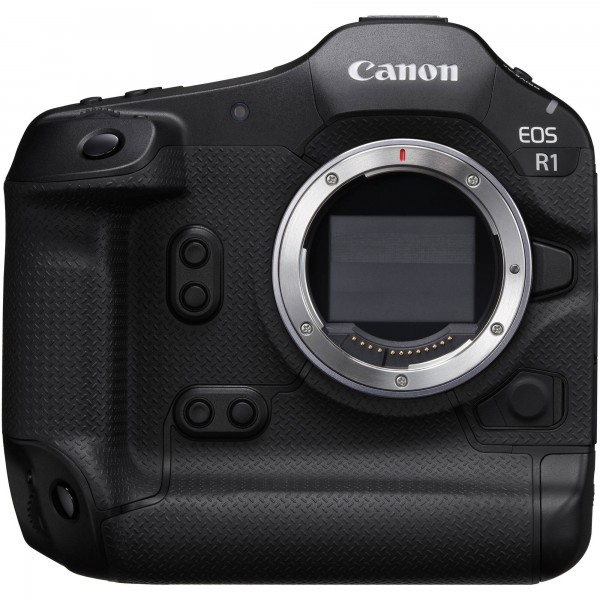
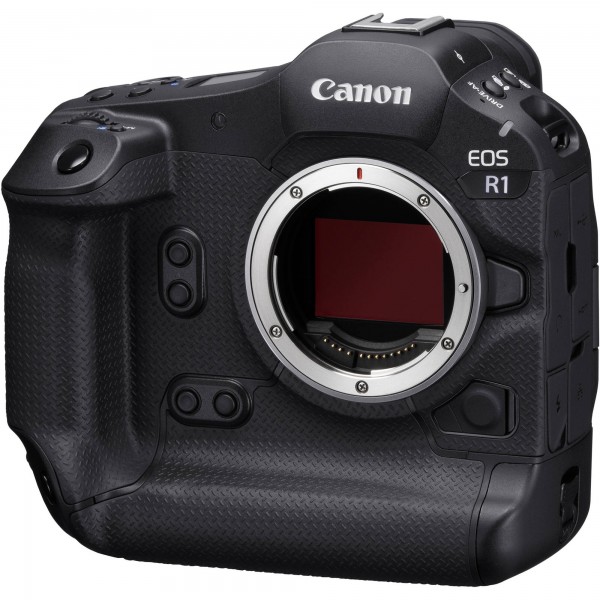
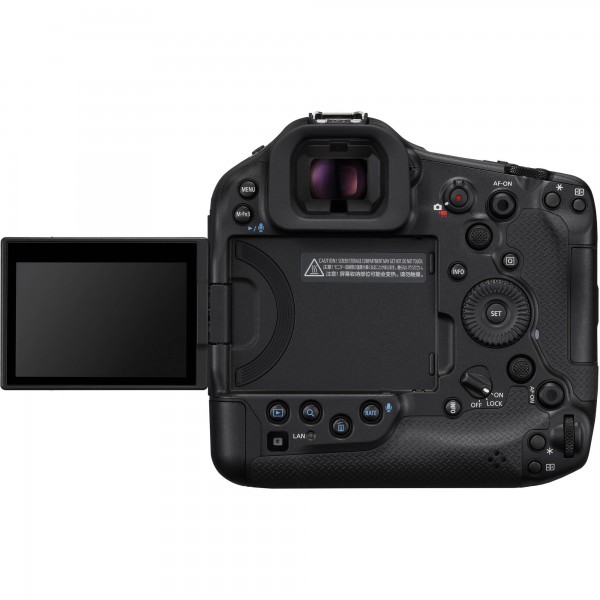
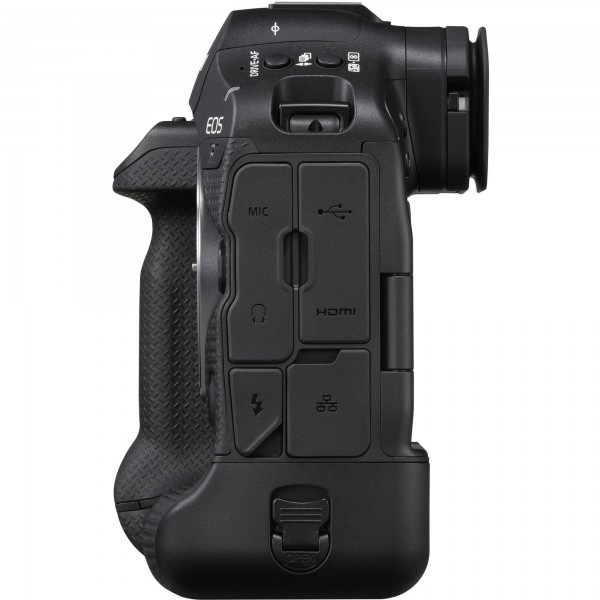
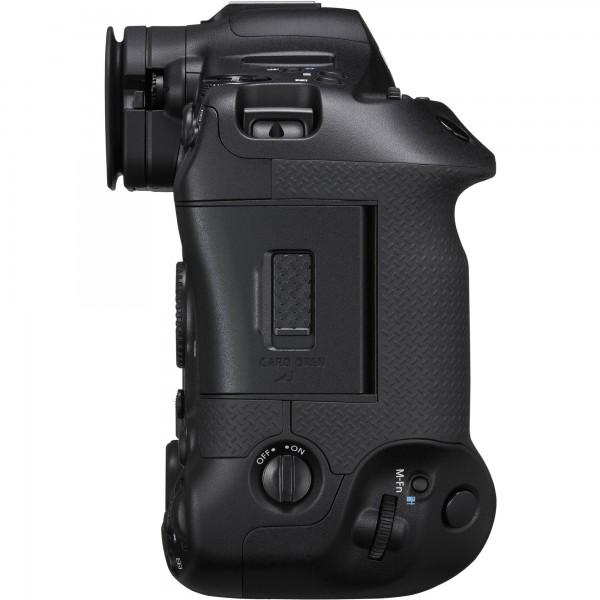
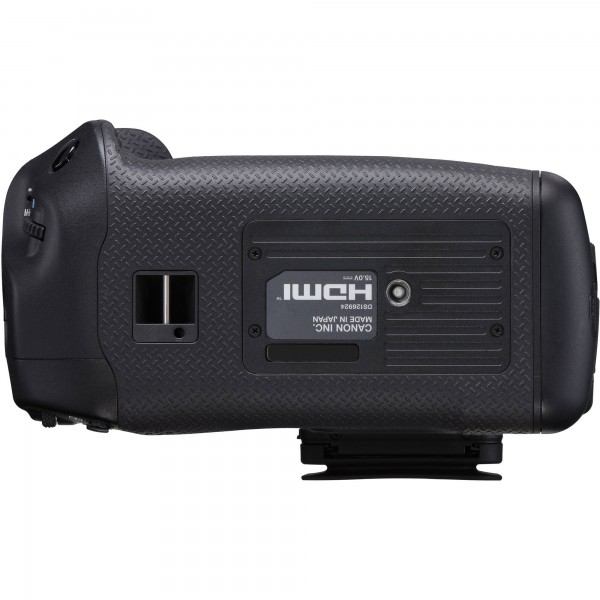
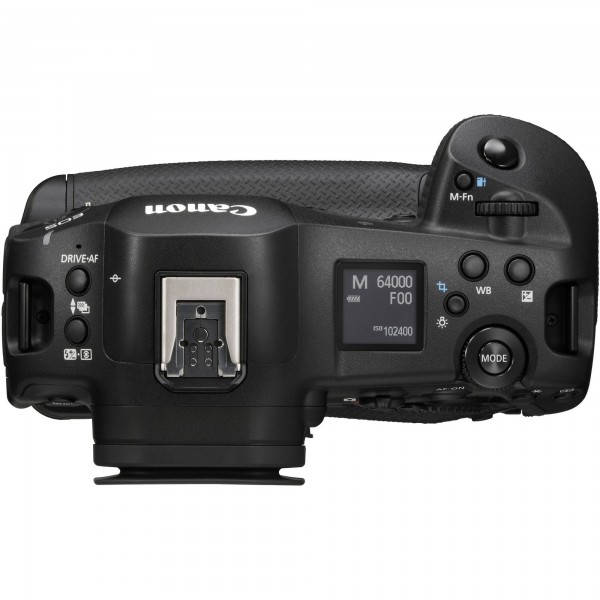
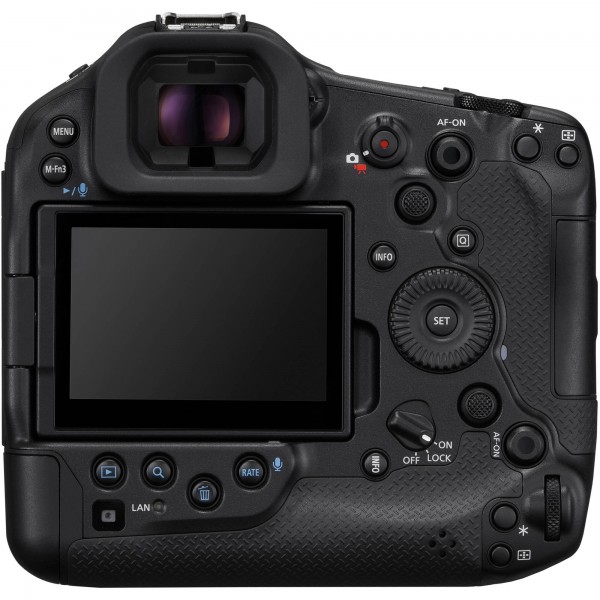
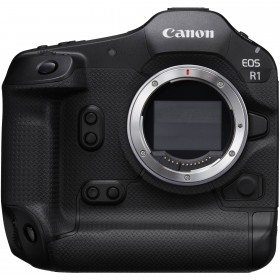
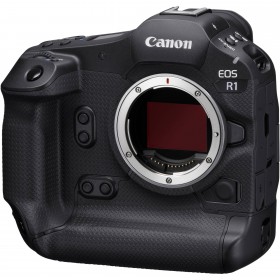
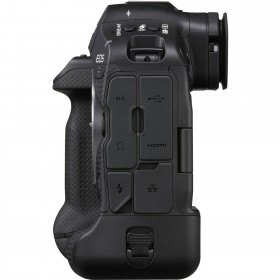
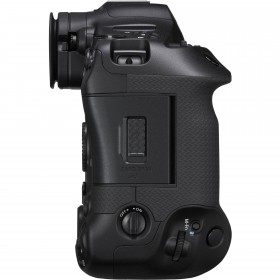
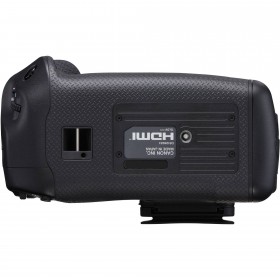
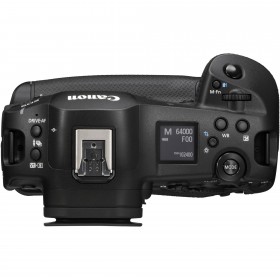
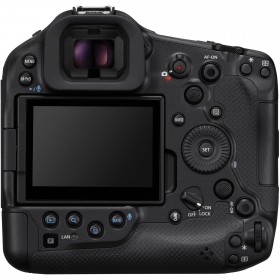


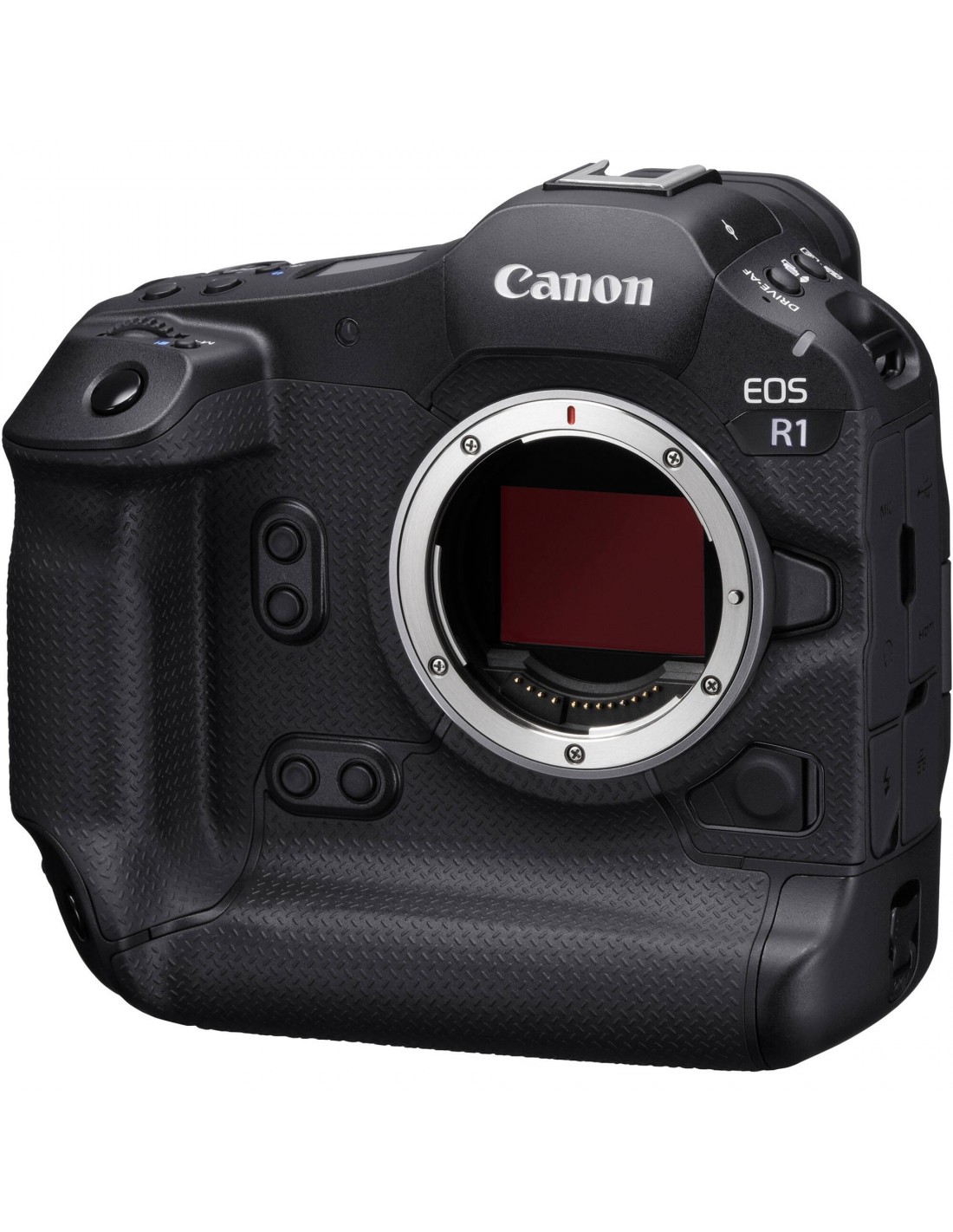


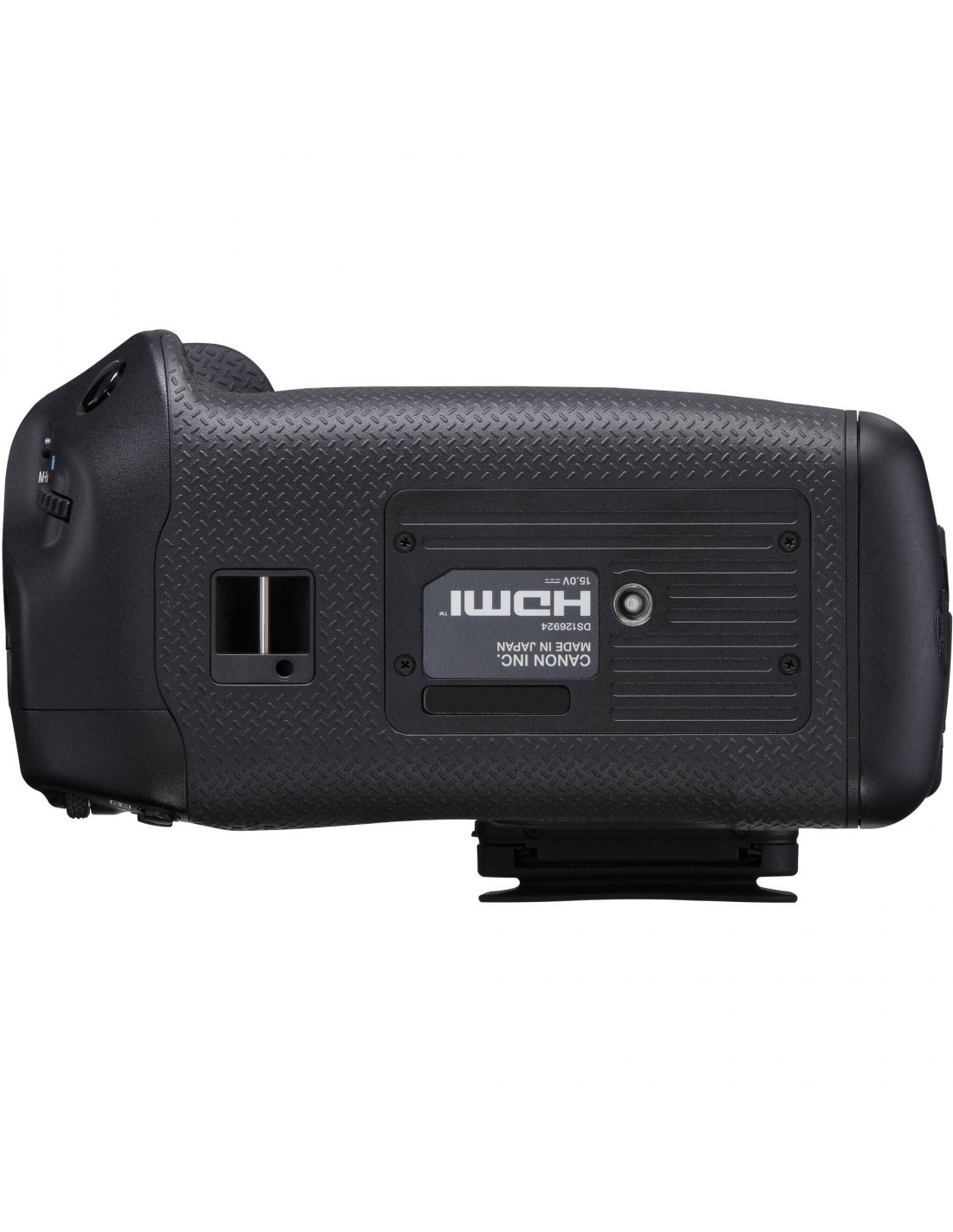



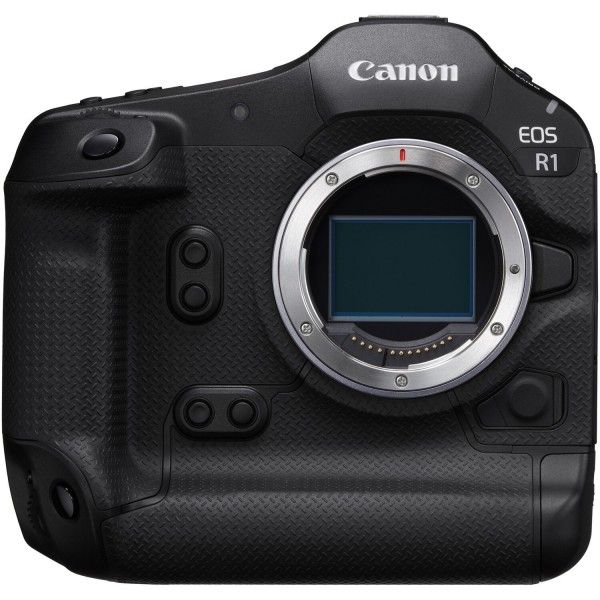
Meet the Canon EOS R1, Canon’s most advanced professional mirrorless camera ever.
Built for photographers and filmmakers who demand ultimate speed, precision, and reliability.
With its 24.2 MP stacked full-frame sensor and Dual Pixel Intelligent AF, every frame is razor-sharp, perfectly exposed, and captured in real time.
Shoot up to 40 frames per second and use Pre-Capture mode to never miss a moment — whether it’s sports, wildlife, or fast-paced action.
Record stunning 6K RAW video, benefit from up to 8.5 stops of image stabilization, and enjoy the 9.44-million-dot EVF that gives you an immersive, lifelike viewing experience.
The rugged magnesium-alloy body ensures durability in any environment — from stadiums to wilderness.
The Canon EOS R1 isn’t just a camera; it’s a statement of performance and confidence.
Order yours today and experience Canon excellence without limits.
Combine compatible accessories and save. The more items you add, the bigger the discount.
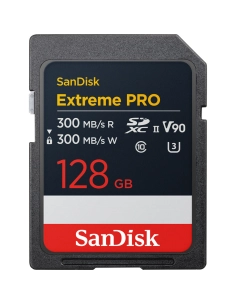
Accessory
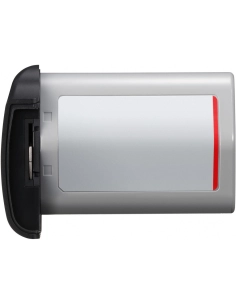
Accessory
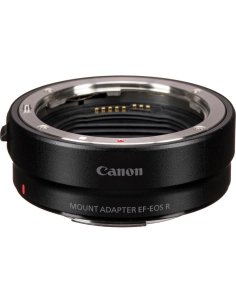
Accessory

warranty extension
You dream of a camera that pushes the limits, captures the decisive moment without the slightest hesitation and frees you from technical compromises? The Canon EOS R1 is designed for you. This next-generation mirrorless camera body is aimed at enthusiasts and demanding professionals who want excellence. If you're looking for the ultimate in performance, ultra-precise autofocus tracking, impeccable image quality and rock-solid reliability, now is the time to take the plunge. Take advantage of this opportunity right now, order your Canon R1 and enter another photographic dimension.
With this Canon R1, you gain access to a cutting-edge mirrorless camera, a Canon R1 body designed for speed, precision and versatility. Whether you're a sports photographer, photojournalist, nature photographer or demanding creative, this Canon EOS R1 body gives you a clear advantage. This isn't simply a Canon R1 camera: it's your creative companion that anticipates your movements, inspires confidence and allows you to go beyond what you imagined possible.
Don't let fleeting moments pass you by anymore. With the Canon R1 camera, every movement becomes an opportunity to seize. The Canon R1 body is more than just a tool: it transforms your practice, gives you room to maneuver and reassures you in the most extreme situations. Imagine yourself in a stadium, at the edge of a soccer field, in the savanna at dawn, or in the heart of a concert: you're ready. You only have one choice left: invest in your creative future.
Take action right now — take advantage of the Canon EOS R1 to unleash your vision, capture the invisible and master every scene. Order your Canon R1 body today and transform the way you photograph.
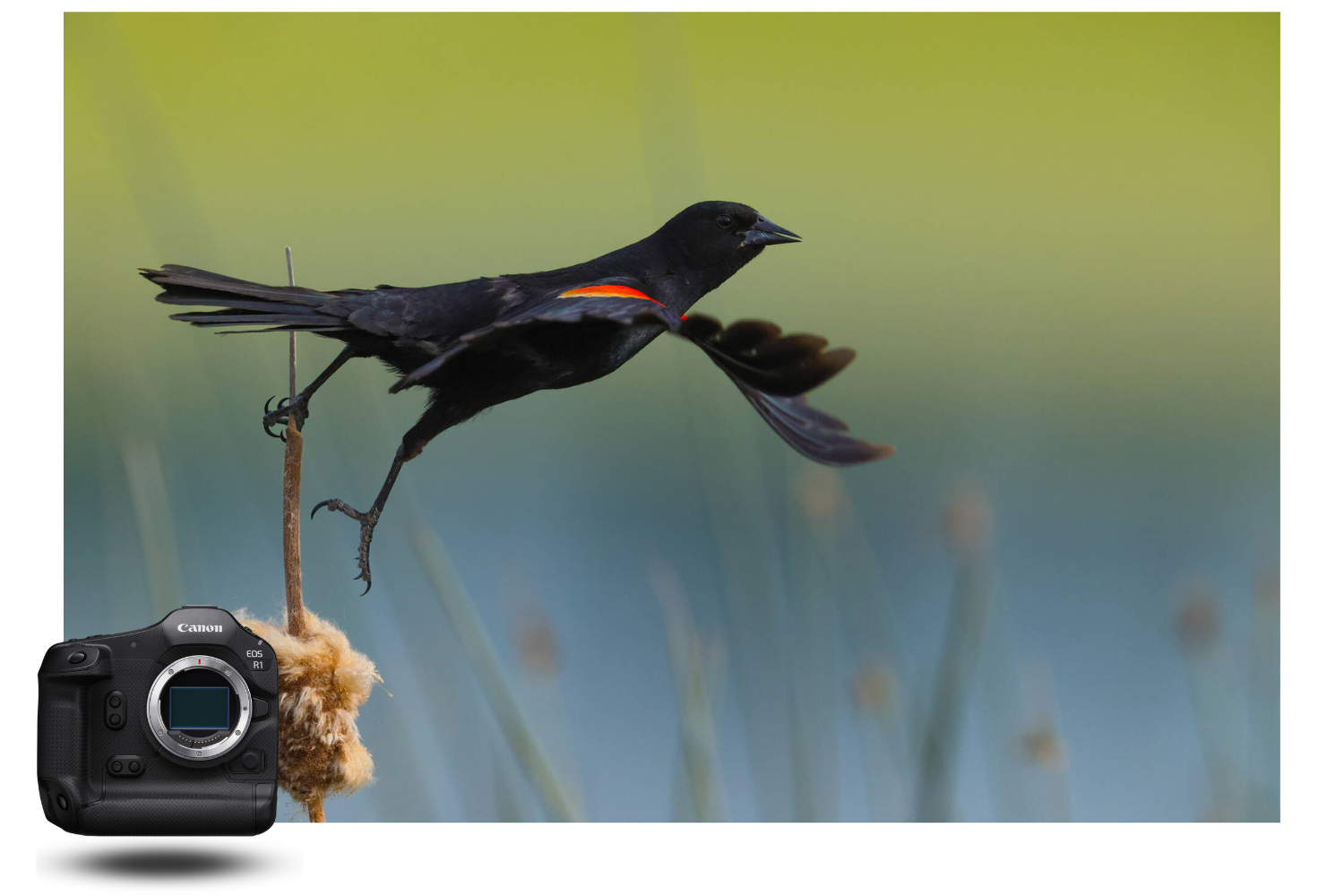
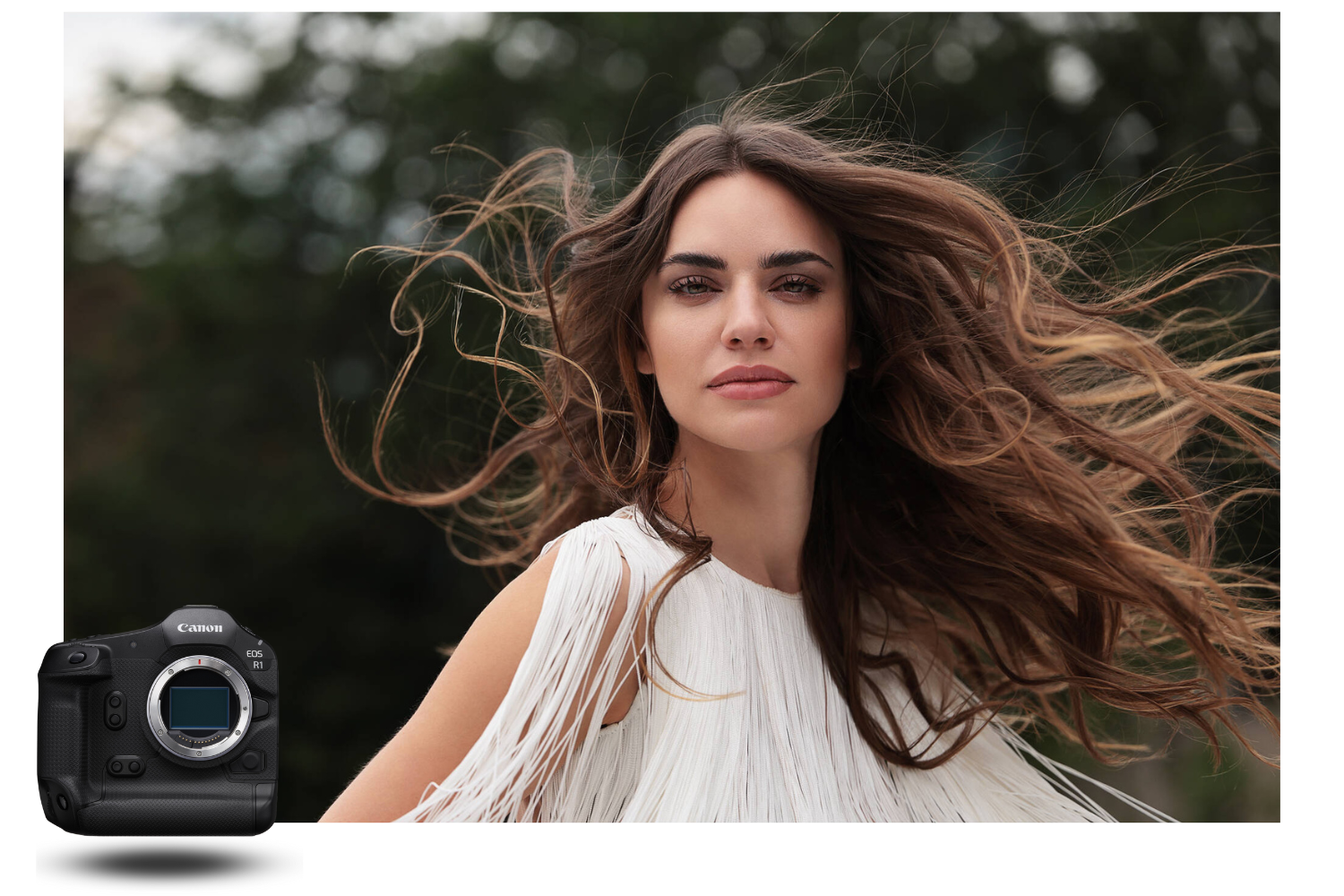
The Canon R1 body is designed to dominate sports and action photography, and it's in this area that it reveals all its power. Thanks to its rate of 40 frames per second in electronic shutter, it captures every micro-movement — dribbles, jumps, passes or sudden gestures. Dual Pixel Intelligent autofocus tracking with full frame coverage ensures your subject stays sharp, even in the middle of a lively match. According to field feedback, this body excels at keeping the active person in the center of the frame, including when other players pass in front or behind.
Take the example of a soccer match: as the ball changes players, players cross paths, overlap. You're at the edge of the field, you follow the action, you pace your shutter release, and the R1 anticipates enough to stay locked on the player with the ball without constantly "searching for the right subject". The "Action Priority" mode prioritizes the moving player — even if they're a small silhouette in the frame, the Canon R1 spots them.
Even indoors — volleyball, basketball, hockey matches — where lighting is artificial and often difficult, its ISO management, fast shutter and "tenacious" autofocus ensure usable results. The autofocus doesn't jump erratically from one subject to another, but stays "sticky" on the main subject — an advantage noted in tests (Jeff Cable, via Canon Rumors).
Thus, for any photographer covering sporting events, competitions or fast action, the Canon EOS R1 is a choice ally. It gives you the safety margin and confidence that a missed trigger or blur due to poor focus point are now things of the past.
The EOS R1 is also remarkably suited to wildlife photography, a demanding environment where subjects are unpredictable, often distant, in changing or difficult lighting conditions. Its Pre-continuous (pre-capture) mode memorizes the 0.5 seconds before the shutter release, which is crucial when facing an animal suddenly appearing or disappearing behind foliage. In a field report from Antarctica, a photographer emphasized that the R1 "makes previously impossible captures possible", combining high rate, ISO performance and robustness in extreme field conditions.
For example, imagine a photographer in the savanna, watching for the moment when a cheetah leaps after its prey. The animal emerges from the vegetation cover, crosses subdued light, then strong contrast — in a few moments, everything must be captured. Thanks to its fast autofocus, its ability to perform in low light and its shutter without blackout, the R1 ensures that each image keeps the subject sharp. The photographer anticipates, triggers, but the R1 has already memorized the moment before — it's the guarantee of losing nothing.
Some feedback indicates that the body's robustness, its weather-sealing and its endurance in extreme conditions are among its major assets for wildlife. Although some criticize the fact that 24.2 MP may seem "modest" for the full potential of cropping, specialists emphasize that this compromise was made to maximize responsiveness and quality in difficult light.
In summary, for wildlife photography — birds in flight, leaping felines, moving natural scenes — the Canon R1 pro body offers you a margin, helps you anticipate the unpredictable, and accompanies you where nature doesn't pause.
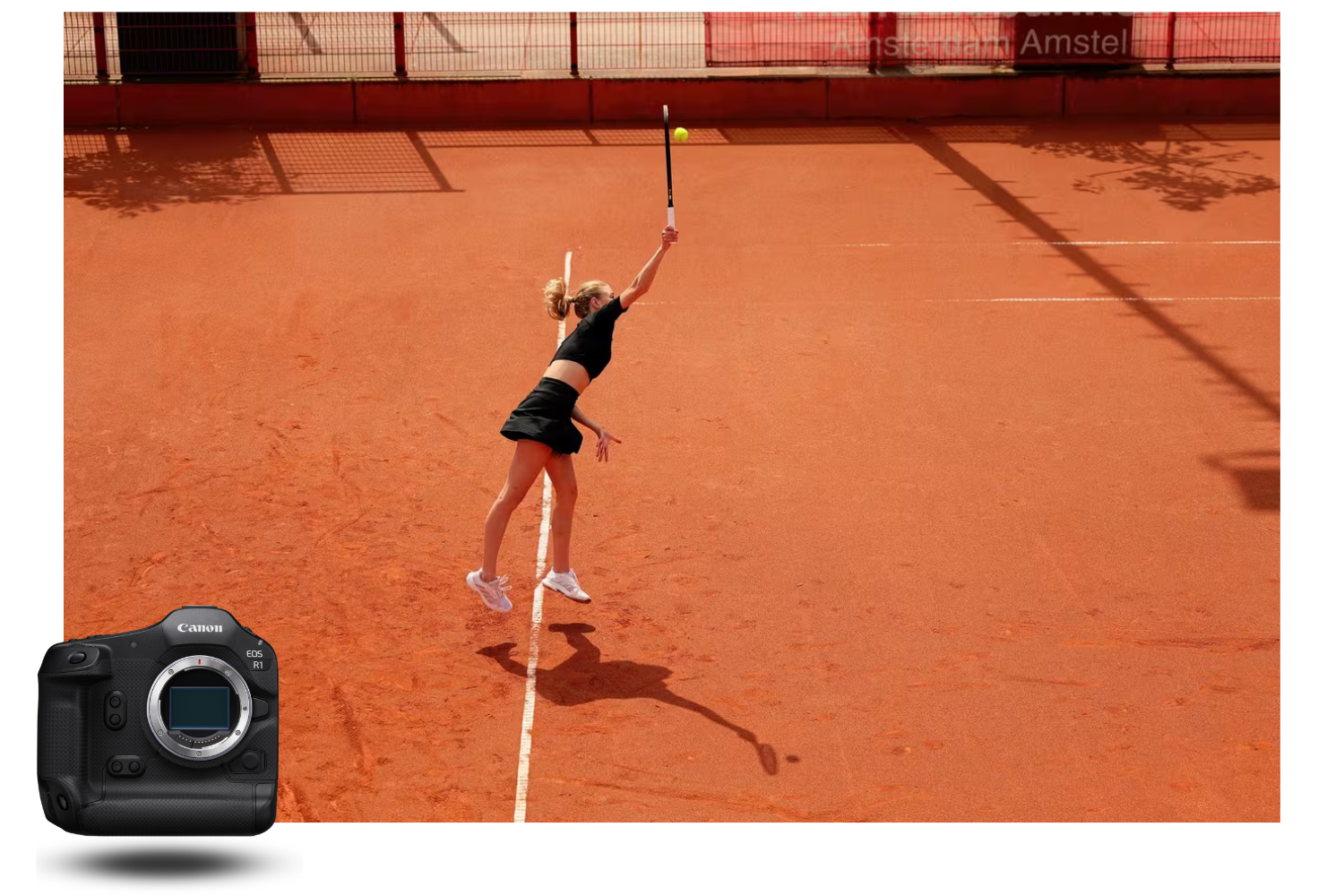
In the world of documentary photography, you're called to capture the moment without warning: demonstration, conference, social event. The Canon EOS R1 camera offers a solution tailored for this requirement. Its combination of speed, reliable autofocus, advanced connectivity (Wi-Fi 6E, 2.5G Ethernet) and robustness makes it a tool of choice for journalists in the field.
Imagine yourself in the field at a demonstration. Subjects are moving, light varies, action unfolds suddenly. Your role is to be ready, responsive. The R1's autofocus tracking doesn't "choose" for you: it respects your priority subject. Moreover, its transfer speed via Wi-Fi or Ethernet allows you to send your shots to newsrooms or media in real time. The body becomes a mobile reporting station.
In this context, focus point stability is vital: a passerby crosses the subject, a sign appears — the Canon R1 stays locked on the main subject. Blogger Jeff Cable, an experienced photographer, reports that the Eye Control AF system (new generation) improves focus point selection, making selection instinctive through your gaze while you follow the scene.
The body's robustness, its ergonomics designed for the field, its ability to operate in rain or difficult conditions become essential assets. It's no longer just a "Canon pro camera", it's a reporting tool, ready to withstand constraints, to behave as a discreet accomplice.
In documentary work, room to maneuver is rare: the Canon EOS R1 gives it to you. It allows you to anticipate, react, deliver impactful images — it's a choice of confidence for any professional photojournalist.
The Canon EOS R1 pro mirrorless body also excels in the event field, weddings, concerts or mixed photo + video capture. It allows you to switch from one role to another without changing equipment, to capture a strong photo then launch a video sequence.
Imagine yourself as a wedding photographer. You're sitting discreetly, between speeches, looks, reactions. You want to capture a fleeting smile, but also record the speech on video. The R1 activates its hybrid functions: it films in 6K RAW or high-rate 4K while allowing you to trigger full-resolution photos. You miss neither the tear, nor the look, nor the toast.
Internal stabilization (up to 8.5 stops depending on lens) delivers sharp handheld images when you move to follow interactions, without necessarily resorting to an external stabilizer. Autofocus performance allows you to stay locked on the subject even if brightness changes (dark interior, backlight, mixed lighting).
In a concert or stage event, lighting is often unstable: spotlights, abrupt changes, shadow areas. The Canon EOS R1 handles these challenges through its dynamic rendering, its ISO capability, its fast shutter, and pre-capture to miss nothing of a gesture or expressive moment.
Thus, if you're an event photographer, wedding photographer, party photographer or hybrid operator, the Canon R1 camera offers you the flexibility, quality and responsiveness you need to cover every emotion, every moment, in all your formats.
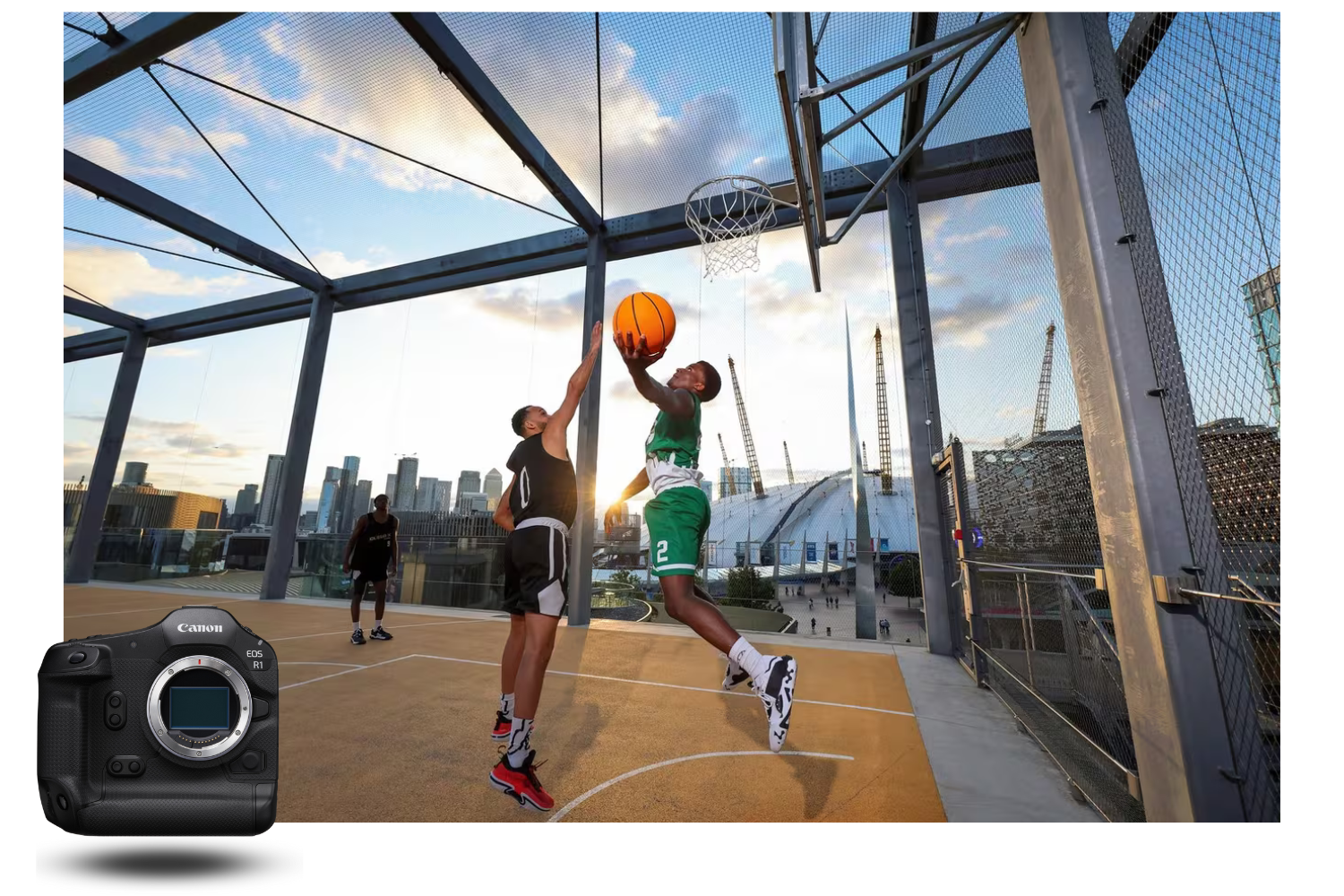
Sensor
• Format: full-frame (36 × 24 mm) BSI (back-illuminated) stacked CMOS
• Effective pixels: approximately 24.2 megapixels
• Total pixels: ~ 26.7 MP according to Canon
• Image ratio: 3:2
• Low-pass filter: integrated/fixed
• Sensor cleaning: Canon integrated cleaning system (anti-dust)
Mount & optical compatibility
• Mount: RF (Canon)
• Compatibility: the RF mount allows advanced optical designs, compact or high-performance lenses
• Shared iris control: the lens iris ring works for both photo and video smoothly
Autofocus / focusing
• System: Dual Pixel Intelligent AF with cross-type AF points to detect horizontal and vertical lines, increasing precision, particularly in low contrast or low light
• Autofocus coverage: 100% of frame
• Number of AF points (selectable): 4,368 points
• Minimum AF sensitivity: up to approximately –7.5 EV (under certain conditions)
• Focus modes: One-Shot, Servo (continuous AF), AI Focus, manual focus
• Eye Control AF (new generation): allows selecting an AF point simply by looking at the desired spot in the viewfinder, with a double-speed line of sight algorithm
Shutters / shooting rate
• Electronic shutter: up to 1/64,000 second, without blackout
• Mechanical shutter: up to 1/16,000 sec
• Continuous shooting rate:
– With electronic shutter: up to 40 frames per second
– With mechanical shutter: ~ 12 fps
• Pre-continuous mode: captures the 0.5 second before actual shutter release, allowing you to "save" unexpected moments
ISO sensitivity & noise processing
• Standard ISO range: 100 – 102,400
• Extended range: up to ISO 50 (L1) and up to ISO 409,600 (H2) depending on settings
• Noise reduction: optimized by dual processor and internal algorithms to preserve detail at high sensitivity
Processing / processors
• Two processors: DIGIC X + DIGIC Accelerator working together for fast data processing, noise reduction, upscaling, autofocus and heavy burst management
• Internal neural upscaling: ability to double horizontally and vertically the resolution to create a 96 MP JPEG in about 10 seconds
Image stabilization (IBIS)
• Integrated 5-axis stabilization (sensor shift): up to 8.5 stops (at center, depending on lens used)
• Variable contribution depending on optics: effective performance depends on mounted lens
Video & hybrid functions
• Internal video formats:
– 6K RAW up to 60p
– 4K up to 120p (with sub-sampling depending on mode)
– Simultaneous photo recording during video: Dual Shooting mode or JPEG capture up to 10 fps during video
• Log profiles: C-Log 2 and C-Log 3 support to allow large dynamic range workflows suited to post-production grading (mentioned in specialized analyses)
• Proxy video resolution, internal cropping with choice possible via interface
Screen & viewfinder
• Rear screen: 3.2 inches articulating / tilting, resolution ~ 2.1 million dots (touchscreen LCD)
• Electronic viewfinder (EVF): 9.44 million dots, 100% coverage, without blackout
• Customization options: diopter lock, anti-fog resistance, various refresh modes depending on conditions
Storage / memory
• Two memory slots: CFexpress Type B (identical slots, high speed)
• Maximum capacity per card: up to 2 TB (according to manufacturer specifications)
• Recording modes: redundancy options (simultaneous writing to both cards), or separation by type or format
Connectivity & communication
• USB-C (SuperSpeed, charging via USB Power Delivery)
• Wi-Fi 6E (2.4 / 5 / 6 GHz depending on regions) with MIMO antennas for image transfer and remote control
• 2.5 GBASE-T Ethernet for fast wired connection to networks, servers or video stations
• Bluetooth (recent version) for pairing, GPS or accessories (low-power connections)
• Video / monitor output: HDMI (Type A, full format) for external link to recorder or professional monitor
Power / battery life
• Battery: LP-E19 model (rechargeable via USB PD)
• Charging: via USB-C (Power Delivery) or via supplied external charger
Dimensions & weight / robustness
• Dimensions: approximately 157.6 × 149.5 × 87.3 mm
• Weight: ~ 920 g (body only); ~ 1,115 g with battery + cards
• Construction: magnesium alloy and glass fiber-reinforced polycarbonate chassis
• Weather-sealing / protection: weather seals against dust and moisture, weather resistance (demanding conditions)
• Operating environment: 0 to 45°C, humidity ≤ 85% (non-condensing)
Other features
• Intelligent object recognition: the camera recognizes subjects like animals, cars, planes, etc., to adjust autofocus tracking
• Crop / internal cropping: ability to crop internally and use upscaling to maintain high resolution after cropping
• Dual Shooting function: in video mode, pressing the shutter produces a JPEG burst (up to ~ 10 fps) without interrupting video recording
• Flash cover: the camera does not have a built-in flash (external flash required)
• Colorimetric systems / color spaces: support for sRGB, Adobe RGB, BT.2020, etc.
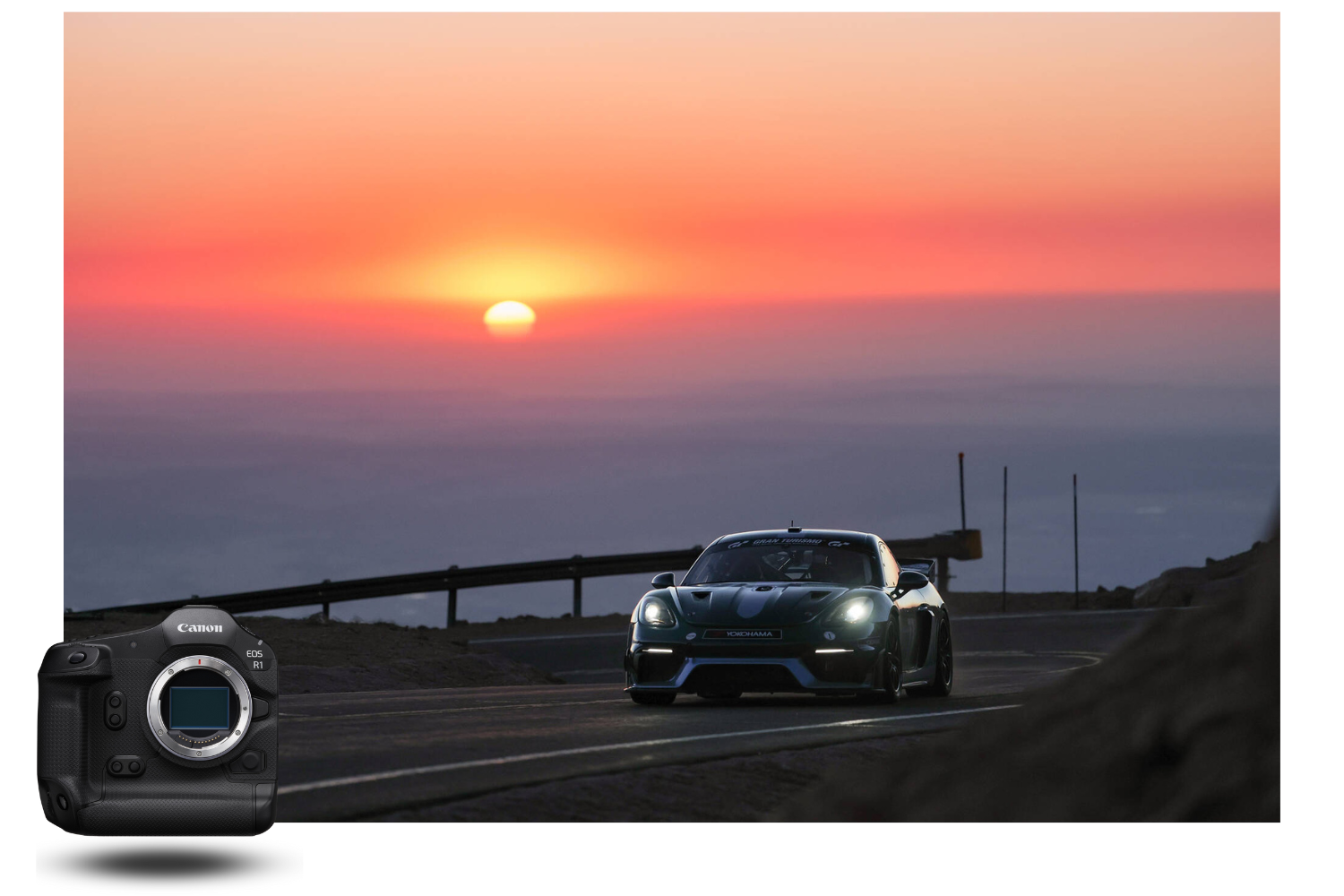
In its "In Depth Review", Fstoppers emphasizes that the EOS R1 embodies what Canon has produced most advanced to date. The site notes that, despite its high price, this body is fully justified for those whose profession demands speed, reliability and consistency day after day. It describes it as "among the best models ever offered by Canon", capable of operating without fail over the long term.
More specifically, the article highlights the R1's superiority in responsiveness and autofocus, even surpassing the R3 in certain action situations, and positioning itself as a logical choice for imaging professionals. Fstoppers also compares its competitors (Sony, Nikon) but emphasizes that the R1's advantage lies in its speed and precision more than in pure megapixel count.
DPReview tested the Canon EOS R1 in the field, particularly during a soccer match, to evaluate behavior in real sports conditions. The verdict is clear: the body proves tenacious in subject tracking, managing to keep the moving player fully sharp, even when other players pass in front or behind.
The article notes that Action Priority mode proves particularly useful for directing focus to the right subject — especially for a still less experienced user — and that it improves subject choice stability in very moving scenes. However, they mention some tracking errors (the body sometimes chooses an uninvolved player), but specify that manual correction remains possible without major difficulty.
Finally, DPReview states that the R1 "makes shooting more natural": the tool anticipates, you follow the action, and often the body takes care of the right subject without you having to intervene. The virtually blackout-free rendering (no viewfinder interruption during bursts) reinforces this smooth experience.
A field report published on Canon Rumors describes using the Canon EOS R1 in extreme conditions in Antarctica, particularly to photograph emperor penguins on ice. The photographer relates that the body proves to be a "game changer" tool for wildlife photography in polar environments.
The report cites determining elements: the combination of pre-capture function, ISO performance, and 40 fps RAW rate makes previously missed captures possible. It also highlights the body's robustness, described as "built like a tank", capable of surviving drops, very low temperatures, and hostile conditions.
The scope of application should be emphasized: this feedback doesn't come from a studio or demonstration, but from real-world use (polar climate), which reinforces the body's credibility for field missions. The text mentions some small regrets — dense menu system, difficulty assigning certain functions — but insists that these flaws don't undermine overall effectiveness.
In its review "A Flagship Made For a Select Few", PetaPixel praises the R1's design, while recalling that its positioning reserves it for a very demanding niche. The test shows that in sports conditions (a hockey match in this case), the body performs admirably, particularly thanks to its autofocus, its rate and buffer management.
The article emphasizes the ergonomic design: although bulky, the body is more compact than a classic 1D DSLR while maintaining excellent handling. They also highlight advanced customization, the joystick, menus, and the good balance between speed and user control.
However, PetaPixel notes that Eye Control AF can be tricky to calibrate, depending on users — an ambitious function, but still perfectible. They praise instead the 9.44 million dot viewfinder, without blackout, and the RAW burst speed that places the R1 among the fastest on the market.
Amateur Photographer offers a more pragmatic viewpoint. The title of their verdict: "the Canon EOS R1 is a superb camera in its niche of sports and action photography" — a clear recognition of its field of excellence.
Their notable positive points: extraordinary speed, exceptional viewfinder, robust construction, excellent battery life and Eye Control AF function. They also praise compatibility with EF lenses via adapter.
On the criticism side, weight, high cost and a dynamic range deemed "slightly compromised" in certain situations are mentioned. But these elements are presented as secondary, in a context where the targeted user accepts compromises to obtain maximum performance in action.
CineD publishes a laboratory analysis of the R1, exploring rolling shutter, latency, exposure latitude and noise in extreme conditions. The result is generally flattering: the R1 offers reduced latency, well-controlled rolling shutter, and an exposure range of about 9 stops, which places it slightly ahead of certain competitors.
They note that in CRAW (Canon RAW) recordings, the R1 shows less noise and better latitude than certain cinema cameras (like the C400 in their tests). Rolling shutter is described as "significantly better" than on its direct competitors.
Some artifacts, particularly in shadows or certain very dark areas, are mentioned in extreme conditions (very pushed exposures). But even there, CineD specifies that the body behaves honorably given the fast rate and constraints.
Ken Rockwell adopts a direct style: for him, the EOS R1 is intended for "full-time" photographers, those who capture sports, documentary or action every day. He recalls that for static subjects or uses where high resolution is a priority, the R5 Mark II or other models might be wiser.
He nevertheless highlights the R1's specific assets: its durability, its "monster" grip, its "magic thumb controllers" (intuitive controls) and its gaze-controlled autofocus. Rockwell believes that every R1 function is designed for action efficiency, but that you must accept it won't be the right choice for all uses everywhere.
The Canon EOS R1 embodies the ultimate alliance of speed, precision and reliability. This Canon EOS R1 pro mirrorless camera is made for those who don't want to compress their ambitions. With intelligent autofocus tracking, a 40 fps rate, a stacked BSI sensor and professional video capabilities, you'll have a tool capable of dominating any demanding scene. You no longer suffer the moment: you control it.
If you're a sports photographer, journalist, hybrid videographer or demanding creator, the Canon R1 camera is the body you need. Don't miss out anymore: order your Canon EOS R1 today and enter a new era of creativity.