Shopping Cart


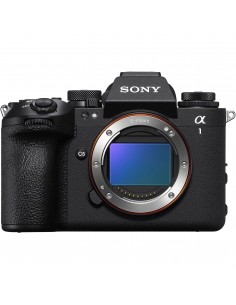
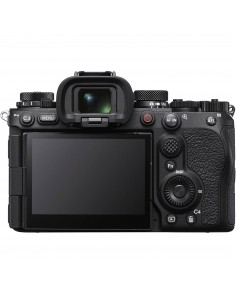
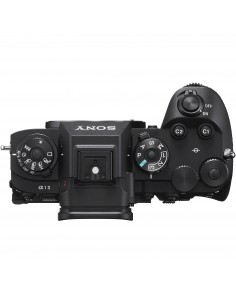
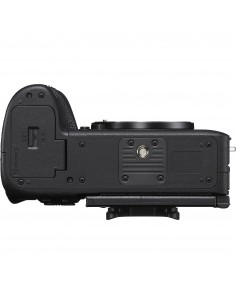
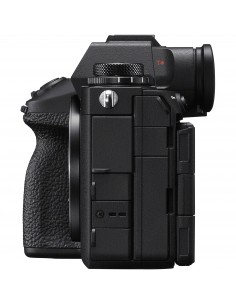
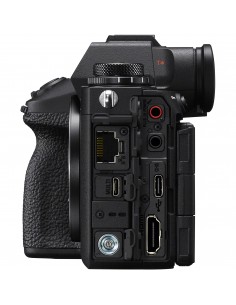
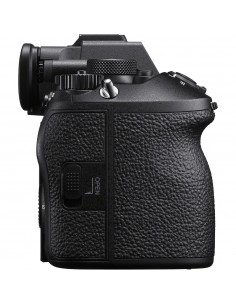
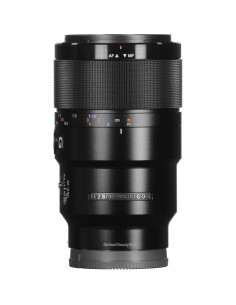
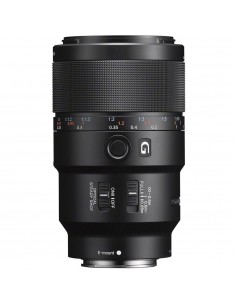
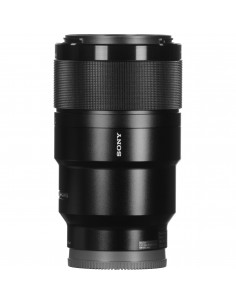
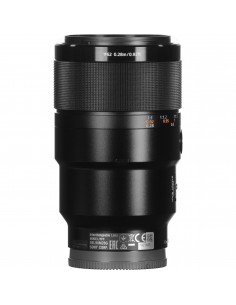
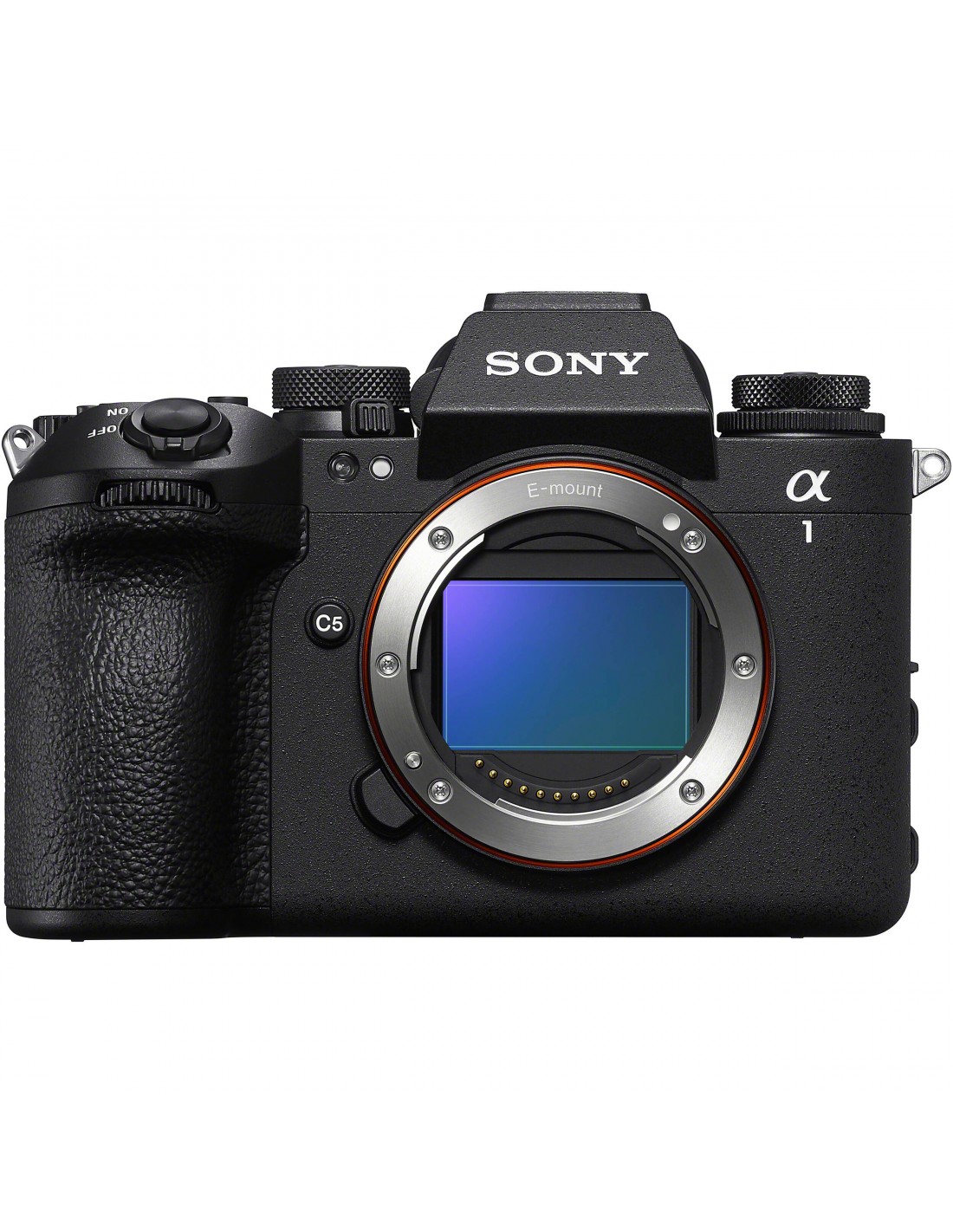
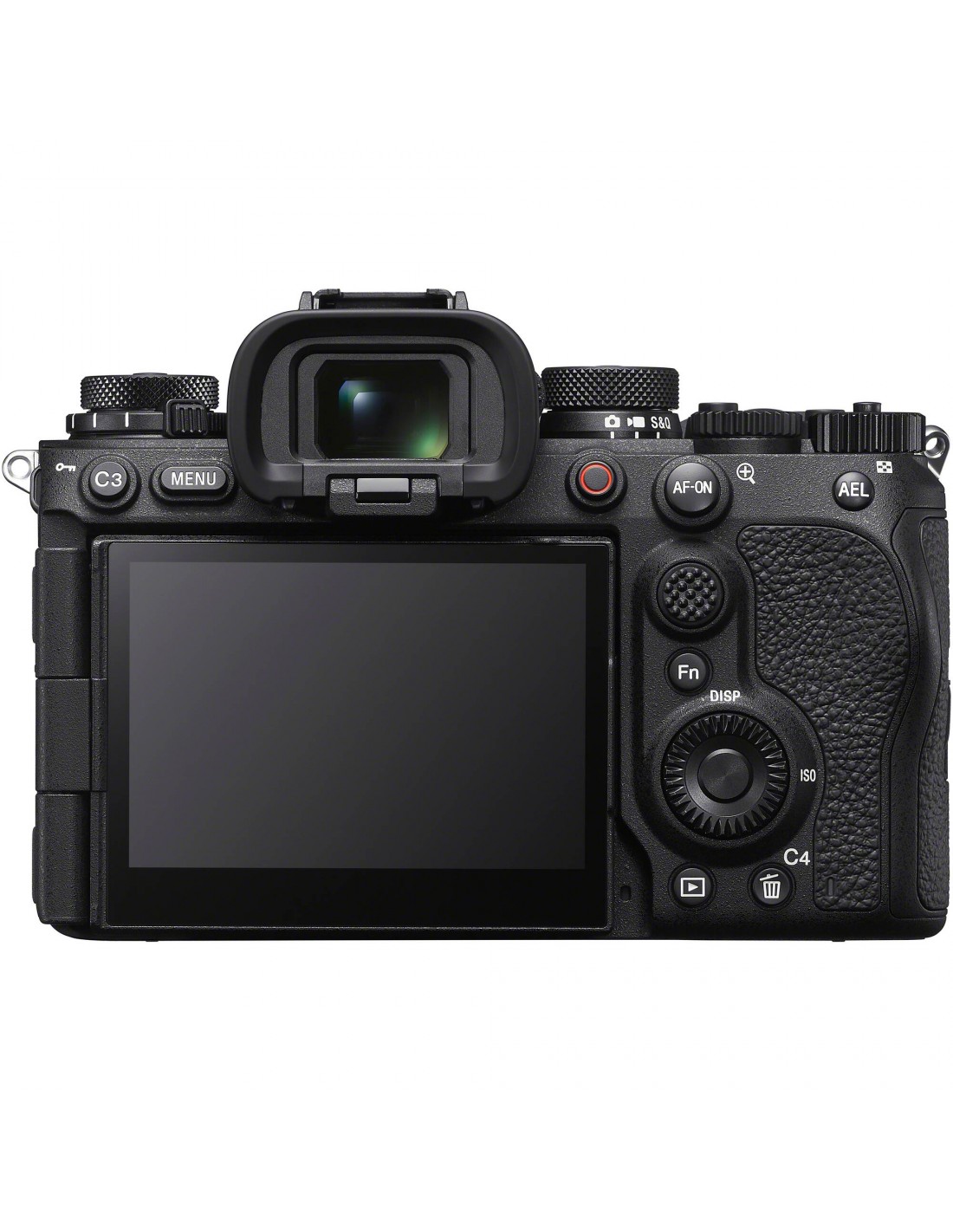
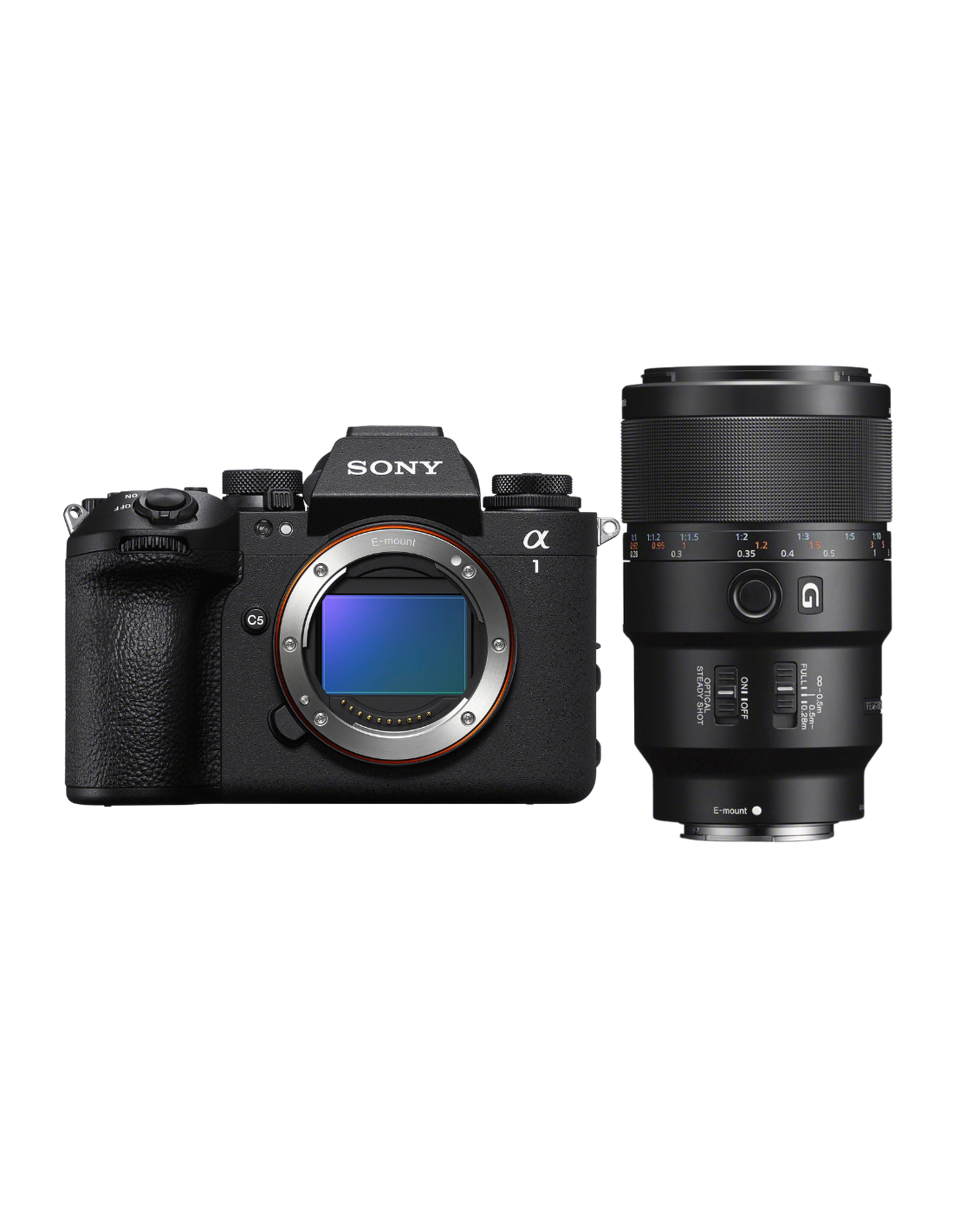
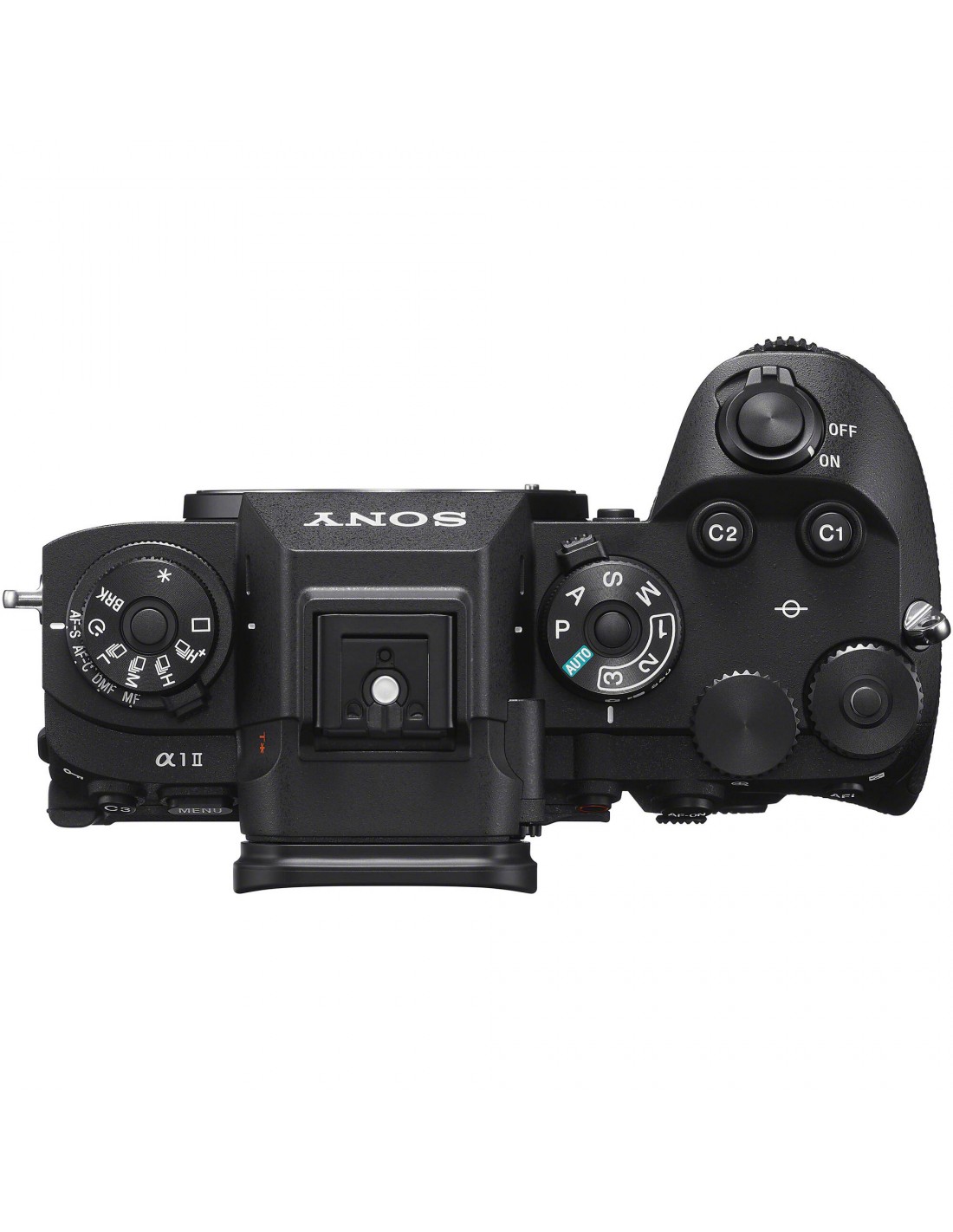
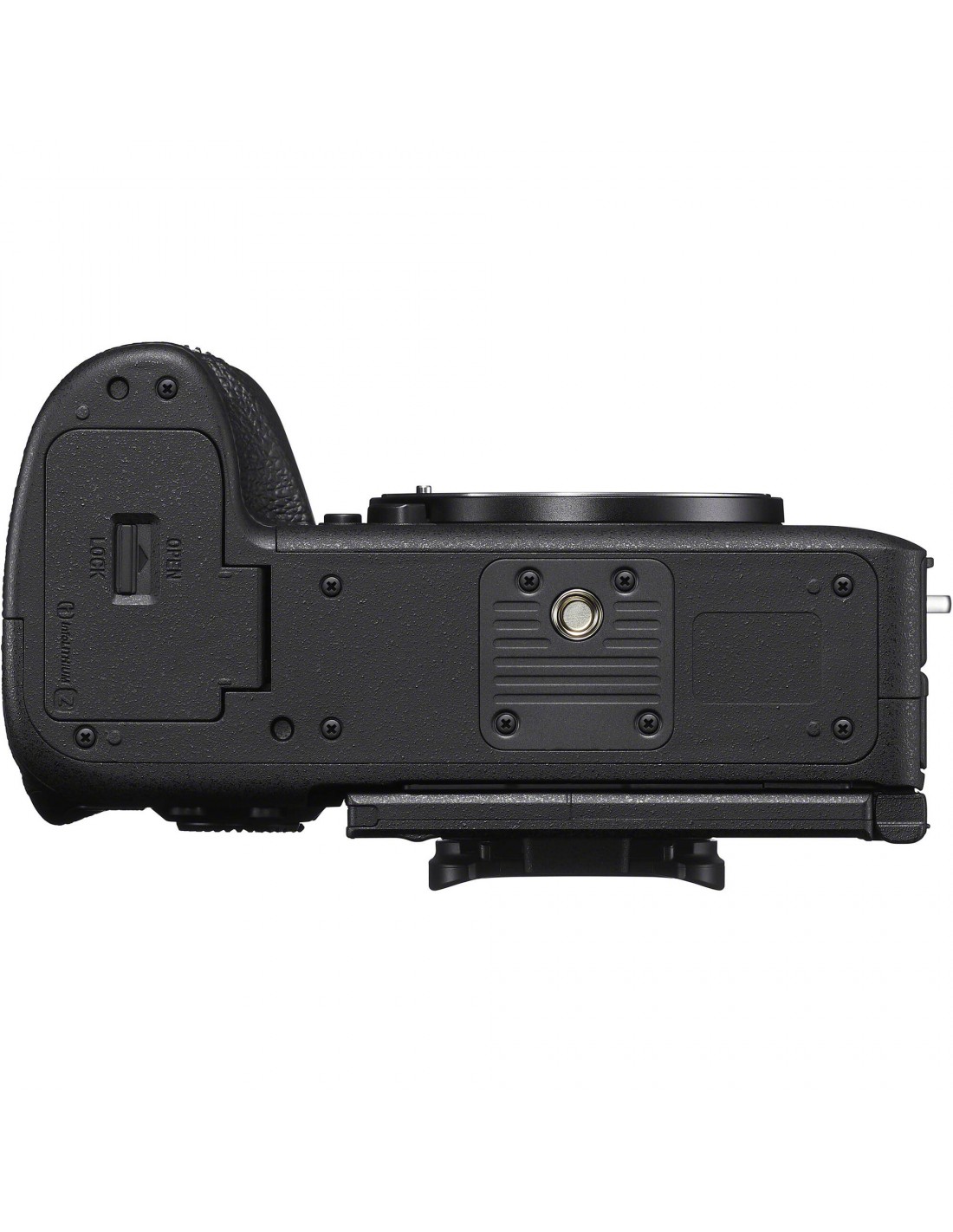
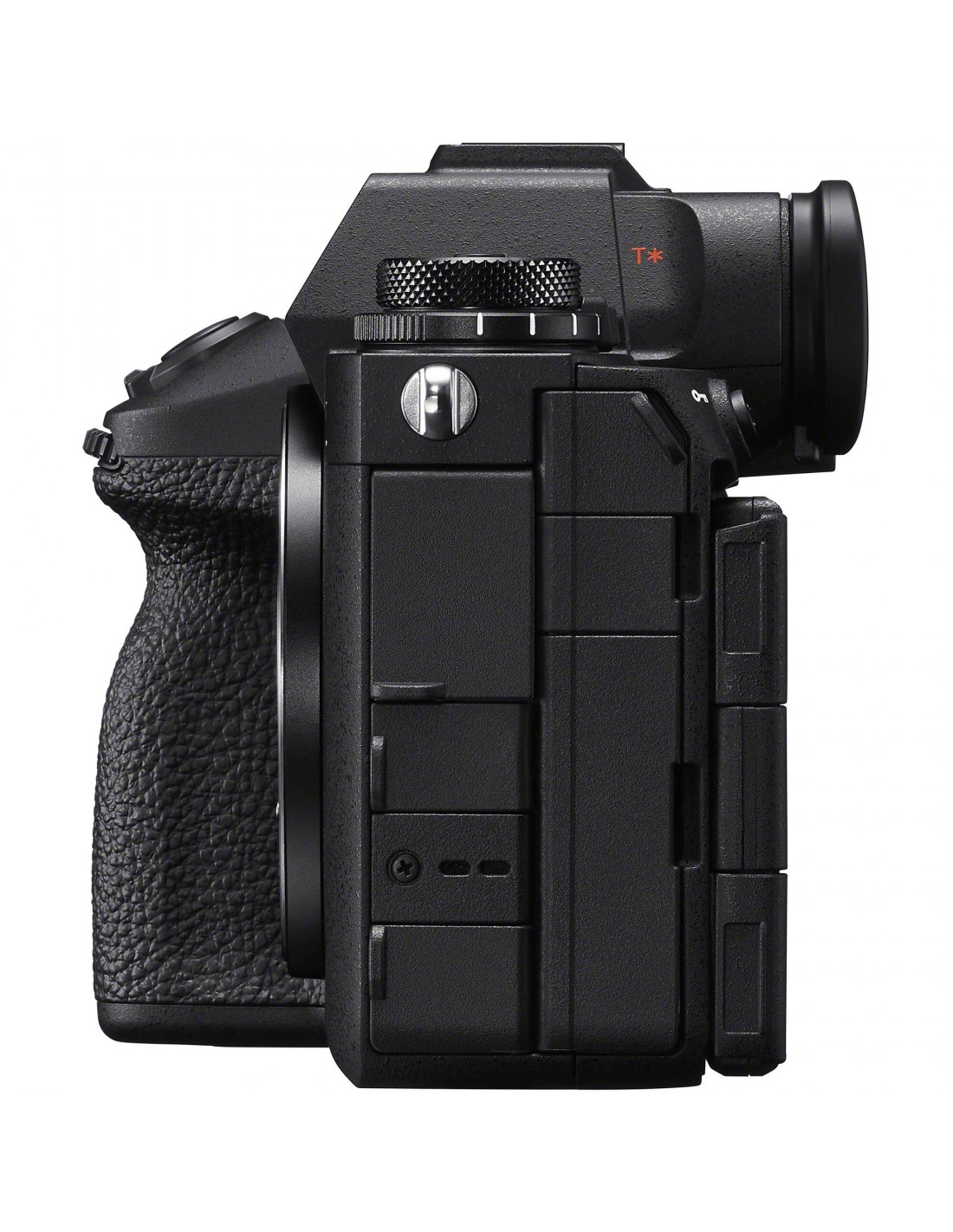
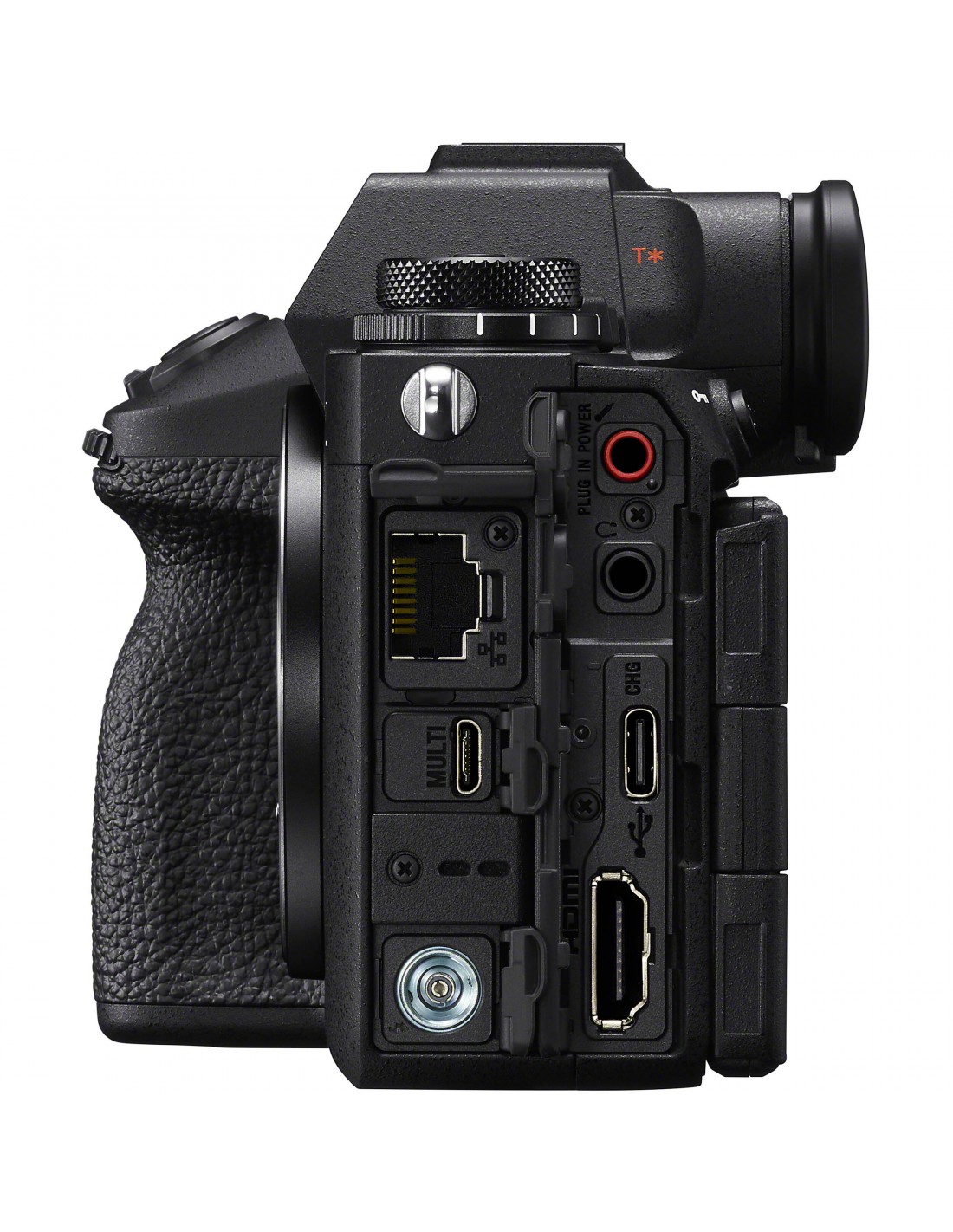
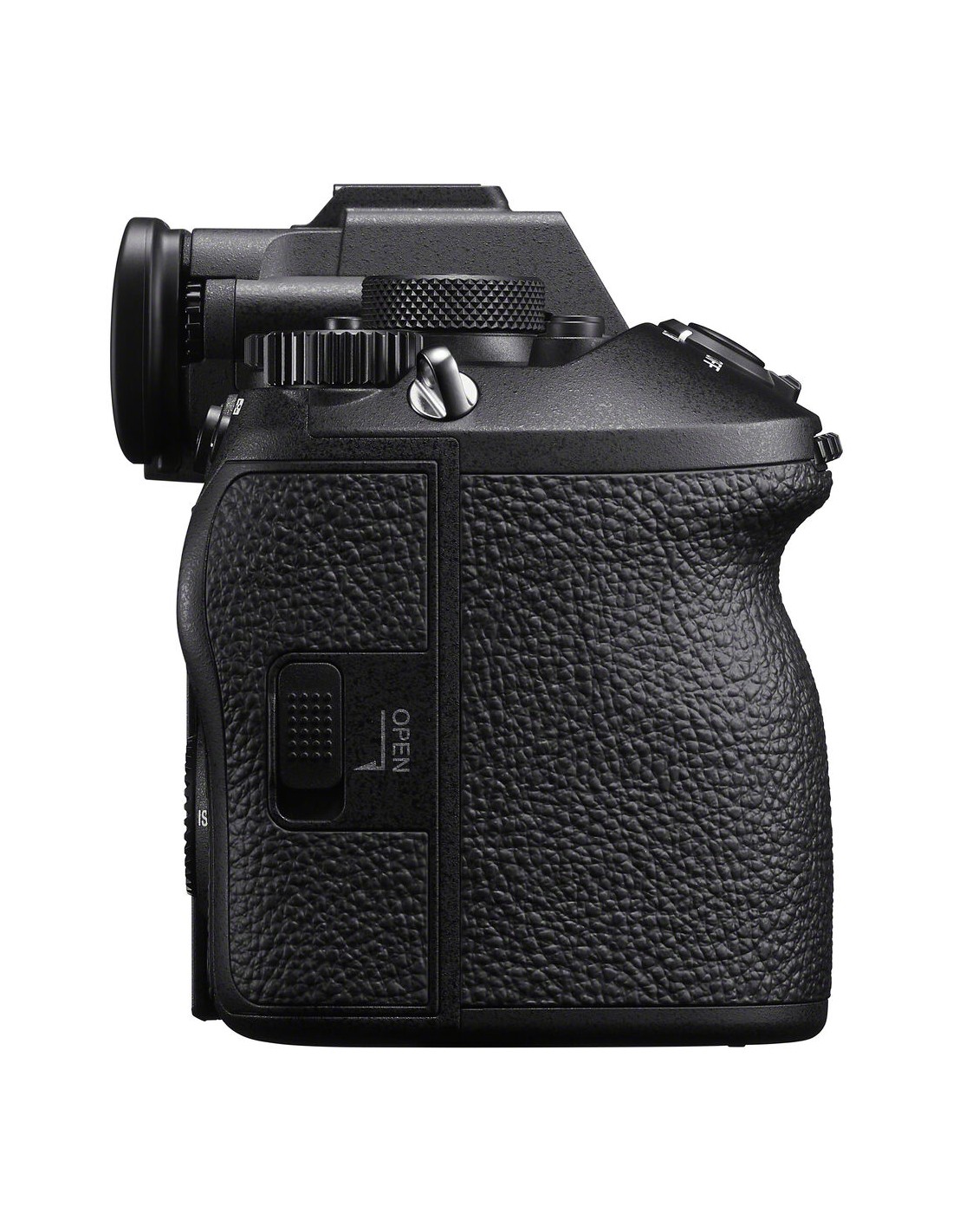
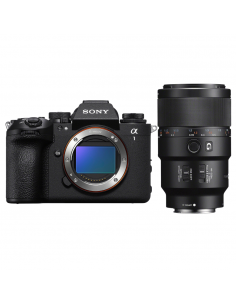

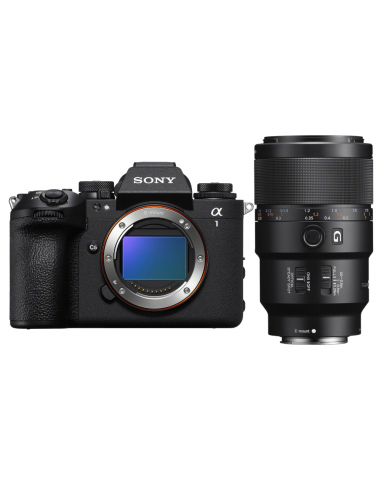
The Sony Alpha 1 II is the ultimate mirrorless camera for professional photographers and filmmakers who demand top performance. Featuring a powerful 50.1 megapixel full-frame sensor and ultra-fast shooting up to 30 frames per second, it delivers outstanding detail and speed in every situation.
Its advanced AI-based autofocus system accurately tracks people, animals, birds and vehicles, ensuring sharp focus even in the most challenging conditions. Every moment is captured with incredible reliability.
For video creators, the Sony Alpha 1 II records stunning 8K and up to 4K at 120fps, offering professional flexibility for filmmakers. With S-Log3 and S-Cinetone profiles, color grading becomes easier and more cinematic.
Built with a durable, weather-sealed body, it is designed for intensive professional use. Dual CFexpress Type A and SD card slots provide fast file handling and secure recording.
Choosing the Sony Alpha A1 II means investing in cutting-edge imaging technology, unmatched performance and uncompromising image quality.
Combine compatible accessories and save. The more items you add, the bigger the discount.
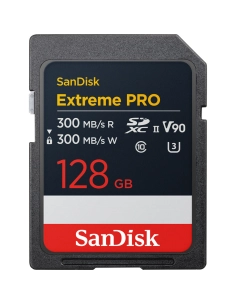
memory card
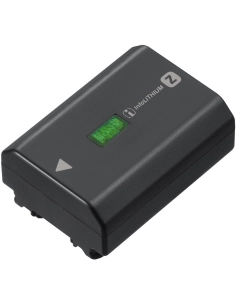
battery
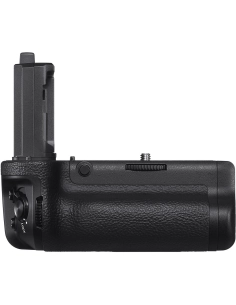
Adaptateur

warranty extension
Push the boundaries of your photographic artistry with the Sony Alpha 1 II, the most advanced full-frame mirrorless camera ever engineered by the brand. Designed for demanding creators and professionals seeking perfection, this exceptional camera combines an ultra-high resolution 50.1-megapixel sensor with unmatched burst speed. The new Sony a1 II delivers up to 30 frames per second in blackout-free silent burst mode, capturing every fleeting moment with breathtaking sharpness. It also masters 8K video at 30p in 10-bit, letting you create cinematic footage with extraordinary clarity and smoothness. Its revolutionary AI-powered autofocus automatically recognizes and tracks a wide range of subjects (humans, animals, birds, vehicles, and more) with unwavering precision, ensuring you nail every shot—even in the most dynamic conditions.
Often nicknamed “The One” by insiders, it redefines versatility to become the ultimate camera body. With the Sony Alpha 1 Mark II, there’s no need to choose between resolution and speed. Its stacked full-frame sensor delivers images rich in detail and incredible dynamic range. Ultra-fast processing and a dedicated AI unit allow it to flawlessly track the action on a sports field or the fleeting grace of a wild animal. Whether it’s sports, wildlife, weddings, landscapes, or reportage, the Sony Alpha 1 II excels across all genres. Its remarkable versatility makes it hard to imagine a photographic challenge it can’t handle. A rugged, weather-sealed build, a 4-way tilting screen, class-leading electronic viewfinder, and ultra-effective integrated stabilization make every shot easier—from the studio to the toughest environments, this camera remains reliably at your side.
Available and in stock, the Sony Alpha 1 II is ready to unleash your creativity. Don’t miss your chance to master Sony’s new flagship: add this camera to your cart and get ready for a groundbreaking photographic experience!
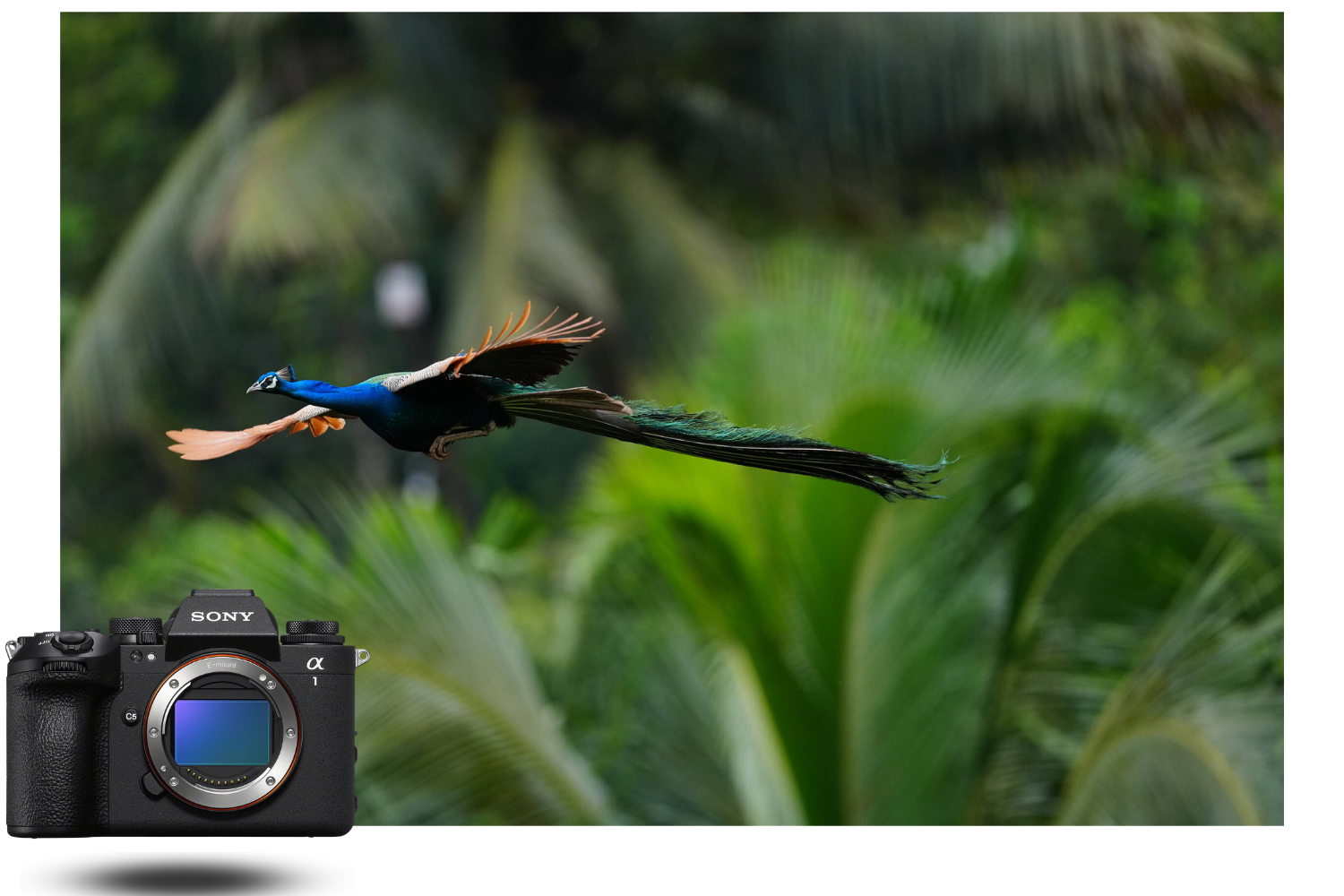
The Sony Alpha A1 II mirrorless camera excels in many photographic genres. Here are a few standout uses, with concrete examples:
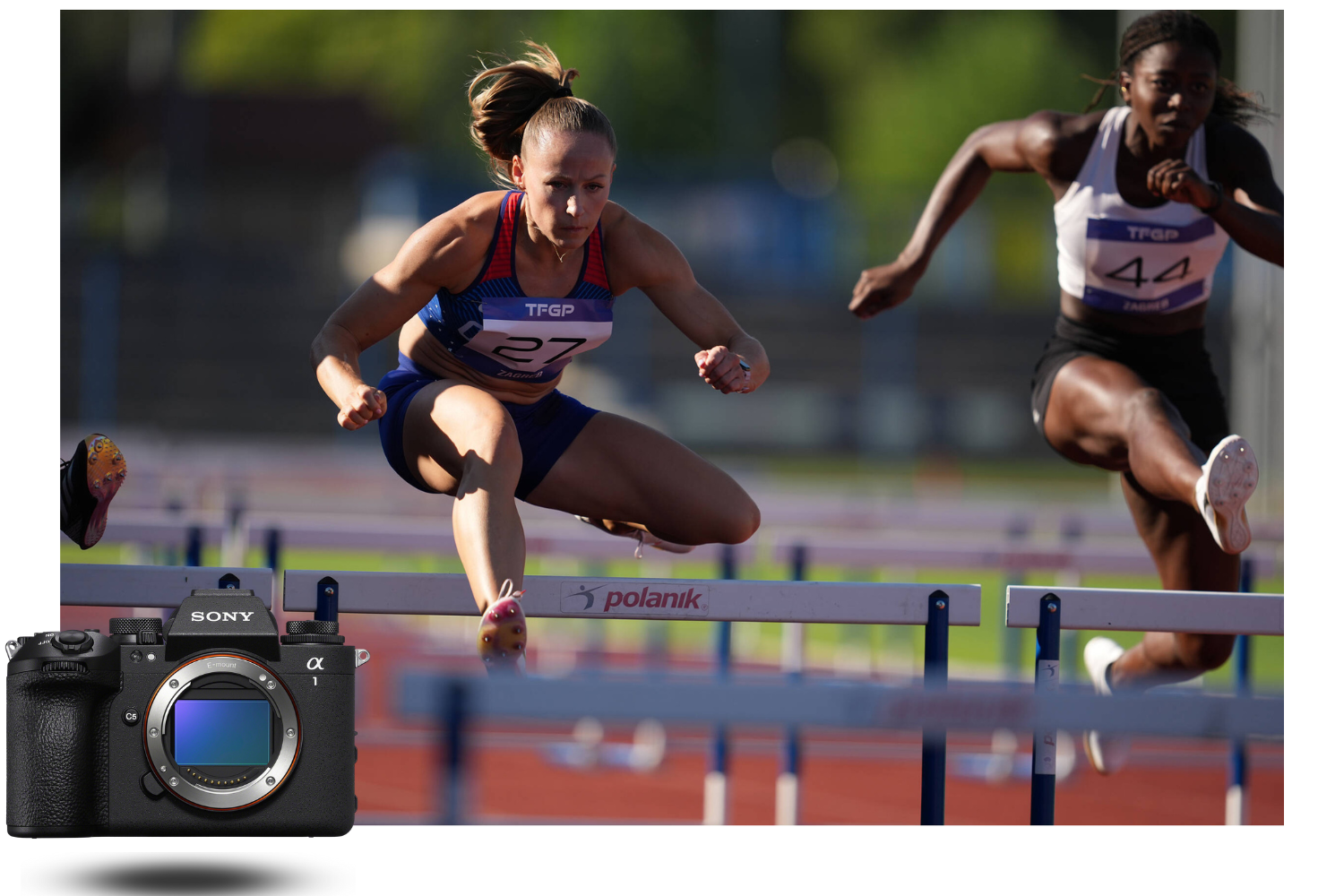
Picture yourself on the sidelines of a nail-biting football final. The score is level and the action intensifies every second. Suddenly, a striker bursts toward the goal—a moment every sports photographer dreams of capturing. With the Alpha 1 II in hand, you’re ready. The blackout-free EVF lets you follow the action with zero interruptions. Shoot at 30 fps to catch every phase of the player’s move, assured the A1 II will capture pin-sharp images of the climactic moment.
Responsiveness and accuracy are paramount in sports. This is where the Alpha 1 II truly shines. Its AI AF tracks athletes like a co-pilot, locking onto subjects despite speed or erratic movement. From sprinters to gymnasts, the AF continuously adjusts—helping guarantee sharp shots of even the fastest motions. Pre-capture even records fractions of a second before you press the shutter—ensuring you don’t miss the winning goal or a triumphant expression.
In addition, in-body stabilization keeps handheld shots steady even in the chaos of the stadium. No more blurry distant action with telephoto lenses. And when evening falls or you’re under stadium floodlights, the broad ISO range and optimized processing deliver bright, detailed shots with minimal noise. Weather-sealed construction shrugs off rain, so you keep shooting the action without fearing for your gear. For the sports photographer, the Alpha 1 II is a trusted ally, promising to capture every feat and emotion with unmatched reliability.
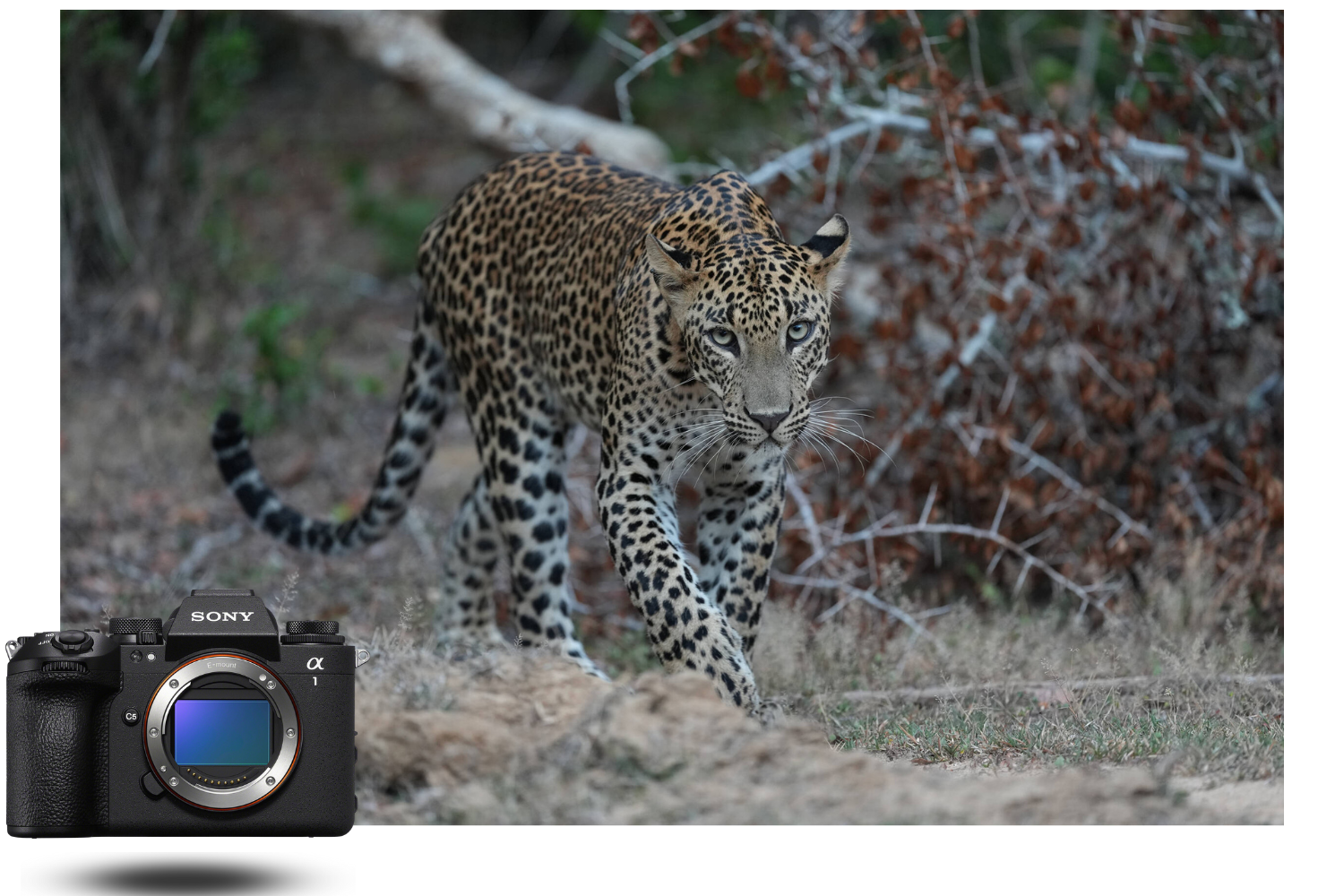
At dawn in the African savannah, a wildlife photographer patiently waits as a leopard crouches in tall grass. Suddenly, it leaps for its prey—a spectacular but fleeting scene. To capture such magnificence, your equipment must excel. The Alpha 1 II is an ideal wildlife partner: totally silent thanks to the electronic shutter, it snaps bursts at 30 fps as action unfolds without disturbing cautious animals. Every muscle, every airborne particle of dust is frozen in remarkable clarity.
Wildlife is unpredictable, but this body is made for unpredictability. Its AI-enhanced autofocus instantly detects animals’ eyes and locks on with deadly accuracy—birds in flight, cheetahs at full sprint, or creatures on erratic trails. Pre-burst recording ensures vital moments aren’t missed. The 50MP sensor captures breathtaking detail, and cropping distant subjects is worry-free. Rugged, weather-sealed design stands up to dust and humidity; in-body stabilization ensures sharp handhelds even with long glass. High ISO performance means dusk or deep-jungle scenes stay detailed and low-noise. From rapid birds to elusive predators, no moment escapes your lens.
In the gentle hush of a historic church, a wedding photographer prepares to capture the exchange of vows. Discretion is key—to catch every tear and smile without disturbing the ceremony. Here, the Alpha 1 II comes into its own. With a totally silent shutter, photographic moments like the couple’s “I do” or parents’ tears are captured without a sound. The high-speed burst records every step of the ring exchange, ensuring you always get the perfect shot of this symbolic moment.
Weddings demand immense adaptability: between indoor ceremonies, outdoor cocktails, and dimly lit dance floors. The Alpha 1 II delivers dazzling image quality whatever the scenario, keeping files clean and detailed, and accurate Eye AF ensures sharp, impromptu portraits. Dual card slots mean every photo is instantly backed up, and the light-yet-rugged design lets you shoot comfortably all day and night.
In a studio, a fashion photographer prepares a cover shoot. Every pose, every look matters. Here, the Alpha 1 II acts as a precision tool: Eye AF instantly tracks the subject’s gaze, guaranteeing tack-sharp eyes in every portrait. The photographer can focus on creative direction, confident the camera handles the technical focus flawlessly.
The 50MP resolution delivers staggering detail—fabric, makeup, and hair are all rendered crisply. Large-format prints or tightly cropped headshots retain maximum quality. Colors are rich and true, with natural skin tones critical for client satisfaction. Ultra-fast flash sync (up to 1/400s with the mechanical shutter) enables dynamic lighting setups for creative work. This camera proves itself as a top-tier ally for portrait artists, offering both stunning image quality and working comfort.
On a summer morning atop a mountain, golden dawn unfolds over a sweeping landscape. Thanks to the 50MP sensor, every nuance from craggy rocks to distant villages is captured with crystal clarity. Outstanding dynamic range preserves subtle sky highlights and shadowy valleys—all in a single image.
Landscape work demands patience and technical rigor. The Alpha 1 II’s sturdy, weather-sealed body is eager for wind-whipped ridges or sandy dunes. 5-axis stabilization allows for creative long exposures handheld, and Pixel Shift mode produces monster-resolution files—ideal for gallery prints or archival projects. Ergonomic touches like a tilting screen and high-def EVF make even tricky compositions straightforward. Extended battery life keeps you shooting from dawn to dusk.
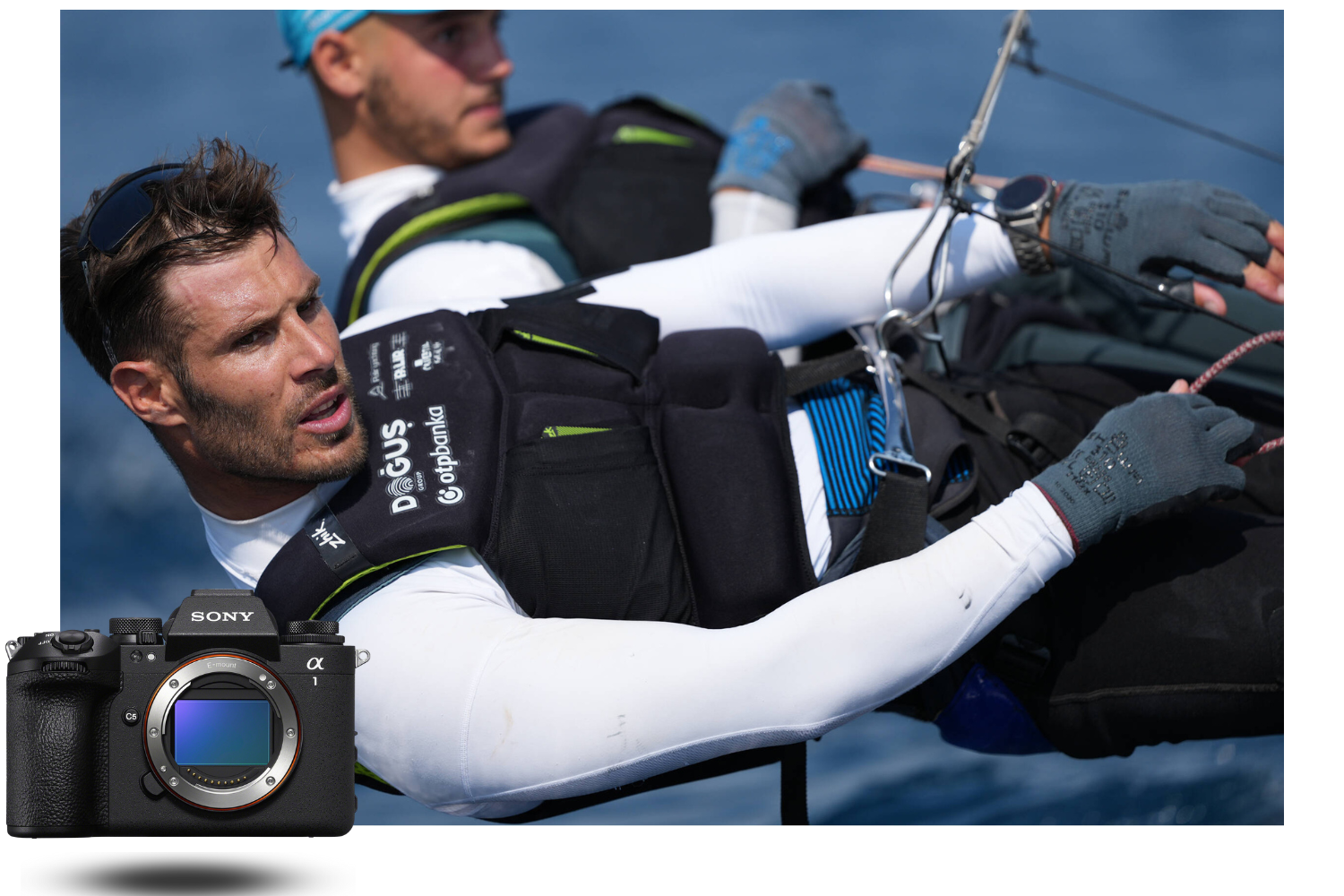
Amidst the frenzy of a city protest, a photojournalist needs speed, reliability, and discretion. The Alpha 1 II meets these demands: follow the action continuously with zero blackout, shoot at 30fps, and have every shot instantly doubly saved. Silent shutter enables shooting at press conferences or courtrooms without distraction, while the fast full-frame sensor copes brilliantly with sudden changes in light and color. Ethernet and 5GHz wireless transfer images to agencies within moments—crucial for maintaining news exclusivity. Optional image authentication offers editorial assurance in the era of deepfakes. Where others would falter, the rugged A1 II keeps working, helping you document history as it unfolds.
Photography experts are impressed by the new Sony Alpha 1 Mark II (also known as Sony a1 2), hailing it as a performance powerhouse and the best Alpha camera Sony has ever designed. TechRadar ranks it right at the top among professional mirrorless cameras. PetaPixel points out that while not a total revolution over its 2021 predecessor, the Alpha 1 II brings crucial real-world enhancements, refining an already brilliant formula. Major strengths noted include improved AI, better ergonomics, and flexible storage.
Phototrend highlights that the Alpha A1 II clearly targets the most demanding professionals, calling it a “must-have” for those seeking top image and video quality. Testers praise the camera’s more comfortable grip and new multi-angle screen—reporting it’s now among the most enjoyable to use in the entire Sony range, even during long shoots. Autofocus performance receives enthusiastic praise: DPReview and others cite the AI subject and Eye AF as even more effective, especially for wildlife and birds, with up to a 30% improvement in eye detection. Wildlife photographers attest that these real-world upgrades help catch elusive moments while remaining discreet and silent in the field.
Clever new features also get high marks: Pre-Capture mode records images up to a second before the shutter is pressed, and a Burst Boost button inherited from the Alpha 9 III temporarily increases the shooting rate to never miss a moment. These prove decisive for action shooters. Image quality is universally acclaimed: Les Numériques rates it five stars for superb resolution and dynamic range, commenting on the outstanding noise control and stabilization, plus the stunning 9.44M-dot OLED viewfinder. 8K video is considered a powerful asset for creators, with reviewers also highlighting the minimal rolling shutter and robust suite of pro video tools.
Though very high-end, the Alpha 1 II is called a wise investment for those seeking the absolute best. While rivals like the Nikon Z9 and Canon EOS R5 II offer lower price points, reviewers agree Sony’s blend of high resolution, ultra-fast speed, and cutting-edge features remains unmatched. In short, the Alpha 1 II regains the mirrorless crown, offering a refined, nearly flawless package—the new reference for professional photographers looking to push creative boundaries farther than ever before.
Uniting extraordinary resolution, lightning speed, and state-of-the-art AI, the Sony Alpha 1 II stands as a revolutionary tool for anyone aiming to reach the highest photographic standards. From stadiums to wilderness, studios to intimate weddings, it excels everywhere with breathtaking ease. Choose this camera for uncompromising reliability, unmatched versatility, and image quality—making it both a sound investment for professionals and a dream tool for passionate creators. The new reference in mirrorless cameras awaits you: let it accompany every project and give you the confidence to achieve results worthy of your ambitions.
Unleash your creative potential: treat yourself to the Sony Alpha 1 II now and experience limitless photography!