

Shopping Cart
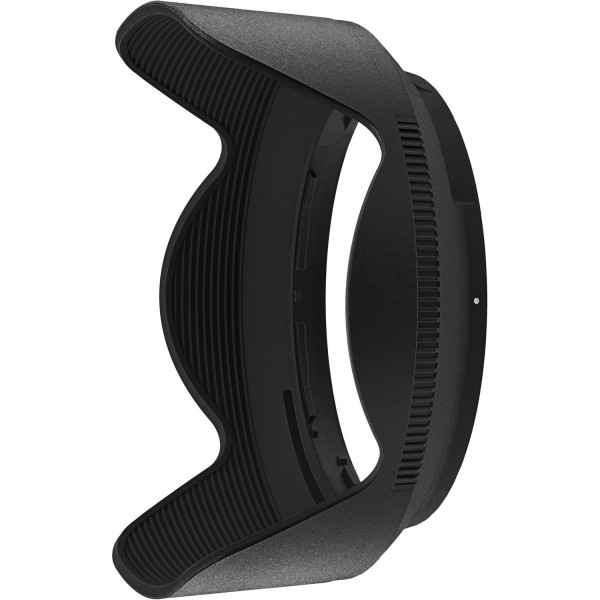
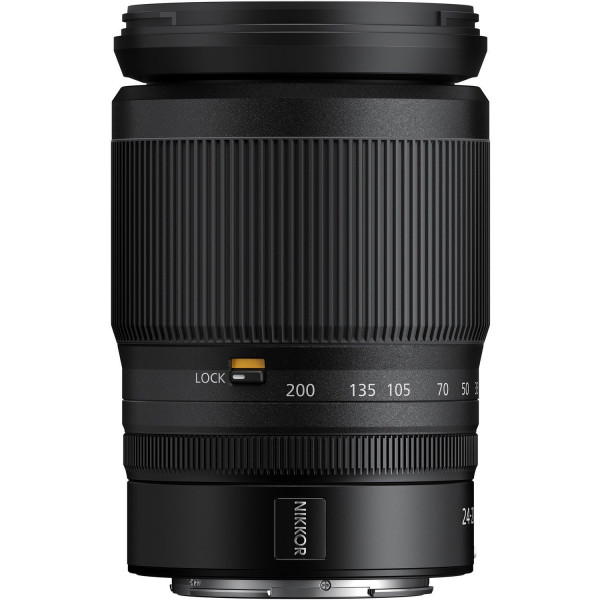

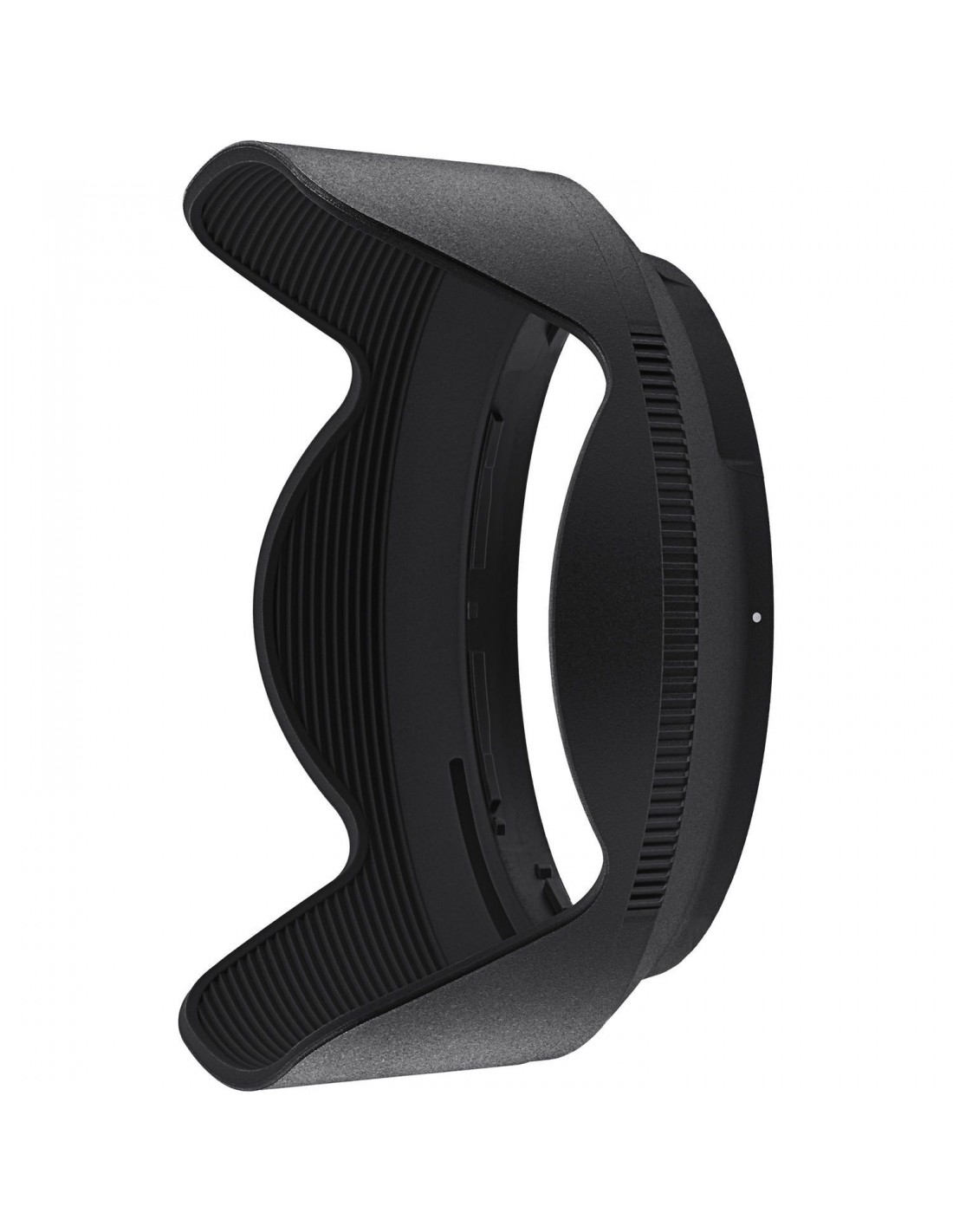
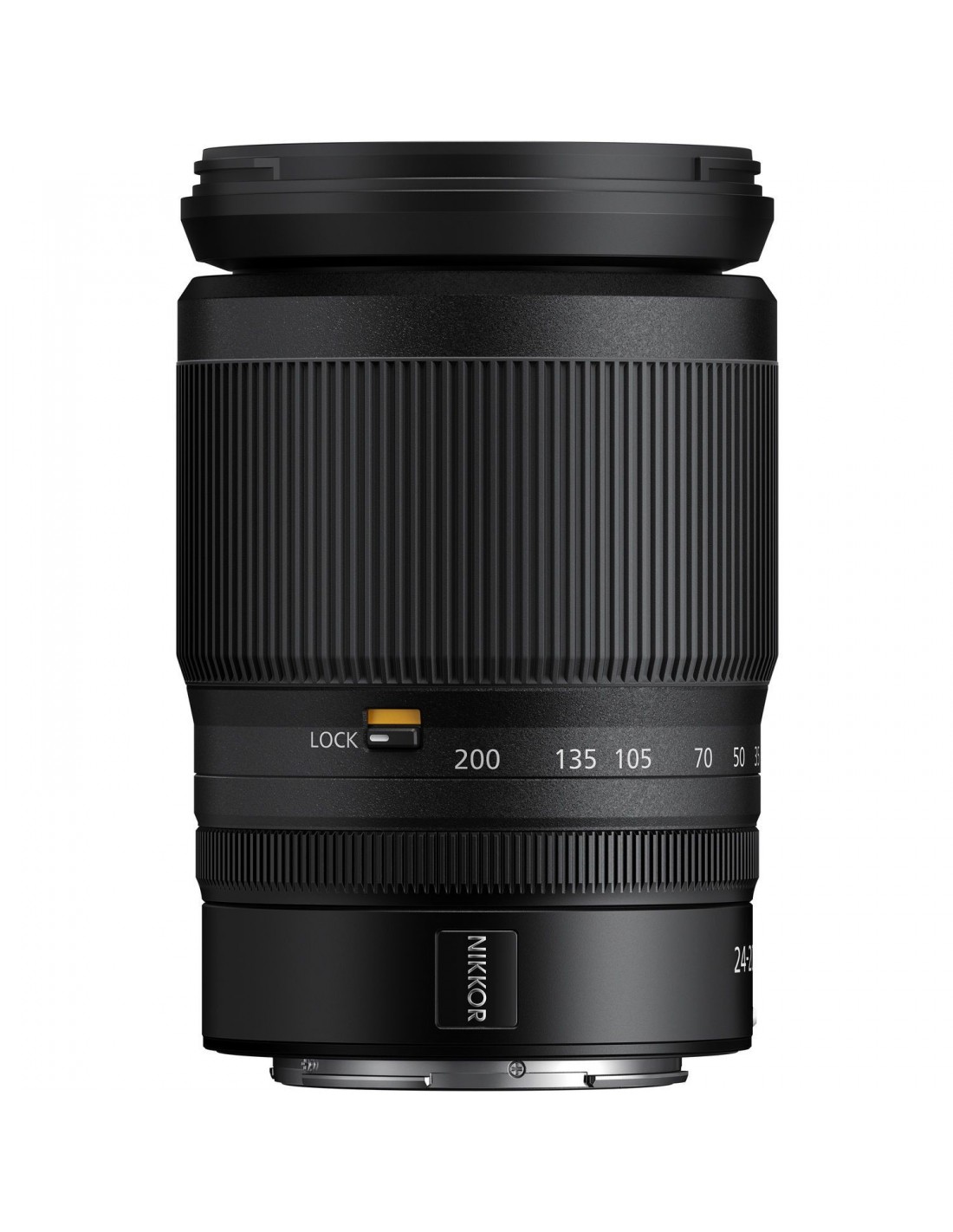
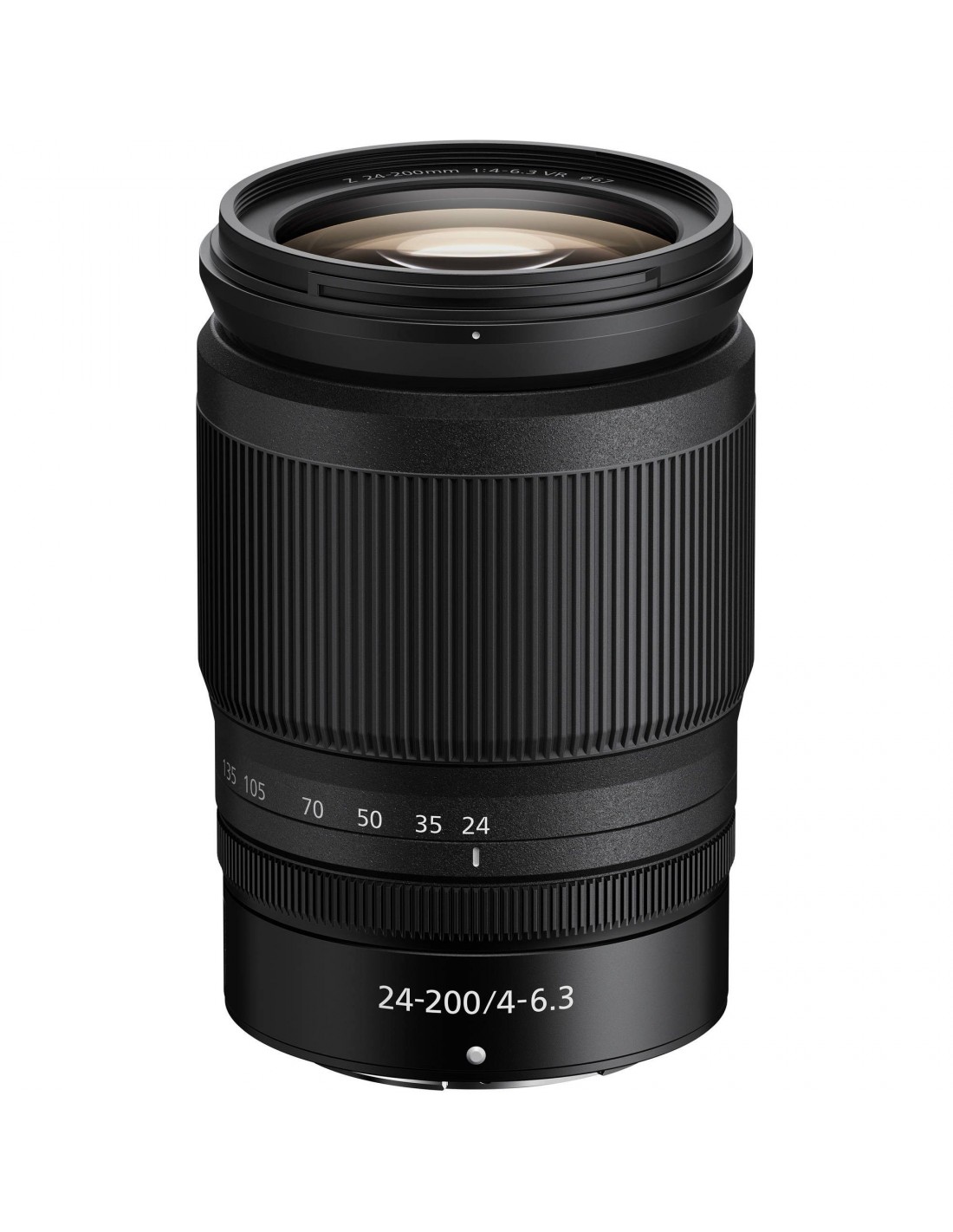


Embark on your adventures with the NIKON Z 24-200 mm f/4-6.3 VR lens. Lightweight and compact, it offers exceptional optical quality and integrated stabilization for sharp photos in any situation. Versatile, it covers a wide focal range and is resistant to dust and moisture. The ideal companion for travel photography.
Combine compatible accessories and save. The more items you add, the bigger the discount.
memory card

warranty extension
The Nikon Z 24-200mm f/4-6.3 VR is a versatile all-in-one zoom lens designed for Nikon's Z-series mirrorless cameras. Combining an extensive focal length range with advanced optical technologies, it caters to photographers seeking flexibility without compromising image quality.
Covering focal lengths from 24mm to 200mm, this lens adapts to a multitude of photographic scenarios. At 24mm, it's perfect for capturing expansive landscapes, architectural marvels, and dynamic street scenes. Zooming in to 200mm brings distant subjects into clear view, making it suitable for wildlife photography, sports events, and intimate portraits. This broad range minimizes the need to switch lenses, allowing photographers to seize spontaneous moments effortlessly.
Equipped with Nikon's Vibration Reduction technology, the lens compensates for camera shake, ensuring sharp images even in low-light conditions or when shooting handheld. This feature is particularly beneficial at longer focal lengths, where camera movement is more pronounced. The VR system provides up to 4.5 stops of stabilization, enhancing image clarity across various shooting situations.
The lens construction includes 19 elements in 15 groups, featuring two Extra-low Dispersion (ED) glass elements and two aspherical elements. This sophisticated design reduces chromatic aberrations and distortions, delivering images with exceptional sharpness and accurate color reproduction. Additionally, Nikon's ARNEO and Super Integrated Coatings effectively minimize ghosting and flare, even when shooting against direct light sources.
Utilizing a stepping motor (STM), the autofocus system operates swiftly and silently. This quiet performance is advantageous for videography, preventing focus noise from being recorded, and for photographing subjects in quiet environments. The lens also exhibits minimal focus breathing, ensuring consistent composition during focus adjustments—a valuable trait for filmmakers.
Weighing approximately 570 grams and measuring about 114mm in length, the NIKKOR Z 24-200mm f/4-6.3 VR is remarkably portable for a lens with such a broad zoom range. Its compactness makes it an ideal travel companion, fitting easily into camera bags and reducing the burden during extended shoots.
The lens is sealed against dust and moisture, providing reliability in various environmental conditions. This durability ensures consistent performance, whether you're shooting in humid jungles or dusty deserts. Additionally, the front element features a fluorine coat that repels water, dust, and dirt, facilitating easy cleaning.
Travel Photography: Its all-in-one zoom capability allows travelers to capture a wide range of subjects without carrying multiple lenses, making it perfect for documenting diverse experiences.
Street Photography: The ability to quickly switch from wide-angle to telephoto enables photographers to adapt to dynamic street scenes, capturing candid moments with ease.
Portraits: At longer focal lengths, the lens produces pleasing background blur (bokeh), isolating subjects and creating compelling portraits.
Wildlife and Sports: The 200mm reach brings distant action closer, allowing for detailed shots of wildlife and fast-paced sports.
Videography: Silent autofocus, reduced focus breathing, and effective stabilization contribute to smooth and professional-looking video footage.
Extensive Zoom Range: From 24mm wide-angle to 200mm telephoto, accommodating a vast array of shooting scenarios.
Effective Stabilization: Up to 4.5 stops of Vibration Reduction for sharp images in challenging conditions.
Superior Optics: High-quality glass elements and advanced coatings for clear, vibrant images.
Quiet Operation: Stepping motor ensures silent and rapid autofocus, beneficial for both stills and video.
Portable Build: Lightweight and compact design for ease of use during travel and extended shoots.
The Nikon Z 24-200mm f/4-6.3 VR stands out as a highly versatile lens, catering to photographers and videographers who require flexibility without sacrificing image quality. Its comprehensive feature set and user-friendly design make it a valuable addition to any Nikon Z-series camera kit.
Elevate your photography with the NIKKOR Z 24-200mm f/4-6.3 VR. Order now to experience unparalleled versatility and performance in your creative endeavors!

Yes, if you want a Nikon Z travel zoom that can cover wide-angle to telephoto without changing lenses. The Nikon NIKKOR Z 24-200mm f/4-6.3 VR is designed for versatility, lightweight outings and situations where simplicity matters more than maximum aperture or the performance of a specialised S-Line lens.
It is made for Nikon Z users who want one lens for travel, walking, filming and photographing a bit of everything. It suits travel, landscapes, occasional portraits, distant details, family use, hiking and lightweight reportage. It is less suited to professionals who need a constant aperture or the best possible rendering in each situation.
Yes, this is the main reason to choose this lens. At 24 mm it covers landscapes, cities and travel scenes; between 50 and 85 mm it feels natural for portraits and details; at 200 mm it lets you frame a distant subject without changing lenses. This range is very practical when you want to travel light.
Yes, it is the main compromise of this zoom, especially in low light or when you want strong background blur. Outdoors and for travel, the variable aperture is usually workable. In dark interiors, at dusk or for highly isolated portraits, an f/2.8 zoom, constant f/4 zoom or bright prime will be more comfortable.
Yes, VR stabilisation is important for making this zoom more comfortable handheld, especially at longer focal lengths. It helps steady the frame and reduce camera shake on static subjects. It does not replace a fast shutter speed for freezing movement, but it makes the lens more practical for travel.
Yes, this is one of its best uses. The 24-200 mm range lets you move from a wide view to a distant detail without changing lenses, which is ideal for hiking, city travel and family trips. If absolute optical quality on a tripod is your priority, a more specialised S-Line zoom may be preferable.
Yes, it can be very practical for travel video thanks to its broad zoom range and VR stabilisation. It can cover a wide shot, a detail and a distant subject with the same lens. You simply need to accept the variable aperture and watch exposure while zooming, especially in changing light.
Choose the 24-200mm VR for maximum versatility; the 24-120mm f/4 S for a better balance of quality and constant aperture; the 24-70mm f/4 S for a more classic and compact zoom. The 24-200 mm is the most flexible for travel. The S-Line zooms make more sense if optical quality and consistency matter more than reach.
Its main limits are the variable aperture, non-S positioning, optical compromise of a very broad zoom range and more limited low-light performance. It does not replace a professional zoom or a bright prime. Choose it for simplicity and versatility, not for maximising quality in every use.
