Shopping Cart
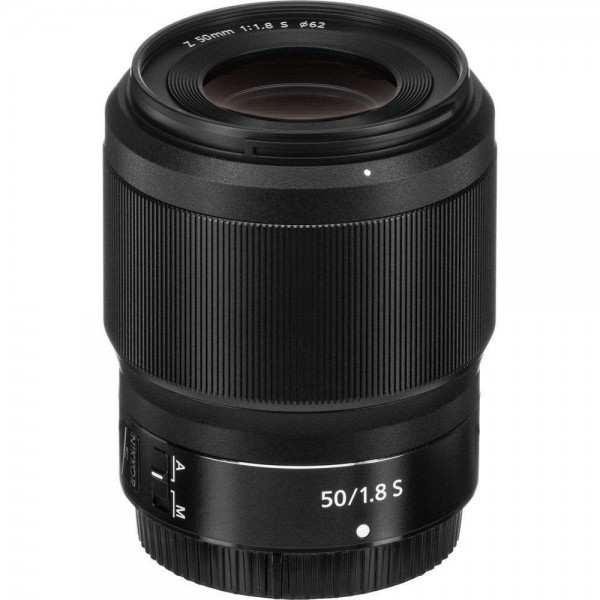
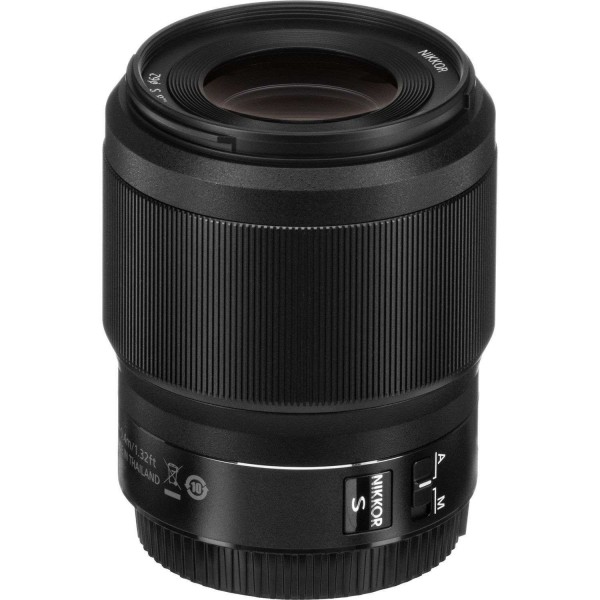
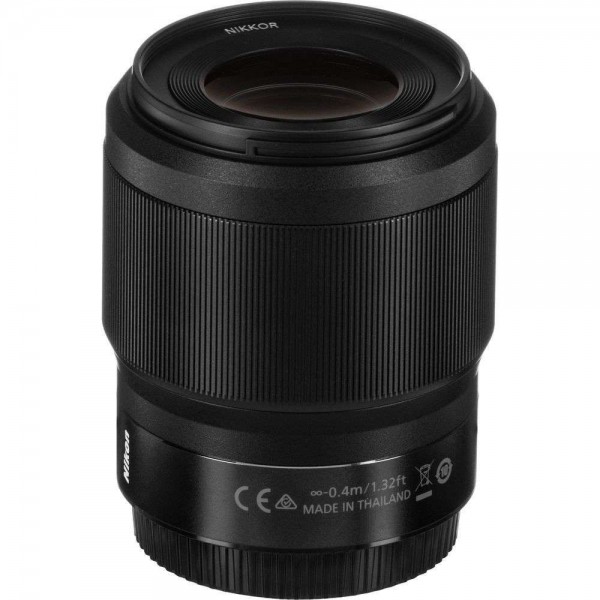
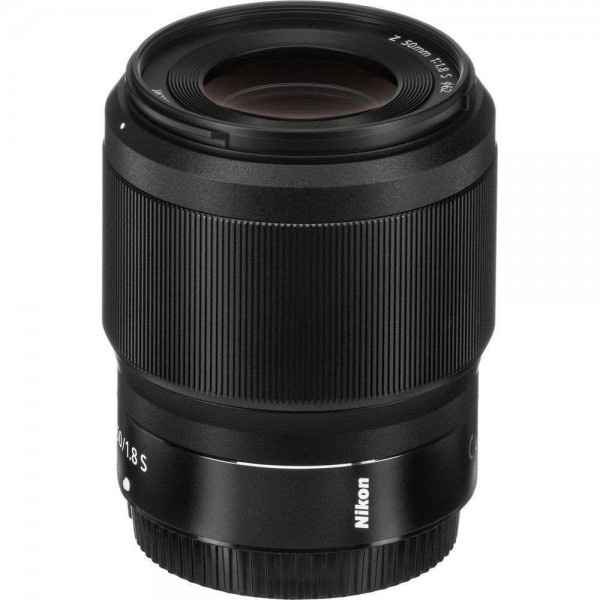
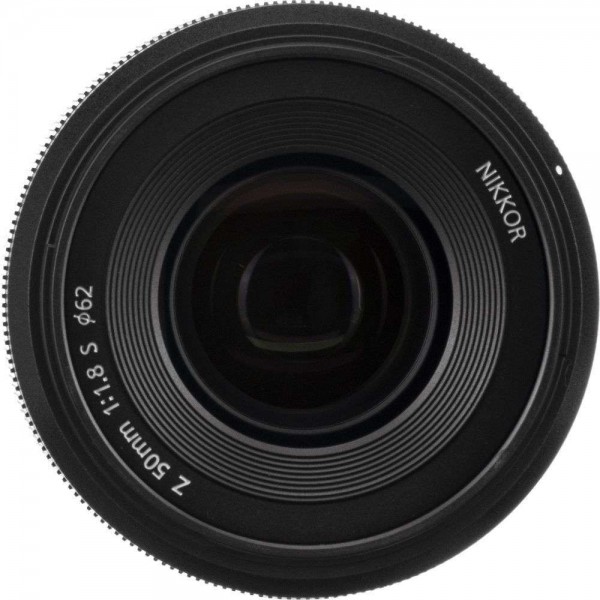
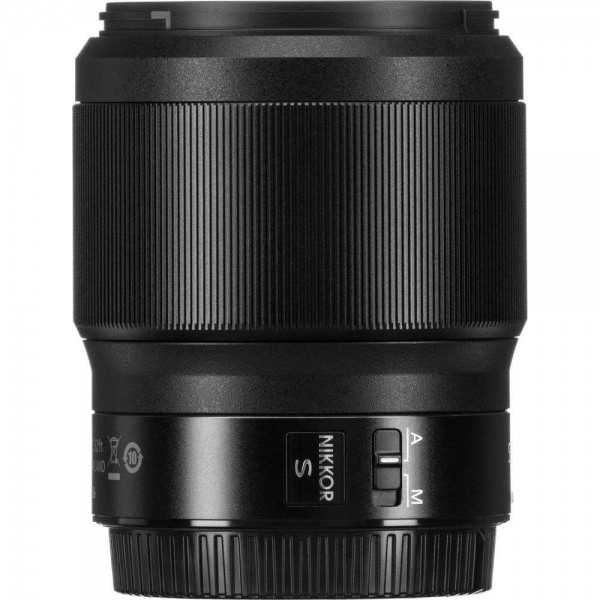
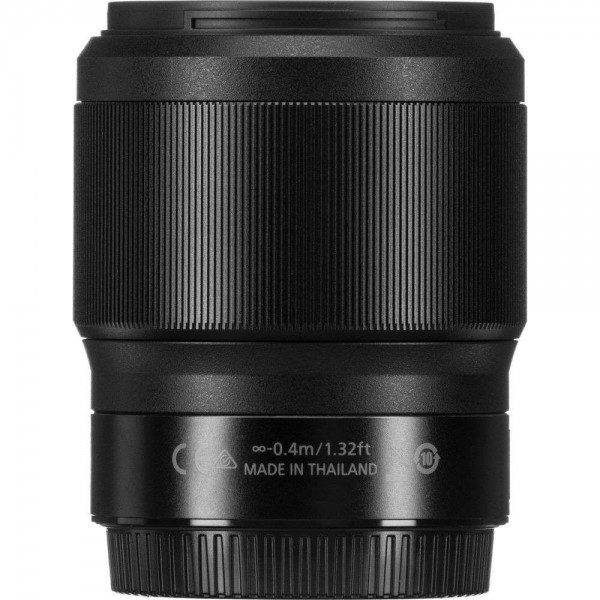
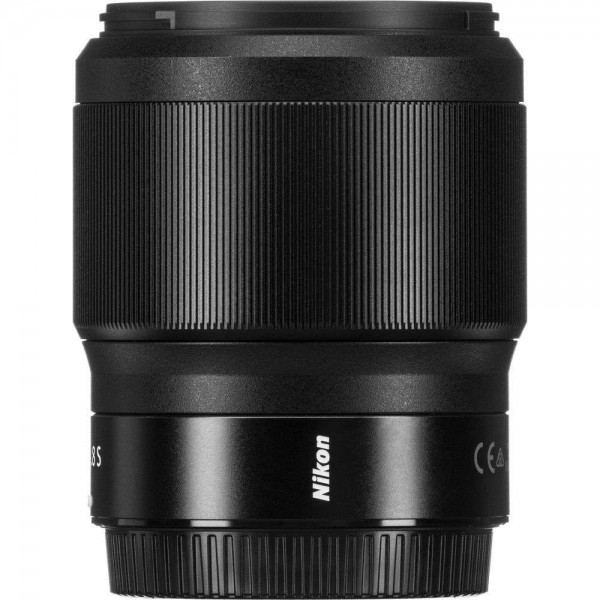
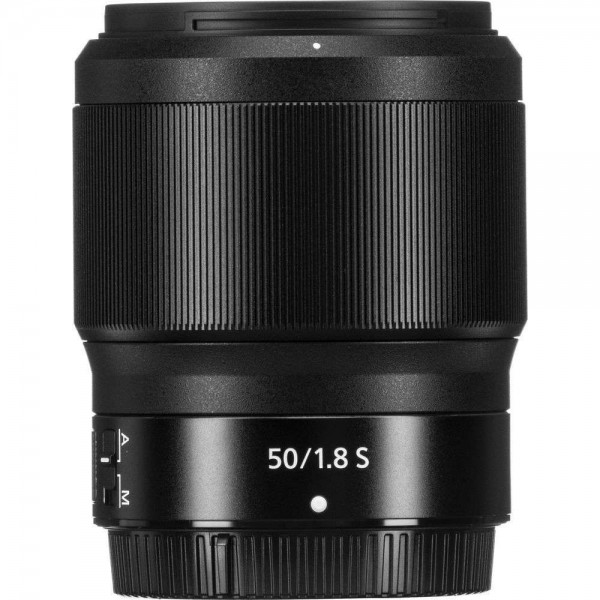
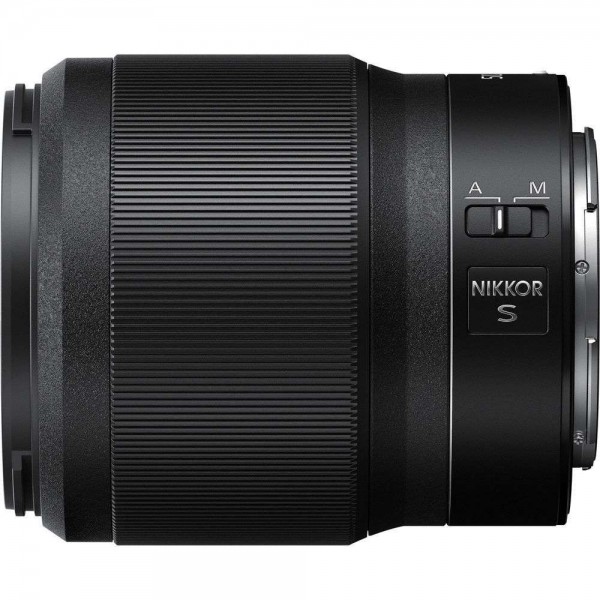
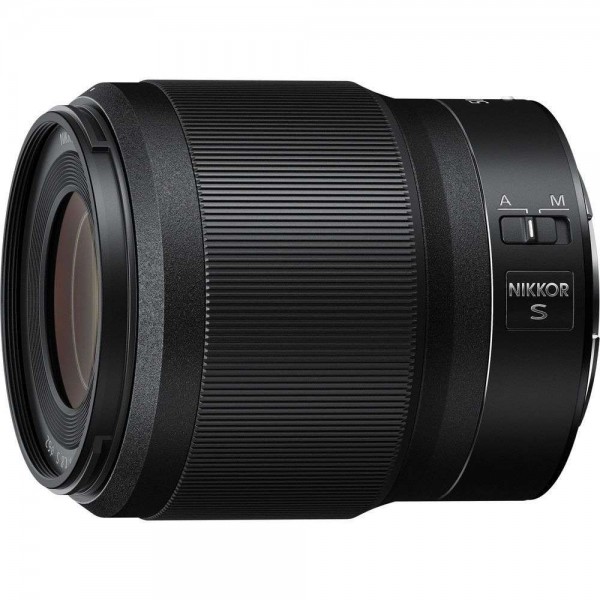
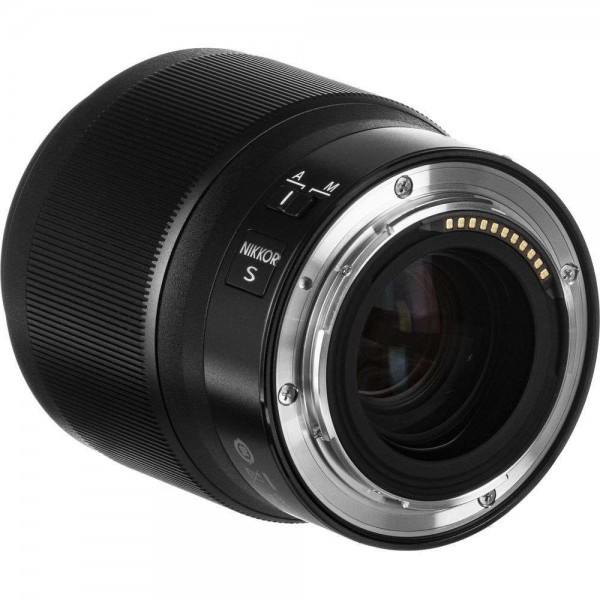
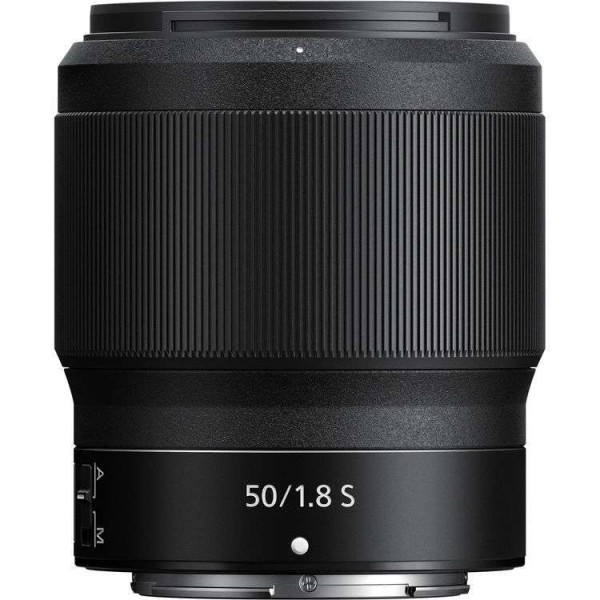

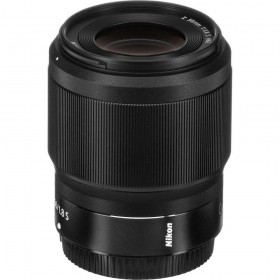
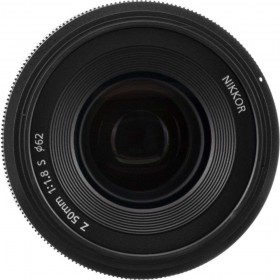
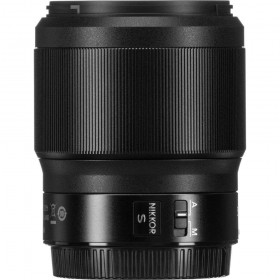
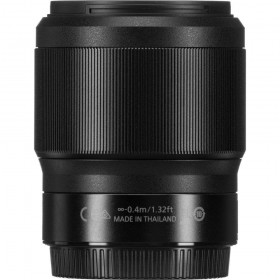
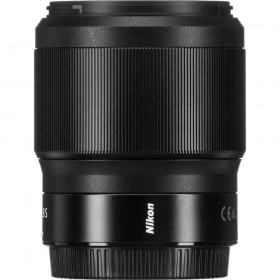
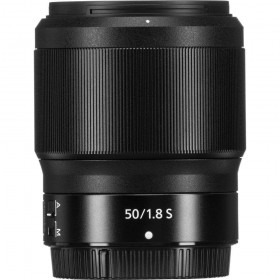
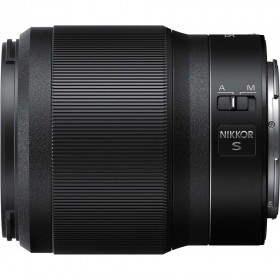
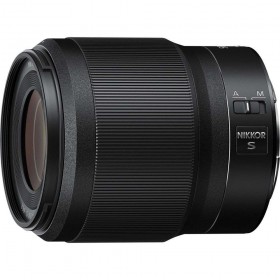
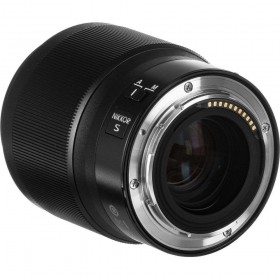
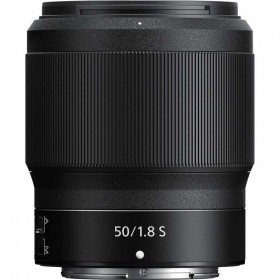
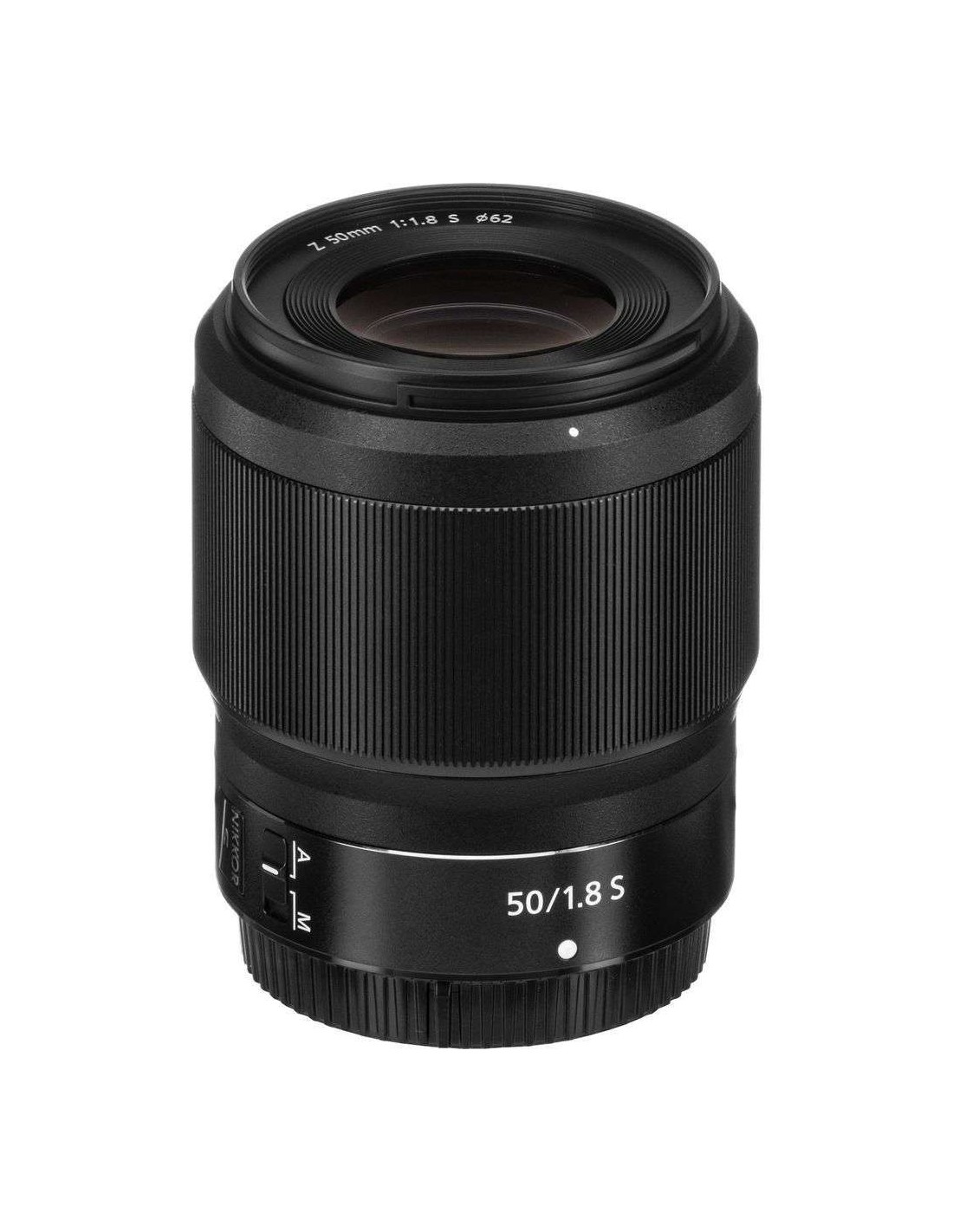
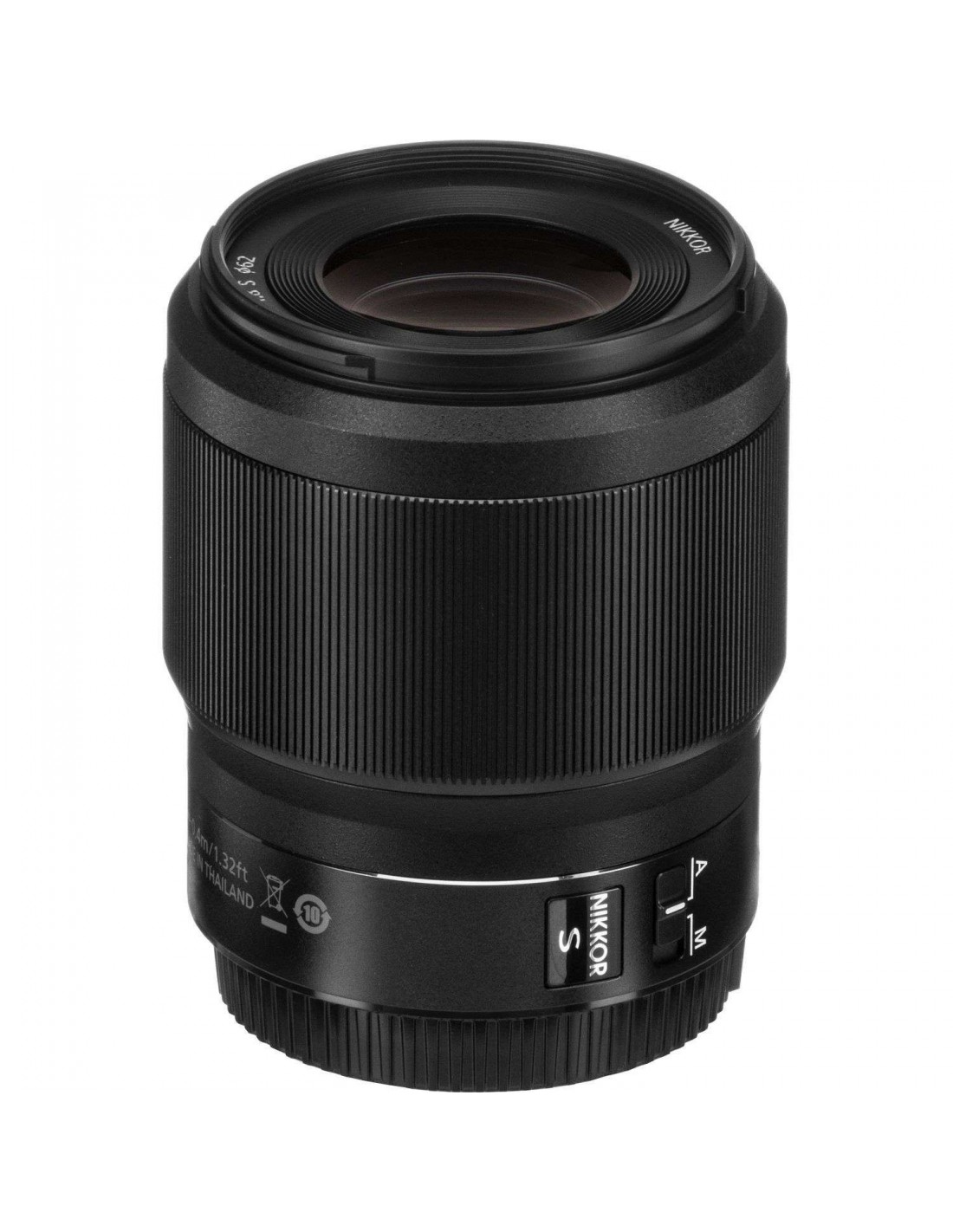

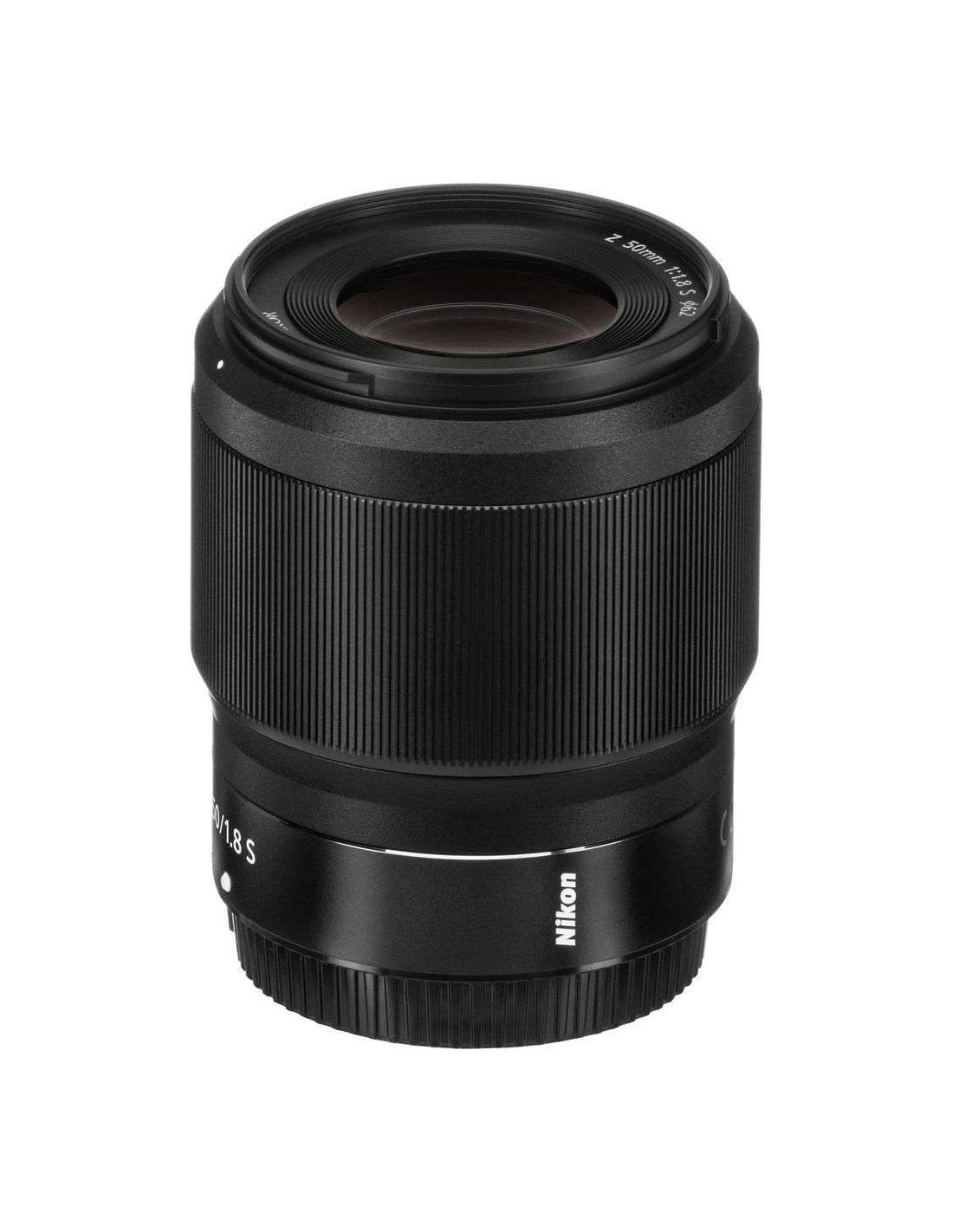
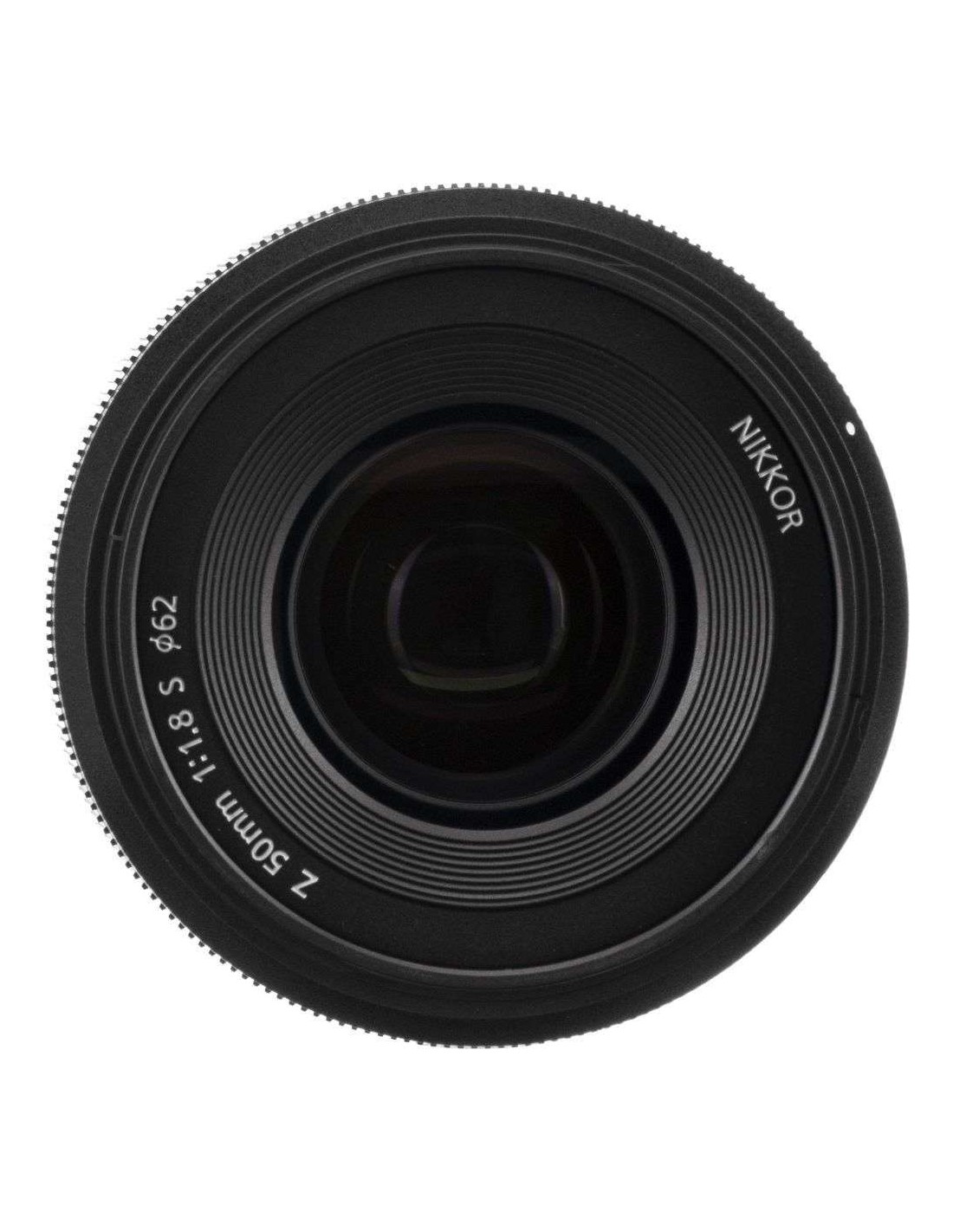
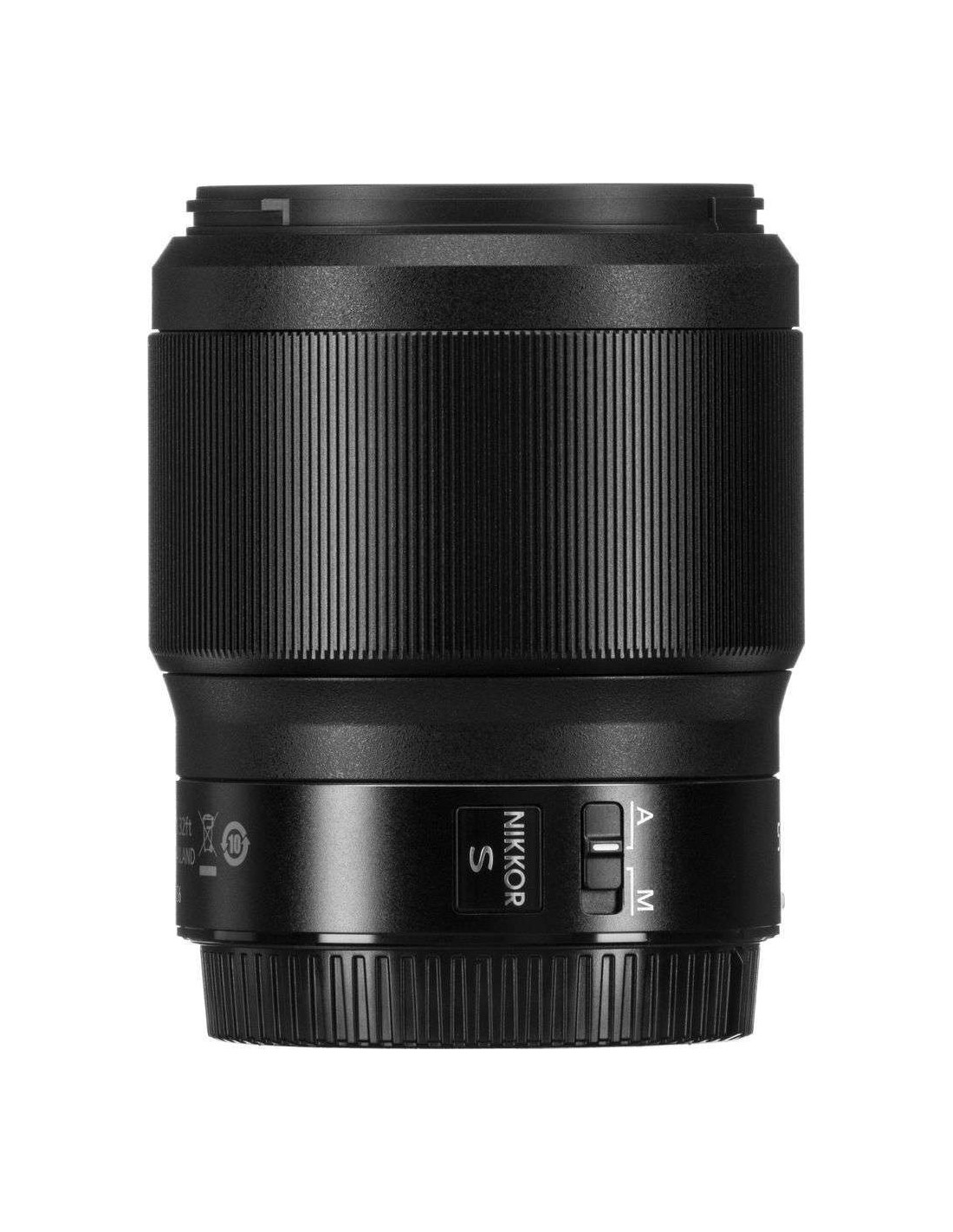
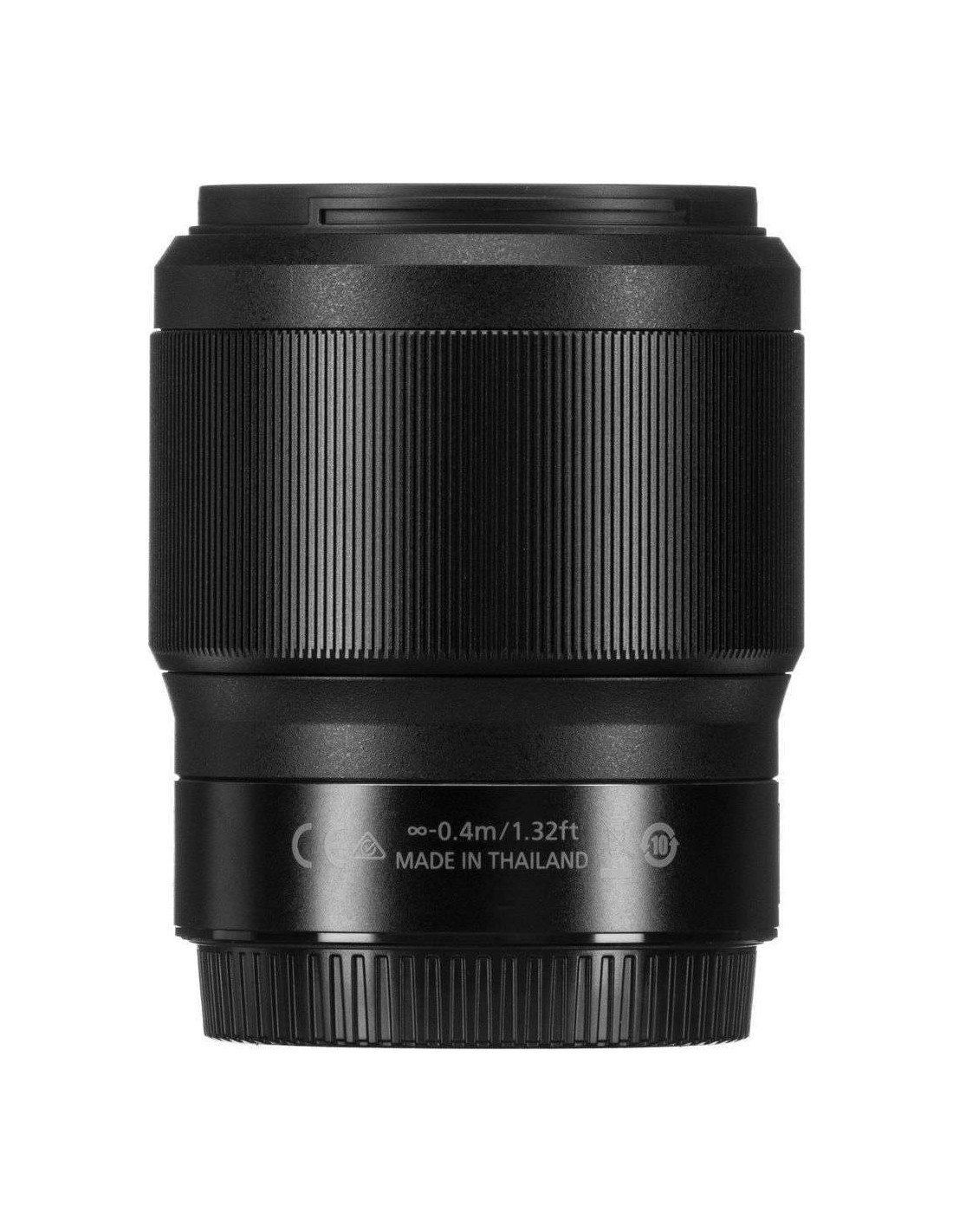
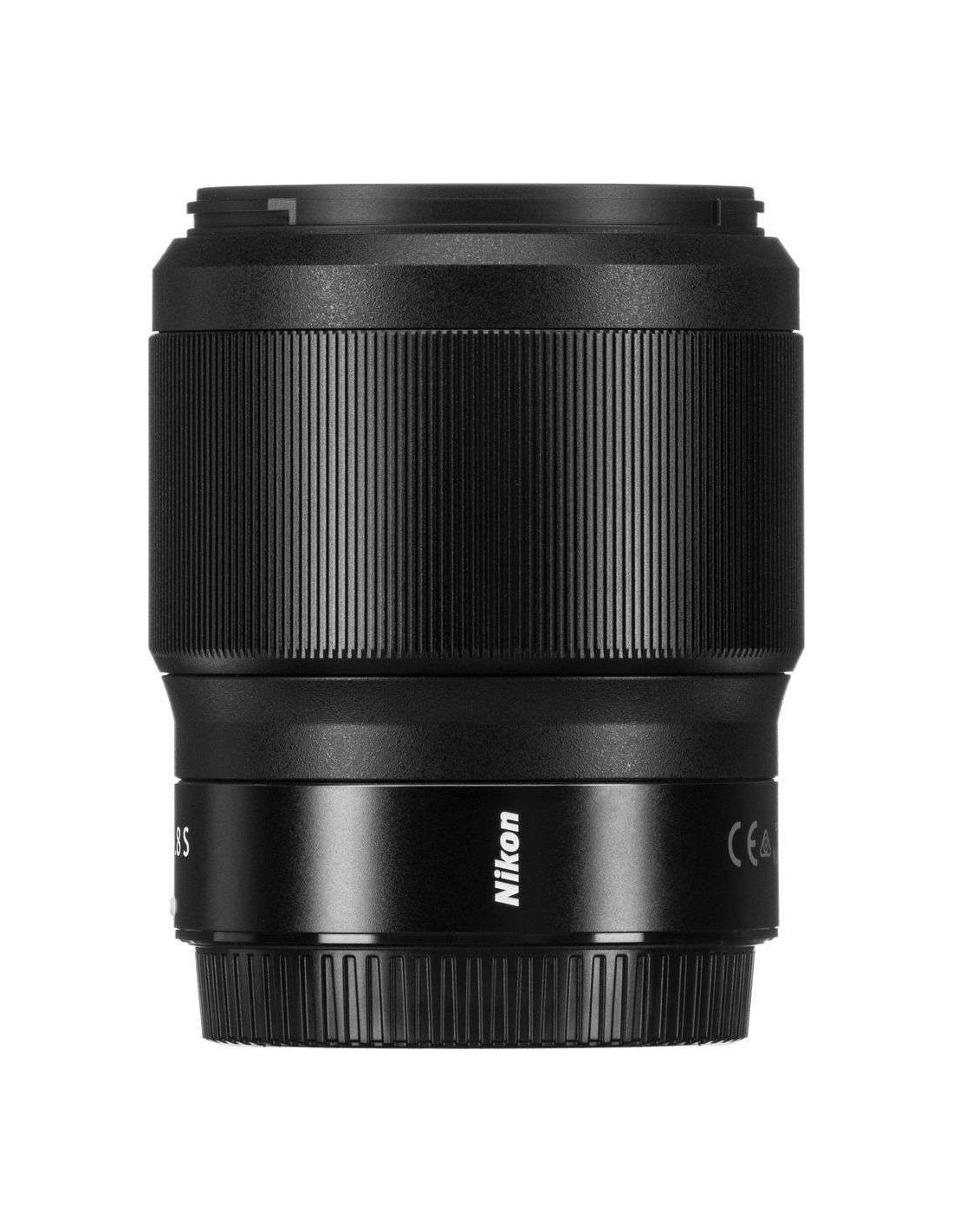
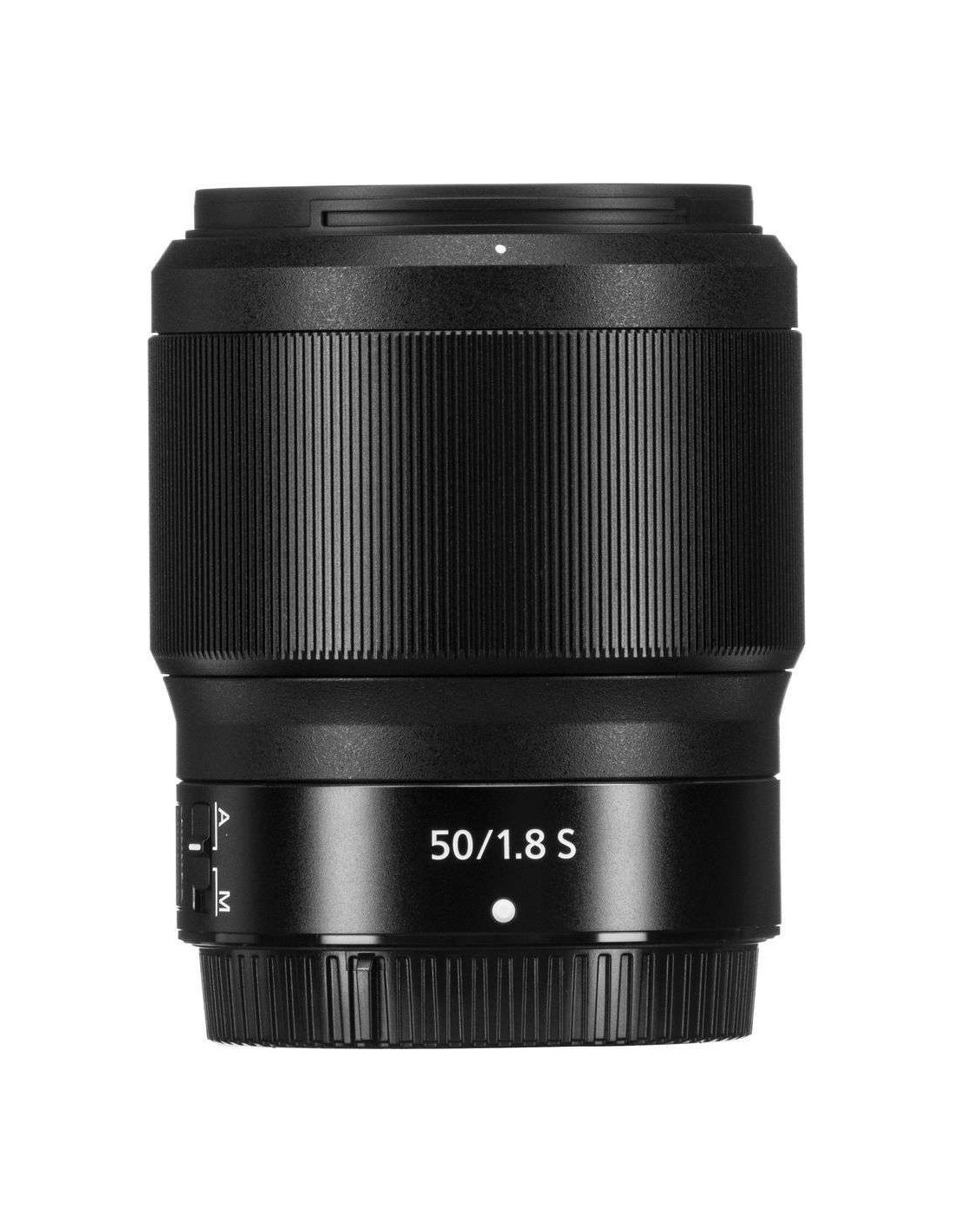
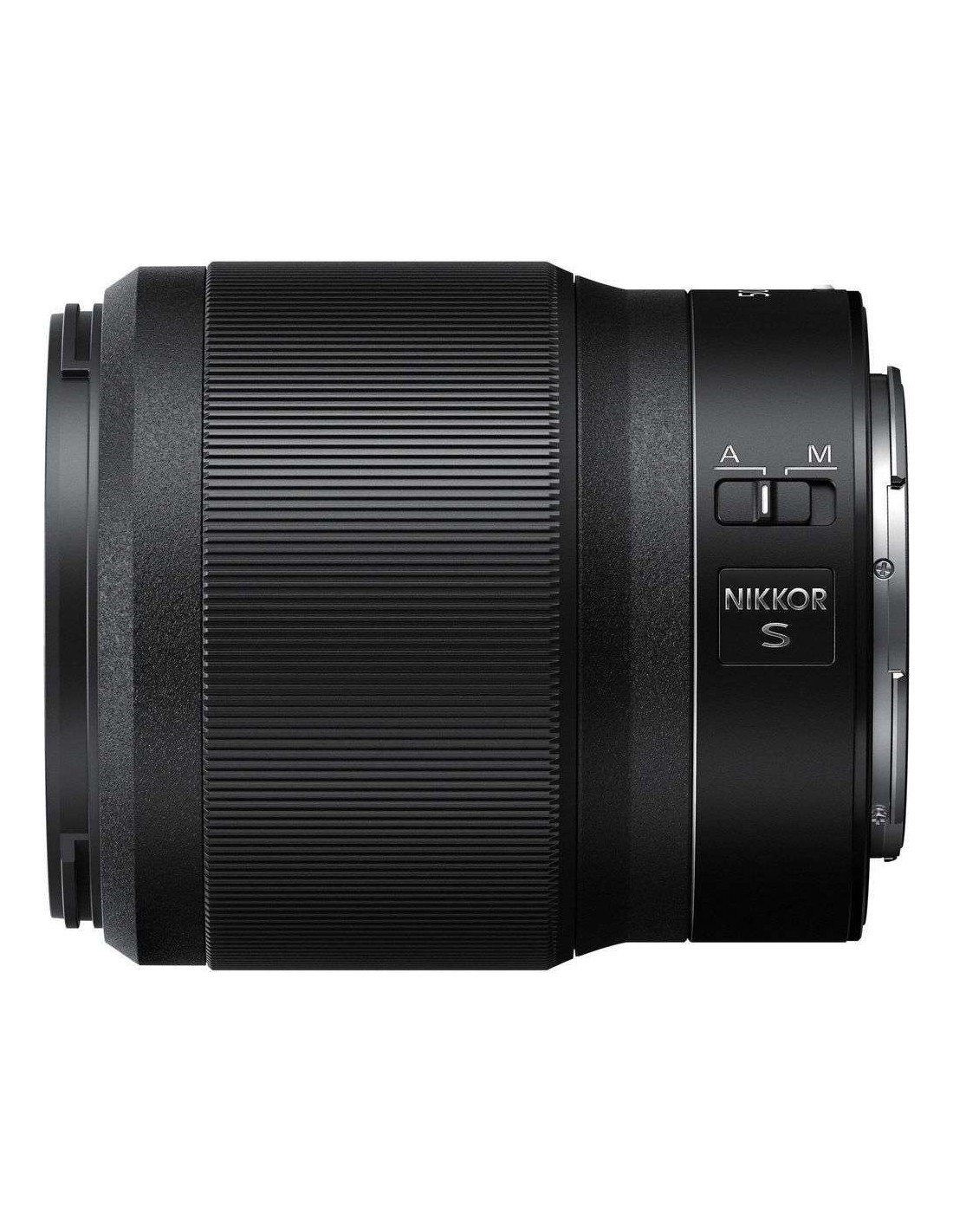
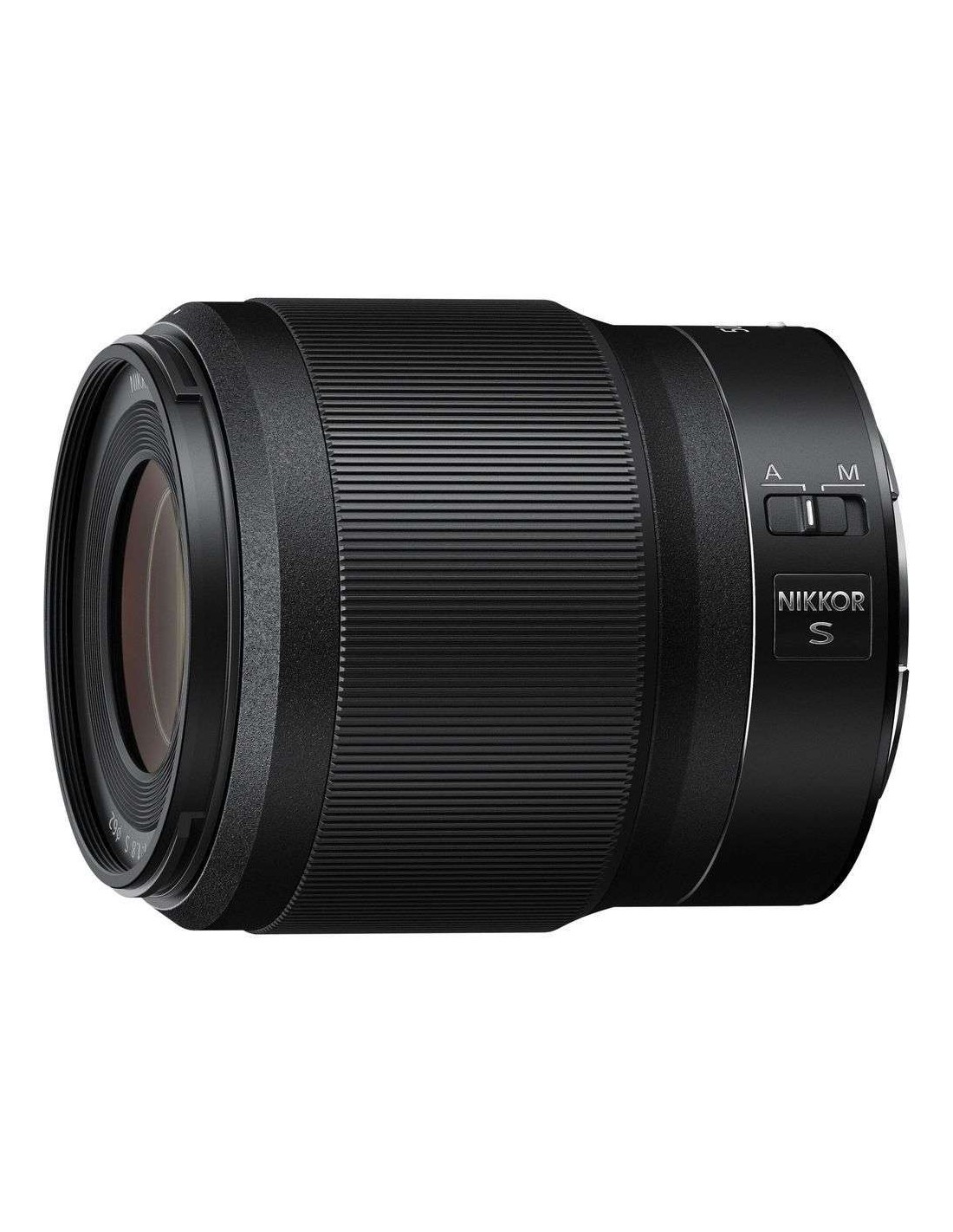
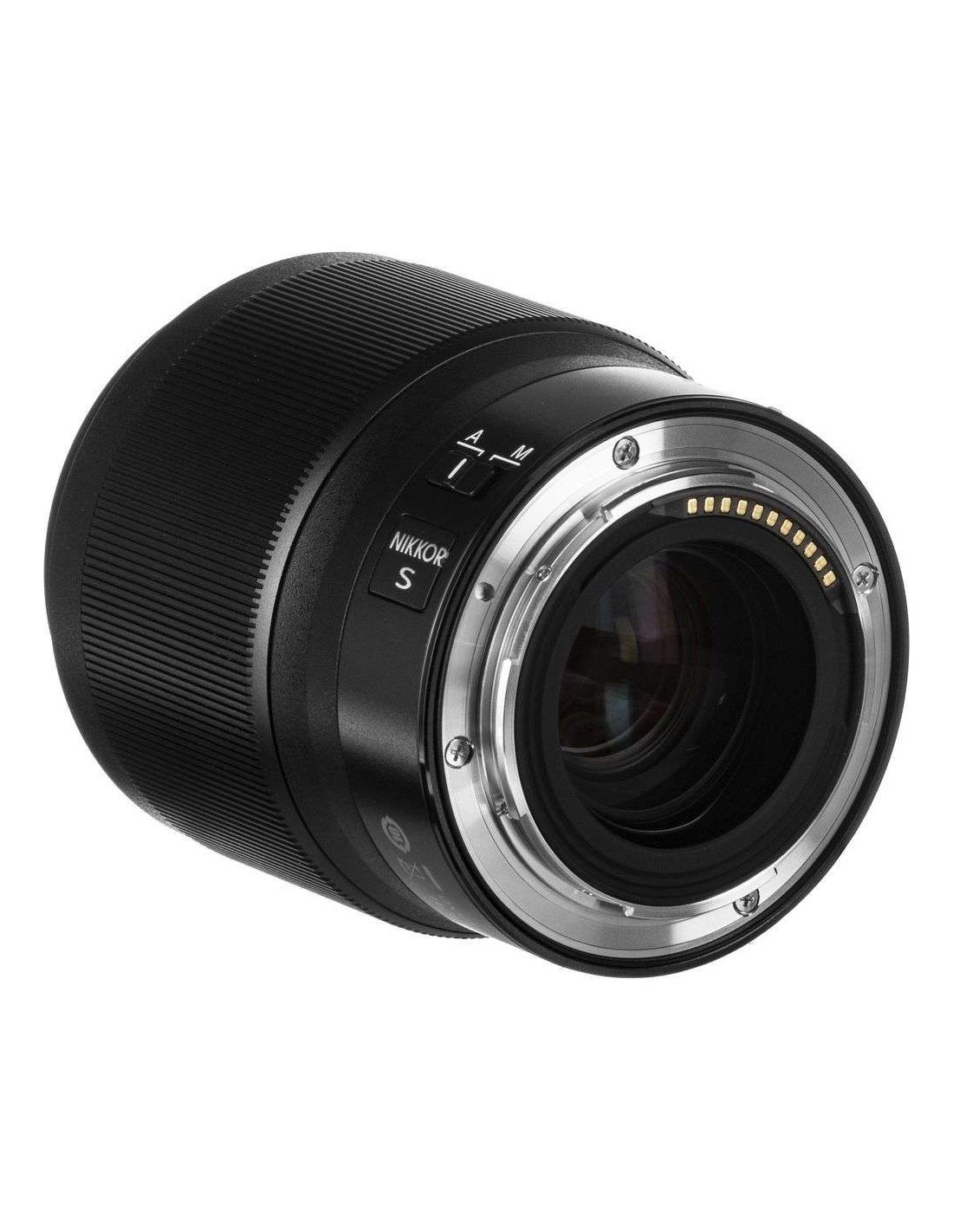
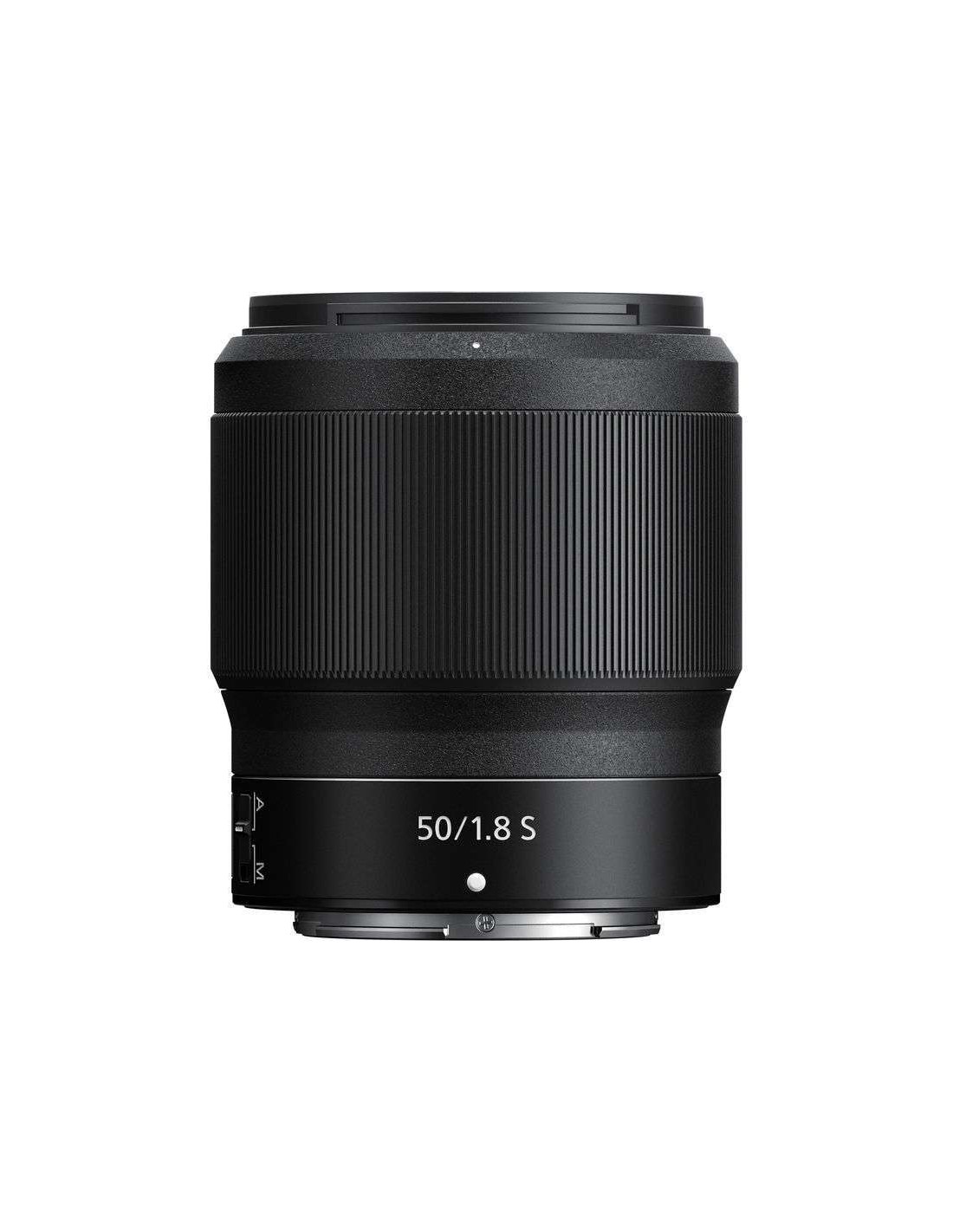
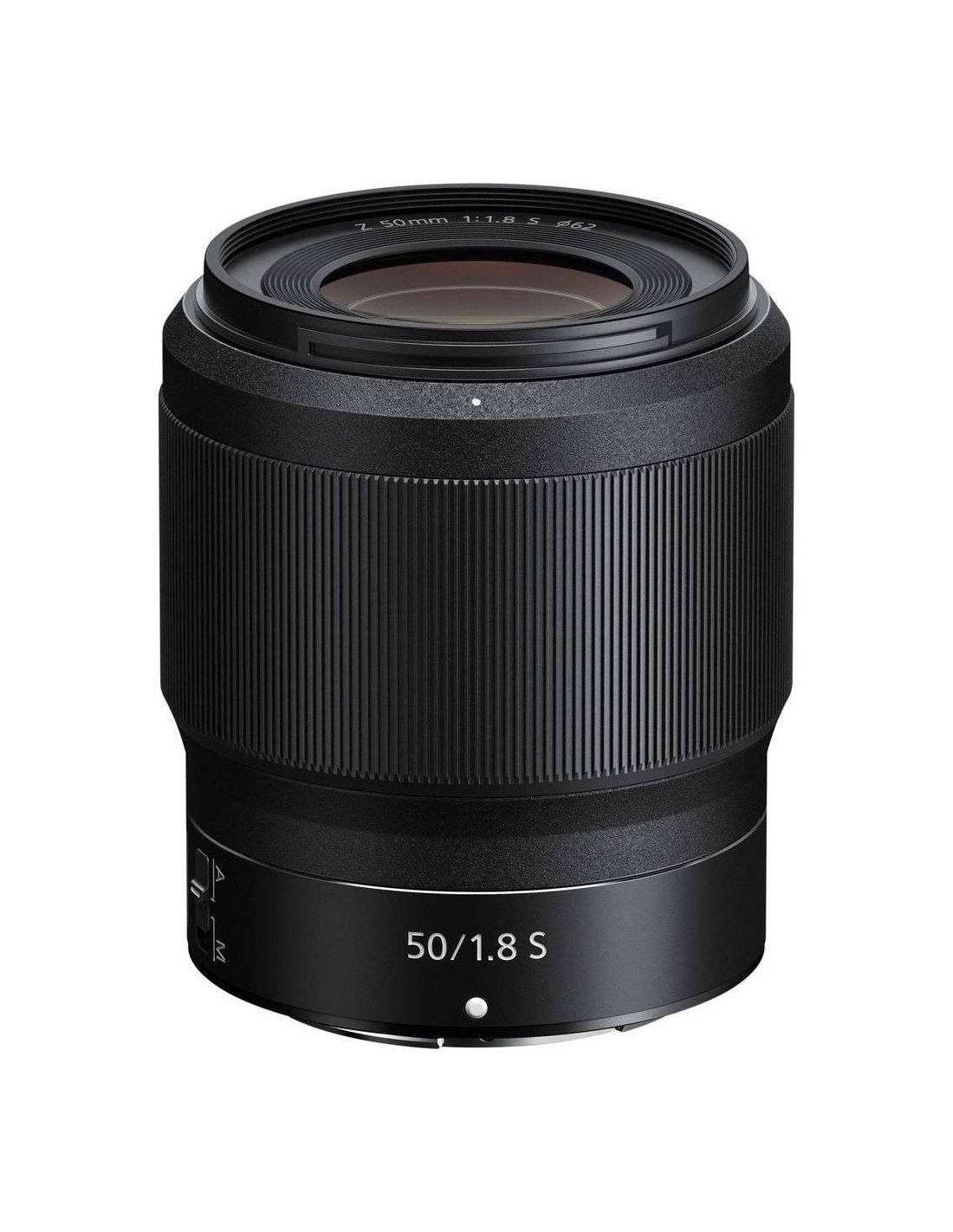

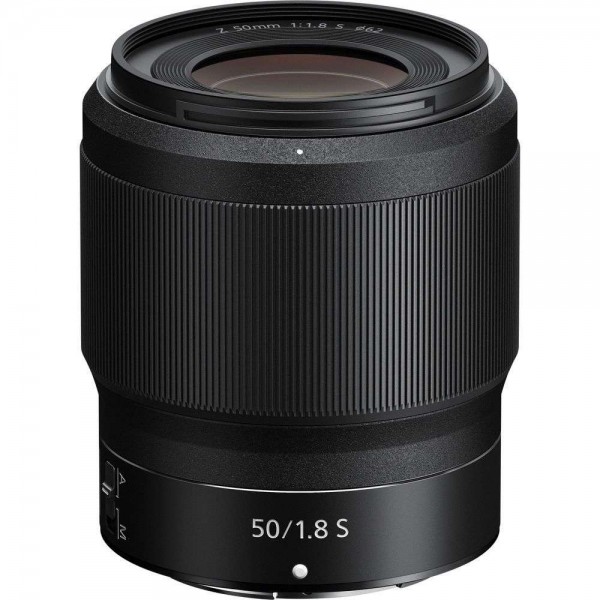
The NIKKOR Z 50mm f/1.8 S is a Nikon Z prime lens for photographers who want a familiar perspective for portraits, everyday work and details. We recommend it when S-Line consistency and controlled rendering matters because it helps you work with a familiar perspective while separating the subject. Its f/1.8 aperture supports available-light work and softer backgrounds, while the 415 g weight remains manageable during a long assignment. The lens has no optical VR, and moving subjects still require an appropriate shutter speed. It is a sensible choice when natural portraits, everyday reportage, details and small products genuinely match the way you photograph. It also complements a zoom when you need more light, a repeatable perspective and deliberate depth-of-field control during demanding professional assignments.
Combine compatible accessories and save. The more items you add, the bigger the discount.
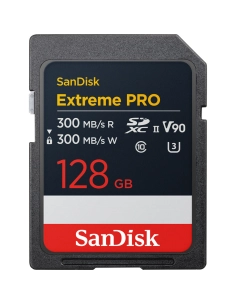
memory card

warranty extension
The NIKKOR Z 50mm f/1.8 S is designed for natural portraits, everyday reportage, details and small products. Its fixed 50 mm view gives the photographer a clear perspective and a repeatable working distance. On full frame it helps you work with a familiar perspective while separating the subject. On a DX body, the angle tightens to roughly 75 mm equivalent.
S-Line positioning places the emphasis on optical consistency, aberration control and finish. At 415 g, with a 62 mm filter thread and 0.40 m minimum focus, the lens fits easily into a Nikon Z system. Its limits are equally clear: no optical VR and no zoom flexibility.
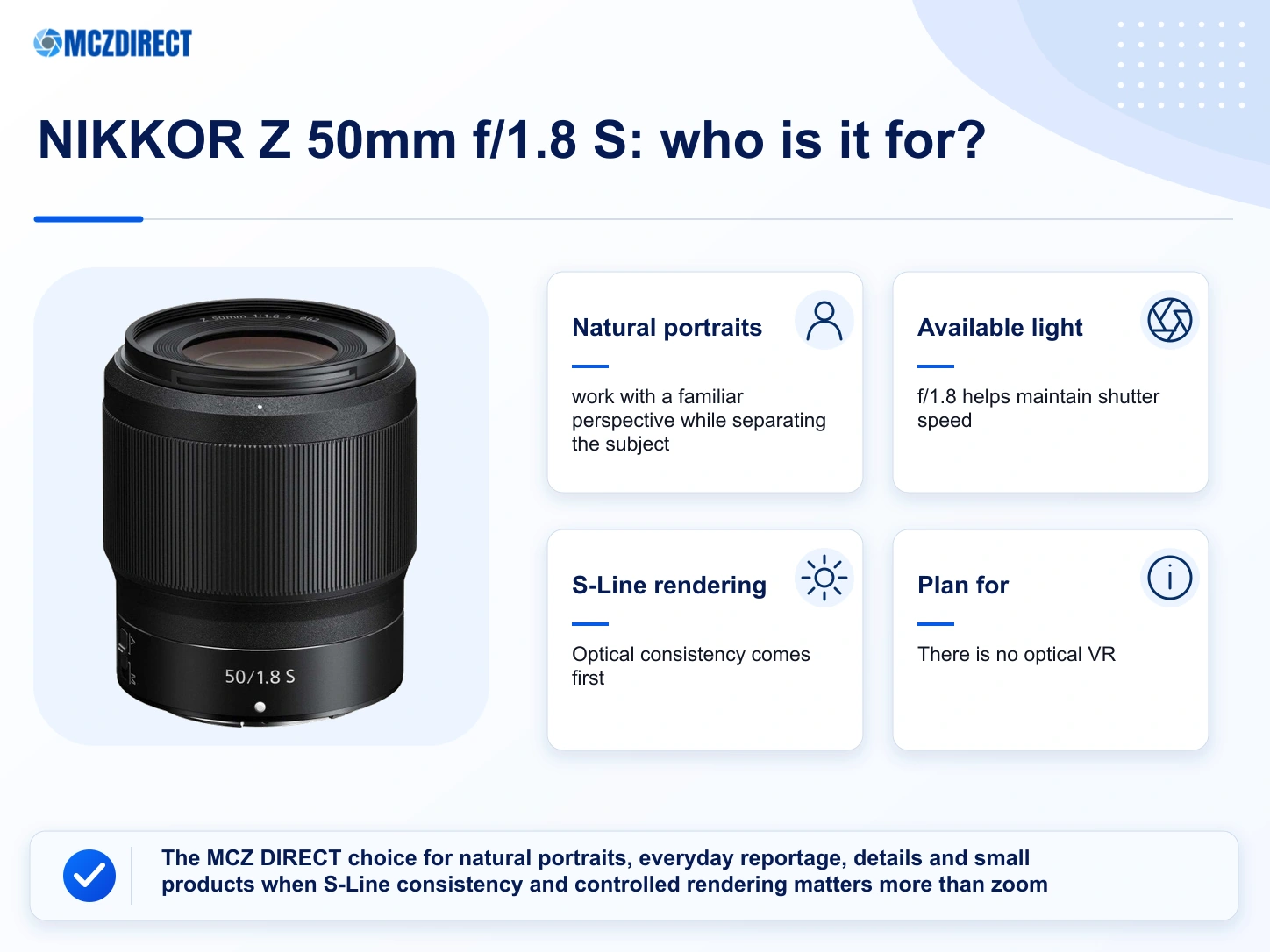
Specifications matter once they change a photograph. At f/1.8, more light reaches the sensor, but focus tolerance becomes smaller at close distance. The 415 g weight helps portability without describing the complete camera setup. A 0.40 m minimum distance allows a close detail, but 0.15x reproduction remains well short of true macro.
There is no optical VR in the lens. Stabilisation therefore depends on the compatible Nikon Z body and can help with camera movement, not subject movement. For portraits, reportage and events, choose a shutter speed that suits the person first, then use aperture and ISO to complete the exposure.
| Specification | Practical benefit | Plan for |
|---|---|---|
| 50 mm f/1.8 | work with a familiar perspective while separating the subject | A prime requires the photographer to move |
| 415 g | A manageable setup for a longer assignment | Camera and accessories still determine total weight |
| 0.40 m minimum focus | Close details without changing lenses | 0.15x does not replace a macro lens |
| Nine blades | Smoother out-of-focus transitions | Background quality also depends on placement |
| No optical VR | Simple bright-prime design | Stabilisation depends on a compatible camera body |
| Assignment | What the lens provides | Useful reservation |
|---|---|---|
| Portrait and daily work | 50 mm framing with f/1.8 | Frame by moving, not zooming |
| Available light | f/1.8 supports shutter speed or lower ISO | Stabilisation does not freeze the subject |
| Product and detail | work with a familiar perspective while separating the subject | Choose enough depth of field |
| Video | Quiet AF and a readable fixed perspective | Test focus transitions and camera distance |
| DX camera | Approximately 75 mm equivalent view | A tighter, more specialised frame |
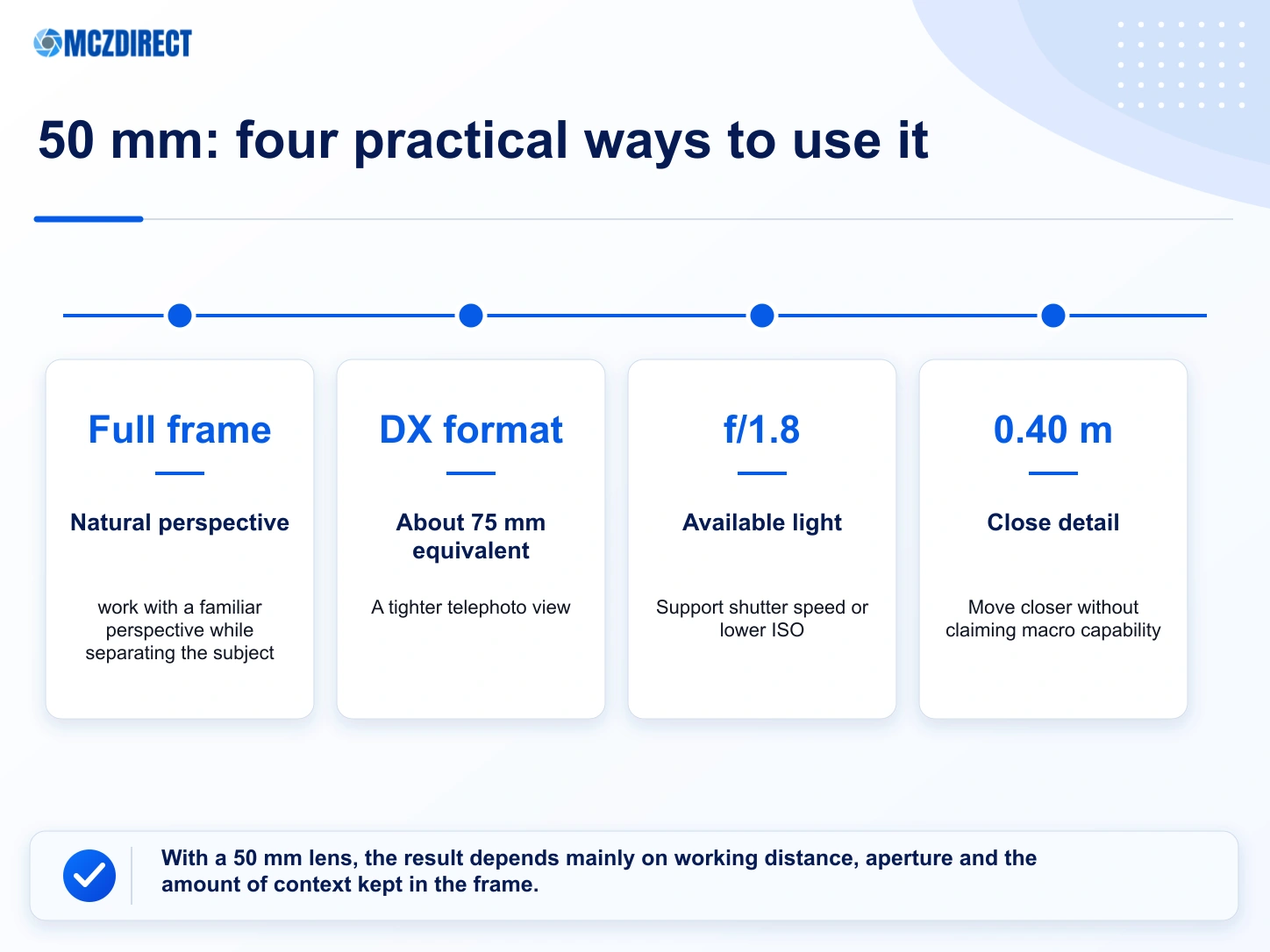
Full frame : natural perspective, work with a familiar perspective while separating the subject. DX format : about 75 mm equivalent, a tighter telephoto view. f/1.8 : available light, support shutter speed or lower ISO. 0.40 m : close detail, move closer without claiming macro capability.
The NIKKOR Z 50mm f/1.8 S sits between a contextual 35 mm and a more distant 85 mm. Its perspective feels familiar for people, objects and everyday scenes. The fixed angle asks the photographer to move, but it also makes a series easier to read. Once the camera-to-subject distance becomes familiar, framing can be anticipated quickly.
In a small room, 50 mm may feel tight for a full-length portrait. Outdoors or in a studio, that narrower view helps remove distractions. It can cover a half-length portrait, food, product work and travel details without imposing the compression of a longer telephoto. The focal length is versatile because it does not force a strong visual effect.
Nikon built this lens with 12 elements in nine groups and Nano Crystal Coat. Its S-Line position is aimed at photographers who expect fine detail, controlled aberrations and dependable contrast across more of the frame. That matters for commercial objects, reproduction of texture, landscapes and high-resolution bodies where weak edges become easy to see.
The advantage is not always dramatic in a small web image. It becomes clearer in a large print, a crop or a subject placed away from the centre. The lens therefore suits someone buying a 50 mm as a long-term reference rather than the lightest possible normal prime. It is a more considered optical tool than the traditional idea of a simple inexpensive fifty.
For a waist-up portrait, 50 mm lets the photographer communicate comfortably while preserving familiar facial proportions. A very tight headshot can require moving too close; an 85 mm gives more flattering distance for that frame. The 50 mm works best when a gesture, clothing or part of the location belongs in the portrait.
At f/1.8, the background can become soft without disappearing completely. For a pair of people or a subject turning sideways, f/2.8 often gives a safer focus margin. The eye-detection system of the camera assists, but it cannot create depth of field that is not there. Choosing the aperture for the number of important planes is more reliable than always opening fully.
A 50 mm perspective is useful for a small product or plate when there is enough room to step back. Lines remain natural and the image does not feel excessively compressed. The 0.40 m minimum focus and 0.15x reproduction support close details, but they do not provide macro magnification. Tiny jewellery or technical components call for a dedicated MC lens.
For an object with depth, stop down and shape the light rather than relying on blur to hide difficult areas. The optical consistency of the S-Line design is valuable when labels, edges and texture need to remain clear. The same lens can then move to a portrait, which makes it useful for a creator producing both people and product content.
The f/1.8 aperture provides a substantial gain over a standard zoom, supporting a faster shutter speed or lower ISO. The lens contains no optical VR. A stabilised Nikon Z body can help with a static scene, yet a conversation, gesture or walk still needs enough shutter speed. Prioritise the person’s movement before deciding how low the ISO should be.
Bright lights in the background can reduce contrast or clip. Nano Crystal Coat is designed to control flare, while the HB-90 hood blocks some side light. Neither replaces a good camera position. Moving a lamp just outside the frame or shielding it behind the subject can improve the result before processing begins.
On full frame, 50 mm gives an interview or narrative shot a more intimate feel than 35 mm. It suits a mid shot, a pair of hands or an object on a table. The camera needs more distance, so the room should be checked before the tripod is placed. The stepping motor is intended for quiet operation, subject to AF settings and microphone placement.
Wide-open video looks distinctive but leaves little tolerance when a speaker leans forward. f/2.8 often keeps the eyes secure while preserving background separation. The electronic focus ring needs rehearsal for manual pulls. On DX, the view becomes approximately 75 mm equivalent, which is useful for a tighter second angle but much less flexible in a confined room.
The 62 mm thread matches several compact Nikon Z primes, making it easier to share a polariser or ND filter. That can reduce duplicated accessories in a travel or video kit. A step-up system may still be sensible if larger lenses are also used. The supplied HB-90 hood should remain the default choice when stray side light is likely.
At 415 g, the lens is not unusually light for a 50 mm, but it balances well with many Nikon Z bodies. The weight reflects a more ambitious optical design than a basic standard prime. For a long event, the complete body, grip and second lens still determine comfort. The figure should be read in the context of the full setup.
Choose the f/1.8 S when optical regularity, S-Line finish and flare control matter more than the extra two-thirds of a stop. It is particularly coherent for commercial detail, high-resolution files and photographers who often stop down. The lens weighs almost exactly the same as the f/1.4, so portability does not settle the question.
Choose the 50mm f/1.4 when ambient-light portraits and softer backgrounds will use the larger aperture regularly. It focuses slightly closer and offers a different value proposition, but it is not an S-Line model. The two products are not a simple good-better ladder. One prioritises controlled rendering; the other prioritises light and depth-of-field freedom.
A 50 mm is valuable because it makes distance easy to learn. After a few sessions, the photographer knows where to stand for a half-length portrait, a two-person frame or a product on a table. That familiarity speeds up work without encouraging hurried shooting. The f/1.8 S adds dependable detail and controlled contrast, so the lens can move from an available-light portrait to commercial material without changing character halfway through the set.
For a compact assignment, combine it with a wider 24 or 35 mm only when the room or establishing shot requires it. The 50 mm can then remain the main lens for conversations, details and natural-perspective portraits. This is a stronger reason to choose it than treating it as a generic starter prime. It becomes useful when the photographer wants one familiar viewpoint that behaves predictably across several types of work.
Compared with the NIKKOR Z 50mm f/1.4, this lens prioritises S-Line consistency rather than the widest aperture. Their weight is almost identical, so the decision is mainly about rendering.
A standard zoom remains easier when framing changes constantly or the photographer cannot move. The prime becomes the better tool when its perspective already matches the intended visual language. It then provides a wider aperture, repeatable framing and a simpler lens to learn thoroughly.
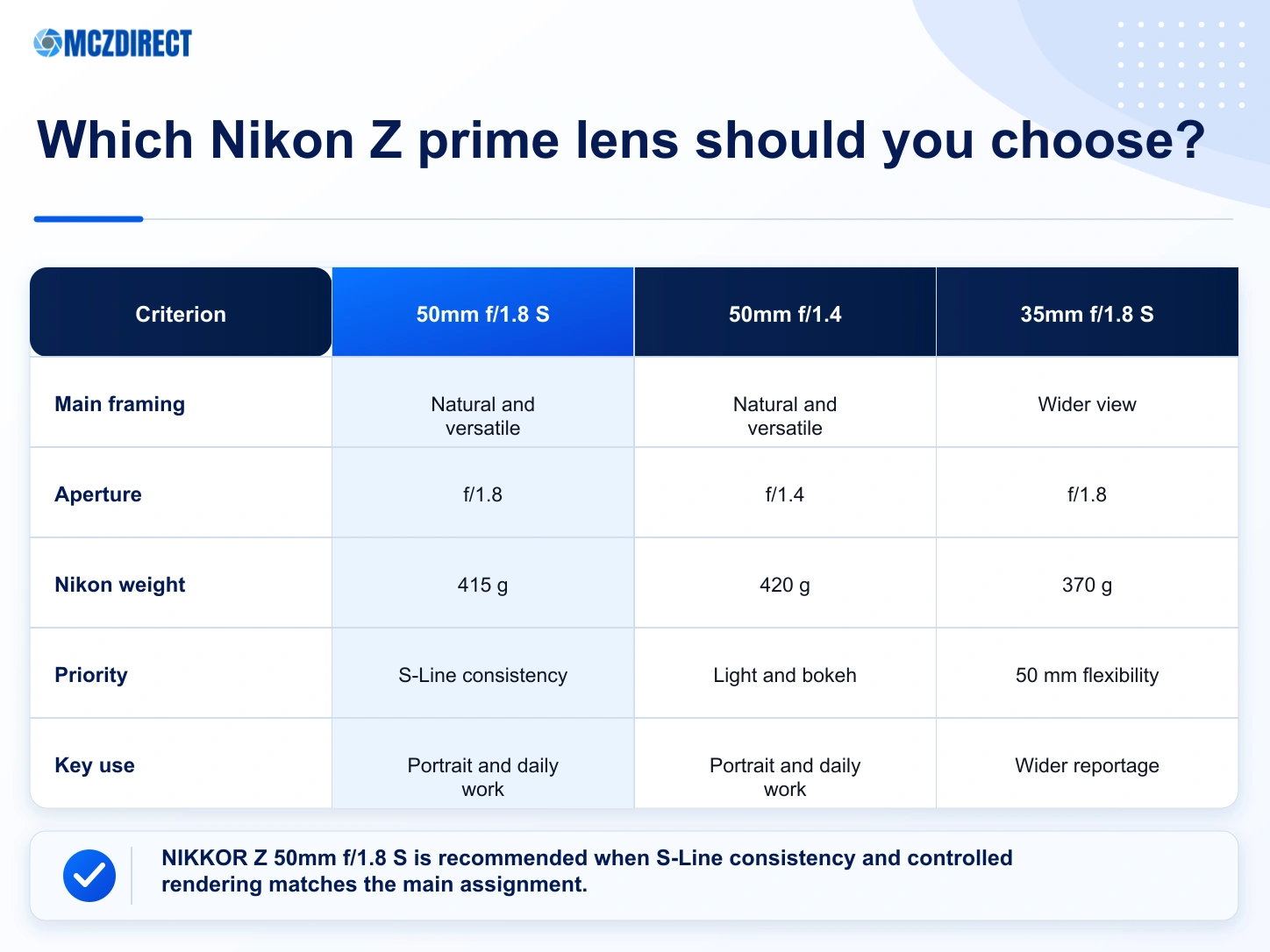
| Criterion | 50mm f/1.8 S | 50mm f/1.4 | 35mm f/1.8 S |
|---|---|---|---|
| Main framing | Natural and versatile | Natural and versatile | Wider view |
| Aperture | f/1.8 | f/1.4 | f/1.8 |
| Nikon weight | 415 g | 420 g | 370 g |
| Priority | S-Line consistency | Light and bokeh | 50 mm flexibility |
| Key use | Portrait and daily work | Portrait and daily work | Wider reportage |
At MCZ DIRECT, we see the NIKKOR Z 50mm f/1.8 S as a sound choice for photographers working in natural portraits, everyday reportage, details and small products who place S-Line consistency and controlled rendering first. It is not meant to replace every focal length. It offers a clear angle, a useful aperture and a consistent way of working.
We would point to the NIKKOR Z 50mm f/1.4 instead when f/1.4 available-light capability matters more than S-Line positioning. The honest limitation is the lack of zoom and optical VR. If that fits your work, this prime can become one of the most frequently used lenses in the bag.