

Shopping Cart

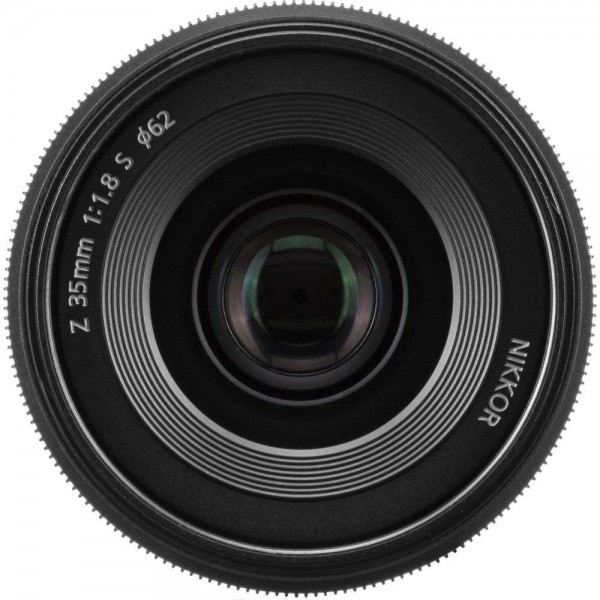
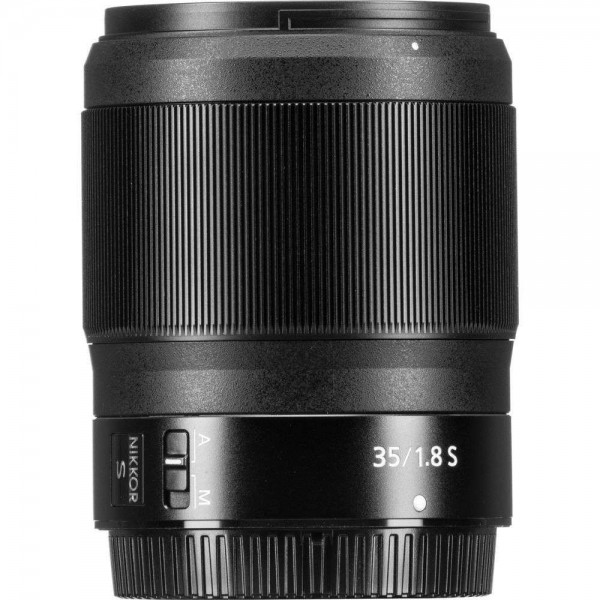
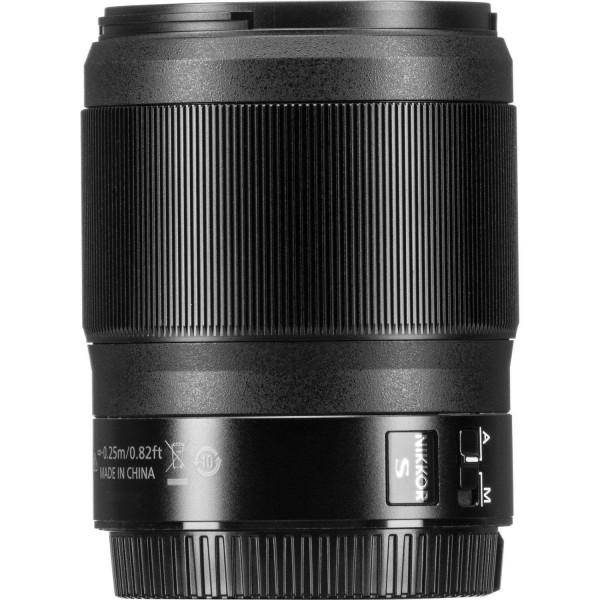
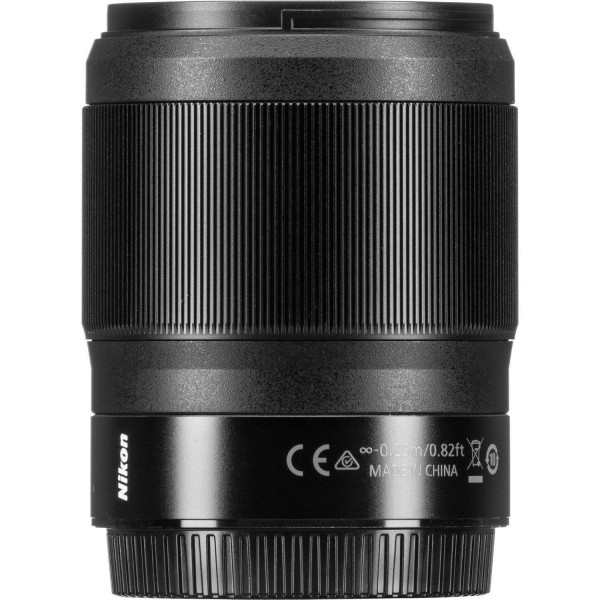
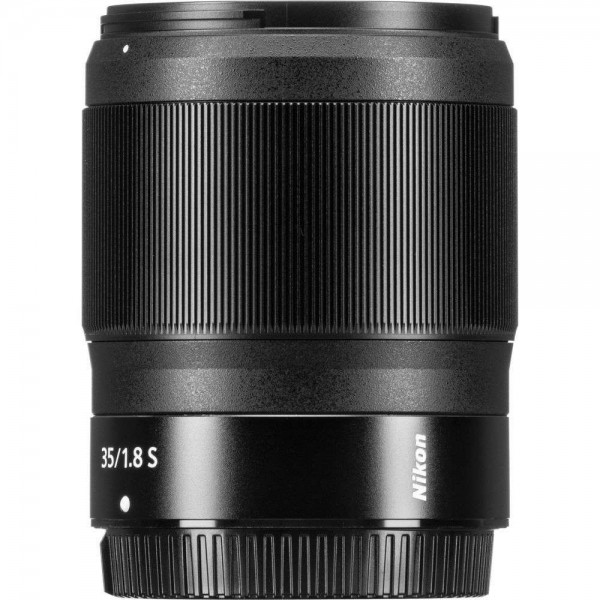
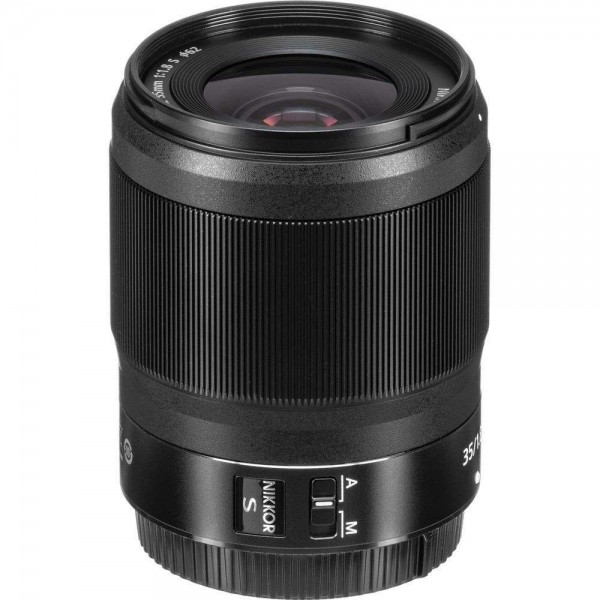
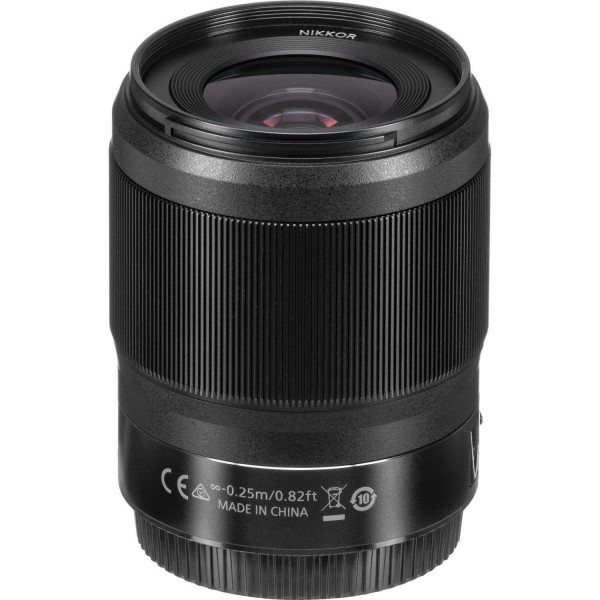
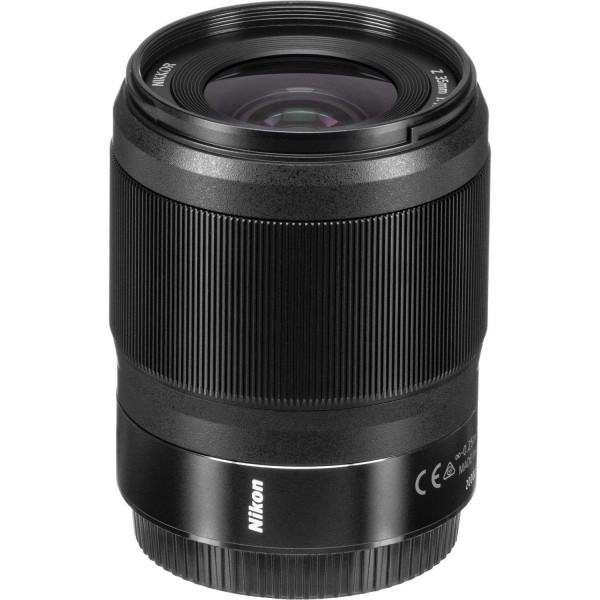
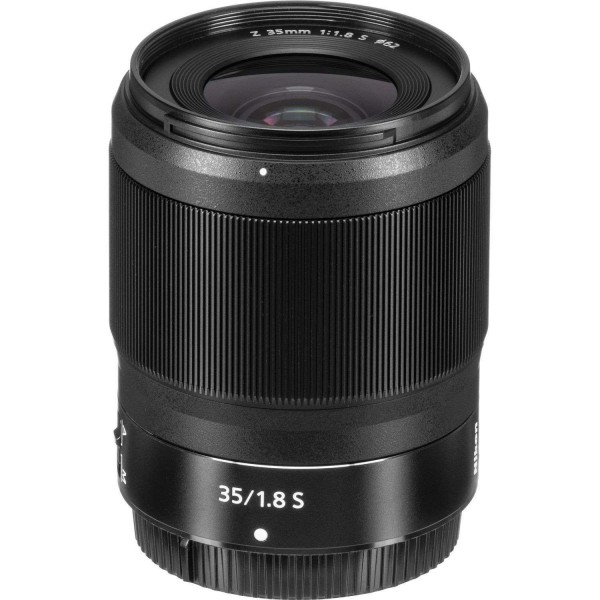
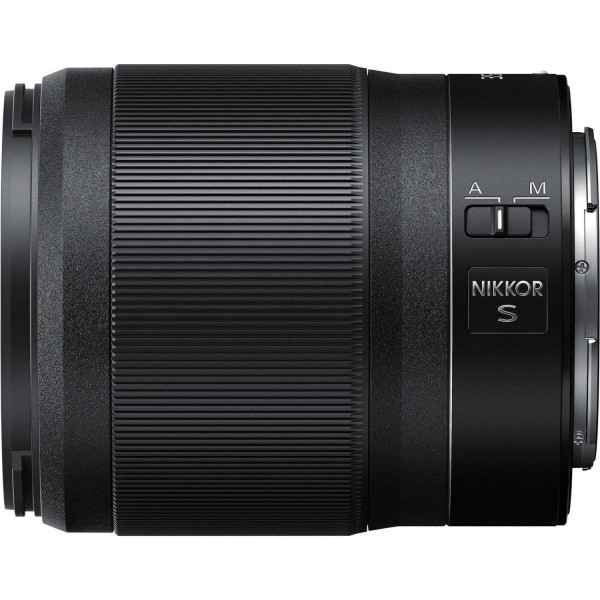
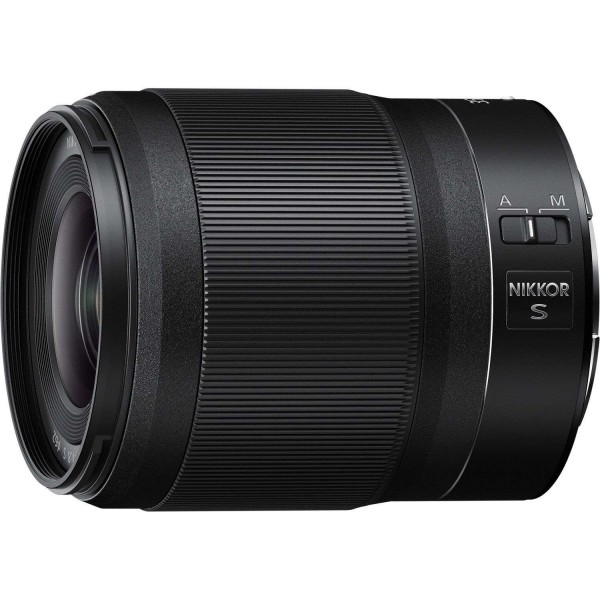
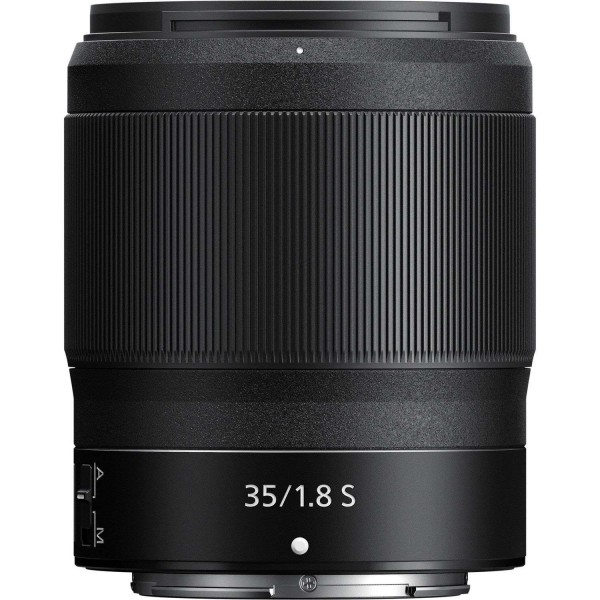

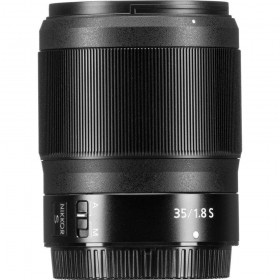
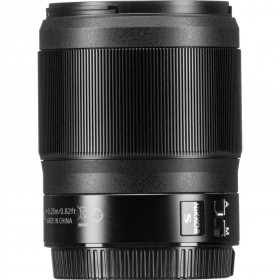
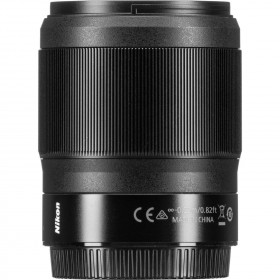
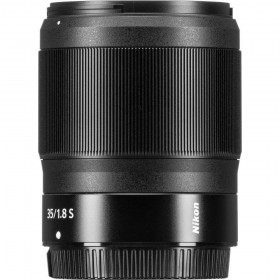
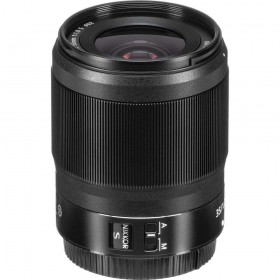
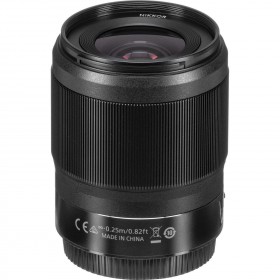
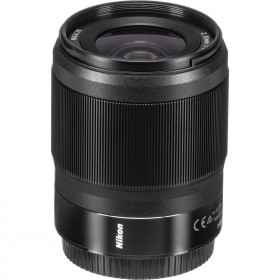
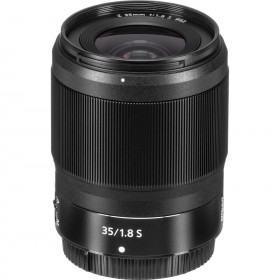
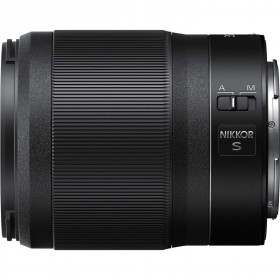
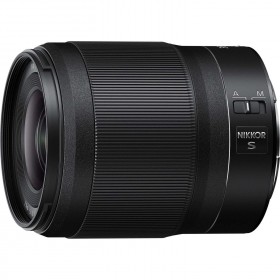
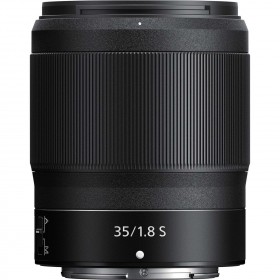


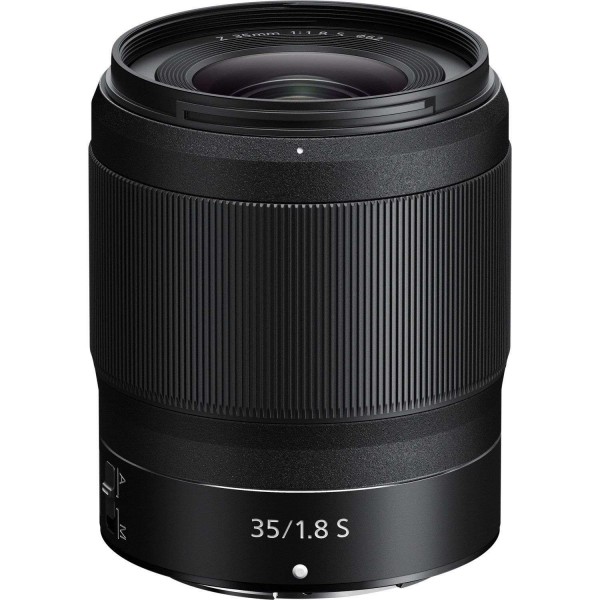
Nikon NIKKOR Z 35mm f/1.8 S
Out-of-Stock
€632.70
€666.00-5%
- 100% newBrand-new and authentic product
- Final priceNo unpleasant surprises! The displayed price is the final amount paid for your purchase.
- 3-year MCZ DIRECT warranty
- Free delivery with insurance includedYour order is protected from dispatch to delivery: in case of loss, theft or damage during transport, your parcel is insured up to its value.
Discover the Nikon Z 35mm f/1.8 S, a wide-angle prime lens offering exceptional optical performance. With an f/1.8 aperture and compact 370g design, it's perfect for landscape, urban photography, and more. Its fast, silent autofocus and high-quality lenses ensure sharp, vivid images with beautiful natural bokeh.
The Nikon Z 35mm f/1.8 S is a prime lens designed for Nikon's Z-series mirrorless cameras, offering a versatile focal length and a bright aperture suitable for various photography styles.
Key Features:
High-Quality Optics: The lens construction includes 11 elements in 9 groups, featuring two extra-low dispersion elements and three aspherical elements. This design minimizes chromatic aberrations and distortions, resulting in sharp and clear images.
Bright f/1.8 Aperture: The wide maximum aperture allows for excellent low-light performance and provides a shallow depth of field, creating a pleasing bokeh effect that isolates subjects from the background.
Weather-Sealed Construction: The lens is sealed against dust and moisture, ensuring reliability in various shooting conditions.
Fast and Quiet Autofocus: Equipped with a stepping motor (STM), the lens delivers quick and silent autofocus, beneficial for both still photography and video recording.
Compact and Lightweight Design: Weighing approximately 370 grams and measuring about 86mm in length, it is portable and well-balanced when mounted on Z-series cameras.
Recommended Uses:
Street Photography: The 35mm focal length offers a natural perspective, making it ideal for capturing candid moments and urban scenes.
Environmental Portraits: It allows photographers to include background elements that provide context to the subject, enhancing storytelling.
Landscape Photography: The wide-angle view is suitable for capturing expansive scenes, and the sharp optics ensure detailed images.
Low-Light Situations: The f/1.8 aperture enables shooting in dimly lit environments without compromising image quality.
Technical Specifications:
Focal Length: 35mm
Maximum Aperture: f/1.8
Minimum Aperture: f/16
Lens Construction: 11 elements in 9 groups
Diaphragm Blades: 9 (rounded)
Minimum Focus Distance: 0.25 meters
Maximum Magnification: 0.19x
Filter Size: 62mm
Dimensions: Approximately 73mm (diameter) x 86mm (length)
Weight: Approximately 370 grams
Advantages:
Superior Image Quality: The advanced optical design ensures high-resolution images with minimal aberrations.
Versatility: Suitable for a wide range of photographic applications, from landscapes to portraits.
Durability: The weather-sealed construction makes it a reliable choice for outdoor photography.
Ease of Use: The compact and lightweight design, combined with fast autofocus, provides a seamless shooting experience.
The Nikon Z 35mm f/1.8 S is a versatile and high-performing lens that meets the demands of both amateur and professional photographers. Its combination of superior optics, robust construction, and user-friendly features makes it a valuable addition to any photographer's kit.
Elevate your photography with the Nikon Z 35mm f/1.8 S. Order now to experience exceptional image quality and versatility.
- Lens mount
- Nikon Z
- Recommended use
- Landscape / architecture
Portrait / low light
Travel / versatile - Stabilization
- No
- Lens type
- Wide angle
- Focal length
- Wide angle
- Maximum aperture
- f/1.7 - f/2
- Aperture options
- Up to f/1.8
- Photo use
- Portrait
Reportage
Travel - Lens format
- Full frame

NIKONNIKKORZ35MMF18S
0018208200818
Technical specifications
General
Brand
Nikon
Product type
Lens
Lens type
Wide angle
Lens series
NIKKOR Z S-Line
Aperture options
Up to f/1.8
Lens mount
Nikon Z
Photo use
Reportage; Portrait; Travel
Lens format
Full frame
Level
Suitable for professionals
Yes
Properties
Full frame
Yes
Image stabilization
No
Lens construction
11 elements in 9 groups
Magnification factor
0.19x
Focus mode
Autofocus and manual
Minimum focusing distance
25 cm
Lens hood included
Yes
Focal length
Fixed focal length
Yes
Focal length
35 mm
Minimum focal length
35 mm
Maximum focal length
35 mm
Aperture
Minimum aperture overall
f/16
Minimum aperture
f/16
Maximum aperture
f/1.8
Diaphragm blades
9
Zoom
Zoom option
No
Uses
Landscape photography
No
Portrait photography
Yes
Travel photography
Yes
Reportage photography
Yes
Sports photography
No
Wildlife photography
No
All-round photography
Yes
Video
No
Physical properties
Weight
370 g
Filter size
62 mm
Length
8.6 cm
Diameter
73 mm
Dust and splash resistant
Yes
Buying guidance
Best for
Ideal for: portrait, travel, reportage, all-round use.
Compatibility
Nikon Z-mount lens for full-frame FX Nikon Z mirrorless cameras; also usable on DX-format Nikon Z bodies with DX crop.
Warning
Check before buying: VR stabilisation is not listed in the Nikon specifications.
Nikon NIKKOR Z 35mm f/1.8 S FAQ
Is the Nikon NIKKOR Z 35mm f/1.8 S worth the price?
Yes, if you want a Nikon Z prime lens that is bright, versatile and high quality for reportage, street, travel and video. The Nikon NIKKOR Z 35mm f/1.8 S is more ambitious than a small compact prime: it focuses on optical quality, an f/1.8 aperture and S-line construction. It makes most sense if you often use 35mm as your main focal length.
Who is the Nikon NIKKOR Z 35mm f/1.8 S for?
It is for Nikon Z photographers who want a natural focal length, wider than 50mm and more selective than 28mm. It suits reportage, street photography, environmental portraits, family scenes, travel and video creators. It is less relevant if you mainly want a zoom or the smallest possible lens.
Is the 35mm focal length really versatile?
Yes, 35mm is one of the most versatile full-frame prime focal lengths. It lets you include the subject within their environment without going as wide as 28mm, while remaining easier indoors than 50mm. It is very useful for storytelling, natural-light work and an immersive look.
Is the f/1.8 aperture on the Nikon Z 35mm f/1.8 S a real advantage?
Yes, f/1.8 is a real advantage in low light and helps separate the subject more easily than an f/4 zoom. On a 35mm lens, background blur is less dramatic than with an 85mm, but it is enough for environmental portraits, details and street scenes with a softer atmosphere.
Is the Nikon NIKKOR Z 35mm f/1.8 S suitable for portraits?
Yes, it is especially suitable for environmental portraits, full-length portraits and lifestyle scenes. It keeps context around the subject, which is ideal for reportage, weddings and travel. For tight portraits with more flattering compression, a 50mm or 85mm will be more specialised.
Is the Nikon NIKKOR Z 35mm f/1.8 S suitable for video?
Yes, it is a very pleasant video focal length for street shots, environmental interviews, travel scenes and hand-held work with a stabilised body. The 35mm view feels natural and immersive. You should simply note that the lens does not include optical VR stabilisation.
Nikon Z 35mm f/1.8 S, 40mm f/2, 50mm f/1.8 S or 28mm f/2.8: which should you choose?
Choose the 35mm f/1.8 S for the best reportage and S-line quality balance; the 40mm f/2 for compactness; the 50mm f/1.8 S for a tighter view; the 28mm f/2.8 for a wider and lighter option. The 35mm is the most natural choice if you want one versatile, high-quality main prime.
What limits should you know before buying the Nikon NIKKOR Z 35mm f/1.8 S?
Its main limits are the fixed focal length, lack of optical VR stabilisation, a body that is less compact than some small primes and less background blur than a longer lens. It is an excellent reportage and creative lens, but it should be chosen because you genuinely like working at 35mm.
Reviews Nikon NIKKOR Z 35mm f/1.8 S
0 Rating
Customer photos
No customer photos yet
Tap to zoom
ALEX (In testing phase)