Shopping Cart
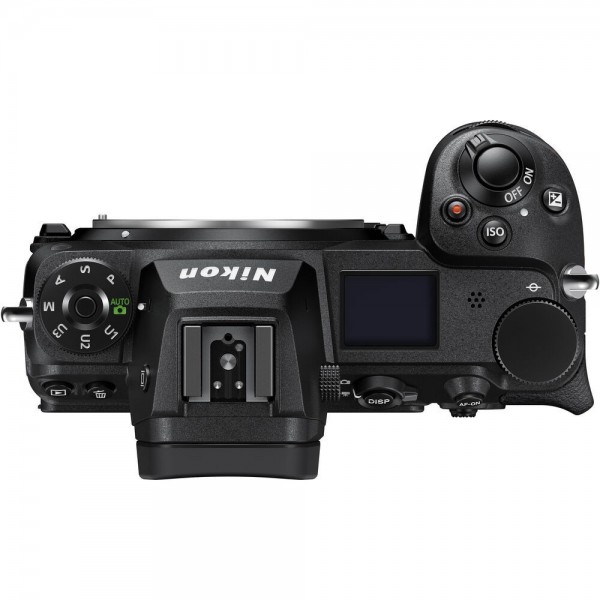
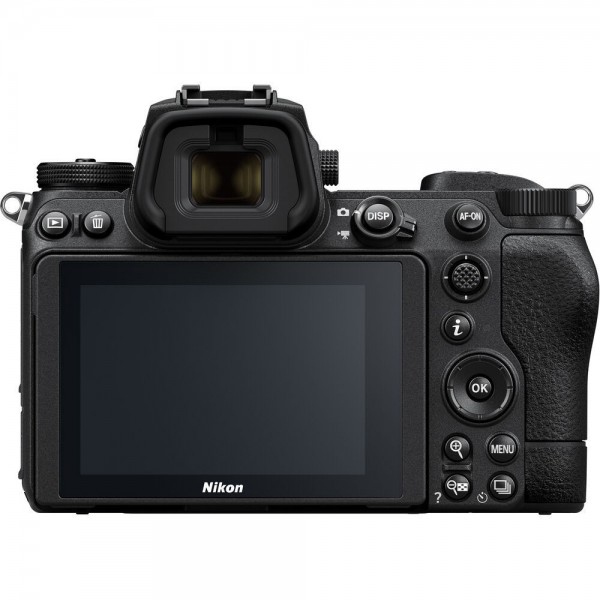
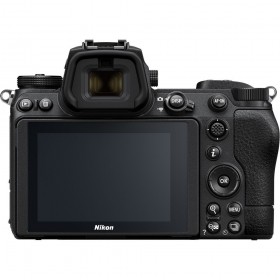
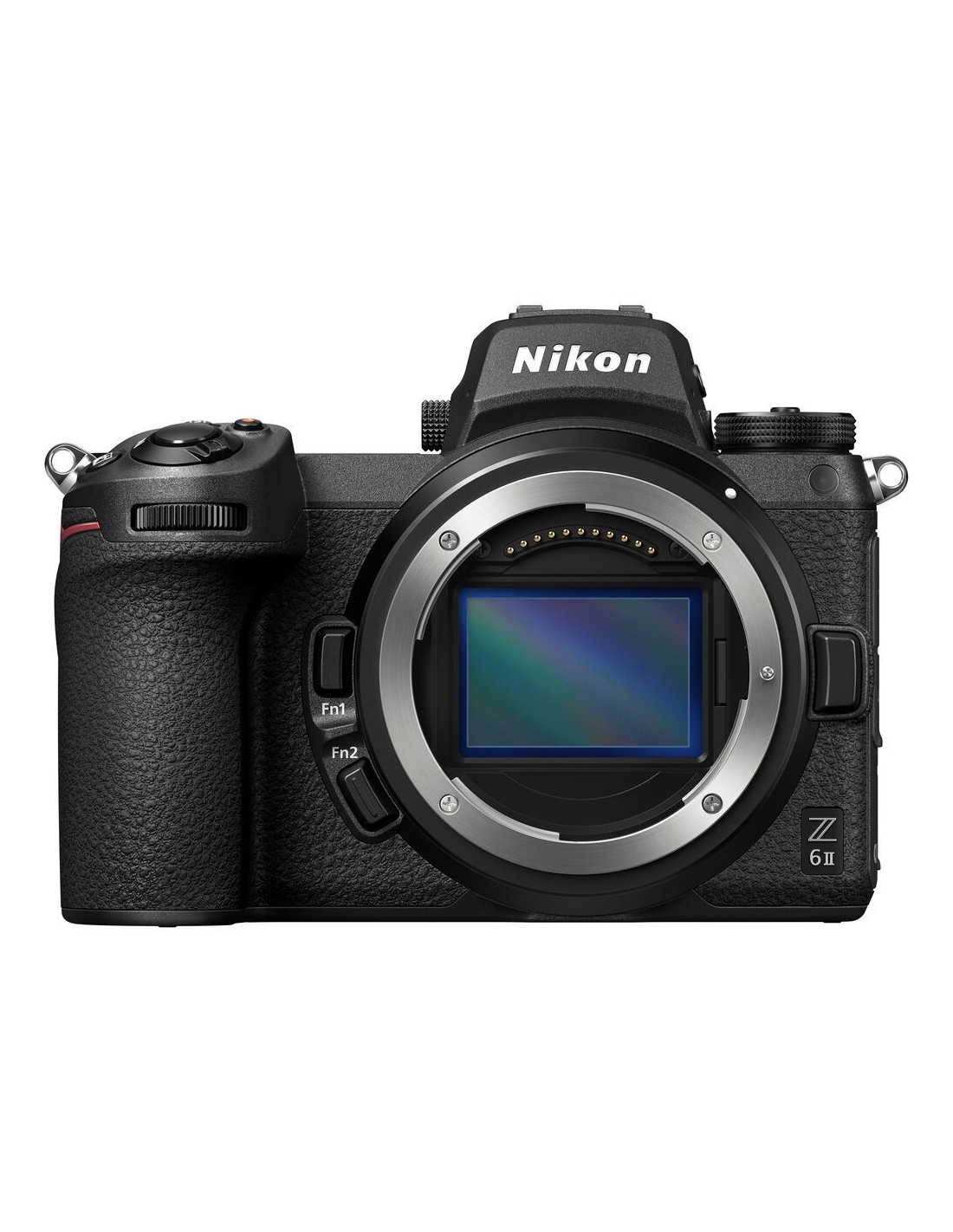



The Nikon Z6 II is a 24.5MP full-frame mirrorless camera for photographers and filmmakers who need a versatile, responsive body with a dependable workflow. We recommend it for reportage, weddings, portraits, travel and measured hybrid production when balance matters more than maximum resolution. Five-axis in-body stabilisation supports hand-held shooting, while 273-point autofocus, bursts at up to 14fps and dual memory-card slots address moving subjects and immediate backup. It records 4K video at up to 60p depending on mode and firmware, with external 10-bit options for more controlled production. This listing is for the body only, making it particularly suitable if you already own NIKKOR Z lenses or want to select an exact lens for your photographic style rather than accept a standard kit configuration.
Combine compatible accessories and save. The more items you add, the bigger the discount.
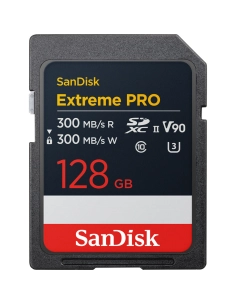
memory card
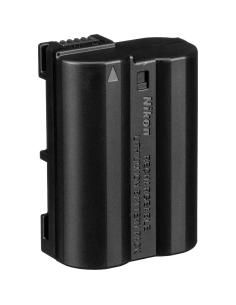
battery
Adaptateur

warranty extension
The Nikon Z6 II is a 24.5MP full-frame mirrorless camera for photographers who move between portraits, reportage, low-light scenes and short bursts of action without wanting separate bodies. Its back-illuminated FX CMOS sensor, five-axis stabilisation and dual EXPEED 6 processors create flexible files and a reassuringly consistent workflow. Burst speed can reach 14fps, the hybrid AF system uses 273 points and dual card slots help protect an unrepeatable assignment.
This is the Nikon Z6 II body only, with no lens included. Nikon Z6II, Nikon Z 6II, Z6 2 and Nikon Z6 Mark II are common names for the same camera. Eight active configurations can be compared in the Nikon Z6 II body and kit category.
This camera does not chase a headline pixel count. Its 24.5MP files contain enough detail for portraits, weddings, reportage, landscapes and demanding prints while remaining easier to cull and archive than 45MP RAW files. This resolution also supports confident high-ISO work when light fades, provided exposure and processing are handled carefully.
Five-axis stabilisation is most useful when the subject is relatively still: interiors, urban scenes at dusk, details or a considered portrait. It reduces camera shake but cannot freeze a walking person or moving animal. Shutter speed remains the decisive control in those situations.
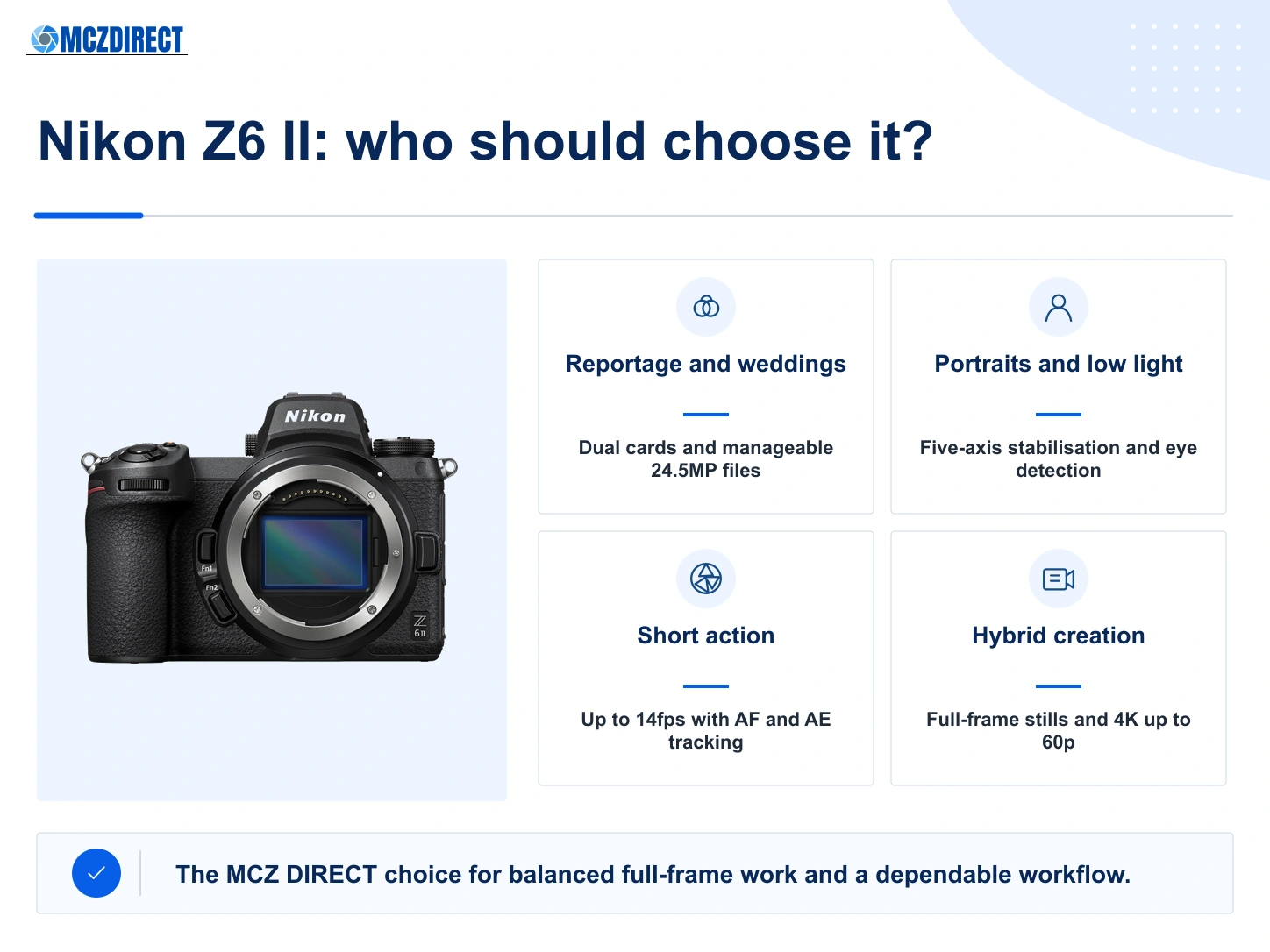
| Use | What the Z6 II contributes | What to plan for |
|---|---|---|
| Reportage and weddings | 24.5MP files, dual cards, stabilisation and manageable storage | Test tracking for the subject and define a backup strategy |
| Portraits and events | Eye detection, flexible RAW files and useful short bursts | Subject recognition is less advanced than on EXPEED 7 bodies |
| Travel and daily professional use | Full-frame quality in a 615g body without battery or card | The chosen zoom or prime determines the final carrying weight |
| Hybrid photo and video | Full-width 4K 30p, cropped 4K 60p and microphone/headphone ports | The most flexible 10-bit and RAW modes require external recording |
The hybrid system spreads 273 points across much of the frame. Human eye detection works in stills and video, while Nikon also supports eye detection for dogs and cats. For weddings, portraits and general reportage, focus can be placed quickly without repeatedly moving the subject back to the centre.
Its autofocus predates Nikon’s EXPEED 7 generation. A bird changing direction abruptly, a player hidden by another subject or a busy frame still rewards careful AF-area selection and anticipation. This does not make the camera ineffective, but it is a meaningful distinction from the Z6 III.
The maximum 14fps rate can separate a brief movement, expression or gesture. It depends on extended high-speed mode, file type, bit depth, lens and autofocus settings. Under Nikon’s test conditions with a fast CFexpress card, the buffer can reach 124 lossless-compressed 12-bit RAW files. Maximum speed is lower with 14-bit RAW.
For reportage, a short, deliberate burst keeps culling and storage under control. For sustained sport, sensor readout, buffer recovery and the ability to reacquire a subject matter more than a single headline figure.
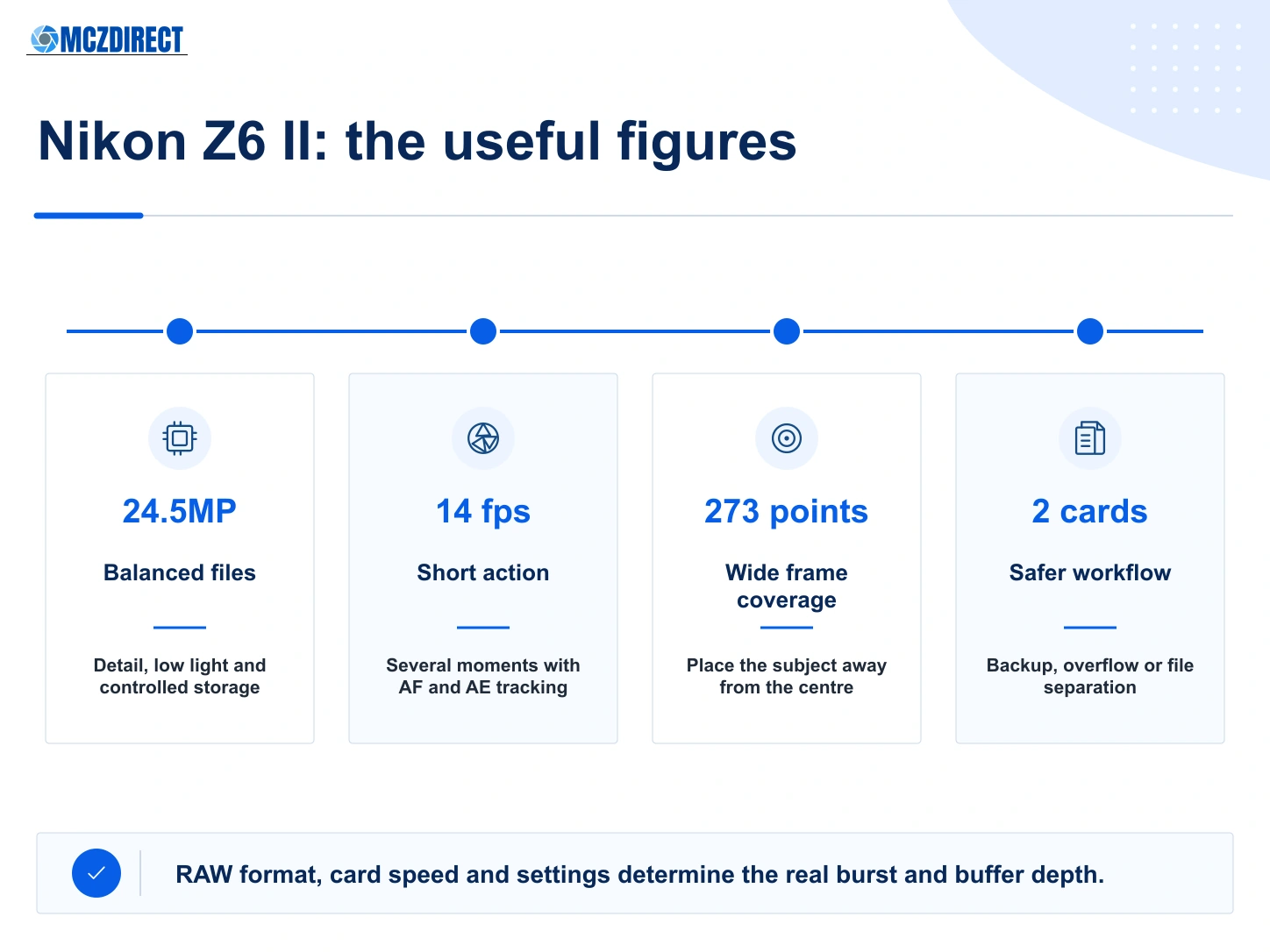
| Feature | Practical benefit | Limit to understand |
|---|---|---|
| 24.5MP sensor | A useful balance of detail, low-light ability, modest cropping and storage | Less cropping latitude than the 45.7MP Nikon Z7 II |
| Burst up to 14fps | Several frames across a short action with AF and exposure tracking | Maximum speed requires specific settings and 12-bit files |
| Buffer up to 124 12-bit RAW files | A longer sequence before slowdown with a fast card | Depth changes with compression, card and settings |
| CFexpress/XQD plus UHS-II SD | Simultaneous backup, overflow or RAW/JPEG separation | Two media types may require two card readers |
| 615g body, about 705g ready | A full-frame body that remains practical for all-day reportage | The lens accounts for most of the final system weight |
The first slot accepts CFexpress Type B or XQD; the second takes UHS-II SD media. Files can be duplicated, split between RAW and JPEG, separated between stills and video, or continued onto the second card. We see this as one of the clearest practical upgrades over the original Z6, especially for weddings, events and work that cannot be repeated.
For video, the camera records full-width 4K at up to 30p. Firmware 1.10 added 4K 50/60p with a DX crop, narrowing the lens field of view. Full HD reaches 120p. 10-bit N-Log and HLG are available over HDMI, while external RAW output depends on compatible hardware and Nikon’s service upgrade.
This remains a serious base for interviews, wedding films and measured hybrid production. A filmmaker who needs internal RAW, a fully articulating screen, fast 4K without a crop or more modern monitoring tools will find greater room in the Z6 III.
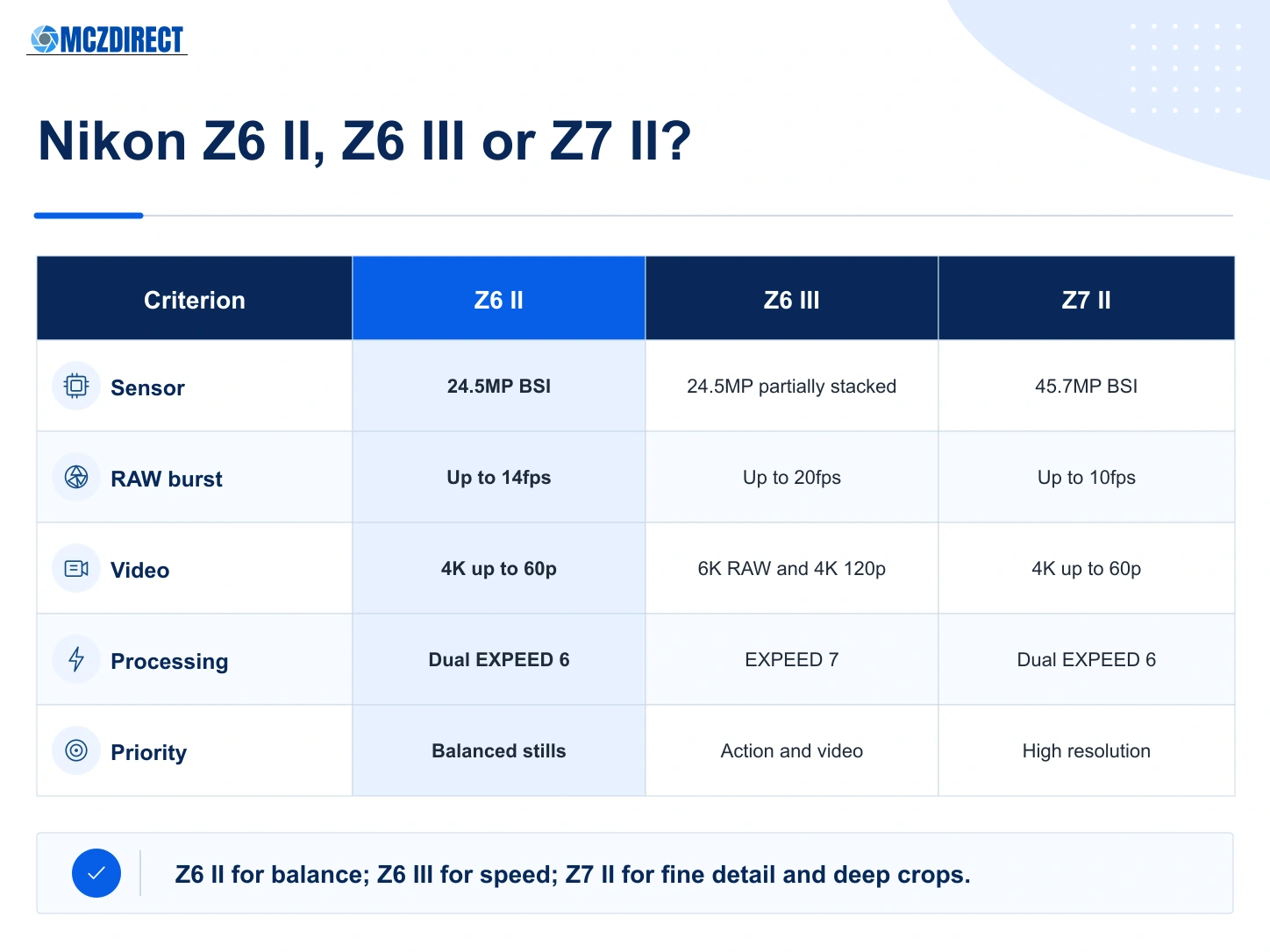
| Criterion | Nikon Z6 II | Nikon Z6 III | Nikon Z7 II |
|---|---|---|---|
| Sensor | 24.5MP BSI | 24.5MP partially stacked | 45.7MP BSI, native ISO 64 |
| RAW burst | Up to 14fps depending on mode | Up to 20fps electronic | Up to 10fps |
| Internal video | 4K up to 60p | 6K 60p N-RAW | 4K up to 60p |
| Processing | Dual EXPEED 6 | EXPEED 7 | Dual EXPEED 6 |
| Best fit | General stills, reportage and measured hybrid work | Action, modern AF and video | Landscape, studio and high resolution |
The body-only version makes sense when you already own NIKKOR Z lenses or require an exact optic. The Nikon Z6 II with Z 24-50mm favours compact travel. For travel, reportage and environmental portraits, the Z6 II with Z 24-120mm f/4 S covers a particularly useful range. Wedding and event photographers will find the Z6 II with Z 24-70mm f/2.8 S better aligned with low light, while the Z6 II with Z 24-200mm VR reduces lens changes while travelling.
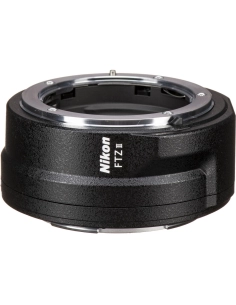
Compatible Nikon F lenses can be used through an FTZ or FTZ II adapter. You can also explore the wider Nikon Z range and our full selection of mirrorless cameras.
Position in the range. At MCZ DIRECT, we see the Z6 II as the considered choice for a photographer who wants balanced full-frame files, dual cards and a controlled workflow rather than the most dramatic specification sheet.
Direct comparison. Against the Z6 III, we recommend it when stills, workflow security and cost control matter more than latest-generation subject detection or 6K video. Against the Z7 II, it is the more balanced option for general work and low light; the Z7 II retains the advantage for deep crops and very large prints.
Honest limitation. Subject tracking and video reveal its age beside EXPEED 7 Nikon bodies. Its 24.5MP sensor, stabilisation and dual card slots nevertheless remain a coherent combination for regular professional or enthusiast use without placing unnecessary weight on the workflow.

Nikon officially announced the Z 6II on 14 October 2020. Retail availability began in November 2020 depending on the market.
Yes. Nikon officially writes Z 6II. Z6 II, Z6II, Z6 2, Z6 Mark II and even Z6 ll are common search variations for the same model.
The Nikon Z6 II uses a 24.5-million-effective-pixel back-illuminated Nikon FX full-frame CMOS sensor.
The body weighs approximately 615g without a battery or card. Nikon quotes about 705g with an EN-EL15c battery and memory card.
Nikon quotes up to 124 lossless-compressed 12-bit RAW files under its test conditions with a fast CFexpress card. Capacity changes with file type, compression, card and settings.
It can reach up to 14fps under specific conditions. Maximum speed depends on mode, RAW bit depth, lens, autofocus and exposure settings.
Yes, with compatible firmware. 4K 50/60p uses a DX crop, while 4K at up to 30p can use the FX image width.
Its 24.5MP back-illuminated full-frame sensor, ISO range and five-axis stabilisation provide a strong low-light foundation. Shutter speed is still required to freeze a moving subject.
It has a 273-point hybrid autofocus system covering about 90% of the image, with eye detection for people and selected animals depending on mode and firmware.
The first slot accepts CFexpress Type B or XQD and the second accepts UHS-II SD cards. They can be configured for backup or file separation.
The Z6 III adds a partially stacked sensor, EXPEED 7 processing, newer subject tracking, faster electronic bursts and more advanced internal video. The Z6 II retains a balanced stills workflow and dual cards.
Choose the Z6 II for balanced 24.5MP files, low light and general work. Choose the 45.7MP Z7 II for landscapes, studio, architecture, deep crops and very large prints.