Shopping Cart
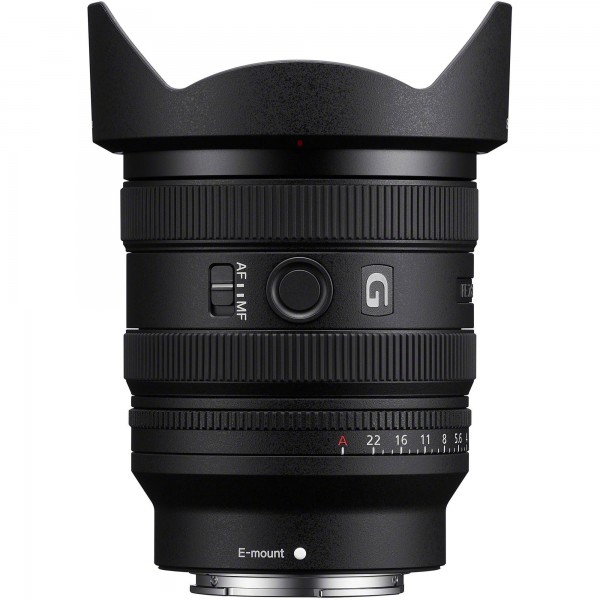
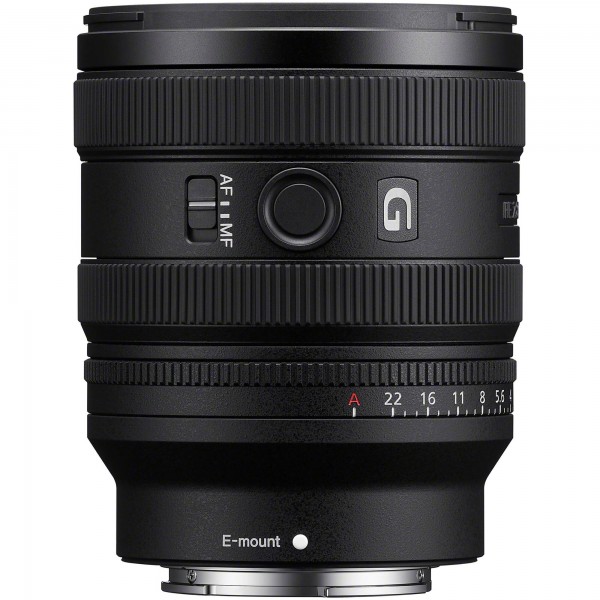
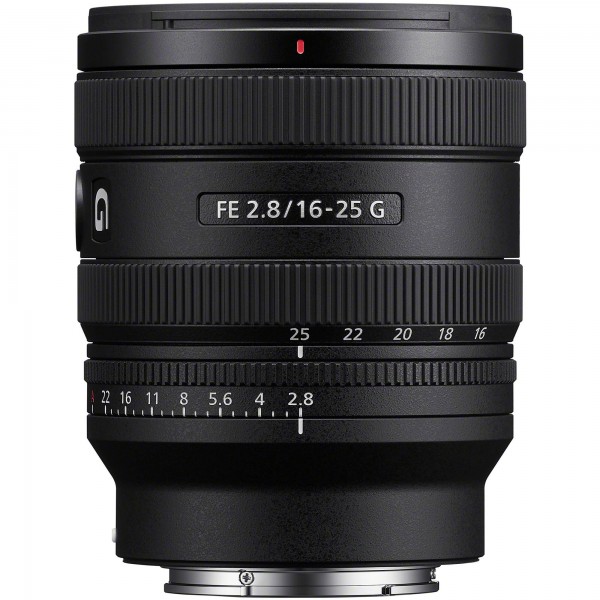
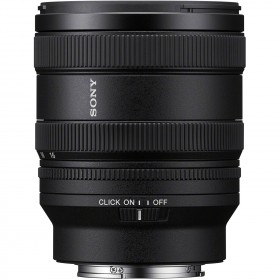
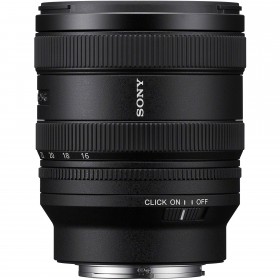
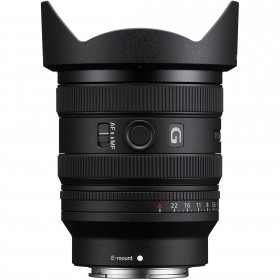
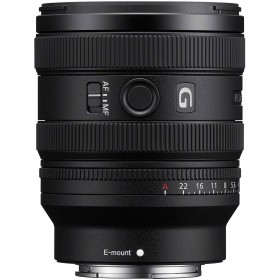
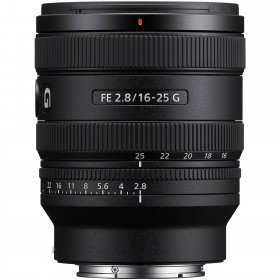


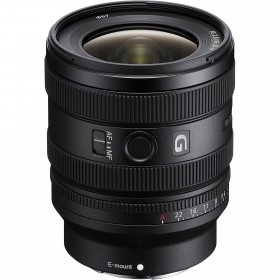

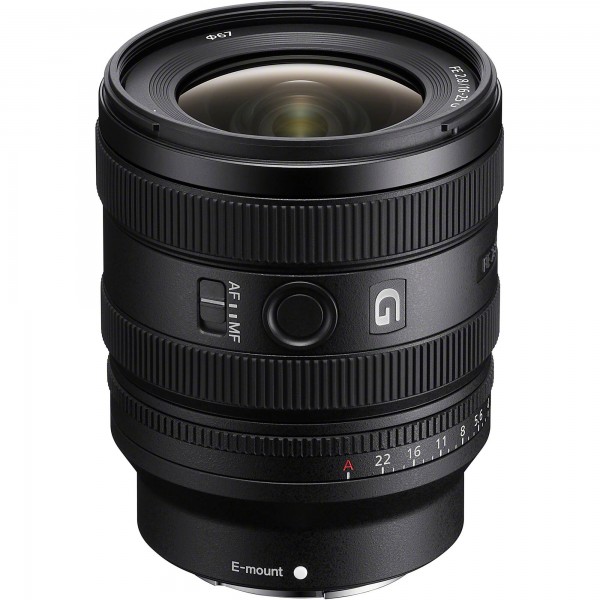
The Sony FE 16-25mm F2.8 G is a compact full-frame ultra-wide zoom for Sony E photographers and filmmakers who want to work at 16mm without carrying a larger 16-35mm lens. We recommend it for landscapes, architecture, interiors, travel and environmental storytelling when a constant F2.8 aperture helps preserve shutter speed or exposure in moderate light. Its two linear motors, aperture ring and approximately 409g weight make it straightforward to adjust and easy to keep in a light bag. Close focusing also gives foreground-led compositions more possibilities. The trade-off is clear: 25mm is short for a truly all-purpose reporting lens and there is no optical OSS. On APS-C, it becomes a 24-37.5mm equivalent: useful for travel, but no longer genuinely ultra-wide.
Combine compatible accessories and save. The more items you add, the bigger the discount.
memory card

warranty extension
The Sony FE 16-25mm F2.8 G is for full-frame Sony users who value a wide view more than an extended zoom range. At 16mm it can open up an interior, landscape or narrow street; at 25mm it can tighten onto a travel scene, a small group or an environmental portrait. Its constant F2.8 aperture gives more flexibility indoors and for video, while the 409g design makes sense in a small kit. Its appeal is deliberate: it gives you 16mm and F2.8 in a compact zoom, rather than replacing a standard zoom. If you regularly need 35mm, a 16-35mm is the more natural choice.
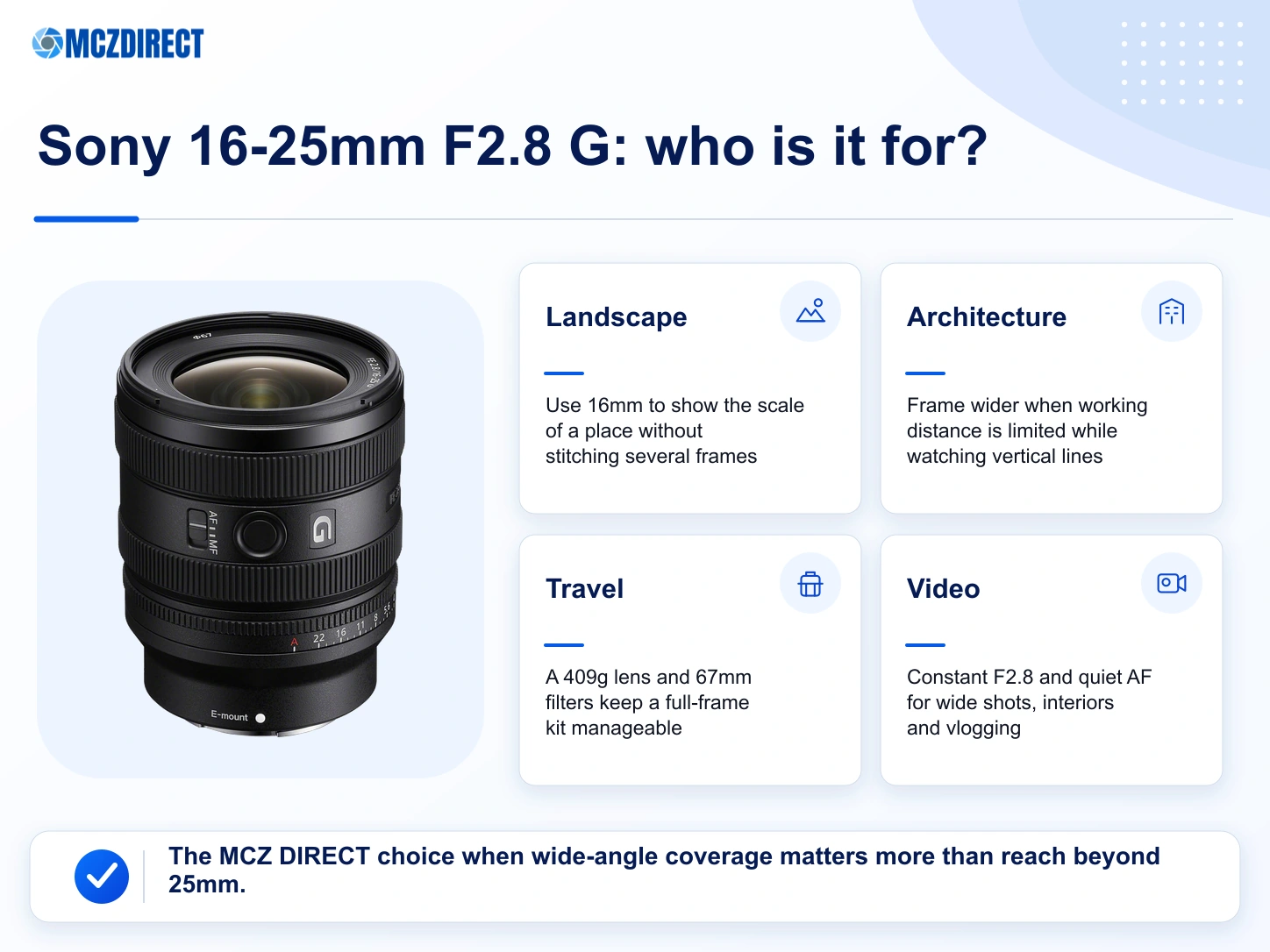
The Sony 16-25mm F2.8 G is not designed to cover every travel focal length. It places its weight and aperture where a broad composition matters. At 16mm, a kitchen, hotel room or old street gains room; around 20mm, a city scene often feels more measured; at 25mm, a facade detail, small group or person in their setting becomes easier to isolate.
The trade-off is uncomplicated: 25mm does not replace 35mm or 50mm. It makes sense when you are happy to pair it with a 24-50mm, 20-70mm or prime, and when 16mm at F2.8 is the priority in a small volume. For a one-lens documentary solution, 16-35mm offers more framing latitude.
On a Sony APS-C body, the range becomes a 24-37.5mm equivalent. That remains useful for architecture, travel and general video, but it loses the strongly wide character of 16mm on full frame. Buy it primarily for full-frame use, or accept that change in framing.
| Focal length | Framing and use | What to watch |
|---|---|---|
| 16mm | Interior, expansive landscape, complete facade or a strong foreground. | Edges and verticals benefit from careful composition. |
| 20mm | Street, architecture, travel and video with a more restrained wide view. | Keep a clear subject in the frame so the view does not feel scattered. |
| 25mm | Travel scene, small group or environmental portrait. | It remains short if you need a tight composition without moving closer. |
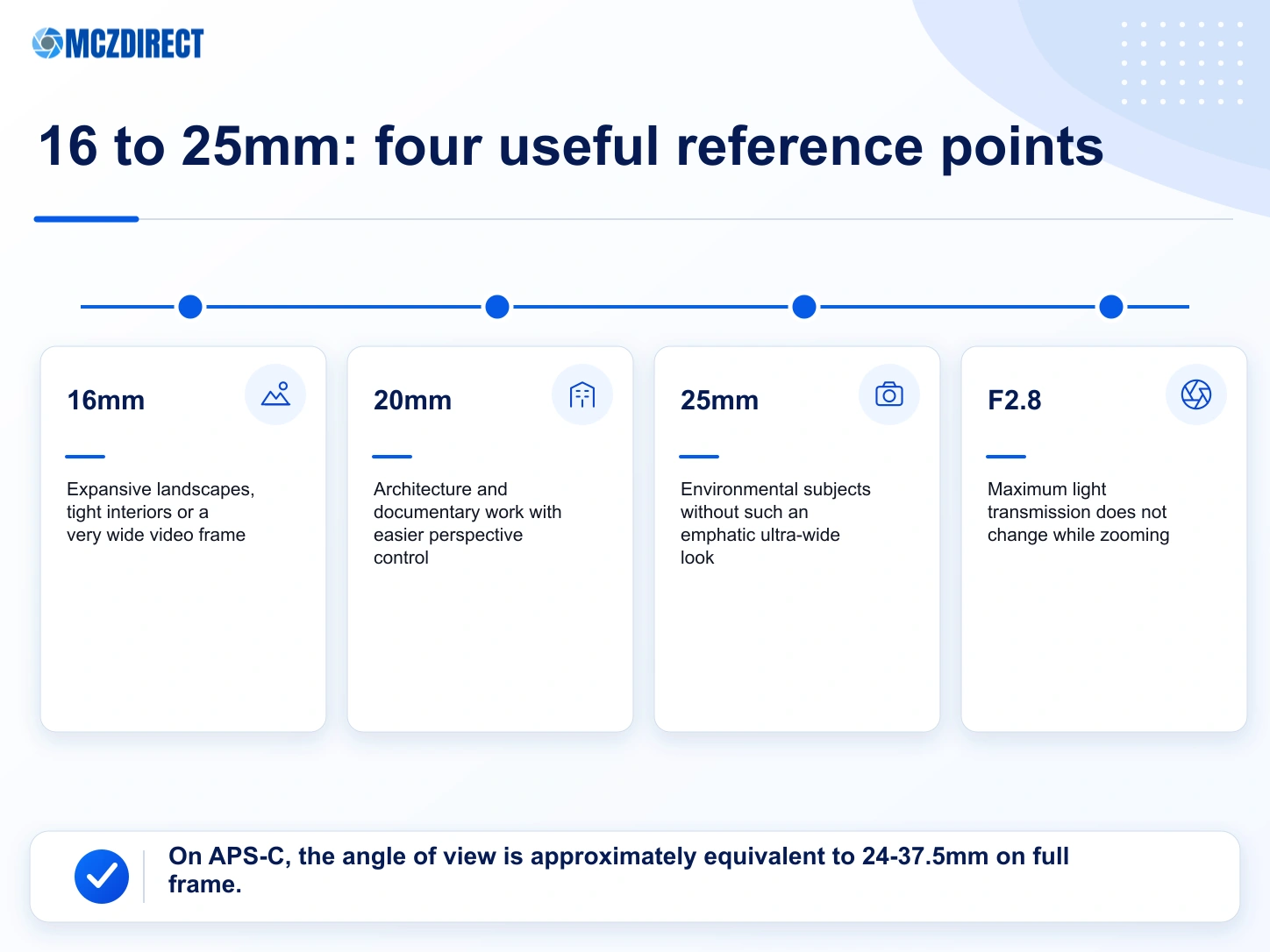
A constant F2.8 aperture is most useful because exposure does not change as you zoom from 16 to 25mm. In a museum, restaurant or street after sunset, it can help retain a more suitable shutter speed than an F4 zoom. It does not remove the need for a tripod in very dark landscapes, and it cannot stop a moving subject by itself.
Minimum focus distance is 0.18m at 16mm and 0.24m at 25mm with autofocus, falling to 0.17m and 0.22m in manual focus. That creates room for a nearby foreground such as a plant before a landmark or a plate in a table scene. At close distance, watch the frame edges: the difference in size between foreground and background becomes pronounced quickly.
For architecture, no wide lens promises perfect geometry in every situation. Camera position, composition and in-camera or software corrections remain important, especially near the edges and when the camera is tilted. Keeping the sensor as level as possible already reduces converging verticals.
| Feature | Benefit | What to anticipate |
|---|---|---|
| Constant F2.8 | Stable exposure while zooming and more margin as light falls. | It does not freeze subject movement on its own. |
| 409g weight | A bright wide zoom that is easier to keep with you. | Balance also depends on the camera and accessories. |
| Close focus | A strong foreground can add depth to a wide image. | Proportions become pronounced close to the subject. |
| Two linear motors | Focusing designed for distance changes in stills and video. | The result also depends on the camera and AF setup. |
| No OSS | A simpler, compact lens design. | Plan on camera stabilisation or support for the sequence. |
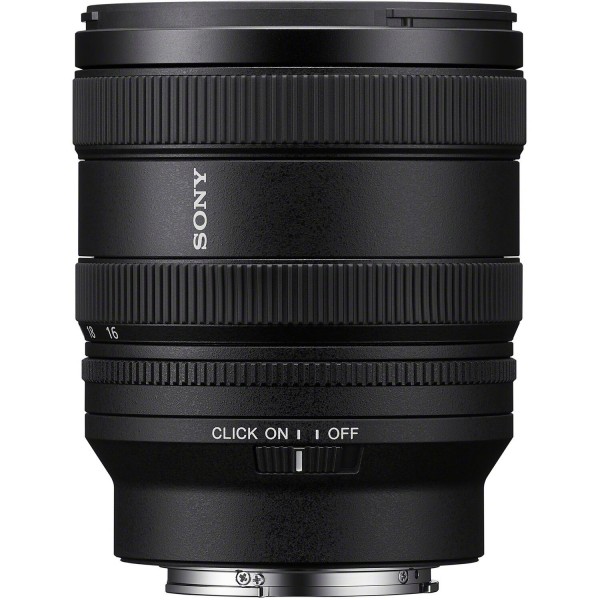
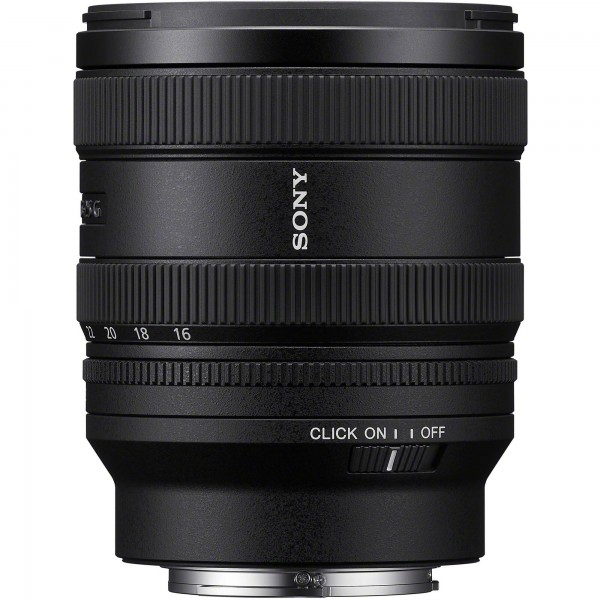
The two linear motors are intended to keep focusing responsive when a subject approaches in a handheld shot or a composition shifts from a building to a person. The aperture ring can be de-clicked for smoother changes. An iris lock, focus-hold button and AF/MF switch let you set the lens up for the way you shoot or film.
There is no optical OSS. With a stabilised Sony camera, sensor-shift stabilisation may help stills and modest movement, but it does not replace sound handling or support for a slow sequence. On a body without stabilisation, that absence deserves particular attention for video.
At 74.8 x 91.4mm with a 67mm filter thread, it suits a discreet kit, including a neutral-density filter for filming at wider apertures. Sony 1.4x and 2x teleconverters are not compatible; that is expected for this focal range, but it confirms the lens is built for broad views rather than reach.
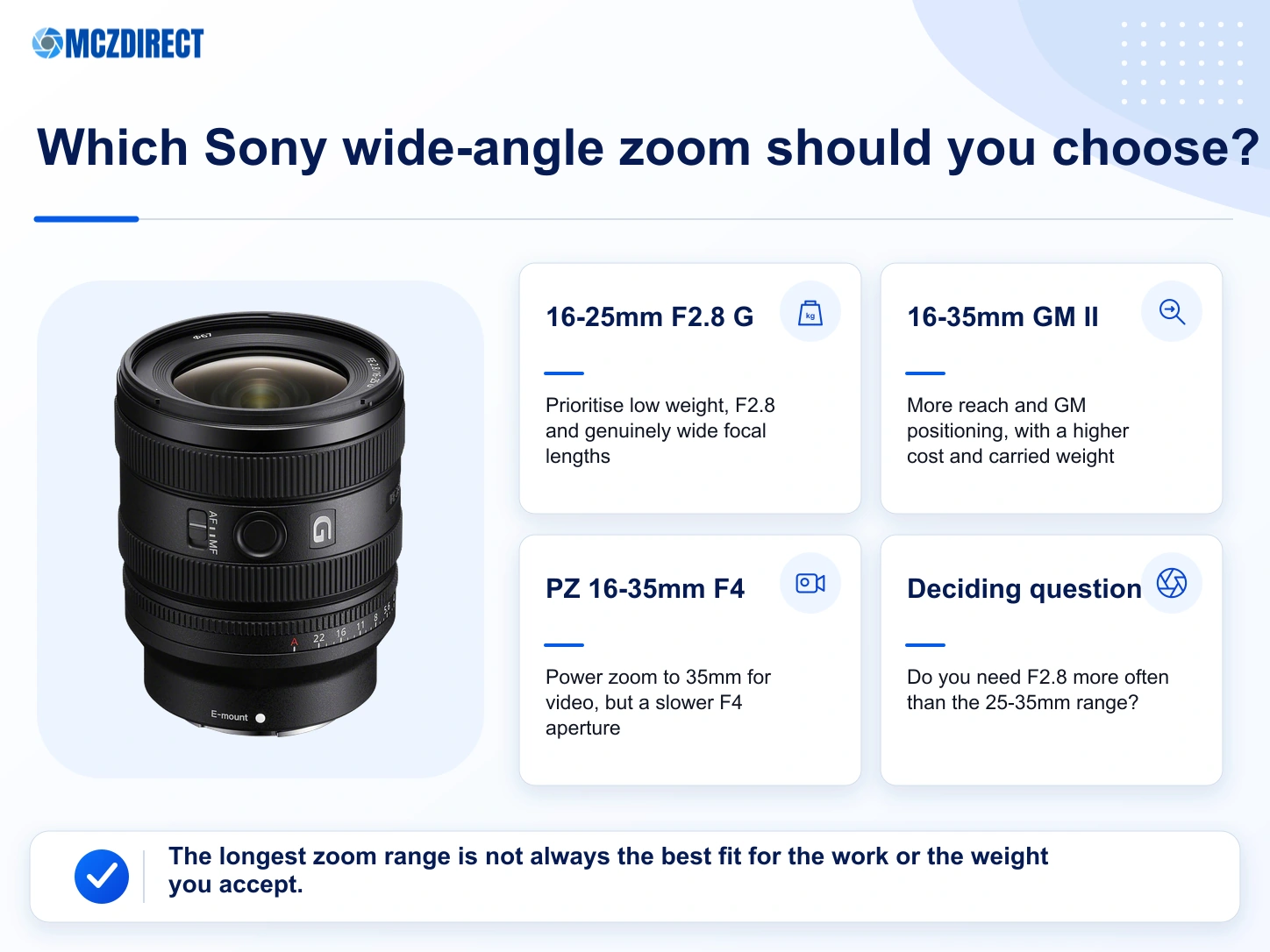
| Lens | Choose it when | What to anticipate |
|---|---|---|
| FE 16-25 F2.8 G | You want 16mm, F2.8 and a light setup for landscape, interiors or video. | The range ends at 25mm. |
| FE 16-35 F2.8 GM II | You often need 28 to 35mm while retaining F2.8. | Larger and heavier in a compact bag. |
| FE PZ 16-35 F4 G | You value the 16-35mm range, power zoom and F4 aperture. | Less low-light margin than F2.8. |
At MCZ DIRECT, we recommend it to full-frame photographers who primarily want a bright, portable 16mm option. Its appeal is practical for landscapes, interiors, architecture, travel and video shots where F2.8 matters without making the kit cumbersome.
The FE 16-35mm F2.8 GM II is a better fit when 28 to 35mm regularly matters on the same outing. The FE PZ 16-35mm F4 G can suit a priority on power zoom and extended range, with a smaller aperture. The 16-25mm keeps the advantage in size and light gathering.
Its honest limitation is the 25mm long end, alongside the lack of OSS. Choose it when you naturally compose wide and are happy to add a longer lens for normal focal lengths; check how often you need 35mm before committing.
Choose the Sony FE 16-25mm F2.8 G when 16mm and F2.8 are regular needs, then pair it with a longer lens that matches your usual framing.

Yes. Sony reference SEL1625G is an E-mount zoom for full-frame cameras, covering 16 to 25mm.
On a Sony APS-C body, it provides a 24-37.5mm full-frame equivalent view, so it is less ultra-wide.
No. It has no optical OSS. A compatible camera may stabilise its sensor.
Yes, particularly at 16 and 20mm. Composition, camera position and in-camera or software correction still matter for straight lines.
Yes. Constant F2.8, two linear motors and a de-clickable aperture ring are useful for wide shots, interiors and vlogging. Check stabilisation for your camera.
It weighs approximately 409g.
With autofocus, it is 0.18m at 16mm and 0.24m at 25mm. With manual focus, it falls to 0.17m and 0.22m.
It accepts 67mm screw-in filters.
Not for every use. It favours a compact, bright wide-angle range but does not cover 28 to 35mm.
Choose the 16-25mm for compactness and a wide-angle-led workflow. The 16-35mm GM II fits better when 35mm is frequent.
The 16-25mm offers F2.8; the PZ 16-35mm F4 G brings more range and power zoom. Decide whether light or range matters more.
No. Sony 1.4x and 2x teleconverters are not compatible with this lens.
It has dust and moisture resistance, but Sony does not describe it as waterproof.