- -5%
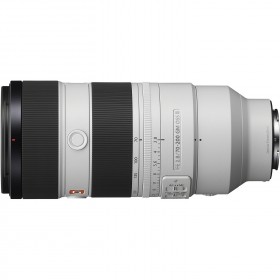
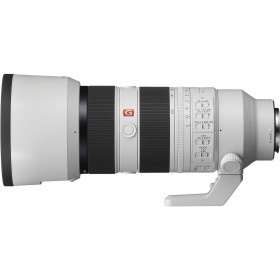
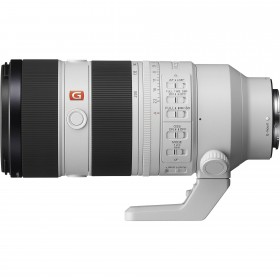
Sony FE 70-200mm F2.8 GM OSS II
- 100% newBrand-new and authentic product
- Final priceNo unpleasant surprises! The displayed price is the final amount paid for your purchase.
- Order before 2 pm: estimated delivery Thu 17 - Fri 18 SepEstimate based on available stock, order time, business days and carrier delivery times.
- 3-year MCZ DIRECT warranty
- Free delivery with insurance includedYour order is protected from dispatch to delivery: in case of loss, theft or damage during transport, your parcel is insured up to its value.
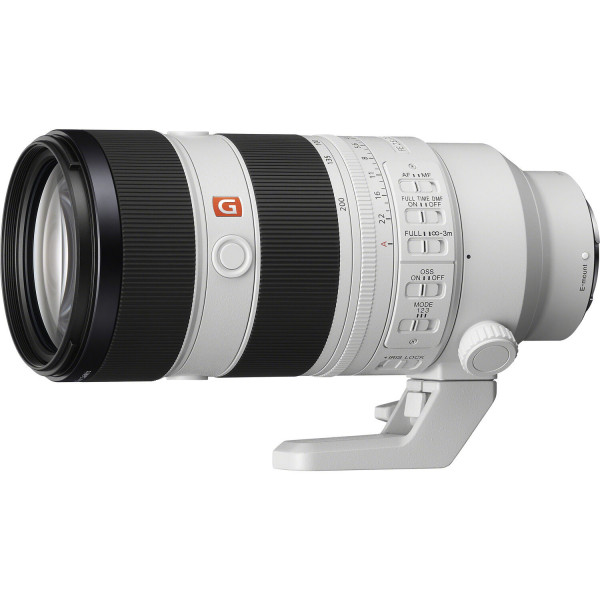
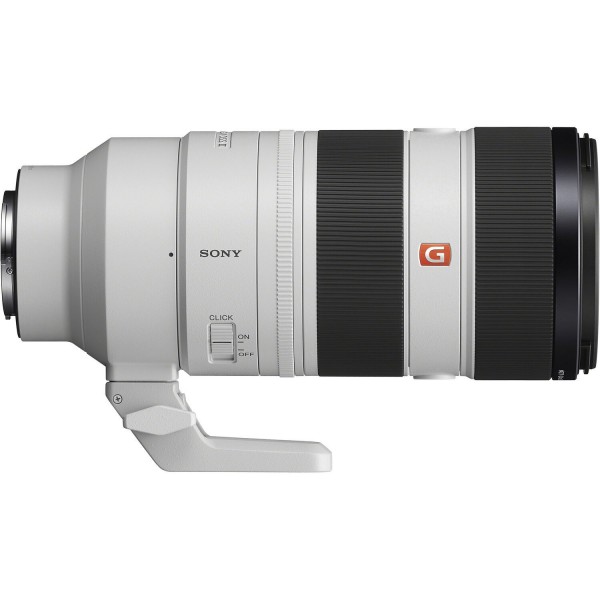
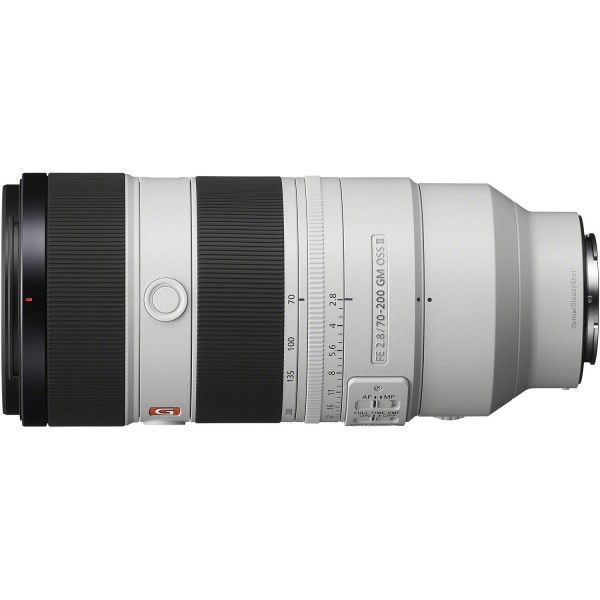
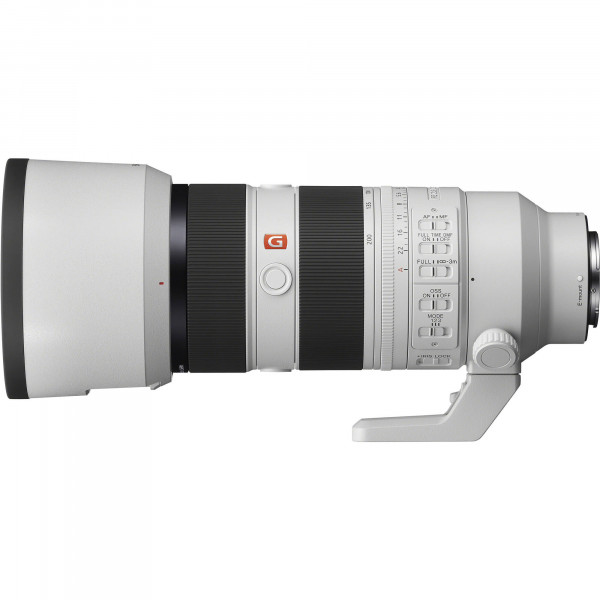
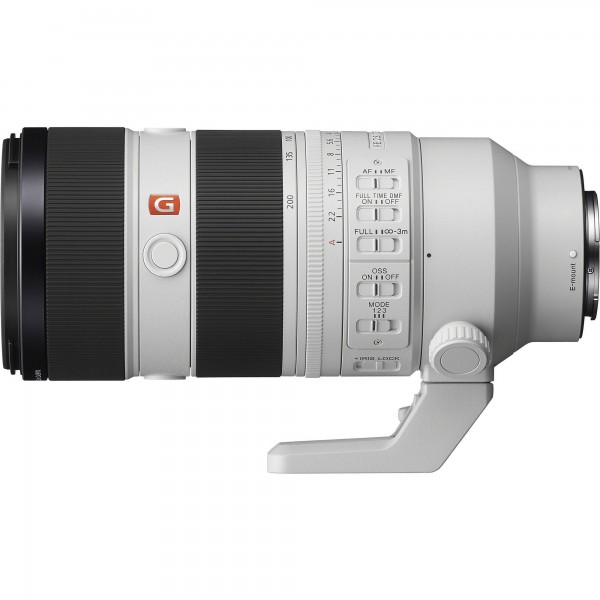
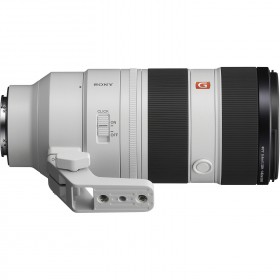
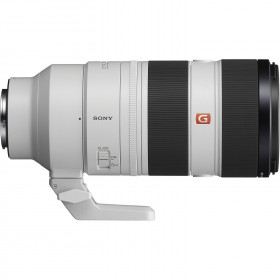
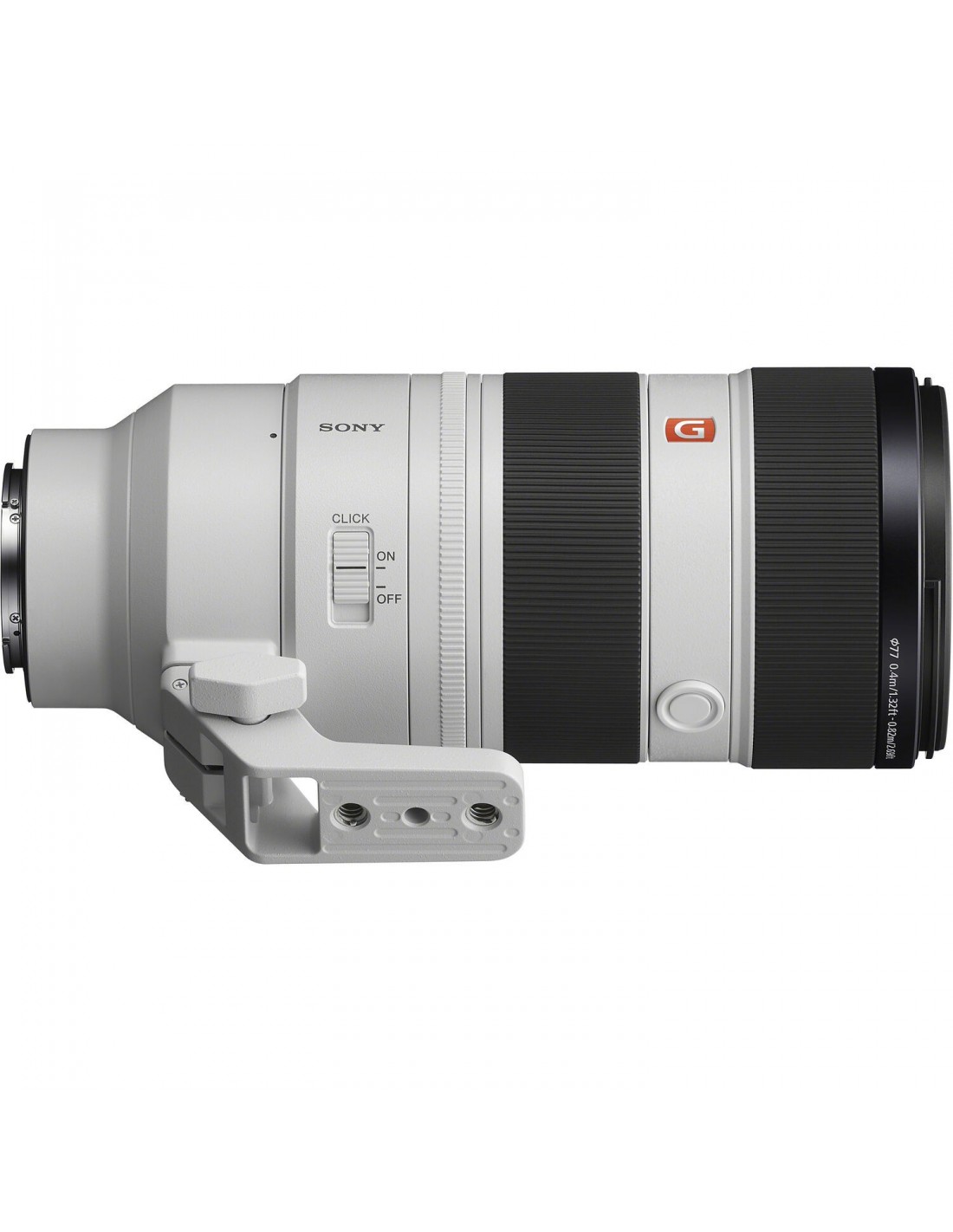
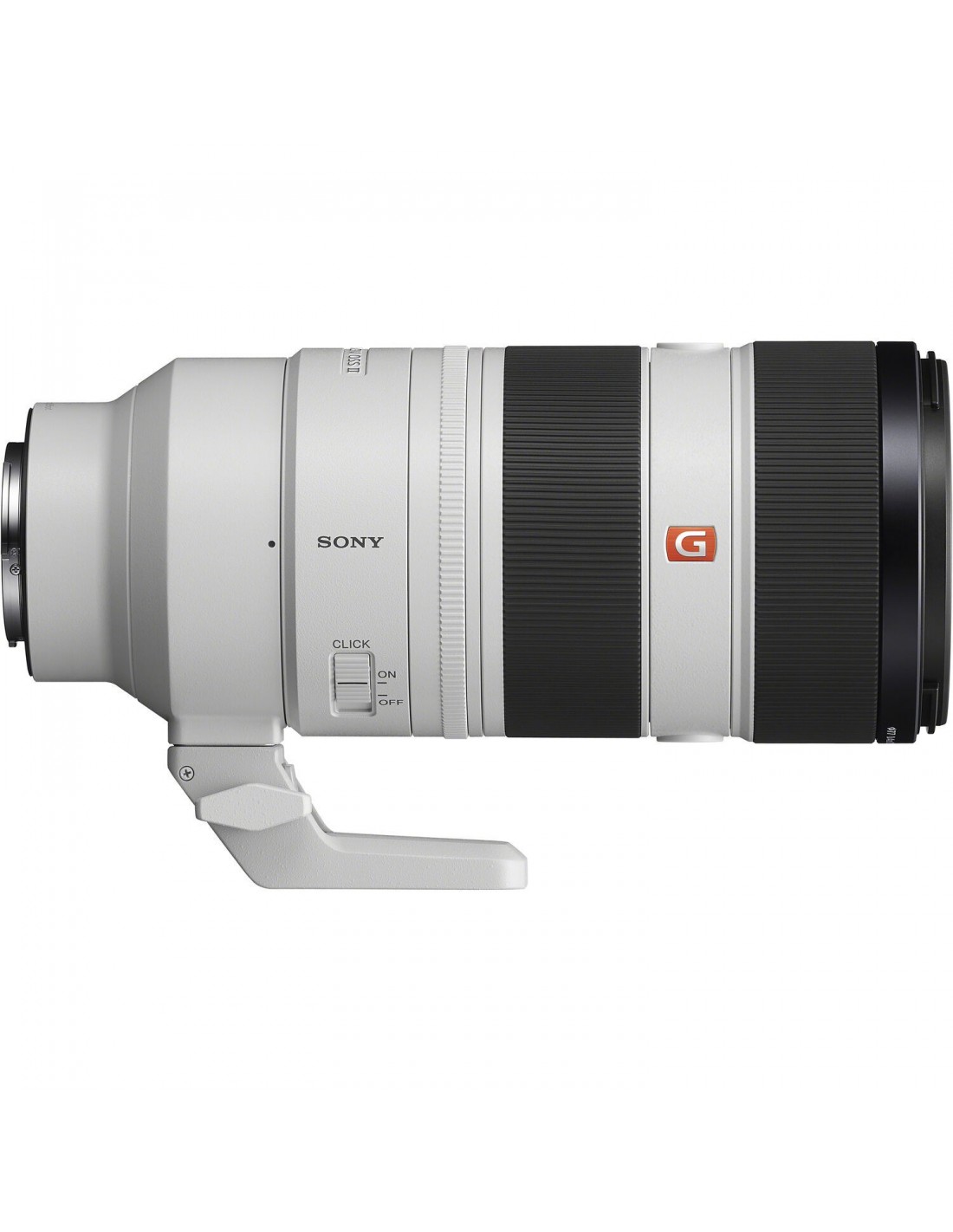
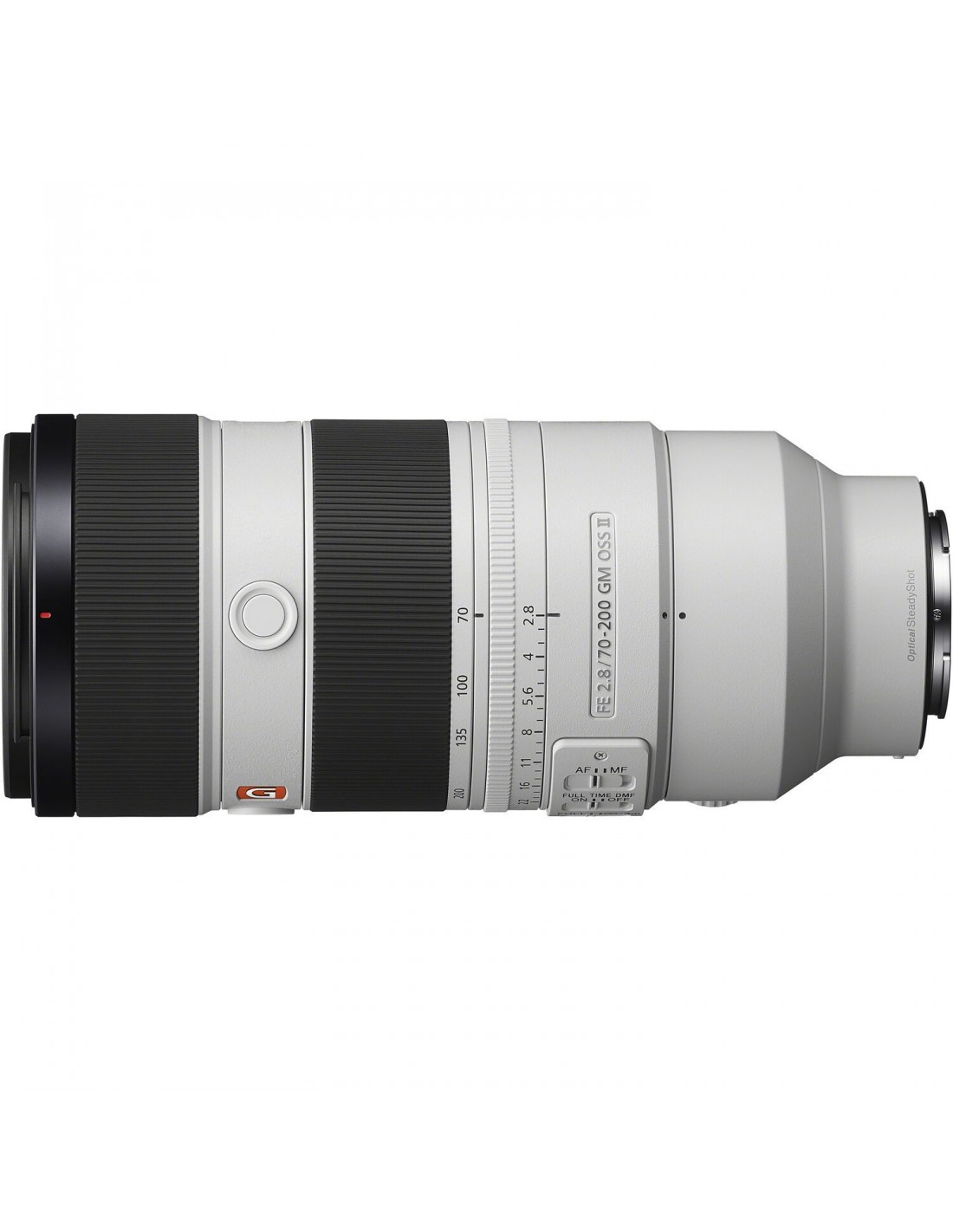
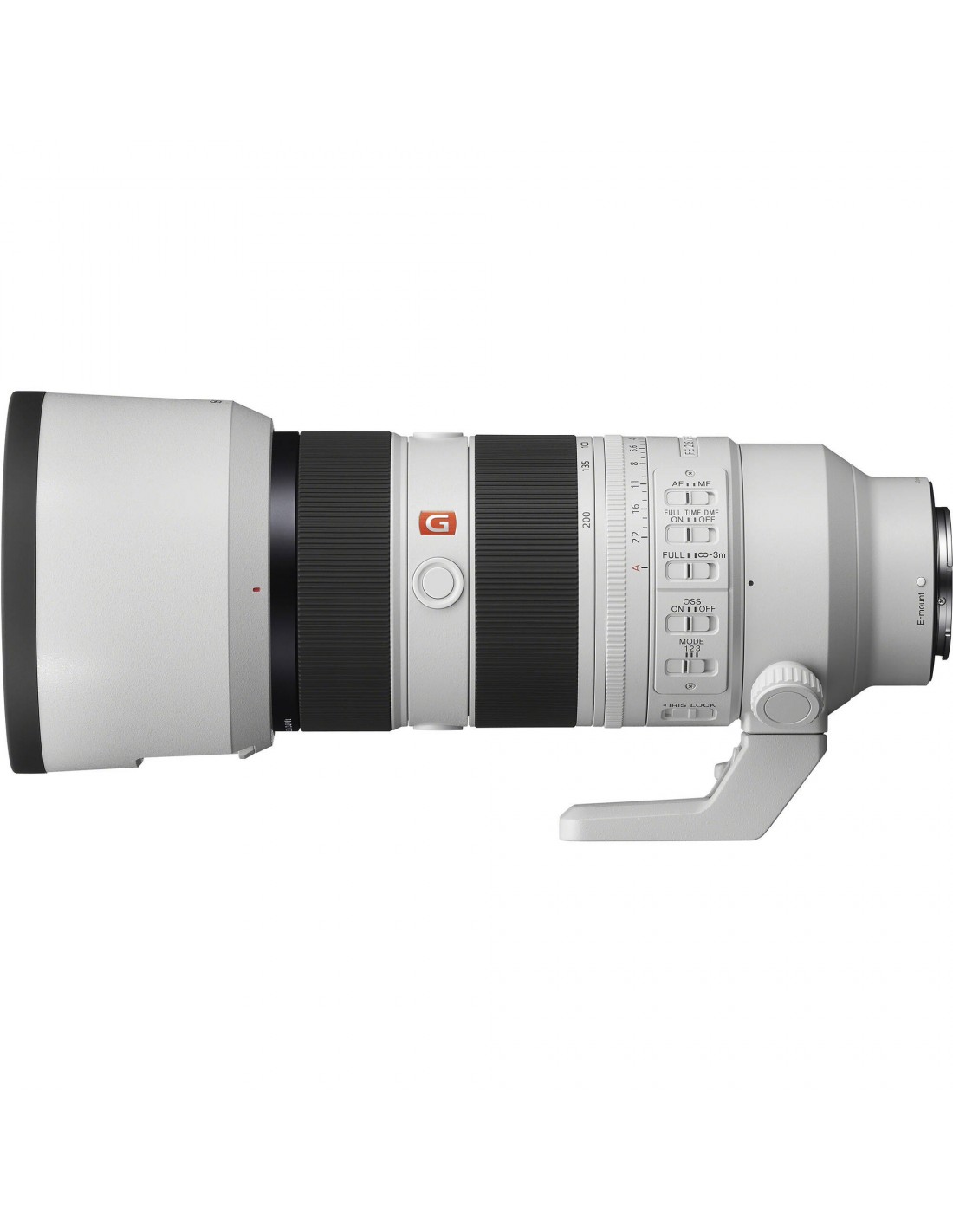
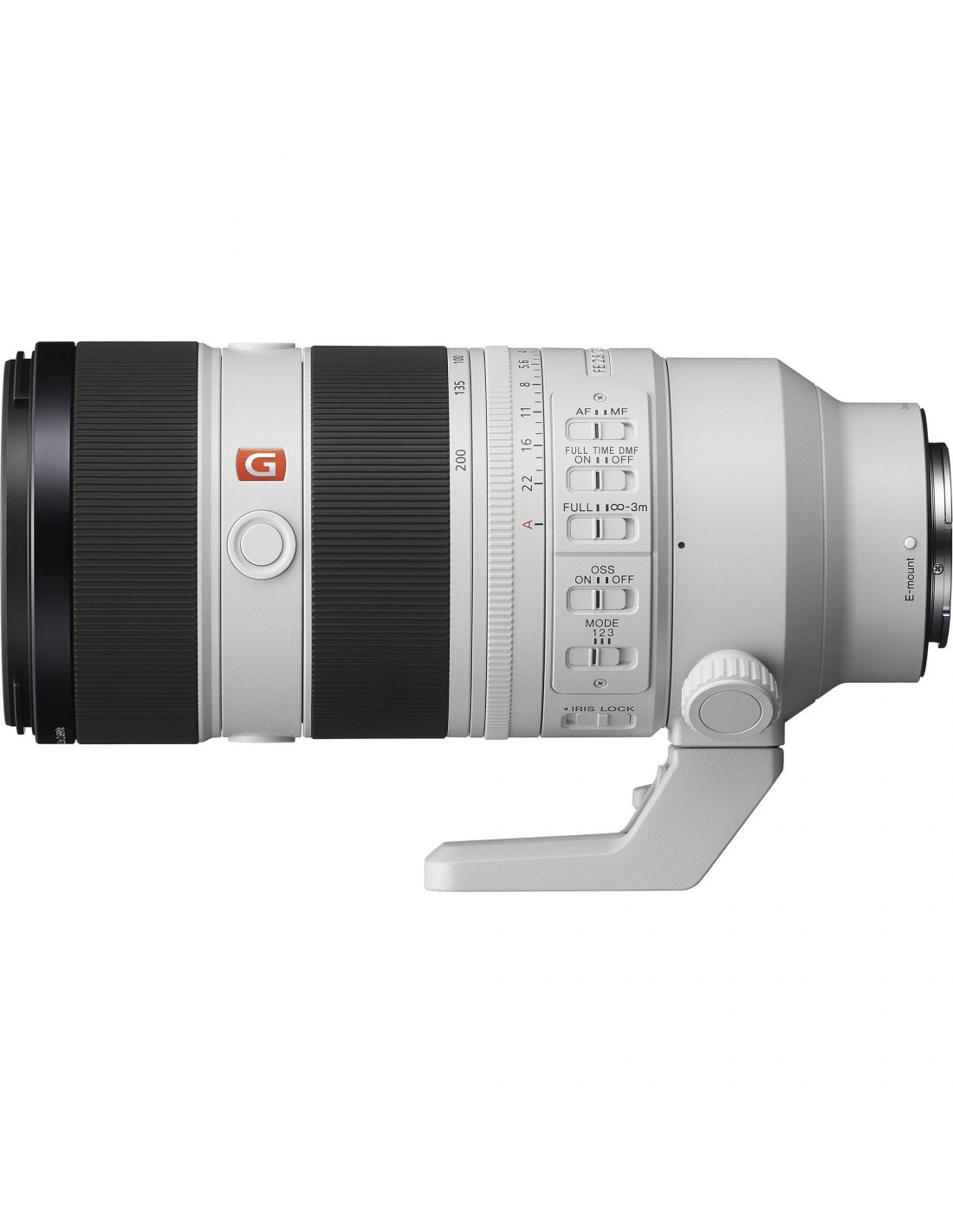
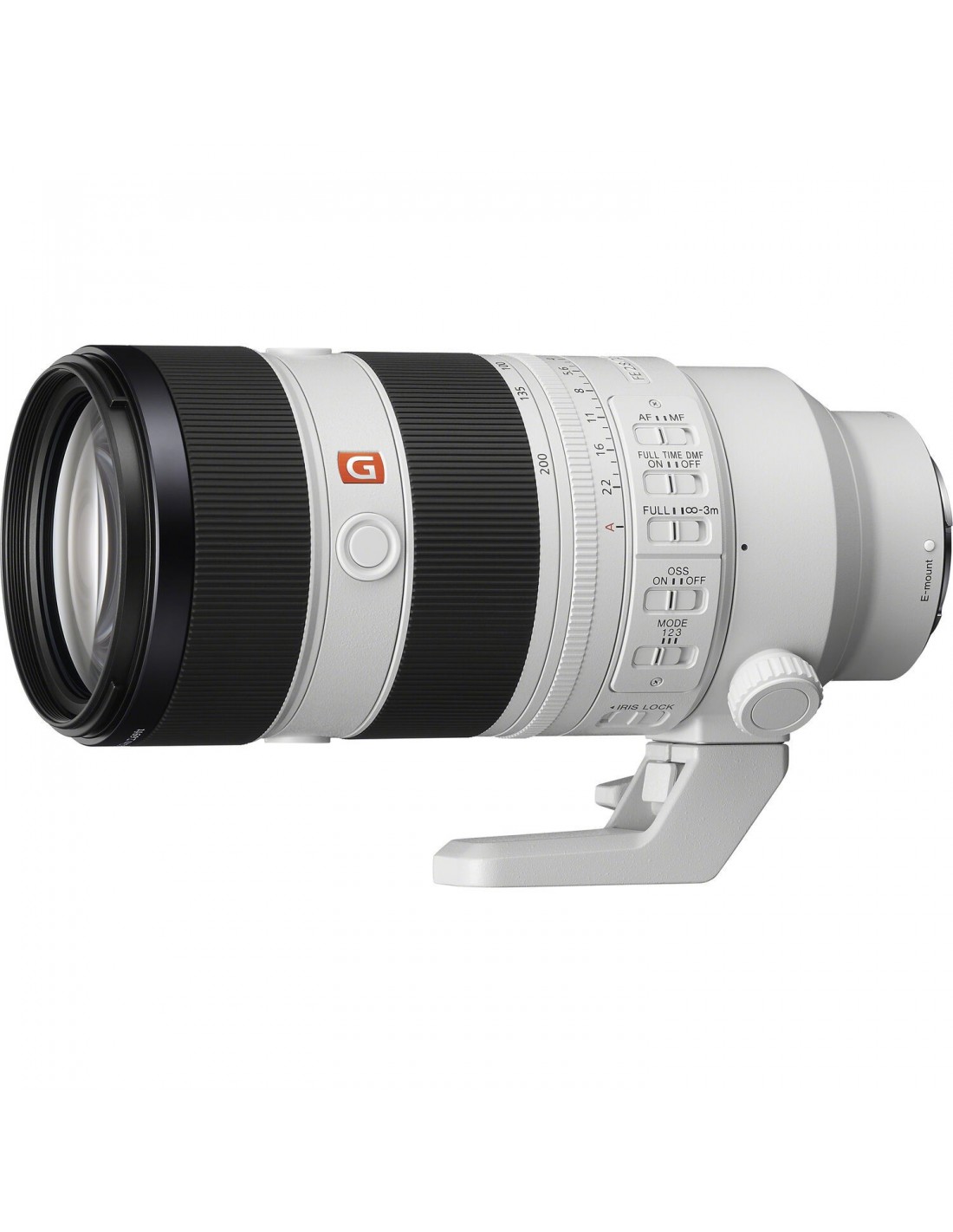
The Sony FE 70-200mm F2.8 GM OSS II is a professional full-frame telephoto zoom for sport, weddings, events and portraiture, and we recommend it to photographers who need a constant F2.8 aperture, responsive autofocus and flexible framing without changing lenses. Internal zoom, four XD linear motors and optical OSS support moving-subject work, while its 1,045g weight is restrained for this class throughout a demanding professional working day. Minimum focus ranges from 0.40 to 0.82m and reaches 0.3x magnification, making the lens useful for details as well as distant subjects. Sony 1.4x and 2x teleconverter compatibility can extend its reach when available light permits. It is a strong choice when professional versatility and consistent low-light performance matter more than absolute compactness.
Complete your set
Combine compatible accessories and save. The more items you add, the bigger the discount.


memory card
SanDisk 128GB Extreme PRO UHS-II SDXC 300 MB/s memory card

warranty extension
2-year warranty extension
Sony FE 70-200mm F2.8 GM OSS II: follow the action without giving up light
The Sony FE 70-200mm F2.8 GM OSS II, model SEL70200GM2, is built for situations in which a photographer must react quickly while retaining a consistent rendering. At 70mm it includes a subject’s surroundings; at 200mm it isolates an expression, movement or distant detail. Maximum aperture stays at F2.8 throughout the range. That difference is most useful in an indoor arena, wedding venue, theatre or late-day assignment where shutter speed and subject separation both matter. Internal zoom keeps the barrel length and balance constant while framing.
Key strengths of the Sony 70-200mm F2.8 GM OSS II
- A constant F2.8 aperture for difficult light and the same maximum aperture from 70 to 200mm.
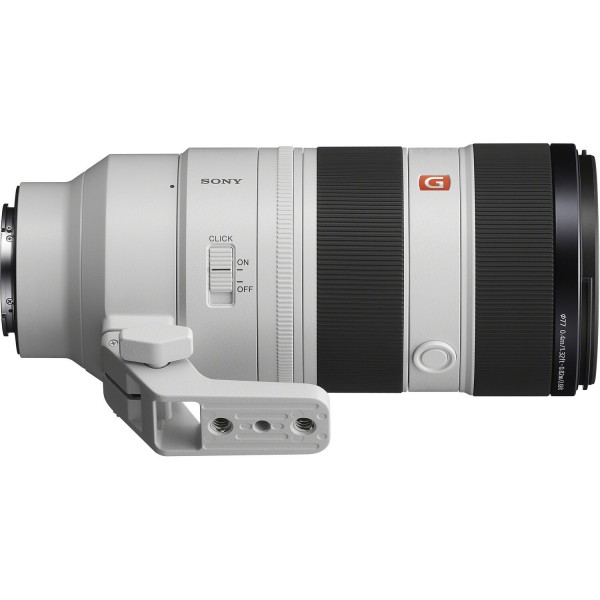
- Internal zoom to maintain barrel length and a stable balance on a monopod, gimbal or handheld setup.
- Four XD linear motors for fast focus-group movement with compatible Sony cameras.
- A 1,045g weight without tripod mount which is restrained for a professional 70-200mm F2.8, although still noticeable all day.
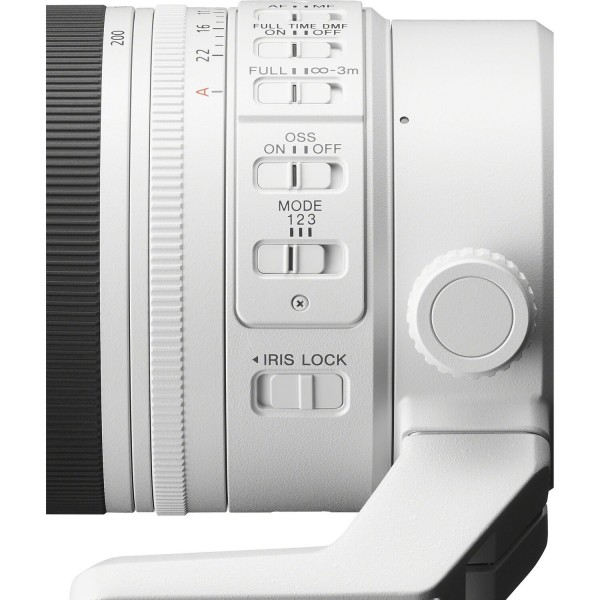
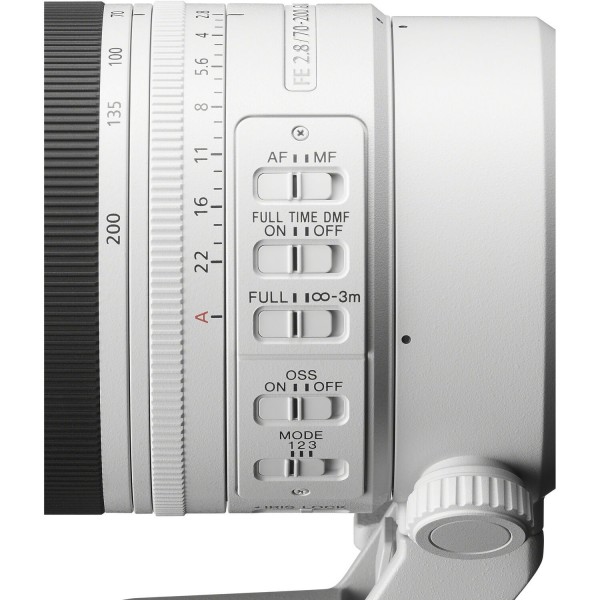
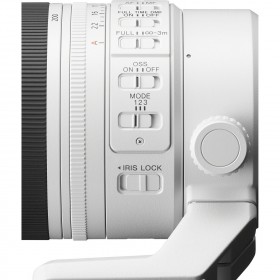
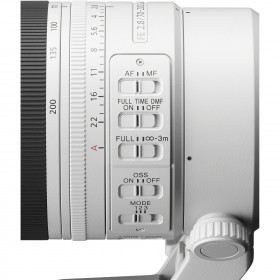
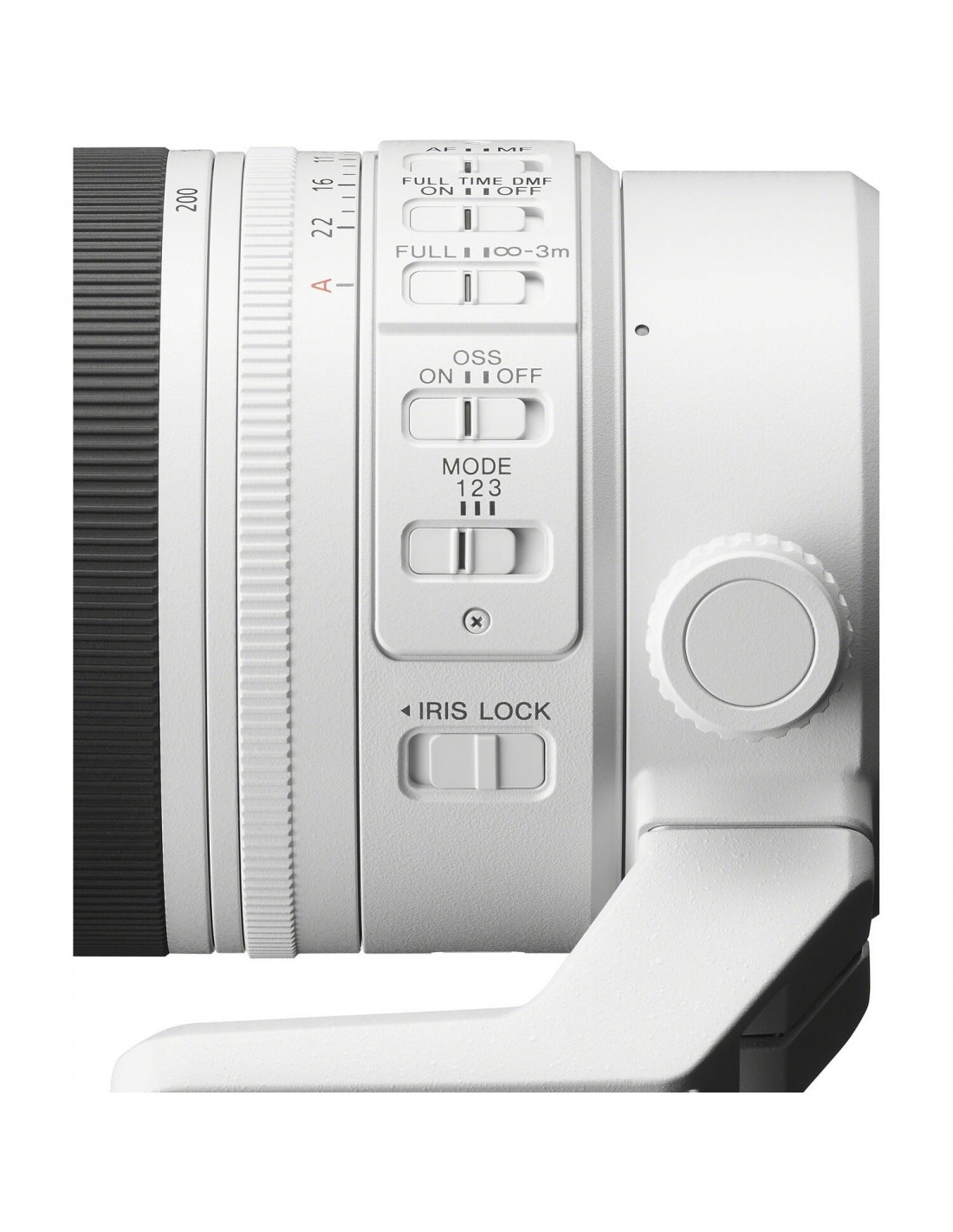
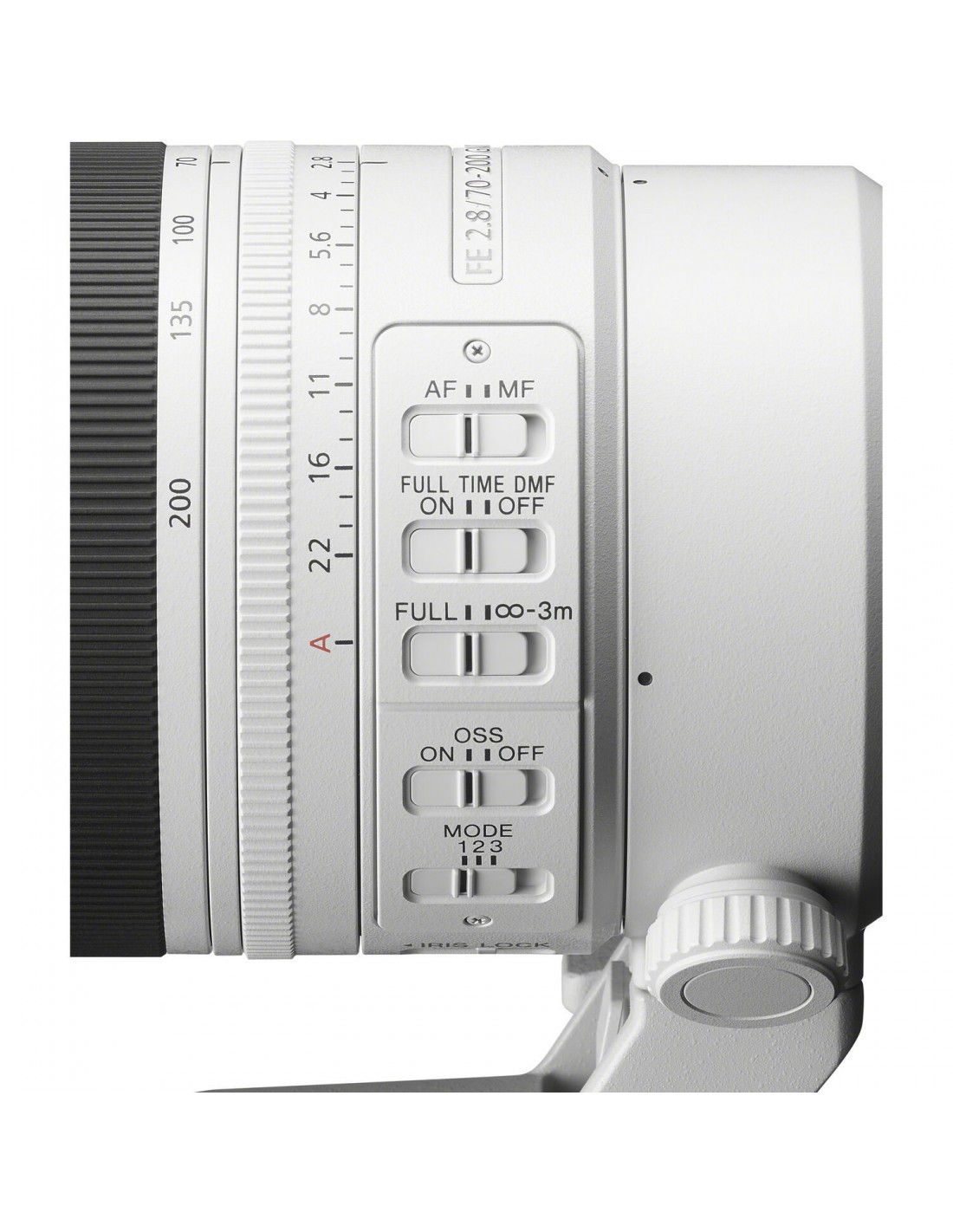
- Optical SteadyShot with three modes for static subjects, panning and irregular movement.
- 0.40 to 0.82m minimum focus for closer detail work than many traditional telephoto zooms.
- A 0.3x maximum magnification for flowers, objects and gestures without claiming true 1:1 macro reproduction.
- A click/de-click aperture ring for direct control in stills and smoother adjustments in video.
- Three focus-hold buttons positioned for access in horizontal and vertical orientation.
- Sony 1.4x and 2x teleconverter support to provide 280mm F4 or 400mm F5.6 when needed.

What the specifications change in practice
| Feature | Practical benefit | Point to consider |
|---|---|---|
| 70-200mm F2.8 | From environmental framing to a tight view with the same maximum aperture | Native reach ends at 200mm without a teleconverter |
| Four XD motors | Fast AF transitions and tracking for moving subjects | Results also depend on the camera, AF area and settings |
| Internal zoom | Constant length and balance while zooming | The barrel is still larger than a compact 70-200mm F4 |
| Three-mode OSS | A steadier view for precise composition at 200mm | Stabilisation cannot replace subject-appropriate shutter speed |
| 1,045g | A measured weight for a professional F2.8 zoom | A strap or monopod still helps over a long assignment |
70, 100, 135 or 200mm: which focal length?
| Focal length | Natural use | What it changes |
|---|---|---|
| 70mm | Reportage, ceremony, nearby sport and environmental portraiture | Retains context and helps acquire a moving subject |
| 100mm | Events, stage work and mid-distance portraiture | Tightens the frame without excessive perspective compression |
| 135mm | Portraiture, theatre and medium-range action | Adds separation while leaving room for movement |
| 200mm | Sport, discreet ceremony work and distant detail | Strengthens subject isolation without moving closer |

Autofocus, tracking and stabilisation: realistic expectations
The four XD linear motors are particularly helpful when distance changes quickly: a player running towards camera, a child crossing the aisle or a performer moving around a stage. Tracking quality still depends on the camera, subject-recognition mode, AF area and shutter speed. OSS steadies the view and makes precise AF placement easier. Mode 2 supports panning, while Mode 3 is intended for irregular movement. Shutter speed remains the priority for freezing action. The practical gain therefore comes from autofocus, stabilisation and suitable settings working together rather than from any single feature.
Close focusing: useful, but not 1:1 macro
Minimum focus varies from 0.40m at 70mm to 0.82m at 200mm, with maximum magnification of 0.3x. That is useful for a ring, clothing detail, flower, plate or product without immediately changing lenses. At 200mm the working distance helps simplify the background and avoid crowding the subject. The Sony FE 70-200mm F4 Macro G OSS II is more suitable when close-up work is the priority: it reaches 0.5x without a teleconverter and is lighter. The F2.8 GM II is primarily about light, rendering and speed.
Using a Sony 1.4x or 2x teleconverter
The Sony 1.4x teleconverter changes the range to 98-280mm F4, while the 2x gives 140-400mm F5.6. Either can make sense for outdoor sport, aviation or moderately distant wildlife when occasional extra reach is preferable to carrying another telephoto zoom. Both reduce maximum aperture and make air quality, focusing accuracy and ISO performance more visible. For regularly distant birds, the Sony FE 200-600mm G OSS is often the more coherent solution because it reaches 600mm natively.
F2.8 GM II, F4 Macro G II or 50-150 F2?
| Criterion | 70-200 F2.8 GM II | 70-200 F4 Macro G II | 50-150 F2 GM |
|---|---|---|---|
| Priority | Professional versatility and light | Mobility and close focusing | Maximum aperture indoors |
| Aperture | Constant F2.8 | Constant F4 | Constant F2 |
| Focal range | 70-200mm | 70-200mm | 50-150mm |
| Sony weight | 1,045g | 794g | 1,340g |
| Maximum magnification | 0.3x | 0.5x | 0.2x |
| Teleconverters | 1.4x and 2x | 1.4x and 2x | No |
The 70-200mm F4 Macro G OSS II is the rational option for lighter travel, long walks and frequent close-up work. The Sony FE 50-150mm F2 GM is one stop faster and starts at 50mm, targeting weddings, stage and indoor sport when light matters more than reaching 200mm. The F2.8 GM II retains the most traditional balance of useful reach, soft backgrounds, teleconverter support and controlled weight for its class.

Which Sony camera suits it?
With a Sony Alpha 7 V, the 70-200mm F2.8 GM II becomes a versatile setup for reportage, events and portraits. The Sony Alpha 1 II makes greater use of its speed for sport and fast wildlife. High-resolution bodies provide useful cropping latitude but also reward accurate focus and stable technique. Every compatible Sony E camera accepts the lens mechanically; AF performance and some functions depend on the body and firmware. The Sony lens range offers other focal lengths without confusing this lens-only page with body-and-lens kits.
Our verdict
At MCZ DIRECT, we see the Sony FE 70-200mm F2.8 GM OSS II as the reference choice for wedding, sport, stage and reportage photographers who need a constant aperture and a zoom that moves quickly from context to detail. It is less relevant for someone whose first priorities are compactness or very long native reach.
Against the F4 Macro G II, we recommend it when low light, subject separation and intensive professional use matter more than a 251g saving and 0.5x magnification. Against the 50-150 F2, it retains the 200mm reach and teleconverter advantage. Its honest limitation is that 1,045g remains noticeable over a full day and 200mm may be short for distant wildlife. For the right photographer, its balance of light, tracking and framing is exceptionally convincing.
- Lens mount
- Sony E
- Recommended use
- Portrait / low light
Sports / wildlife
Video / stabilized - Stabilization
- Yes
- Lens type
- Telephoto zoom
- Focal length
- Standard
Telephoto - Maximum aperture
- f/2.5 - f/2.8
- Aperture options
- f/1.8 to f/2.8
- Photo use
- Portrait
Reportage
Sport
Wildlife - Lens format
- Full frame
Technical specifications
General
Properties
Focal length
Aperture
Zoom
Physical properties
Guides and advice: SONY LENSES
Questions fréquentes sur ce produit
Who is the Sony FE 70-200mm F2.8 GM OSS II for?
It mainly suits sport, wedding, event, stage, reportage and portrait photographers who need a constant F2.8 aperture, fast autofocus and flexible 70-200mm framing.
Is the Sony 70-200 GM II suitable for weddings?
Yes. Its range covers environmental portraits, discreet ceremony work and details, while F2.8 supports indoor shooting and subject separation. Its weight should still be considered over a long day.
Is the Sony 70-200 F2.8 GM II suitable for sport?
Yes. Four XD linear motors, internal zoom and OSS support tracking, although results also depend on the camera, AF mode, shutter speed and subject.
What is the difference between the Sony 70-200 F2.8 GM II and F4 Macro G II?
The F2.8 GM II is one stop faster and targets low light, sport and events. The F4 Macro G II weighs 794g, reaches 0.5x and prioritises mobility and close focusing.
Sony 70-200 F2.8 GM II or Sony 50-150 F2 GM?
The 50-150 F2 is one stop faster and starts at 50mm for indoor work. The 70-200 F2.8 reaches 200mm, weighs less and supports Sony teleconverters.
How much does the Sony FE 70-200mm F2.8 GM OSS II weigh?
Sony specifies 1,045g without the tripod mount. That is restrained for a professional 70-200mm F2.8, although a suitable strap or monopod improves extended comfort.
Does the Sony 70-200 GM II have internal zoom?
Yes. Barrel length remains constant from 70 to 200mm, supporting a more stable balance handheld, on a monopod or on a stabiliser.
What is its minimum focusing distance?
It varies from approximately 0.40m at 70mm to 0.82m at 200mm. Maximum magnification is 0.3x, useful for close-ups but not true 1:1 macro.
Is the Sony 70-200 F2.8 GM II a macro lens?
No. Its 0.3x maximum magnification handles details well, but a true 1:1 macro lens or the 70-200 F4 Macro G II is more suitable when close-up work is the priority.
Is it compatible with the Sony 1.4x teleconverter?
Yes. The 1.4x changes the range to 98-280mm with an F4 maximum aperture, useful when extra reach justifies losing one stop of light.
Can it use the Sony 2x teleconverter?
Yes. The range becomes 140-400mm F5.6. This setup needs more light and makes focusing accuracy and atmospheric conditions increasingly important.
What filter size does the SEL70200GM2 use?
It accepts 77mm screw-in filters. This common professional filter size can make sharing compatible filters between lenses easier.
What does the Sony 70-200 provide on an APS-C camera?
Its field of view is approximately equivalent to 105-300mm on full frame. Physical focal length and the F2.8 aperture do not change.
Is the Sony 70-200 F2.8 GM OSS II suitable for video?
Yes. Internal zoom, a click/de-click aperture ring, stabilisation and reduced focus breathing are helpful, subject to the settings and functions of the camera body.