Shopping Cart
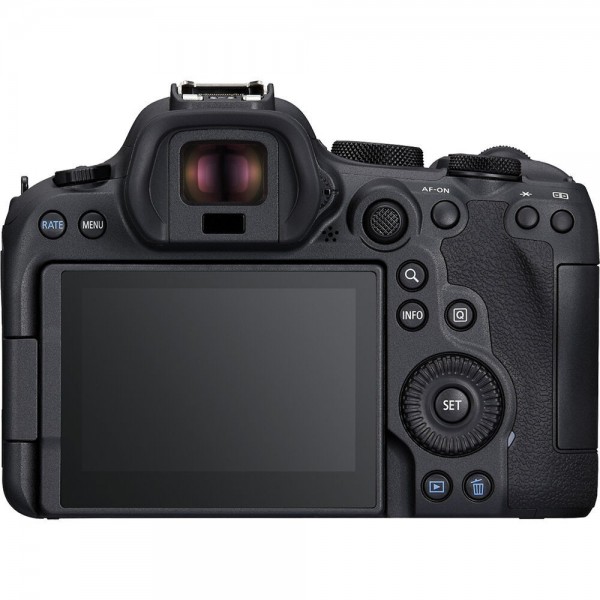
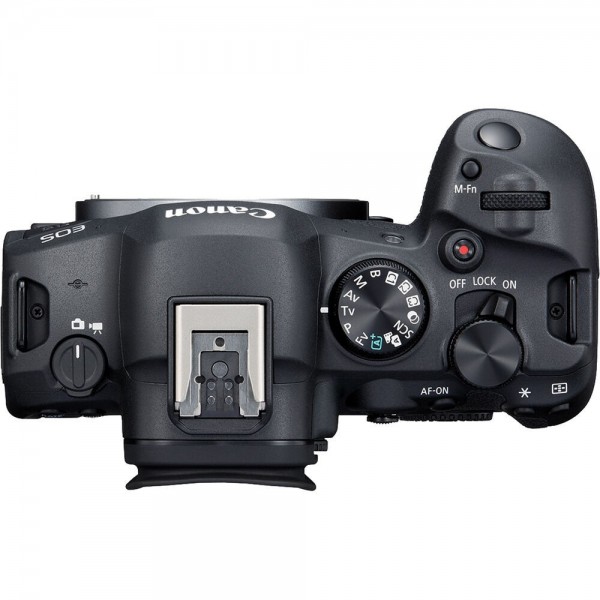
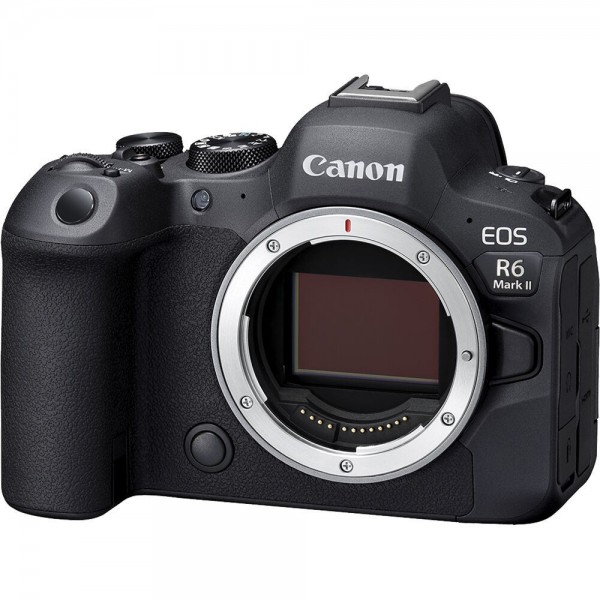
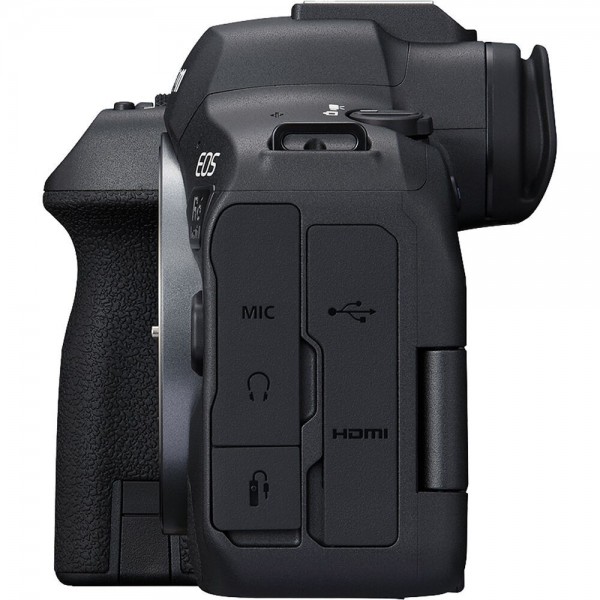
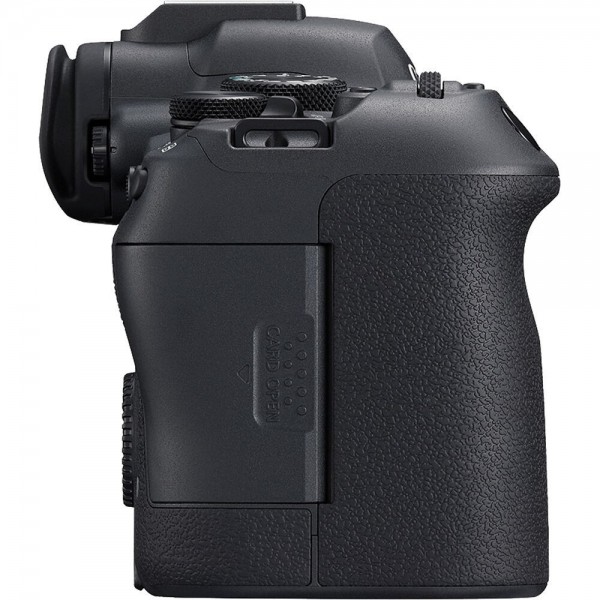
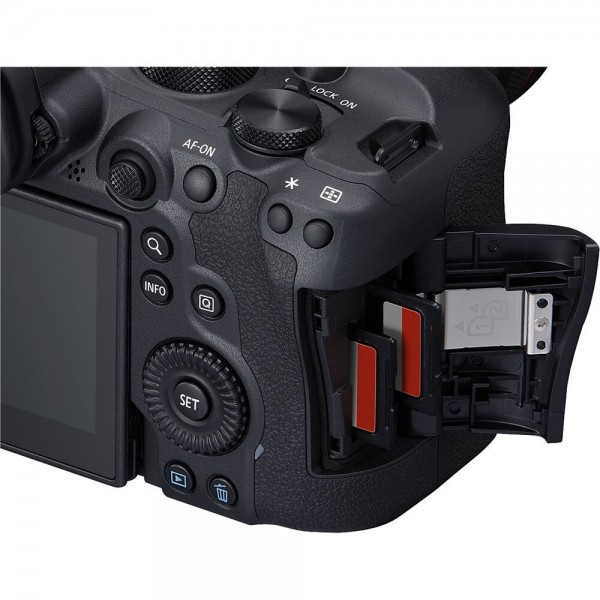
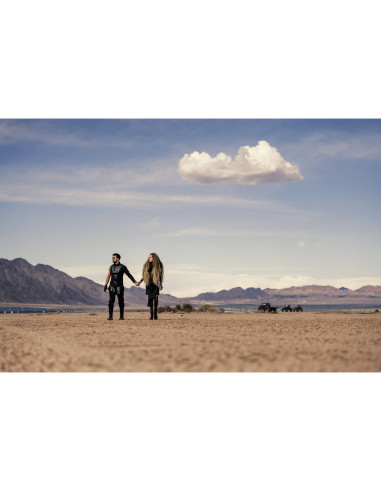



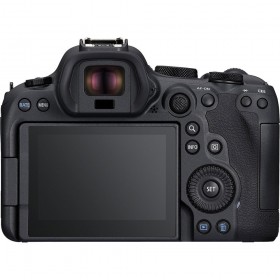
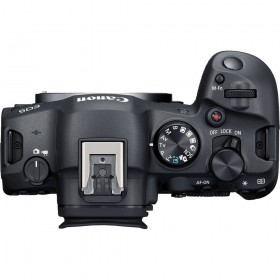
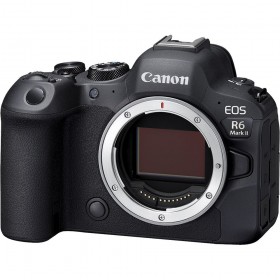
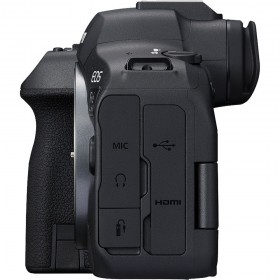
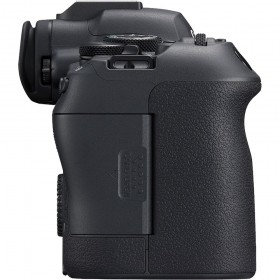
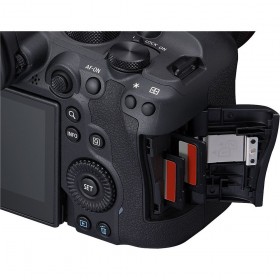


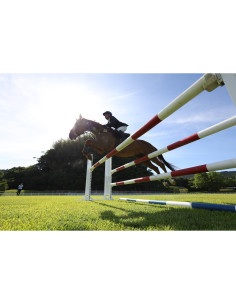

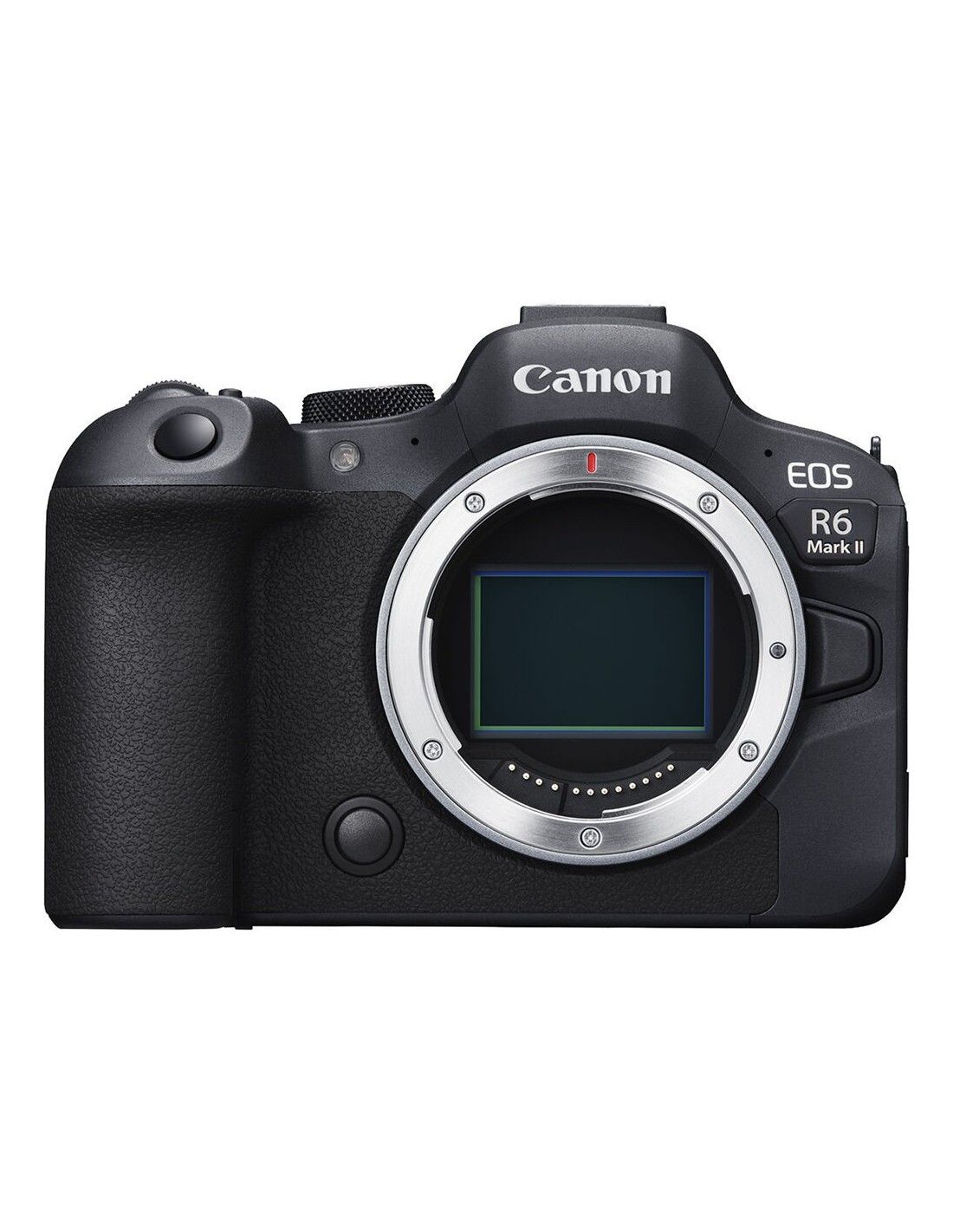
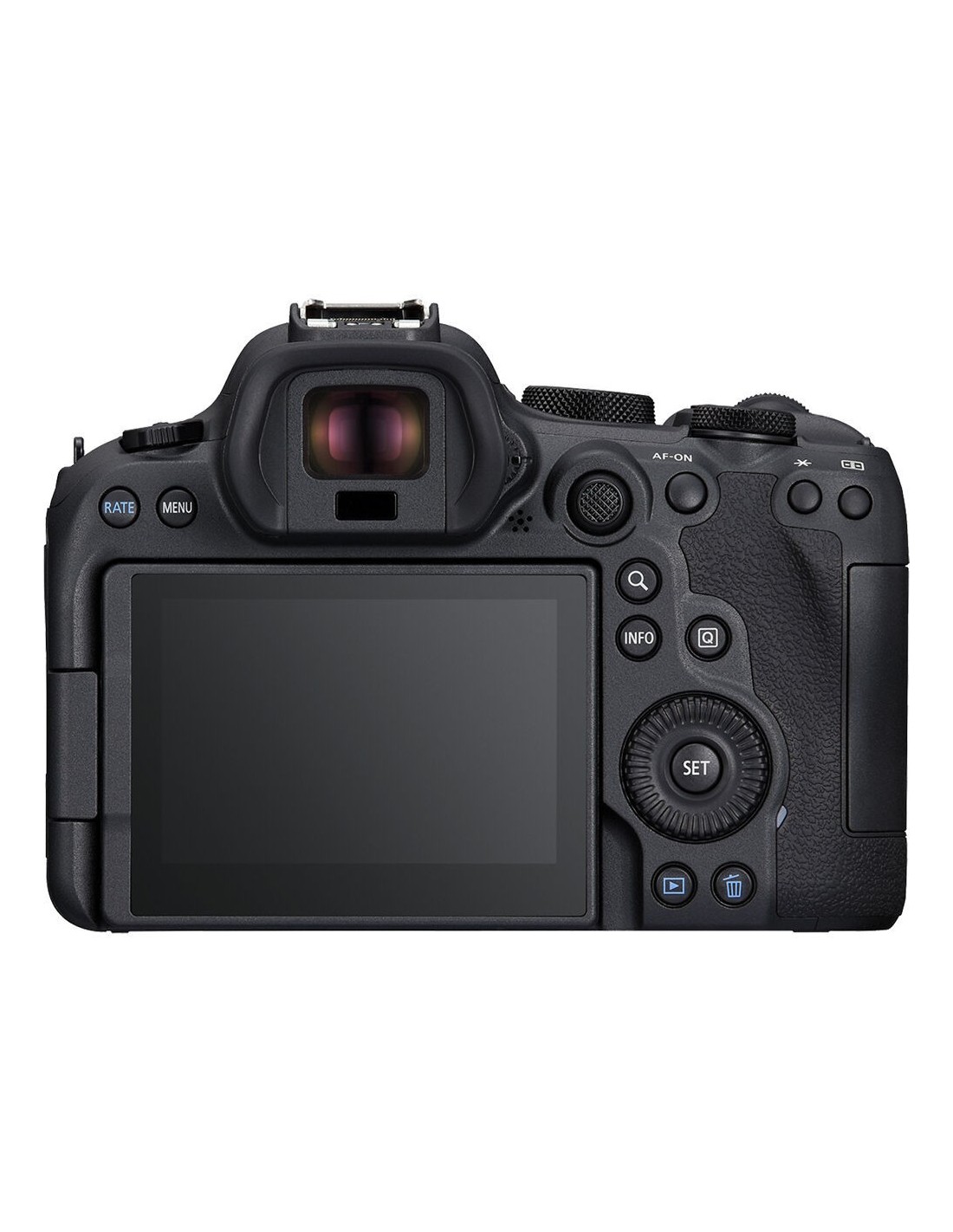
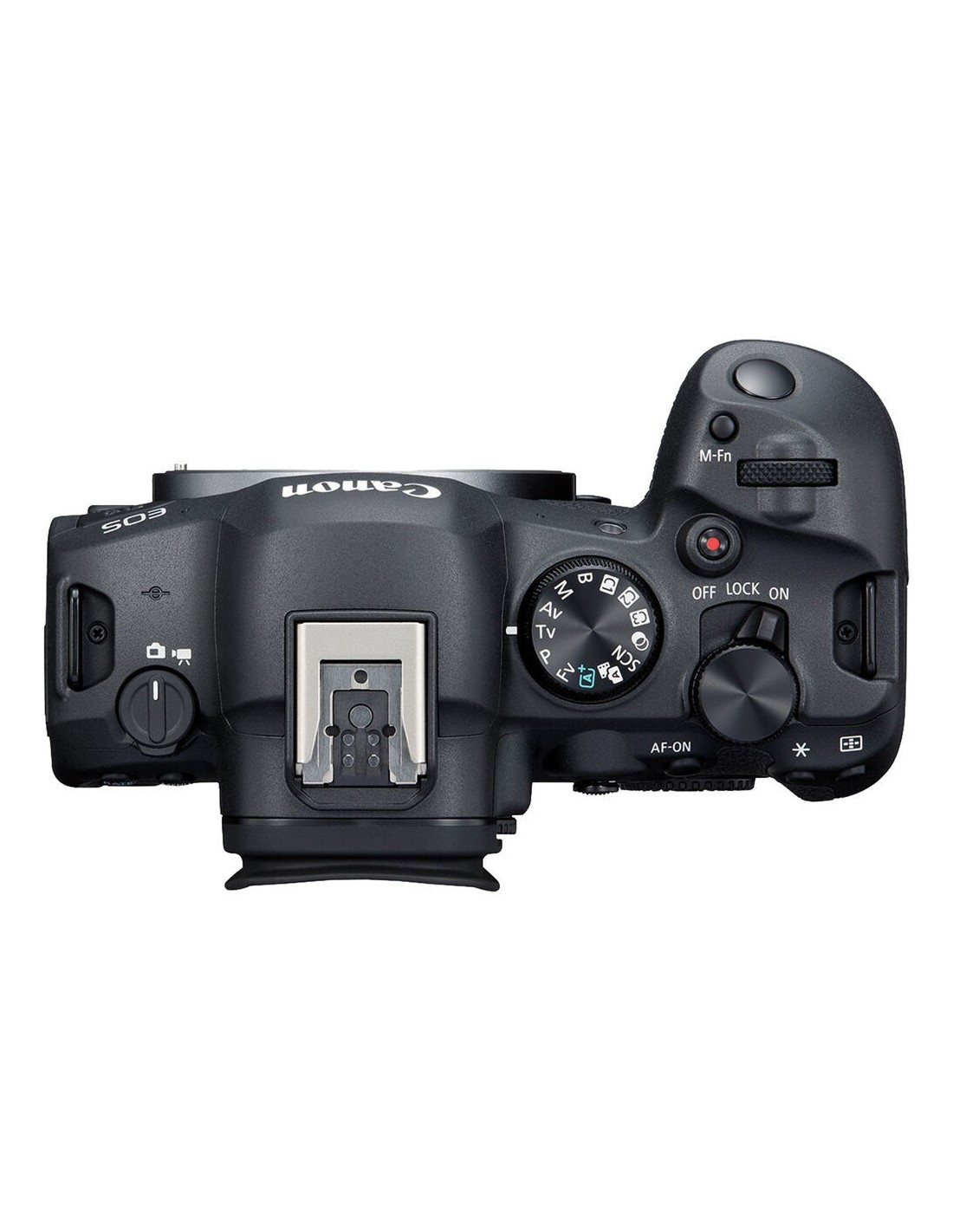
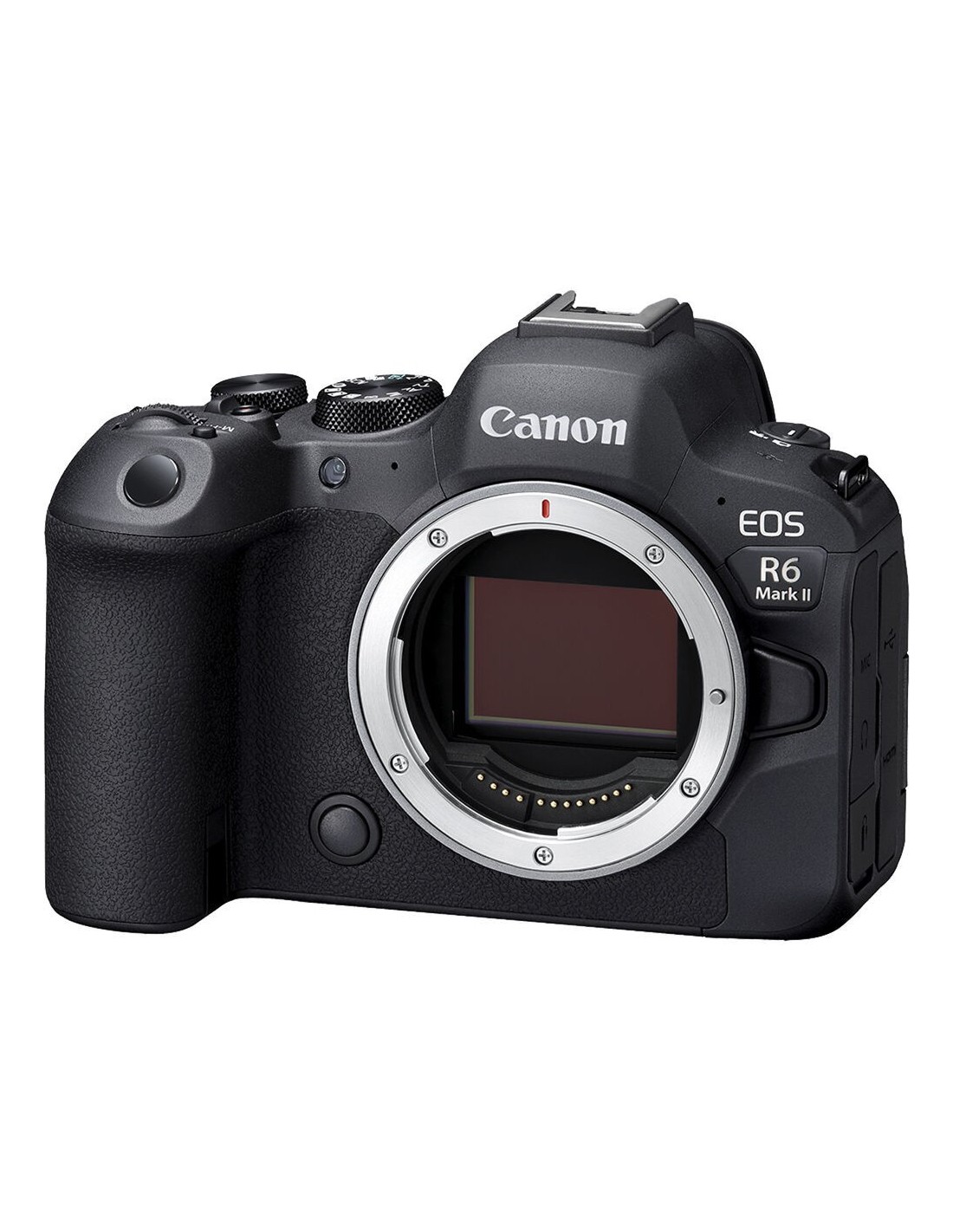
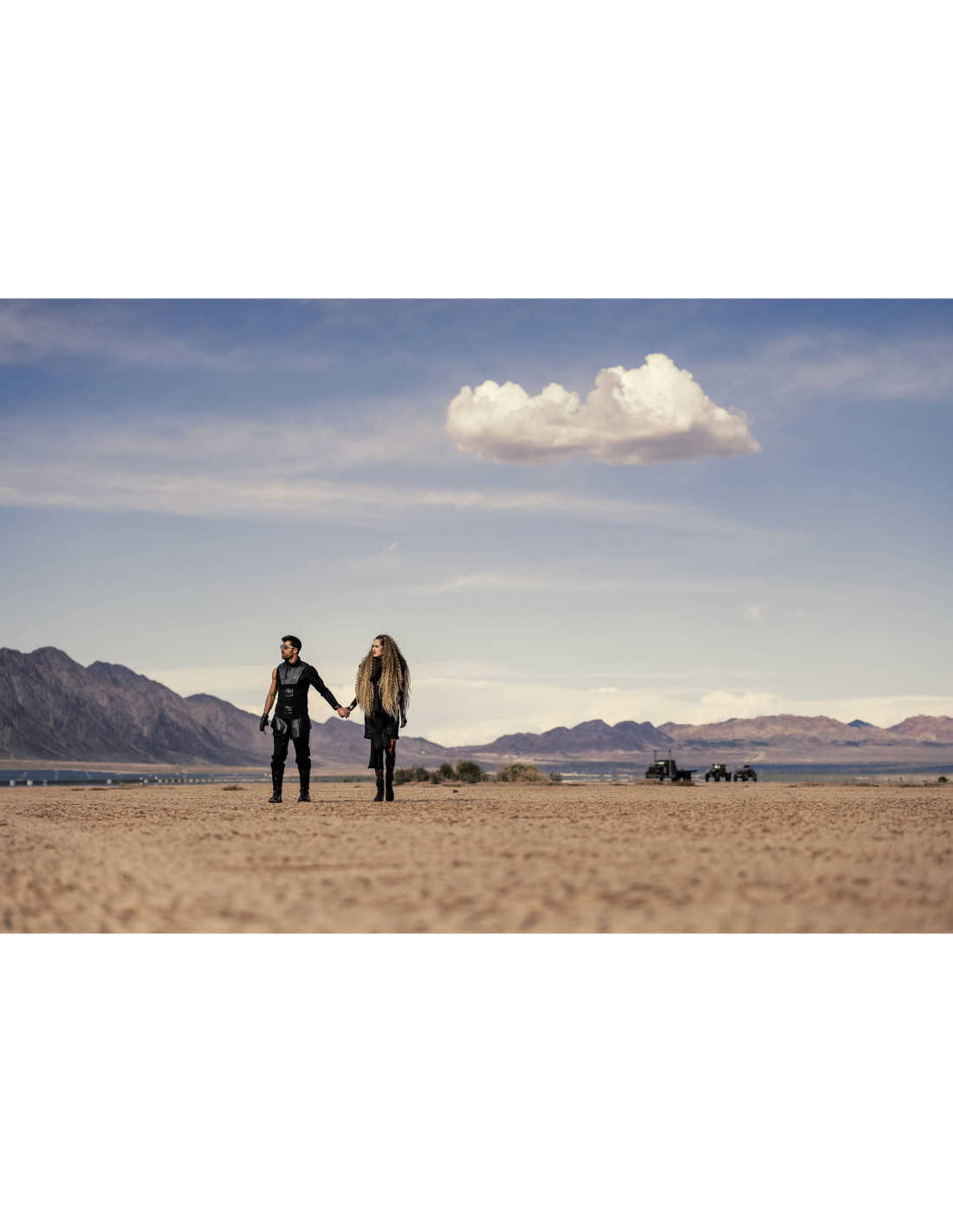

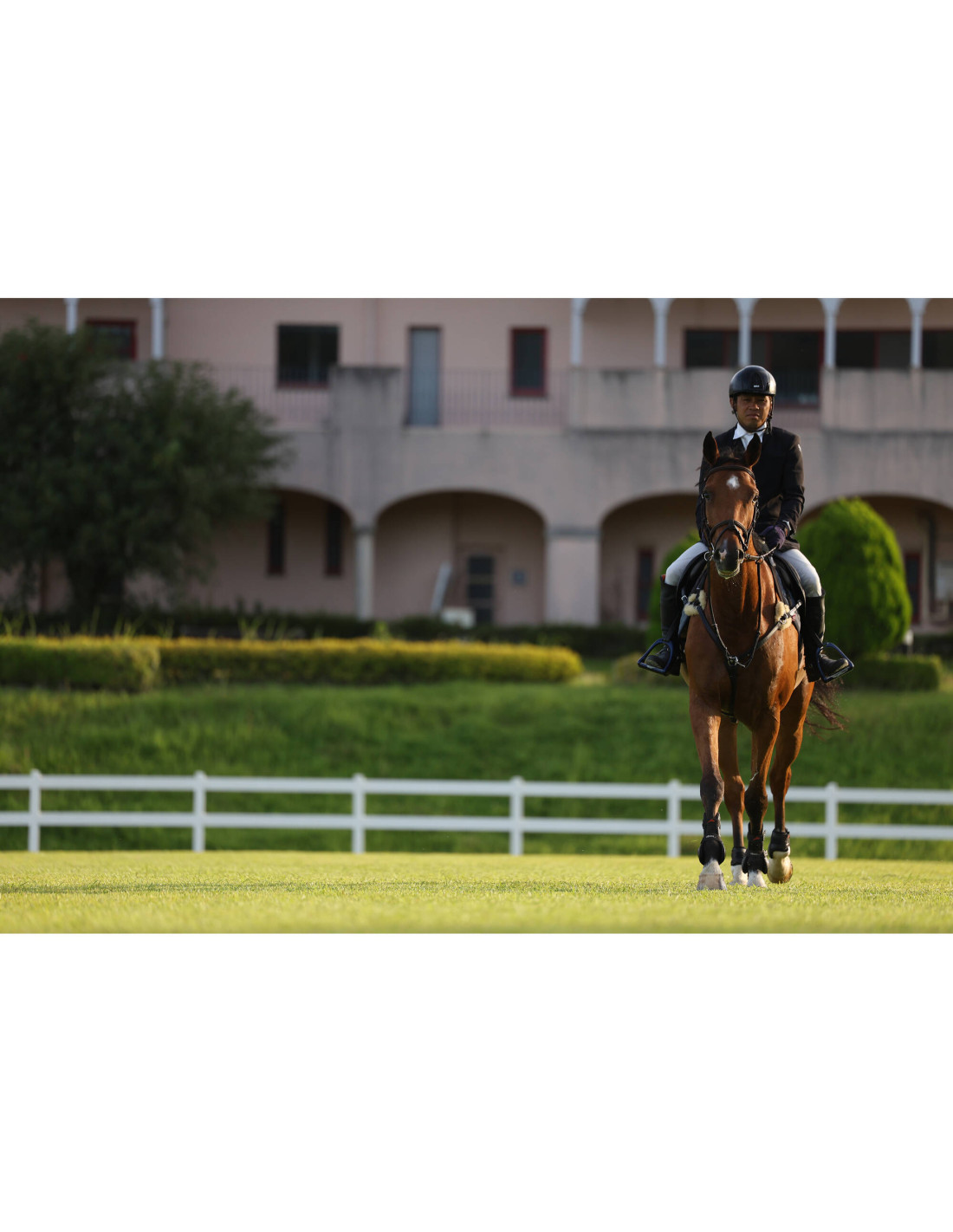
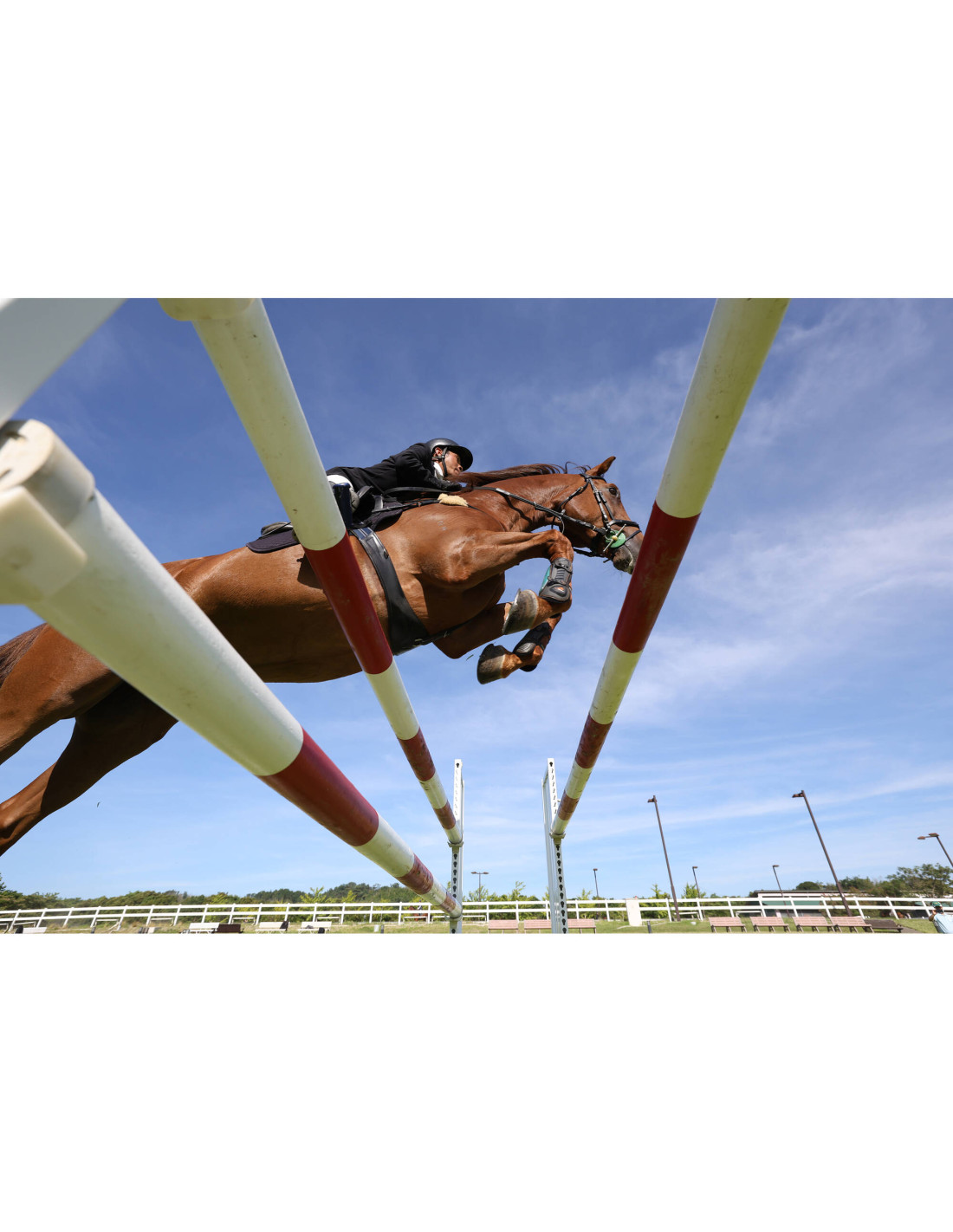
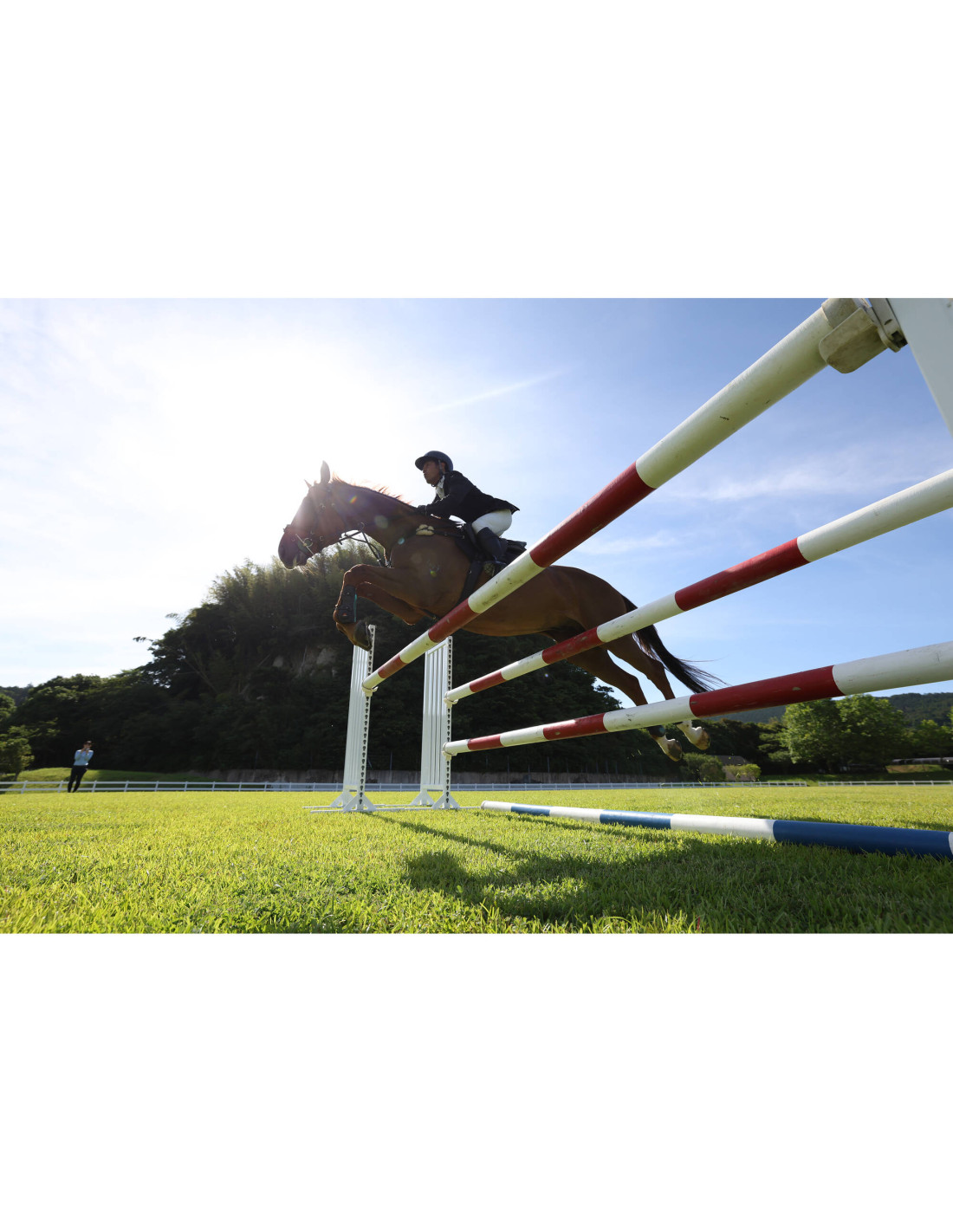

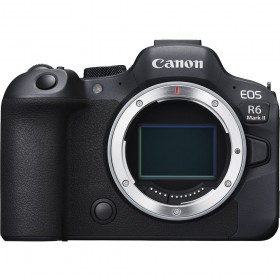

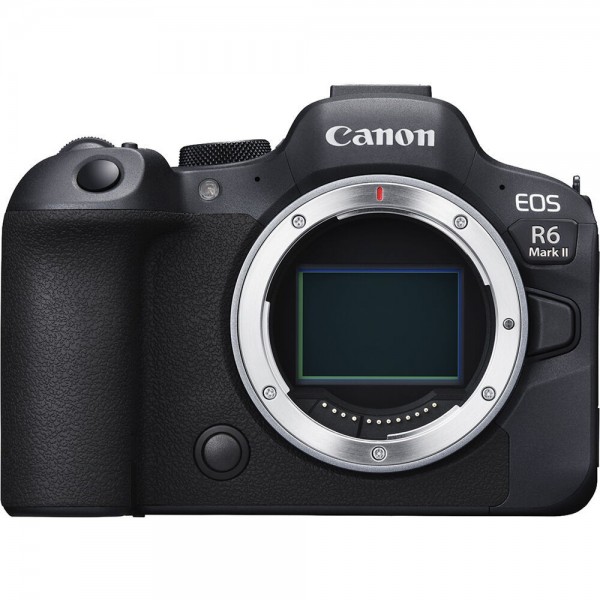
The Canon EOS R6 Mark II body-only model is a full-frame mirrorless camera recommended for photographers and filmmakers who need speed, dependable autofocus and manageable files in one system. Its 24.2 MP sensor suits weddings, reportage, portraits and travel, while electronic bursts at up to 40 fps and people, animal and vehicle recognition help with unpredictable subjects. In-body stabilisation supports hand-held shooting with a suitable lens. For video, full-width 4K 60p and Full HD 180p cover a broad range of hybrid projects. Two UHS-II SD card slots also make in-camera backup and file separation practical. This version is particularly coherent for photographers who already own Canon RF lenses and want a responsive body without moving to the storage and processing demands of a very high-resolution camera.
Combine compatible accessories and save. The more items you add, the bigger the discount.
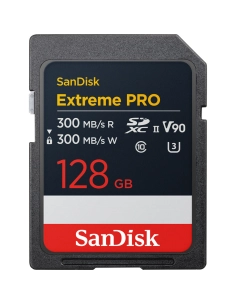
Accessory
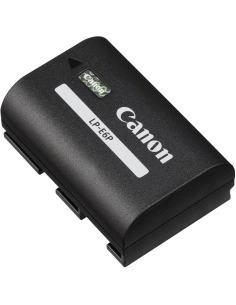
Accessory
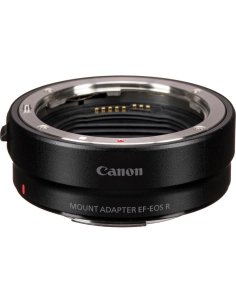
Accessory

warranty extension
The Canon EOS R6 Mark II is a 24.2 MP full-frame mirrorless camera for photographers who need to move from portraits to action and then video without changing bodies. Its autofocus, burst speed and manageable files suit weddings, reportage, sport, wildlife and hybrid production.
This page covers the body-only version, which makes sense for an established RF lens system or a buyer selecting each focal length around a specific assignment. Canon R6 II, Canon R6 MK2, R6 Mark 2 and EOS R6 II are common names for the same camera. To compare lens combinations, browse the currently active Canon EOS R6 Mark II offers.
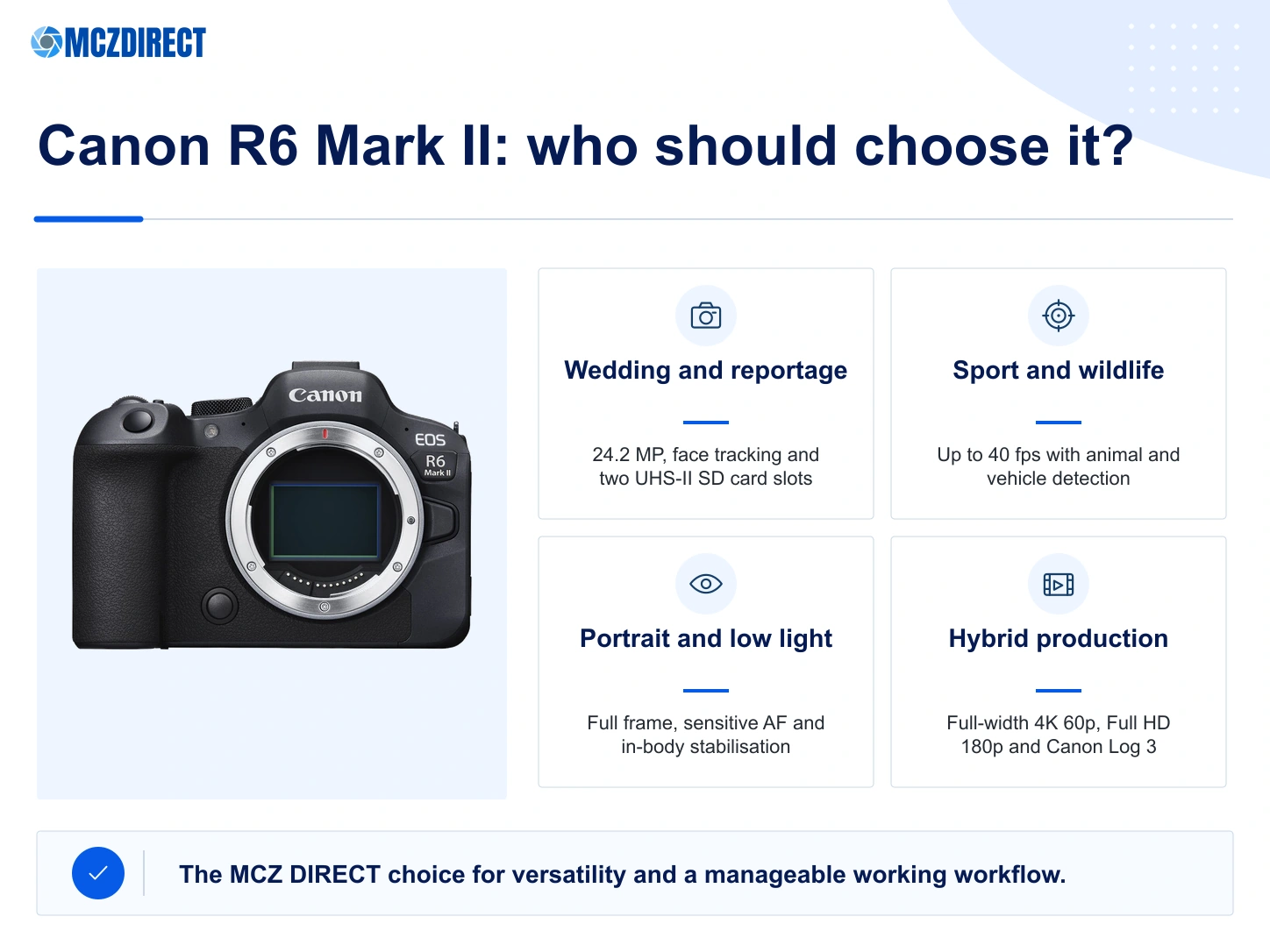
This body suits photographers who cover different subjects and want one dependable system rather than several specialist cameras. Its 24.2MP files provide useful cropping room for editorial, web, event and print work without the storage demands of 45MP output. Subject recognition for people, animals and vehicles, fast bursts and sensor stabilisation make it particularly relevant to weddings, documentary work, wildlife and action.
For filmmakers, the camera records full-width 4K at 50/60p from oversampled 6K data and Full HD at up to 180p. It can also output 6K RAW to a compatible external recorder. A kit is usually easier for a first-time system buyer, while the body-only option avoids paying for an unnecessary lens when a suitable RF collection is already available.
| Your situation | Is body only suitable? | What to check |
|---|---|---|
| You already own RF lenses | Yes | Confirm that their focal lengths and apertures match your current work. |
| You use EF or EF-S lenses | Yes, with an adapter | Allow for a compatible Canon EF-EOS R adapter; EF-S lenses engage an APS-C crop. |
| You do not own a lens | A kit may be easier | Start with the focal range needed for travel, portraits, events or action. |
| You cover unrepeatable events | Yes | Add two suitable UHS-II SD cards for in-camera redundancy. |
The 35.9 × 23.9mm CMOS sensor produces images up to 6000 × 4000 pixels. That resolution is a practical middle ground for reportage, portraiture, weddings and travel: it supports sensible reframing while keeping long sequences, transfers and archives more manageable than very high-resolution files. Lens quality, accurate focus and good exposure still have a greater effect on usable detail than the pixel count alone.
DIGIC X processing supports a standard stills sensitivity range of ISO 100 to 102,400, with expansion available in selected settings. High ISO is not a guarantee of clean output; light, exposure, processing and final display size all matter. Electronic bursts reach approximately 40fps, while mechanical or electronic first-curtain shooting can reach 12fps under Canon's stated conditions.
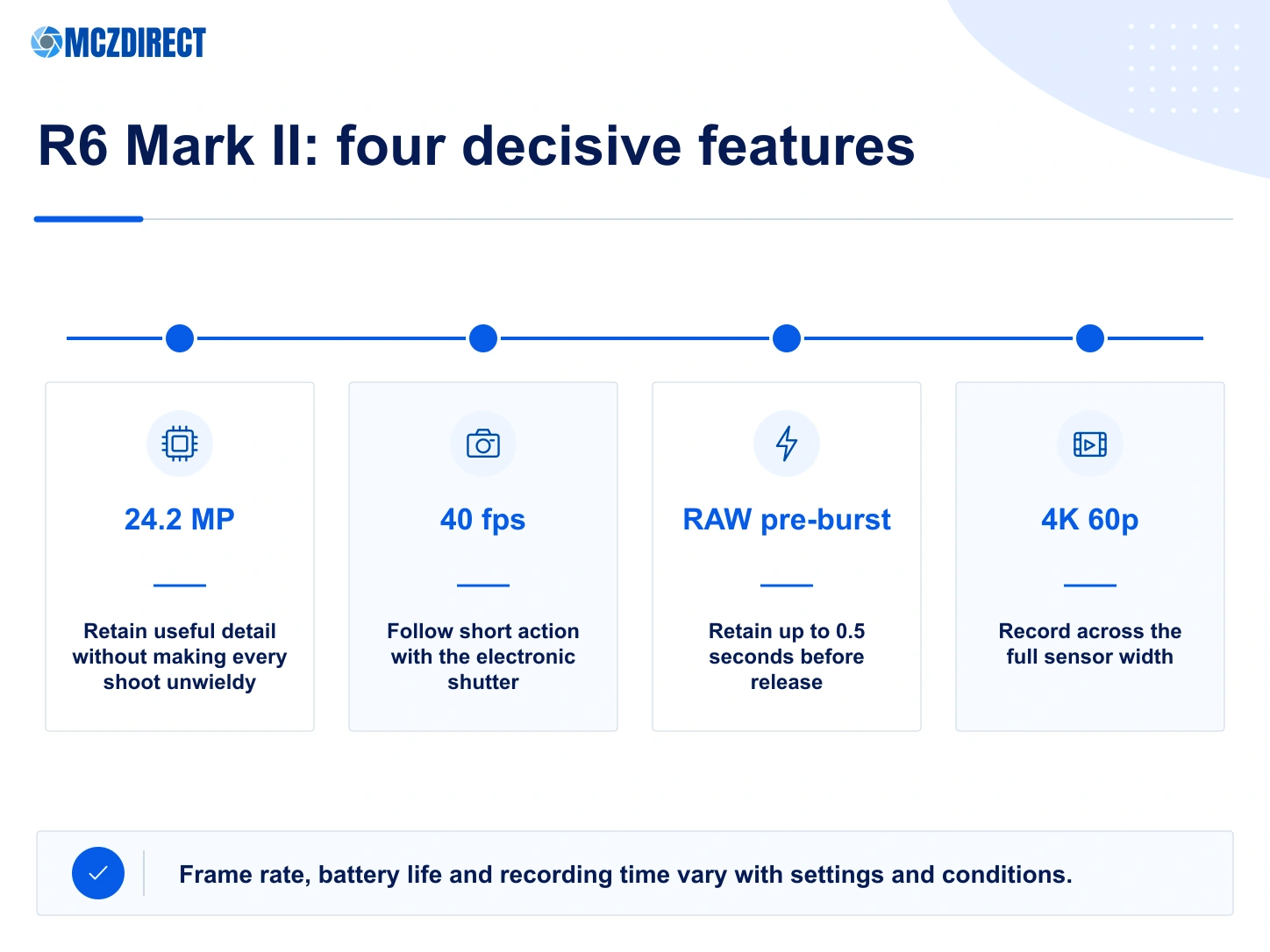
Dual Pixel CMOS AF II can recognise and track people, including eyes, faces and heads, as well as a range of animals and vehicles. This is valuable when a subject moves unpredictably, although the most reliable results still require an appropriate AF area and tracking response. Canon rates focusing down to -6.5EV in its specified test conditions, helping when available light becomes limited.
RAW Burst mode can capture at 30fps and retain frames from before the shutter is fully pressed, useful for the start of a race, a bird taking flight or a brief expression. It introduces a specific selection workflow, so it is best used deliberately. In-body stabilisation is rated at up to eight stops with a compatible lens under Canon conditions. It reduces camera shake but cannot freeze a moving subject.
The EOS R6 Mark II records internal UHD 4K at up to 50/60p across the full sensor width, oversampled from 6K data. Cropped 4K, Full HD up to 180p, Canon Log 3 and H.264 or H.265 MP4 options are available depending on the selected mode. Full-width 4K 60p is particularly useful for events, documentary filming and motion that may need a moderate slow-down in post-production.
The 6K wording needs a clear distinction: the camera does not record 6K RAW internally. It can send up to 6K RAW 60p through its micro HDMI Type D output to a compatible external recorder in supported configurations. Available duration changes with resolution, frame rate, card, ambient conditions and camera temperature. Longer productions should also account for power, media, monitoring and audio.
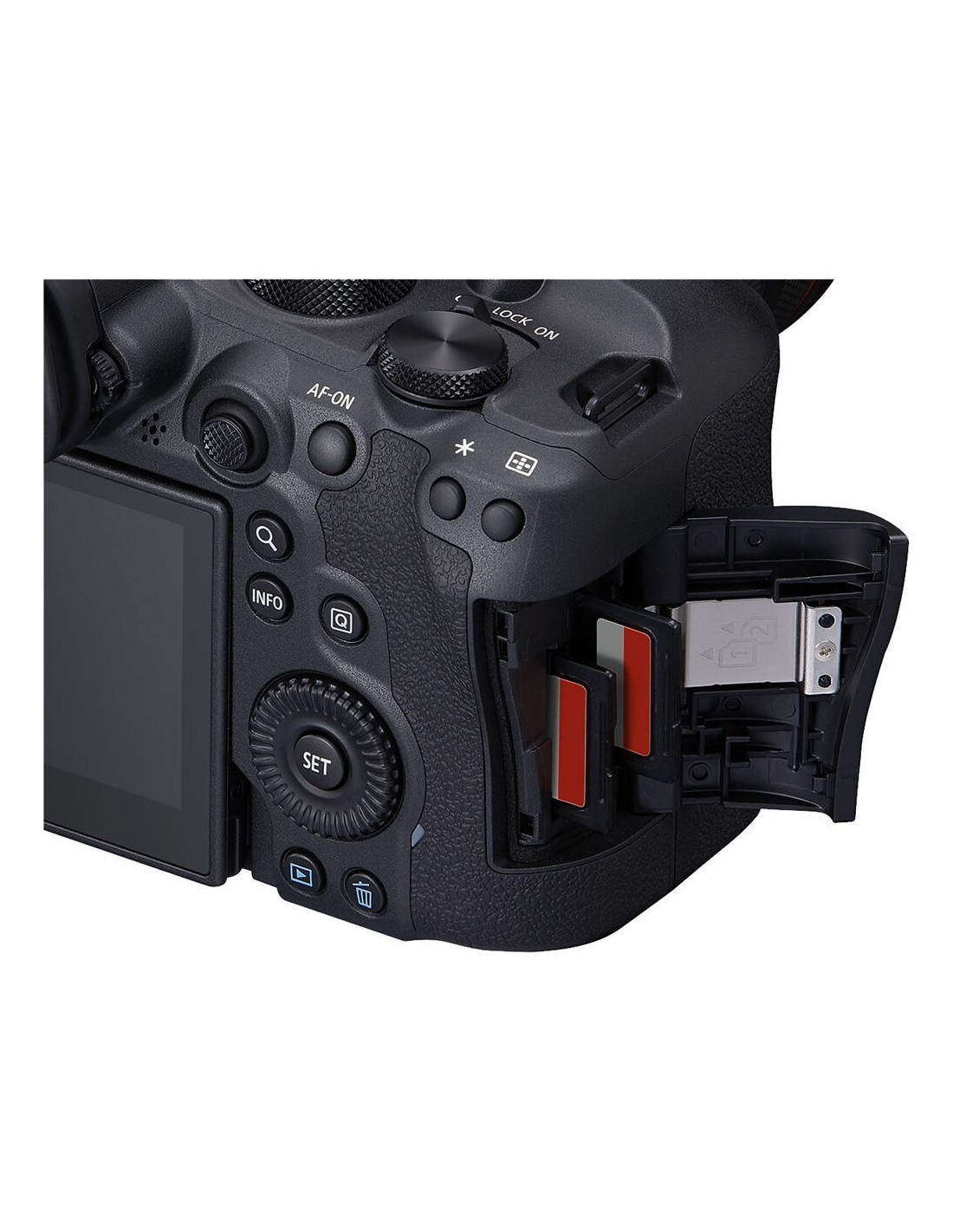
Both slots accept SD, SDHC and SDXC cards and support UHS-II media. Depending on the settings, the camera can duplicate files, continue recording when the first card is full or separate selected file types. That flexibility matters for weddings, paid events and other work that cannot simply be repeated, because the photographer does not have to rely on one recording medium.
The correct card depends on the format and frame rate. A fast UHS-II SDXC label alone does not guarantee every video mode; check the video speed class and Canon's stated requirement for the chosen setting. Our team recommends two cards with compatible capacities and performance, in-camera formatting after verified backup, and a second copy on separate storage as soon as the shoot is complete.
The Canon EOS R6 Mark II category brings together the currently active body and lens combinations. Body only is the logical option when an RF lens collection already covers the job. A kit is usually more helpful when a ready-to-use focal range is required or when the first lens should be matched to a defined type of photography.
| Configuration | Main use | Why choose it |
|---|---|---|
| Body only | Existing RF system | Invest in the camera alone and retain complete control over lens choice. |
| R6 Mark II + RF 24-105mm F4-7.1 | Travel and general use | A useful wide-to-short-telephoto range in a more accessible package. |
| R6 Mark II + RF 24-105mm F4 L | Reportage and events | Constant aperture and L-series construction for regular professional use. |
| R6 Mark II + RF 24-70mm F2.8 L | Weddings and low light | The constant F2.8 aperture supports light gathering and subject separation. |
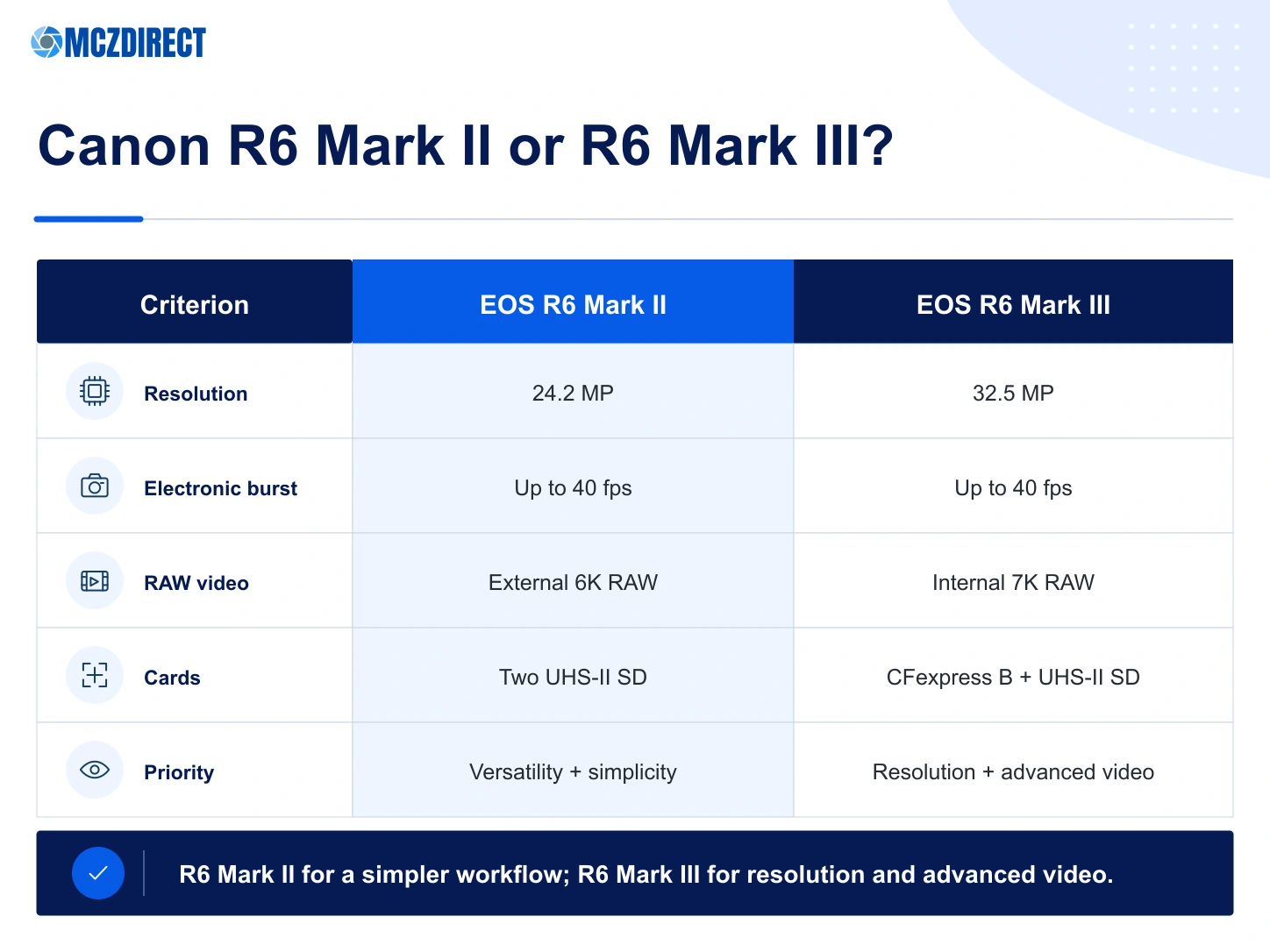
| Model | Priority | Key point |
|---|---|---|
| EOS R6 Mark II | Versatility, 24.2MP and manageable files | A strong fit when 4K 60p, 40fps and two SD slots cover the requirement. |
| EOS R6 Mark III | More resolution and advanced video | Compare it when 32.5MP, internal 7K RAW or Open Gate would improve the workflow. |
| EOS R5 Mark II | High resolution and 8K | Its 45MP output better suits intensive cropping, large prints and higher-end video needs. |
The R6 Mark II remains relevant when fast handling, relatively compact files and two identical SD cards are priorities. The R6 Mark III adds resolution and more ambitious video options. The R5 Mark II is aimed at workflows where 45MP and 8K justify greater processing and storage demands. Compare the complete system, including lenses and media, rather than choosing from one specification.
Canon RF and RF-S lenses mount directly. EF and EF-S lenses require a compatible Canon EF-EOS R adapter; RF-S and EF-S lenses use an approximately 1.6x APS-C crop, while EF-M is not compatible. Compare it with other RF bodies in the Canon EOS R range, or browse our mirrorless camera selection to compare brands and sensor formats.
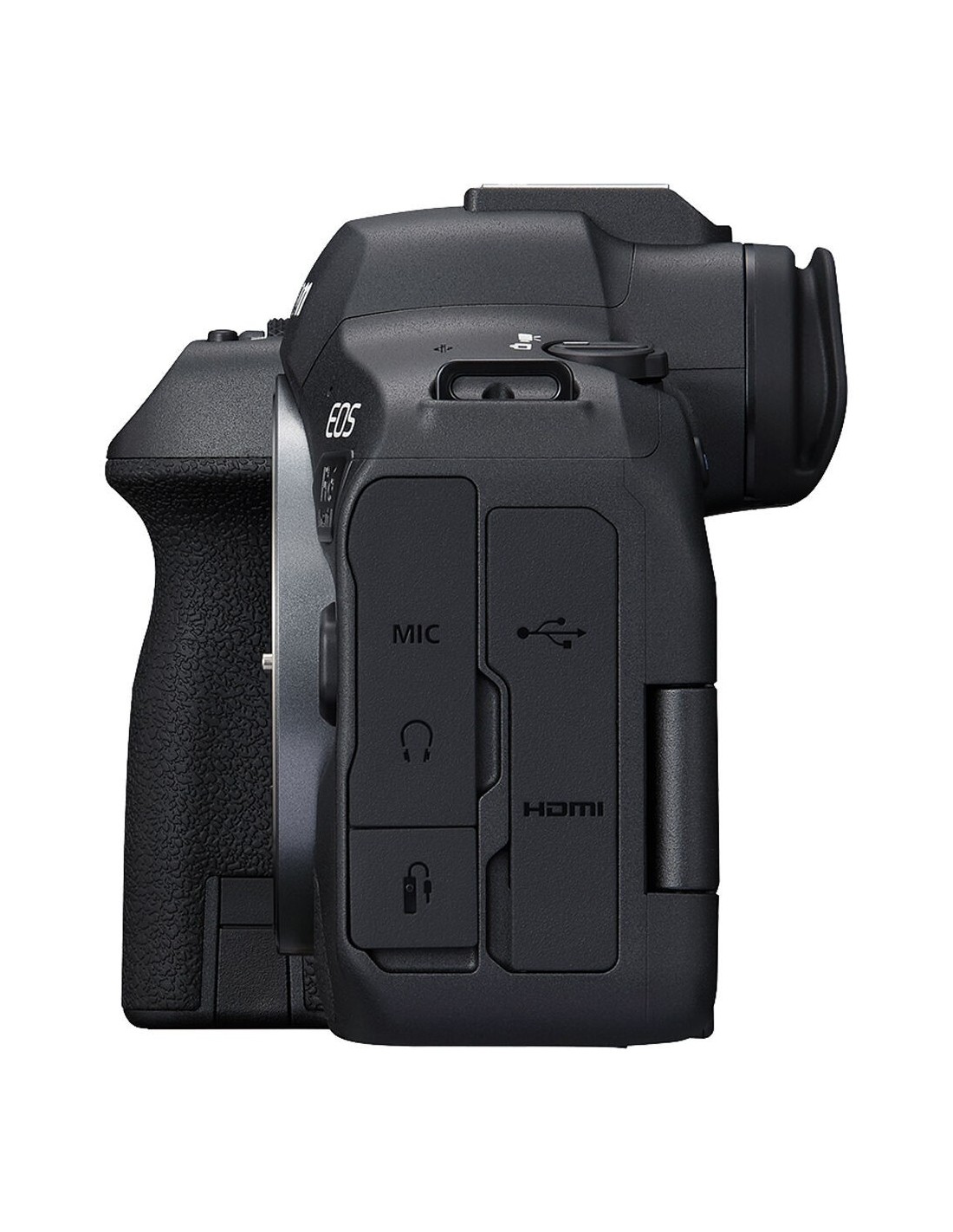
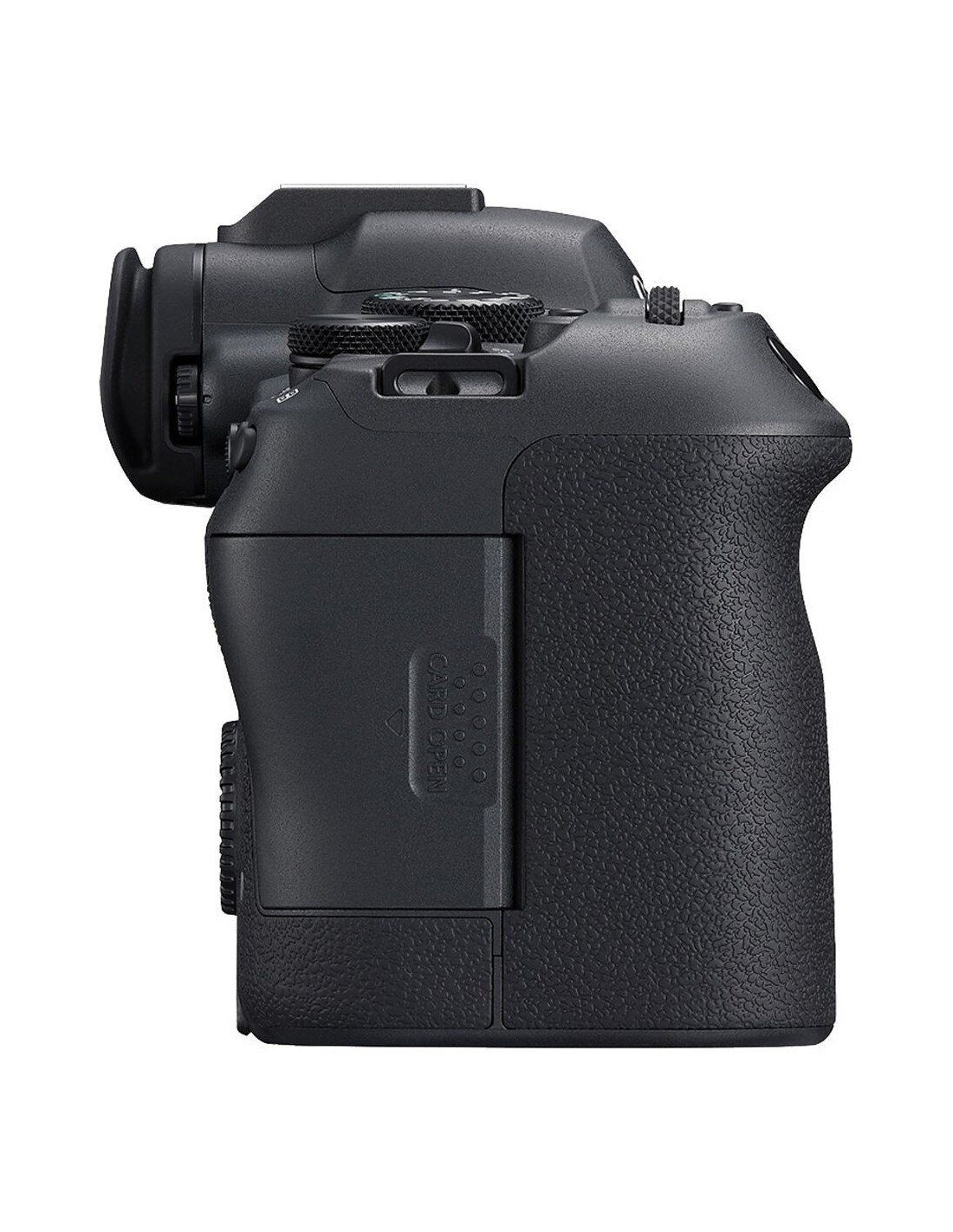
The camera uses an LP-E6NH battery. Canon rates approximately 760 shots with the screen or 450 with the viewfinder at 23°C in power-saving mode under its test conditions. Video, wireless connections, long bursts, cold weather and high display refresh rates reduce real endurance. Connections include USB-C 3.2 Gen 2, micro HDMI Type D, 3.5mm microphone input, headphone output, 2.4/5GHz Wi-Fi and Bluetooth 5.0.
Position in the range. At MCZ DIRECT, we see it as Canon RF's most rational option for wedding, reportage and wildlife photographers who prioritise responsive shooting and a manageable file workflow. The body-only version makes most sense with an RF lens system that is already taking shape.
Direct comparison. Against the Canon EOS R6 Mark III, we recommend the Mark II when 24.2 MP, 4K 60p and two UHS-II SD cards cover the required output. The Mark III is more relevant when 32.5 MP, internal 7K RAW or Open Gate have a clear delivery benefit. The Canon EOS R5 Mark II is aimed more directly at heavy cropping, large prints and 8K production.
Honest limitation. The 24.2 MP sensor leaves less cropping room than a higher-resolution body, and 6K RAW requires a compatible external recorder. Electronic shooting at 40 fps also needs care with subject movement, lighting and possible distortion. When those limits are acceptable, the R6 Mark II remains a sensible way to work quickly without placing unnecessary pressure on storage and processing.

The Canon EOS R6 Mark II is for photographers and filmmakers who need speed, subject tracking and manageable files in one body. Its 24.2MP output, bursts at up to 40fps and 4K 60p recording suit reportage, weddings, sport and wildlife when paired with an appropriate lens.
No. This listing is for the Canon EOS R6 Mark II body only. The package includes the camera and covers, an LP-E6NH battery, LC-E6E charger and strap. A compatible lens and memory card must be selected separately. A lens kit is often easier for a first system.
Canon RF and RF-S lenses mount directly. EF and EF-S lenses require a compatible Canon EF-EOS R adapter, while EF-M lenses cannot be used. RF-S and adapted EF-S lenses work with an approximately 1.6x APS-C crop, reducing the available image resolution.
The camera has two UHS-II-compatible SD, SDHC or SDXC slots. Required capacity and video speed class depend on format and frame rate. For an important event, use two suitable cards and enable simultaneous recording. Check the Canon media table before selecting a demanding video mode.
Yes. It combines tracking for people, animals and vehicles, electronic bursts at up to 40fps and RAW Burst pre-capture. Results still depend on the lens, light, cards, battery and camera settings. A suitable telephoto lens remains essential for distant subjects.
The camera can output up to 6K RAW 60p through HDMI to a compatible external recorder, but it does not record 6K RAW internally. Internal options include UHD 4K at up to 60p and Full HD at up to 180p. Check exact recorder and mode compatibility before production.
Canon rates the in-body stabilisation at up to eight stops under its stated conditions with a compatible lens. Actual benefit varies with focal length, lens and technique. It reduces camera shake during handheld work but cannot freeze a subject that is moving quickly.
The package includes a Canon LP-E6NH battery and LC-E6E charger. Canon rates approximately 760 shots with the screen or 450 with the viewfinder at 23°C in power-saving mode. Video, Wi-Fi, long bursts, cold weather and high display refresh rates reduce real endurance.
The R6 Mark II prioritises manageable 24.2MP files, 40fps bursts, two SD slots and 4K 60p. The R6 Mark III adds 32.5MP, internal 7K RAW and Open Gate. Choose according to the resolution, video, media, lenses and storage the work genuinely requires.
The R6 Mark II focuses on 24.2MP output, speed and lighter files. The R5 Mark II provides 45MP, a stacked sensor and 8K video, with greater media and storage demands. The R5 Mark II is more appropriate when maximum detail and extensive cropping are priorities.
Canon released the EOS R6 Mark II in December 2022. This second-generation model followed the original EOS R6 launched in 2020 and remains distinct from the EOS R6 Mark III. Its release date does not affect current compatibility with Canon RF-mount lenses.
Yes. Canon EOS R6 Mark II is the official name. Searches such as Canon R6 II, R6 Mark 2, R6 MK2, Canon R6II or EOS R6 II normally refer to this same model introduced in November 2022. It should not be confused with the original EOS R6 or R6 Mark III.
Generated by AI from customer reviews.