Shopping Cart
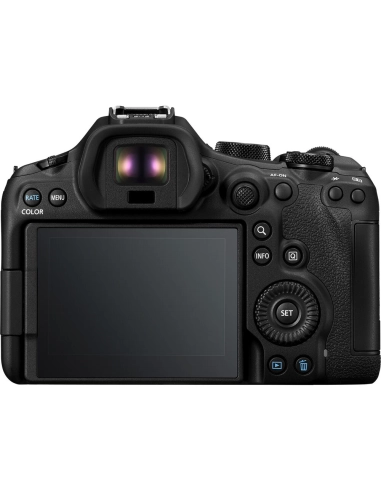
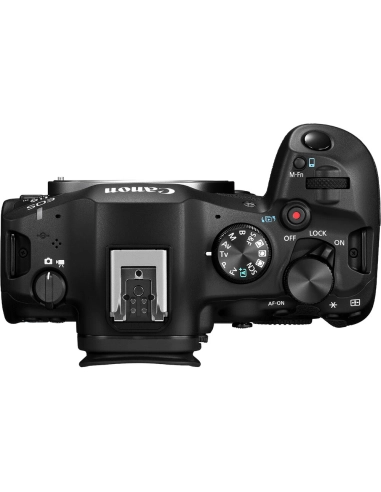
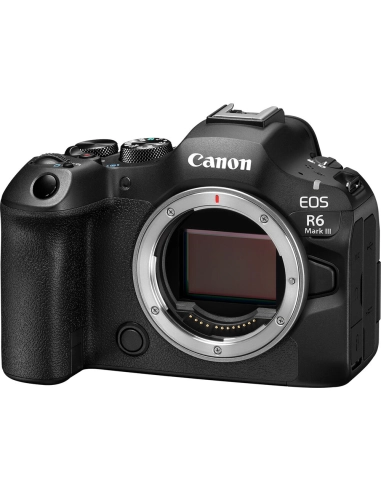
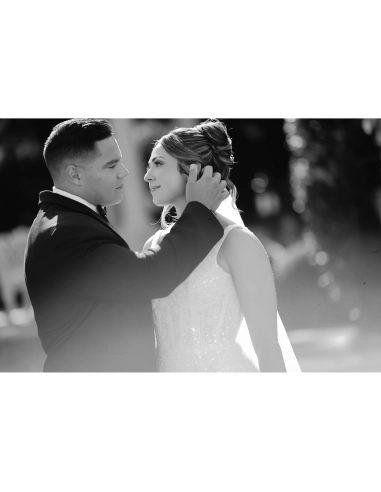
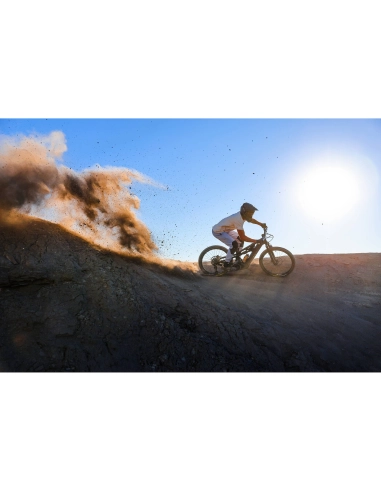
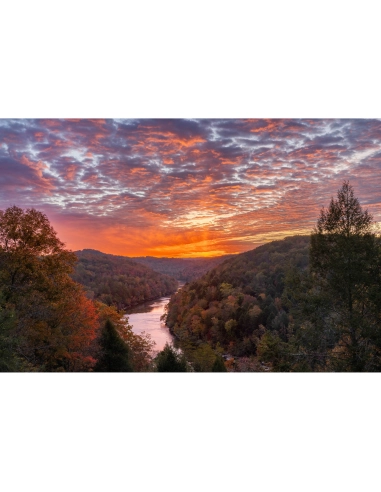
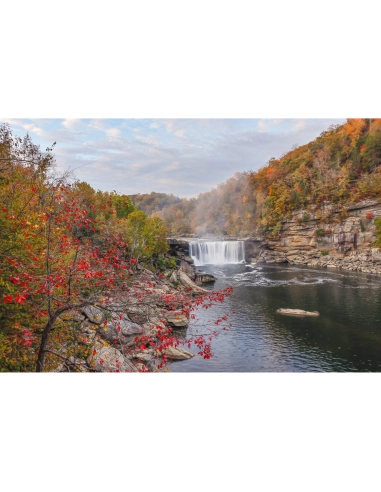
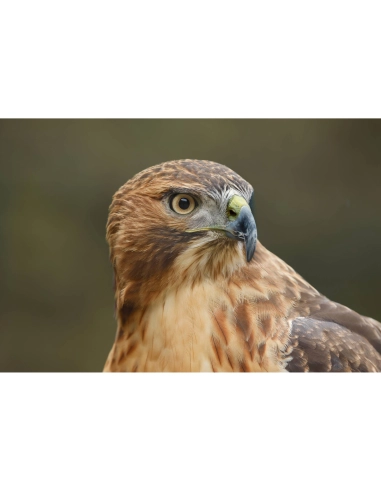
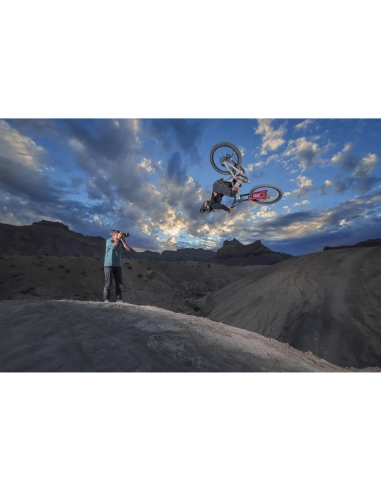
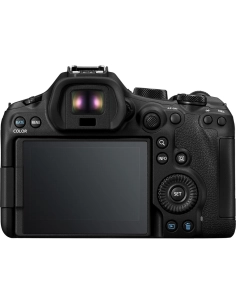
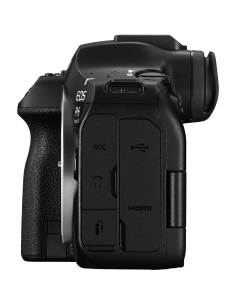
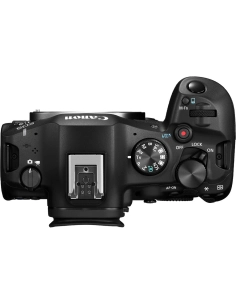
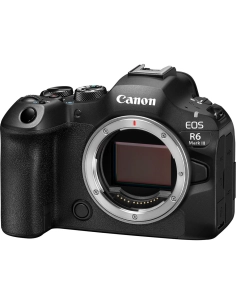
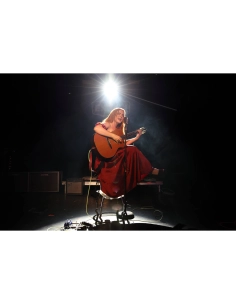
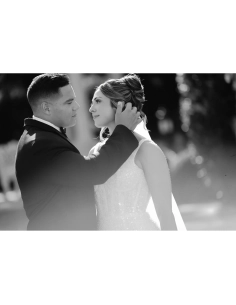
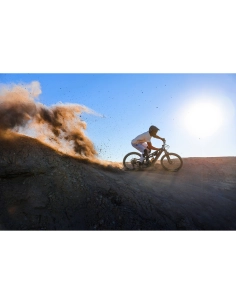
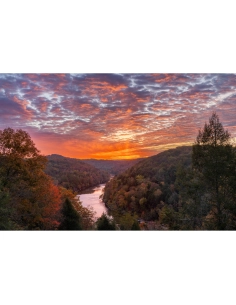
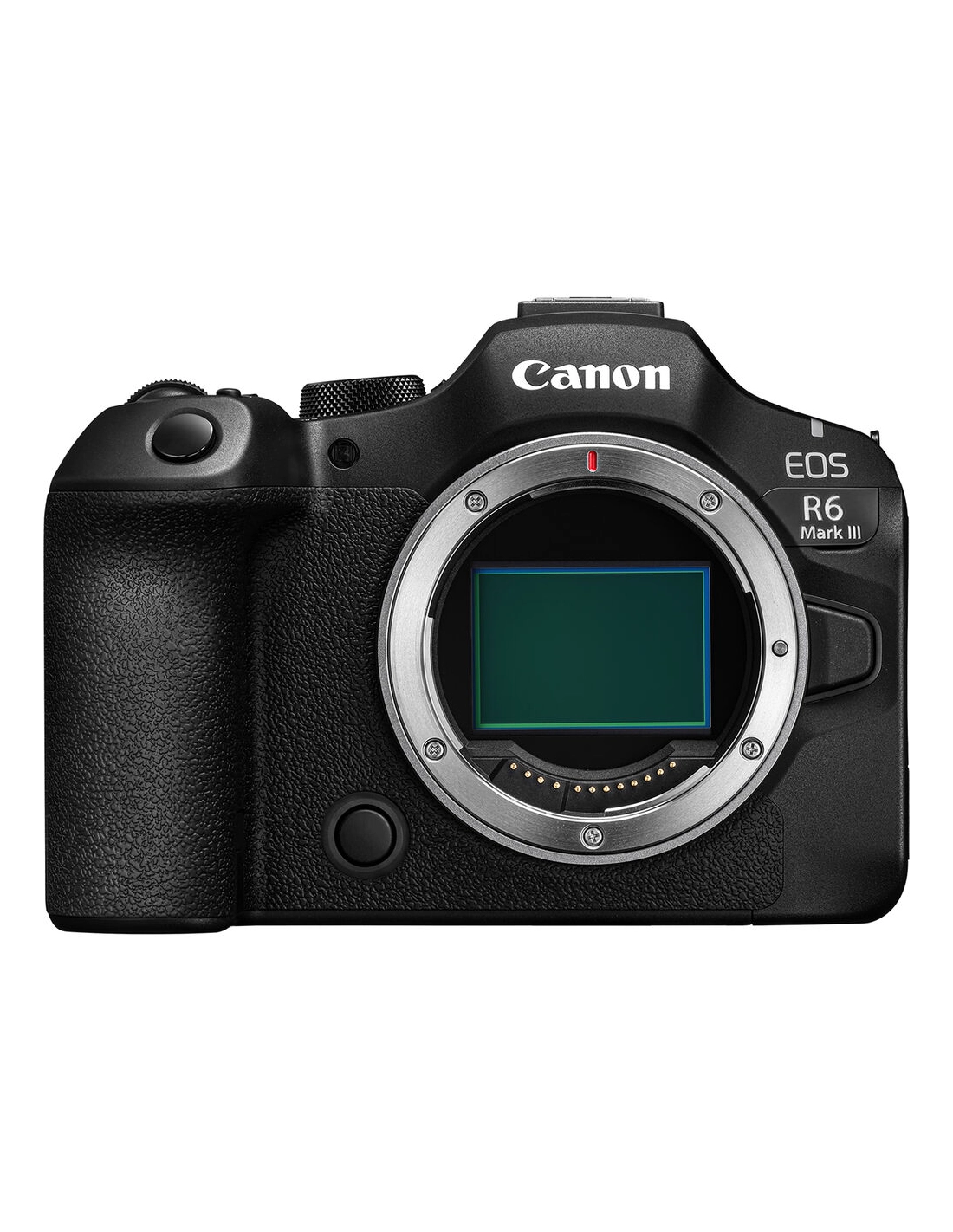
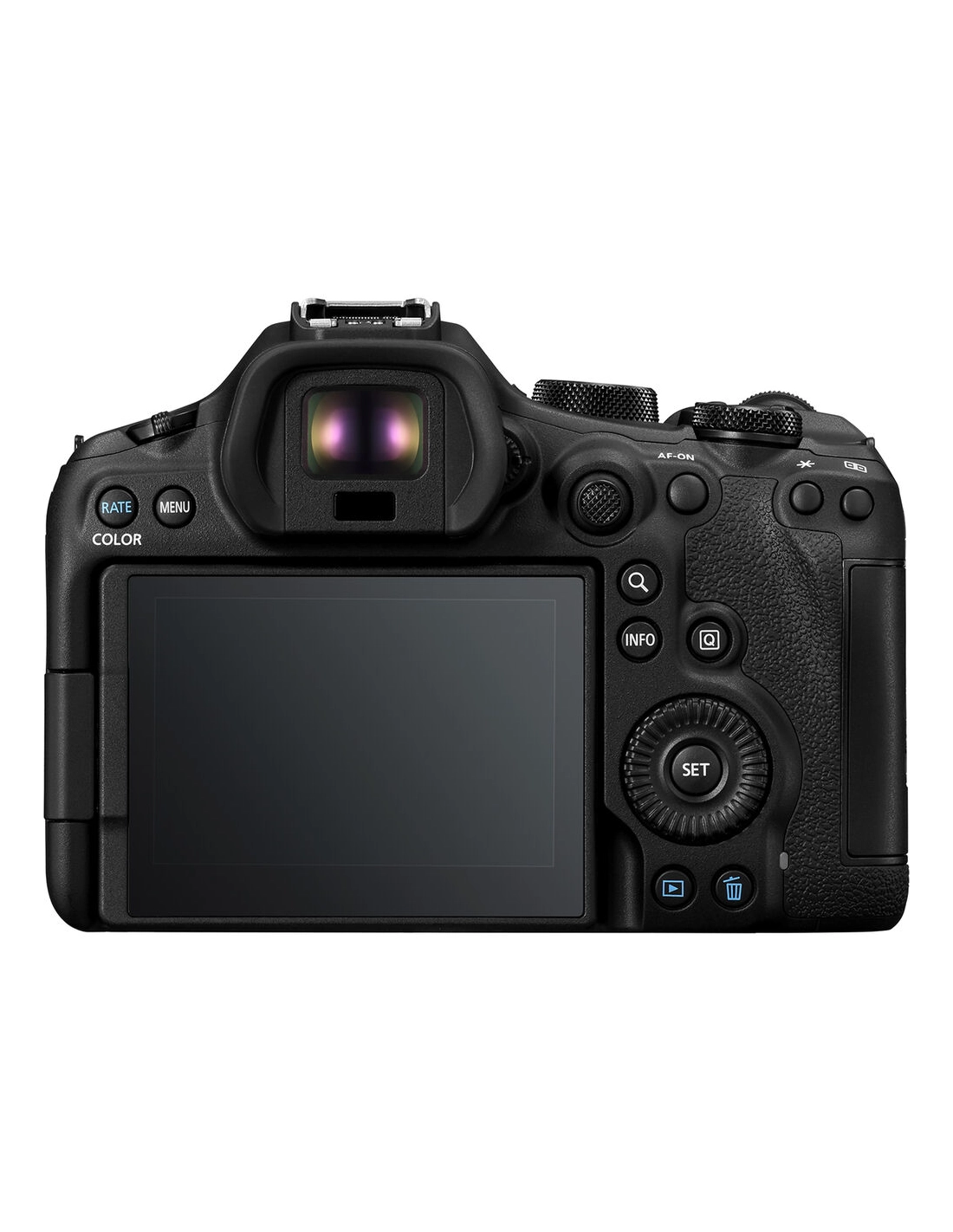
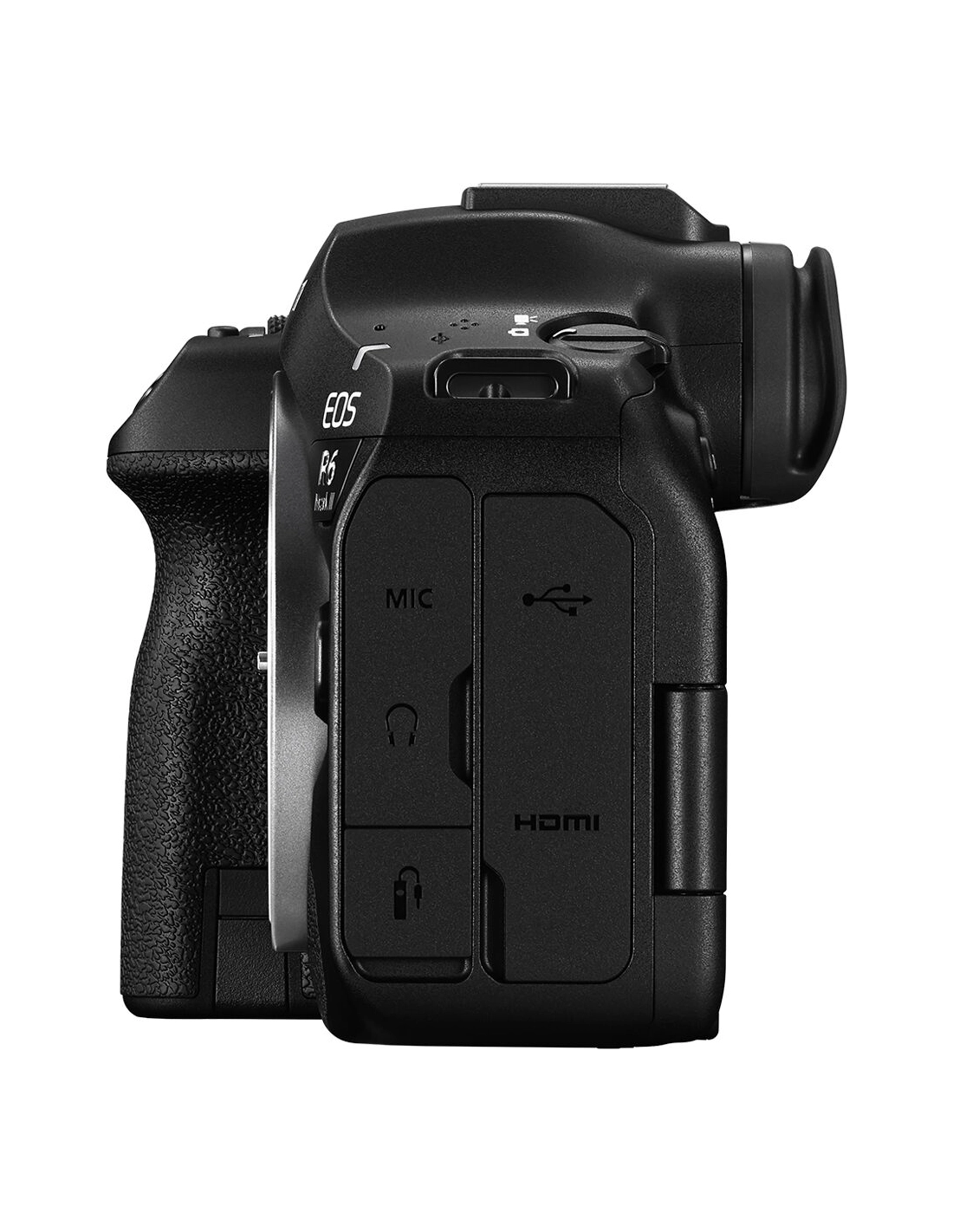
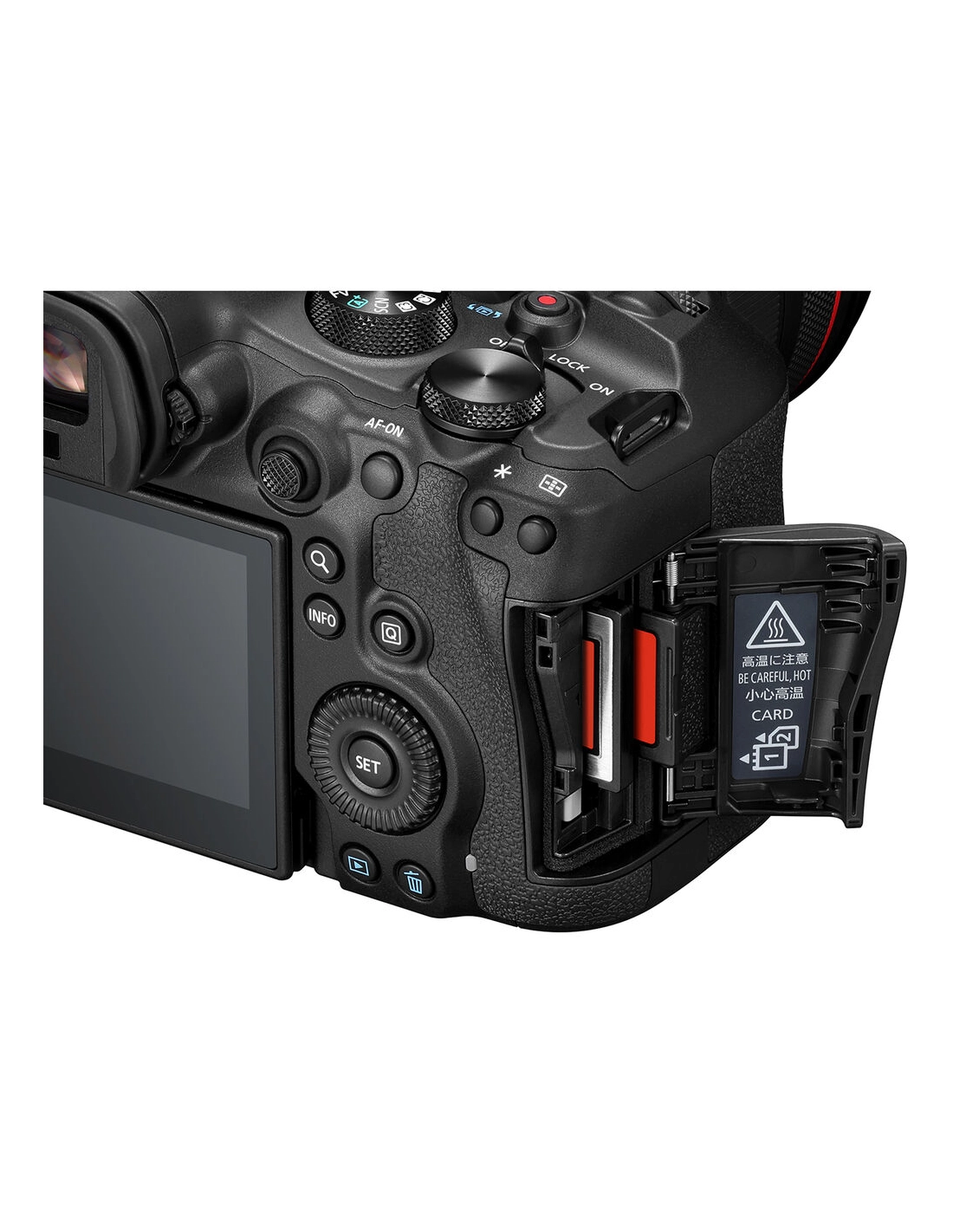
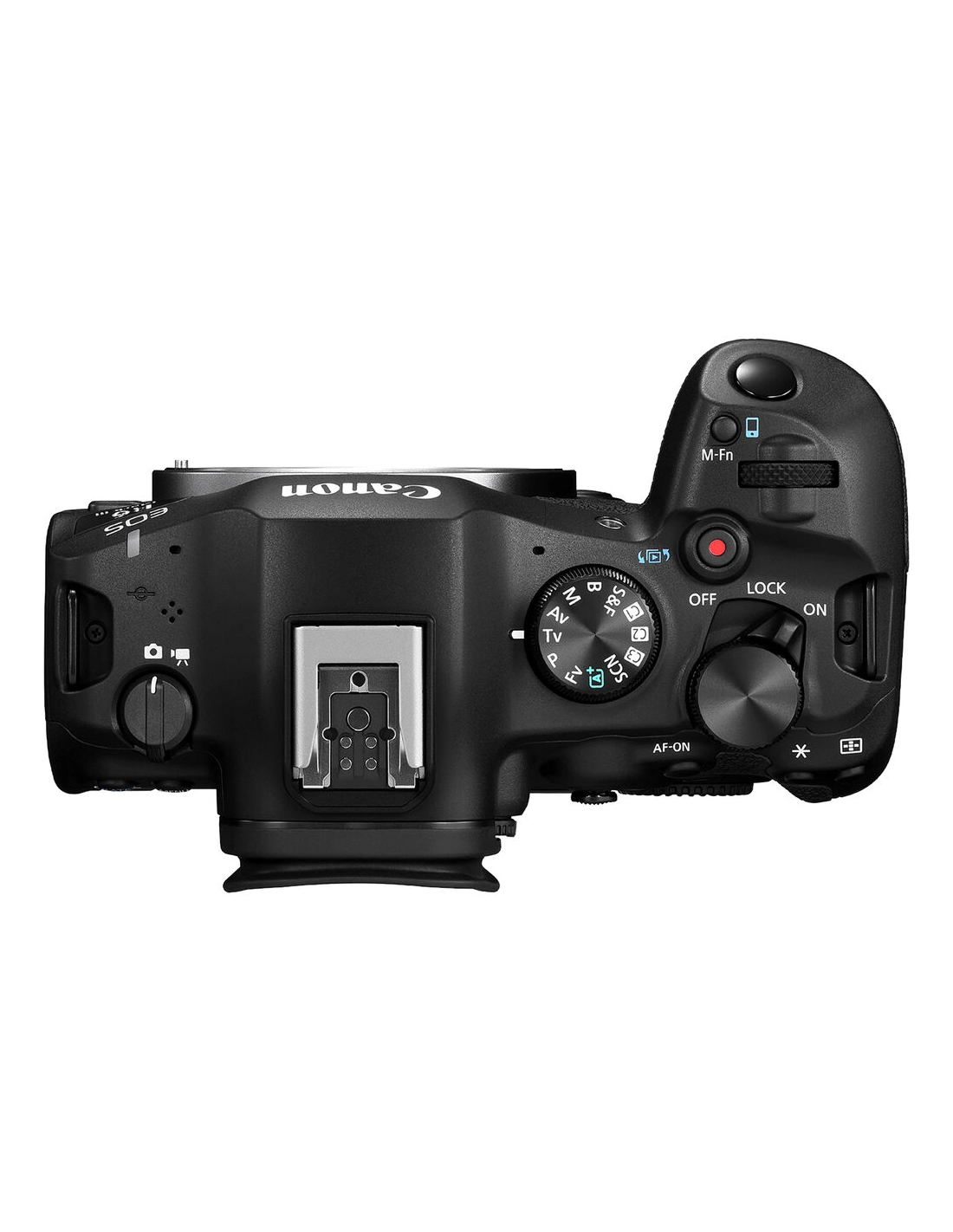
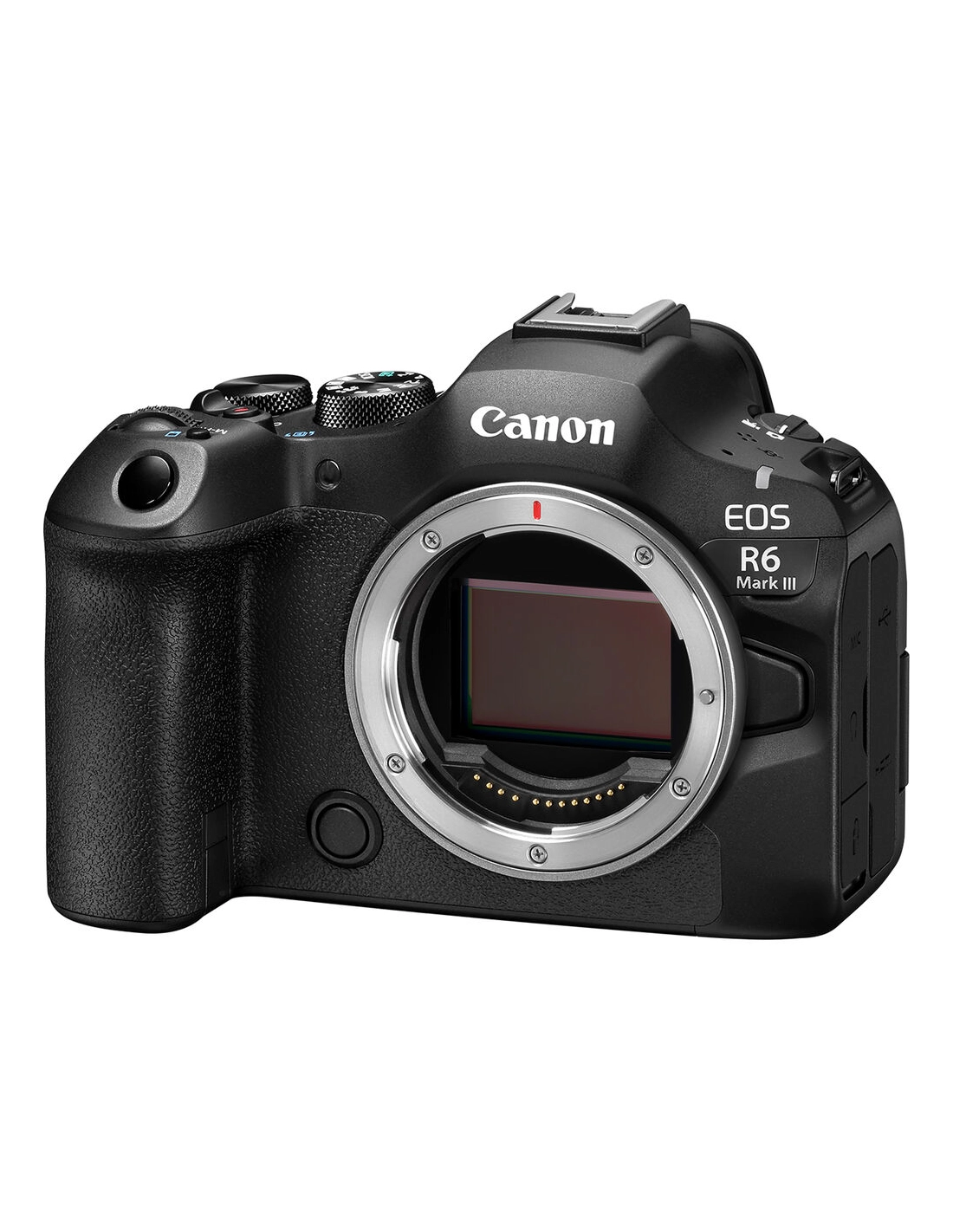
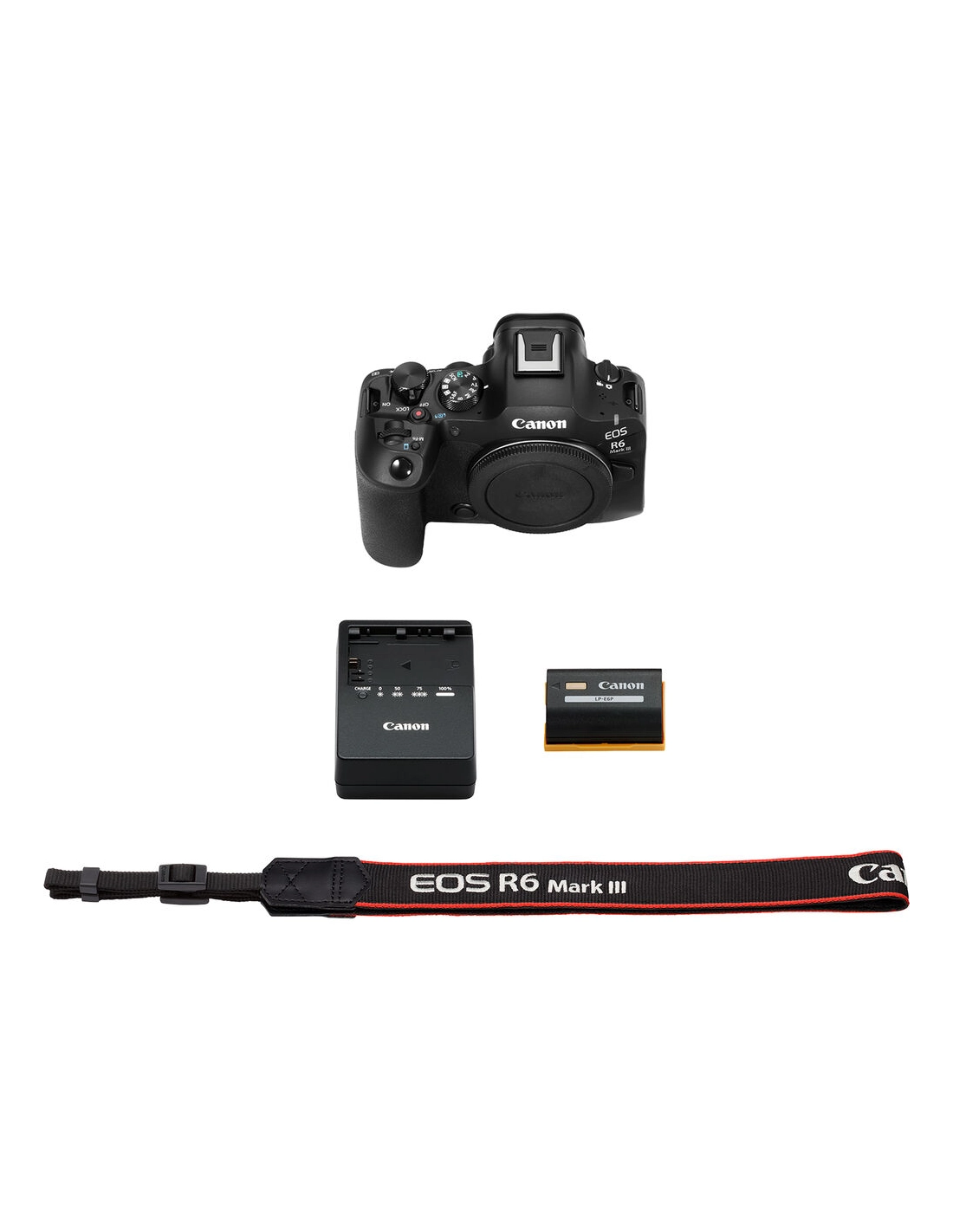
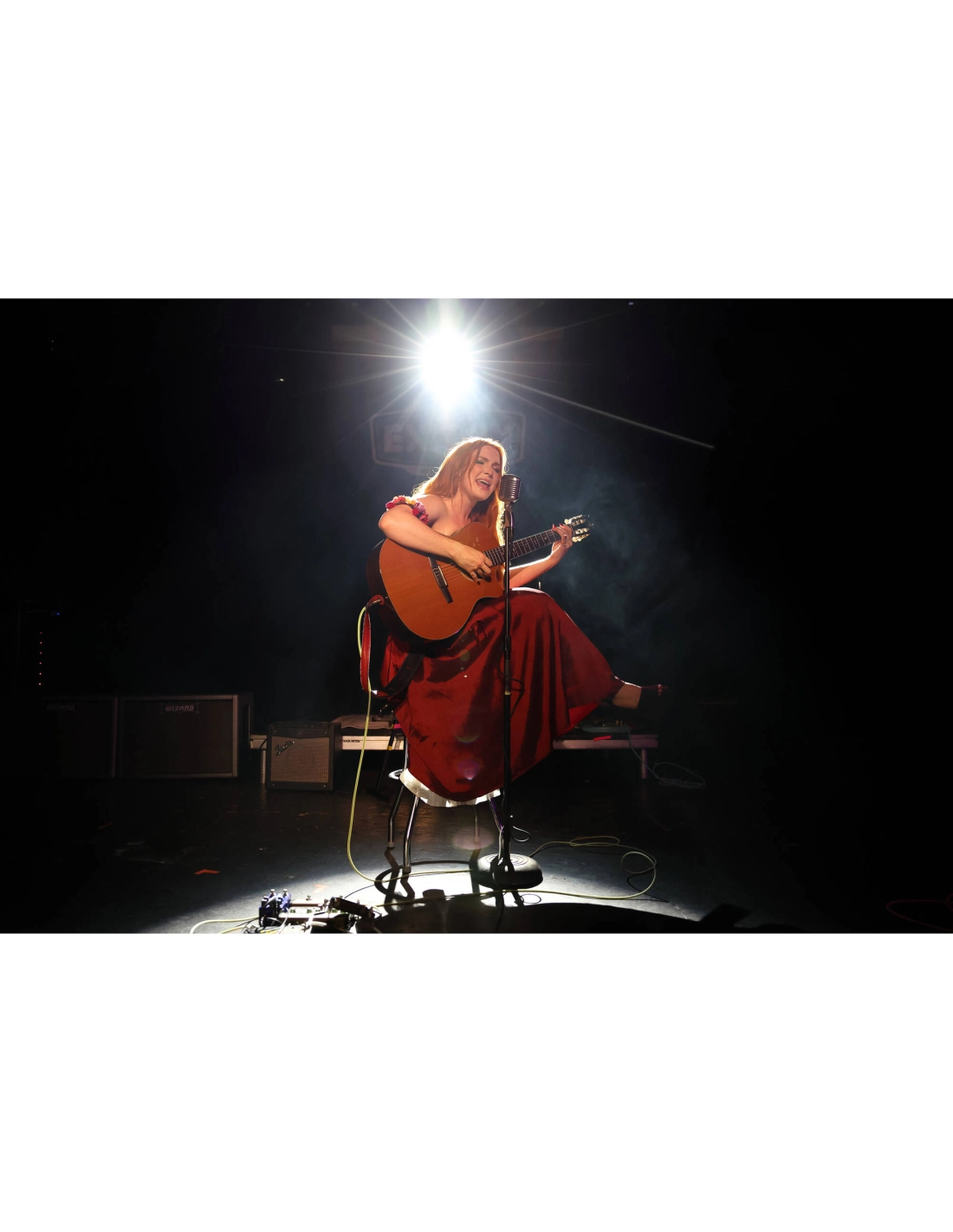
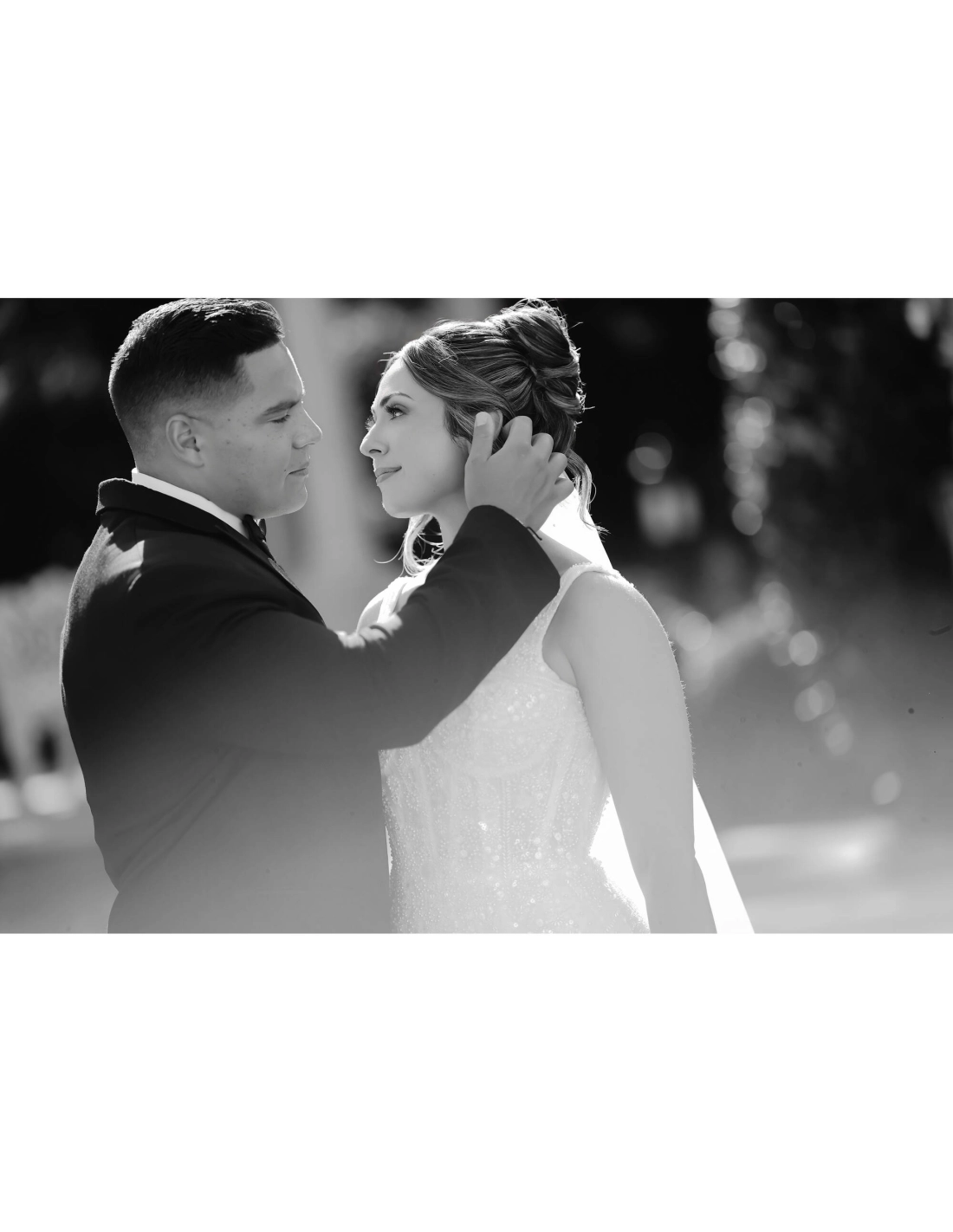
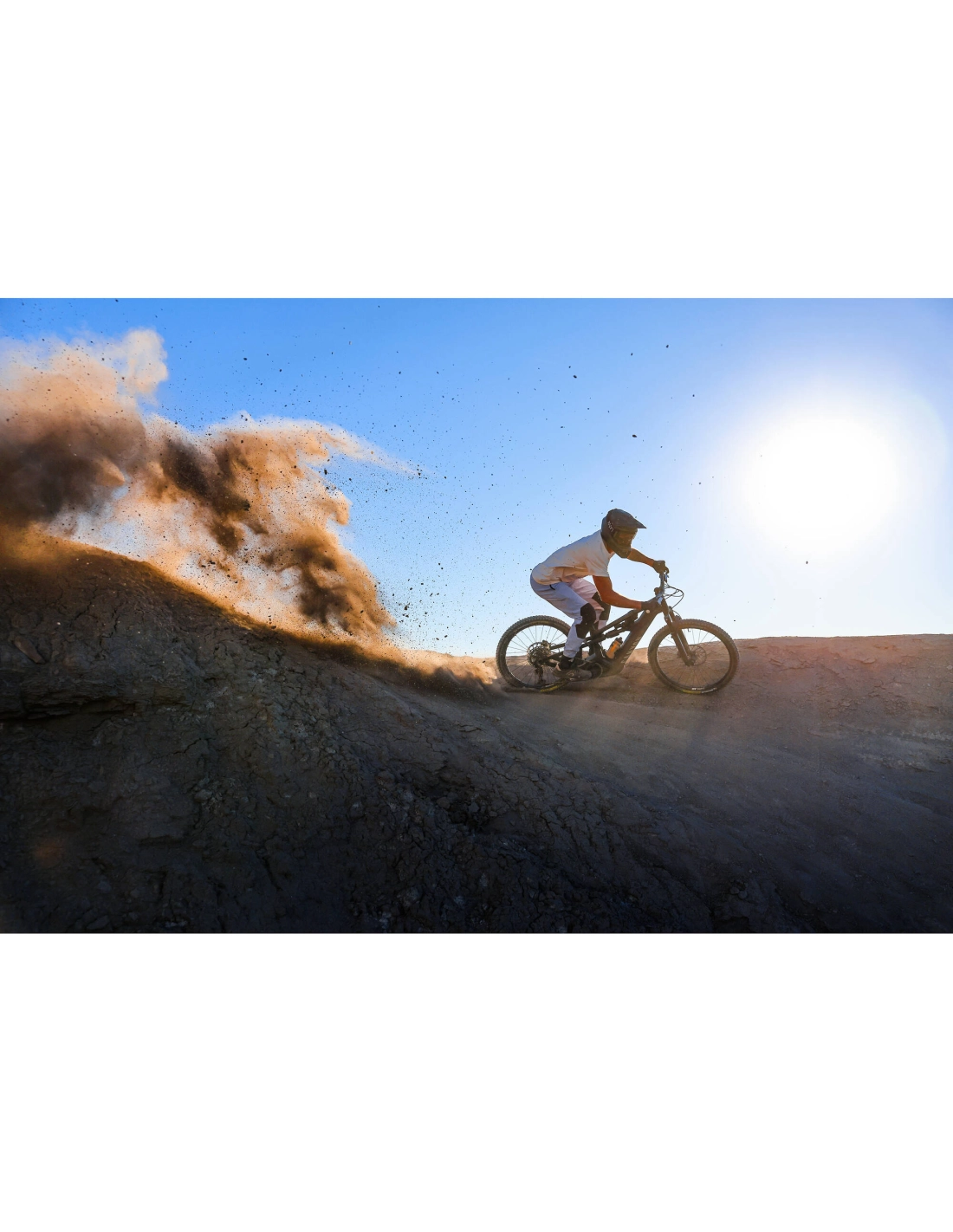
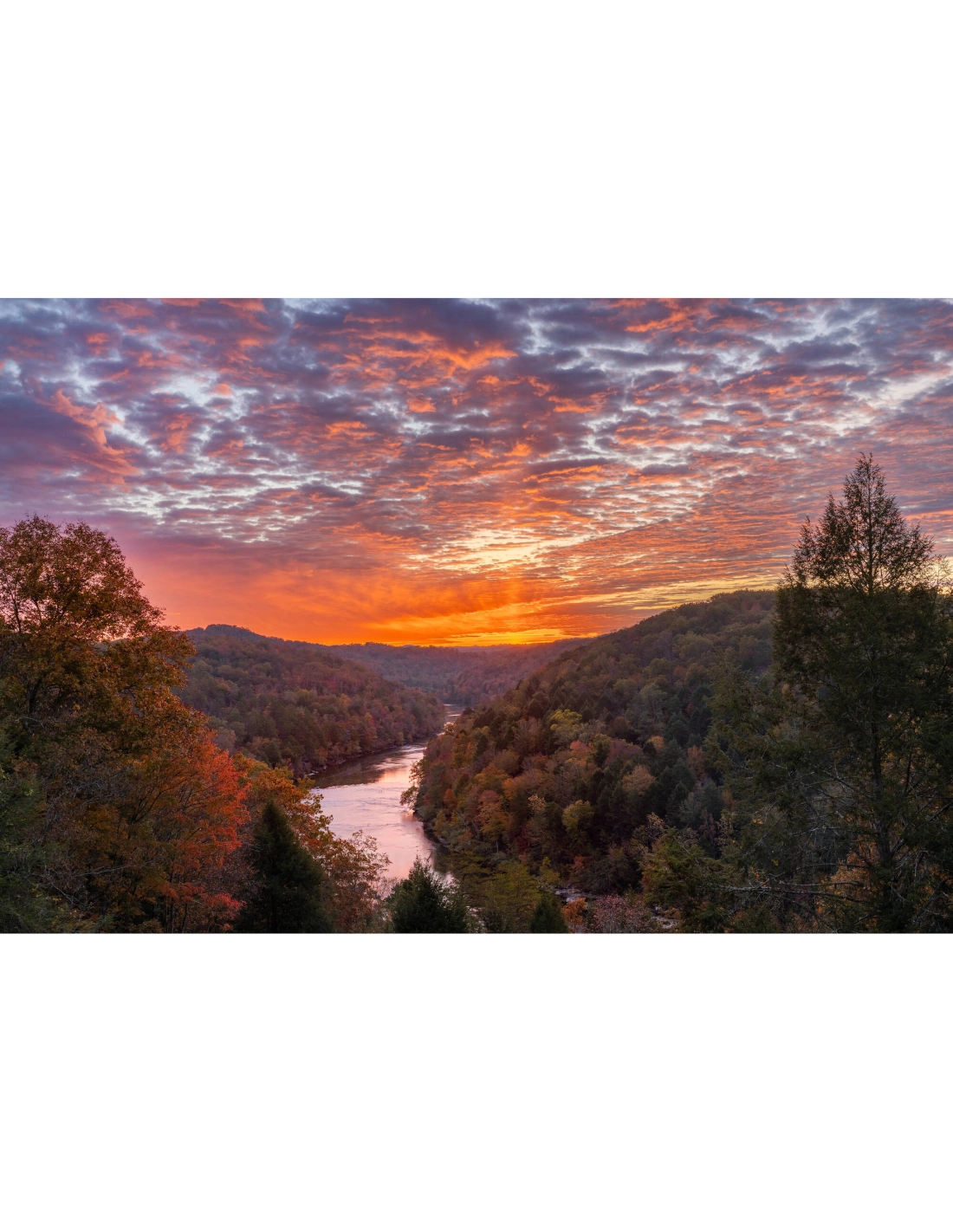
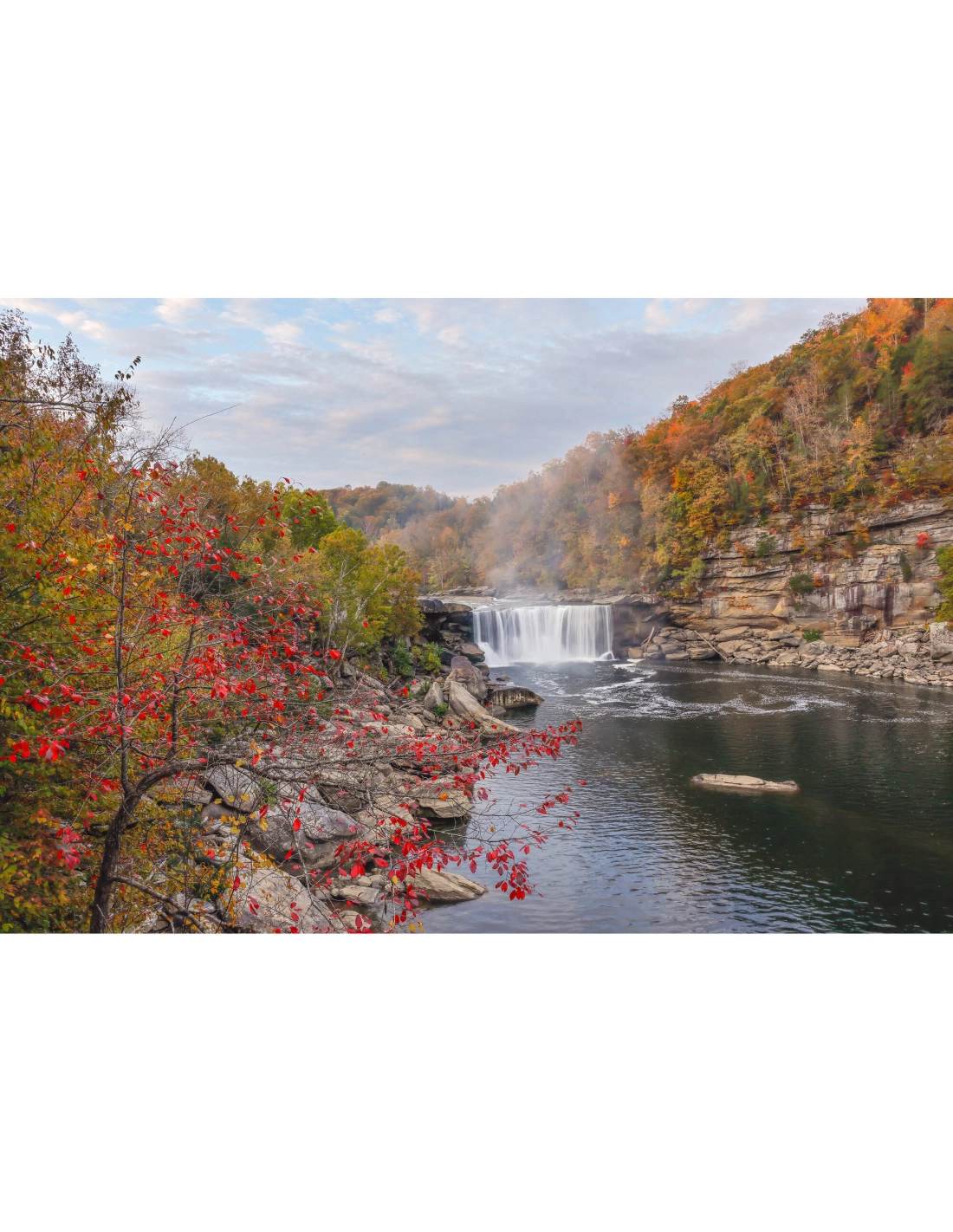
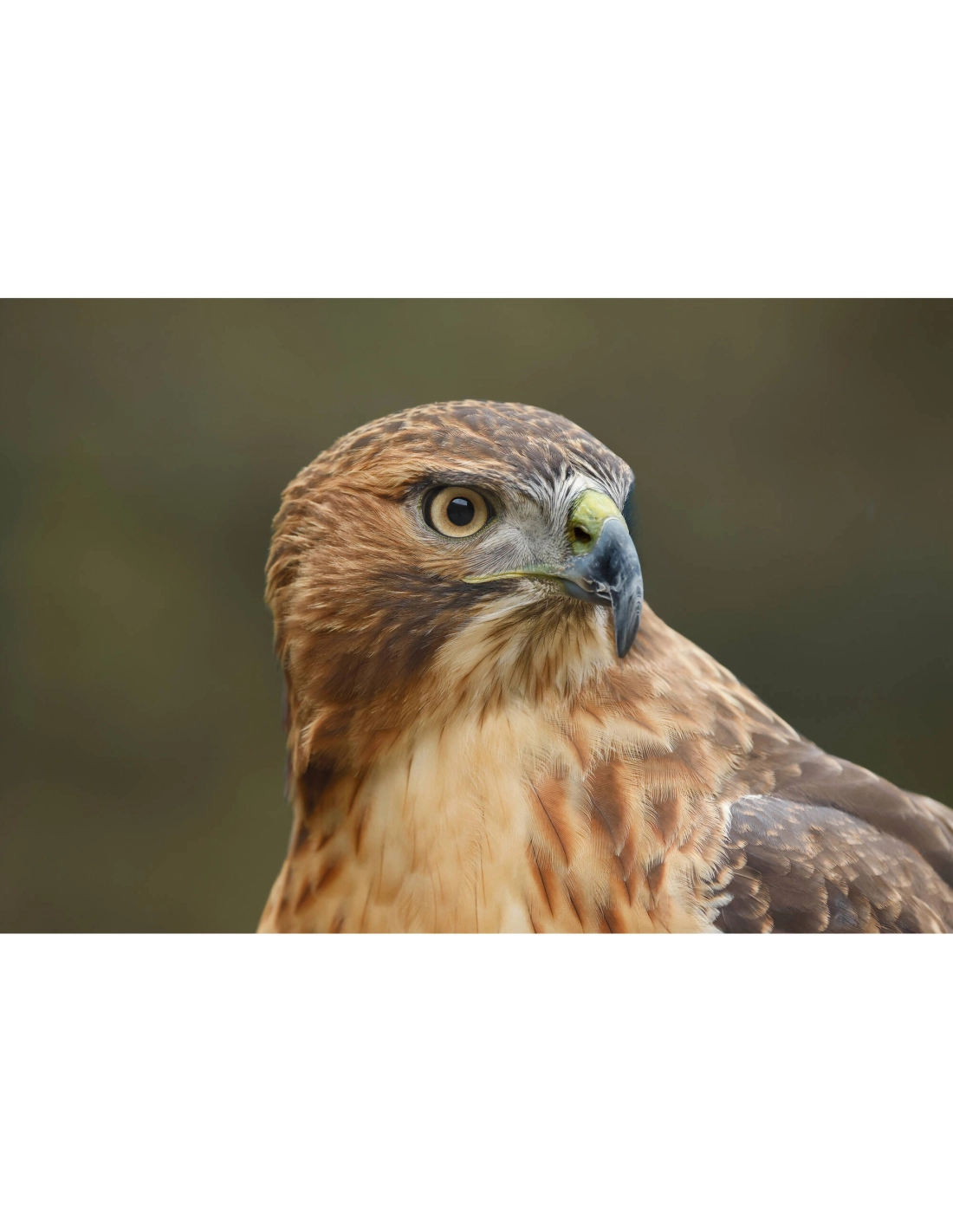
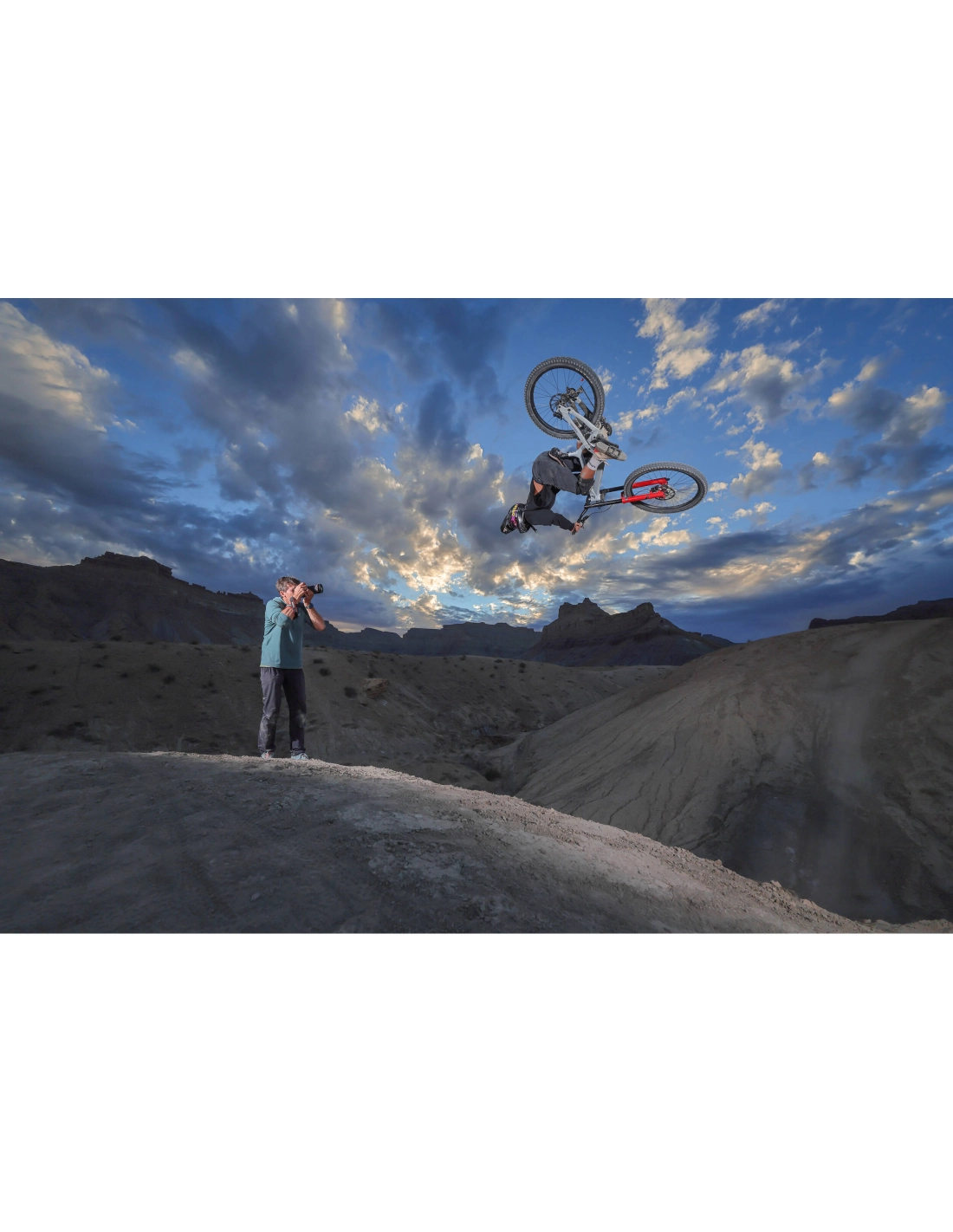
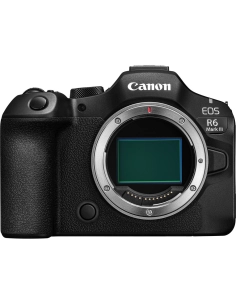

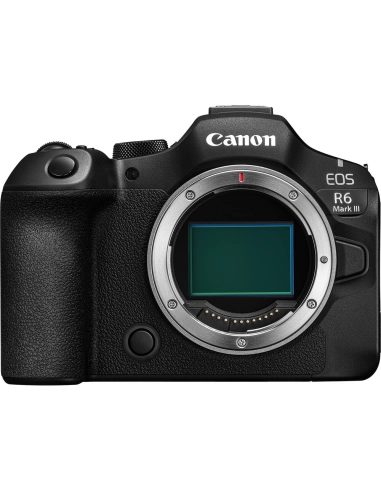
The Canon EOS R6 Mark III body is a full-frame hybrid recommended for photographers and filmmakers who regularly move between detailed stills and fast action. Its 32.5 MP sensor provides useful cropping freedom for weddings, reportage, portrait and wildlife work. When timing matters, electronic bursts at up to 40 fps, pre-continuous shooting and Dual Pixel CMOS AF II help follow an unpredictable subject, while in-body stabilisation supports hand-held shooting. Internal 7K RAW, Open Gate and 4K at up to 120p also give serious video productions room to reframe or slow the action. This body-only version makes most sense for an existing Canon RF system or a buyer choosing a lens around a specific assignment. It is a strong fit when one camera must cover both responsive photography and an advanced video workflow.
Combine compatible accessories and save. The more items you add, the bigger the discount.
Accessory
Accessory
Accessory

warranty extension
The Canon EOS R6 Mark III is a 32.5 MP full-frame hybrid for photographers who need to move between detailed stills, fast action and serious video without carrying separate cameras. Its burst rate, autofocus and working resolution make it relevant to weddings, reportage, sport, wildlife and hybrid production when the lens and storage are matched to the assignment.
This page covers the body-only version, which makes sense for an existing RF lens system or a buyer choosing each focal length separately. Canon R6 III, R6 Mark 3 and R6 MK3 are shortened names for the same camera, not different configurations. For current prices and lens combinations, browse the active Canon EOS R6 Mark III offers.
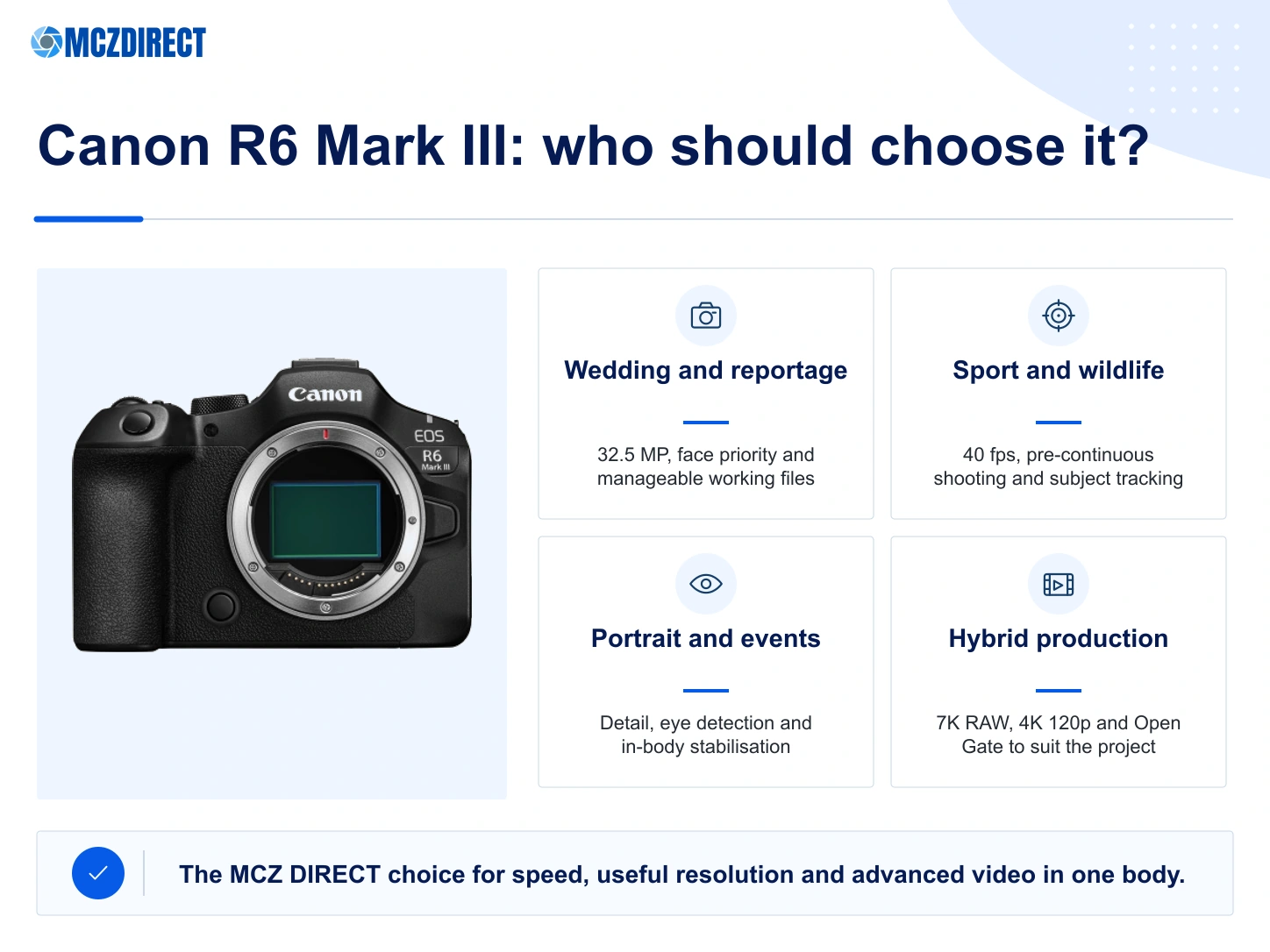
This camera is primarily for photographers who must move quickly between subjects without giving up useful image detail. Its 32.5 MP files provide more cropping freedom than lower-resolution bodies while remaining easier to process than 45 MP output. Sport, wildlife, events, reportage, portrait and weddings are natural applications when the selected lens suits the subject and working distance.
Hybrid filmmakers gain internal 7K RAW at up to 60p, 4K at up to 120p and Open Gate capture for reframing a single shot into several delivery formats. For a first RF setup, a well-matched kit is often the more straightforward route: focal length and maximum aperture directly shape framing, low-light work and subject separation.
| Your situation | Is body only suitable? | What to check |
|---|---|---|
| You already own Canon RF lenses | Yes | Confirm that their focal lengths and apertures cover your intended work. |
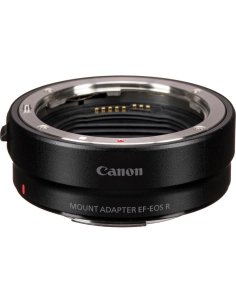
| You use EF or EF-S lenses | Yes, with an adapter | A compatible EF-EOS R adapter is required; EF-S lenses use an APS-C crop. |
| You own no lens yet | A kit is often better | Choose the focal range around travel, portrait, events or action first. |
| You record RAW or high-bit-rate video | Yes | Add suitable CFexpress Type B media and sufficient backup storage. |
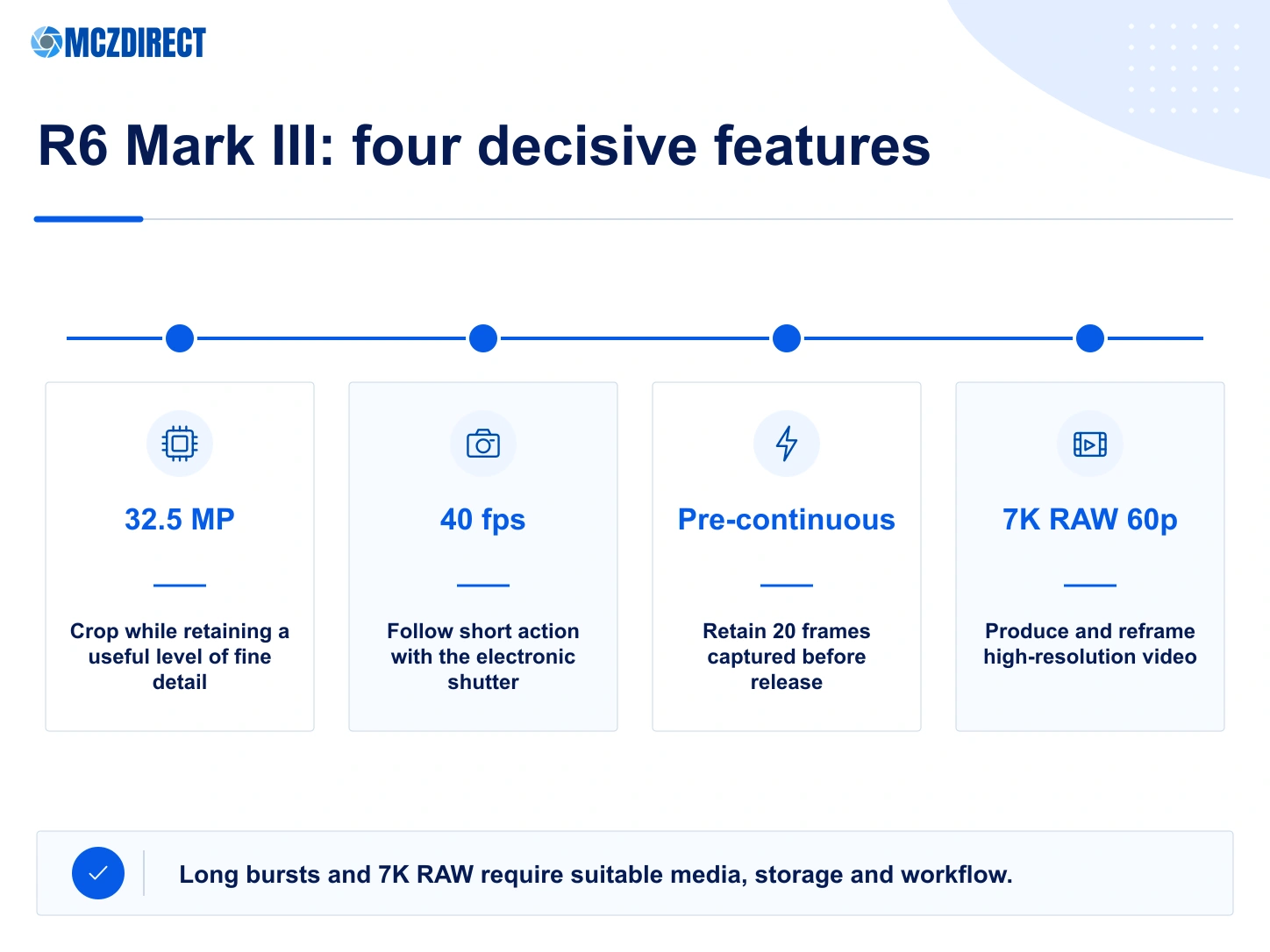
The 35.9 × 23.9 mm full-frame CMOS sensor records images up to 6960 × 4640 pixels. This resolution leaves useful room to crop a distant subject, prepare a large print or deliver several compositions from one frame. Long RAW bursts still create substantial data, so card capacity and computer performance should be considered before high-volume assignments.
The electronic shutter reaches approximately 40 fps, while the mechanical or electronic first-curtain shutter provides up to 12 fps under Canon’s stated conditions. Pre-continuous shooting can retain 20 frames captured before the shutter is fully pressed. It helps with take-off, impact or fleeting expressions, although burst depth depends on file type, media, battery, lens and camera settings.
Dual Pixel CMOS AF II tracks people, including eyes, faces, heads and bodies, as well as dogs, cats, birds, horses, cars, motorbikes, aircraft and trains. Register People Priority can favour up to ten selected faces, which is particularly useful at weddings, conferences and events where several people repeatedly enter the frame.
Autofocus sensitivity extends down to -6.5 EV under Canon’s test conditions. In-body stabilisation is rated at up to 8.5 stops in the centre and 7.5 at the edge with a compatible lens. Actual benefit varies with focal length, lens and technique. Stabilisation controls camera shake, but it cannot freeze a moving subject, so suitable shutter speed remains essential for action.
The Canon EOS R6 Mark III records internal DCI 7K RAW at up to 60p and UHD 4K at up to 120p. Open Gate uses a larger sensor area so one take can later be reframed for horizontal, vertical or square delivery. This can simplify production when the same material must serve several channels.
Video tools include Canon Log 2, Canon Log 3, a waveform monitor, proxies, metadata tagging, full-size Type A HDMI and up to four audio channels depending on the setup. Internal 7K RAW creates large files and requires suitable CFexpress Type B media. For many productions, oversampled 4K or 4K 50/60p will provide a more efficient balance of image quality, recording time and post-production load.
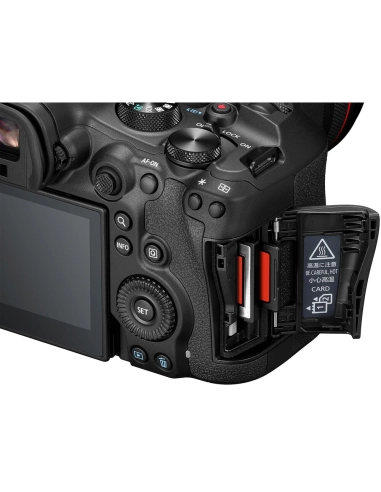
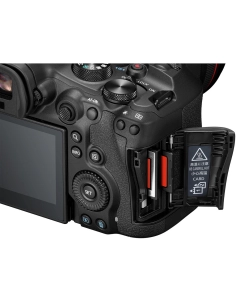
The camera has one CFexpress Type B slot supporting CFexpress 2.0 and VPG400 at capacities up to 8 TB, plus one UHS-II-compatible SD, SDHC or SDXC slot. Depending on the selected mode, the two cards can support backup, relay recording, proxy files or separation of stills and video.
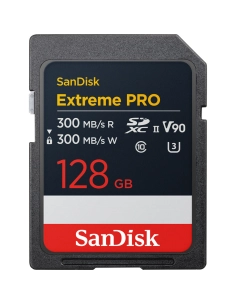
A fast UHS-II SD card suits many stills and everyday video settings. CFexpress Type B is required for internal RAW and the highest data rates. Our team recommends selecting media against the exact recording mode rather than the peak speed printed on the label, then creating a second copy on separate storage as soon as the shoot is complete.
The body-only configuration makes sense when the right lenses are already available or when a job requires a specific focal length. The Canon EOS R6 Mark III category contains the currently active body and lens configurations. Each kit page explains a distinct pairing, helping buyers compare the included lens without confusing one offer with another.
| Configuration | Main use | Why choose it |
|---|---|---|
| Body only | Existing RF lens system | You invest in the camera and remain free to choose every lens. |
| R6 Mark III + RF 24-105mm F4-7.1 | Travel and general use | A broad focal range in a lighter and more accessible combination. |
| R6 Mark III + RF 24-105mm F4 L | Reportage and events | Constant aperture, L-series construction and wide-to-portrait coverage. |
| R6 Mark III + RF 24-70mm F2.8 L | Weddings and low light | The constant F2.8 aperture favours light gathering, subject separation and consistency. |

| Model | Priority | Key point |
|---|---|---|
| EOS R6 Mark III | Speed, 32.5 MP and 7K video | A balance of action, cropping freedom, Open Gate and manageable file sizes. |
| EOS R6 Mark II | 24.2 MP all-round work | Consider it when 7K RAW, Open Gate and 32.5 MP are not required. |
| EOS R5 Mark II | High resolution and 8K | Its 45 MP stacked sensor better serves demanding crops and high-end hybrid production. |
Moving from the R6 Mark II to the Canon R6 III is most relevant when the higher resolution, 20-frame pre-capture, Open Gate or 7K RAW will materially improve the workflow. The R5 Mark II remains the stronger choice when 45 MP, a stacked sensor and 8K are core requirements. The decision should therefore be based on the complete production chain, not one headline specification.
RF and RF-S lenses mount directly. EF and EF-S lenses require a compatible Canon EF-EOS R adapter, while RF-S and EF-S lenses apply an approximately 1.6x crop. The wider Canon EOS R range places this body within the RF system, while the mirrorless camera category supports comparison with other brands and sensor formats.
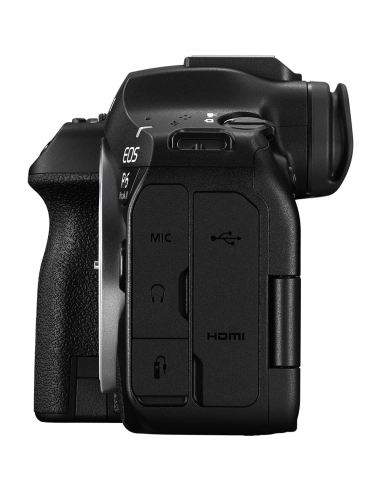
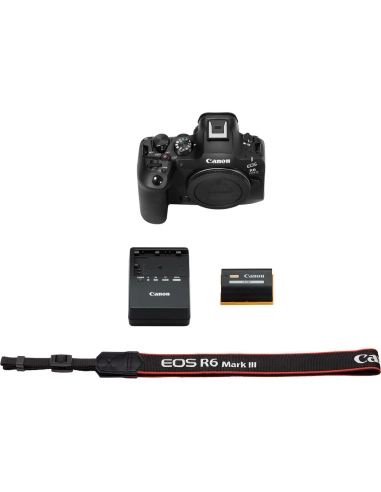
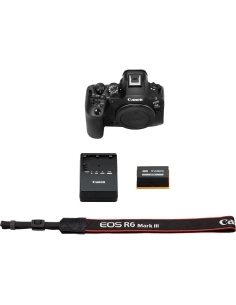
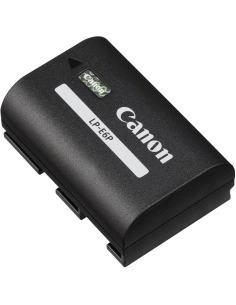
An LP-E6P battery and LC-E6 or LC-E6E charger are supplied. Canon rates approximately 620 shots with the screen or 390 with the viewfinder at 23°C in power-saving mode. Wireless use, video, long bursts, cold conditions and a high viewfinder refresh rate can reduce real endurance. Connections include USB-C 3.2 Gen 2, full-size Type A HDMI, microphone input, headphone output, 5 GHz Wi-Fi and Bluetooth 5.1.
Position in the range. At MCZ DIRECT, we see it as Canon RF’s most balanced option for wedding, reportage, sport and wildlife photographers who want more detail than the R6 Mark II without moving to the file sizes and positioning of the R5 Mark II. The body-only version is most coherent for an established RF lens system.
Direct comparison. Against the Canon EOS R6 Mark II, we recommend the Mark III when 32.5 MP, pre-continuous shooting, Open Gate and 7K RAW materially improve delivery. Against the Canon EOS R5 Mark II, it is the more rational body when 45 MP, a stacked sensor and 8K are not core requirements.
Honest limitation. Long bursts and 7K RAW need suitable CFexpress Type B media, storage and editing hardware. The two card slots use different formats, and stabilisation cannot replace an action-stopping shutter speed. A simpler workflow may be the better choice when most work is static or stills-only.

The Canon EOS R6 Mark III is for photographers and filmmakers who need speed, useful resolution and advanced video in one body. Its 32.5MP sensor, bursts at up to 40fps and autofocus suit sport, wildlife, weddings, events and reportage when paired with an appropriate lens.
No. This listing is for the Canon EOS R6 Mark III body only. The package contains the camera and covers, an LP-E6P battery, its charger and a strap. A compatible lens and memory card must be selected separately. A lens kit is often more practical for a first system.
Canon RF and RF-S lenses mount directly. EF and EF-S lenses require a compatible Canon EF-EOS R adapter, while EF-M lenses cannot be used. RF-S and adapted EF-S lenses work with an approximately 1.6x APS-C crop, reducing the available image resolution.
The camera has one CFexpress Type B slot and one UHS-II-compatible SD slot. A fast SD card works for many stills and video settings. Internal RAW video and the highest data rates require suitable CFexpress Type B media. Always check the requirement of the selected recording mode.
Yes. It combines tracking for people, animals and vehicles, electronic bursts at up to 40fps and 20-frame pre-continuous shooting. Results still depend on the lens, light, media, battery and camera settings. A suitable telephoto lens remains essential for distant subjects.
Yes. It records internal DCI 7K RAW at up to 60p and also offers UHD 4K at up to 120p. Open Gate recording supports later reframing into several formats. Internal RAW requires suitable CFexpress Type B media and produces large files.
Canon rates in-body stabilisation at up to 8.5 stops in the centre and 7.5 at the edge under its stated conditions with a compatible lens. Actual benefit varies with focal length, lens and technique. It reduces camera shake but cannot freeze a moving subject.
The package includes a Canon LP-E6P battery and an LC-E6 or LC-E6E charger. Canon rates approximately 620 shots with the screen or 390 with the viewfinder at 23°C in power-saving mode. Video, Wi-Fi, long bursts, cold weather and high refresh rates reduce real endurance.
The R6 Mark III adds 32.5MP, 20-frame pre-continuous shooting, 7K RAW and Open Gate. The R6 Mark II remains relevant when its 24.2MP files and 4K video cover the requirement. File volume, media, lenses and the complete system budget should also be compared.
The R6 Mark III balances 32.5MP output, 40fps bursts and 7K video. The R5 Mark II provides 45MP, a stacked sensor and 8K, but creates heavier files. The R5 Mark II is more suitable when maximum detail and cropping freedom are the priority.
The package contains the camera with R-F-5 body cap and ER-SC2 shoe cover, an LP-E6P battery with protective cover, an LC-E6 or LC-E6E charger and a strap. No lens, memory card, interface cable or HDMI cable is included with this body-only configuration.
Canon introduced the EOS R6 Mark III on 6 November 2025. The shortened names R6 III, R6 Mark 3 and R6 MK3 refer to the same camera and should not be confused with the EOS R6 Mark II.
Generated by AI from customer reviews.