Shopping Cart
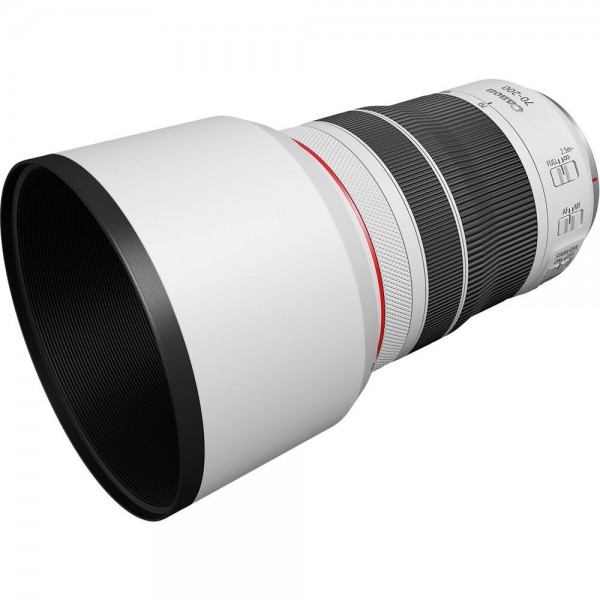
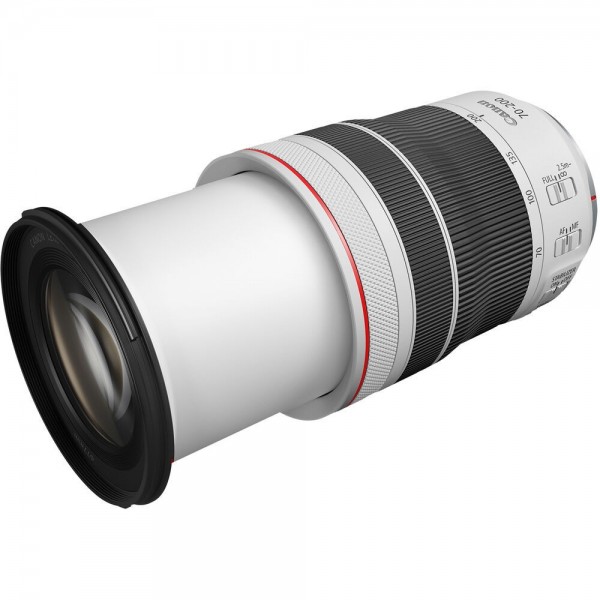
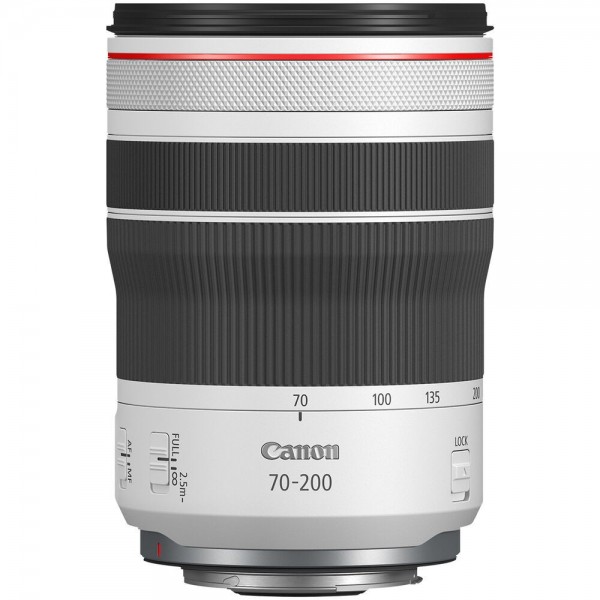
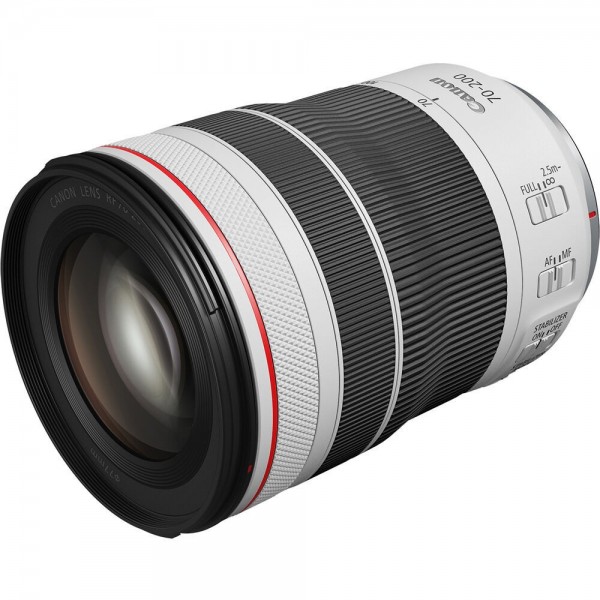
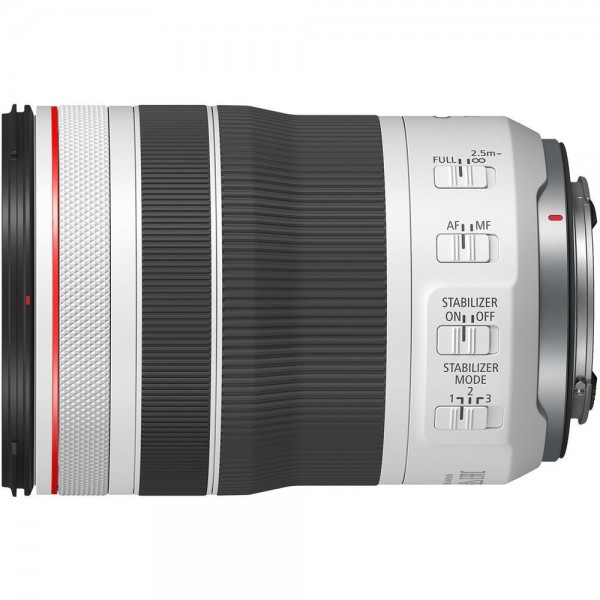

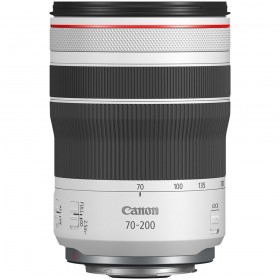
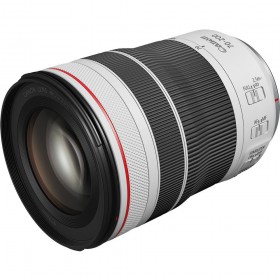
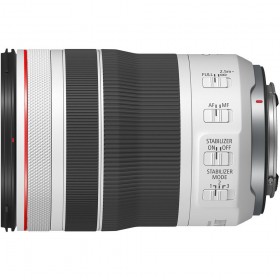
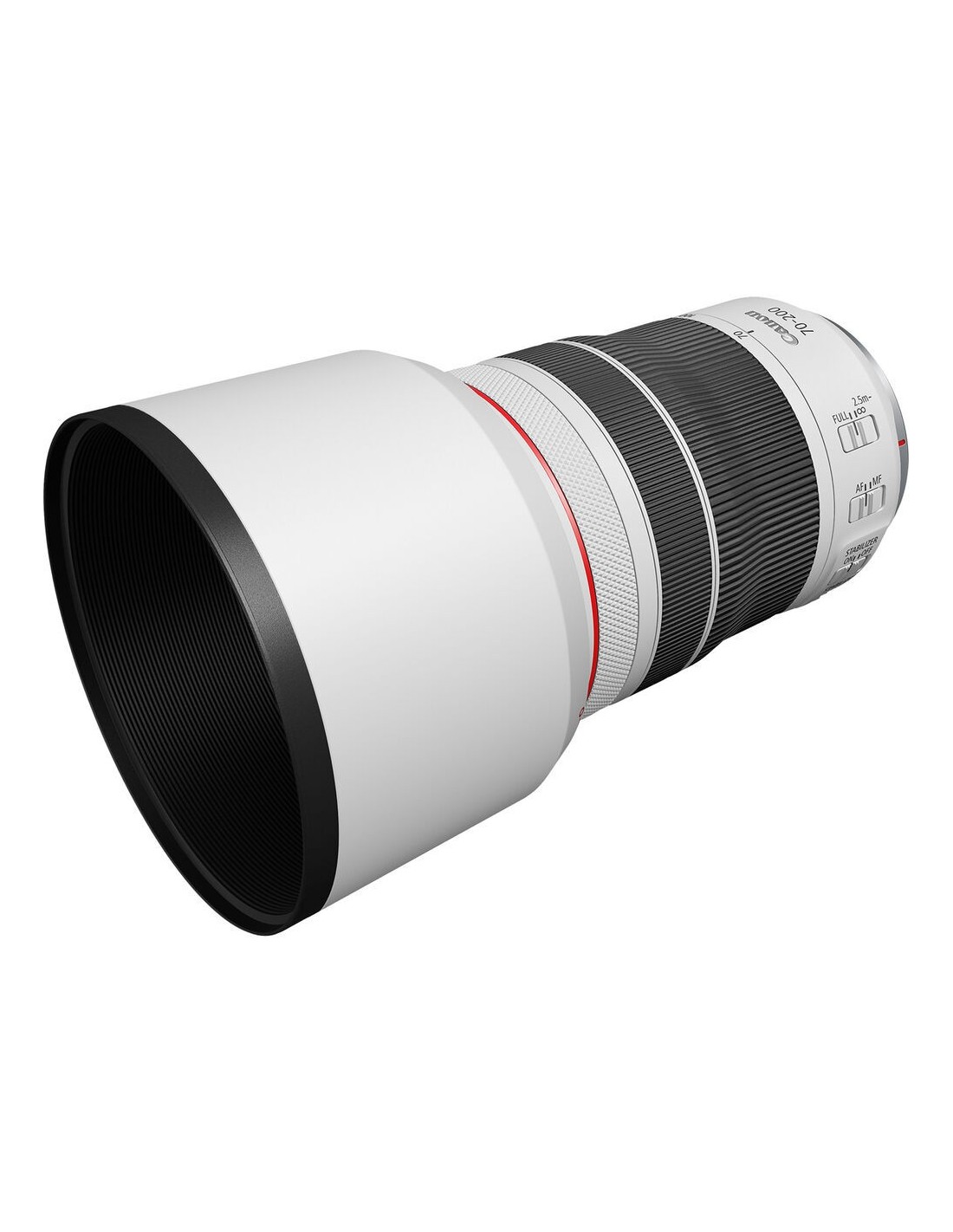
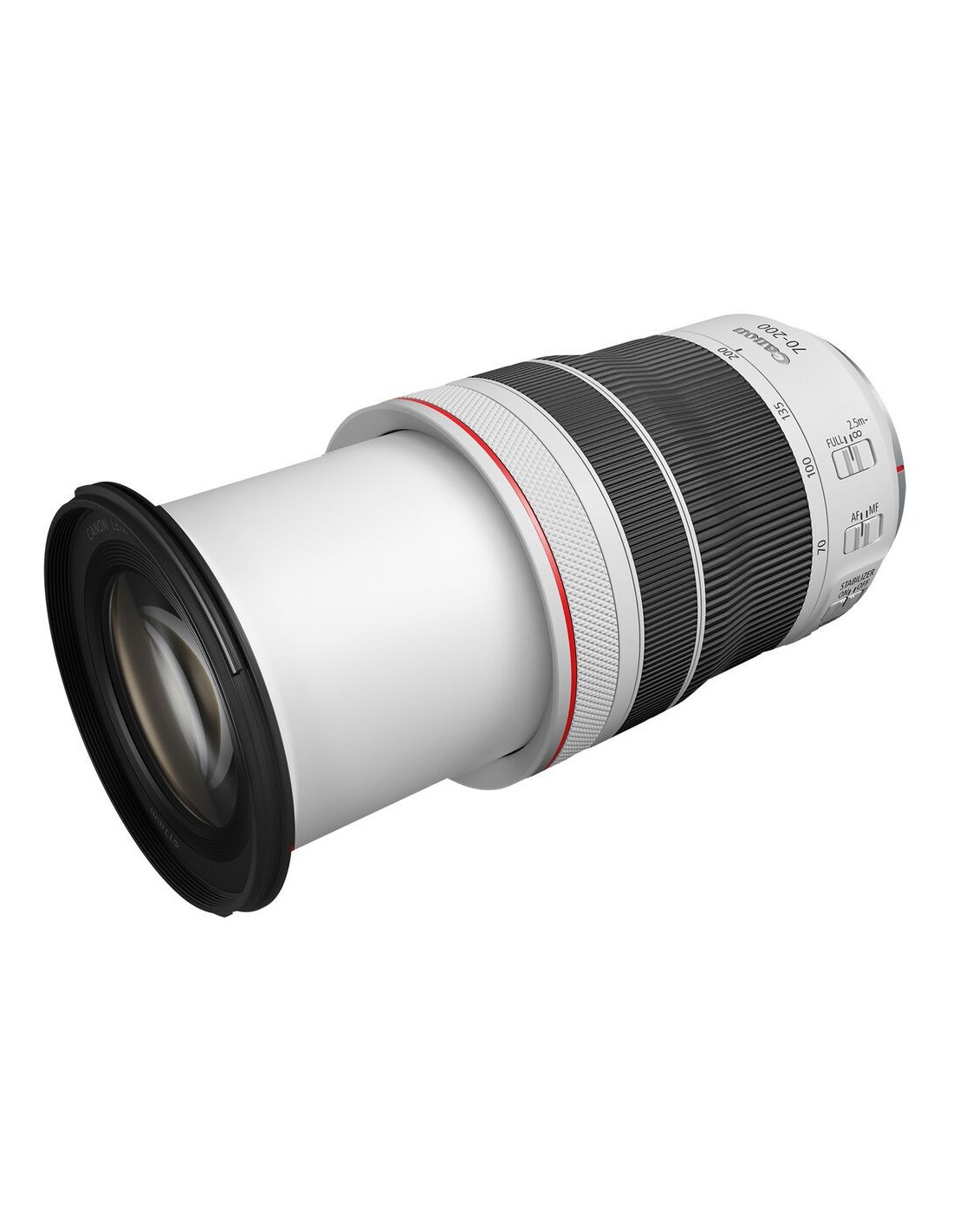
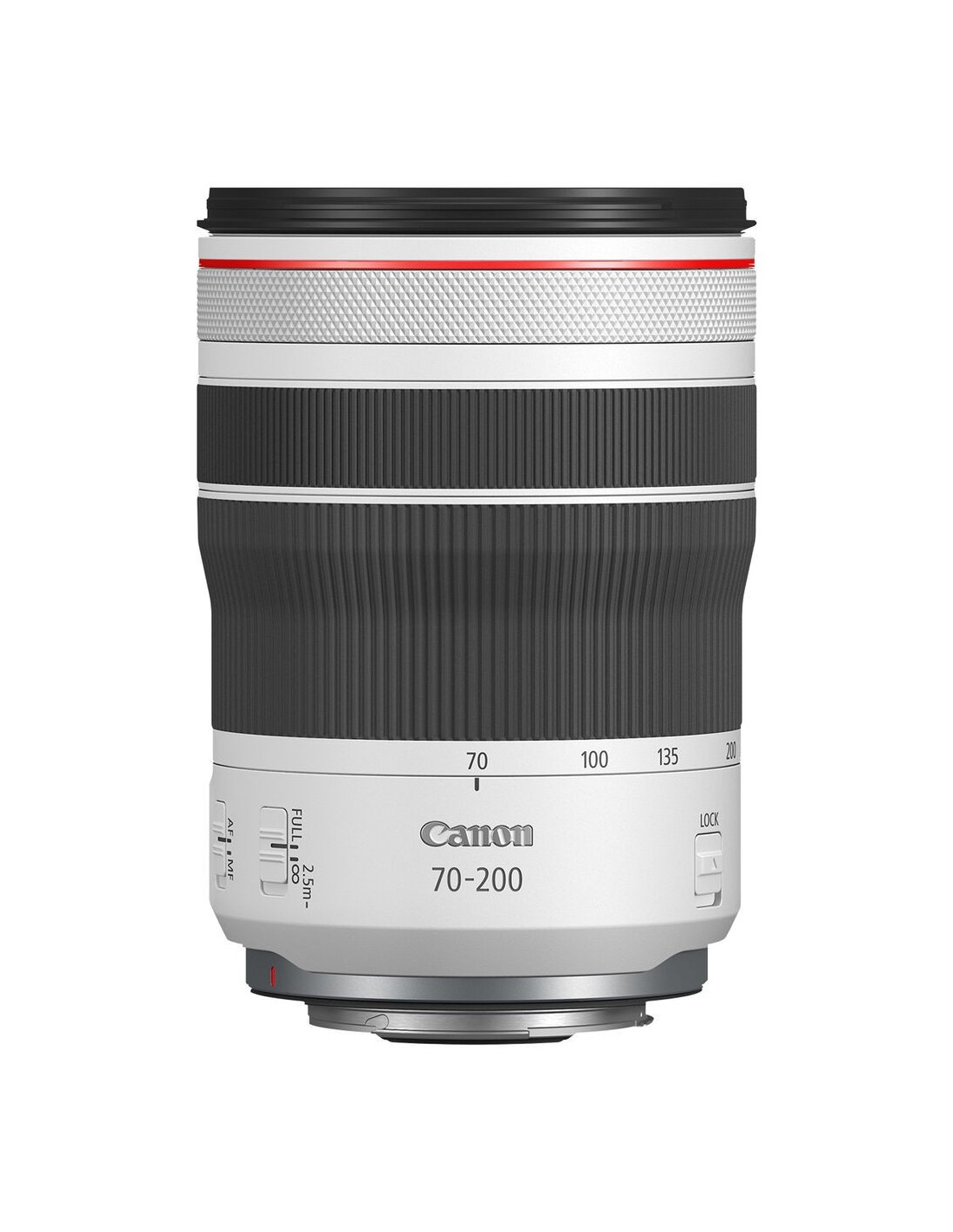
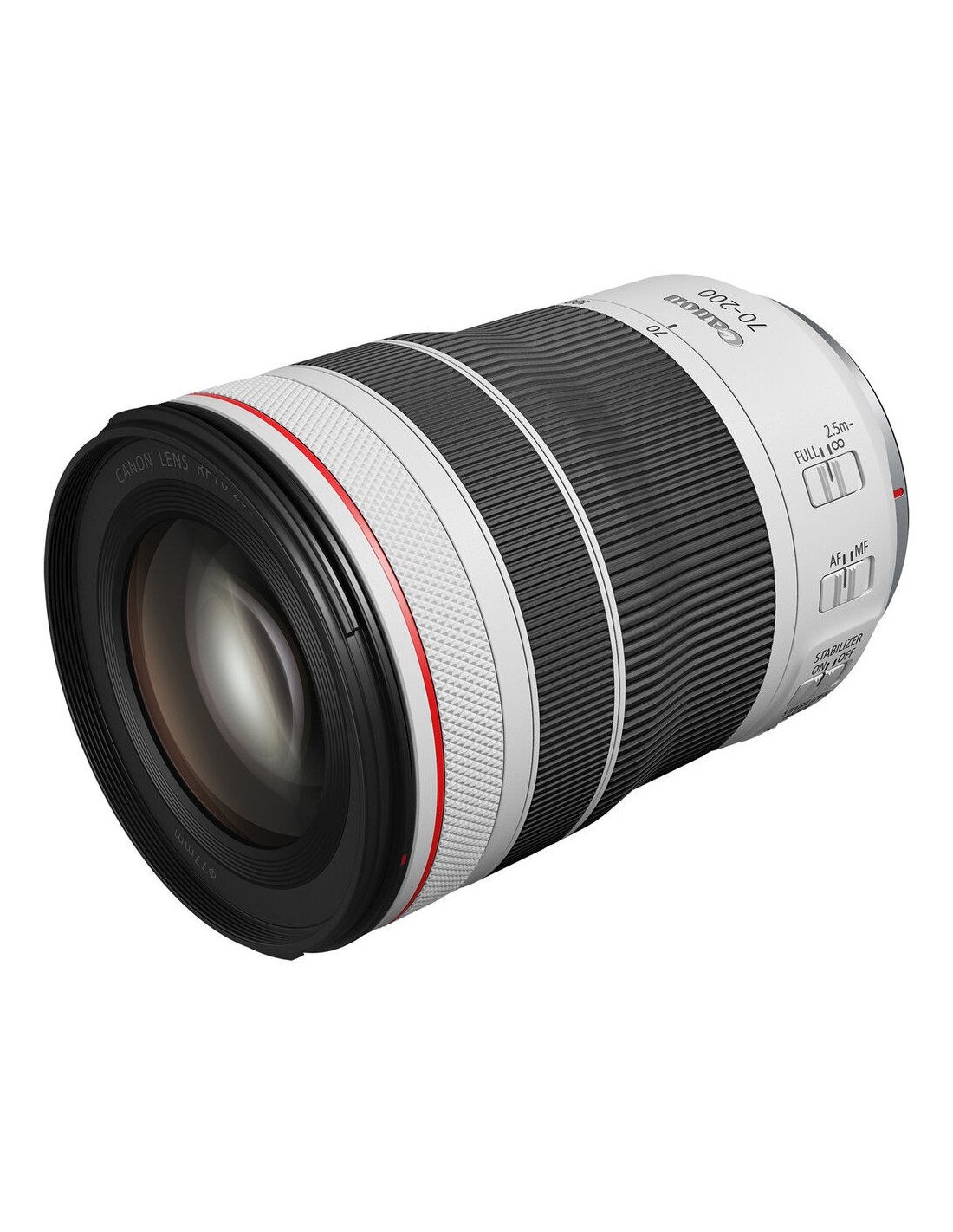
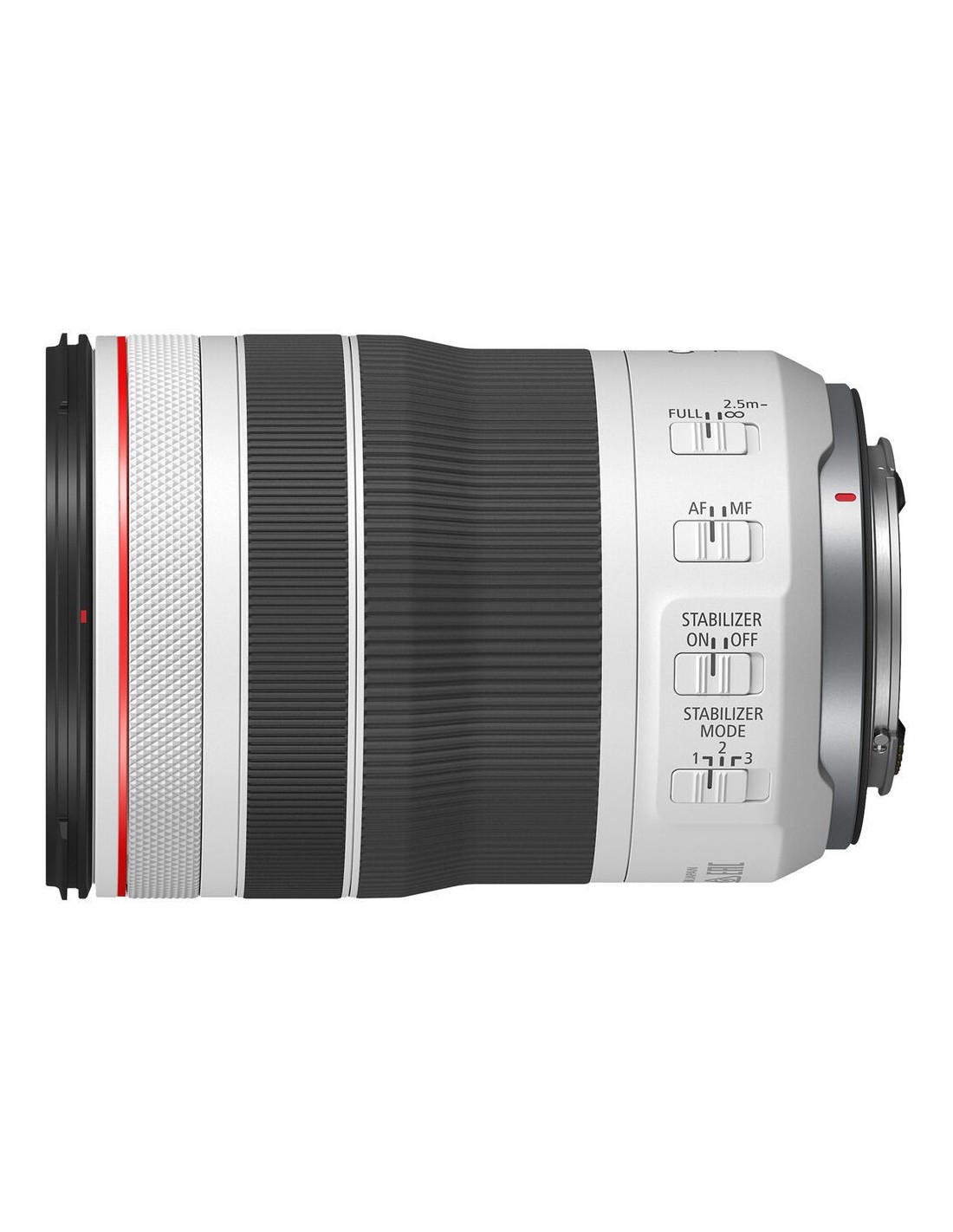


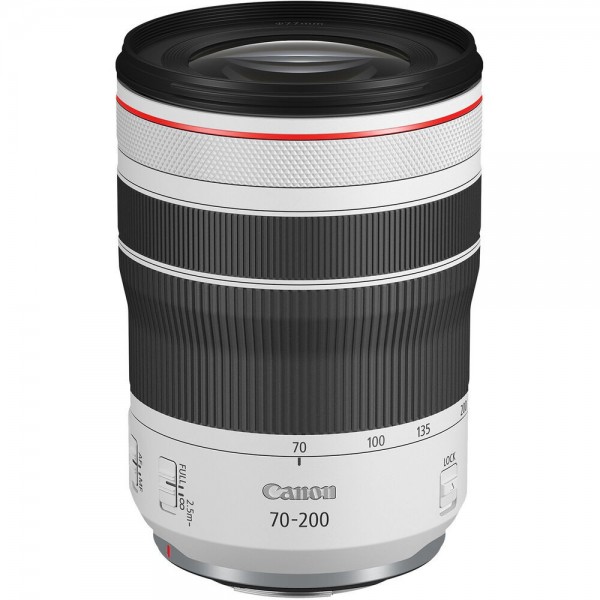
The Canon RF 70-200mm F4L IS USM is a lightweight professional telephoto zoom for travel, portrait, reportage and outdoor sports photographers, and we recommend it when mobility matters more than an f/2.8 aperture. Its 70-200mm range moves easily from an environmental portrait to tight framing, while the 695g weight makes it far more comfortable to carry than an f/2.8 70-200mm. Dual Nano USM autofocus, Canon-rated 5-stop optical stabilisation and 0.60m minimum focus add practical versatility. The retracting design also saves valuable room in a compact working camera bag during a long day. It is a well-judged choice for an EOS R photographer who wants L-series build and image quality without committing to a heavier lens or needing reach beyond 200mm.
Combine compatible accessories and save. The more items you add, the bigger the discount.
memory card

warranty extension
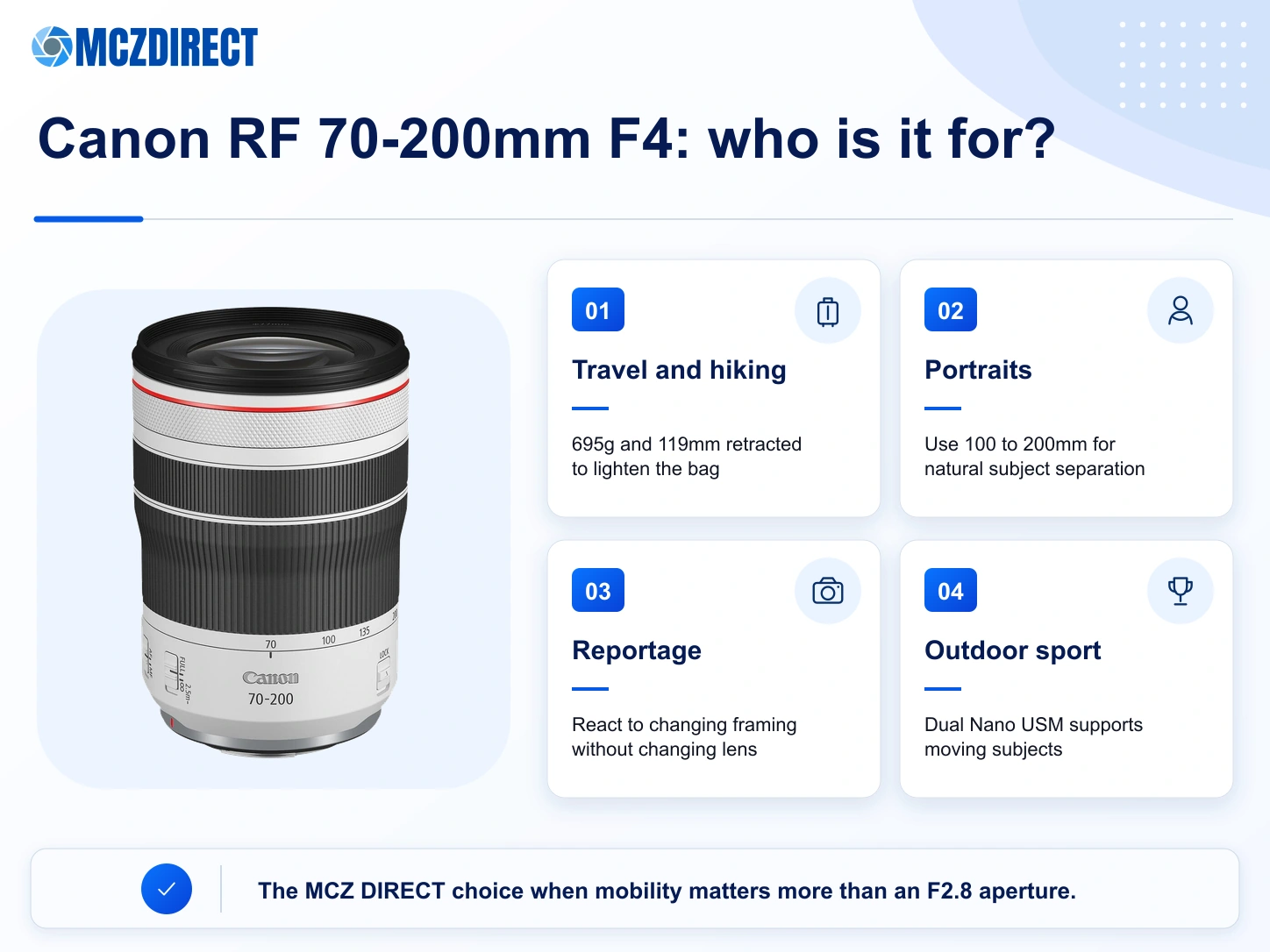
The Canon RF 70-200mm F4L IS USM is for photographers who value the framing options of a 70-200mm but do not need the weight of an f/2.8 model. At 695g and only 119mm long when retracted, it fits naturally into a travel, hiking or reportage bag. Its maximum aperture remains f/4 throughout the range, so exposure does not change as the lens is zoomed. The intended use still matters. An RF 70-200mm F2.8 keeps a one-stop advantage for dark wedding venues or indoor sport. Outdoors, for portraits, compressed landscapes, events and action at moderate distances, this F4 model offers a particularly useful balance.
| Feature | Practical benefit | Consideration |
|---|---|---|
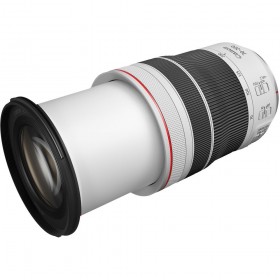
| 695g and 119mm retracted | Carry the lens for longer and fit it into a smaller working bag | The barrel extends as the lens is zoomed towards 200mm |
| Constant f/4 aperture | Maintain exposure and predictable depth of field across the range | One stop less light than f/2.8 when conditions become dark |
| Dual Nano USM | Follow a moving subject with responsive, discreet focus | Tracking also depends on the camera, subject and AF settings |
| Optical stabilisation | Reduce camera shake when photographing a relatively still subject | It cannot replace a fast shutter speed for moving action |
| 0.60m and 0.28x | Frame a detail, flower or accessory without changing lens | This is not a true 1:1 macro lens |
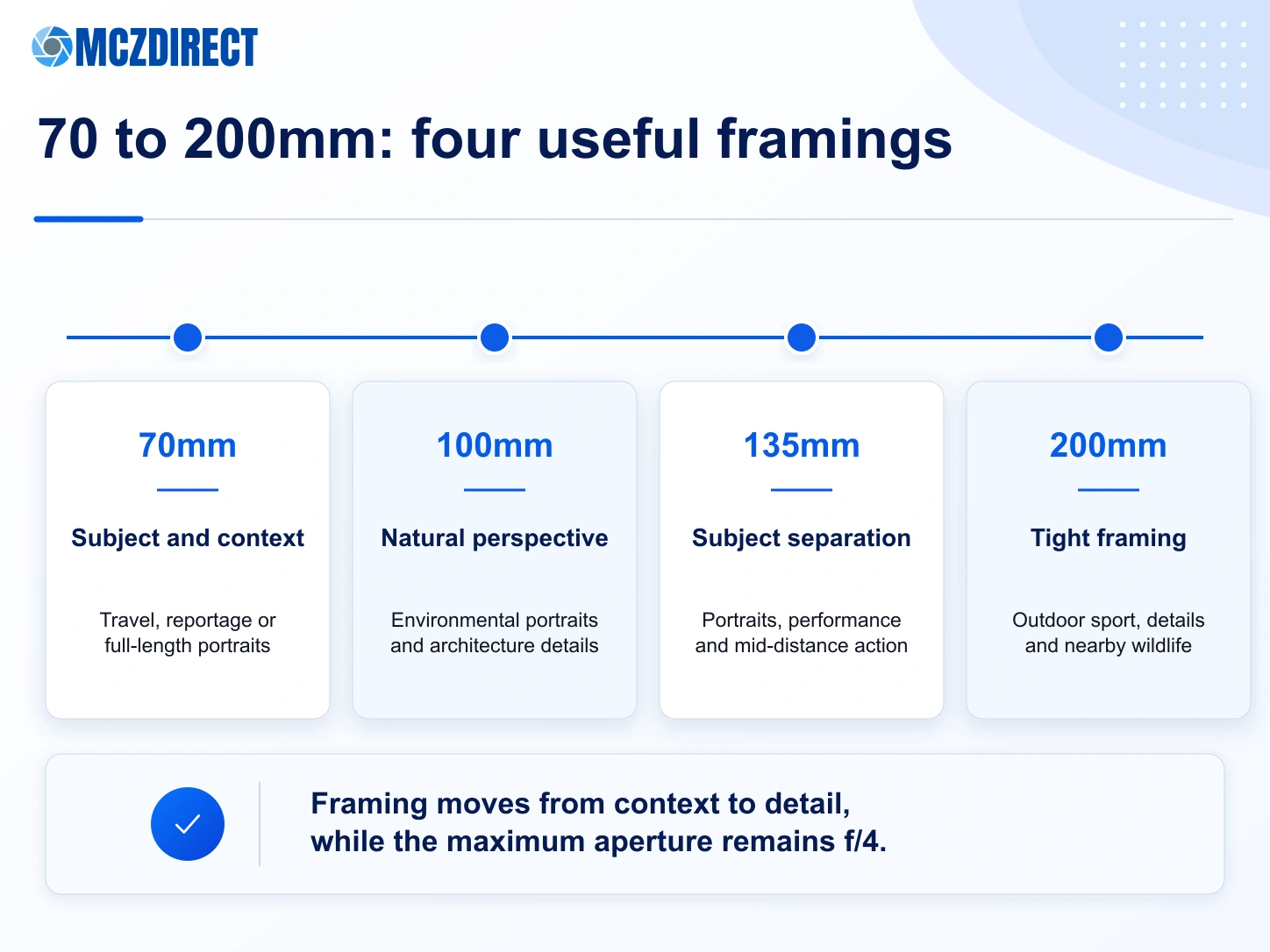
At 70mm, a meaningful part of the setting can remain in the photograph. That works for a full-length portrait, travel scene or piece of reportage where context matters. Around 100mm, framing becomes tighter without looking remote. At 135mm, separation between the subject and background is stronger, making it a natural portrait and stage focal length. At 200mm, a face, gesture or landscape detail can fill the frame without moving closer. F4 can still produce a soft background when the subject is well separated from it; the practical difference from f/2.8 is greatest in low light and when the shallowest possible depth of field is required.
| Focal length | Suitable situation | What the framing adds |
|---|---|---|
| 70mm | Travel, reportage, full-length portrait, compressed landscape | Show the subject with part of its environment |
| 100mm | Environmental portrait, event, architectural detail | Tighten the frame with a natural-looking perspective |
| 135mm | Portrait, outdoor performance, mid-distance action | Increase subject separation without standing excessively far away |
| 200mm | Tight portrait, outdoor sport, landscape detail, nearby wildlife | Fill the frame and simplify the background |
The difference becomes obvious late in a long day. A 695g telephoto zoom places less strain on the arm, balances better on a smaller camera and leaves room for a second lens. That is a practical advantage while hiking, travelling through a city or covering an assignment on foot. The compromise appears as light falls. Compared with f/2.8, an equivalent exposure requires a higher ISO or slower shutter speed. Stabilisation helps with landscapes, architecture and posed portraits, but it cannot freeze a player or animal. F2.8 therefore remains the more comfortable option for fast indoor action.
For portraits, the range lets the photographer adjust working distance without interrupting the session. At 135 or 200mm, the background becomes naturally simpler even at f/4. For outdoor sport, low weight makes tracking easier and the range works when the action is reasonably close. It can handle large animals, parks, zoos and approachable wildlife, but 200mm may be short for birds or wary subjects. The lens does not support Canon RF extenders. When reach is the priority, the Canon RF 100-500mm F4.5-7.1L is the more logical tool.
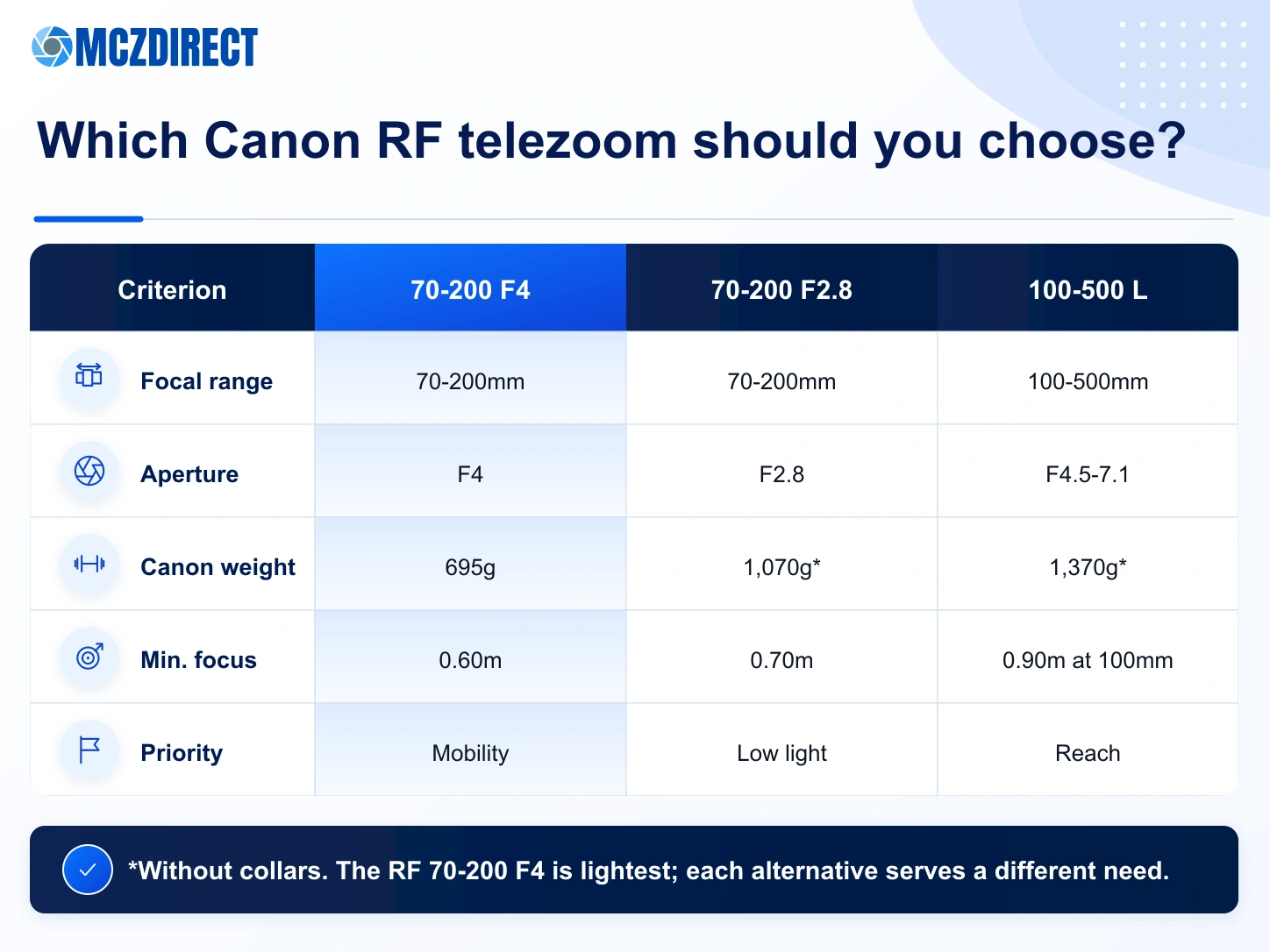
| Lens | Choose it when | Compromise to accept |
|---|---|---|
| RF 70-200mm F4L IS USM | Travel, portrait and reportage require a light, compact lens | F4 in low light and a range that ends at 200mm |
| RF 70-200mm F2.8L IS USM | Weddings, performance and sport in difficult light justify f/2.8 | Approximately 375g heavier and a larger overall system |
| RF 100-500mm F4.5-7.1L IS USM | Wildlife, aviation and distant sport require considerably more reach | Slower aperture and less suited to indoor portrait work |
The RF mount works across the Canon EOS R range. On a Canon EOS R8, it forms a particularly light full-frame travel and portrait kit. An EOS R6 Mark II adds handling and in-body stabilisation suited to reportage. With an EOS R5 Mark II, higher resolution provides more cropping latitude when 200mm is slightly short. On the APS-C EOS R7, the field of view matches 112-320mm on full frame, useful for sport and wildlife but tighter for reportage.
The Canon RF lens category brings together the other active zoom and prime options. It is worth comparing them when your work regularly starts below 70mm or extends beyond 200mm.
At MCZ DIRECT, we see the RF 70-200mm F4L as the choice for a travel, portrait or reportage photographer who genuinely wants to keep a telezoom in the bag all day, rather than simply as a slower version of the f/2.8 lens. Its 695g weight, compact packed size and 0.60m focusing distance give it a distinct role in the Canon RF range.
Against the RF 70-200mm F2.8, we recommend it when mobility matters more than the final stop of low-light performance. Against the RF 100-500mm, we favour it for portraits, travel and broader everyday use. Its honest limitation is clear: f/4 requires more care with moving subjects in low light, and 200mm without extender support will not satisfy every wildlife photographer.

It primarily suits travel, portrait, reportage, landscape, event and outdoor sports photographers who want a lightweight L-series telezoom.
Its main advantage is the balance of a 70-200mm range, 695g weight, 119mm retracted length and constant f/4 aperture.
Yes. Focal lengths from 100 to 200mm help isolate a subject at a comfortable working distance, although f/2.8 provides shallower depth of field.
Yes. Its 695g weight and retracted design reduce bulk compared with an f/2.8 70-200mm, making long walking days easier.
Yes, particularly outdoors or in good light. For fast indoor sport, an f/2.8 lens makes it easier to maintain a high shutter speed.
It suits relatively close animals and larger subjects. For birds or distant wildlife, 200mm can be short and the RF 100-500mm is usually better suited.
Choose the F4 for low weight and travel. The F2.8 is preferable in low light, for indoor sport and for shallower depth of field.
Canon rates the optical stabiliser at 5 stops and up to 7.5 stops when coordinated with selected stabilised cameras under its test conditions.
It is 0.60m throughout the zoom range, with maximum 0.28x magnification at 200mm.
It takes 77mm filters, a size shared by many professional Canon zoom lenses.
No. Its optical and mechanical design is not compatible with Canon RF 1.4x or 2x extenders.
This page is for the native RF-mount version. An EF 70-200mm F4 requires an adapter on an EOS R camera and uses a different design.