Shopping Cart
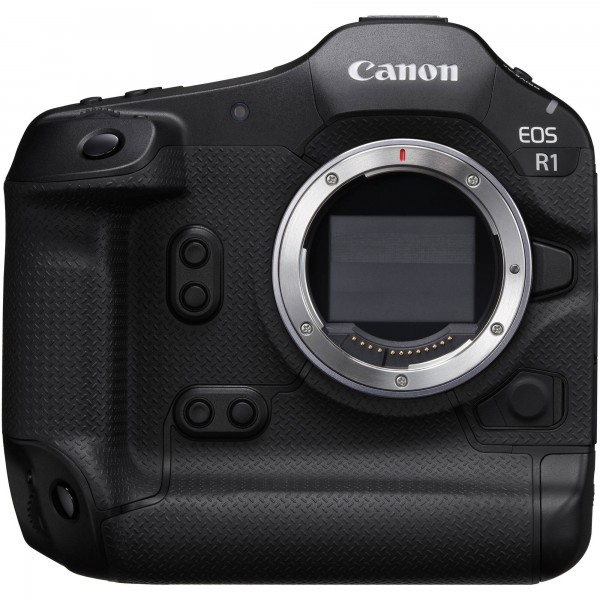
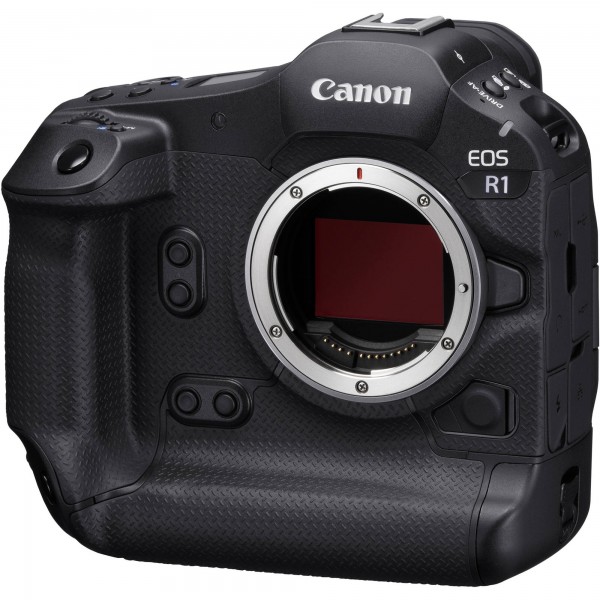
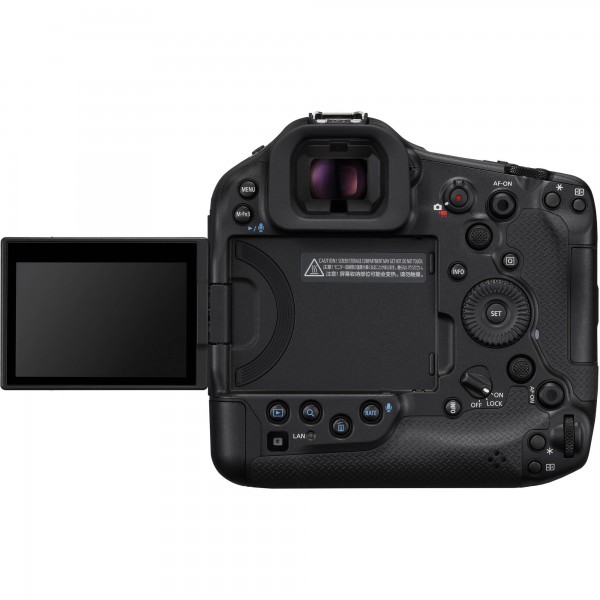
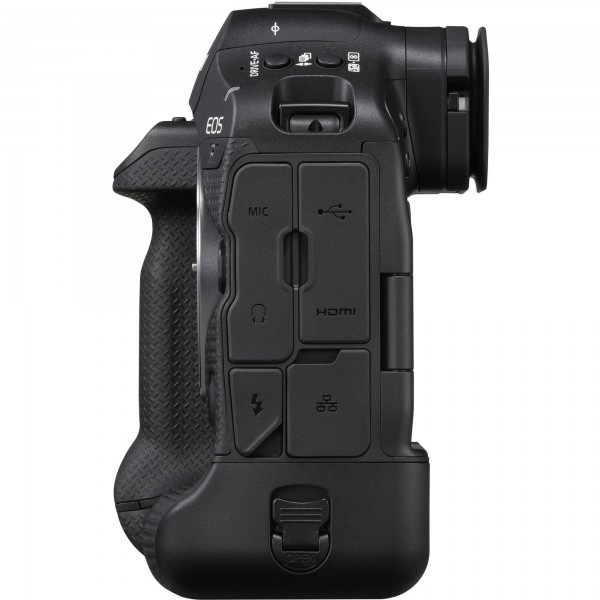
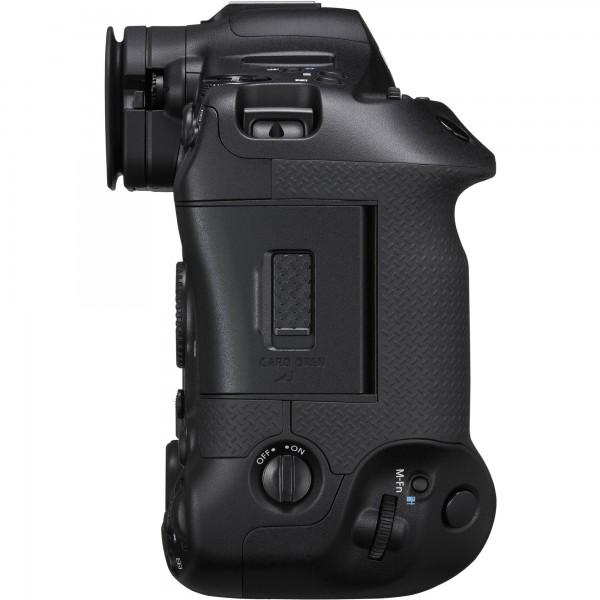
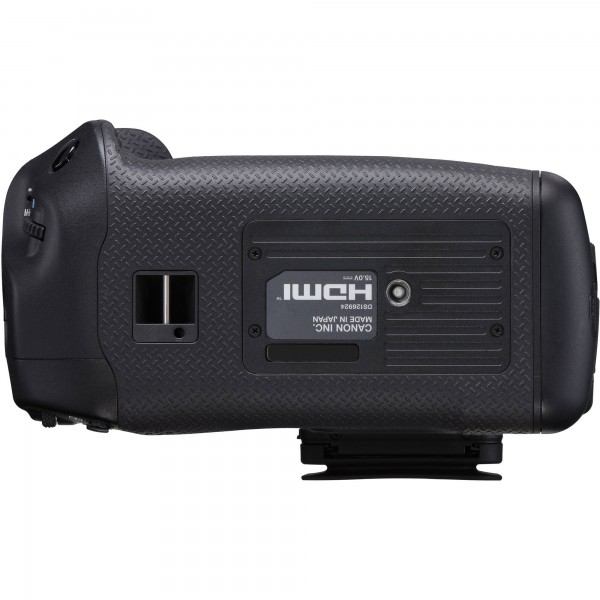
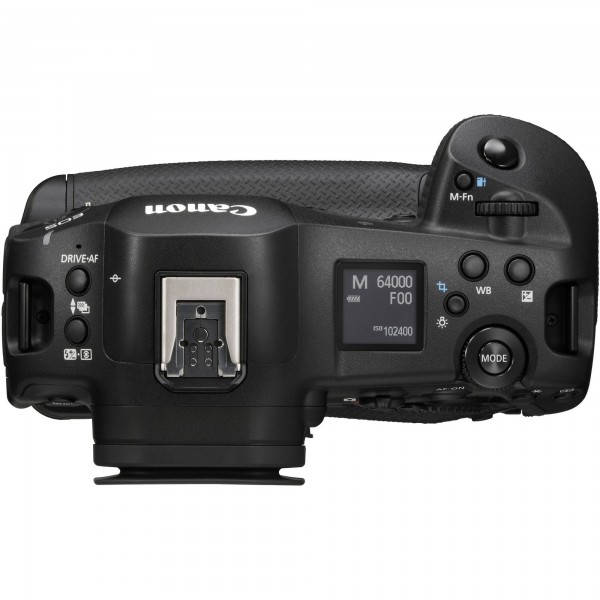
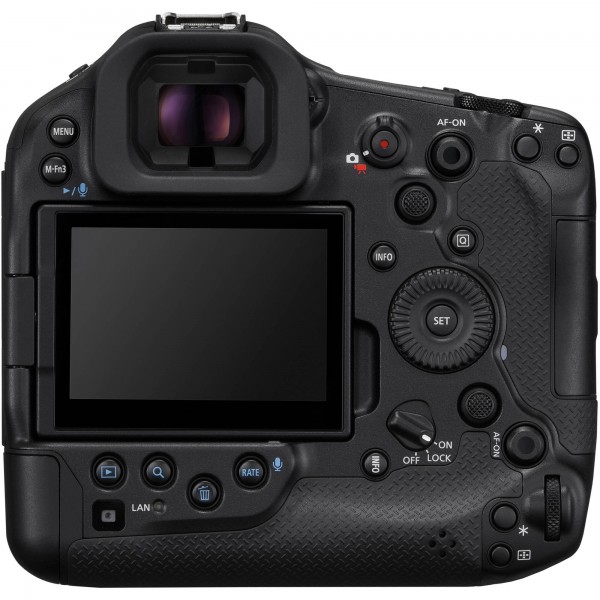
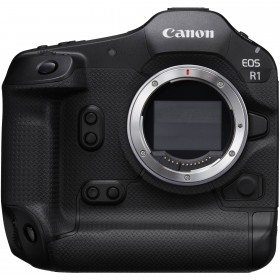
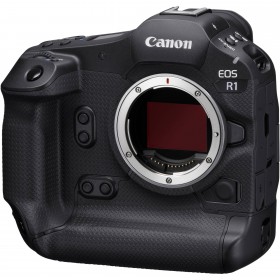
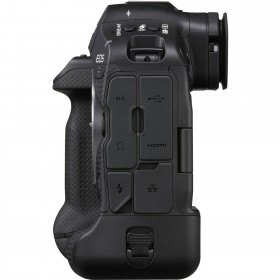
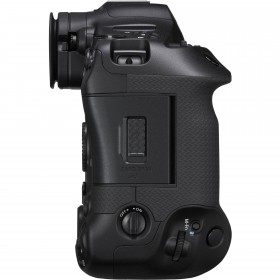
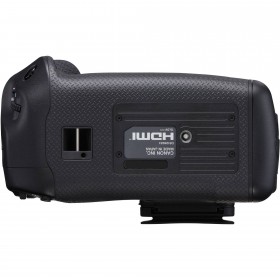
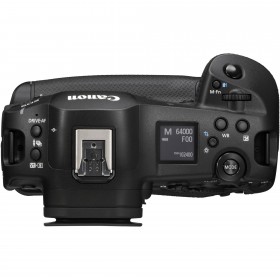
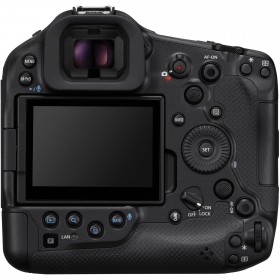


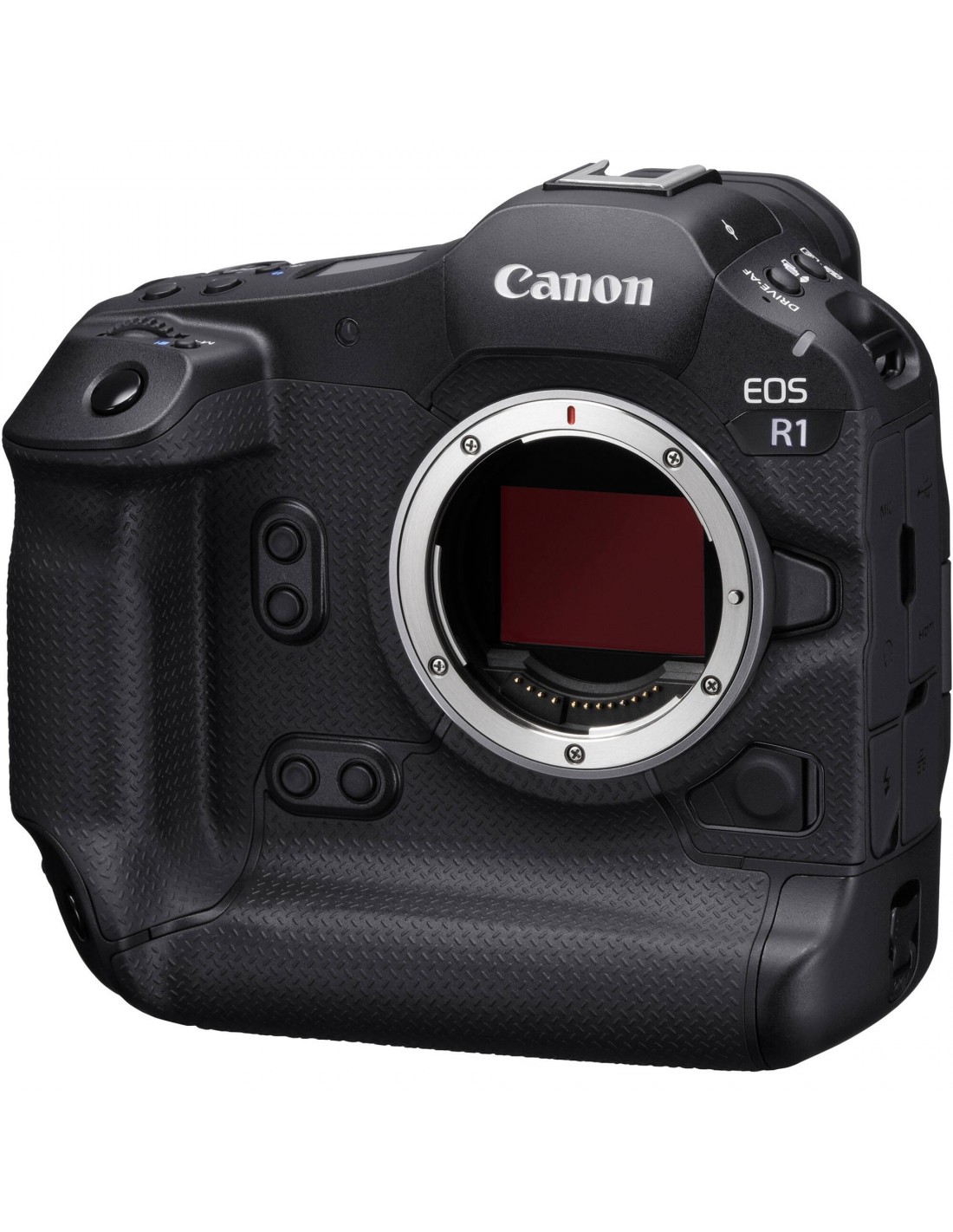


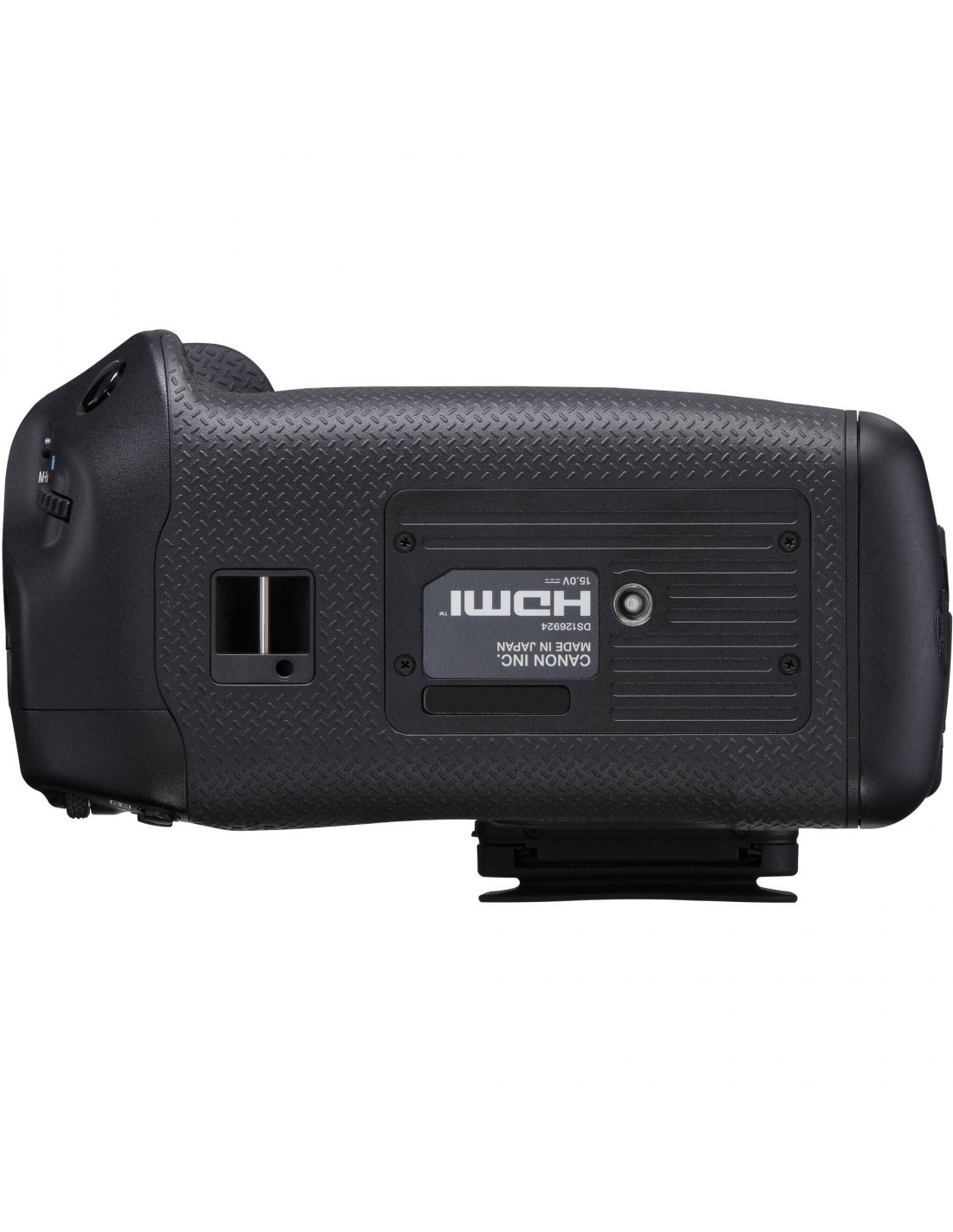



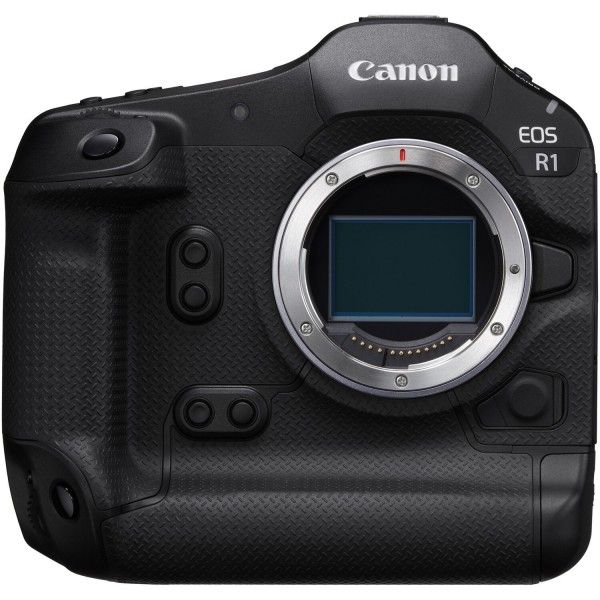
The Canon EOS R1 is a full-frame mirrorless camera with an integrated vertical grip, recommended for professional sports, news and wildlife photographers who need reliable subject tracking and rapid file delivery. Its 24.2MP stacked sensor favours fast readout and keeps long burst sequences manageable during selection. Subject-recognition autofocus helps maintain focus when movement changes direction, while electronic shooting up to 40fps and pre-capture improve the chances of recording a brief moment. Internal 6K RAW video, dual CFexpress Type B slots and professional network connections support demanding hybrid assignments. This body-only offer is best suited to photographers who already own Canon RF lenses matched to their working distances and who value response, endurance and overall workflow speed more than maximum resolution.
Combine compatible accessories and save. The more items you add, the bigger the discount.
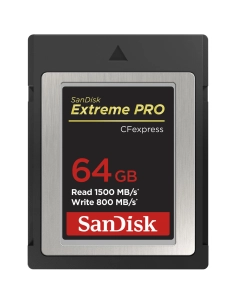
Accessory
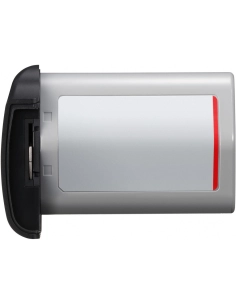
Accessory
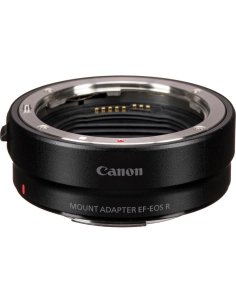
Accessory

warranty extension
The Canon EOS R1 body only is Canon’s integrated-grip full-frame mirrorless camera for professional sport, news and fast-moving wildlife. It is built around one practical goal: stay with an unpredictable subject, capture the decisive frame and deliver it quickly. A 24.2MP stacked sensor works with the DIGIC Accelerator and DIGIC X processor to support fast readout, subject recognition and high-speed bursts.
On the touchline, the benefit is not simply a headline frame rate. It is the combination of uninterrupted viewing, shooting up to 40fps, dual CFexpress Type B media and network tools that can shorten the path from capture to delivery. This body-only version makes most sense for photographers whose RF lens set already covers the assignment. The current Canon EOS R1 body and lens kits provide alternatives for news, events, indoor sport and distant wildlife.
The EOS R1 is aimed at photographers who must keep a fast, unpredictable subject in view and deliver usable files quickly. Sports photographers benefit from the high burst rate, subject tracking and action-specific assistance. News and agency photographers can build wired or wireless transfer into the assignment. Wildlife specialists gain pre-capture, animal detection and an electronic viewfinder designed to keep the scene visible during a burst.
It can also handle events and hybrid stills/video work, but the large integrated-grip body is not the most efficient answer for every brief. Travel photographers may prefer a smaller body. Studio, landscape and commercial users who crop heavily may value a higher-resolution sensor. The R1 makes most sense when speed, controls, battery endurance and file delivery form one connected requirement.
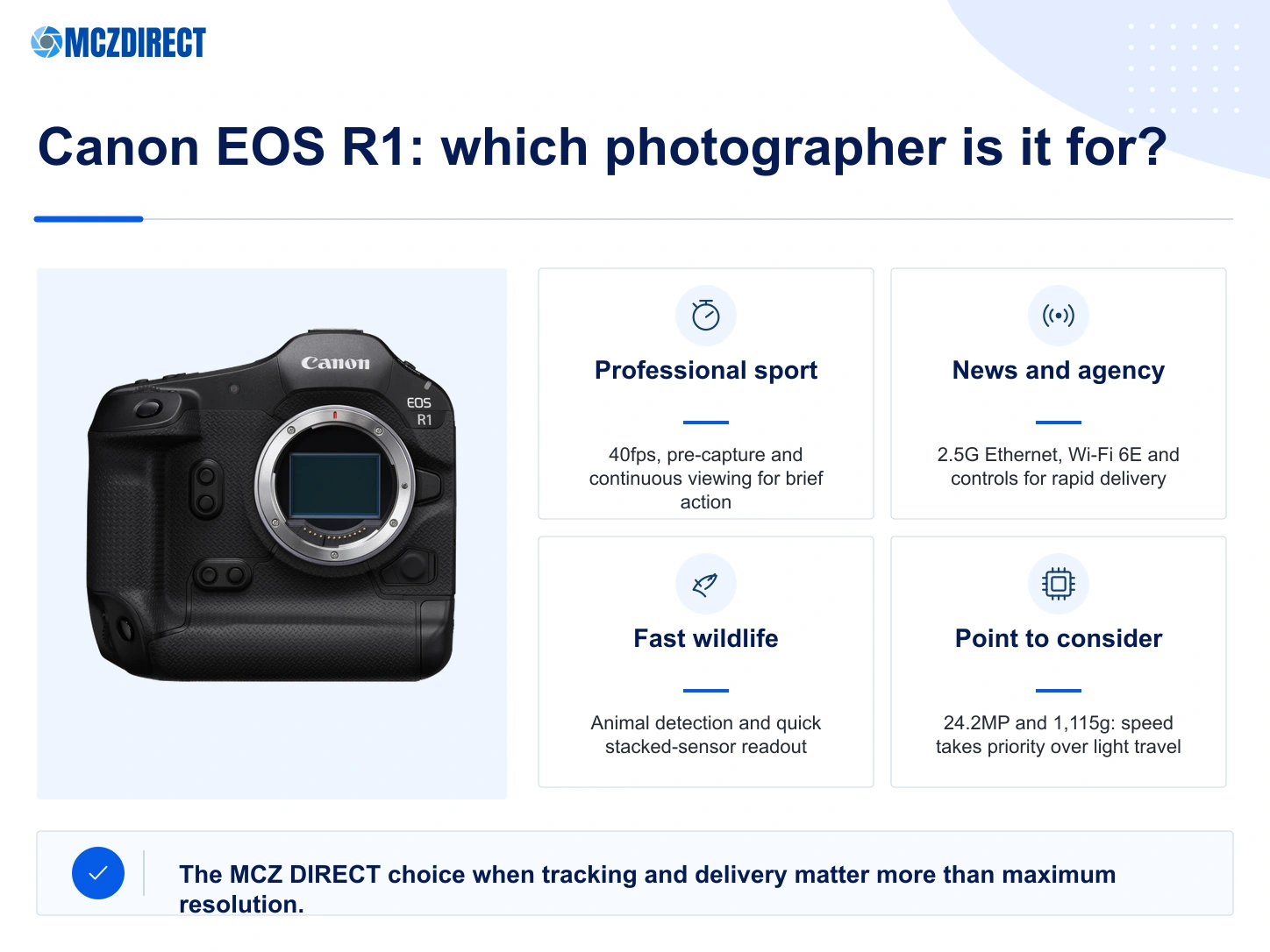
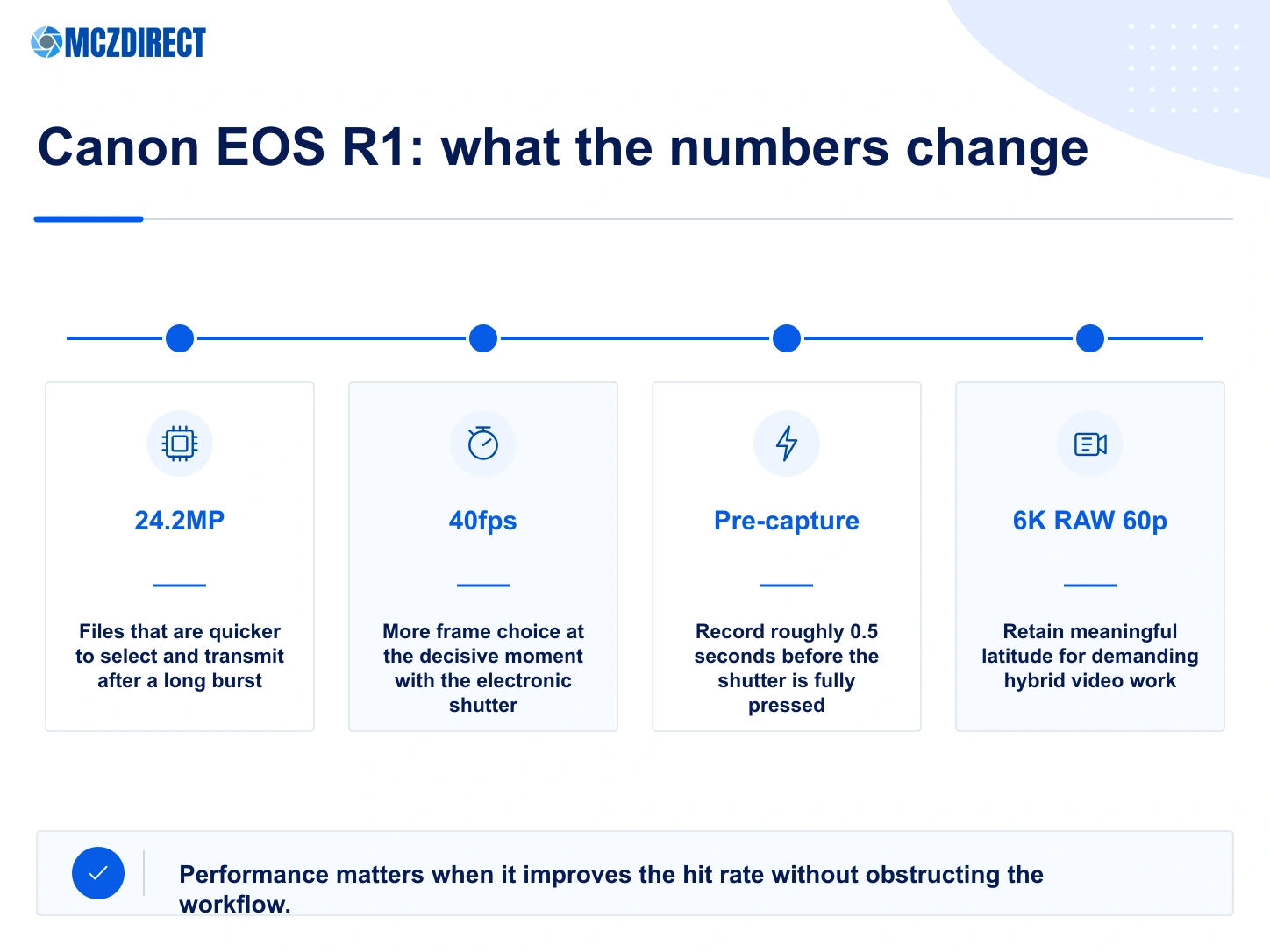
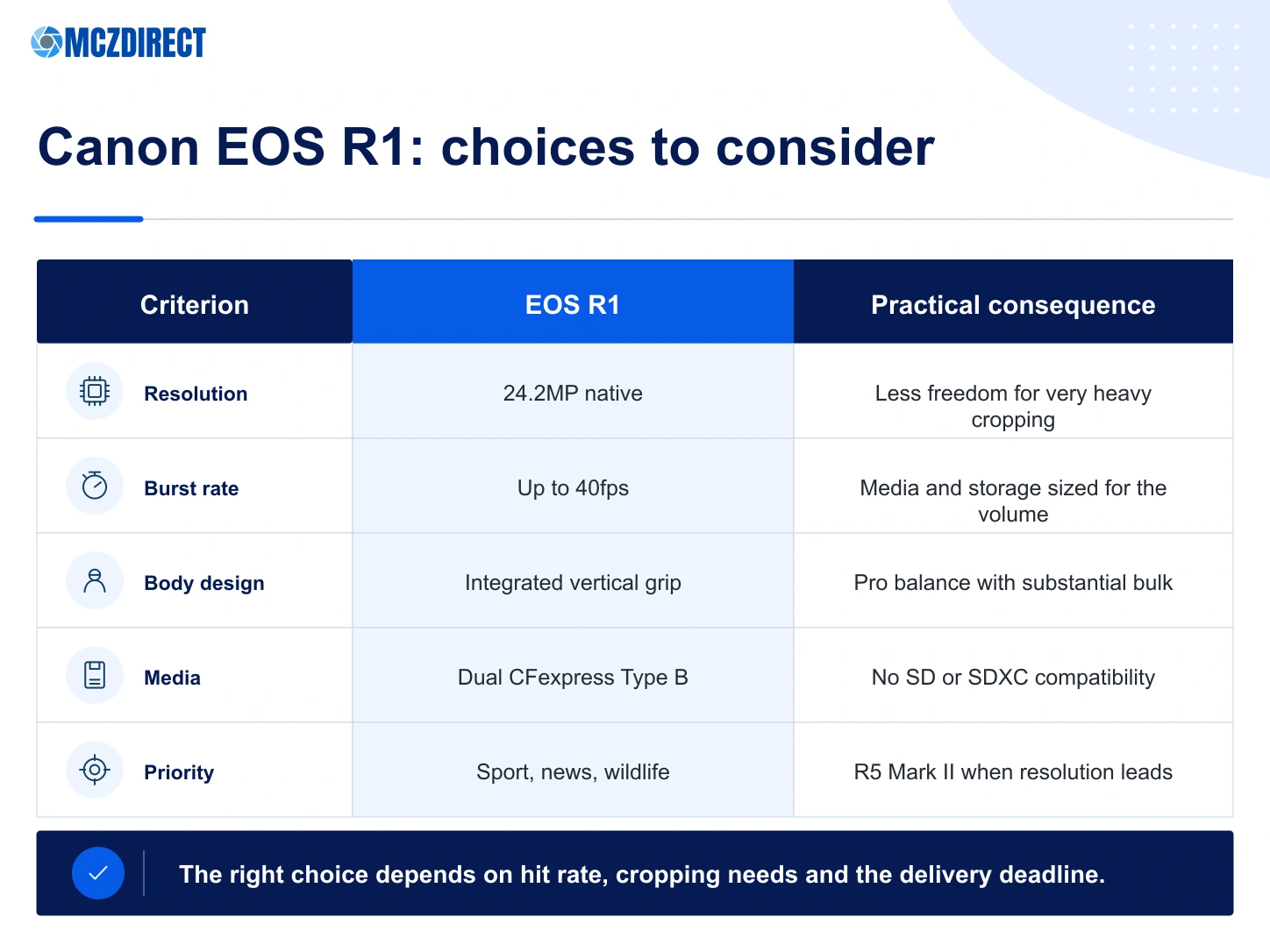
A 24.2 MP file is suitable for editorial publishing, online delivery, press use and many print applications. Compared with a very high-resolution camera, it reduces storage and transfer demands across a long sequence. That can matter when thousands of images must be reviewed during or immediately after an event. The limitation is reduced cropping freedom when a distant subject occupies only a small part of the frame.
The electronic shutter can reach 40 fps when the camera is configured within Canon's operating conditions; the mechanical shutter reaches approximately 12 fps. Pre-continuous shooting stores images from roughly 0.5 seconds before the full shutter press. It is useful for starts, take-offs and sudden gestures, although it also produces more frames to edit and requires an appropriate card and workflow.
In practice: 24.2MP supports a fast editorial workflow and remains suitable for news, web use and many print sizes. Photographers who routinely crop heavily will gain more latitude from the higher-resolution EOS R5 Mark II.
| Feature | Practical benefit | Point to consider |
|---|---|---|
| 24.2MP stacked sensor | Fast readout and files that are quicker to select and transmit | Less freedom for very heavy cropping |
| Burst rate up to 40fps | More frames around the decisive gesture | Rate depends on file format, lens and camera settings |
| Pre-capture | Retains roughly 0.5 seconds before the shutter is fully pressed | Rapidly increases the volume that must be reviewed |
| In-camera 4x upscaling | Creates a larger JPEG without leaving the camera | It is not the same as a native 96MP capture |
| Dual CFexpress Type B | Long bursts, demanding video and backup strategies | SD and SDXC cards are not supported |
| 2.5G Ethernet and Wi-Fi 6E | Faster delivery to an agency or client | The network should be configured and tested before the assignment |
Deep Learning upscaling can be useful when a larger JPEG must be delivered quickly. It remains separate from the sensor’s native resolution: for regular heavy cropping or very detailed studio work, a high-resolution body offers a more predictable advantage.
Dual Pixel Intelligent AF recognises people, animals and several vehicle types. The photographer can register priority subjects, choose which eye to track and adjust Servo AF behaviour. Cross-type AF improves sensitivity to horizontal and vertical detail when the compatible conditions are met. Action Priority is designed to identify relevant movements in supported sports rather than simply following the nearest person in the frame.
Eye Control AF can move the selection area according to where the photographer looks in the viewfinder after calibration. It is a subject-selection aid, not an automatic guarantee of focus. Glasses, calibration and viewing conditions can affect the experience, so professional users should also configure the joystick, buttons and conventional AF areas as reliable alternatives.
The EOS R1 records 6K RAW internally at up to 60p and 4K at up to 120p. Recording options include CRM RAW files and XF-HEVC S or XF-AVC S in MP4 containers. Canon Log 2 and Canon Log 3, proxy recording, timecode and clean HDMI output help the camera fit into an established editing and monitoring workflow.
Dual Shooting can combine Full HD video with 17 MP stills at up to 10 fps in supported settings. These are not full 24.2 MP native stills, so the mode should be treated as a practical hybrid option rather than a replacement for the main photo burst. High data-rate modes also depend on card performance, available capacity, temperature and power.
Both card slots use CFexpress Type B media. The camera can record to a selected card, change cards when one becomes full, separate stills and video, place proxies on the second card or duplicate compatible files to both cards. SD, SDHC and SDXC cards cannot be used in the EOS R1.
Canon lists CFexpress 2.0 and VPG400 support and recommends VPG400 media for demanding movie recording. Capacity is only one part of the choice: sustained write performance must match the selected codec, resolution and frame rate. Before an important assignment, format the media in the camera, test the intended mode and plan two separate backups after capture.
For an agency or newsroom, a strong image still has to arrive on time. The EOS R1 combines 2.5G Ethernet, Wi-Fi 6E and transfer functions that can be configured before an assignment. Once the relevant network profiles have been stored and tested, selected files can leave the camera without waiting for the photographer to return to a computer.
The built-in GPS can add shooting coordinates to image metadata and set the camera clock when a signal is available. That can make a multi-location news assignment or travel route easier to organise afterwards. Reception varies with the surroundings and GPS use increases power consumption, so network and battery status should be checked before a long day.
The RF mount accepts Canon RF and RF-S lenses. RF-S lenses apply an approximately 1.6x crop and reduce the recorded resolution. Canon EF and EF-S lenses can be used with a compatible EF-EOS R mount adapter, while EF-M lenses are not supported. Browse the wider Canon EOS R mirrorless camera range to compare other bodies using the same RF system.
For indoor sport or events, the RF 70-200mm F2.8 lets the photographer move from context to a tighter frame without leaving position. Wildlife at greater distance calls for the extra reach of the RF 100-500mm, while an RF 24-70mm F2.8 is usually the more natural fit for general news and documentary work. The right lens is therefore the one that matches the actual working distance, available light and weight that can be carried throughout the assignment.
| Priority | EOS R1 | EOS R5 Mark II | EOS R3 |
|---|---|---|---|
| Sport and agency workflow | Integrated-grip flagship focused on speed and connectivity | High-performance all-rounder in a smaller body | Professional action alternative |
| Resolution and cropping | 24.2 MP | Better suited when higher resolution is essential | Resolution close to the R1 |
| Handling | Built-in vertical controls | Conventional mirrorless form | Built-in vertical controls |
| Typical brief | Sport, news, agency and fast wildlife | Wedding, portrait, commercial, landscape and broad hybrid work | Sport and reportage at a different product position |
Compare current Canon EOS R5 Mark II and Canon EOS R3 offers before deciding. The specification with the largest number is not automatically the best fit: consider delivery speed, crop requirements, body size and the lenses already available.
| Situation | Suggested configuration | Why |
|---|---|---|
| Existing RF lens collection | Canon EOS R1 body only | Avoids duplicating focal lengths already owned |
| Indoor sport and press work | EOS R1 with RF 70-200mm F2.8 L IS USM | Fast telephoto zoom with flexible framing |
| Wildlife and distant action | EOS R1 wildlife zoom kit | Longer reach in one RF zoom |
| News, documentary and events | EOS R1 with RF 24-70mm F2.8 L IS USM | Fast standard range for varied scenes |
The LP-E19 battery is rated by Canon at approximately 700 viewfinder shots in power-saving mode or 510 with smooth display. Using the rear screen, the corresponding figures are approximately 1,330 and 1,130 shots. Burst shooting, movie recording, network use, playback and temperature can change real-world endurance substantially. Compatible USB Power Delivery equipment can provide USB-C charging or power.
The body weighs approximately 920 g without battery or card and around 1,115 g ready to shoot. The integrated grip balances larger telephoto lenses and provides duplicated vertical controls, but it is not intended to be a lightweight travel body. Dust and moisture resistance supports professional field use without making the camera waterproof or suitable for immersion.
At MCZ DIRECT, we recommend the EOS R1 to sports, news and wildlife photographers who put dependable tracking and delivery speed ahead of maximum resolution. Its integrated grip is especially useful with a large telephoto lens, during long assignments and whenever vertical framing is frequent. For lightweight travel, highly detailed studio work or landscapes built around heavy cropping, its size and 24.2MP files are less convincing.
Against the EOS R5 Mark II, the R1 is our choice when uninterrupted viewing, endurance, duplicated vertical controls and network workflow are part of the daily job. The R5 Mark II remains the stronger option when resolution and crop latitude lead. The EOS R3 is still a fast professional alternative, while the R1 brings newer autofocus, processing and video capabilities.
The system around the body deserves as much attention as the camera itself: two CFexpress Type B cards, enough charged batteries and a lens with the right reach. Choose the body-only version when your RF lenses already cover those needs; otherwise, a carefully matched kit will make better use of a camera designed to react quickly.

The Canon EOS R1 is primarily designed for professional sports, news, agency and wildlife photographers working with fast subjects. Its integrated-grip body, burst speed, autofocus, network connections and dual CFexpress storage suit assignments where responsiveness and rapid file delivery are more important than maximum resolution.
Yes. Sport and news are core EOS R1 uses. It can shoot at up to 40 fps, maintain a continuous view and combine advanced tracking with professional network tools. Maximum speed still depends on camera settings, lens, battery state and the operating conditions specified by Canon.
The EOS R1 is well suited to birds in flight, fast mammals and unpredictable behaviour through animal detection, high-speed bursts and pre-continuous shooting. Its 24.2 MP files provide less cropping freedom than a high-resolution body, so choosing sufficient lens reach remains important.
24.2 MP is suitable for press, online delivery, reportage and many print uses while keeping burst file sizes manageable. It offers less freedom for extreme crops or work requiring very high resolution. The right choice therefore depends on subject distance and how accurately the image can be framed in camera.
The EOS R1 uses two CFexpress Type B cards and does not accept SD media. Canon lists CFexpress 2.0 support and recommends VPG400 cards for demanding movie modes. Check sustained write speed, capacity and the selected recording requirements, then format the card in the camera before use.
The box includes the camera and caps, ER-i eyecup, LP-E19 battery, LC-E19 charger, strap, IFC-100U interface cable and cable protector. A memory card and HDMI cable are not supplied. The dedicated box-content section on this page lists the exact items for this body-only offer.
Choose the EOS R1 for speed, integrated vertical handling, battery endurance and network workflow in sport or agency work. The R5 Mark II is better suited when higher resolution, cropping and a smaller body are priorities. Lens ownership, file volume and video requirements should also guide the decision.
Both are integrated-grip cameras designed for action. The EOS R1 adds a faster electronic burst, newer processing and autofocus, plus updated video and network functions. The R3 remains a capable professional alternative when its performance and product position already match the assignment and budget.
Canon rates the camera at approximately 700 viewfinder shots in power-saving mode or 510 with smooth display. Using the screen, the figures are approximately 1,330 or 1,130 shots. Movie recording, bursts, networking, temperature and playback can change actual endurance substantially, so a spare battery remains sensible.
The EOS R1 records internal 6K RAW up to 60p and 4K up to 120p, with Canon Log, proxy recording, timecode and clean HDMI output. It suits advanced hybrid production. For extended recording, verify VPG400 media, power, temperature conditions and the storage required by the selected mode.
RF lenses are the direct choice. A 70-200mm F2.8 suits sport and reportage, a 100-500mm wildlife, and a 24-70mm F2.8 events. EF and EF-S lenses require an EF-EOS R adapter; RF-S and EF-S lenses apply an approximately 1.6x crop.
Choose the body only if you already own suitable RF lenses or want to select each focal length. A kit is simpler when the included lens matches the assignment: 24-70mm for reportage, 70-200mm for sport or 100-500mm for wildlife. Always check the exact lens and box contents.
Canon officially introduced the EOS R1 on 17 July 2024. It is the first EOS R system flagship in Canon’s professional EOS-1 line.
Yes. Its built-in GPS can record shooting coordinates in image metadata and set the camera time when a signal is available. Reception varies with the surroundings, and leaving GPS active increases battery consumption.