Shopping Cart


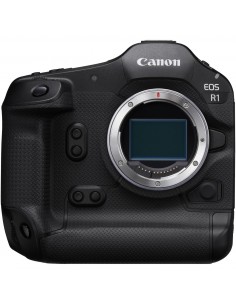
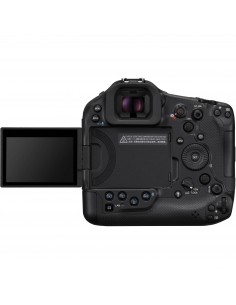
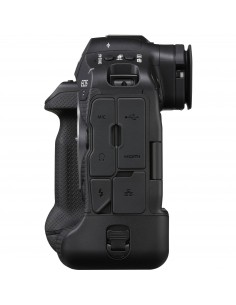
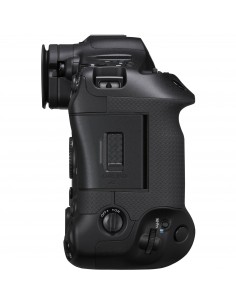
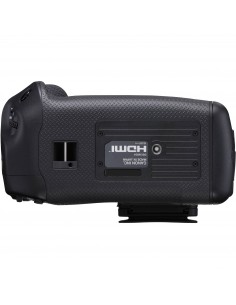
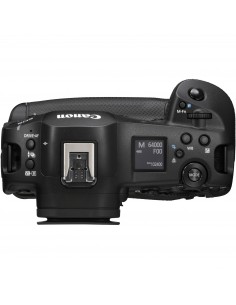
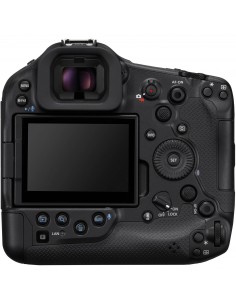
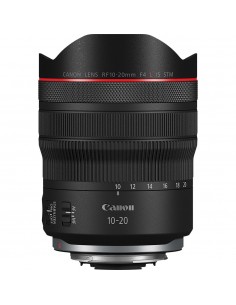
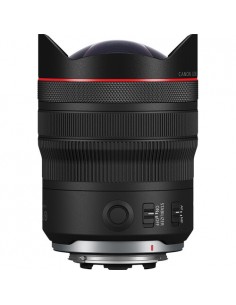
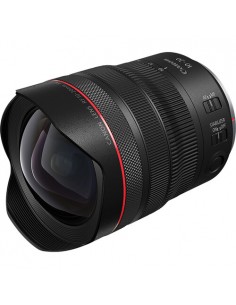
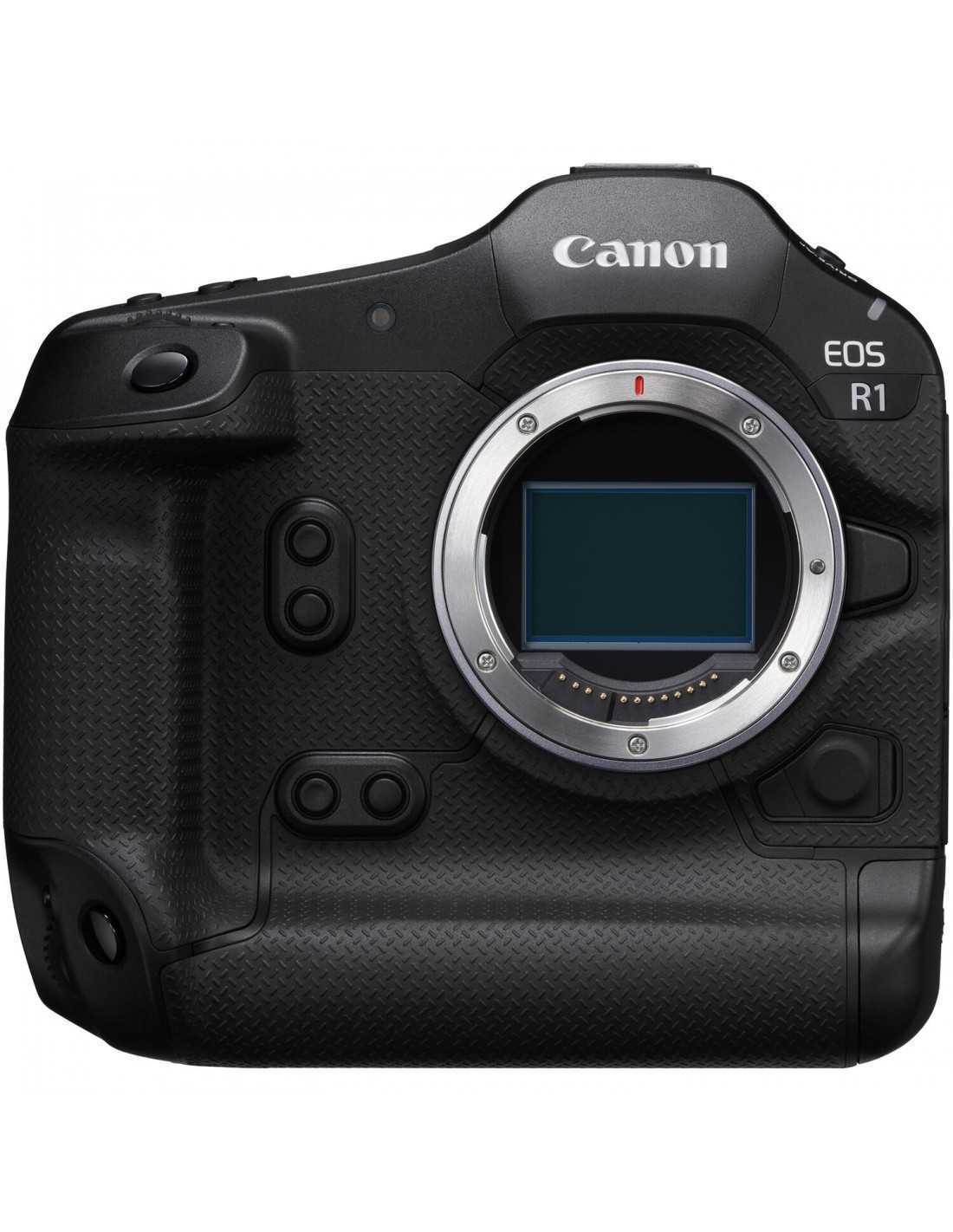
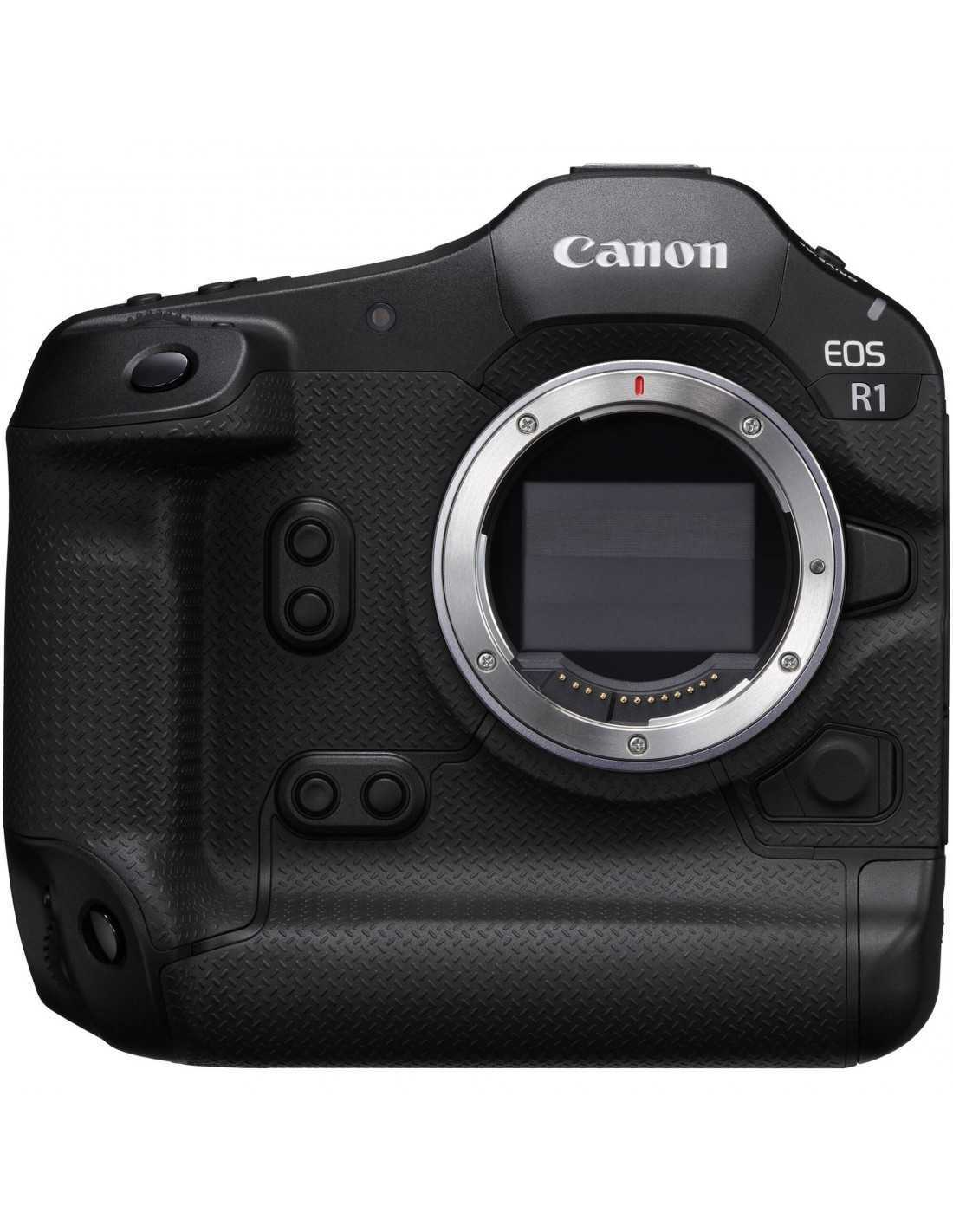
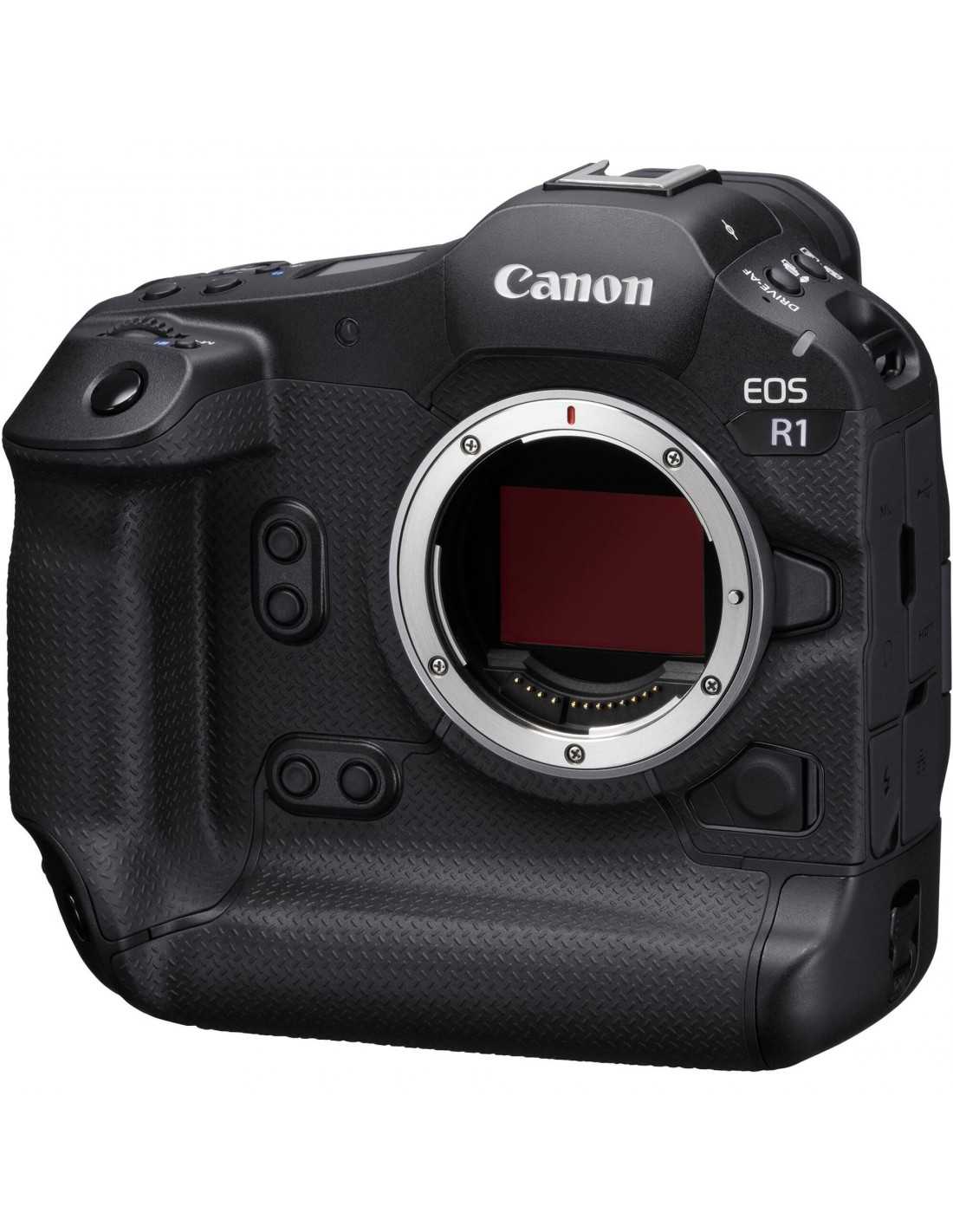
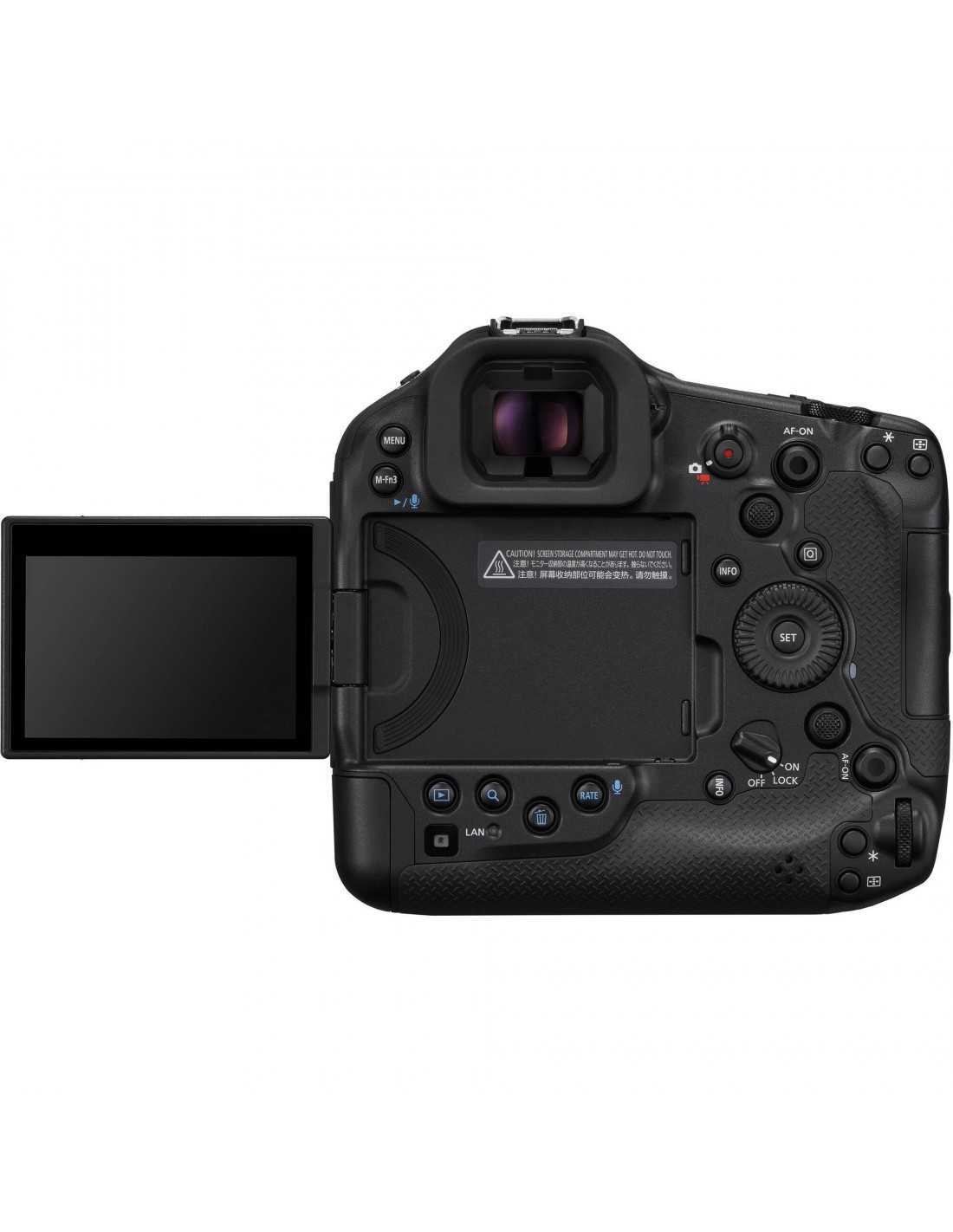
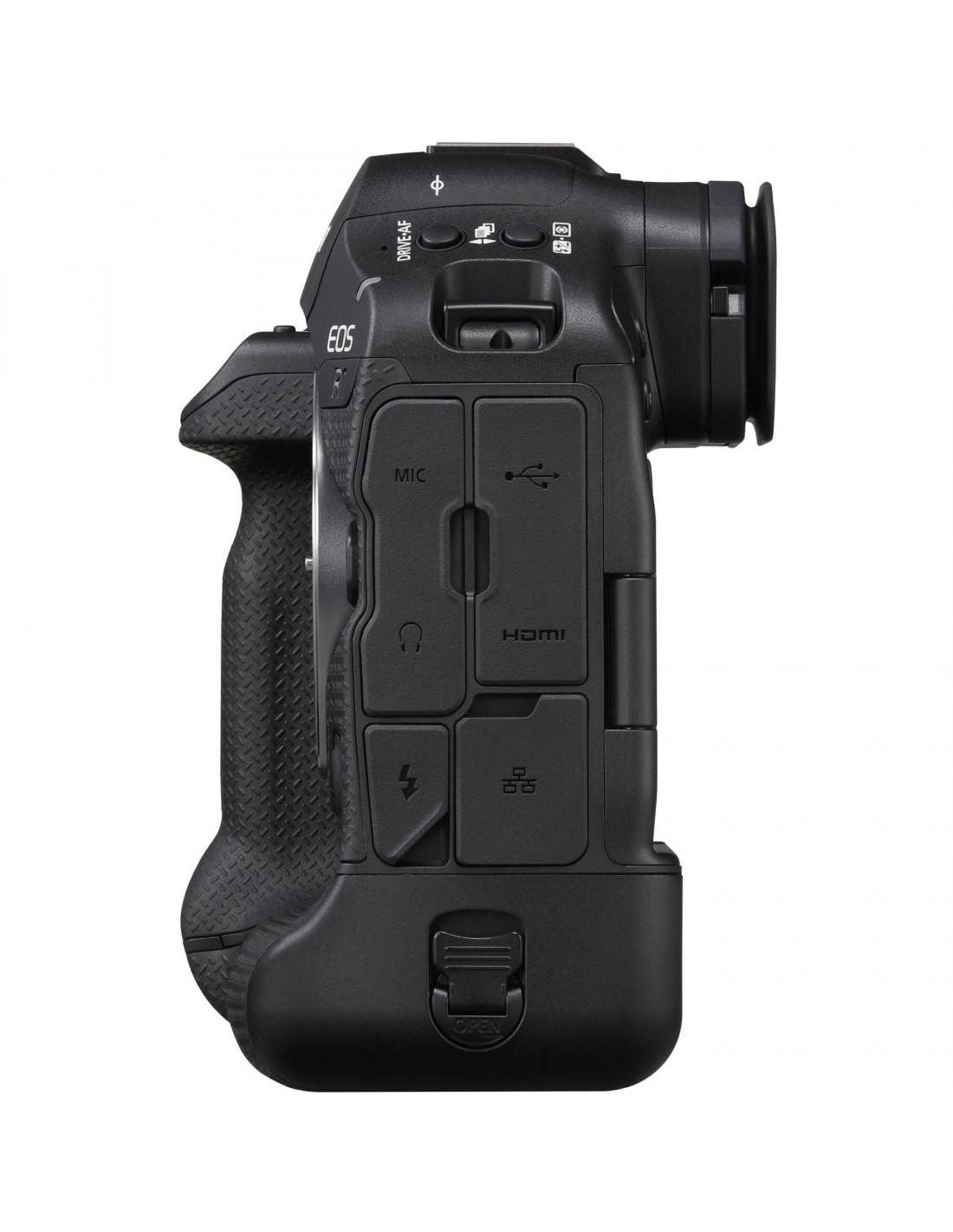
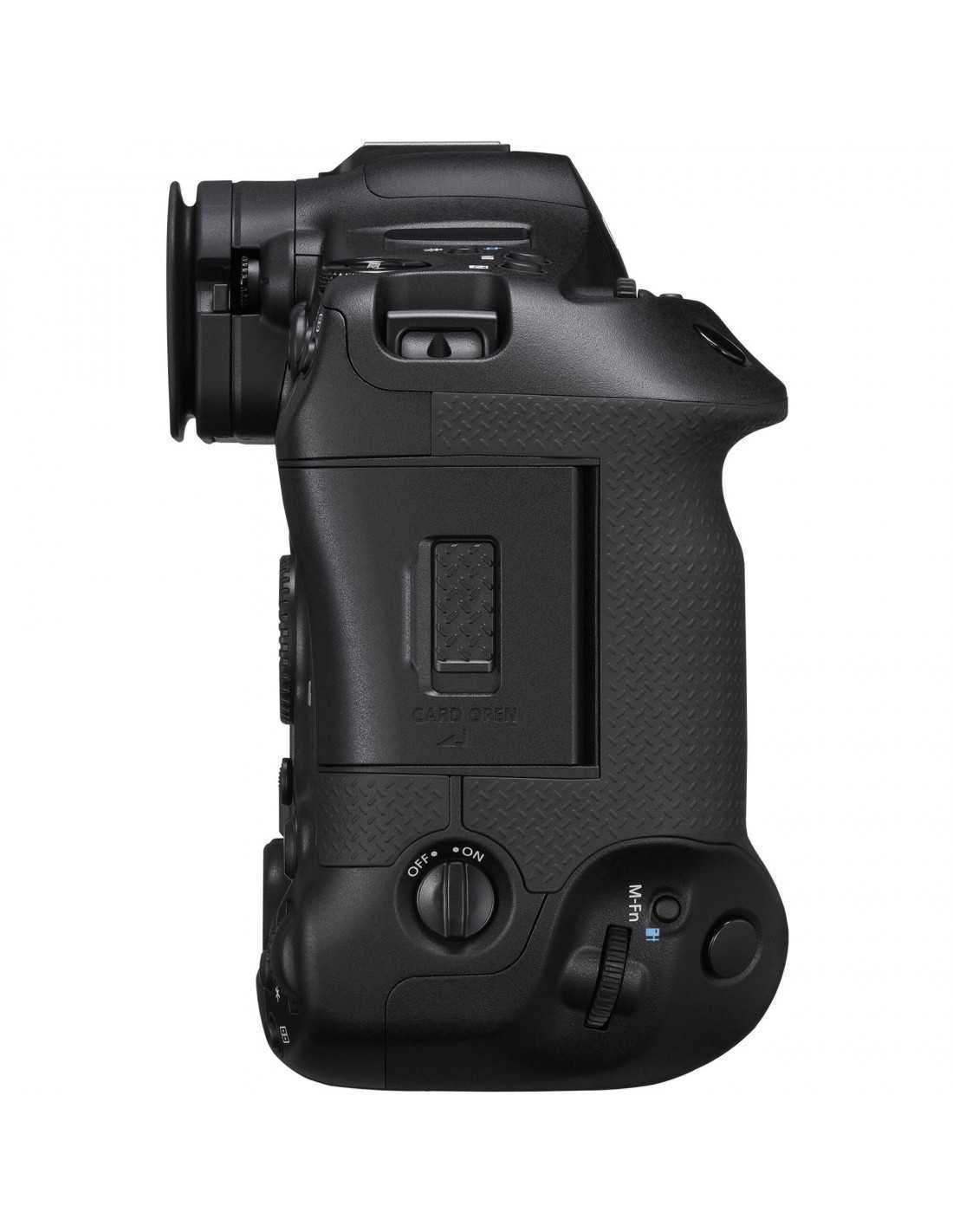
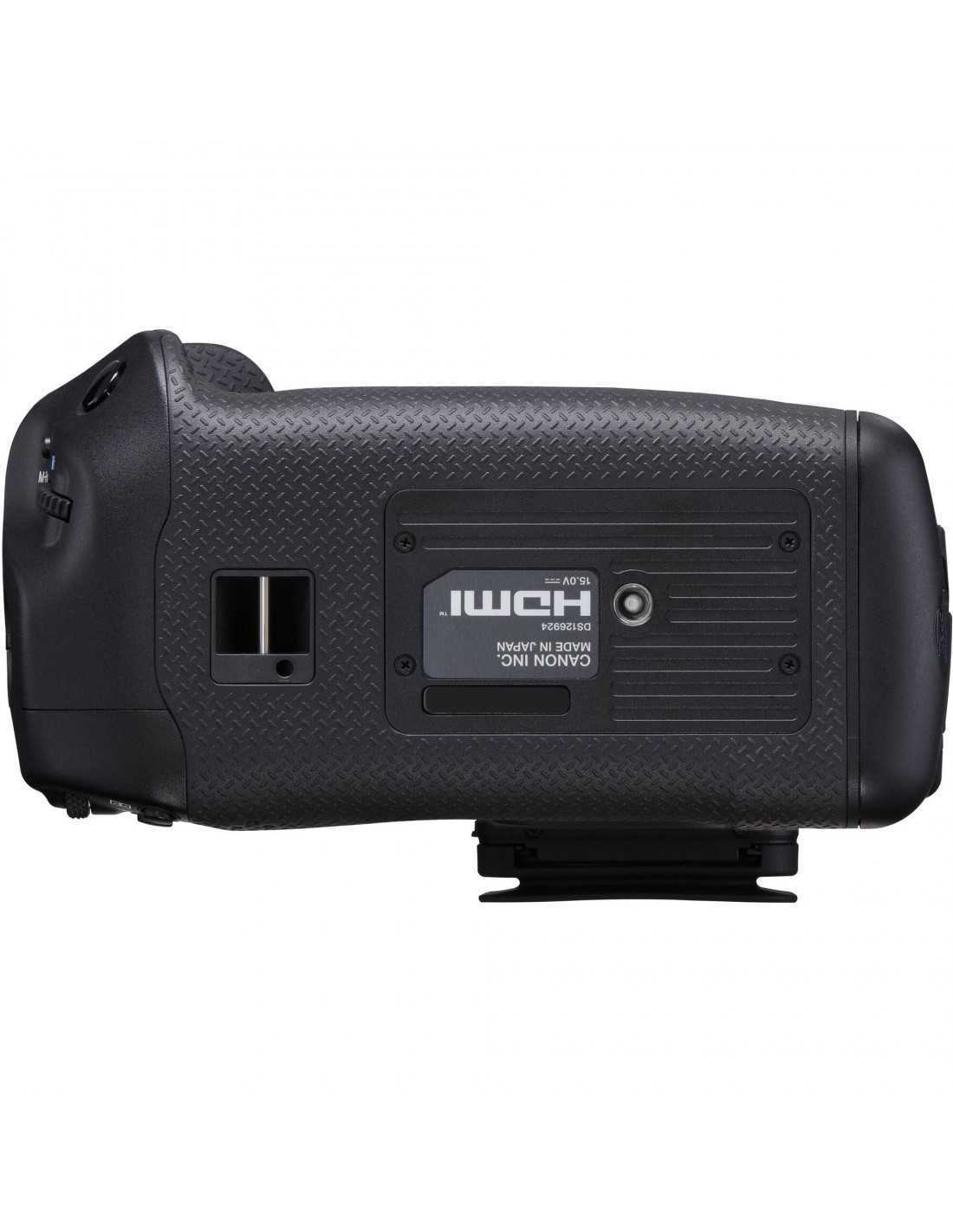
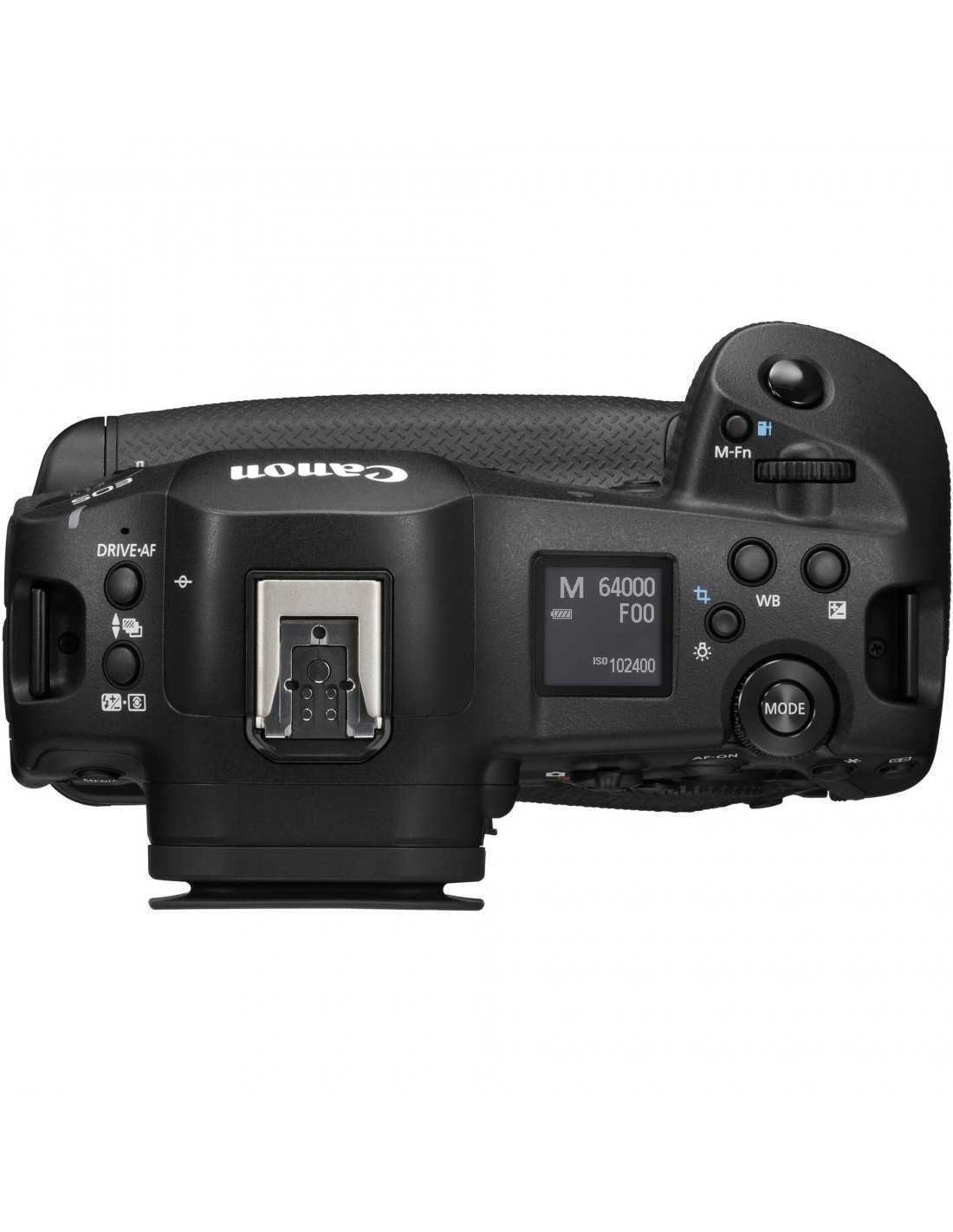
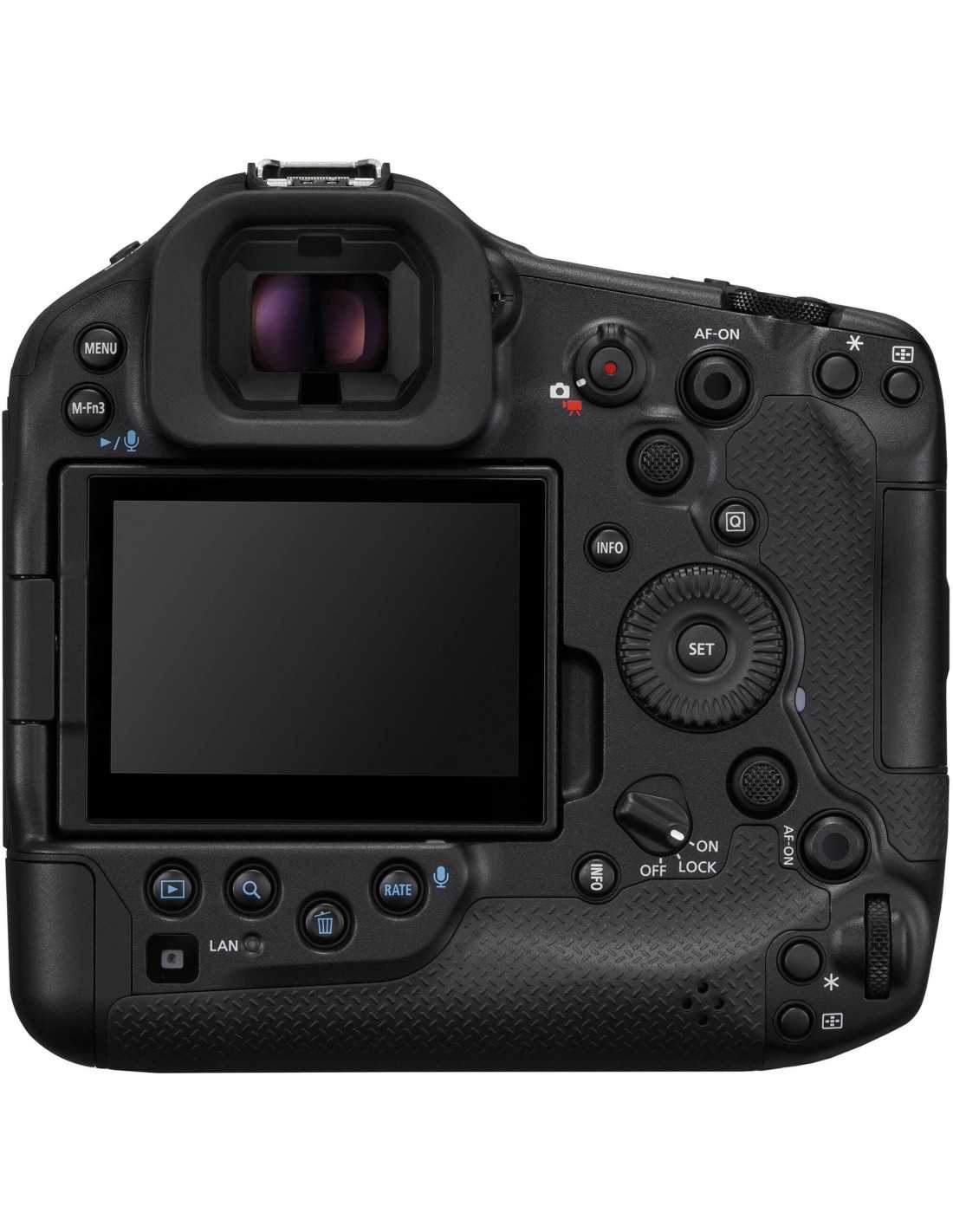

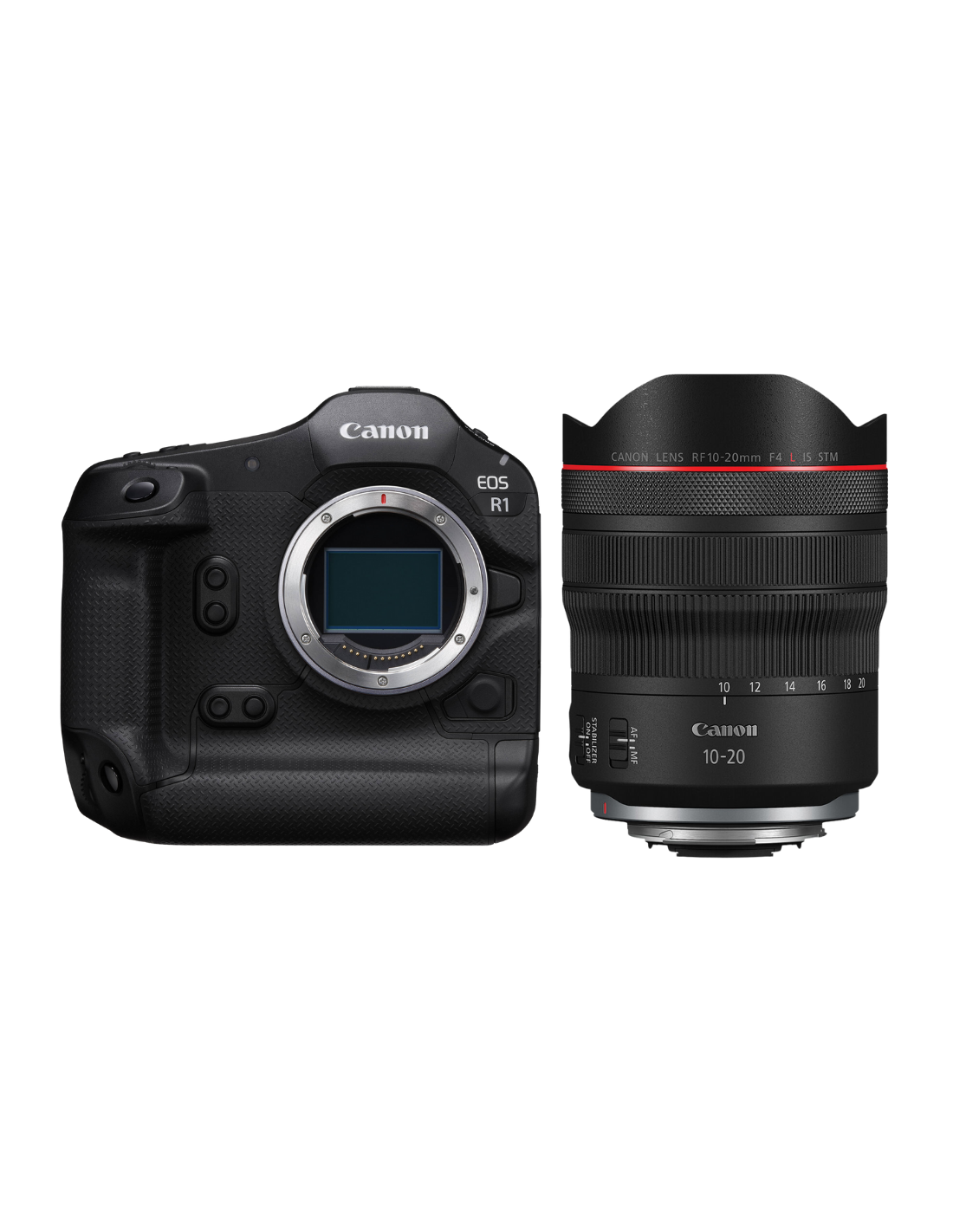
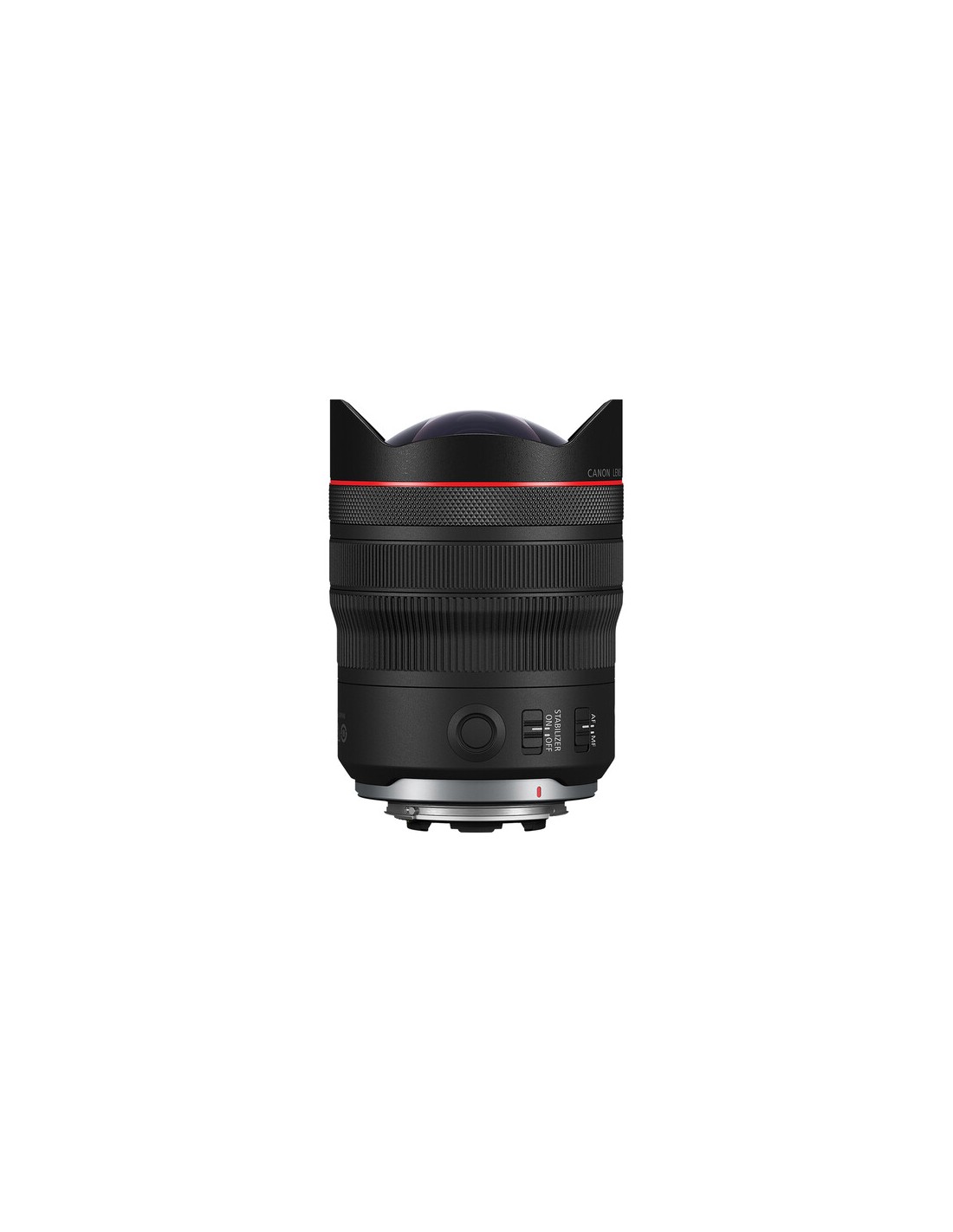
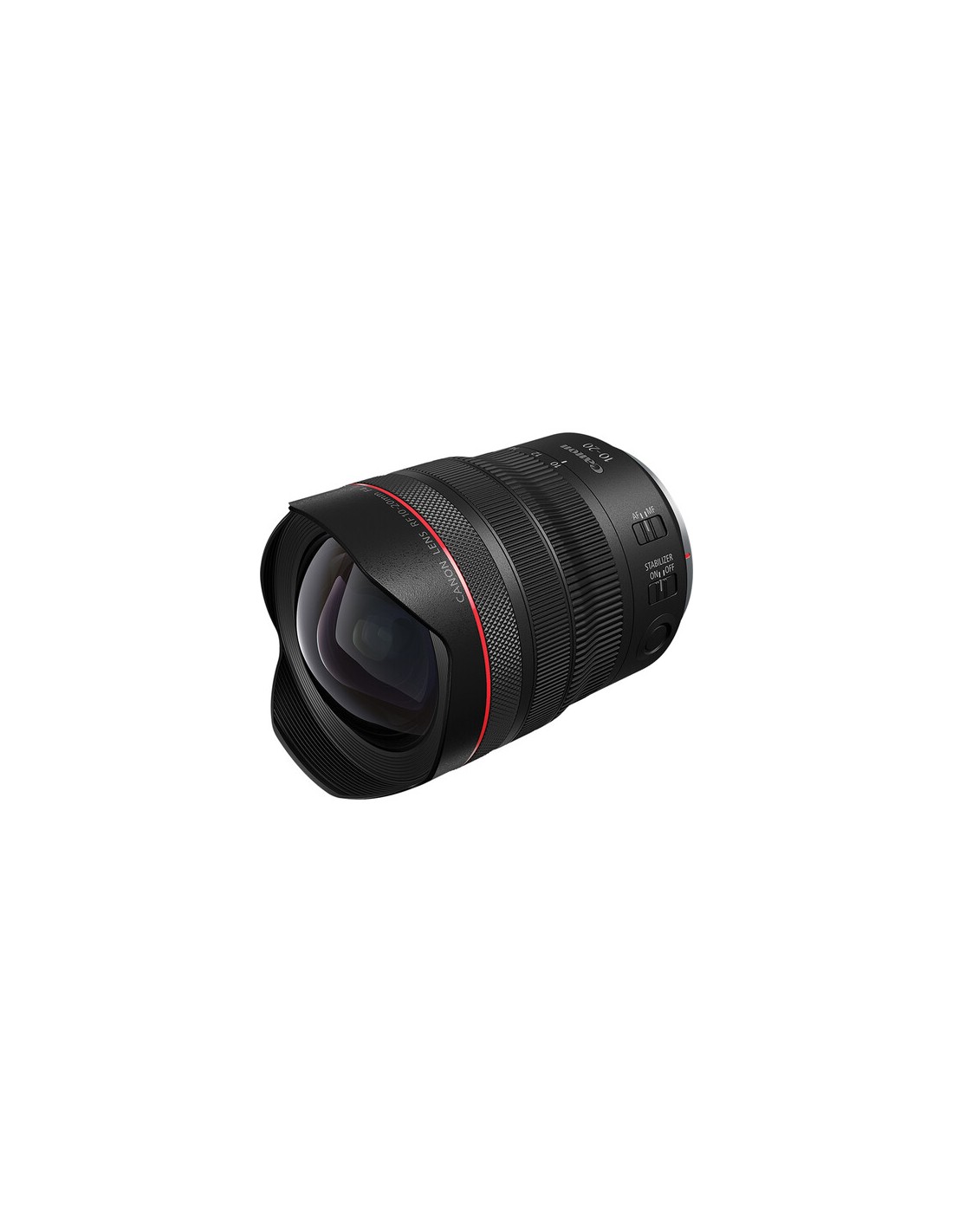
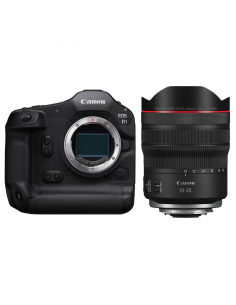

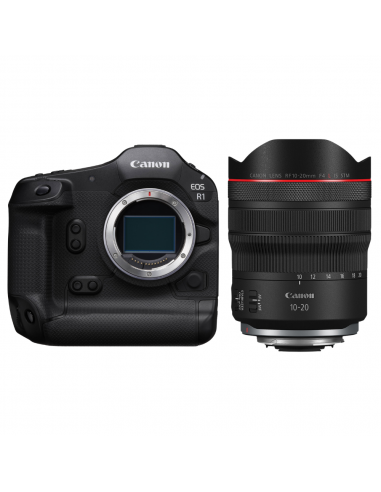
The Canon EOS R1 with RF 10-20mm F4 L IS STM is a professional full-frame kit recommended for architecture, interior, landscape and documentary photographers who genuinely need an exceptionally wide view. The lens frames confined rooms, large buildings and immersive foregrounds where stepping back is impossible, while the EOS R1 adds responsive subject detection and electronic shooting at up to 40 fps. Optical stabilisation supports careful handheld work with relatively static scenes, and the maximum F4 aperture remains constant throughout the 10-20mm range. This pairing is less suitable for demanding low-light action, tight portraits or photographers seeking a discreet travel setup. It makes the most sense when 10mm solves a recurring framing problem rather than providing an occasional dramatic effect.
Combine compatible accessories and save. The more items you add, the bigger the discount.

Accessory
Accessory
Accessory

warranty extension
This kit pairs the speed of the Canon EOS R1 with one of the widest rectilinear zooms in the RF system. It is aimed at photographers who must show an entire location, work in a confined space or build a frame around a close foreground while retaining autofocus that can follow movement.
Its value goes beyond the headline 10mm focal length. The zoom can be moved to 14, 16 or 20mm when the perspective becomes too forceful. That control matters for architecture, interiors, landscapes, property photography and video in which the setting carries part of the story.
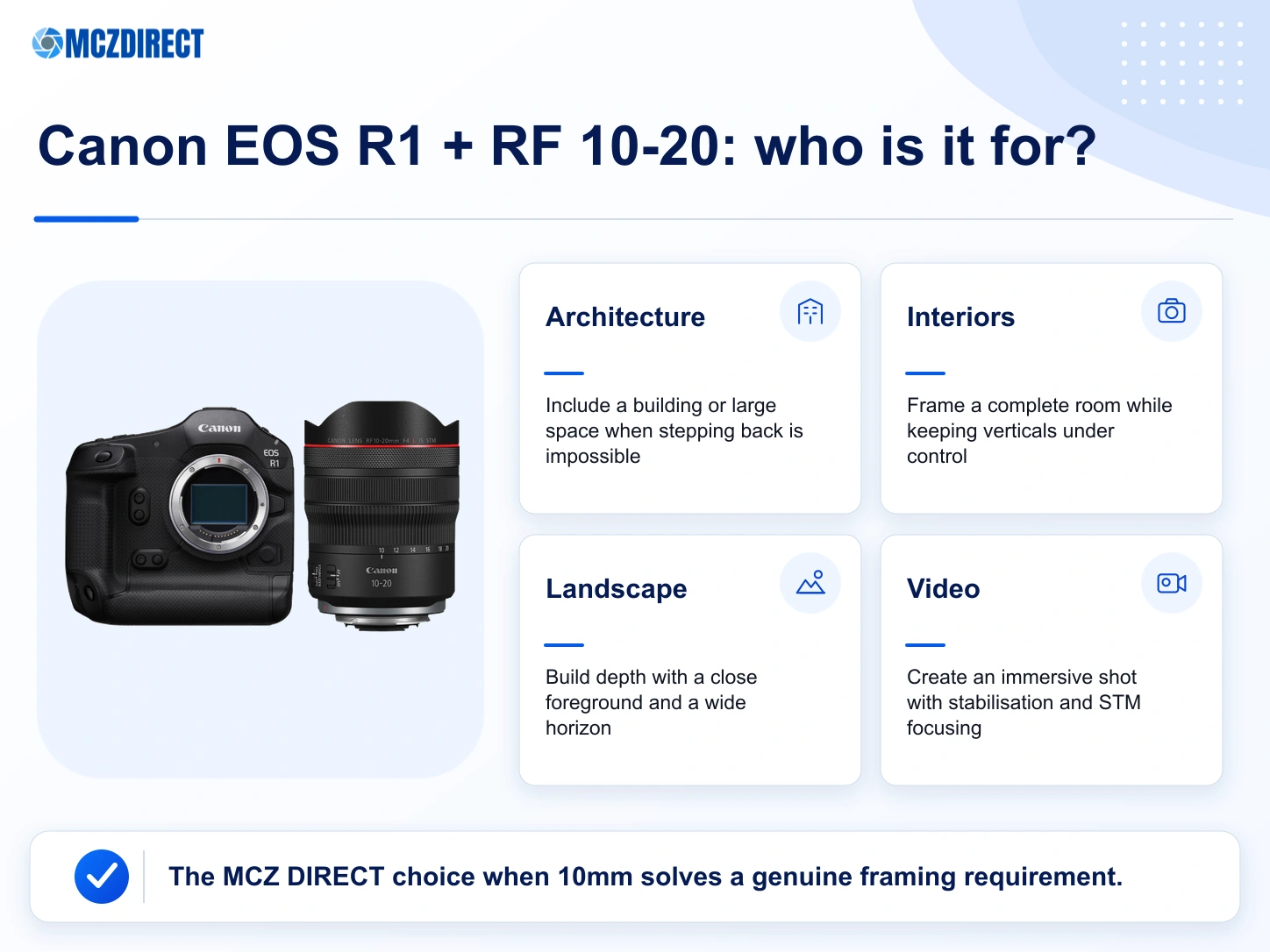
The EOS R1 contributes a 24.2 MP stacked full-frame sensor, advanced subject tracking and electronic shooting at up to 40 fps. The RF 10-20mm supplies the angle needed to retain a building, a crowd or a setting that a more conventional lens would crop away. The combination works when both the subject and its location need to remain clear.
Choose the Canon EOS R1 body if an RF ultra-wide lens is already in your bag. The separate Canon RF 10-20mm F4 L IS STM page is the better place to assess the lens on its own.
At 10mm the field of view is enormous. It can solve a real lack of space, but it also reveals the camera position immediately: a small tilt exaggerates converging verticals and a person near the edge may appear stretched. Deliberate placement is essential.
At 14 or 16mm the view remains expansive but becomes easier to balance. By 20mm, perspective looks more familiar for landscapes, street work, documentary coverage and video. The zoom therefore prevents every image from being dominated by the 10mm effect.
| Feature | Practical benefit | Relevant situation |
|---|---|---|
| RF 10-20mm F4 L IS STM | Covers an exceptional field of view and adjusts perspective without a lens change. | Architecture, interiors, property, landscapes and immersive video. |
| Up to 5 stops of optical IS | Reduces blur caused by camera movement with a static scene. | Interiors, dusk, illuminated buildings and carefully handled video. |
| EOS R1: up to 40 fps | Records several positions during a very brief action. | Close sport, events, vehicles and subjects entering the frame. |
| Subject-recognition autofocus | Helps maintain the subject within a visually busy composition. | Documentary work, close action and video. |
| Two CFexpress Type B slots | Support backup, file separation or overflow recording. | Long assignments involving bursts and high-resolution video. |
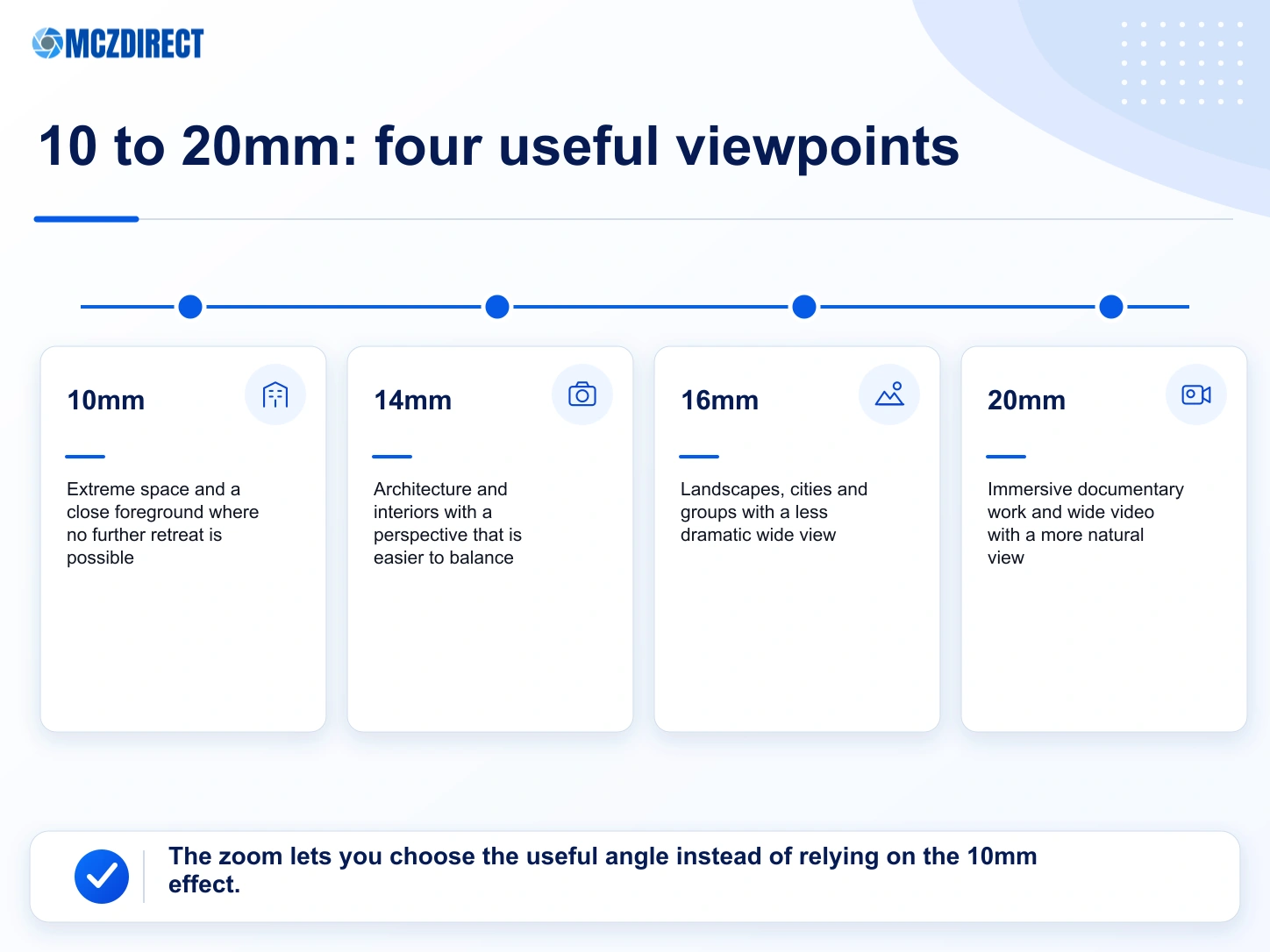
Inside a compact room, on a staircase or in front of a large façade, 10mm can retain elements that a 15 or 16mm lens would leave outside the frame. This is useful for architecture, hospitality, property work and the documentation of large spaces, but it does not replace a considered camera position.
Keep the camera as level as possible when credible verticals matter, and leave room for correction. The 24.2 MP sensor provides balanced detail, yet a severe perspective adjustment reduces usable resolution. A carefully prepared frame will usually deliver more than an aggressive software correction.
For landscapes, the 10-20mm is not simply a way to include more horizon. It works best when a rock, line, texture or architectural element becomes a strong foreground. The 25cm minimum focusing distance helps establish that depth without losing the wider location; maximum magnification is a modest 0.12x at 20mm, but it still lets a nearby detail remain anchored in its surroundings.
In a city or documentary setting, 16 to 20mm often produces an easier image to read. You can stay close to the action, keep the environment and reduce stretching around people near the frame edge. The EOS R1’s speed then matters when a subject moves through this open composition.
Canon rates the RF 10-20mm at up to five stops of optical stabilisation and up to six with coordinated body and lens IS on a compatible camera under its test conditions. This can support slower shutter speeds for a static interior, an illuminated building or a landscape at dusk.
It cannot stop a moving person. At an event, on a busy street or during close action, shutter speed still needs to match the subject. Stabilisation then helps steady the composition and makes carefully handled video more usable.
| Focal length | What it shows | Point to watch |
|---|---|---|
| 10mm | A vast space or a close foreground together with its full setting. | Verticals, edge stretching and unwanted objects. |
| 14mm | Very wide architecture or interiors with a more contained perspective. | Keep the camera level. |
| 16mm | Landscapes, urban scenes or groups with improved balance. | Watch the distance to people. |
| 20mm | Immersive documentary coverage or wide-angle video with a more natural view. | Reach remains limited for distant details. |
The F4 maximum aperture remains constant from 10 to 20mm. Exposure therefore stays predictable during a zoom, but F4 gathers half the light of F2.8. In a dark interior with moving people, that means accepting a higher ISO or using a brighter lens.
For architecture, landscapes and static scenes, the compromise is often easier to manage because stabilisation, a support or a slower shutter speed can be used. The RF 10-20mm prioritises maximum angle and reasonable lens weight over low-light brightness.
An ultra-wide lens can also cover close action. The EOS R1 recognises several types of subject and follows them as they enter the composition. Electronic shooting at up to 40 fps provides more options for a player, vehicle or person moving through a location.
That speed is not needed for architecture or landscape work, where a measured approach remains preferable. It becomes insurance for a brief event, with a direct consequence: many more files to review and a genuine requirement for fast cards.
Depending on the selected mode, the EOS R1 records internal RAW up to 6K 60p and 4K up to 120p. With the RF 10-20mm, these formats suit establishing shots, interior walkthroughs, behind-the-scenes coverage and sequences where the camera operates close to the subject.
At 10mm, abrupt movement or a tilted horizon quickly becomes conspicuous. A 16 or 20mm setting is often easier to watch when a natural result is required. STM focusing remains discreet, while the constant aperture avoids an exposure shift during a focal-length change.
| Configuration | Choose it for | Point to consider |
|---|---|---|
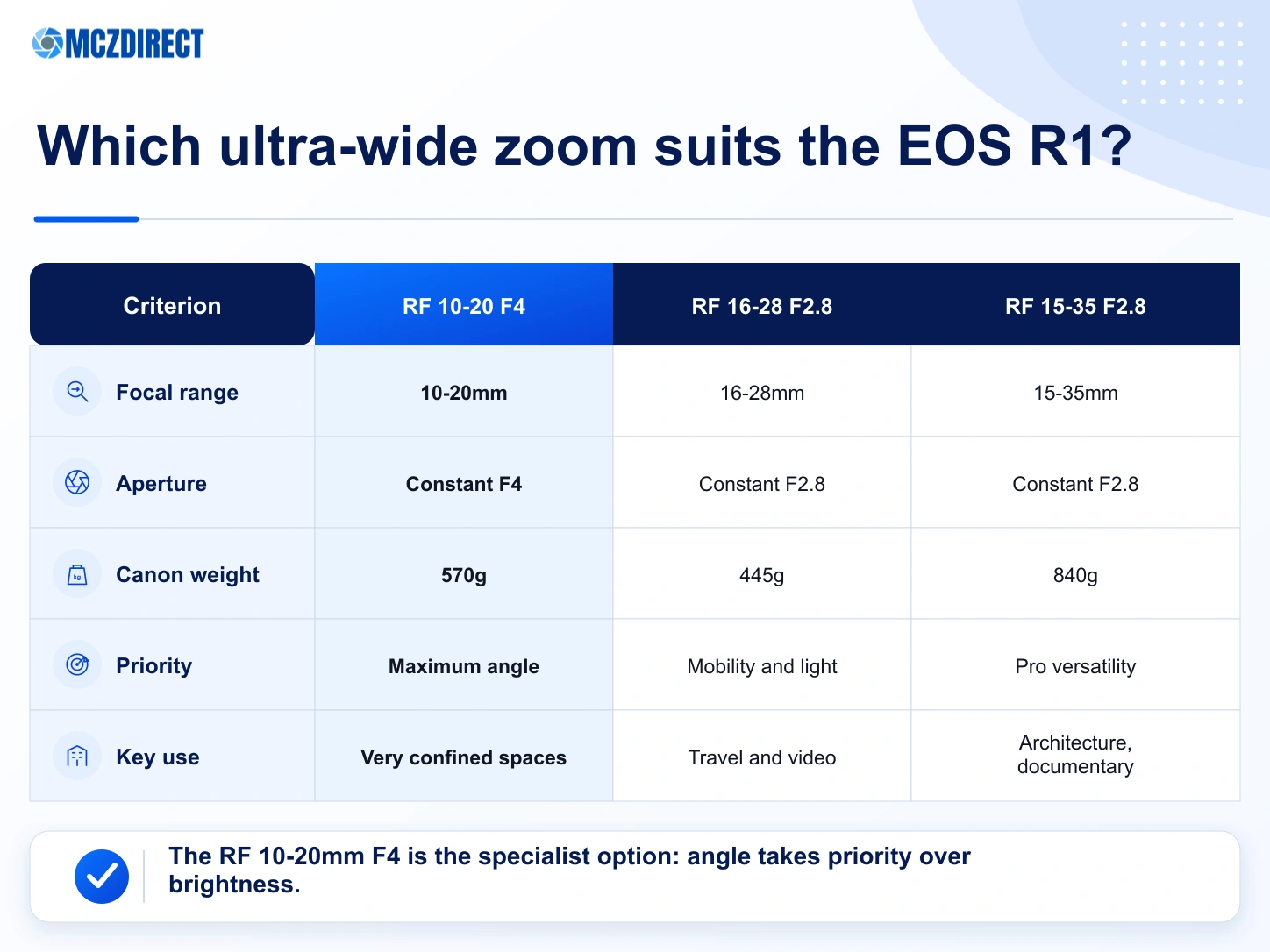
| EOS R1 + RF 10-20mm F4 L | Maximum angle, confined spaces, architecture and immersive framing. | F4 and a highly specialised perspective. |
| EOS R1 + RF 16-28mm F2.8 STM | Mobility, low light and wide-angle video. | Narrower field and range ending at 28mm. |
| EOS R1 + RF 15-35mm F2.8 L | Architecture, documentary work and versatile professional use. | A considerably heavier combination. |
| EOS R1 + RF 24-105mm F4 L | General assignments and frequent changes in subject distance. | It does not replace an ultra-wide lens. |
The optical formula uses sixteen elements in twelve groups, including UD, Super UD and aspherical elements. ASC, SWC and Super Spectra coatings help control reflections, which matters when such a wide field makes it difficult to keep bright sources outside the frame.
The bulbous front element does not accept a conventional screw-in filter. Canon provides a rear holder for 35 x 20mm cut gels. Before architecture or landscape work, it is also worth confirming which lens corrections are active in the camera and in the RAW software.
The EOS R1 with RF 16-28mm F2.8 IS STM is brighter and lighter, but begins at 16mm. The EOS R1 with RF 15-35mm F2.8 L IS USM adds professional construction and extends to 35mm, with a substantial increase in total weight.
The 10-20mm F4 remains the specialist choice when 10mm solves a frequent problem: very confined locations, monumental architecture, immersive perspective or a forceful foreground. If 10mm would only be used occasionally, one of the F2.8 alternatives is likely to prove more versatile.
This kit does not replace a standard zoom. Even at 20mm it remains too wide for a tight portrait, a distant detail or general coverage where moving closer is not always possible. The Canon EOS R1 with RF 24-105mm F4 L IS USM covers a broader range of everyday assignments with one lens.
The decision should reflect how often genuinely ultra-wide framing appears in your work. The Canon EOS R1 category brings together the current pairings around the same body.
The EOS R1 weighs about 1,115g with battery and card, while the lens adds 570g. The pairing therefore reaches roughly 1.69kg before a microphone, support or other accessories. The lens is compact for a full-frame 10mm zoom, although the professional body still needs a suitable strap and bag.
Two CFexpress Type B slots can be configured for backup, format separation or overflow. Bursts and RAW video require appropriately fast cards, a capable reader and enough storage. The wider range of Canon RF lenses can then complement this kit with a more conventional focal length.
At MCZ DIRECT, we see this as a specialist kit for photographers who repeatedly work in places where 15 or 16mm is still too tight. It belongs in architecture, interiors, high-end property work, constructed landscapes and video that deliberately uses perspective.
Against the 16-28mm and 15-35mm F2.8 kits, we recommend it when the 10mm view matters more than brightness. Its limitation is straightforward: F4 needs more light and the range stops at 20mm. Recognising that difference helps avoid buying a dramatic effect when a more conventional wide zoom would be used more often.
Choose the Canon EOS R1 with RF 10-20mm F4 L IS STM when your work genuinely depends on an extreme field of view and you still need the speed, autofocus tracking and professional workflow of the EOS R1.

It is primarily intended for architecture, interior, property, landscape and video professionals who regularly need an exceptionally wide field of view.
A 10mm lens covers substantially more than a 14, 15 or 16mm lens. It solves restricted-space problems but requires careful control of verticals and frame edges.
Yes. The zoom can frame a very wide room or façade. Keeping the camera level remains important when converging verticals need to be limited.
Yes, particularly for small rooms and large spaces. The focal length should be chosen carefully so that room dimensions are not exaggerated unnecessarily.
Yes. Optical stabilisation helps with static subjects. It does not replace a suitable shutter speed when a person or object is moving.
It works well with static scenes, stabilisation or a support. For moving people in low light, an F2.8 lens provides more exposure flexibility.
The 10-20mm covers a much wider view. The 16-28mm is brighter and lighter, with a less extreme perspective.
The 10-20mm prioritises maximum angle and lower lens weight. The 15-35mm offers greater brightness and more range to 35mm, but it is heavier.
Yes, especially for establishing shots, interiors and close camera movement. At 10mm, measured camera movement usually produces a more natural result.
The front element does not take a conventional screw-in filter. The lens has a rear holder for 35 x 20mm cut gel filters.
The EOS R1 has two CFexpress Type B slots. Card speed and capacity should match the selected burst and video modes.
The camera weighs about 1,115g with battery and card and the lens weighs 570g, giving a combined weight of roughly 1.69kg before accessories.