Shopping Cart
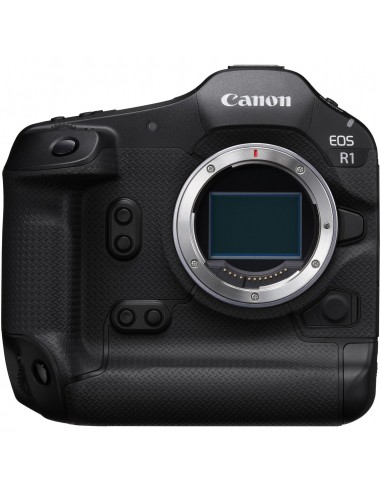
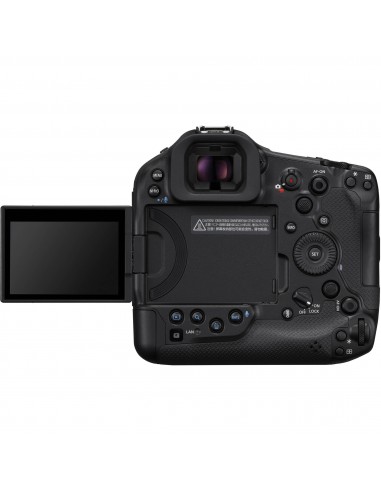
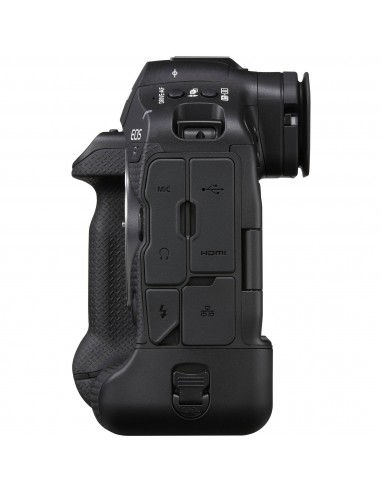
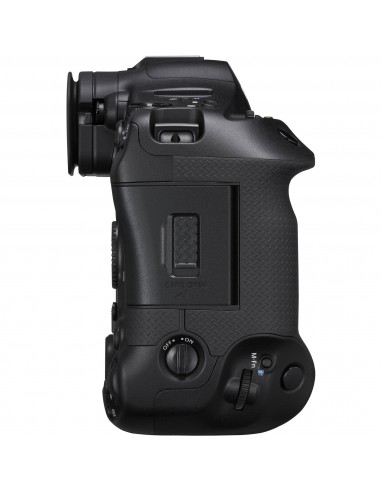
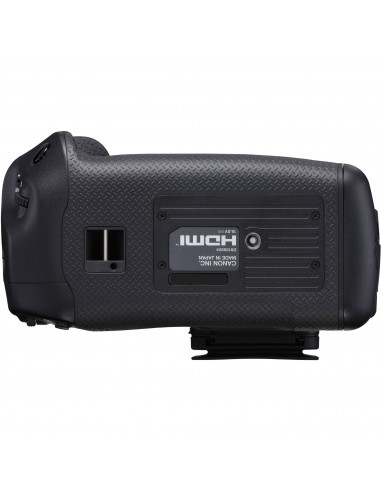
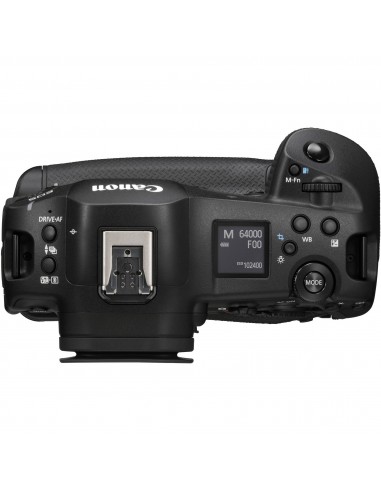
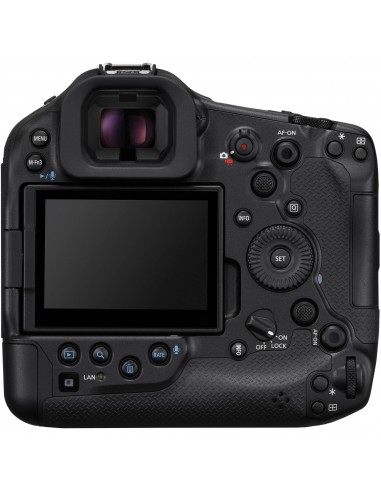
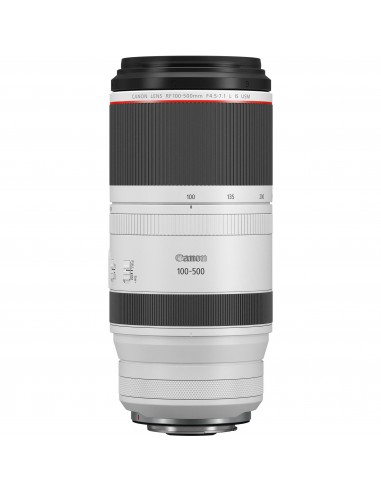
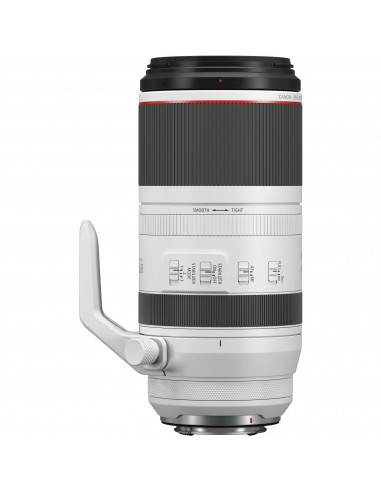
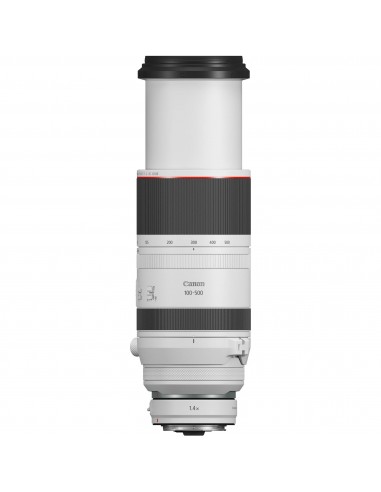
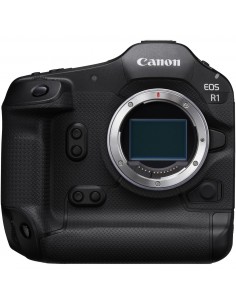
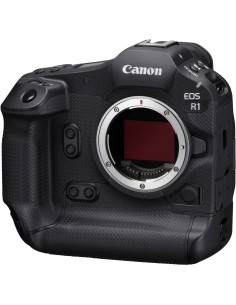
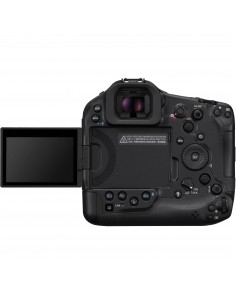
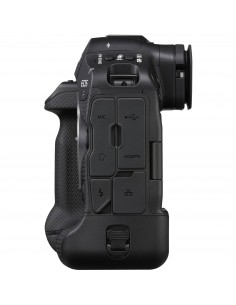
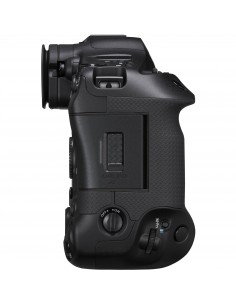
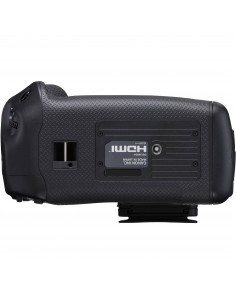
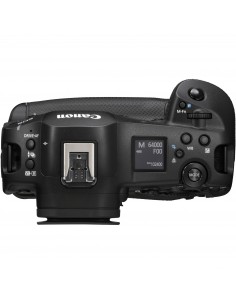
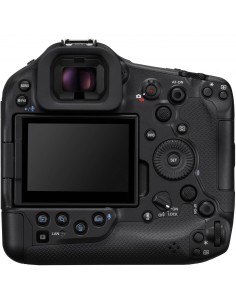
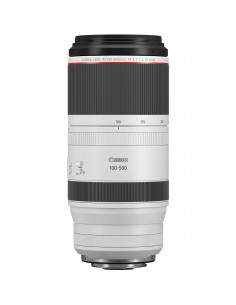
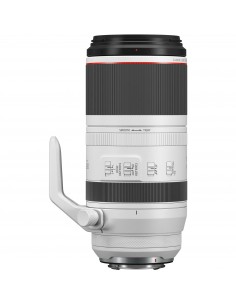
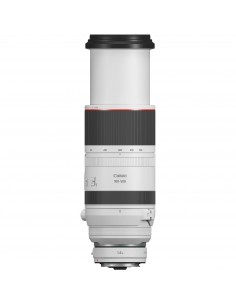
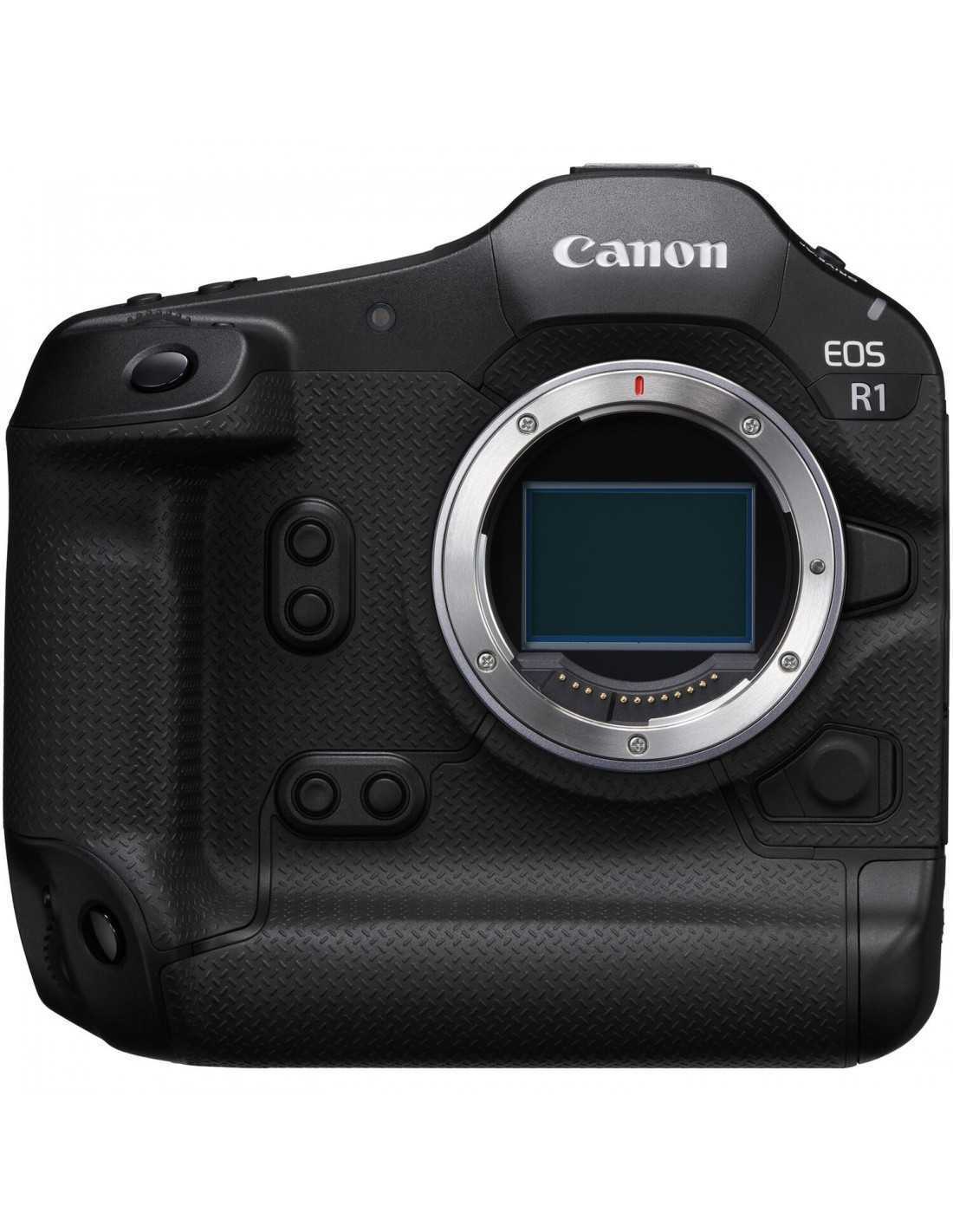
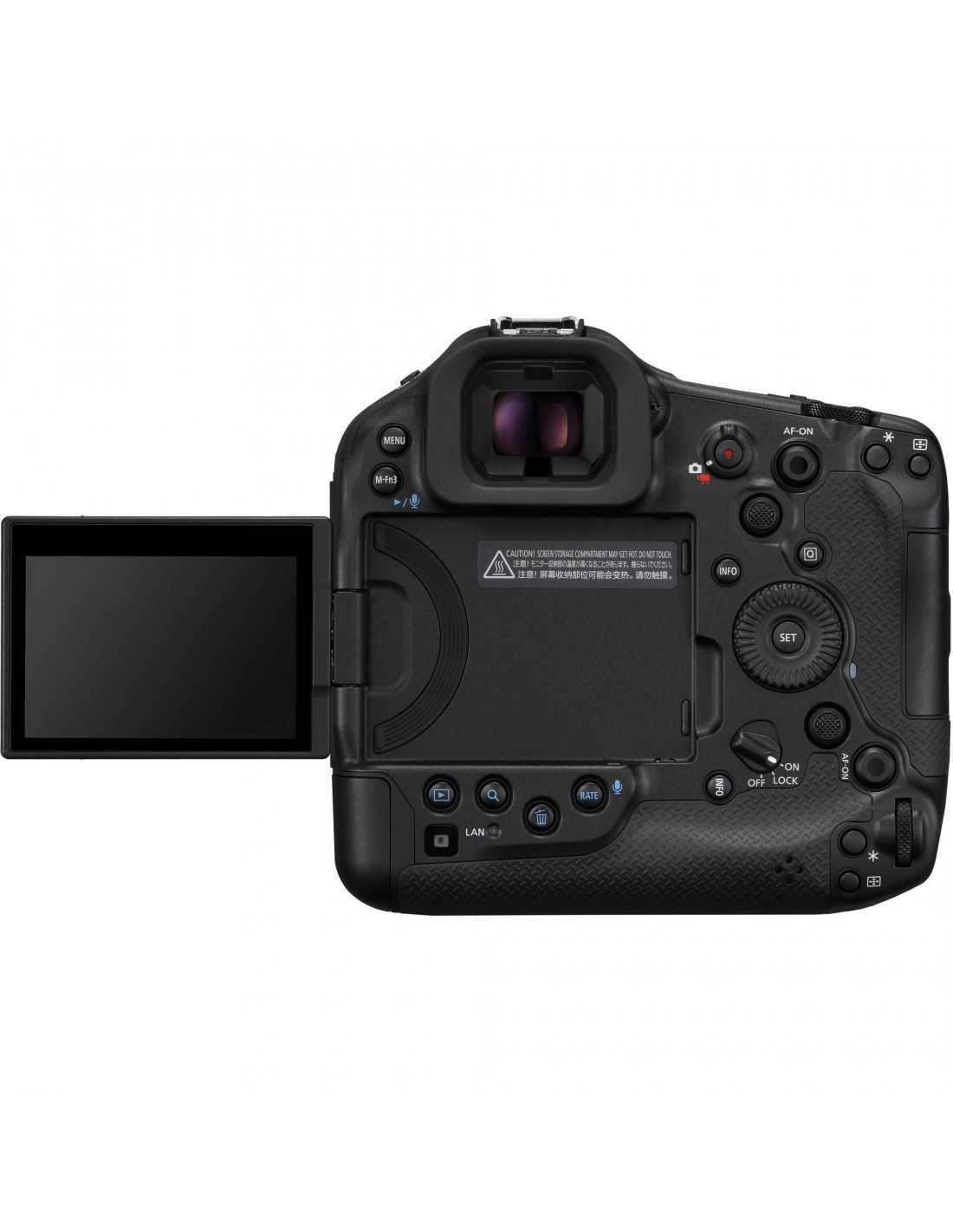
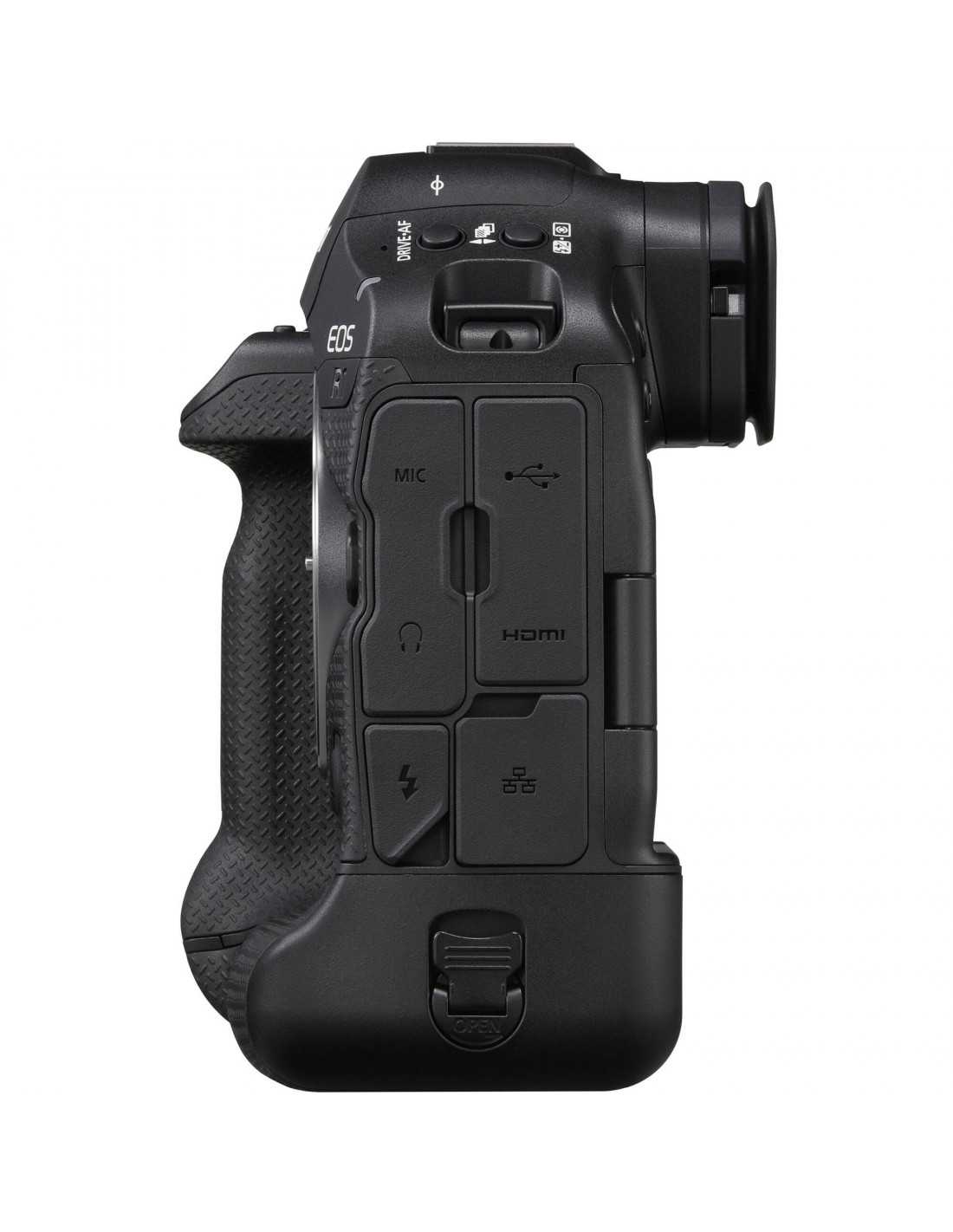
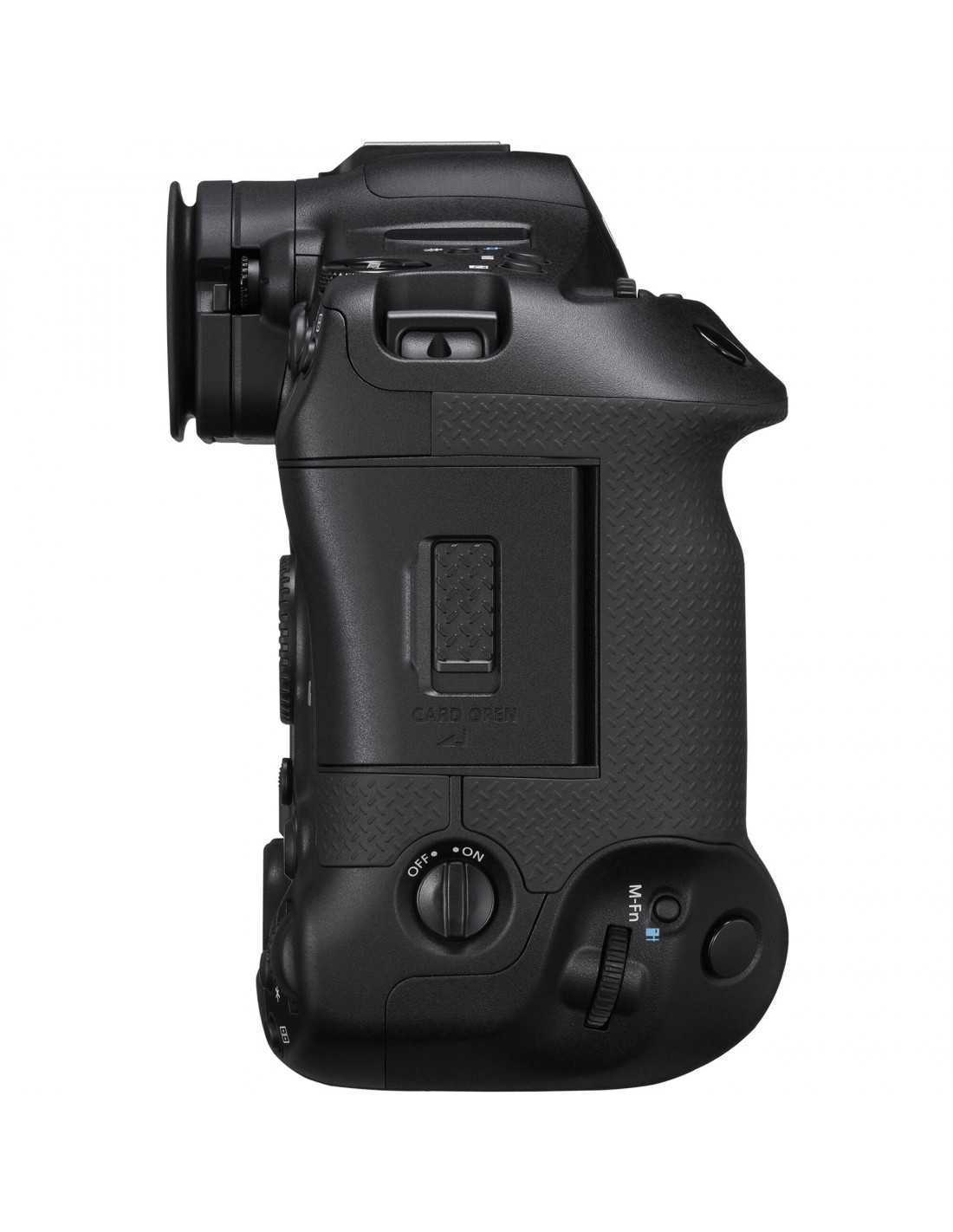
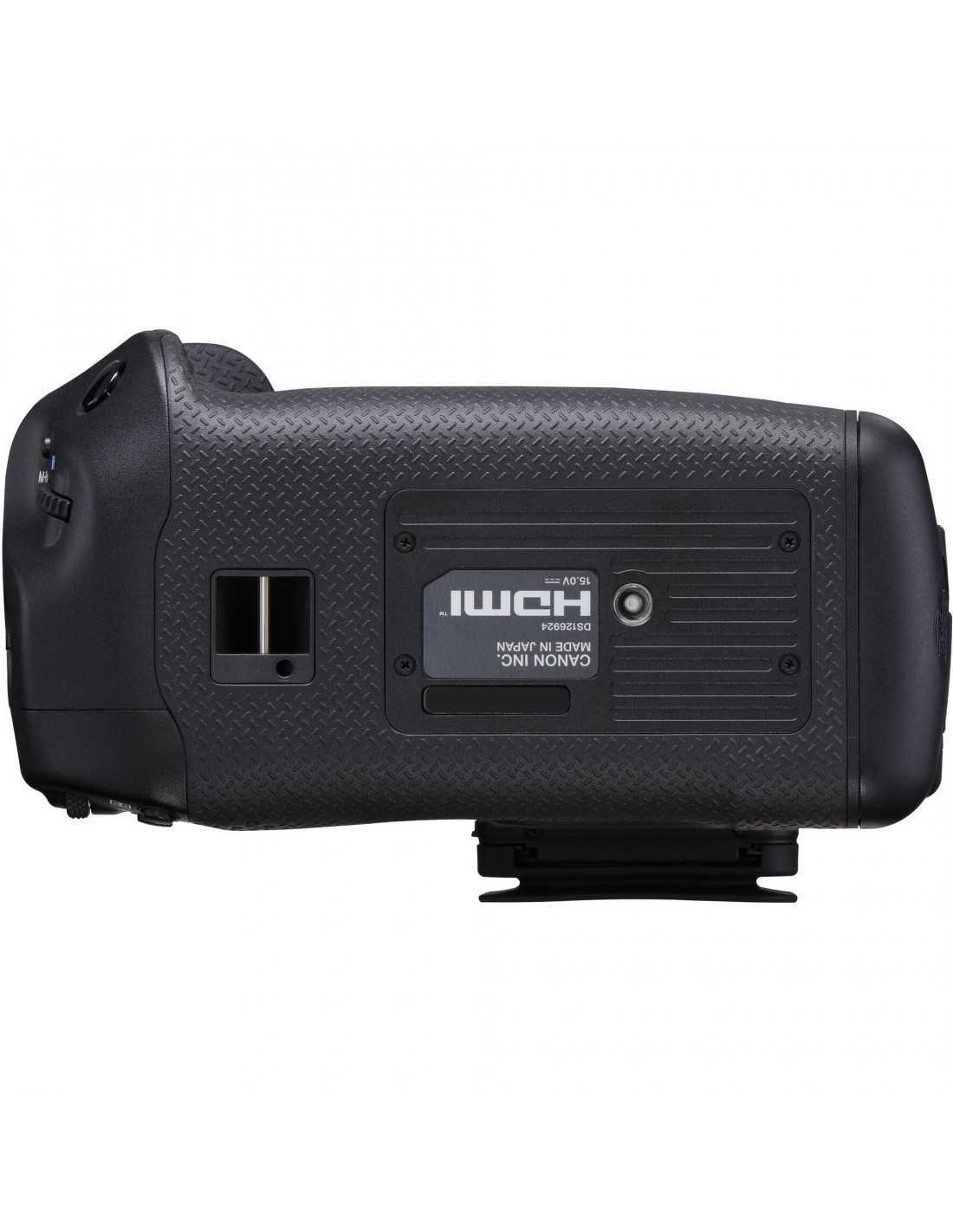
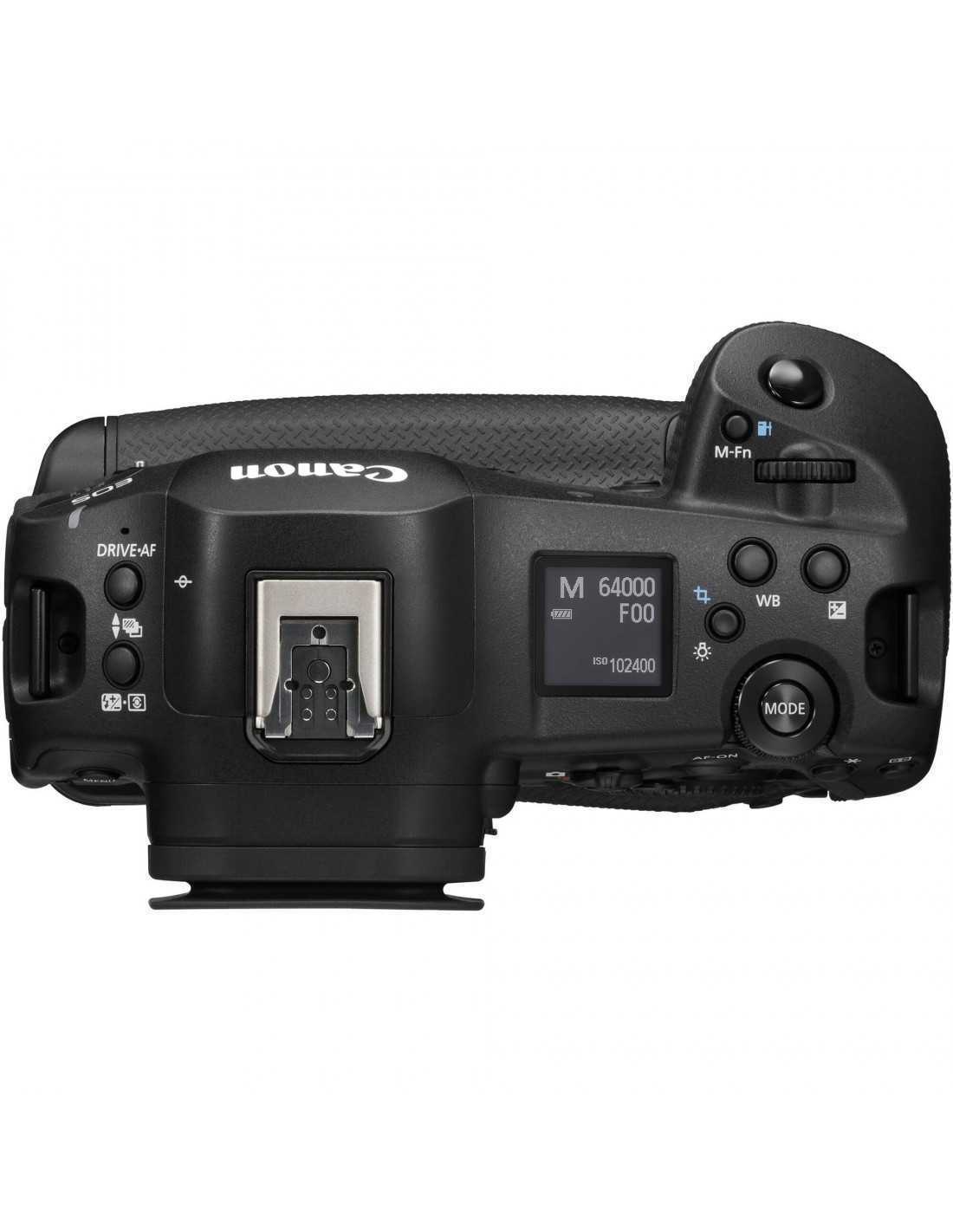
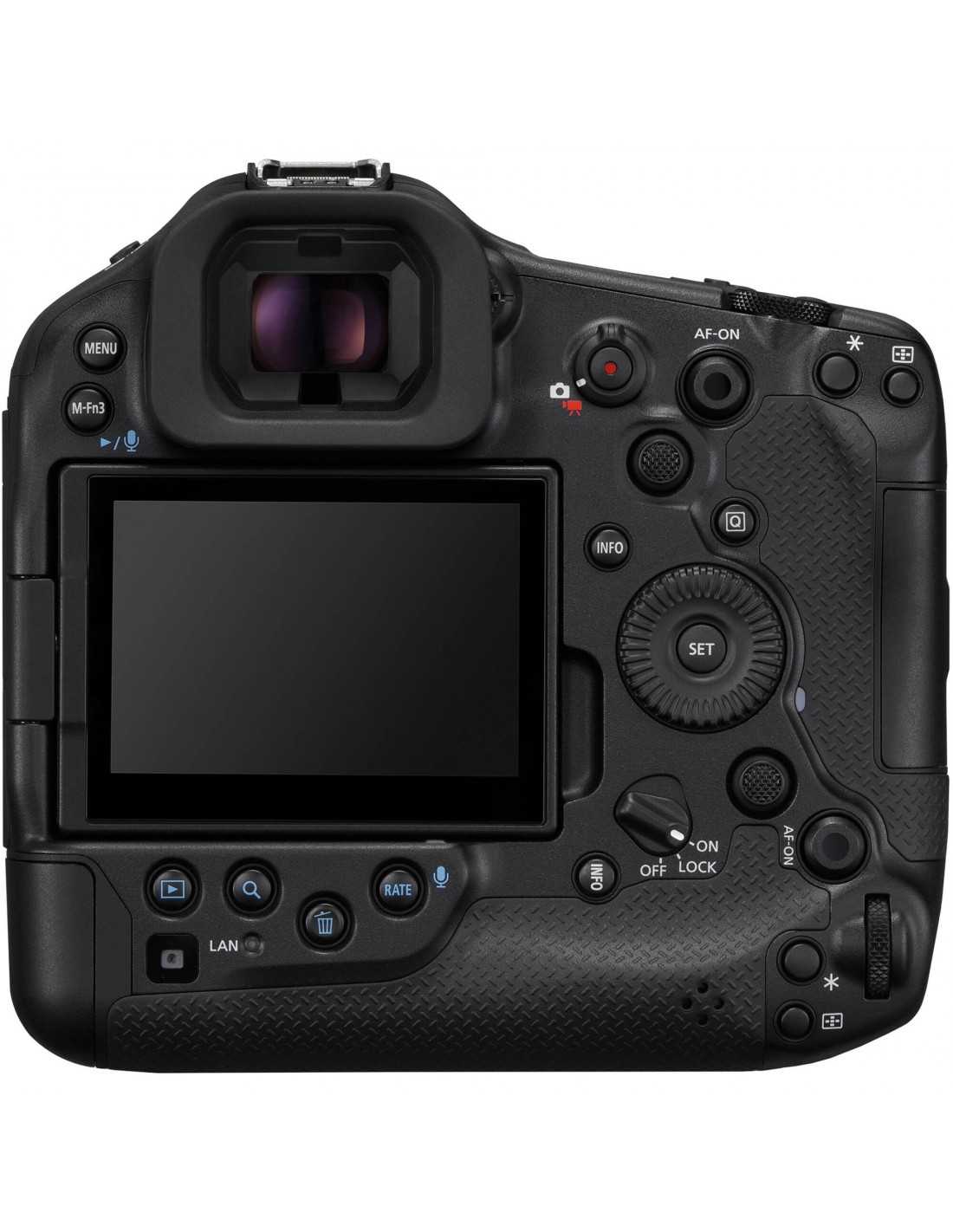
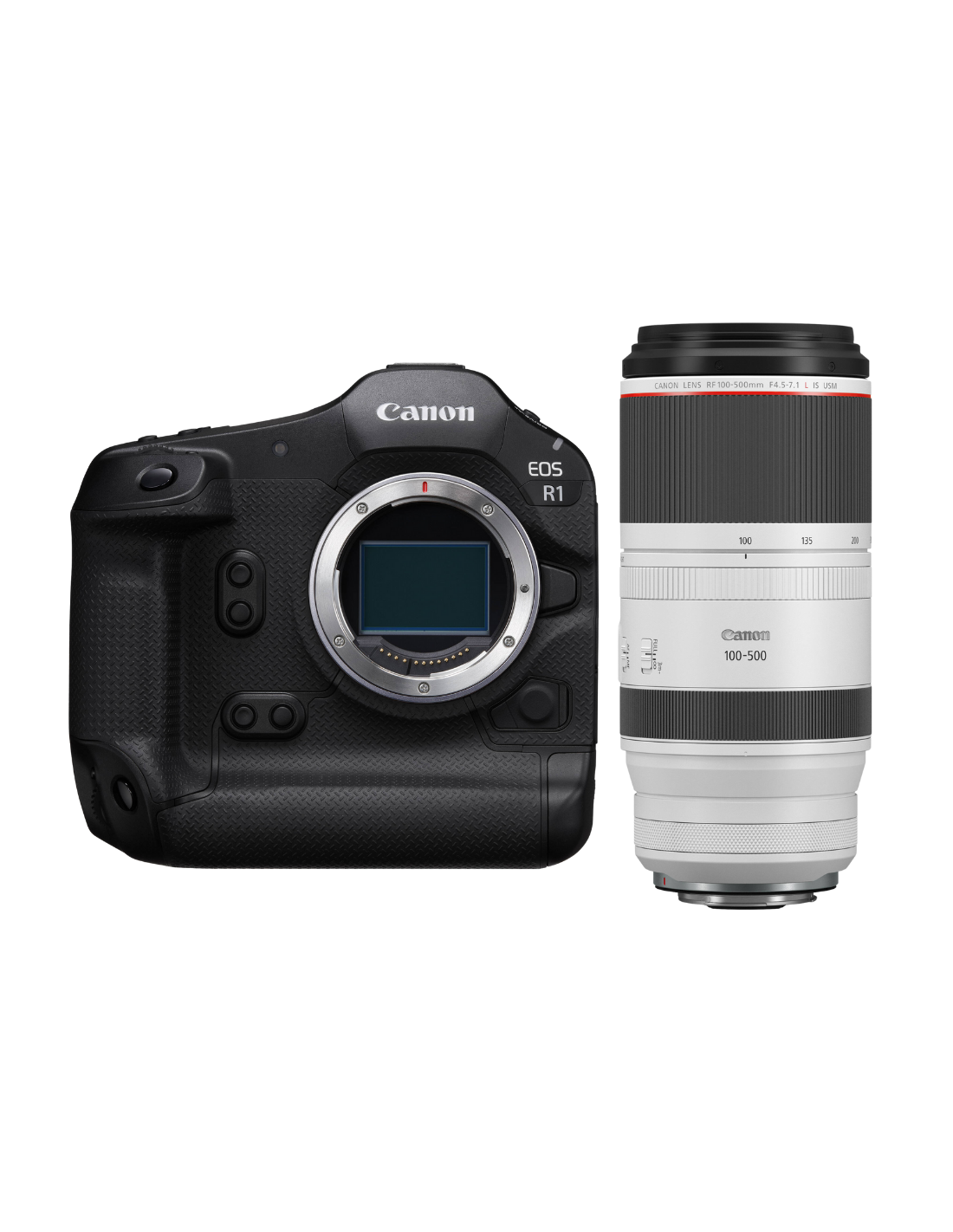
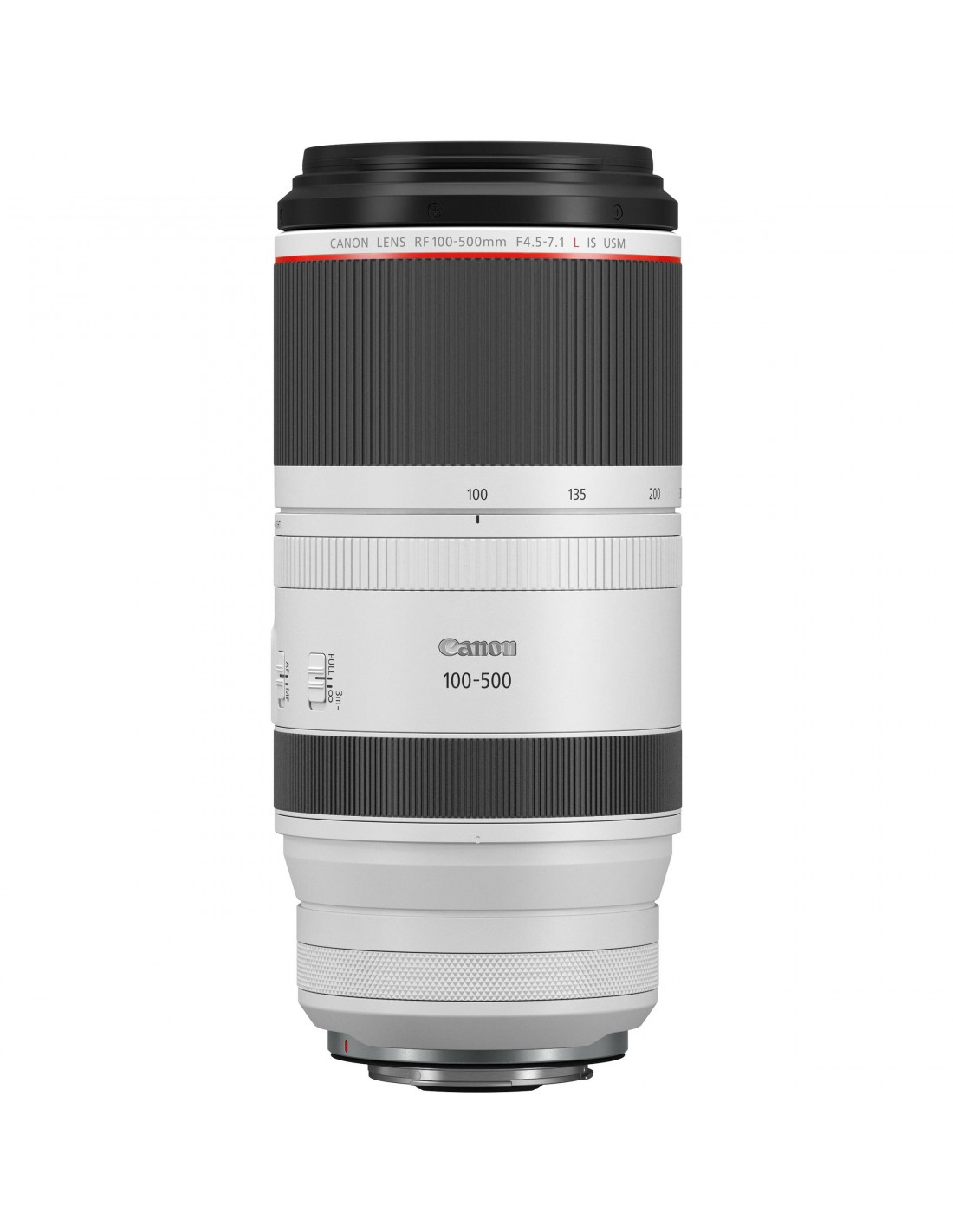
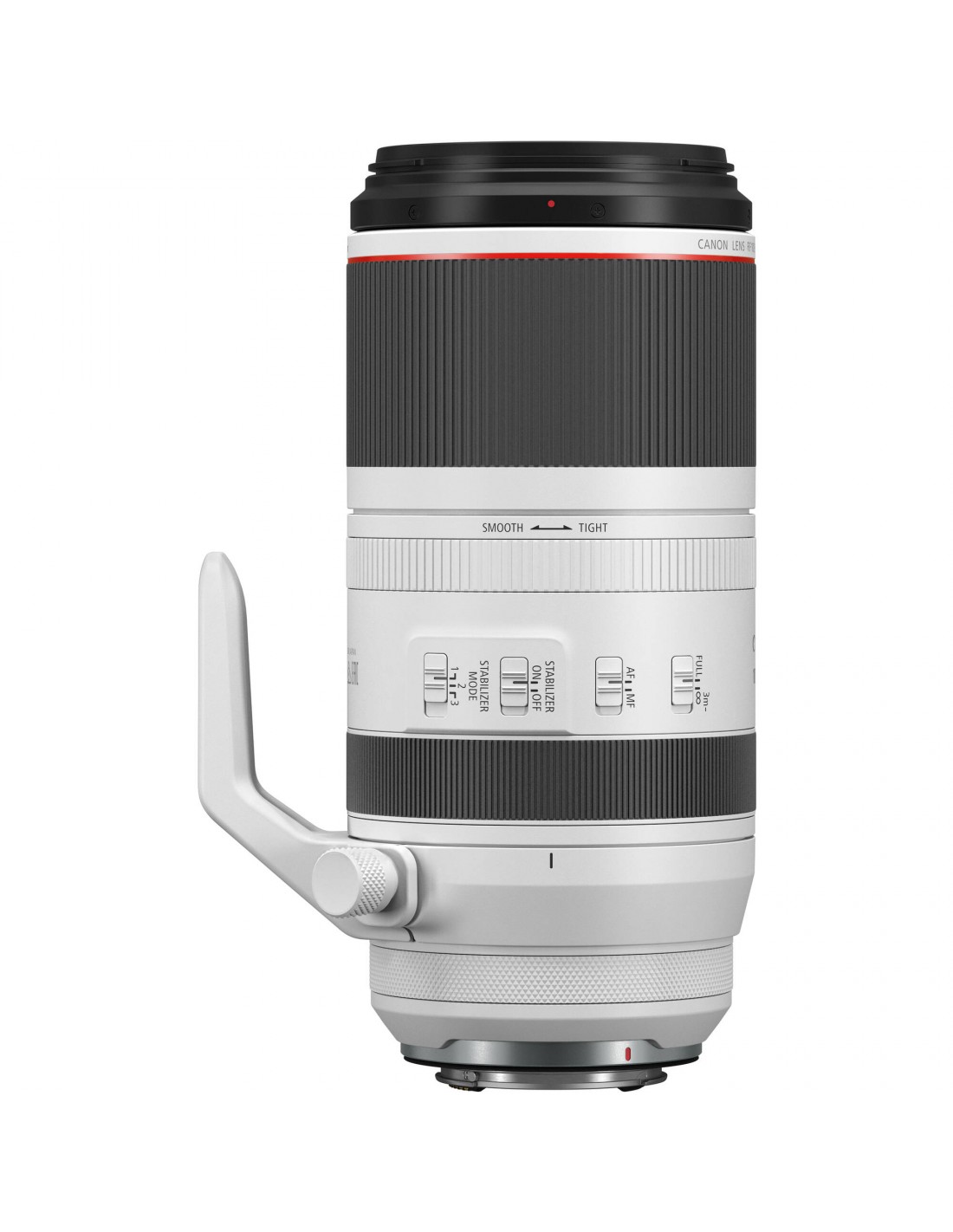
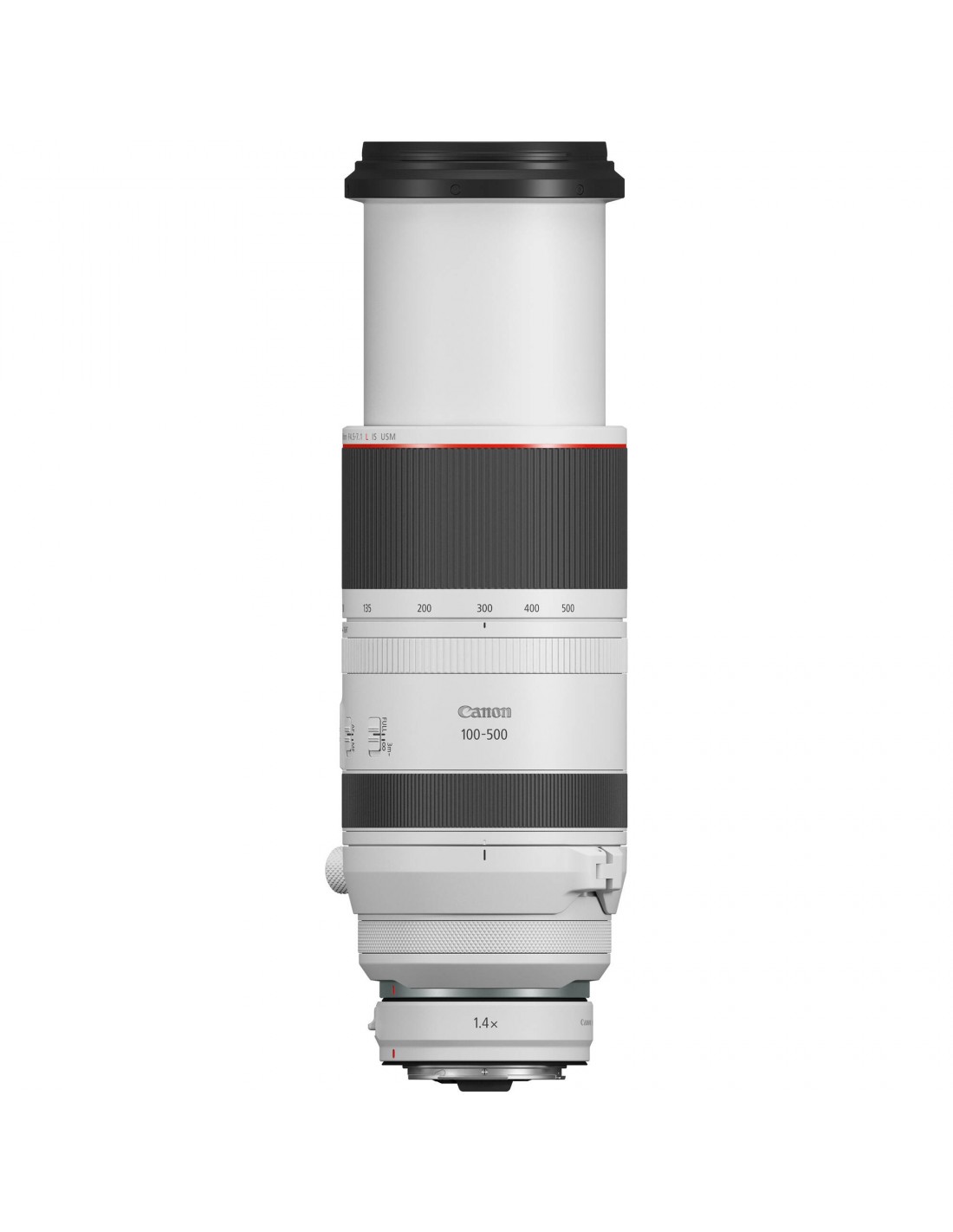
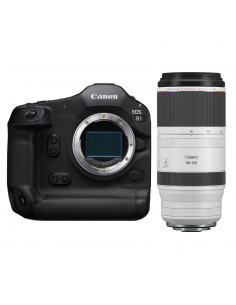

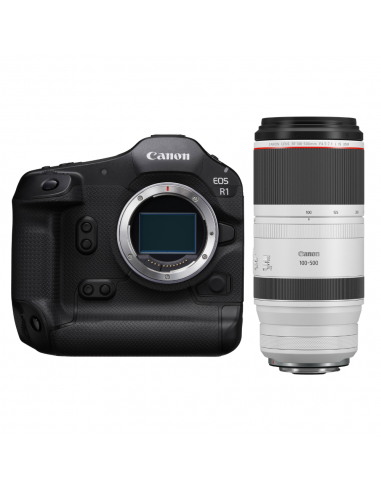
The Canon EOS R1 with RF 100-500mm F4.5-7.1 L IS USM is a professional full-frame kit recommended for wildlife, bird and sports photographers who need fast subject tracking with the framing flexibility of a zoom. Its 24.2 MP stacked sensor supports electronic shooting at up to 40 fps, while the lens covers 100 to 500mm and includes optical image stabilisation. That range makes it easier to respond when an animal approaches, a bird changes direction or the action moves across a field. The trade-offs are a calculated camera-and-lens weight of about 2.65kg and an F7.1 maximum aperture at 500mm. It is a strong choice on demanding assignments when dependable speed, useful reach and adaptable framing matter more than travelling light.
Combine compatible accessories and save. The more items you add, the bigger the discount.

Accessory
Accessory
Accessory

warranty extension
This pairing combines the response of Canon’s flagship EOS R body with one of the most adaptable RF focal ranges for wildlife and field sports. At 100mm, there is room for an animal in its habitat, a vehicle within the course or action near the touchline. At 500mm, the lens can isolate a bird, expression or distant detail without an urgent lens change.
It makes most sense for photographers working outdoors who cannot predict exactly where the subject will appear. The zoom replaces several fixed framing choices, but it is not a lightweight setup: the ready-to-shoot camera and lens add up to about 2.65kg before a strap or accessory. Choose the Canon EOS R1 body instead if you already own the RF telephoto lenses required for your assignments.
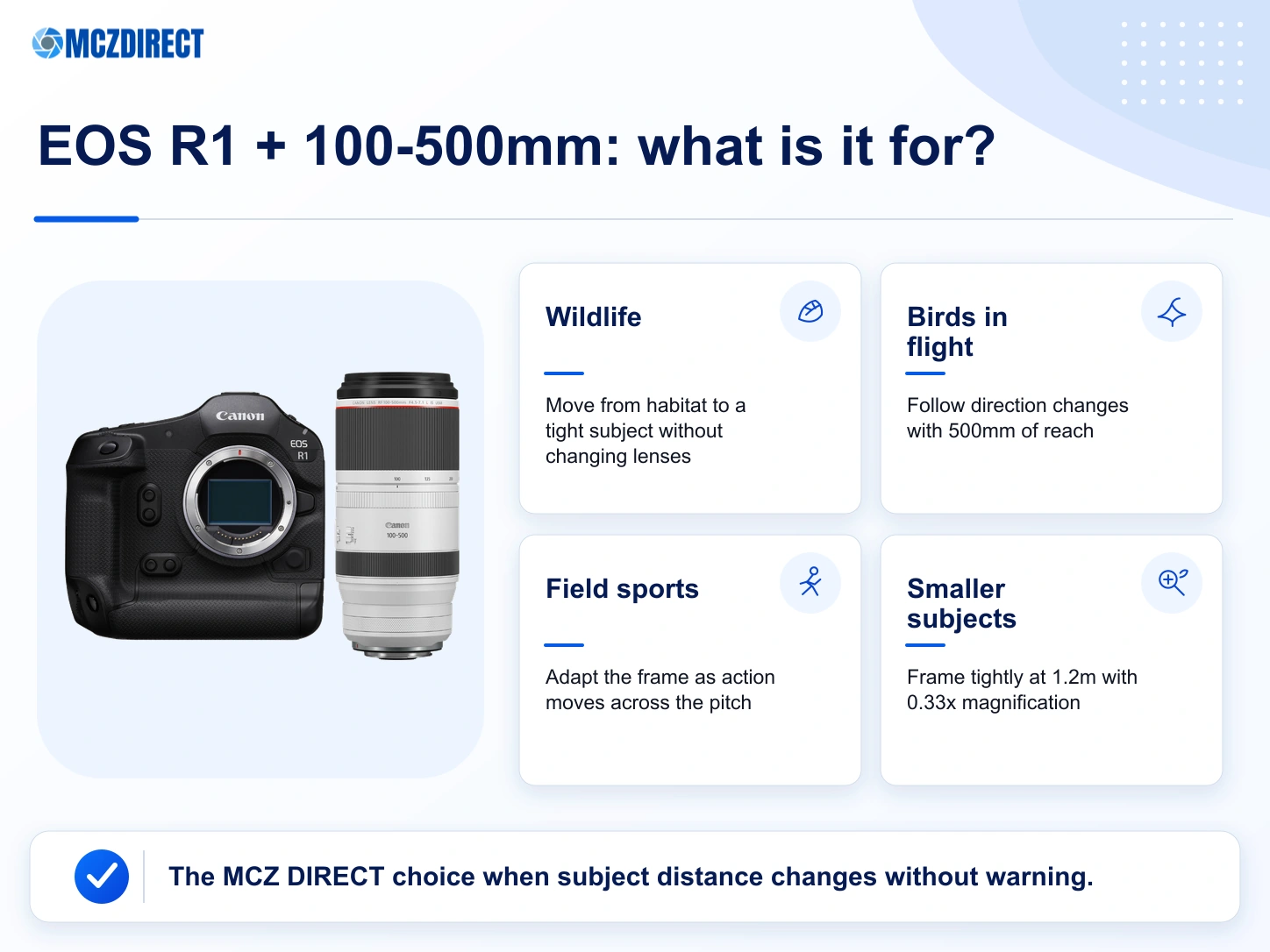
The range earns its keep when the distance changes quickly. A perched bird can take off towards the camera, a runner can move from the far side of the track to the finish, and an animal can emerge from the landscape into a much tighter frame. Zooming back helps retain the subject rather than clipping it. At the long end, 500mm gives useful separation when access is restricted or the wildlife must not be disturbed.
Framing still requires discipline. At 500mm, a small movement changes the composition noticeably and makes panning less forgiving. At 100mm, the image can tell more of the story, but the photographer generally needs to be closer. Deciding whether the photograph is about behaviour, environment or a precise gesture before the action starts produces a more consistent sequence.
The stacked sensor and electronic rate of up to 40 frames per second give the EOS R1 room to deal with very short movements. During a bird’s take-off, a ball reception or an abrupt turn, the burst records more positions around the decisive moment. Recognition for people, animals and vehicles helps the autofocus remain directed towards the intended subject, provided the AF area still suits the scene.
Maximum speed is best treated as a tool rather than a permanent setting. It fills cards and creates a demanding edit. A slower rate is often enough for predictable movement or a settled animal; 40 fps becomes valuable when timing cannot be repeated. The two CFexpress Type B slots support this workflow, although burst duration still depends on file format, camera settings and card performance.
| Feature | Practical benefit | Point to plan for |
|---|---|---|
| 100-500mm zoom | Move from a relatively close subject to distant action without changing lenses | Framing becomes highly sensitive to movement at 500mm |
| Up to 40 fps | Record more stages around take-off or a brief sporting gesture | The number of files to edit grows quickly |
| Five-stop optical IS | Reduce the effect of handheld camera movement | It cannot freeze a moving subject |
| F4.5-7.1 aperture | Retain a wide focal range in a 1,530g lens | Low light at 500mm often requires a higher ISO |
| About 2.65kg combined | Carry a flagship camera and an L-series zoom in one working kit | Support and load distribution matter on a long assignment |
Maximum aperture changes from F4.5 to F7.1 across the zoom range. In good daylight, that compromise helps keep a 500mm L-series zoom to 1,530g while retaining the flexibility of 100mm at the wide end. At dawn, under heavy cloud or in woodland, the photographer will often need a higher ISO to hold a shutter speed that can stop motion. A slightly noisier sharp frame is normally more useful than a clean file with a blurred subject.
Canon rates the optical stabiliser at five stops. It reduces the effect of the photographer’s movement for a static animal, telephoto landscape or handheld detail. It does not stop wing movement or an athlete’s stride. Shutter speed remains the priority for action; when the subject settles, stabilisation creates more room to lower the speed and control ISO.
The RF 100-500mm is not a macro lens, yet its 1.2m minimum focusing distance at 500mm and 0.33x maximum magnification give it genuine close-range value. A butterfly, dragonfly, flower beyond a barrier or fine feather detail can occupy a meaningful part of the frame while the photographer keeps a comfortable working distance.
Depth of field becomes shallow at close range, so focus placement matters. Stopping down slightly can retain more of the subject when light and shutter speed allow. If you already use another EOS R body, the Canon RF 100-500mm lens on its own provides the same optical range without duplicating the camera.
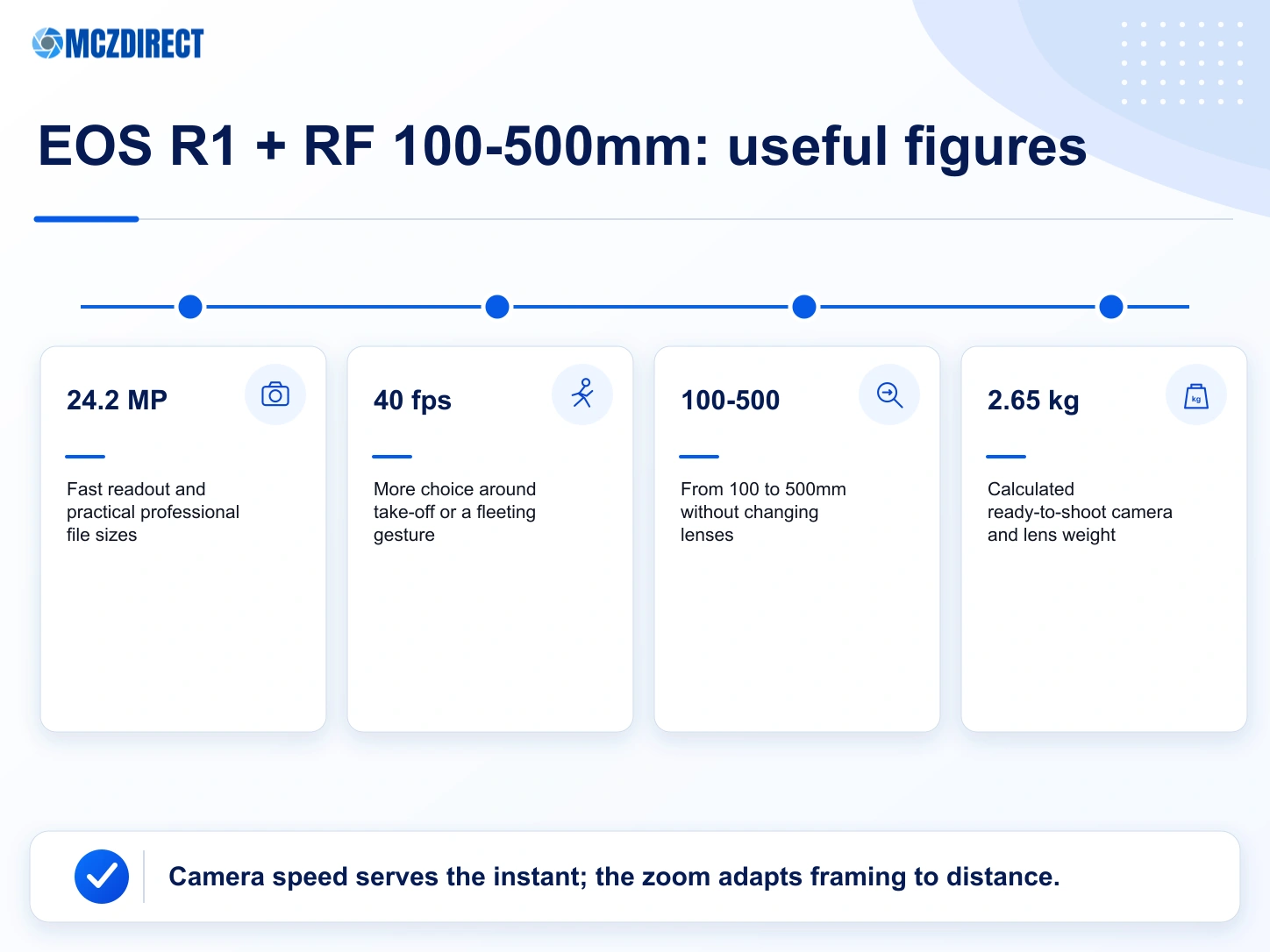
Canon lists the EOS R1 at about 1,115g ready to shoot and the lens at 1,530g. Their calculated total is therefore about 2.65kg before a strap, microphone or other accessory. The integrated vertical grip helps when the frame changes orientation, while the supplied tripod collar lets the lens sit more naturally on a monopod or support.
Handheld work is realistic for shorter periods. Over several hours, support and carrying choices matter just as much as camera specifications. A strap that distributes the load, a monopod where permitted and a bag that opens quickly can make the kit more productive. A lighter setup may be the better professional decision when walking distance is more important than the final 100mm of reach.
Canon’s RF 1.4x and 2x extenders can be used only when the lens is set to 300mm or longer. The 1.4x creates a 420-700mm F8-F10 range. The 2x produces 600-1000mm at F11-F14. Autofocus and stabilisation remain available according to Canon’s specifications, but available light and atmospheric quality become more influential.
A 1.4x extender can be practical for distant birds when 500mm is not enough. The 2x requires better light, steadier technique and a subject that can tolerate the smaller aperture. Before adding one, compare the expected result with a moderate crop or a longer native lens, particularly when heat haze is already reducing detail.
| Assignment | Kit advantage | Working approach |
|---|---|---|
| Birds in flight | Subject tracking and fast burst rate | Reserve 40 fps for unpredictable changes of direction |
| Wild mammals | 100-500mm moves between habitat and a tight portrait | Keep shutter speed high enough as the animal moves |
| Field sports | 500mm for distance and 100mm as the action approaches | Plan for F7.1 when daylight falls |
| Small subjects | 1.2m close focus and 0.33x magnification at 500mm | Stop down slightly when more depth of field is required |
| Wildlife video | 6K RAW, 4K 120p and smooth autofocus | Use support to control telephoto camera movement |
The EOS R1 records internal RAW up to 6K 60p, 4K up to 120p and Full HD up to 240p, depending on the selected mode. With the 100-500mm zoom, these formats suit wildlife observation, tightly framed sport and sequences where moving physically closer is not possible. Dual Nano USM focusing supports smooth transitions, although every movement of the camera is magnified at the long end.
Dual CFexpress Type B slots support high data rates and can be configured around a backup workflow. Long 40 fps bursts and 6K RAW files use card capacity, battery power and storage quickly. For regular telephoto video, a fluid head or monopod often improves the result more than simply selecting the highest resolution.
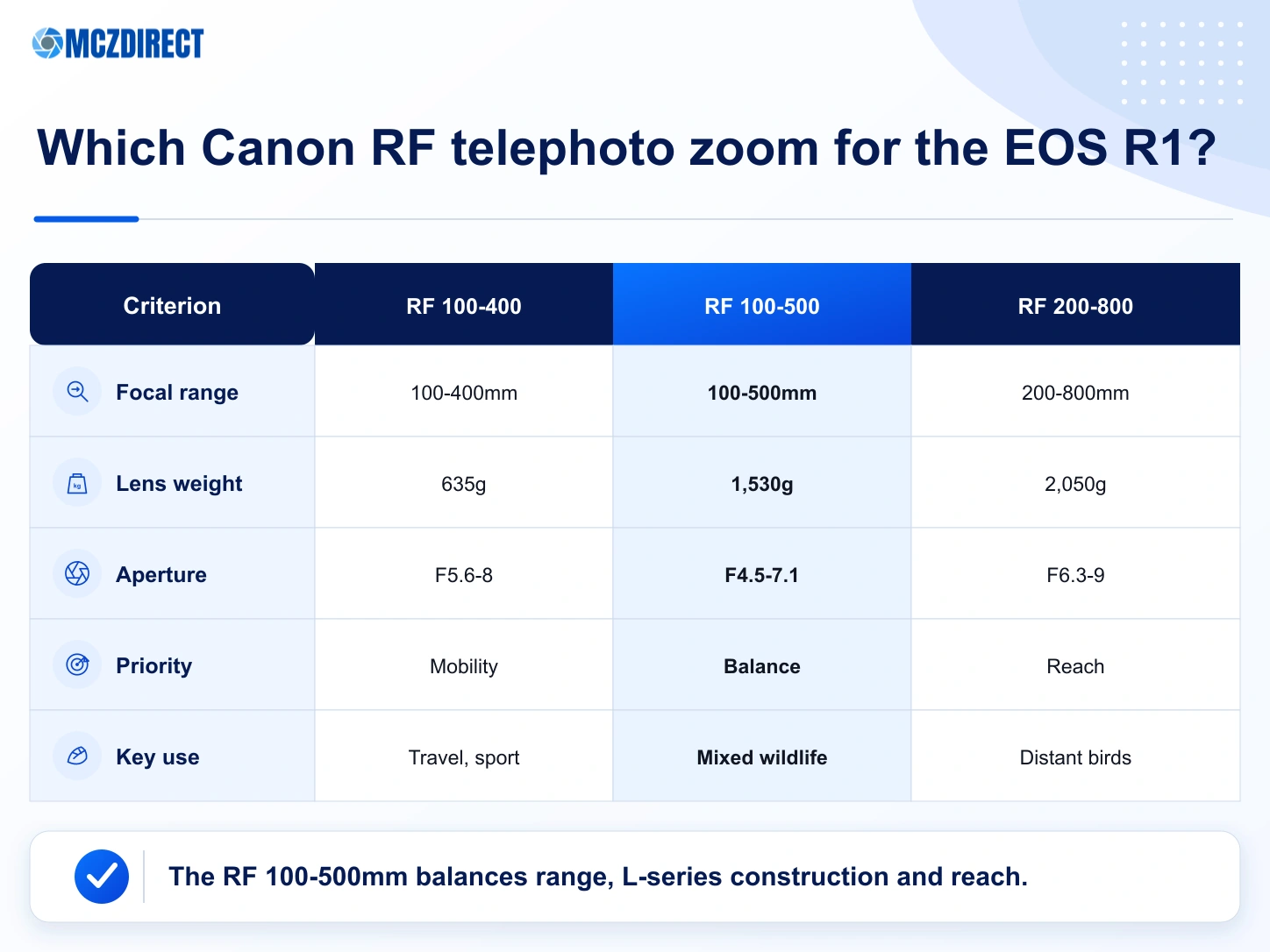
The RF 100-400mm F5.6-8 IS USM is substantially lighter and easier to carry all day, but stops at 400mm and is not an L-series lens. The RF 200-800mm F6.3-9 IS USM reaches much farther for small, distant birds, while giving up the wider 100-199mm range and adding size.
The RF 100-300mm F2.8 L IS USM is much brighter for indoor or evening sport, but it is heavier and ends at 300mm. The RF 100-500mm sits between those options: serious reach, the ability to pull back to 100mm, L-series build and a weight that can still be used away from a fixed position.
| Lens | Priority | Choose it when |
|---|---|---|
| RF 100-400mm F5.6-8 | Low weight and mobility | You walk long distances and can accept less reach |
| RF 100-500mm F4.5-7.1 L | Balance of reach, range and construction | You move between wildlife, birds and field sports |
| RF 200-800mm F6.3-9 | Maximum reach | Subjects remain distant and 200mm is wide enough |
| RF 100-300mm F2.8 L | Low-light sport | You need a bright aperture and rarely need more than 300mm |
| EOS R1 body only | An existing lens system | You already own the RF telephoto lens required |
The first limitation is light at the long end. F7.1 can drive ISO upwards at dawn or under a tree canopy. The second is the combined weight. The third is resolution: the 24.2 MP sensor is well suited to a fast editorial workflow and many publication sizes, but it gives less cropping freedom than a high-resolution body when the subject occupies only a small part of the frame.
At MCZ DIRECT, we position this as the balanced EOS R1 kit for photographers moving between wildlife, birds, field sports and outdoor reporting, where adapting the frame is more useful than changing lenses. We would not make it the first recommendation for photographers who mainly work in very low light, need the greatest possible reach or must travel light. The Canon EOS R1 category lets you compare the other active configurations by assignment.
At MCZ DIRECT, we see the Canon EOS R1 with RF 100-500mm F4.5-7.1 L IS USM as the most balanced R1 configuration for photographers following outdoor action at changing distances. Compared with the RF 200-800mm, it gives up reach but returns to 100mm and is easier to carry. Compared with the RF 100-300mm F2.8, it loses low-light speed but adds 200mm at the long end.
Its strength is the ability to move quickly from a wider scene to a tight subject while using the EOS R1’s autofocus and burst performance. Its limitation is equally clear: about 2.65kg to organise and F7.1 at 500mm as light falls. It therefore suits a field photographer who accepts that trade-off better than someone prioritising low weight or night-time sport.
Choose this kit when you need the EOS R1’s speed with a 100-500mm range for unpredictable subjects, then add it to your basket once its balance of reach, light and weight matches your work.

It is primarily for professional or advanced wildlife, bird, field-sports and outdoor photographers who need fast autofocus and an adaptable telephoto range.
Yes. Subject tracking, electronic shooting up to 40 fps and the 500mm focal length suit birds in flight. The photographer still needs an appropriate AF area and shutter speed.
Canon lists the ready-to-shoot camera at about 1,115g and the lens at 1,530g. Their calculated total is approximately 2.65kg before a strap or accessories.
It works well in reasonable light. At dawn, under heavy cloud or in woodland, a higher ISO is often required to hold a shutter speed that can stop movement.
No. Optical stabilisation reduces the effect of the photographer’s movement; a suitable shutter speed is still required to freeze an animal or athlete.
It focuses to 0.9m at 100mm and 1.2m at 500mm. Maximum magnification is 0.33x, which is useful for tightly framing smaller subjects.
The lens accepts 77mm filters.
Yes, with the lens set to 300mm or longer. It then provides a 420-700mm range with an F8-F10 maximum aperture.
Yes, from the 300mm setting. The resulting range is 600-1000mm at F11-F14, so it requires more light and stable technique.
The RF 100-500mm is more adaptable when the subject approaches and is easier to carry. The RF 200-800mm favours small, distant subjects but begins at 200mm and reaches F9.
The Canon EOS R1 has two CFexpress Type B slots. Suitable cards are required for long bursts and high-data-rate video modes.
No. Its official modes include internal RAW up to 6K 60p, 4K up to 120p and Full HD up to 240p, depending on settings.