

Shopping Cart


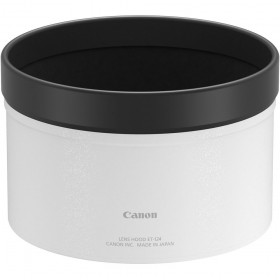
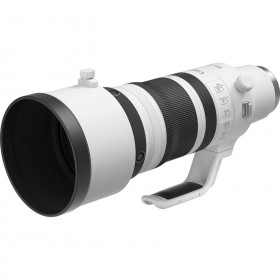
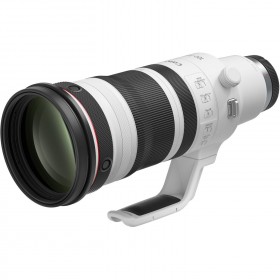
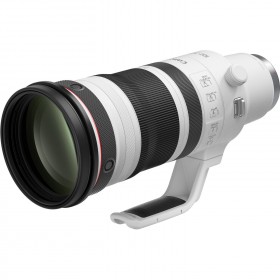
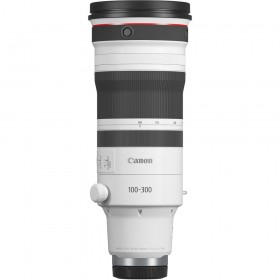
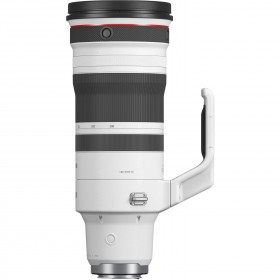
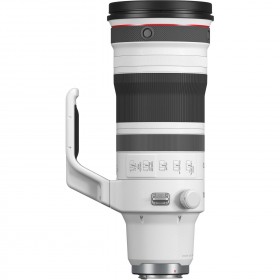


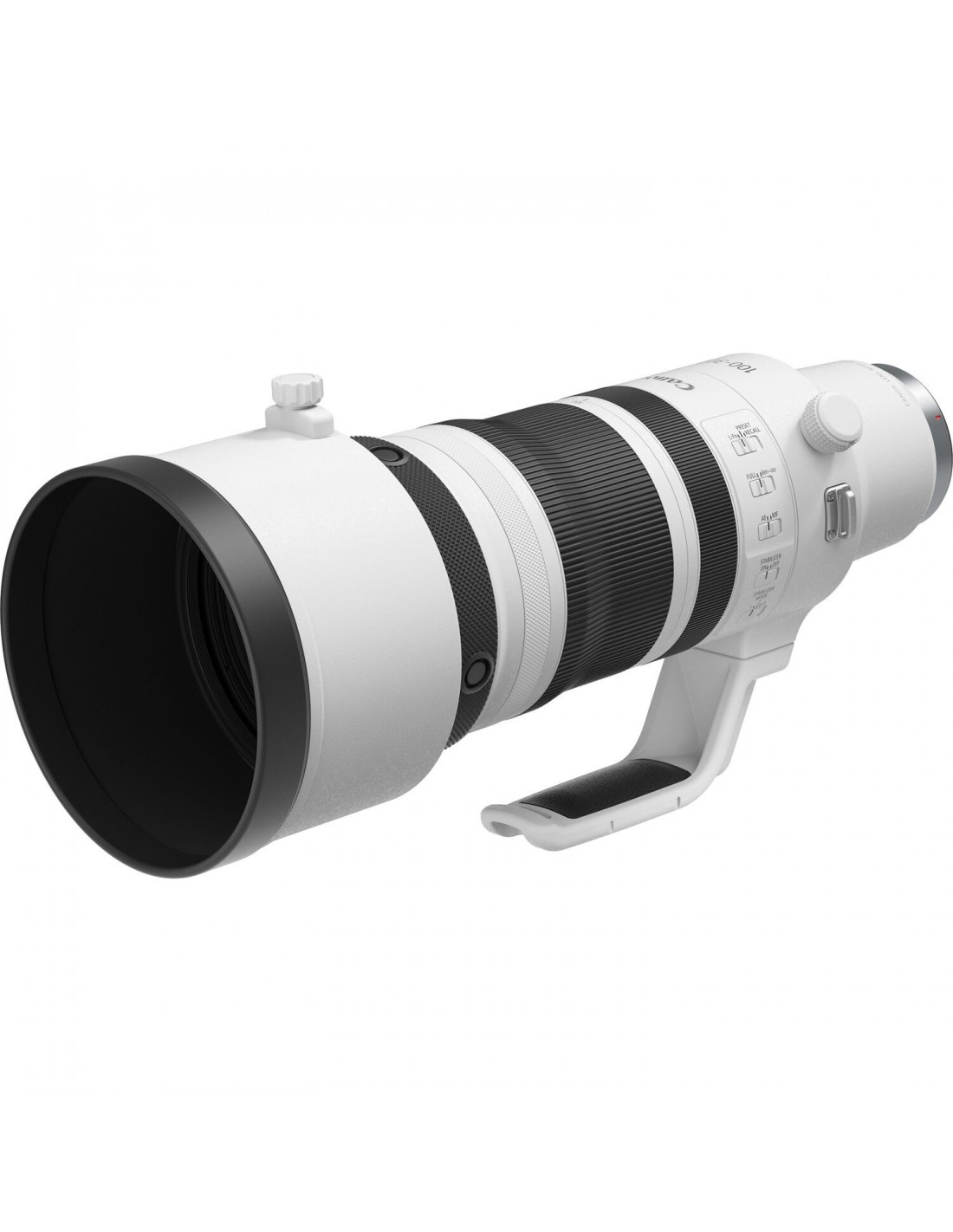


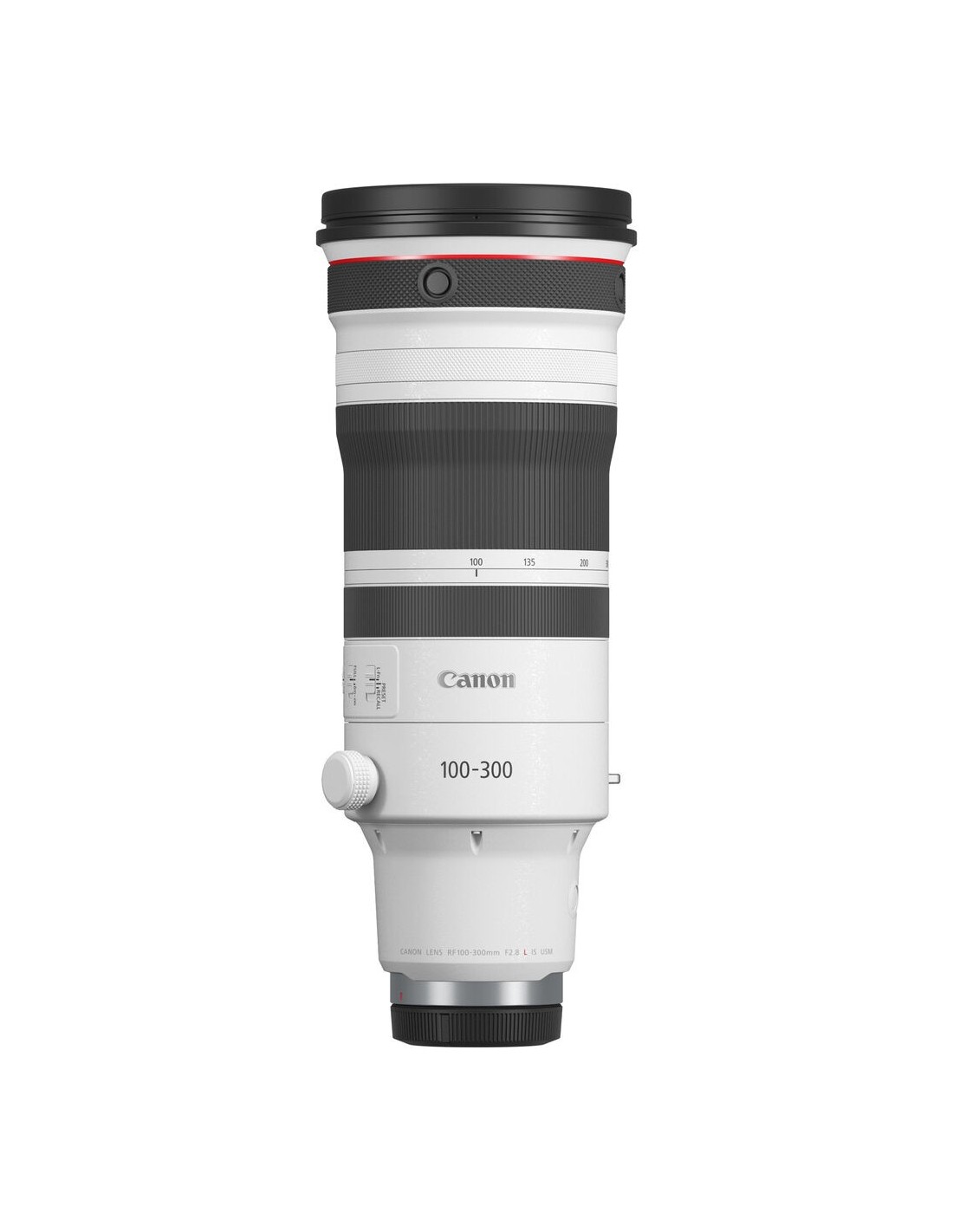
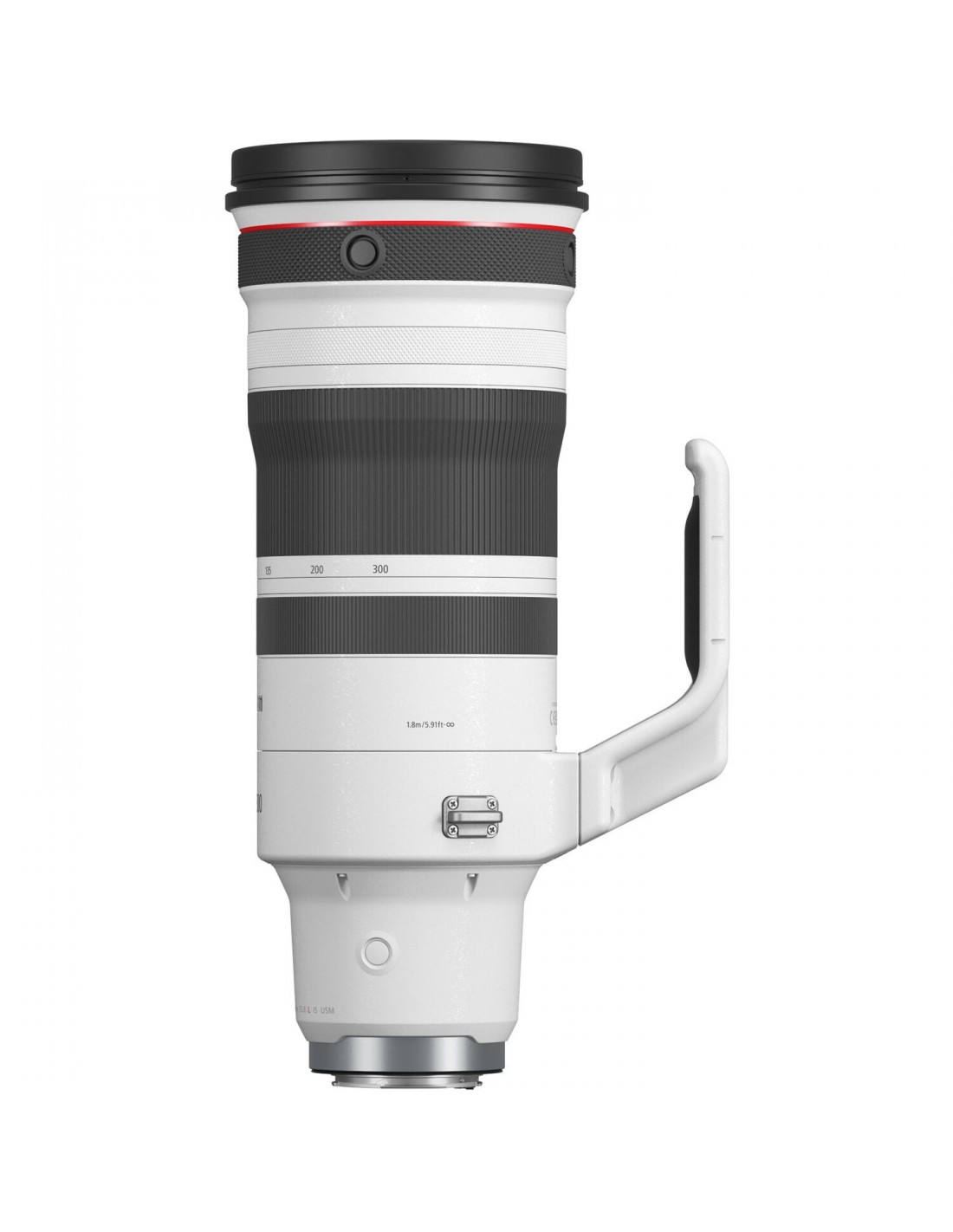

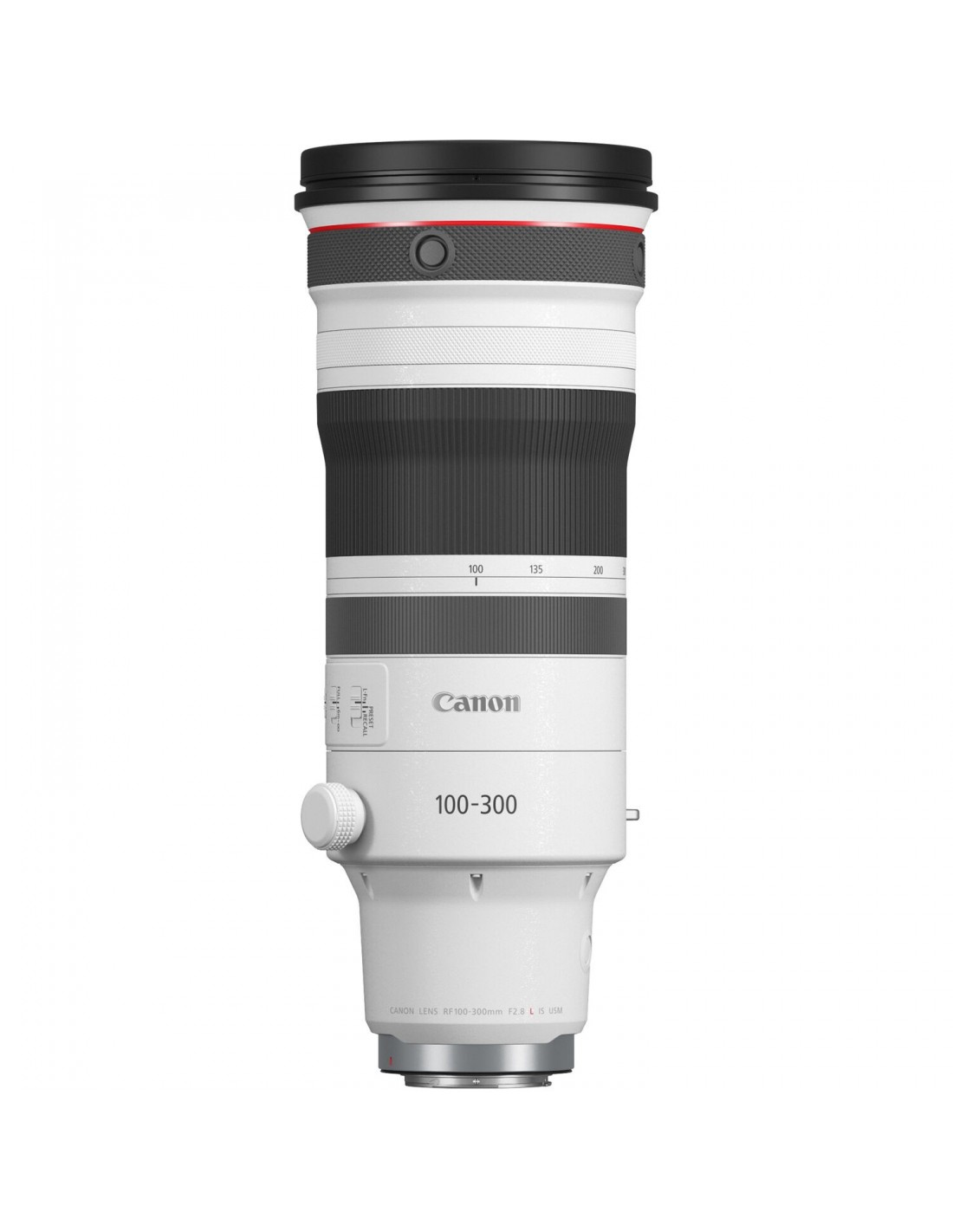
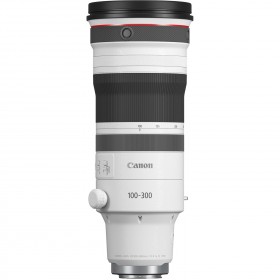

The Canon RF 100-300mm F2.8L IS USM is a professional telephoto zoom recommended for sports, event and wildlife photographers who need 300mm reach and constant f/2.8 to preserve fast shutter speeds as the light falls. Its 100-300mm range follows action that changes distance without a lens swap, while Dual Nano USM focusing and optical stabilisation support responsive tracking and steadier framing. RF 1.4x and 2x extenders increase reach to 420mm or 600mm. From an indoor arena to a race circuit, that flexibility can replace several fixed shooting positions. At 2.59kg, however, it benefits from a monopod or a carefully planned support system during long assignments. It best suits photographers who value low-light speed, subject separation and flexible telephoto framing more than lightweight travel.
Combine compatible accessories and save. The more items you add, the bigger the discount.
memory card

warranty extension
The Canon RF 100-300mm F2.8L IS USM is built for photographers who work at a distance and cannot reposition for every frame: touchlines, indoor arenas, race circuits, stages and wildlife hides. Its unusual advantage is simple to understand. The lens moves from 100 to 300mm while holding an f/2.8 aperture, so framing can tighten without losing light. At MCZ DIRECT, we position it primarily for professional sport, events and selected wildlife work. The trade-off is equally clear: a 2.59kg lens needs deliberate support and transport, particularly when an assignment lasts for hours rather than minutes.

| Feature | Practical benefit | Consideration |
|---|---|---|
| 100-300mm range | Framing adapts as the subject distance changes | 100mm may already be tight in a small venue |
| Constant f/2.8 | Faster shutter speeds in low light and smoother background separation | Professional aperture brings professional size and weight |
| 5.5-stop optical IS | A steadier view and less blur from photographer movement | Stabilisation cannot freeze a moving athlete or animal |
| Dual Nano USM | Responsive stills focus and smooth video transitions | Performance also depends on the camera, subject and AF setup |
| 2,590g weight | Built around sustained professional optical performance | A monopod, suitable head or support is useful for long sessions |
Image stabilisation addresses camera movement; it does not stop a player, horse or performer. In those situations, f/2.8 helps preserve the fast shutter speed needed for action without forcing sensitivity as high as a slower zoom. The effect is visible through the viewfinder too. A subject separates more cleanly from a busy background, which can make both composition and autofocus placement easier when the scene is crowded.
At 100mm, the lens can retain some context around near action. Around 200mm it gives a more direct view, while 300mm isolates a player, vehicle or animal further across the working area. This ability to change perspective without changing lenses is the reason the Canon 100-300 f/2.8 is more versatile than a single 300mm prime viewpoint.

| Genre | Why it works | When to choose differently |
|---|---|---|
| Indoor sport | Constant f/2.8, responsive AF and flexible framing from the stands or court edge | A 70-200mm may cover a shorter working distance |
| Field and motorsport | 300mm isolates action; 100mm handles subjects that approach | A 100-500mm offers more reach in strong light |
| Stage and events | F2.8 supports low light and subject separation | 100mm may be too long in a compact room |
| Wildlife | Bright aperture, fast tracking and RF extender support | A lighter long zoom may suit walking and extended travel better |
| Distant portrait | Telephoto compression and a soft background | A 70-200mm is easier to place and carry |
Two Nano USM motors independently drive the floating focusing groups. The practical aim is quick distance changes and stable tracking rather than a headline specification on its own. Camera choice still matters. The Canon EOS R1 and Canon EOS R3 naturally suit action-led work, while the Canon EOS R5 Mark II adds resolution that can be valuable when a distant subject needs a considered crop.
Canon rates the optical stabiliser at 5.5 stops and up to 6 stops when coordinated with a compatible in-body stabiliser. That helps steady framing and supports slower shutter speeds for static subjects, but action still demands a suitable shutter speed. At 2.59kg before adding a camera, the lens should be treated as a system. Tripod foot, monopod, head, strap and bag all influence whether it remains comfortable and responsive across a full assignment.
| Lens | Choose it when | Main trade-off |
|---|---|---|
| RF 70-200mm F2.8L IS USM | Mobility, portraits and medium working distances come first | Reach stops at 200mm |
| RF 100-300mm F2.8L IS USM | Sport, stage or action demands both 300mm and f/2.8 | 2.59kg and a 100mm starting point |
| RF 100-500mm F4.5-7.1L IS USM | 500mm reach and lower weight matter more than aperture | Significantly slower at the long end |
| RF 200-800mm F6.3-9 IS USM | Reach and flexible outdoor framing take priority | Slower aperture, particularly as light fades |
| RF 400mm F2.8L IS USM | The working distance is predictable and a fixed 400mm frame fits the assignment | No zoom to follow a subject moving closer |

The RF 1.4x extender changes the lens into a 140-420mm f/4, while the Canon RF 2x Extender produces a 200-600mm f/5.6 range. This can be valuable for wildlife and sports across large venues because it adds reach without carrying another super-telephoto. Two consequences need to be accepted: the 1.4x costs one stop and the 2x costs two stops, while the starting focal length becomes longer. An extender makes sense when a real working distance calls for it, not simply because the largest number looks more impressive.
Minimum focusing distance is 1.8m throughout the range. Maximum magnification reaches 0.16x at 300mm, enough for tight equipment details, a performer’s expression or a medium-sized subject, but not a substitute for macro. Canon combines one fluorite element, four UD elements and one moulded aspheric element to control aberrations across the zoom and at wide aperture. The nine-blade diaphragm supports smoother out-of-focus rendering, particularly for portraits and subjects placed well away from the background.
The RF 100-300mm F2.8L IS USM mounts directly on Canon EOS R cameras. The Canon RF lens category helps compare it with shorter and longer options. A responsive, well-balanced camera makes the most of its autofocus and tripod collar; a high-resolution body offers more cropping freedom. The best decision still begins with three practical questions: how far away is the subject, how much light is available, and how long will the complete setup be carried?
At MCZ DIRECT, we see the Canon RF 100-300mm F2.8L IS USM as the choice for a sports, event or wildlife photographer who no longer wants to choose between zoom flexibility and the brightness associated with a 300mm f/2.8. It is less convincing for light travel, small venues and long hikes, where its 100mm starting point and 2.59kg weight may matter more than the aperture advantage.
Against the RF 70-200mm f/2.8, we recommend it when the extra 100mm regularly changes the frame. Against the RF 100-500mm, we favour it when low light, shutter speed and subject separation take priority over the additional 200mm of reach. Its limitation is honest: the lens requires budget, support and transport discipline that match its professional intent. For the right photographer, that commitment buys the ability to follow changing action without surrendering f/2.8.

It is primarily intended for sports, event, stage and wildlife photographers who work at a distance and need f/2.8 throughout the zoom range. Its 2.59kg weight suits planned professional use more than lightweight everyday photography.
Yes. Maximum aperture remains f/2.8 from 100 to 300mm. Exposure therefore does not become darker simply because the lens is zoomed, which helps with manual settings and consistent action sequences.
Yes. F2.8 helps maintain fast shutter speeds under limited venue lighting, while the zoom adapts framing from the stands or court edge. The 100mm starting point can still be too tight in a small hall.
Yes, especially when light is low, subjects move quickly or background separation matters. RF extenders can add reach for distant subjects. A lighter long zoom may be more practical for extended walking.
Yes for shorter sequences, helped by optical stabilisation and the lens balance. At 2.59kg, fatigue builds during long sessions. A monopod, suitable head or stable support improves comfort.
It reduces blur caused by photographer movement and steadies the viewfinder image. It cannot freeze a player, vehicle or animal, so moving subjects still require a suitable shutter speed.
The RF 1.4x changes the lens into a 140-420mm f/4. It adds useful reach while costing one stop of light, making it a practical option for outdoor sport and wildlife.
The RF 2x produces a 200-600mm f/5.6 range. Reach increases substantially, but the two-stop light loss calls for brighter conditions or higher sensitivity.
Choose the 100-300mm when 300mm regularly changes the frame. The 70-200mm is lighter, more compact and easier in restricted spaces, portraits and medium-distance events.
The 100-300mm prioritises f/2.8, low-light shutter speed and subject separation. The 100-500mm adds 200mm of reach and is much lighter, but reaches f/7.1 at 500mm.
Minimum focusing distance is 1.8m throughout the range. Maximum magnification is 0.06x at 100mm and 0.16x at 300mm. It can frame details but is not a macro replacement.
It mounts directly on Canon EOS R mirrorless cameras using the RF mount. Autofocus behaviour, coordinated stabilisation and overall balance depend on the chosen camera body.
