Shopping Cart
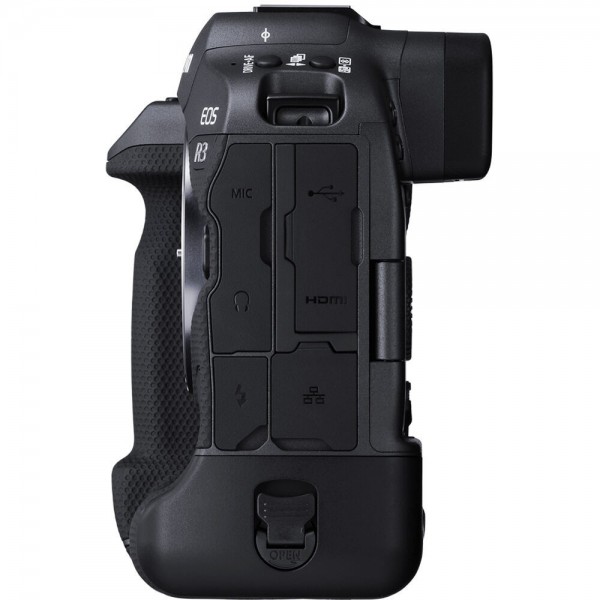

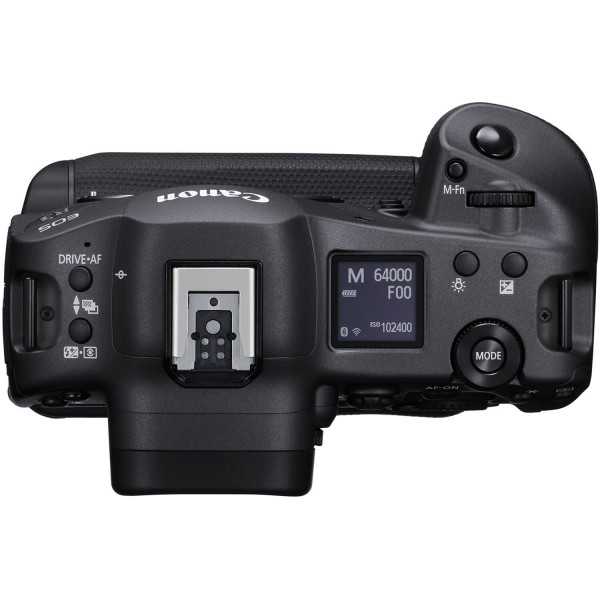
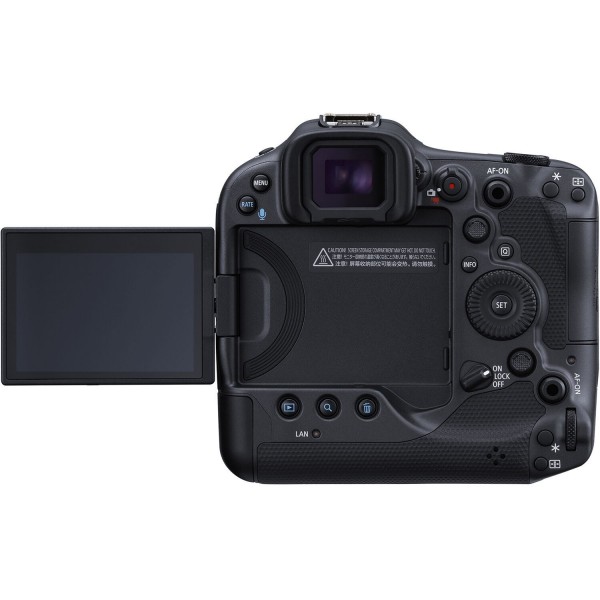
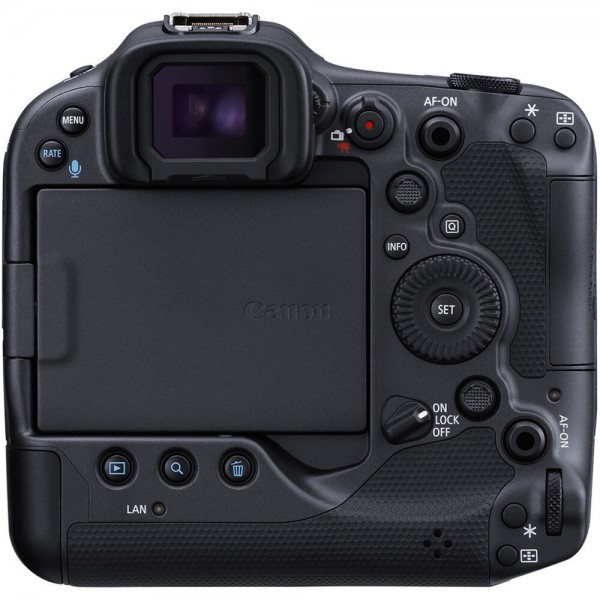

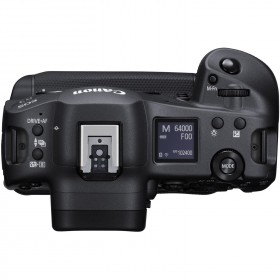
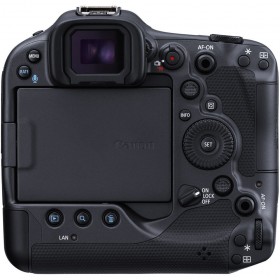



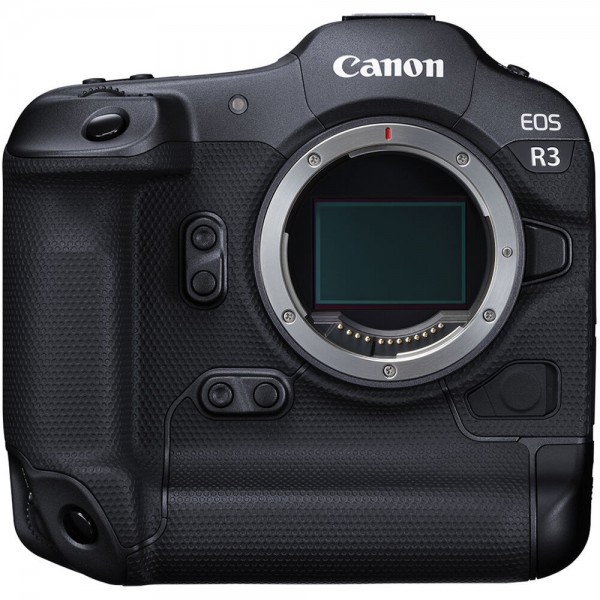
The Canon EOS R3 is a top-tier mirrorless camera built for professionals who demand speed, precision, and stunning image quality. Featuring a 24.1 MP back-illuminated stacked full-frame sensor and the powerful DIGIC X processor, it delivers clean, detailed shots even in low-light conditions. With ISO up to 102,400 (expandable to 204,800), you can shoot confidently at dawn, dusk, or under challenging lighting.
Its burst shooting is exceptional: up to 30 fps with the electronic shutter (AF/AE tracking), or 12 fps mechanically. Intelligent autofocus tracks faces, eyes, animals, vehicles, and with Eye Control AF, you can simply look at your subject in the viewfinder to position focus. Perfect for action, events, wildlife—any moment that won’t wait.
On the video front, the R3 excels: internal 6K RAW at 60 fps, 4K up to 120 fps, Full HD at 240 fps, all in 10-bit with Canon Log profiles. Ideal for cinematic work, creative content, slow-motion sequences, or professional videos with color grading flexibility.
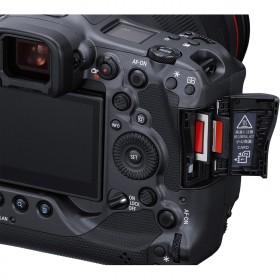
Built tough: weather-sealed magnesium alloy body, integrated vertical grip, dual card slots (CFexpress + SD UHS-II), modern connectivity (Wi-Fi, Ethernet), and up to 8 stops of in-body image stabilization (IBIS).
Order your Canon EOS R3 now to unlock pro-level performance, reliability and unmatched visual impact. Don’t wait — be ready to capture every decisive moment with authority.
Combine compatible accessories and save. The more items you add, the bigger the discount.
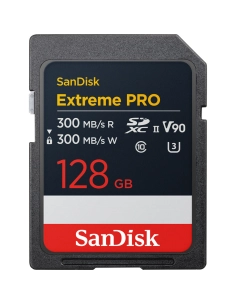
Accessory
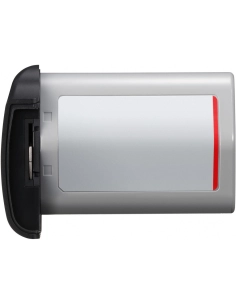
Accessory
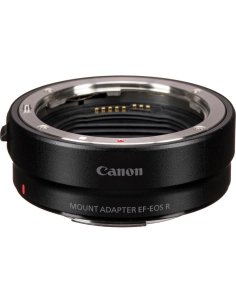
Accessory

warranty extension
Are you looking for a professional mirrorless camera that can capture everything—from elite sports to wedding scenes in challenging light—while filming in 6K for your video projects?
The Canon EOS R3 is built for you. It combines blistering responsiveness, pro-grade ergonomics with an integrated grip, and autofocus that sticks to the subject like your gaze. Its strength isn’t just in the numbers. It’s a tool born for speed, the field, and high demands. You choose it to come back with decisive images, not excuses. The 24.1 MP stacked full-frame sensor delivers clean, detailed files that are easy to post-process. Burst shooting reaches 30 fps with the electronic shutter and AF/AE tracking, or 12 fps mechanically. You press the shutter; it follows. With the 120 Hz blackout-free EVF, you stay in the action without visual interruption, as if looking with the naked eye. IBIS reaches up to 8 stops with certain RF lenses. Result: slower shutter speeds handheld and steadier footage.
For video, you get internal 6K 60p RAW, 4K up to 120p, and Full HD 240p in 10-bit with Canon Log 3. That’s all you need to produce crisp, fluid footage with wide grading latitude. Autofocus detects people, eyes, animals, and vehicles. And Eye Control AF lets you place the AF point where you look in the viewfinder. It’s fast. It’s natural. It’s addictive. Add dual card slots (CFexpress Type B + SD UHS-II), 5 GHz Wi-Fi, RJ-45 Ethernet, and a weather-sealed magnesium chassis. You get a formidable reportage workhorse.
If your intent is clear—buy a Canon EOS R3 at the best price and secure your upcoming assignments—you’re in the right place. Take action. Reserve your EOS R3 now and turn every opportunity into an iconic image.
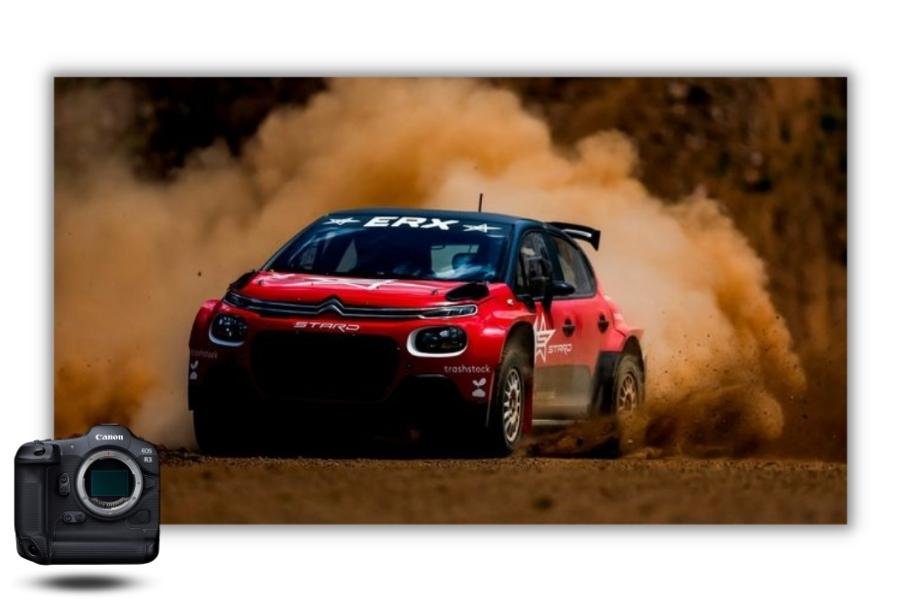
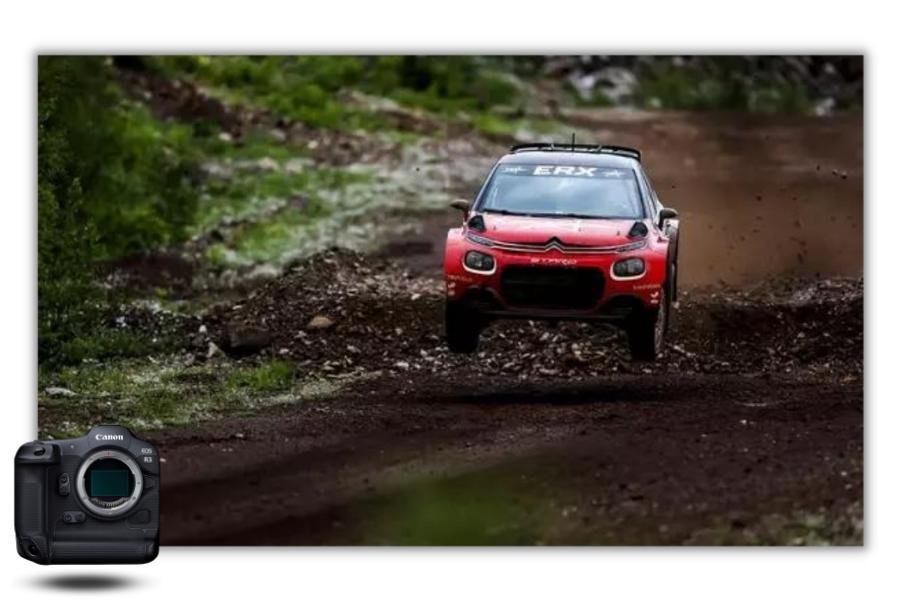
The Canon EOS R3 is made for sports. The 30 fps burst and 120 Hz blackout-free viewfinder let you track rapid sequences without losing the thread. In a basketball game, you can lock focus on the point guard driving to the rim. AF detects the face despite defenders’ arms. Your framing stays fluid since the EVF doesn’t cut out mid-dunk. Stabilization helps when shutter speeds drop in a dim arena.
In motorsport, vehicle detection isolates the car in the pack. The customizable high-speed mode captures the exact moment it hits the kerb, wheel lifted. You fire a short, ultra-dense burst, then let it settle. The 24 MP files retain cropping headroom for press or social media. FTP transfer from the stadium, via Ethernet or 5 GHz Wi-Fi, saves precious minutes. Your images arrive in real time at the desk or sponsor. That’s real-world value for an agency shooter or a freelancer on deadline.
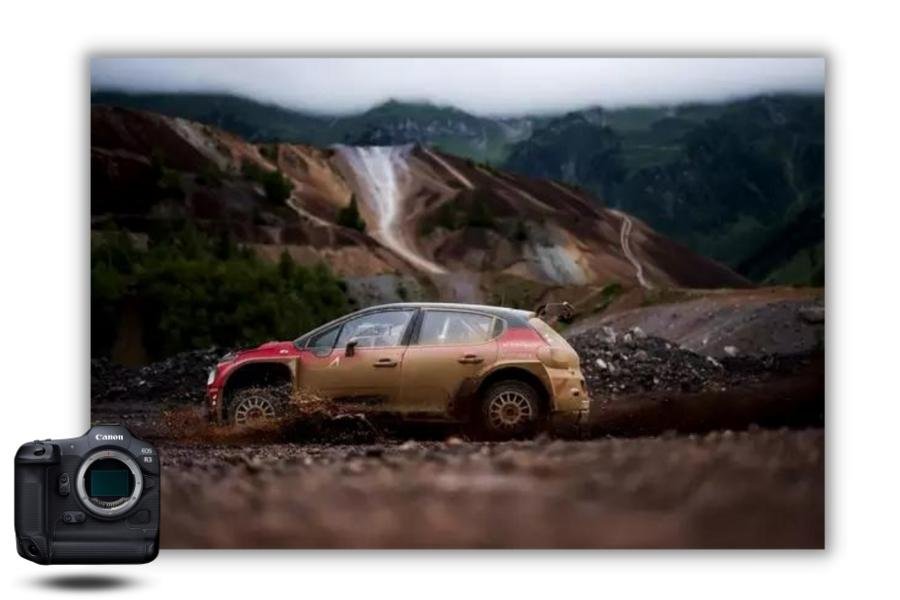
In wildlife work, discretion and precision win. The R3’s silent electronic shutter is an asset with a skittish kingfisher. Animal detection latches onto a raptor’s eye in flight. IBIS lets you handhold at lower speeds on a 500 mm at dawn. Picture a hide by a pond. The mist lifts. A heron takes off. The blackout-free EVF lets you follow the flight smoothly. The 30 fps burst delivers a highly usable sequence. You pick the perfect wingbeat, the drop of water in mid-air.
If the light falls, the stacked full-frame sensor keeps the image clean enough to lift shadows in post. After shooting, you can send a selection of quality JPEGs via the app or in-camera FTP for immediate client or editor approval. Reliable AF tracking, LP-E19 endurance, and weather sealing make the difference over a full day outdoors.
A wedding is a chain of micro-moments. The R3 thrives here. During the ring exchange, AF prioritizes faces and eyes. You move quickly yet keep a clear view in the EVF. Outside the church, confetti showers can trick autofocus. The R3’s subject detection keeps the couple sharp despite particles crossing the frame. In the evening, stabilization buys crucial shutter speeds. You preserve the venue’s mood without pushing ISO too high.
4K/120p delivers elegant slow-motion shots for a same-day teaser. And if you offer a same-day edit, internal 6K 60p RAW provides a solid base to color in Canon Log 3. Dual slots add instant security: CFexpress for video and bursts, SD UHS-II for photo backup. At day’s end, plug in Ethernet at the venue. Your deliverable JPEGs go to the caterer or DJ, stamped with your signature. Professional from capture to delivery.
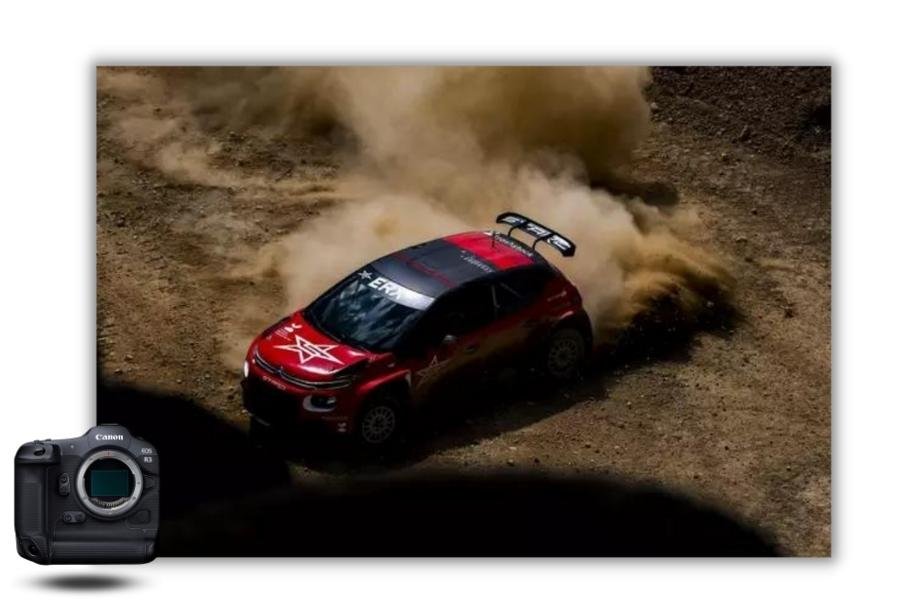
The R3 isn’t just a fast stills body. It’s a very capable cinema camera. Internal 6K 60p RAW preserves full-sensor integrity and allows clean 4K reframes. 4K up to 120p handles cinematic slow motion. Full HD 240p unlocks stylistic options for social platforms. Canon Log 3 ensures comfortable grading latitude with detailed 10-bit files.
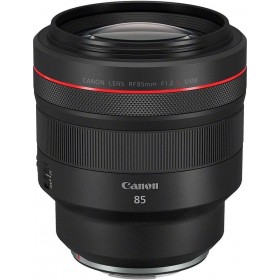
Imagine a documentary about a chef. You film 6K RAW of the kitchen craft, then RF 85 mm portraits in the dining room with available light. IBIS smooths micro-shakes for handheld shots. Transitions between hot kitchen and cool dining room grade well thanks to the files’ depth. You switch to 4K 120p to elevate the final plating. A slow-motion shot on the dish, crisp texture sparkling, a precise gesture. You connect the restaurant’s Ethernet to send rushes to the editor. You leave with premium content ready for web or local TV.
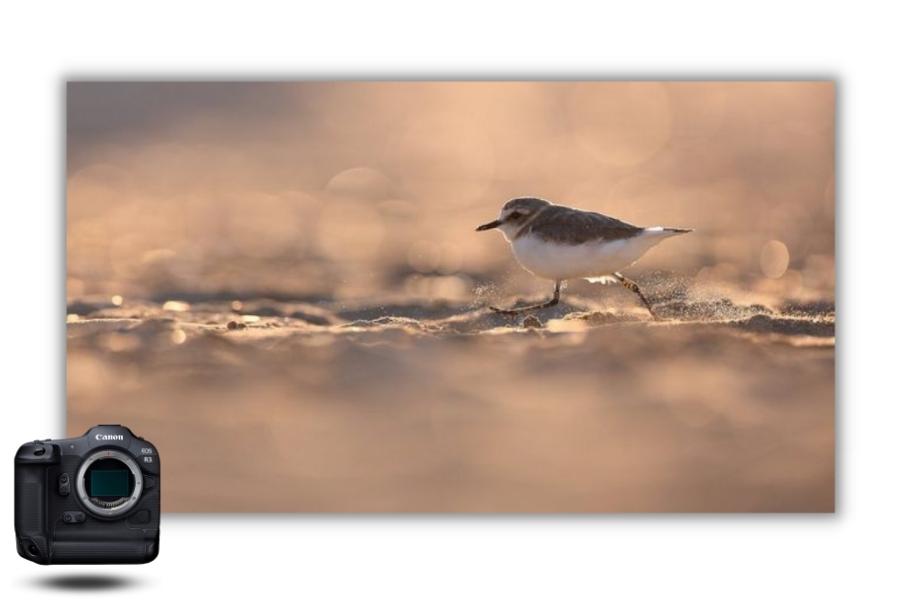
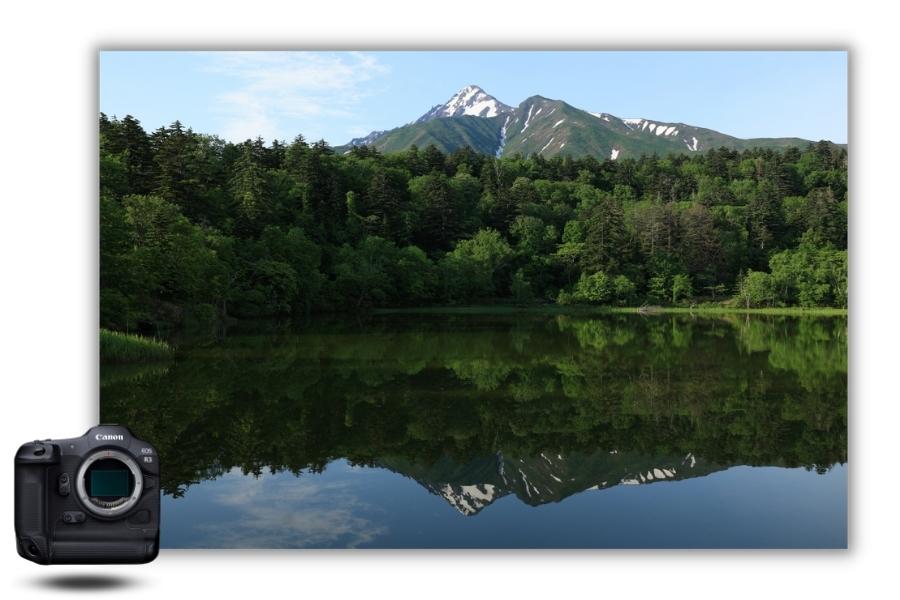
At Mczdirect, we test every camera in a wide range of real-world conditions: sports, difficult light, reportage, studio, and video. The Canon EOS R3 is a camera that genuinely impressed us on many fronts, while also demanding a few compromises. If you want a full-frame mirrorless body that never lets you down, here is our take after several months of use.
What we love:
First, autofocus performance ranks among the very best. The Dual Pixel CMOS AF II system is known for precision; eye, face, head, animal, and even vehicle detection let you stay on the subject without losing the frame or missing the decisive instant. In sports or wildlife, we saw very few misses, even as light dropped. The stacked, back-illuminated sensor enables fast readout, which greatly reduces rolling shutter—real gains for fast-moving subjects.
The burst rate up to 30 frames per second with the electronic shutter is ideal for freezing action. The “Custom High Speed Continuous” mode, added via firmware, now allows extremely high rates (close to 195 fps for certain uses), unlocking rare possibilities in full frame. There’s also deep buffer depth, so you can shoot long sequences before any slow-down.
IBIS often saved our shots: handheld, with moderate lenses, in low light, images stay sharp. For reportage or fast movement, that translates into more freedom.
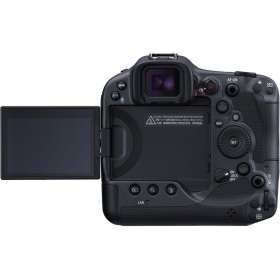
Video specs are no afterthought: internal 6K RAW (60 fps), 4K up to 120 fps, Canon Log profiles for post. For hybrid creators—vloggers or indie filmmakers—this body meets professional standards. We appreciated the vari-angle screen for tricky angles and solo shooting.
Compromises to note:
Weight and size: with this level of capability, the body is fairly substantial, especially with a telephoto and accessories. You won’t forget it’s in your bag. It can weigh on long sessions, hikes, or travel.
In some video tests, overheating can appear during extended recording, particularly in high-frame-rate 6K RAW. For heavy video use, plan breaks or solid heat management. We also regret that Eye Control AF isn’t active in every video mode—this slightly limits its use when switching from stills to video.
Complexity level: the extensive options, settings, and customizable menus are great for advanced users but can feel overwhelming if this is your first pro mirrorless. The investment (body price, fast memory cards, solid batteries, RF lenses) is significant.
Our verdict:
The Canon EOS R3 stands out as a professional mirrorless body that keeps its promises. It excels where speed, ultra-responsive AF, ruggedness, and photo/video versatility are critical. For sports shooters, wildlife photographers, reporters, and demanding videographers, it’s an excellent choice. If your priority is a very light body or ultra-high resolution (40–50 MP+), alternatives exist, but for most serious uses, the R3 offers one of the best performance-to-feature balances we’ve tested.
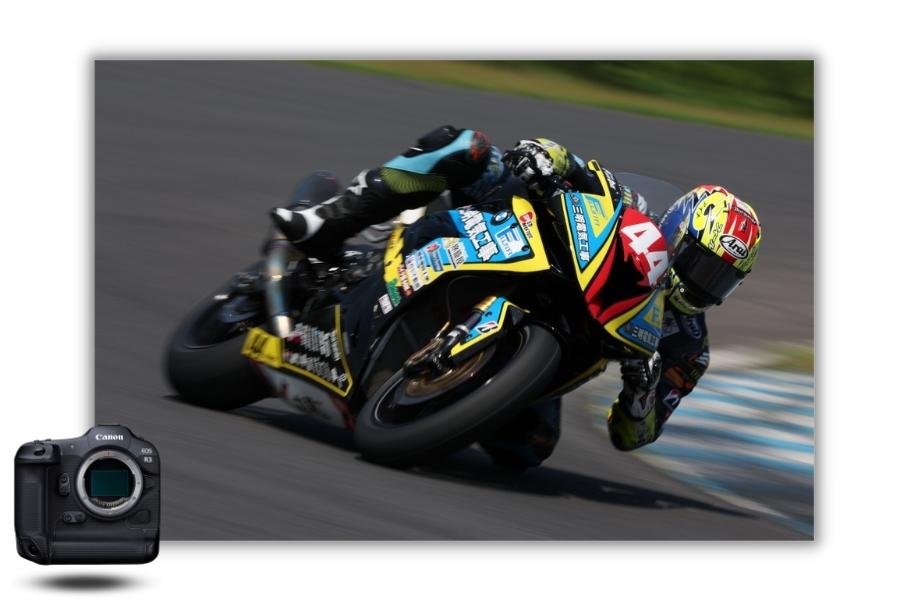
The Canon EOS R3 isn’t just a camera—it’s a creative tool that can turn every project into a masterpiece. It combines exceptional speed (ultra-fast burst, Eye Control autofocus), professional image quality (full-frame sensor, well-controlled high ISO), high-end video, and a build that ensures reliability in the toughest conditions. If you need a mirrorless camera for sports, wildlife, reportage, or professional video, this is the one that frees you from technical limits.
Don’t miss the chance to capture every decisive moment with excellence. Click “Add to Cart” now and make the Canon EOS R3 the heart of your visual toolkit!

You might also like



Generated by AI from customer reviews.