Shopping Cart
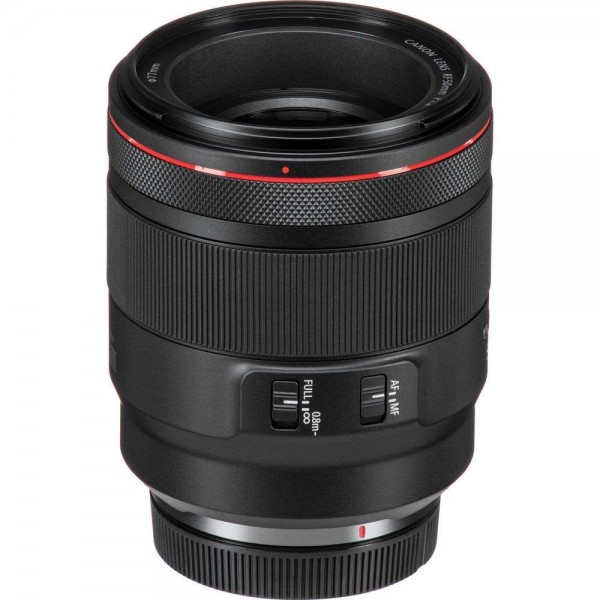
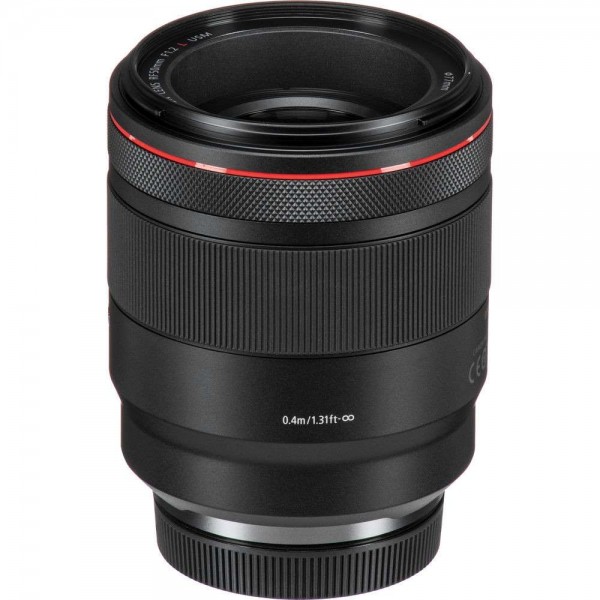
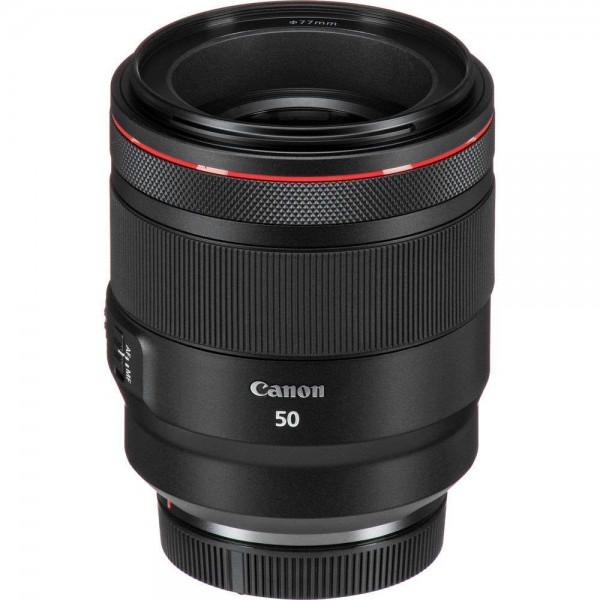

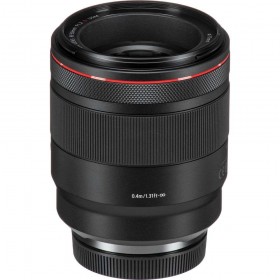
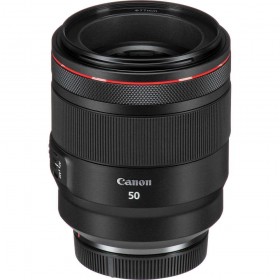


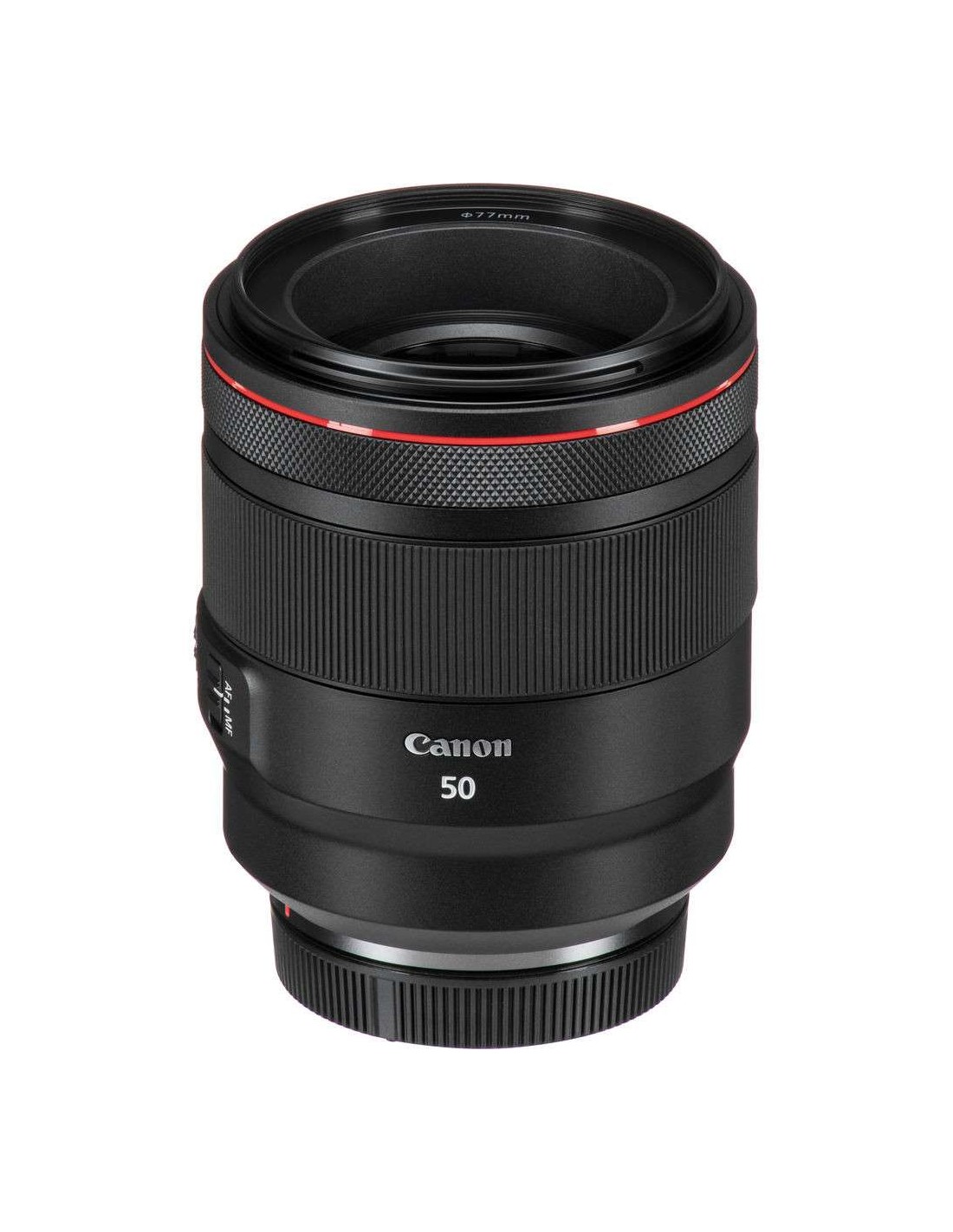

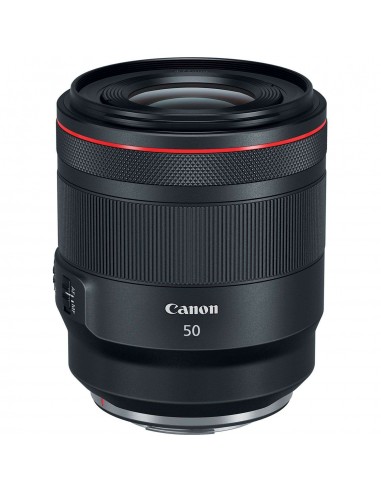
The Canon RF 50mm F1.2L USM is a professional prime lens for portrait, wedding and reportage photographers who want distinctive subject separation, and we recommend it when rendering and available-light performance matter more than low weight. Its f/1.2 aperture can produce very shallow depth of field while helping retain a practical shutter speed indoors or after dark. Ring USM autofocus, L-series construction and the natural full-frame perspective of 50mm make it a precise working tool, but not an effortless one: focus placement becomes critical wide open and its 950g weight is noticeable over a long assignment. It is a strong choice for a photographer who deliberately builds an image around depth, transition and background control at the moment of capture.
Combine compatible accessories and save. The more items you add, the bigger the discount.
memory card

warranty extension
The Canon RF 50mm F1.2L USM is made for portrait, wedding and reportage photographers who choose a prime lens for the way it draws a scene, not simply for extra light. At f/1.2, it can hold attention on an eye within a busy setting and retain a more practical shutter speed as illumination falls. The 50mm focal length keeps a natural full-frame perspective, while ring USM supports work with people who rarely remain perfectly still. There are clear trade-offs: 950g, extremely shallow depth of field and no optical stabilisation. This is therefore not the small everyday fifty that disappears into a bag. It is a focused tool for assignments where light, transition and background control are central to the image.

| Feature | Practical benefit | Consideration |
|---|---|---|
| F1.2 aperture | Separate a face and preserve shutter speed as light falls | The in-focus zone becomes extremely shallow at close range |
| 50mm focal length | Move between environmental portrait and reportage with a natural perspective | Changing the framing requires the photographer to move |
| Ring USM | Acquire an eye quickly as a subject changes position | Accuracy also depends on camera body and AF-area selection |
| 0.40m and 0.19x | Move closer to clothing, hands and objects | It does not replace a macro lens |
| 950g | Supports an ambitious optical design and L-series construction | A supportive strap and well-shaped camera grip improve comfort |
The benefit is not limited to shooting in darkness. At f/1.2, the RF 50mm moves quickly from a sharp subject to a soft background. In a portrait, that can keep attention on the eyes without removing every trace of the location. At a wedding or indoor event, the aperture also helps maintain shutter speed without raising ISO more than necessary. This freedom requires care. At close distance, slight movement by either subject or photographer can move focus from the eye to the eyelashes. Eye detection, a short burst and regular image checks are often more useful than automatically stopping the lens down.
| Photography | What the lens contributes | Working advice |
|---|---|---|
| Portrait | Natural perspective with strong facial separation | Create distance between subject and background before relying on f/1.2 |
| Wedding and event | Available-light work from wider context to environmental portrait | Keep shutter speed high enough for moving people |
| Reportage | One focal length encourages deliberate framing without wide-angle distortion | Anticipate position rather than relying on heavy cropping |
| Night scene | More light without immediately sacrificing shutter speed | Use camera IBIS for the scene, not to freeze a moving subject |

On full frame, 50mm handles environmental portraits, couples, reportage and details without the visual stretch of a wide-angle lens. On an APS-C body such as the Canon EOS R7, its angle of view is approximately equivalent to 80mm. That tighter framing is attractive for portraits but less flexible in a small room. The EOS R7 and RF 50mm F1.2L kit therefore answers a different need from using a 50mm as a standard lens on full frame.
Ring USM works with the camera’s subject and eye detection. To exploit f/1.2, the selected AF area still needs to match the scene, particularly when several faces enter the frame. The lens has no optical stabilisation. On a body with IBIS, sensor stabilisation can reduce blur caused by the photographer, but it cannot freeze a child, musician or wedding guest. Weight also changes the experience. At 950g, this prime balances more naturally on a camera with a substantial grip than on a very small body during a long assignment.
| Lens | Choose it when | Main compromise |
|---|---|---|
| RF 50mm F1.2L USM | Wide-open rendering, light gathering and L-series construction come first | 950g and no optical stabilisation |
| RF 50mm F1.4L VCM | A lighter L-series lens must balance stills and video work | Maximum aperture is f/1.4 rather than f/1.2 |
| RF 50mm F1.8 STM | Low weight, discretion and an introduction to the 50mm view are priorities | Less ambitious construction and wide-open rendering |

Searches such as “Canon 50 1.2” or “Canon 50mm 1.2” can refer to the older EF 50mm F1.2L USM as well as this RF lens. The RF model is designed directly for EOS R mirrorless cameras and mounts without an adapter. Its optical formula, dimensions and body communication belong to a different generation. An EF lens can remain practical for someone who already owns it and uses an adapter, but the two should not be treated as the same design with a different mount.
The RF mount makes the lens compatible with the full Canon EOS R range. An EOS R5 Mark II suits detailed portrait, fashion and cropping-intensive work. An EOS R6 Mark III creates a more event- and movement-oriented combination, while the EOS R8 keeps the camera light but creates a pronounced balance difference with the lens. For tighter portrait framing, compare the RF 85mm F1.2L USM. Other active focal lengths are available in the Canon RF lens category.
At MCZ DIRECT, we see the Canon RF 50mm F1.2L USM as the choice for portrait, wedding and image-led photographers who know why they want to work at a very wide aperture, rather than the universal fifty for someone who values the lightest possible kit. Its purpose lies in the combination of natural perspective, light and background control.
Against the RF 50mm F1.4L VCM, we recommend it when the f/1.2 rendering clearly justifies an extra 370g. Against the RF 50mm F1.8 STM, the difference is less about focal length than construction, autofocus and wide-open options. Its limitation is equally clear: 950g and demanding focus placement at maximum aperture. For a photographer willing to work with those constraints, it remains a distinctive lens within the Canon RF range.

You might also like


It is primarily for portrait, wedding, event and reportage photographers who want a very wide aperture, distinctive rendering and L-series construction.
Yes. The 50mm full-frame view retains a natural perspective, while f/1.2 creates strong separation when focus is placed accurately.
Yes, particularly for available-light preparations, environmental portraits and indoor scenes. Its 950g weight should be considered over a long assignment.
It gathers more light and creates very shallow depth of field. That helps isolate a subject but requires precise focusing at close distance.
It is designed to be used at f/1.2. Results also depend on focus accuracy, subject distance, movement and the part of the frame being assessed.
Ring USM is responsive, but tracking also depends on the camera, subject detection and selected AF area.
No. It has no optical stabilisation. IBIS in a compatible camera can reduce photographer movement, but cannot freeze a moving subject.
It is noticeably heavier than a compact fifty. A supportive strap and camera with a substantial grip improve balance during a long session.
The F1.2 prioritises maximum aperture and rendering. The F1.4 L VCM is around 370g lighter and more explicitly balanced for hybrid stills and video.
The F1.2 offers L-series construction, more ambitious autofocus and wide-aperture options. The F1.8 STM is far lighter and more discreet.
The 50mm retains more of the setting and works in smaller spaces. The 85mm frames tighter and increases the working distance from the subject.
On the APS-C EOS R7, it frames approximately like an 80mm lens on full frame. That suits portraits but is tighter indoors.
We recommend it to photographers who prioritise wide-open rendering, available-light work and L-series construction. Its weight and the focus precision required at f/1.2 make it less suitable when a light kit is the main concern.