Shopping Cart
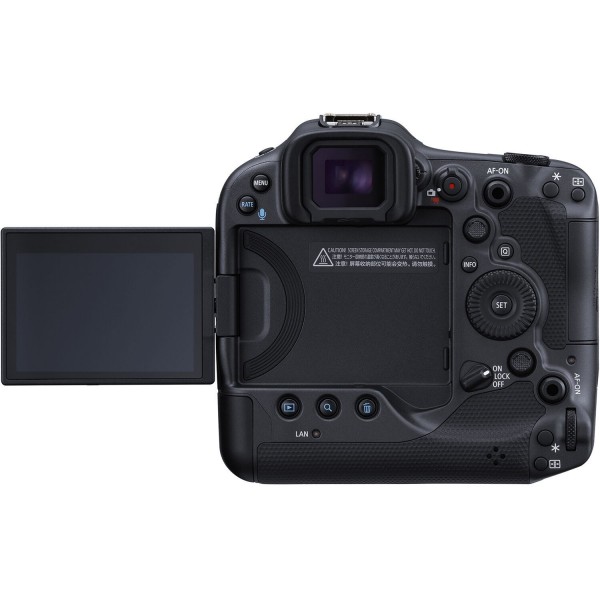
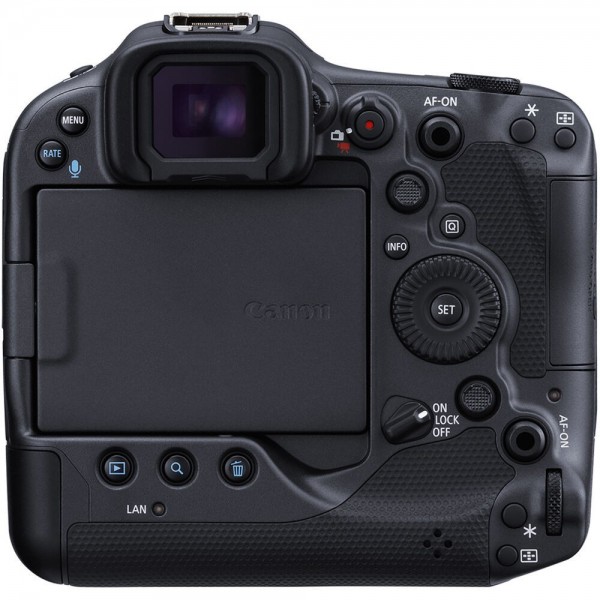
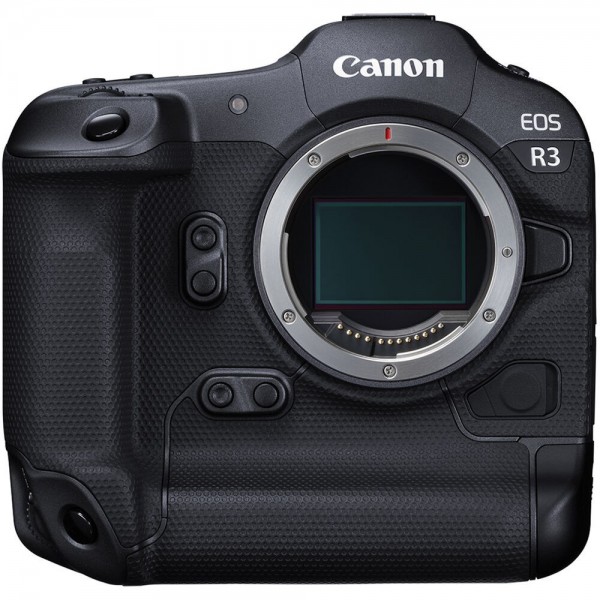
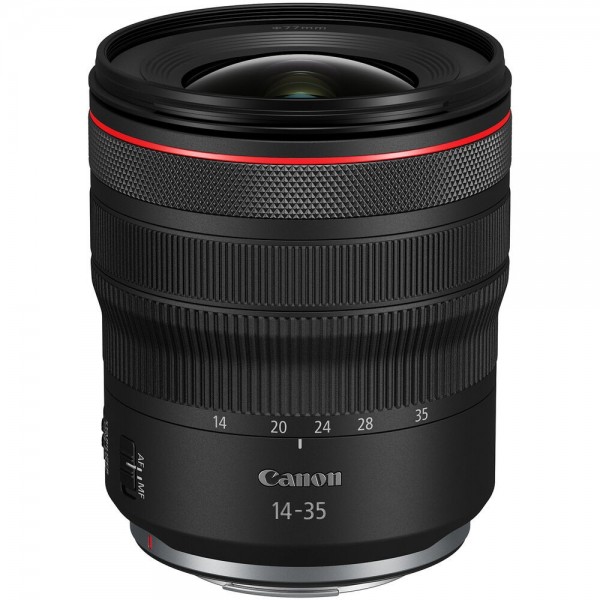
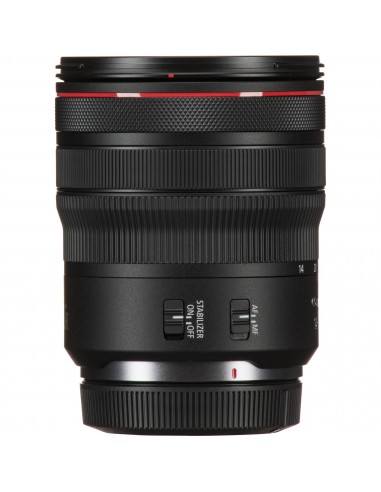
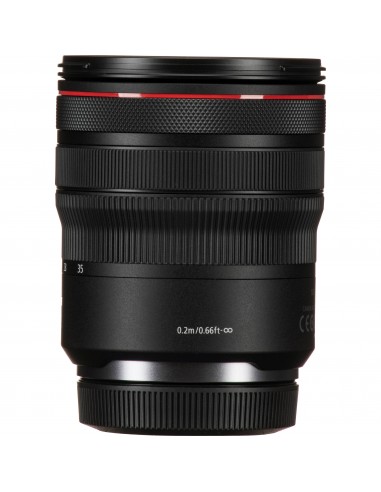
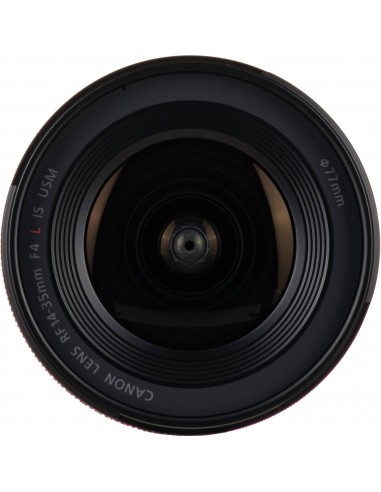
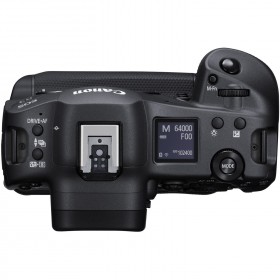
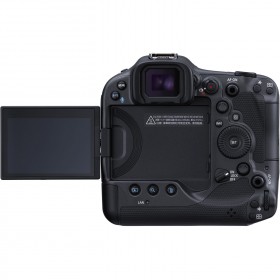
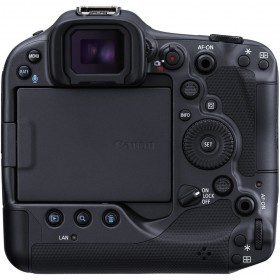
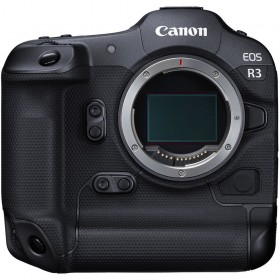
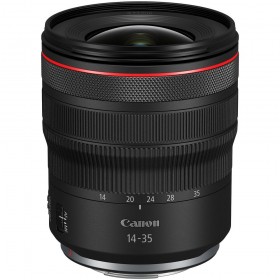
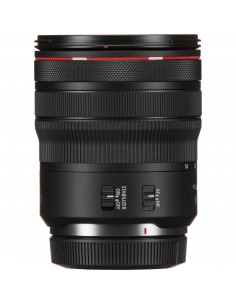
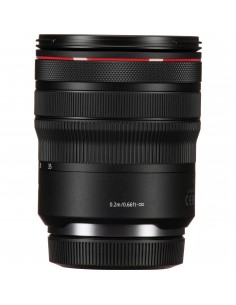
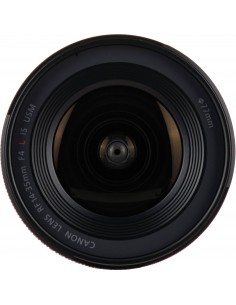


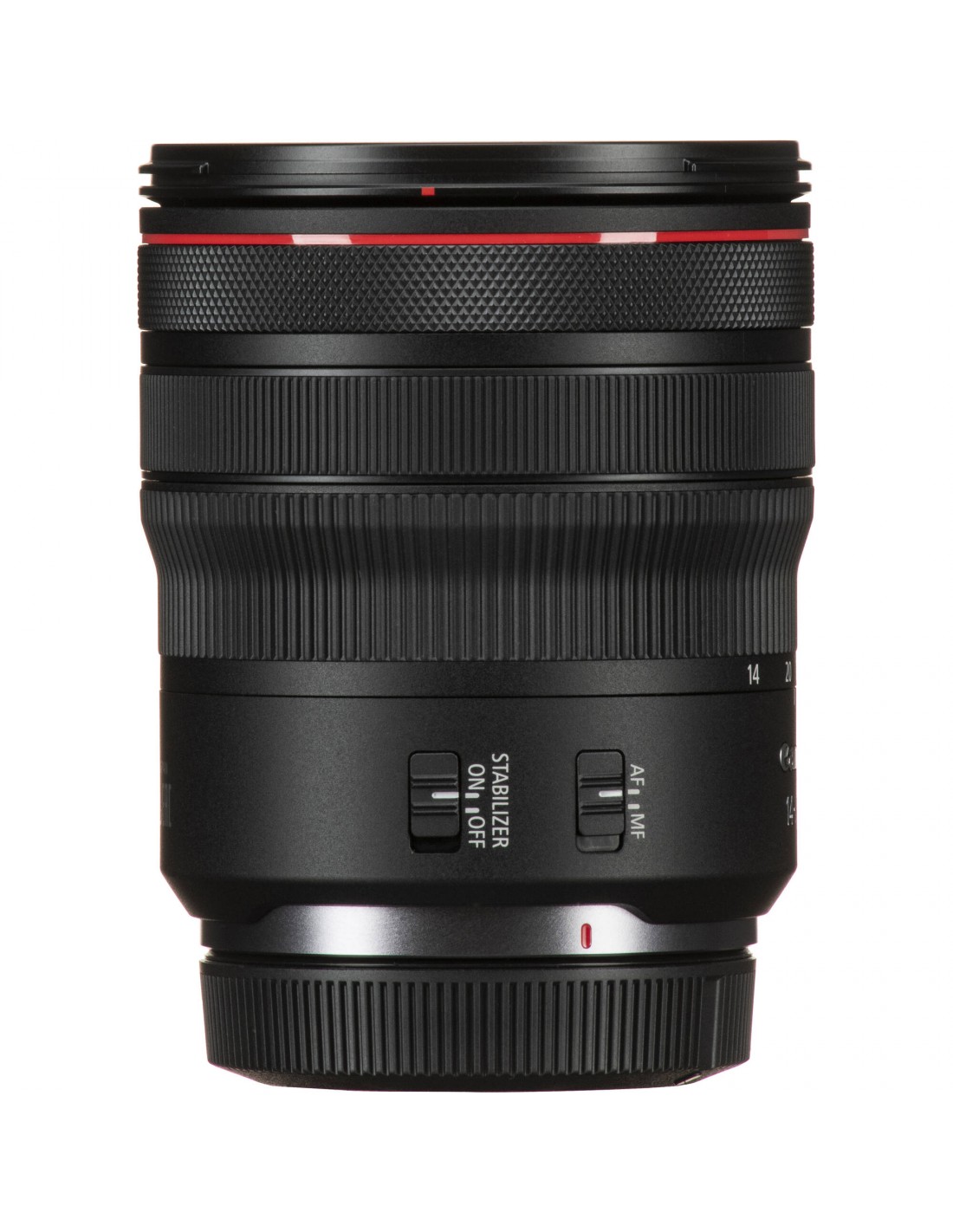
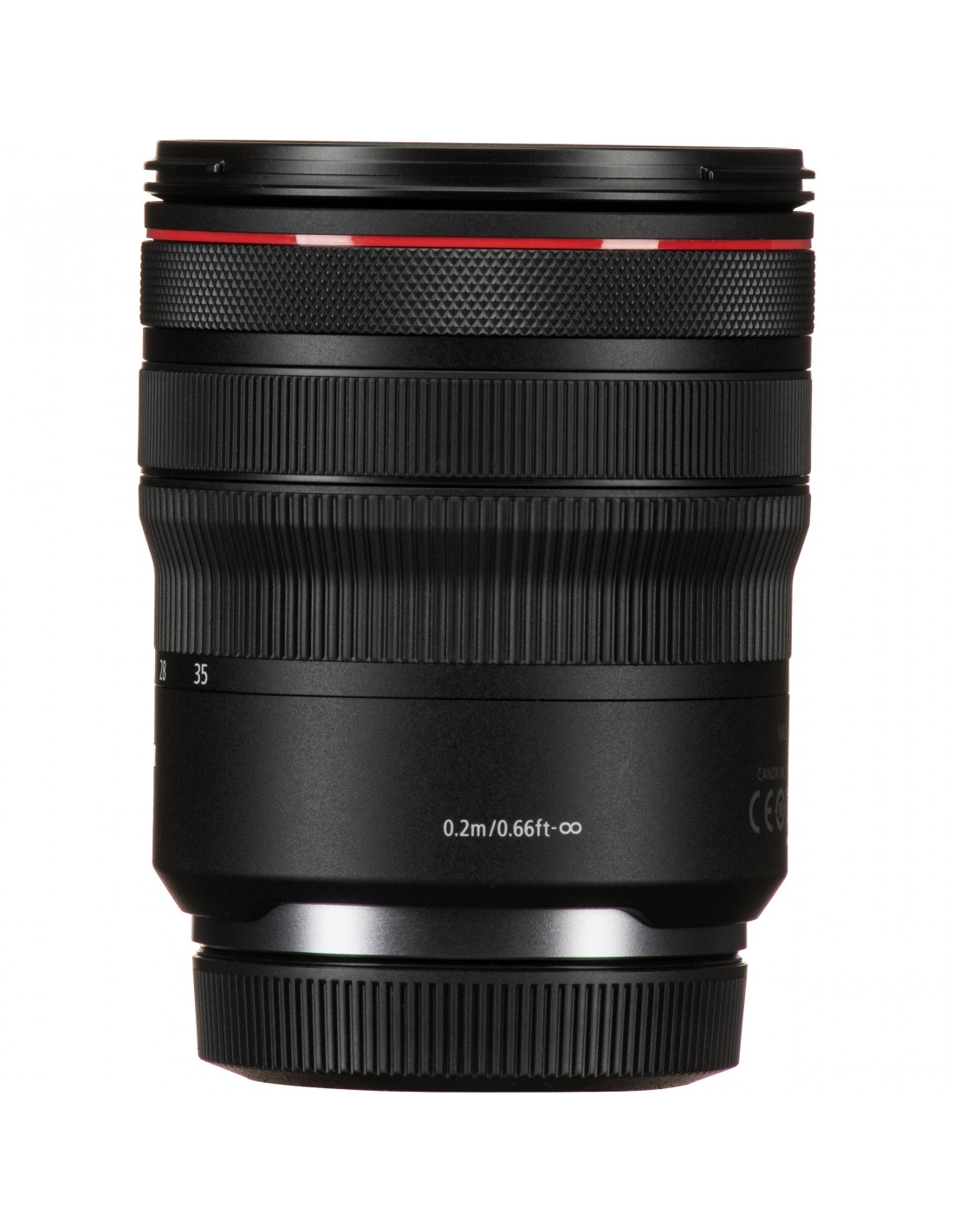
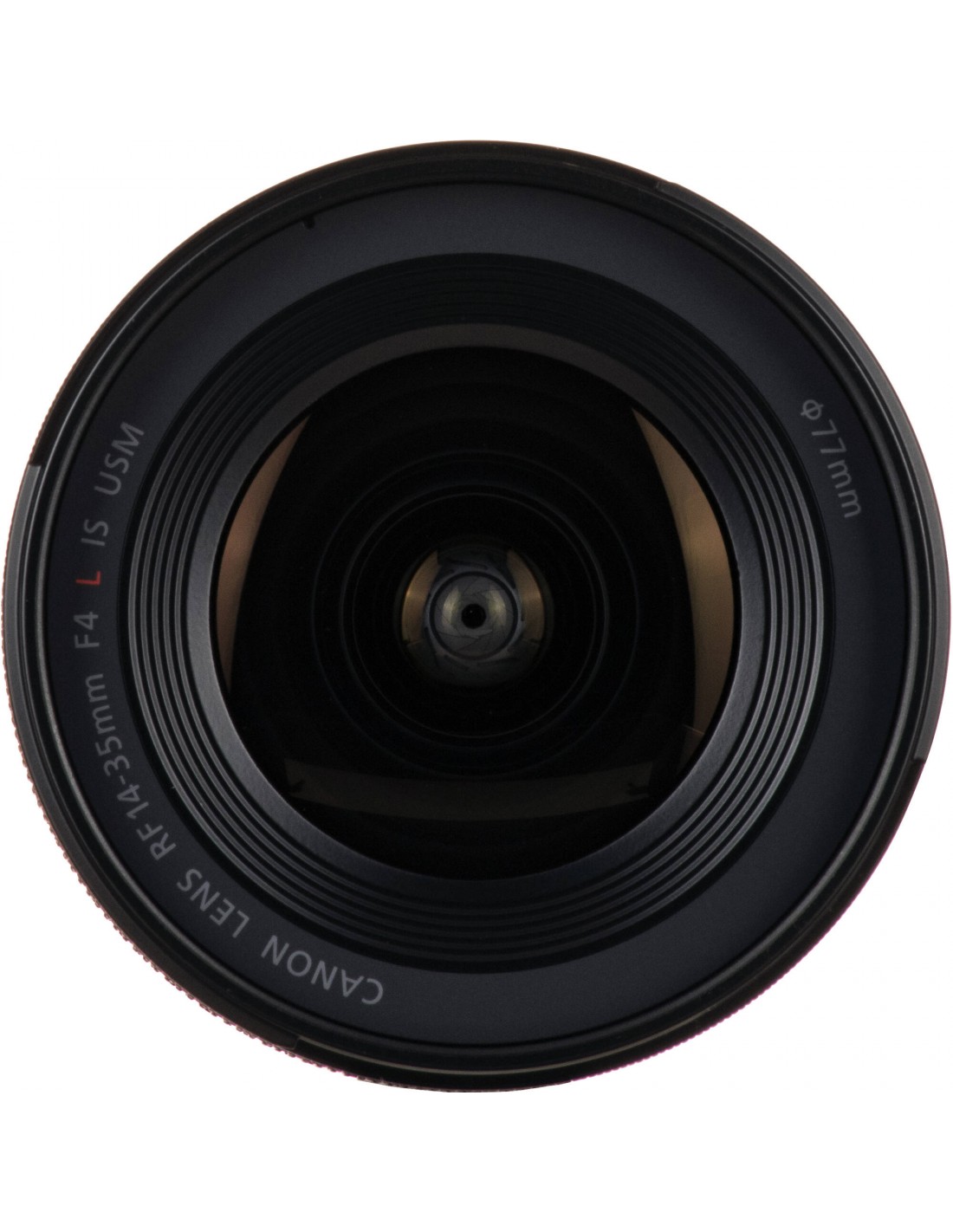
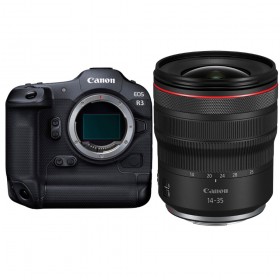

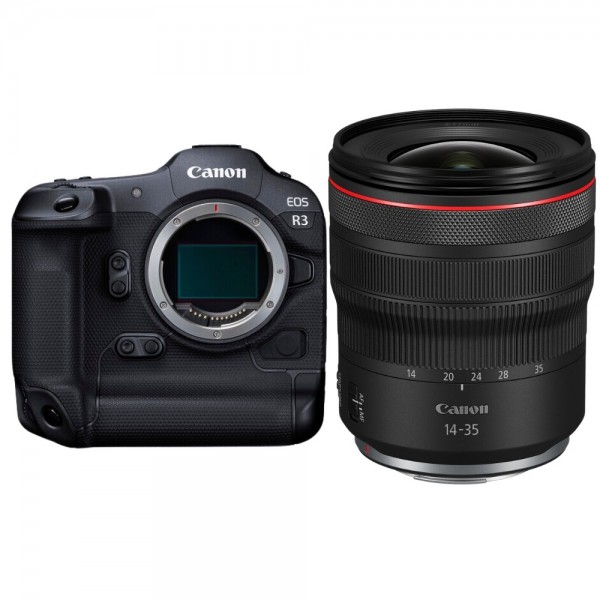
The Canon EOS R3 with RF 14-35mm F4 L IS USM is a professional full-frame ultra-wide kit for photographers who need a broad view without giving up responsive subject tracking. The stacked 24.1MP sensor, up to 30 fps electronic shooting with AF/AE, and recognition of people, animals and vehicles give the R3 pace for changing scenes. The compact L-series zoom adds 14mm for dramatic foregrounds and interiors, 20-24mm for natural wide reportage, and 35mm for a more measured context. Its constant F4 aperture, up to 5.5-stop lens stabilisation, 0.20m close focus and 77mm filter thread suit landscape, architecture, real estate, travel and wide video. The honest trade-off is a roughly 1.555kg combination, plus the need to watch perspective, edges and optical corrections at 14mm.
Combine compatible accessories and save. The more items you add, the bigger the discount.
Accessory
Accessory
Accessory

warranty extension
The Canon EOS R3 with RF 14-35mm F4 L IS USM is for photographers who want a genuinely wide range with the response of a professional body. It suits landscape, architecture, interiors, real-estate photography, travel, environmental reportage and video where the scene itself is part of the subject.
This is an exact Canon R3 ultra-wide angle kit, not simply a fast camera bundled with a convenient zoom. The EOS R3 brings its stacked full-frame sensor, subject recognition and rapid capture; the RF 14-35mm decides how much of the world enters the frame. At 14mm it can make a foreground lead into a landscape or reveal an interior's volume. At 35mm it becomes a practical context lens for travel and environmental portraits.

The EOS R3 uses a 24.1MP back-illuminated stacked full-frame CMOS sensor with DIGIC X processing. Its strength here is a fast, balanced file and responsive capture for scenes that change while you work. Electronic shooting reaches up to 30 fps with AF/AE tracking, while mechanical shooting reaches up to 12 fps. That can help with a person crossing a frame, a wave breaking across a foreground or a fleeting environmental portrait.
Recognition and tracking for people, animals and vehicles give the camera a sensible starting point when the subject is distinct from its surroundings. A wide frame still needs a clear subject and visual lead; at 14mm, a distant person can become insignificant without a strong foreground or spatial relationship.
A 14-35mm zoom is valuable because each stop on the ring changes the relationship between foreground, subject and background. The widest setting is not automatically the most useful one. It exaggerates the distance between a near element and the rest of the scene, while the longer end gives the frame more breathing room and can make a location feel less stretched. Choosing the focal length before choosing the aperture is often the more important decision with this kit.
| Focal length | Practical benefit | Photographic situation |
|---|---|---|
| 14mm | Maximum sense of space and a strong foreground-to-background relationship | Large interiors, architecture, expansive landscape and a close foreground detail |
| 20mm | Still very wide, with a slightly calmer balance between near and distant elements | Travel scenes, broad reportage, interiors and hand-held video |
| 24mm | A versatile wide view that keeps more subjects at a natural visual scale | Landscape, groups, environmental portraits and street photography |
| 35mm | A more measured context frame with less emphasis on extreme width | Travel details, reportage, architecture context and environmental portraiture |
At 14mm, place a person or object close enough to matter. A foreground stone, doorway, table edge or architectural line can give the frame a reason to be wide. If the subject is several metres away and there is no strong leading structure, the image can become mostly empty space. Moving the camera a little closer or turning the ring toward 20mm can be more effective than simply adding more of the scene.
The 14mm setting is excellent when the distance between camera and subject is part of the story. It can make a narrow room feel readable, show the scale of a building from a constrained position, or give a landscape a close foreground that appears to reach toward the horizon. It also records the photographer's positioning very honestly. Move closer to a person and the near features become larger; tilt the camera upward and vertical lines can converge.
That is perspective, not a flaw that a setting can remove. For architecture and real-estate photography, keep the camera level when the building's verticals should stay controlled, then make small height and position changes before relying on software. At the edges of a 14mm frame, people and objects can stretch visibly. Keep faces, furniture and important straight lines away from the extreme corners when the visual effect is not intended.
Optical corrections are part of the normal workflow with an ultra-wide zoom. Canon's in-camera and software profiles can address distortion, shading and other lens behaviour, but correction does not make every composition geometrically perfect. Leave room around a corrected frame, inspect the corners, and decide whether the natural wide-angle character helps the photograph. For a property image, consistency across rooms usually matters more than forcing every view to look identical.
The RF 14-35mm F4 L IS USM focuses as close as 0.20m at all focal lengths and reaches a maximum 0.38x magnification at 35mm. That changes how a landscape or travel kit can be used. A leaf, rock, sign, architectural texture or piece of local detail can become the near subject, while the rest of the location remains visible behind it. The close-focus ability is not a replacement for a macro lens, but it is a useful way to make a wide photograph feel specific.
At 14mm, the closest subject can dominate quickly, so check the edges and make sure the foreground supports the story. At 35mm, the same close-focus range becomes more controlled, useful when the next travel image might be a doorway, a market detail or a broad view from the same position.
The constant F4 aperture keeps the exposure relationship predictable as you move through the zoom range. For daylight landscape work, that makes it easier to hold a chosen aperture while reframing. At dawn, in a shaded interior or under a dark sky, F4 gives less light than an F2.8 ultra-wide. Raise ISO, slow the shutter for a static scene, use support, or accept that this is a wide-angle kit whose priorities are reach, size and consistency rather than maximum low-light brightness.

Architecture and interiors are where 14mm can earn its place quickly. A 114-degree diagonal angle of view can show a room's volume or include a facade and its surrounding geometry from a confined position. The lens is also relatively light for an L-series ultra-wide at about 540g.
Start at 20mm or 24mm when you want a room to feel believable, then move to 14mm when the space requires it. Keep the sensor plane parallel to key verticals, use support when alignment matters, and leave room for correction and crop. The R3's 24.1MP files are capable, but they do not provide unlimited room for a careless angle and heavy crop.
In real-estate photography, a broad frame should show how the space connects. Furniture can stretch or the flow between rooms can disappear if the position is wrong. Use 14mm as a spatial tool, not a promise that every room will look larger in a useful way.
The lens has a constant F4 aperture from 14mm to 35mm and optical stabilisation rated by Canon at up to 5.5 stops. The constant aperture is convenient for stills and video because zooming does not change the stated maximum aperture. The stabilisation can help with camera shake when photographing a static building at dusk or recording a slow hand-held walk through an interior.
That rating is a lens specification, not a guaranteed result for this exact R3 and lens combination. It does not freeze a cyclist, a person walking through a frame, leaves in a gust or a moving car. Choose shutter speed for the subject first, then use stabilisation to address camera movement.
F4 is a deliberate compromise: the zoom stays consistent and relatively compact, but gives less light and background separation than the RF 15-35mm F2.8 L IS USM. It should not be presented as an ideal astrophotography or low-light event lens. For blue-hour architecture, static interiors and controlled video, support and careful exposure can make F4 work well; very dark scenes with moving subjects point toward a faster lens.
The EOS R3 can record internal 6K RAW up to 60p and 4K up to 120p, depending on the selected mode. With the RF 14-35mm, those options are useful for establishing shots, moving through a location, broad environmental interviews and detail-led sequences where the camera needs to stay close without losing the setting. At 14mm, a small camera movement can reveal an entire space; at 35mm, the image can settle into a more focused piece of context.
Wide video rewards deliberate camera height and movement. Keep the horizon and architectural lines in mind, and walk slowly at 14mm because foreground motion becomes more obvious. Nano USM supports controlled focus changes and subject recognition can assist with people and vehicles, but both still require planned focus transitions.
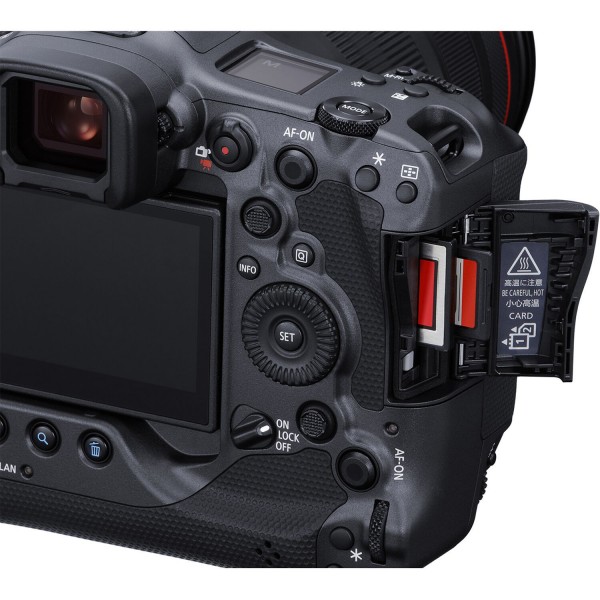
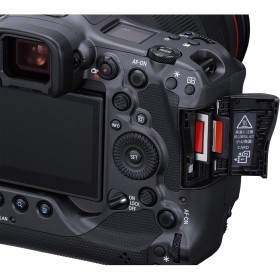
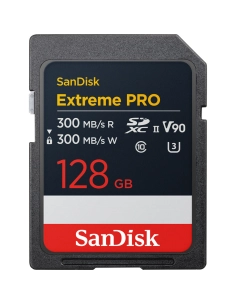
High-data-rate recording needs suitable media. The R3 has one CFexpress Type B slot and one SD UHS-II slot; choose the card against the selected recording mode rather than assuming every 4K or RAW setting has the same demand.
| Recording or focal choice | Practical benefit | Photographic or video situation |
|---|---|---|
| 6K RAW up to 60p | High-data capture with room for a considered post-production workflow | Location sequences, architecture movement and wide establishing footage |
| 4K up to 120p | Slow-motion options for movement while retaining a broad viewpoint | Travel details, water, gestures and controlled interior action |
| 14-20mm | Strong sense of space and visible relationship between camera and foreground | Walk-throughs, room reveals and environmental context |
| 24-35mm | Calmer framing that keeps the setting present without making it dominant | Interviews, travel reportage and detail with surrounding context |
The RF 14-35mm F4 L IS USM uses 16 elements in 12 groups, including three UD elements and three aspherical elements. That supports a compact wide zoom for scenes with strong lines, bright skies and close foregrounds, while the edges still deserve inspection at 14mm.
Nano USM helps when focus moves from a near detail to a distant structure or a person enters a wide frame. The control ring offers direct adjustment for a chosen camera setting, useful in video or changing light, but it does not replace a clear compositional decision.
The circular nine-blade diaphragm can smooth out-of-focus areas, although this F4 zoom is selected mainly for space and context. The 77mm thread accepts compatible polarising and ND filters; check filter thickness and corner behaviour at 14mm before a critical shoot.
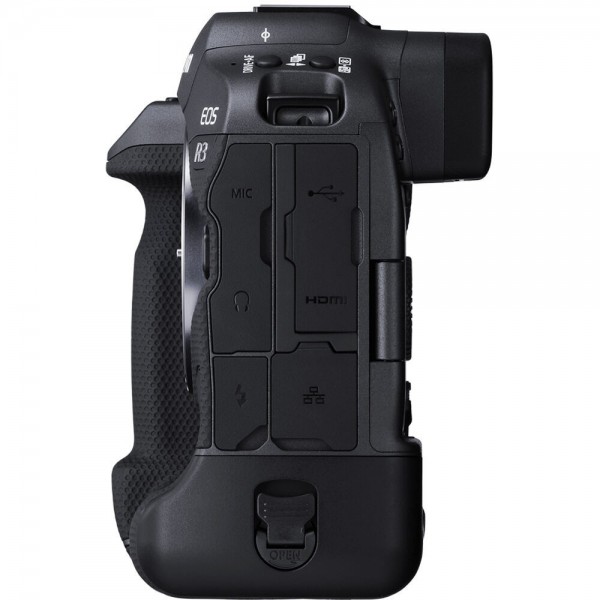
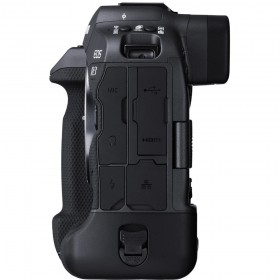
The R3 includes Ethernet, Wi-Fi, USB-C and micro HDMI connectivity. For a professional landscape or architecture assignment, that can make the body more flexible in a tethered, transfer or video setup, while the two card formats leave room for a workflow based on separate recording, backup or overflow. The useful choice depends on the job: a long landscape day, a property session with many rooms and a video production will not place the same demand on cards or connections.
The body weighs about 1,015g with battery and card. The lens weighs about 540g and measures roughly 84.1 x 99.8mm, so the combination is approximately 1.555kg before a strap, filter, tripod plate, extra cards or other accessories. That is a professional working weight, not a lightweight travel setup.
The handling is coherent for photographers who work vertically, use a large viewfinder and need direct control. A landscape photographer may appreciate the body on a tripod; a travel photographer should decide honestly whether the R3's speed justifies carrying 1.555kg when a smaller system would meet the brief.
| Part of the setup | What it contributes | Planning point |
|---|---|---|
| CFexpress Type B and SD UHS-II | Two recording formats for demanding capture, backup or a flexible stills workflow | Match card performance and capacity to the selected burst or video mode |
| Ethernet, Wi-Fi, USB-C and micro HDMI | Several routes for transfer, connection and video output | Choose the connection that suits the location, network and production workflow |
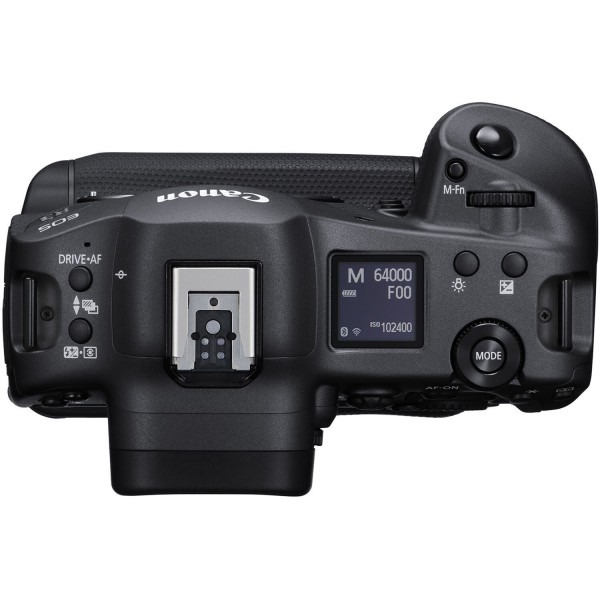
| EOS R3 body, battery and card | Integrated-grip professional handling and a responsive full-frame platform | Allow for the body's approximately 1,015g working weight |
| RF 14-35mm lens and 77mm filter | Compact L-series ultra-wide coverage and a standard filter size | The full combination is about 1.555kg before other accessories |

Choose this pairing when the exact combination of ultra-wide space, 14-35mm flexibility and professional R3 response matches the work. If you already own the body or want to compare it without this lens, see the Canon EOS R3 body-only page. If your decision is specifically about the lens, the RF 14-35mm F4 L IS USM by itself is the right place to assess that optic independently.
The main alternative for low-light events, interiors with moving subjects or stronger background separation is the Canon EOS R3 with RF 15-35mm F2.8 L IS USM. That lens gains a stop of aperture and reaches 35mm, but it is a different compromise in size and weight. Do not choose the F4 kit expecting it to behave like the F2.8 option after dark.
For travel, people and general coverage, the Canon EOS R3 with RF 24-105mm F4 L IS USM offers a longer range and a less extreme wide end. For a broader view of available choices, the Canon EOS R3 category keeps the comparison within the same camera family. The decision should follow the scenes you photograph most often: 14mm space, 35mm context, or the reach of a standard zoom.
Positioning: the Canon EOS R3 with RF 14-35mm F4 L IS USM is a professional ultra-wide kit for photographers who need a fast, responsive full-frame body and a zoom that genuinely begins at 14mm. It is particularly convincing for landscape, architecture, interiors, real-estate work, travel and wide video where a close foreground or a confined position is part of the brief.
What makes it coherent: the R3 brings speed, tracking and professional connectivity, while the lens brings a useful four-step focal range, close focus, optical stabilisation and a 77mm filter thread. The result is more purposeful than a generic walk-around kit: it is built around space, lines, context and controlled movement.
Honest limit: F4 is not the choice to make for maximum low-light brightness, 14mm needs careful perspective and edge control, corrections belong in the workflow, and the complete setup is about 1.555kg before accessories. The R3's 24.1MP resolution also rewards accurate composition rather than relying on a very heavy crop.
This is the right Canon R3 landscape and architecture lens kit when the scene needs to feel present, not merely recorded. It can put a rock or doorway into the foreground, show the volume of a room, or let a video sequence move through a space without losing the wider story.
Choose the Canon EOS R3 with RF 14-35mm F4 L IS USM when 14mm is a regular creative and practical requirement, not an occasional novelty. Work with the perspective, check the edges, apply the corrections your final image needs, and plan the weight and card demands honestly. That is where this professional wide-angle pairing makes its strongest photographic case.

You might also like



It is suited to photographers working in landscape, architecture, interiors, real estate, travel, environmental reportage and wide video. It makes the most sense when 14mm space and the R3 response are regular requirements rather than occasional extras.
It covers 14mm, 20mm, 24mm and every focal length between them through to 35mm. The wide end emphasises space and foreground relationships, while 35mm gives a calmer contextual view.
It can include a very broad scene and make a nearby foreground element lead strongly into the distance. The photographer must watch the edges, camera tilt and the relative size of near subjects because 14mm makes perspective relationships more obvious.
Yes. Its very wide 14mm setting and 114-degree diagonal angle of view can help show room volume, confined interiors and building context. Keep the camera level when verticals should remain controlled and expect optical corrections to be part of the workflow.
Yes. The minimum focusing distance is 0.20m at all focal lengths. This allows a nearby object, texture or foreground detail to lead into a wider landscape, interior or travel scene.
The maximum magnification is 0.38x at 35mm. This is useful for close contextual details, but the lens is an ultra-wide zoom rather than a dedicated macro lens.
Yes. The maximum aperture remains F4 throughout the 14-35mm range, with the aperture closing to F22. Constant F4 keeps exposure behaviour predictable while zooming, but it does not provide the low-light brightness of an F2.8 zoom.
Canon rates the lens optical stabilisation at up to 5.5 stops under its stated conditions. This helps counter camera shake for static subjects and some hand-held video, but it does not freeze a moving person, vehicle, plant or animal. The rating should not be treated as a guaranteed result for every R3 setup.
The EOS R3 can reach up to 30 fps with electronic shooting and AF/AE tracking, and up to 12 fps mechanically. Actual capture depends on the selected mode, settings, subject and conditions.
Yes. The EOS R3 supports internal 6K RAW up to 60p and 4K up to 120p depending on the selected recording mode. The broad 14-35mm range is useful for establishing shots, location movement and wide environmental sequences.
It has one CFexpress Type B slot and one SD slot compatible with UHS-II. Connectivity includes Ethernet, Wi-Fi, USB-C and micro HDMI. Card performance should be matched to the burst or video mode being used.
The EOS R3 is about 1,015g with battery and card, and the RF 14-35mm F4 L IS USM is about 540g. Together they weigh approximately 1.555kg before a strap, filter, tripod plate, extra cards or other accessories.