
✓Free delivery with insurance includedYour order is protected from dispatch to delivery: in case of loss, theft or damage during transport, your parcel is insured up to its value.
100% BRAND NEW - FINAL PRICE - DELIVERED TO YOUR DOOR WITHIN 6-14 DAYS
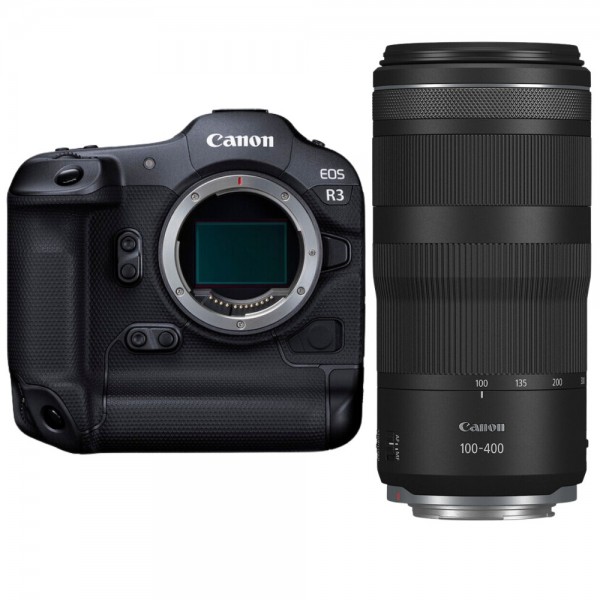
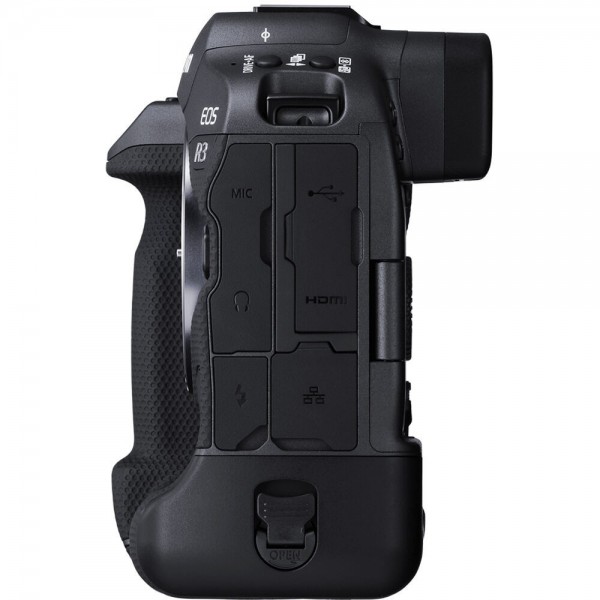
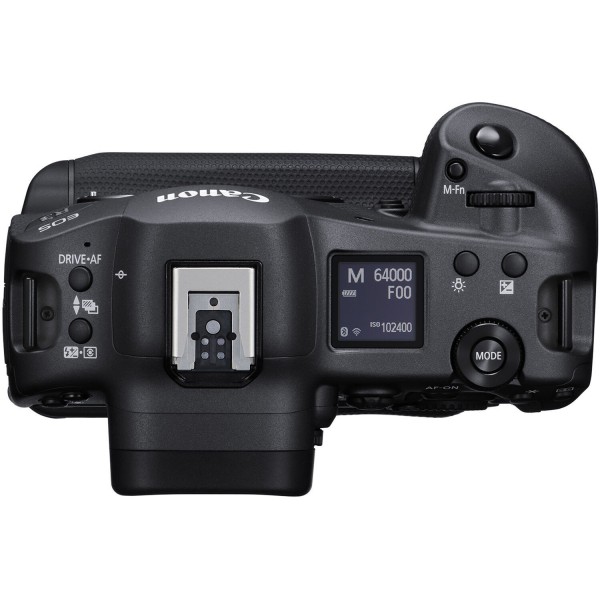
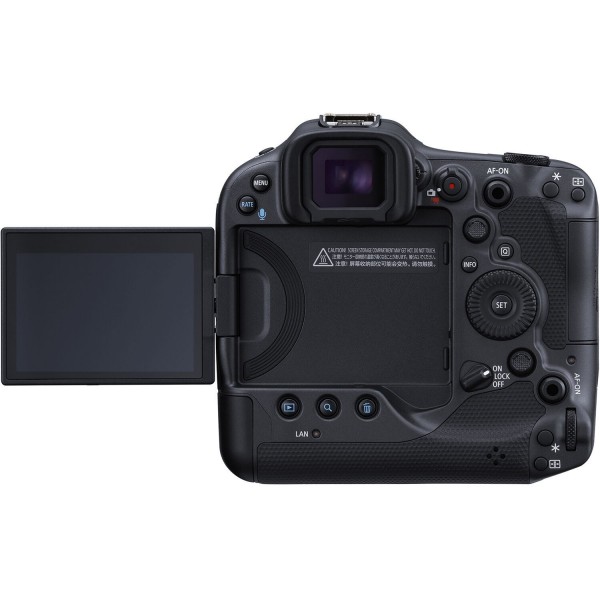
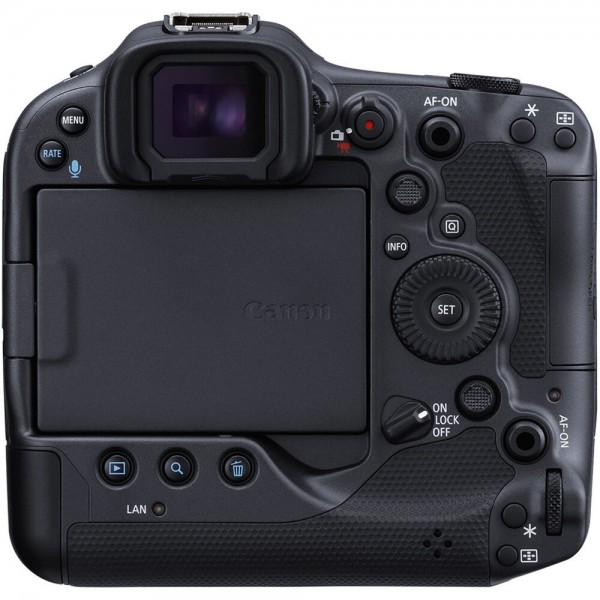
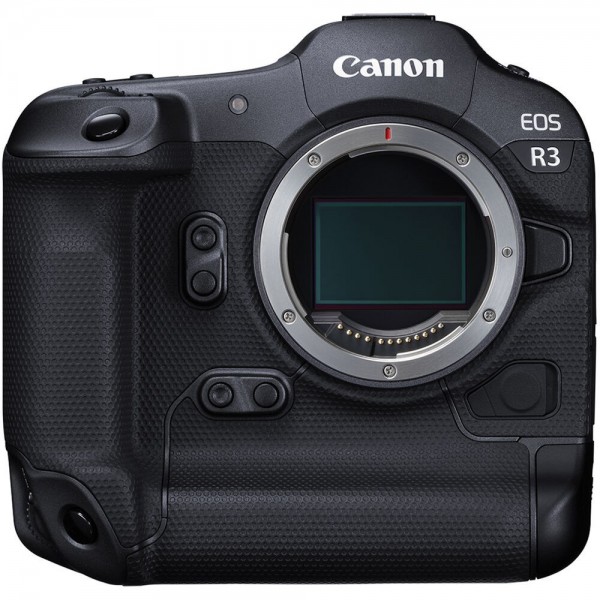
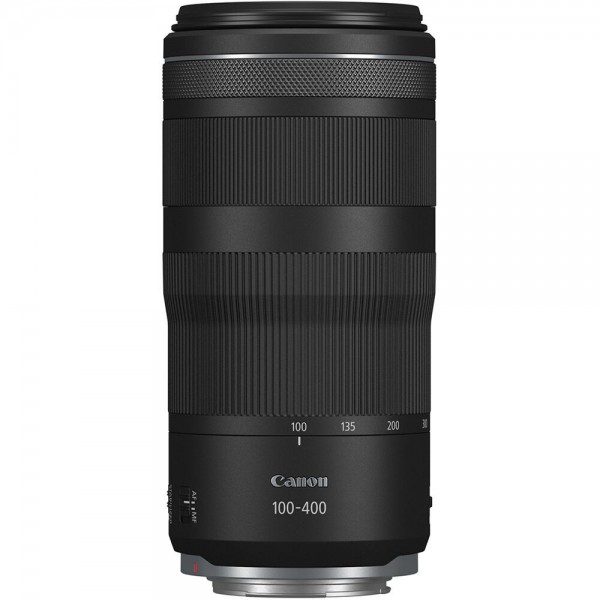
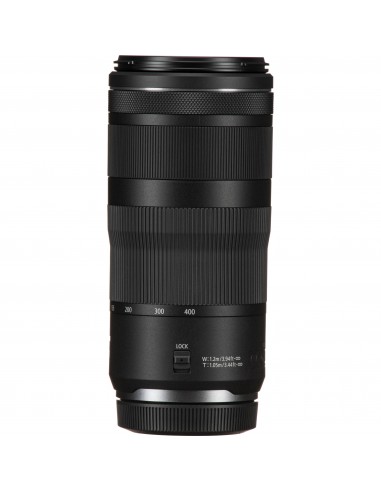
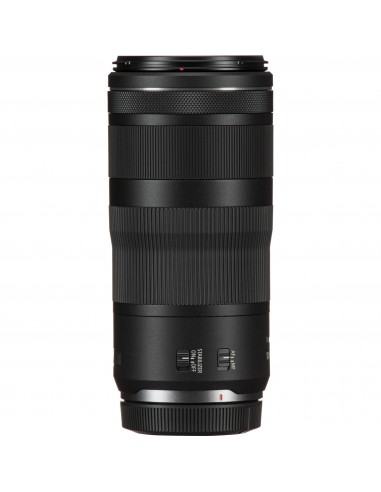
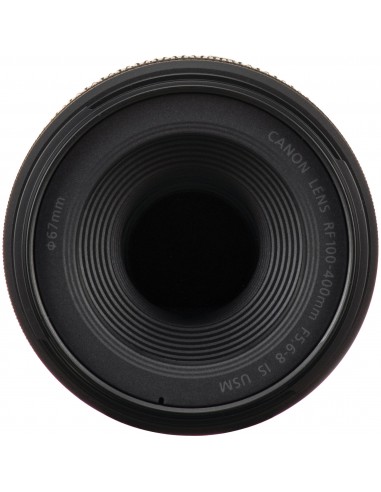
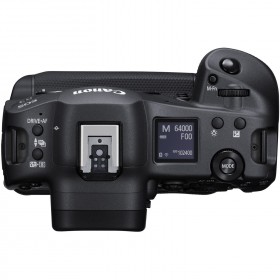
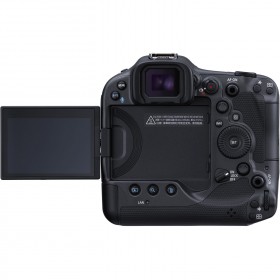
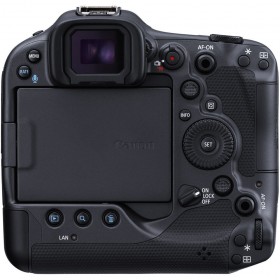
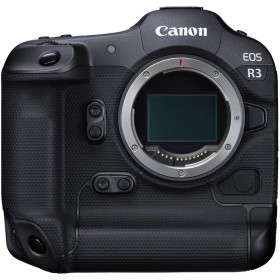
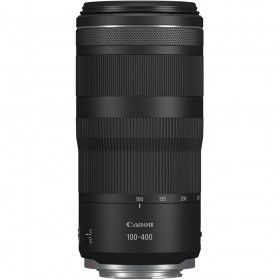
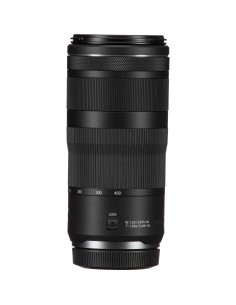
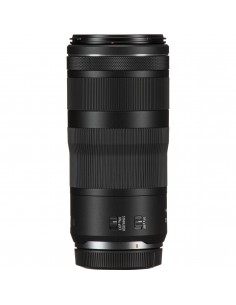
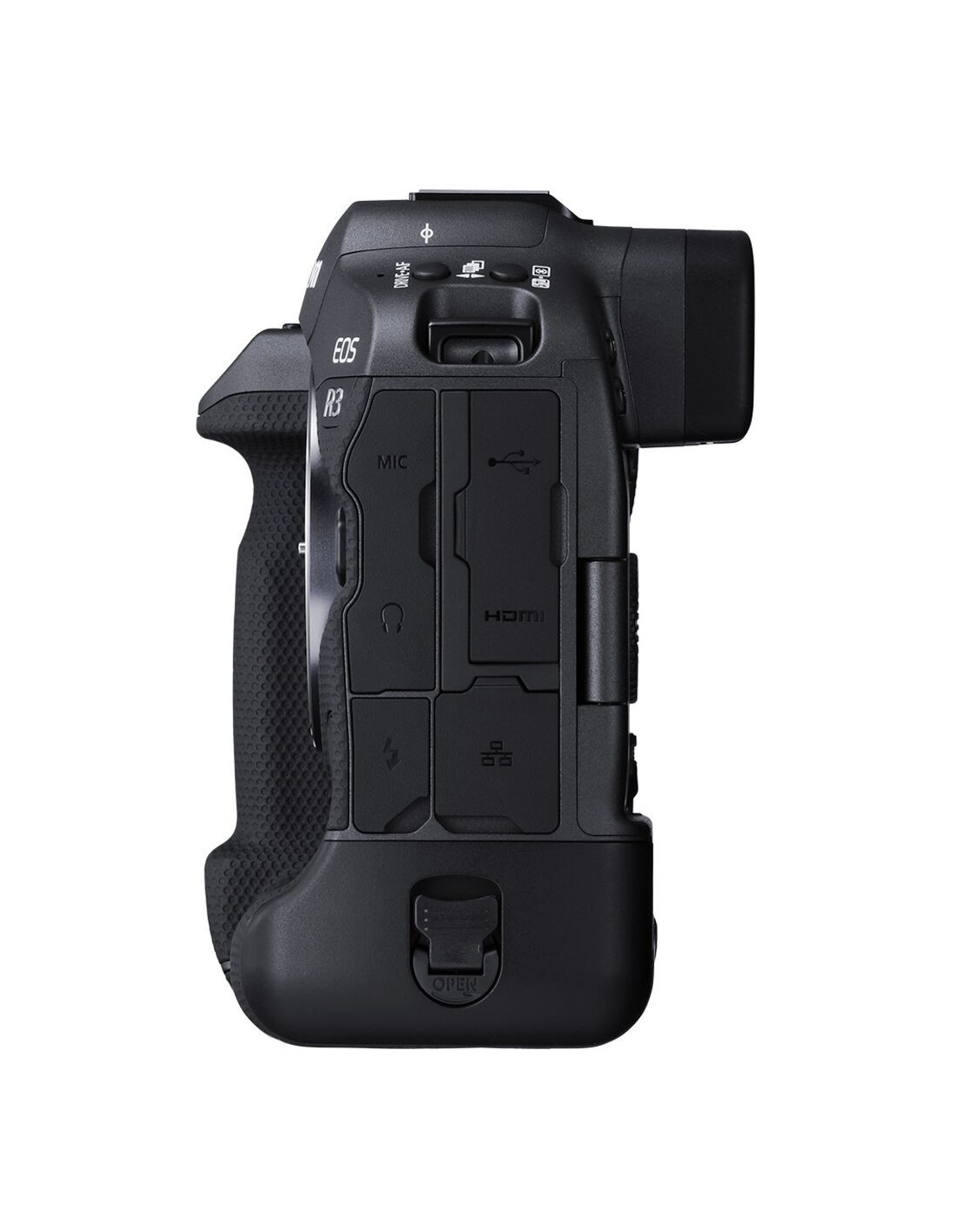
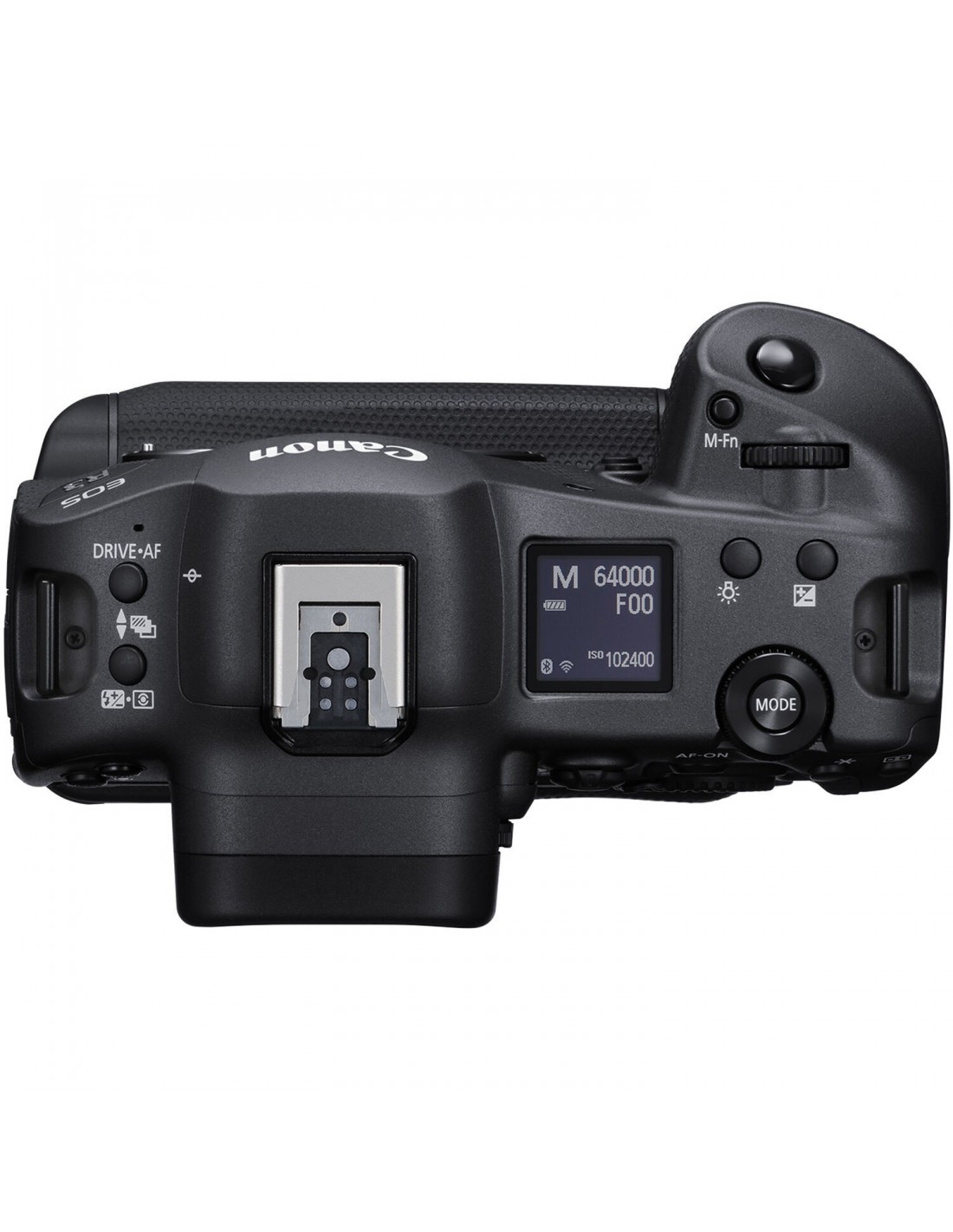
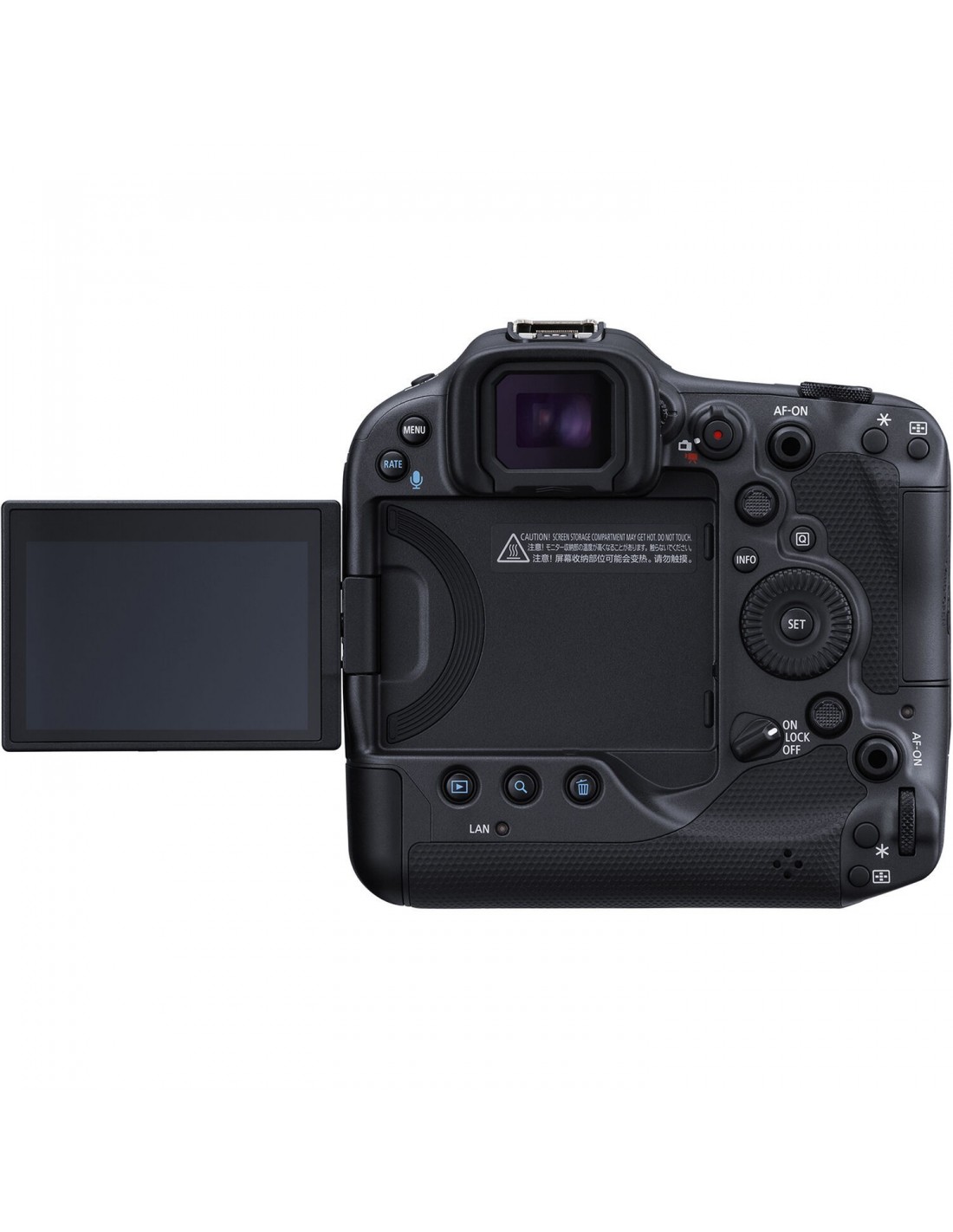
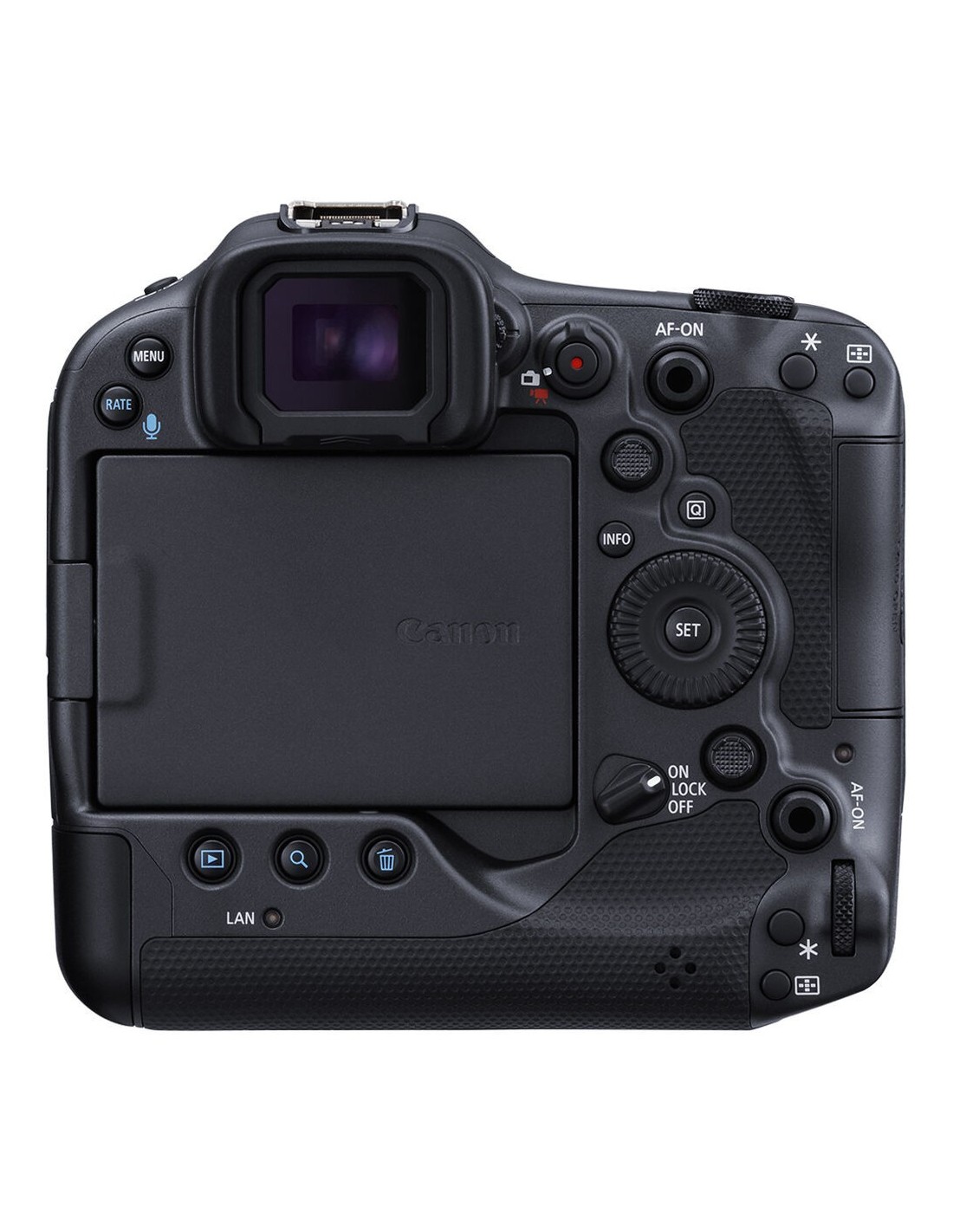
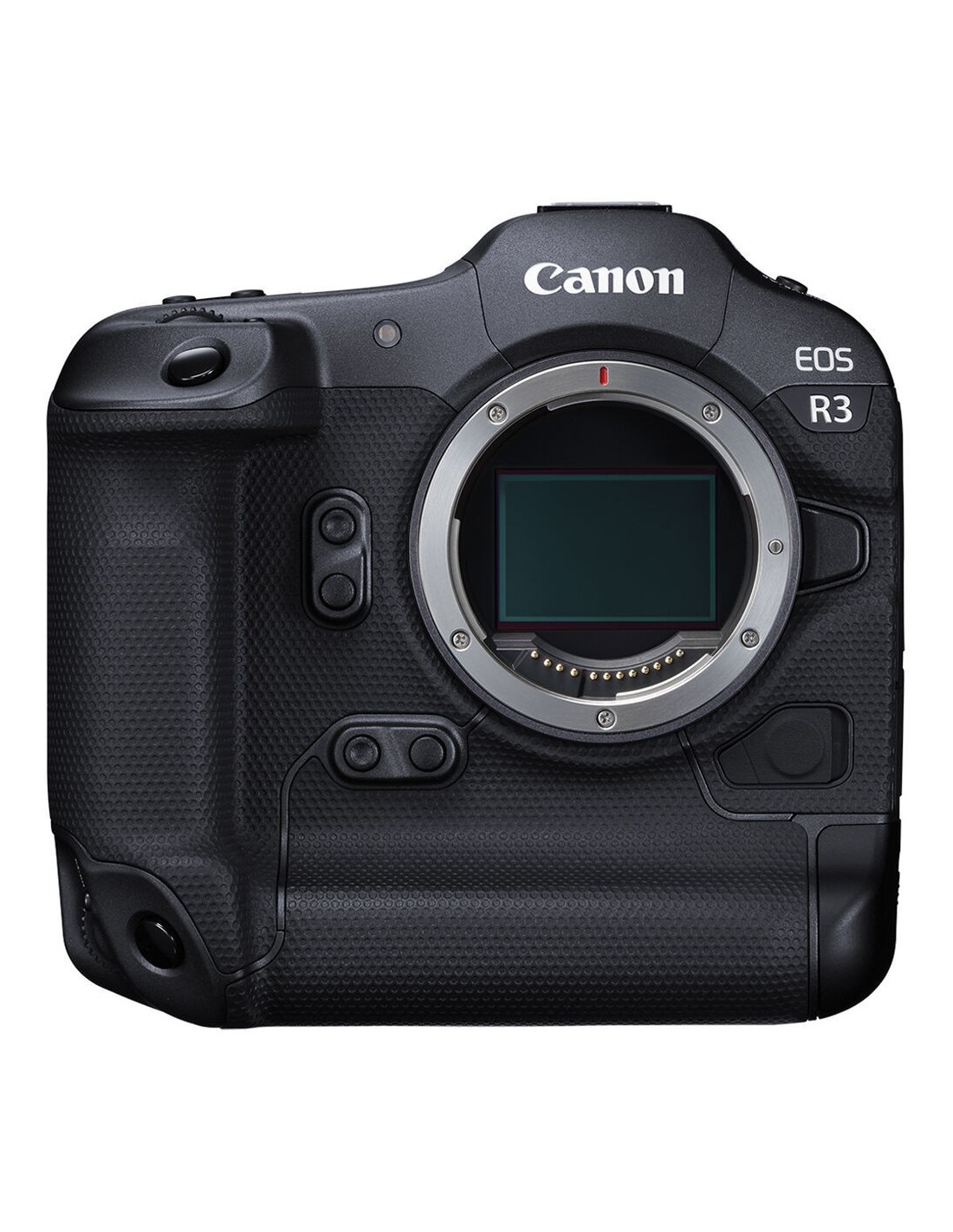
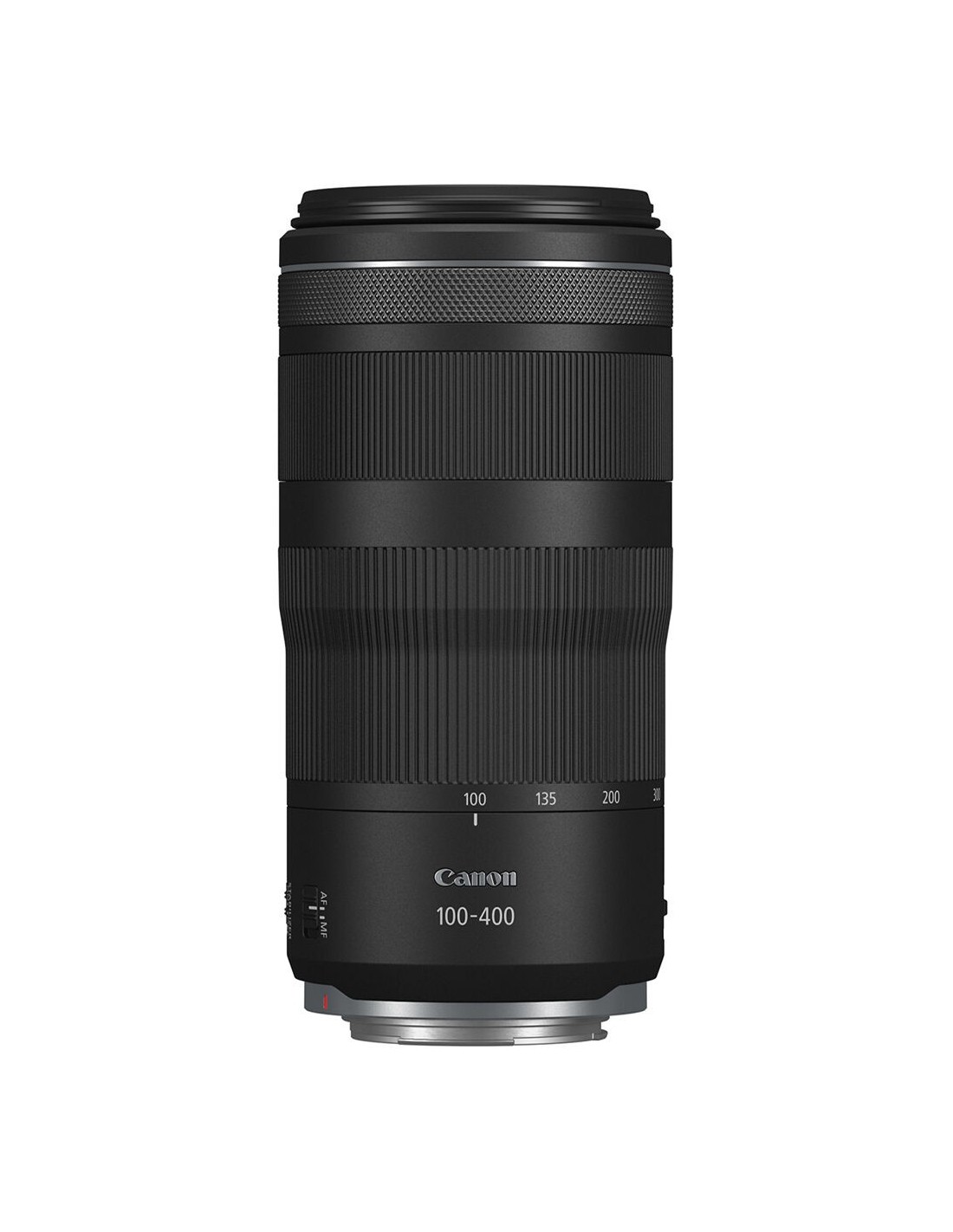
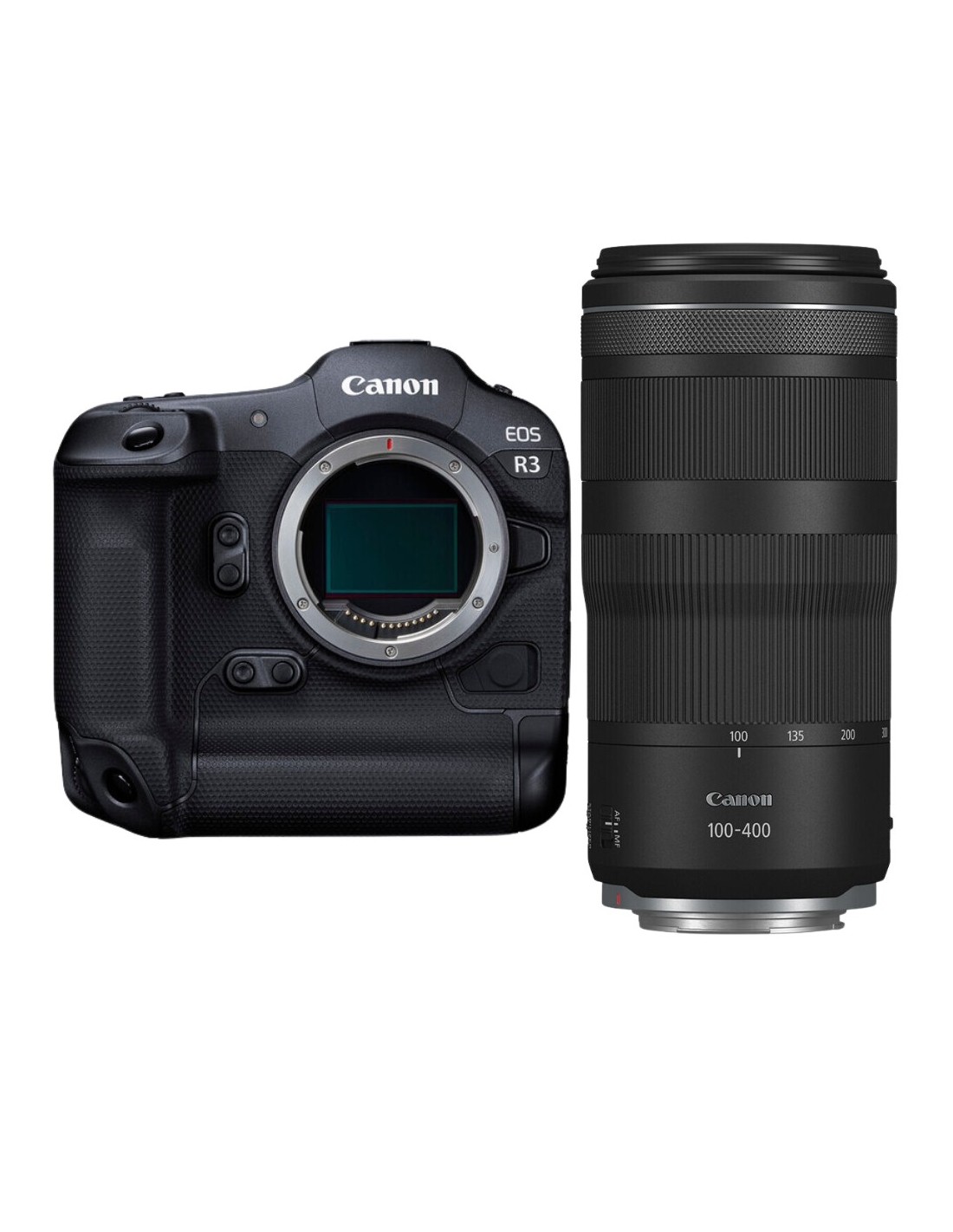
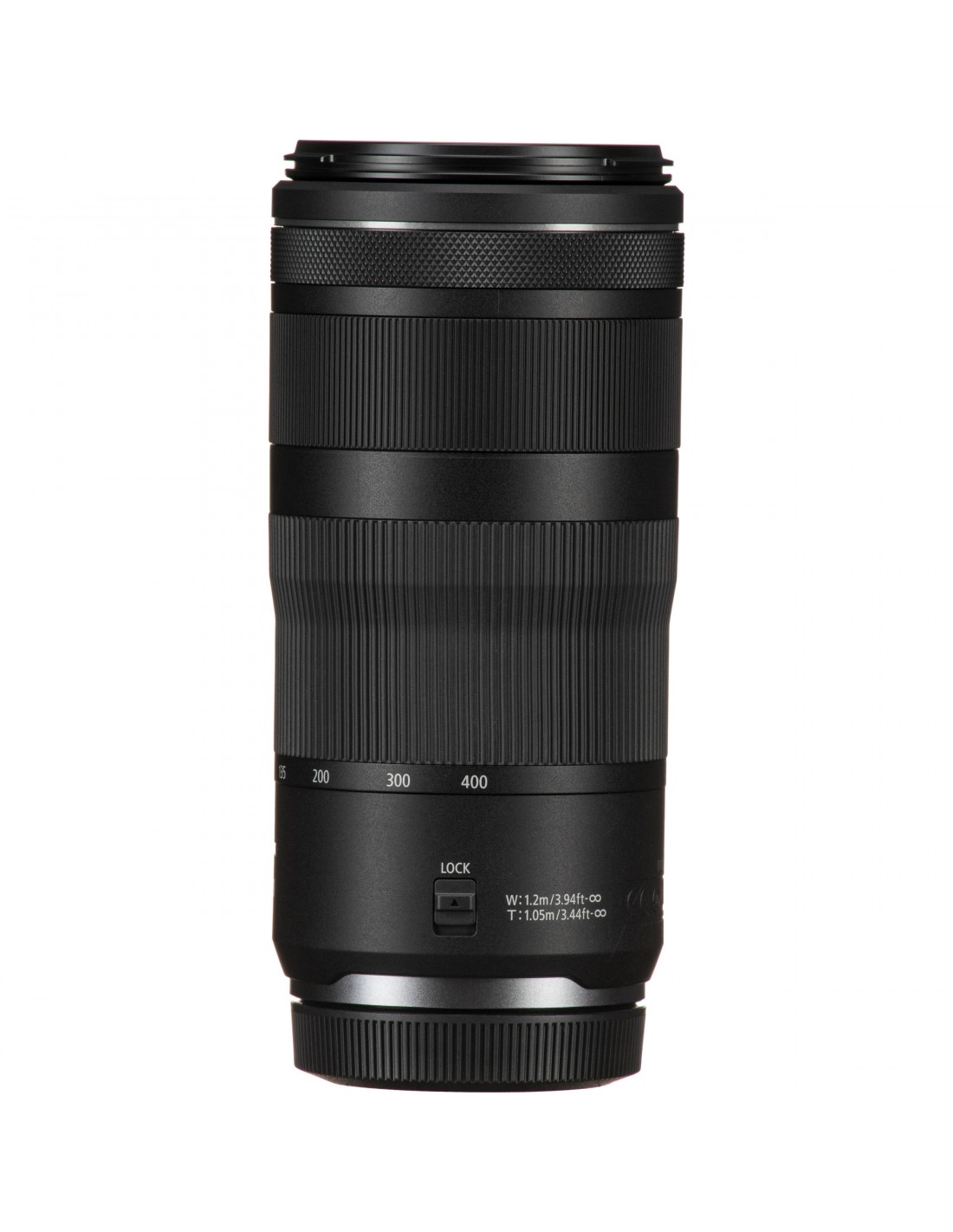
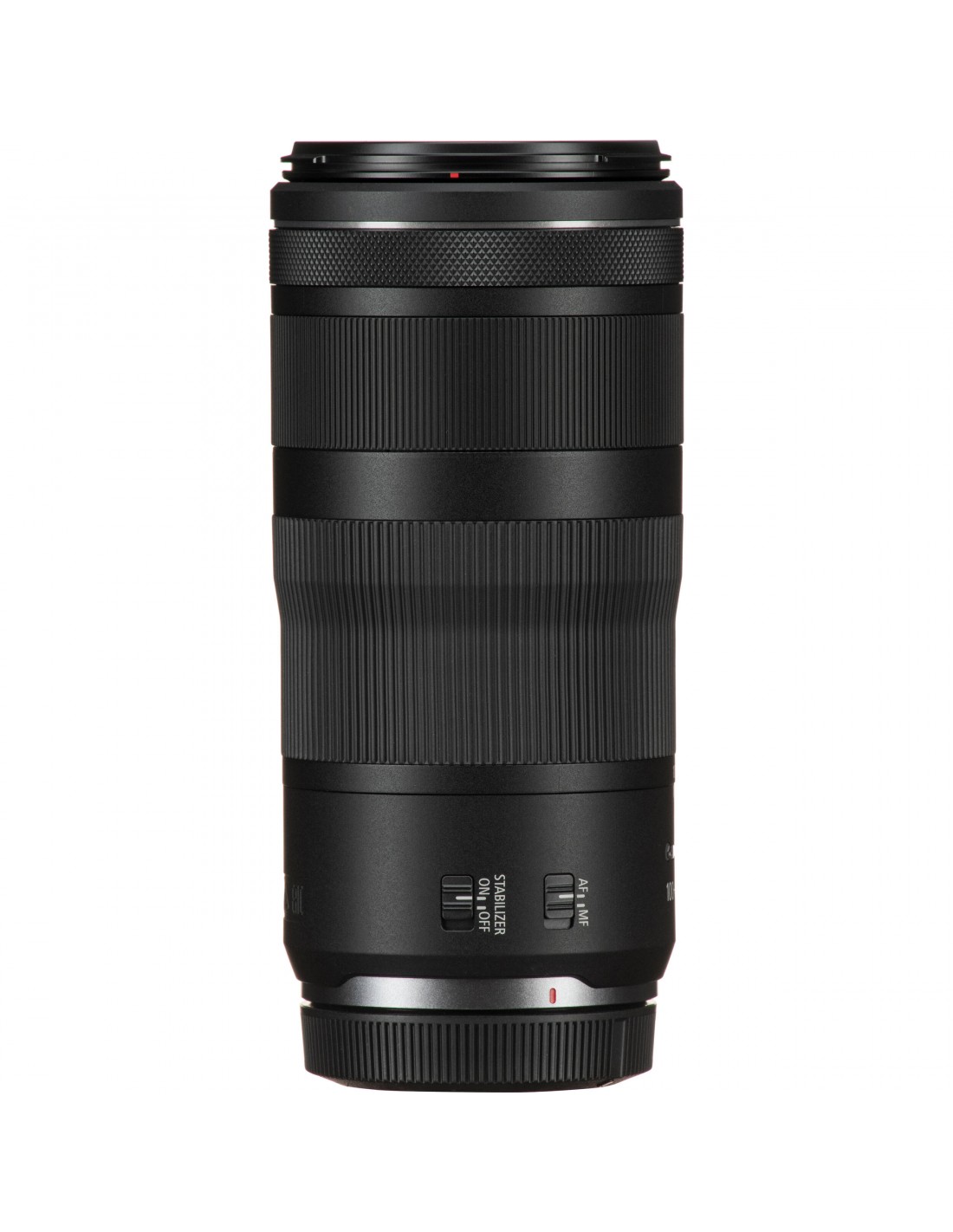
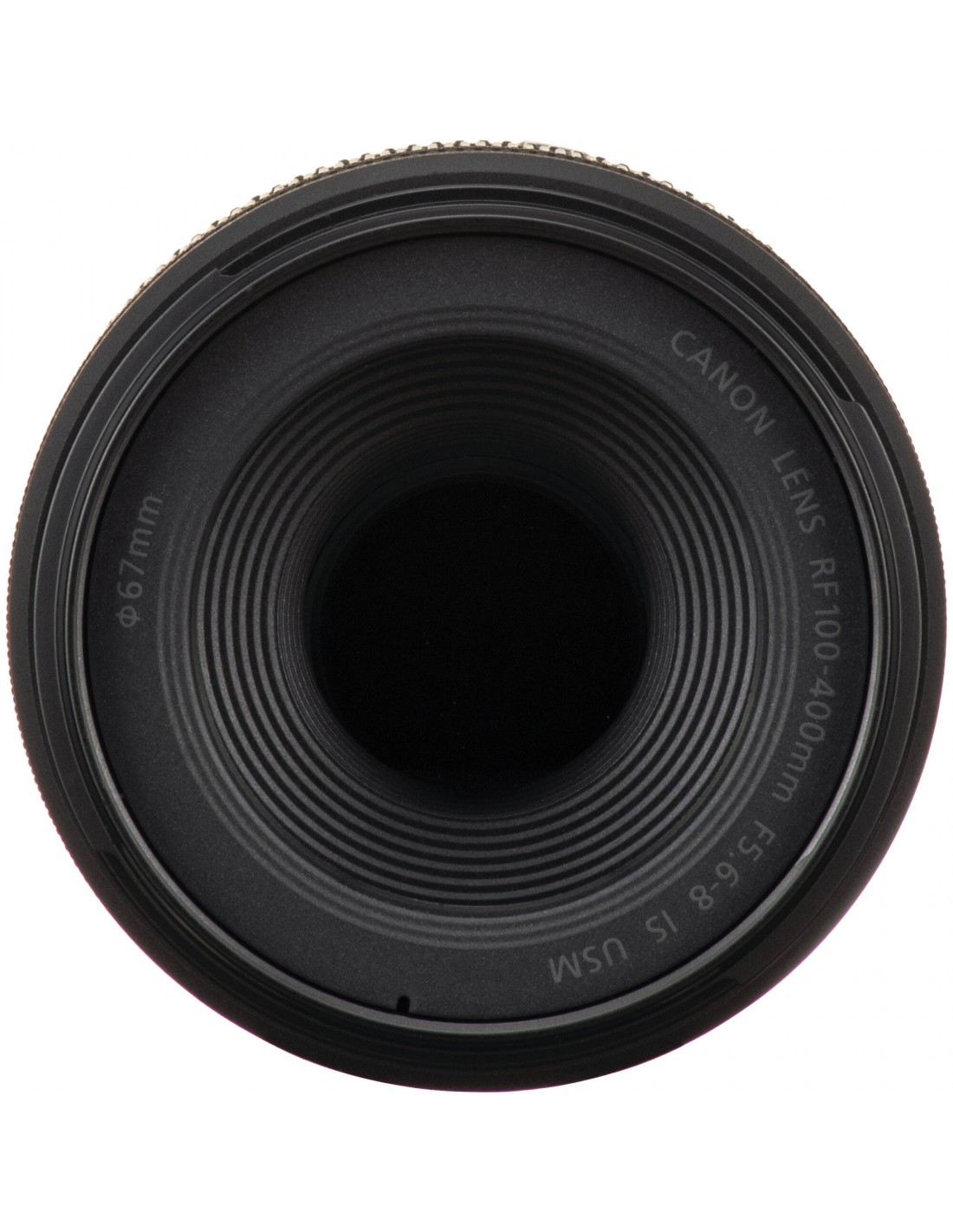
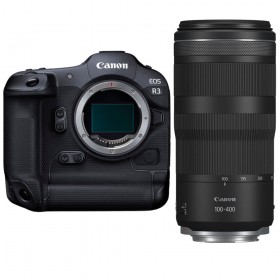
The Canon EOS R3 with the RF 100-400mm F5.6-8 IS USM is a full-frame kit for photographers who need fast subject tracking and a practical 400mm reach for outdoor sport, wildlife, birds and aviation. The R3 can shoot up to 30 frames per second with its electronic shutter, while the 635g zoom makes it easier to carry long focal lengths through a full day. From 100 to 400mm, you can adapt framing without changing lenses when a subject moves closer or farther away. Stabilisation supports hand-held shooting, and the lens focuses close enough for details when the action slows down. At 400mm, its F8 maximum aperture calls for good light or a higher ISO. It is a well judged choice when mobility matters as much as reach.
Compatible pack
Complete your set
Combine compatible accessories and save. The more items you add, the bigger the discount.
1 5.00%2 8.00%3 10.00%4+ 12.00%
Main product
Canon EOS R3 + RF 100-400mm f/5.6-8 IS USM
€3,910.20
Compatible
Accessory
SanDisk 128GB Extreme PRO UHS-II SDXC 300 MB/s memory card
€210.00€199.50
Compatible
Accessory
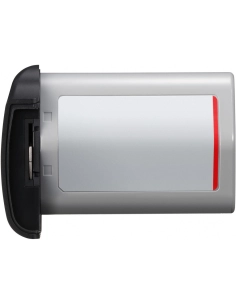
Canon LP-E19 Battery (2700mAh)
€189.00€179.55
Compatible
Accessory
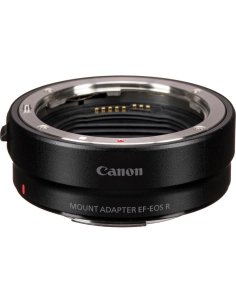
Canon Mount Adapter EF-EOS R – EF-EOS R Mount Adapter
€109.00€103.55
Compatible
warranty extension
2-year warranty extension
€312.82
0% offYou save-
No accessory selectedUse the standard buy box to buy the product alone.
Canon EOS R3 + RF 100-400mm: a kit designed around practical reach
This Canon EOS R3 configuration is most relevant when the subject is fast, distant or both. The R3 brings the speed, subject detection and professional control layout expected from Canon's action-oriented full-frame body. The RF 100-400mm F5.6-8 IS USM gives that body a useful long reach without turning the kit into a specialist super-telephoto setup that only makes sense from a fixed position. It is a focused combination for wildlife walks, outdoor sport, aviation and travel assignments where a 400mm frame can be more valuable than a wider aperture.
The distinction matters when choosing the equipment. This configuration answers a precise question: does the R3 make sense with this compact telephoto zoom? For a photographer who wants to follow a moving subject, change framing quickly and stay mobile for several hours, the pairing has a clear purpose. The Canon EOS R3 body remains the better starting point when you already own the RF lenses needed for your assignments.
Canon EOS R3 with RF 100-400mm key strengths
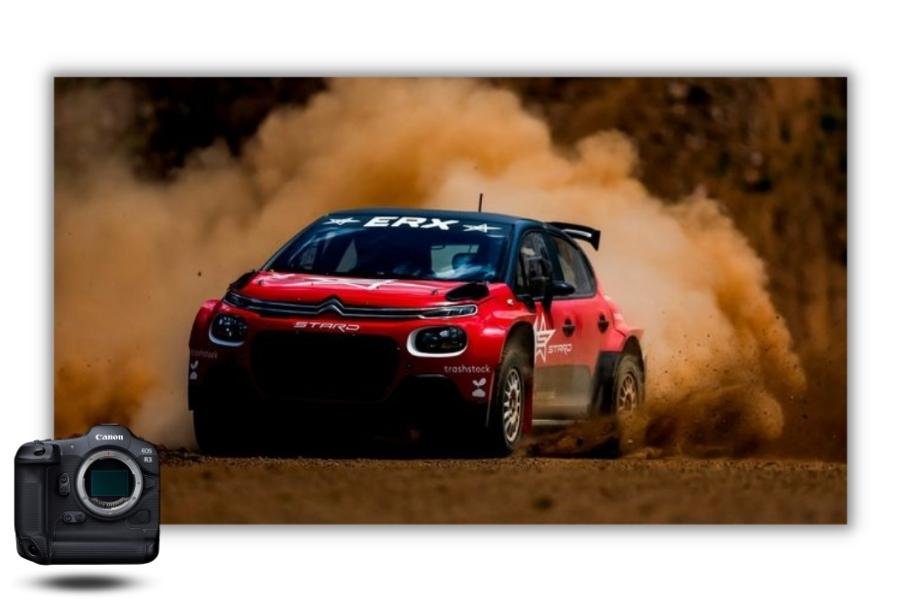
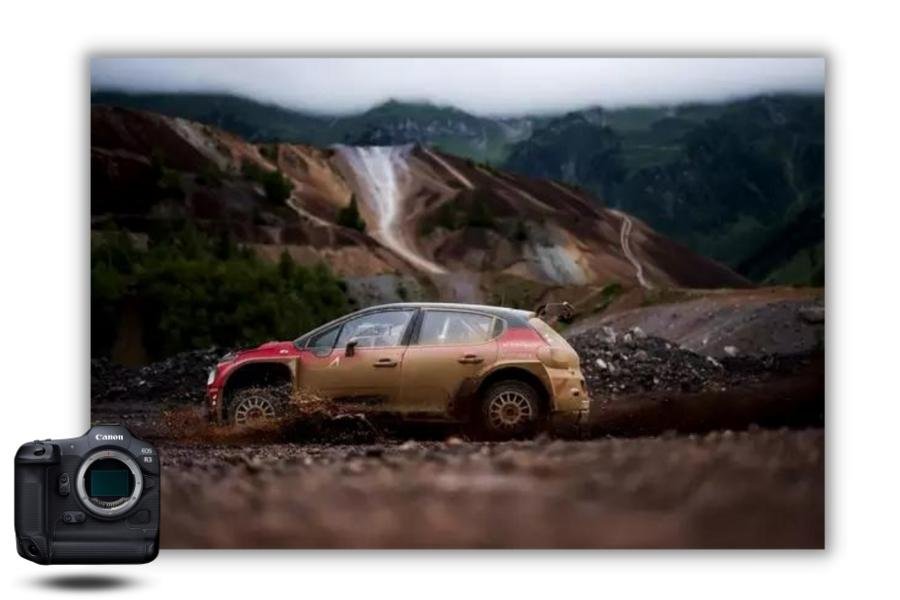
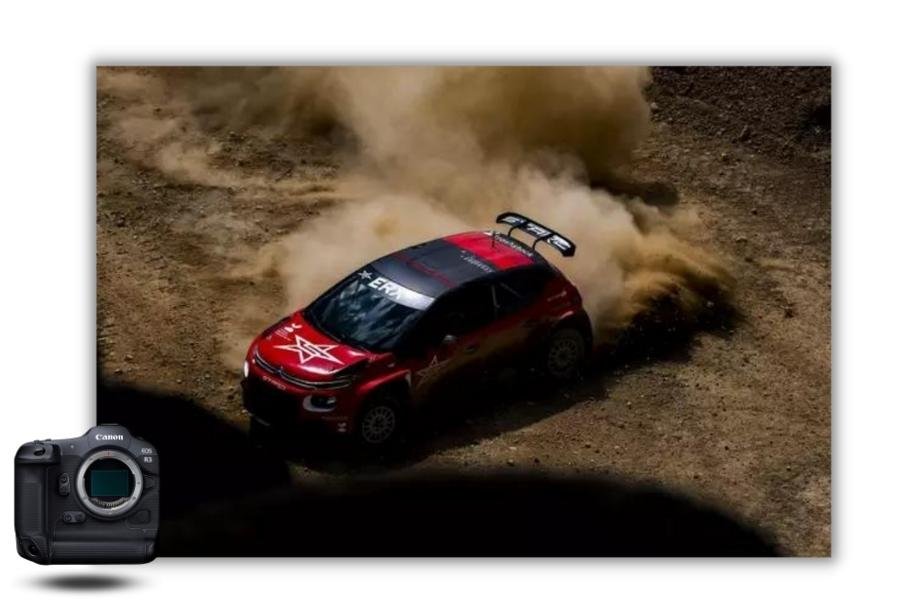
Up to 30 fps with the electronic shutter : gives you a sequence to choose from when a bird takes off, a player changes direction or a vehicle passes through the frame.
Subject detection and tracking : helps keep attention on composition while a person, animal or vehicle changes position within the scene.
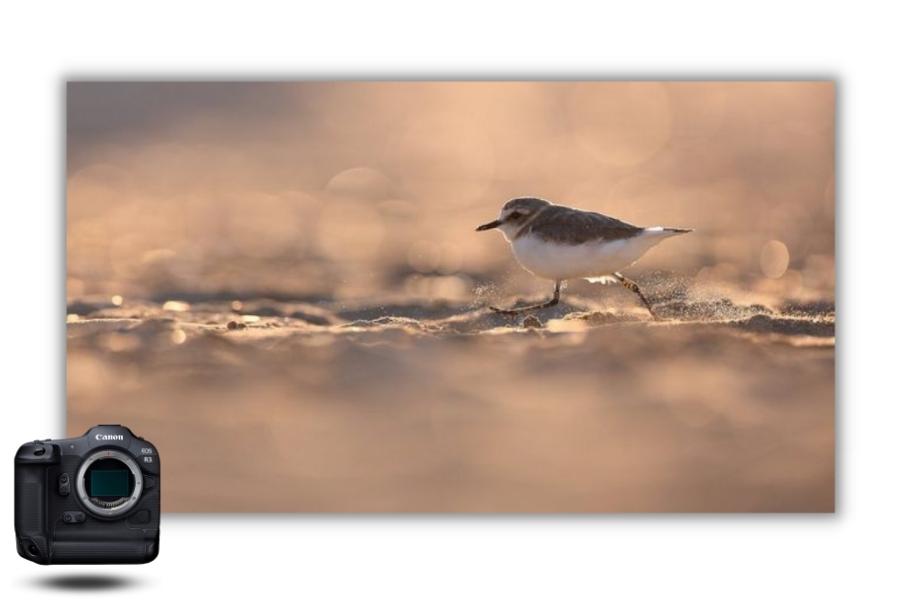
100-400mm focal range : lets you move from a looser action frame to a tight portrait of a distant subject without changing lenses.
A 635g telephoto zoom : makes long focal lengths more realistic for walking, travel, an air show or a full day beside a sports field.
Optical and in-body stabilisation : supports steadier hand-held framing at long focal lengths when a tripod or monopod would slow you down.
Nano USM focusing drive : supports responsive, quiet focusing when the subject changes distance during stills or video work.
Close focus and 0.41x maximum magnification : allow the same lens to photograph a detail, texture or smaller subject when the action is nearby.
24.1-megapixel full-frame stacked sensor : balances useful detail with files that remain practical for fast-paced editing and final export.
6K and high-frame-rate 4K video options : give hybrid shooters the option to capture motion as video when a still sequence is not the whole story.
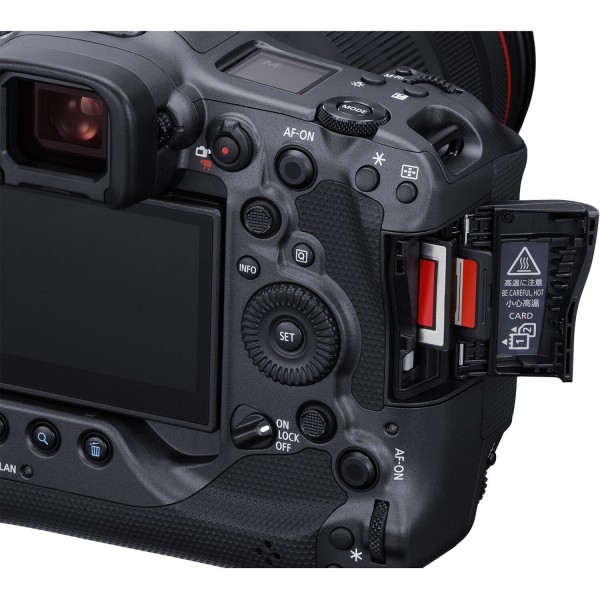
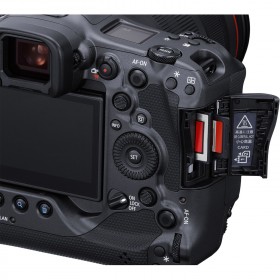
CFexpress and SD card workflow : helps organise demanding stills and video work when a shoot calls for speed, capacity and a clear backup routine.
A professional kit built to follow unpredictable subjects at changing distances.
From 100 to 400mm: keep the subject in the frame as distance changes
The appeal of a 100-400mm zoom is not only its longest focal length. At 100mm, you can retain some setting around a rider, a bird on a branch or an aircraft on the runway. Moving toward 200mm and 300mm makes it easier to simplify the background and give the subject more presence. At 400mm, the lens helps isolate a distant animal, a player at the far end of a pitch or an architectural detail that would otherwise disappear in the scene.
In real use, the zoom range reduces interruptions. A subject rarely stays at one distance, especially during wildlife or sport photography. Instead of changing lenses as the framing changes, you can adjust the focal length and keep watching the action. The result is not automatically a better picture, but it makes it easier to react before the moment has passed. If small, distant wildlife is your priority, the EOS R3 with RF 100-500mm L adds reach and L-series construction, with a substantial increase in lens weight.
R3 speed: use the frame rate for a reason, not as a default
The EOS R3 can reach up to 30 frames per second with its electronic shutter, and it also offers a mechanical shutter option up to 12 frames per second. For a burst of wing movement, a tackle or a brief expression, this can provide several usable moments rather than a single chance. The useful decision is not simply to select the highest number. A shorter, intentional burst is easier to review, easier to store and more likely to leave you watching the subject rather than the playback screen.
The R3's stacked sensor is part of why this body suits fast action. It is built for a quick readout and a responsive shooting experience, while its 24.1-megapixel resolution keeps files manageable when many frames are recorded. For a photographer covering an outdoor event or a sequence of bird flight, that balance can matter more than very high resolution. You still have enough detail for considered cropping, but the workflow remains more realistic for a high-volume shoot.
Canon EOS R3 + RF 100-400mm features translated into practical use
Feature
What it helps with
What to plan for
Up to 30 fps electronic shooting
Recording several phases of a short movement
Use short bursts to keep the selection and storage manageable
Subject detection and tracking
Keeping attention on a person, animal or vehicle moving through the frame
Choose an AF area that suits the background and anticipate the direction of movement
100-400mm zoom range
Changing from an environmental frame to a tighter distant subject without swapping lenses
At 400mm, framing and shutter speed need more care
F5.6-8 maximum aperture
Keeping the telephoto zoom comparatively light for daytime work
Low light may require a higher ISO or a brighter lens
635g lens and stabilisation
More practical hand-held use during a long walk or event
Stabilisation reduces camera shake, not subject movement
Subject tracking helps at 400mm, but technique still matters
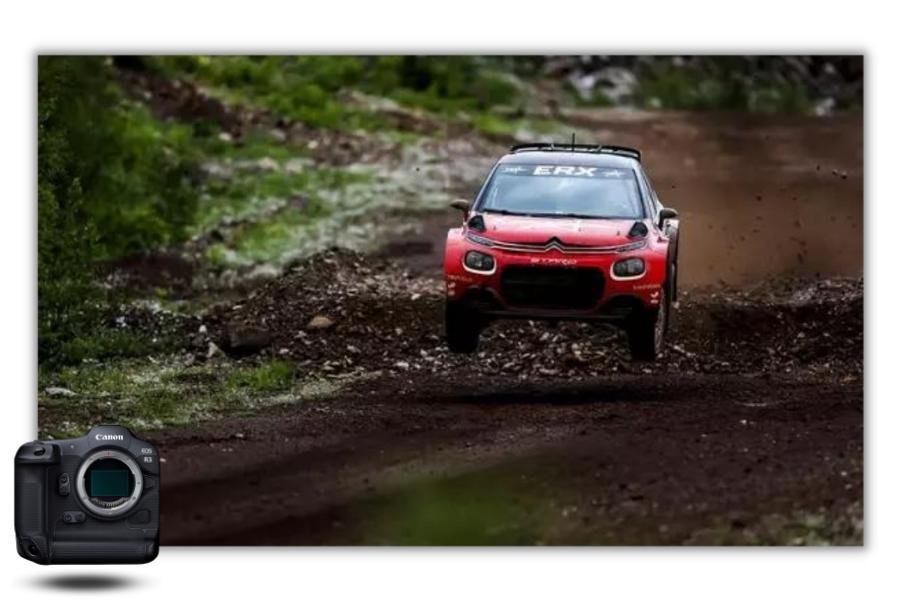
At a long focal length, a small change in distance or direction can move the subject quickly across the frame. The EOS R3 can detect and track people, animals and vehicles, so the autofocus has useful information when the subject is moving. This can make a fast sequence less demanding than working with a fixed focus point alone. It is especially relevant for birds in flight, runners approaching the camera or vehicles moving through a complex background.
Autofocus support is not a substitute for anticipating the scene. At 400mm, you still need to find the subject, choose an AF area that suits the background and maintain a shutter speed that can stop the motion. The R3's Eye Control AF may also be useful for photographers who prefer to direct focus selection with their eye, but it should be treated as a workflow option rather than a reason to buy the kit by itself. The real benefit is a system that gives the photographer more help when the subject refuses to stay predictable.
F5.6-8: the trade-off behind the lighter 400mm setup
The RF 100-400mm reaches F8 at the long end. That is the central compromise of this kit and it should be stated plainly. In daylight, it is a sensible trade for the lens weight and focal range. On a bright sports field, near a runway, on a wildlife walk or during a daytime safari, the lens can give the R3 the reach many photographers need without the size of a bright professional telephoto.
As light falls, the calculation changes. A moving subject at 400mm still needs an appropriate shutter speed, so you may need to raise ISO or accept that a brighter lens is the more practical tool. Stabilisation helps with camera movement, but it does not freeze a running animal, a cyclist or a bird in flight. Photographers who regularly work at dawn or in indoor arenas should compare it with the EOS R3 and RF 70-200mm F2.8 L. For predominantly outdoor work, the F8 limitation is manageable when it is understood before the shoot.
The kit’s key figures placed in the context of field work.
Why a 635g zoom changes the way a long lens gets used
A long focal length only helps when it is with you. At approximately 635g, the RF 100-400mm is easier to keep on the camera during a walk, a travel day or a long event than a larger telephoto zoom. The EOS R3 remains a serious professional body with an integrated vertical grip, but the lens does not add the same physical commitment as a heavier super-telephoto. That can be the difference between carrying the kit all day and leaving it behind for part of the trip.
The benefit is not merely comfort. A manageable lens can make it easier to raise the camera, reframe and work hand-held when the opportunity is brief. It also suits photographers who move between locations rather than waiting from one position. There are limits: a lighter lens does not make the complete R3 kit small, and long sessions still benefit from a good strap or support strategy. Yet for a photographer whose priority is reach without a bulky lens case, this is one of the strongest arguments for the combination.
More than distant action: close focus adds useful flexibility
The RF 100-400mm focuses as close as 0.88m and reaches a maximum magnification of 0.41x at 400mm. This is useful because a telephoto day is not always spent photographing subjects on the horizon. Once the pace slows, you can photograph a flower, a feather, equipment detail or a smaller subject without replacing the lens. The perspective and working distance can be especially helpful when getting physically close would disturb the subject.
This does not turn the zoom into a dedicated macro lens. What it offers is a welcome second use. For travel and field photography, that versatility reduces the need to carry a separate close-up option simply to cover occasional details. It also helps tell a more complete visual story: a distant animal, then a close crop of a texture or object from the same walk. The Canon RF 100-400mm sold separately is available for photographers who already use another EOS R body.
Set up the Canon EOS R3 + RF 100-400mm around the assignment
Assignment
Why the kit fits
Working priority
Outdoor sport
R3 speed and a flexible 100-400mm frame cover action across the field
Keep shutter speed high enough for the subject, not only for the focal length
Wildlife and birds
Long reach, subject tracking and a lighter zoom support mobile observation
Use the longest focal length only when it improves the composition
Aviation
The zoom can retain context at 100mm and isolate an aircraft at longer focal lengths
Track smoothly and leave sufficient space around a fast-moving subject
Travel reportage at a distance
A single telephoto zoom covers details that are not accessible on foot
Remember that 100mm is still a telephoto perspective, not a wide travel view
Compressed landscape or architecture
Long focal lengths can simplify layers and isolate distant details
Work from a stable position when fine detail matters
Wildlife, sport and aviation: three uses with different priorities
For wildlife, the combination works best when mobility and changing distance are part of the day. The 100-400mm range gives room to adapt when an animal comes closer or moves away, while subject detection can support the autofocus process. For birds in flight, the R3's burst capability and viewfinder responsiveness are valuable, but light, shutter speed and the photographer's panning technique remain decisive. A 400mm reach is useful, although very small or exceptionally distant subjects may still call for more focal length.
For outdoor sport and aviation, the lens can be equally logical. At 100mm you can retain context around a competitor or aircraft, then zoom tighter as the subject moves away. The fast body helps record a short sequence at the decisive moment, and the lens weight makes it easier to work along a course or airport perimeter. These are not identical genres, so the settings should not be identical either. The kit is strongest when its speed and reach are adapted to the scene rather than treated as automatic guarantees.
Video, cards and power: prepare the workflow before the action begins
The EOS R3 adds serious video options to a stills-oriented kit, including recording up to 6K depending on the chosen mode and card. Its 4K high-frame-rate options can also be useful for motion that benefits from slow playback. With a 100-400mm lens, video demands careful support and deliberate framing: a long focal length magnifies every movement, and a moving subject can leave the frame quickly. Stabilisation is helpful, but it does not replace a steady shooting position or a considered camera movement.
For demanding stills and video work, card preparation deserves the same attention as exposure. The R3 uses CFexpress and SD card slots, and the appropriate card depends on the recording mode and workflow. Its LP-E19 battery is designed for this professional body, but burst shooting, high refresh viewing and video all affect how long a charge lasts. Preparing cards, battery capacity and a transfer routine before an event lets the kit do its job without turning a successful sequence into a storage problem afterward.
Which Canon EOS R3 route matches the photographic need?
Configuration
Main priority
Choose it when
EOS R3 body only
Building around lenses you already own
You already have an RF telephoto that fits your sport or wildlife work
EOS R3 + RF 100-400mm F5.6-8 IS USM
Reach and mobility in one ready-to-use kit
You mainly work outdoors and want 400mm without moving to a heavier telephoto setup
EOS R3 + RF 100-500mm F4.5-7.1 L IS USM
Comparing a longer reach option within the R3 range
500mm is a recurring need and you want to assess a different long-telephoto balance
EOS R3 + RF 70-200mm F2.8 L IS USM
A brighter aperture for action at shorter distances
Indoor sport, evening events or low-light work matter more than reaching 400mm
EOS R3 + RF 70-200mm F4 L IS USM
A compact L-series telephoto for travel and daylight work
You want professional construction and a constant aperture without the weight of the F2.8 zoom
Three lenses for choosing mobility, reach or low-light performance.
A focused EOS R3 configuration with a clear place in the range
Choose this kit when you want the EOS R3 to become a capable long-lens camera without starting with a large, bright telephoto. It is a sensible starting point for professional or advanced photographers who work mainly outdoors and need a 400mm framing option that can travel easily. It is also a clear step up from buying the body alone for someone who does not already own an RF telephoto suited to wildlife, aviation or sport.
It is less convincing for a photographer whose main work happens in dark venues, at dawn or in environments where a brighter aperture and a more specialised telephoto are central to the brief. In that case, the R3 body remains relevant, but this particular lens may not be the right match. The Canon EOS R3 range brings the active configurations together so that focal length, aperture and carrying weight can be compared before choosing.
Our verdict
At MCZ DIRECT, we see the EOS R3 with the RF 100-400mm F5.6-8 IS USM as the mobile long-reach choice in the R3 range. It makes most sense for outdoor sport, wildlife, bird photography and aviation when carrying a larger telephoto all day would reduce how often you use it. Compared with an EOS R3 body alone, it gives the camera an immediate and coherent role. Compared with the R3 kit built around a 100-500mm lens, it puts the emphasis on easier carrying and a straightforward 400mm field of view.
The limitation is honest and important: at 400mm and F8, fast movement in low light asks more of ISO and shutter-speed choices than a brighter telephoto would. It is therefore less suited to dark arenas, regular dawn work or assignments where a wide aperture is central. For a photographer who works mainly outdoors and values a professional action body with a telephoto that remains practical to carry, the balance is clear and convincing.
Choose this EOS R3 configuration when you want fast subject tracking and a practical 100-400mm reach for outdoor action, without committing to a much heavier telephoto setup.
Photo resolution
24 to 32 MP
Camera Format
Full frame
Lens mount
Canon RF
Recommended use
All-round use
Landscape
Photo / video
Portrait
Reportage
Sport
Wildlife
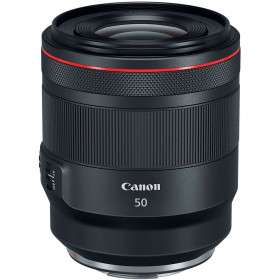
The Canon RF 50mm F1.2L USM is a professional prime lens for portrait, wedding and reportage photographers who want distinctive subject separation, and we recommend it when rendering and available-light performance matter more than low weight. Its f/1.2 aperture can produce very shallow depth of field while helping retain a practical shutter speed indoors...
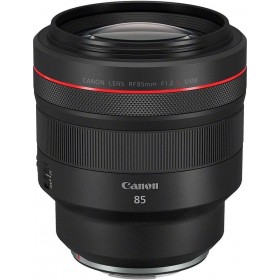
The Canon RF 85mm F1.2L USM is a professional portrait lens for Canon EOS R cameras, recommended for photographers who value strong subject separation, fine detail and a very wide aperture in available light. Its 85mm view gives faces a flattering perspective, while f/1.2 can simplify a busy background and preserve useful shutter speed as light falls....
The Canon RF 24-70mm F2.8L IS USM is a professional standard zoom for EOS R photographers and filmmakers who need one dependable lens for varied assignments, and we recommend it for its balance of speed, range and handling. It moves from a wide 24mm view to a tighter 70mm portrait without changing its maximum F2.8 aperture. Canon rates the optical...
The Canon RF 70-200mm F2.8L IS USM is a bright, compact telephoto zoom for sports, wedding, portrait and reportage photographers, and we recommend it to anyone who wants an f/2.8 70-200mm that is easy to carry. Its constant aperture helps retain a fast shutter speed as light falls and separates the subject from the background. Dual Nano USM and...
The Canon RF 100-500mm F4.5-7.1L IS USM is an L-series telephoto zoom for wildlife, sports and aviation photographers who need to follow a subject from near to far without changing lens, and we recommend it when mobility matters as much as reach. Its 100-500mm range makes it easier to frame an approaching animal, a bird in flight or action across a field....
Canon EOS R3 + RF 100-400mm f/5.6-8 IS USM videos
Technical specifications
General
Brand
Canon
Product type
Mirrorless camera
Camera type
Interchangeable-lens digital camera
Product line
Canon EOS R
Product series
EOS R
Specific model
EOS R3
Release date
2021-11
Available languages
Multilingual, including English
Camera
Level
Professional sport/reportage
Processor
DIGIC X
Image ratio
3:2
Image stabilization
Yes
Autofocus
Yes
Lens mount
Canon RF / RF-S
RAW
Yes
File formats
Still image: JPEG, HEIF, RAW, C-RAW. Compression options and profiles according to Canon specifications.
Max burst speed
30 fps
Lens included
Yes
Kit configuration
Canon EOS R3 kit with RF 100-400mm F5.6-8 IS USM.
Included lens count
1
Included lens 1
RF 100-400mm F5.6-8 IS USM
Lens 1 model
RF 100-400mm F5.6-8 IS USM
Lens 1 mount
Canon RF
Lens 1 format
Full frame
Lens 1 focal length
100-400
Lens 1 max aperture
F5.6-8
Lens 1 stabilization
Yes
Uses
All-round use
Yes
Architecture
No
Landscape
Yes
Portrait
Yes
Travel
No
Reportage
Yes
Sports
Yes
Wildlife
Yes
Photo / video
Yes
Vlogging
No
Sensor
Sensor type
36 x 24 mm CMOS
Sensor size
36 x 24 mm
Crop factor
1.0x
Autofocus points
1053
Resolution
24.1 MP
Maximum resolution
6000 x 4000
Sensor cleaning
Yes
Standard ISO range
ISO 100-102400
Maximum native ISO
ISO 102400
Exposure
Metering modes
Real-time metering with image sensor, 384-zone metering: evaluative, partial, spot and centre-weighted average.
Metering zones
384
Fastest shutter speed
1/64000 s
Slowest shutter speed
30 s, Bulb
Bulb mode
Yes
AEB bracketing
Yes
Manual exposure
Yes
Self-timer
No
White balance settings
Auto white balance, daylight, shade, cloudy, tungsten, white fluorescent, flash, custom and colour temperature setting.
Aperture priority
Yes
Shutter priority
Yes
Display
Display type
Vari-angle touchscreen LCD monitor, 3.2-inch, approx. 4.15 million dots
Display size
3.2
Display resolution
4150000
Touchscreen
Yes
Live View
Yes
Viewfinder
Viewfinder
Yes
Viewfinder type
OLED electronic viewfinder, 5.76 million dots
Viewfinder coverage
100%
Flash
Built-in flash
No
Red-eye reduction
No
Flash sync speed
1/200 s / 1/250 s / 1/180 s
Flash modes
Canon-compatible external Speedlite flash; control via multi-function shoe depending on the model.
Flash technology
Canon Speedlite
Accessory shoe
Yes
Video
Video function
Yes
Full HD
Yes
4K UHD
Yes
6K video
Yes
7K video
No
8K video
No
Internal RAW recording
Yes
Clean HDMI output
Yes
Maximum video resolution
6K
Video frame rates
Video up to 6K depending on mode and card used.
Video compression
Compression and sampling depend on Canon EOS Movie modes.
Video file formats
Still image: RAW. Compression options and profiles according to Canon specifications.
Audio
Built-in microphone
Built-in microphone
Storage
Internal memory
No
Dual card slot
Yes
Memory types
CFexpress and SD card slots according to Canon official configuration.
Card types
CFexpress and SD card slots according to Canon official configuration.
SD speed classes
Use a card that matches the selected photo/video mode.
Connectivity
HDMI
Yes
HDMI type
HDMI output according to Canon specifications.
Microphone input
Yes
Microphone input type
External microphone input depending on Canon configuration.
Headphone output
Yes
USB
Yes
USB type
USB-C according to Canon specifications.
Ethernet
Yes
Wireless
Wi-Fi
Yes
Bluetooth
Yes
NFC
No
GPS
No
Physical properties
Depth
8.72 cm
Width
15 cm
Height
14.26 cm
Body material
Magnesium-alloy body/chassis with glass-fibre reinforced polycarbonate components.
Colour
Black
Waterproof
No
Splash resistant
Yes
Shockproof
No
Dust resistant
Yes
AF assist light
No
Tally light
No
Minimum operating temperature
0 °C
Maximum operating temperature
40 °C
Battery
Battery
Canon LP-E19 rechargeable Li-ion battery
USB charging
Yes
USB power delivery
Yes
Charger included
Yes
Buying guidance
Best for
Field sports, wildlife, birds in flight, aviation, safari and outdoor reporting.
Less suited to
Less suitable for frequent low-light action, indoor sport or very small distant subjects that require more than 400mm.
Compatibility
Compatible with Canon RF/RF-S lenses; this kit includes RF 100-400mm F5.6-8 IS USM. RF-S lenses remain usable with APS-C crop depending on the body. EF/EF-S lenses require a compatible Canon EF-EOS R adapter.
Note
The lens uses the Canon RF mount. Canon RF 1.4x and 2x extenders are compatible, but they reduce the maximum aperture and make low-light work more demanding.
Included lens
Lens type
Telephoto zoom lens
Lens series
Canon RF
Focal range
100-400mm
Optical construction
12 elements in 9 groups
Optical stabilisation
Yes
AF drive
Nano USM autofocus
Minimum focusing distance
88 cm
Maximum magnification
0.41x
Maximum aperture
F5.6-8
Minimum aperture
F32 at 100mm / F45 at 400mm
Diaphragm blades
9
Optical zoom
4x
Lens weight
635 g
Filter diameter
67 mm
Lens length
16.47 cm
Lens diameter
79.5 mm
Dust/splash resistance
No
Canon EOS R3 with RF 100-400mm F5.6-8 IS USM frequently asked questions
Who is the Canon EOS R3 with RF 100-400mm for?
It is aimed at advanced and professional photographers who work mainly outdoors and want a fast full-frame body with a portable 400mm reach for wildlife, birds, aviation or sport.
Is this Canon EOS R3 kit suitable for wildlife photography?
Yes, especially for mobile wildlife work in good daylight. The 100-400mm range, subject detection, burst shooting and stabilisation support many situations. Very small or distant subjects may require more focal length.
Can the EOS R3 and RF 100-400mm photograph birds in flight?
The kit has the speed, subject tracking and reach needed for many bird-in-flight situations. Success still depends on light, shutter speed, AF setup and the photographer's ability to follow the bird smoothly.
Is the RF 100-400mm a good match for outdoor sports?
It is a logical match when the photographer needs to work from the edge of a field, court or track and change framing quickly. At 400mm, enough light is important for fast shutter speeds.
Does the F8 aperture at 400mm limit the kit in low light?
It can. A moving subject at 400mm needs a suitable shutter speed, so lower light may require a higher ISO or a brighter telephoto lens. Stabilisation does not freeze subject movement.
Why choose this kit instead of buying the EOS R3 body only?
Choose the kit if you do not already own an RF telephoto and your main need is wildlife, aviation or outdoor sport. Buy the body only when an existing lens setup already covers that role.
What is the advantage of a 100-400mm zoom over a fixed long lens?
A zoom lets you change framing as subject distance changes. You can include more context at 100mm, then tighten the composition toward 400mm without changing lenses.
Can the RF 100-400mm be used for close details?
Yes. It focuses as close as 0.88m and reaches 0.41x maximum magnification at 400mm, which is useful for details and smaller subjects. It is not a replacement for a dedicated macro lens.
Is the kit practical to carry all day?
The RF 100-400mm weighs about 635g, which makes it more manageable than larger telephoto options. The EOS R3 remains a substantial professional body, so a comfortable strap or support plan is still worthwhile.
Can this EOS R3 kit record video?
Yes. The EOS R3 offers video up to 6K depending on the recording mode and card, as well as high-frame-rate 4K options. At long focal lengths, stable handling remains important.
Which memory cards does the EOS R3 use?
The EOS R3 has CFexpress and SD card slots. The appropriate choice depends on the recording mode, especially for demanding burst shooting and video workflows.
When should I compare this kit with an EOS R3 and RF 100-500mm?
Compare them when 500mm is regularly useful for your subject distance or framing. This 100-400mm kit is the more relevant option when a lighter telephoto and a practical 400mm reach are the priority.
Reviews Canon EOS R3 + RF 100-400mm f/5.6-8 IS USM
0 Rating
0.0
out of 5 stars
0 Rating
Customer photos
No customer photos yet
Reviews (0)
All reviews (0)
Has image/video (0)
Excellent (0)
Good (0)
Medium (0)
Poor (0)
Terrible (0)
Latest
Latest
Oldest
High rating
Low rating
Helpful
Tap to zoom
ALEX (In testing phase)
Hello! Welcome to our online store 👋 Would 👍 🐦🔥you like help with products, orders, or shipping?
By using this chatbot, you agree that your messages may be processed by AI to provide responses. We do not store or share your conversations. For more details, please refer to our Privacy Policy.