My basket0 items


Find your orders, invoices and saved addresses all in one place.
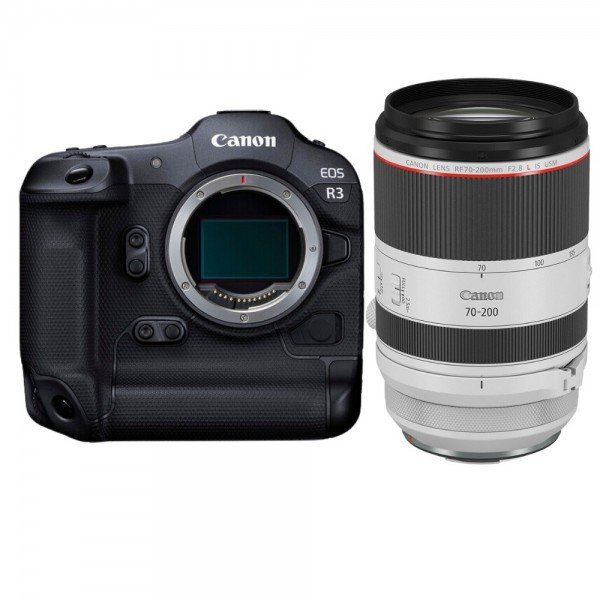
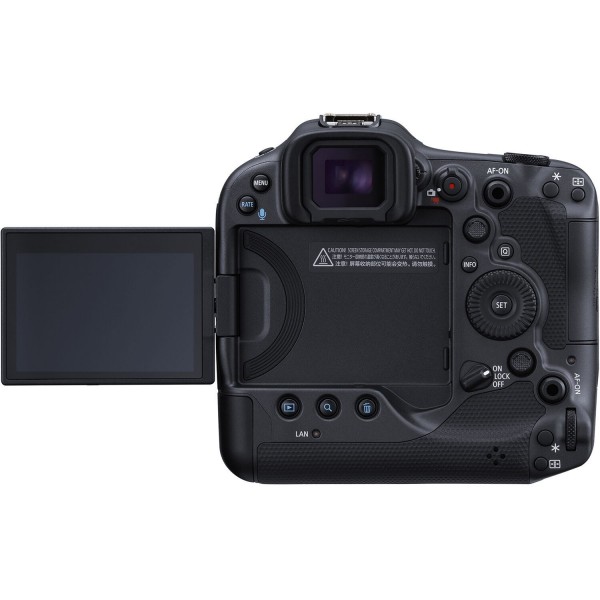
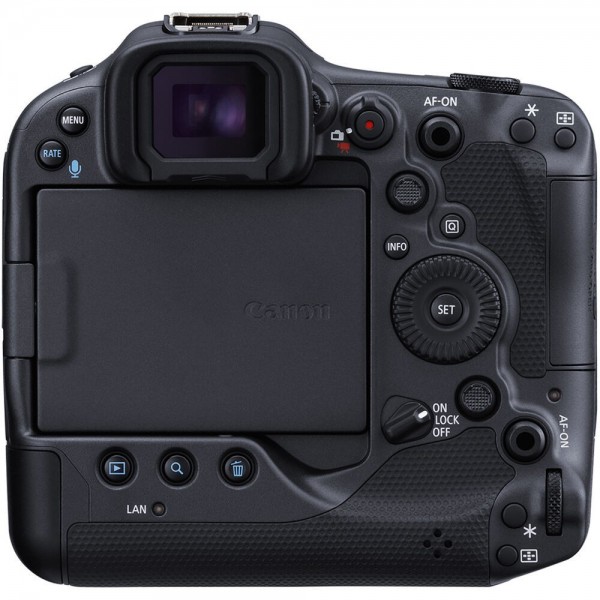
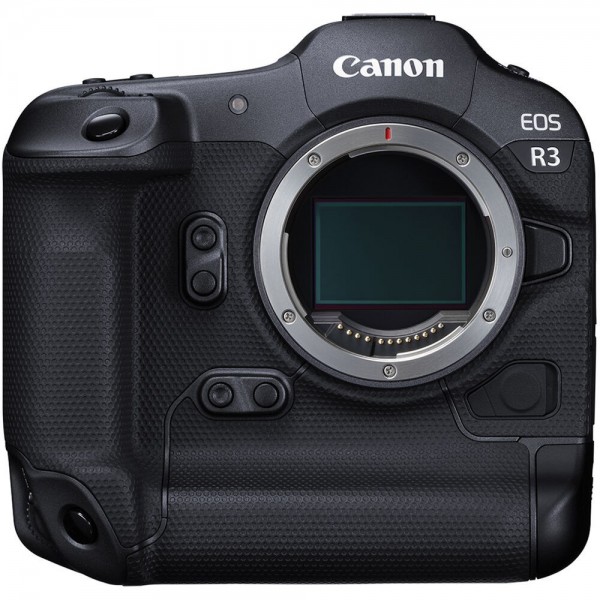
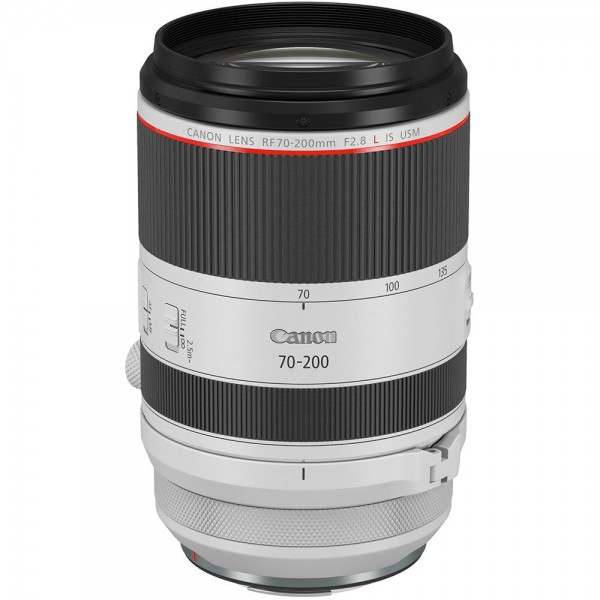
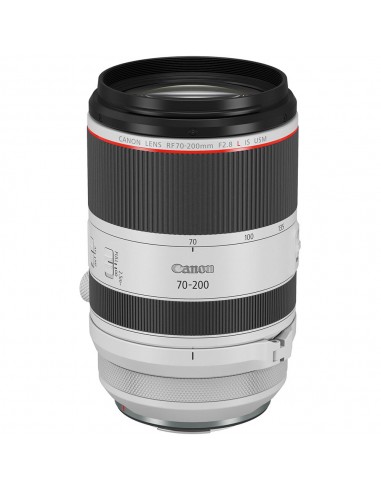
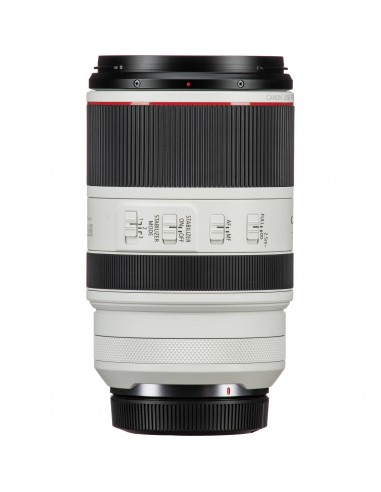
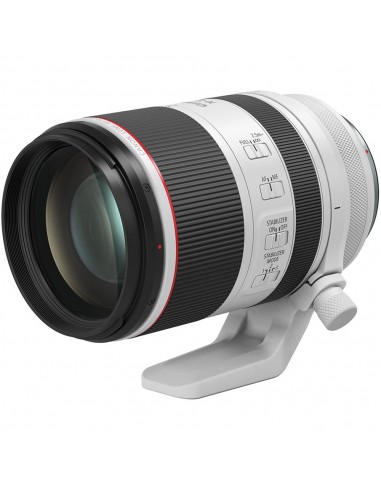
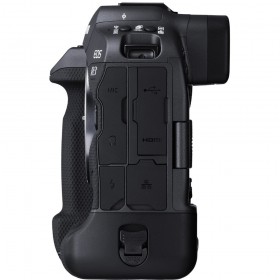
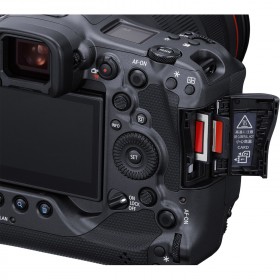
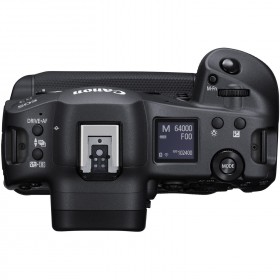
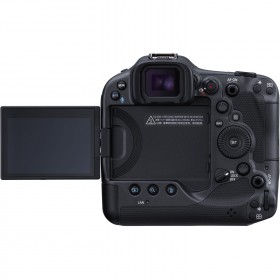
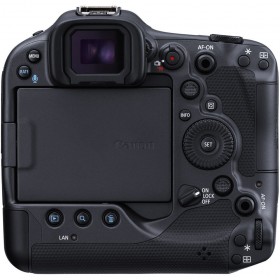
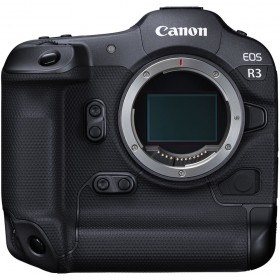
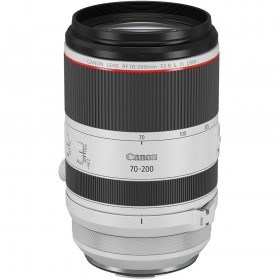
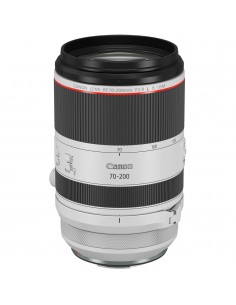
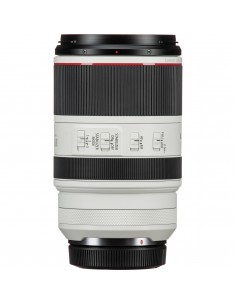
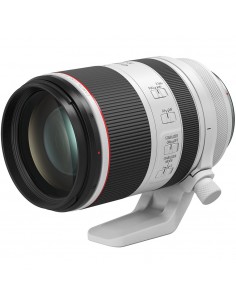
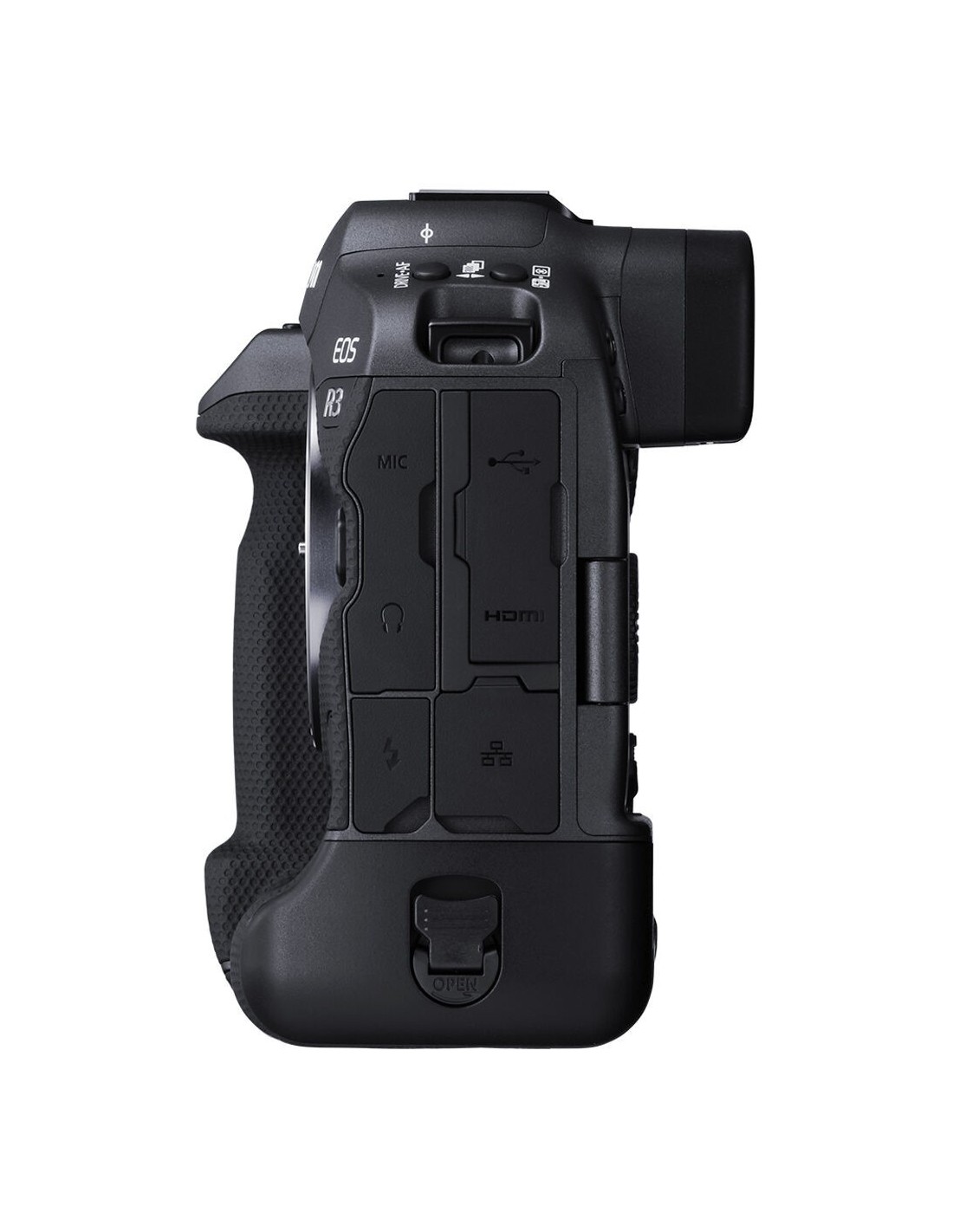
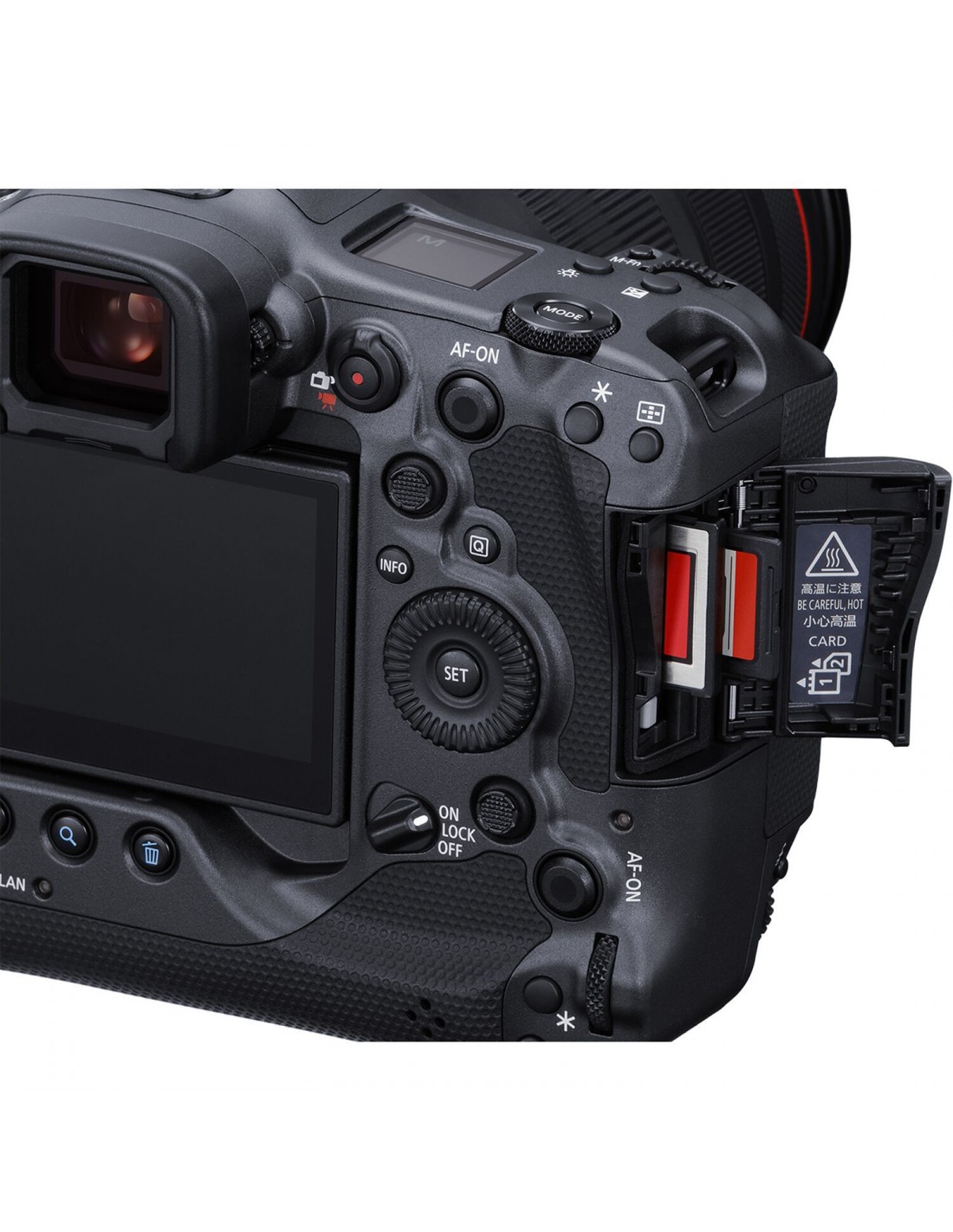
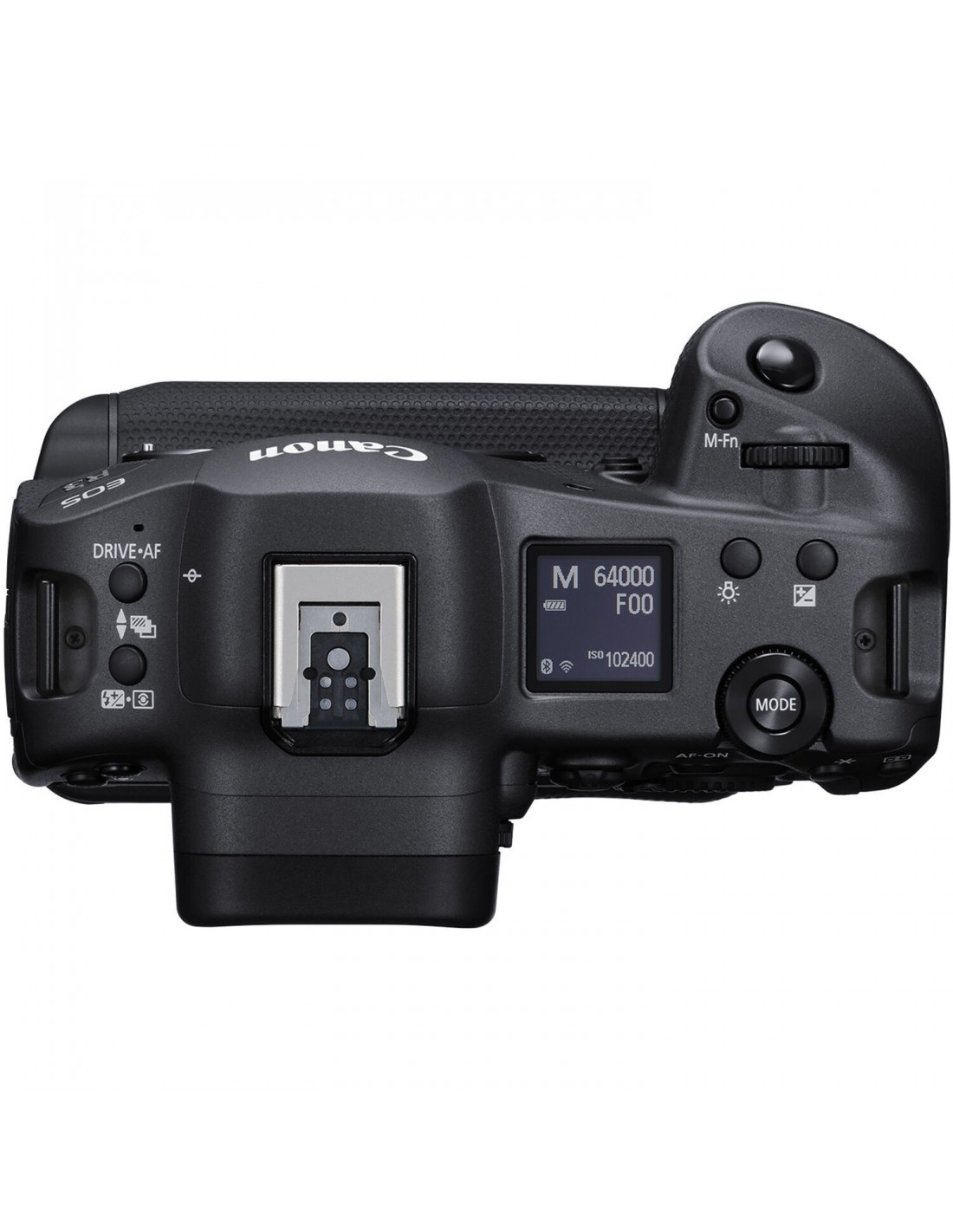
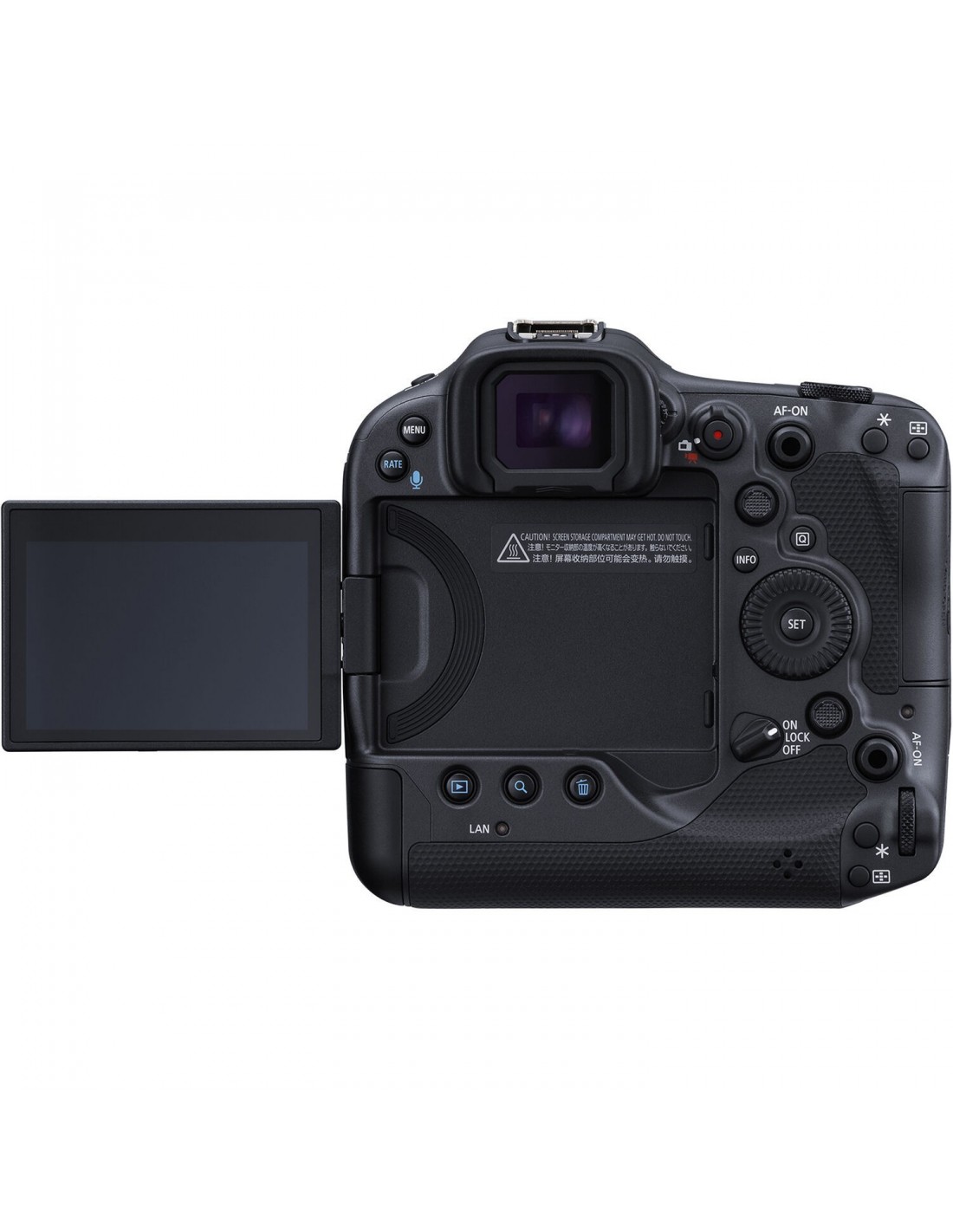
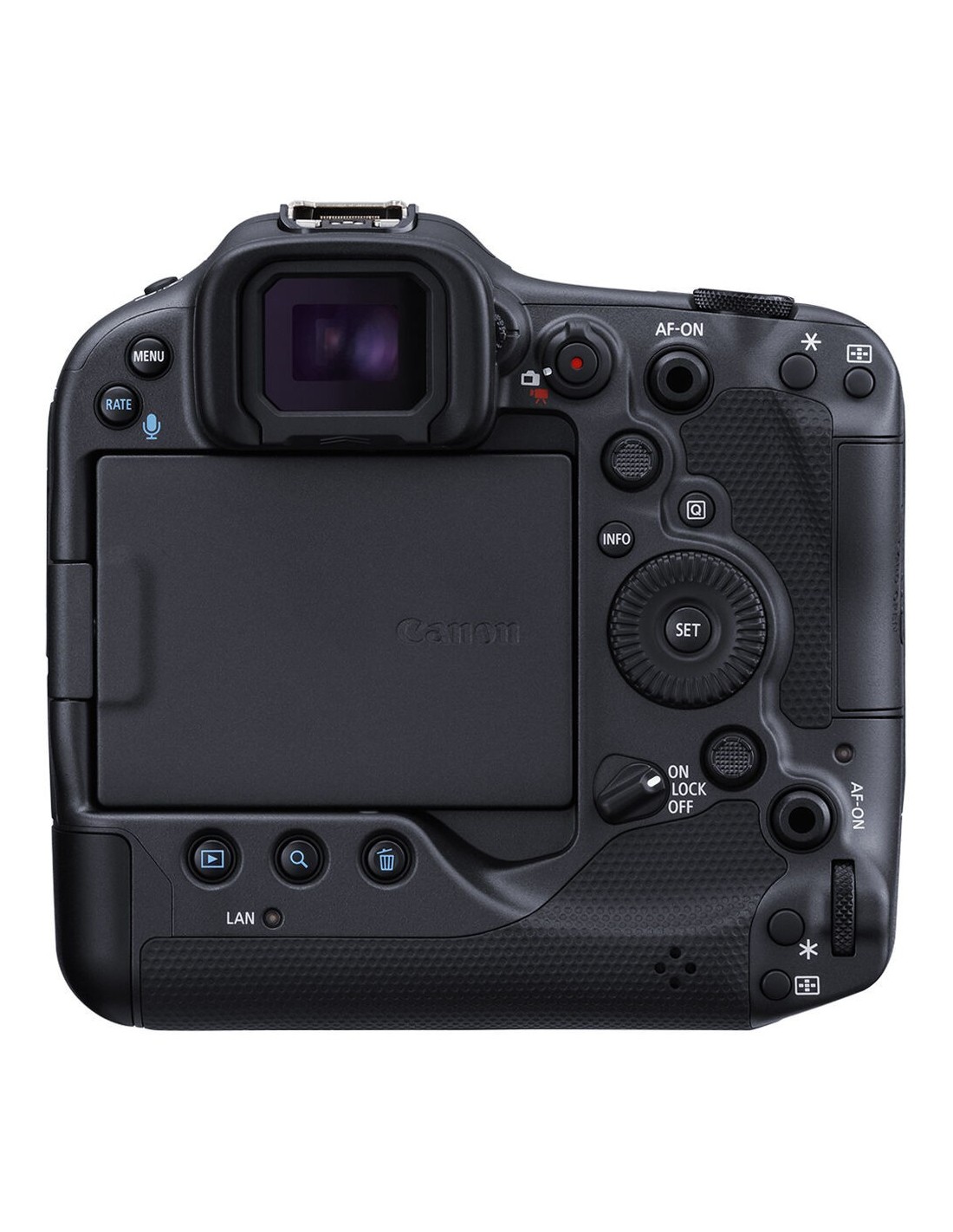
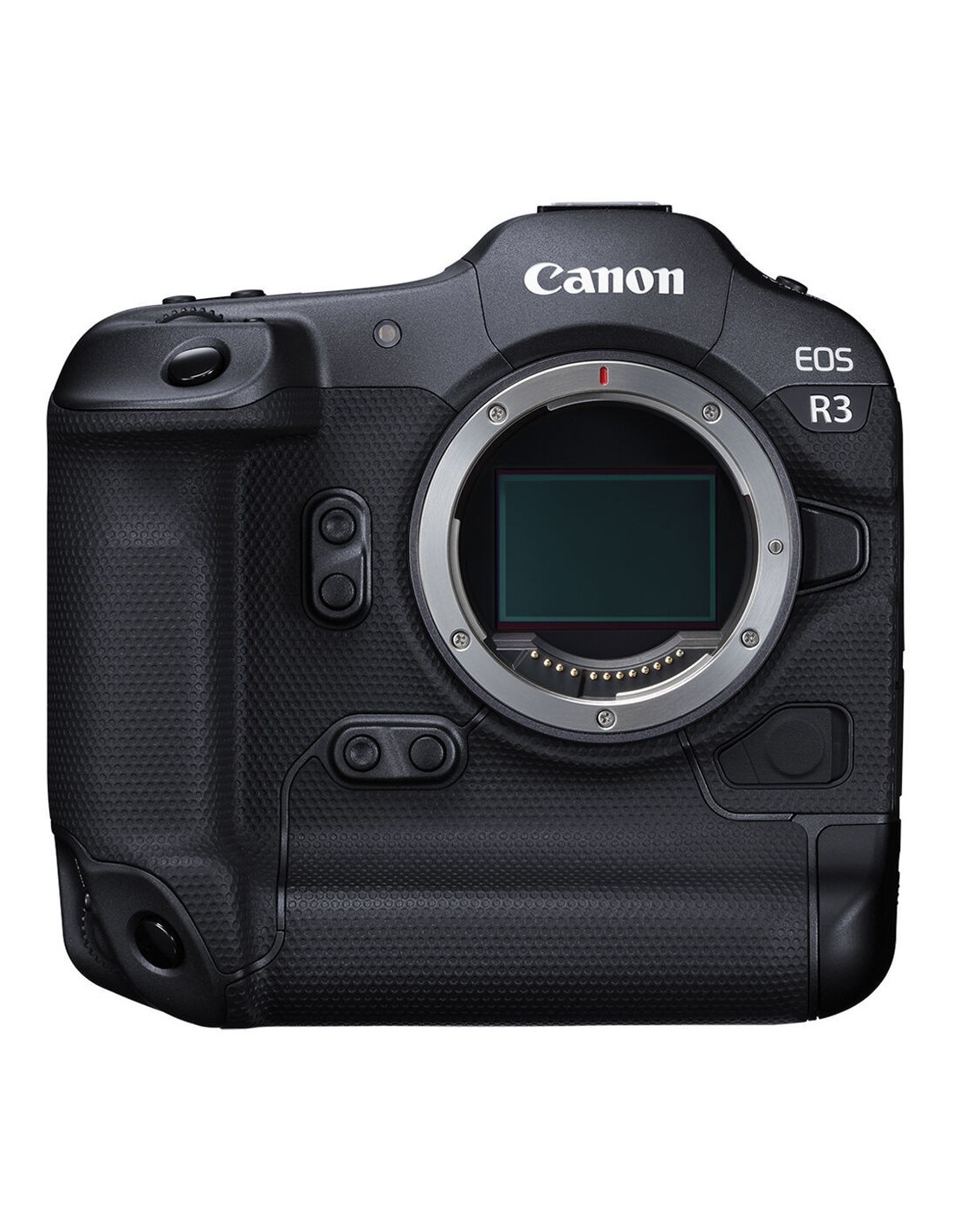
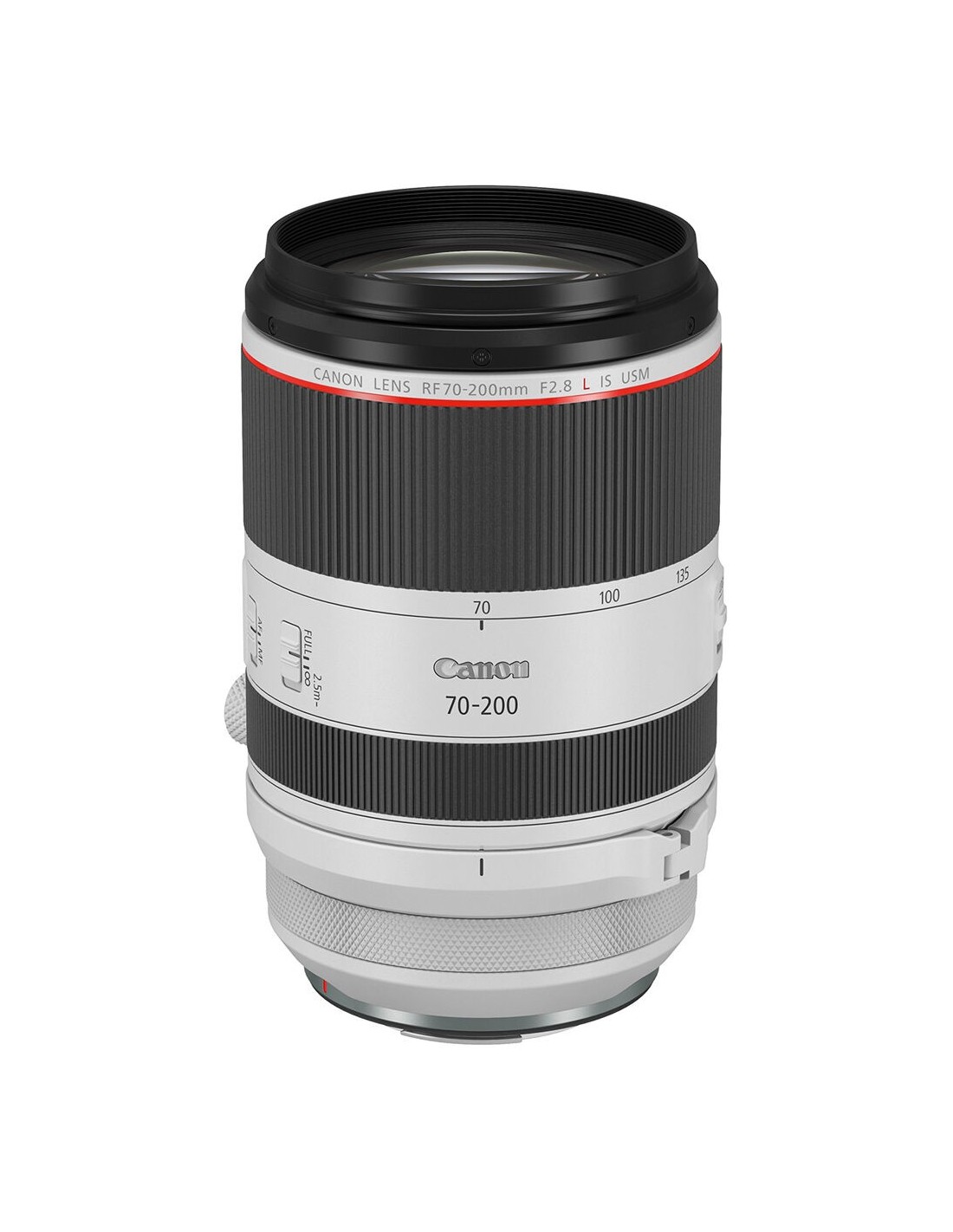
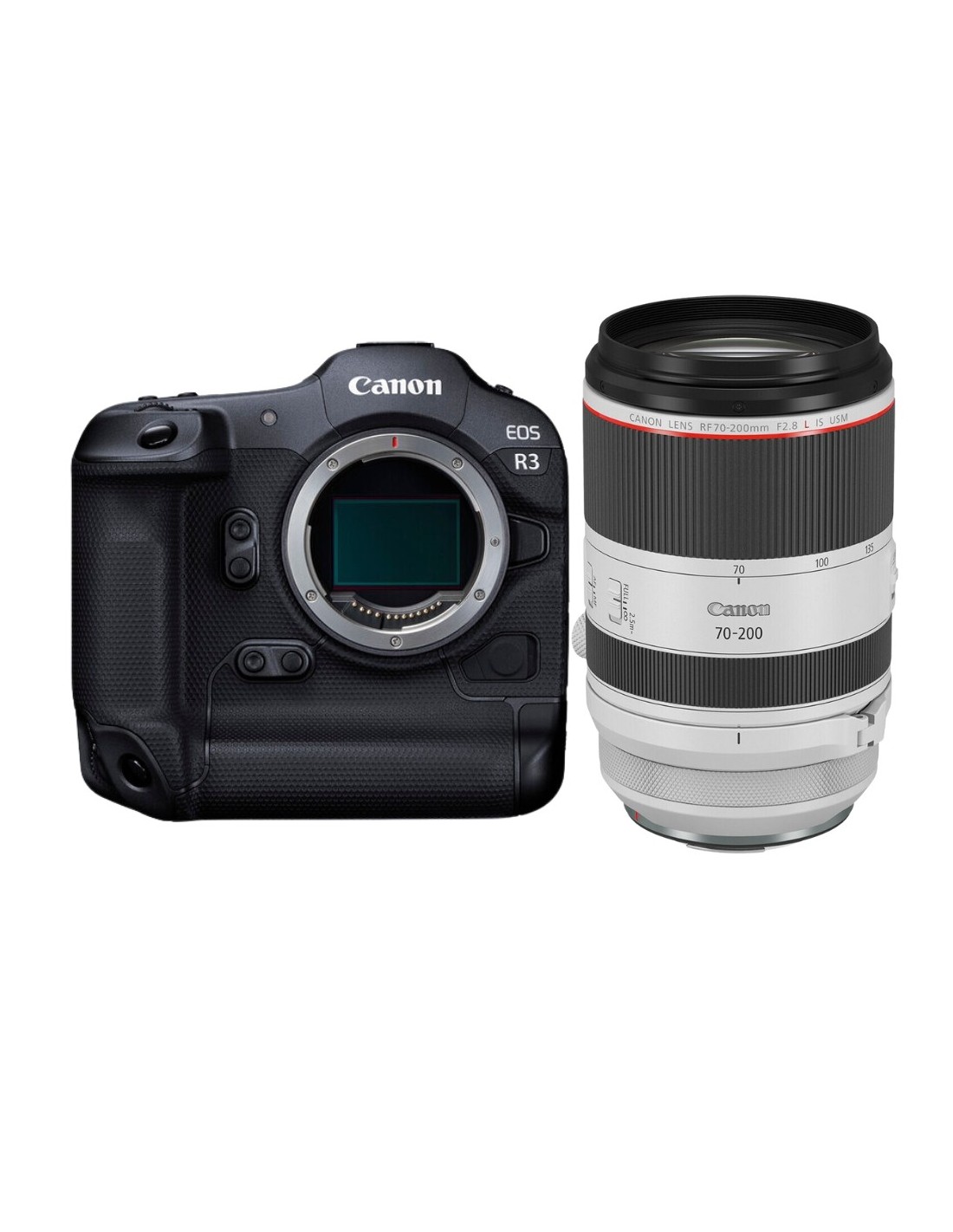
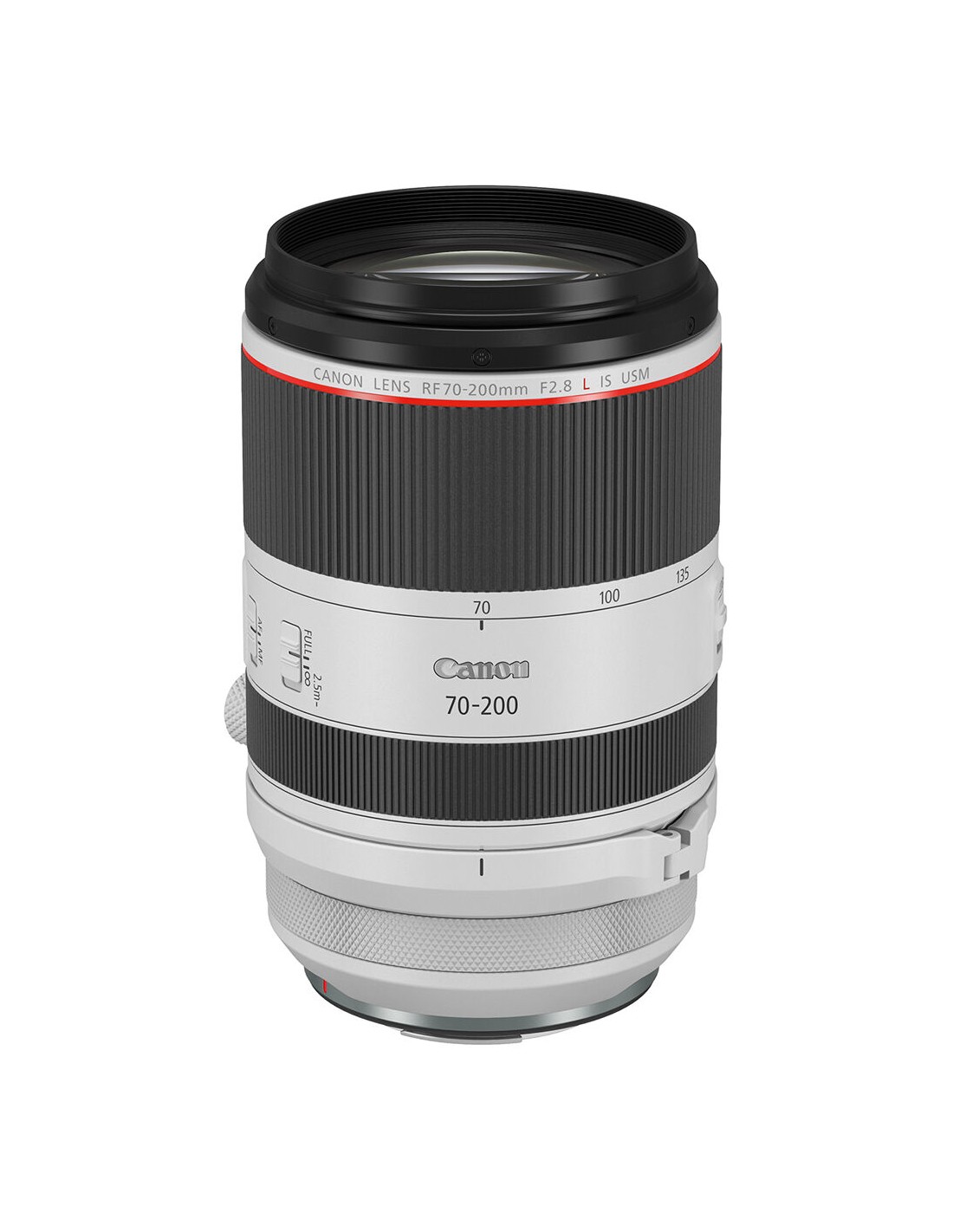
The Canon EOS R3 + RF 70-200mm F2.8 L IS USM is a professional full-frame kit for sport, action, weddings, events and reportage when the photographer needs speed, subject separation and useful reach in one working setup. The EOS R3 combines a 24.1MP stacked back-illuminated full-frame sensor with up to 30 fps electronic shooting with AF/AE tracking, plus 6K RAW and 4K up to 120p recording. Its RF 70-200mm F2.8 L IS USM lens holds F2.8 throughout the zoom range, bringing light-gathering flexibility for dim venues, portraits at a respectful distance and action near the sideline. Optical IS is rated up to five stops for the lens alone. Choose this kit when timing and low-light freedom matter more than minimal carry weight or reach beyond 200mm.
Combine compatible accessories and save. The more items you add, the bigger the discount.
Accessory
Accessory
Accessory

warranty extension
The Canon EOS R3 with the RF 70-200mm F2.8 L IS USM is a professional kit for photographers who need to react quickly from a useful working distance. It is particularly well suited to indoor and outdoor sport, weddings, live events, press work, portraits and documentary assignments where a fast subject may be a few metres away one moment and across the room or sideline the next. The 24.1MP stacked back-illuminated full-frame EOS R3 prioritises speed, tracking and a manageable professional file; the 70-200mm maintains F2.8 from end to end for more freedom in difficult light and stronger control over background separation. Choose it when those practical gains outweigh a body-and-lens weight of about 2.085kg before accessories and when 200mm is enough for the access you actually have.

The EOS R3 is not a high-resolution landscape body wearing a telephoto lens. Its 24.1MP stacked, back-illuminated full-frame sensor is a deliberate response to a different brief: fast reading, responsive tracking and a file size that suits sustained action, a busy event or a mixed photo and video day. That is the right balance when the photographer is expected to deliver a sequence of decisive frames, rather than rescue a distant subject later with an extreme crop.
In its standard electronic continuous mode, the camera can shoot up to 30 frames per second with autofocus and auto exposure tracking. At a ceremony, that can mean choosing the exact expression during a speech; at a court-side position, it can mean selecting the cleanest stride or ball position. The mechanical shutter can reach up to 12 fps. Neither number replaces anticipation, a suitable shutter speed or disciplined editing, but both give a working photographer more timing choices when a moment lasts less than a second.
The EOS R3 also has a separate Custom High Speed Continuous option. Its selectable rate can reach 195 fps, but it is a specialist burst mode for a maximum of 50 frames and exposure is fixed from the first frame. Treat it as a short, pre-planned sequence, not as a general promise of 195 fps tracking performance. That distinction is worth making before a sports or action assignment, especially when light changes or the subject moves across the frame.
| Feature | What it helps with | What still needs planning |
|---|---|---|
| Stacked 24.1MP full-frame sensor | Fast response and professional files for action, event and editorial delivery | Compose with intent when heavy cropping would be unavoidable |
| 30 fps electronic / 12 fps mechanical | More timing options during a quick gesture or change of direction | Choose shutter speed, AF behaviour and burst length for the scene |
| Custom mode up to 195 fps | A very brief, pre-planned burst when the action is predictable | It is capped at 50 frames and exposure is fixed from the first frame |
| Subject tracking and Eye Control AF | Keeping a chosen subject under attention as a scene develops | Calibrate Eye Control AF and retain a reliable conventional AF method |
| 6K RAW and 4K up to 120p | One body can cover demanding stills and motion assignments | Use cards, storage and post-production capacity that match the selected format |
| 70-200mm constant F2.8 | Changing the framing without changing the maximum aperture | Confirm that 70mm is wide enough and 200mm long enough for the venue |
The attraction of a 70-200mm is not simply that it reaches 200mm. It is that the photographer can change scale without stepping into the moment, changing lenses or losing a particular aperture. At 70mm, the frame can still contain a person and enough of the room, court or event space to explain what is happening. This end of the lens earns its place for a speaker at a lectern, nearby action, a portrait in context or a subject who unexpectedly comes closer.
Between roughly 100mm and 135mm, the kit becomes especially persuasive for event and reportage work. The field of view grows more selective while the image retains a little of its surroundings. It is a natural working range for candid portraits, a conversation in a crowd, a performer on a modest stage or the detail that completes a wider story. F2.8 is helpful here not as a decorative claim, but because it gives the photographer more room to protect a useful shutter speed or soften a distracting background when the ambient light drops.
At 200mm, the lens can pull out an expression, an athlete, a hand, a stage detail or a distant part of a ceremony while the photographer remains respectfully out of the way. It can also compress visual layers, which is useful when foreground and background would otherwise compete. But 200mm does not solve every distance problem. A small bird far away, a large football pitch from a fixed corner, motorsport behind a long barrier or a ceremony photographed from the very back of a venue can still need more focal length.
| Focal length | How the frame changes | Natural use | Boundary to remember |
|---|---|---|---|
| 70mm | Keeps more of the subject's setting and lets you react when it comes closer | Nearby action, a speaker, portrait in context and event coverage | It is not a wide-angle solution for groups, interiors or establishing views |
| 100-135mm | Reduces background distraction while retaining a little environmental information | Candid portraits, press work, documentary moments and stage details | Distance still controls perspective and the strength of background blur |
| 200mm | Tightens the composition and compresses visual layers from farther away | Sport near the sideline, expressions, ceremonies and accessible wildlife | Small or distant subjects may need an RF 100-500mm direction instead |
| The full range | Changes scale without changing lenses or losing F2.8 | Assignments where movement, weather or access makes lens changes inconvenient | The lens starts at 70mm, so a separate wider lens may still be necessary |

A constant F2.8 aperture is most valuable when a job does not give the photographer time to negotiate with the light. In a dim reception, an indoor sporting venue, a theatre foyer or a late-afternoon press event, F2.8 can support a faster shutter speed or lower the sensitivity required for the same exposure compared with an F4 lens. The aperture remains available while zooming, so a move from a 70mm contextual frame to a 200mm close frame does not force an exposure change merely because the composition changed.
It also makes background control easier. At an appropriate shooting distance, 200mm at F2.8 can help pull a portrait or athlete away from visual clutter. The result still depends on the distance between photographer, subject and background; F2.8 is not a guarantee of every image having the same blurred-background look. It is better understood as an extra creative and exposure margin that can be spent differently as the assignment changes.
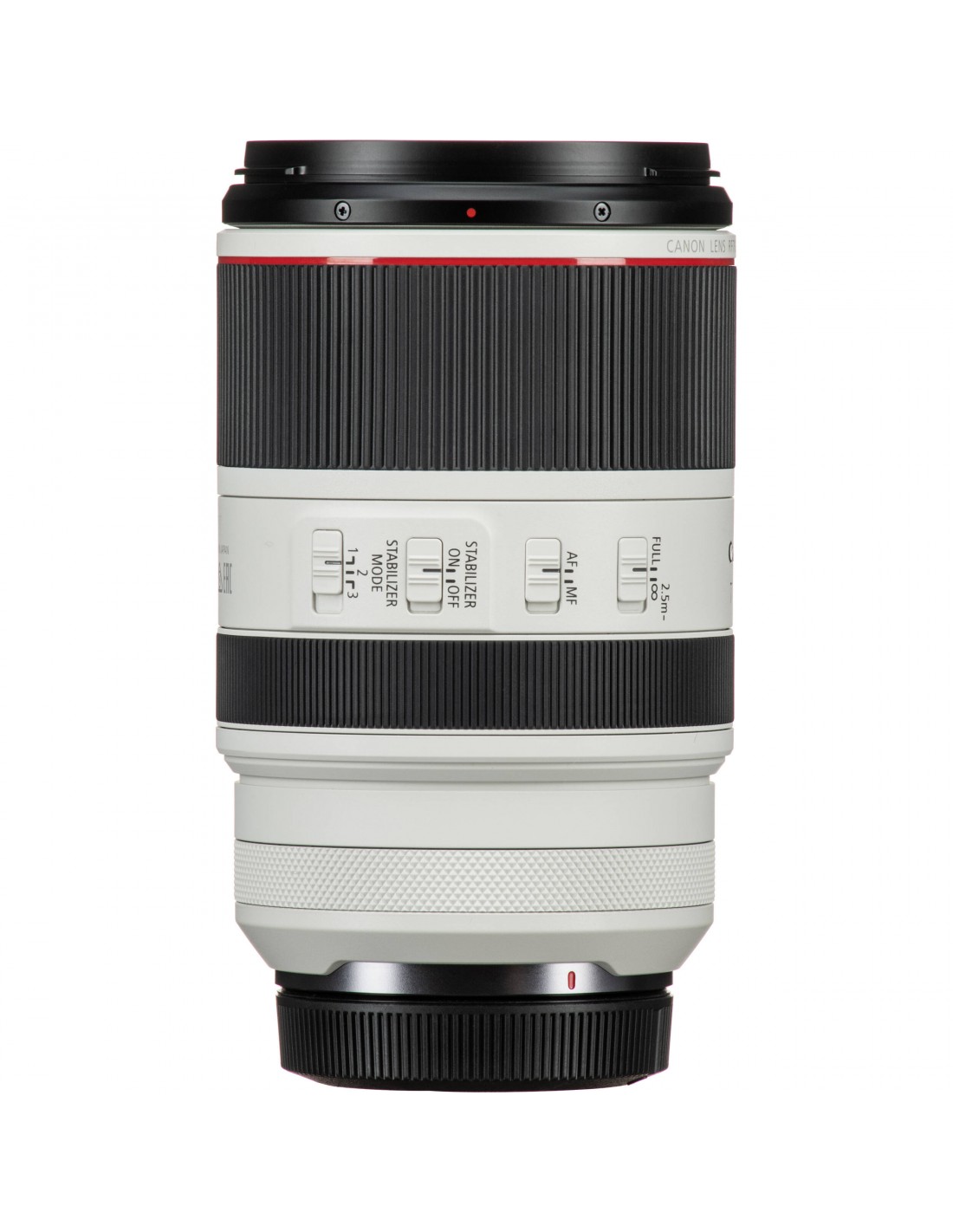
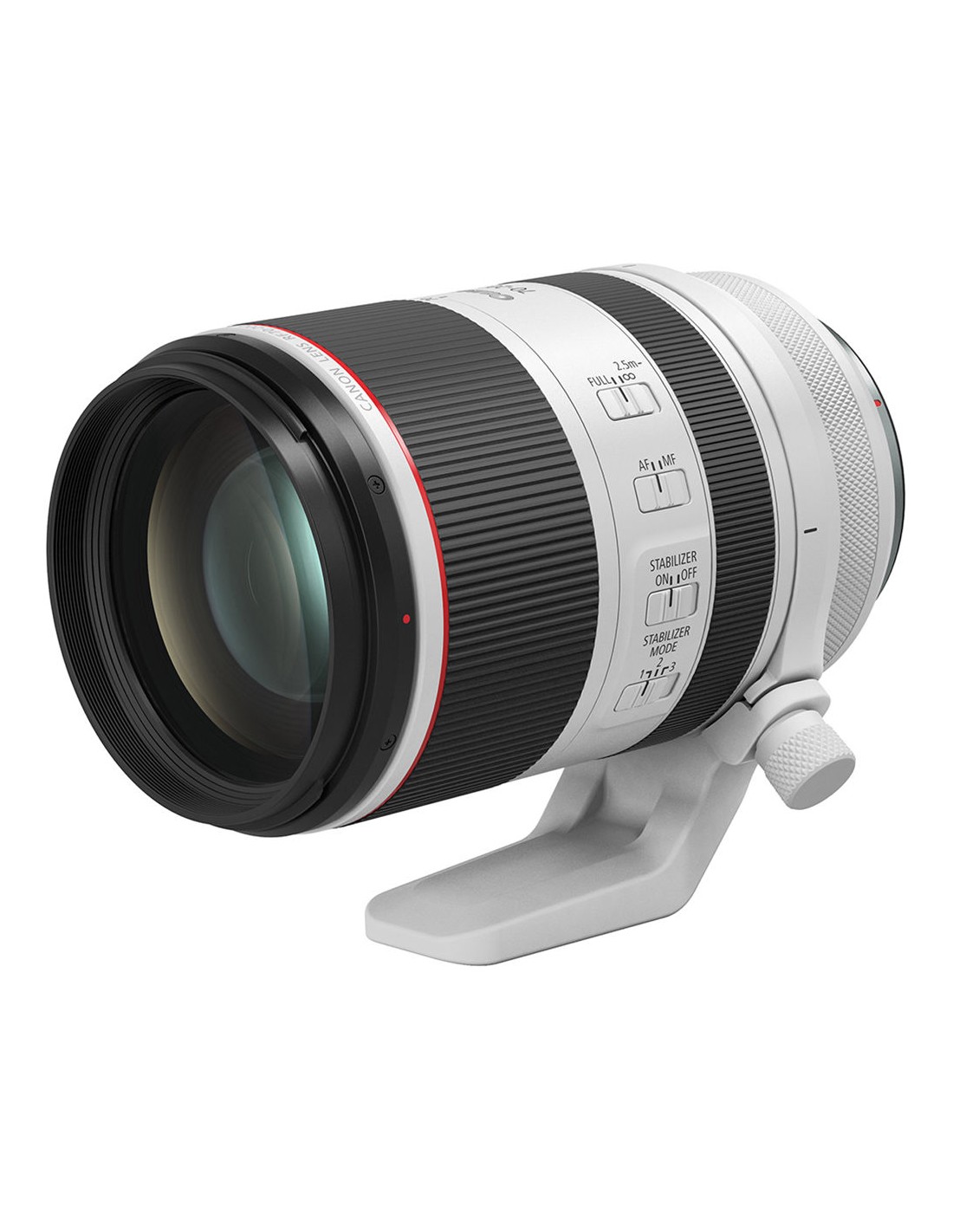
The RF 70-200mm F2.8 L IS USM has optical Image Stabilizer rated by Canon at up to five stops. That is a lens rating, not an additive kit claim. The EOS R3 has in-body image stabilisation as well, but stabilisation figures must not be casually added together or presented as a guaranteed result for this pairing. More importantly, stabilisation addresses camera movement. It can help with a still portrait, a quiet detail or a carefully held frame; it will not freeze a runner, dancer, child, bird or racing vehicle. For moving subjects, shutter speed remains the deciding tool.
Canon specifies 17 elements in 13 groups, a nine-blade diaphragm, a 0.70m closest focusing distance and 0.23x maximum magnification. Those figures are useful when the assignment briefly shifts away from distance: hands adjusting equipment, a wedding detail, a microphone, a piece of sports gear or a close portrait can all be framed without moving to a separate macro lens. This is close-focus flexibility rather than true macro reproduction.
The Dual Nano USM drive supports smooth, fast and quiet continuous autofocus. In stills, that matters as a subject moves in and out of the frame; in video, it helps the lens suit a focused hybrid workflow rather than a photo-only role. The lens in this kit is the historical RF 70-200mm F2.8 L IS USM model. Its stated role here is the original 70-200mm F2.8 telezoom with five-stop optical IS and Dual Nano USM.
At about 1,070g, the lens is not a lightweight travel zoom. Added to the EOS R3 at about 1,015g with battery and card, the working body-and-lens combination is approximately 2.085kg before a strap, filter, spare card, support or bag. That weight is the honest exchange for the integrated professional body, a bright 70-200mm aperture and the R3's action-led controls. A good strap, a sensible carrying method and a clear lens plan matter across a long wedding, tournament or news day.
The EOS R3 can record 6K RAW and 4K up to 120p, making this pairing relevant for operators who move between stills and motion. The 70-200mm range gives a useful video language: 70mm can keep an interview or event subject in context, while 200mm can tighten attention on a face, a gesture or a detail without moving physically closer. F2.8 remains valuable in video when available light is limited, although depth of field and focus technique need to match the scene.
High-specification recording is not a reason to choose the highest setting every time. Recording mode, media, backup time, edit hardware and delivery deadline must agree. A shorter, more manageable recording format can be the stronger professional decision when turnaround is tight. The same restraint applies to stills: 30 fps is useful around a decisive action, but a considered burst leaves fewer near-identical frames to sort afterwards.
This exact configuration owns a clear place in the EOS R3 range: a body designed for action and a bright telephoto zoom that works at a respectful distance. It is more complete than the Canon EOS R3 body-only option for a photographer who needs a professional 70-200mm role immediately. It is not automatically the best EOS R3 package for every assignment; focal range, available light and physical carrying tolerance should lead the decision.
For a more general reportage kit, the EOS R3 + RF 24-105mm F4 L IS USM starts much wider and reaches 105mm, which can be more useful in rooms, for groups and for environmental work. It gives up the 200mm end and the F2.8 aperture. For a distant-subject assignment, the EOS R3 + RF 100-500mm is the clearer choice when the subject regularly remains outside a useful 200mm frame.
| Configuration | Primary strength | Choose it when | Honest trade-off |
|---|---|---|---|
| EOS R3 + RF 70-200mm F2.8 L IS USM | Bright telephoto coverage from 70mm to 200mm with action-led camera performance | Indoor sport, weddings, events, portraits and nearby-to-moderate-distance action are priorities | About 2.085kg before accessories; no wide-angle coverage and limited reach for distant wildlife |
| EOS R3 + RF 70-200mm F4 L IS USM | The same core telephoto range in a lighter lens direction | Carry comfort and work in adequate light matter more than one extra stop | F4 gives less low-light latitude and less scope for background separation |
| EOS R3 + RF 100-500mm | Longer reach for subjects that stay far away | Wildlife, field sport or restricted shooting positions make 200mm too short | Less light at the long end and no 70mm starting point |
| EOS R3 + RF 24-105mm F4 L IS USM | Wider general-purpose coverage for people and places | The assignment needs rooms, groups and environmental context more often than long telephoto isolation | It does not reach 200mm and has a slower F4 maximum aperture |

Positioning: this is the EOS R3 kit for a photographer who needs a bright, professional telephoto zoom straight away. The R3 brings the response, subject tracking and standard 30 fps AF/AE burst that suit short-lived action; the RF 70-200mm F2.8 L IS USM gives a useful working distance for sport, weddings, events, portraits and reportage. It is at its best when speed and F2.8 are practical needs, not just attractive specifications.
Closest alternatives: choose the EOS R3 with the RF 70-200mm F4 when reduced carrying weight and adequate light are more important than the brighter aperture. Choose the EOS R3 with the RF 100-500mm when distance is the recurring problem. Choose a wider EOS R3 kit when 70mm is already too tight for most of the work.
Honest limit: it is a substantial kit at approximately 2.085kg before accessories, and a 70-200mm cannot replace either a wide lens or a longer wildlife telephoto. Its optical IS helps reduce camera movement, not subject movement, and the 195 fps mode is a limited specialist burst rather than the standard action setting. When those boundaries match the actual assignment, this pairing is a confident, coherent professional tool.
Technical statements on this page were checked against the official Canon specifications for the exact camera body and historical RF 70-200mm F2.8 L IS USM lens. The specified box content follows the verified product configuration for this kit.

You might also like



It is for photographers and hybrid creators covering sport, weddings, events, press, reportage and portraits who need fast response, a bright telephoto zoom and a useful working distance.
Yes. Its standard electronic continuous shooting can reach up to 30 fps with AF and AE tracking, depending on settings and shooting conditions. The mechanical shutter can reach up to 12 fps.
No. It is a separate Custom High Speed Continuous mode. It can reach up to 195 fps for a maximum of 50 frames, with exposure fixed from the first frame, so it should be used as a specialised short burst.
It is a strong option when a bright telephoto aperture is important. The RF 70-200mm keeps F2.8 throughout its range, which can help preserve a useful shutter speed or reduce the sensitivity needed in difficult light.
At 70mm it can keep some context around a nearby subject. Around 100-135mm it suits selective reportage and portraits, while 200mm helps isolate action, expression or detail from farther away.
Not always. It can work for accessible wildlife and sport when you can move near the action. Small or distant subjects, a large field or a fixed remote position may require the longer reach of an RF 100-500mm kit.
Yes. Canon rates the RF 70-200mm F2.8 L IS USM optical Image Stabilizer at up to five stops. That is a lens rating and should not be added to a separate body stabilisation figure as a guaranteed kit result.
No. It helps reduce camera movement in a hand-held frame. A moving athlete, person, animal or vehicle still needs a shutter speed chosen to suit the motion.
Canon specifies a closest focusing distance of 0.70m and a maximum magnification of 0.23x. That is useful for close details and portraits, but it is not a dedicated macro lens.
Yes. The EOS R3 offers 6K RAW recording and 4K up to 120p in Canon-specified modes. Card choice, storage and post-production should be planned around the selected format.
The EOS R3 weighs about 1,015g with battery and card, while the RF 70-200mm F2.8 L IS USM weighs about 1,070g. Together, they are approximately 2.085kg before accessories.
Yes. This configuration is specified with the original RF 70-200mm F2.8 L IS USM, with its 70-200mm range, constant F2.8 aperture, five-stop optical IS and Dual Nano USM drive.