Shopping Cart
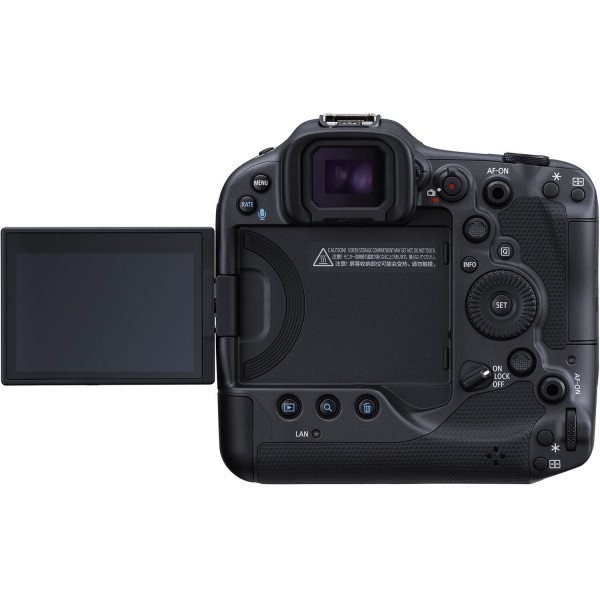
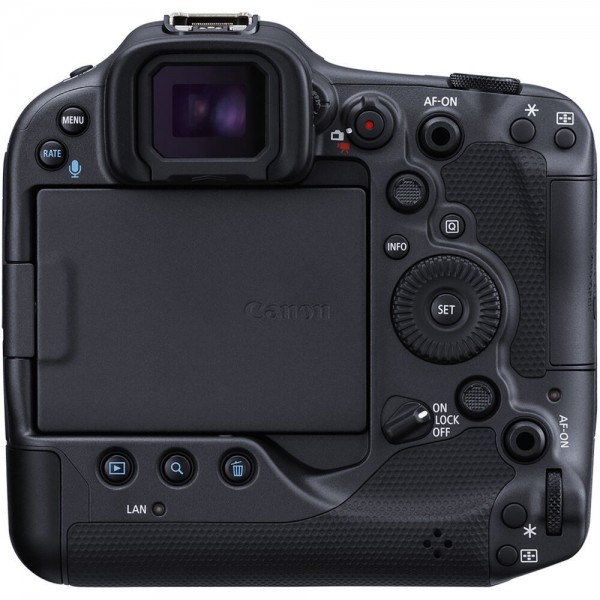
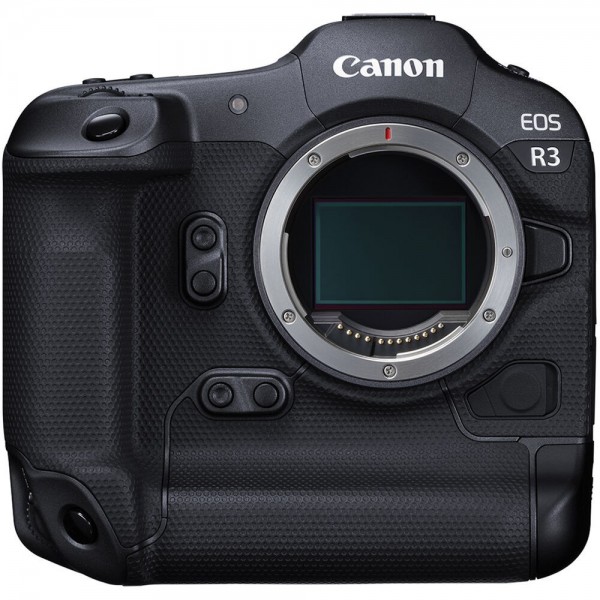
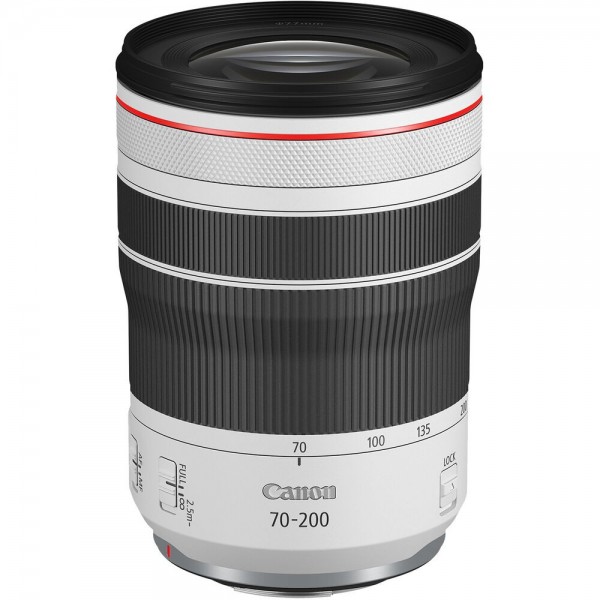
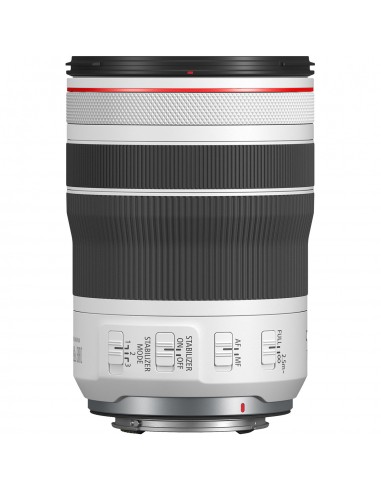
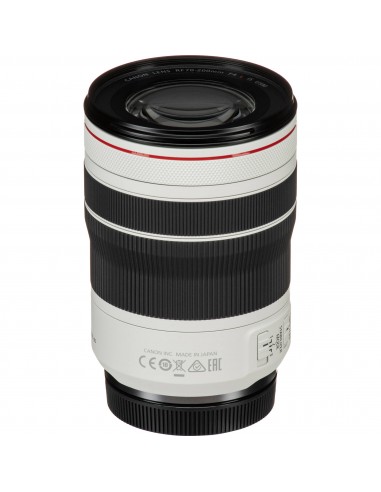
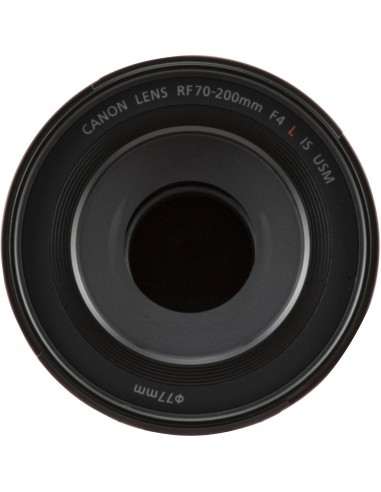
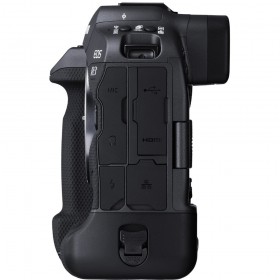
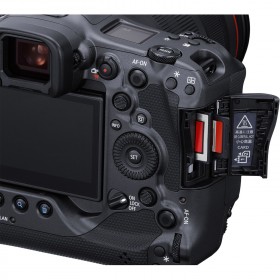

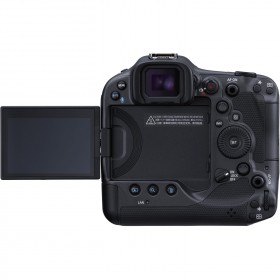
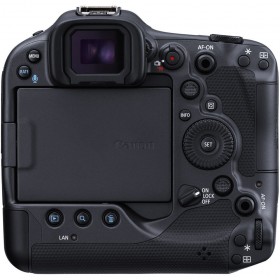
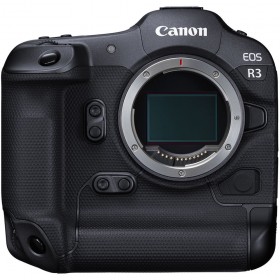

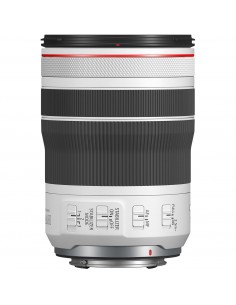
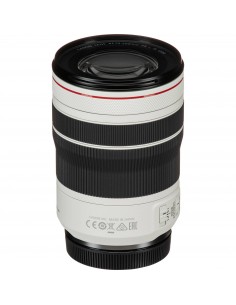
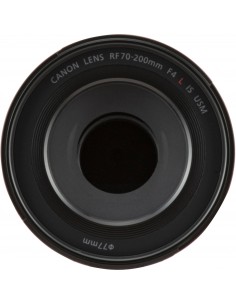
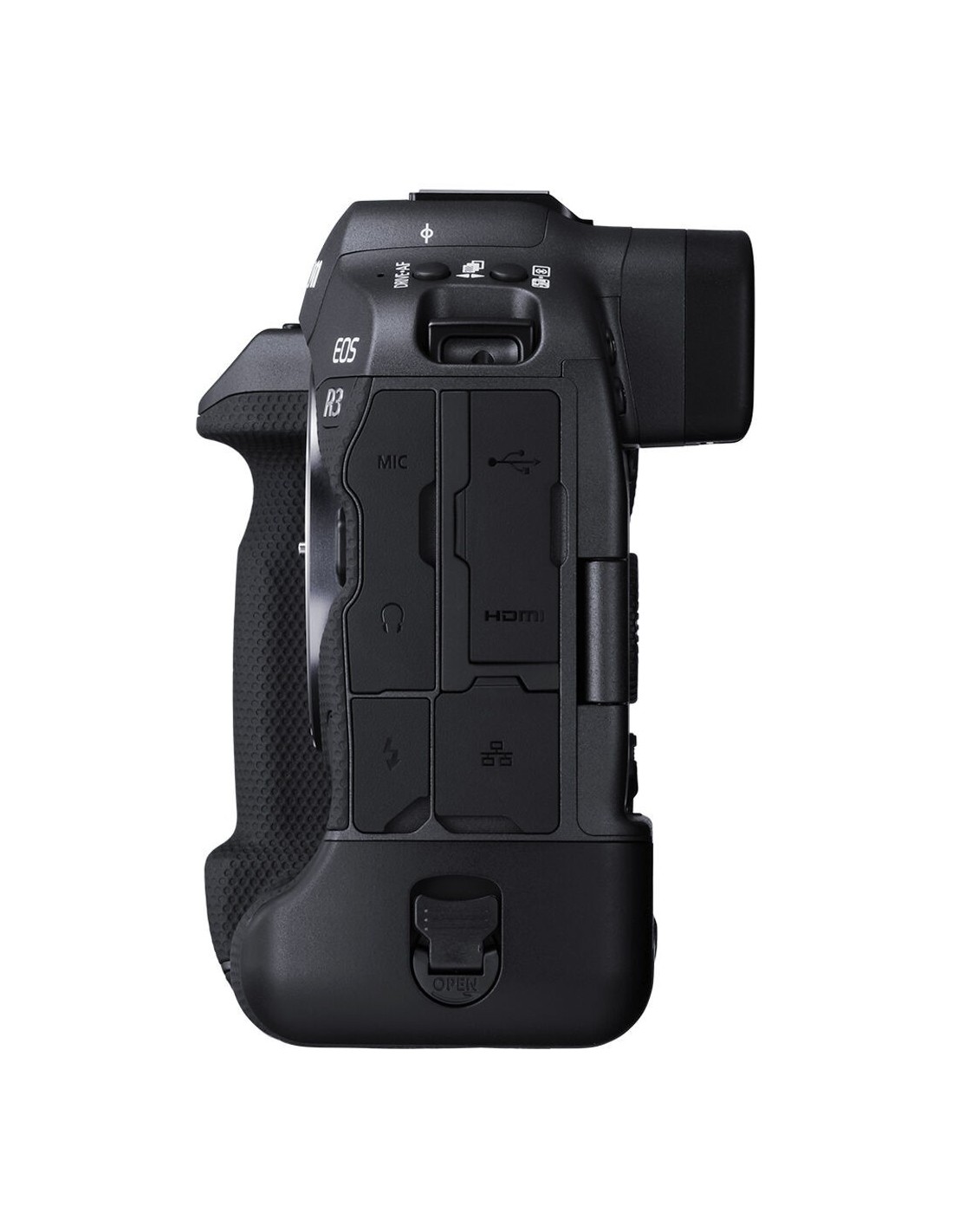
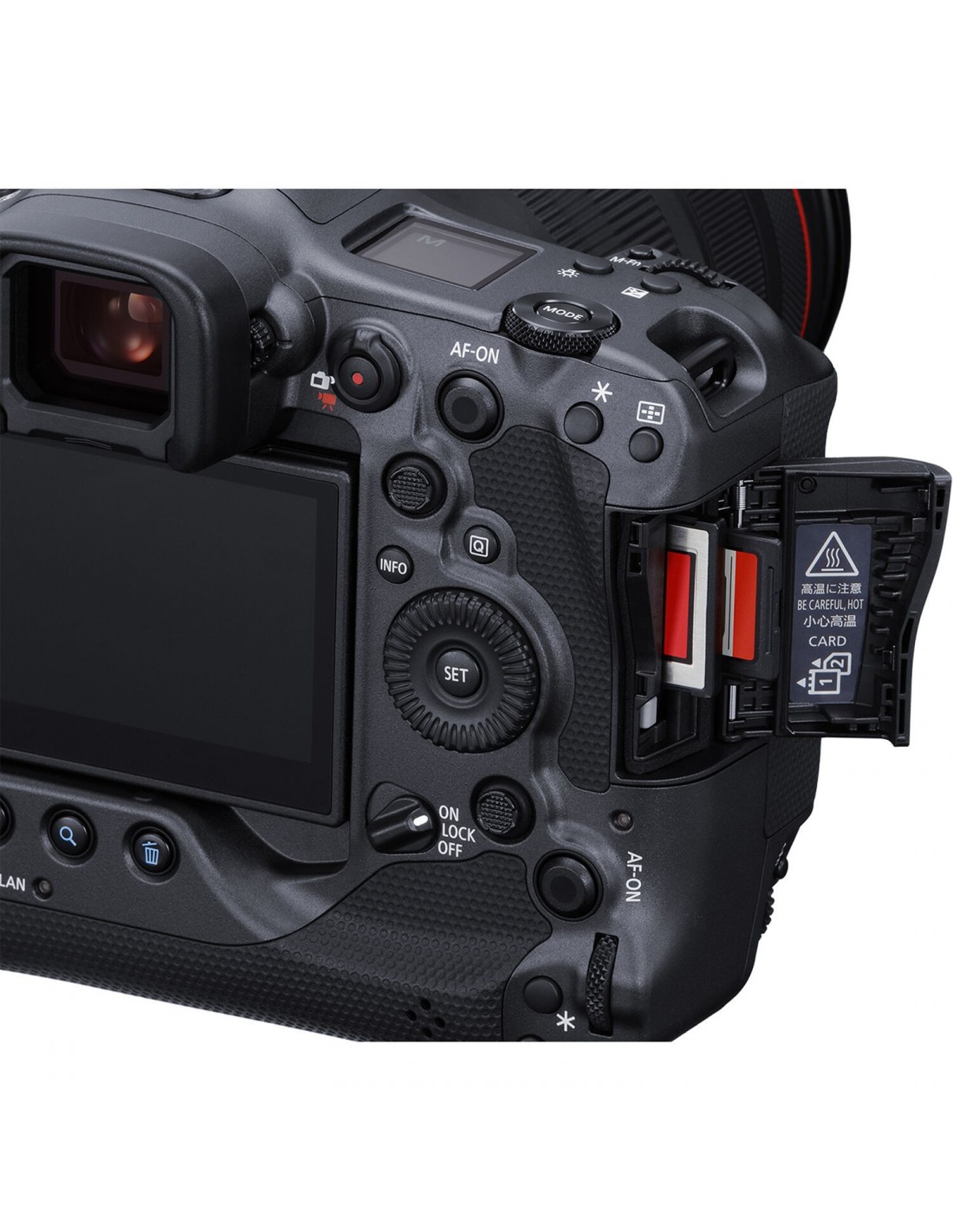

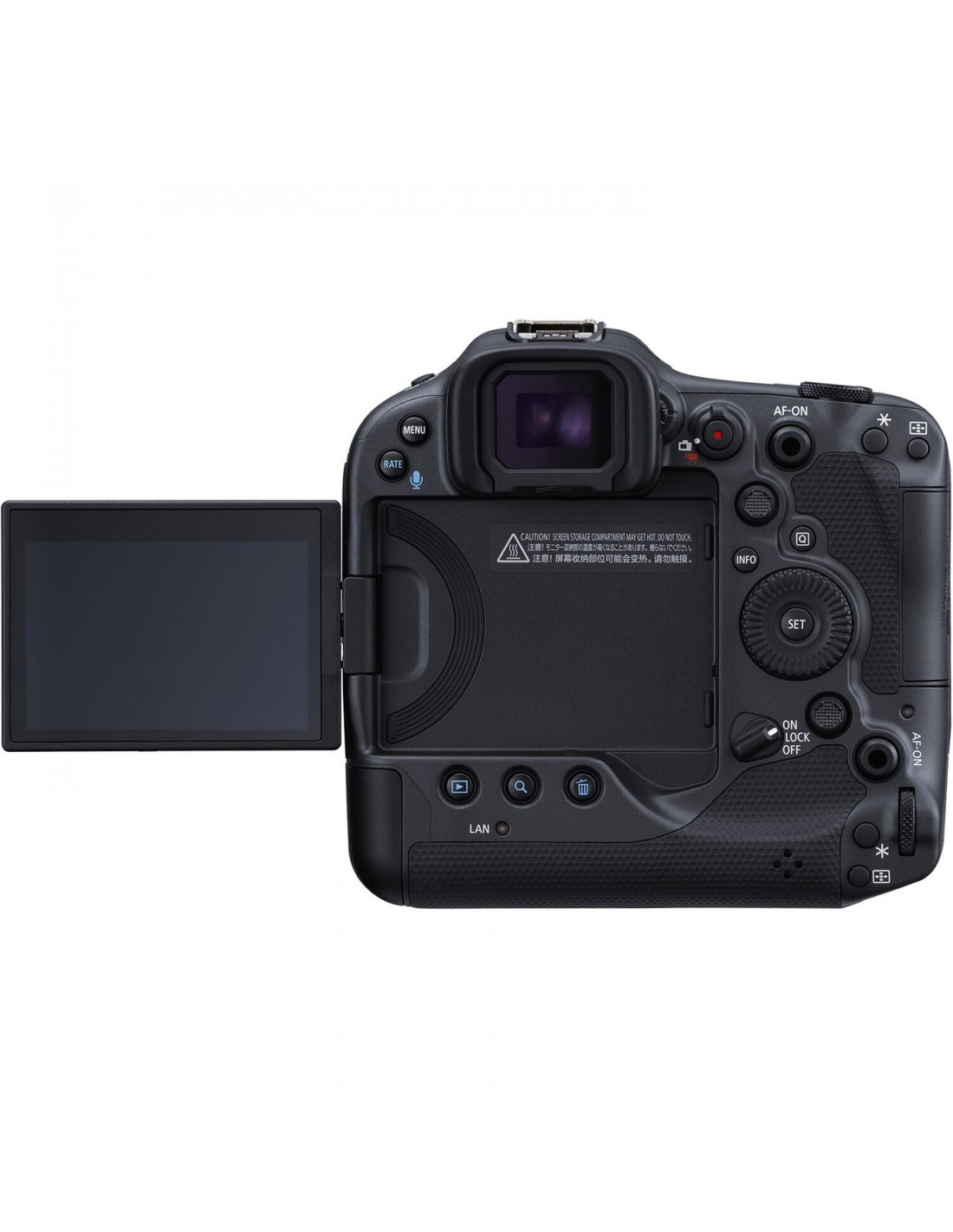


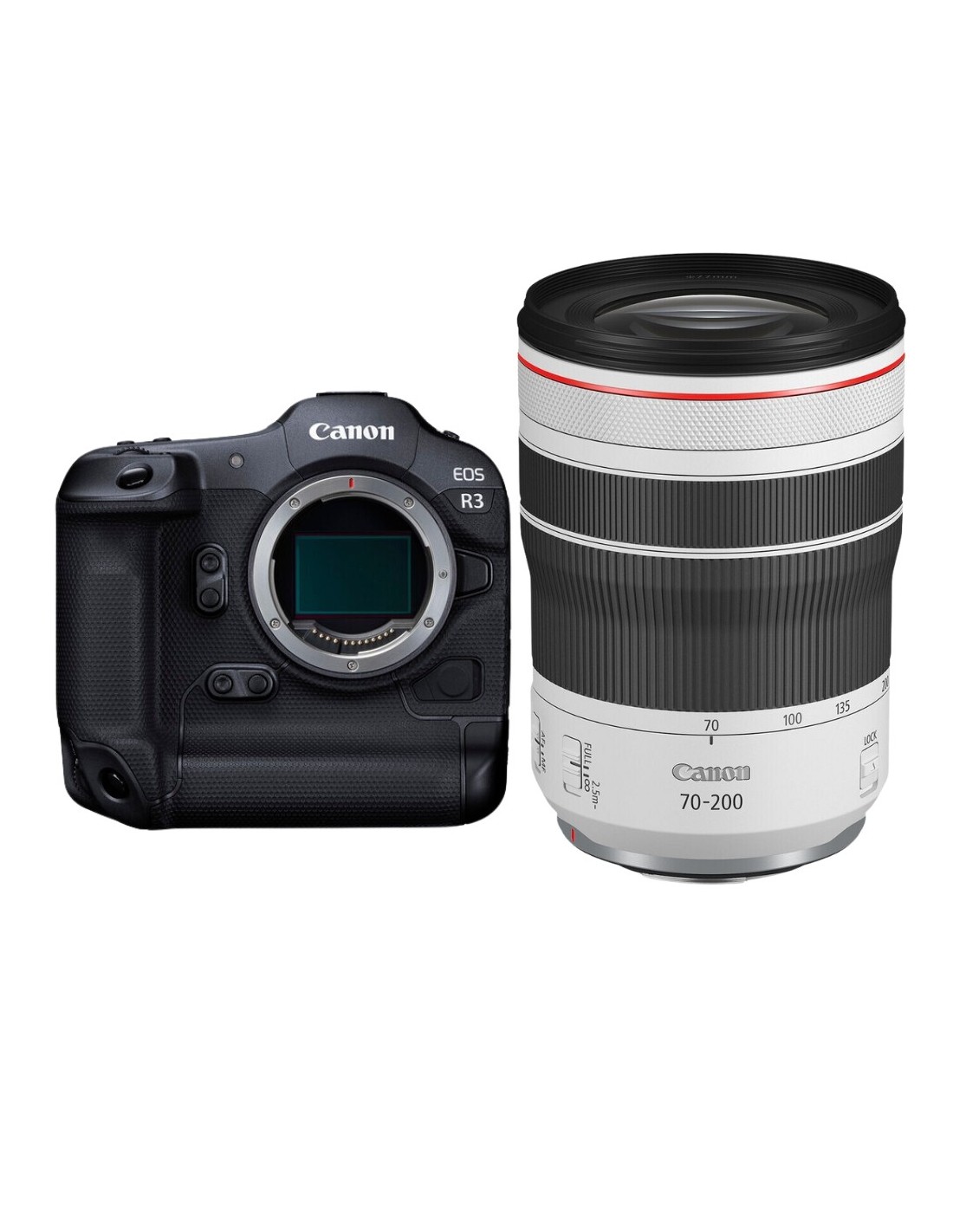

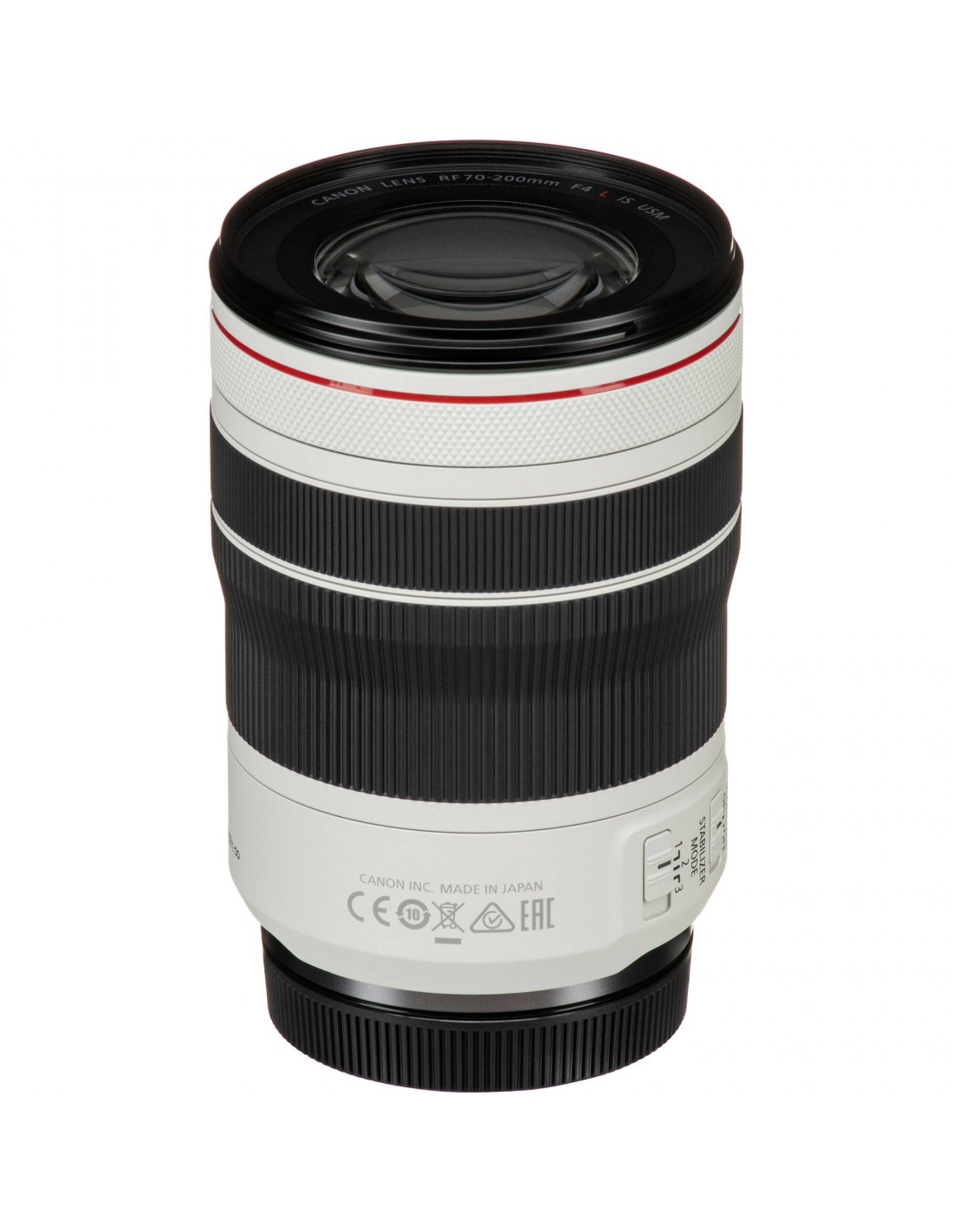

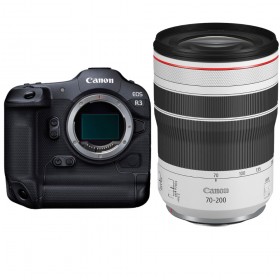

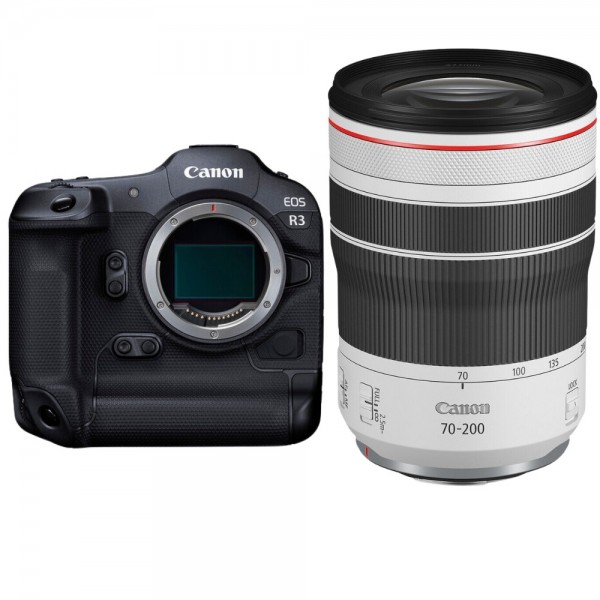
The Canon EOS R3 with the RF 70-200mm F4 L IS USM is a professional full-frame kit for outdoor sport, reportage, press, events in available light, portraits from a respectful distance and moderate wildlife. The R3 brings a stacked 24.1MP sensor, responsive subject tracking, Eye Control AF and up to 30 fps electronic shooting. The lens keeps a constant F4 aperture from 70 to 200mm, adds optical stabilisation and weighs about 695g, helping the complete setup stay more mobile than an F2.8 alternative. At 70mm you keep context; at 200mm you isolate action or expression. Choose it when carry comfort and consistent reach matter more than one extra stop of light, maximum background blur or the longer reach of a 100-500mm telephoto.
Combine compatible accessories and save. The more items you add, the bigger the discount.
Accessory
Accessory
Accessory

warranty extension
This pairing makes sense when your work moves quickly but you still want a controlled, professional telephoto range. The EOS R3 brings a stacked 24.1MP full-frame sensor, subject recognition, Eye Control AF and up to 30 fps electronic shooting; the RF 70-200mm F4 L IS USM gives a constant aperture, stabilisation and a useful change of scale without the bulk of an F2.8 telezoom. It is particularly coherent for outdoor sport, news reporting, events in available light, portraits from a distance and wildlife that is neither very small nor very far away. The decision is simple: choose it for mobility and steady handling; choose an F2.8 kit for darker venues or stronger separation, and a 100-500mm kit when 200mm will not put the subject at a useful size.

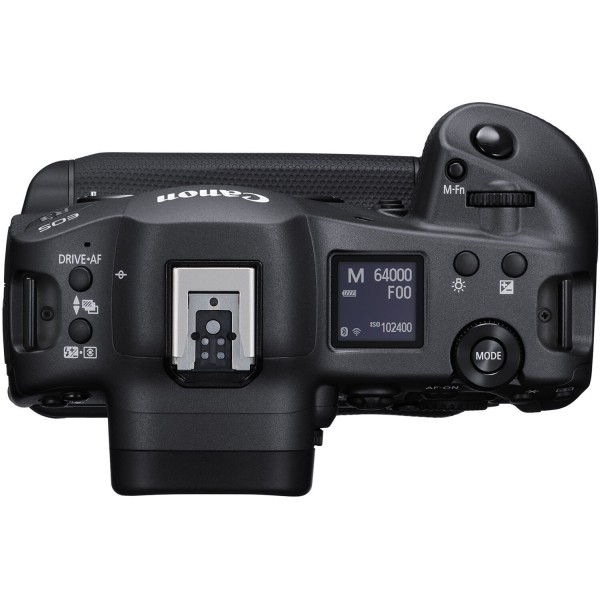
The EOS R3 is a camera built around response. Its back-illuminated stacked CMOS sensor and DIGIC X processor are designed for fast readout, while the electronic shutter can reach up to 30 frames per second with autofocus and exposure tracking. The mechanical shutter reaches up to 12 frames per second. Those figures are helpful when a runner changes stride, a player turns into space, a speaker looks up or a press moment lasts for less than a second. They do not remove the need to anticipate the action, choose a sensible shutter speed or edit the sequence with discipline.
The 24.1MP resolution is a deliberate part of the R3's character. It gives a professional full-frame file with room for a considered crop, while keeping a long burst or a mixed photo and video assignment more manageable than a much higher-resolution workflow can be. This kit therefore suits photographers who value timing, tracking and delivery speed over extreme cropping latitude. It is a practical fit for editorial work, where the frame should be composed with intent rather than rescued later with a very aggressive crop.
| Feature | Practical benefit | Point to plan for |
|---|---|---|
| Stacked 24.1MP full-frame sensor | Fast readout and detailed files for action and editorial sequences | Compose deliberately when a heavy crop would be unavoidable |
| 30 fps electronic / 12 fps mechanical | More timing options during a brief gesture or change of direction | A high frame rate still needs a suitable shutter speed and a controlled burst |
| People, animal and vehicle recognition | Supports tracking as a subject moves through a changing scene | Subject choice, AF area and background still influence the result |
| 6K RAW up to 60p / 4K up to 120p | Lets one body cover stills and demanding video modes | Select media and the recording mode against the actual production workflow |
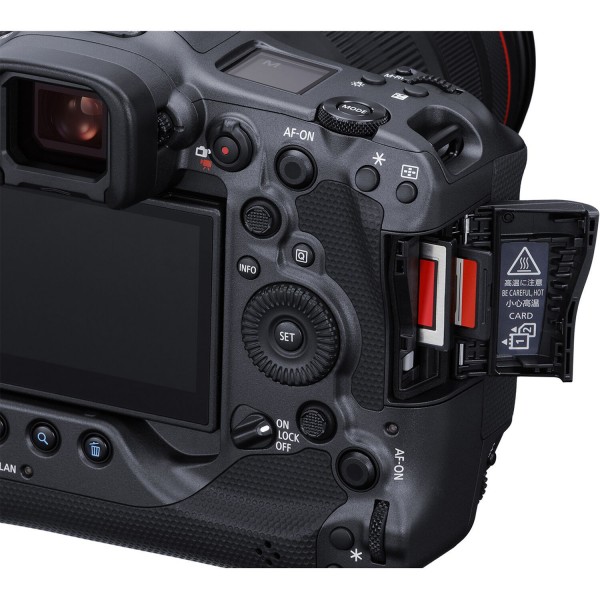
| CFexpress Type B and SD UHS-II | Offers two recording formats for fast capture and a flexible file routine | Card speed and capacity must match the chosen burst or video setting |
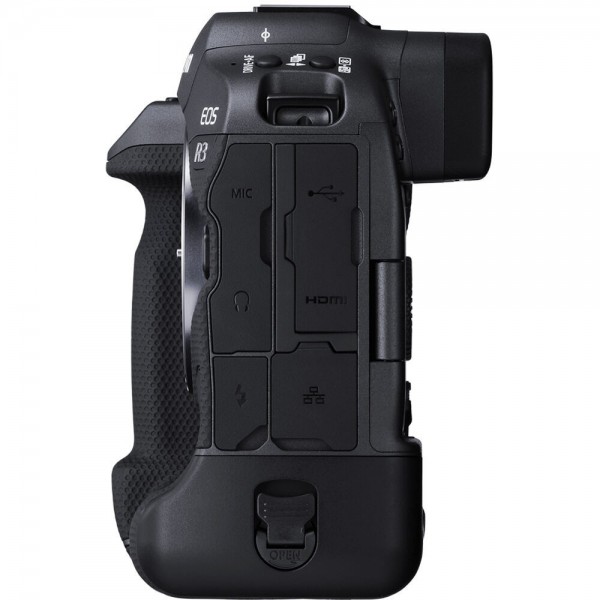
| Ethernet, Wi-Fi, Bluetooth, USB-C and micro HDMI | Supports connected, transferred and monitored work in a professional setup | The best connection depends on the location and delivery workflow |
A 70-200mm zoom is valuable because distance can change without warning. At 70mm, the frame still leaves room for the subject's surroundings. That makes it useful for a player with the pitch around them, a speaker inside an event space, a portrait in context or an action subject that has moved unexpectedly close. It is also the end of the range that feels most flexible when you cannot step backwards.
Between 100mm and 135mm, the composition becomes more selective. You can make a portrait with less distraction behind the subject, follow a conversation from a respectful distance or pick out a moment in a crowd without losing all sense of place. These middle focal lengths are often where a reportage photographer settles when the scene offers movement but the photographer cannot control the distance.
At 200mm, the lens helps isolate an action, expression or detail across a court, field edge or event area. It can compress the visual layers of a scene and keep the photographer out of the way. That is a meaningful advantage for press, ceremonies and outdoor sport. It is not a promise that 200mm will fill the frame with every wild animal or every athlete on a very large field. Distance, subject size and access remain the deciding factors.

| Focal length | How the frame changes | Useful situation |
|---|---|---|
| 70mm | Keeps the subject connected to the setting and leaves room to react when it comes closer | Portrait in context, nearby action, press line or event scene |
| 100-135mm | Reduces background distraction while retaining a little environmental context | Portraits, documentary moments, speakers and details at a reasonable distance |
| 200mm | Tightens the subject and compresses layers from a position farther away | Outdoor sport, expressions, stage details and moderate wildlife |
| The full 70-200mm range | Lets you change scale without interrupting the sequence to change lenses | Assignments where access, timing or weather makes lens changes inconvenient |
The RF 70-200mm keeps F4 throughout its zoom range, from 70mm to 200mm, with a maximum aperture that closes to F32. Constant aperture is convenient: the exposure does not change simply because you reframed from a medium telephoto to a longer one. It also keeps the lens more compact and easier to carry than an F2.8 version. For daylight sport, outdoor reportage, travel portraits and events with decent available light, that balance can be more useful over a full day than an extra stop that stays in the camera bag.
The honest cost is visible as soon as the light falls. Compared with F2.8, F4 gives one stop less light. That may mean a higher sensitivity, a slower shutter speed or less room to keep a moving subject crisp. A faster aperture can also give more control over background separation, especially at 200mm and at a portrait distance. Stabilisation helps with photographer movement, but it does not freeze a runner, a dancer, a bird or a vehicle. If the assignment is mainly an indoor sports hall, a very dark reception or work where maximum blur is central, the F2.8 version is the more relevant comparison.
This is not an argument that F2.8 is always better. The F2.8 alternative is brighter, but the decision also includes carry weight, handling and how long the photographer can work comfortably. The F4 lens weighs about 695g and measures roughly 83.5 x 119mm when retracted. The barrel extends as you zoom, so the package remains a practical telephoto rather than a fixed-length internal-zoom design. For a day spent moving around a pitch, a city or an outdoor event, those physical differences can change which lens is actually used.
The lens uses 16 elements in 11 groups, including four UD elements, with Canon's Air Sphere Coating. That specification is part of the reason this is an L-series telezoom designed for demanding photographic work, but the useful customer question is simpler: can it keep its role from a wider portrait view to a distant detail without swapping glass? The answer is yes, provided F4 and 200mm match the assignment.
Its minimum focus distance is 0.60m across the range, with a maximum magnification of 0.28x at 200mm. This is useful for a hand, a piece of equipment, a face detail, a flower in a wider story or a small object when the photographer cannot approach closely. It is not a dedicated macro lens, so the right expectation is close detail with distance flexibility, not edge-to-edge macro reproduction.
Canon rates the lens's optical stabilisation at up to five stops. On some compatible bodies, Canon describes coordinated stabilisation figures up to 7.5 stops, but that number is model-dependent and should not be presented as a guaranteed result for this exact R3 pairing. In any case, stabilisation is most useful for reducing camera shake when the subject is relatively still. It makes a hand-held portrait, quiet detail or static scene easier to hold; it does not turn a slow shutter speed into an action-freezing one.
The EOS R3 has a 5.76-million-dot electronic viewfinder with refresh rates up to 120 frames per second, and its view can remain uninterrupted according to the selected mode. That matters at 200mm, where the edge of the frame can decide whether an approaching subject is included or clipped. A detailed, responsive view also helps in bright outdoor conditions when composing on the rear screen would be less comfortable.
The body weighs about 1,015g with battery and card. Add the approximately 695g lens and the working combination comes to about 1.710kg before a strap, filter, additional card or support. That is lighter than an equivalent F2.8 telephoto pairing, but it is still a professional camera kit rather than a discreet travel setup. Photographers should consider whether the integrated body design, control access and response justify that working weight for their assignments.
The R3 can record internal 6K RAW up to 60p and 4K up to 120p depending on the mode. With this zoom, that makes it possible to move from a wide contextual shot at 70mm to a more selective sequence at 200mm without changing the lens. The aperture and subject movement limits remain the same in video as in stills: F4 needs more available light than F2.8, and stabilisation cannot remove movement from the subject.
This kit is at its most coherent when the photographer must stay near the action but cannot stand inside it. A sideline, a press area, a ceremony boundary or the edge of an outdoor event often puts the subject within the 70-200mm working envelope. At 70mm, you can include the situation; at 200mm, you can isolate a face or movement. The zoom supports a continuous visual sequence instead of forcing the photographer to choose one fixed perspective before the scene begins.
For wildlife, the phrase "moderate wildlife" matters. A nearby animal, a larger subject in an open reserve or a photographer with reasonable access can make good use of 200mm. A small bird high in a tree, a shy animal across a broad open space or a subject on the far side of a large field may not appear large enough. In those cases, the RF 100-500mm is the more direct alternative because its role is built around longer reach. It is not a correction to this kit; it serves a different distance problem.
The same boundary applies to sport. Outdoor courts and sidelines can suit 200mm, especially when the photographer can move around the venue. A very large football pitch, motorsport circuit or distant athletics position can ask for more reach. The R3 body still brings useful tracking and burst capability, but the lens determines how large the subject becomes in the frame. Choose the focal range from the access you actually have, not from the camera's performance alone.
| Configuration | Main priority | Choose it when |
|---|---|---|
| EOS R3 + RF 70-200mm F4 L IS USM | Balanced mobility, constant F4 and a useful professional telephoto range | Outdoor sport, press, portraits and events in available light matter more than maximum brightness or extreme reach |
| EOS R3 + RF 70-200mm F2.8 L IS USM | One extra stop of light and stronger control of subject separation | Indoor sport, very low-light events, weddings or maximum background blur are central |
| EOS R3 + RF 100-500mm | More reach for subjects that remain far away | Wildlife, field sport or a restricted position makes 200mm too short |
| EOS R3 + RF 24-105mm F4 L IS USM | A wider starting point for general reportage | The assignment needs people and context more often than distant isolation |

The Canon EOS R3 body-only option is the logical route when you already have an RF lens plan or want to choose several lenses around the camera. This kit is more immediate: it gives the body a defined role from the moment it enters the bag, with a focal range that covers a large part of outdoor action and portrait work. The right choice depends on whether the lens is the missing part of the system or whether you already own that answer.
If the lens itself is the decision, the RF 70-200mm F4 L IS USM on its own lets you assess the optic separately. The kit pairing matters because the R3's subject recognition, burst rates, Eye Control AF, viewfinder and professional connectivity give the zoom a body that matches its intended pace. It is the interaction between the two parts that makes this particular product more than a generic lens and camera bundle.
For a wider reporting perspective, the EOS R3 with RF 24-105mm F4 L IS USM starts closer to the standard range and is easier to use when a scene needs people, environment and moderate telephoto in equal measure. It is not a substitute for the 200mm end when the subject must stay distant. Conversely, the 70-200mm is not the ideal one-lens answer for rooms, groups or broad environmental views where 70mm is already too tight.
Positioning: the Canon EOS R3 with RF 70-200mm F4 L IS USM is a professional action and reportage kit built around responsive autofocus, fast sequences and a manageable constant-aperture telezoom. It is especially convincing for outdoor sport, press, event coverage in available light, portraits from a distance and wildlife within a moderate working range. The R3 supplies the speed and tracking; the lens supplies a useful change of scale without asking the photographer to carry an F2.8 telephoto.
Closest alternatives: choose the R3 with the RF 70-200mm F2.8 when one extra stop of light, stronger background separation or very dark event work matters more than mobility. Choose the R3 with the RF 100-500mm when the subject regularly stays beyond a useful 200mm frame. Choose the RF 24-105mm F4 pairing when the assignment needs a wider, more general view more often than a distant one.
Honest limit: F4 is not F2.8, and optical stabilisation does not freeze a moving subject. The complete kit is about 1.710kg with battery and card before accessories, and 200mm is not enough for every sport or wildlife position. If those boundaries match the real work, the gain is a coherent, mobile professional setup that can stay ready from 70mm context to 200mm isolation.

You might also like



It is for photographers covering outdoor sport, press, reportage, events in available light, portraits from a distance and moderate wildlife who value response and a manageable telephoto range.
The EOS R3 combines fast subject tracking and burst shooting with a constant-aperture 70-200mm zoom that is more mobile than an F2.8 telephoto.
Yes, particularly for outdoor sport where the photographer can work near the action and available light is reasonable. A very dark indoor venue may favour the F2.8 version.
It can work in well-lit or moderately lit venues, but F4 gives one stop less light than F2.8. For very dark events, the faster alternative is the more appropriate choice.
70mm keeps more of the setting around the subject, making it useful for portraits in context, nearby action, press work and event scenes.
200mm tightens the frame and helps isolate expressions, details, outdoor action and wildlife that is within a moderate working distance.
No. It can suit nearby or reasonably accessible subjects, but small or distant wildlife may require the longer reach of an RF 100-500mm kit.
No. Stabilisation reduces photographer movement, while shutter speed remains responsible for freezing a person, animal, vehicle or other moving subject.
The minimum focus distance is 0.60m throughout the zoom range, with a maximum magnification of 0.28x at 200mm. It is useful for close details, not dedicated macro work.
Yes. The camera provides recognition and tracking for people, animals and vehicles, with performance still depending on the scene and selected autofocus settings.
The EOS R3 can record internal 6K RAW up to 60p and 4K up to 120p depending on the selected mode. The lens has a Dual Nano USM drive that supports autofocus work in video.
The body is about 1,015g with battery and card and the lens about 695g, giving an overall working weight of approximately 1.710kg before a strap, filter or other accessories.