
✓Free delivery with insurance includedYour order is protected from dispatch to delivery: in case of loss, theft or damage during transport, your parcel is insured up to its value.
100% BRAND NEW - FINAL PRICE - DELIVERED TO YOUR DOOR WITHIN 6-14 DAYS
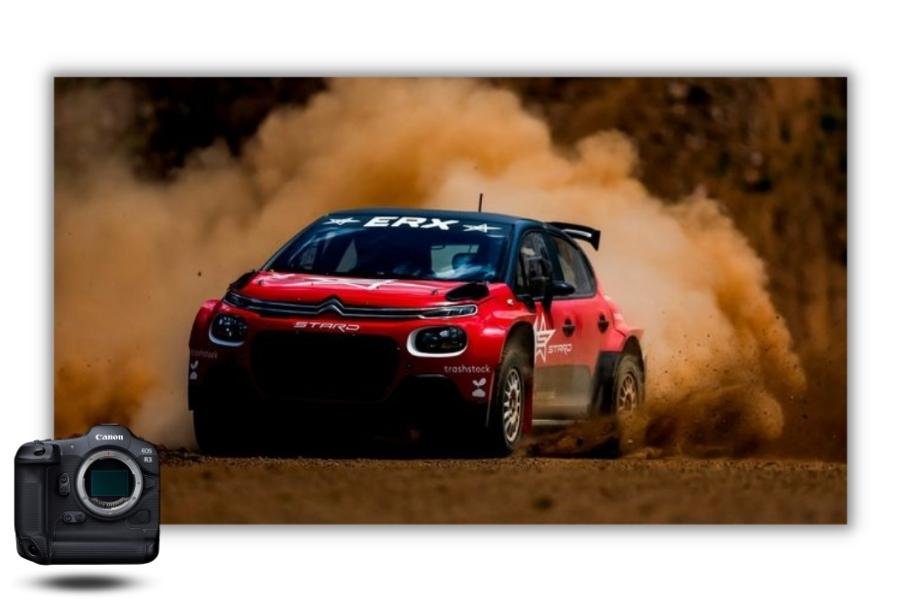
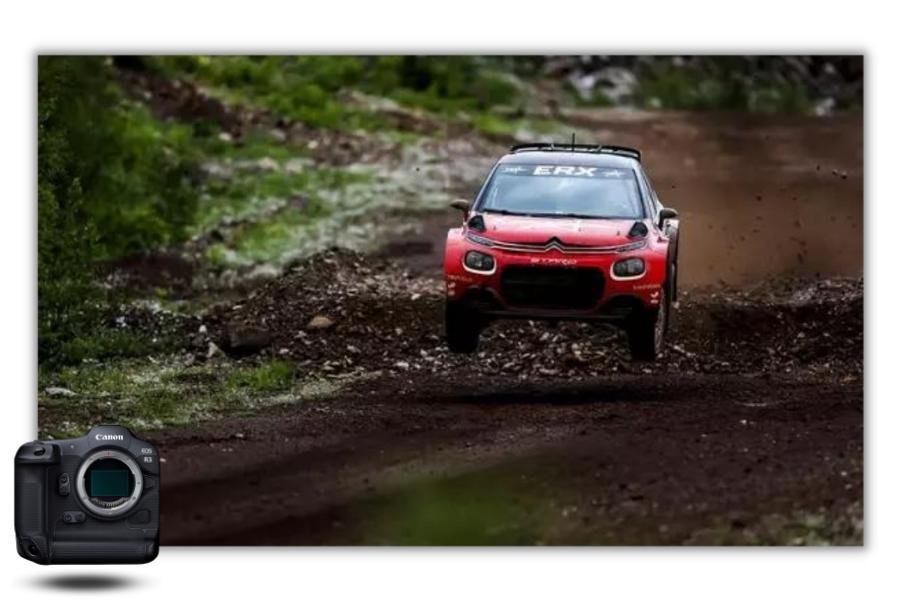
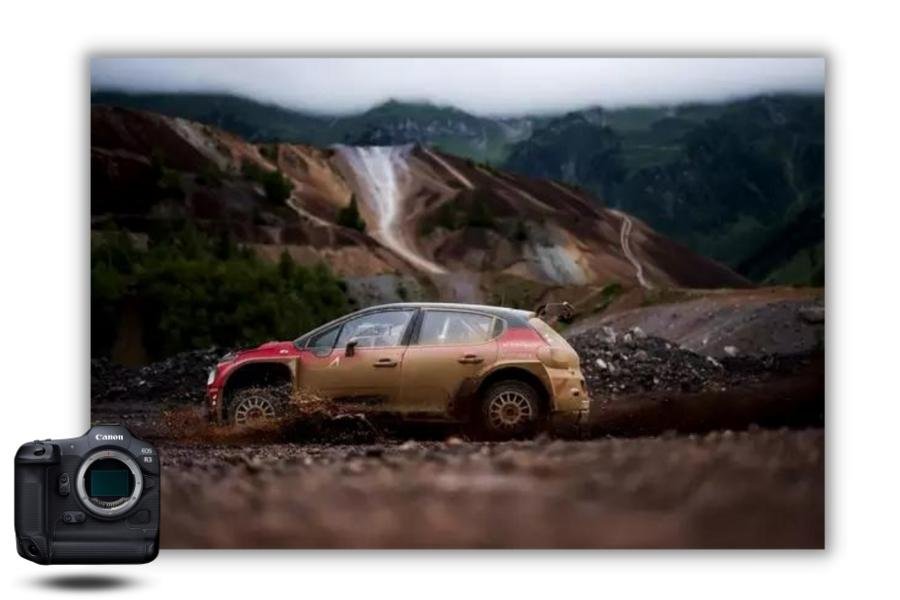
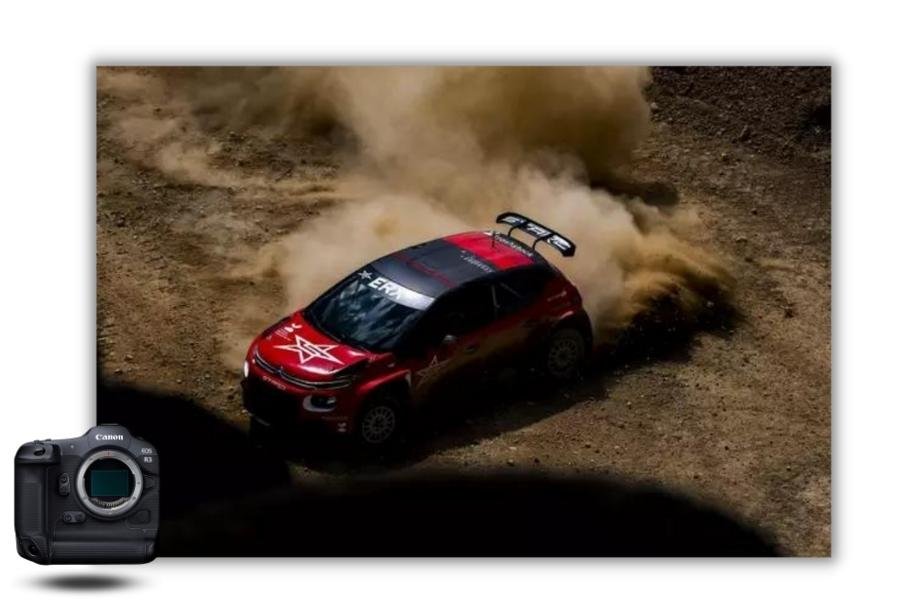
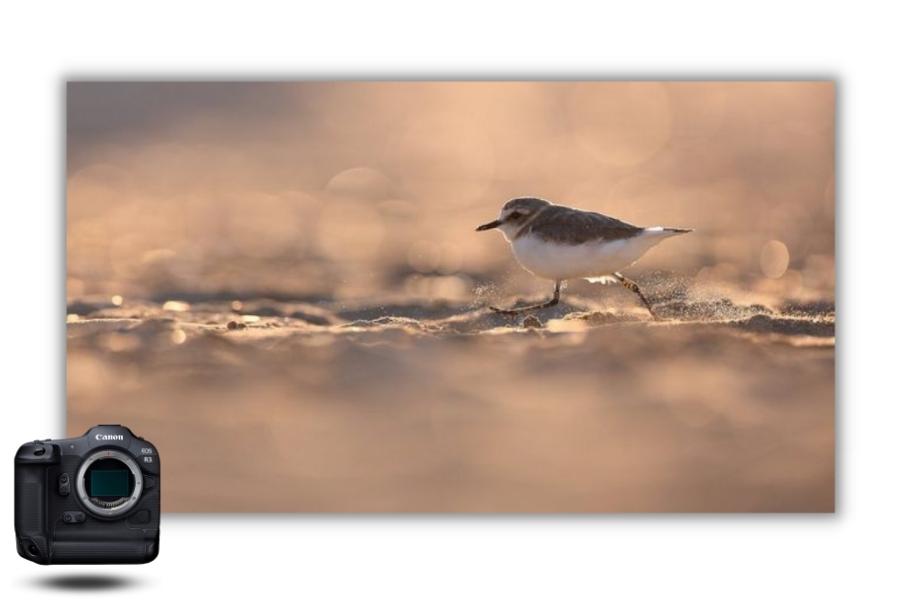
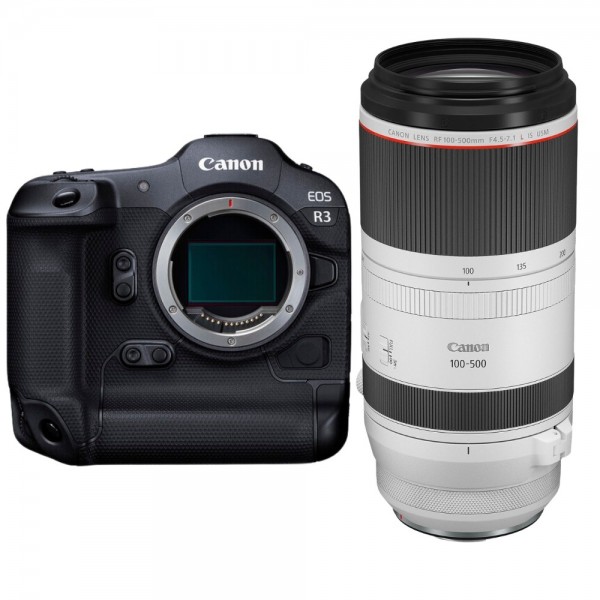
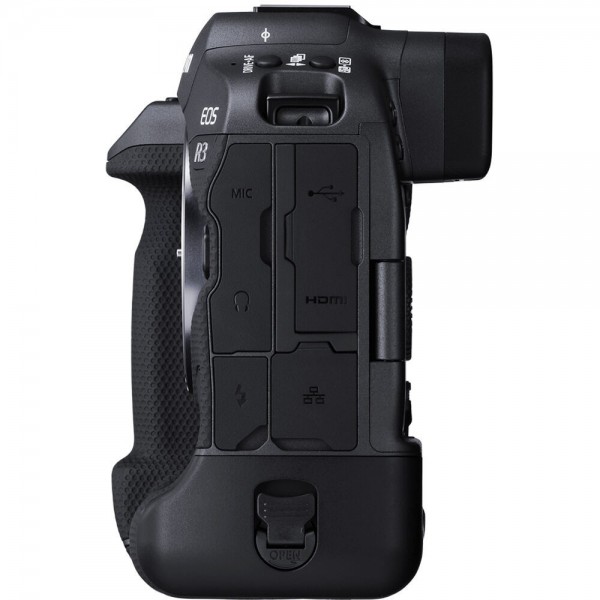
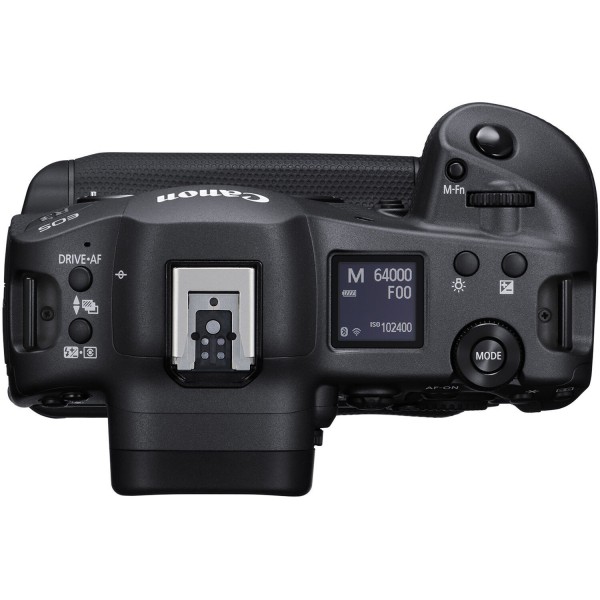
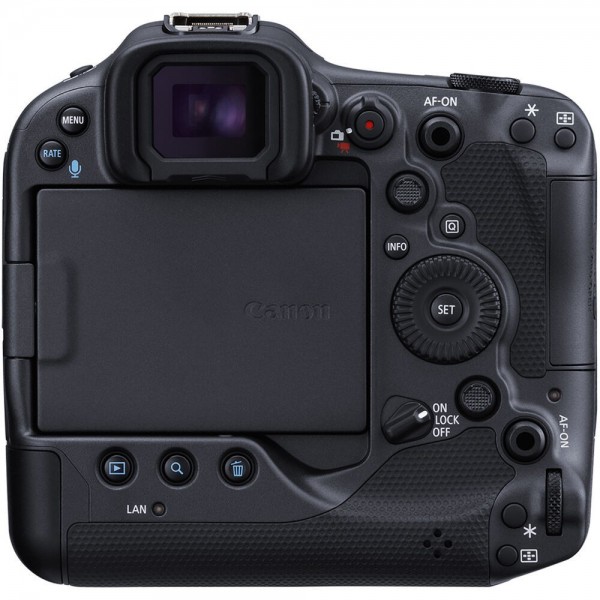
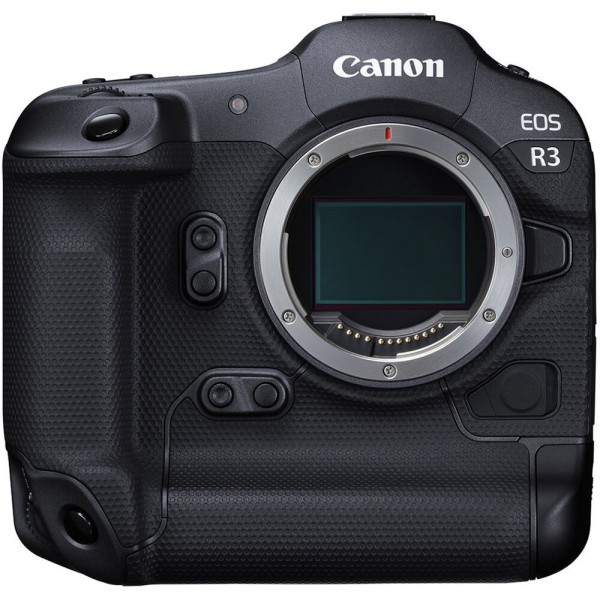
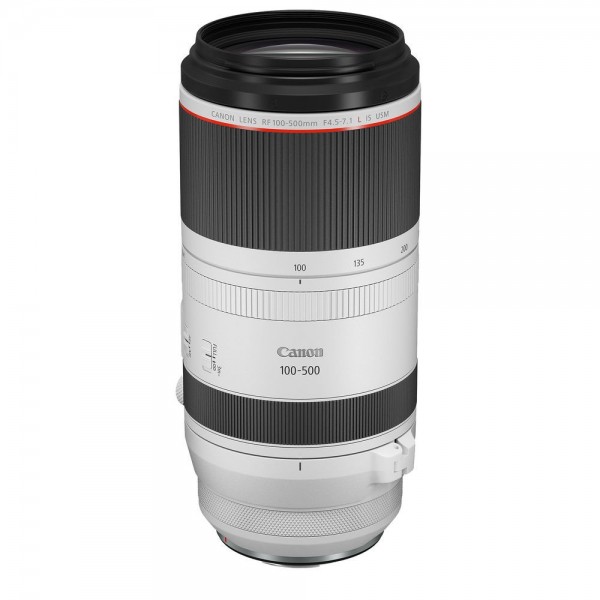
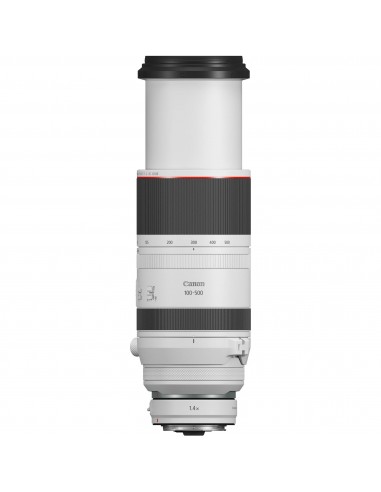
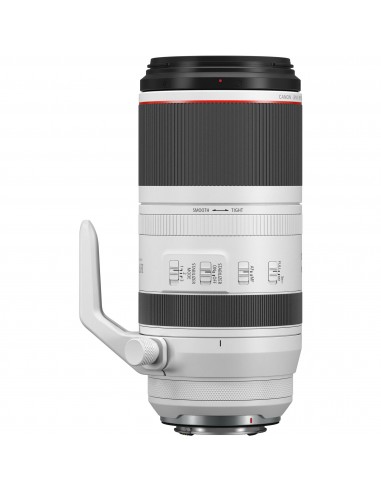
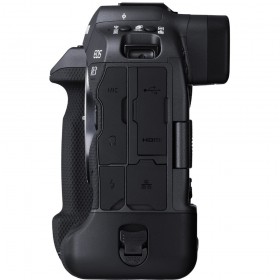
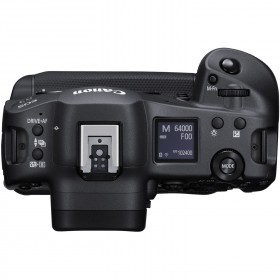
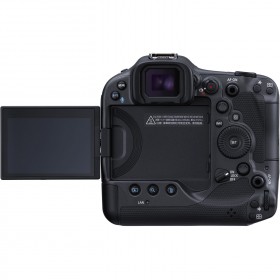
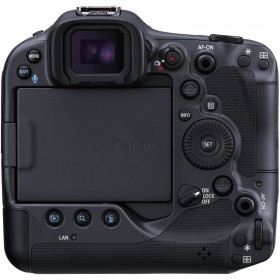
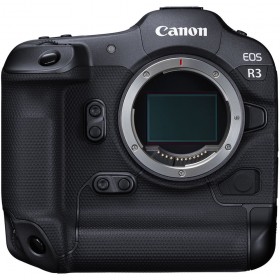
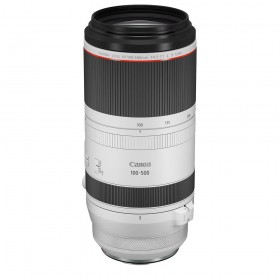
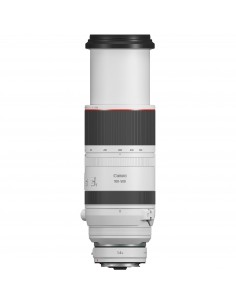
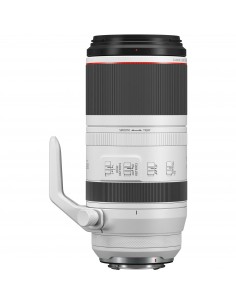
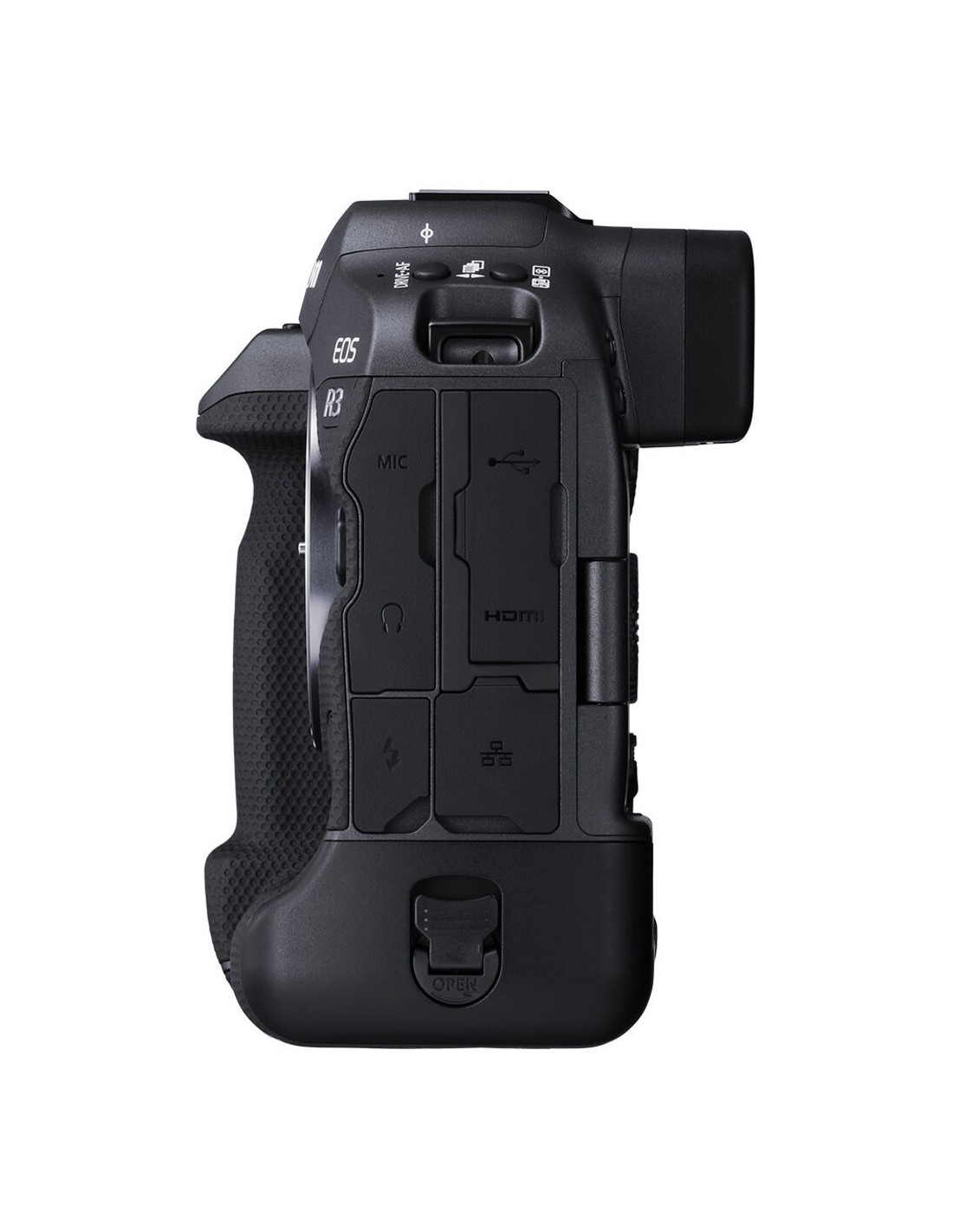
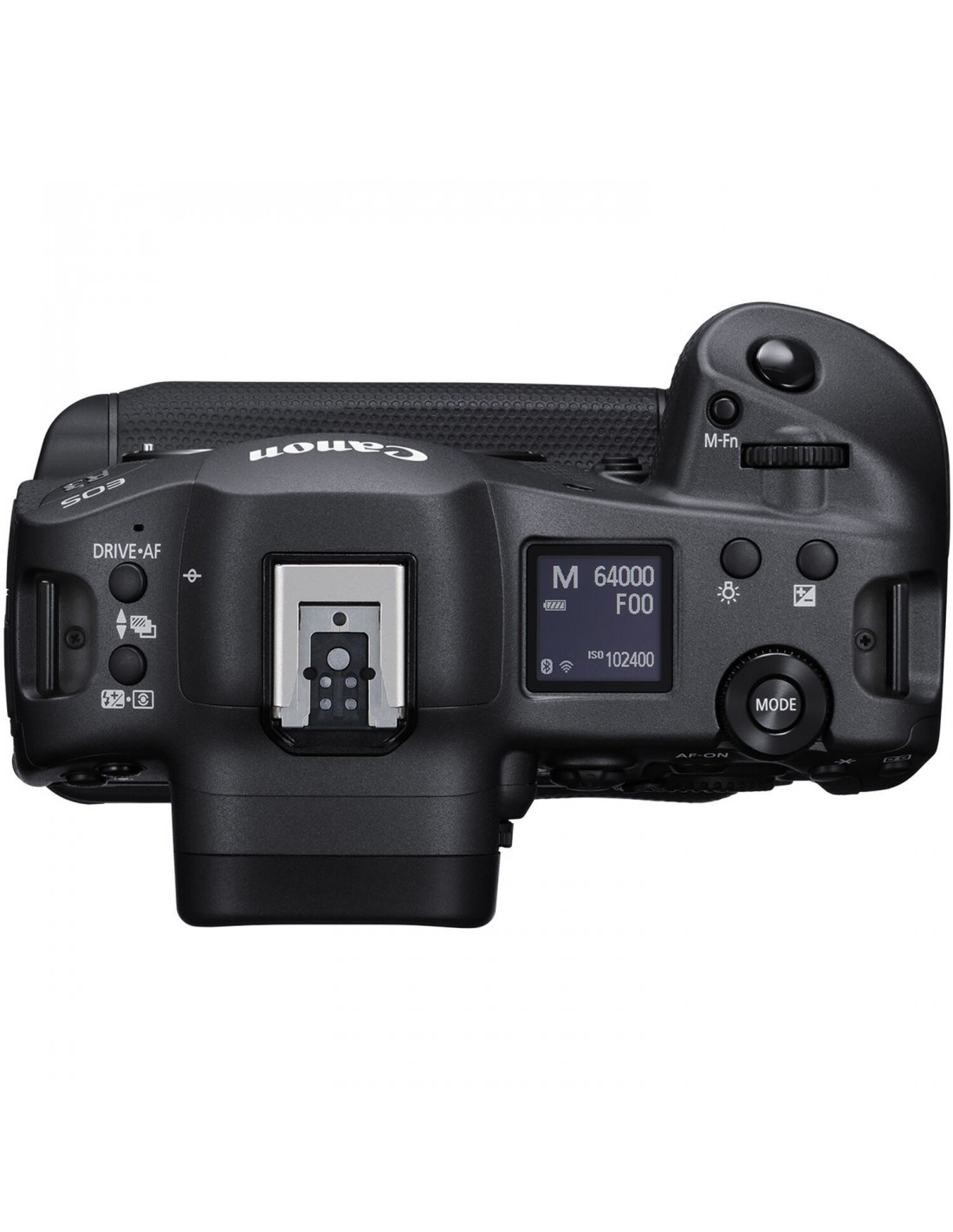
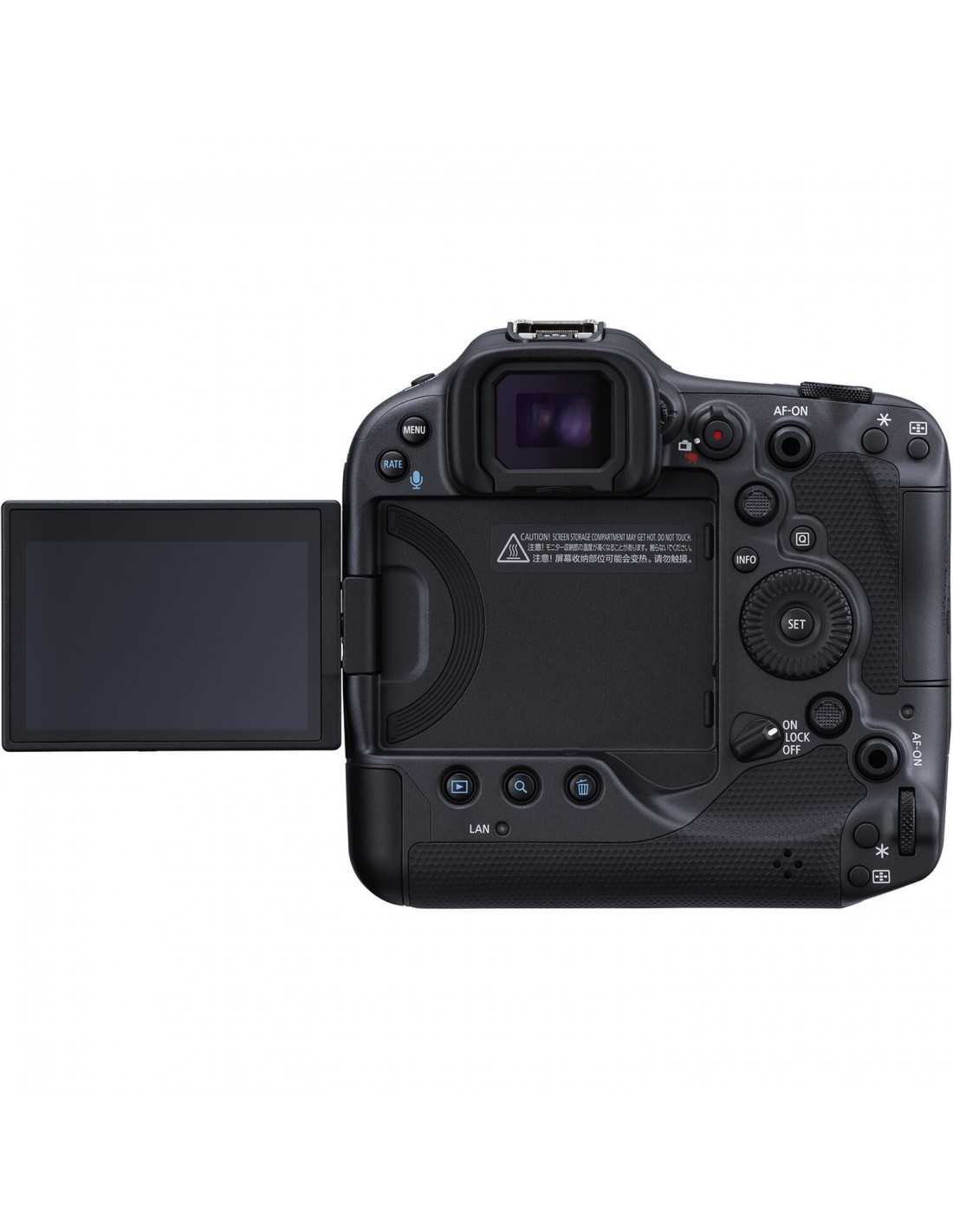
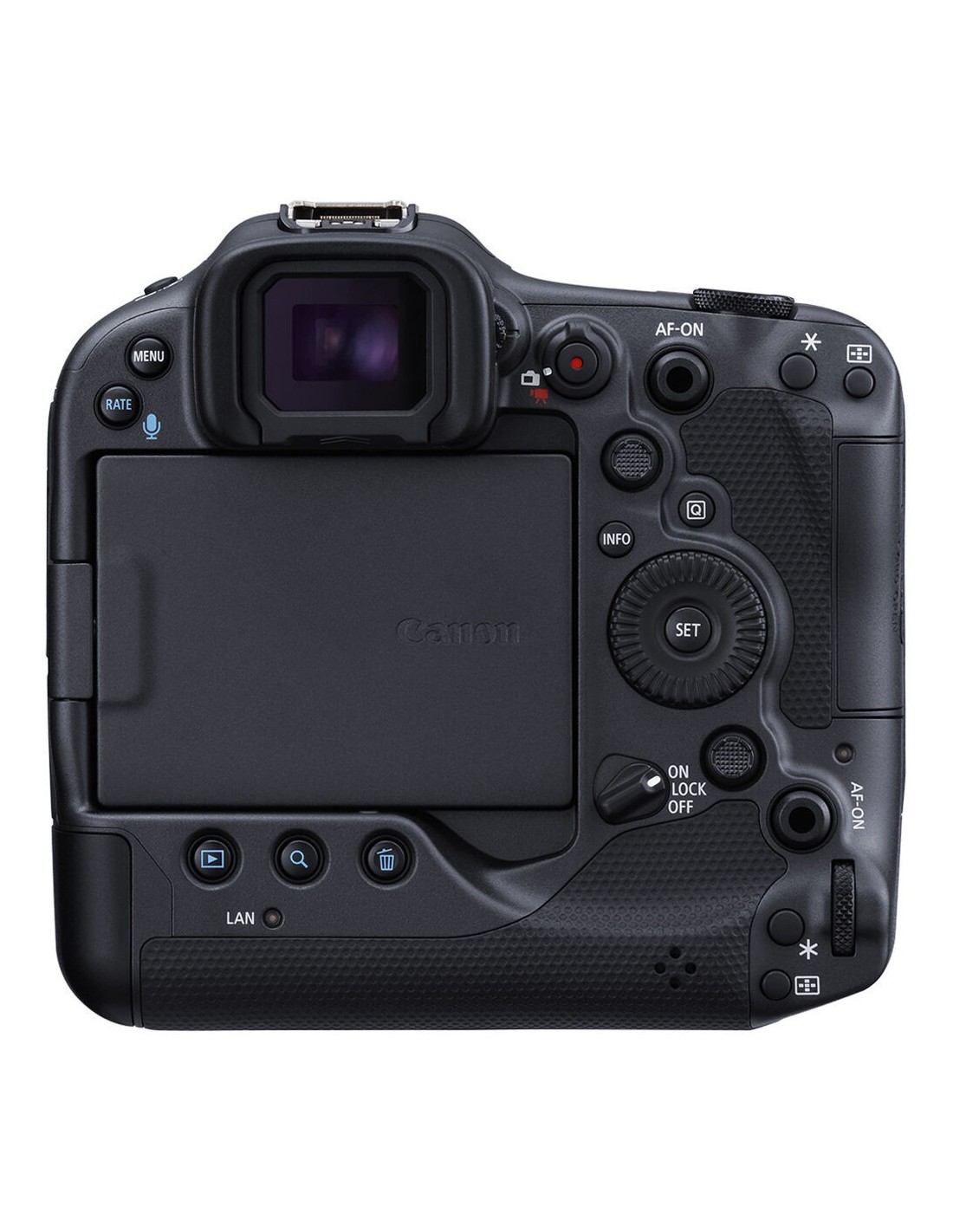
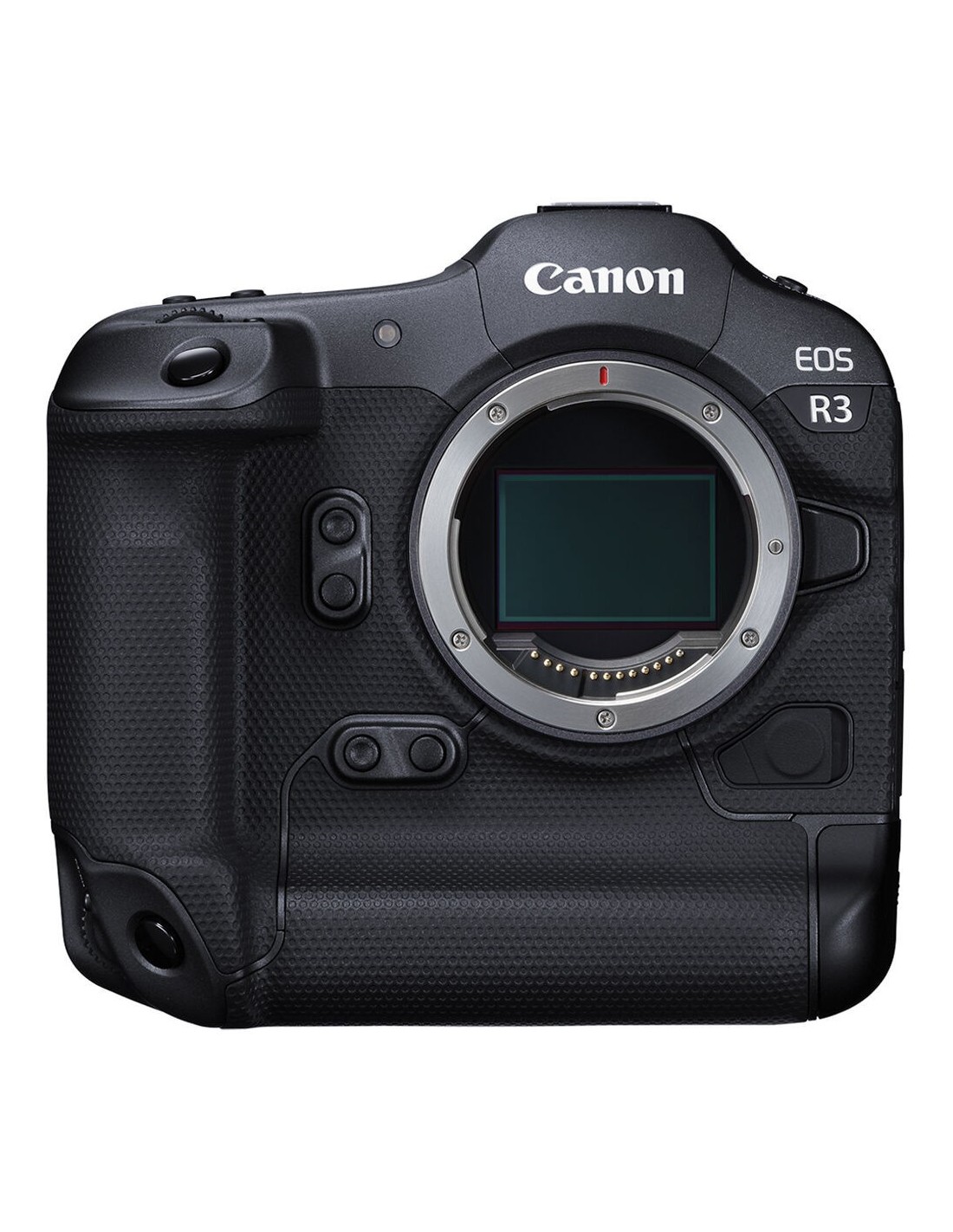
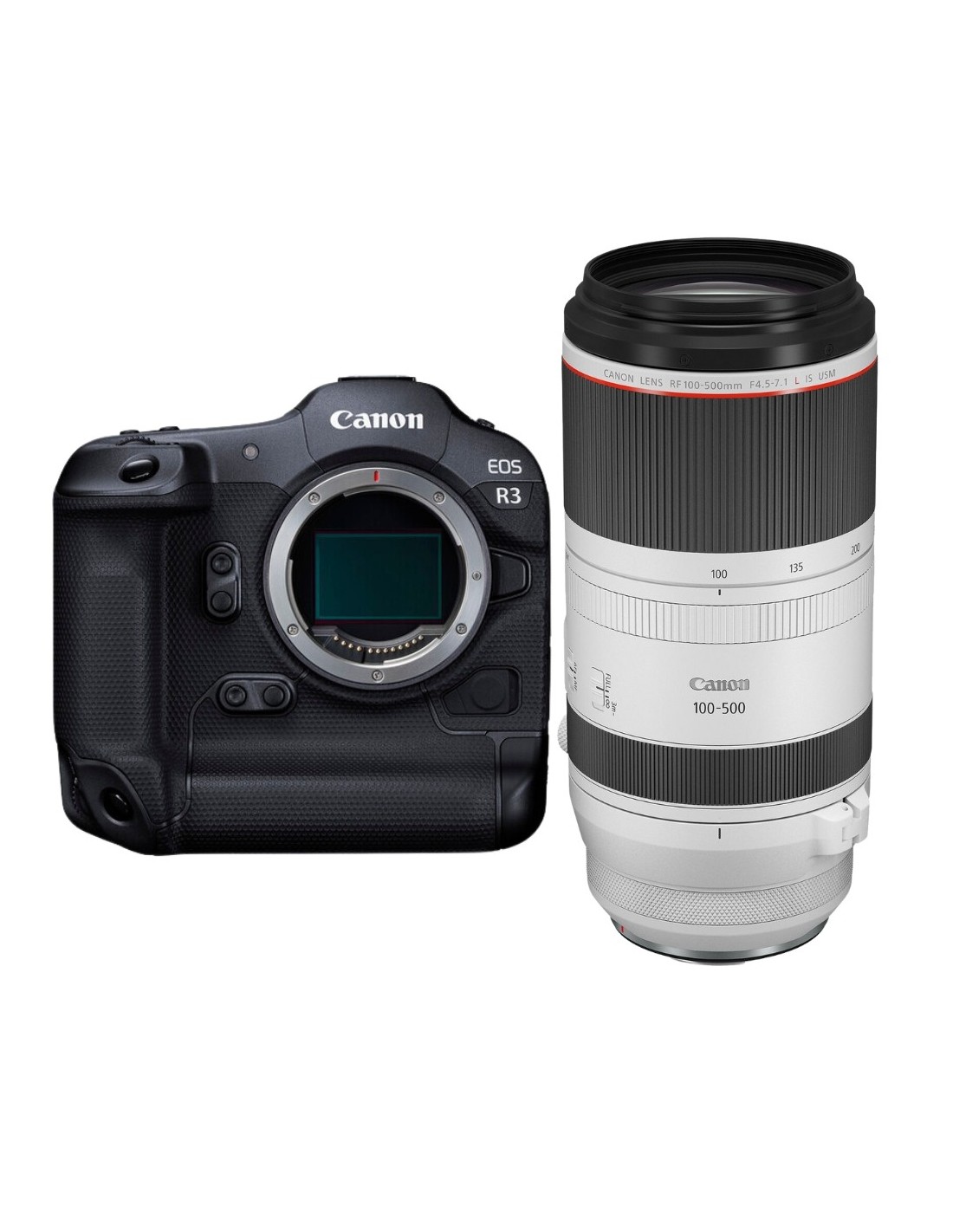
The Canon EOS R3 with RF 100-500mm F4.5-7.1 L IS USM is an exact long-reach kit for wildlife, birds in flight, outdoor sport and aviation. The R3 combines a stacked 24.1MP full-frame sensor, subject detection, Eye Control AF and a standard electronic burst up to 30 fps, while the lens gives you a practical 100-500mm range without changing position or lenses. At 100mm you keep context; at 200mm and 300mm you follow nearer action; 400mm and 500mm give distant subjects more presence. The trade-offs are real: the working kit is about 2.39kg before a tripod collar, the lens reaches F7.1 at 500mm, and stabilisation does not freeze subject movement. Choose this bundle when reach and response matter more than maximum low-light brightness or high-resolution cropping headroom.
Compatible pack
Complete your set
Combine compatible accessories and save. The more items you add, the bigger the discount.
1 5.00%2 8.00%3 10.00%4+ 12.00%
Main product
Canon EOS R3 + RF 100-500mm f/4.5-7.1 L IS USM
€5,792.15
Compatible
Accessory
SanDisk 128GB Extreme PRO UHS-II SDXC 300 MB/s memory card
€210.00€199.50
Compatible
Accessory
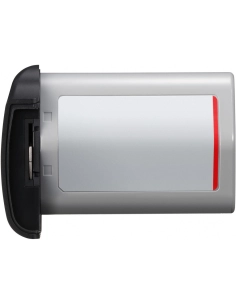
Canon LP-E19 Battery (2700mAh)
€189.00€179.55
Compatible
Accessory
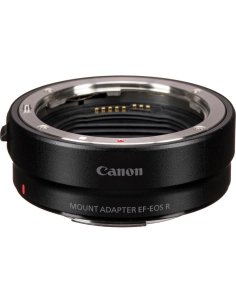
Canon Mount Adapter EF-EOS R – EF-EOS R Mount Adapter
€109.00€103.55
Compatible
warranty extension
2-year warranty extension
€463.37
0% offYou save-
No accessory selectedUse the standard buy box to buy the product alone.
A long-reach Canon kit for subjects that do not wait
The Canon EOS R3 with RF 100-500mm F4.5-7.1 L IS USM is for photographers who need to stay responsive while working at a real distance. It is a particularly coherent choice for wildlife, birds in flight, outdoor sport and aviation: the R3 provides a stacked 24.1MP full-frame sensor, subject detection, Eye Control AF and a standard electronic burst up to 30 fps, while the lens moves from 100mm context to 500mm reach without a lens change. The kit is at its best when timing and framing matter more than extreme cropping, and when the light is reasonable enough for an F7.1 maximum aperture at the long end. It is not a light travel bundle, and image stabilisation cannot freeze a moving subject. Choose it for reach, tracking and a complete working range.
Canon EOS R3 with RF 100-500mm: key strengths
Stacked 24.1MP back-illuminated full-frame sensor : gives the R3 fast readout and detailed files while keeping the workflow more manageable than a very high-resolution body.
Standard electronic burst up to 30 fps : records the small changes in wing position, stride, take-off or vehicle movement that can decide a sequence.
Mechanical shooting up to 12 fps : offers a familiar shutter option when the subject, lighting or working method makes the mechanical shutter preferable.
People, animal and vehicle subject detection : helps the camera stay oriented to a moving subject rather than relying only on a fixed point.
Eye Control AF as an additional selection method : lets you indicate an AF area or subject through the viewfinder, while normal AF settings and subject recognition still matter.
100-500mm reach in one native RF zoom : lets you change framing from a wider environmental view to distant subject detail without swapping lenses.
Five-stop optical stabilisation with coordinated body control : helps reduce photographer shake, with Canon's R3 specification listing up to six stops for this lens at 500mm under CIPA conditions.
Two Nano USM motors : provide the lens with fast, smooth and near-silent autofocus for stills and a more discreet focus drive in video.
6K RAW 60p and 4K 120p capability : gives the body a serious hybrid role when the same long lens is used for wildlife or action footage.
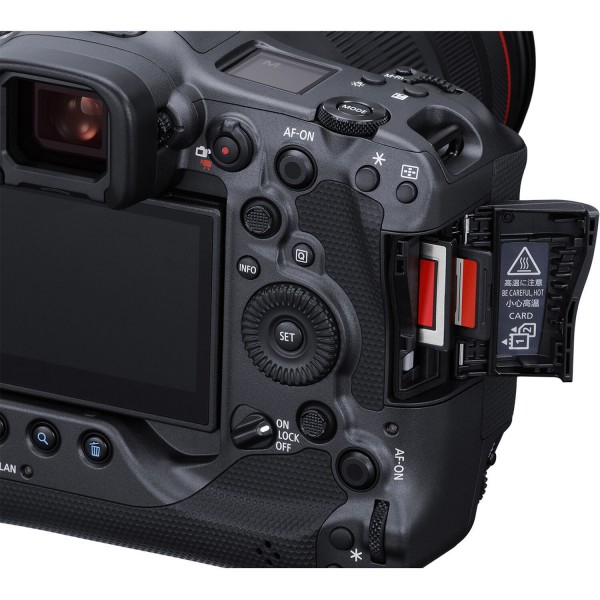
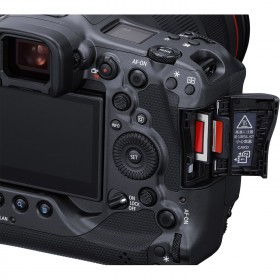
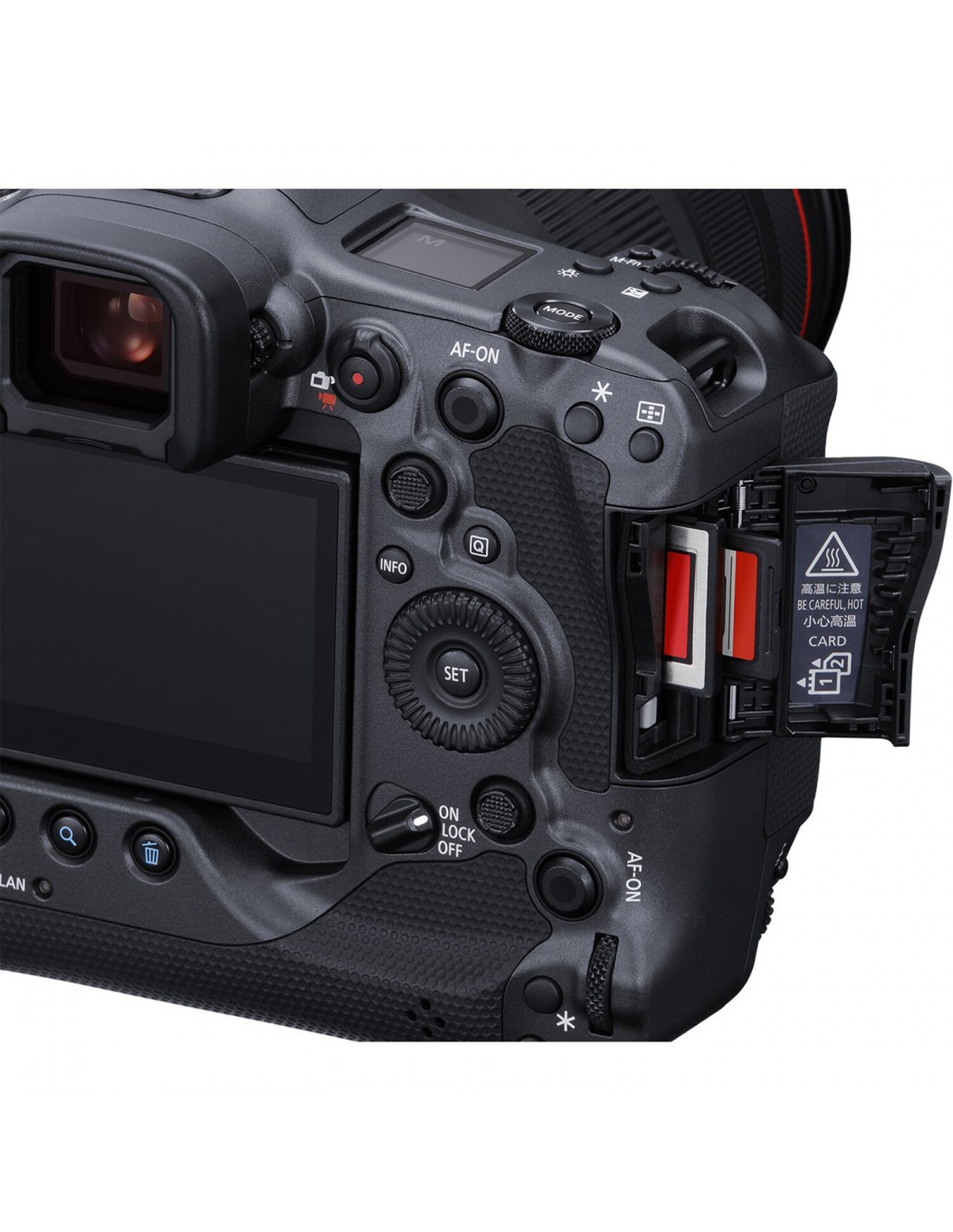
CFexpress Type B plus SD UHS-II slots : supports fast capture while preserving a practical second-card option for backup or a different file routine.
Extender RF 1.4x and RF 2x compatibility : can take the lens to approximately 700mm or 1000mm, but only across the 300-500mm part of the zoom range.
Useful close focus for a super-telephoto zoom : the lens focuses down to 0.9m at 100mm, so the kit can also record nearby details when the subject comes closer.
The R3 supplies the response and subject tracking; the RF 100-500mm supplies the working distance.
What this exact kit is designed to solve
The problem this kit solves is changing distance. A bird may move from a nearby branch to open sky; a footballer may cross a pitch; an aircraft may approach from a small shape to a frame-filling subject. The RF 100-500mm lets you react from 100mm to 500mm without changing lenses.
The R3 supplies the response: a stacked sensor, subject AF, standard electronic shooting up to 30 fps and mechanical shooting up to 12 fps. The price of that reach is practical, not mysterious: about 2.39kg ready without the tripod collar, and F7.1 at 500mm. This is a serious outdoor kit for wildlife hides, pitch-side positions, airshows and field assignments, not an ultra-light travel combination.
What each part of the Canon EOS R3 long-reach kit contributes
Part
Useful capability
Decision to make
EOS R3 body
24.1MP stacked BSI full-frame sensor, subject AF, Eye Control AF, 30 fps electronic and 12 fps mechanical shooting
Choose response and tracking over maximum resolution and aggressive crop latitude
RF 100-500mm
100-500mm zoom, two Nano USM motors, optical IS and 0.9m minimum focus at 100mm
Accept F7.1 at 500mm and the physical weight in exchange for reach
Complete kit
Approximately 2.39kg ready with body, battery, card and lens, before a collar
Plan for a supported outdoor workflow rather than an ultra-light travel setup
With tripod collar fitted
Adds approximately 160g when the lens support is fitted
Allow about 2.55kg for the working kit with the collar attached
100mm: keep the animal or aircraft in its setting
At 100mm, the RF 100-500mm still leaves room for habitat, course or sky. Use it for wildlife in context, a nearby aircraft, outdoor sport with the setting included, or a subject that has suddenly moved closer. The approximately 0.9m minimum focus distance at 100mm also allows nearby details, although this remains a telephoto zoom rather than a macro lens. Starting wide gives you the best chance of acquiring an uncertain subject before tightening the frame.
200mm: a practical middle distance
At 200mm, the background becomes less prominent while you retain enough view to follow a changing subject. It suits moderate-distance wildlife, larger or nearer birds, athletes on a nearby section of a course and aircraft that are no longer small but do not yet need maximum reach. It is a useful middle position, not a solution for a bird high in a tree or an athlete on the far side of a large field.
300mm: the working point for moving subjects
At 300mm, distant wildlife, birds in flight and field sport gain a more selective frame while you retain useful room to follow movement. It is also where the extender restriction begins: RF 1.4x and RF 2x are available only from 300mm to 500mm, producing approximately 420-700mm or 600-1000mm with the expected loss of light. Keep the shutter speed high and remember that AF still depends on subject contrast, light and the selected detection mode.
400mm: make distance work harder
At 400mm, distant animals, open-ground birds, aircraft and far-side sport gain presence while the photographer keeps a practical working distance. It is often easier to acquire and follow a subject than at 500mm, yet it delivers more reach than 200mm or 300mm. The compromise is light: as the lens approaches its slow end, the R3's ISO and AF can help, but neither changes the lens's F7.1 ceiling at 500mm.
500mm: the reach this kit is really bought for
At 500mm, the lens fulfils the kit's main promise: distant wildlife, small birds, aircraft and restricted outdoor sport can occupy more of the frame without moving closer. The view is narrow, so reacquiring a fast subject takes practice, and the photographer should be ready to pull back to 400mm or 300mm when the subject approaches. F7.1 is the decisive low-light limit. It is a sensible daylight trade for reach, not a substitute for a faster prime; stabilisation can hold a static subject but cannot freeze movement.
The 100-500mm range is valuable because the subject's distance can change faster than the photographer's position.
What changes from 100mm to 500mm on the RF 100-500mm
Focal length
Working benefit
Typical use
Watch for
100mm
Keeps more of the subject's habitat, course or setting visible
Nearby wildlife, environmental aviation, outdoor sport in context
The subject may still look small when it remains far away
200mm
Balances subject size with room to follow movement
Moderate wildlife, nearby birds, athletes and aircraft at a useful distance
Not enough reach for small subjects across a large venue
300mm
Creates a more selective frame without going fully tight
Birds in flight, field sport and wary wildlife
Light levels matter more, especially as the lens approaches the long end
400mm
Makes distant subjects carry more weight while retaining some tracking margin
Wildlife across open ground, aviation and far-side sport positions
Narrower view and greater sensitivity to movement and shake
500mm
Maximum native reach for distant subjects in this kit
Small wildlife, distant birds, aircraft and restricted outdoor sport positions
F7.1, tight framing and the need to reacquire subjects quickly
Subject AF and the useful nuance of Eye Control AF
The R3 can detect and track people, animals and vehicles across the frame, which suits birds, athletes, cars and aircraft that keep changing position. Eye Control AF is an additional way to indicate an AF area or subject through the electronic viewfinder; it is not automatic subject choice in every scene. Subject category, AF area, Servo AF behaviour, contrast, light and timing still shape the result, especially when a bird crosses a busy background or an aircraft passes through haze.
30 fps is the standard action claim, not 195 fps
The standard action claim is up to 30 fps electronic, with up to 12 fps from the mechanical shutter. Use that distinction for wingbeats, take-off, jumps, tackles and aircraft banks. The R3 also has a separate custom high-speed mode associated with 195 fps, but that is not the normal 195 fps tracking rate and should not replace the honest 30 fps product claim. Fast bursts also create more editing and storage work, so CFexpress Type B and SD UHS-II card speed and capacity still need to match the chosen mode.
6K RAW 60p and 4K 120p for long-lens video
The R3 records up to 6K RAW 60p and 4K 120p depending on mode and firmware, giving wildlife, sport and aviation work a serious hybrid option. The lens's two Nano USM motors support smooth, near-silent focus drive. The limits are practical: high-resolution RAW needs fast CFexpress media, creates large files and can meet heat-related recording limits; F7.1 at 500mm also asks for enough light or a higher ISO at dusk.
Stabilisation helps the photographer, not the subject
The lens provides up to five stops of optical stabilisation on its own, while the R3 specification lists coordinated control up to six stops at 500mm under CIPA conditions. This helps reduce photographer shake for a static animal, parked aircraft or composed detail. It does not freeze a bird's wing, an athlete, a wheel or a propeller: shutter speed remains the movement decision. The lens also includes modes for panning and unpredictable movement, but the result still depends on technique, light and subject speed.
Extenders: longer reach with clear boundaries
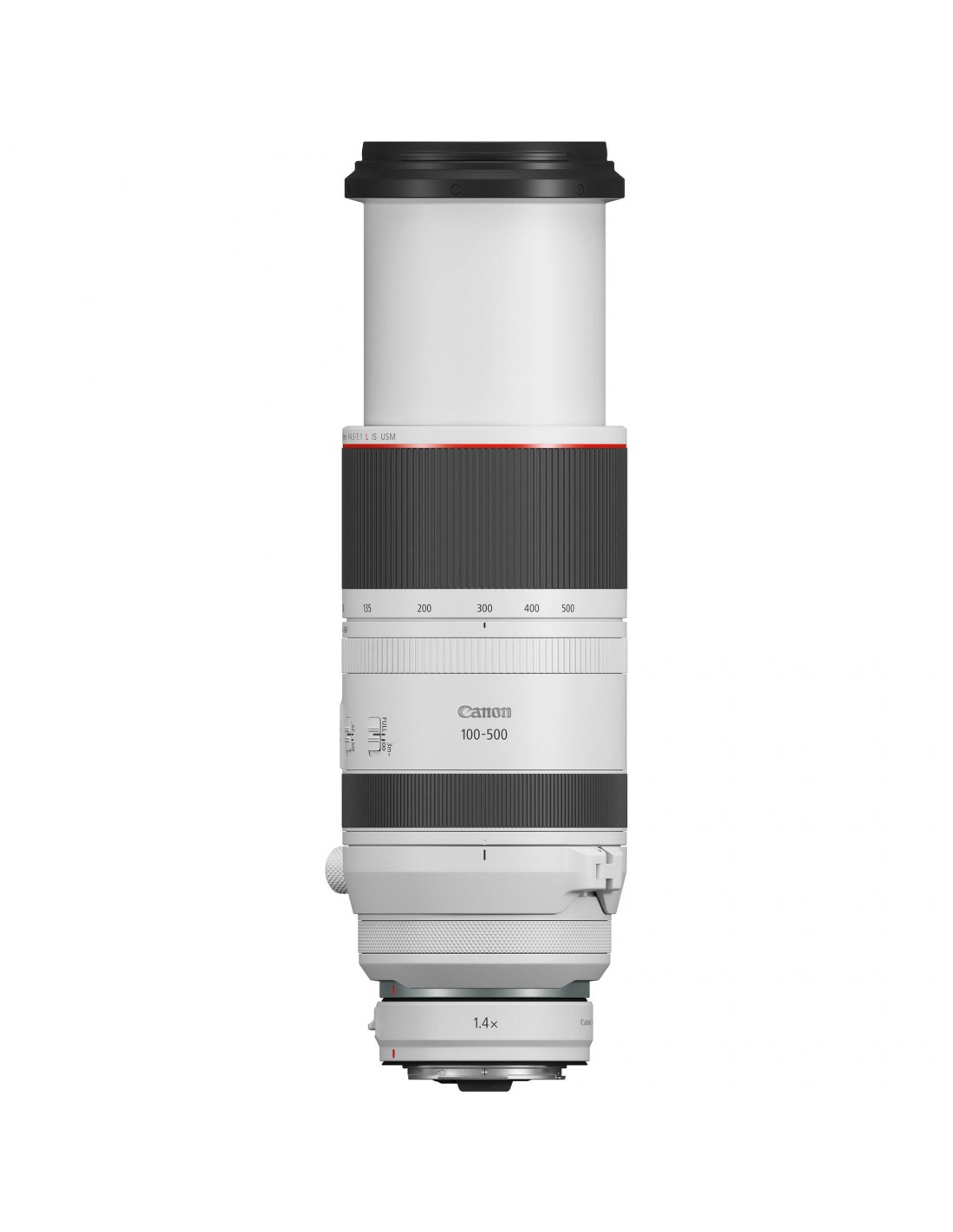
Extender RF 1.4x and Extender RF 2x work only from 300mm to 500mm. The 1.4x produces approximately 420-700mm at around F8-F10; the 2x produces approximately 600-1000mm at around F11-F14. The extra reach helps distant wildlife, small birds and aviation, but the narrower view, lower light and harder subject acquisition make the 1.4x the more moderate option. Canon describes AF coverage as variable with these combinations, so do not promise unchanged AF behaviour.
Weight, dimensions and field handling
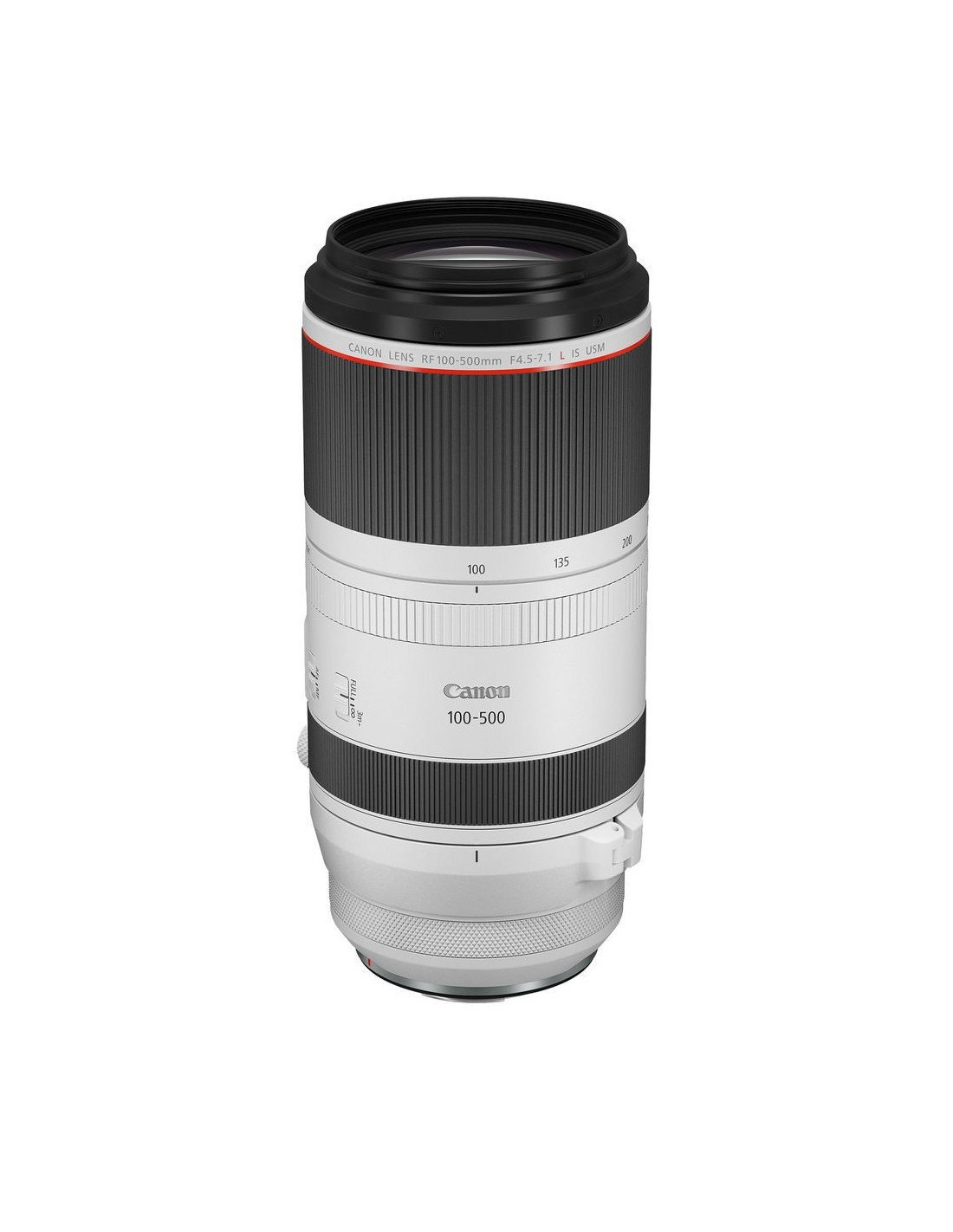
The R3 is approximately 150 x 142.6 x 87.2mm and about 1,015g with battery and card. The lens is approximately 93.8 x 207.6mm retracted, extends to about 297.6mm and weighs about 1,370g. That gives approximately 2.39kg ready without a tripod collar, or about 2.55kg with the approximately 160g collar. A substantial body and lens can feel settled for tracking, but the kit needs a sensible bag and a real reason to carry 500mm.
24.1MP: enough detail, but not unlimited crop latitude
The R3's 24.1MP stacked sensor balances fast readout with manageable files, but it does not offer unlimited crop latitude. The RF 100-500mm helps place more reach in front of the sensor, yet distant birds, aircraft and far-side sport still need to be reasonably large in the original frame. A higher-resolution body may provide more crop safety; this kit instead prioritises timing, tracking and speed. Start wider to acquire the subject, then tighten only when the frame allows.
Which Canon route makes sense for your working distance?
The exact kit intent matters. If you are looking for a Canon EOS R3 with 100-500mm, this is the body-and-lens combination built around that distance problem. A Canon EOS R3 body-only route is more flexible if you already own RF lenses; the RF 100-500mm lens-only option suits an existing EOS R body. If 400mm is enough and carrying less matters, compare the lighter EOS R3 with RF 100-400mm kit; the Canon EOS R3 range keeps those distance choices together.
Choose the configuration around the distance you actually work at
Configuration
Best fit
Main advantage
Honest trade-off
EOS R3 + RF 100-500mm, ID 11392
Wildlife, birds in flight, outdoor sport and aviation
100-500mm reach with R3 response and subject AF
About 2.39kg ready without collar and F7.1 at 500mm
Travel, hiking and outdoor work where 400mm is enough
A lighter way to keep the R3 response and long-telephoto role
Shorter reach and a slower aperture range at the long end
Wildlife and birds in flight
For wildlife, the useful combination is changing focal length, subject AF and a fast standard burst. That is the practical logic behind a Canon R3 100-500 wildlife kit: start at 100mm when habitat or a close subject matters, use 200mm or 300mm for moderate distances, and move to 400mm or 500mm for open-ground animals and small birds. Birds in flight show the trade clearly: the R3 can preserve wing positions, but 500mm is narrower, F7.1 needs light or ISO, and stabilisation does not replace a fast shutter.
Outdoor sport and aviation
Outdoor sport benefits when the photographer's position is fixed: 200mm or 300mm keeps acquisition manageable, while 400mm or 500mm isolates action on the far side of a field or track. That makes this a credible Canon R3 sports photography camera setup when reach matters more than a brighter F2.8 zoom. Aviation asks for the same flexibility. Use 100mm as an approaching aircraft becomes close, then 400mm or 500mm when it remains distant. In both cases, choose shutter speed for the athlete, propeller or aircraft; stabilisation only addresses photographer shake.
Choose the long kit when reach is the recurring problem; choose a lighter route when carrying comfort matters more than the last 100mm.
Our verdict
Positioning: the Canon EOS R3 with RF 100-500mm F4.5-7.1 L IS USM is a purpose-built long-reach action kit. It suits wildlife, birds in flight, outdoor sport and aviation when the subject's distance changes and the photographer needs to stay ready from 100mm to 500mm. The R3 brings response, subject AF, a standard 30 fps electronic burst and serious hybrid video; the lens brings the working distance.
Closest decision: choose the body-only R3 when you already have a lens plan, the RF 100-500mm alone when the camera is already in your system, or the lighter 100-400mm kit when 400mm is sufficient and carry weight matters more. The 11392 kit earns its place when the extra reach will be used regularly, not merely admired in a specification list.
Honest limit: this is about 2.39kg ready without the tripod collar, about 2.55kg with an approximately 160g collar, and the lens reaches F7.1 at 500mm. Stabilisation does not freeze subject movement, 24.1MP does not provide unlimited crop latitude, and extenders work only from 300mm to 500mm. If those boundaries fit the assignment, this is a clear, flexible Canon wildlife and action setup with a strong reason to be carried.
Compare the Canon EOS R3 range when you are deciding whether the recurring need is longer reach, lower carrying weight or a different lens starting point.
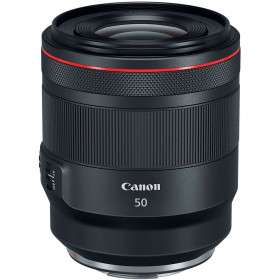
The Canon RF 50mm F1.2L USM is a professional prime lens for portrait, wedding and reportage photographers who want distinctive subject separation, and we recommend it when rendering and available-light performance matter more than low weight. Its f/1.2 aperture can produce very shallow depth of field while helping retain a practical shutter speed indoors...
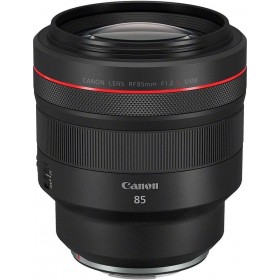
The Canon RF 85mm F1.2L USM is a professional portrait lens for Canon EOS R cameras, recommended for photographers who value strong subject separation, fine detail and a very wide aperture in available light. Its 85mm view gives faces a flattering perspective, while f/1.2 can simplify a busy background and preserve useful shutter speed as light falls....
The Canon RF 24-70mm F2.8L IS USM is a professional standard zoom for EOS R photographers and filmmakers who need one dependable lens for varied assignments, and we recommend it for its balance of speed, range and handling. It moves from a wide 24mm view to a tighter 70mm portrait without changing its maximum F2.8 aperture. Canon rates the optical...
The Canon RF 70-200mm F2.8L IS USM is a bright, compact telephoto zoom for sports, wedding, portrait and reportage photographers, and we recommend it to anyone who wants an f/2.8 70-200mm that is easy to carry. Its constant aperture helps retain a fast shutter speed as light falls and separates the subject from the background. Dual Nano USM and...
The Canon RF 100-500mm F4.5-7.1L IS USM is an L-series telephoto zoom for wildlife, sports and aviation photographers who need to follow a subject from near to far without changing lens, and we recommend it when mobility matters as much as reach. Its 100-500mm range makes it easier to frame an approaching animal, a bird in flight or action across a field....
Canon EOS R3 + RF 100-500mm f/4.5-7.1 L IS USM videos
Technical specifications
General
Brand
Canon
Product type
Mirrorless camera
Camera type
Interchangeable-lens digital camera
Product line
Canon EOS R
Product series
EOS R
Specific model
EOS R3
Release date
2021-11
Available languages
Multilingual, including English
Camera
Level
Professional sport/reportage
Processor
DIGIC X
Image ratio
3:2
Image stabilization
Yes
Autofocus
Yes
Lens mount
Canon RF / RF-S
RAW
Yes
File formats
Still image: JPEG, HEIF, RAW, C-RAW. Compression options and profiles according to Canon specifications.
Max burst speed
30 fps
Lens included
Yes
Kit configuration
Canon EOS R3 kit with RF 100-500mm F4.5-7.1 L IS USM.
Included lens count
1
Included lens 1
RF 100-500mm F4.5-7.1 L IS USM
Lens 1 model
RF 100-500mm F4.5-7.1 L IS USM
Lens 1 mount
Canon RF
Lens 1 format
Full frame
Lens 1 focal length
100-500
Lens 1 max aperture
F4.5-7.1
Lens 1 stabilization
Yes
Uses
All-round use
No
Architecture
No
Landscape
No
Portrait
No
Travel
No
Reportage
Yes
Sports
Yes
Wildlife
Yes
Photo / video
Yes
Vlogging
No
Sensor
Sensor type
36 x 24 mm CMOS
Sensor size
36 x 24 mm
Crop factor
1.0x
Resolution
24.1 MP
Maximum resolution
6000 x 4000
Sensor cleaning
Yes
Standard ISO range
ISO 100-102400
Maximum native ISO
ISO 102400
Exposure
Metering modes
Real-time metering with image sensor, 384-zone metering: evaluative, partial, spot and centre-weighted average.
Metering zones
384
Fastest shutter speed
1/64000 s
Slowest shutter speed
30 s, Bulb
Bulb mode
Yes
AEB bracketing
Yes
Manual exposure
Yes
Self-timer
Yes
White balance settings
Auto white balance, daylight, shade, cloudy, tungsten, white fluorescent, flash, custom and colour temperature setting.
Aperture priority
Yes
Shutter priority
Yes
Display
Display type
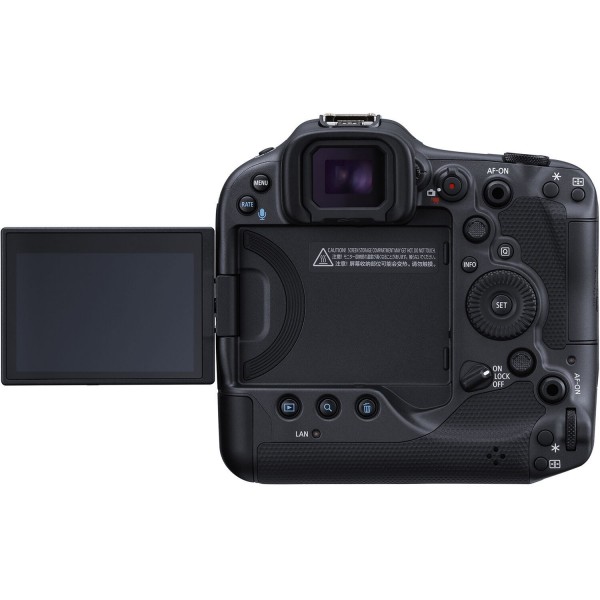
Vari-angle touchscreen LCD monitor, 3.2-inch, approx. 4.15 million dots
Display size
3.2
Display resolution
4150000
Touchscreen
Yes
Live View
Yes
Viewfinder
Viewfinder
Yes
Viewfinder type
OLED electronic viewfinder, 5.76 million dots
Viewfinder coverage
100%
Flash
Built-in flash
No
Red-eye reduction
No
Flash sync speed
1/200 s / 1/250 s / 1/180 s
Flash modes
Canon-compatible external Speedlite flash; control via multi-function shoe depending on the model.
Flash technology
Canon Speedlite
Accessory shoe
Yes
Video
Video function
Yes
Full HD
Yes
4K UHD
Yes
6K video
Yes
7K video
No
8K video
No
Internal RAW recording
Yes
Clean HDMI output
Yes
Maximum video resolution
6K
Video frame rates
Video up to 6K depending on mode and card used.
Video compression
Compression and sampling depend on Canon EOS Movie modes.
Video file formats
Still image: RAW. Compression options and profiles according to Canon specifications.
Audio
Built-in microphone
Built-in microphone
Storage
Internal memory
No
Dual card slot
Yes
Memory types
CFexpress and SD card slots according to Canon official configuration.
Card types
CFexpress and SD card slots according to Canon official configuration.
Connectivity
HDMI
Yes
HDMI type
HDMI output according to Canon specifications.
Microphone input
Yes
Microphone input type
External microphone input depending on Canon configuration.
Headphone output
Yes
USB
Yes
USB type
USB-C according to Canon specifications.
Ethernet
Yes
Wireless
Wi-Fi
Yes
Bluetooth
Yes
NFC
No
GPS
No
Physical properties
Depth
8.72 cm
Width
15 cm
Height
14.26 cm
Body material
Magnesium-alloy body/chassis with glass-fibre reinforced polycarbonate components.
Colour
Black
Waterproof
No
Splash resistant
Yes
Shockproof
No
Dust resistant
Yes
AF assist light
No
Tally light
No
Minimum operating temperature
0 °C
Maximum operating temperature
40 °C
Battery
Battery
Canon LP-E19 rechargeable Li-ion battery
USB charging
Yes
USB power delivery
Yes
Charger included
Yes
Buying guidance
Best for
Wildlife, birds in flight, outdoor sport, motorsport, aviation and distant subjects in adequate light.
Less suited to
Less suitable for frequent indoor or very low-light action because the lens reaches F7.1 at 500mm; the calculated pairing weighs about 2.39kg without the tripod collar.
Compatibility
Canon RF 1.4x and RF 2x extenders may be used only between the 300mm and 500mm zoom settings, giving 420-700mm F8-10 or 600-1000mm F11-14.
Note
The RF 100-500mm mounts directly on Canon EOS R cameras. Optical stabilisation reduces camera shake but does not freeze a moving subject.
Included lens
Lens type
Super-telephoto zoom lens
Lens series
Canon L
Focal range
100-500mm
Optical construction
20 elements in 14 groups
Optical stabilisation
Yes
AF drive
Dual Nano USM autofocus
Minimum focusing distance
90cm at 100mm; 120cm at 500mm
Maximum magnification
0.33x at 500mm
Maximum aperture
F4.5-7.1
Minimum aperture
F32-54
Diaphragm blades
9
Optical zoom
5x
Lens weight
1370 g
Filter diameter
77 mm
Lens length
20.76 cm
Lens diameter
93.8 mm
Dust/splash resistance
Yes
Canon EOS R3 with RF 100-500mm F4.5-7.1 L IS USM frequently asked questions
Who is the Canon EOS R3 with RF 100-500mm kit for?
This kit is aimed at wildlife, birds-in-flight, outdoor sport and aviation photographers who regularly work at a distance. The EOS R3 prioritises tracking and response, while the RF 100-500mm moves from environmental framing to distant detail without a lens change. It is less suitable when an ultra-light travel setup or frequent very-low-light action is the main requirement.
Is the Canon EOS R3 with RF 100-500mm good for birds in flight?
Yes. Standard electronic shooting up to 30 fps, animal recognition and a 100-500mm range make it a strong birds-in-flight combination. Focal length still needs judgement: 300mm or 400mm leaves more room for an unpredictable flight path, while 500mm is better suited to a more distant or relatively predictable bird.
Can this Canon EOS R3 kit be used for sport?
It suits outdoor sport particularly well when the photographer must stay away from the field of play. The 30 fps electronic burst helps separate brief moments, and the zoom covers several working distances from one position. Indoors or at night, F7.1 at 500mm may require a higher ISO; a brighter telephoto lens can be the better specialist choice.
Does the Canon EOS R3 normally shoot at 195 fps?
The standard figures to use are up to 30 fps with the electronic shutter and up to 12 fps with the mechanical shutter. The separate custom high-speed mode associated with 195 fps is not the normal subject-tracking rate and should not replace the honest 30 fps claim. For wildlife and sport planning, 30 fps is the practical reference.
Is F7.1 at 500mm a problem?
F7.1 is a reasonable daylight trade-off for 500mm reach, but it gathers less light than a fast super-telephoto prime. At dawn, dusk or under heavy cloud, freezing a moving subject can require a higher ISO. Optical stabilisation reduces photographer shake; it does not replace the shutter speed needed to stop a bird, animal or athlete.
How much does the EOS R3 with RF 100-500mm weigh?
The ready-to-shoot body is approximately 1,015g and the lens approximately 1,370g without its collar, giving a calculated total of about 2.39kg before strap and other accessories. Adding an approximately 160g collar brings the pairing close to 2.55kg. A suitable strap, rest breaks or a monopod can make a long assignment more comfortable.
Does image stabilisation freeze wildlife or sport?
No. Stabilisation helps reduce camera shake and can settle the viewfinder, especially with a relatively static subject. It cannot freeze wing movement, a running animal or an athlete. Shutter speed remains the decisive movement control, with ISO adjusted to the available light and the image quality required.
Can RF 1.4x and RF 2x extenders be used?
Yes, but only when the RF 100-500mm is set between 300mm and 500mm. The RF 1.4x gives roughly 420-700mm at F8-F10, while the RF 2x gives roughly 600-1000mm at F11-F14. Reach increases, but the view narrows and less light reaches the sensor, so subject acquisition and working conditions become more demanding.
Can the RF 100-500mm focus on nearby subjects?
It focuses to approximately 0.9m at 100mm and 1.2m at 500mm, with up to about 0.33x magnification. That is useful for nearby details, flowers or a small animal that approaches. It remains a super-telephoto zoom, however, and does not replace a true macro lens when reproduction ratio and very close working distance are the priority.
Which memory cards does the Canon EOS R3 use?
The EOS R3 has one CFexpress Type B slot and one SD UHS-II slot. Fast, adequately sized cards are important for sustained bursts, RAW files and high-data-rate video. The two slots can also support separate file recording, backup or overflow routines. Card choice should match the selected format, burst length and expected recording time.
Is this kit useful for wildlife video?
Yes. The EOS R3 can record up to 6K RAW 60p and 4K 120p depending on the mode, while the zoom provides several long-distance framings. Long-lens video still requires stable support, fast media, substantial storage and careful light planning. At 500mm, the F7.1 aperture is an important practical limit for dawn or dusk footage.
Should I choose this kit, the body only or the RF 100-400mm kit?
Choose this kit when 500mm reach and L-series construction are regular needs. The body-only option makes more sense if you already own RF lenses or want a different focal range. The RF 100-400mm kit is lighter and more mobile but stops at 400mm. Base the decision on normal subject distance, available light and the weight you are prepared to carry.
Reviews Canon EOS R3 + RF 100-500mm f/4.5-7.1 L IS USM
0 Rating
0.0
out of 5 stars
0 Rating
Customer photos
No customer photos yet
Reviews (0)
All reviews (0)
Has image/video (0)
Excellent (0)
Good (0)
Medium (0)
Poor (0)
Terrible (0)
Latest
Latest
Oldest
High rating
Low rating
Helpful
Tap to zoom
ALEX (In testing phase)
Hello! Welcome to our online store 👋 Would 👍 🐦🔥you like help with products, orders, or shipping?
By using this chatbot, you agree that your messages may be processed by AI to provide responses. We do not store or share your conversations. For more details, please refer to our Privacy Policy.