
✓Free delivery with insurance includedYour order is protected from dispatch to delivery: in case of loss, theft or damage during transport, your parcel is insured up to its value.
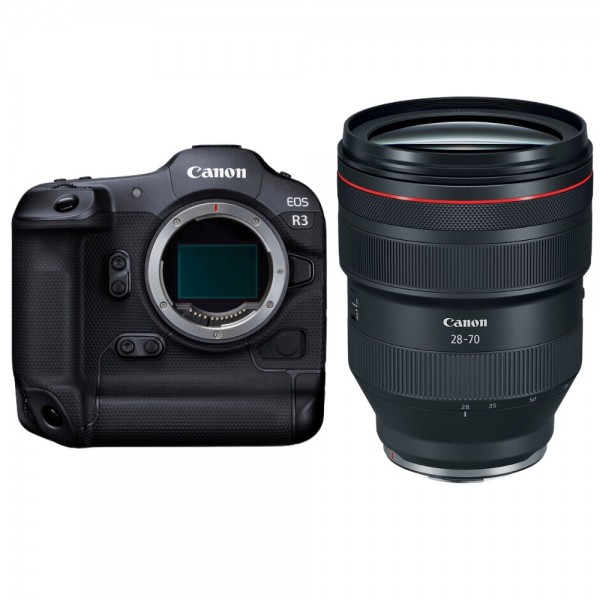
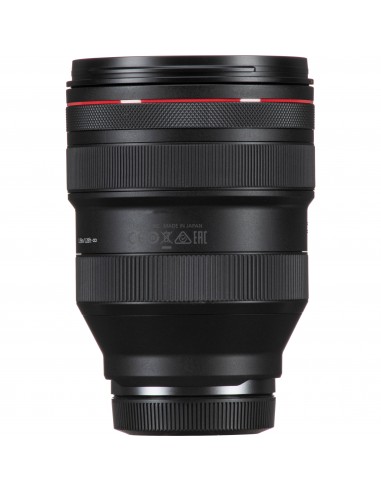
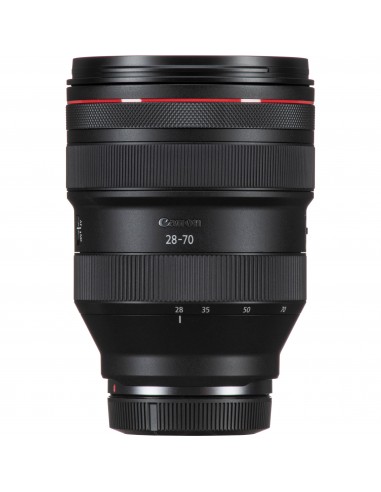
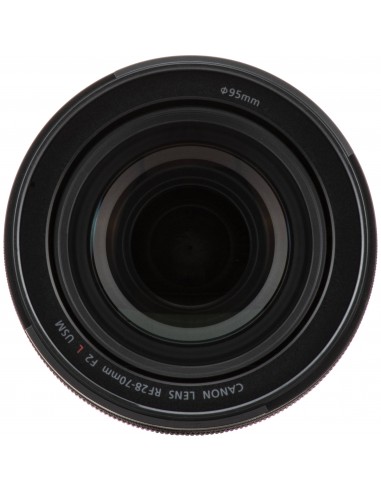
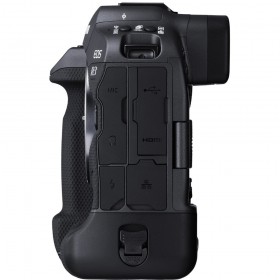
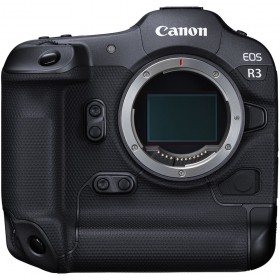
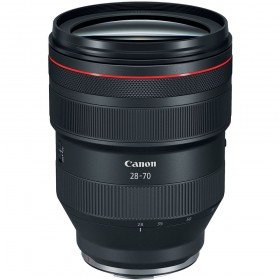
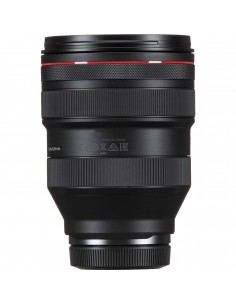
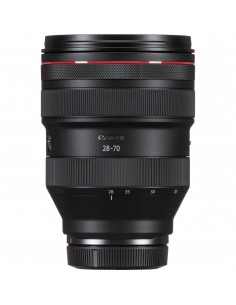
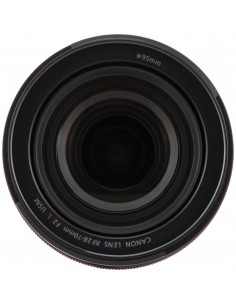
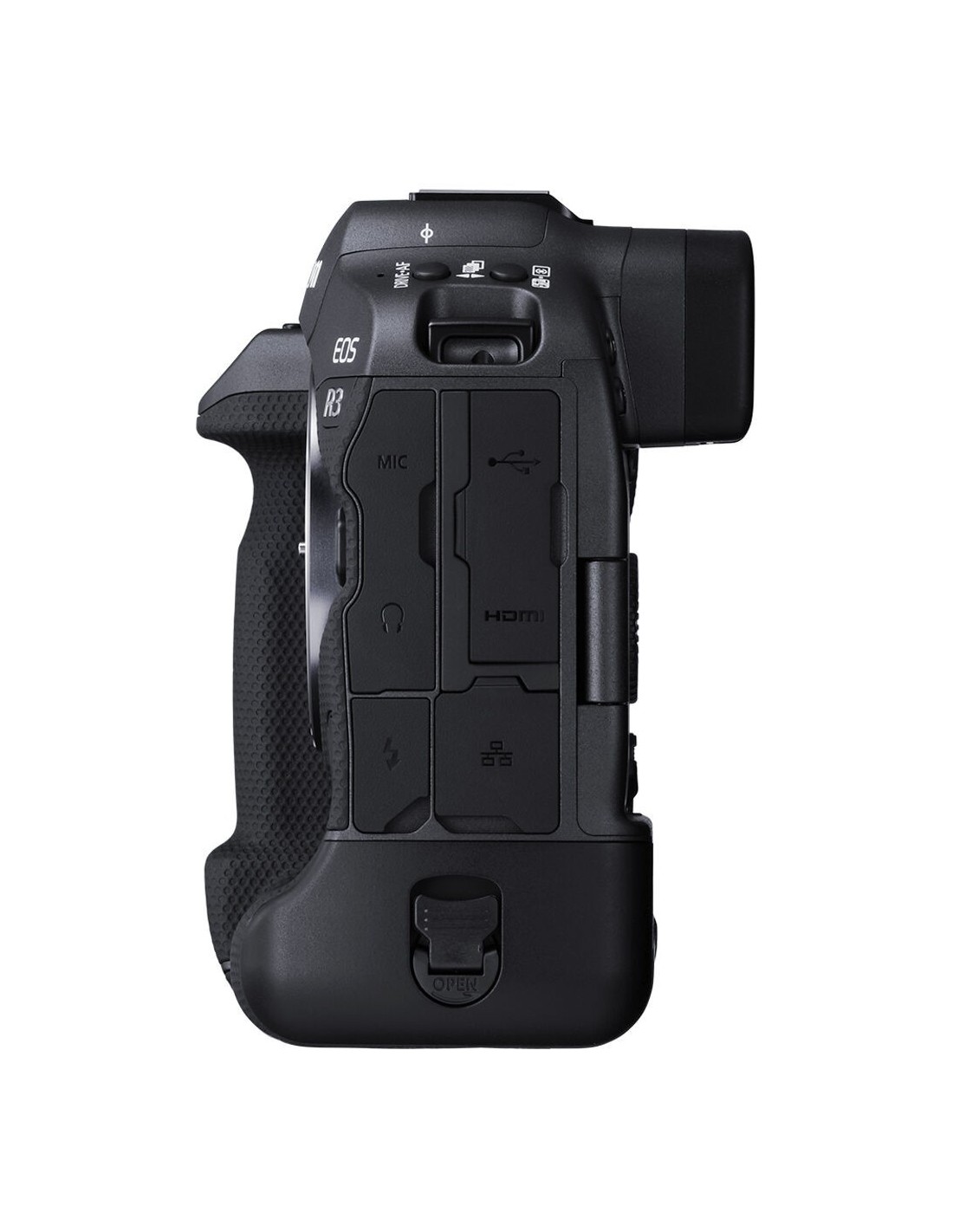
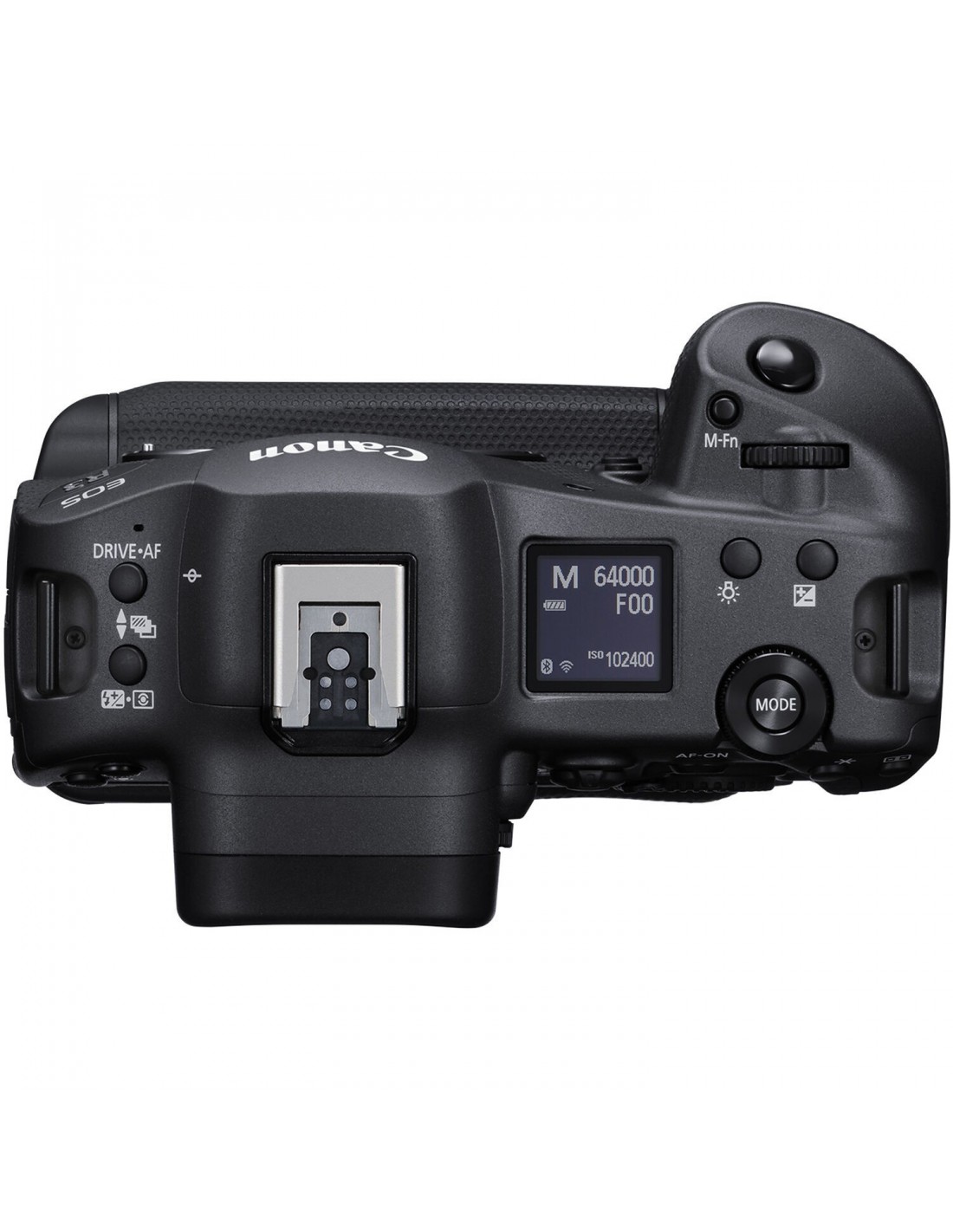
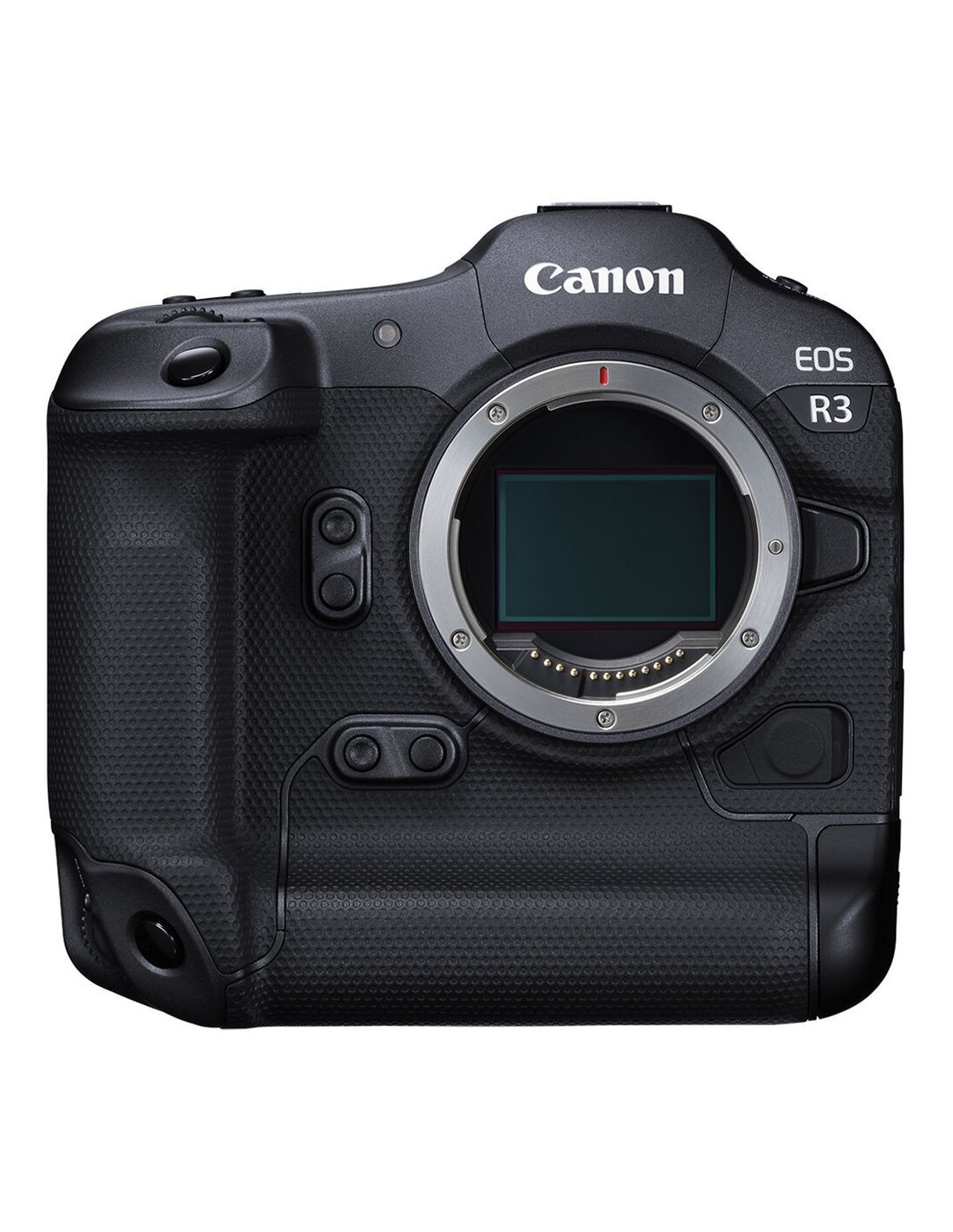
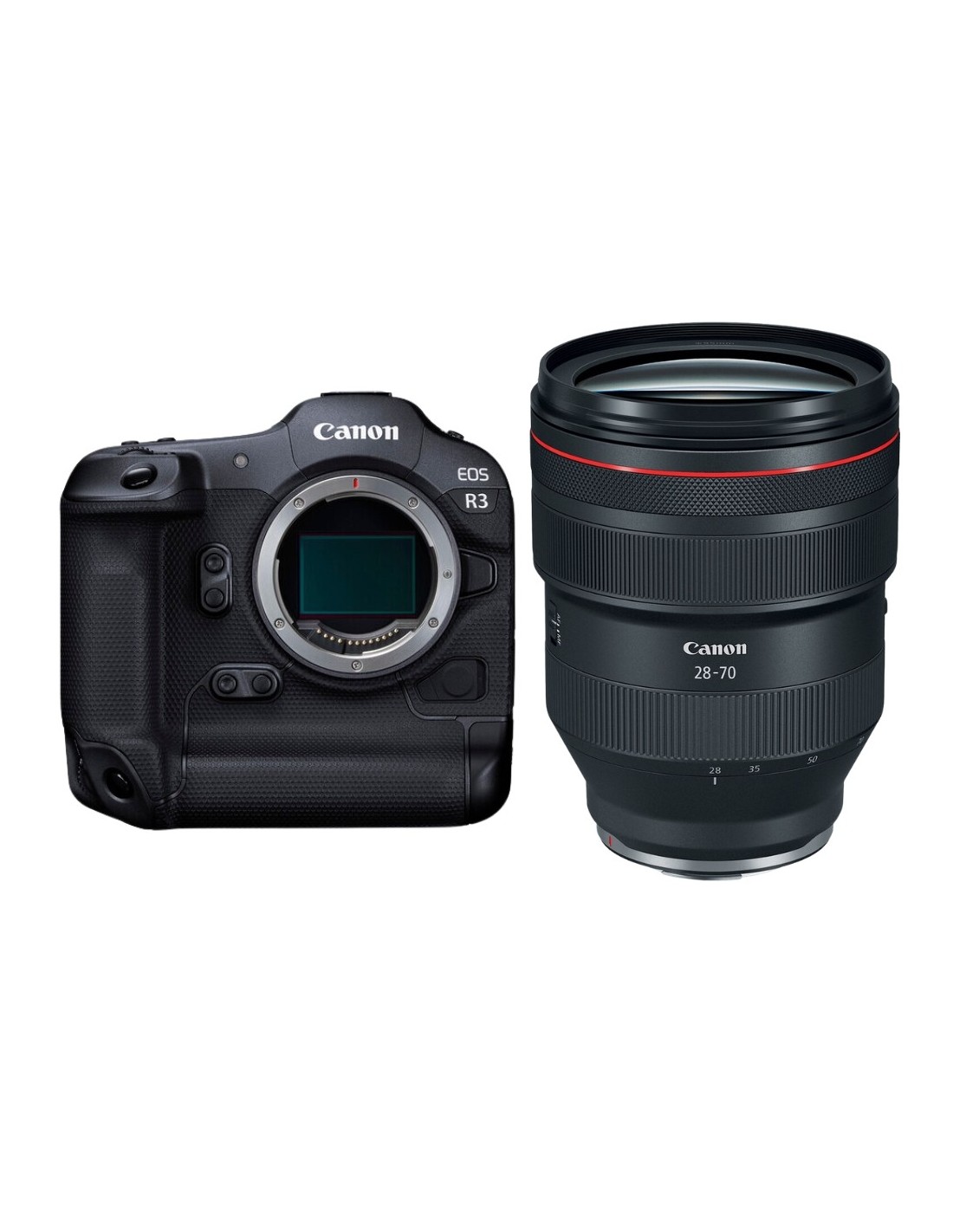
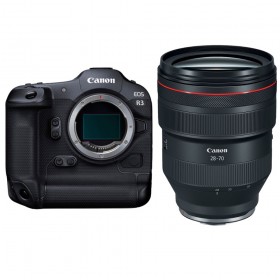
The Canon EOS R3 + RF 28-70mm F2 L USM is for photographers who need a fast full-frame body and a bright standard zoom in one working kit. It suits weddings, portraits, reportage, events and stage work where the scene can move from a wide context at 28 mm to a tighter 70 mm frame before there is time to change lenses. The constant F2 aperture helps preserve shutter speed as light falls, while the EOS R3 brings person recognition, up to 30 fps with AF/AE and two card slots. Choose it when image character and immediate framing matter more than travel weight. The calculated working weight is about 2.45 kg before accessories, 28 mm is not as wide as 24 mm, and the lens has no optical stabilization.
Compatible pack
Complete your set
Combine compatible accessories and save. The more items you add, the bigger the discount.
1 5.00%2 8.00%3 10.00%4+ 12.00%
Main product
Canon EOS R3 + RF 28-70mm f/2 L USM
€5,762.70
Compatible
Accessory
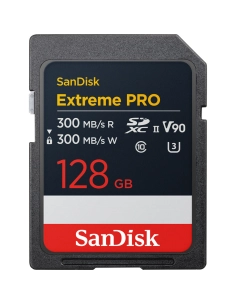
SanDisk 128GB Extreme PRO UHS-II SDXC 300 MB/s memory card
€210.00€199.50
Compatible
Accessory
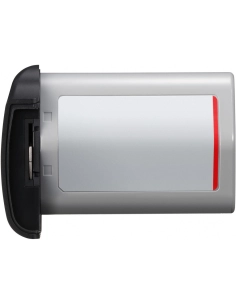
Canon LP-E19 Battery (2700mAh)
€189.00€179.55
Compatible
Accessory
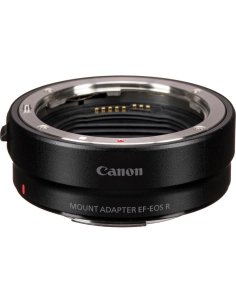
Canon Mount Adapter EF-EOS R – EF-EOS R Mount Adapter
€109.00€103.55
Compatible
warranty extension
2-year warranty extension
€461.02
0% offYou save-
No accessory selectedUse the standard buy box to buy the product alone.
The Canon EOS R3 + RF 28-70mm F2 L USM is not a body with a convenient zoom added as an afterthought. It is a working combination for photographers who repeatedly need three things at once: a responsive full-frame body, a standard focal range, and an aperture brighter than a conventional F2.8 standard zoom. At 28 mm, you can establish the room, the dress, the stage or the group around a subject. By 70 mm, you can move into a more concentrated portrait without breaking the pace to change lenses. That matters when an entrance, a toast or a short exchange will not happen twice. The EOS R3's 24.1-megapixel stacked BSI full-frame sensor and DIGIC X processor sit behind that workflow; the lens gives the body a very particular visual and practical direction.
It also helps to be precise about what this product is not. It does not replace the generic Canon EOS R3 body for someone choosing a camera first, and it does not replace the RF 28-70mm F2 L USM lens for a photographer already equipped with an RF body. This exact kit makes sense when the camera and this F2 zoom are meant to work together from the first assignment. Choose it for wedding coverage, portrait work, fashion, events, stage and communications jobs where you can manage its size. Do not choose it on the assumption that one zoom will cover every distance or fit effortlessly into a lightweight travel bag.
Canon EOS R3 with RF 28-70mm F2 L USM key strengths
Constant F2 aperture: keep useful shutter speeds when the available light falls.
28-70 mm zoom range: move from an environmental frame to a tighter portrait without changing lenses.
EOS R3 electronic burst up to 30 fps with AF/AE: give a brief gesture or expression more frames to choose from.
Dual Pixel CMOS AF II with person recognition: stay focused on the subject during a ceremony, event or portrait session.
In-body stabilization of up to 8 stops, depending on lens and conditions: reduce the effect of the photographer's own movement when working handheld.
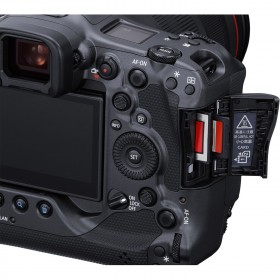
CFexpress Type B and SD UHS-II card slots: separate or duplicate a demanding shoot across two cards.
Internal 6K RAW up to 60p and 4K up to 120p, depending on mode: add high-resolution or slow-motion video to a photo assignment.
L-series lens construction with dust and moisture resistance: work with more confidence when conditions are changeable.
Customizable lens control ring and full-time manual focus override: keep an important adjustment close to the hand holding the lens.
A professional setup that prioritises light, rendering and standard-zoom flexibility.
28-70 mm lets you change the story without changing lenses
A 28-70 mm range is about controlling your distance and your emphasis while the situation is moving. At the 28 mm end, the lens can keep a person in relation to the place around them: a couple at the start of a ceremony, a designer among a collection, a speaker framed by the room, or an executive in their workplace. Turn the zoom toward 70 mm and the frame can become more selective, placing more attention on a face, hands, a detail of styling or the reaction across the room. Because this happens with one lens, the photographer can keep watching the scene rather than stepping away to reach for another focal length. On a live assignment, that continuity can be more useful than carrying an extra lens for every transition.
There is a boundary to accept before buying. Twenty-eight millimeters is less wide than 24 mm. In a very small preparation room, a packed backstage area or a tight interior, that difference can decide whether the whole scene fits comfortably. At the other end, 70 mm offers a tighter standard view, not the reach of a telephoto lens. A performer far across a venue, a distant player or wildlife will still call for more focal length. The strength of this zoom is not unlimited coverage. It is the ability to work naturally across the most common near-to-medium distances in reportage, then move quickly from context to person when that is where the picture is.
F2 is useful when the light and the moment both matter
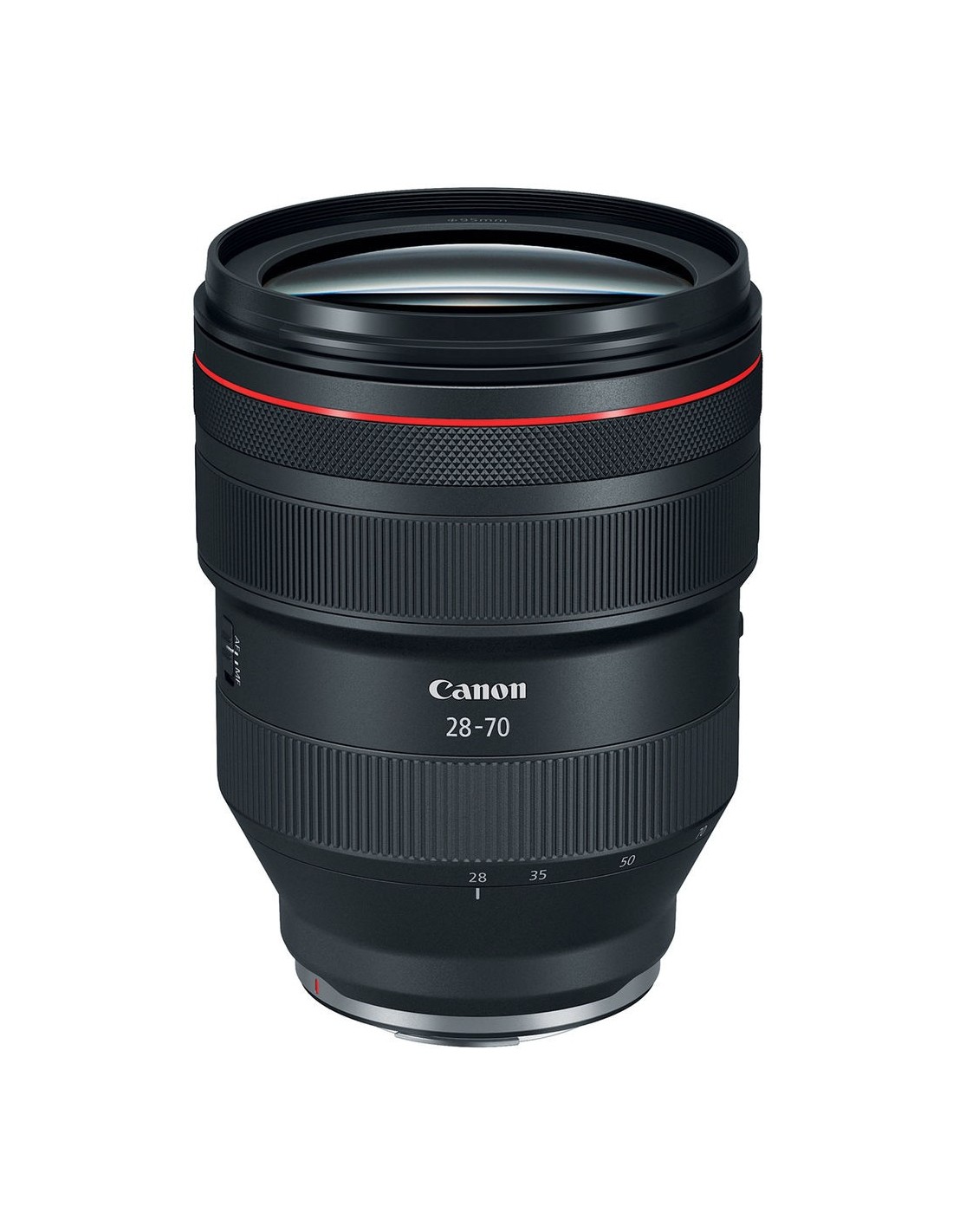
The RF 28-70mm holds F2 across its entire range. That constant maximum aperture gives you the same exposure option at 28 mm, 50 mm and 70 mm, instead of losing light as you zoom toward a portrait framing. In practice, it can help retain a shutter speed that suits a moving hand, a turn of the head or an entrance when daylight is fading and the room lighting is not generous. It also gives you more control over how clearly a person separates from their surroundings. At a reception, the background may contain tables, guests and practical lighting; at F2, the frame can place more visual weight on the subject when the shooting distance and background distance allow it. The nine-blade circular diaphragm supports this approach to selective focus.
Brightness comes with responsibility. At F2, depth of field can be very fine, especially toward 70 mm and at close working distances. A portrait may look intentional with the nearest eye in focus, but a slight change in subject position can move that plane. This is where the EOS R3's autofocus system earns its place, but it does not remove the need to look closely at where focus should sit. The maximum aperture is also not a substitute for a shutter speed appropriate to action. For a dancer, a child running through a reception or a quick gesture on stage, exposure choices still have to match the movement in front of the lens. F2 gives you room to make those choices; it does not make them for you.
Which EOS R3 configuration fits the way you work?
Configuration
What changes
Consider it when
EOS R3 + RF 28-70mm F2 L USM
Constant F2 and 28-70 mm framing in one substantial zoom
You want more light than F2.8 and can accept a 2.45 kg calculated working weight before accessories
EOS R3 + RF 24-70mm F2.8 L IS USM
Wider 24 mm start, lower weight and optical stabilization
Small rooms, easier carrying and a wider standard view matter more than F2
EOS R3 + RF 24-105mm F4 L IS USM
A longer zoom range with a more mobile-minded approach
Your shooting distance changes constantly and extended reach is more useful than F2
EOS R3 + RF 50mm F1.2 L USM
A fixed focal length with an even brighter aperture
You prefer to work around one perspective rather than zoom between context and portrait
Autofocus and burst modes for moments that do not wait
The EOS R3 uses Dual Pixel CMOS AF II and can recognize people, animals and vehicles. For the work this kit most naturally invites, person recognition is especially relevant. During a ceremony, a speech or a portrait sequence, it can help the camera keep attention on the person you have chosen while you adjust framing through the zoom range. Eye Control AF is another EOS R3 control option to set up deliberately, rather than a reason to stop making focus decisions. A camera can identify a person; the photographer still decides which person carries the image, whether the frame should hold a face or a gesture, and when the background needs more of the story. The practical benefit is a more responsive starting point when the subject will not repeat a movement for the camera.
For action, the standard electronic burst reaches up to 30 fps with AF/AE, while the mechanical burst reaches up to 12 fps. The electronic mode can make a real difference when a hand meets a hand, a dress changes shape in motion, or a performer gives a fraction of a second expression. More frames do not guarantee the decisive picture, but they allow a photographer to select the most convincing position after a short sequence. The 195 fps special mode has a much narrower role: it is for a brief duration and does not include AF/AE tracking. It should not be treated as the normal continuous mode for a wedding or event. Knowing that distinction keeps expectations realistic and makes the 30 fps mode the more meaningful figure for sustained work.
For weddings and reportage, the rhythm is the real advantage
Wedding and reportage photography rarely give you a clean pause between wide coverage and a close reaction. One minute, you need the person and the setting; the next, you need to isolate a look exchanged across the aisle or a parent reacting during a speech. The 28-70 mm range lets the camera remain in your hands through that change, and F2 can help when the light drops after the formal part of the day. The EOS R3 can support this pace with person recognition and its electronic burst up to 30 fps with AF/AE. Those features are useful because they remove a few mechanical interruptions. They do not replace position, anticipation or an understanding of the event, but they leave the photographer freer to pay attention to the people rather than the equipment.
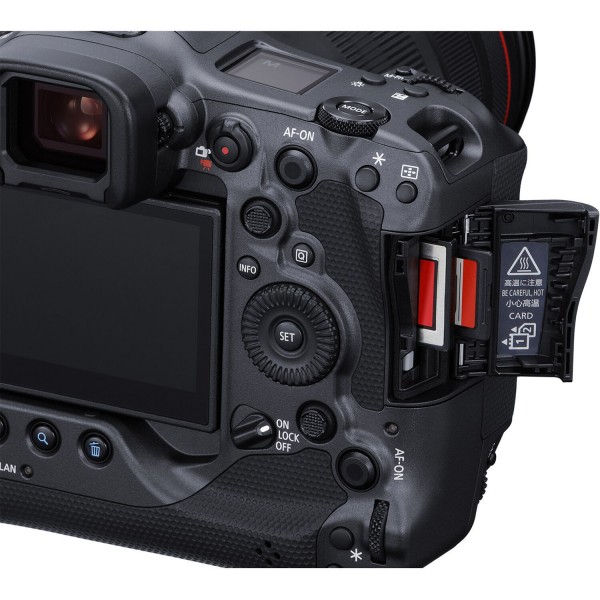
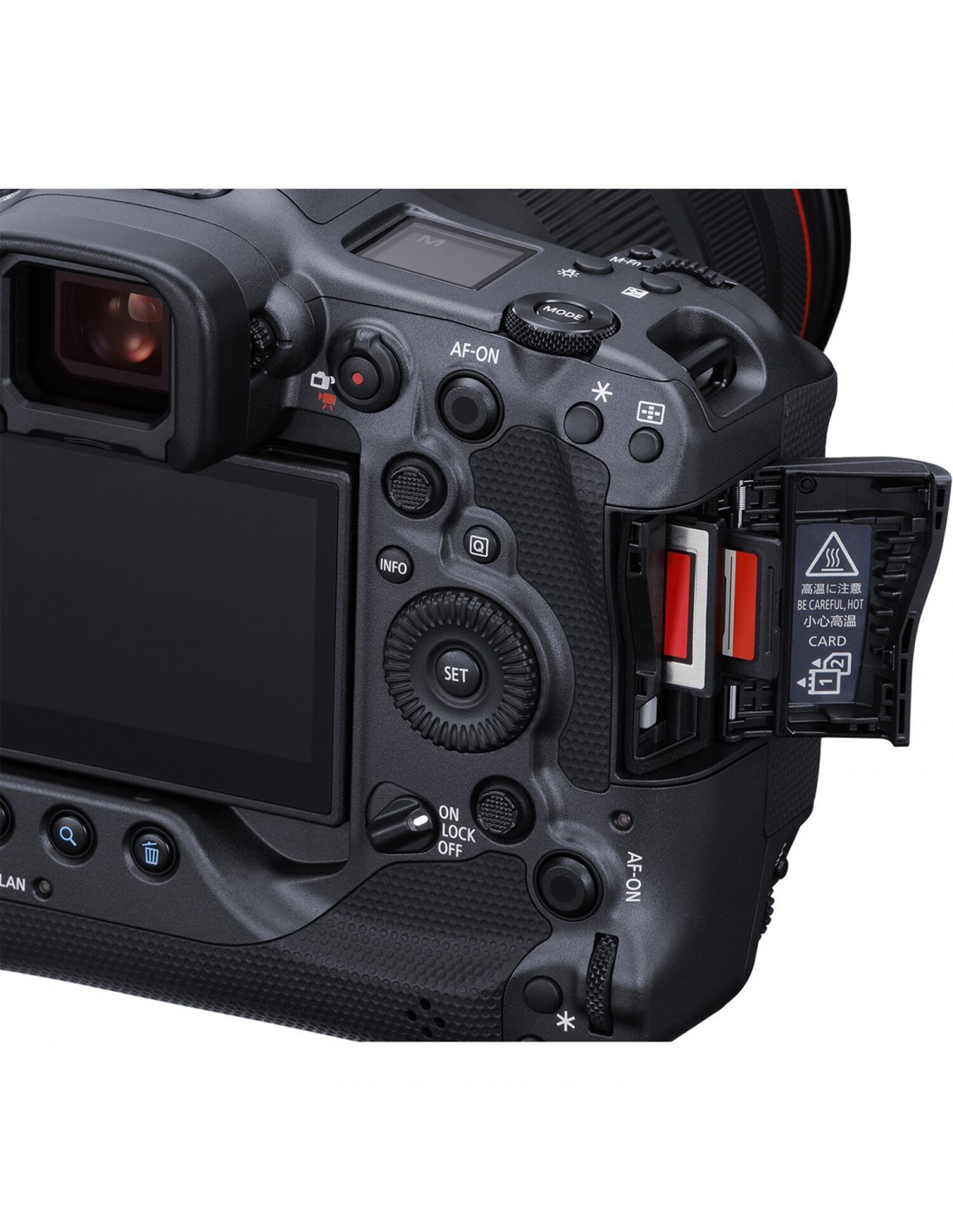
The double card arrangement is another practical part of the kit. The EOS R3 accepts one CFexpress Type B card and one SD UHS-II card, so a demanding assignment can be planned across two media types. That is helpful for a long day combining stills and video, but the cards still need to match the chosen mode and the storage requirement still has to be considered in advance. The same applies to the physical presence of the lens. At nearly 1.43 kg, it is not a lens you forget is there. For a photographer who wants a deliberately bright standard zoom ready for the important parts of a wedding or report, that compromise can be sensible. For someone who needs to work in tight spaces all day or wants the lightest possible kit, it may be the wrong trade.
The kit’s key figures placed in practical shooting situations.
Portrait, fashion and events: work close enough, then step back
Portrait and fashion assignments often ask for a shift in relationship rather than a shift in location. At 70 mm, the lens can make a head-and-shoulders frame or a selective detail feel more contained. Return toward 28 mm and the subject can be shown with wardrobe, architecture, a work environment or a larger group. The minimum focusing distance of 0.39 m and maximum magnification of 0.18x add another option for closer details, such as hands, material or an accessory, without turning the lens into a dedicated macro optic. Ring USM focusing and full-time manual focus override give the photographer a direct way to refine focus when the decision needs to be more deliberate than automatic recognition alone.
For events and stage work, the same range works best when your position can be chosen with intent. You may frame a speaker with enough room around them at 28 mm, then close in at 70 mm once the gesture or expression becomes the subject. F2 can be valuable in the uneven illumination common to a venue, though it does not solve every exposure problem. Bright spotlights, fast movement and high contrast still need careful judgement. The lens's L-series dust and moisture resistance, fluorine treatment and ASC and SWC coatings are part of a professional construction, but they are not an IP certification. Protect the equipment in sustained rain or harsh conditions. This is a kit for informed use in changeable working environments, not a promise that weather stops mattering.
Stabilization helps the photographer, not the moving subject
The RF 28-70mm F2 L USM has no optical stabilization. The EOS R3 does have in-body stabilization that can reach up to 8 stops, depending on the lens and Canon's conditions. With this pairing, that means the camera body may help reduce the effect of the photographer's own movement when working handheld. It can be relevant for a quieter portrait, a still interior detail or a held composition at the end of a long day. It can also make the view through the 5.76-million-dot OLED viewfinder feel more settled when you are waiting for an expression. The important word is may: the maximum figure is conditional, and stabilization is support for the way the camera is held rather than a guarantee for every scene.
A stabilized body cannot freeze a subject who moves. A bride walking quickly, a musician's hand, a dancer or an animated conversation still require a shutter speed that matches the action. That is exactly why the F2 aperture and the EOS R3's autofocus and burst capability belong together in this kit: each addresses a different part of the problem. The aperture can help with exposure, the focus system can help keep attention on the chosen person, the burst can offer more positions to select, and stabilization can help with photographer movement. Treating them as separate tools leads to better choices than assuming any one specification can replace timing. It also avoids the common disappointment of expecting stabilization to solve subject blur.
The specifications that change a shooting decision
Feature
Working benefit
What to remember
28-70 mm at constant F2
Reframe quickly and keep the same maximum aperture through the zoom range
28 mm is not as wide as 24 mm, and 70 mm is not telephoto reach
Up to 30 fps electronic burst with AF/AE
Select a more convincing position from a short sequence of movement
The 195 fps special mode is brief and has no AF/AE tracking
EOS R3 in-body stabilization
Help reduce camera movement when shooting handheld
The lens has no optical stabilization and subject motion still needs shutter speed
CFexpress Type B plus SD UHS-II
Plan an assignment across two card types
Check card compatibility and storage before demanding stills or video modes
Weight, handling and carrying this kit through a real day
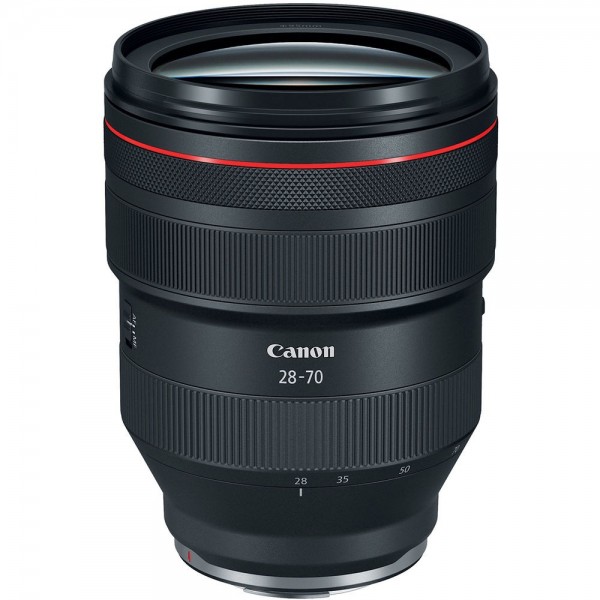
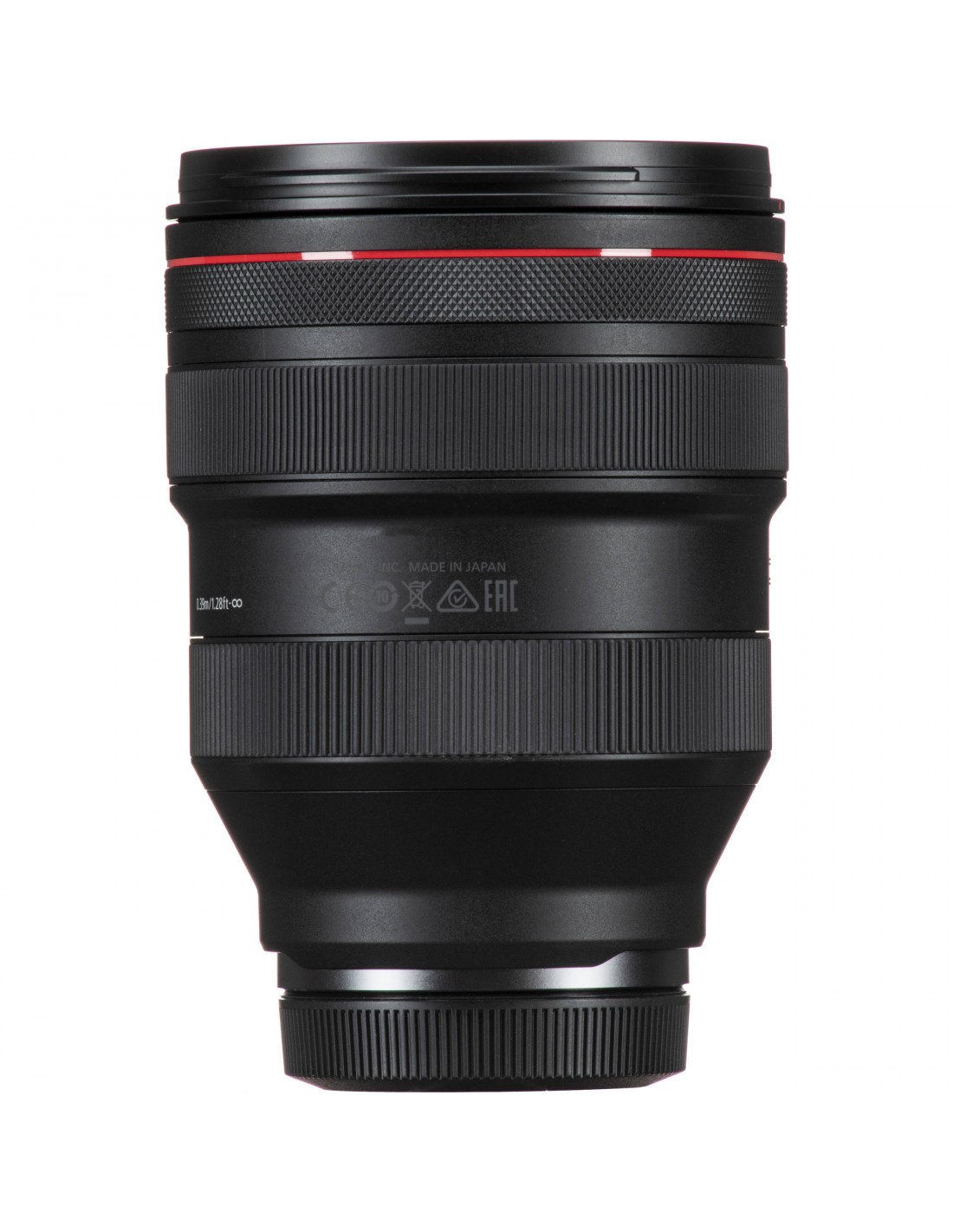
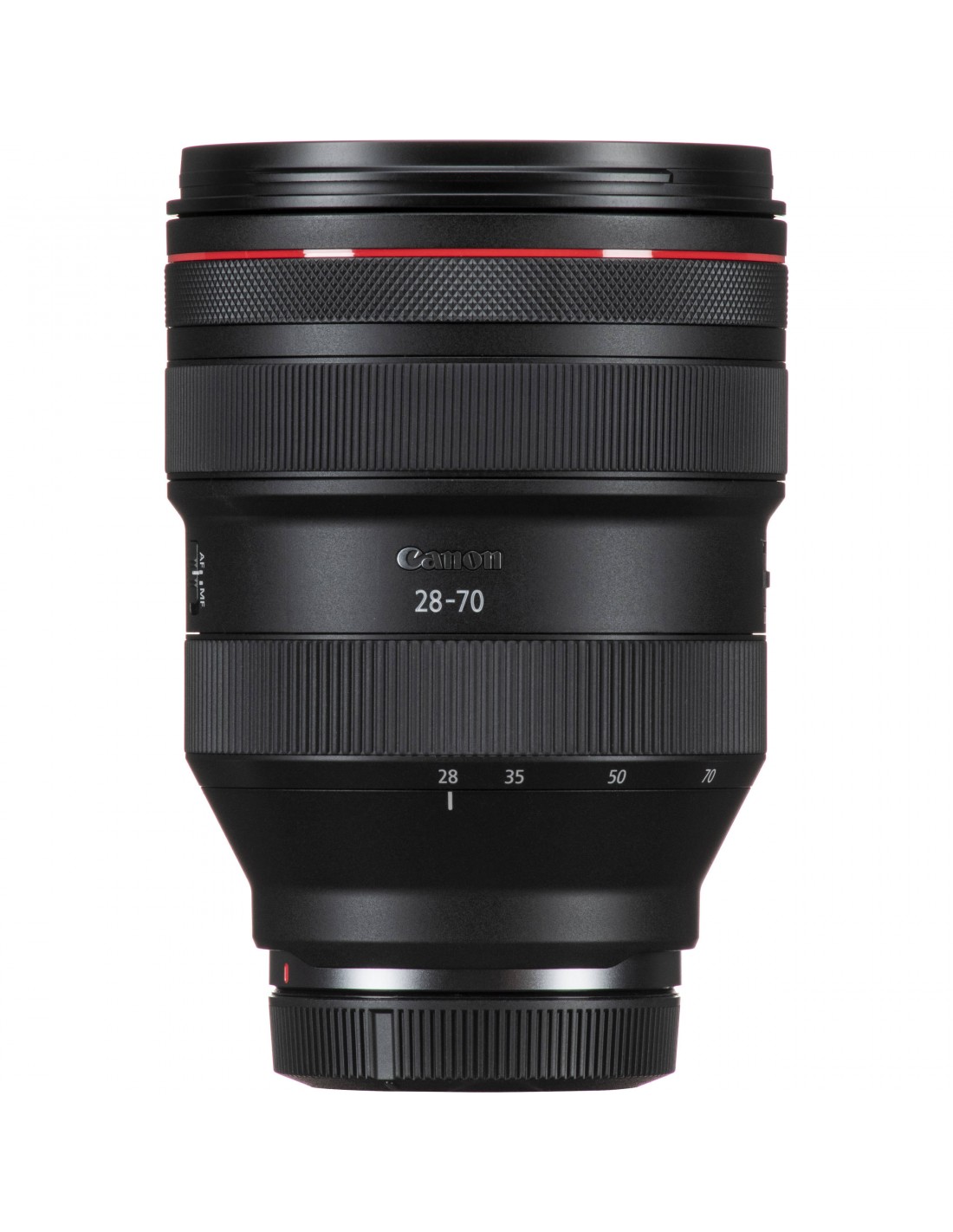
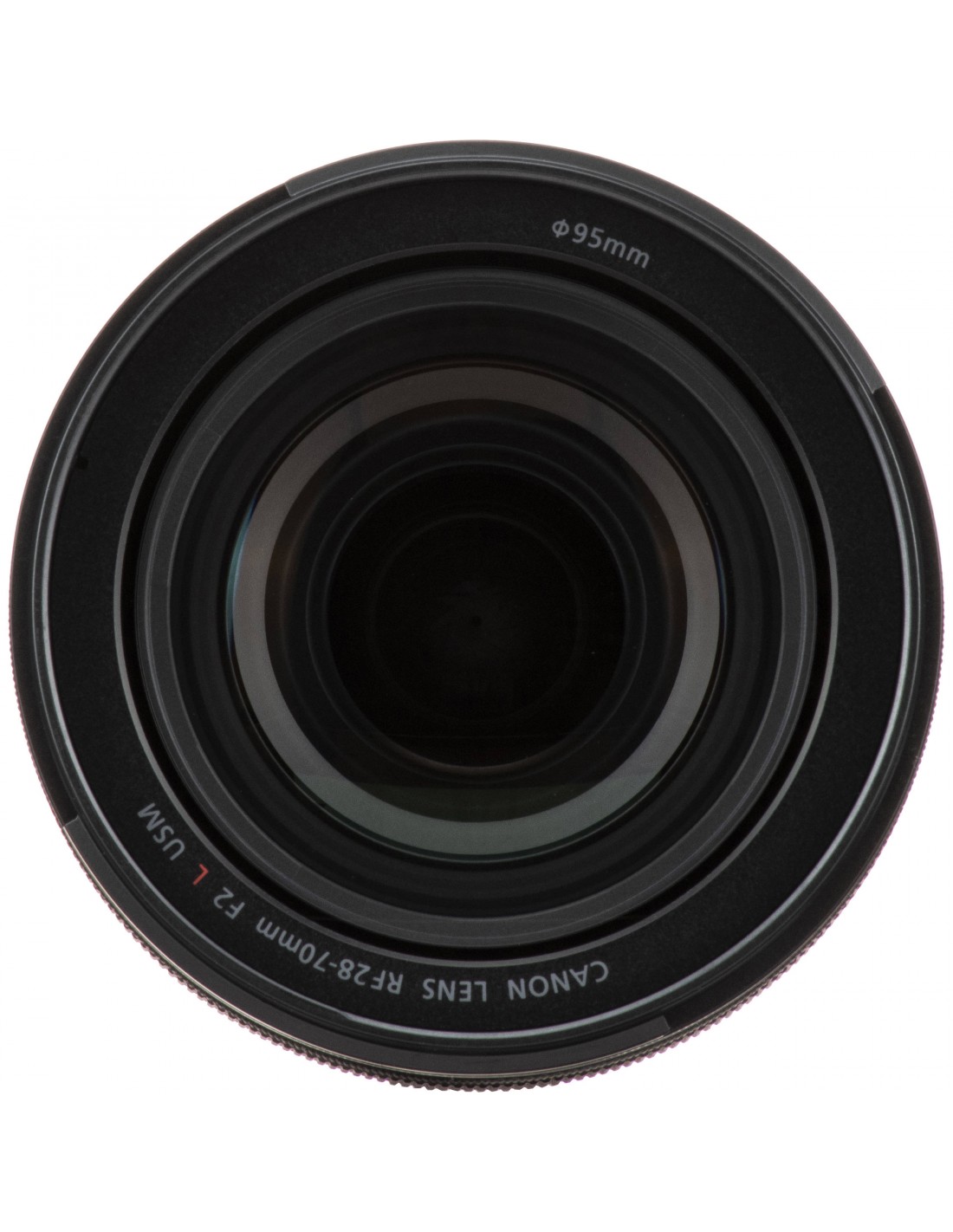
The EOS R3 weighs 822 g as a body, or approximately 1,015 g with battery and card. The RF 28-70mm F2 L USM weighs approximately 1,430 g. Added together, that is a calculated working weight of about 2.45 kg before accessories, based on Canon's listed weights rather than a measurement by MCZ DIRECT. That number deserves to be considered before the aperture or burst rate. This is substantial equipment to carry through a full wedding day, a long event or a report that involves walking between locations. The size of the lens, approximately 103.8 x 139.8 mm, and its 95 mm filter thread also affect how you pack filters, protection and support. A photographer who is already comfortable with professional equipment may accept the weight for F2; a photographer prioritizing mobility may not.
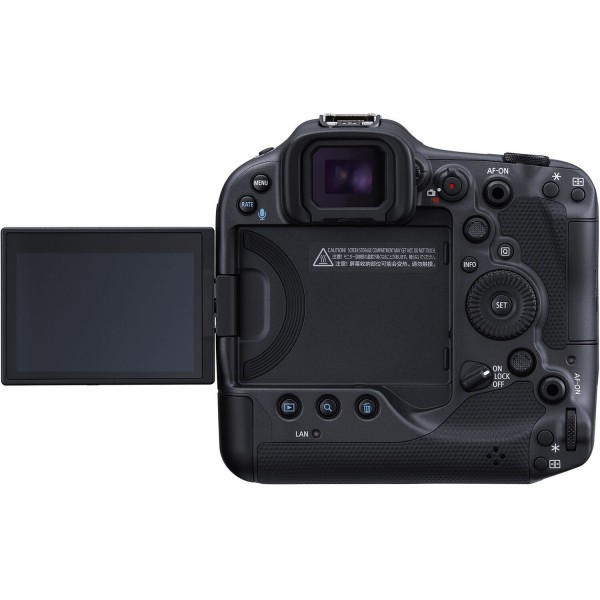
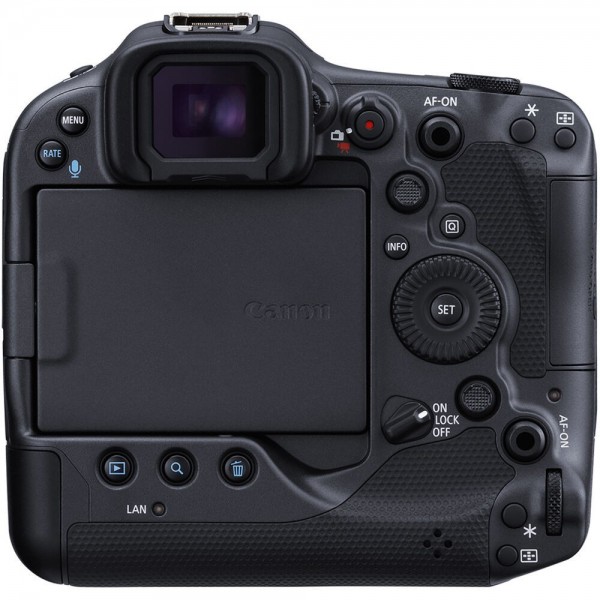
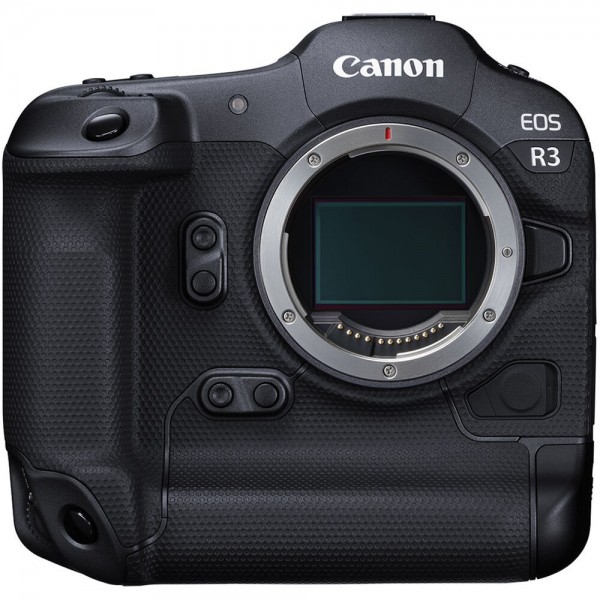
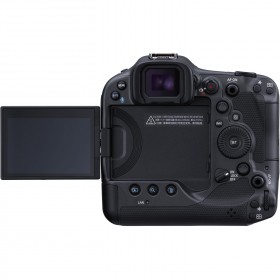
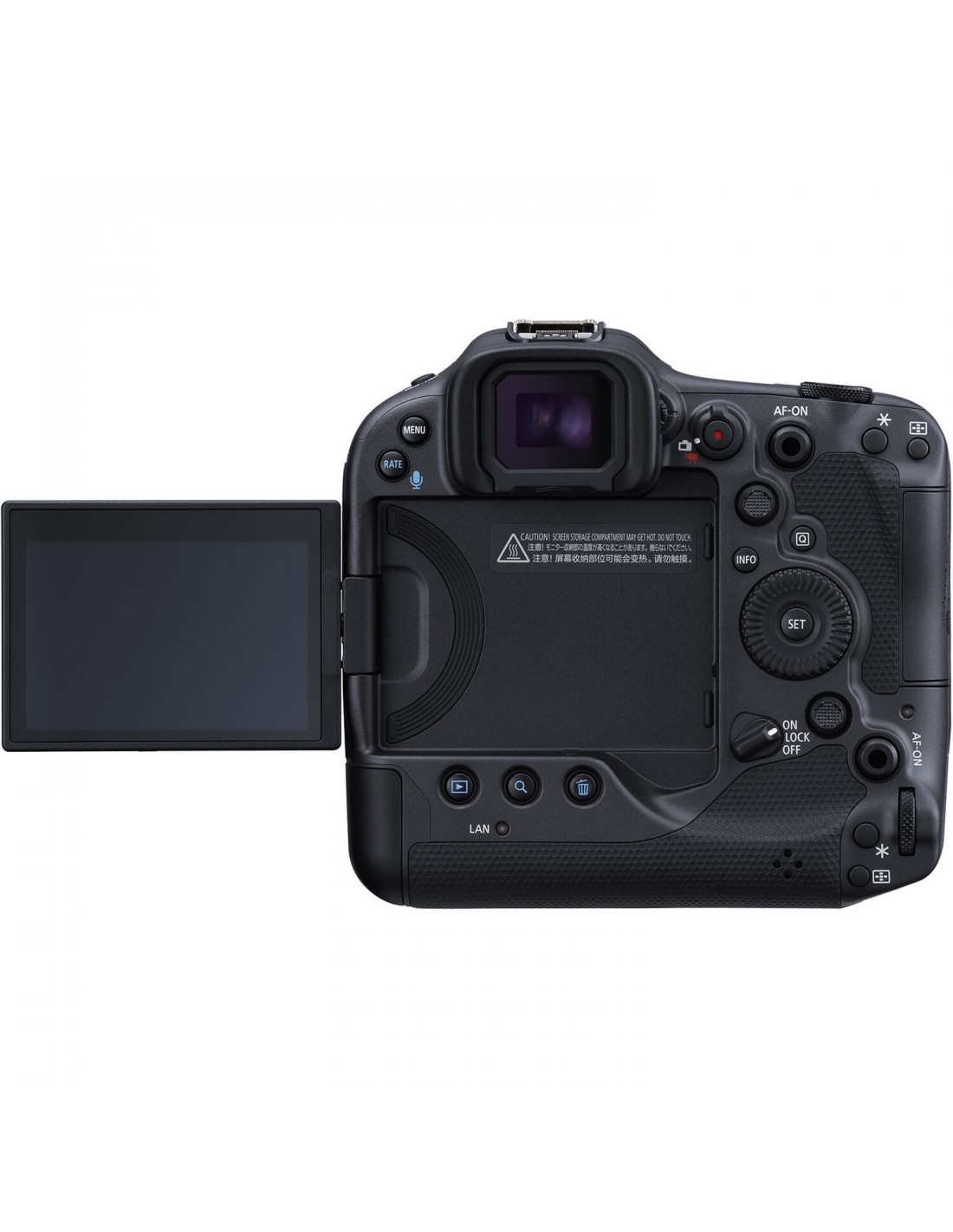
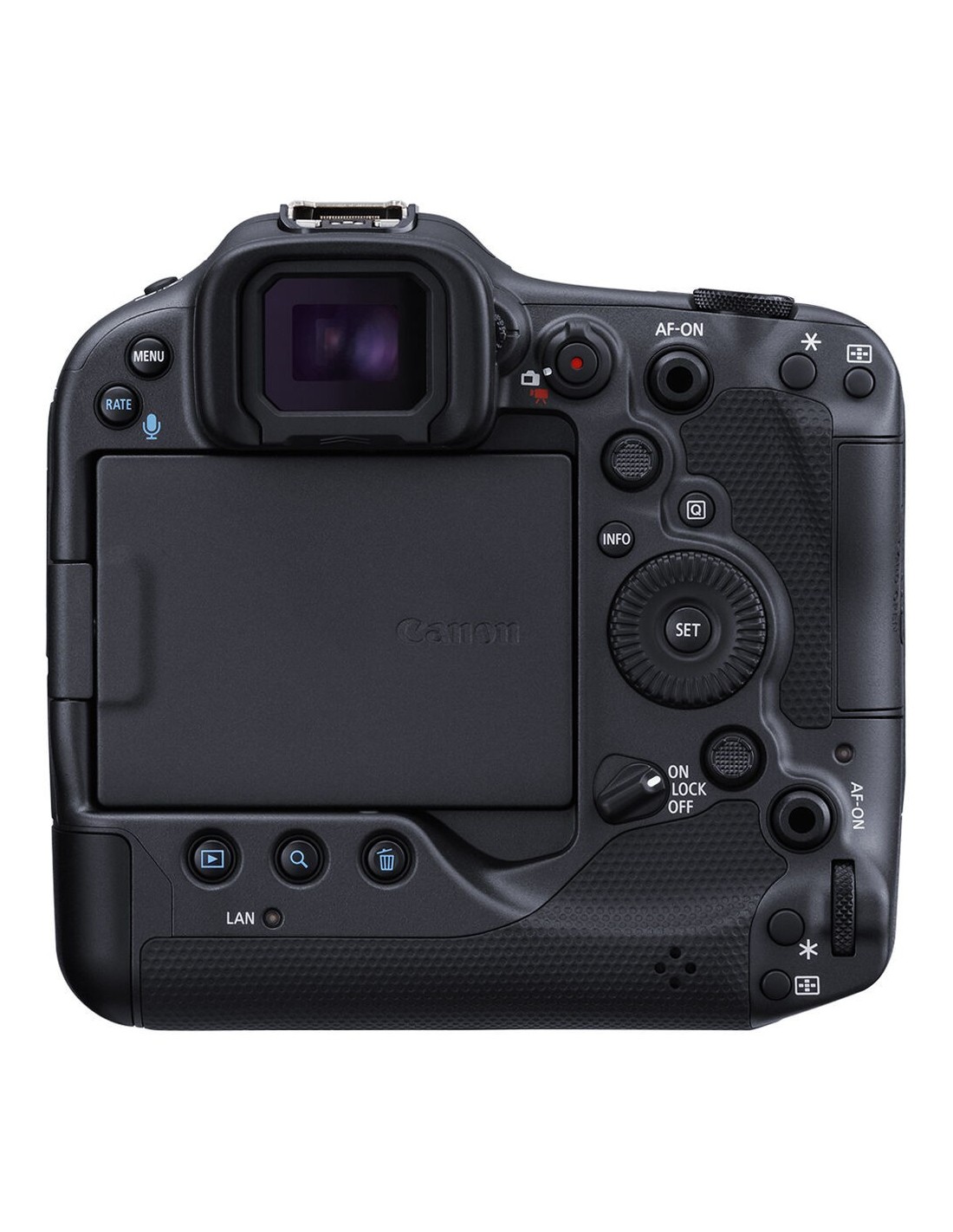
The R3's 3.2-inch vari-angle screen and its OLED viewfinder provide two ways to compose when the camera needs to move above, below or away from eye level. Its body measures 150 x 142.6 x 87.2 mm, so it is designed around a serious grip rather than a compact profile. The lens adds a customizable control ring, which can keep a chosen adjustment accessible without taking the left hand far from the barrel. These are useful handling details, not a claim that the kit will feel light after hours of use. The most honest setup is to plan how it will be carried, how often it will be raised, and whether a second lighter option is needed for parts of the assignment. Good handling begins before the camera is switched on.
Still photography, video and the storage decision behind the camera
The EOS R3 records 6K RAW internally up to 60p and 4K up to 120p, depending on the selected mode. With the 28-70 mm F2 lens, that gives a photographer the option to move from a broad establishing shot to a tighter interview, speech or performance frame without changing optics. The lens can be especially useful when the video subject needs to stay visually separate from a busy background, but the same limitations of focal length remain. At 28 mm, it is not a 24 mm solution for tight spaces; at 70 mm, it does not offer telephoto reach. Handheld video also demands attention to movement. In-body stabilization can help with the camera holder's movement, but it does not remove the need for an appropriate shooting technique or support when a shot calls for it.
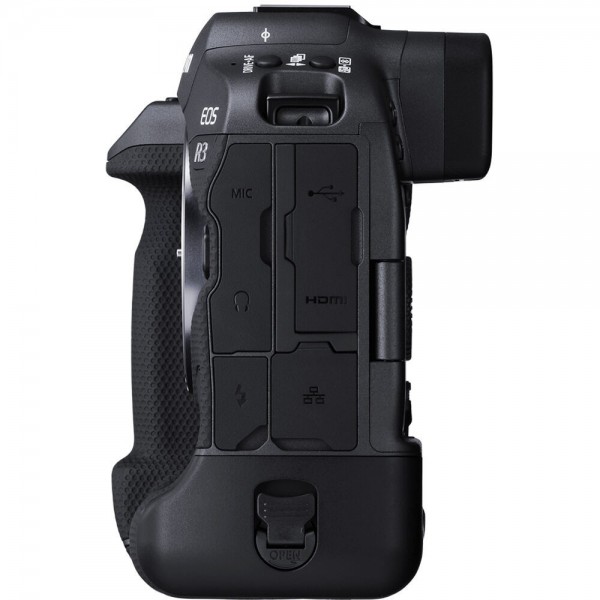
High-resolution video and long bursts have a consequence after the moment is captured: file size and storage need planning. The EOS R3's CFexpress Type B and SD UHS-II slots give you a flexible card arrangement, while Ethernet, Wi-Fi and Bluetooth offer several connection options around a working setup. What matters is matching the media and the transfer plan to the modes you intend to use. A day that mixes 30 fps stills with 6K RAW video will not create the same storage needs as a short portrait session. The included features make ambitious capture possible, but no camera removes the responsibility to prepare cards, battery use, ingest and archive. For professional work, that preparation is part of choosing this body-lens pairing rather than an extra task after the purchase.
Match the kit to the assignment, not just the specification
Assignment
Useful part of the kit
Practical reason
Wedding ceremony or speech
Person recognition, 28-70 mm and F2
Move from the room to a reaction while keeping the lens on the camera
Portrait or fashion session
70 mm, F2 and 0.39 m minimum focus distance
Build a selective portrait, then move closer for a detail without fitting another lens
Event or stage work
Up to 30 fps with AF/AE and a 28-70 mm range
Follow a brief gesture while adapting the frame from your chosen position
Hybrid photo and video day
6K RAW or 4K modes, plus two card slots
Prepare for tight video framing and the heavier storage load that follows
Three zooms for choosing mobility, brightness or framing range.
Choose the kit for F2, not because it sounds like the broadest answer
The closest decision is often between this kit and the EOS R3 + RF 24-70mm F2.8 L IS USM. The 24-70 mm option is wider, lighter, optically stabilized and easier to carry. It is the more rational choice for photographers who repeatedly need 24 mm or who value a lighter standard zoom over the extra brightness of F2. The 28-70 mm F2 kit answers a different preference: accept more weight and a less wide starting point in exchange for a constant F2 aperture. The EOS R3 + RF 24-105mm F4 L IS USM extends the range further and is a more mobile-minded option when changing distance matters more than the F2 look and exposure margin.
A third direction is the EOS R3 + RF 50mm F1.2 L USM. Its fixed focal length is even brighter, but it asks you to build every frame around one angle of view. The 28-70 mm F2 sits between those approaches: less adaptable than a broader-range zoom, less single-minded than a 50 mm prime, and deliberately heavy. At MCZ DIRECT, we would point the right photographer toward it when the job often changes from contextual image to portrait without warning and F2 is worth carrying. We would steer a buyer toward another configuration when 24 mm, longer reach, lower weight or a single fixed focal length matters more. That is a better basis for the purchase than treating the biggest aperture as an automatic win.
Our verdict
At MCZ DIRECT, we position the Canon EOS R3 + RF 28-70mm F2 L USM as a specialist professional kit for photographers who value a bright standard zoom enough to carry it. It is particularly coherent for weddings, portrait, fashion, reportage, events and stage work: 28-70 mm covers the change from place to person, F2 helps when available light becomes a constraint, and the EOS R3 contributes person recognition, up to 30 fps with AF/AE and a double card arrangement. Against the 24-70 mm F2.8 kit, it gives up 24 mm, lower weight and optical stabilization in exchange for its constant F2 approach.
The limit is real and should guide the decision. At a calculated 2.45 kg before accessories, it is a serious kit to carry, and its lens has no optical stabilization. It is also not the answer for a photographer who regularly needs very wide framing, telephoto reach or a single setup for every job. Choose it when your work repeatedly benefits from changing quickly between a contextual 28 mm frame and a tighter 70 mm frame at F2. Choose the 24-70 mm F2.8, 24-105 mm F4 or 50 mm F1.2 configuration when their particular balance of width, reach, mobility or fixed-focal-length discipline better matches your work.
Choose the Canon EOS R3 + RF 28-70mm F2 L USM when you need one fast standard zoom to move from a wedding scene, event setting or fashion environment into a tighter portrait before the moment has passed - and when you are ready to carry the weight that F2 requires.
Photo resolution
24 to 32 MP
Camera Format
Full frame
Lens mount
Canon RF
Recommended use
All-round use
Landscape
Photo / video
Portrait
Reportage
Sport
Wildlife
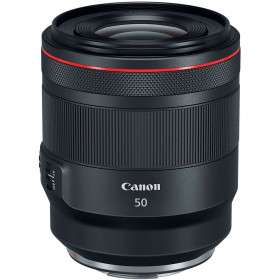
The Canon RF 50mm F1.2L USM is a professional prime lens for portrait, wedding and reportage photographers who want distinctive subject separation, and we recommend it when rendering and available-light performance matter more than low weight. Its f/1.2 aperture can produce very shallow depth of field while helping retain a practical shutter speed indoors...
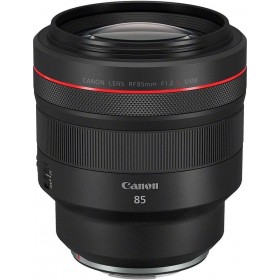
The Canon RF 85mm F1.2L USM is a professional portrait lens for Canon EOS R cameras, recommended for photographers who value strong subject separation, fine detail and a very wide aperture in available light. Its 85mm view gives faces a flattering perspective, while f/1.2 can simplify a busy background and preserve useful shutter speed as light falls....
The Canon RF 24-70mm F2.8L IS USM is a professional standard zoom for EOS R photographers and filmmakers who need one dependable lens for varied assignments, and we recommend it for its balance of speed, range and handling. It moves from a wide 24mm view to a tighter 70mm portrait without changing its maximum F2.8 aperture. Canon rates the optical...
The Canon RF 70-200mm F2.8L IS USM is a bright, compact telephoto zoom for sports, wedding, portrait and reportage photographers, and we recommend it to anyone who wants an f/2.8 70-200mm that is easy to carry. Its constant aperture helps retain a fast shutter speed as light falls and separates the subject from the background. Dual Nano USM and...
The Canon RF 100-500mm F4.5-7.1L IS USM is an L-series telephoto zoom for wildlife, sports and aviation photographers who need to follow a subject from near to far without changing lens, and we recommend it when mobility matters as much as reach. Its 100-500mm range makes it easier to frame an approaching animal, a bird in flight or action across a field....
Canon EOS R3 + RF 28-70mm f/2 L USM videos
Technical specifications
General
Brand
Canon
Product type
Mirrorless camera
Camera type
Interchangeable-lens digital camera
Product line
Canon EOS R
Product series
EOS R
Specific model
EOS R3
Release date
2021-11
Available languages
Multilingual, including English
Camera
Level
Professional sport/reportage
Processor
DIGIC X
Image ratio
3:2
Image stabilization
Yes
Autofocus
Yes
Lens mount
Canon RF / RF-S
RAW
Yes
File formats
Still image: JPEG, HEIF, RAW, C-RAW. Compression options and profiles according to Canon specifications.
Max burst speed
30 fps
Lens included
Yes
Kit configuration
Canon EOS R3 kit with RF 28-70mm F2L USM.
Included lens count
1
Included lens 1
RF 28-70mm F2L USM
Lens 1 model
RF 28-70mm F2 L USM
Lens 1 mount
Canon RF
Lens 1 format
Full frame
Lens 1 focal length
28-70 mm
Lens 1 max aperture
F2
Lens 1 stabilization
No
Uses
All-round use
Yes
Architecture
No
Landscape
Yes
Portrait
Yes
Travel
No
Reportage
Yes
Sports
Yes
Wildlife
Yes
Photo / video
Yes
Vlogging
No
Sensor
Sensor type
36 x 24 mm CMOS
Sensor size
36 x 24 mm
Crop factor
1.0x
Autofocus points
1053
Resolution
24.1 MP
Maximum resolution
6000 x 4000
Sensor cleaning
Yes
Standard ISO range
ISO 100-102400
Maximum native ISO
ISO 102400
Exposure
Metering modes
Real-time metering with image sensor, 384-zone metering: evaluative, partial, spot and centre-weighted average.
Metering zones
384
Fastest shutter speed
1/64000 s
Slowest shutter speed
30 s, Bulb
Bulb mode
Yes
AEB bracketing
Yes
Manual exposure
Yes
Self-timer
Yes
White balance settings
Auto white balance, daylight, shade, cloudy, tungsten, white fluorescent, flash, custom and colour temperature setting.
Aperture priority
Yes
Shutter priority
Yes
Display
Display type
Vari-angle touchscreen LCD monitor, 3.2-inch, approx. 4.15 million dots
Display size
3.2
Display resolution
4150000
Touchscreen
Yes
Live View
Yes
Viewfinder
Viewfinder
Yes
Viewfinder type
OLED electronic viewfinder, 5.76 million dots
Viewfinder coverage
100%
Flash
Built-in flash
No
Red-eye reduction
No
Flash sync speed
1/200 s / 1/250 s / 1/180 s
Flash modes
Canon-compatible external Speedlite flash; control via multi-function shoe depending on the model.
Flash technology
Canon Speedlite
Accessory shoe
Yes
Video
Video function
Yes
Full HD
Yes
4K UHD
Yes
6K video
Yes
7K video
No
8K video
No
Internal RAW recording
Yes
Clean HDMI output
Yes
Maximum video resolution
6K
Video frame rates
Video up to 6K depending on mode and card used.
Video compression
Compression and sampling depend on Canon EOS Movie modes.
Video file formats
Canon RAW (CRM) and MP4; codecs and colour profiles depend on the selected recording mode.
Audio
Built-in microphone
Built-in microphone
Storage
Internal memory
No
Dual card slot
Yes
Memory types
CFexpress and SD card slots according to Canon official configuration.
Card types
CFexpress and SD card slots according to Canon official configuration.
SD speed classes
Use a card that matches the selected photo/video mode.
Connectivity
HDMI
Yes
HDMI type
HDMI output according to Canon specifications.
Microphone input
Yes
Microphone input type
External microphone input depending on Canon configuration.
Headphone output
Yes
USB
Yes
USB type
USB-C according to Canon specifications.
Ethernet
Yes
Wireless
Wi-Fi
Yes
Bluetooth
Yes
NFC
No
GPS
No
Physical properties
Depth
8.72 cm
Width
15 cm
Height
14.26 cm
Body material
Magnesium-alloy body/chassis with glass-fibre reinforced polycarbonate components.
Colour
Black
Waterproof
No
Splash resistant
Yes
Shockproof
No
Dust resistant
Yes
AF assist light
No
Tally light
No
Minimum operating temperature
0 °C
Maximum operating temperature
40 °C
Battery
Battery
Canon LP-E19 rechargeable Li-ion battery
USB charging
Yes
USB power delivery
Yes
Charger included
Yes
Buying guidance
Best for
Available-light weddings, events, editorial portraits, close documentary work, corporate assignments and hybrid photo-video production.
Less suited to
Less suitable when low weight, a 24mm field of view or telephoto reach matters more than the constant F2 aperture.
Compatibility
Compatible with Canon RF/RF-S lenses; this kit includes RF 28-70mm F2L USM. RF-S lenses remain usable with APS-C crop depending on the body. EF/EF-S lenses require a compatible Canon EF-EOS R adapter.
Note
The RF 28-70mm F2 L USM mounts directly on Canon EOS R cameras, takes 95mm filters and has no optical image stabiliser; the EOS R3 body stabiliser remains available.
Included lens
Lens type
Standard zoom lens
Lens series
Canon L
Focal range
28-70mm
Optical construction
19 elements in 13 groups
Optical stabilisation
No
AF drive
Ring USM autofocus
Minimum focusing distance
39 cm
Maximum magnification
0.18x
Maximum aperture
F2
Minimum aperture
F22
Diaphragm blades
9
Optical zoom
2.5x
Lens weight
1430 g
Filter diameter
95 mm
Lens length
13.98 cm
Lens diameter
103.8 mm
Dust/splash resistance
Yes
Canon EOS R3 with RF 28-70mm F2 L USM frequently asked questions
Who is the Canon EOS R3 + RF 28-70mm F2 L USM for?
It is aimed at wedding, reportage, portrait, fashion, event, stage and communications photographers who want a fast full-frame body with a bright 28-70 mm standard zoom.
Is 28 mm wide enough for wedding and event photography?
It can work well for contextual scenes and groups when there is enough room, but 28 mm is less wide than 24 mm. In very tight interiors, a 24 mm starting point may be more practical.
Why choose this kit over the EOS R3 with a 24-70mm F2.8?
Choose this kit when the constant F2 aperture is more important to your work than a 24 mm wide end, lower weight and the optical stabilization offered by the 24-70mm F2.8 configuration.
Does the RF 28-70mm F2 L USM have optical stabilization?
No. The lens has no built-in optical stabilization. The EOS R3 has in-body stabilization that can help reduce the effect of the photographer's own movement, depending on the lens and conditions.
Can the EOS R3 stabilization freeze a moving subject?
No. Stabilization helps with camera movement. A moving person, dancer or musician still needs a shutter speed suited to the speed of the action.
What does 30 fps with AF/AE mean on the EOS R3?
In its standard electronic burst mode, the EOS R3 can reach up to 30 frames per second while maintaining autofocus and auto exposure. It gives more frames to select from during a short movement.
Is the 195 fps mode the normal continuous burst mode?
No. The 195 fps setting is a special short-duration mode without AF/AE tracking. The standard electronic burst with AF/AE reaches up to 30 fps.
Can the EOS R3 record to two cards?
The camera has two card slots: one for CFexpress Type B and one for SD UHS-II. This allows a workflow to be planned across two card types.
How heavy is the EOS R3 with the RF 28-70mm F2 L USM?
The EOS R3 weighs about 1,015 g with battery and card, and the lens weighs about 1,430 g. The calculated working weight is therefore about 2.45 kg before accessories.
Is F2 difficult to use for portraits?
F2 can create a very fine depth of field, especially at longer focal lengths and close distances. It rewards careful focus placement and an appropriate shutter speed when the subject moves.
Can this kit be used for video?
Yes. The EOS R3 records 6K RAW internally up to 60p and 4K up to 120p, depending on the selected mode. The 28-70 mm range suits broad-to-tight video framing without changing lenses.
Is the RF 28-70mm F2 L USM weather protected?
It is an L-series lens with dust and moisture resistance, fluorine treatment, and ASC and SWC coatings. It does not have an IP certification, so sustained rain and harsh conditions still require protection.
Reviews Canon EOS R3 + RF 28-70mm f/2 L USM
0 Rating
0.0
out of 5 stars
0 Rating
Customer photos
No customer photos yet
Reviews (0)
All reviews (0)
Has image/video (0)
Excellent (0)
Good (0)
Medium (0)
Poor (0)
Terrible (0)
Latest
Latest
Oldest
High rating
Low rating
Helpful
Tap to zoom
ALEX (In testing phase)
Hello! Welcome to our online store 👋 Would 👍 🐦🔥you like help with products, orders, or shipping?
By using this chatbot, you agree that your messages may be processed by AI to provide responses. We do not store or share your conversations. For more details, please refer to our Privacy Policy.