Shopping Cart
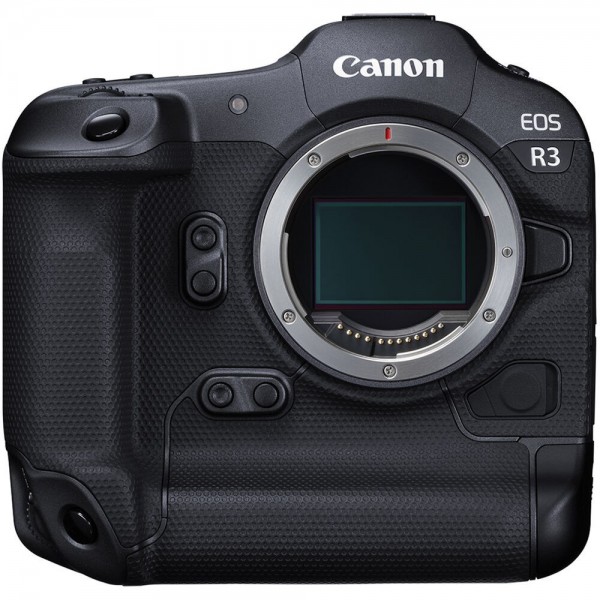
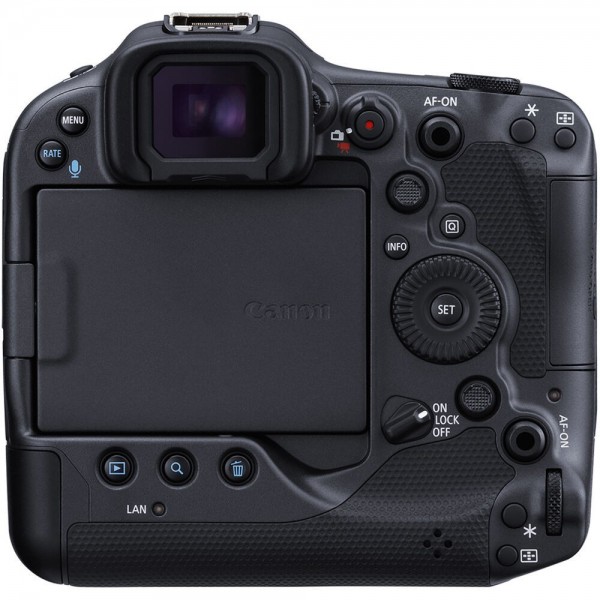
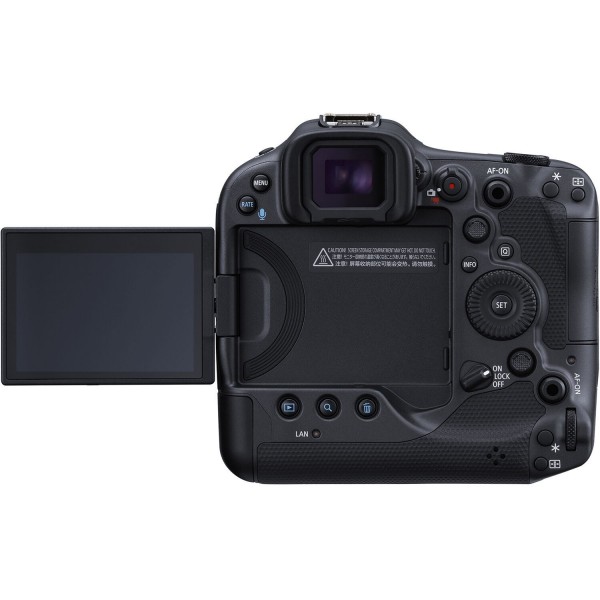
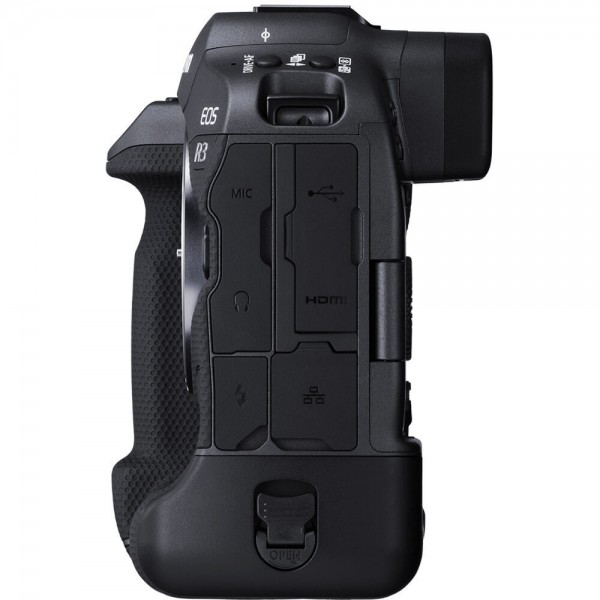
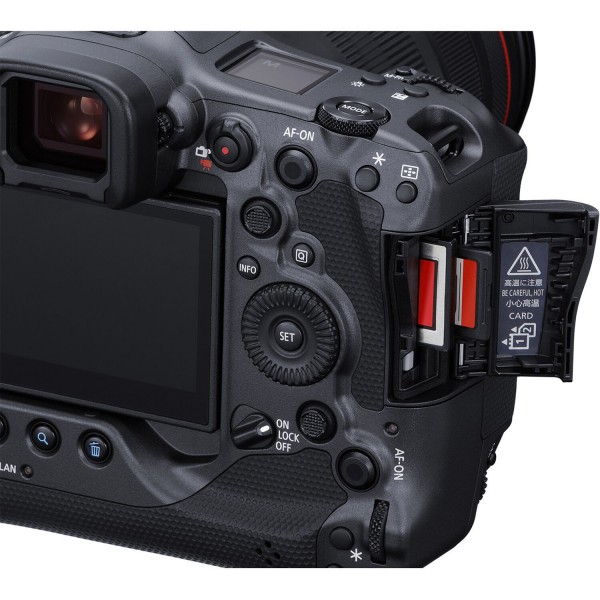
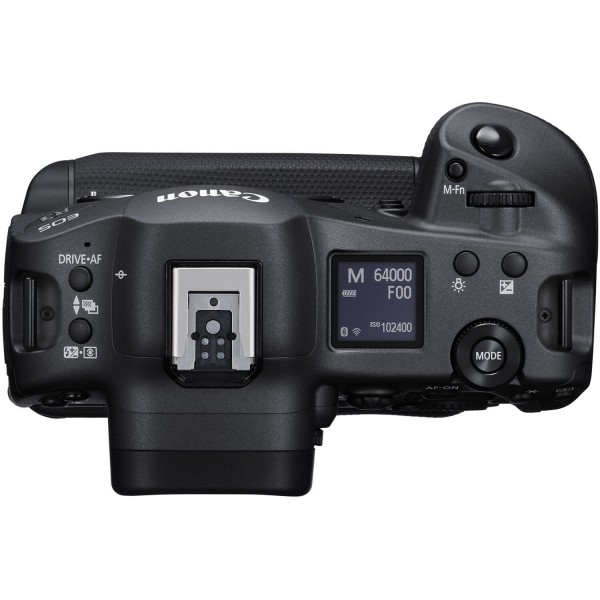
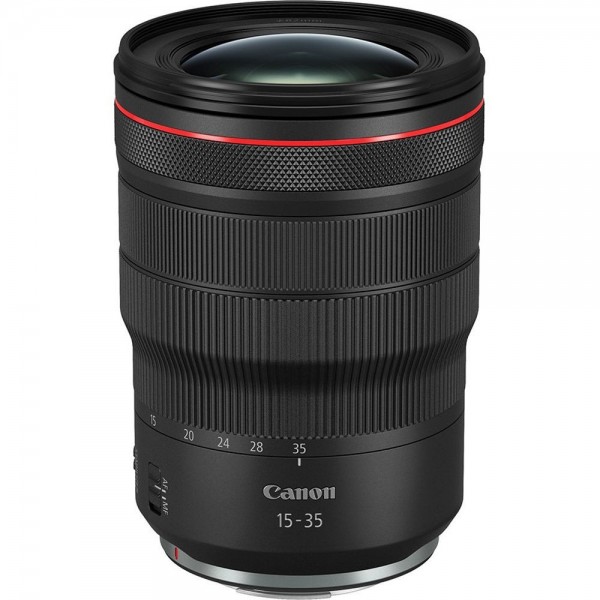
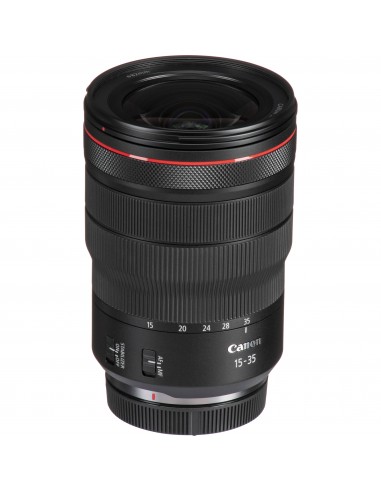
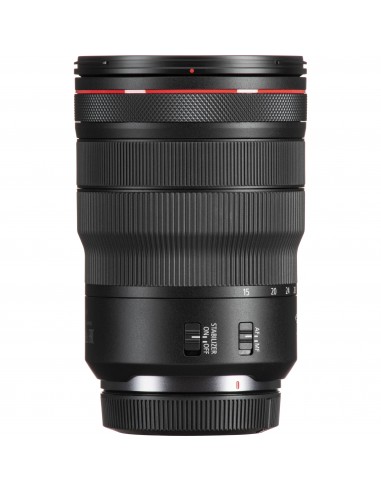
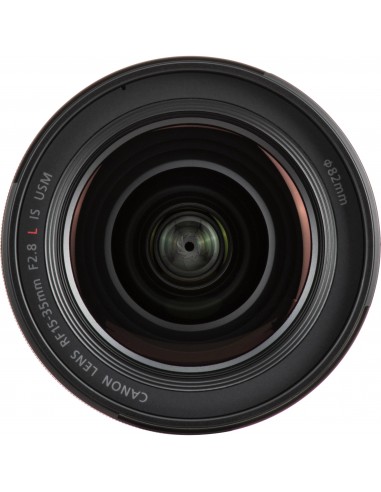
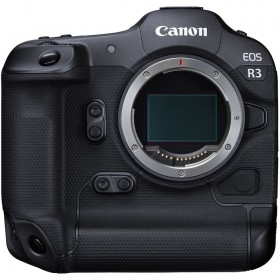
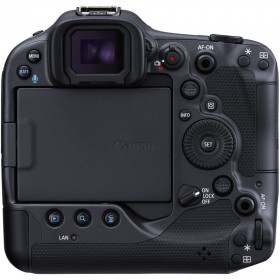
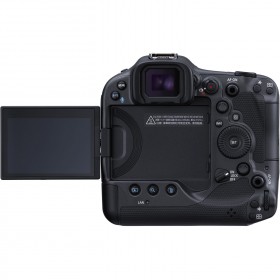
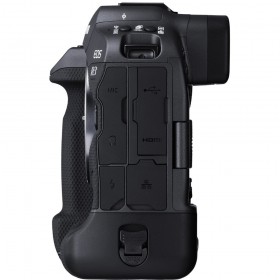
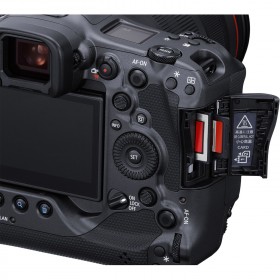
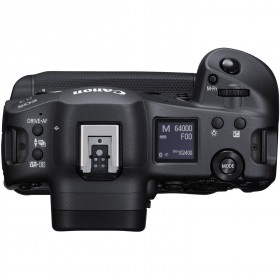
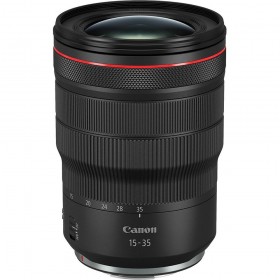
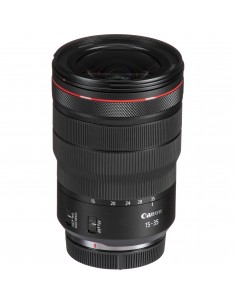
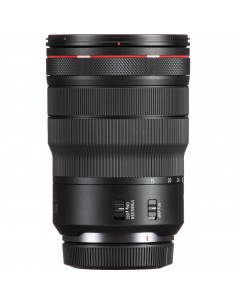
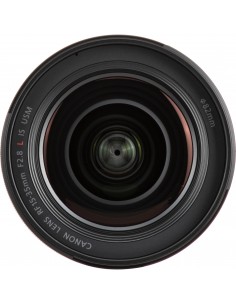
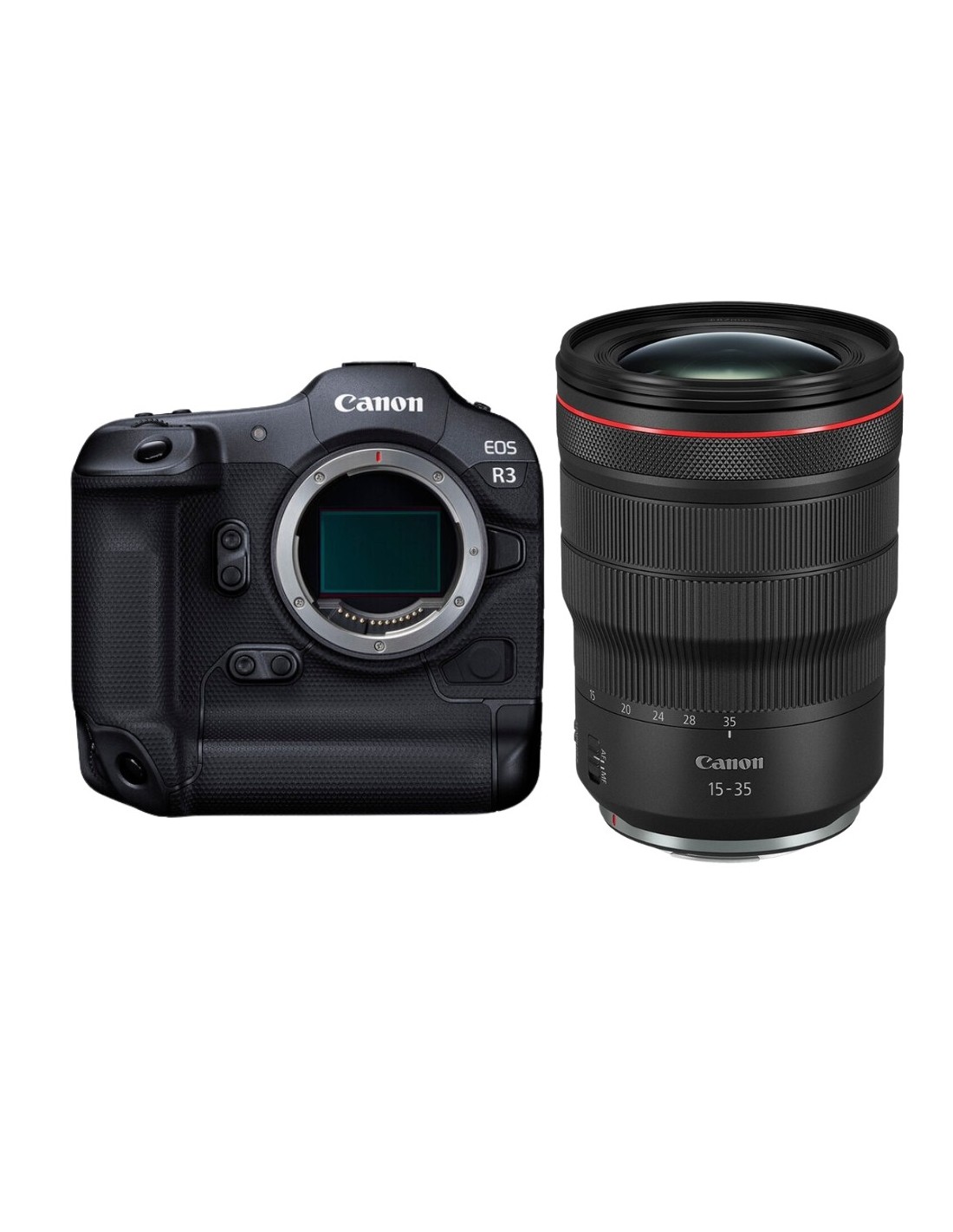

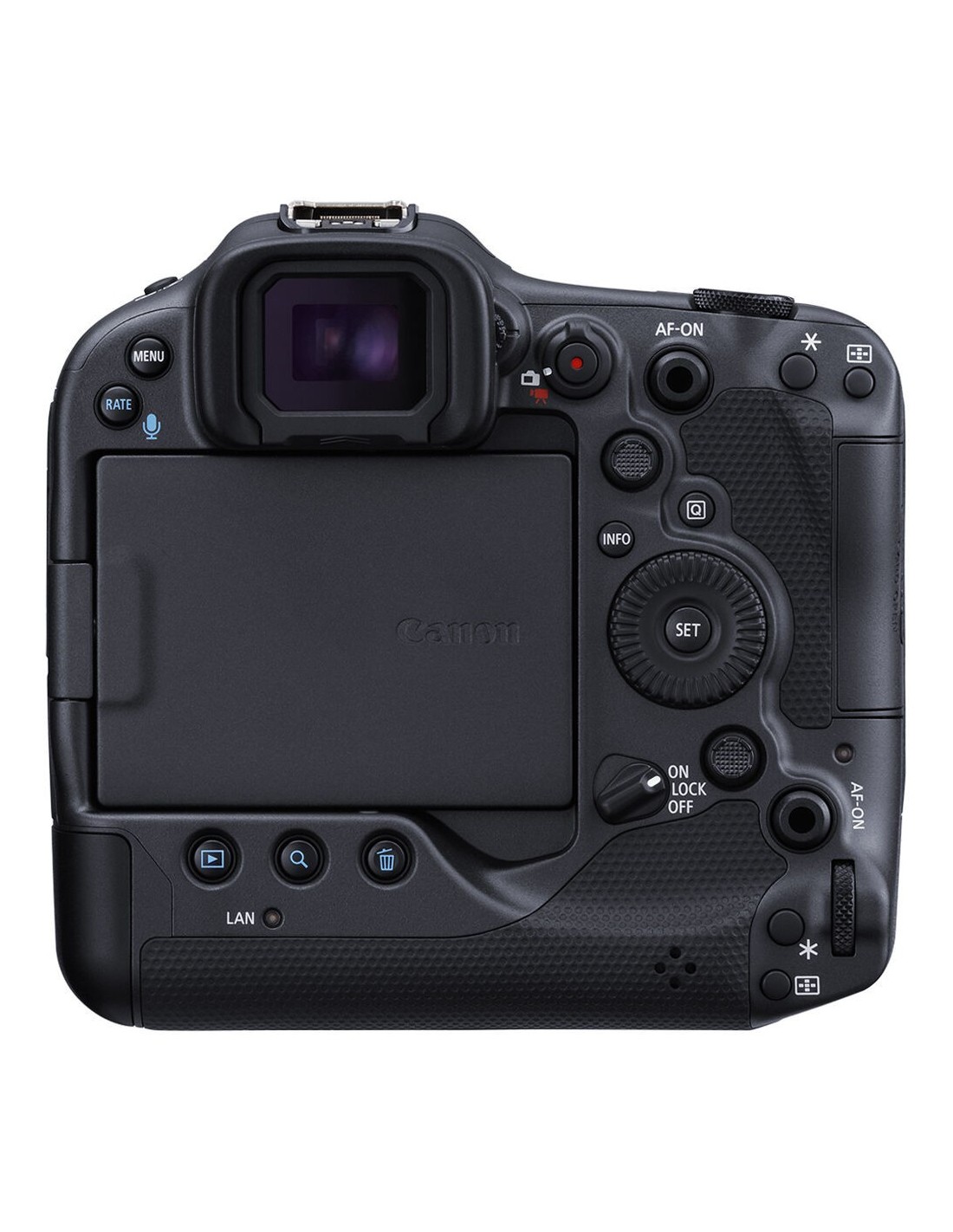
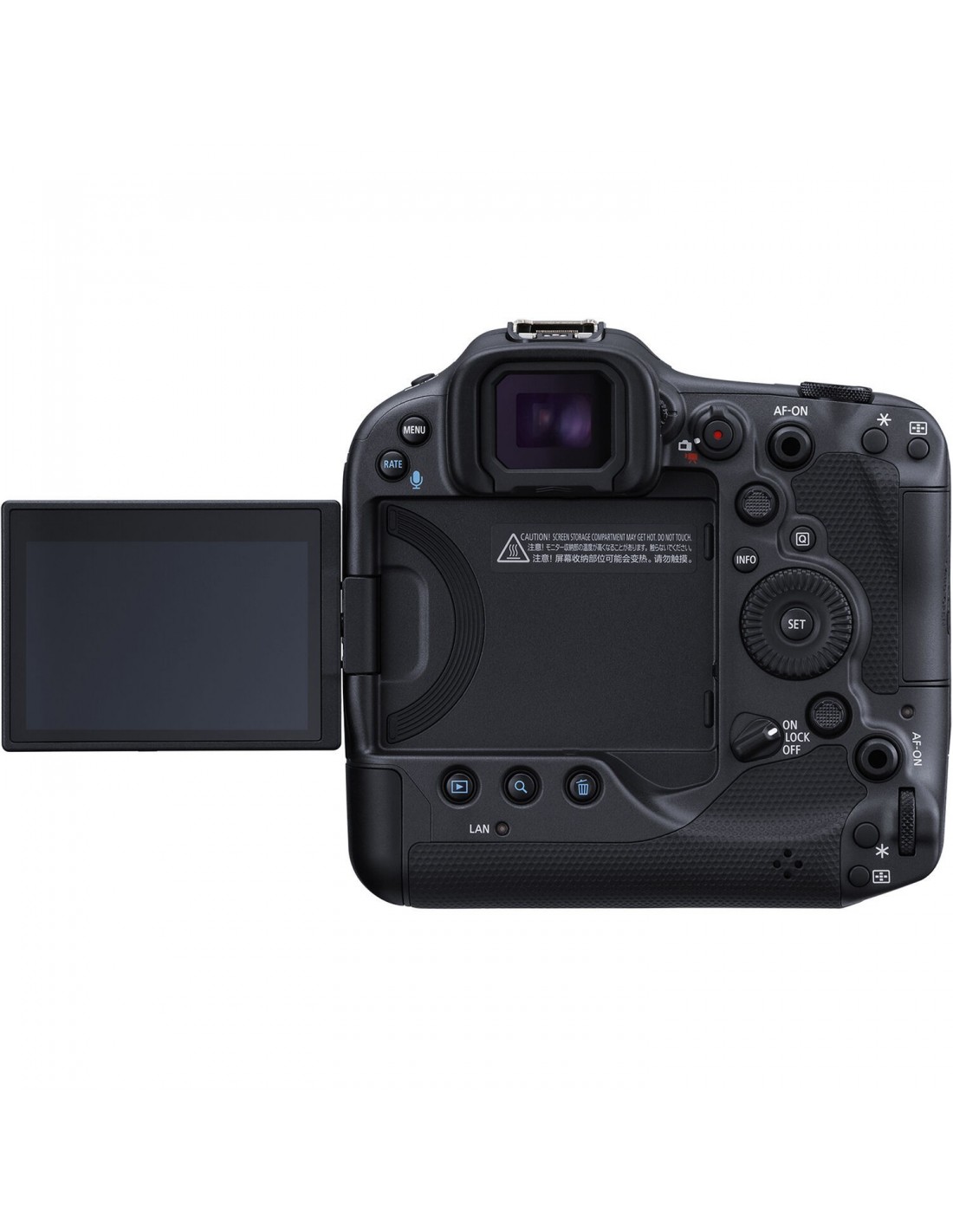
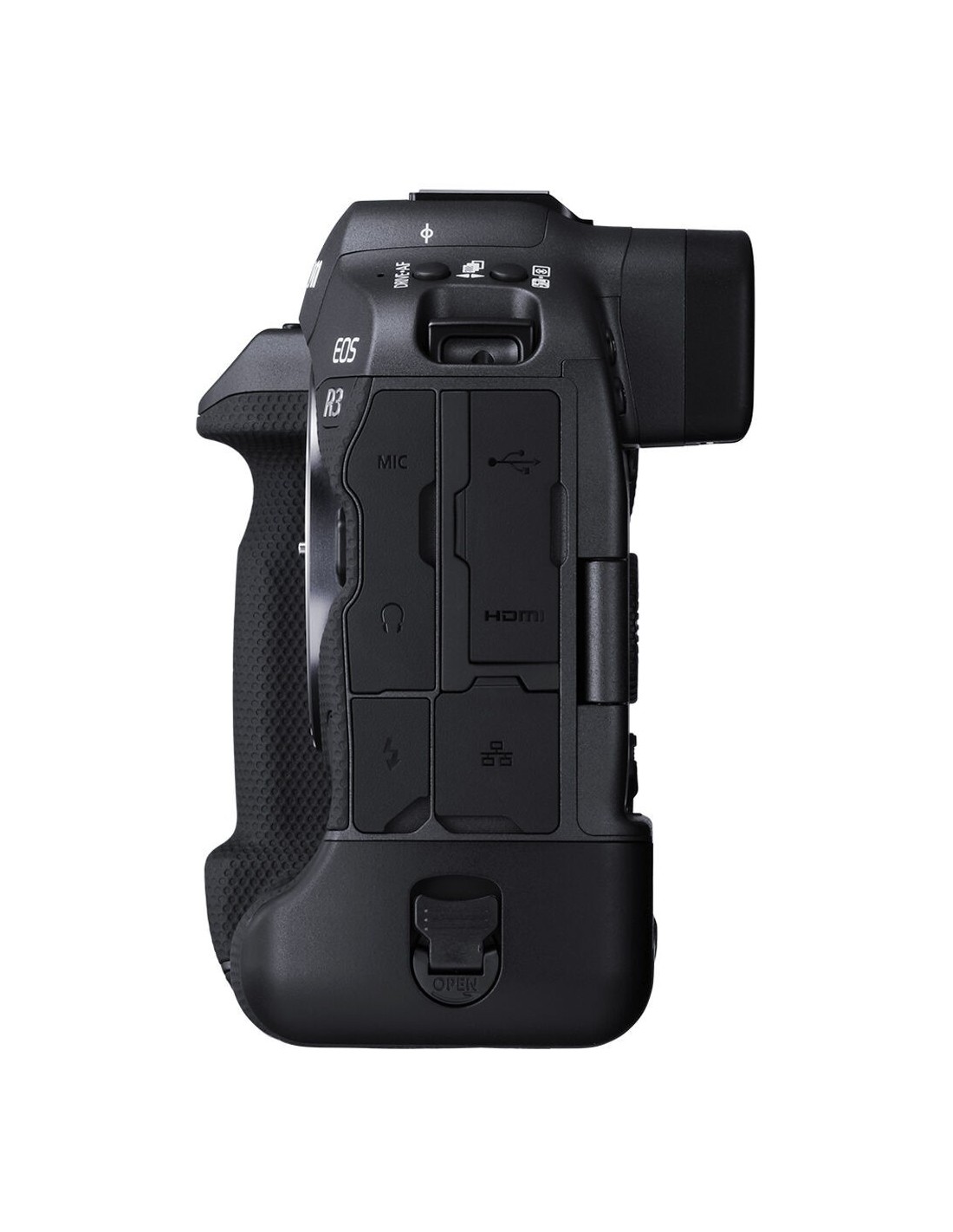
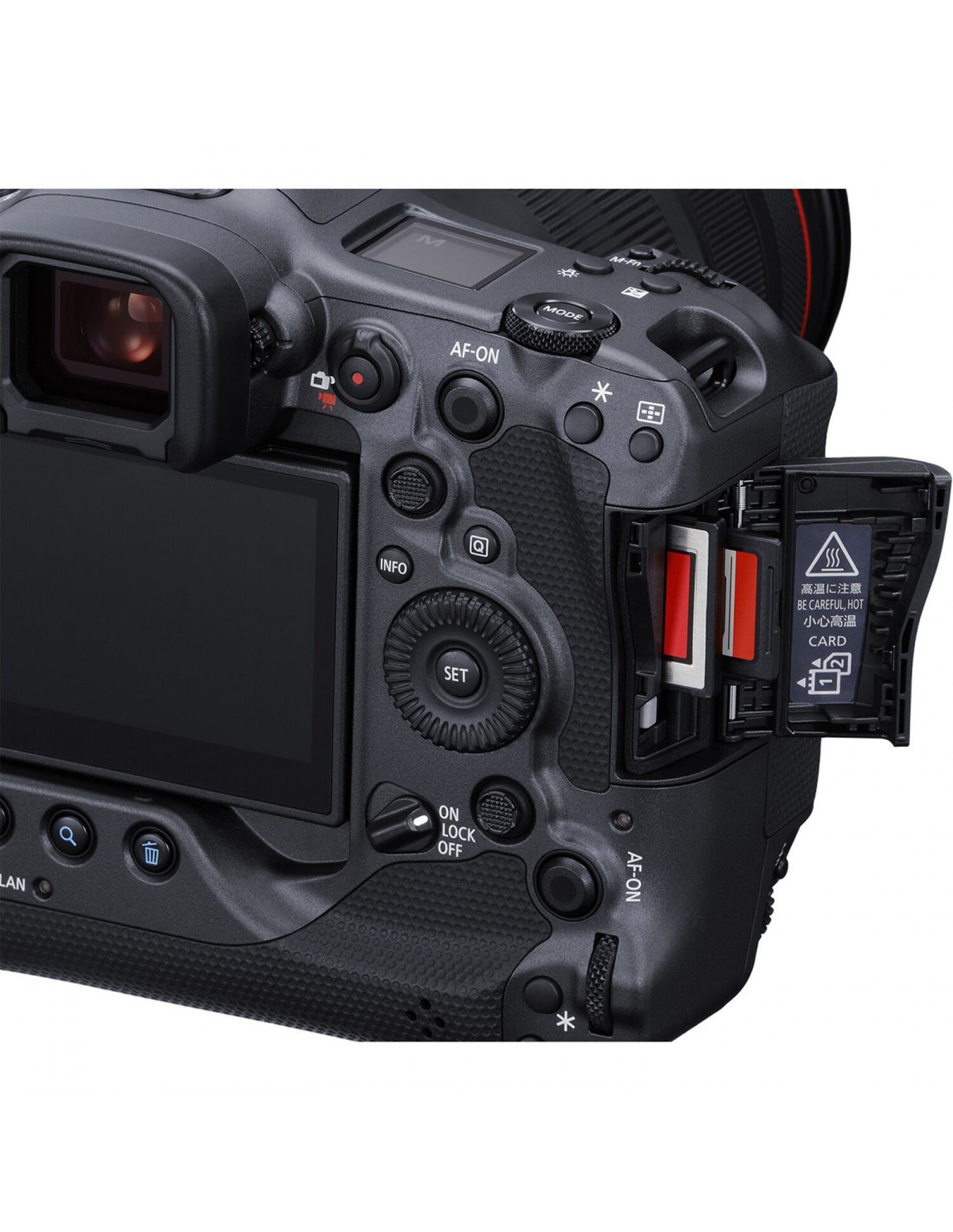
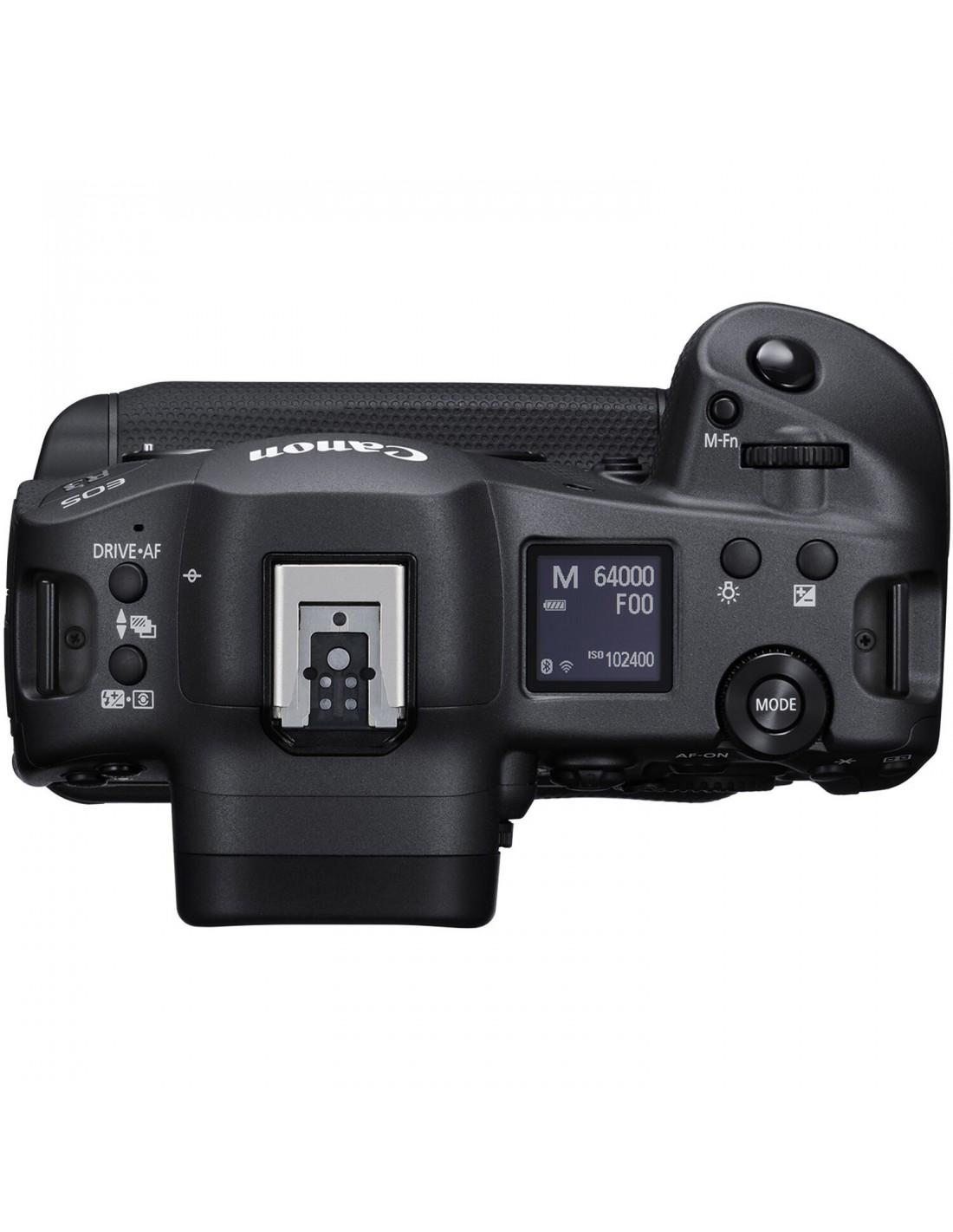
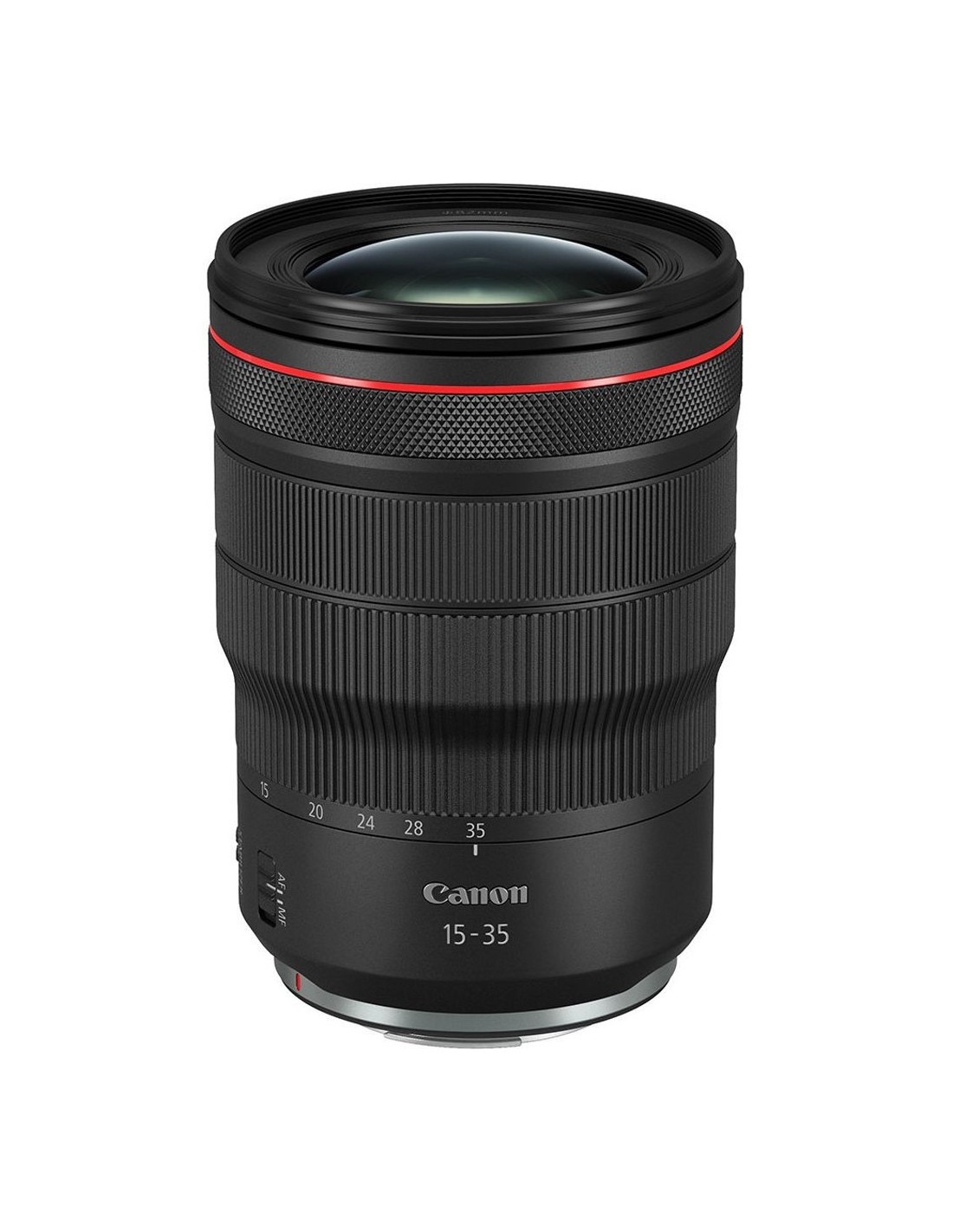
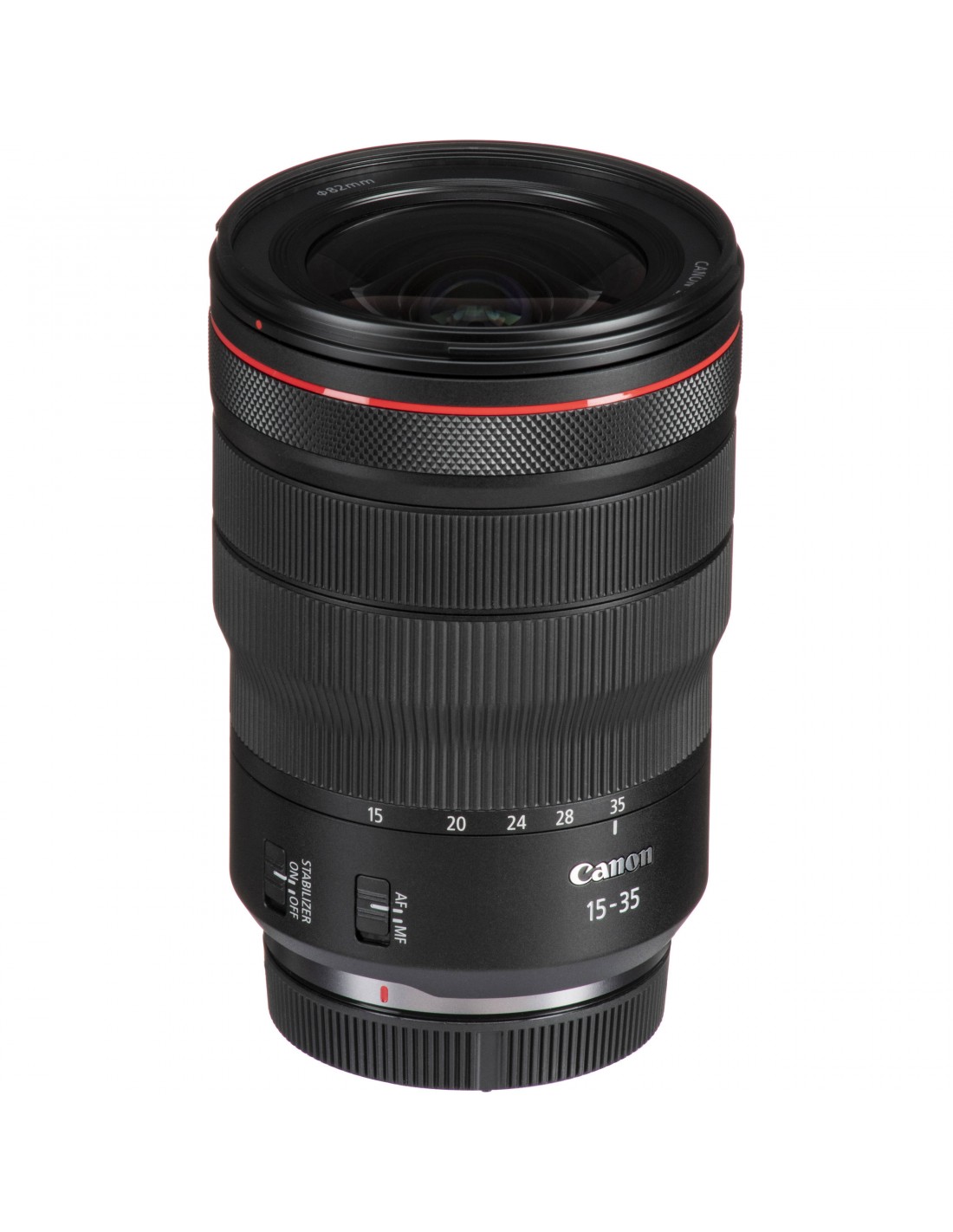
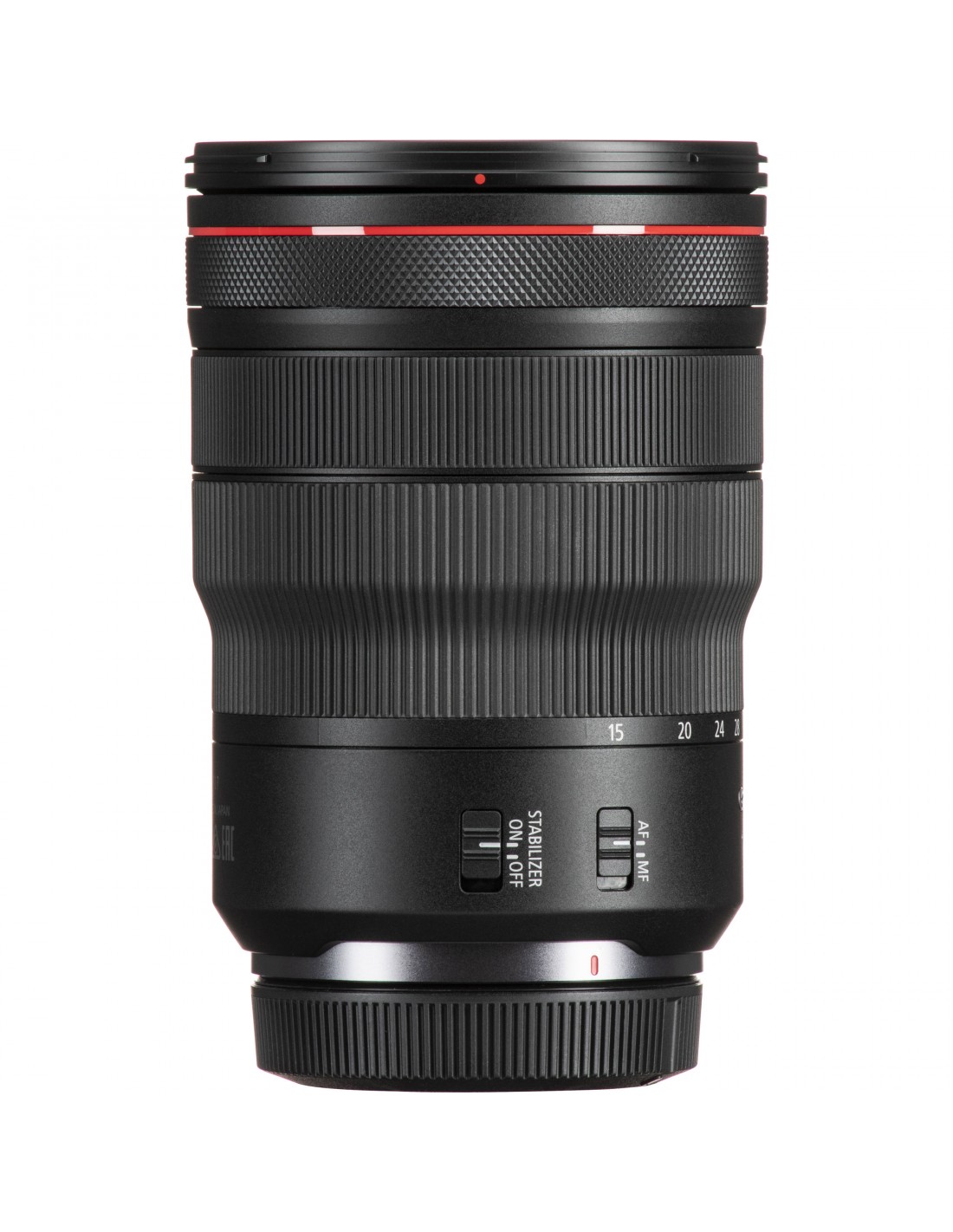
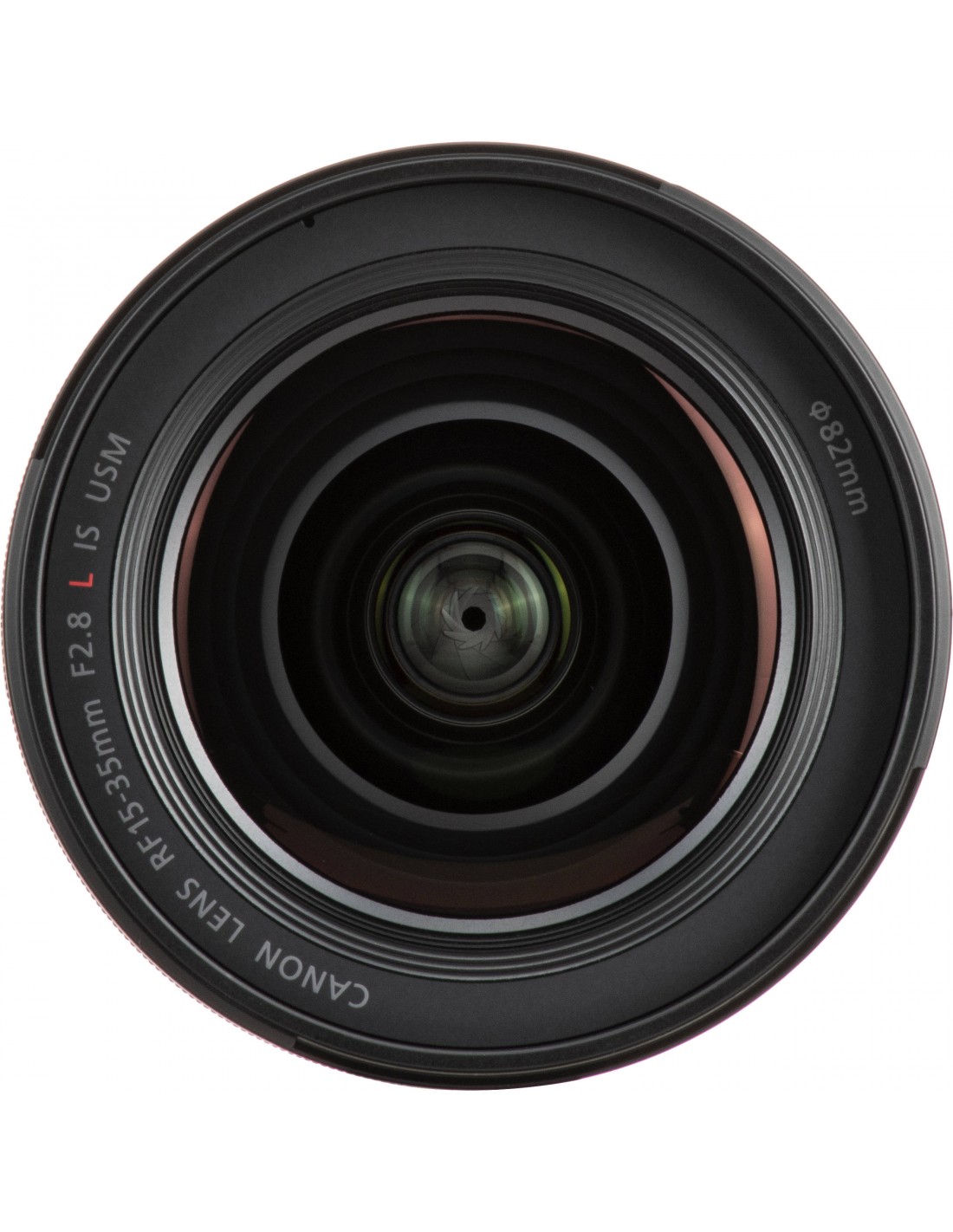


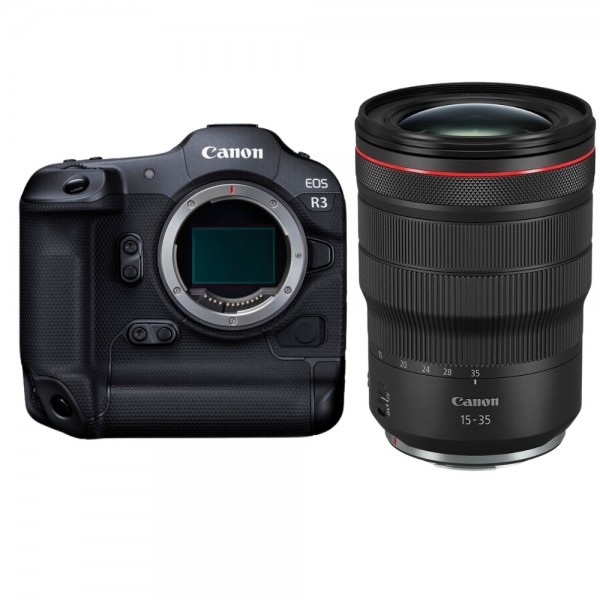
The Canon EOS R3 with the RF 15-35mm F2.8 L IS USM is a serious full-frame kit for photographers who need fast subject handling and a bright ultra-wide zoom in the same bag. The R3 brings a 24.1 MP stacked CMOS sensor, subject recognition, Eye Control AF, 5-axis in-body stabilisation and 6K RAW video. The lens covers 15-35mm at a constant F2.8, giving you room for interiors, architecture, events and environmental portraits while keeping useful low-light flexibility. At about 1,855 g ready to shoot, this is professional equipment, not a lightweight travel set. It also stops at 35mm, so distant sport, tight portraits and reach-heavy assignments call for another lens. Choose it when wide context, action responsiveness and F2.8 matter more than compactness.
Combine compatible accessories and save. The more items you add, the bigger the discount.
Accessory
Accessory
Accessory

warranty extension
The Canon EOS R3 with the RF 15-35mm F2.8 L IS USM is a professional kit for photographers who need to work close, show the setting and react quickly when a scene changes. It is especially well matched to architecture and interiors, wedding and event coverage, photojournalism, documentary work, environmental portraits and wide-angle video. The two parts have clear roles: the EOS R3 brings a responsive full-frame body with subject recognition, while the lens gives you a bright, genuinely wide field of view without changing optics.
That description also makes the boundary clear. This is not a light travel combination and it is not a single-lens answer for distant sport, wildlife or tight portraits. The body weighs approximately 1,015 g with battery and card; the lens is approximately 840g. Together, the ready-to-shoot kit is about 1,855g before a strap, additional cards and other accessories. For the right assignment, that weight buys control and range. For a day organised around walking light, it may be the first reason to compare another configuration.

The EOS R3 uses a 24.1 megapixel full-frame stacked CMOS sensor. The stacked design is important because it is intended for fast readout, which suits a body designed around action and reportage. Standard electronic continuous shooting reaches up to 30 fps. That figure is useful when a nearby gesture, entrance, expression or movement changes faster than a single release can capture. It does not turn a 35mm lens into a long lens, and it should not be presented as a guarantee that every frame will be perfect. Timing, distance and the chosen shutter speed still belong to the photographer.
Subject recognition and tracking give the camera a way to stay with a selected subject as it moves through the frame. Eye Control AF is a distinctive body feature: through the viewfinder, the photographer can direct the focus area by looking toward the intended part of the composition, subject to setup and operating conditions. This can be useful in a crowded event frame where several people are moving, but it remains a control option rather than a substitute for understanding focus modes and subject placement.
The body also provides 5-axis in-body image stabilisation. Its practical benefit appears most clearly when camera movement is the limiting factor: a static architectural view in a dim interior, a quiet documentary sequence or a handheld video shot where the operator is not deliberately panning. Stabilisation does not freeze a moving person. If a subject is walking, dancing or turning quickly, shutter speed remains the decision that governs motion blur.
At 15mm, the lens is about access. It helps when the photographer cannot step further back and still needs the room, building or surroundings to be part of the photograph. A small reception room, a narrow street, a church interior or the foreground of an architectural image can all benefit from that width. The perspective becomes more expressive as you move closer, so the camera height and distance from faces matter. Ultra-wide coverage does not automatically keep lines straight or faces natural at every position.
Around 24mm, the frame often becomes easier to balance. It retains a strong sense of place without making every edge of the image compete for attention. This is a practical position for documentary scenes, a ceremony, backstage preparation, a press gathering or a small group. The photographer can include the people and their surroundings without the image feeling as expansive as a 15mm view.
At 35mm, the lens offers a more restrained wide-angle perspective. It can suit an environmental portrait, a couple with architectural context, a detail in a room or a closer event moment. It is still a 35mm lens rather than a short telephoto. A performer across a venue, a subject on a sports field or a tight head-and-shoulders portrait will need more reach.
| Focal length | What the frame emphasises | Useful situation | Point to anticipate |
|---|---|---|---|
| 15mm | Maximum space, foreground and the relationship between subject and setting | Small interiors, architecture, a room full of people and environmental establishing views | Close distances exaggerate perspective; watch faces, edges and vertical lines |
| 24mm | A balanced wide view with context and less visual stretch | Documentary scenes, ceremonies, street work, small groups and events | A useful working middle, but not a portrait telephoto |
| 35mm | A calmer wide-angle composition with more attention on the subject | Environmental portraits, details with context and tighter room scenes | The range stops at 35mm; distant action still needs a longer lens |

The RF 15-35mm F2.8 L IS USM keeps its maximum aperture at F2.8 across the zoom range. That consistency is valuable during an event or a video take because moving from 15mm to 35mm does not reduce the maximum brightness simply because the framing becomes tighter. The photographer can keep a familiar shutter-speed and ISO approach while changing the relationship between the subject and the room.
In a wedding venue, F2.8 can provide useful low-light flexibility while the lens remains wide enough to show the people and the atmosphere. In an evening event, it can help retain the character of the available light instead of making every scene depend on a bright flash. In an interior, it gives more room to balance shutter speed and ISO when a tripod would slow the work. None of those points means that every dark scene will be sharp handheld. Subject movement, light level and shutter speed still decide the result.
The lens has optical image stabilisation rated up to 5 stops under Canon test conditions. The body has its own 5-axis stabilisation. Those capabilities should be explained separately. They should not be added together as a combined eight-stop result for this exact body-and-lens pairing. Their main benefit is reducing the effect of camera movement, not freezing a moving subject.
The lens focuses as close as 0.28 m and reaches a maximum magnification of 0.21x at 35mm. That is useful close-focus flexibility rather than macro reproduction. A wedding photographer can move in on rings or table details while keeping part of the setting visible. A documentary photographer can show a tool, hand or material as part of a wider process. An architect or interior specialist can bring a foreground object into the composition before pulling back to explain the whole space.
Nano USM autofocus is suited to a lens that may be used for both stills and video. Fast, quiet focus operation is helpful when a focus transition should not draw attention to itself. The lens is an L-series design with weather-resistant construction and an 82mm filter thread. Those details matter to photographers who work outside, move between changing conditions or already use filters in that diameter. If you already own an EOS R body, compare the RF 15-35mm F2.8 L IS USM lens-only option before buying a complete kit.
For architecture, the kit offers two things that are difficult to add later: a genuinely wide 15mm view and a bright constant aperture. At 15mm, a building can be shown with its entrance, facade and immediate surroundings. In an interior, the photographer can work from a limited position and still include the structure of the room. At 24mm, the composition can become calmer when the widest view feels too dramatic. At 35mm, a detail can be isolated without leaving the wide-angle language of the lens.
This is a strong configuration when the assignment needs people and atmosphere in the same frame. At a ceremony, 15mm can make the architecture part of the story. Around 24mm, a photographer can cover a small group or a candid exchange without the background disappearing. At 35mm, the view becomes more intimate while retaining some sense of place.
Weight matters over a full wedding day. A photographer who values an integrated professional body and direct controls may accept the substantial combination as part of the working tool. A photographer who prioritises a lighter travel or two-camera setup should compare it with the EOS R3 with the RF 14-35mm F4, especially when daylight mobility matters more than the extra stop.
The kit can make an environmental portrait feel connected to a real place. At 15mm, a person can be surrounded by the workshop, studio, building or landscape that explains who they are. At 24mm, the frame can keep the environment present without every line competing with the face. At 35mm, the photographer can bring the subject forward while retaining a wide-angle sense of location.
| Feature | Practical benefit | Point to anticipate |
|---|---|---|
| Stacked 24.1 MP full-frame sensor | Fast-readout body behaviour for action, reportage and wide scenes | The kit is defined by handling and lens choice as much as resolution |
| 30 fps electronic continuous shooting | More timing options when a nearby gesture or entrance changes quickly | The 15-35mm range cannot provide distant sports or wildlife reach |
| Subject recognition and tracking | Helps keep focus attention on a selected moving subject | Results still depend on visibility, settings, distance and timing |
| Eye Control AF | Another way to move the focus area through the viewfinder | It is a control feature, not a replacement for AF discipline |
| Constant F2.8 aperture | Consistent maximum brightness from 15mm to 35mm | F2.8 improves exposure flexibility but cannot stop all subject movement |
| Separate body and optical stabilisation systems | Support against camera movement in static low-light scenes | Treat the body and lens ratings separately rather than as one combined figure |
| 0.28 m close focus and 0.21x magnification | Details can remain connected to their environment | This is close-focus versatility, not macro reproduction |
| Approximately 1,855 g ready-to-shoot weight | Makes the professional build and controls tangible for bag planning | Weight is a real trade-off for long walks and all-day coverage |
The approximate 1,855 g combined weight should be part of the buying decision, not a footnote below a specification list. It affects a travel photographer's bag, a wedding photographer's all-day handling and a documentary photographer's willingness to carry a professional body for hours. The integrated grip and direct controls may be exactly what one buyer wants and more than another buyer needs.
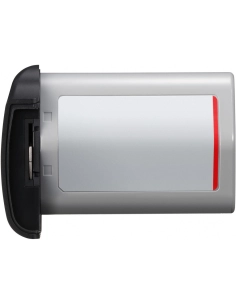
The EOS R3 uses an LP-E19 battery. Canon's stated figure of up to 860 shots applies to specified LCD and eco test conditions, so it should not be presented as a universal real-world autonomy promise. Continuous shooting, autofocus, screen use and video recording all change battery planning. Buyers covering a long event should plan around their actual workflow rather than a single headline number.
The 82mm filter thread is another ownership detail with practical consequences. It suits photographers who already use filters in that diameter and gives a clear starting point for a polariser or neutral-density system. If the rest of the bag uses smaller filters, the adapter and replacement cost should be included before calling this a simple one-lens setup.
If you already own the RF 15-35mm and are comparing the body separately, the standalone Canon EOS R3 body is a different ownership decision. Product 11394 is the exact camera-and-lens kit for buyers who want both pieces together.
The closest alternative is the EOS R3 with the RF 14-35mm F4. It reaches slightly wider and makes more sense for buyers who prioritise mobility, daylight travel and a lighter carrying setup. The 15-35mm F2.8 is the stronger choice when low-light flexibility, constant F2.8 and nearby event work justify the extra size and weight.
The EOS R3 with the RF 24-70mm F2.8 answers a different question. Its standard-to-short-telephoto range is more useful for tighter portraits, details and subjects that cannot be approached. The 15-35mm kit is more convincing for compact interiors, expansive architecture and context-rich reportage. Neither zoom is a universal substitute for the other.
For a photographer who needs both wide context and distant subject reach in one purchase, the dual-lens 15-35mm plus 70-200mm F2.8 kit is the more complete direction. It is also a larger, heavier and more complex system to carry. Product 11394 remains the focused wide-angle configuration: one professional body and one bright ultra-wide zoom.

| Configuration | Best match | Main advantage | Trade-off |
|---|---|---|---|
| EOS R3 + RF 15-35mm F2.8 L IS USM | Architecture, interiors, events, wedding reportage, documentary and environmental portraits | 15mm ultra-wide view, useful 35mm end and constant F2.8 | Approximately 1,855 g combined and no reach beyond 35mm |
| EOS R3 + RF 14-35mm F4 L IS USM | Daylight travel, mobility-conscious architecture and lighter wide-angle work | 14mm coverage with a mobility-oriented brief | F4 gives less light than F2.8 and it remains a wide-angle lens |
| EOS R3 + RF 24-70mm F2.8 L IS USM | General event coverage, tighter portraits, details and less approachable subjects | Standard-to-short-telephoto range at constant F2.8 | It does not offer the same 15mm ultra-wide view |
The Canon EOS R3 + RF 15-35mm F2.8 L IS USM is a coherent professional combination when the photograph needs a person and the place around that person. Its strongest territory is wide-context work: architecture, interiors, wedding reportage, events, photojournalism, documentary video and environmental portraits. The R3 supplies fast subject handling, tracking, Eye Control AF and 6K RAW video. The lens adds 15mm access, constant F2.8 and a practical 15-35mm working range.
The honest limit is equally clear: the kit is large and the lens stops at 35mm. If lower weight and daylight mobility matter most, compare the EOS R3 with the RF 14-35mm F4. If tighter framing is the daily requirement, the 24-70mm option is more natural. If you are still comparing the full range of R3 configurations, the Canon EOS R3 configuration category is the sensible next step.
Choose this exact kit when 15mm, F2.8 and quick response will earn their place in the bag. Check the focal-length need, filter system and approximately 1,855 g carrying weight before you commit. That is the useful decision here: not whether the specifications look impressive, but whether the assignment genuinely rewards this particular balance.

You might also like



It is an exact two-item combination: the Canon EOS R3 full-frame mirrorless camera body and the Canon RF 15-35mm F2.8 L IS USM ultra-wide zoom lens.
The EOS R3 is approximately 1,015 g with battery and card, and the lens is approximately 840 g. The ready-to-shoot combination is therefore about 1,855 g before the strap, extra cards and other accessories.
Yes, when the assignment needs wide context, quick subject handling and low-light flexibility. The 15-35mm range can cover a room, group or environmental moment. A longer lens remains useful for tight portraits and distant positions.
It is well suited to context-rich wedding coverage, including venues, preparations, ceremonies, groups and environmental couple portraits. Its 35mm limit means it should not be treated as the only lens for tight portraits or distant ceremony work.
Yes. The 15mm end helps when space is limited, 24mm gives a balanced wide view and 35mm can frame details with context. Viewpoint and camera height still matter because an ultra-wide lens does not automatically correct perspective.
No. The EOS R3 provides responsive action handling, but the RF 15-35mm ends at 35mm. It can cover nearby action where the surroundings matter, but distant sport, wildlife and reach-heavy assignments need a longer focal length.
Yes. The lens has a constant maximum aperture of F2.8 from 15mm through 35mm, so its maximum brightness does not change when you adjust the framing.
The EOS R3 has 5-axis in-body image stabilisation, while the lens has optical stabilisation rated up to 5 stops under Canon test conditions. These figures should be kept separate. Stabilisation helps with camera movement and does not freeze a moving subject.
No. It focuses as close as 0.28 m and reaches 0.21x maximum magnification at 35mm. That is useful close-focus flexibility for details with context, not dedicated macro reproduction.
Yes, when a wide and changeable field of view suits the story. The R3 records 6K RAW video, while the lens can move from a 15mm establishing view to a 35mm environmental view without changing lenses.
Choose the 15-35mm F2.8 when low-light flexibility and constant F2.8 matter more than reducing the load. Choose the 14-35mm F4 when mobility and a slightly wider 14mm view are more important, particularly for daylight travel and architecture.
Choose the 15-35mm for architecture, interiors, environmental portraits and wide-context reportage. Choose the 24-70mm when standard views, tighter portraits, details and subjects that cannot be approached are more important than 15mm coverage.