Shopping Cart


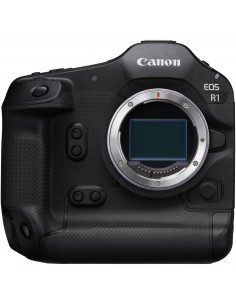
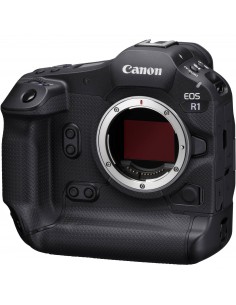
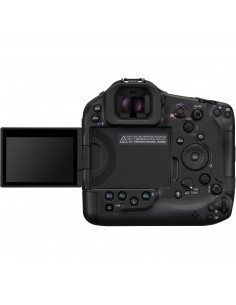
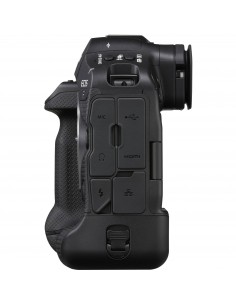
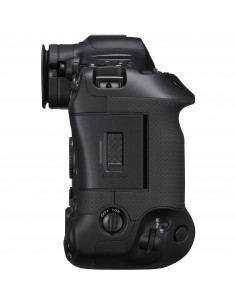
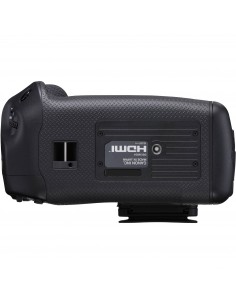
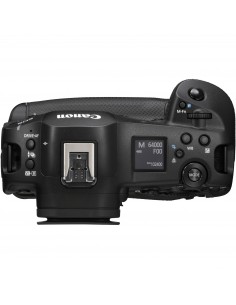
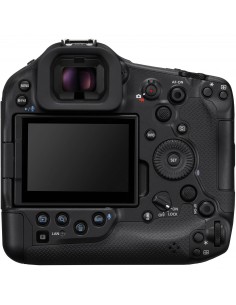
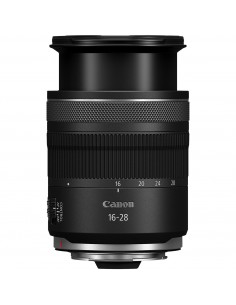
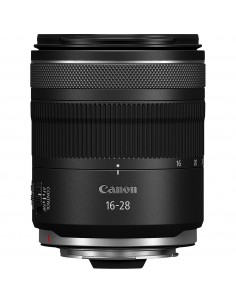
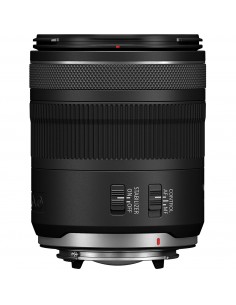
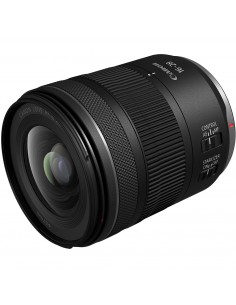
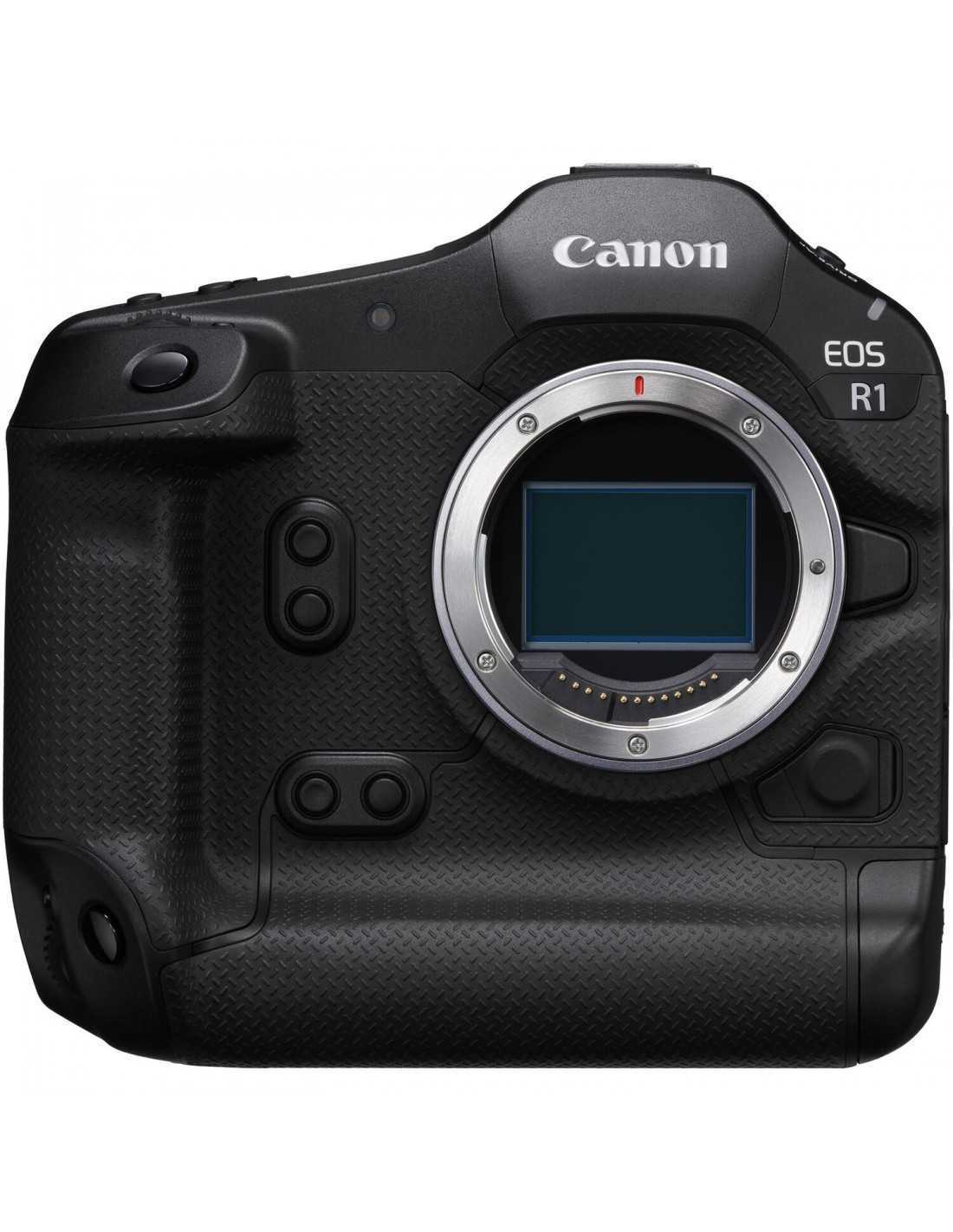
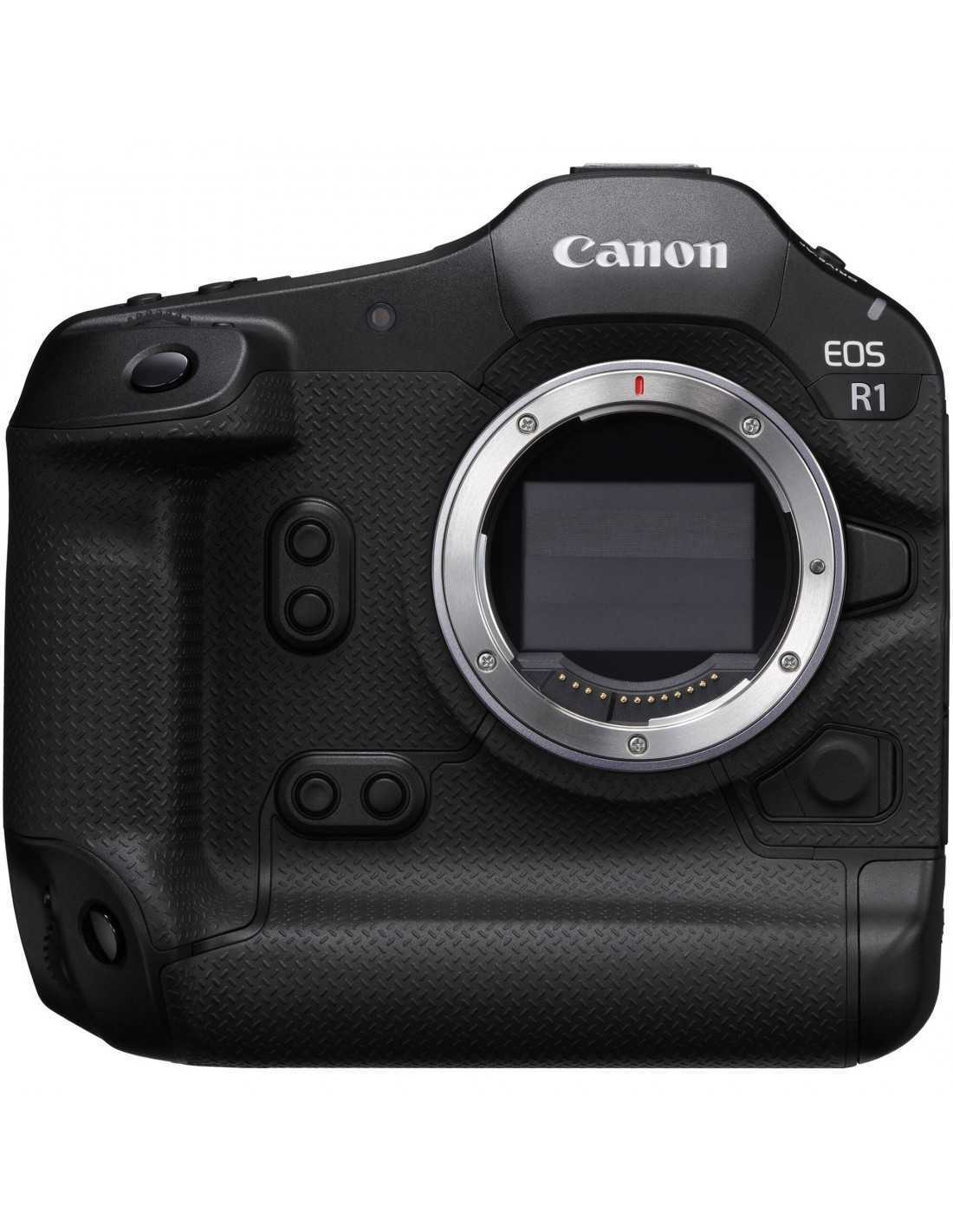
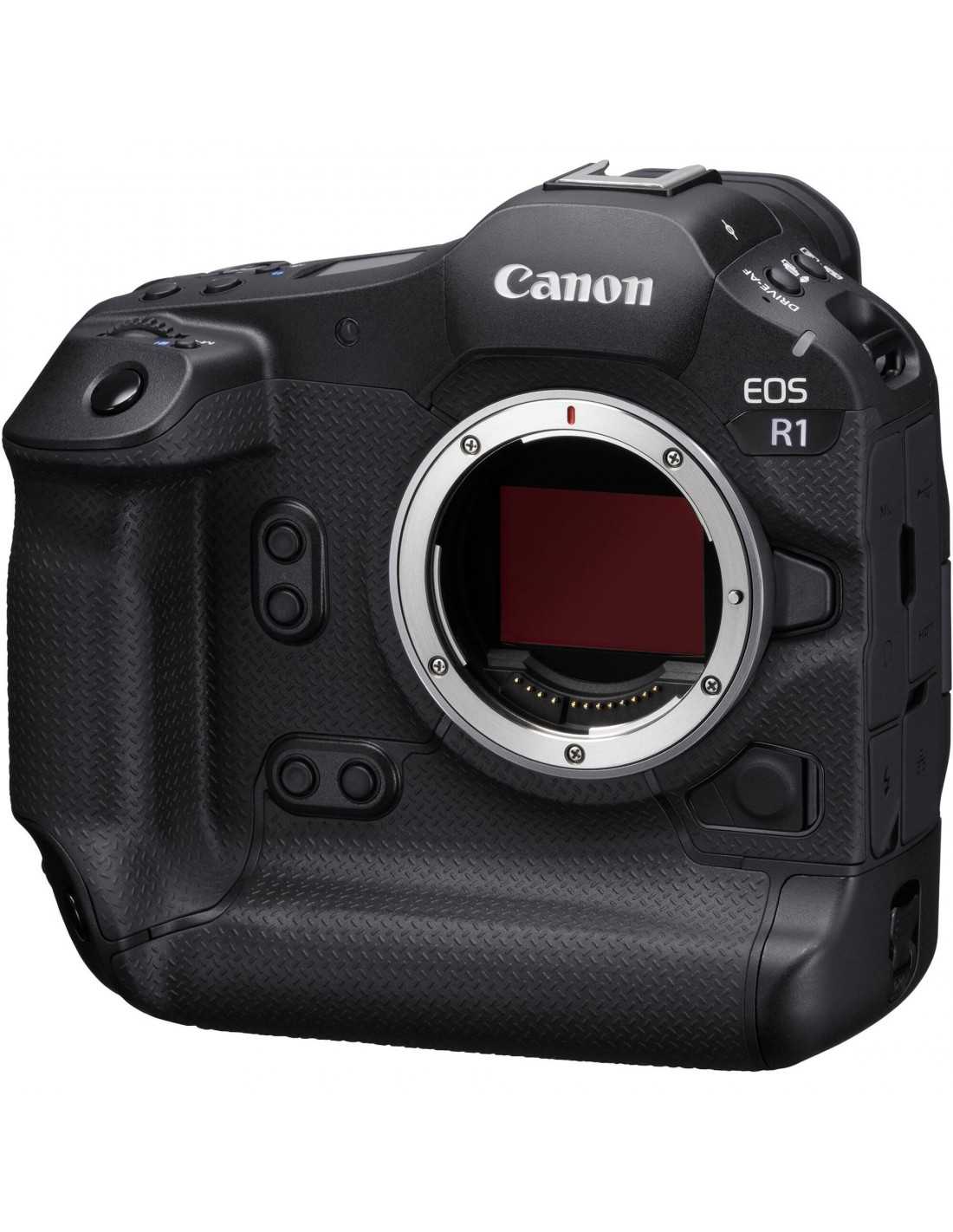
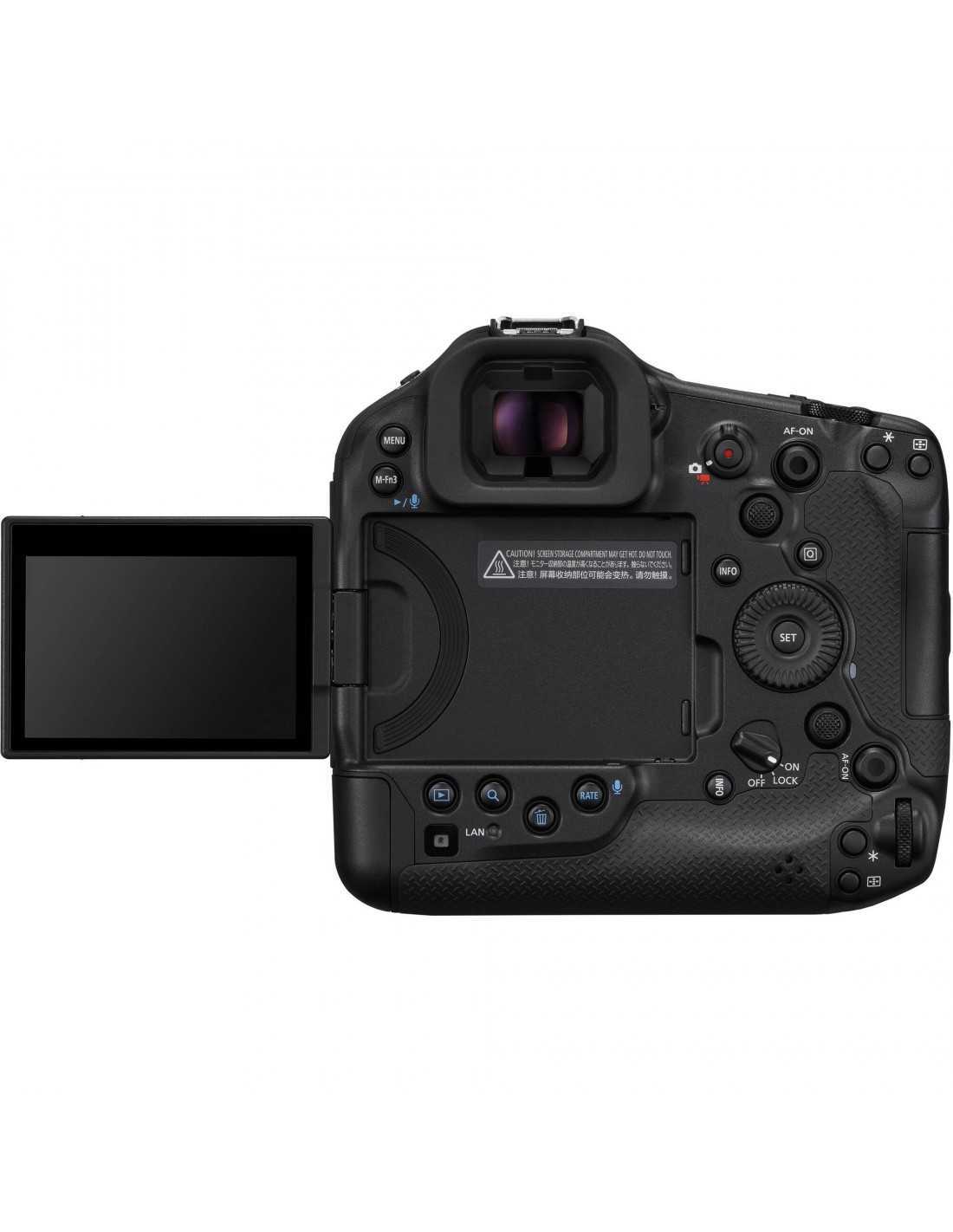
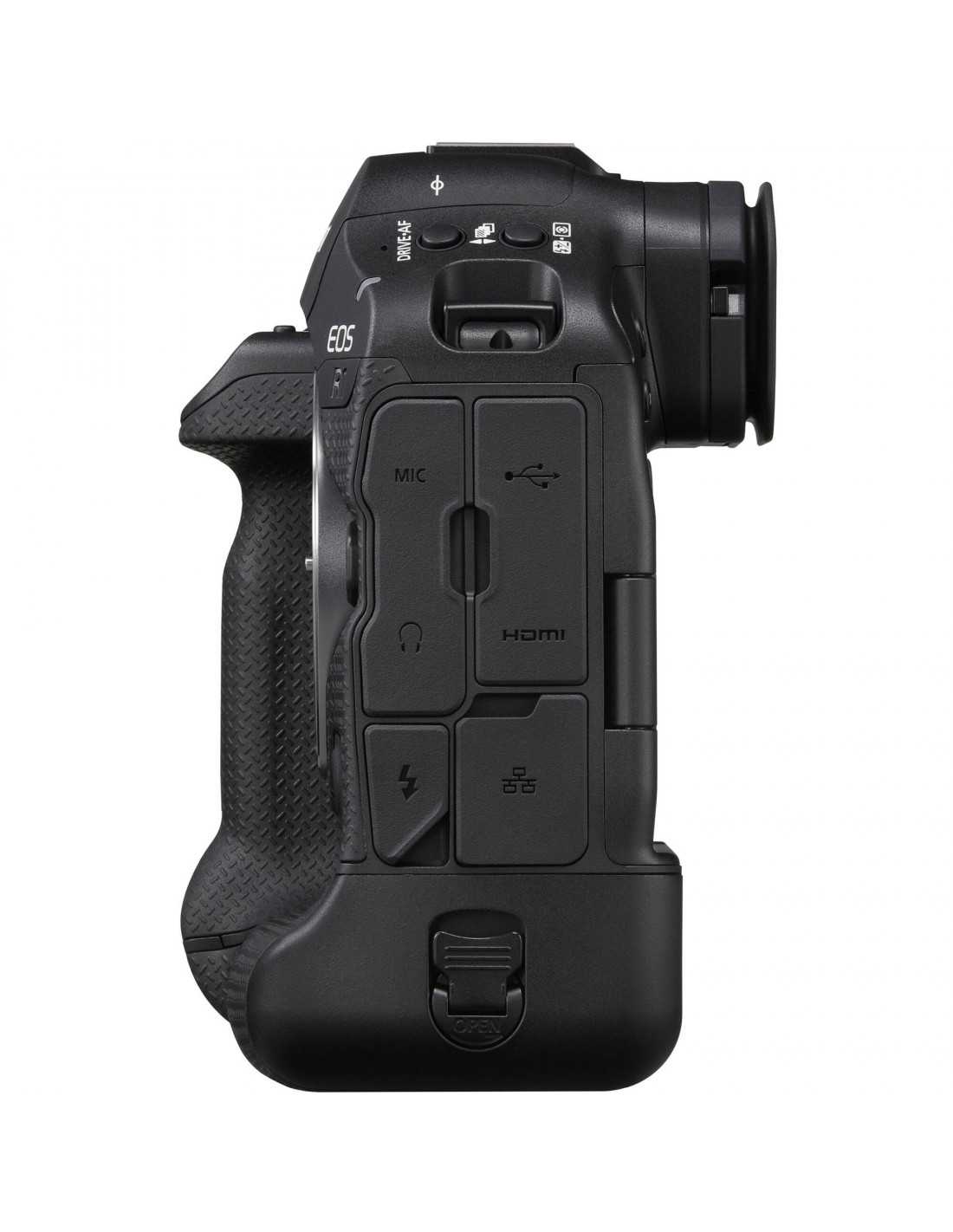
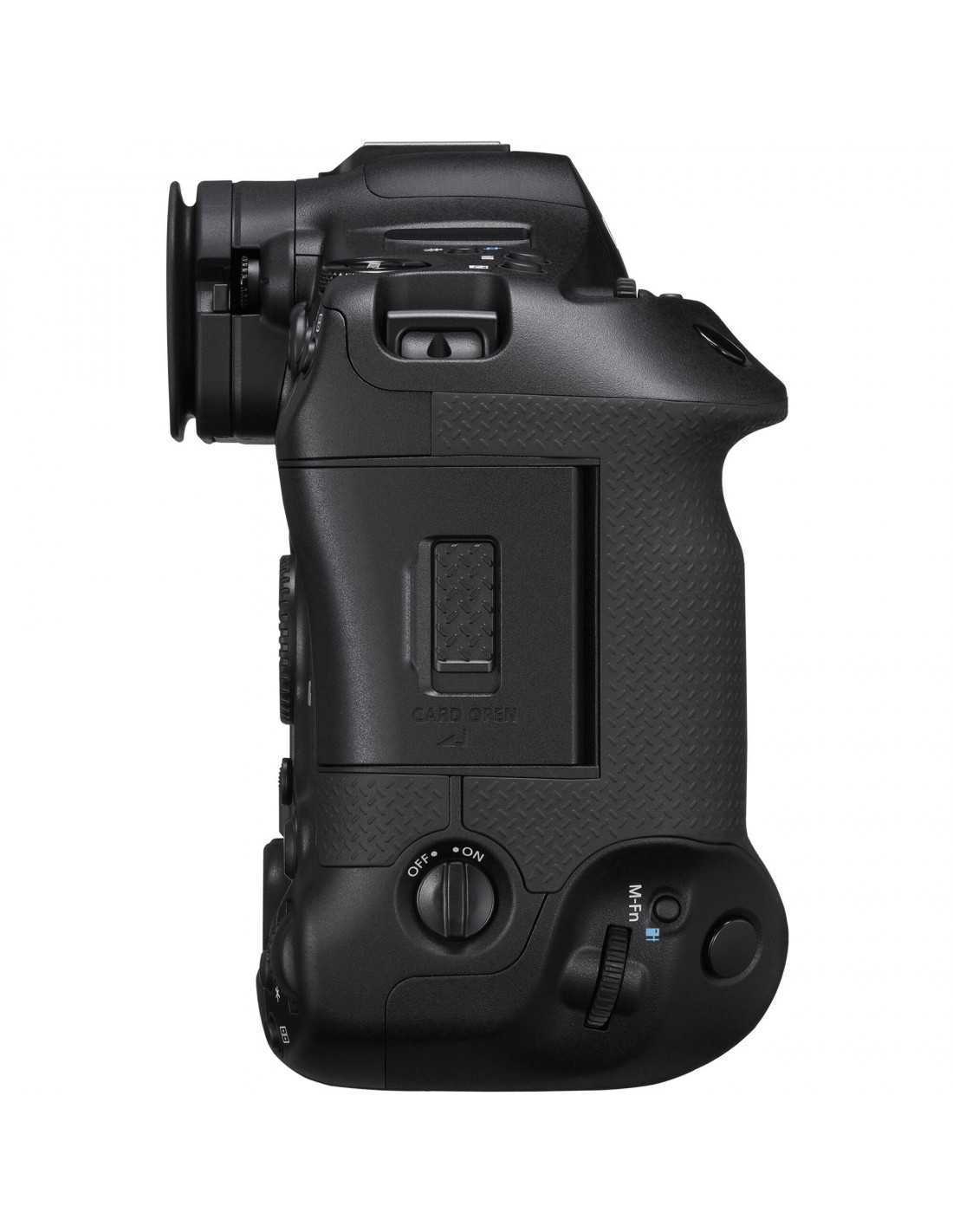
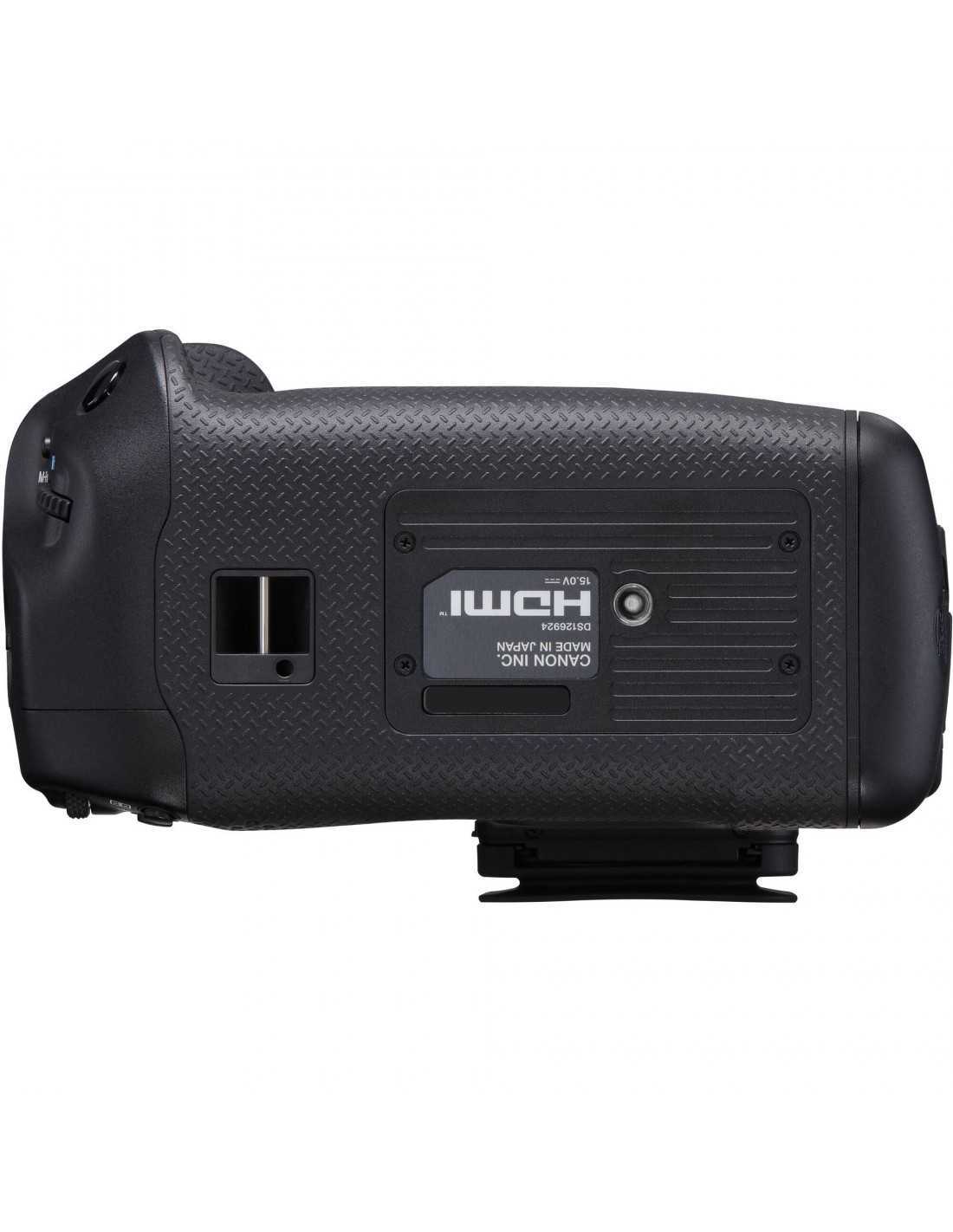
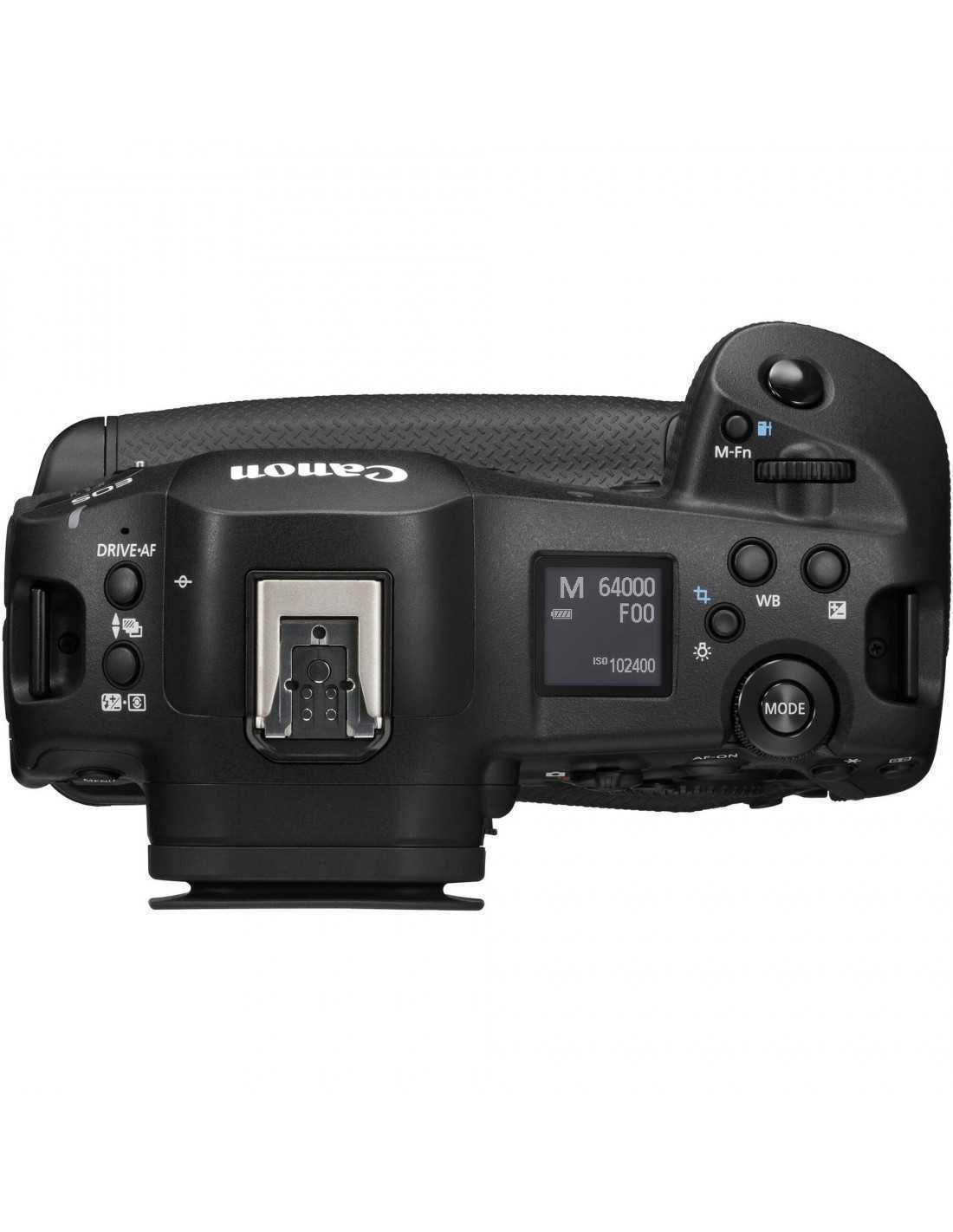
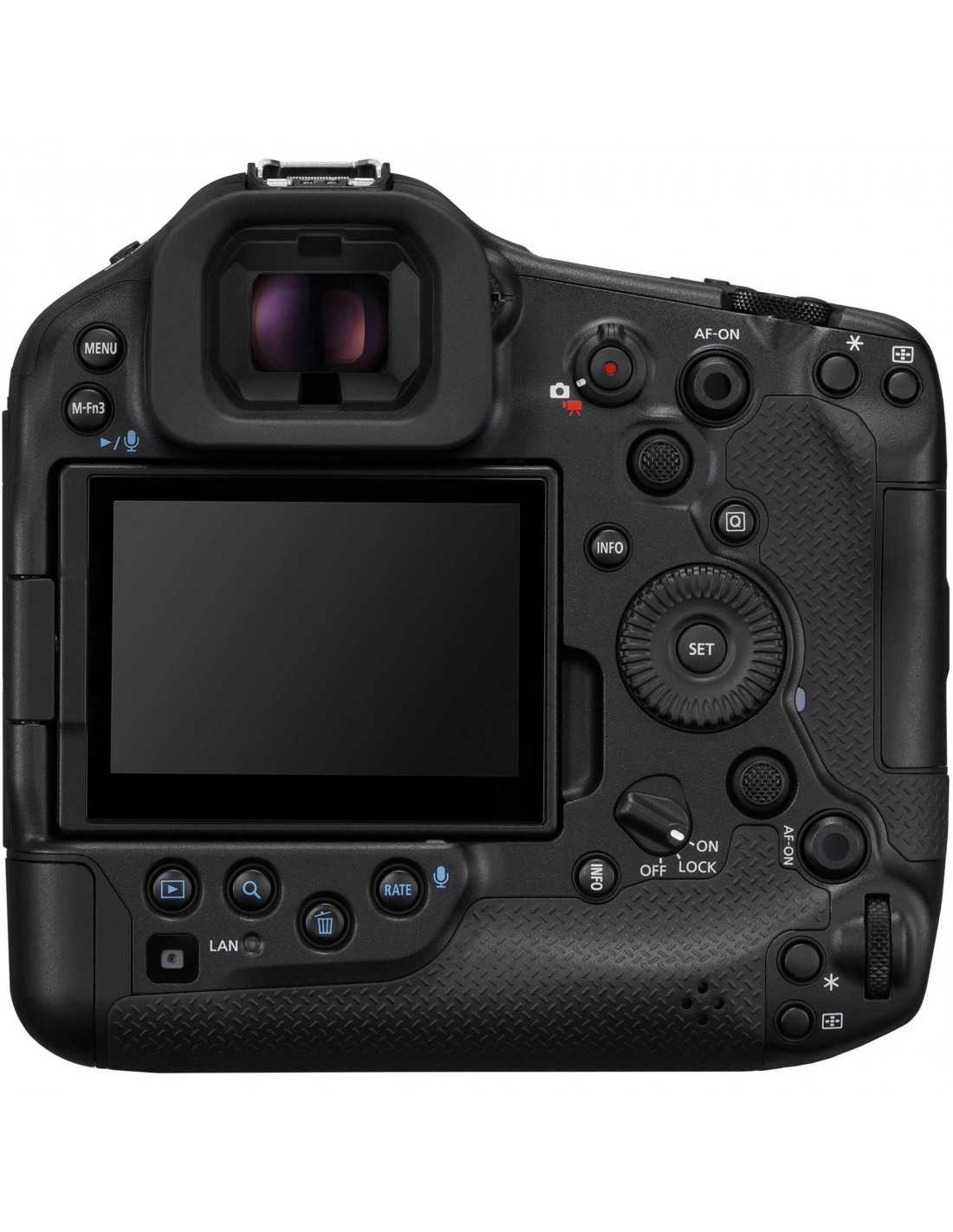
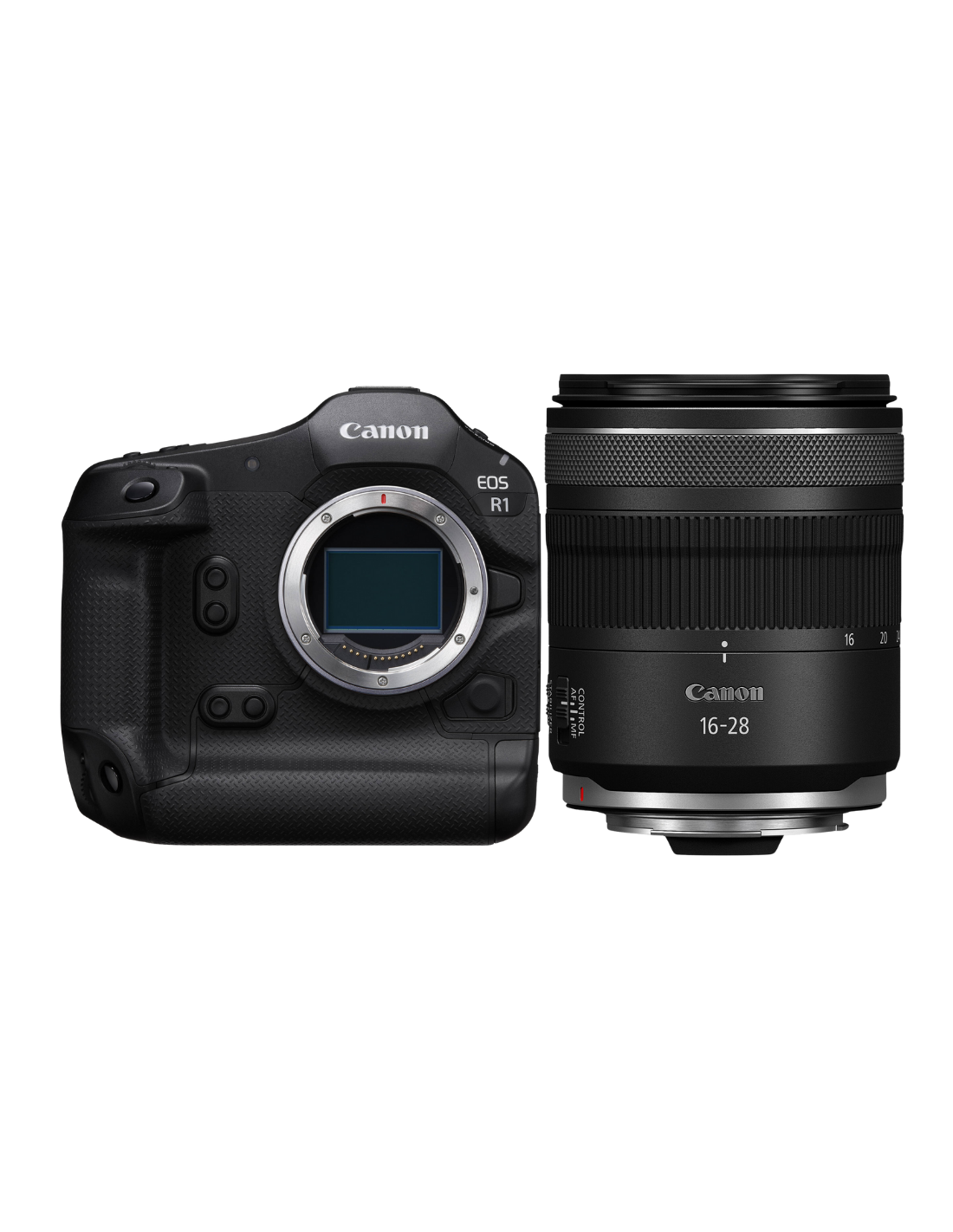
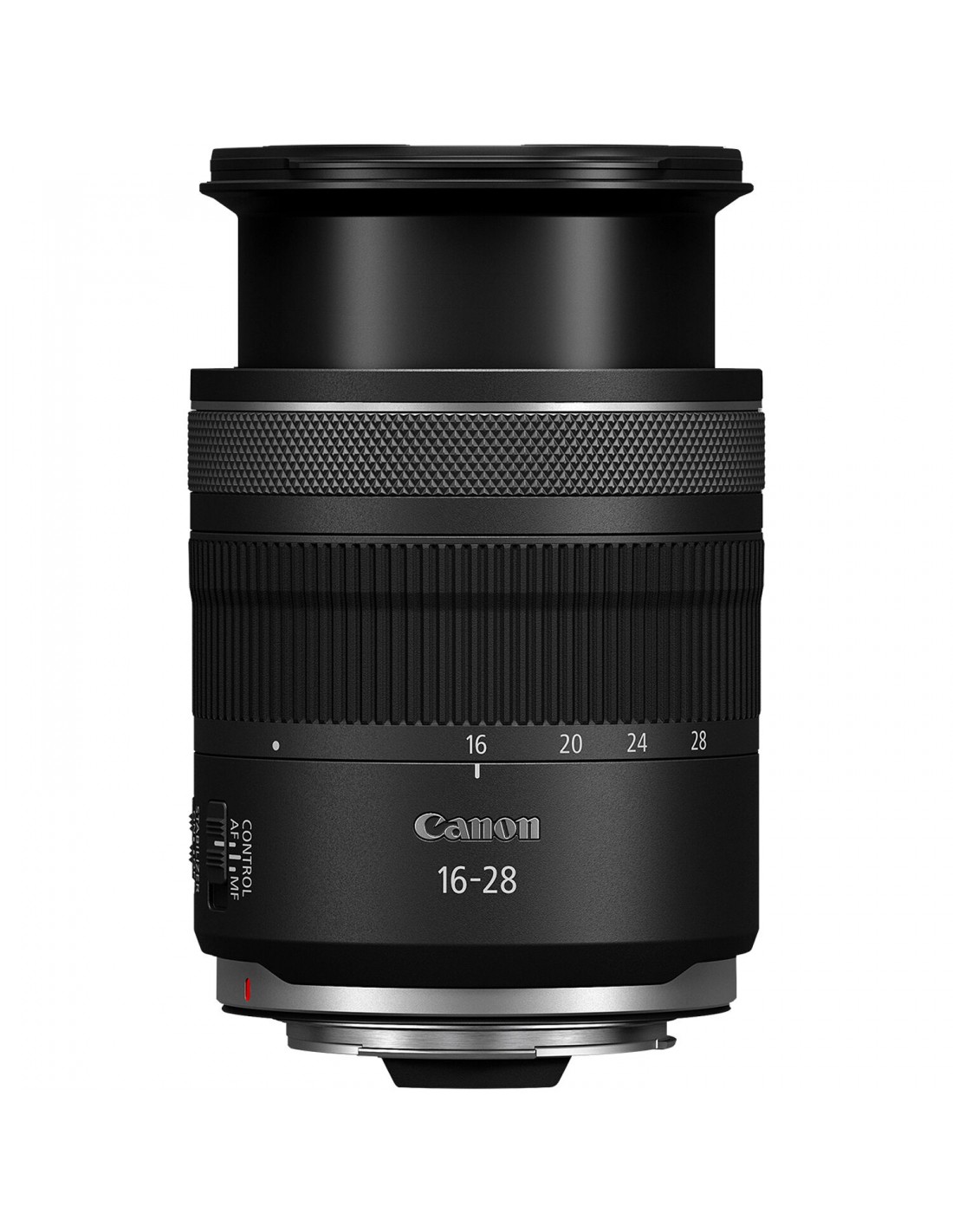
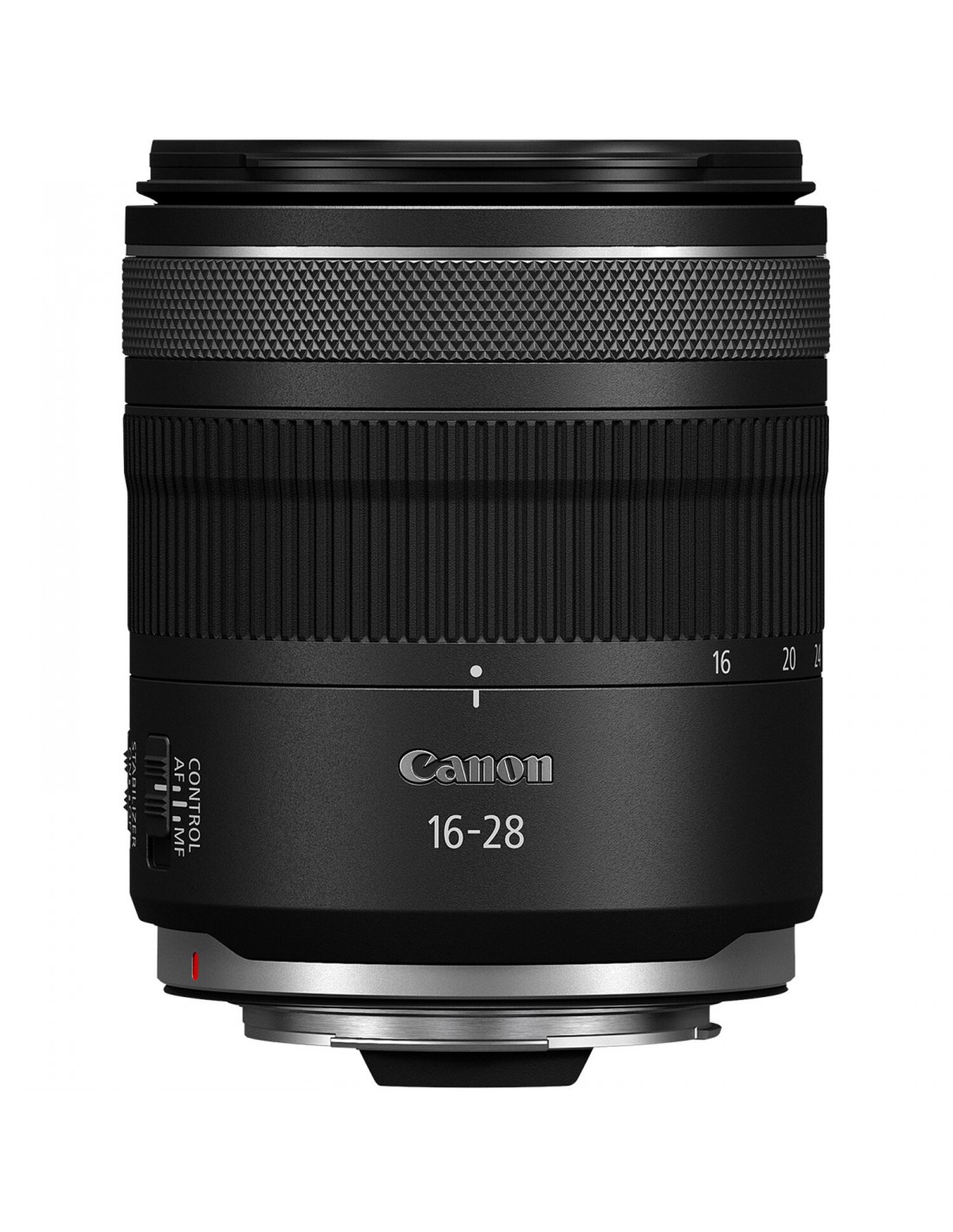
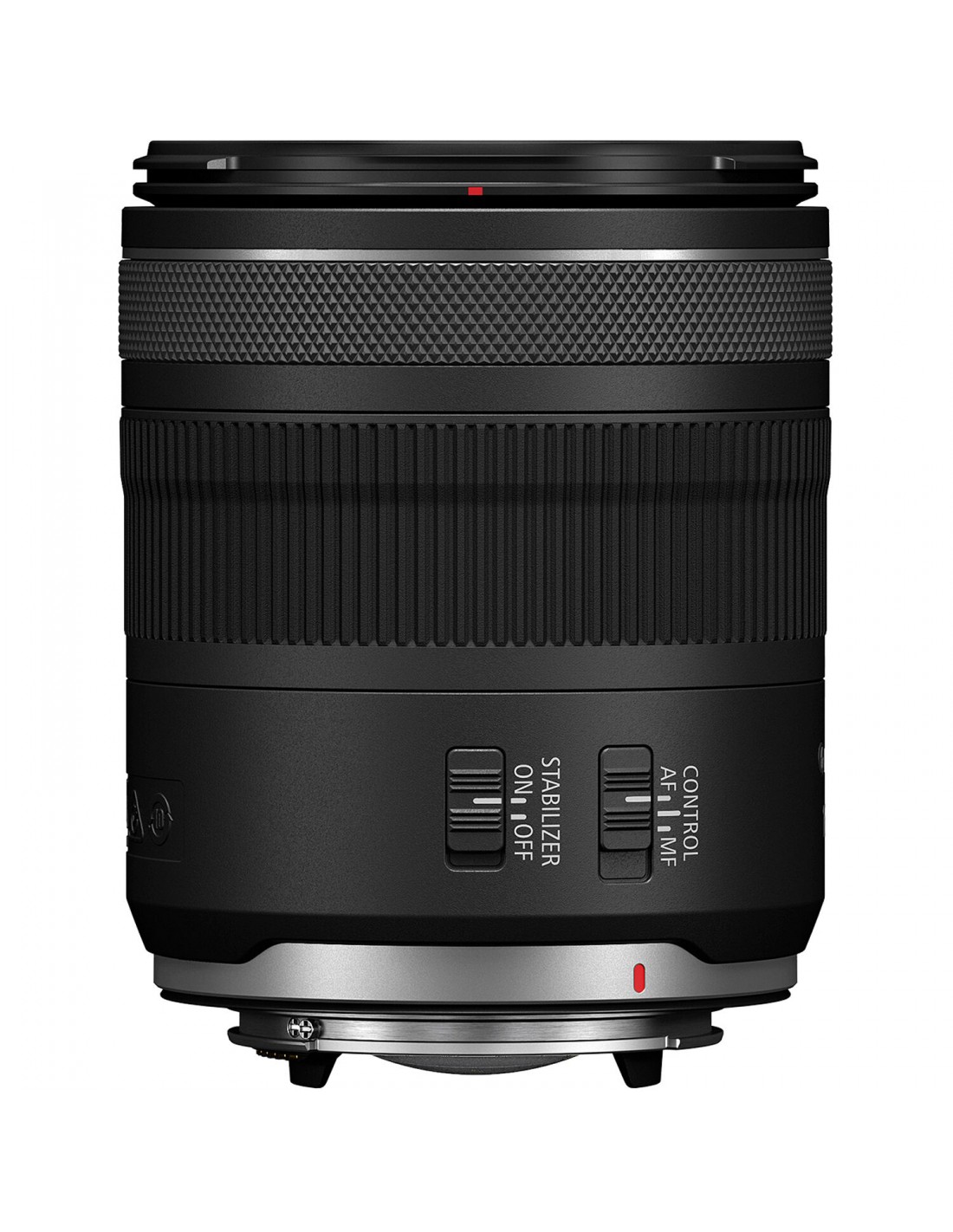
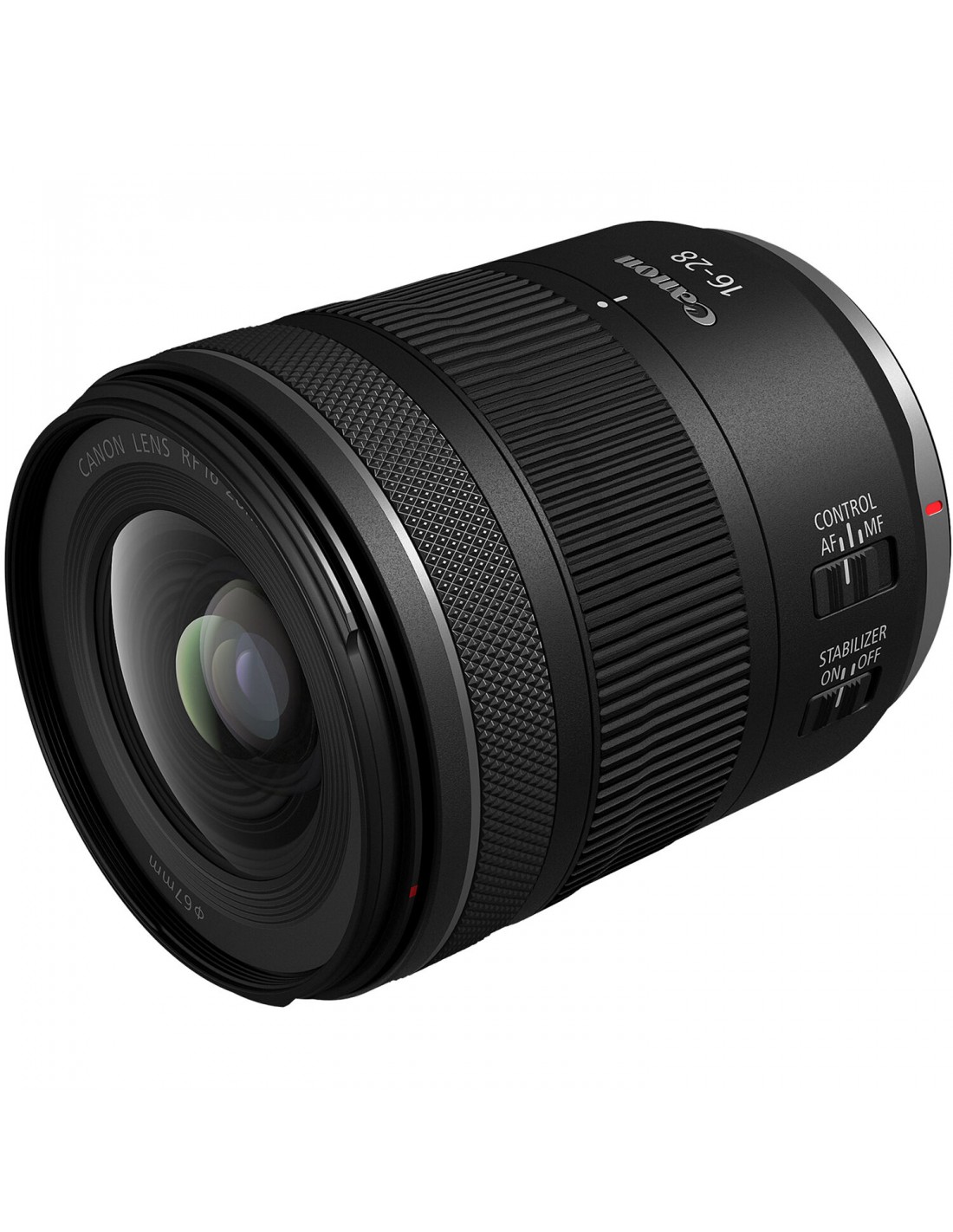
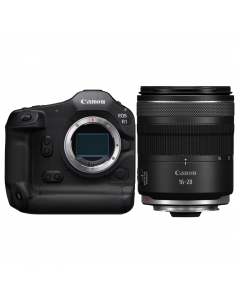

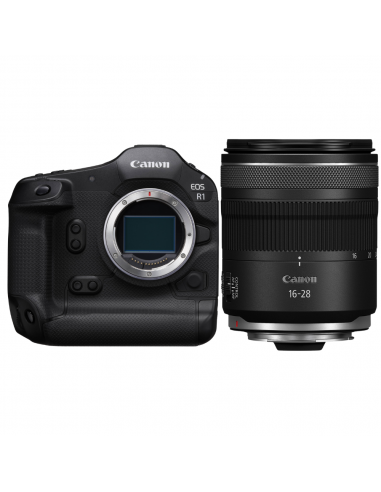
The Canon EOS R1 + RF 16-28mm F2.8 IS STM is a professional full-frame kit for photographers and filmmakers who need a fast, genuinely wide field of view without carrying a large ultra-wide zoom. It suits event and press work, architecture, interiors, environmental portraiture, travel reportage and handheld video, where a 16 mm view can establish the whole scene and 28 mm brings people back into a more natural perspective. The EOS R1 adds rapid subject recognition, up to 40 fps shooting and internal RAW video up to 6K 60p, while the constant F2.8 aperture helps in lower light. It is a focused pairing rather than an all-purpose one, and a strong choice when wide coverage, speed and professional responsiveness matter more than long reach.
Combine compatible accessories and save. The more items you add, the bigger the discount.

Accessory
Accessory
Accessory

warranty extension
This Canon EOS R1 RF 16-28mm F2.8 kit is for photographers who need quick reactions while keeping the wider context in frame. It lets a sports photographer work close to the action, an event or press photographer show the room and atmosphere, and an interior photographer work in restricted spaces. The 24.2 MP full-frame stacked sensor and DIGIC Accelerator plus DIGIC X processing keep the EOS R1 responsive when timing matters, while the compact zoom supplies a purposeful wide-angle view. It works beside a telephoto or as a primary wide camera for documentary work.
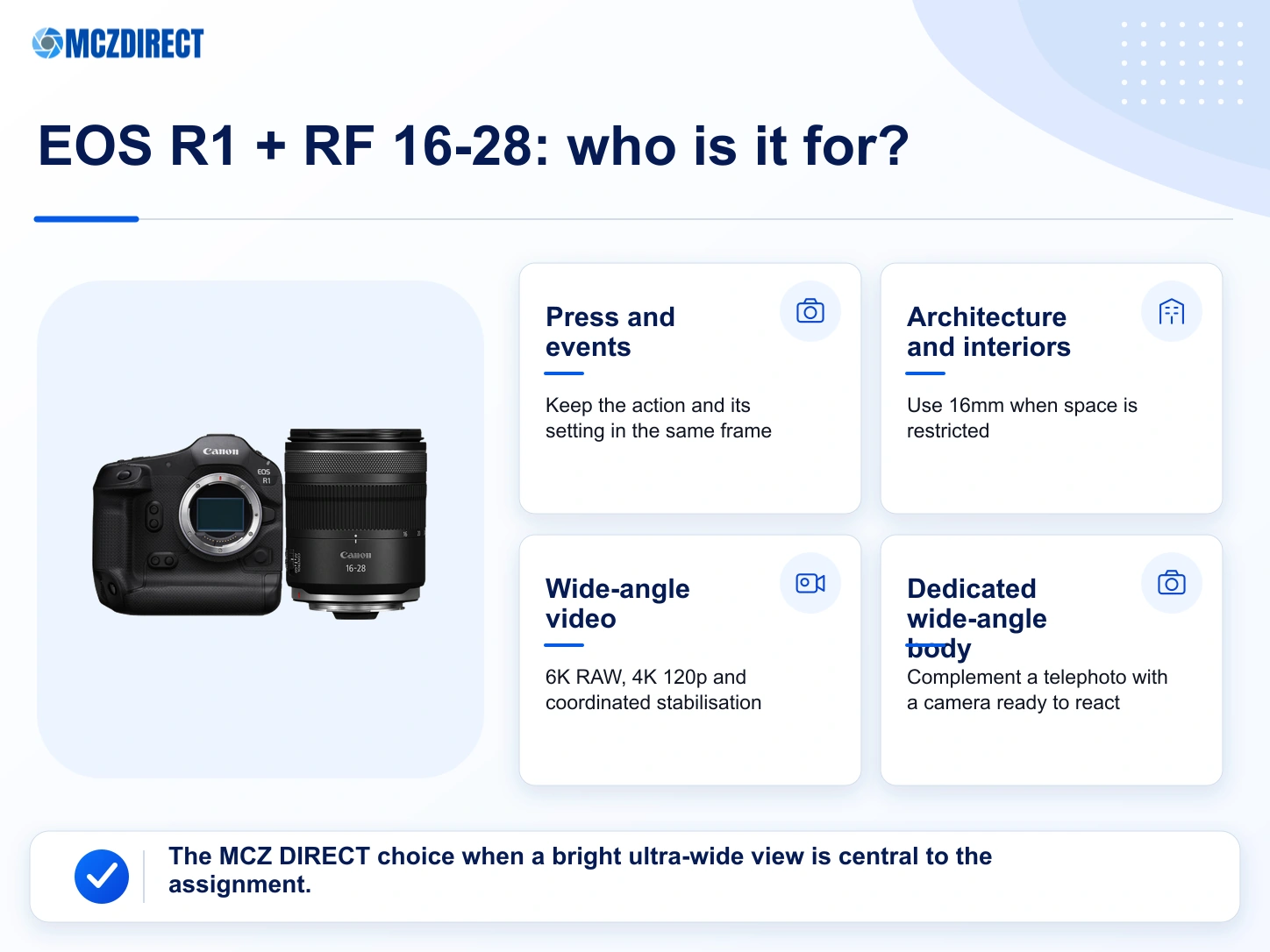
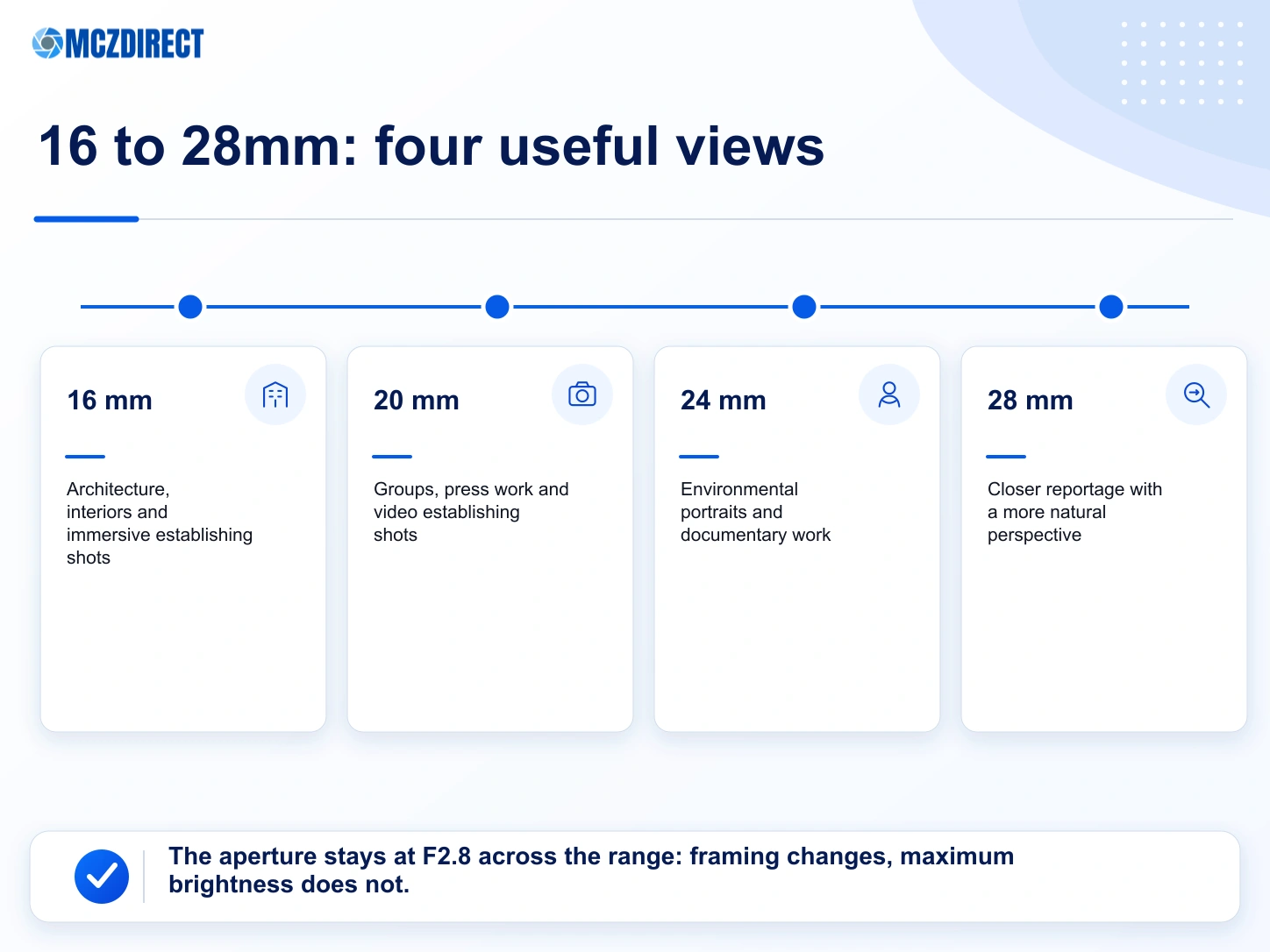
At 16 mm, the lens is about scale: a tight interior, broad facade, dramatic foreground or opening film frame. Around 20 mm or 24 mm, a subject can remain in their surroundings without forced perspective. At 28 mm, people and documentary details take on a more familiar proportion, useful when moving from an establishing image to an environmental portrait without changing lens. That makes it a useful Canon R1 wide angle kit for reportage: the range is short, but each end has a clear job.
The constant F2.8 maximum aperture helps retain a faster shutter speed as framing changes in a dim reception room, backstage corridor or evening street. At close distances it also gives more separation from a busy background than an F4 ultra-wide zoom. The RF 16-28mm F2.8 IS STM focuses as close as 0.25 m at 16 mm and 0.20 m at 28 mm, so it can move from a wide scene to a near detail without a lens change.
| Focal length | Best use | What changes in the frame |
|---|---|---|
| 16 mm | Interiors, architecture, establishing shots | Shows the place and gives foreground elements more presence. |
| 20 mm | Press, travel reportage, groups | Keeps broad context with more manageable perspective. |
| 24 mm | Environmental portraits, documentary work | Keeps the subject connected to the setting. |
| 28 mm | People, closer reportage, details | Gives a more familiar perspective for closer work. |
A wide lens is often associated with static scenes, but the EOS R1 gives it a serious role where the subject does not wait. Its electronic burst reaches up to 40 fps with continuous viewing, and pre-continuous shooting can retain the 20 frames before the shutter is fully pressed when settings allow. That helps with a goal celebration, a speaker stepping into light or a fleeting ceremony gesture. Eye Control AF, subject recognition and Action Priority for football, basketball and volleyball help direct the camera's attention.
The RF 16-28mm F2.8 IS STM has optical Image Stabilizer rated at up to 5.5 stops under Canon test conditions. With the EOS R1, coordinated stabilisation is rated up to 8.0 stops in the centre and 7.5 at the corners. This gives more latitude for a held architectural frame, an interior shot or a quieter documentary moment. It does not freeze a moving person, athlete or vehicle, so shutter speed must follow the subject. The EOS R1 body is rated at up to 8.5 stops of in-body stabilisation under Canon test conditions.
For video teams, the point is clear: the EOS R1 records internal RAW video up to 6K 60p, 4K up to 120p and Full HD up to 240p. It does not record 8K. The RF 16-28mm F2.8 IS STM suits a walk-and-talk introduction, compact interview location, behind-the-scenes sequence or establishing shot where a lens change would interrupt the flow. The STM autofocus motor and F2.8 aperture support autofocus operation and exposure choices as light falls. It is not an all-in-one range, but a fast, compact wide view that can stay on camera as the scene develops.
The EOS R1 has two CFexpress Type B card slots, useful for separating files, creating an in-camera backup or continuing when one card is full. Canon EOS R1 CFexpress Type B cards should be treated as part of the system, particularly for long bursts and high-data-rate video. Wi-Fi 6E and 2.5G BASE-T Ethernet support connected workflows, but card capacity, reader speed and a reliable storage plan still need to match the volume of work created. This is a professional camera setup, not a casual wide-angle combination.
The lens weighs approximately 445 g and measures about 76.5 x 91.0 mm when retracted, keeping the ultra-wide part relatively compact. It must be extended before use. The EOS R1 measures approximately 157.6 x 149.5 x 87.3 mm and weighs about 1,115 g with battery and memory card. Together, body and lens are around 1.56 kg before accessories. That remains a substantial setup through an event or travel day. Lens dust and moisture resistance depends on correct mounting and closed covers; it is not a guarantee against ingress.
| Assignment | Relevant function | Practical reason |
|---|---|---|
| Sport, press or event action | Up to 40 fps, pre-continuous shooting, subject recognition | Catch a brief moment while retaining the environment. |
| Architecture and interiors | 16 mm coverage and coordinated stabilisation | Work in restricted rooms and hold composed frames when the subject is static. |
| Documentary and environmental portraiture | 20-28 mm range and F2.8 aperture | Move closer while keeping the subject's setting in the image. |
| Handheld video | Internal RAW up to 6K 60p, 4K up to 120p, STM AF | Record a wide sequence without changing to a larger zoom. |
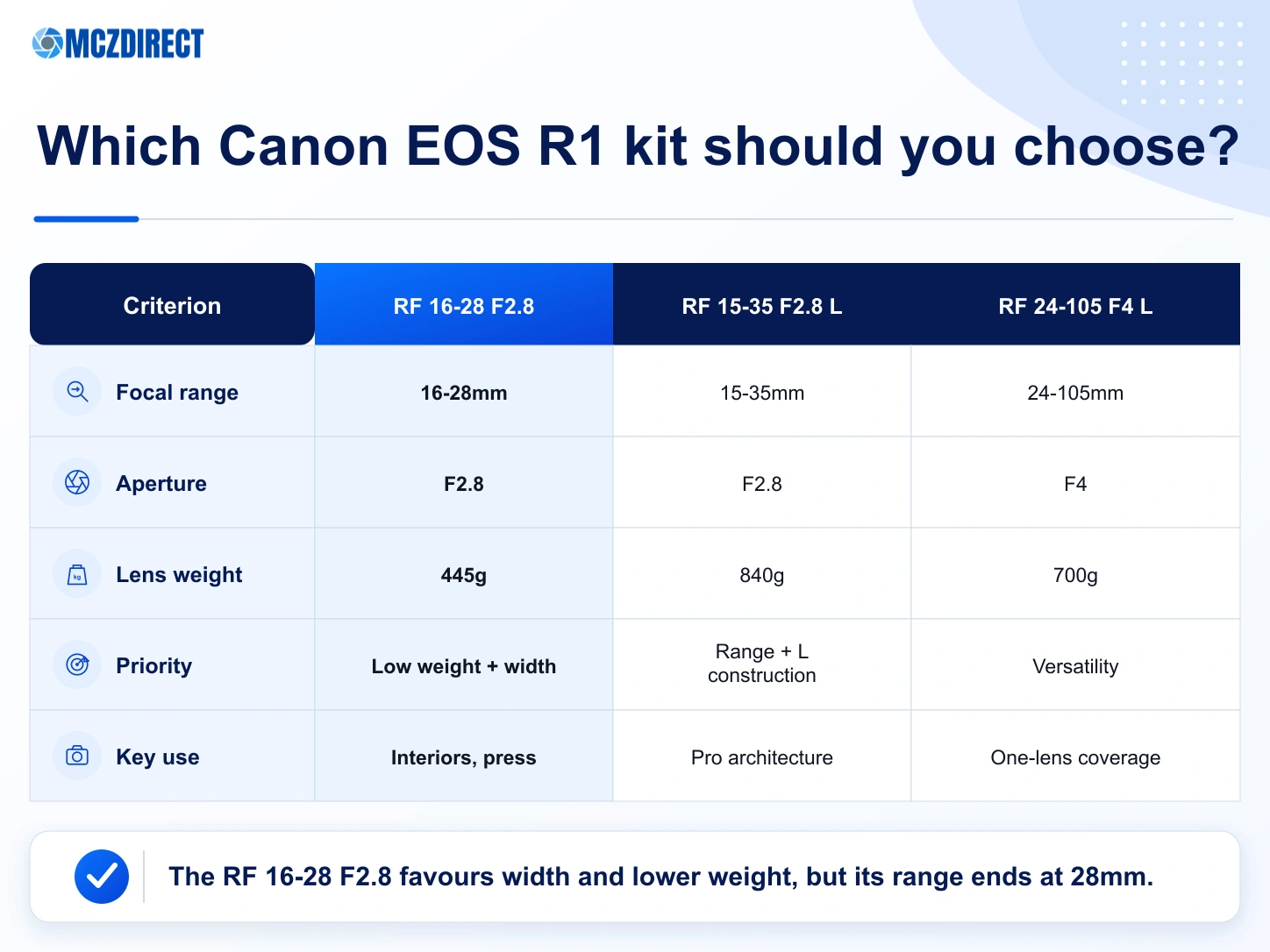
Choose this configuration when F2.8, compactness and a practical 16-28 mm range matter more than covering every situation with one lens. The EOS R1 with RF 15-35mm F2.8 L IS USM is better when 35 mm reach, a wider zoom range and L-series construction are central. The EOS R1 with RF 10-20mm F4 L IS STM makes more sense when a 10 mm view matters more than F2.8. These configurations answer different framing priorities.
Use this kit as the wide-angle half of a two-lens pair, then add a standard zoom or telephoto for the assignment. The EOS R1 with RF 24-105mm F4 L IS USM is more versatile when 28 mm is too limiting. For a body-first purchase, the Canon EOS R1 body allows a different RF focal choice. Assess the optic separately on the RF 16-28mm F2.8 IS STM lens page, or see the wider Canon EOS R1 range.
| Configuration | Choose it when | Main trade-off |
|---|---|---|
| EOS R1 + RF 16-28mm F2.8 IS STM | F2.8, compactness and 16-28 mm are the priority. | Stops at 28 mm; not an L-series lens. |
| EOS R1 + RF 15-35mm F2.8 L IS USM | You need 35 mm reach and L-series construction. | A larger lens to carry. |
| EOS R1 + RF 10-20mm F4 L IS STM | An extreme 10 mm perspective is essential. | F4 gives less light than F2.8. |
| EOS R1 + RF 24-105mm F4 L IS USM | You want one lens for a broader reportage day. | No 16-20 mm ultra-wide coverage. |
This is not a one-lens answer for portraits, ceremonies, distant action and travel. It is for the photographer who regularly works close, shows context and faces imperfect light. The EOS R1 supplies speed, viewing and subject-recognition tools for demanding assignments; the RF 16-28mm F2.8 IS STM gives a bright ultra-wide range from dramatic 16 mm scenes to restrained 28 mm documentary frames. That specificity is its strength.
At MCZ DIRECT, we position this as the EOS R1 configuration for photographers who work close to the subject and need the story around it to remain visible. It is particularly convincing for press, events, documentary work, architecture and interiors, where the combination of a fast professional body and a compact F2.8 ultra-wide zoom is more useful than adding another long focal length.
It is less appropriate as the only lens for an entire wedding, travel assignment or general reportage day because 28 mm is its practical endpoint. In that case, the EOS R1 with RF 24-105mm F4 L IS USM is the more versatile single-lens direction. Choose this kit when its wide, bright 16-28 mm range matches how you genuinely work, and pair it with a longer lens when the assignment needs reach.
Choose this kit when fast professional response, a bright ultra-wide perspective and close work suit your assignments.

It suits professional photographers and filmmakers needing a fast, wide view for events, press work, architecture, interiors, documentary work and handheld video.
Yes. It is a full-frame RF-mount ultra-wide zoom for Canon EOS R system cameras such as the EOS R1.
At 16 mm, it is useful for tight interiors, architecture, groups, establishing shots and scenes where foreground and surroundings matter.
Yes. At 28 mm, perspective is more natural than at the widest end, making it useful for environmental portraits and closer event coverage.
Yes. Its maximum aperture remains F2.8 from 16 mm to 28 mm.
It focuses to 0.25 m at 16 mm and 0.20 m at 28 mm. Maximum magnification is 0.11x and 0.26x respectively.
No. The EOS R1 records internal RAW video up to 6K 60p, 4K up to 120p and Full HD up to 240p.
It has two CFexpress Type B card slots. Fast cards and suitable storage matter for long bursts and high-data-rate video.
The EOS R1 weighs about 1,115 g with battery and card; the lens is about 445 g, or roughly 1.56 kg before accessories.
Yes. Optical IS is rated up to 5.5 stops. With the EOS R1, coordinated stabilisation is rated up to 8.0 centre and 7.5 corner stops under Canon test conditions.
It has dust and moisture resistance when correctly mounted with covers closed. This does not guarantee protection against ingress.
Choose 16-28 mm for a compact F2.8 ultra-wide solution. Choose 15-35 mm when 35 mm reach and L-series construction matter more.
Yes. It must be extended to the shooting position before use.