Shopping Cart
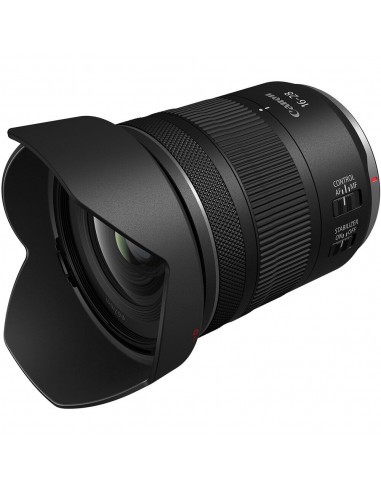
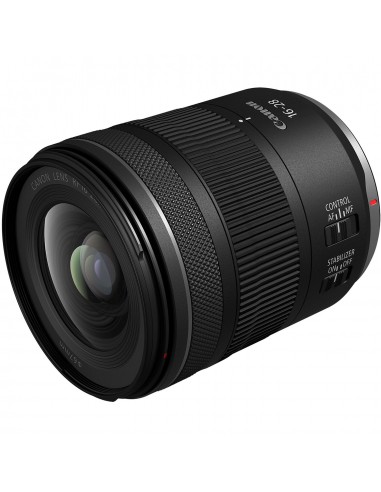
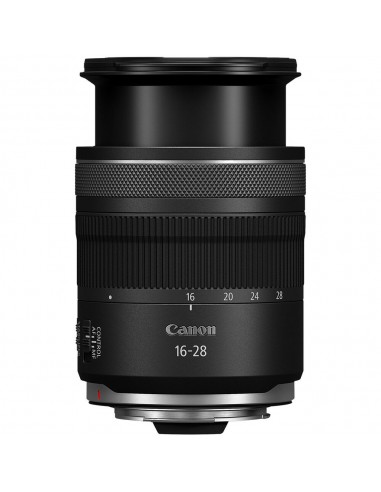
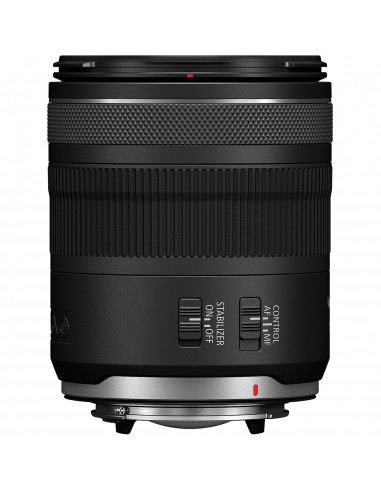
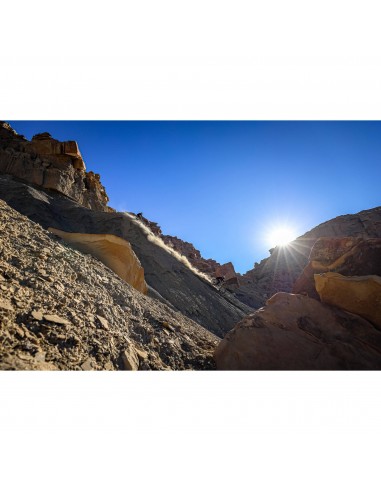
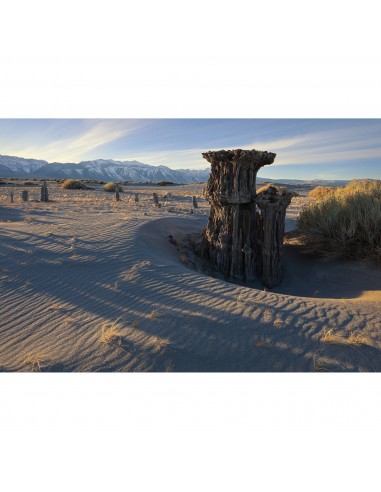
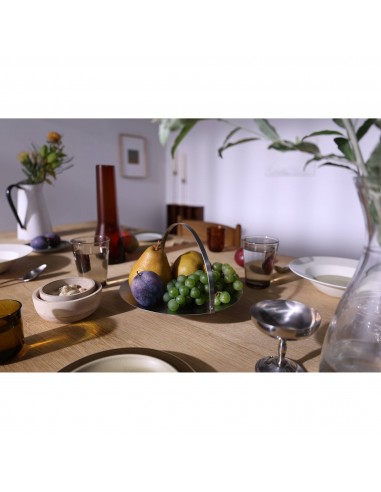
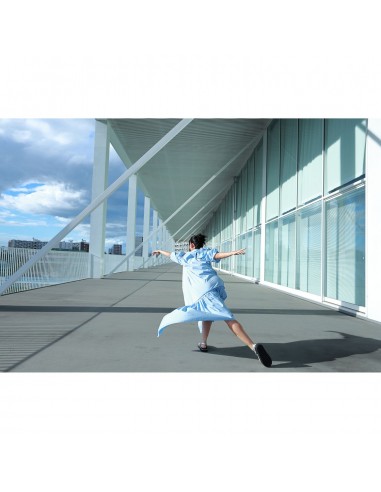
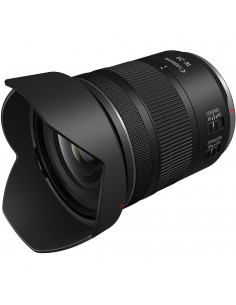
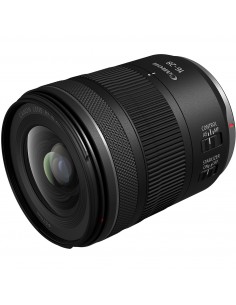
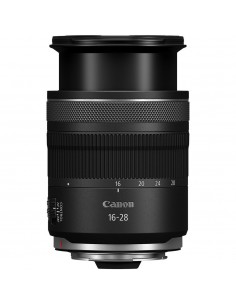
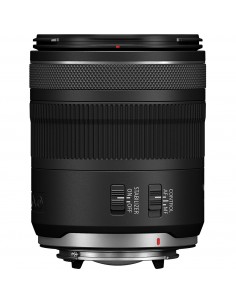
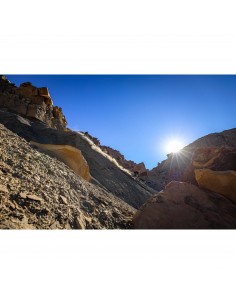
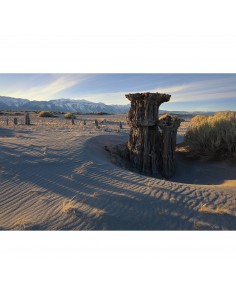
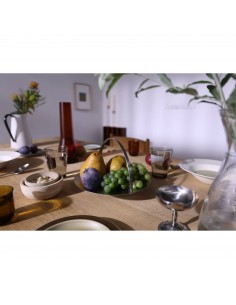
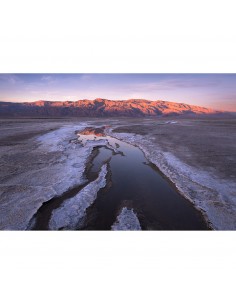
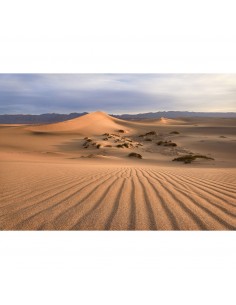
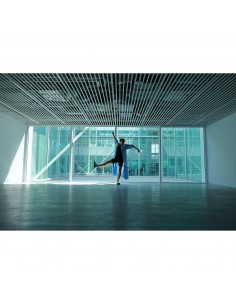
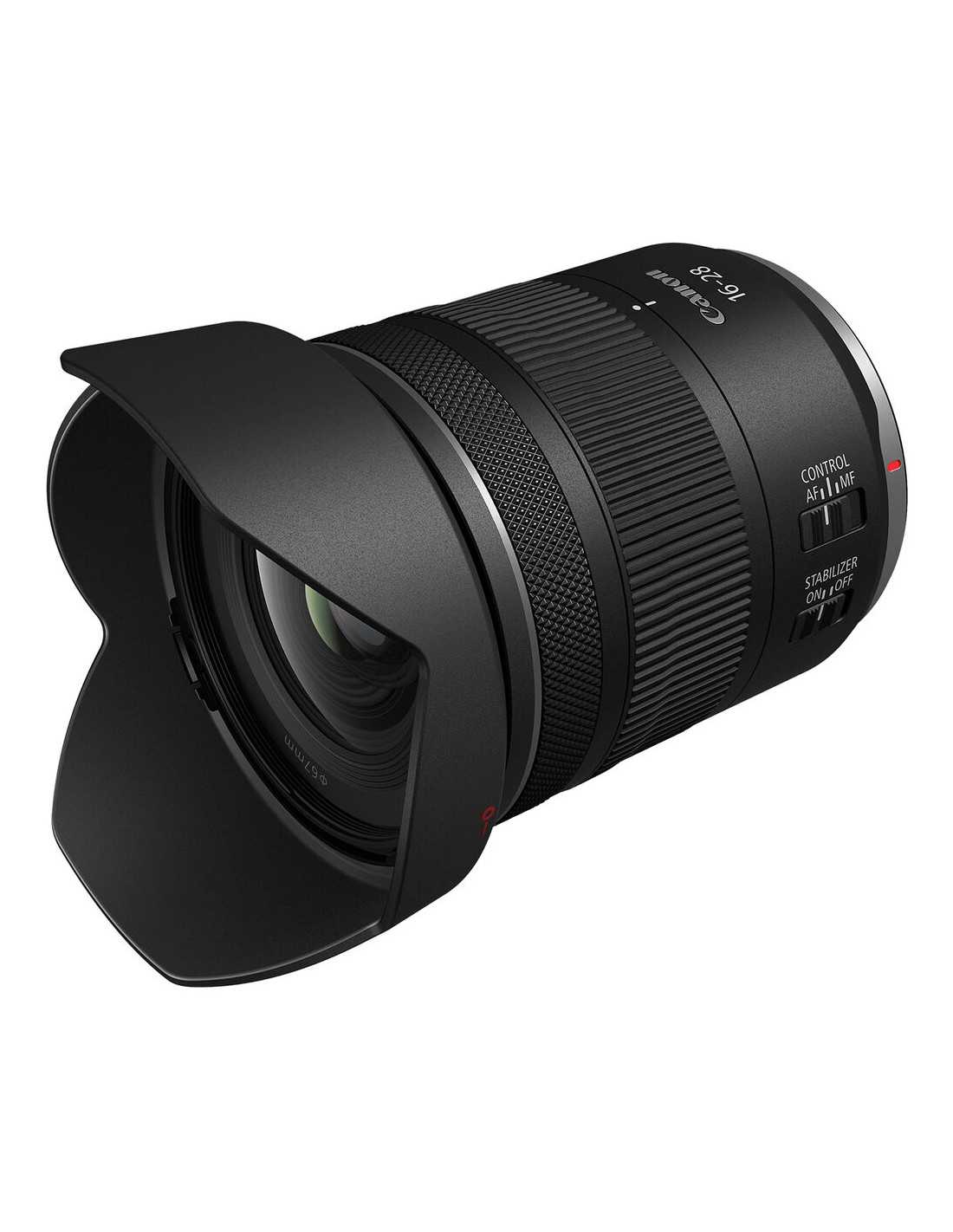
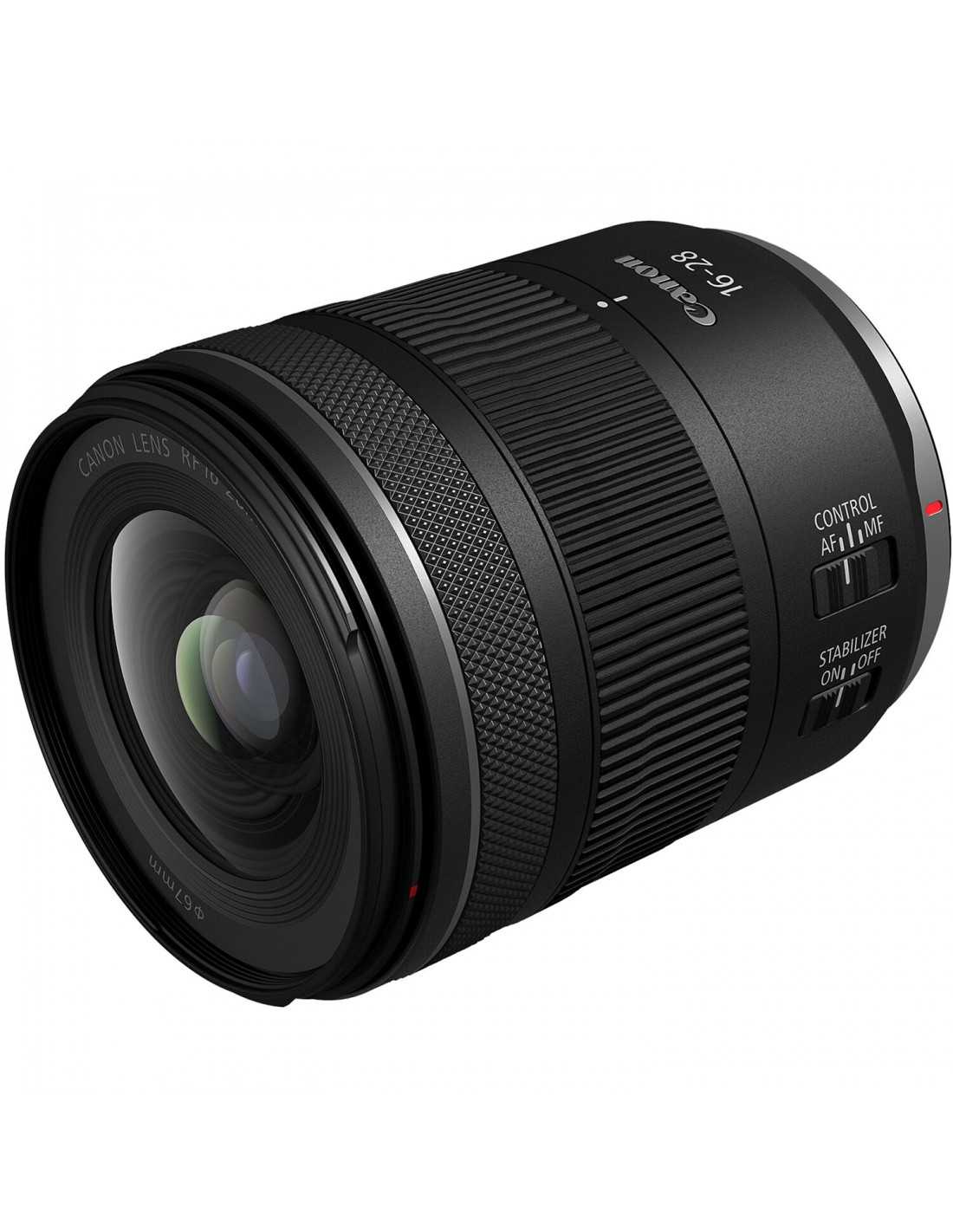
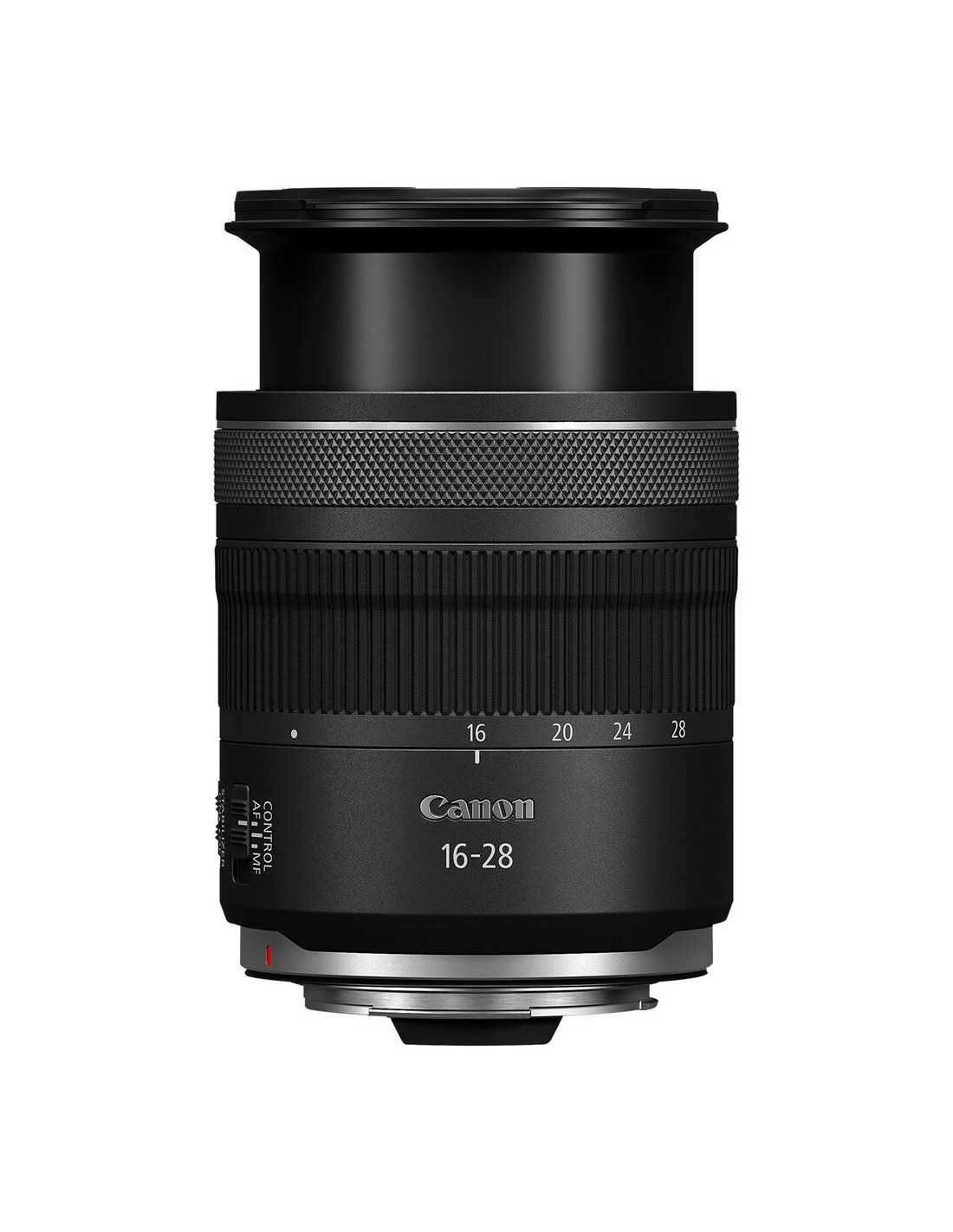
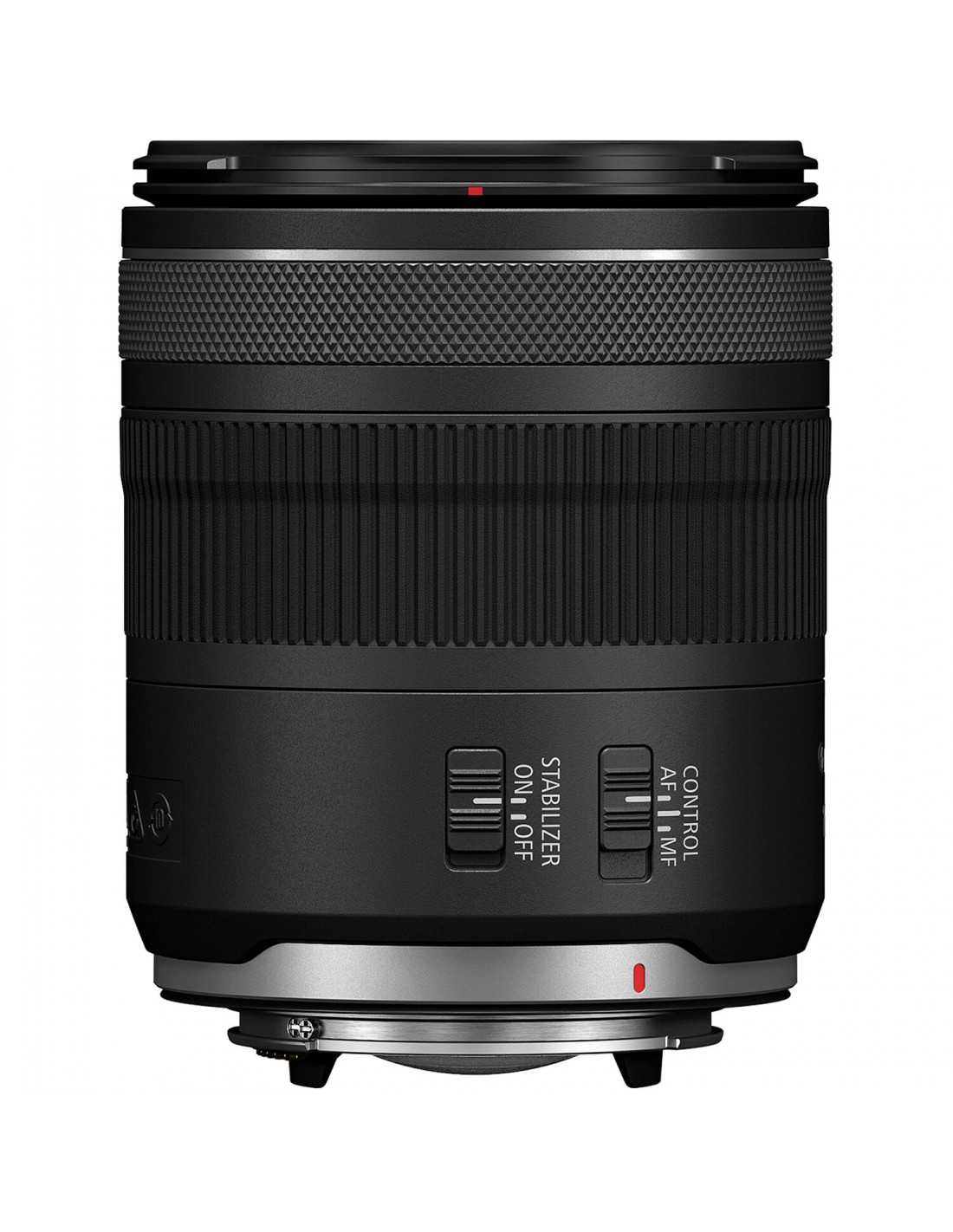
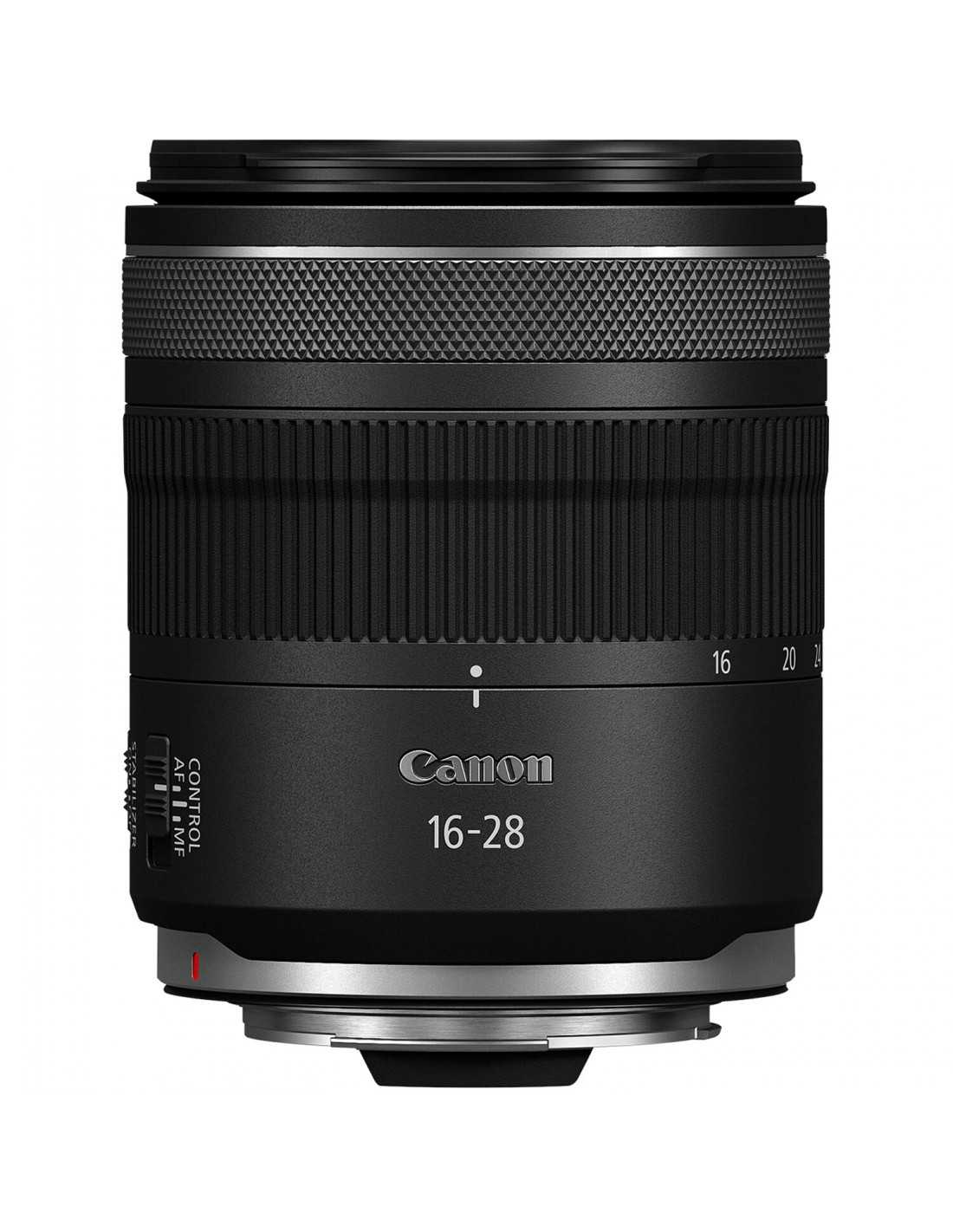
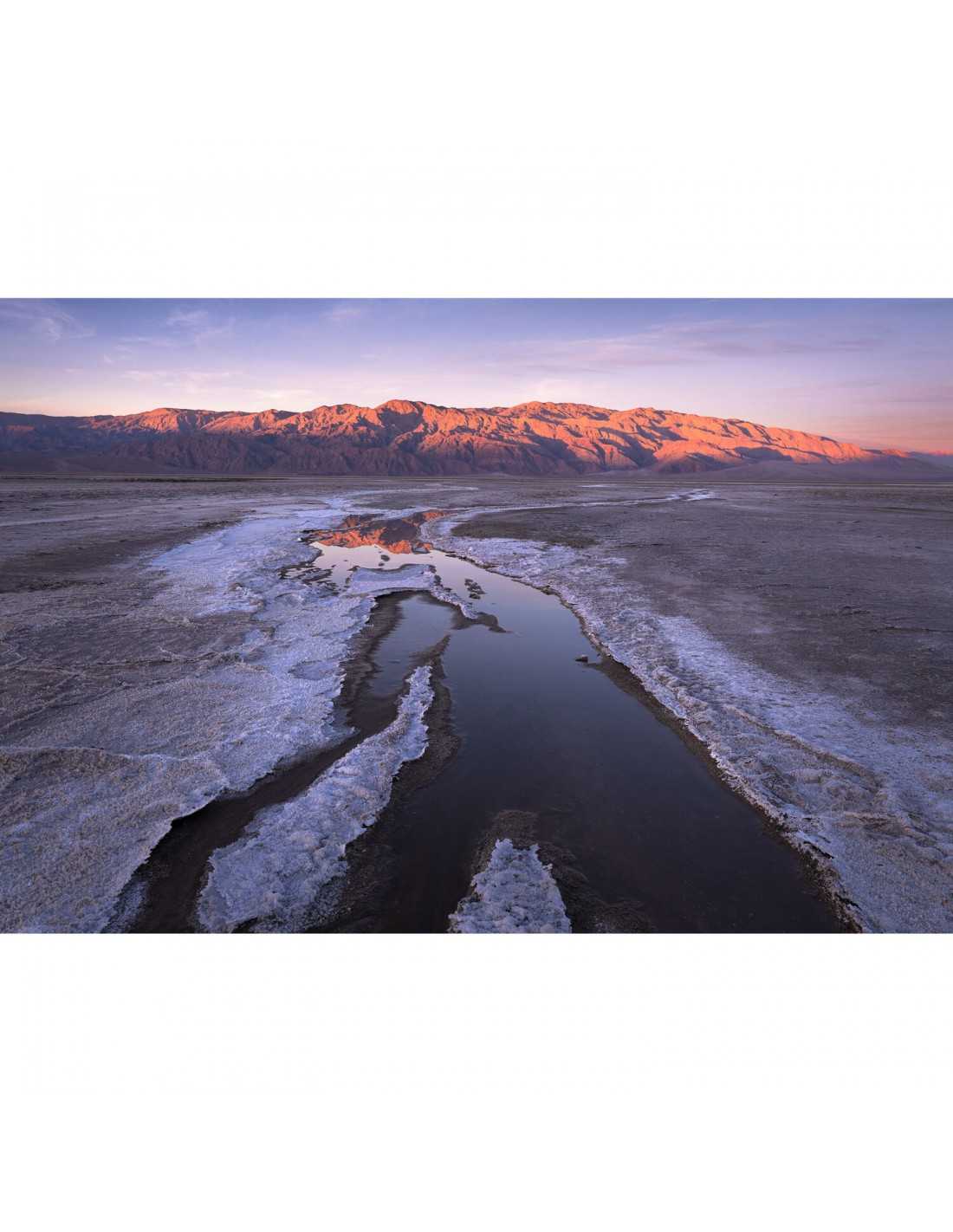
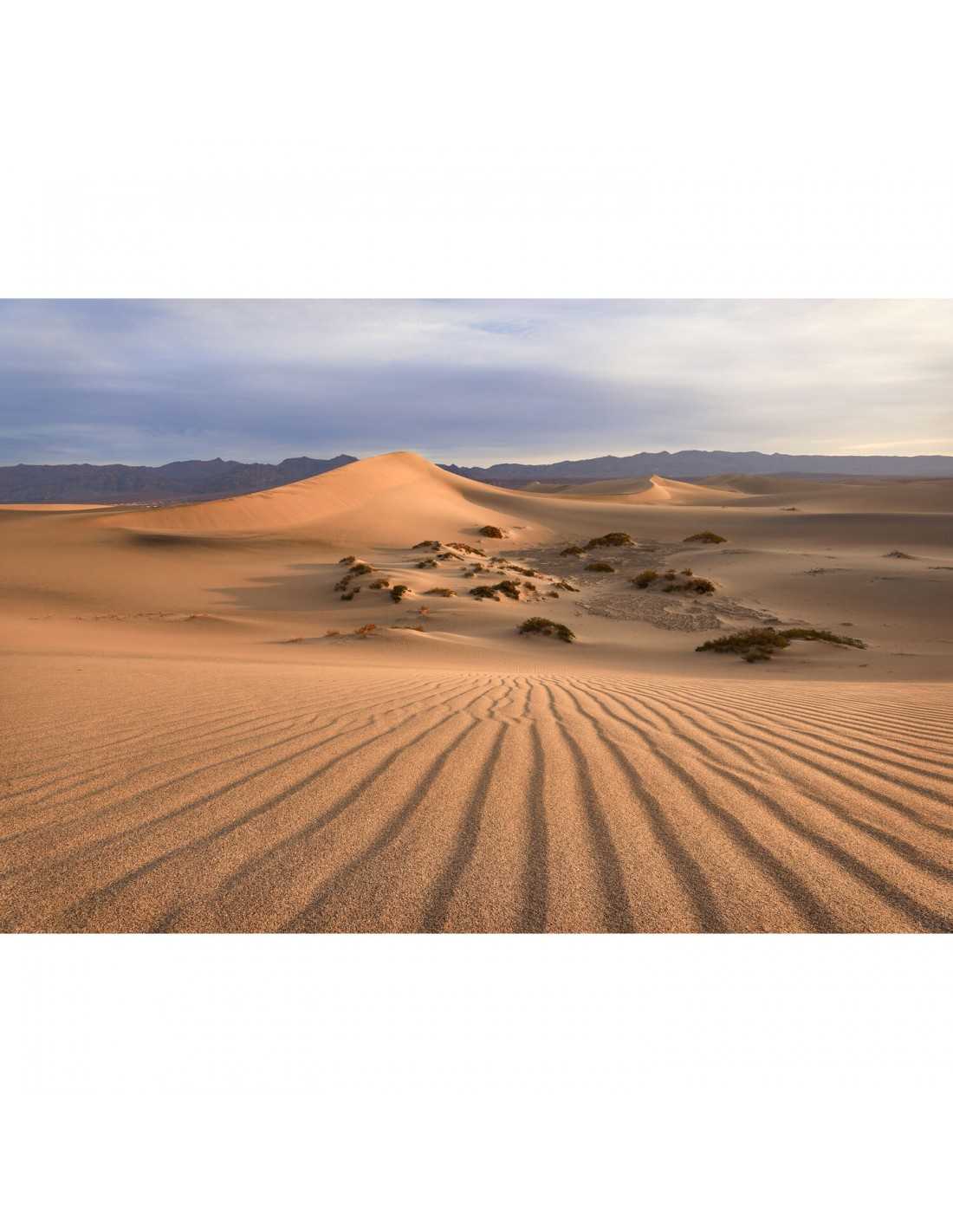
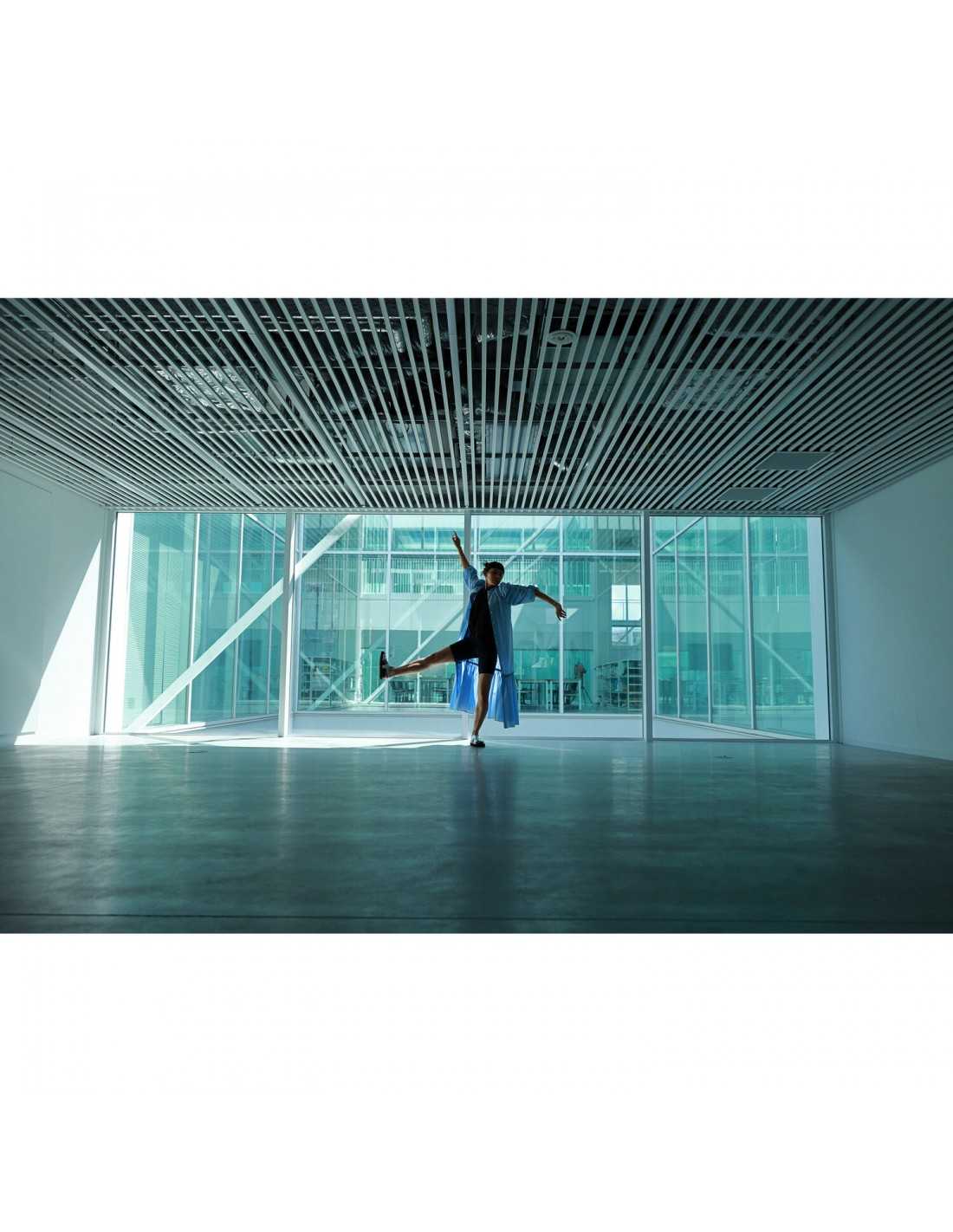
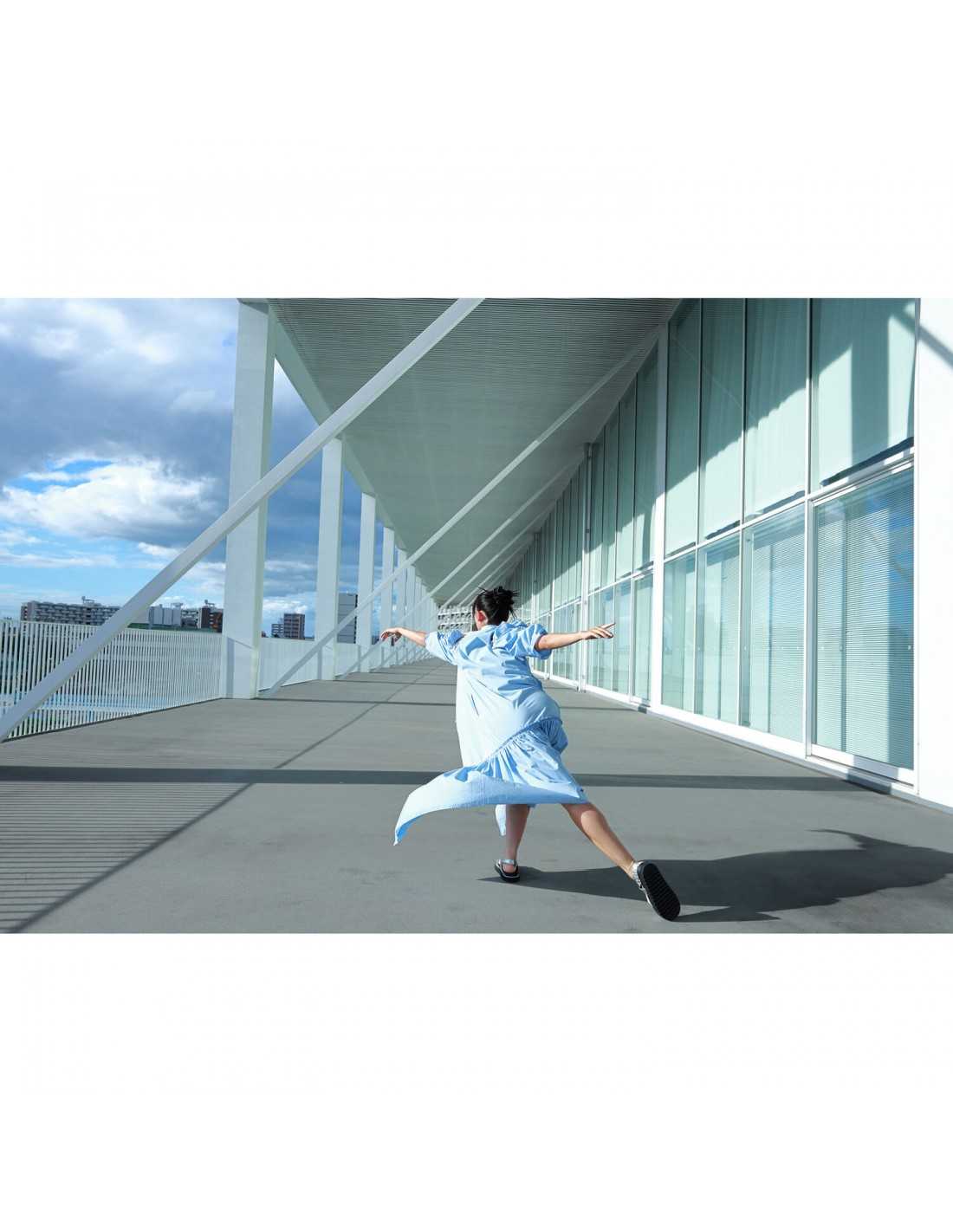
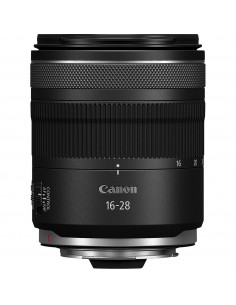

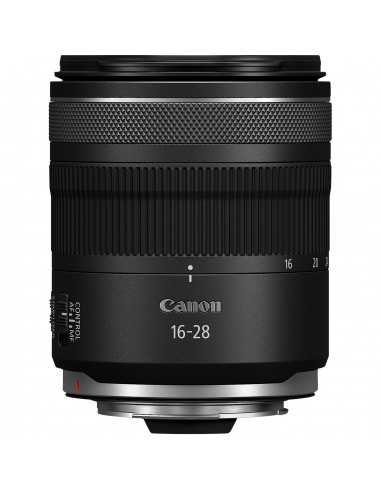
The Canon RF 16-28mm F2.8 IS STM is a full-frame ultra-wide zoom for EOS R photographers and filmmakers who want f/2.8, stabilisation and low weight in one lens, and we particularly recommend it for landscapes, architecture, interiors, travel and handheld video. At 445g it is easy to carry, while the constant aperture retains the same maximum brightness throughout the range. Canon-rated 5.5-stop optical stabilisation supports static scenes, and the STM motor keeps focusing discreet. The 16mm end creates an expansive view; 28mm gives more natural reportage framing. Its range is shorter than a 15-35mm zoom, so it favours portability over maximum coverage. It is a sensible everyday choice for demanding users when available light and mobility matter more than extra reach.
Combine compatible accessories and save. The more items you add, the bigger the discount.
memory card

warranty extension
The Canon RF 16-28mm F2.8 IS STM answers a practical question: do you need to carry a large L-series zoom to retain f/2.8 at ultra-wide angles? At 445g, with optical stabilisation and a 91mm retractable design, this Canon 16-28 takes a different approach. It is light enough to remain in the bag, then moves from landscape to interiors or video without making the kit cumbersome. The 16mm end gives a genuine sense of space, while 28mm is easier to use for documentary framing. Its range is shorter than a 15-35mm, but the balance of light gathering and mobility is unusually convincing.
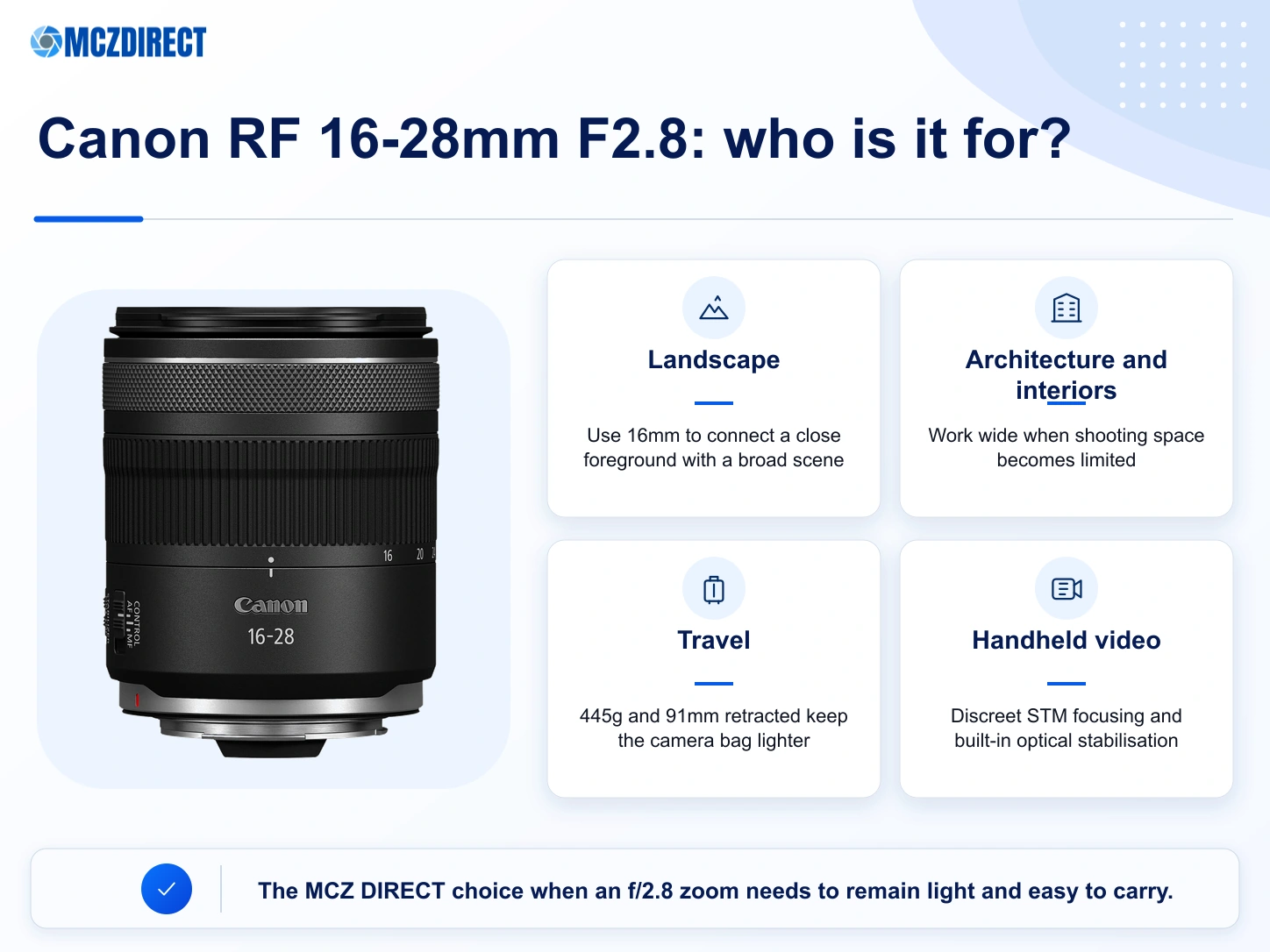
| Feature | Practical benefit | Consideration |
|---|---|---|
| 16-28mm | Move from an immersive view to more natural framing without changing lens | The range stops short of the 35mm end offered by a broader reportage zoom |
| Constant f/2.8 | Retain exposure while zooming and work more comfortably as available light falls | Depth of field remains naturally extensive at very short focal lengths |
| 5.5-stop IS | Reduce photographer movement in interiors, twilight landscapes and handheld video | Stabilisation cannot freeze a walking person or another moving subject |
| STM | Focus discreetly and make controlled transitions during video recording | Tracking also depends on the EOS R camera and AF settings |
| 445g and 91mm retracted | Build a light setup for travel and handheld work | The zoom must be extended from its storage position before shooting |
| 0.20m and 0.26x at 28mm | Emphasise a close detail while retaining part of its environment | This magnification does not replace a dedicated macro lens |
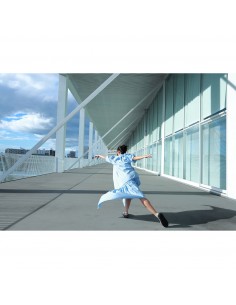
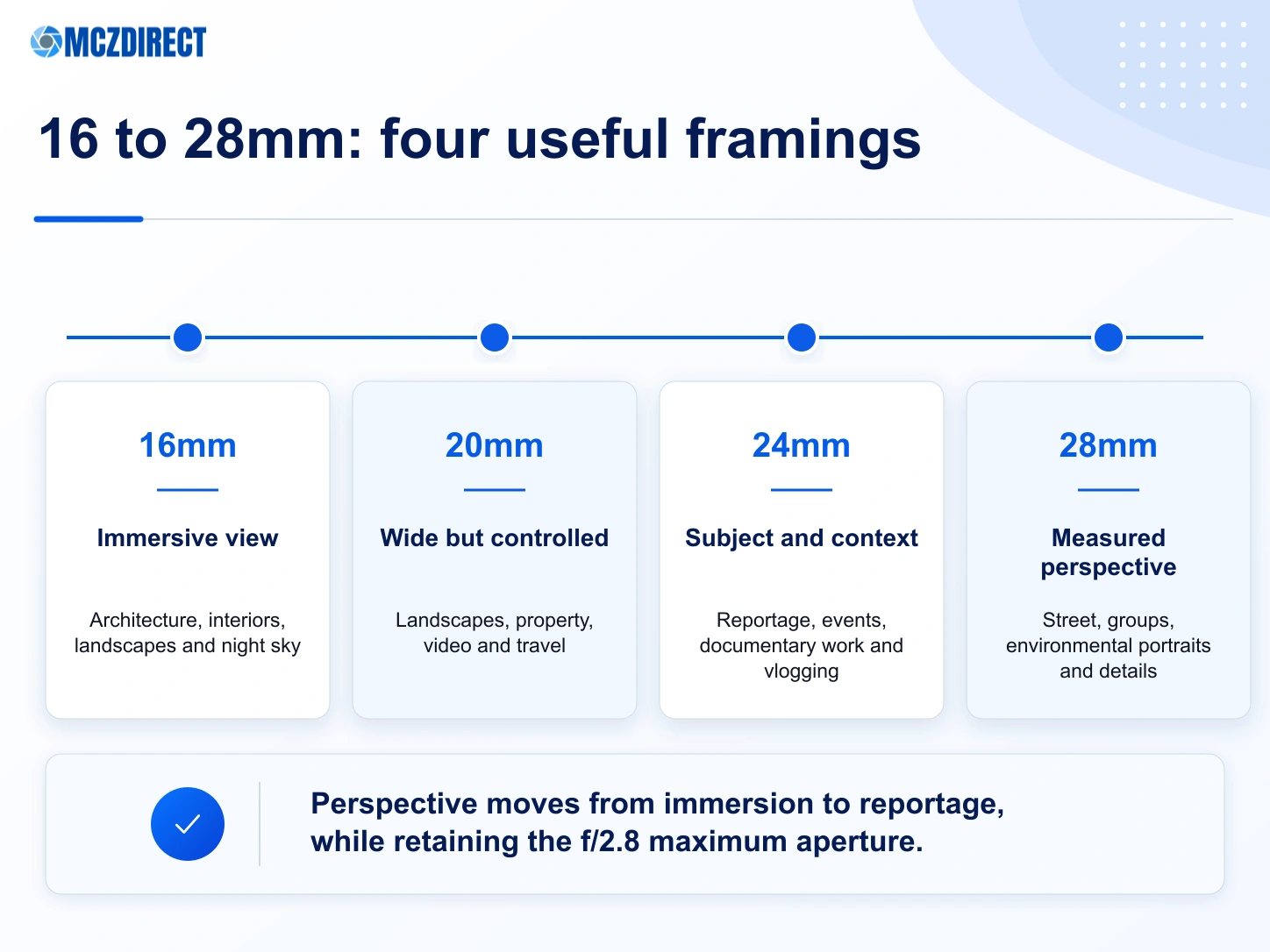
At 16mm, the frame takes in a broad area and strengthens the relationship between a close foreground and the background. Around 20mm, the image remains very wide but becomes easier to balance for an interior, facade or landscape. At 24mm, perspective is better suited to documentary work and video when the subject needs to remain clear within its setting. The 28mm end gives more restrained framing for street photography, groups and environmental portraits. The value of this zoom is therefore not simply seeing more. It lets the photographer control how strongly wide-angle perspective shapes the image.
| Focal length | Suitable situation | Intended effect |
|---|---|---|
| 16mm | Immersive landscape, architecture, night sky, small interior | Include a broad scene and emphasise leading lines |
| 20mm | Property, travel, video, landscape | Retain width with a composition that is easier to control |
| 24mm | Reportage, events, documentary work, vlogging | Show the subject clearly within the environment |
| 28mm | Street, groups, environmental portraits, details | Tighten the frame and reduce the obvious ultra-wide effect |
An f/2.8 aperture transmits twice as much light as f/4. It can support a faster shutter speed for a moving subject or a lower ISO when light is limited. Optical stabilisation solves a different problem by correcting some of the photographer’s movement. It helps in a dim room, a twilight landscape or handheld video, but cannot stop a person who is walking. For the night sky, f/2.8 is the decisive advantage; a tripod remains preferable whenever the exposure is deliberately extended. For pinpoint stars into the corners, it remains sensible to inspect coma and peripheral sharpness in your own files, then stop down slightly when the available exposure time allows it.
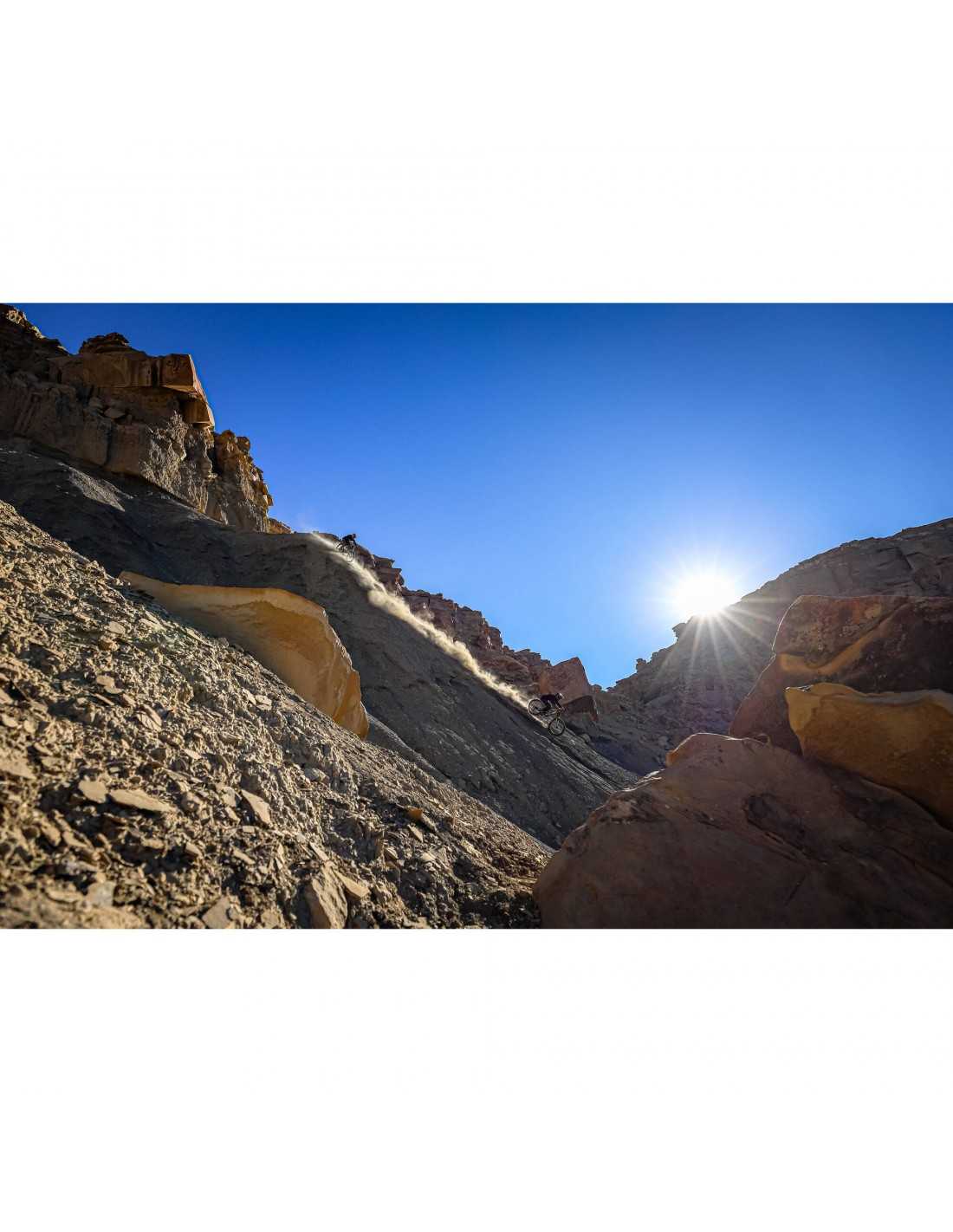
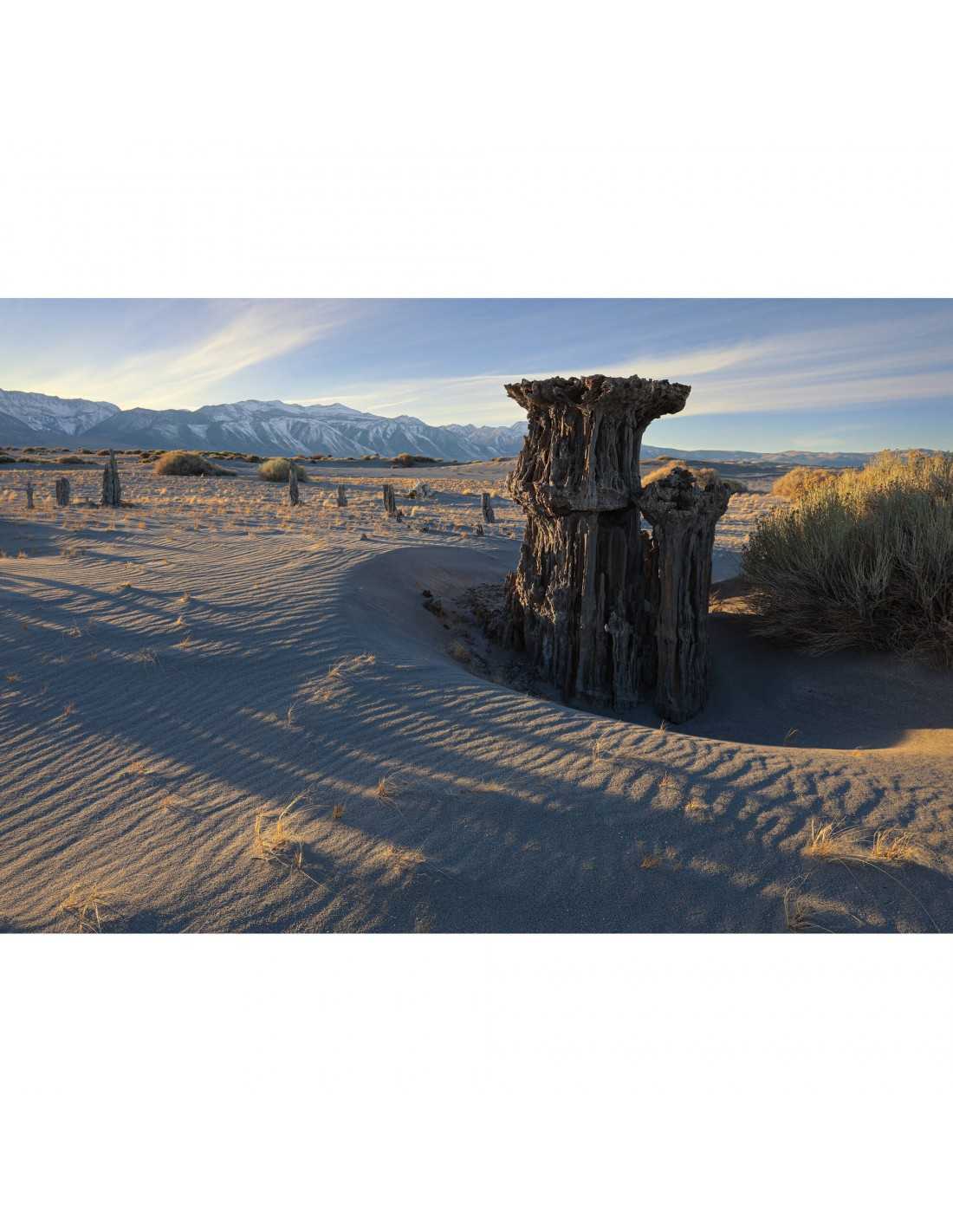
In landscape photography, 16mm is most useful when the foreground has a clear role in the composition. For architecture and interiors, the broad view helps when working space is limited, although verticals and elements close to the frame edges need careful control. The 445g weight makes a tangible difference while travelling compared with an f/2.8 L-series zoom. For video, discreet STM focusing, stabilisation and compact dimensions suit handheld shooting or a lighter gimbal. Distortion and focus-breathing correction do, however, partly depend on a compatible camera or software profile.
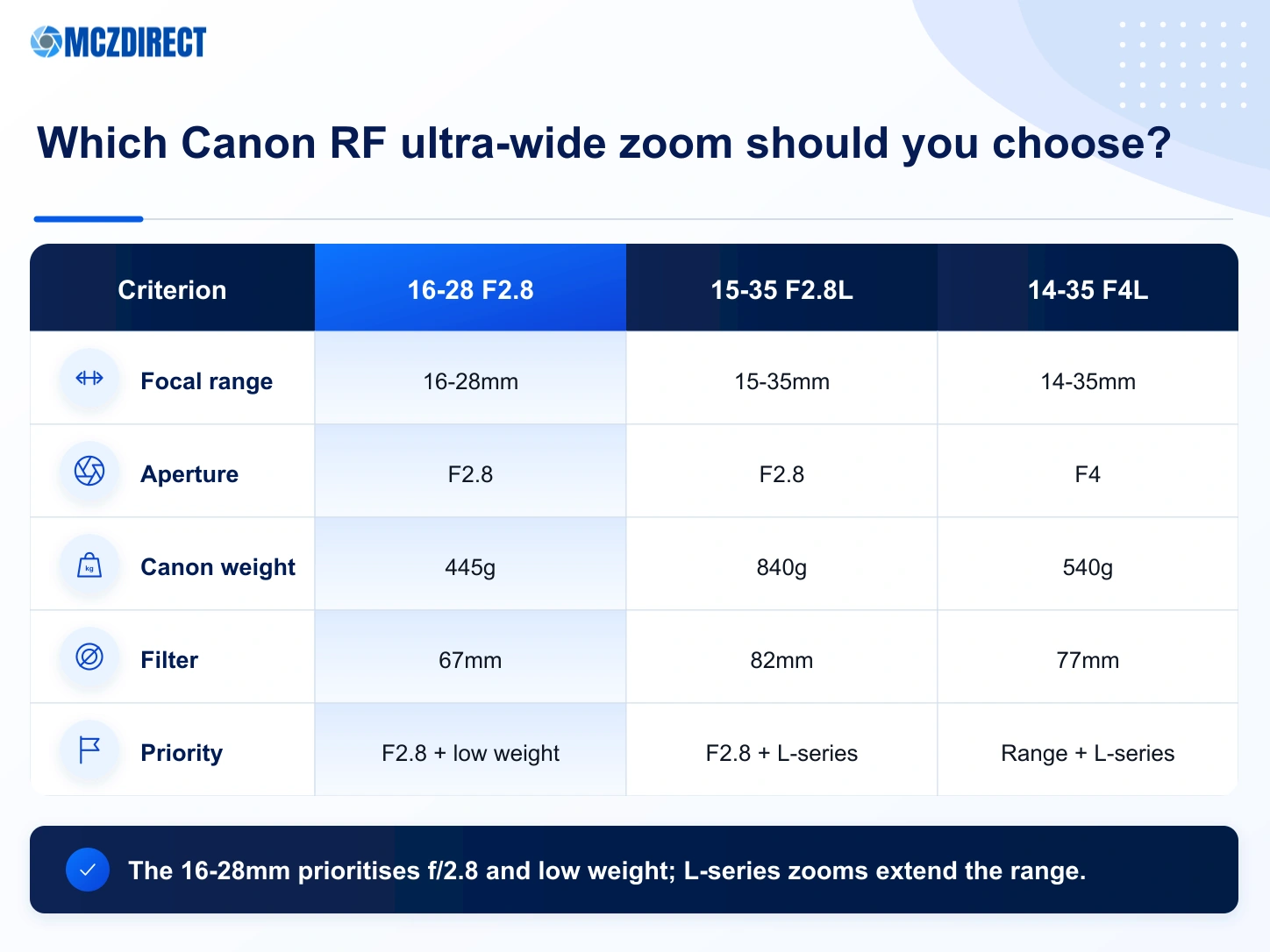
| Lens | Range and aperture | Canon weight | Choose it when |
|---|---|---|---|
| RF 16-28mm F2.8 IS STM | 16-28mm, f/2.8 | 445g | Light gathering, compactness and handheld video matter more than reach |
| RF 15-35mm F2.8L IS USM | 15-35mm, f/2.8 | 840g | L-series build, the extra millimetre and 35mm reach justify the weight |
| RF 14-35mm F4L IS USM | 14-35mm, f/4 | 540g | A broader range, L-series build and mobility matter more than f/2.8 |
| RF 10-20mm F4L IS STM | 10-20mm, f/4 | 570g | A much more extreme view is essential for architecture or interiors |
On a Canon APS-C body such as the EOS R7, the RF 16-28mm frames like a 25.6-44.8mm lens on full frame. It becomes a bright standard zoom for reportage, street photography and video, but no longer delivers the broad view normally wanted for architecture. A full-frame body is the logical choice when 16mm coverage is the reason for selecting this lens.
The RF mount makes it compatible with the Canon EOS R range. The EOS R5 Mark II suits detailed landscapes and demanding hybrid production. The EOS R6 Mark III creates a versatile reportage and video kit, while the EOS R8 keeps total weight to a minimum. To continue the range at f/2.8, the RF 28-70mm F2.8 IS STM is its natural companion. Explore other active focal lengths in our Canon RF lens category.
At MCZ DIRECT, our view is that the RF 16-28mm F2.8 IS STM is the choice for travel, landscape and interior photographers who genuinely want f/2.8 without turning an EOS R body into a heavy package. It is less suitable for anyone expecting one wide-angle zoom to provide a natural continuation all the way to 35mm.
Against the RF 15-35mm F2.8L, we recommend it when saving 395g matters more than L-series construction and extra reach. Against the RF 14-35mm F4L, it gains one stop but gives up 2mm at the wide end and 7mm at the long end. Its limitation is therefore clear: this is not the most extensive RF wide-angle zoom. It is, however, one of the most coherent ways to combine f/2.8, stabilisation and mobility.

It suits Canon EOS R users who want a bright, light ultra-wide zoom for landscapes, architecture, interiors, travel and video.
Yes. The 16mm end combines a close foreground with a broad view, while 28mm provides more natural framing for details.
Yes, particularly when working space is limited. Verticals and objects near the frame edges still need careful control at 16mm.
Yes. Combining 16mm and f/2.8 covers a broad area of sky while helping to control exposure time or ISO.
Choose the 16-28mm for its 445g weight and compact dimensions. The 15-35mm adds L-series build, starts at 15mm and reaches 35mm.
The 16-28mm is one stop brighter. The 14-35mm starts wider, reaches 35mm and provides L-series construction.
Canon rates lens-only stabilisation at 5.5 stops and coordinated stabilisation at up to 8 stops in the centre with a compatible IBIS body.
Canon lists 445g. It is substantially lighter than the 840g RF 15-35mm F2.8L.
It accepts conventional 67mm screw-in filters, including compatible polarising and neutral-density filters.
Minimum focus is 0.25m at 16mm and 0.20m at 28mm, with maximum magnification of 0.26x at 28mm.
Yes. Canon specifies dust- and weather-resistant construction, while normal field precautions still apply.
On APS-C it frames like a 25.6-44.8mm lens on full frame, becoming a bright standard zoom rather than a true ultra-wide.
The specialist reviews consulted mainly highlight the balance between the f/2.8 aperture, 445g weight and optical stabilisation. In our view, it particularly suits travel, landscapes, architecture and video when mobility matters. Its main limitation is the shorter 16-28mm range compared with the RF 15-35mm F2.8L. At 16mm, edge placement, verticals and the required optical corrections also deserve attention according to the subject.