Shopping Cart
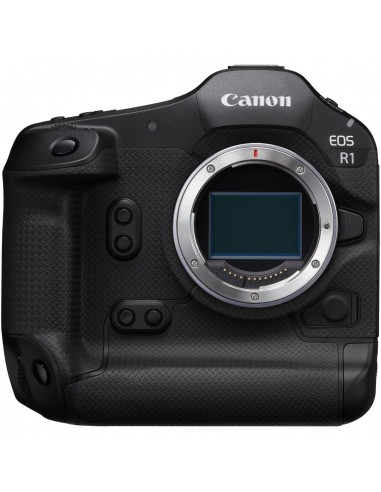
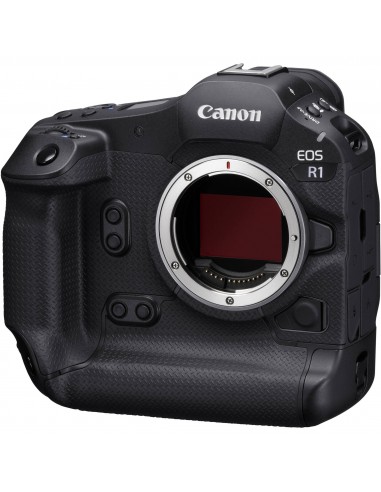
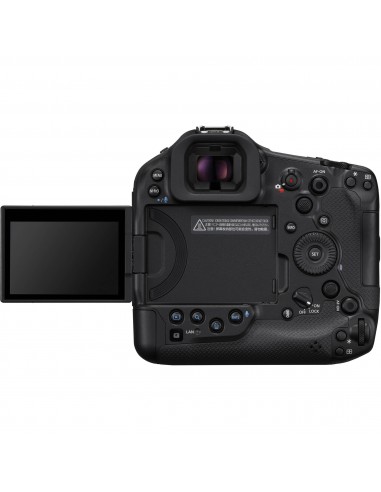
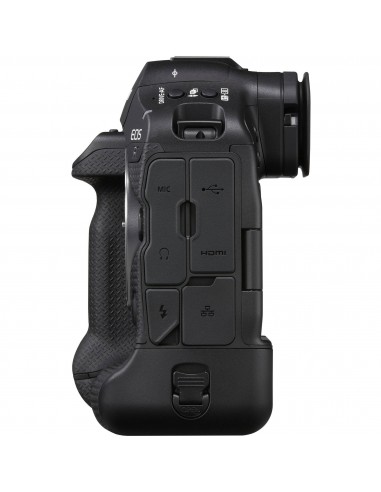
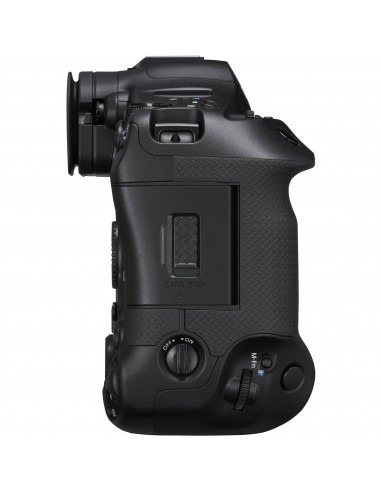
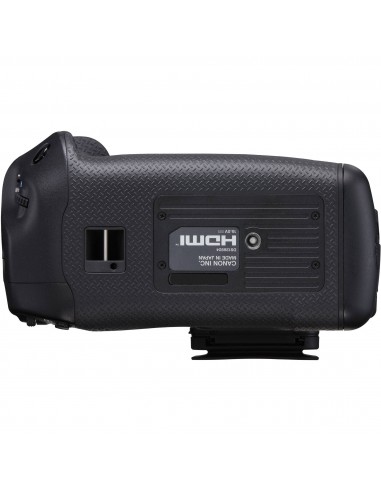
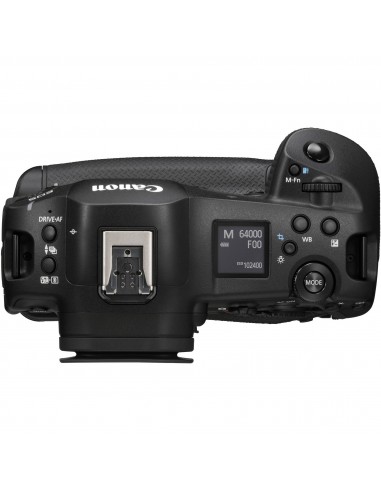
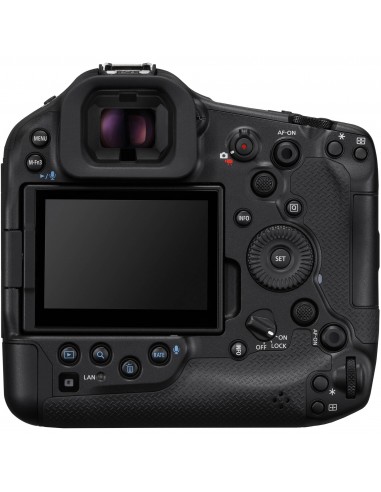
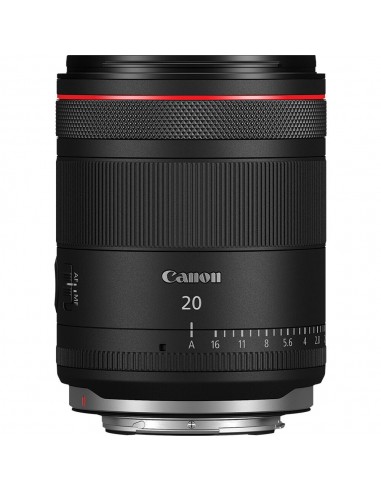
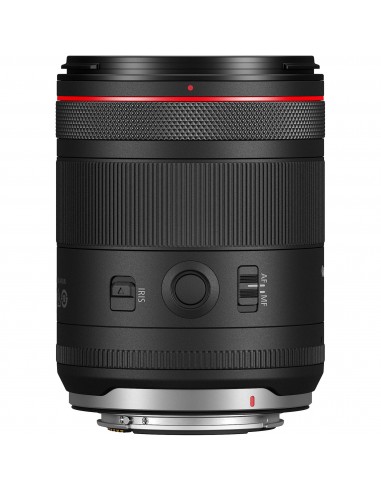
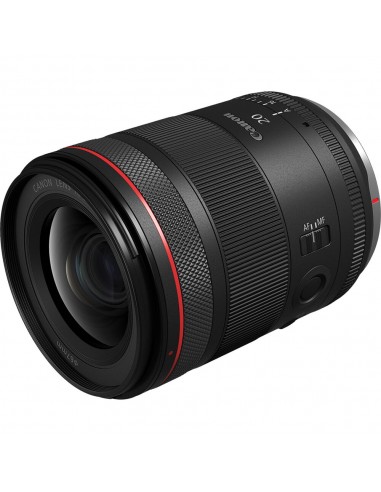
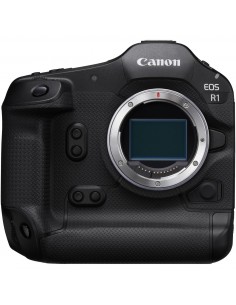
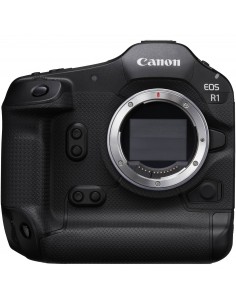
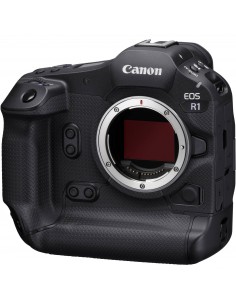
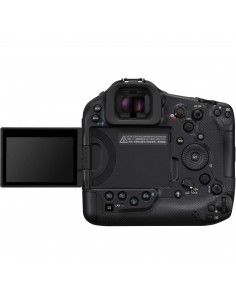
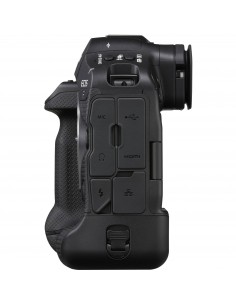
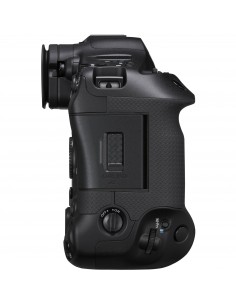
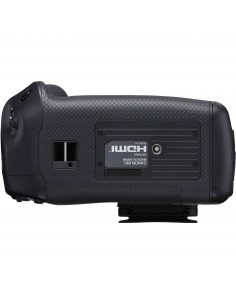
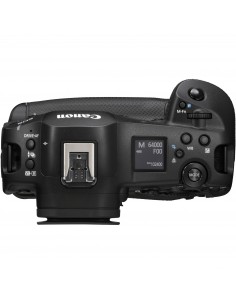
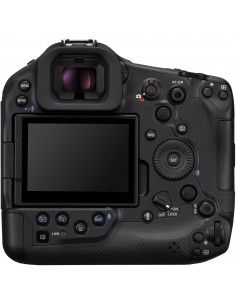
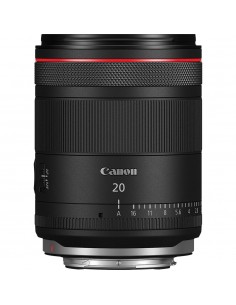
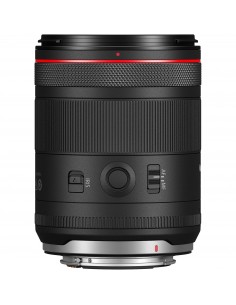
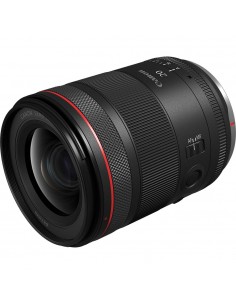
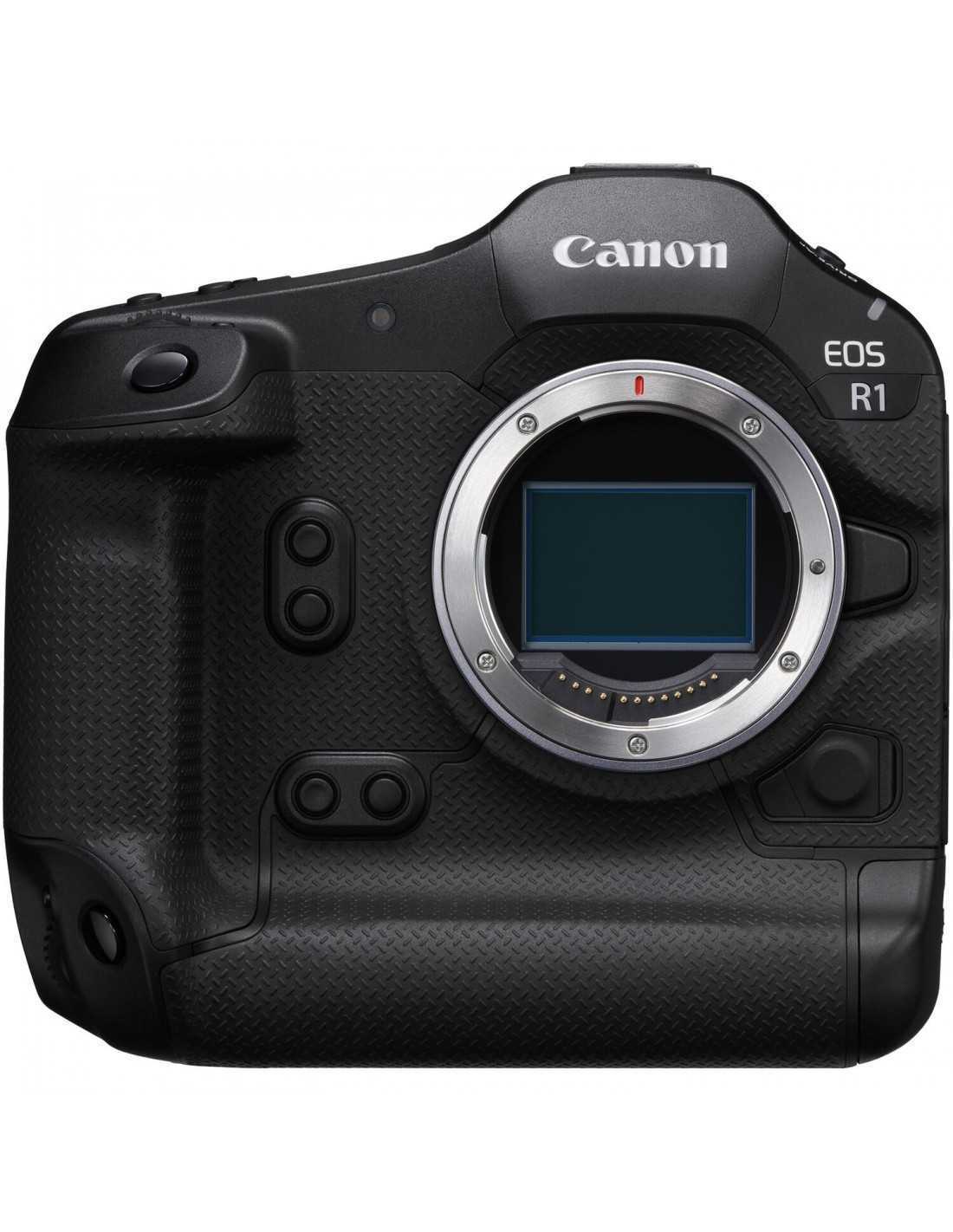
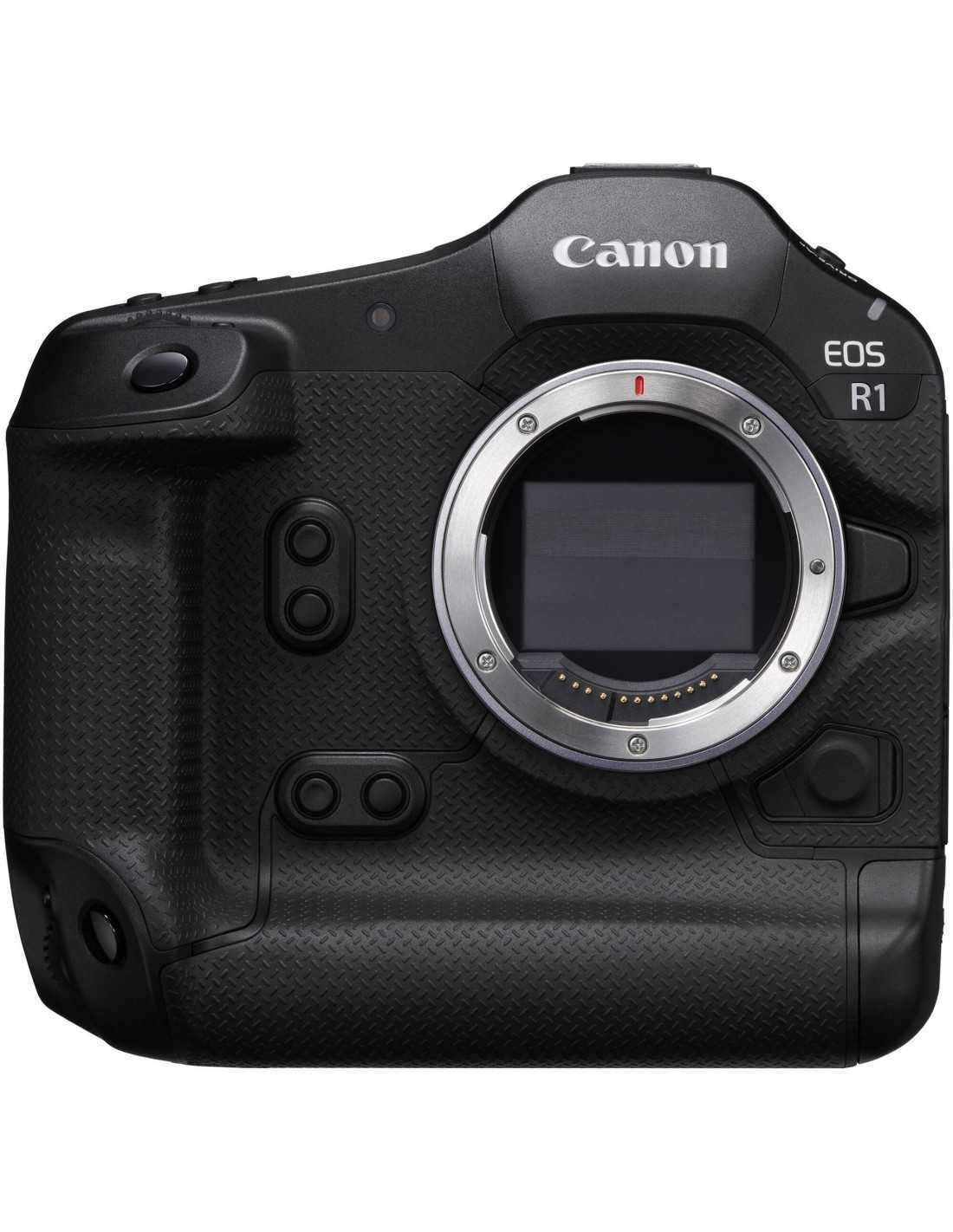
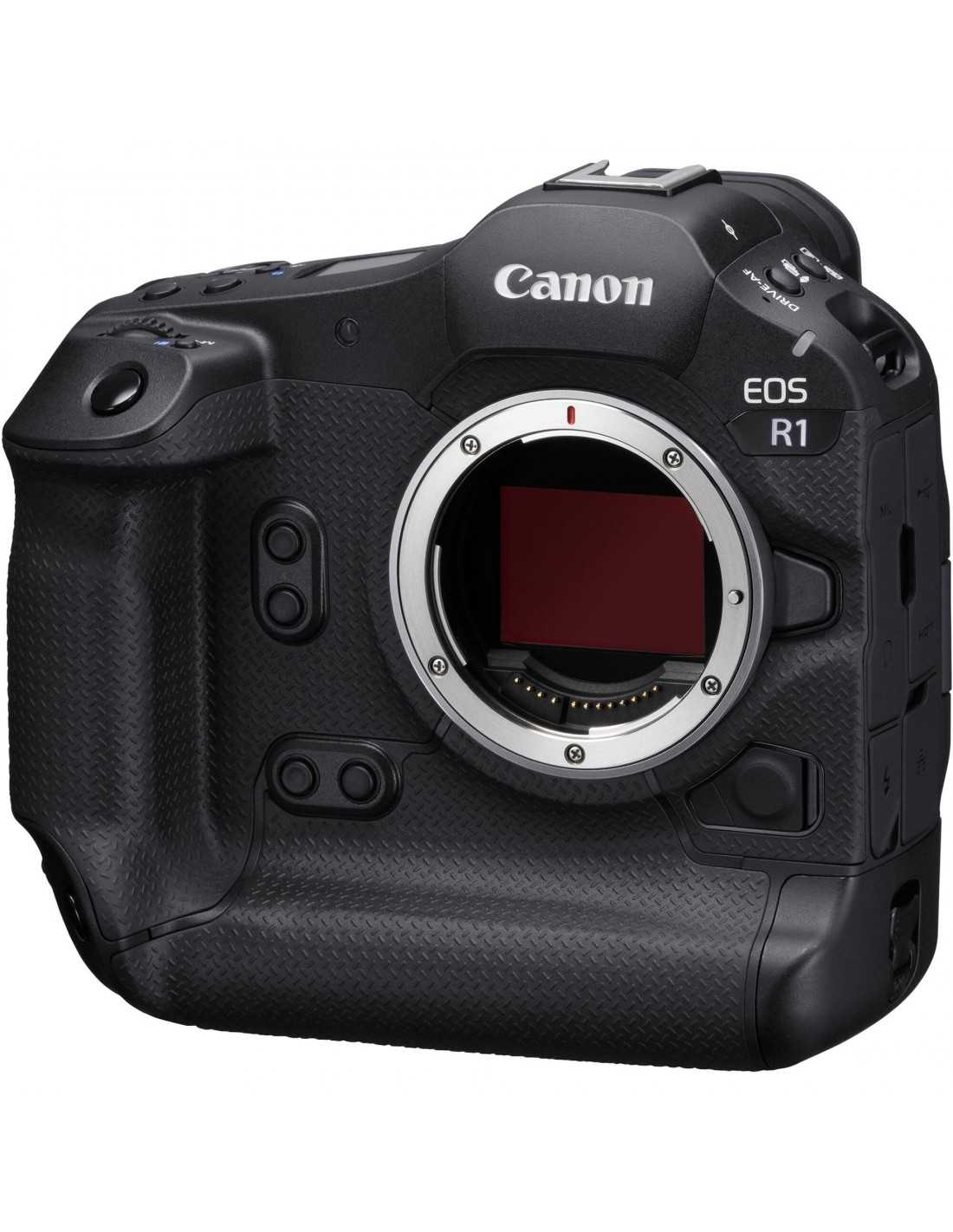
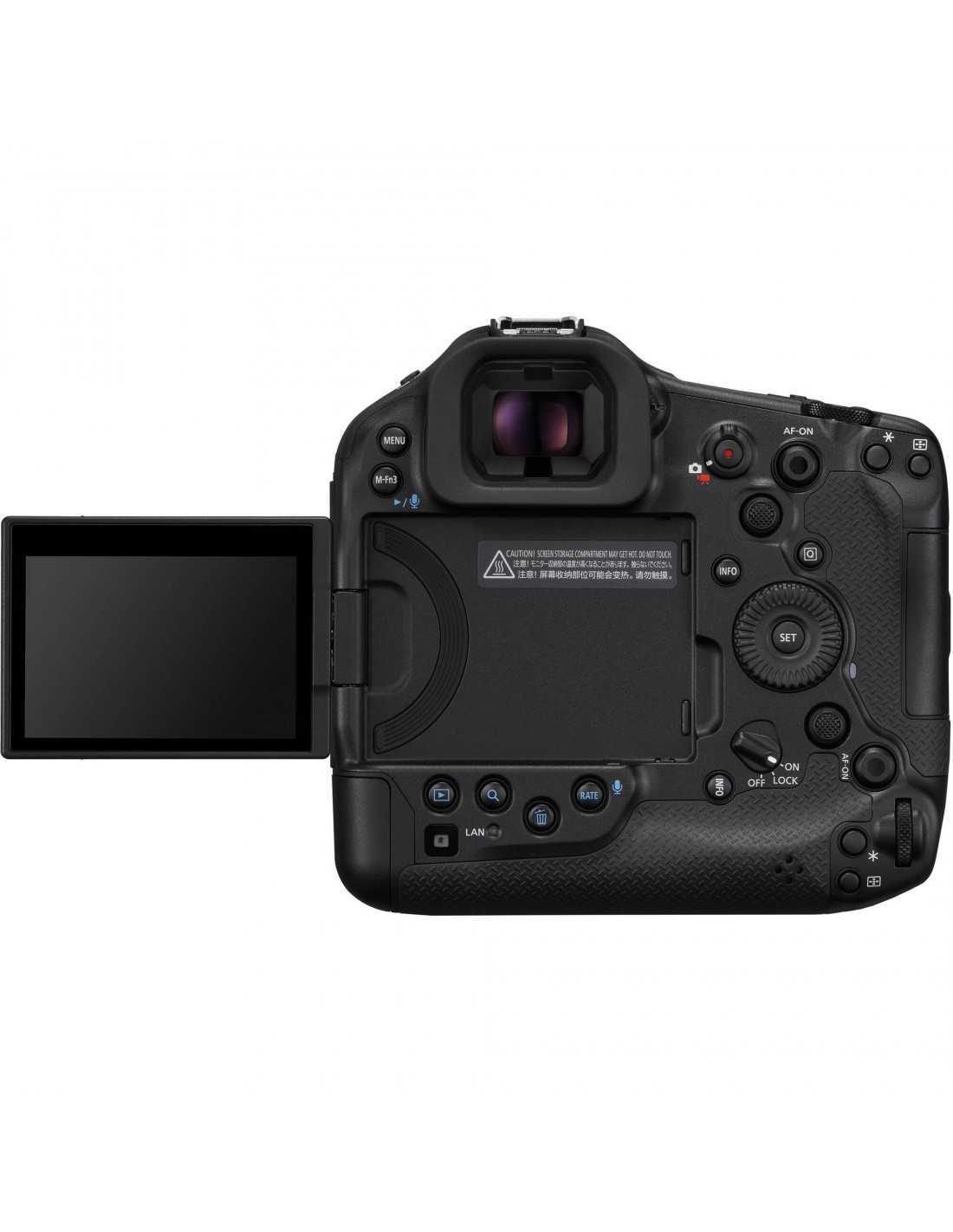
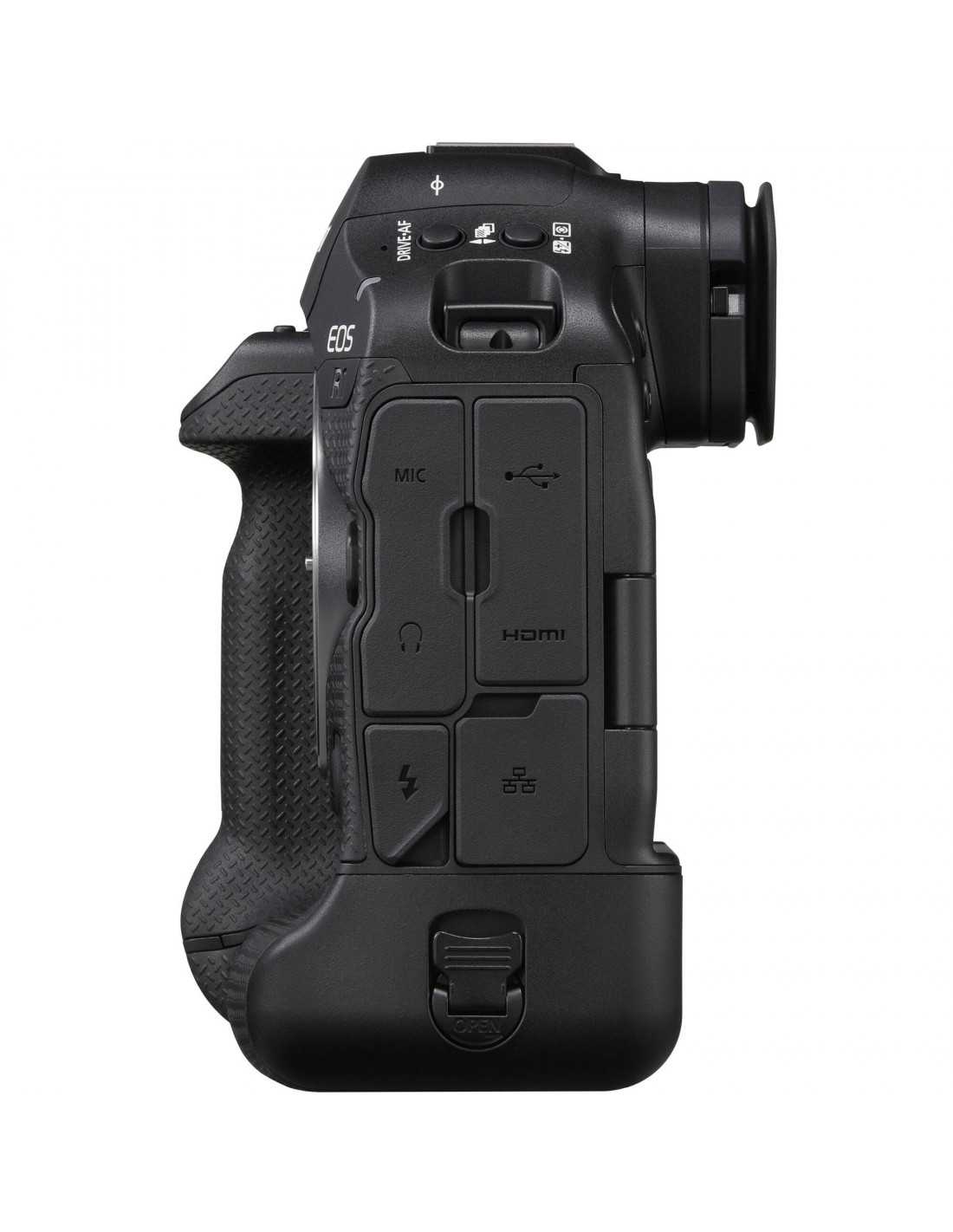
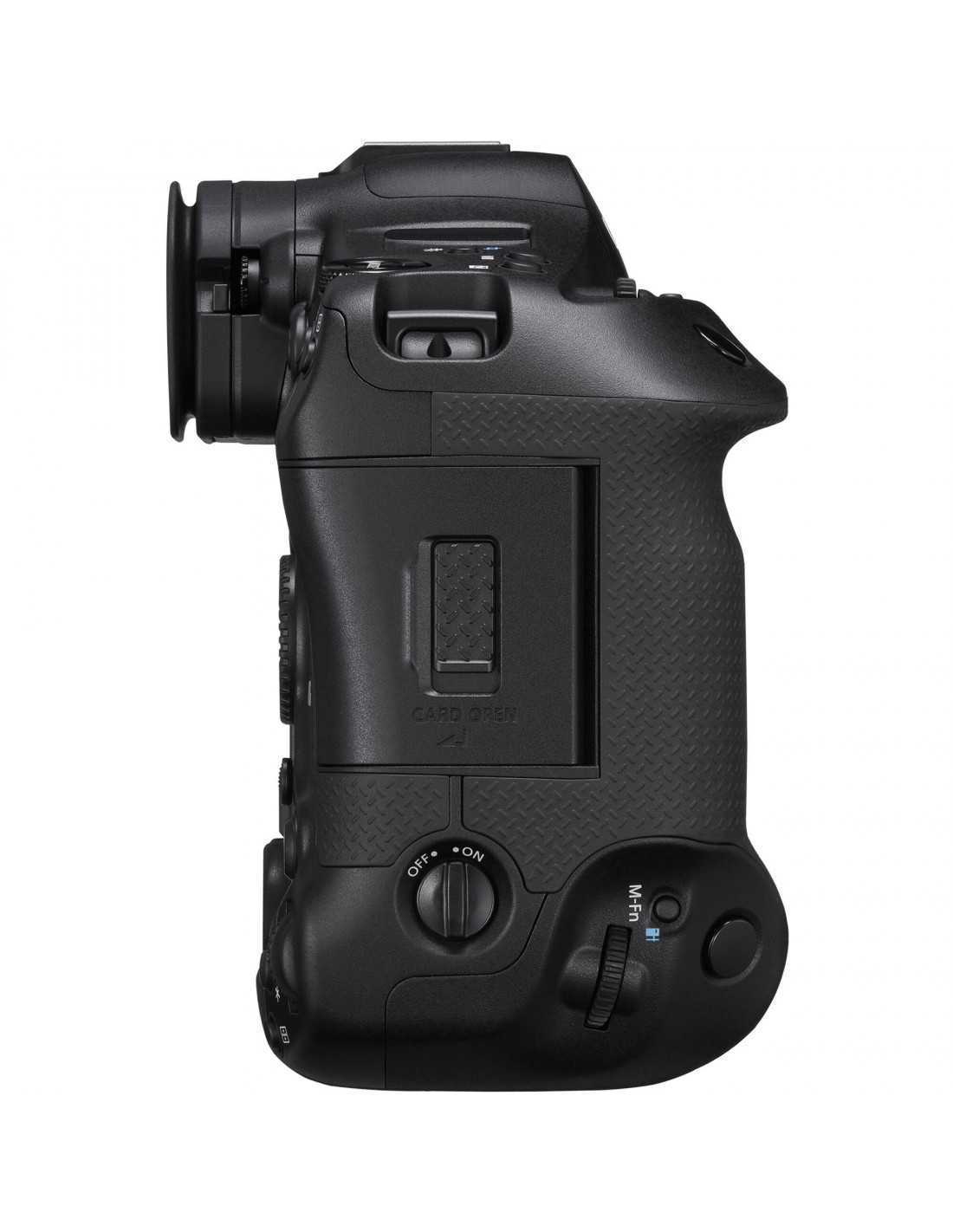
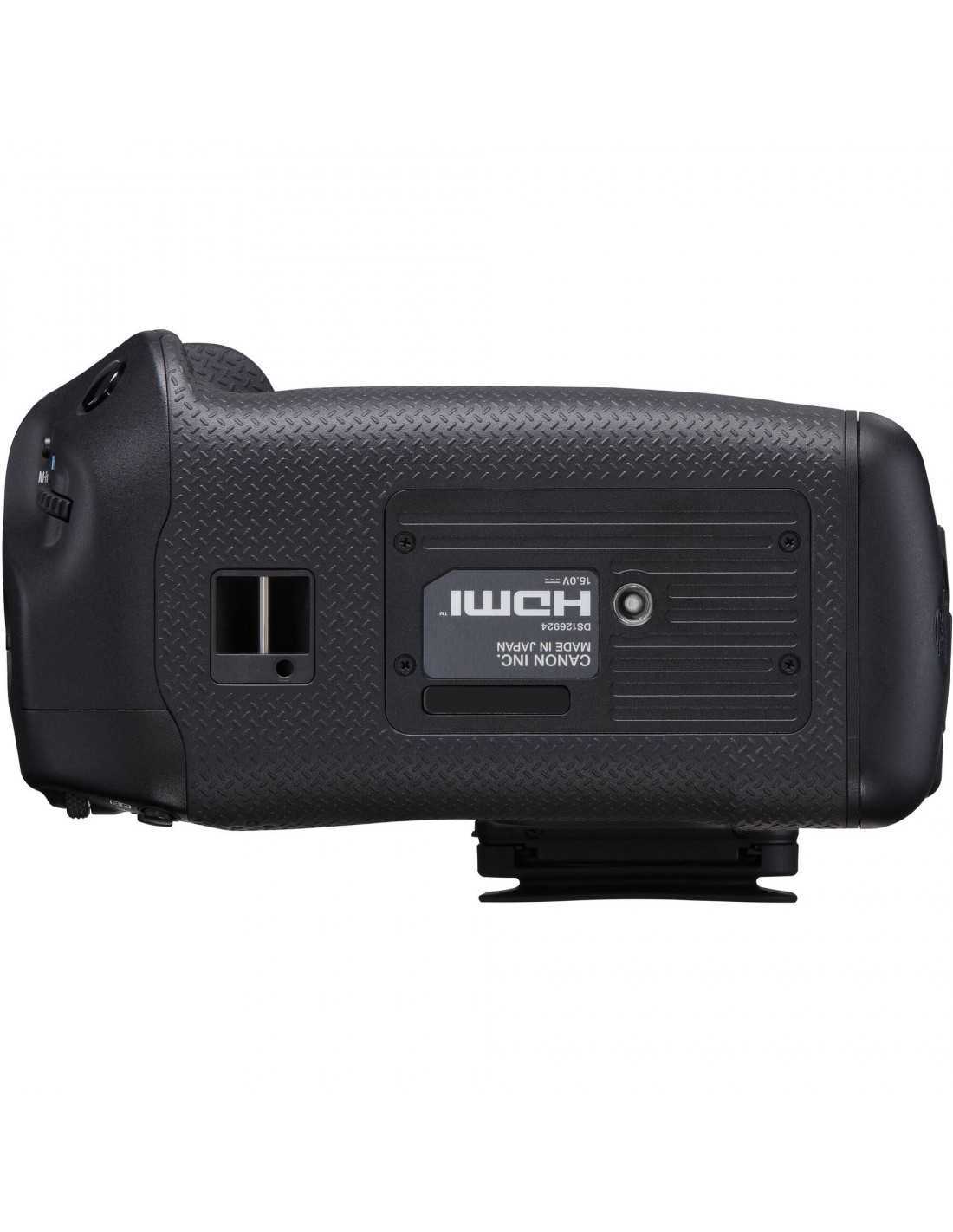
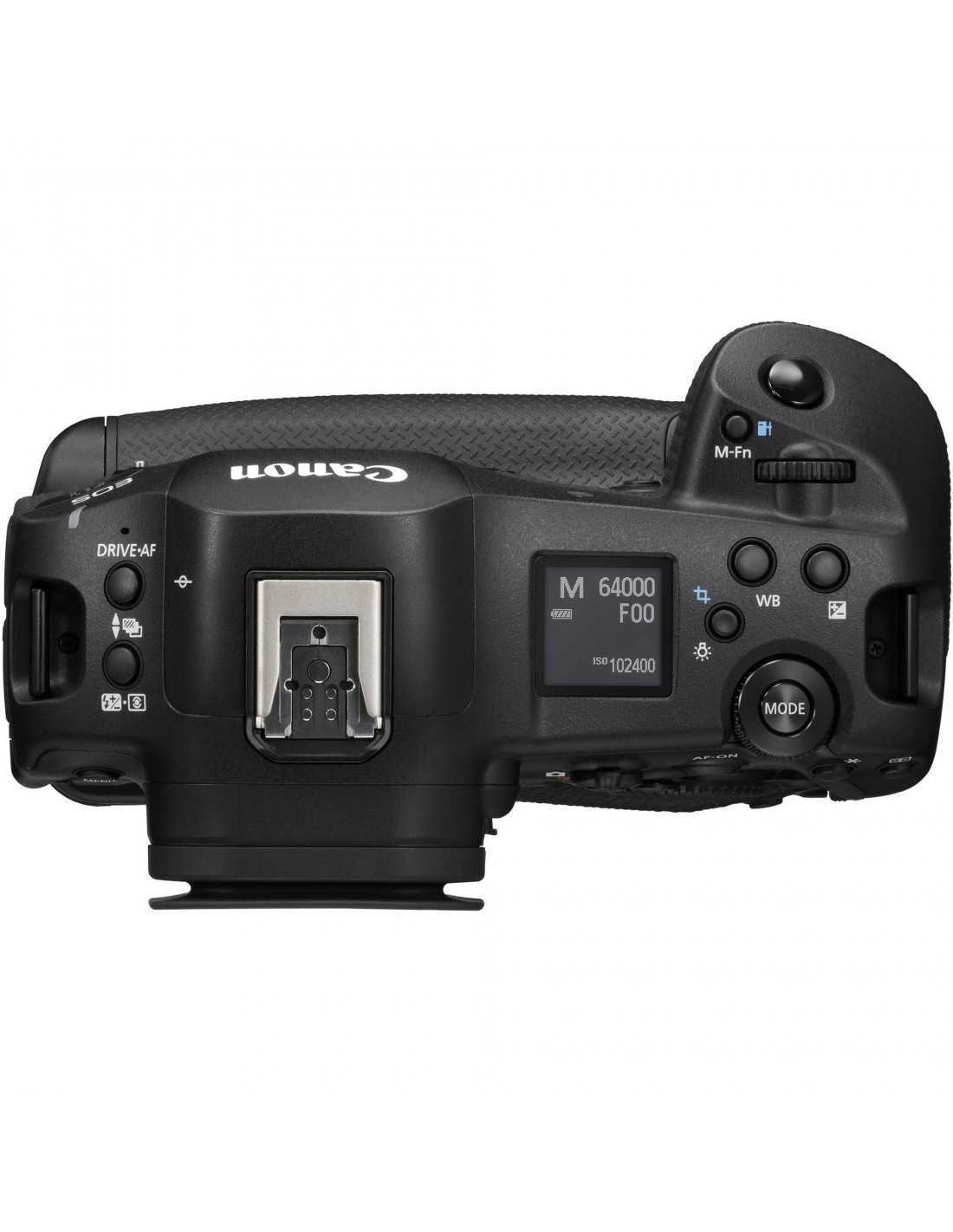
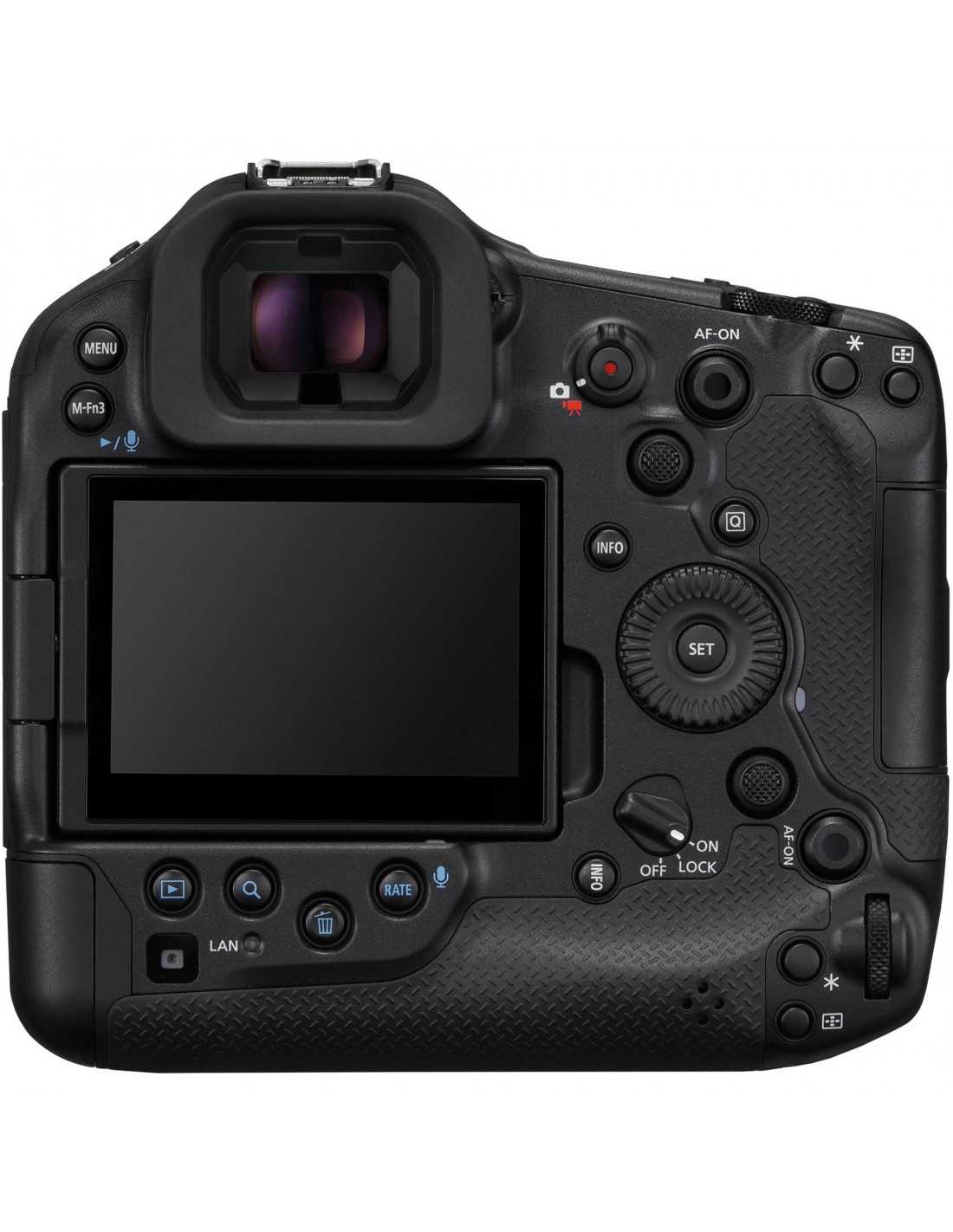
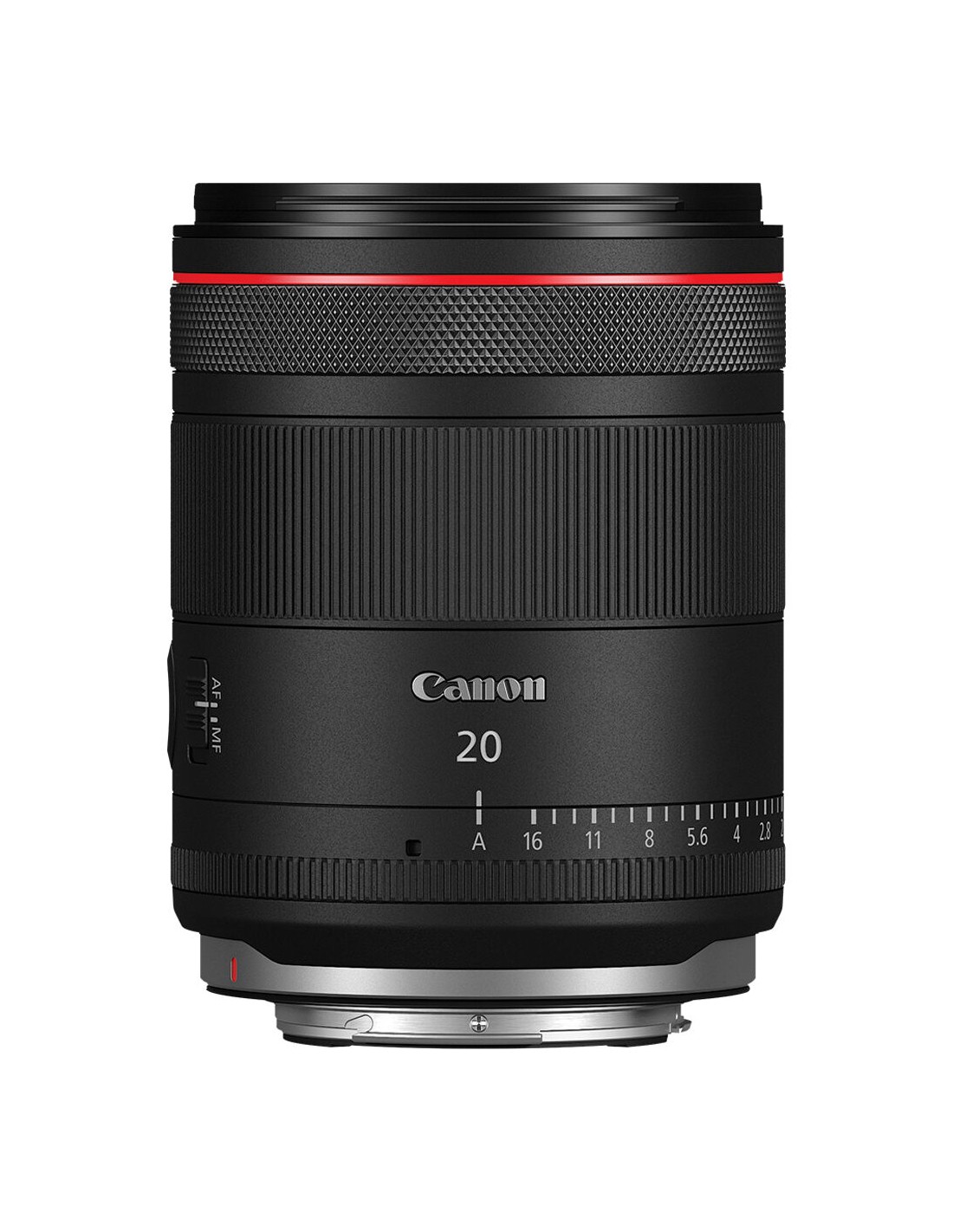
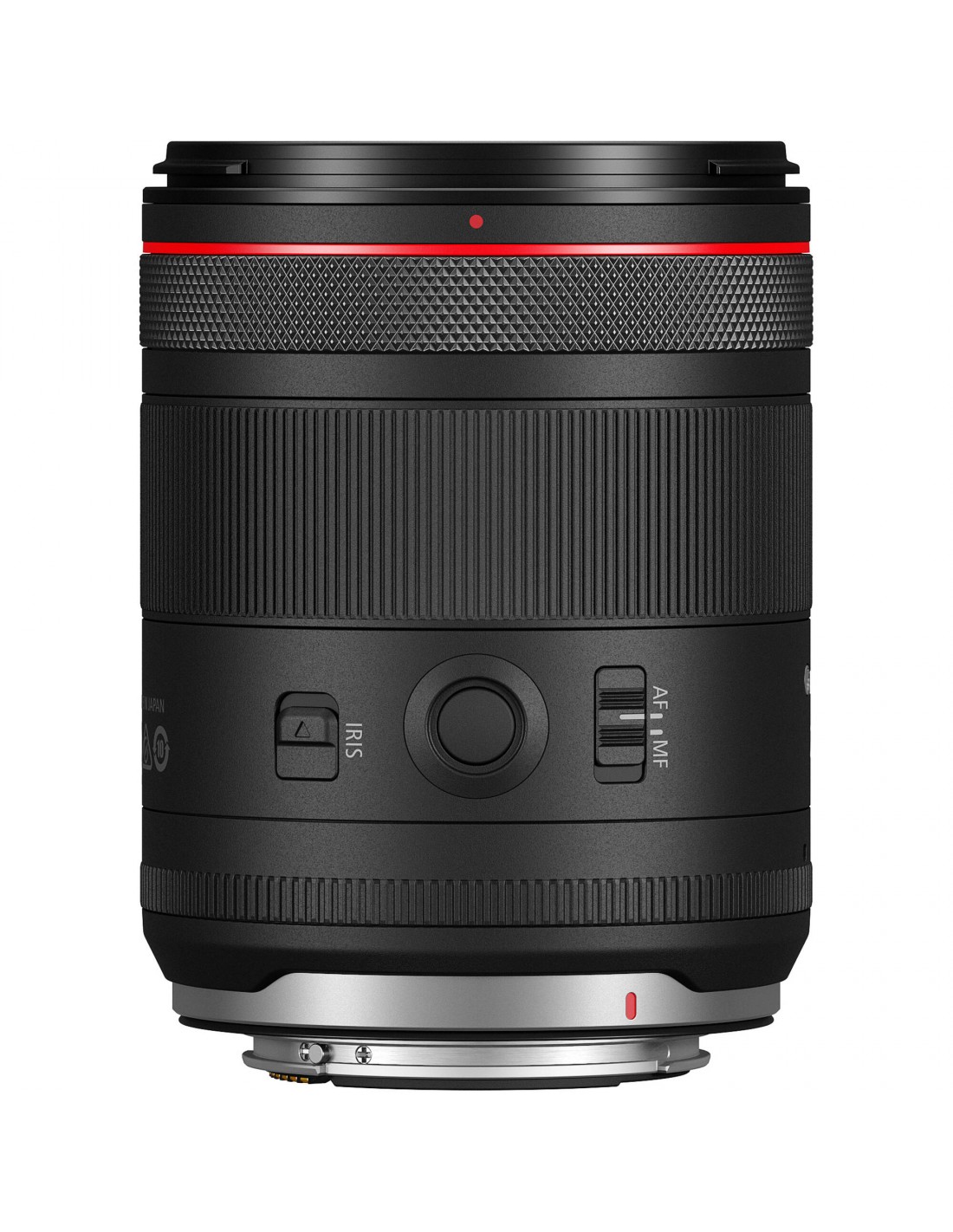
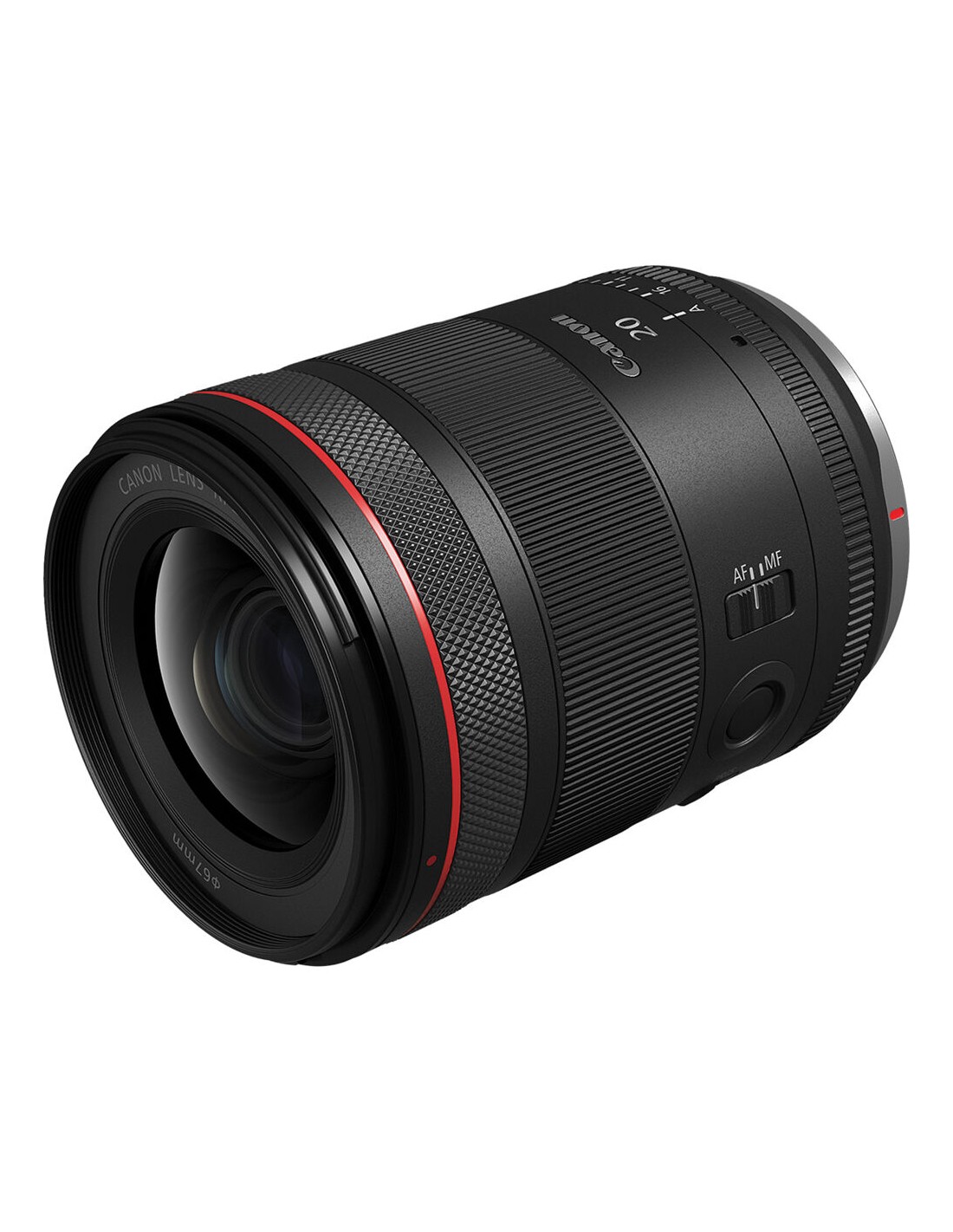
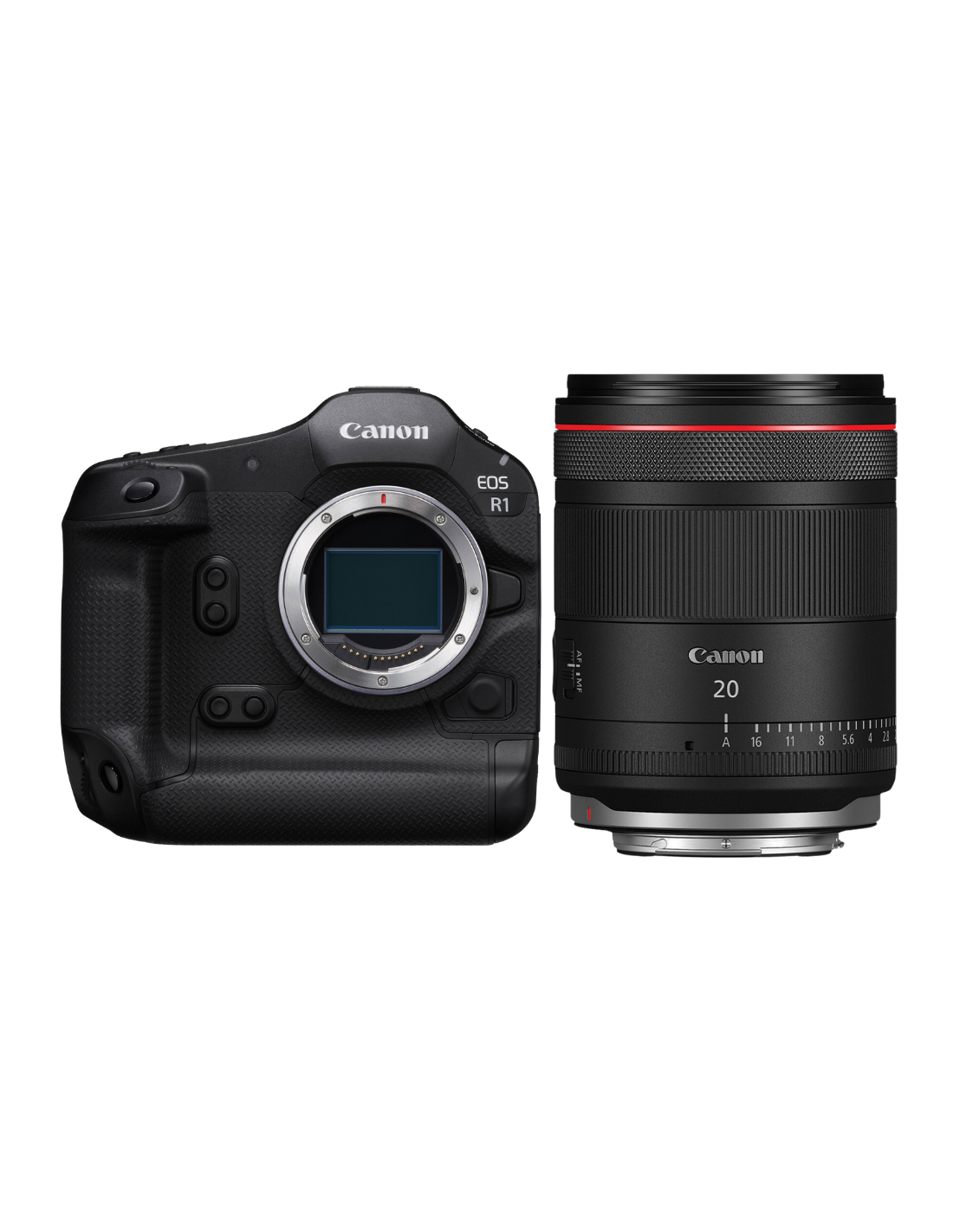

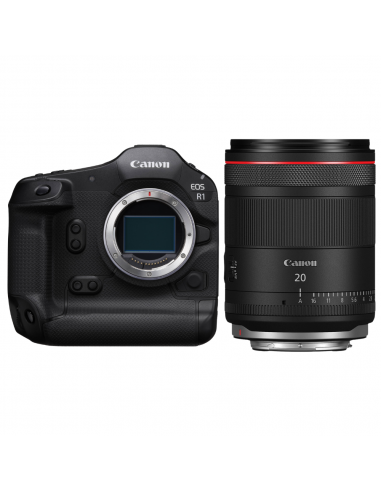
The Canon EOS R1 with RF 20mm F1.4 L VCM pairs a highly responsive professional camera with a fast ultra-wide prime, and we recommend it to architecture, night-landscape and immersive reportage photographers as well as filmmakers working close to the scene. The 20mm focal length captures a generous view where space is limited, while F1.4 helps protect shutter speed when the light falls. Up to 40 fps electronic shooting, subject-recognition autofocus and internal 6K RAW add genuine stills-and-video versatility. This is not an effortless general-purpose kit: people near the frame edges can look stretched, and a fixed focal length cannot replace a zoom when the shooting position is restricted. It is a convincing choice when width, available-light capability and speed matter more than framing flexibility.
Combine compatible accessories and save. The more items you add, the bigger the discount.

Accessory
Accessory
Accessory

warranty extension
The Canon EOS R1 with RF 20mm F1.4 L VCM is for photographers and filmmakers who need a genuinely wide frame, a large aperture and immediate camera response. It makes particular sense for architecture, interiors, night landscapes, astrophotography, documentary work and reportage shot from within the scene. The R1 contributes speed, subject recognition and a professional workflow; the lens gives the pictures a deliberate, immersive point of view.
This bright Canon R1 20mm kit is not intended to cover every assignment. It includes far more of the surroundings than a normal lens, strengthens the relationship between foreground and background, and works in spaces where even 24mm may feel tight. Those benefits come with responsibility. Camera height, tilt and distance from the subject have a visible effect on geometry, so thoughtful positioning matters as much as any camera setting.
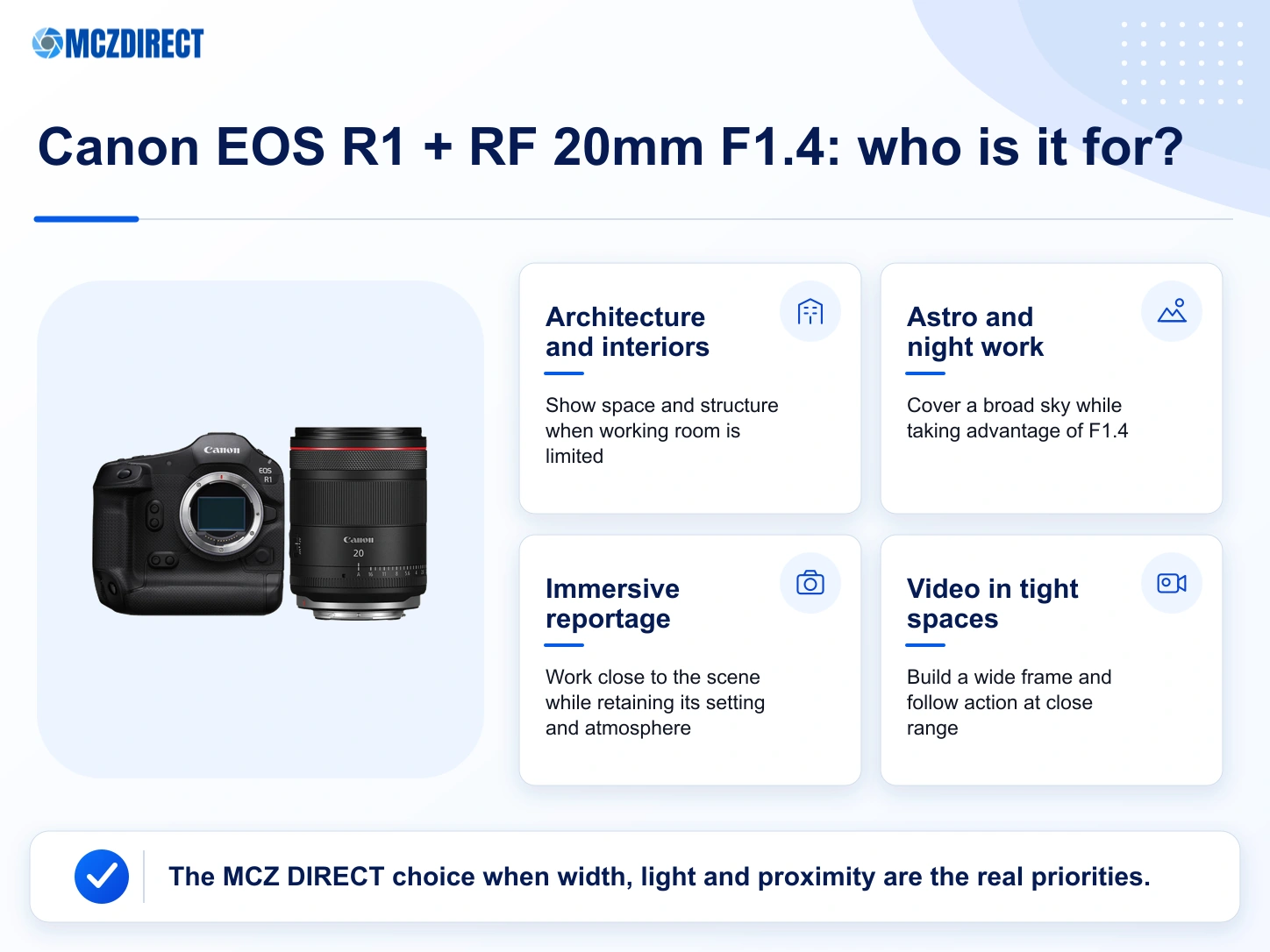
On full frame, 20mm provides a diagonal angle of view of roughly 94 degrees. In a room, that can reveal the layout without pressing the photographer against a wall. Outdoors, it can connect a building to its surroundings or give a foreground feature real scale. For documentary work, it brings the viewer into the action rather than observing from a distance. The difference from 24mm looks modest in a specification list but becomes obvious when working distance is scarce.
Perspective is determined primarily by camera position. An ultra-wide lens encourages the photographer to move closer, which makes nearby objects look larger and pushes the background away. That effect can make an image feel immediate and three-dimensional. It can also stretch a face near the edge or produce converging verticals when the camera is tilted. The 20mm focal length is expressive, but it is not forgiving of careless framing.
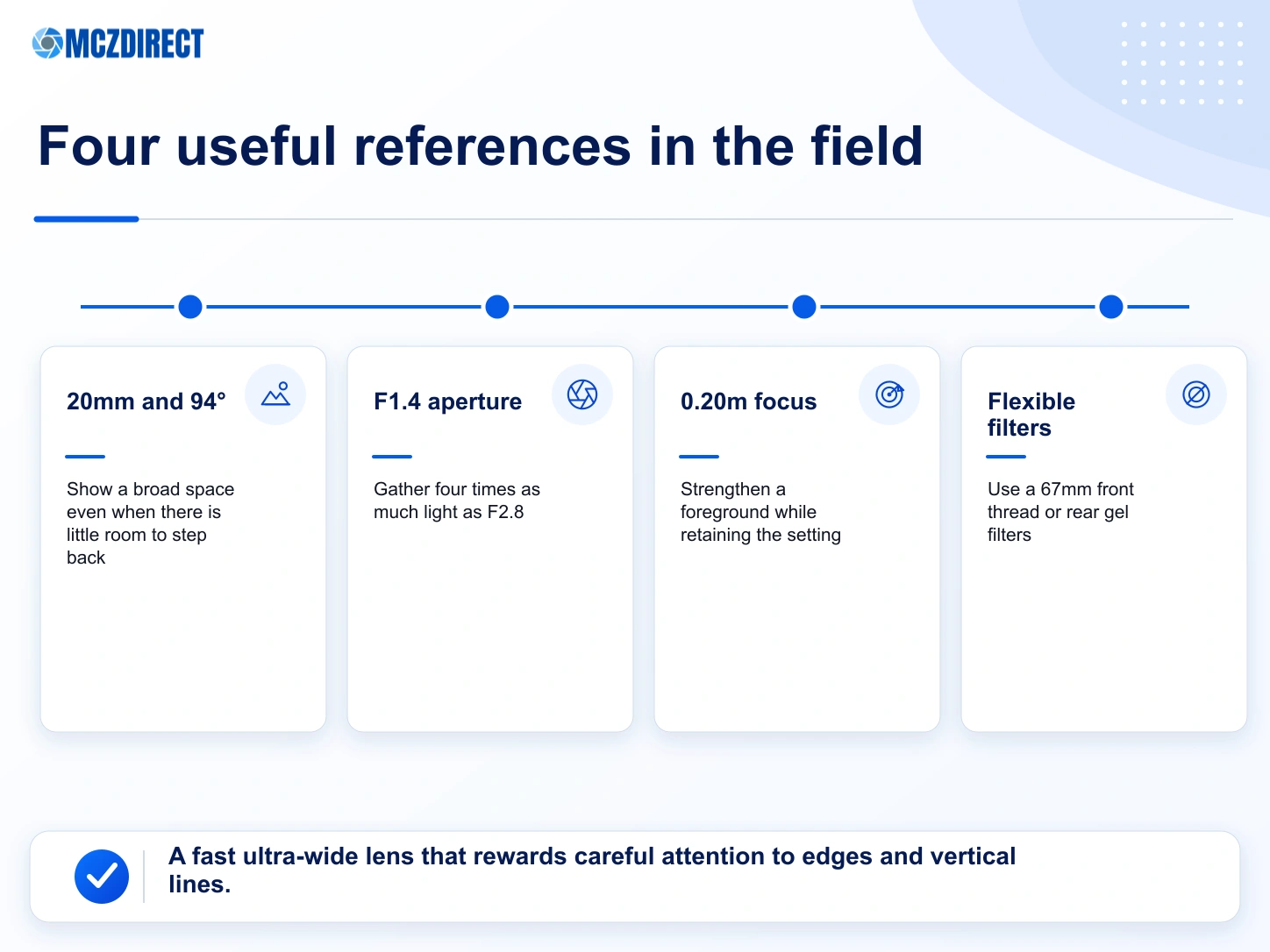
F1.4 admits four times as much light as F2.8. At night, that can support a shorter exposure, a lower ISO or a clearer rendering of faint stars. The Canon R1 with RF 20mm F1.4 for astrophotography is therefore appealing when the sky needs to remain expansive and exposure time has to be controlled. The fast aperture also helps with handheld interiors and documentary scenes where additional lighting would disturb the atmosphere.
Depth of field is not unlimited at F1.4, even with a 20mm lens. A close foreground can be separated from the setting, especially near the 0.20m minimum focus distance. When a landscape requires both foreground and horizon to be sharp, stopping down and placing focus carefully remain the better approach. F1.4 gives the photographer another option; it should not become the default for every frame.
| Feature | What it changes | What to consider |
|---|---|---|
| Full-frame 20mm | Captures a broad space from a short working distance and strengthens depth. | Watch verticals, frame edges and distance from people. |
| F1.4 aperture | Helps maintain a safer shutter speed and lower ISO at night. | Stop down when several depth planes need to remain sharp. |
| 0.20m minimum focus | Creates a strong foreground without losing the surrounding location. | The 0.19x magnification is a creative close-up, not true macro. |
| Up to 40 fps | Provides more choice during a gesture or very brief action. | Avoid unnecessary bursts and plan for culling. |
| About 1.63kg combined | Brings a professional body and fast prime together in a coherent kit. | Use supportive carrying equipment for long assignments. |
The RF 20mm F1.4 L VCM combines a Voice Coil Motor with Nano USM to drive its floating focus system. The practical gain appears when moving quickly from a near foreground to a distant subject, or when following a person through an interior. Focus operation is designed to remain smooth and quiet, while reduced breathing limits changes in framing during a video focus pull.
A 0.20m minimum focus distance and 0.19x maximum magnification do not make this a macro lens, but they open up highly effective wide-angle close-ups. A hand, tool, object or architectural detail can dominate the foreground while the location stays recognisable. The separate Canon RF 20mm F1.4 L VCM page is useful when the lens itself, rather than this camera-and-lens configuration, is the main decision.
The 24.2MP back-illuminated stacked full-frame sensor balances resolution, readout speed and manageable file size. Electronic shooting reaches up to 40 fps when the selected settings and lens allow it. For an entrance, dance, performance or close-range action sequence, that rate increases the chance of retaining the exact gesture without making every moment an unnecessarily long burst.
The R1 recognises several subject types and includes specialist action tools. With a 20mm lens, autofocus is only part of the challenge. Many elements enter the frame, so the photographer must keep the subject visually clear against the background. Recognition helps maintain priority, but it cannot decide where a distracting arm, bright sign or distorted edge should sit in the composition.
The EOS R1 records internal RAW up to 6K 60p, 4K up to 120p and Full HD up to 240p, depending on the mode. Paired with the 20mm prime, it is well suited to establishing shots, movement through tight locations, body-mounted perspectives and interviews that need to retain a sense of place. The wide frame can also leave useful room for stabilisation or reframing in post-production.
The iris ring works for video and, on the EOS R1, for still photography too. It gives filmmakers a direct way to alter aperture as light changes, while reduced focus breathing helps keep the angle of view stable during focus transitions. Two CFexpress Type B slots support separated recording, backup or overflow strategies. High frame rates and 6K RAW still require cards, storage and transfer time planned around the job.
A Canon R1 20mm architecture and interiors kit works particularly well in compact rooms, around large facades and whenever the setting is as important as the main subject. F1.4 makes composing easier in dim light, but detailed architectural work will often be made at a smaller aperture. At that point, viewpoint, camera level and support become more important than the maximum aperture.
An ultra-wide lens does not correct geometry on the photographer’s behalf. Tilting the camera upwards creates converging verticals, and placing a person or piece of furniture in a corner can exaggerate its proportions. Keeping the sensor plane as parallel as practical to the main surface, then allowing room for a controlled software correction, usually produces a more convincing result.
For landscape work, 20mm can combine a strong foreground, a broad sky and a distant horizon in one frame. Under a night sky, F1.4 provides useful latitude before star movement becomes visible. The R1’s 24.2MP files are lighter than those from a very high-resolution body, which can make long sessions, panoramas and repeated night-sky sequences easier to manage.
A 67mm front thread accepts common circular filters, while the rear gel holder gives another compact option. A polariser can help with foliage and some reflections, but it may darken a very wide sky unevenly. Neutral-density filters are useful when video shutter speed or long-exposure movement must be controlled. The filter should solve a specific problem rather than compensate for poor light or an uncertain composition.
| Assignment | Why it works | Useful approach |
|---|---|---|
| Architecture and interiors | The wide view covers a room or facade with limited working distance. | Keep the camera level and stop down when extended sharpness is required. |
| Night landscape and astrophotography | F1.4 gathers more light while 20mm includes a broad section of sky. | Stabilise the camera, inspect the corners and focus carefully. |
| Immersive reportage | The photographer can stay close to the action while retaining context. | Keep faces away from the extreme frame edges. |
| Hybrid video | 6K RAW, the wide view, iris ring and quiet AF support moving shots. | Size the cards and balance the rig before the production. |
| Events and weddings | The lens records the atmosphere of a venue and F1.4 helps as light falls. | Use 20mm for context and close involvement rather than tight portraits. |
This kit works best when the photographer is prepared to enter the scene. The 20mm focal length keeps the room, crowd or surrounding action visible, while F1.4 helps in a dark venue and the R1 can respond to gestures that last only a moment. At a wedding it is strongest for preparations, dance floors and broad atmosphere. A longer focal length is usually more flattering for a tight portrait.
Faces and hands should not be placed casually at the very edge when the camera is close. The resulting exaggeration may be expressive when it is intentional, but it makes 20mm less forgiving than 35mm. The Canon EOS R1 category shows the active configurations when working distance and subject type point towards a different lens.
The RF 20mm F1.4 L VCM does not include optical image stabilisation. It benefits from the EOS R1 in-body stabiliser, which can help with architecture, landscapes and calmer handheld shots. This compensates for camera movement; it does not freeze a walking person, a vehicle or a quick gesture. In those situations, F1.4 is valuable because it helps maintain the necessary shutter speed.
The camera weighs about 1,115g with battery and card, and the lens about 519g. The ready-to-shoot combination is therefore close to 1.63kg before accessories. That is reasonable for an integrated-grip professional body and fast L-series prime, but it remains substantial over a long day. A supportive strap and disciplined card management will usually improve the experience more than carrying extra accessories without a clear purpose.
| Configuration | Priority | Choose it when |
|---|---|---|
| EOS R1 + RF 20mm F1.4 L VCM | Width, low-light capability and immersive perspective. | Architecture, astrophotography or very close reportage is central. |
| EOS R1 + RF 24mm F1.4 L VCM | A bright wide angle with a more natural rendering of people. | Human reportage and weddings matter more than maximum coverage. |
| EOS R1 + RF 16-28mm F2.8 IS STM | Framing flexibility from 16 to 28mm. | Working distance changes and losing two stops is acceptable. |
| EOS R1 + RF 35mm F1.4 L VCM | A perspective closer to normal vision. | People fill more of the frame and more working distance is available. |
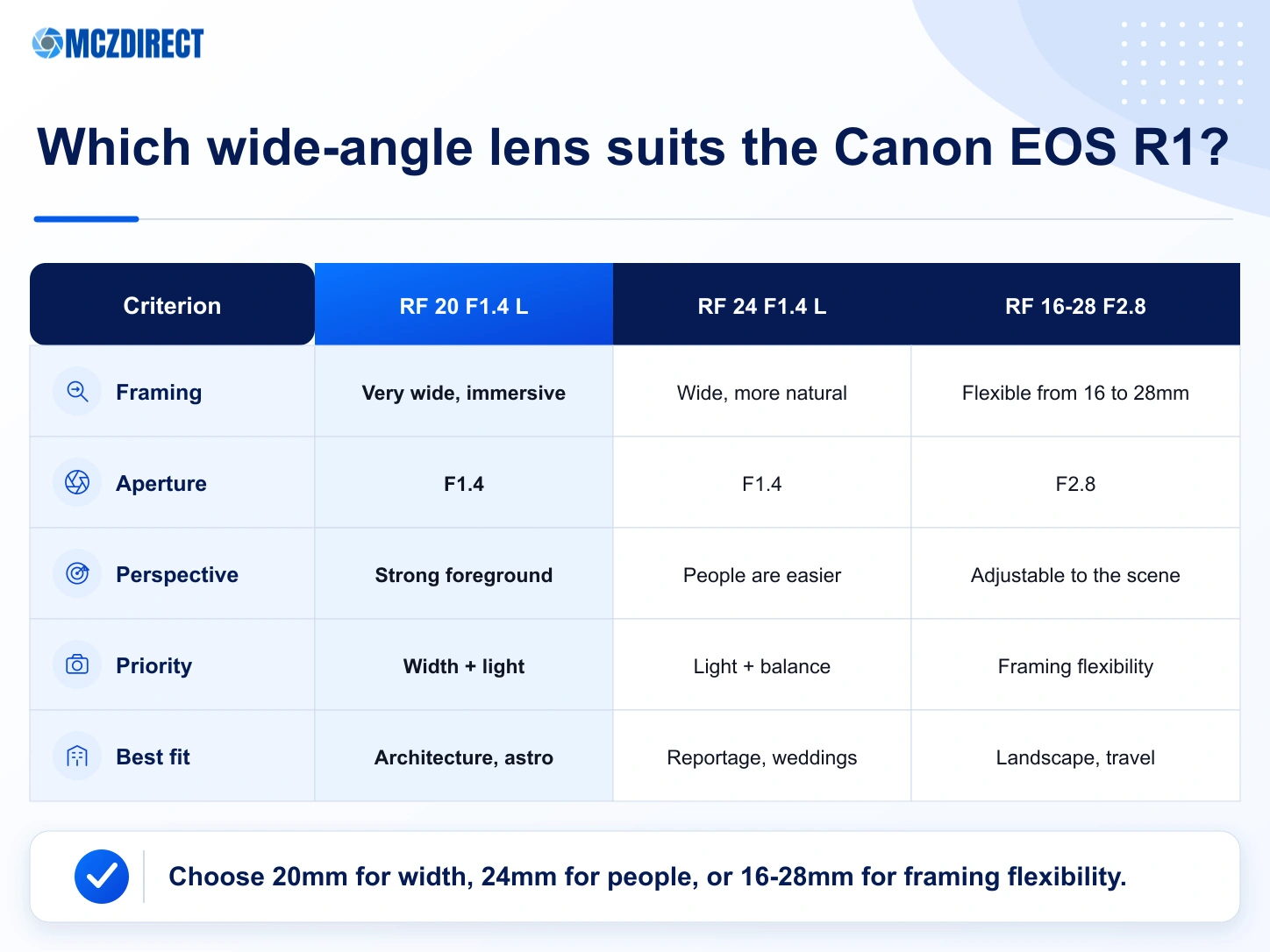
The Canon EOS R1 with RF 24mm F1.4 L VCM keeps the same light-gathering ability with a slightly more natural perspective. It is often easier for people-focused reportage and weddings. The 20mm becomes the stronger choice when every degree of coverage matters, architecture is central or the immersive effect is part of the visual language.
The Canon EOS R1 with RF 16-28mm F2.8 IS STM provides far greater framing flexibility and reaches an even wider 16mm. It gives up two stops of light compared with F1.4 but adapts quickly when the camera cannot move. If the required RF lens is already in your kit, the Canon EOS R1 body avoids duplicating a focal length.
At MCZ DIRECT, we see this as the most specialised EOS R1 configuration for architecture, confined spaces, night landscapes and highly immersive reportage. We recommend it to photographers who already understand ultra-wide composition and would rather retain F1.4 than gain the convenience of a zoom.
Against the 24mm F1.4 kit, the 20mm wins when every degree of coverage matters. Against the 16-28mm F2.8, it wins in available light but gives up flexibility. Its limitation is genuine: perspective can become intrusive around people, and the fixed focal length requires the photographer to move. The 24mm or zoom is easier for general assignments; this kit is the more purposeful choice for wide views in scarce light.
Choose the Canon EOS R1 with RF 20mm F1.4 L VCM when your work demands a genuinely wide view, strong low-light capability and professional camera response.

It is aimed at architecture, interiors, night-landscape, astrophotography and immersive reportage photographers, plus filmmakers who need a bright ultra-wide lens on a fast professional body.
Yes. The broad view is useful when working distance is limited. Camera level and vertical lines still need careful control.
Yes. The 20mm focal length includes a broad section of sky and F1.4 helps limit exposure time or ISO. Accurate focus and stable support remain essential.
The 20mm includes more of the scene and exaggerates perspective more strongly. The 24mm remains wide but is generally easier for people-focused reportage and weddings.
Choose the 20mm F1.4 for low light and prime-lens consistency. Choose the 16-28mm F2.8 when working distance and framing change frequently.
The lens has no optical stabiliser. It benefits from EOS R1 in-body stabilisation, which reduces camera movement but does not freeze a moving subject.
Minimum focus is approximately 0.20m and maximum magnification is approximately 0.19x.
No. The EOS R1 records internal RAW up to 6K 60p and 4K up to 120p, depending on the selected mode.
Yes. The RF 20mm F1.4 L VCM iris ring can be used for still photography on the EOS R1 as well as for video.
The lens accepts 67mm front filters and also includes a rear holder for gel filters.
The camera weighs about 1,115g with battery and card, and the lens about 519g, giving a combined weight of roughly 1.63kg before accessories.
It is best for environmental portraits where the setting matters. For tight portraits or faces near the edge, its perspective can be unflattering.
The EOS R1 has two CFexpress Type B slots. Card performance should match the selected stills burst rate and video mode.