Shopping Cart
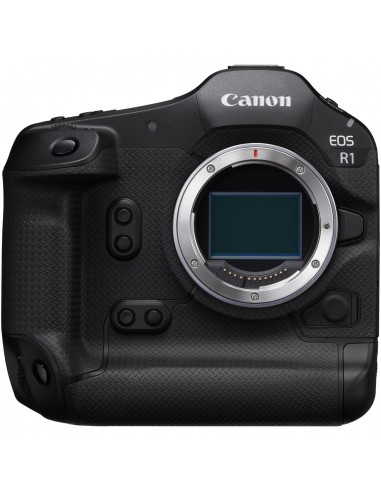
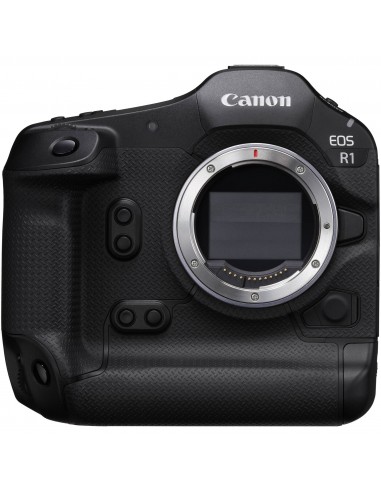
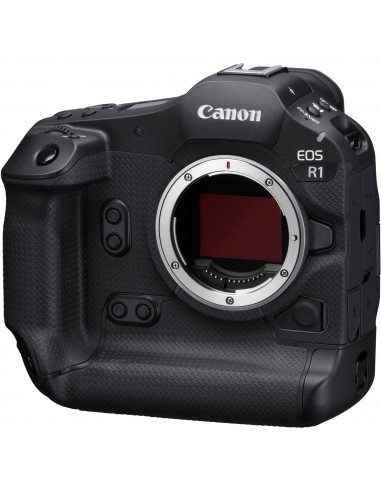
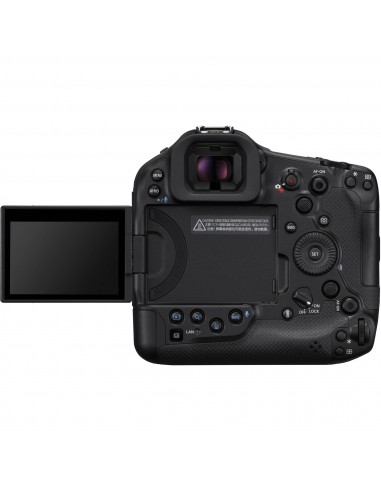
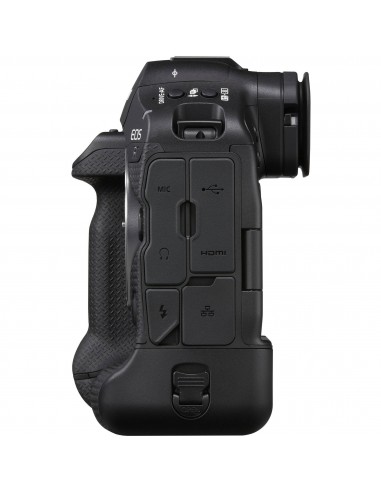
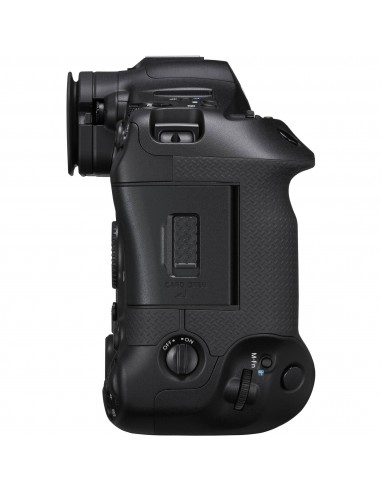
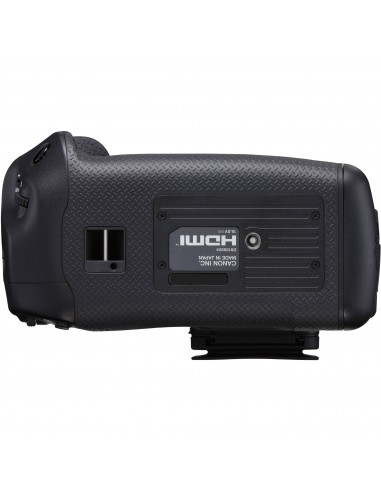
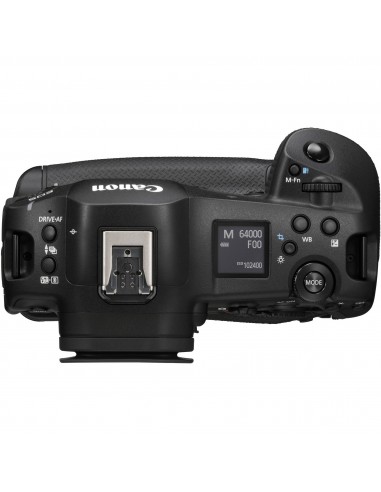
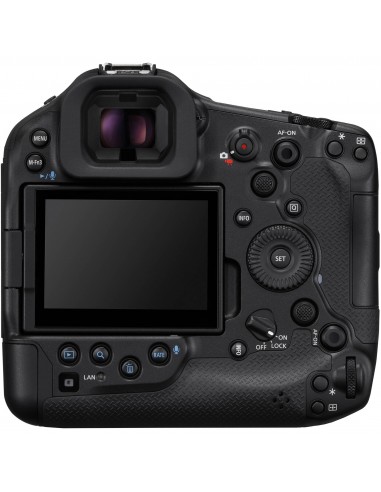
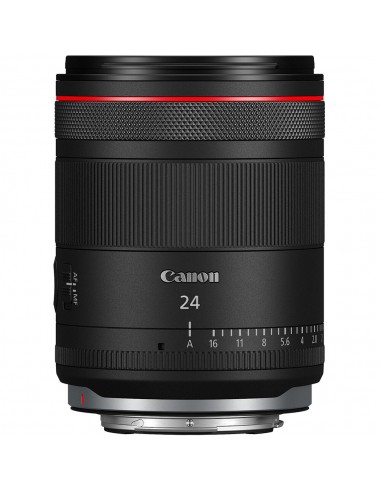
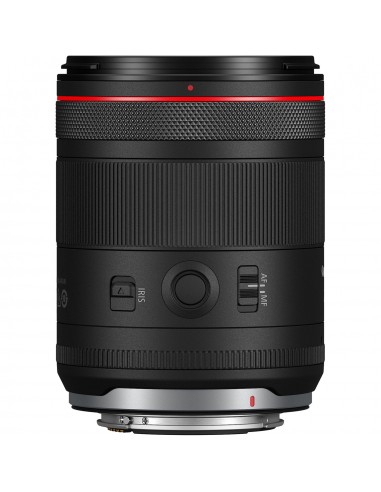
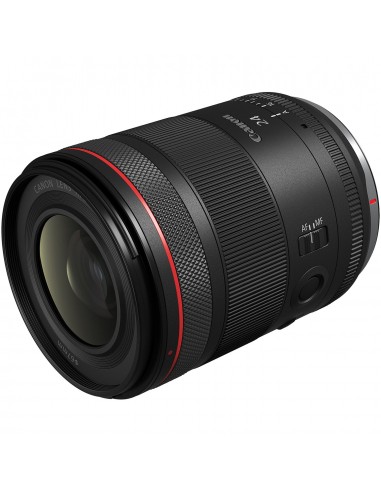
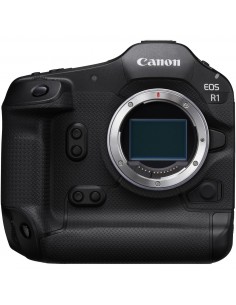
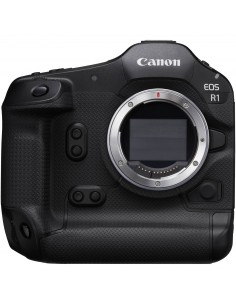
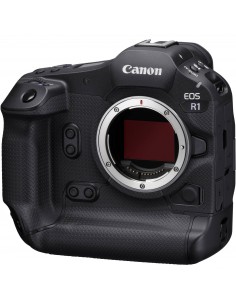
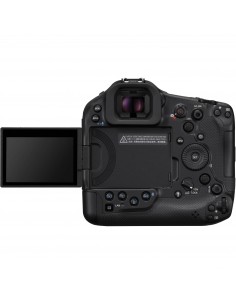
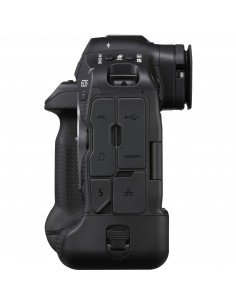
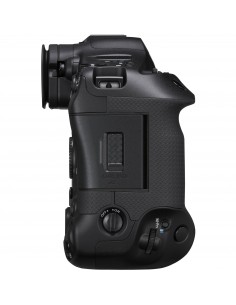
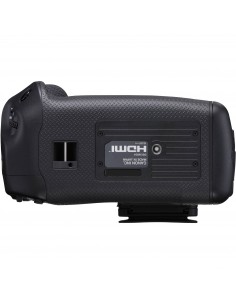
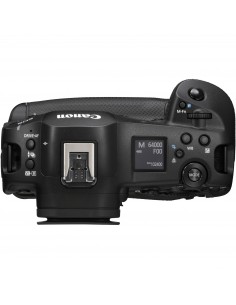
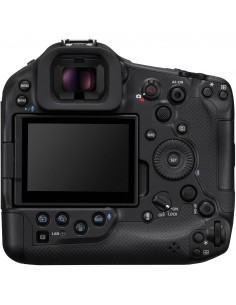
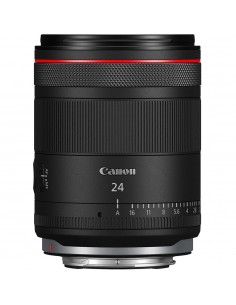
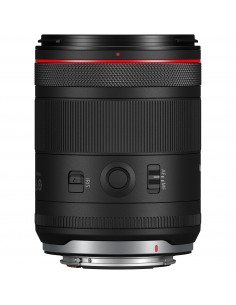
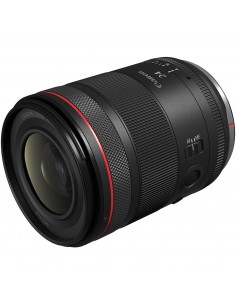
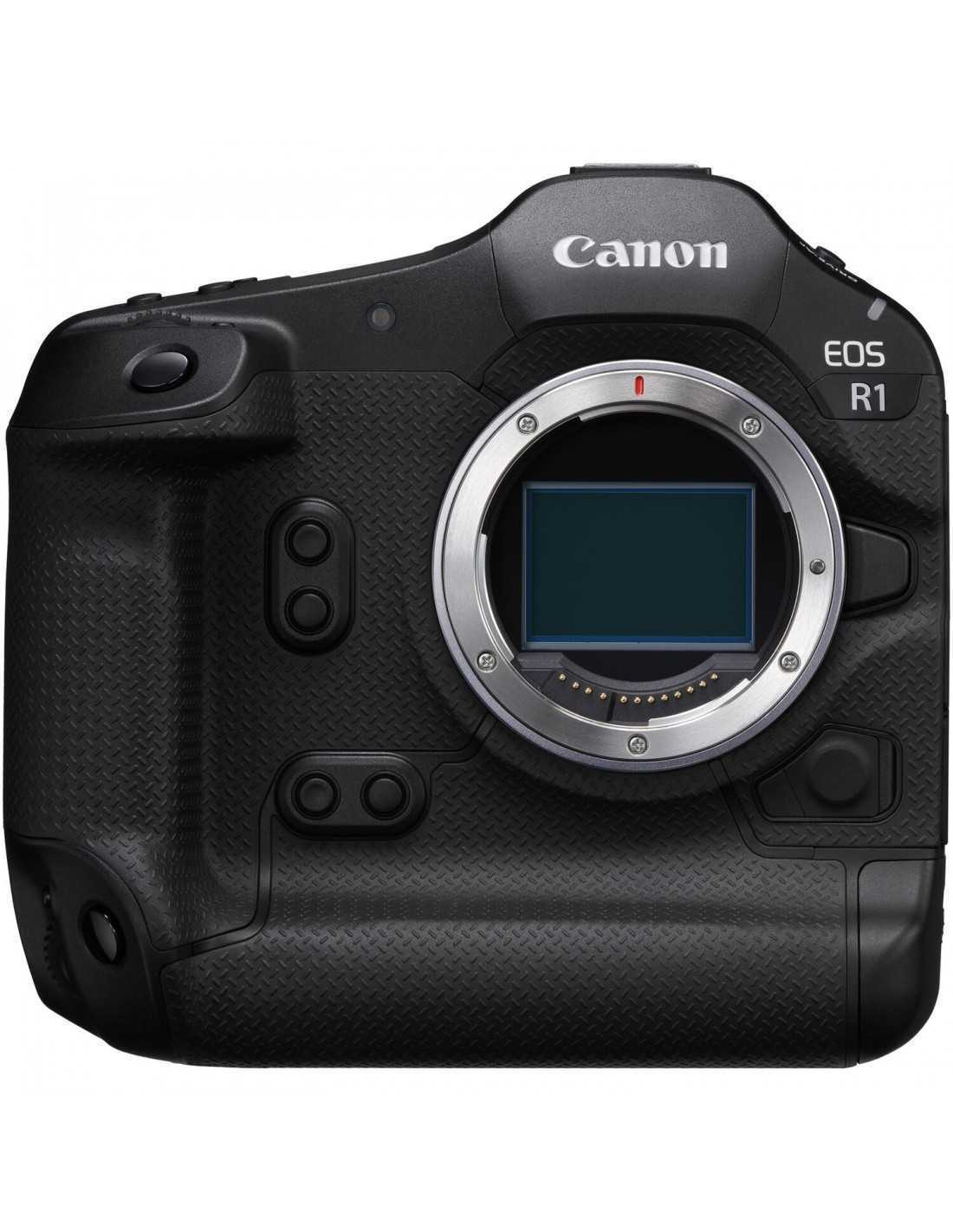


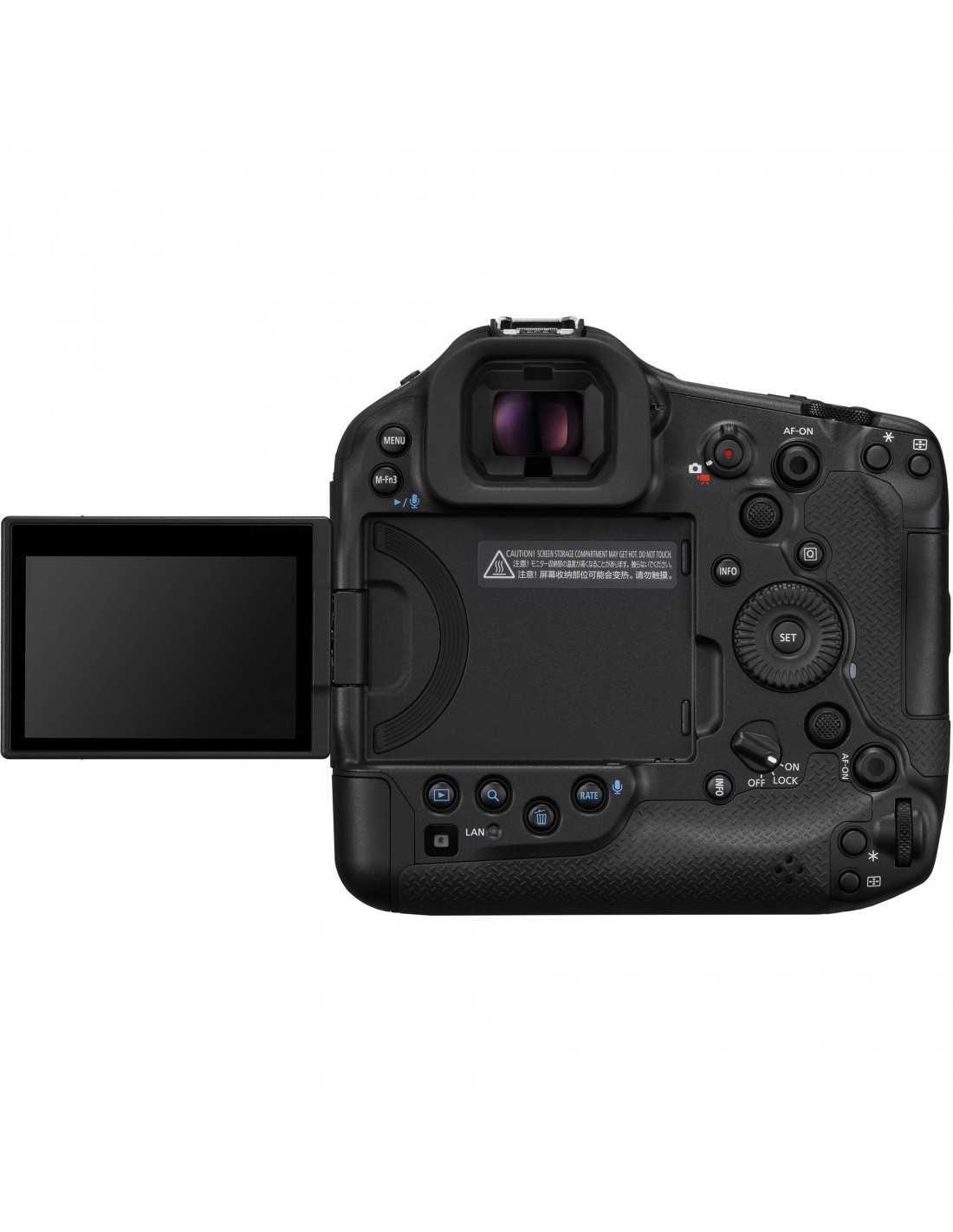


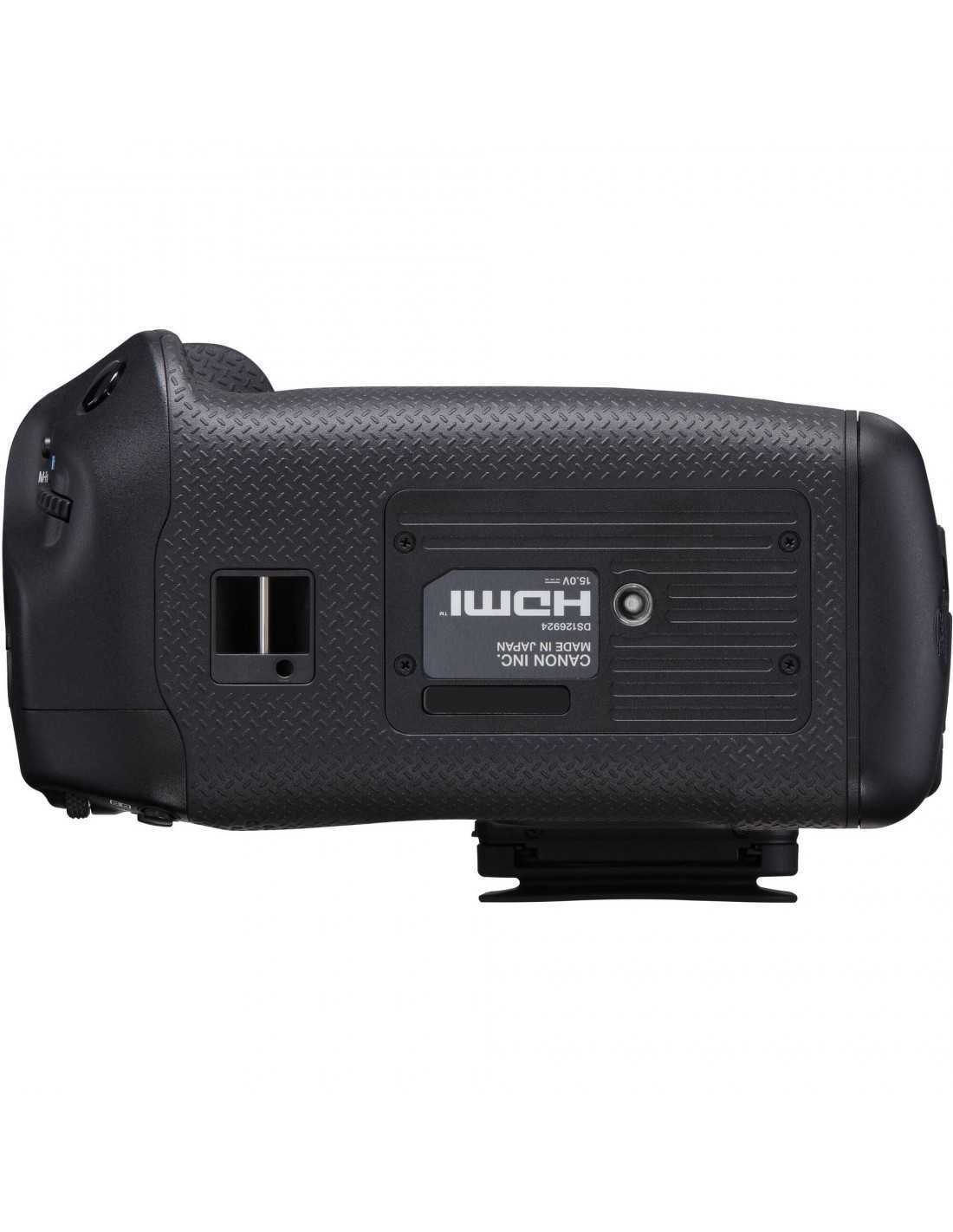
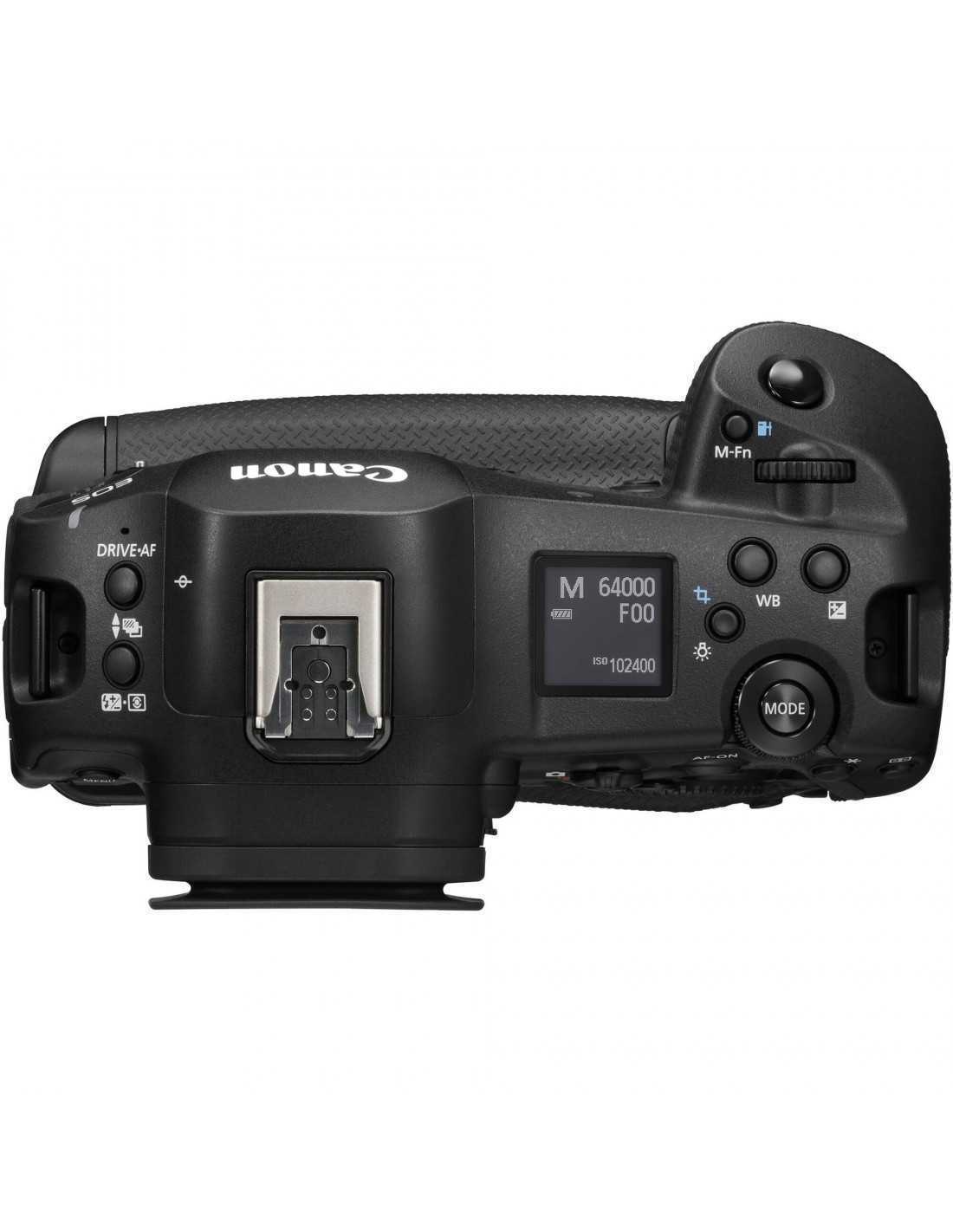
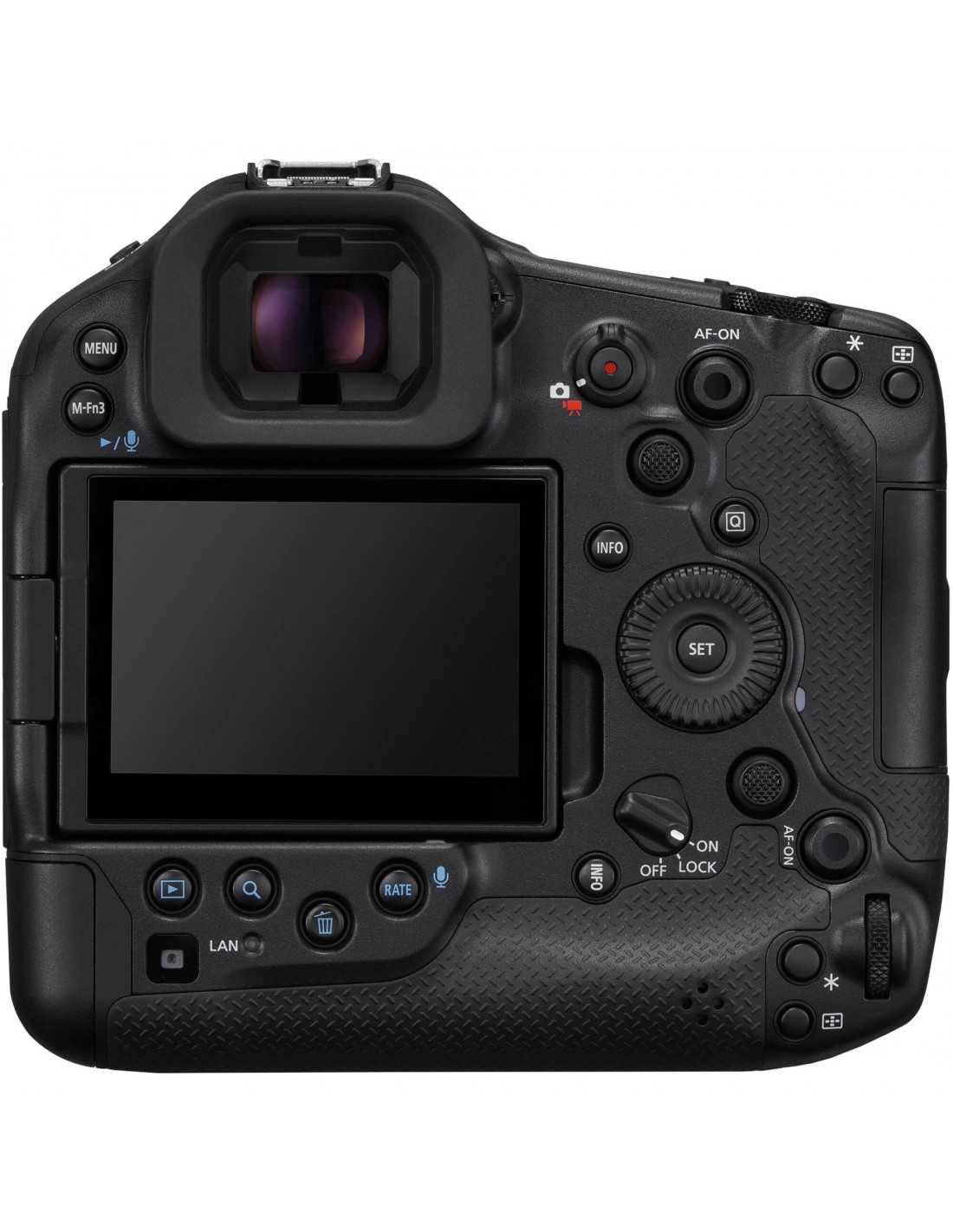
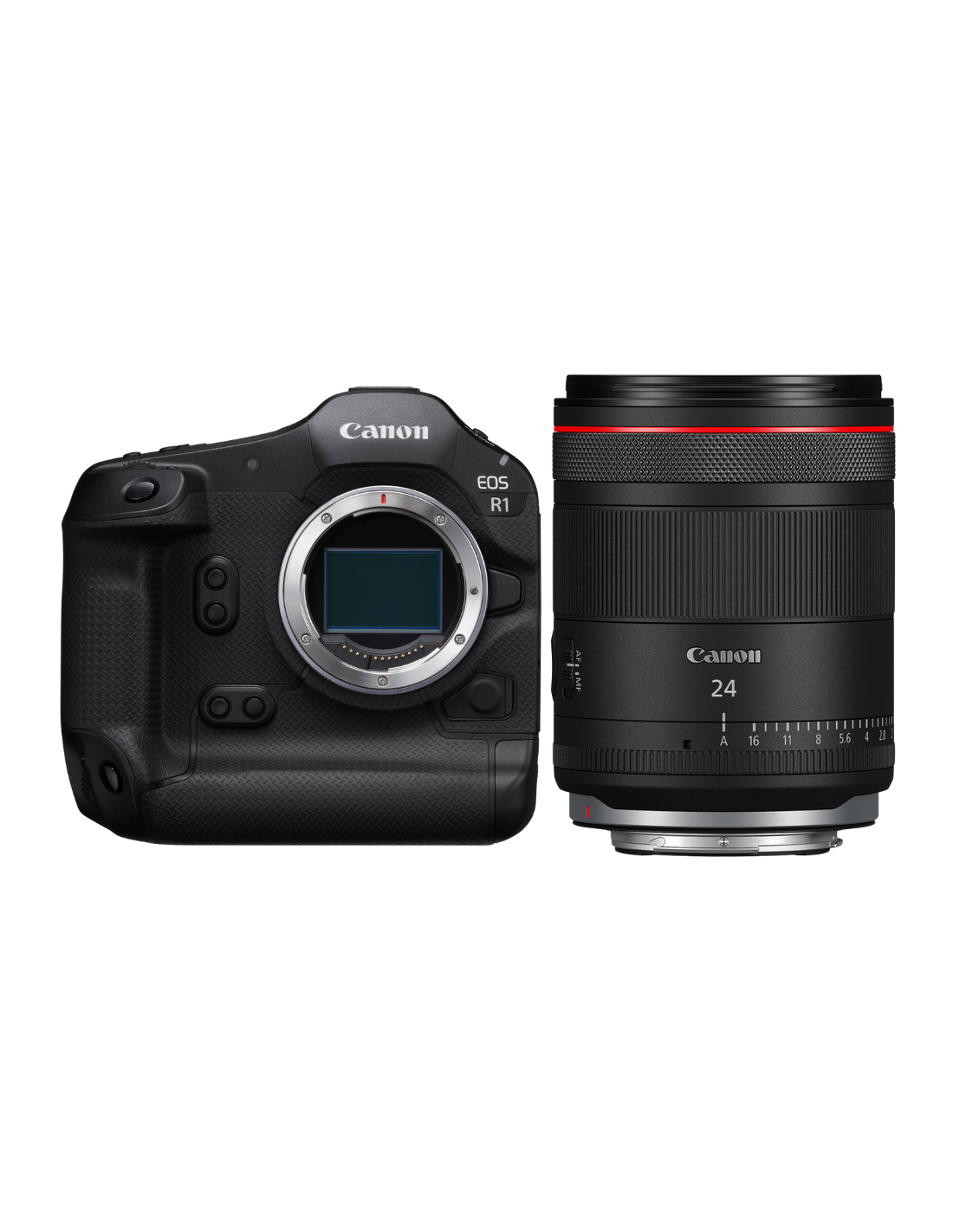
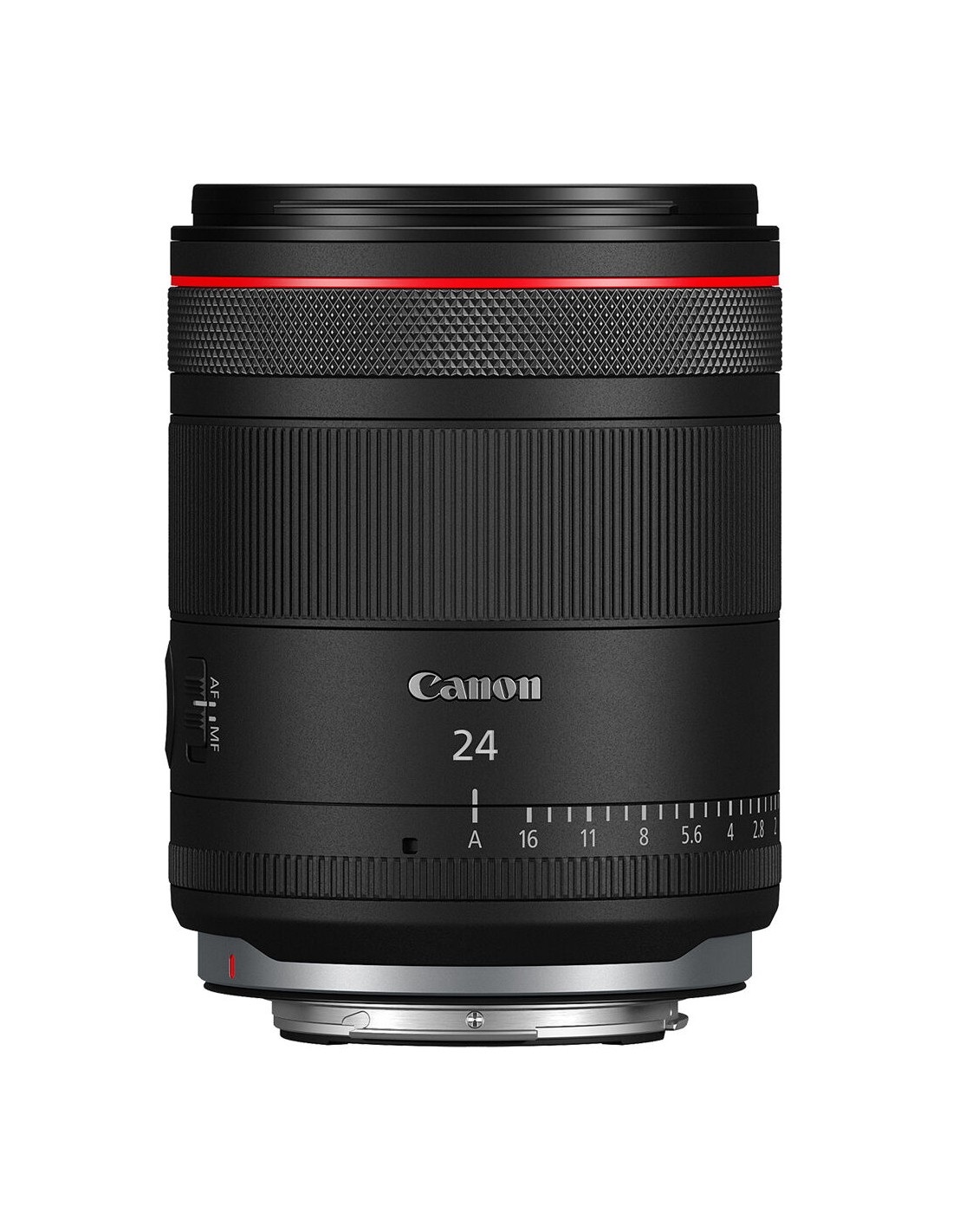
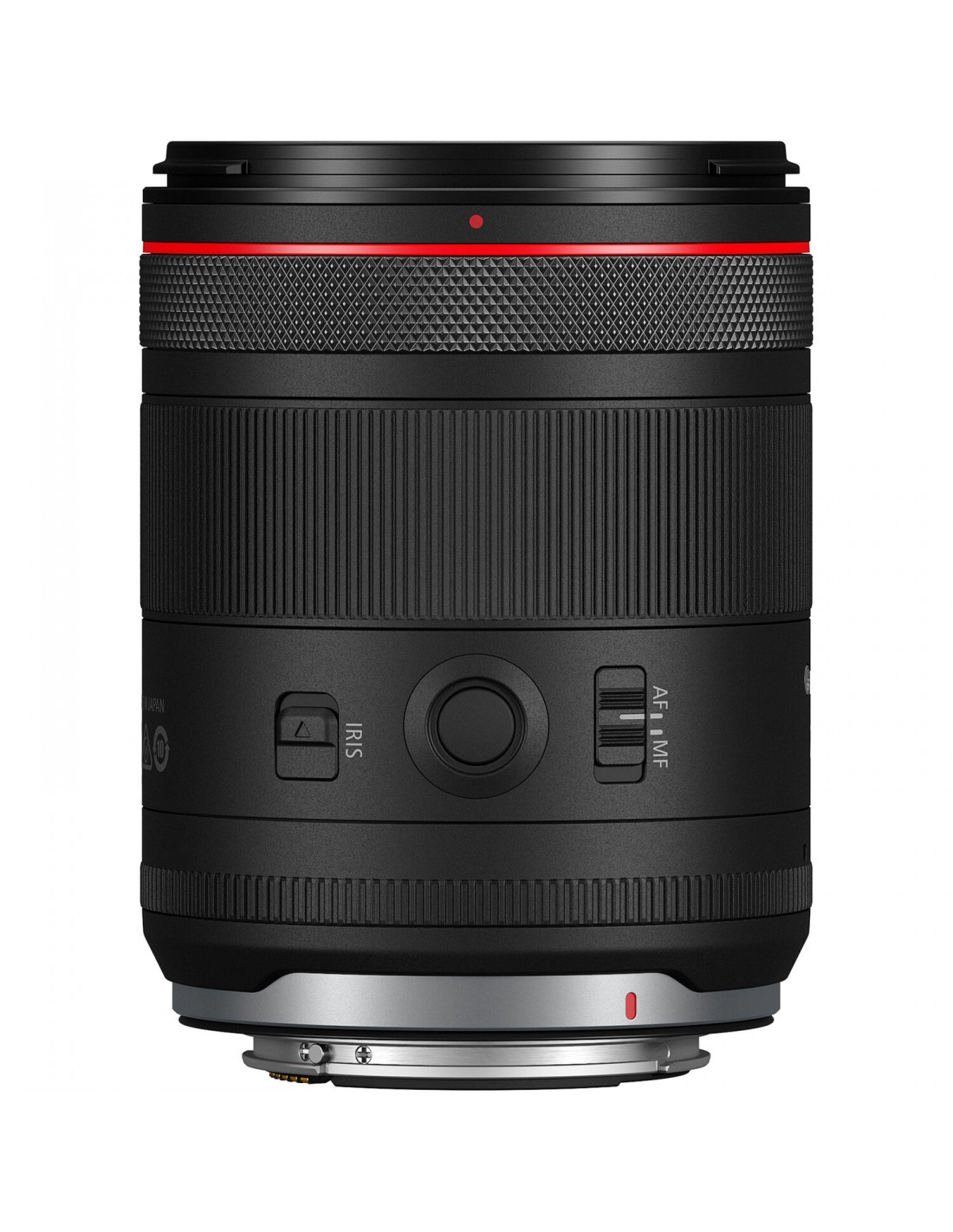
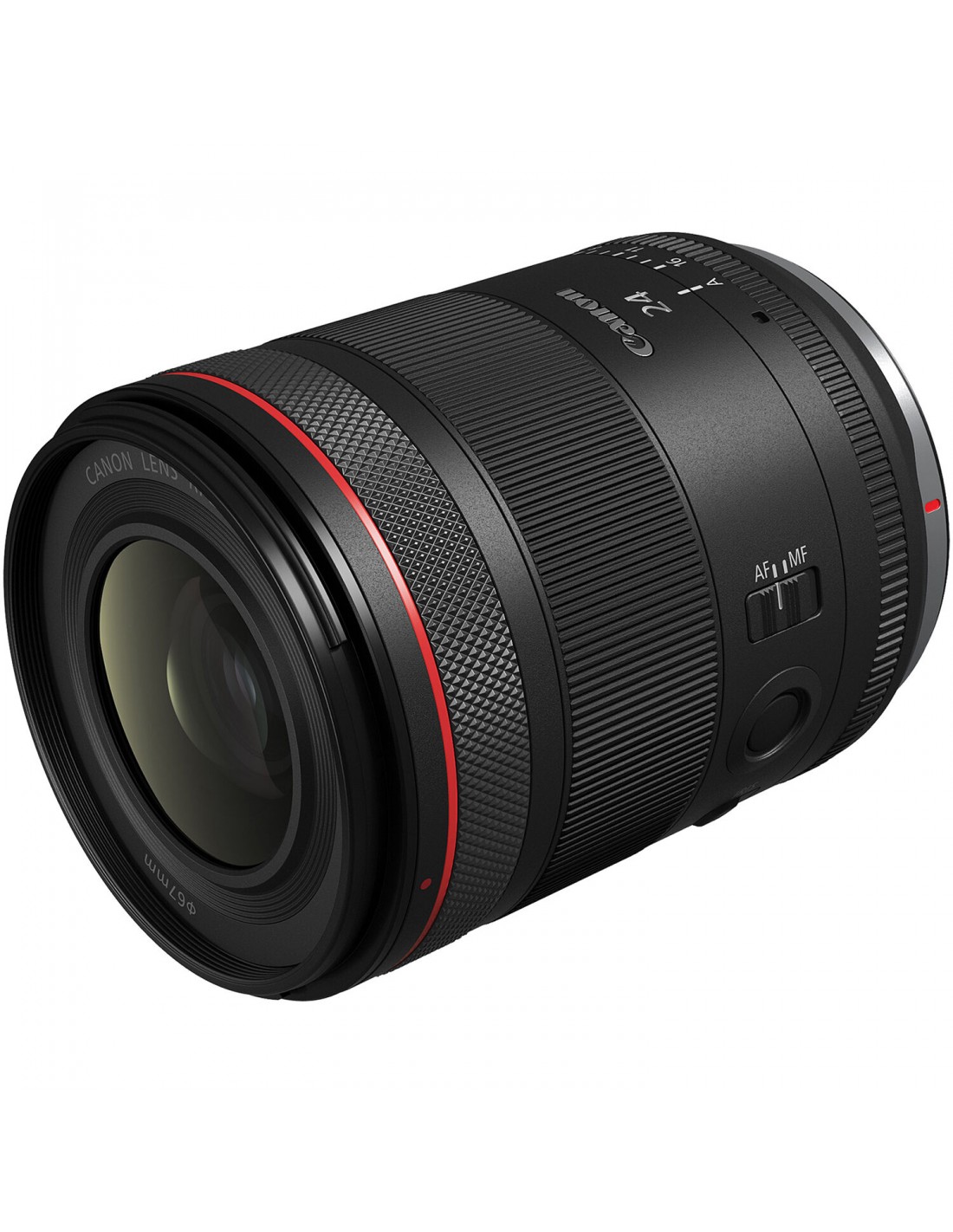

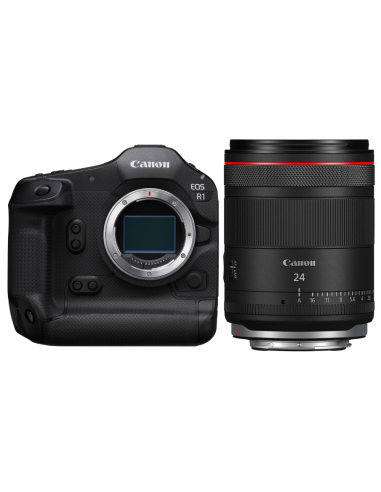
The Canon EOS R1 with RF 24mm F1.4 L VCM pairs a very fast professional camera with a bright wide-angle prime, and we recommend it to reportage, wedding, event and architecture photographers who prefer to work close to the scene. Its 24mm view keeps the environment around the subject, while the F1.4 aperture helps in low light and can separate a near subject despite the wide perspective. Up to 40fps electronic shooting, intelligent subject detection and internal 6K RAW video extend the kit’s usefulness across stills and motion. This configuration does require careful control of people near the frame edges, and a fixed focal length cannot match a zoom when working distance changes constantly. It is a strong choice for immersive images shaped by position, timing and available light.
Combine compatible accessories and save. The more items you add, the bigger the discount.
Accessory
Accessory
Accessory

warranty extension
The Canon EOS R1 with RF 24mm F1.4 L VCM is for photographers and filmmakers who want to work within a scene rather than observe it from a distance. The body supplies professional speed, handling and connectivity. The lens gives that performance a clear visual language: a broad full-frame view, pronounced perspective and a fast aperture. The pairing is particularly relevant to documentary, weddings, events, architecture, interiors and location-based video.
This Canon R1 24mm low-light kit is not trying to cover every focal length. It is designed to work quickly in confined spaces, show a person in context and preserve atmosphere when illumination falls. Position matters more than it does with a zoom. A small step forward changes foreground scale and depth, while a step back can make the scene feel detached.
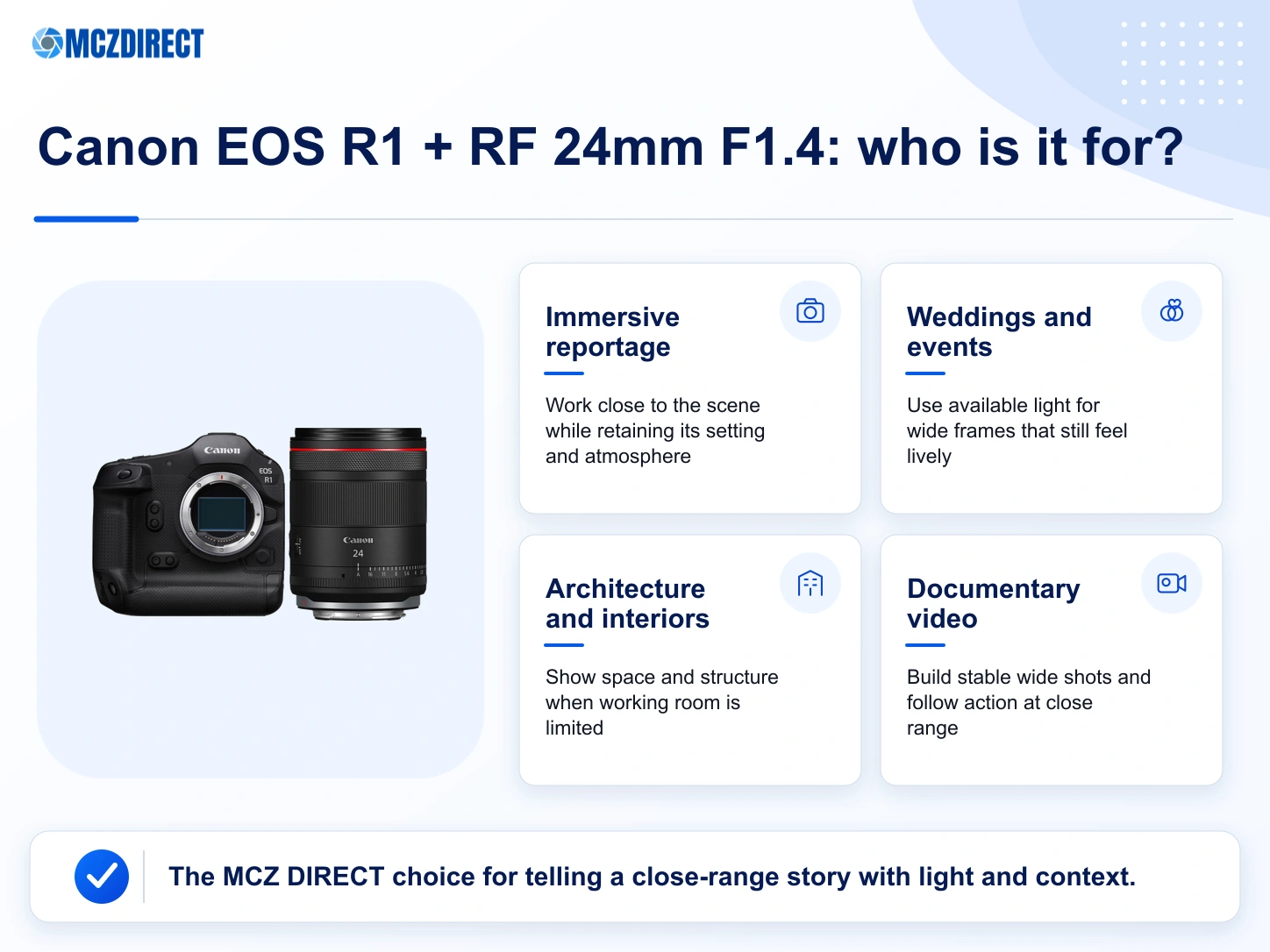
A 24mm lens does more than fit extra content into the frame. It strengthens perspective and gives nearby objects visual weight. In reportage, that can bring the viewer close to a gesture or expression without losing the location around it. At a ceremony, corporate event or on the street, the environment remains part of the information rather than becoming an anonymous blur.
The same character requires discipline. People close to an edge may appear stretched, converging lines become obvious when the camera is tilted, and a weak foreground can leave the composition empty. The lens rewards photographers who choose their position deliberately and check all four corners before committing to the frame.
The 24.2MP back-illuminated stacked full-frame sensor prioritises speed and a manageable professional workflow. It offers enough detail for editorial publication, events, prints and moderate crops without producing the file burden of a very high-resolution studio body. Photographers who expect to crop heavily as a routine may need a different camera; the R1 is at its best when framing and timing are already close in-camera.
Electronic shooting reaches up to 40fps. That pace matters when an expression, entrance or close sporting gesture lasts only a fraction of a second. Dual Pixel Intelligent AF recognises people, animals and vehicles, while the R1 adds action-oriented detection features for selected sports. These systems improve the margin for success, but the chosen AF area and an understanding of subject movement still shape the result.
| Feature | Practical benefit | Point to consider |
|---|---|---|
| 24mm full-frame view | Shows subject and environment with an immersive sense of depth. | Watch people near the edges and check converging lines. |
| F1.4 aperture | Preserves available light and can separate a close foreground subject. | Depth of field becomes shallow nearby; stop down when several planes must be sharp. |
| Up to 40fps | Provides more choice around very brief action or expression. | Plan for culling, fast cards and adequate storage. |
| 0.24m minimum focus | Makes strong foreground details possible within a wider story. | The 0.17x ratio is close reportage, not true macro. |
| Approx. 1.63kg combination | More compact than an R1 with a large professional zoom. | Use comfortable support for a full working day. |
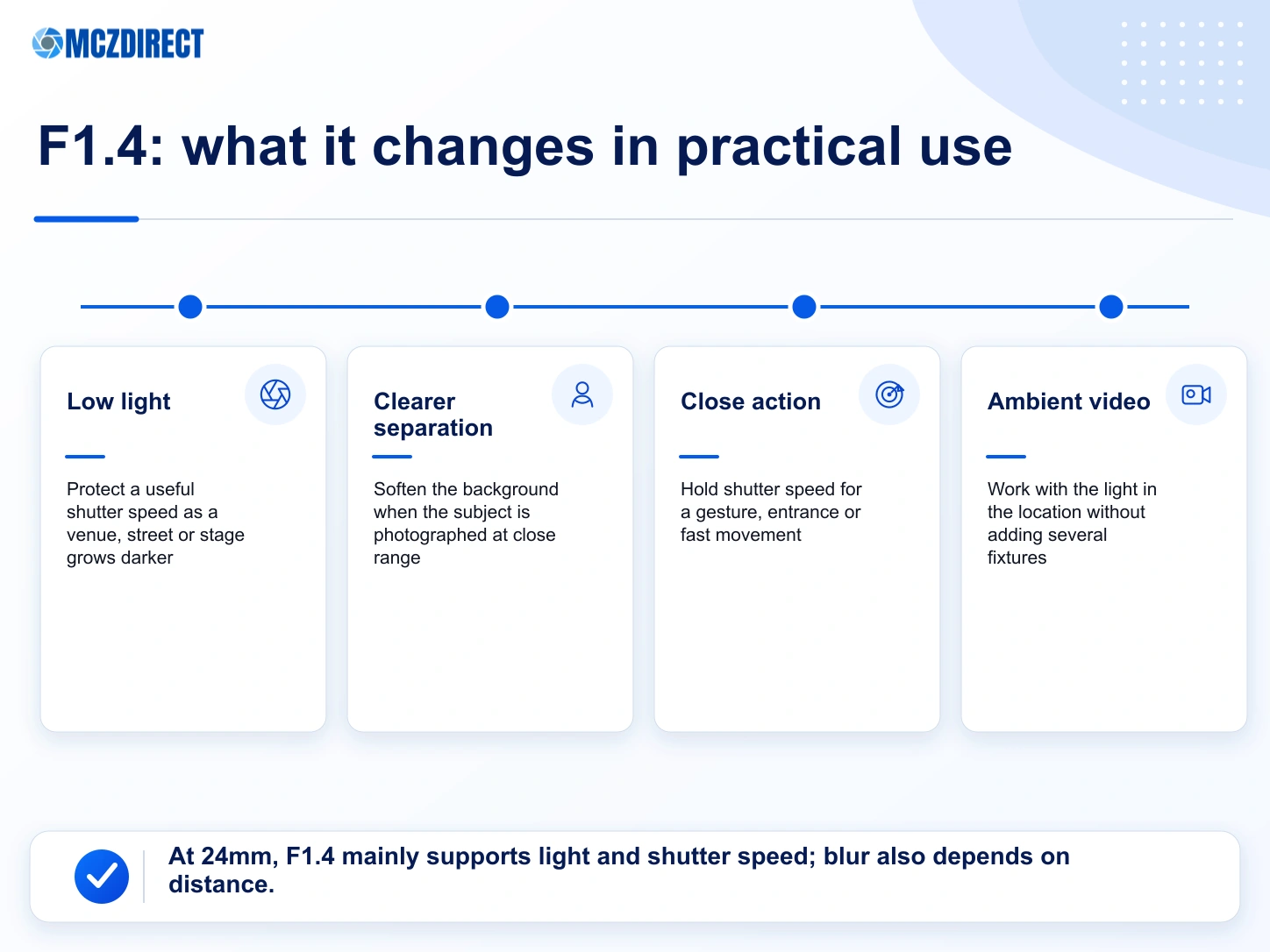
F1.4 passes four times as much light as F2.8. In a reception, an interior, a night scene or documentary work where flash would disturb the atmosphere, that margin can preserve a faster shutter speed or keep ISO lower. The practical gain is not a specification on its own: it can protect subject movement and retain the existing character of the light.
At short distance, F1.4 can also separate a person or object from the background despite the wide field of view. The result does not have the compressed look of an 85mm portrait, but it gives environmental portraits and close details a distinct sense of depth. Focus becomes more demanding, and stopping down remains the better choice when a group or architectural plane needs broader sharpness.
The RF 24mm F1.4 L VCM uses both Nano USM and a Voice Coil Motor to move its focusing groups. Canon designed the combination for fast stills acquisition and smoother motion work. During a quiet ceremony or interview, discreet operation helps the equipment stay out of the subject’s awareness. During movement, it gives the camera a responsive lens with which to maintain focus as distance changes.
Minimum focus is 0.24m and maximum magnification is 0.17x. That makes foreground-led images practical: a hand, object, product or architectural detail can sit close to the lens while the environment carries the rest of the story. The Canon RF 24mm F1.4 L VCM lens page covers the optic separately for photographers who already own an EOS R body.
The EOS R1 records internal RAW up to 6K 60p, 4K up to 120p and Full HD up to 240p. Combined with a 24mm field of view, those modes suit establishing shots, movement through tight spaces, contextual interviews and sequences filmed close to the action. The choice of format should follow the intended output: RAW offers grading latitude, 4K 120p supports detailed slow motion, and lighter modes simplify longer productions.
A dedicated iris ring offers direct aperture control for video, while reduced focus breathing limits distracting changes in angle of view during a focus transition. The prime is also easier to balance than a large professional zoom. Two CFexpress Type B slots and the R1’s wired and wireless transfer options support a workflow designed around substantial photo and video volumes.
The RF 24mm F1.4 L VCM has no optical stabiliser of its own. Mounted on the EOS R1, it uses the camera’s in-body stabilisation, which Canon rates at up to eight stops at the centre with this lens. That support is useful for a relatively still subject, an interior or a controlled handheld video shot. It cannot freeze a moving person and does not remove the need for an appropriate shutter speed.
The EOS R1 weighs approximately 1,115g with battery and card, while the lens is 515g. The working combination is therefore about 1.63kg before accessories. It is more compact than an R1 with a large professional zoom, but it remains substantial. A well-chosen strap, balanced support and sensible breaks matter when the camera stays in hand for several hours.
For weddings, the Canon R1 and 24mm F1.4 pairing is strongest during preparations, room entrances, dance-floor sequences and portraits that need to keep the venue visible. The photographer can stay close enough for a sense of presence, while F1.4 helps when ambient light falls. The R1’s speed gives useful choice around gestures and expressions that disappear immediately.
In editorial reportage, it suits street scenes, backstage access, travel production and events where context is part of the story. It is less suitable when the photographer must remain distant, avoid any wide-angle perspective on people or change framing continuously from a fixed position. The Canon EOS R1 category shows alternative active configurations around the same camera.
| Assignment | Why the kit works | Useful approach |
|---|---|---|
| Weddings and events | 24mm keeps the atmosphere visible and F1.4 helps in dim venues. | Work close, but keep faces away from the extreme frame edges. |
| Reportage and documentary | Perspective places the audience in the scene and burst speed catches brief gestures. | Choose position before the action and avoid unnecessary long bursts. |
| Architecture and interiors | The broad view shows volume and the fast aperture helps with available light. | Keep the camera level and stop down when extended sharpness is required. |
| Hybrid video | 6K RAW, 4K 120p, iris control and discreet AF support production work. | Size cards, storage and rig balance for the chosen format. |
| Environmental portraiture | The subject remains connected to place, with separation possible at close range. | Control the background and avoid placing a face at the edge. |
For architecture and interiors, 24mm is wide enough for many rooms, facades and contextual views without entering the much more dramatic territory of an ultra-wide lens. F1.4 mainly helps with viewing, inhabited spaces and handheld work. When the goal is precise architectural rendering, a smaller aperture and carefully controlled camera position usually matter more than maximum lens speed.
The full-frame sensor preserves the lens’s native 24mm view. In-camera optical corrections can address vignetting, aberration and distortion according to the selected settings, but they cannot undo perspective created by tilting the camera. Keeping the body level and choosing the right height often makes a larger difference than applying an aggressive correction later.
The Canon EOS R1 with RF 16-28mm F2.8 IS STM offers genuine framing flexibility. It can reach 16mm in a tight interior and move towards a more natural 28mm view without changing position. This is valuable when the photographer cannot move freely. Its F2.8 aperture remains useful, but admits two stops less light than F1.4.
The 24mm prime favours a consistent visual signature, stronger low-light capability and more control over separation at short distance. It makes most sense to photographers who already understand the focal length and are willing to frame by moving. The zoom wins on adaptability; the prime wins on light gathering and a deliberate way of seeing.
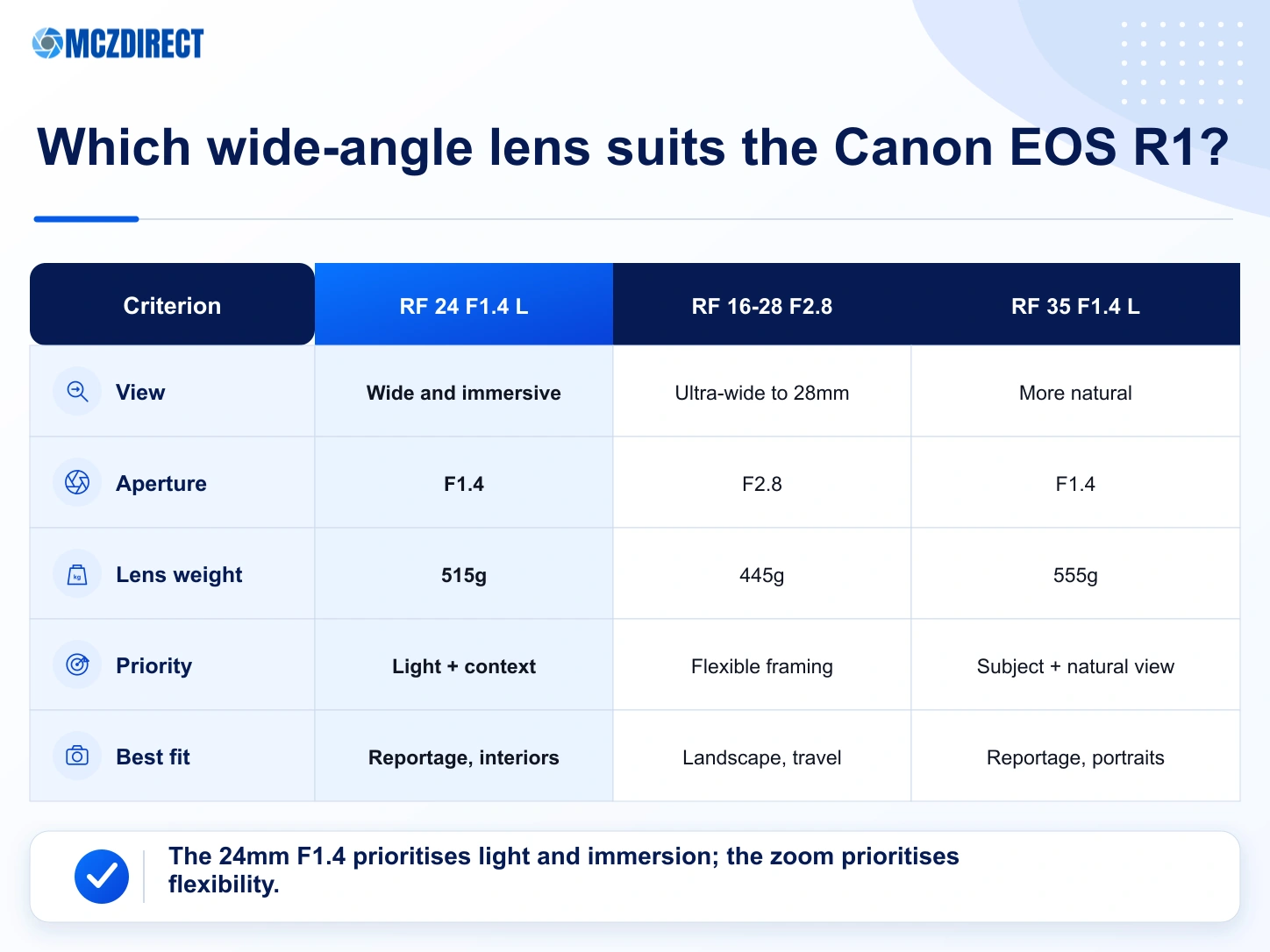
| Configuration | Main priority | Choose it when |
|---|---|---|
| EOS R1 + RF 24mm F1.4 L VCM | Low light, immersive perspective and prime-lens character. | 24mm is central to your work and you can move to frame. |
| EOS R1 + RF 16-28mm F2.8 IS STM | Framing flexibility and access to ultra-wide views. | Working distance changes often or 16mm is needed indoors. |
| EOS R1 + RF 35mm F1.4 L VCM | More natural perspective for people and general reportage. | People occupy more of the frame and there is enough working space. |
| EOS R1 + RF 24-105mm F4 L IS USM | One-lens coverage for a varied assignment. | Framing flexibility matters more than the F1.4 aperture. |
The Canon EOS R1 with RF 35mm F1.4 L VCM gives people a more natural perspective and is often easier for general reportage or environmental portraiture. It includes less of the location when space is tight. The 24mm kit is the better fit when the setting, depth and close involvement are central to the image.
The Canon EOS R1 with RF 24-105mm F4 L IS USM solves a different problem by covering an assignment with one zoom. It gives up F1.4 and the prime’s character for far greater framing freedom. If an RF lens collection is already in place, the Canon EOS R1 body avoids duplicating focal lengths.
At MCZ DIRECT, we see this as the most purposeful EOS R1 configuration for wide-angle reportage, immersive wedding coverage, inhabited architecture and available-light video. We recommend it to photographers who already know why they want 24mm and prefer to shape a frame by moving rather than rotating a zoom ring.
Against the 16-28mm F2.8 kit, we would choose this version when F1.4, discreet operation and the consistency of a prime outweigh flexibility. Its limitation is genuine: 24mm can stretch people near the edges and becomes restrictive when the shooting position is fixed. A 35mm or 24-105mm is easier for general coverage; for a bright, expansive visual style, this pairing is much more distinctive.
Choose the Canon EOS R1 with RF 24mm F1.4 L VCM when you want to work close to the scene, retain its context and keep useful headroom as the light falls.

It is aimed at professional reportage, wedding, event, architecture, interior and documentary photographers or filmmakers who need a bright wide-angle prime and a very fast camera.
Yes, particularly for preparations, groups, dance-floor coverage and portraits that keep the venue visible. Faces near the frame edges need careful positioning.
F1.4 gathers four times as much light as F2.8, helping to preserve shutter speed or reduce ISO in dim interiors and night scenes.
The lens has no optical stabiliser. On the EOS R1 it uses the camera’s IBIS, which Canon rates at up to eight stops at the centre with this lens.
Minimum focus distance is 0.24m, with a maximum magnification of 0.17x.
No. The EOS R1 records internal RAW up to 6K 60p and 4K up to 120p. An 8K claim for this camera would be incorrect.
Electronic shooting reaches up to 40 frames per second, depending on the mode, settings, lens and shooting conditions.
Yes, it is wide enough for many rooms and facades. Tilting the camera creates converging lines, so position and camera level require attention.
Choose 24mm F1.4 for low light and prime-lens character. Choose 16-28mm F2.8 when changing perspective from one position or reaching 16mm matters more.
The 24mm includes more of the location and strengthens depth. The 35mm gives people a more natural perspective and is easier for general reportage.
The camera weighs approximately 1,115g with battery and card and the lens 515g, giving a working total of about 1.63kg before accessories.
The EOS R1 has two CFexpress Type B card slots. Capacity and sustained write speed should match the selected burst or video mode.
Yes. The EOS R1 supports aperture control from the lens iris ring, subject to current firmware and the operating limits stated by Canon.