

Shopping Cart
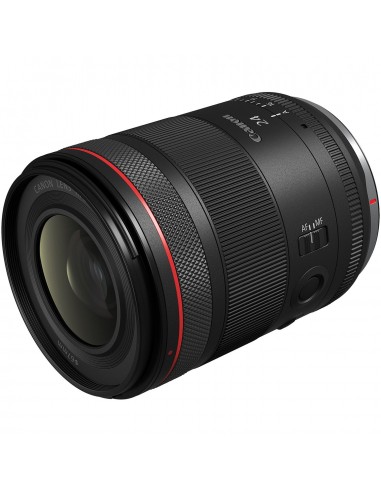
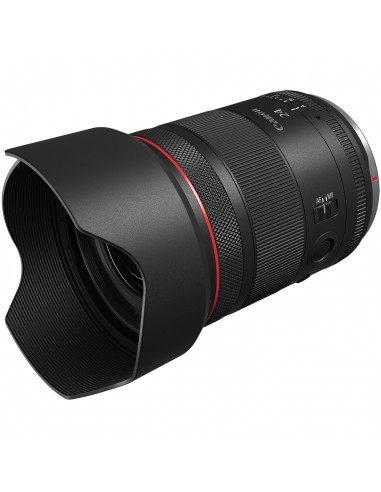
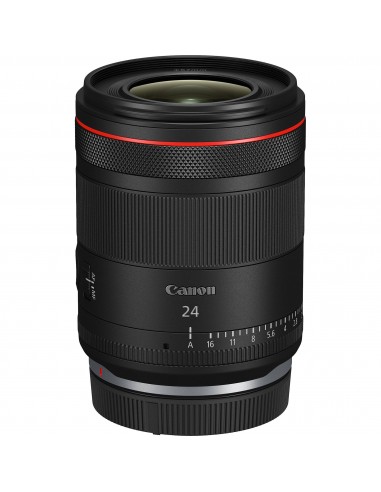
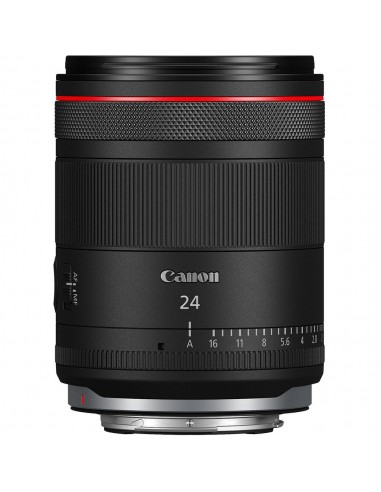
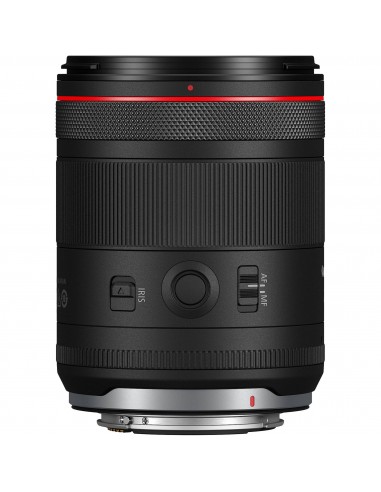

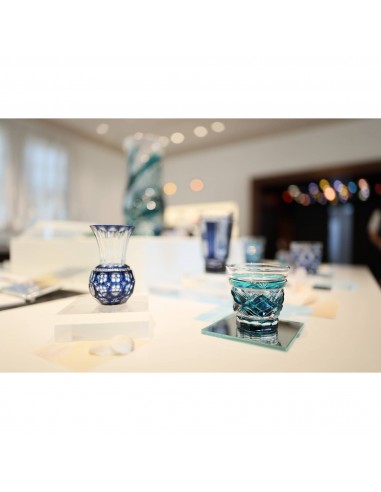

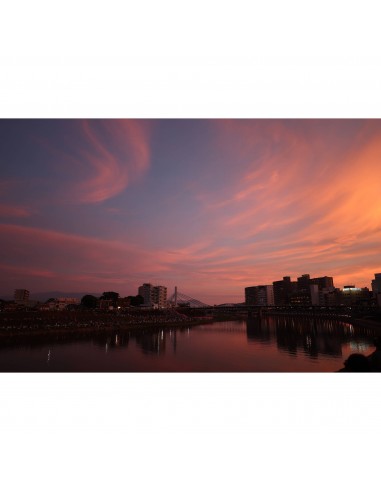
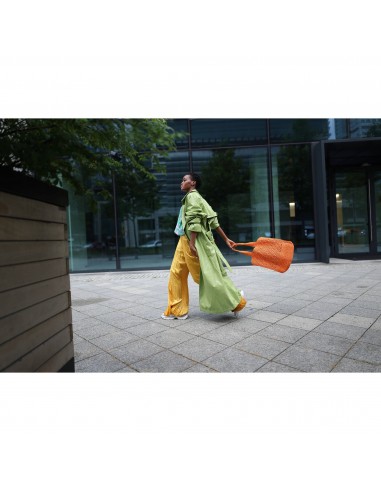
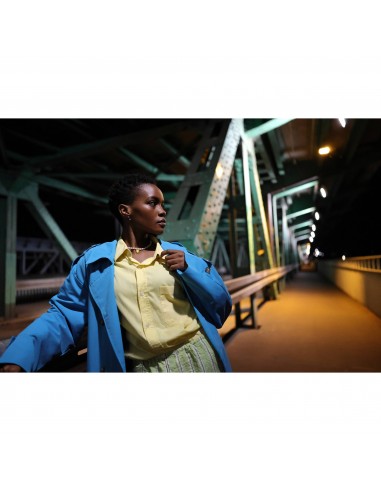
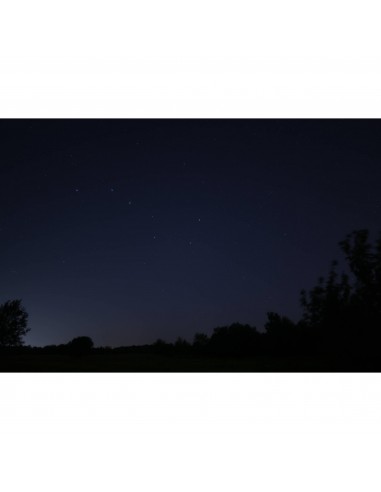

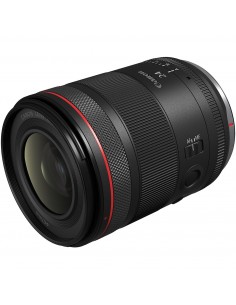
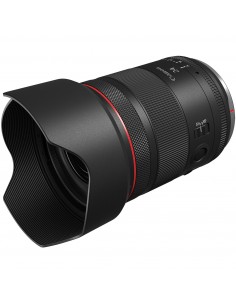
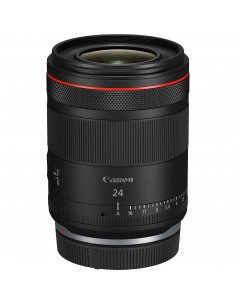
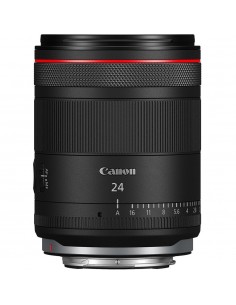
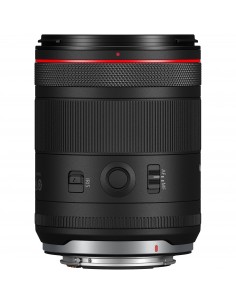







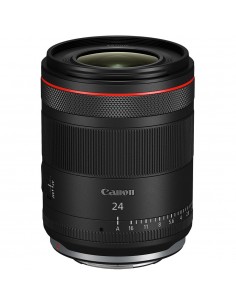

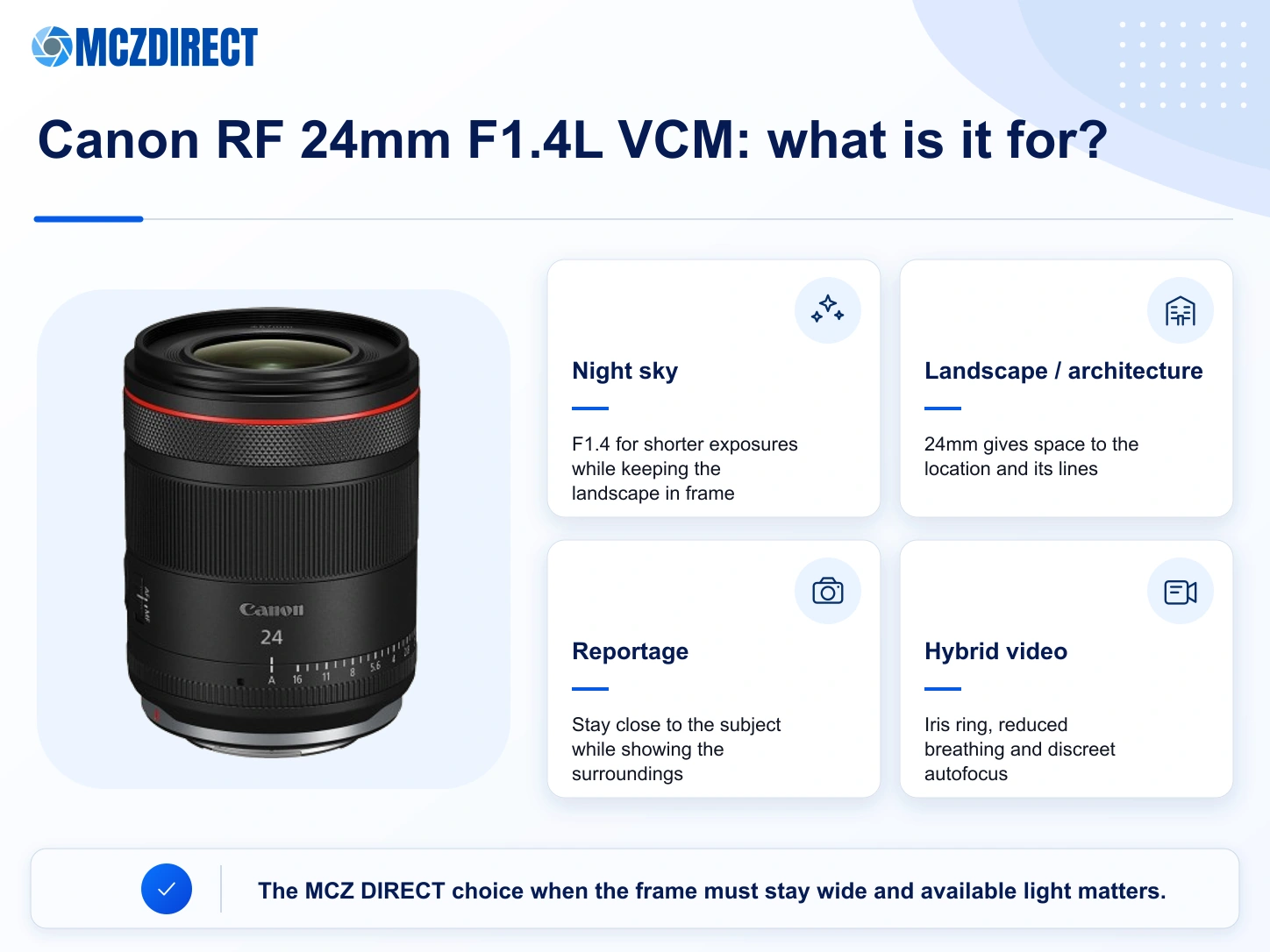
The Canon RF 24mm F1.4L VCM is a fast wide-angle prime for EOS R photographers and filmmakers working in landscapes, astrophotography, reportage or architecture, and we recommend it when f/1.4 light gathering and L-series handling matter as much as mobility. Its 24mm view keeps plenty of context without pushing perspective as hard as an ultra-wide lens. VCM and Nano USM motors provide quick, discreet focusing, while the iris ring and reduced focus breathing support controlled video transitions. It weighs 515g and takes 67mm front filters, with an additional rear gel holder. There is no optical stabiliser in the lens, so it best suits users who prioritise available-light work, a purposeful wide view and complete hybrid controls over close-up magnification or minimum size.
Combine compatible accessories and save. The more items you add, the bigger the discount.
memory card

warranty extension
The Canon RF 24mm F1.4 L VCM is a bright L-series wide-angle prime for EOS R photographers and filmmakers working in landscapes, architecture, reportage, astrophotography and video, and we recommend it when available light and scene context matter as much as the subject. On full frame, 24mm gives a broad view that is easier to manage around people than 20mm. The F1.4 aperture helps maintain a useful shutter speed as light falls and can separate a close foreground detail. VCM and Nano USM motors provide fast, discreet focusing, while the iris ring makes exposure changes smoother for video. It weighs 515g, accepts 67mm front filters and does not include optical stabilisation, so handheld slow-shutter work depends on the camera body or support.
| Feature | Practical benefit | Consideration |
|---|---|---|
| 24mm, 84° diagonal view | Include the setting without stepping as far back as with a standard prime | Objects near the edge can look stretched |
| F1.4 aperture | Keep light and create foreground separation with a wide lens | Full-aperture corner shading is visible |
| VCM + Nano USM | Respond quickly in reportage and pull focus discreetly in video | Tracking also depends on the camera and AF setup |
| 515g and 67mm filters | Build a mobile kit and share filters across VCM primes | Heavier than the RF 24mm F1.8 Macro IS STM |
| No optical IS | Design priority goes to aperture, optics and hybrid controls | Use camera IBIS, adequate shutter speed or support |
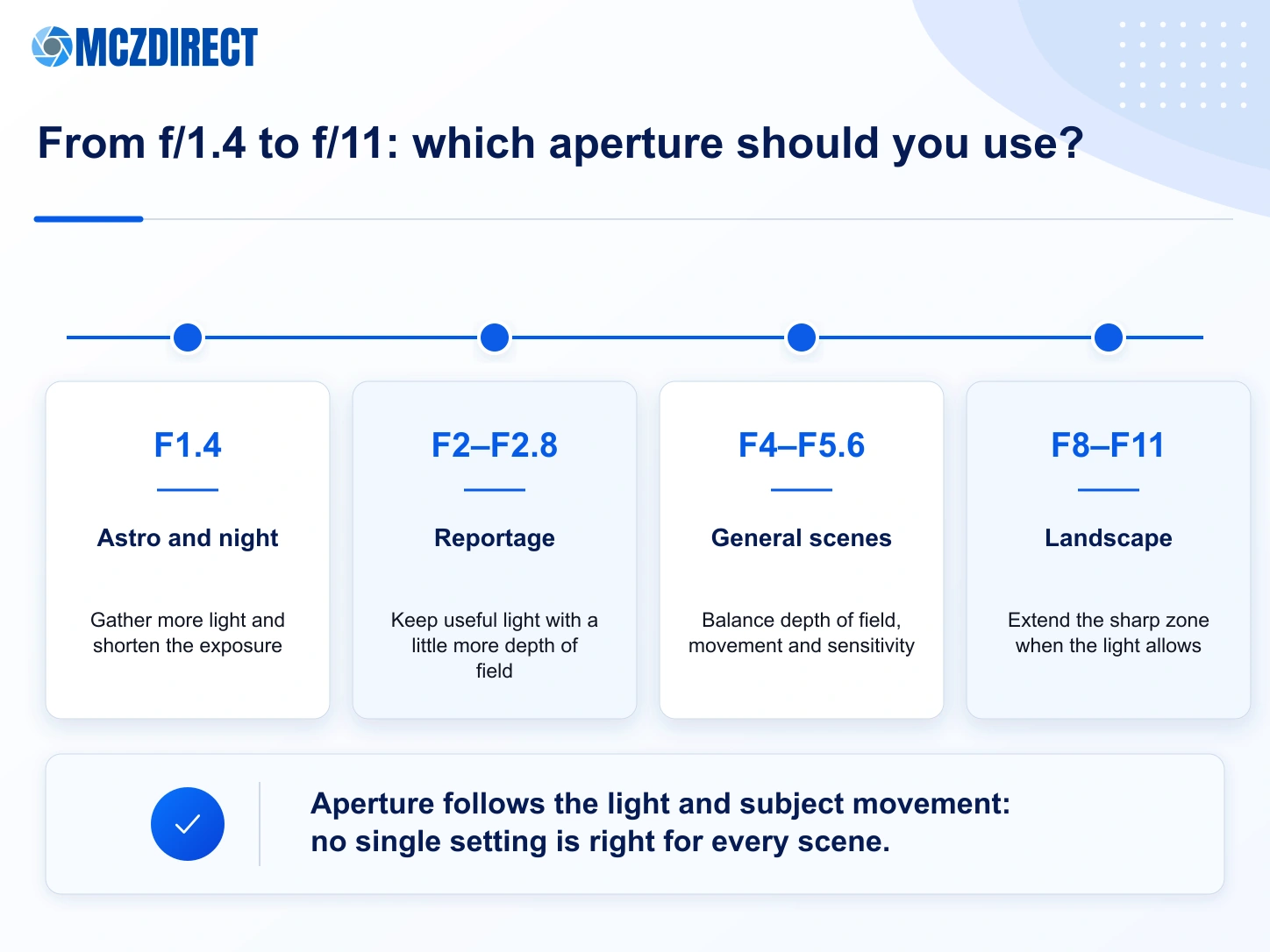
Working distance is the deciding factor. A 20mm lens takes in much more and exaggerates converging lines, which is valuable in tight interiors, imposing architecture or foreground-led landscapes. At 24mm the frame remains immersive, but people close to the edge are easier to manage. That balance suits night reportage, weddings, narrow streets and Milky Way scenes with a recognisable landscape. A 35mm lens becomes more selective and often feels more natural for human-centred documentary work. The RF 24mm F1.4L VCM sits between those two viewpoints: wide enough to establish place, bright enough for difficult light and controlled enough to use close to a subject.
| Use | What 24mm adds | Plan for |
|---|---|---|
| Astrophotography | F1.4 for shorter exposures and 24mm for including the landscape | Correct corner shading and focus carefully on stars |
| Landscape and architecture | Wide coverage, fine detail and front or rear filter options | Strong native distortion requires a correction profile |
| Reportage and events | Context, subject proximity and useful low-light ability | Keep faces away from the extreme edges |
| Video and documentary | Iris ring, discreet AF and restrained focus breathing | Plan for IBIS, a gimbal or support because the lens has no IS |
The iris ring, Lens Function button and control ring make exposure and focus operation more direct when a shoot moves between wide establishing shots and changing light. Canon describes focus breathing as minimal, while VCM and Nano USM are intended to focus quickly and quietly. Dimensions close to the 20mm, 35mm, 50mm and 85mm F1.4 L VCM primes also reduce gimbal rebalancing. Two caveats matter. There is no optical stabiliser in the lens, although compatible stabilised bodies can provide effective in-body correction. Iris-ring aperture control for stills is also unavailable on several earlier EOS R bodies even with current firmware. Camera choice therefore affects the practical value of the hybrid controls.
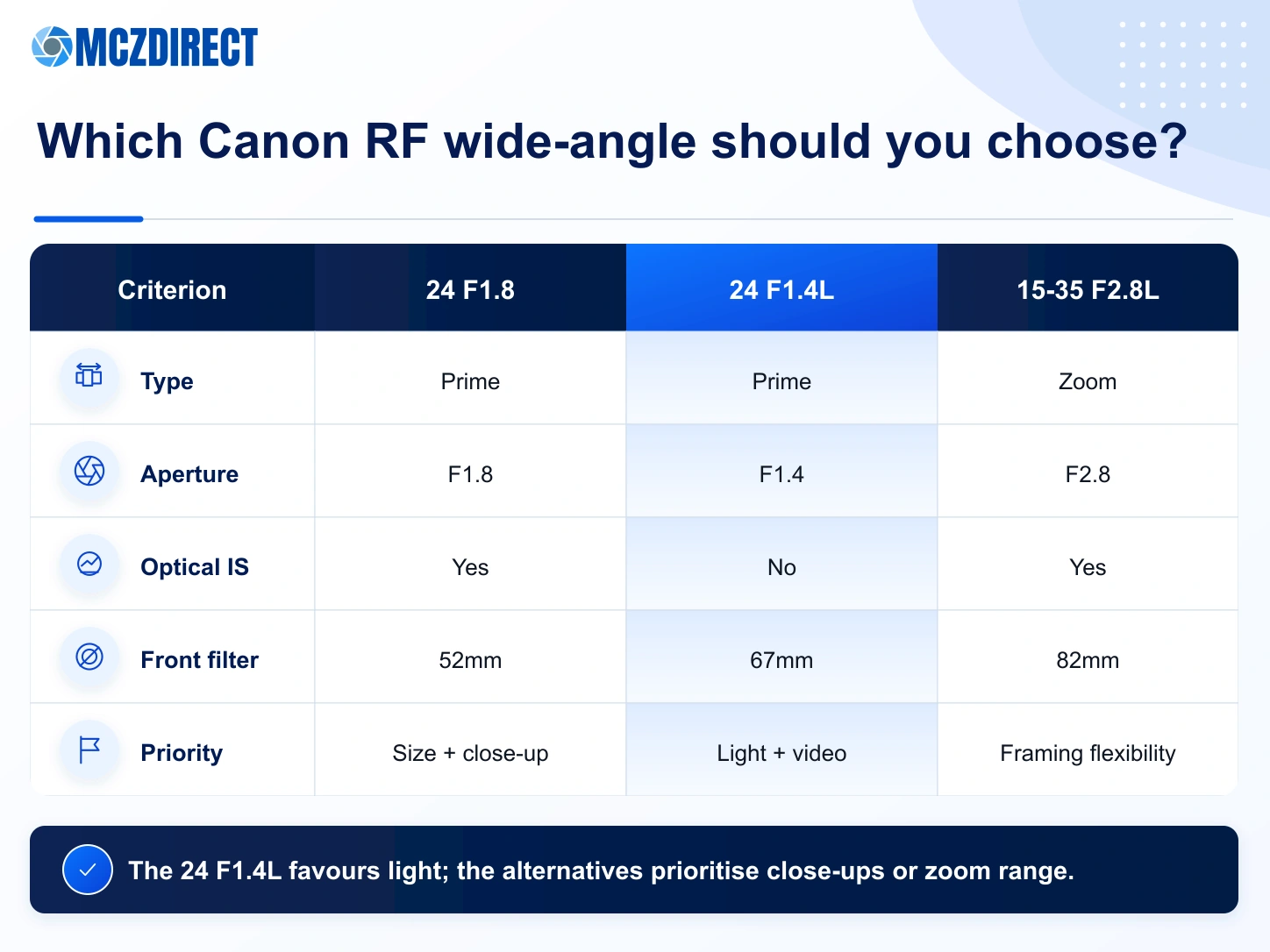
| Lens | Choose it when | Main compromise |
|---|---|---|
| RF 24mm F1.8 Macro IS STM | Small size, optical IS and 0.50x magnification come first | Slower aperture, simpler build and controls |
| RF 24mm F1.4L VCM | You want 24mm, f/1.4, L-series construction and video controls | No optical IS and software-corrected distortion |
| RF 20mm F1.4L VCM | A distinctly wider view is essential indoors or in landscapes | More demanding perspective around people and frame edges |
| RF 15-35mm F2.8L IS USM | Zoom flexibility and optical stabilisation matter more | F2.8 aperture and a larger working kit |
The RF 24mm F1.4L VCM works across the Canon EOS R system. The EOS R5 Mark II combines high resolution, in-body stabilisation and broader iris-ring support. The EOS R6 Mark III makes a balanced partner for hybrid reportage. On the EOS R7, the field of view is roughly equivalent to 38mm on full frame, moving the lens closer to a standard documentary perspective. To extend the set, the RF 35mm F1.4L VCM frames more tightly, while the Canon RF lens category shows the current alternatives.
At MCZ DIRECT, we see the RF 24mm F1.4L VCM as the EOS R photographer’s bright working wide angle rather than a niche lens reserved for astrophotography. It makes particular sense for night landscapes, reportage, architecture and video when 24mm provides enough space without imposing the stronger perspective of 20mm.
Against the RF 24mm F1.8 Macro IS STM, we recommend it when f/1.4, L-series construction, autofocus and video controls matter more than minimum size, optical stabilisation and close-focus magnification. The limitation is genuine: strong native distortion relies on a correction profile, while the lack of lens IS makes a stabilised body or support important for slow shutter speeds and handheld video.

It is a bright Canon RF L-series wide-angle prime for EOS R photographers and filmmakers who value available-light performance, a broad view and controls designed for both stills and video.
Yes. The 24mm view includes a broad area of sky and f/1.4 allows shorter exposures. Expect to correct corner shading at the widest aperture.
Yes. Its 84° diagonal view suits broad scenes. Architecture files should use a correction profile because native barrel distortion is strong.
Yes. It keeps the subject within its setting and f/1.4 helps in low light. Avoid placing faces very close to the edge of the frame.
No. There is no optical stabiliser in the lens. Camera IBIS, an appropriate shutter speed, a gimbal or a tripod can help depending on the shot.
Yes. It combines VCM and Nano USM, an iris ring, a custom button and reduced focus breathing. Stabilisation depends on the camera or support.
No. Canon states that several earlier EOS R bodies cannot set stills aperture with the iris ring, even with current firmware.
Choose the F1.4L for light gathering, L-series build and hybrid controls. The F1.8 STM is smaller, stabilised and reaches 0.50x magnification.
The 20mm frames substantially wider and suits very tight spaces. The 24mm remains immersive while being easier to manage around people.
The lens accepts 67mm front filters and also includes a rear holder for gel filters.
Minimum focus is 0.24m with 0.17x maximum magnification. The RF 24mm F1.8 Macro IS STM is the better option for close-up work.
On an APS-C EOS R camera, the view is roughly equivalent to 38mm on full frame, useful for general reportage and video.
